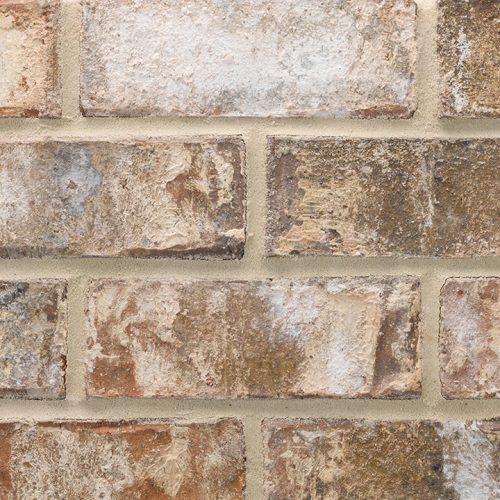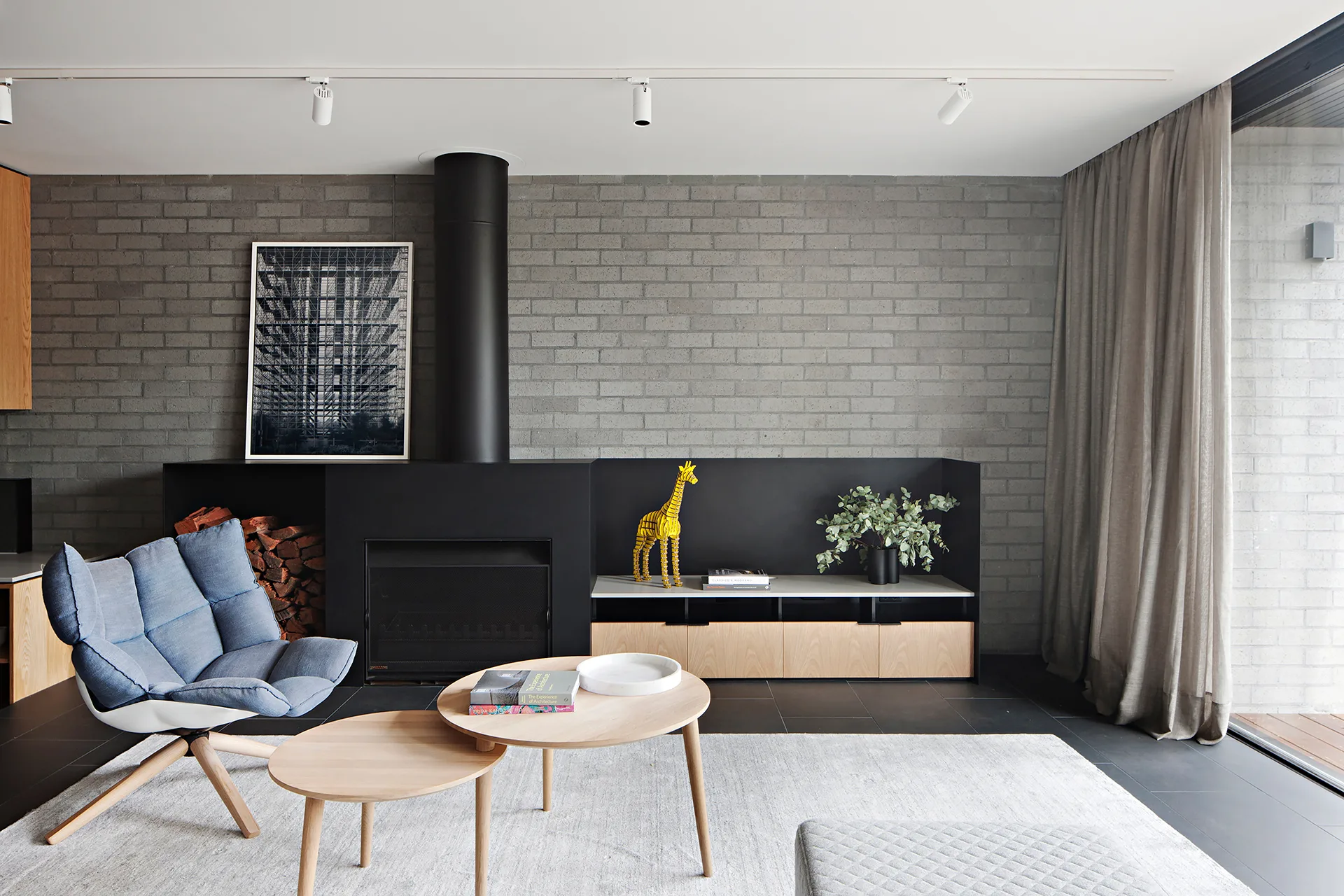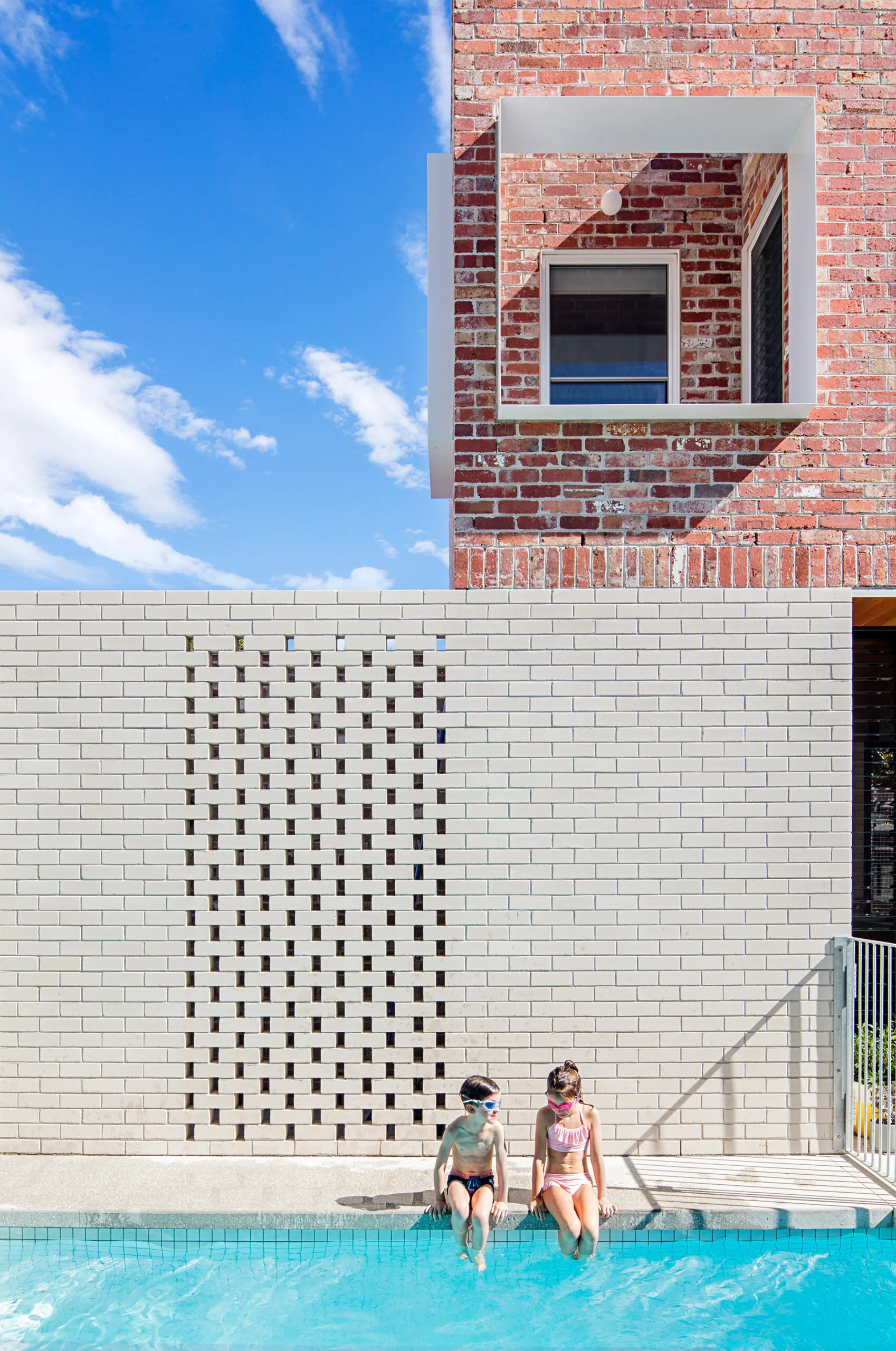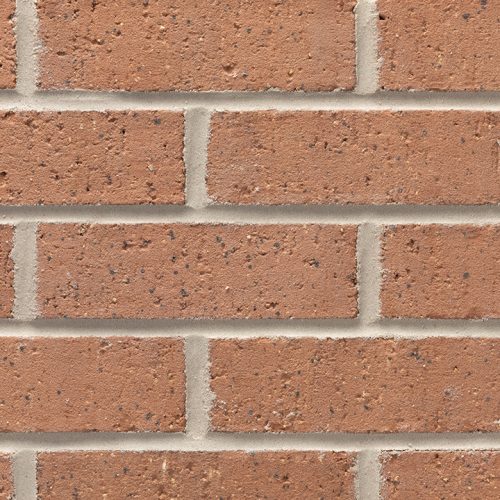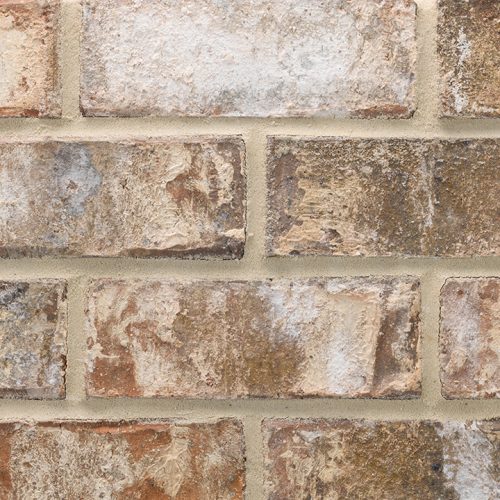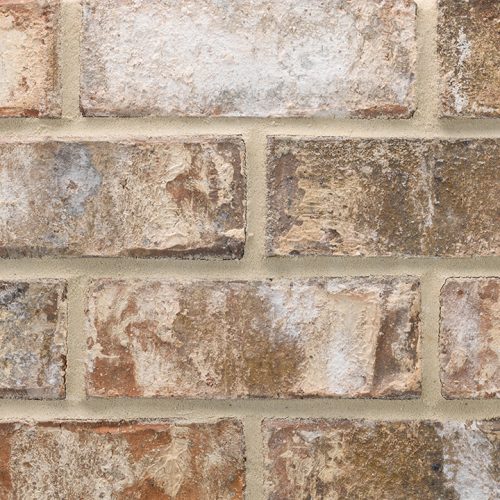
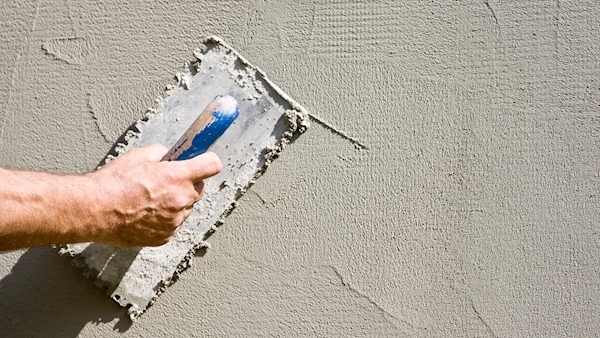
1/4
Vintage view: How old stone and brick walls can benefit from lime render
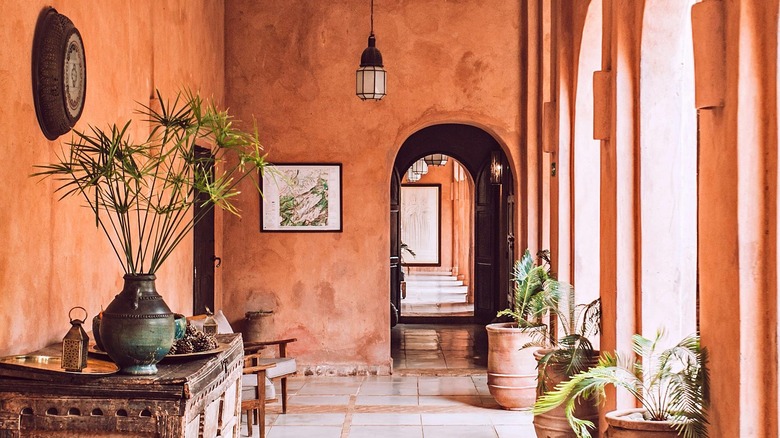
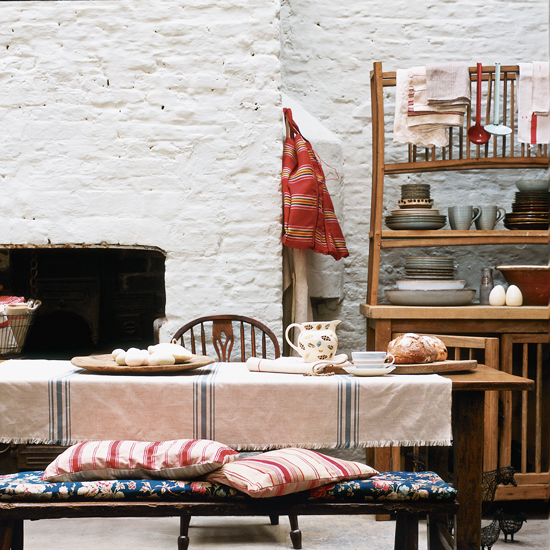
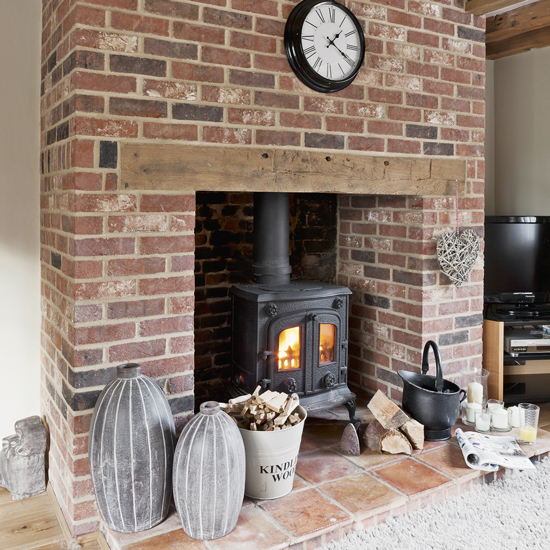
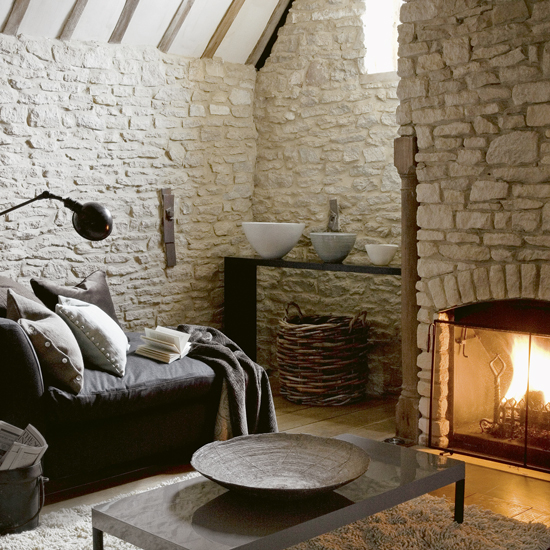
Hugh Dorrian of Stoneware Studios discusses the historical and practical benefits of using lime mixes for plastering, rendering, and pointing in older buildings, particularly in the context of the Irish climate. He highlights that lime mixes have been utilized for thousands of years and are crucial for the repair and conservation of pre-1900 structures. Dorrian describes lime as “the Gore-Tex of the building world” due to its unique properties of breathability and water repellency, which are essential for managing moisture in old walls.
The article explains that cement-based mortars, which are hard, dense, and impermeable, trap water within walls, leading to persistent dampness. In contrast, lime allows water vapor to evaporate, ensuring that walls dry out quickly. This breathability is particularly advantageous in damp climates like Ireland's. Hugh notes that properties constructed before 1900 almost certainly incorporated lime in their walls, often made from local lime mixed with sand and water, resulting in an off-white or creamy mortar, distinctly different from the grey of cement.
Dorrian elaborates on the advantages of reintroducing lime render on the exterior or lime plaster on the interior of old stone and brick walls that have been previously coated with cement. He emphasizes two primary benefits: flexibility, which reduces cracking, and breathability, which promotes rapid drying. Stoneware Studios has observed that walls previously holding water due to cement render significantly improve after being treated with lime.
The discussion extends to the use of hydraulic lime for various repairs, including those on 18th-century Roman cements, limestone sills, bricks, and sandstone. The key is to select the appropriate type of lime and additives for each specific repair. Furthermore, the article addresses insulation choices for older buildings, stressing the importance of using breathable insulation materials. Non-breathable insulation can trap moisture, leading to mold, mildew, and rot. Breathable options such as Secil Corkboard, EcoCork plasters, and redstone silicate boards are recommended as they allow walls to maintain their breathability while enhancing thermal performance. Corkboard, combined with lime plasters, is presented as an ideal solution due to its natural, renewable, and excellent insulating properties.
Regarding damp control, the article advises that while lime plaster is effective for managing general dampness, more severe issues like basement flooding may require additional measures such as cavity membranes. The focus should be on long-term solutions that manage water effectively rather than just addressing immediate symptoms. For DIY enthusiasts, small repairs like touch-ups, lime-washing, and re-pointing are manageable with guidance. However, extensive re-pointing, rendering, or plastering is best left to fully trained specialists. Hugh highlights the availability of skilled lime craftsmen in Cork, noting that many prestigious buildings in the city have been successfully repaired with lime by local professionals. Stoneware Studios also offers training courses on renovation with lime to educate individuals on its proper application and benefits.
#LimeRender #HistoricBuildings #BuildingConservation #MoistureManagement #BreathableMaterials #StoneWalls #BrickWalls #HomeRenovation #Insulation #LimeRender #HistoricBuildings #BuildingConservation #MoistureManagement #BreathableMaterials #StoneWalls #BrickWalls #HomeRenovation #Insulation
0 comment in total
 No comments yet
You may also like
The Enduring Artistry of Vintage Tiles

Statement bricks are the latest design trend

10 Limewash Wall Color Ideas That Add Old-World Elegance To Your Space
Acme Brick, Tile and Stone – Bluffton
What Paint Finish is Replacing Limewash? This is the Richly Textured Alternative Designers Are Using on Walls Now


Acme Brick, Tile and Stone – Northwest Arkansas

Use stone to update, add interest to your landscape


Damage and restoration technology of historic buildings of brick and wood structures: a review
Long-format brick slips from Klay Tiles and Facades

10 Ways to Update an Exposed Brick Wall—Beyond Just Painting It

Monroe

The Most Amazing Stone Walls You Will See Today

A guide to wall finishes: wallpaper, plaster, and more
Ten interiors with textured wall finishes by Clayworks that create visual interest
7 beautifully exposed walls for your country home

Acme Brick, Tile and Stone – Abilene
Acme Brick, Tile and Stone – El Paso

8 Limewash Paint Colors That Will Add Elegance and Style to Your Home
Designing the Appearance of Rammed Earth Walls: The Interplay Between Natural Clay Colors and Pigmentation


Forget Single Painted Accent Walls: This Stunning Trend Is Taking Over