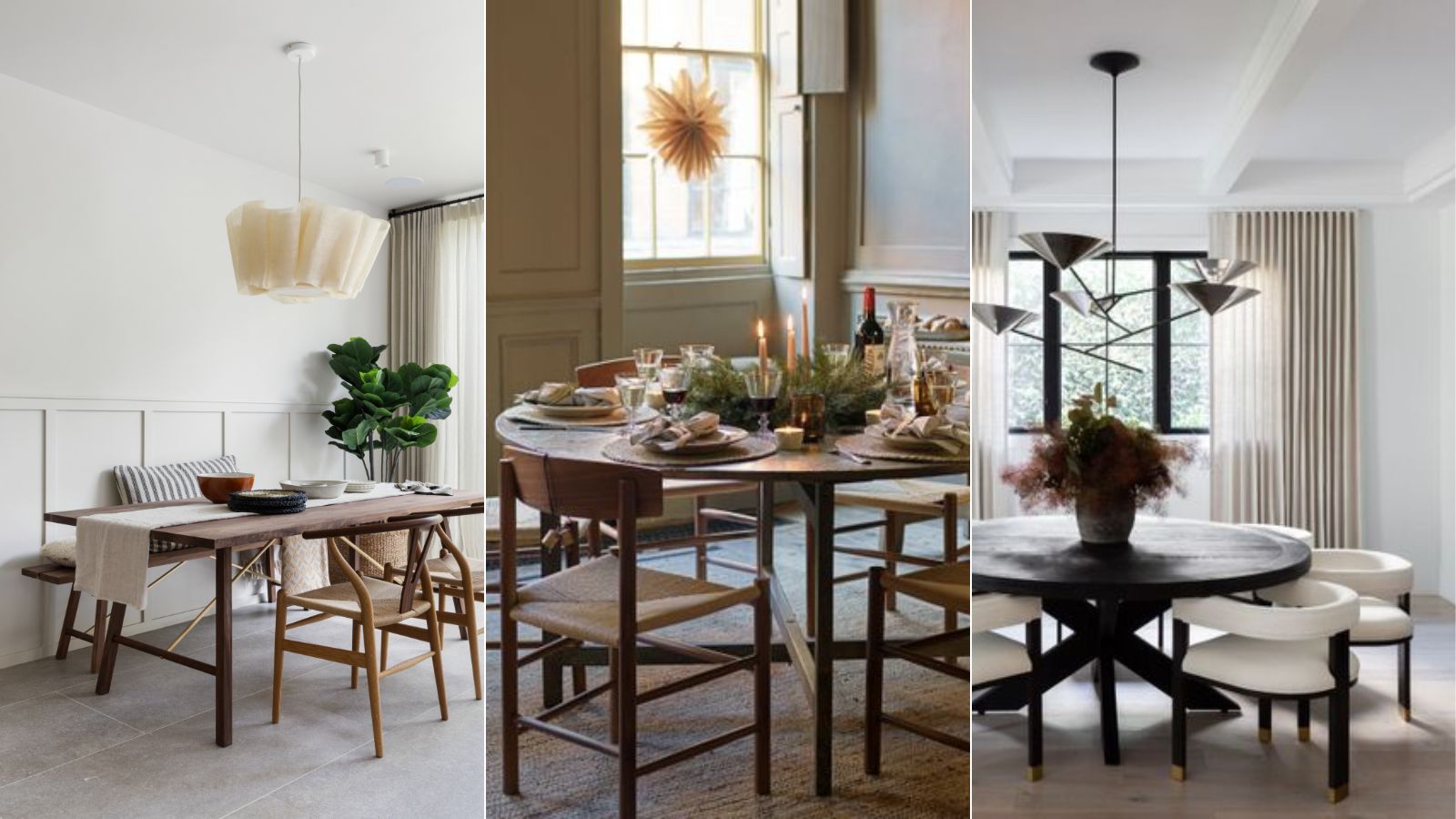
1/9
Feng Shui table decor rules – 5 ways to harmoniously arrange your dining table
Feng Shui principles can significantly influence the mood and atmosphere of a dining space, transforming it into an area that promotes positive energy and harmony during meals and gatherings. Incorporating these principles involves careful consideration of colors, table and chair placement, meaningful decor, table shapes, and balanced place settings.
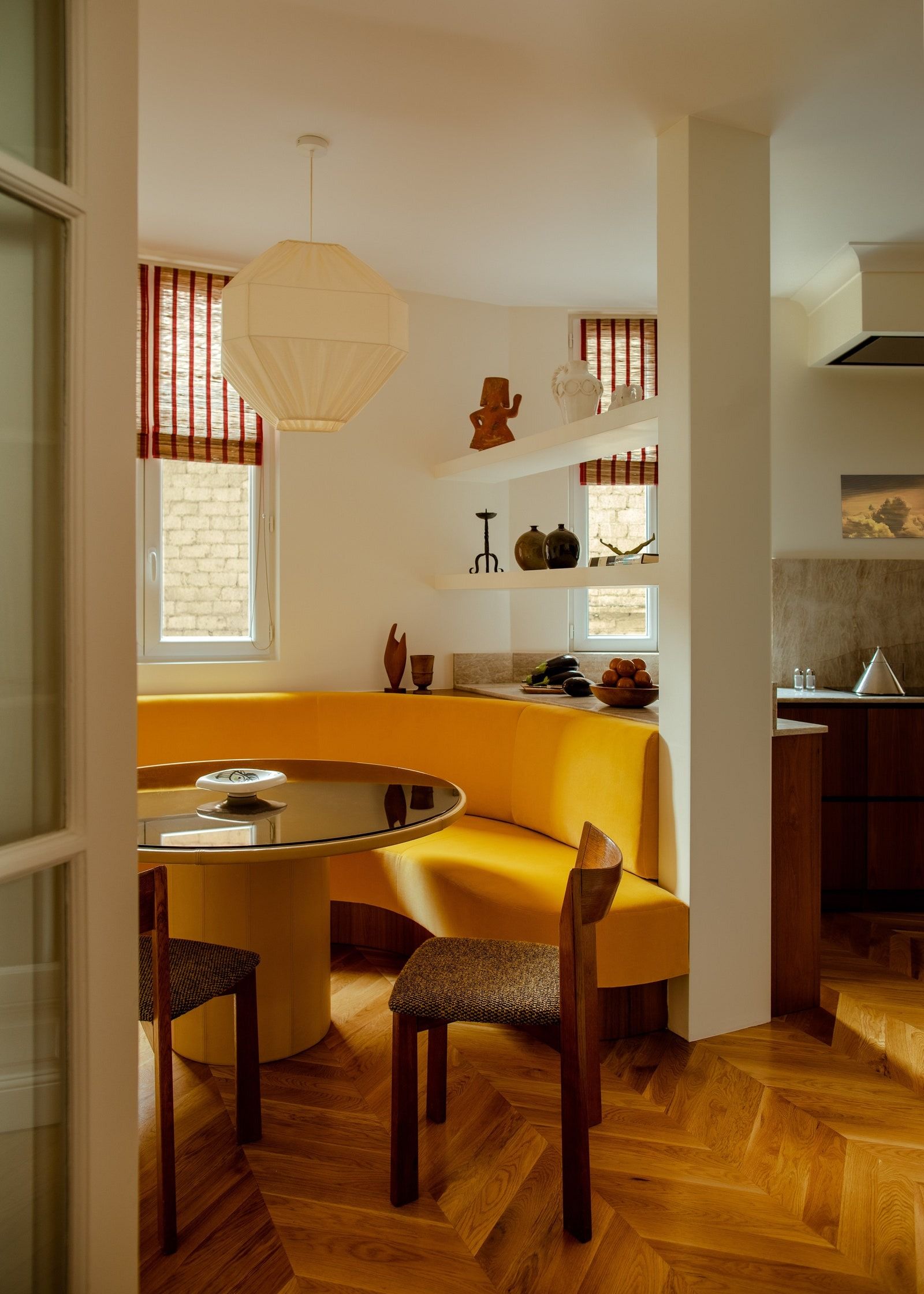
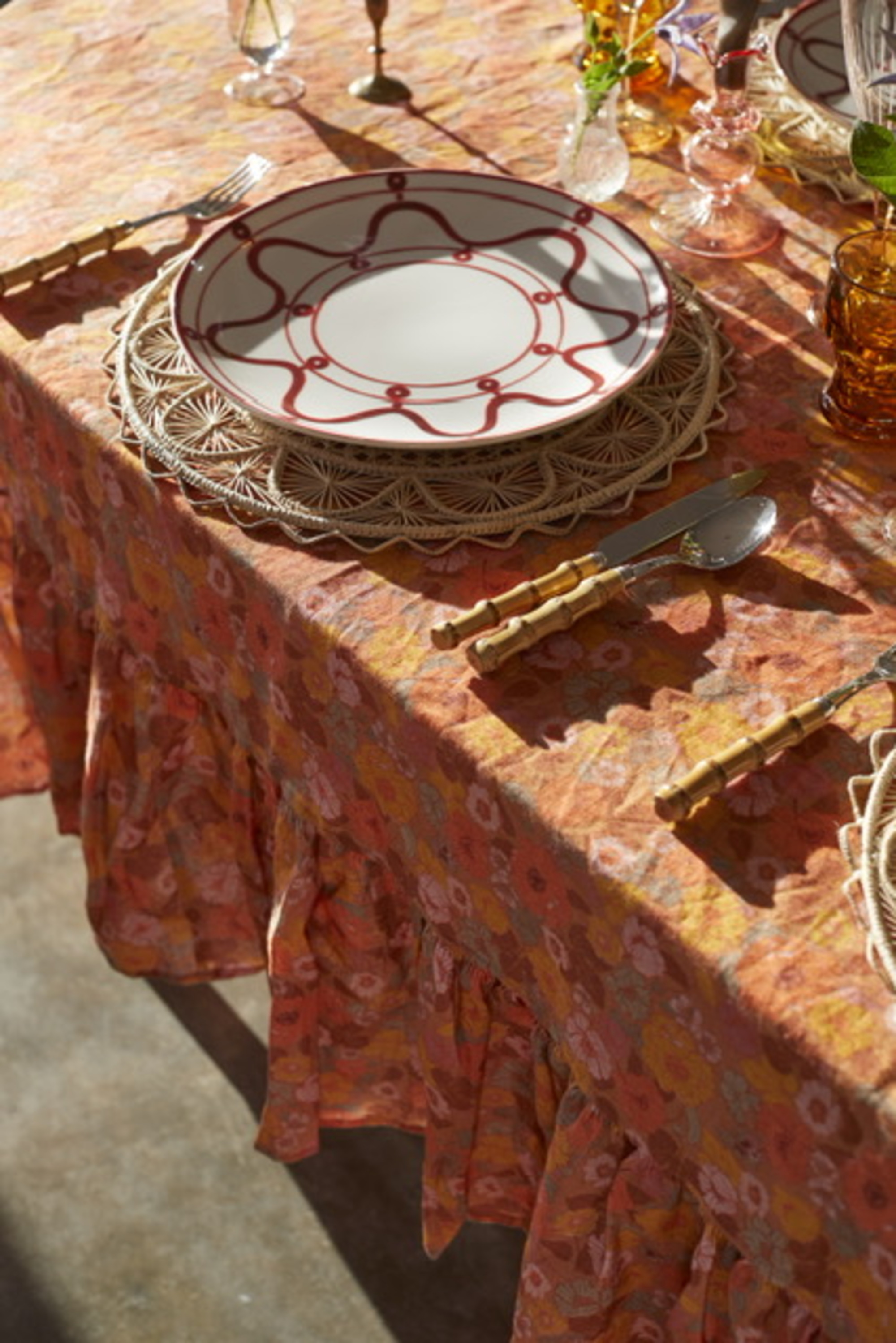
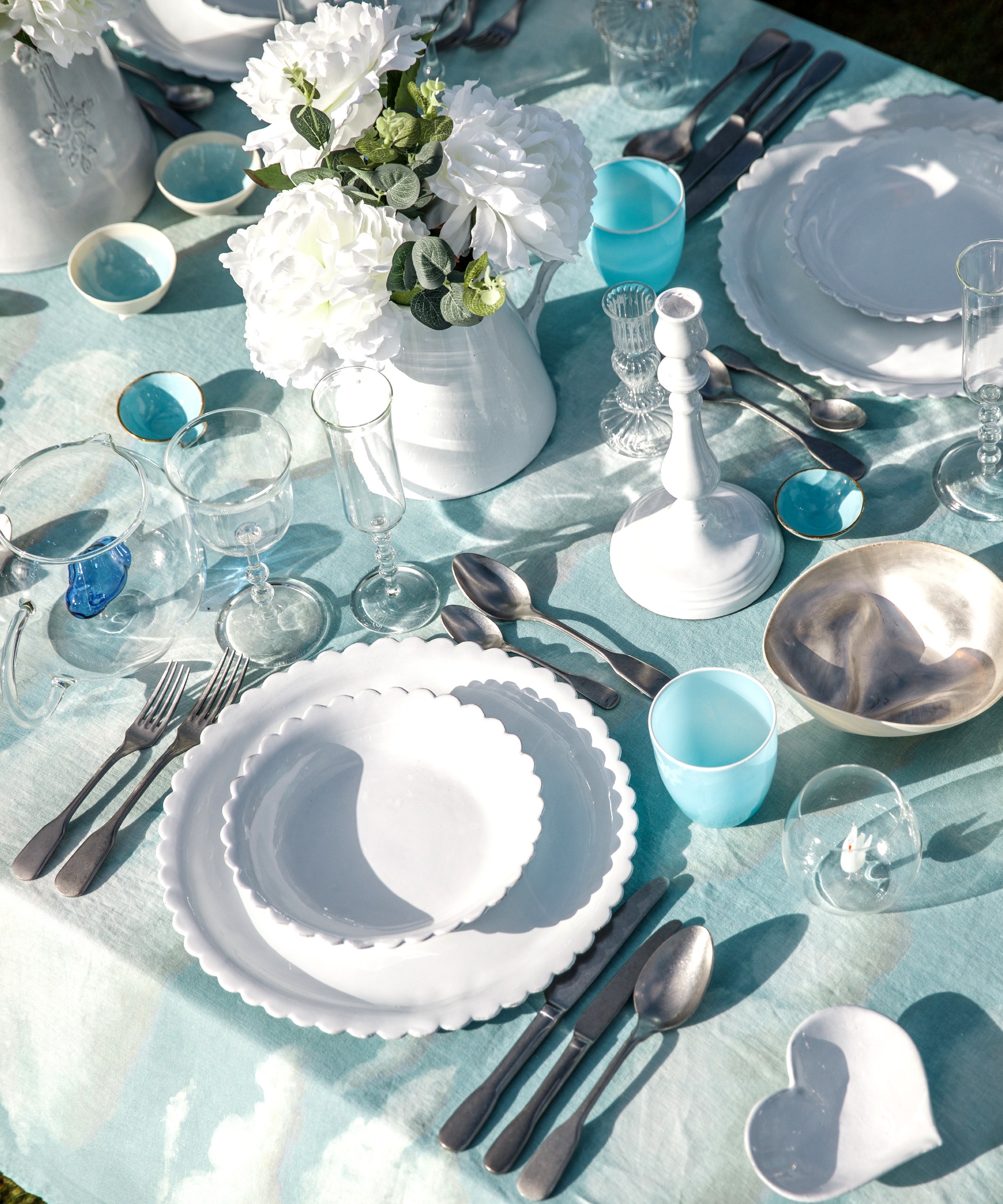
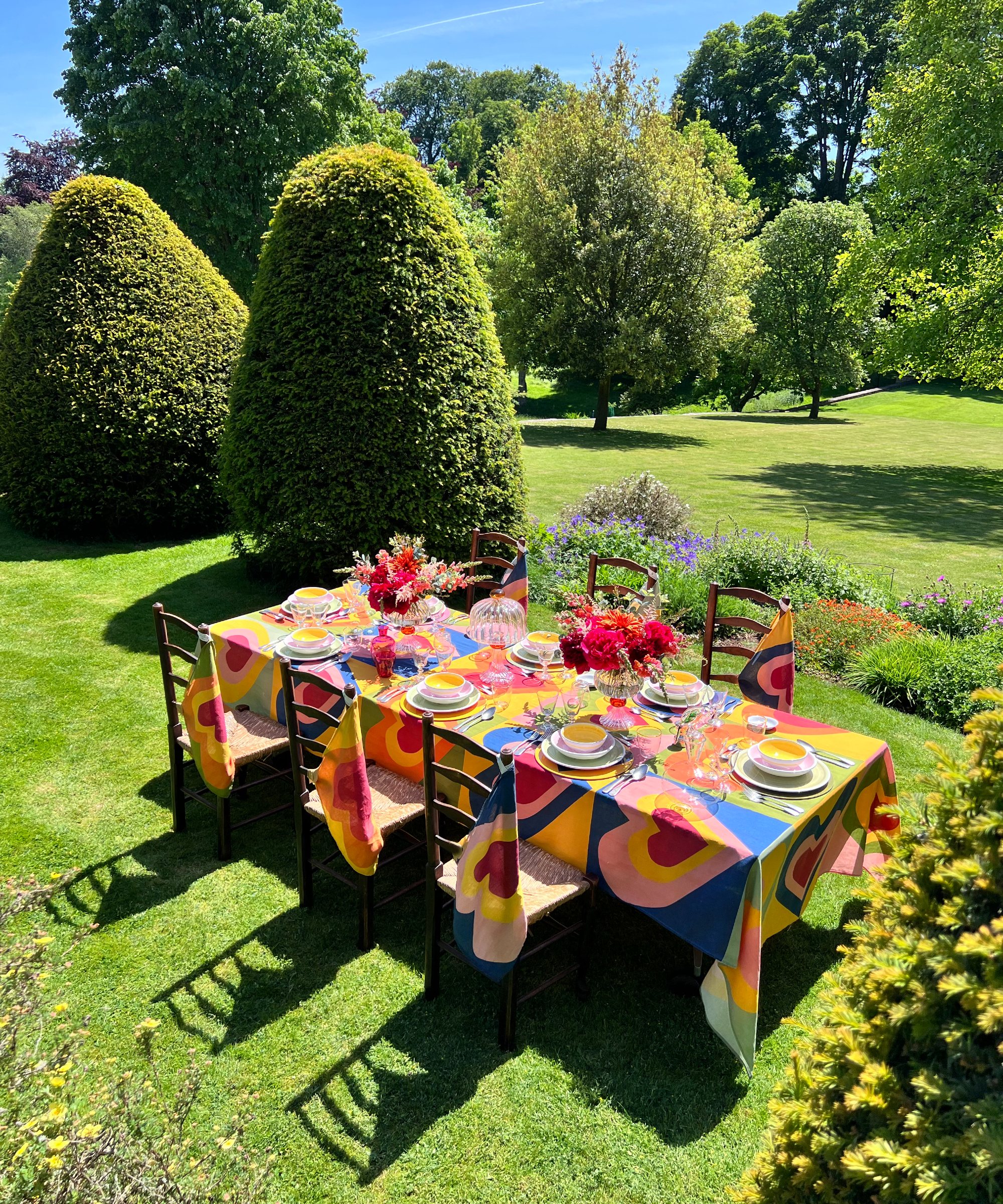
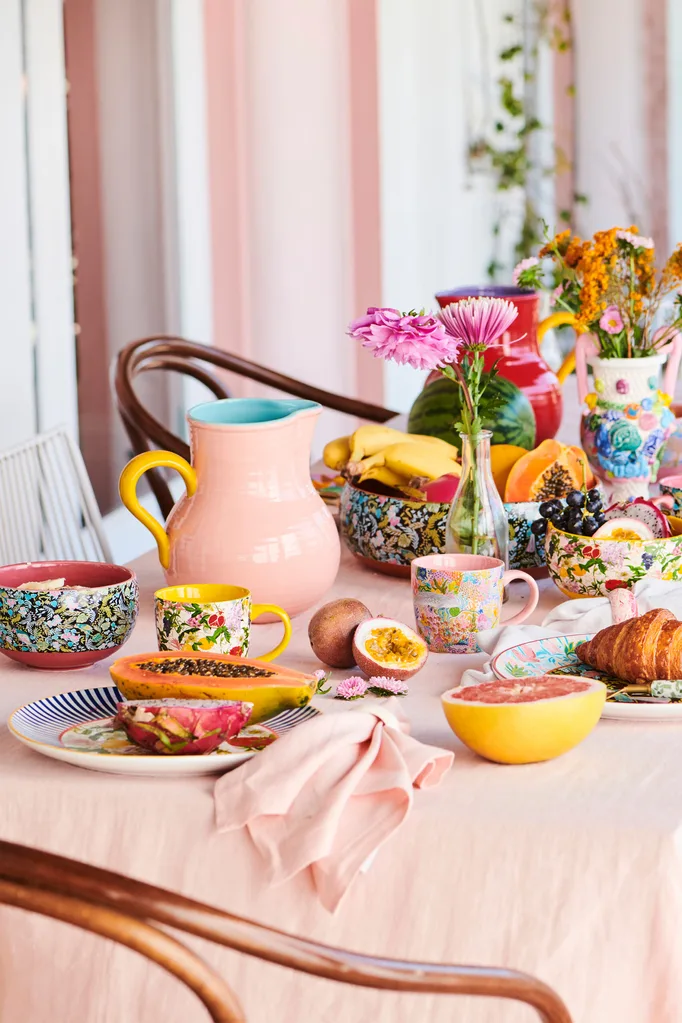
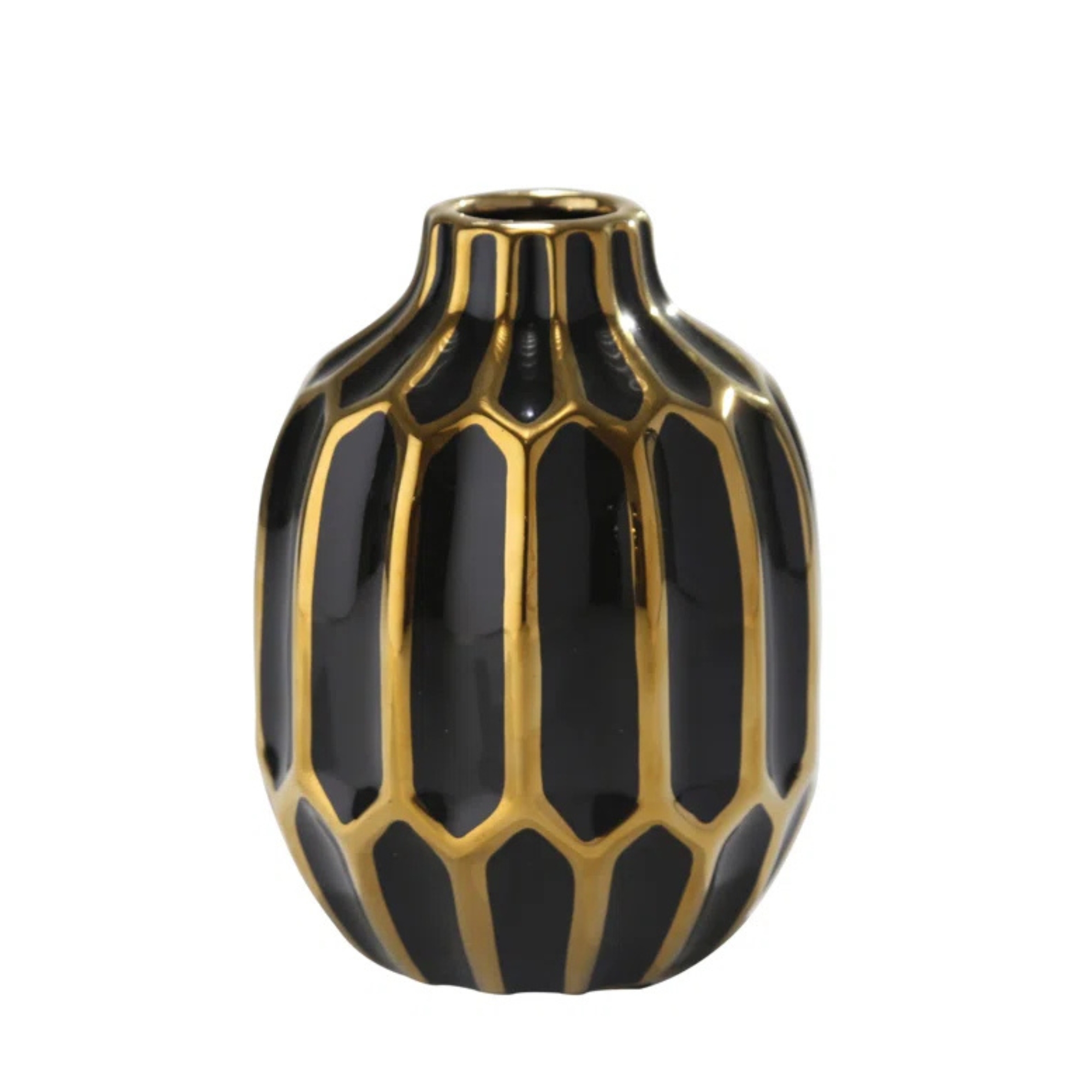
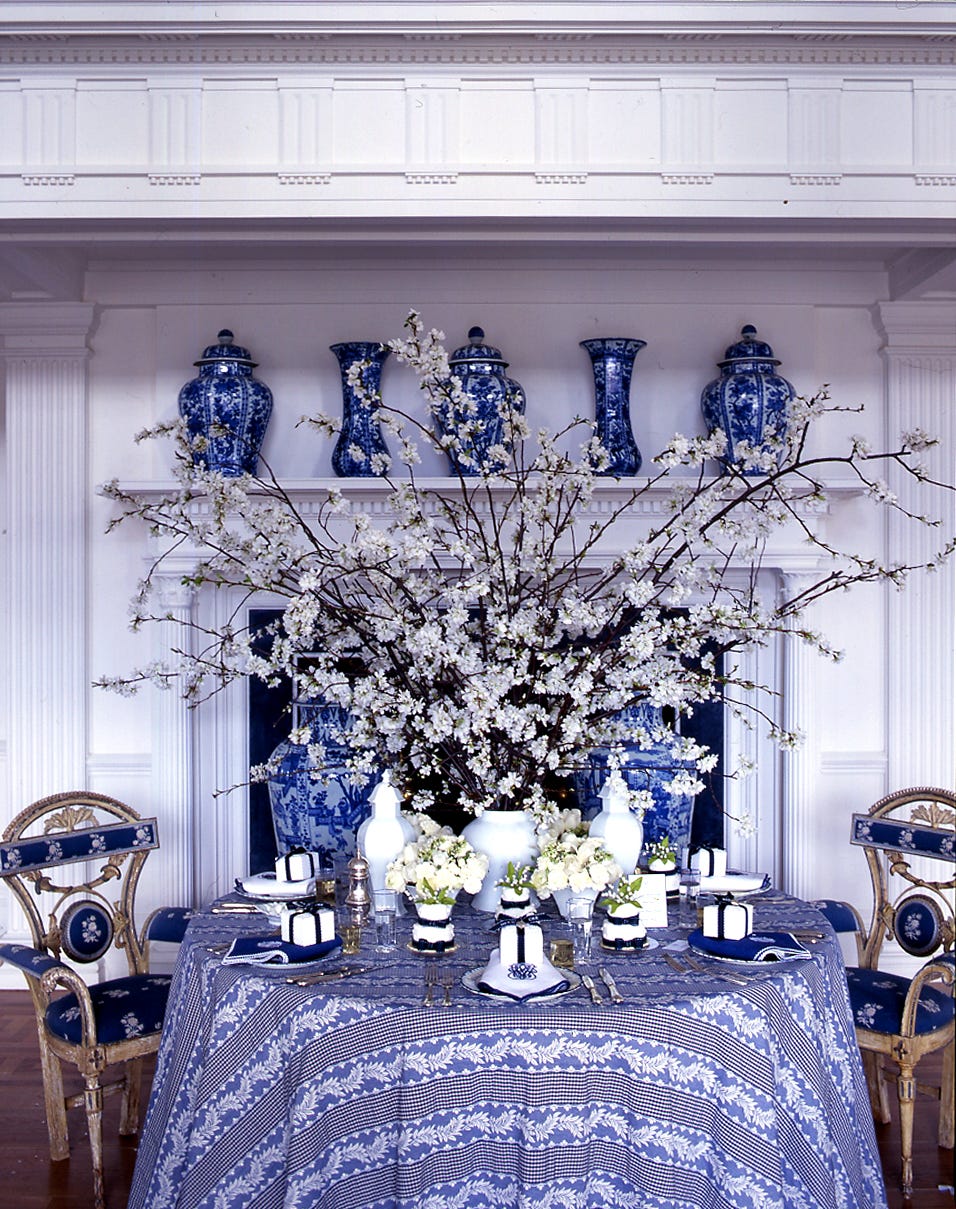
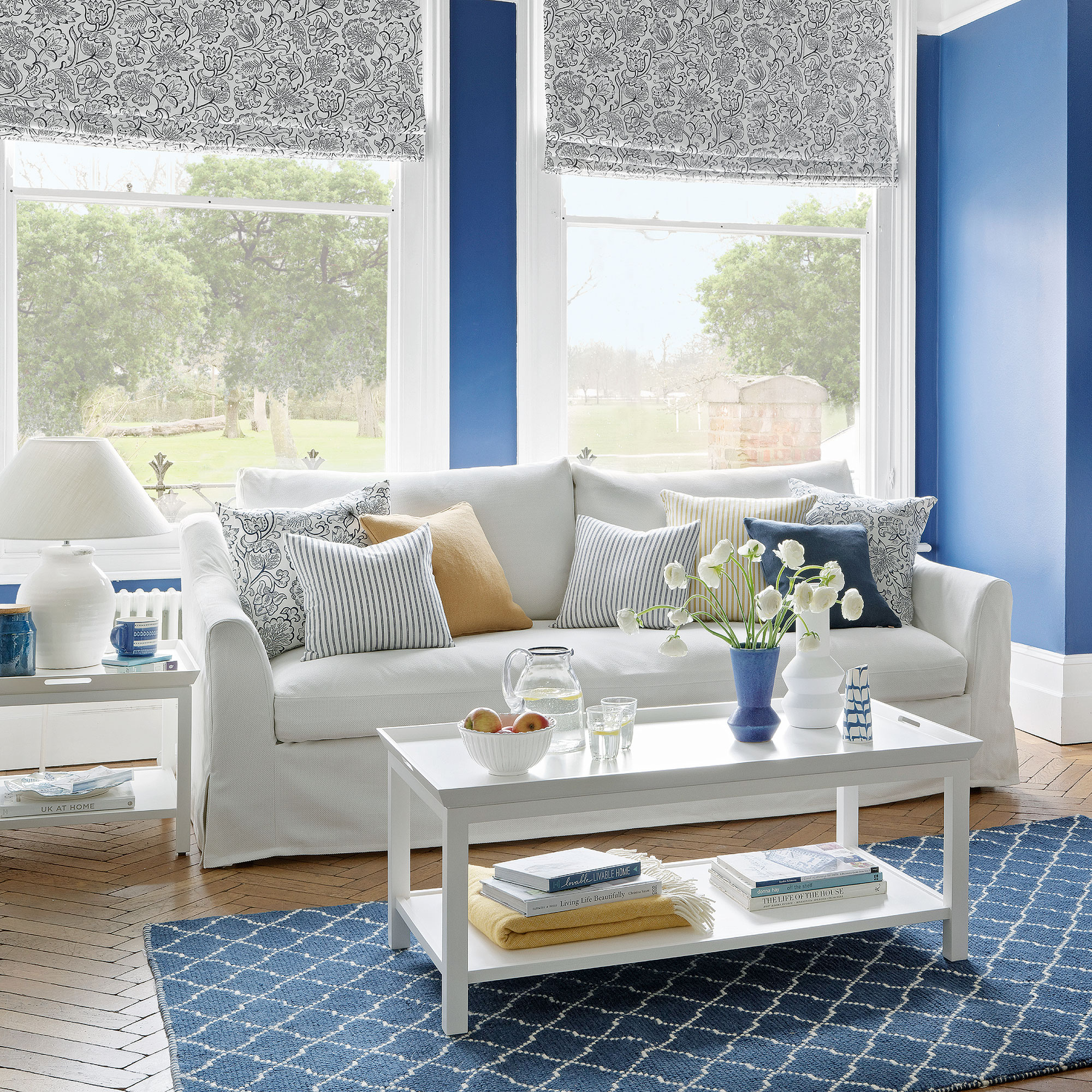
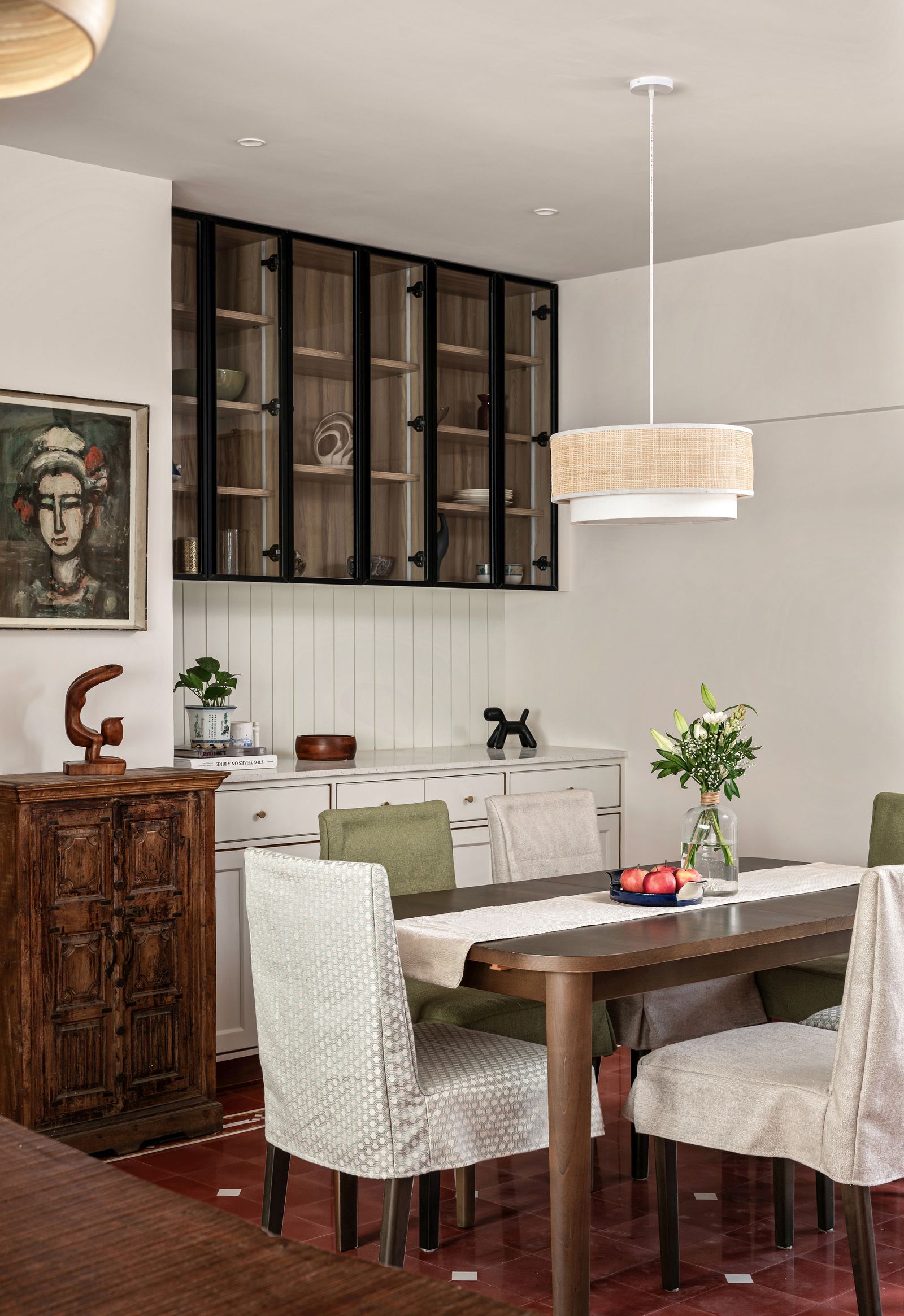
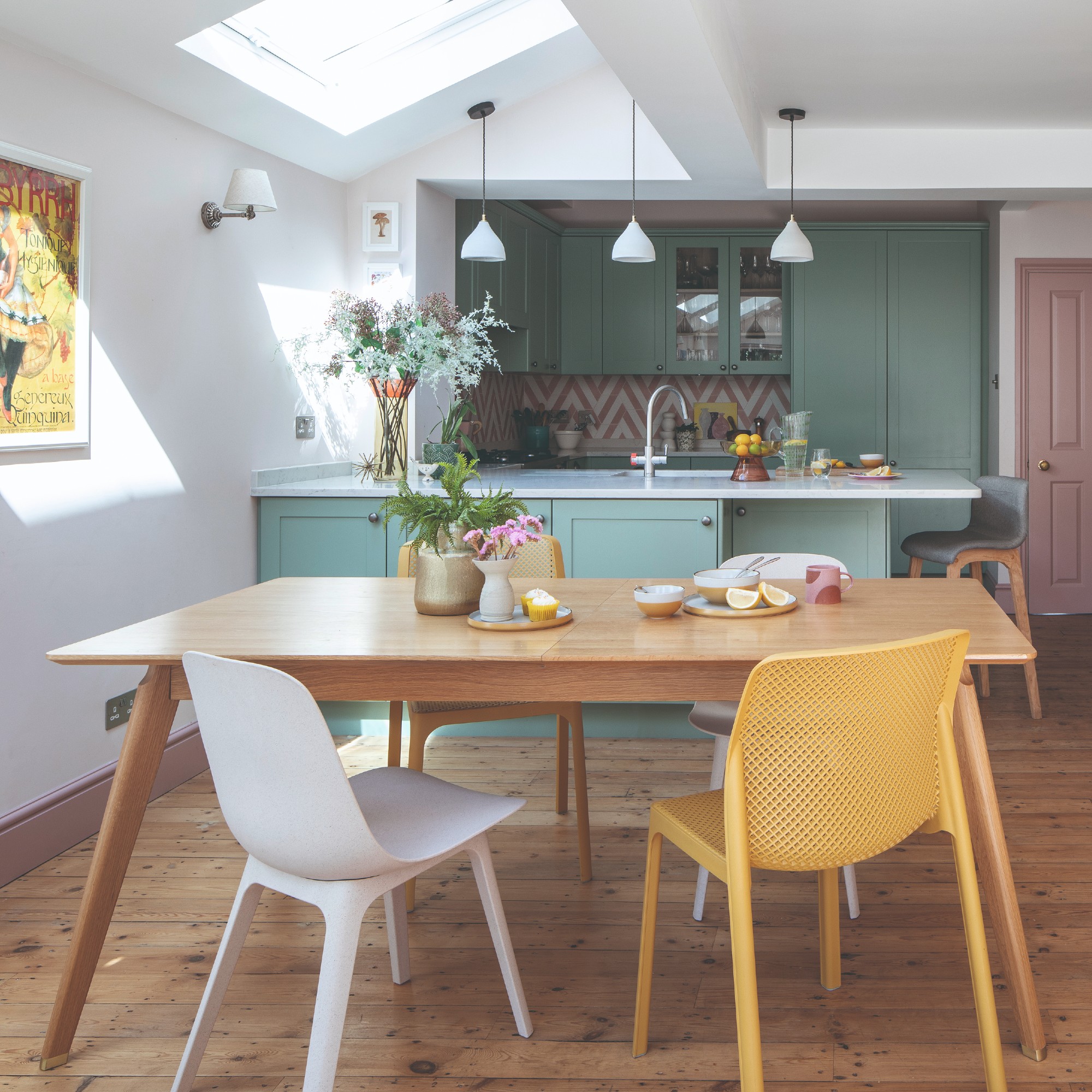
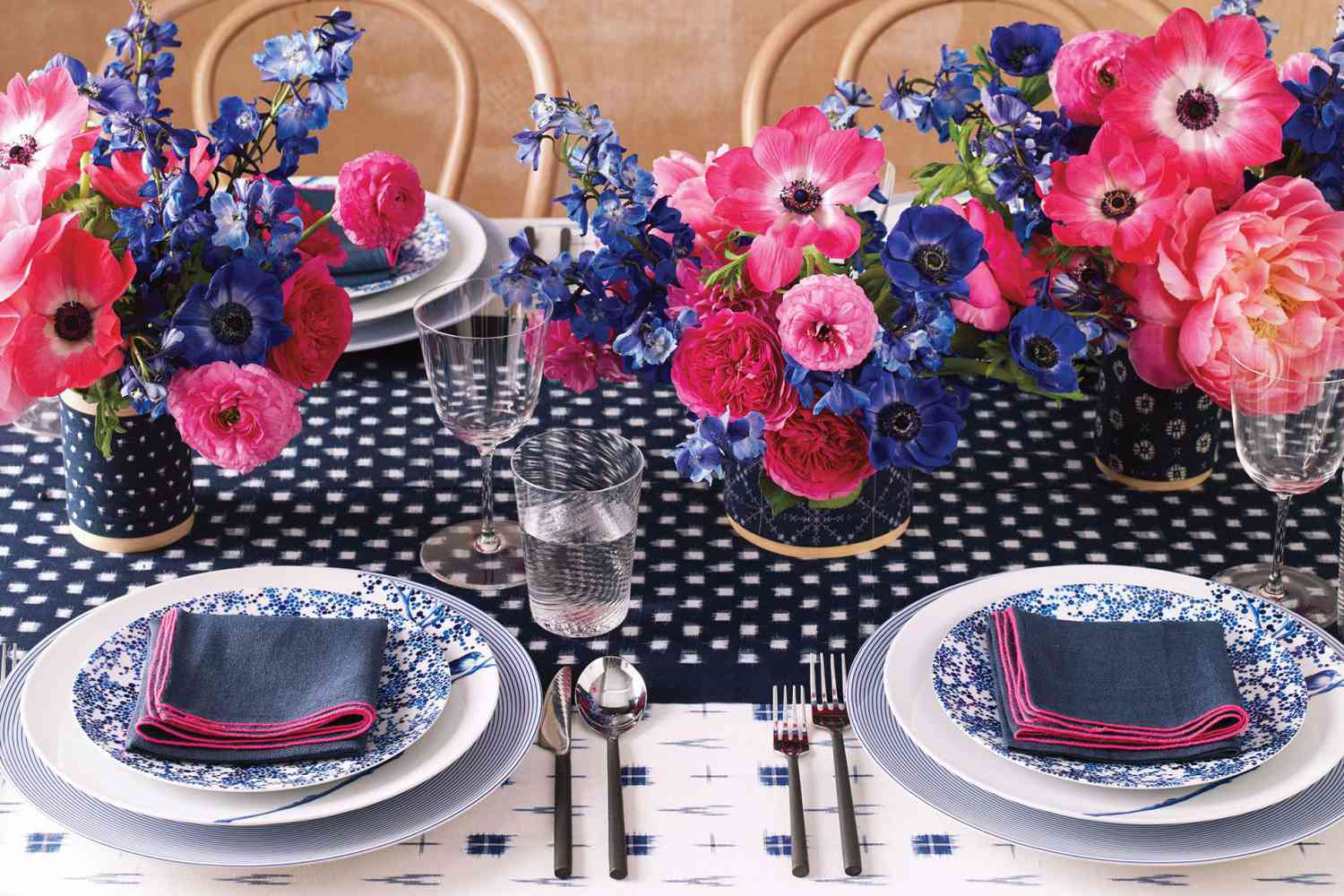
Regarding colors, aligning with the five elements of Feng Shui (wood, fire, earth, metal, water) is crucial. Earthy colors, such as various shades of brown and beige, bring stability and nourishment. Fire elements, including red, orange, and yellow, are associated with passion, warmth, and increased appetite, though excessive use of red can lead to overeating. Blue and black, representing the Water element, contribute to calmness, abundance, and positive flow. Greens and browns, linked to the Wood element, foster harmony, growth, and kindness. Metallic colors like white, gold, and silver symbolize the Metal element, promoting clarity, precision, and a sense of abundance and order.
Optimal table and chair placement is determined by the Bagua map, a Feng Shui energy map that identifies areas associated with different life aspects like career or love. Intentionally placing dining furniture according to this map can enhance specific energies. Moreover, individual trigrams can guide seating arrangements to ensure everyone in the family sits in their most favorable direction, potentially reducing disputes and promoting well-being during meals.
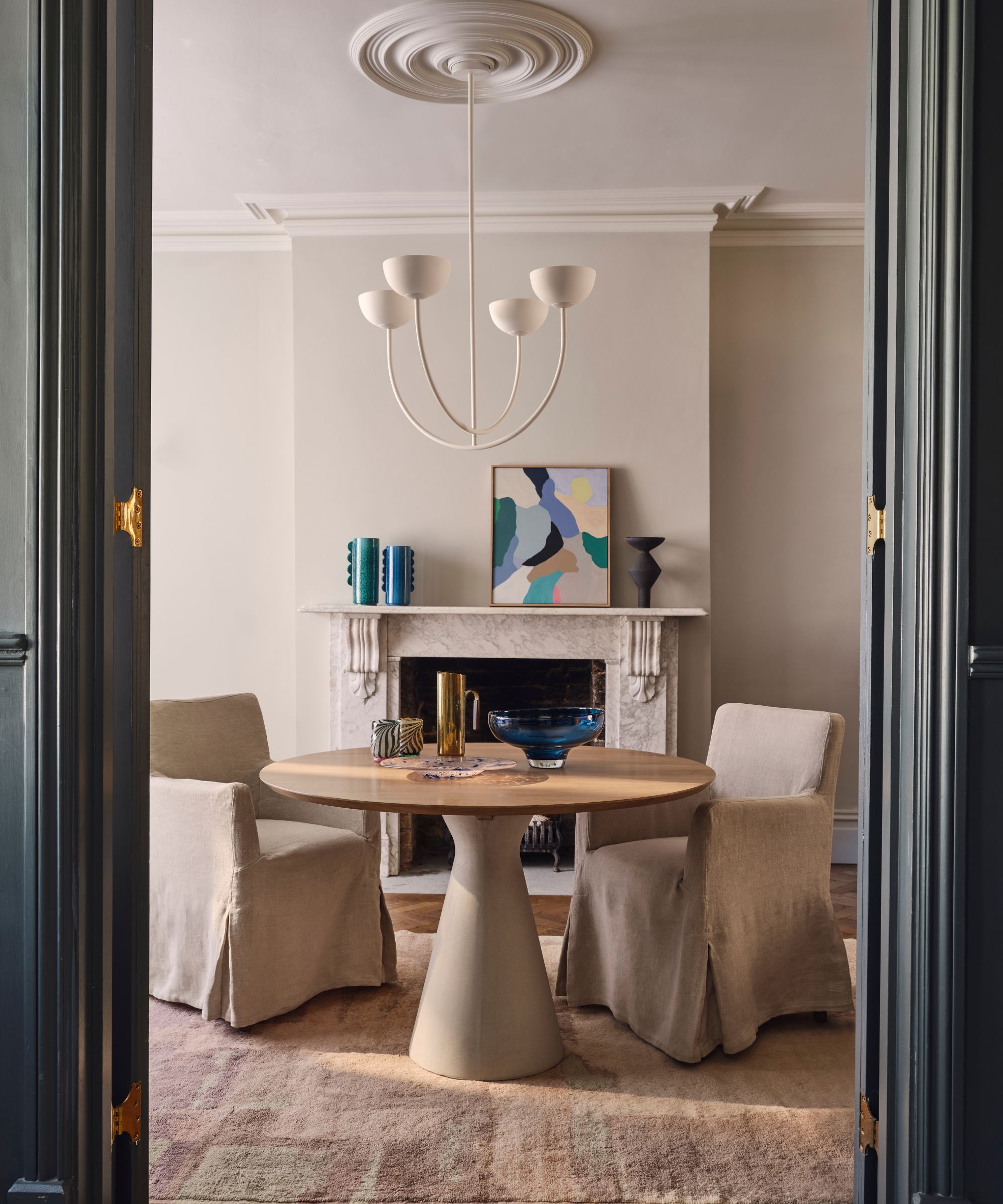
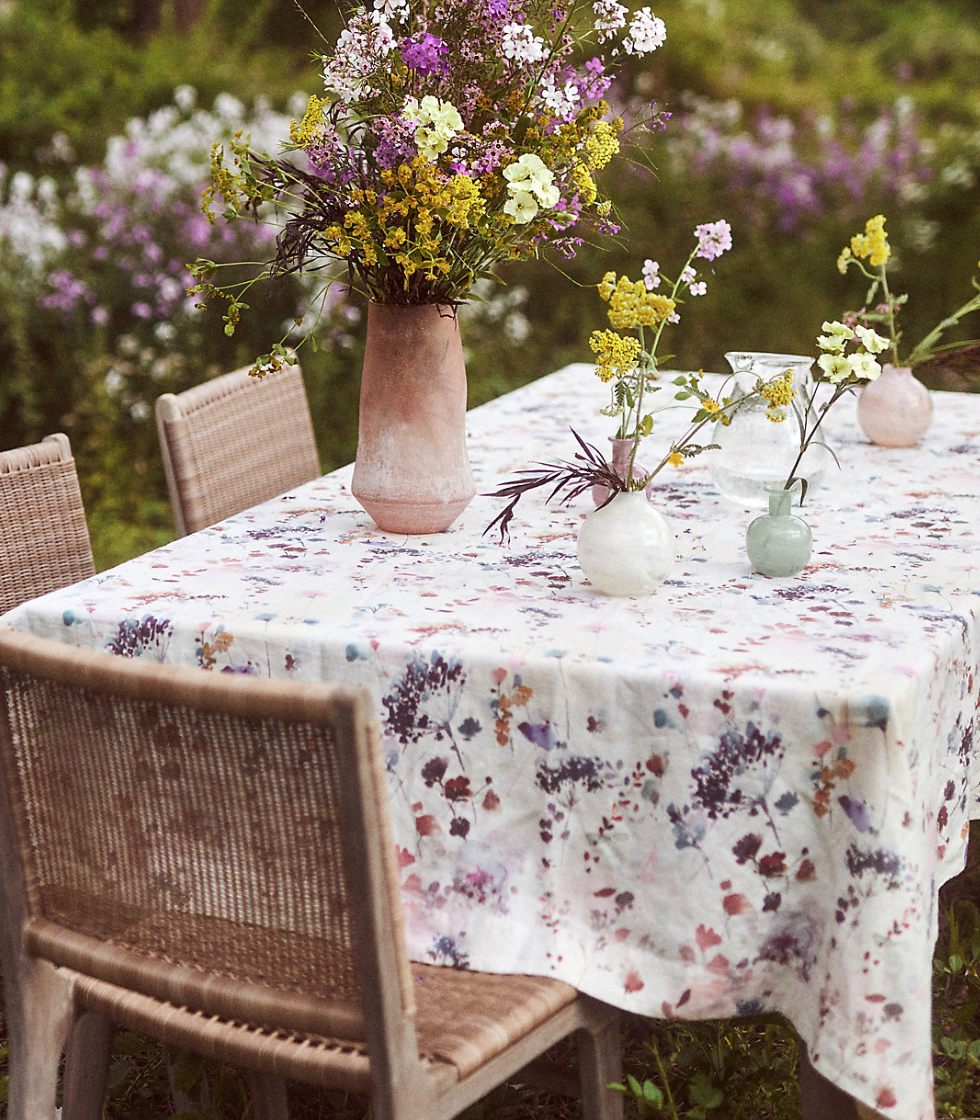
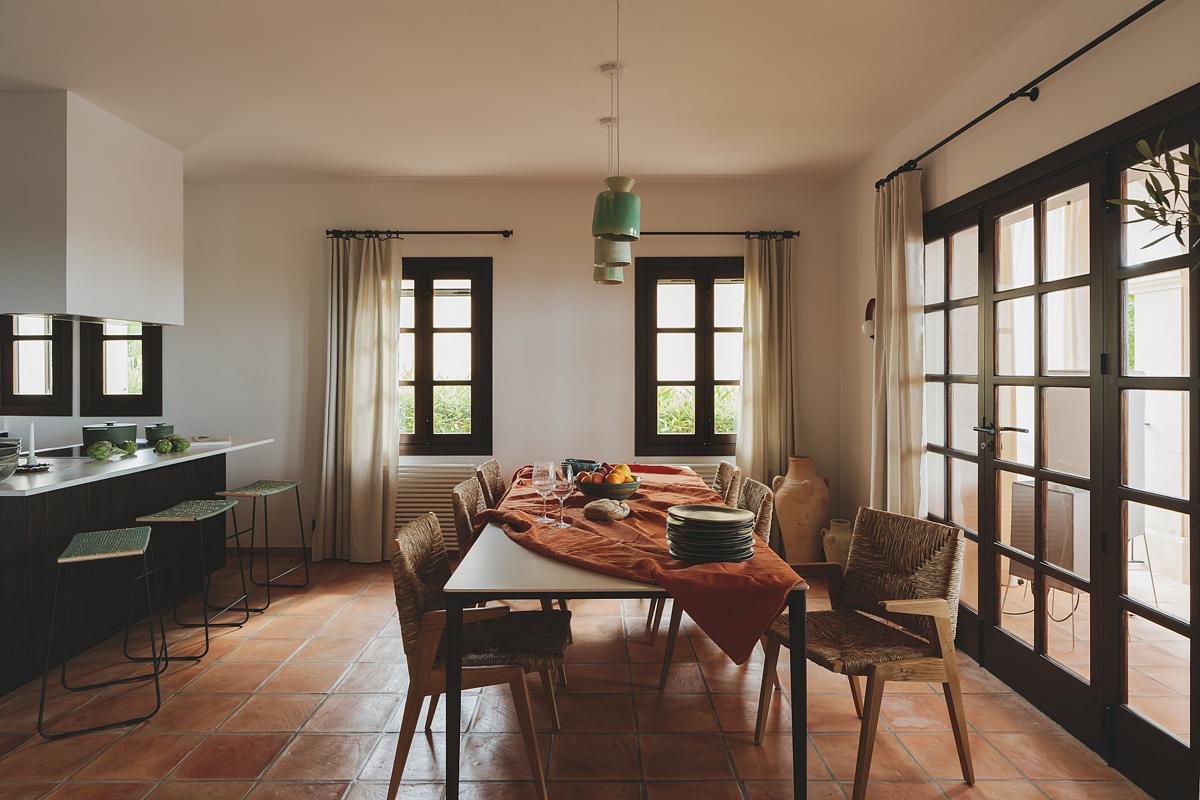
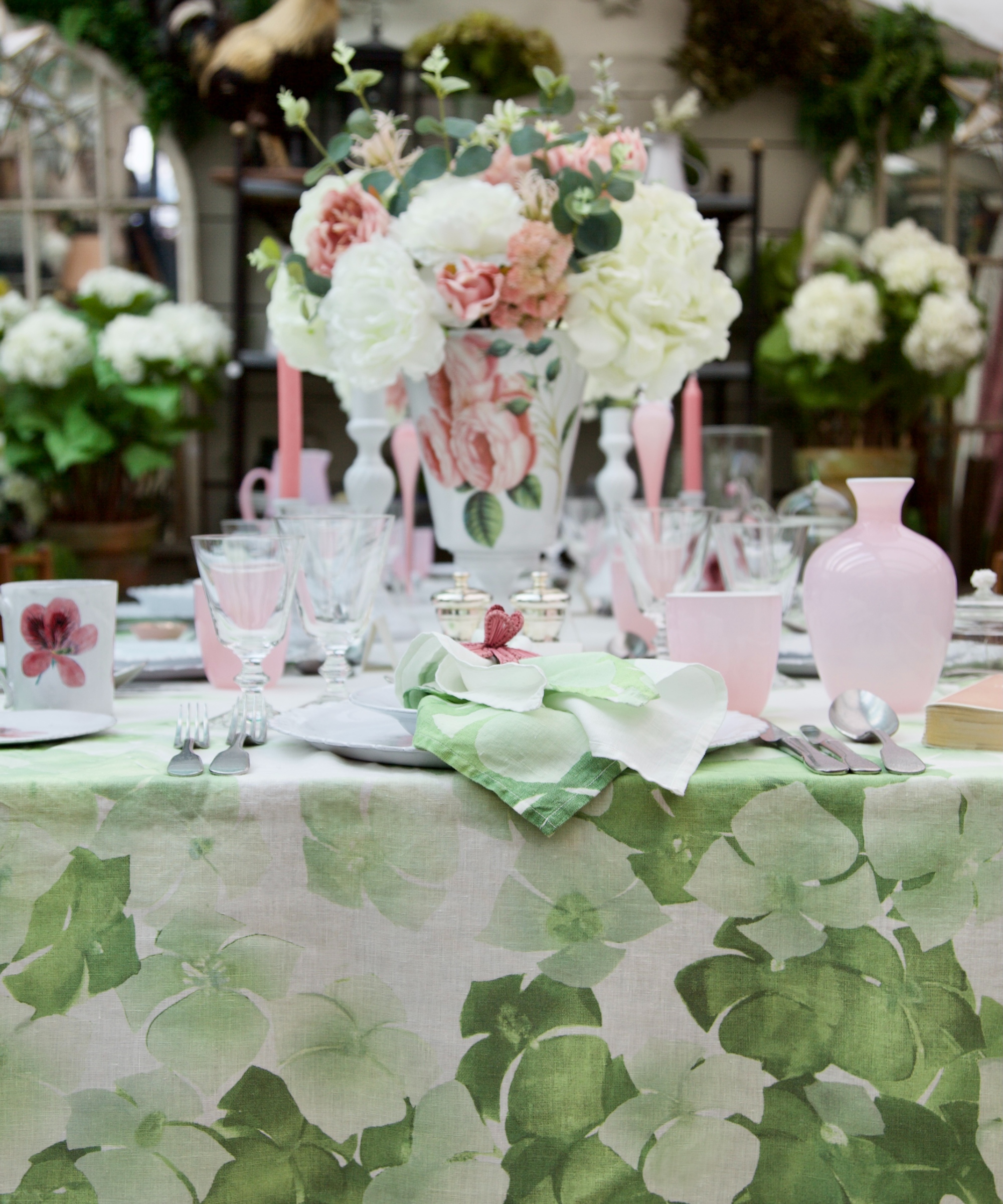
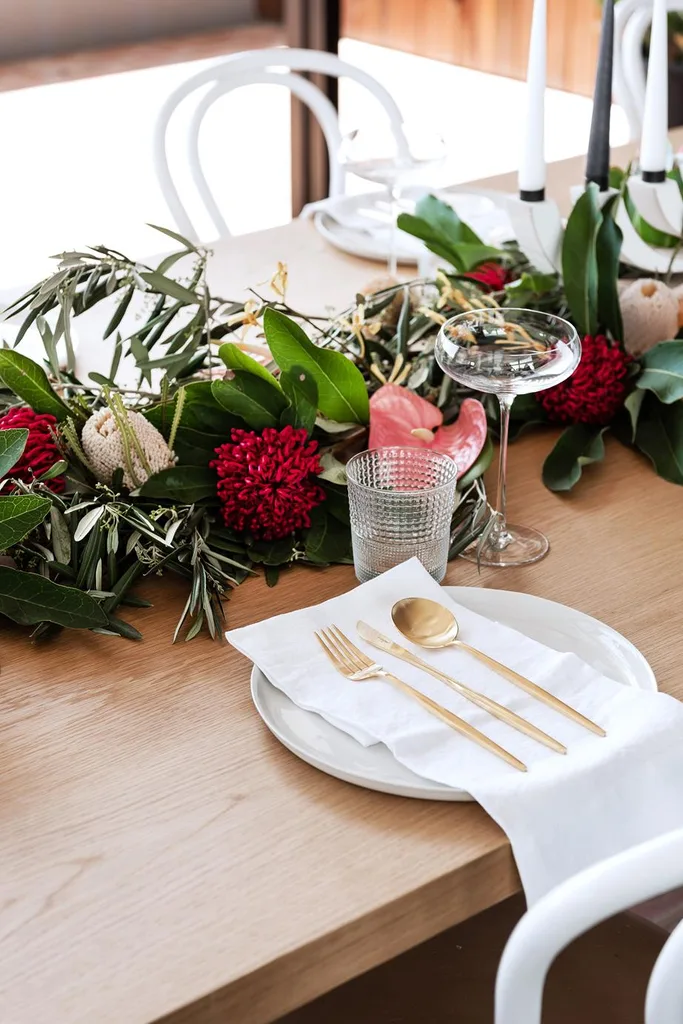
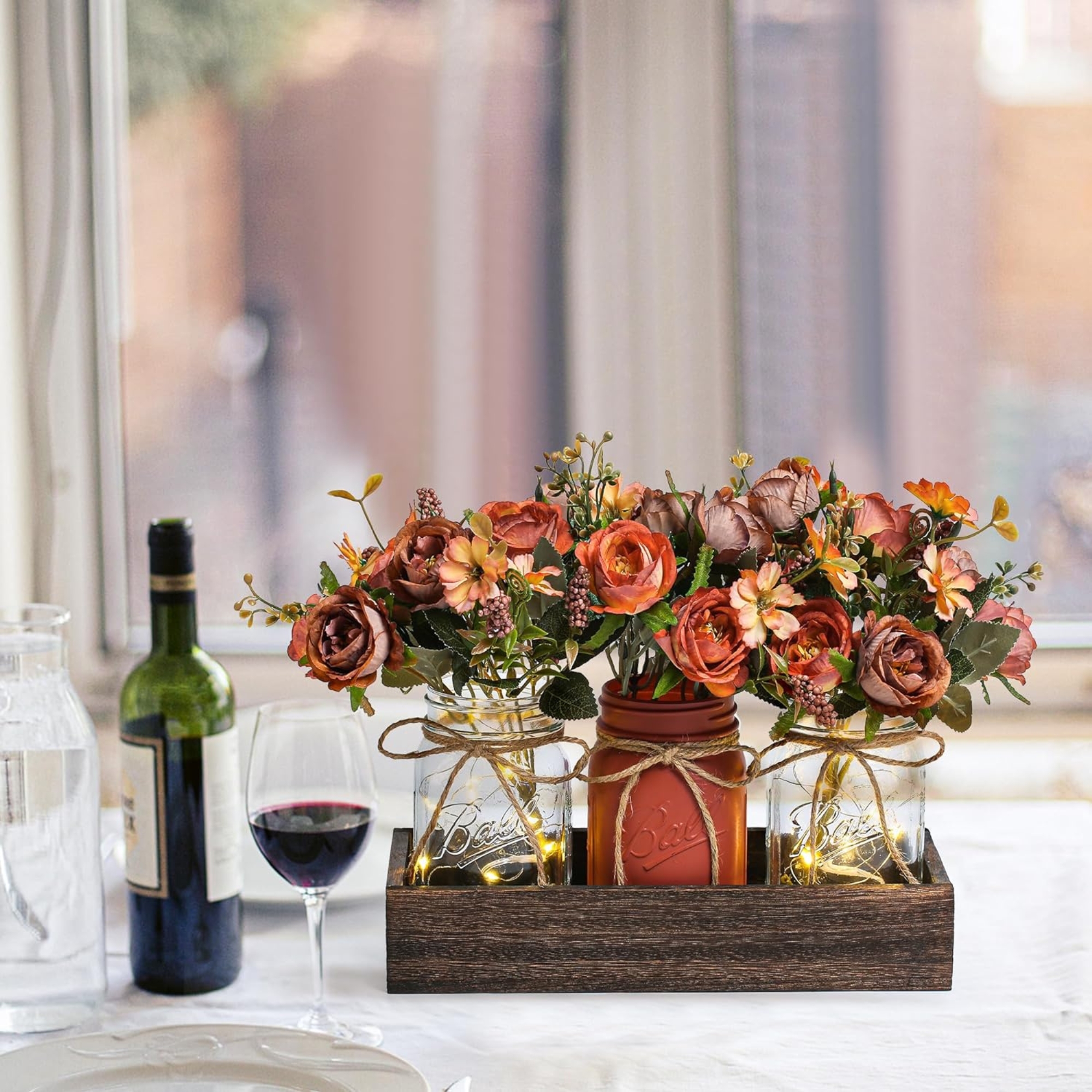
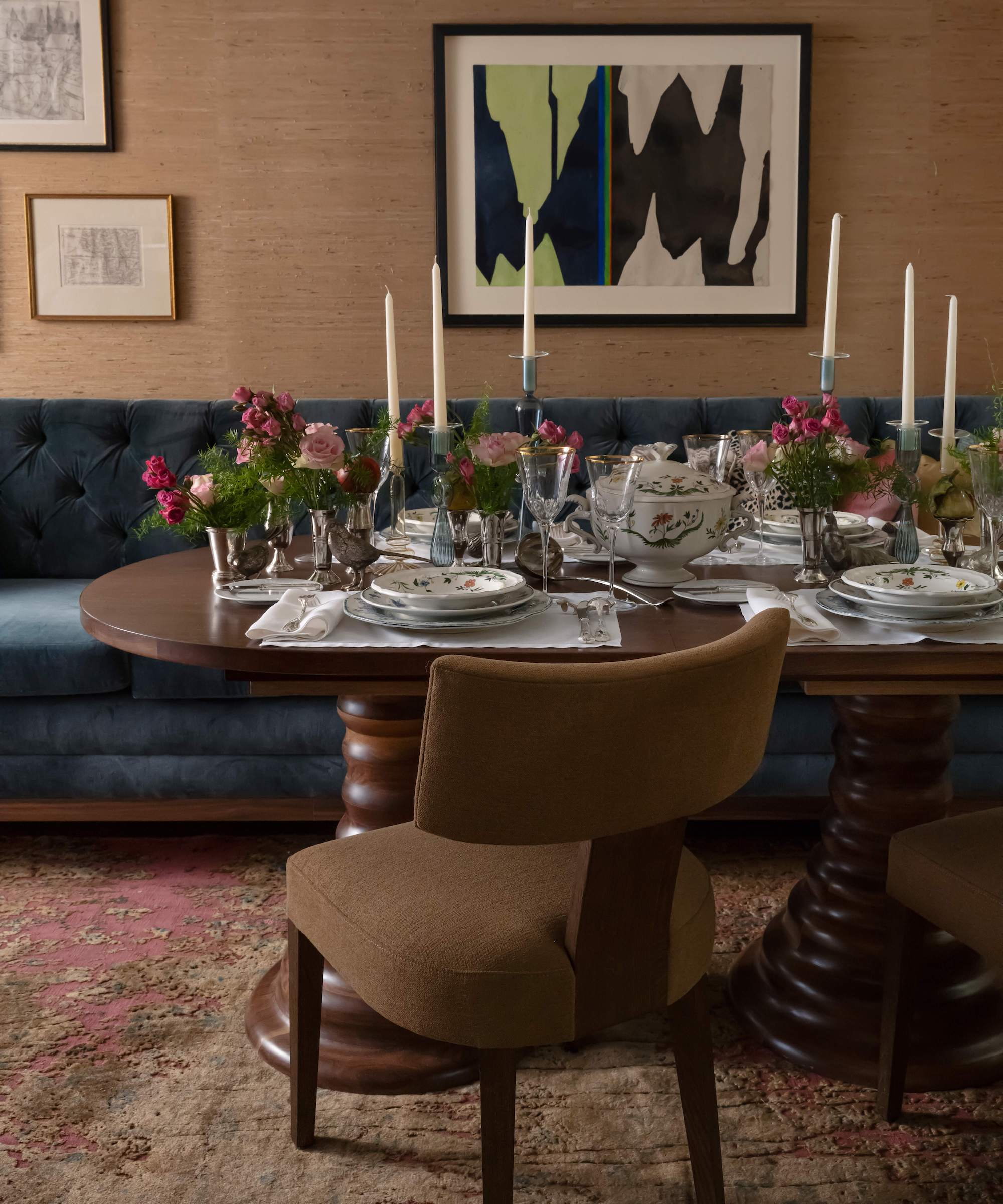
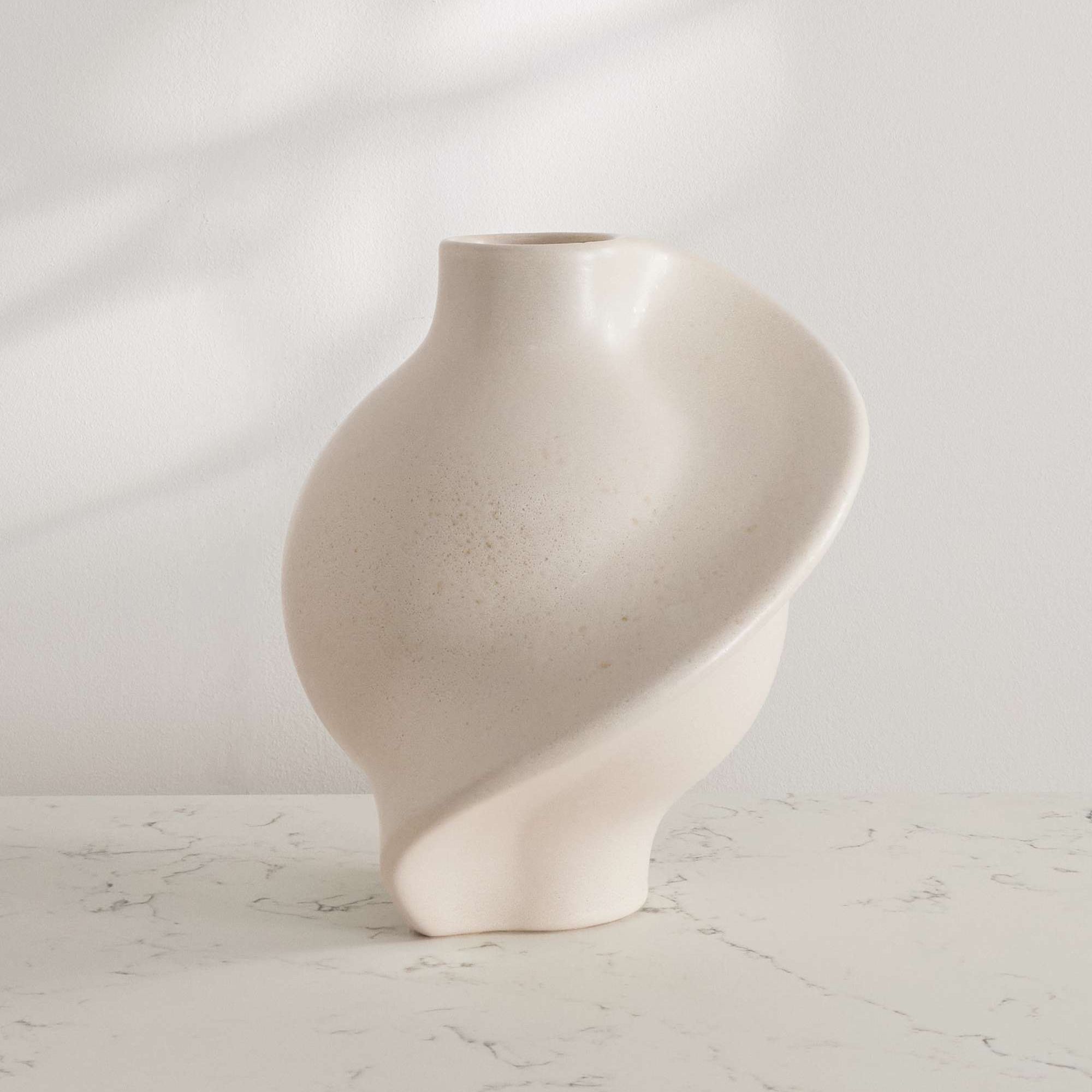
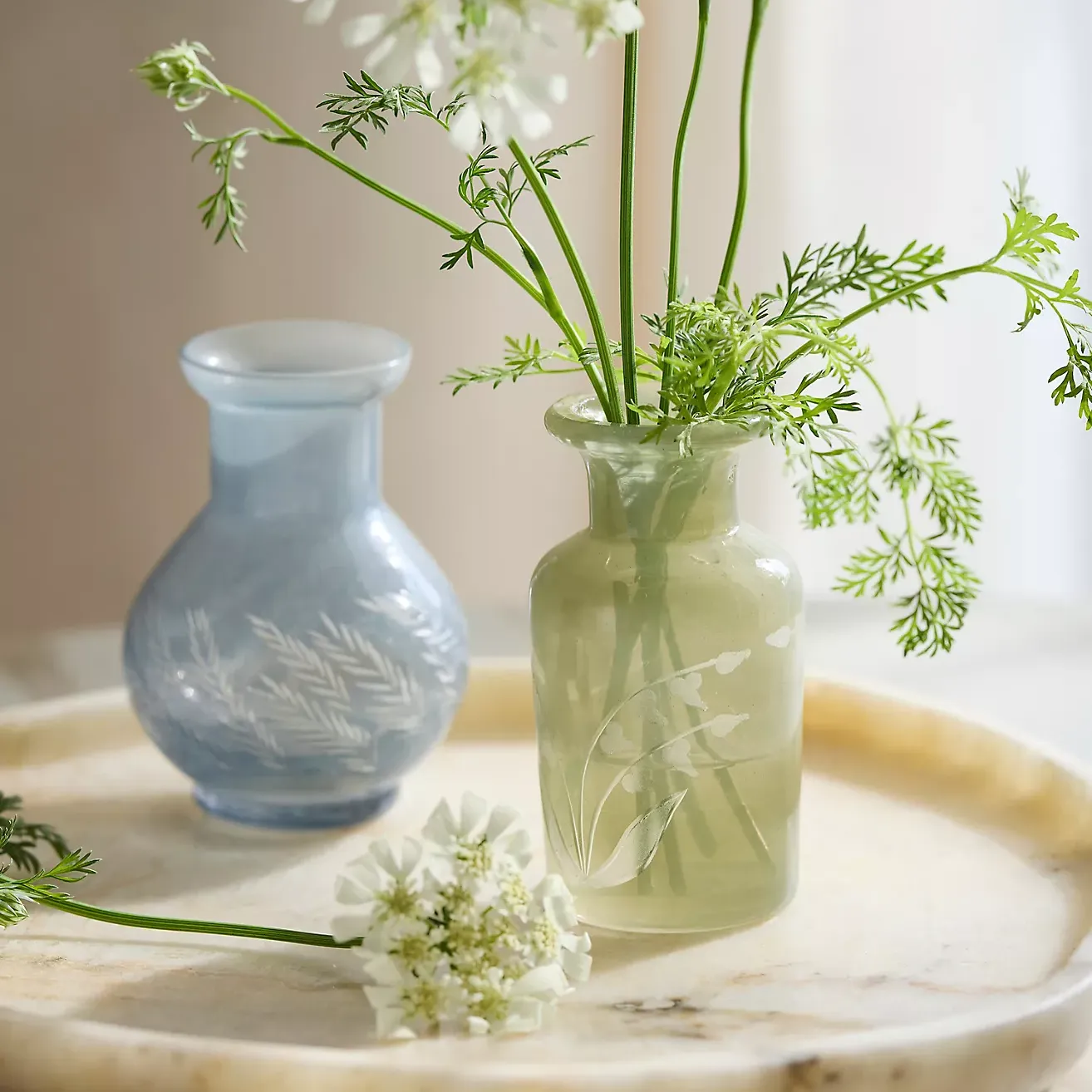
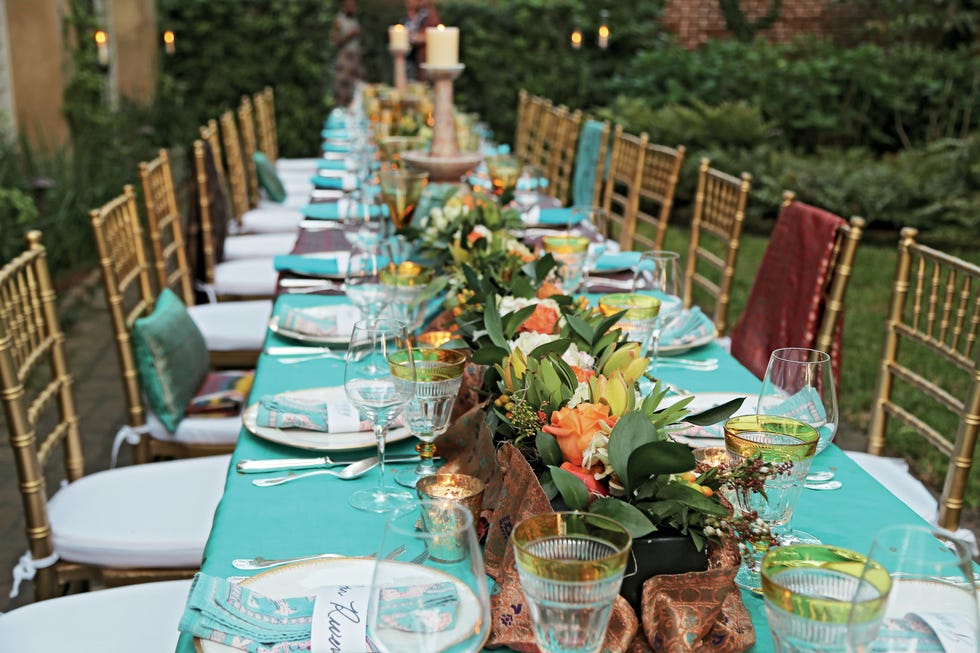
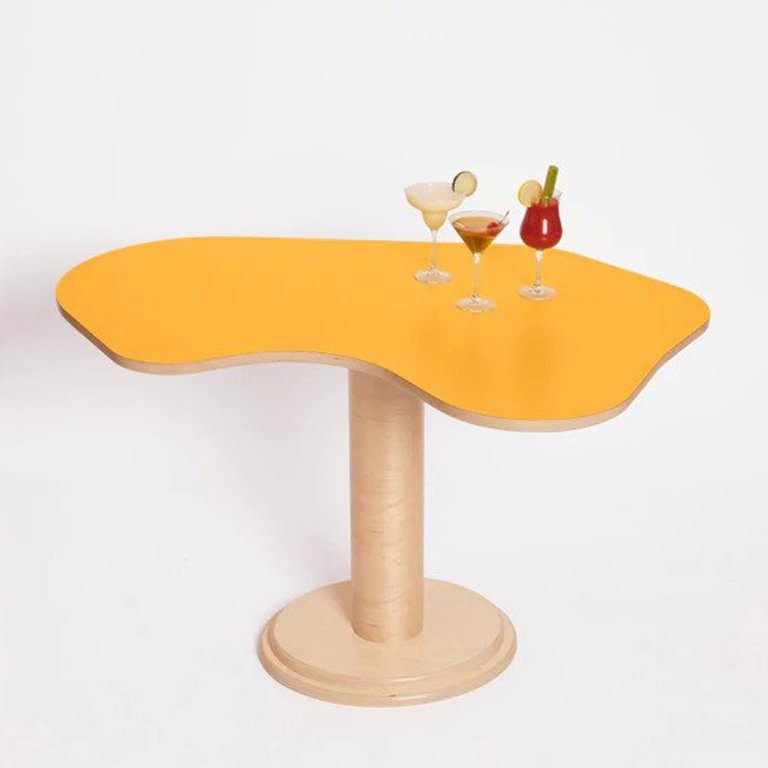
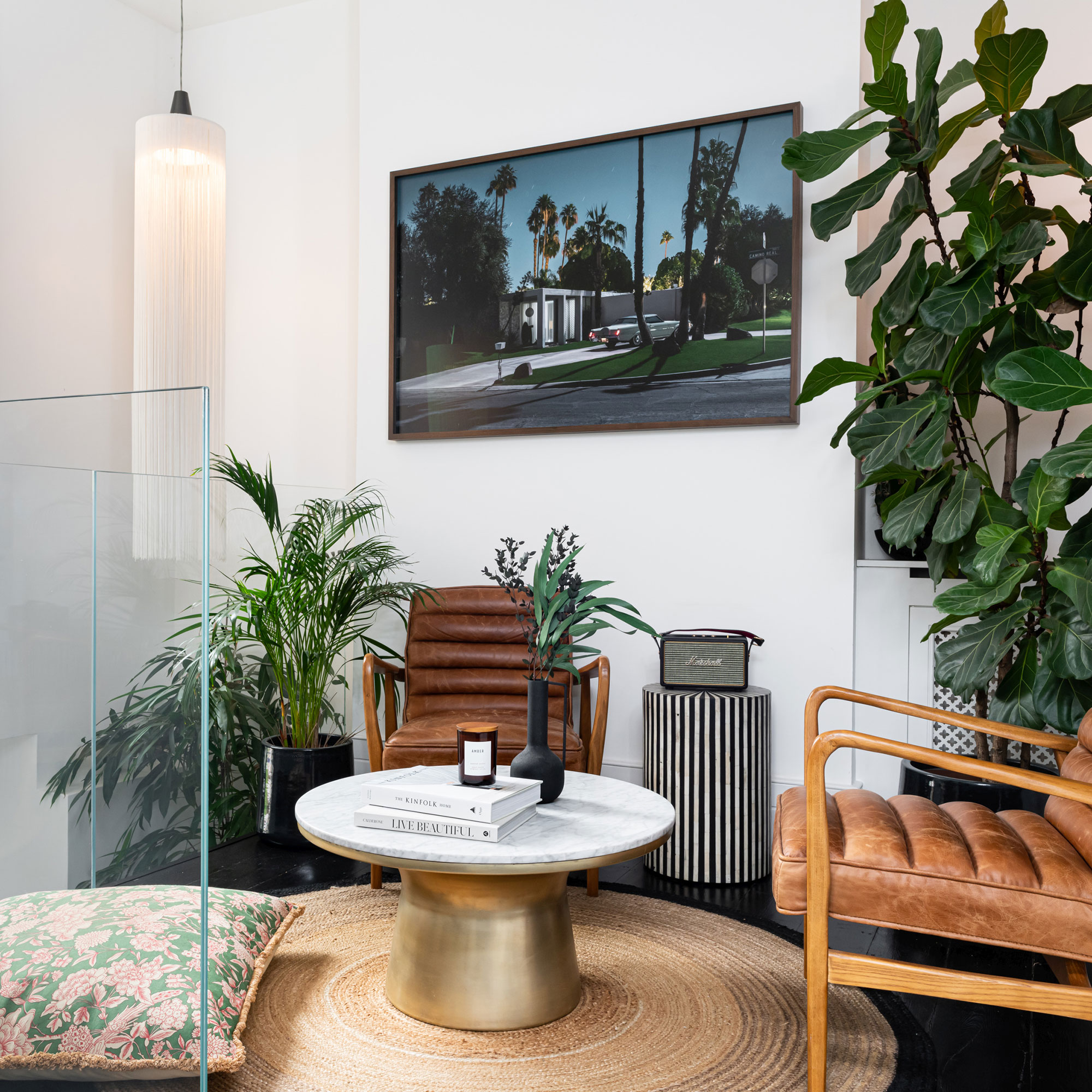
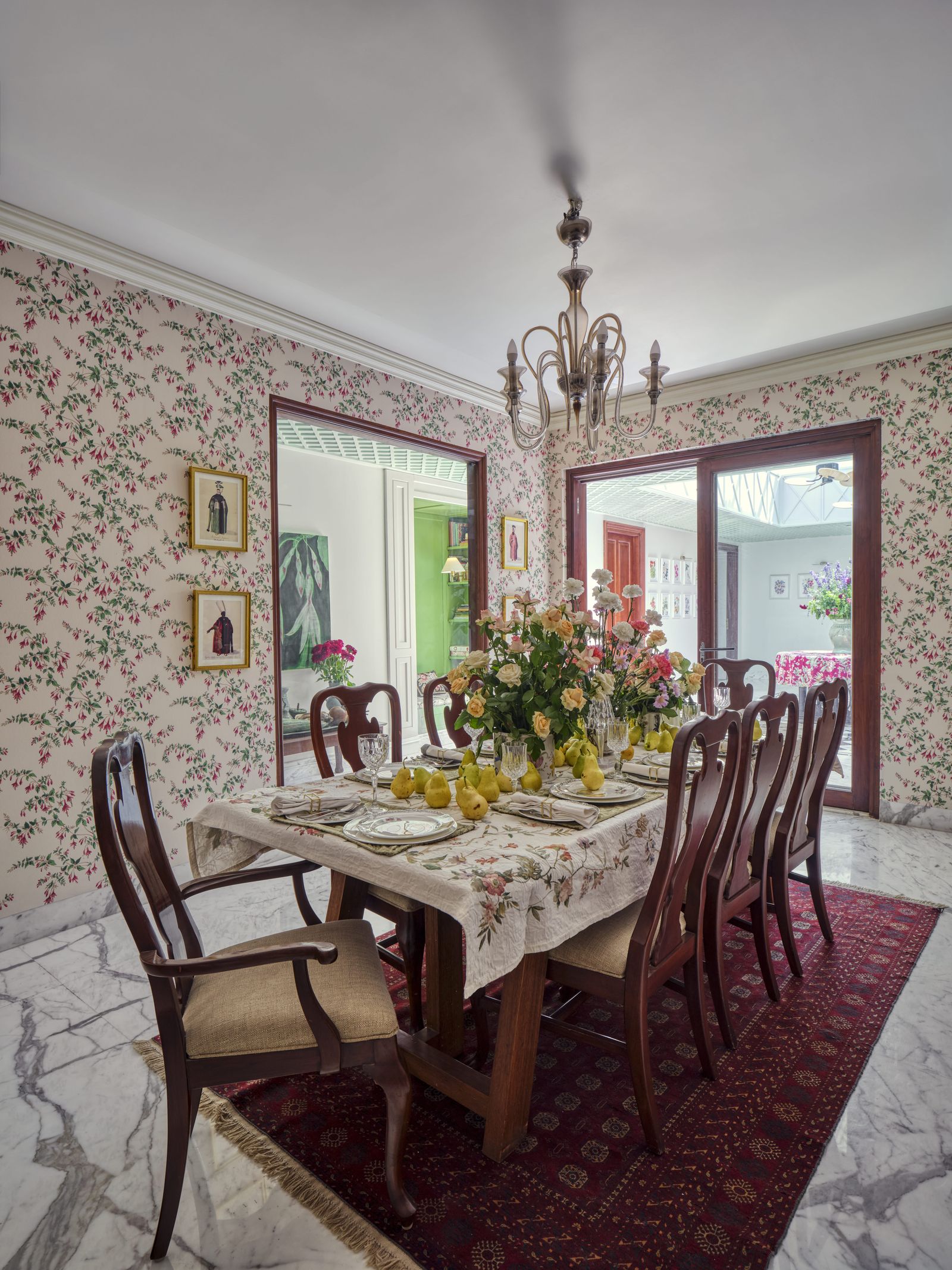
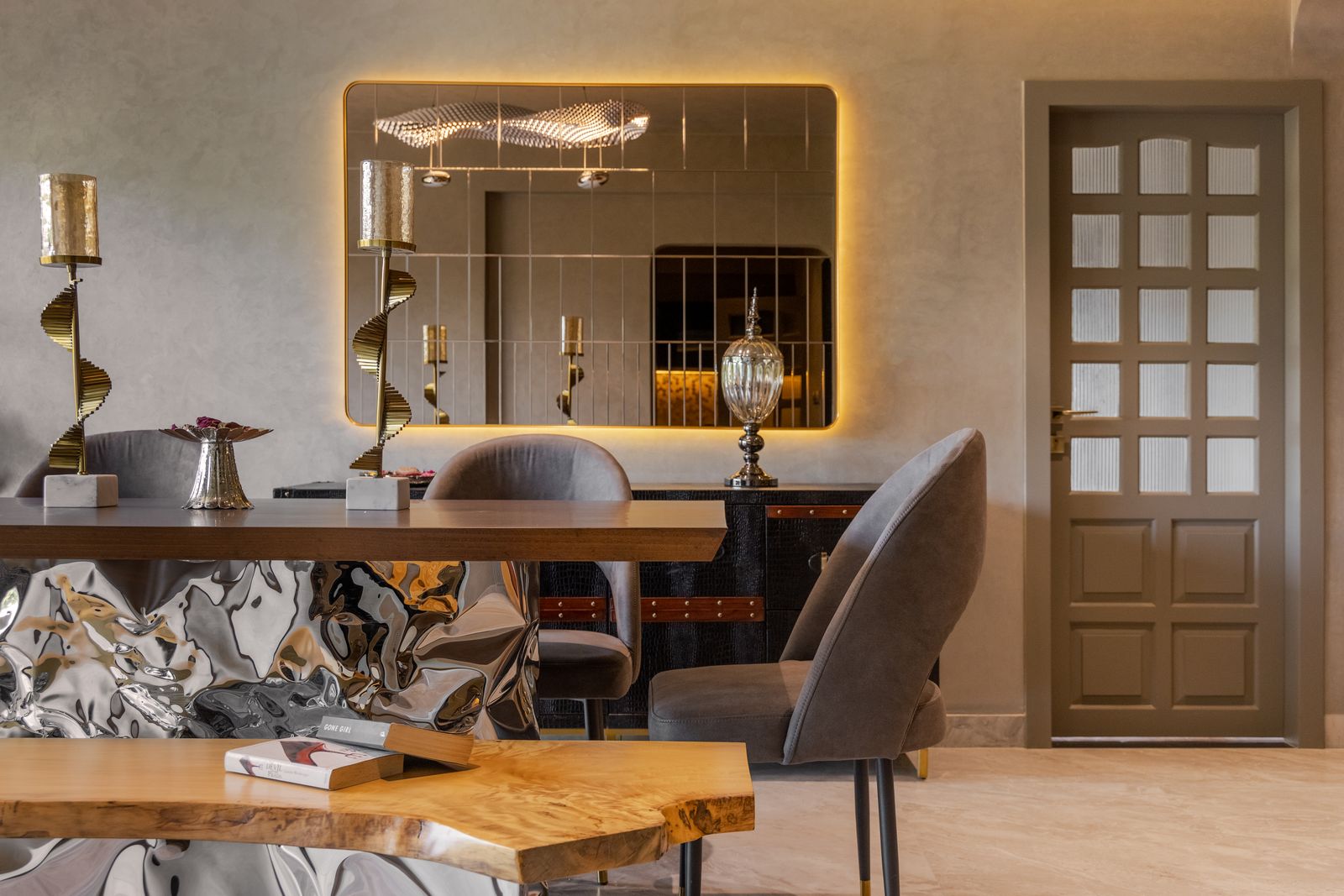
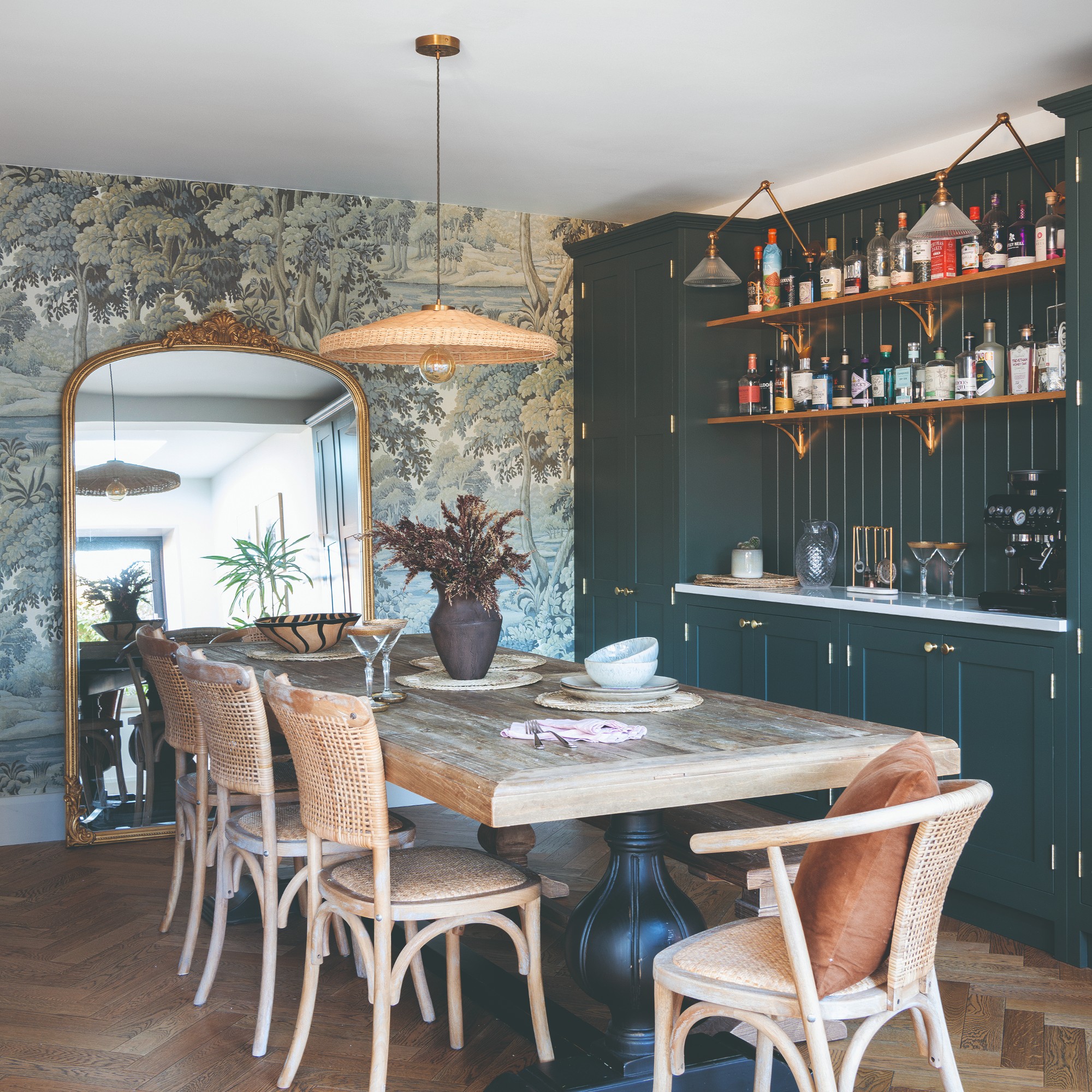
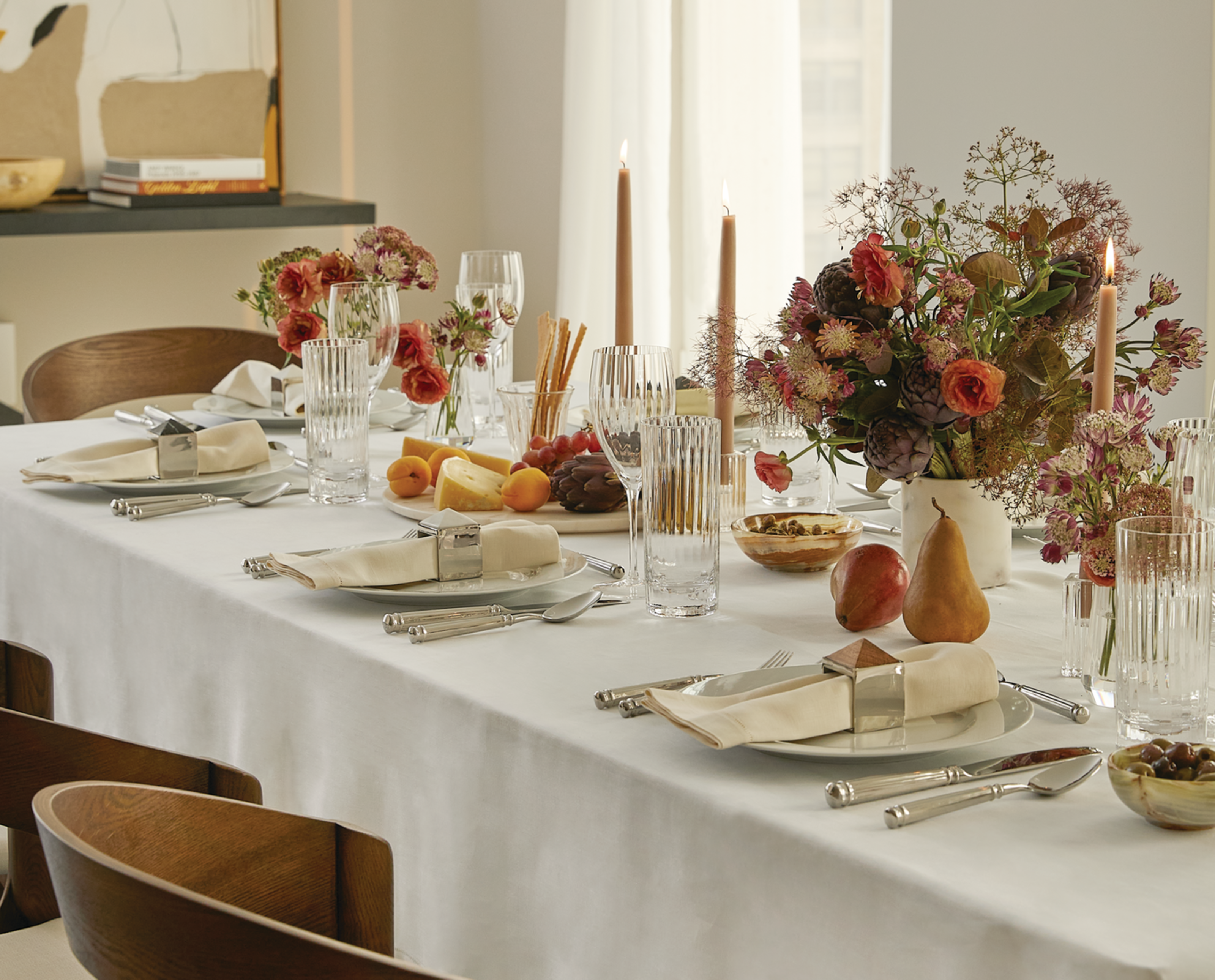
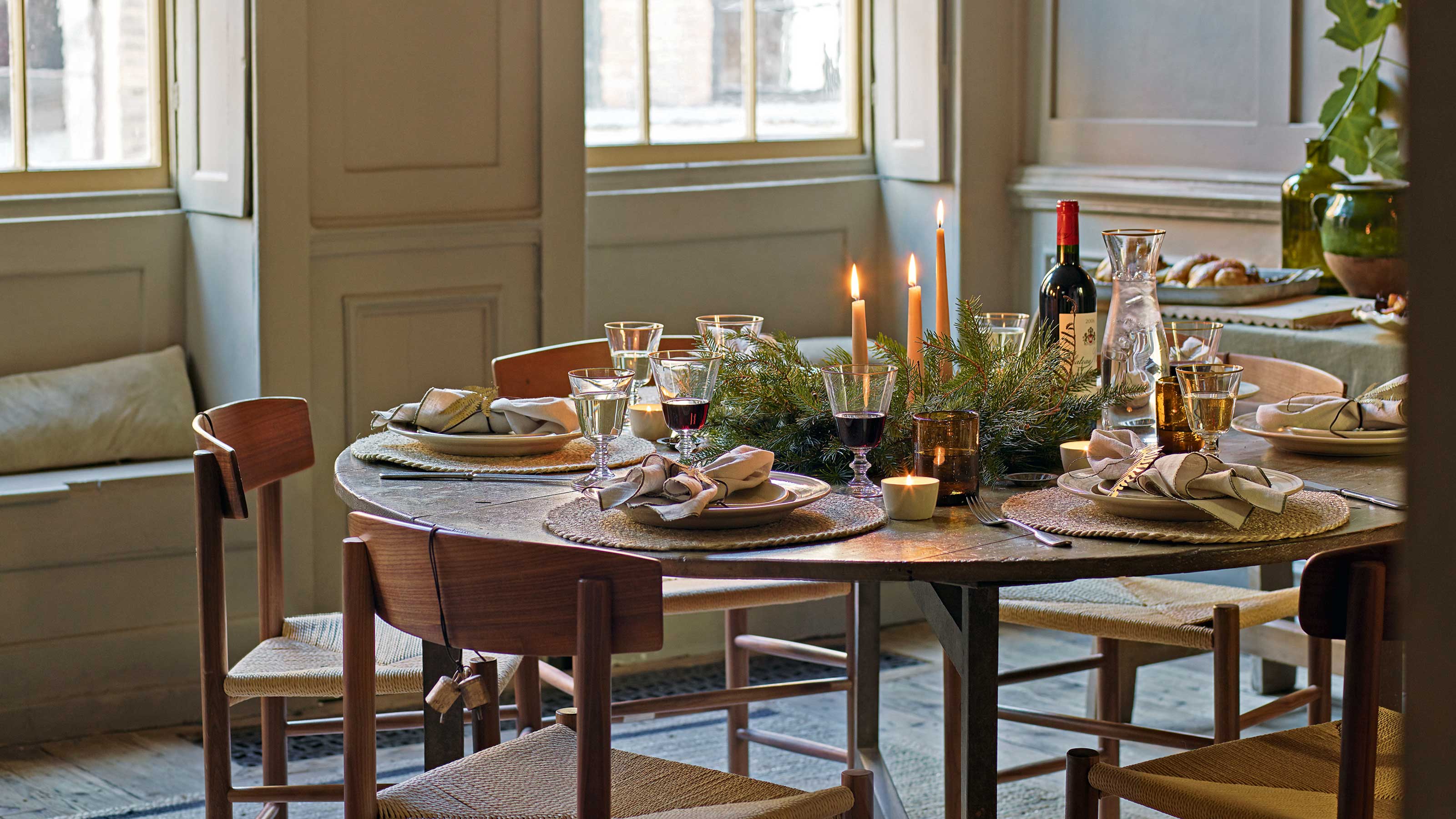
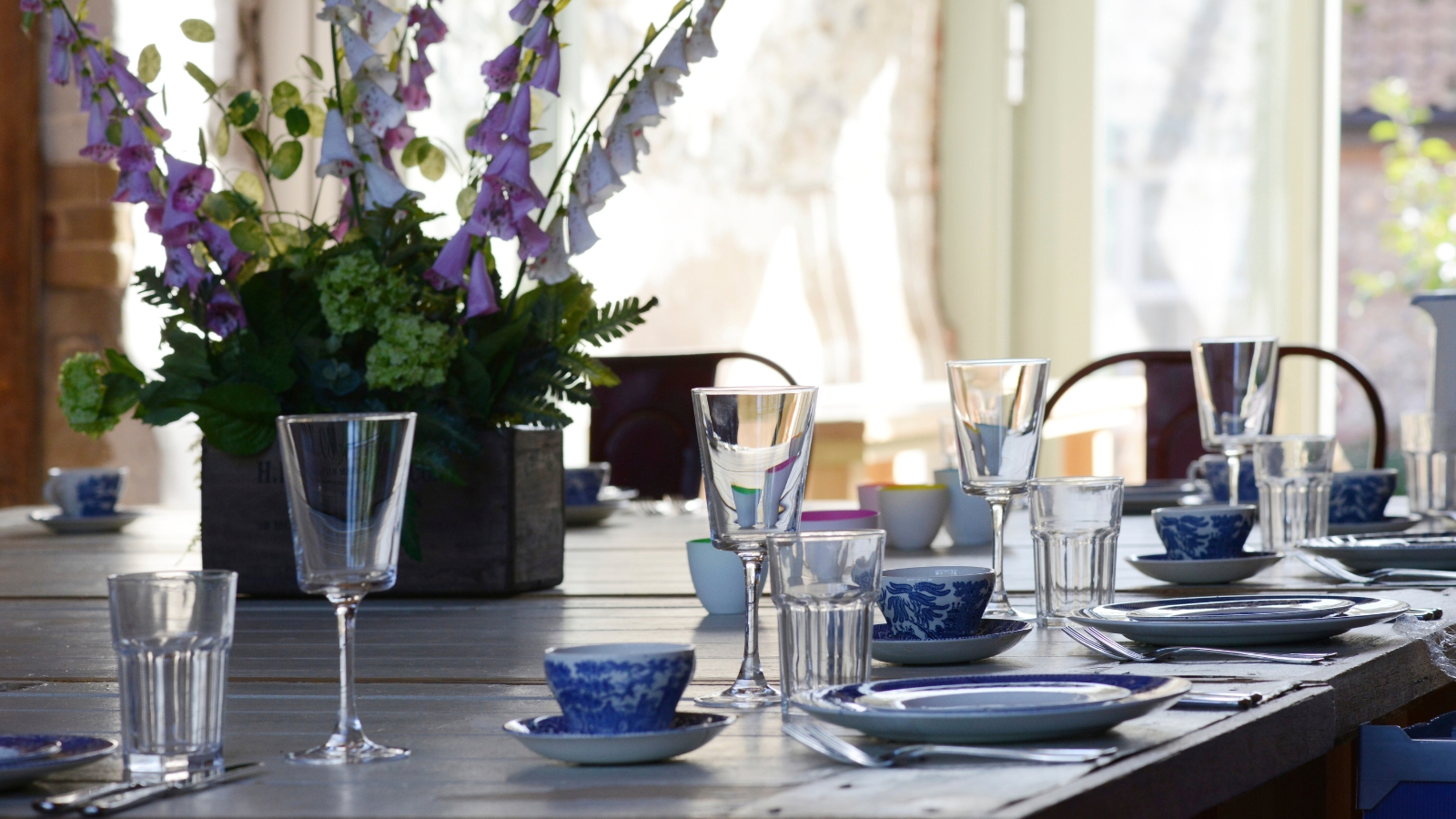
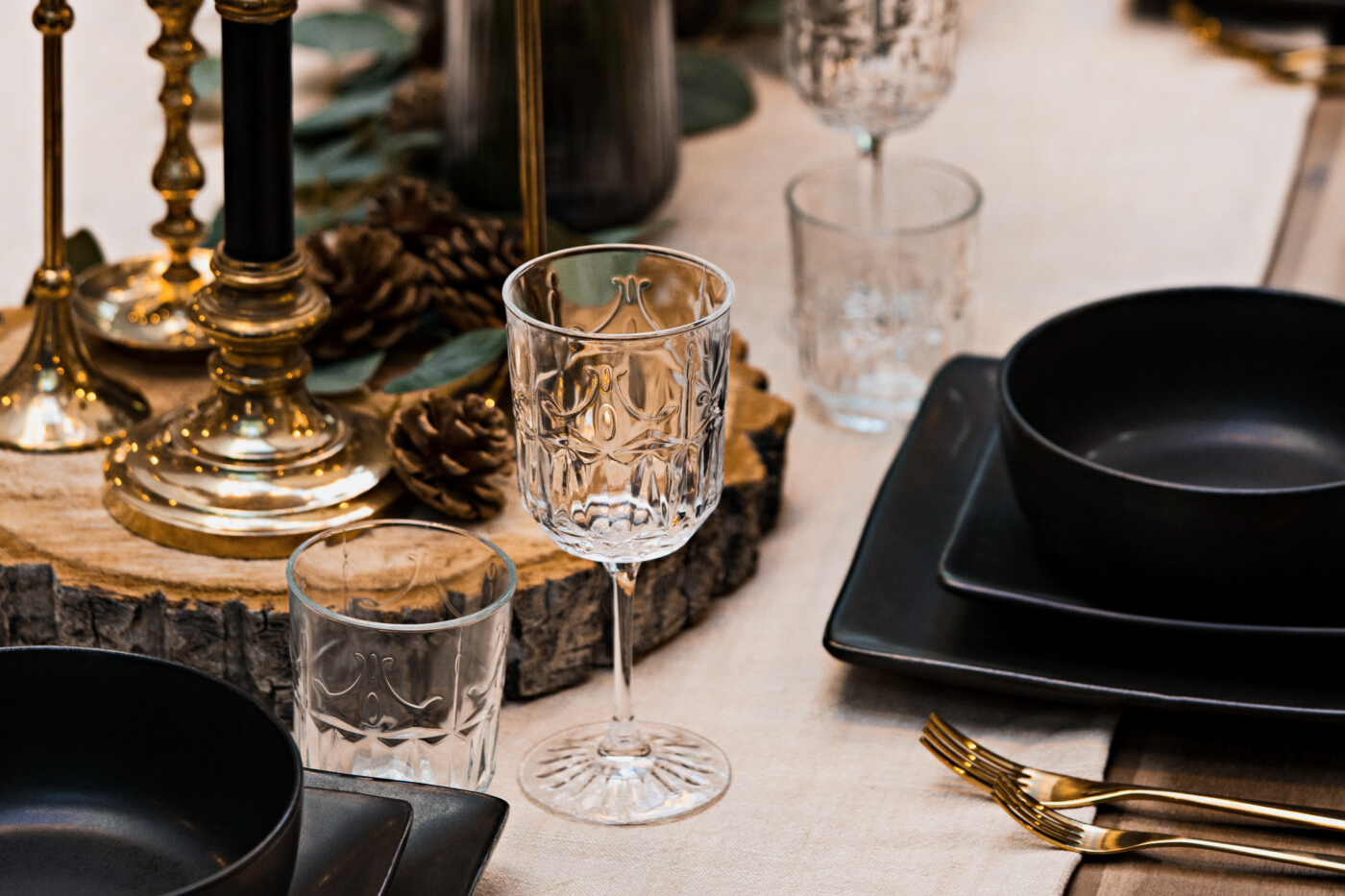
Meaningful decor plays a vital role in invoking desired energies. Earth element decor can include square or flat-shaped items in yellows, beige, or terracotta, utilizing earthy textures like clay vases or ceramic dishes. Fire element decor involves triangular or pointed decorations in red, orange, or yellow hues, such as candles and holders. For the Water element, wavy or asymmetrical decor in blue or black, along with water-themed items, is appropriate. The Wood element is best represented by natural themes like fresh flowers, plants, and wooden decor. The Metal element can be symbolized by reflective surfaces, metallic decor, or rounded utensils, which enhance energy flow and spaciousness. It is important to avoid overcrowding the table with too many decorative items to ensure an unhindered flow of 'chi' or energy.
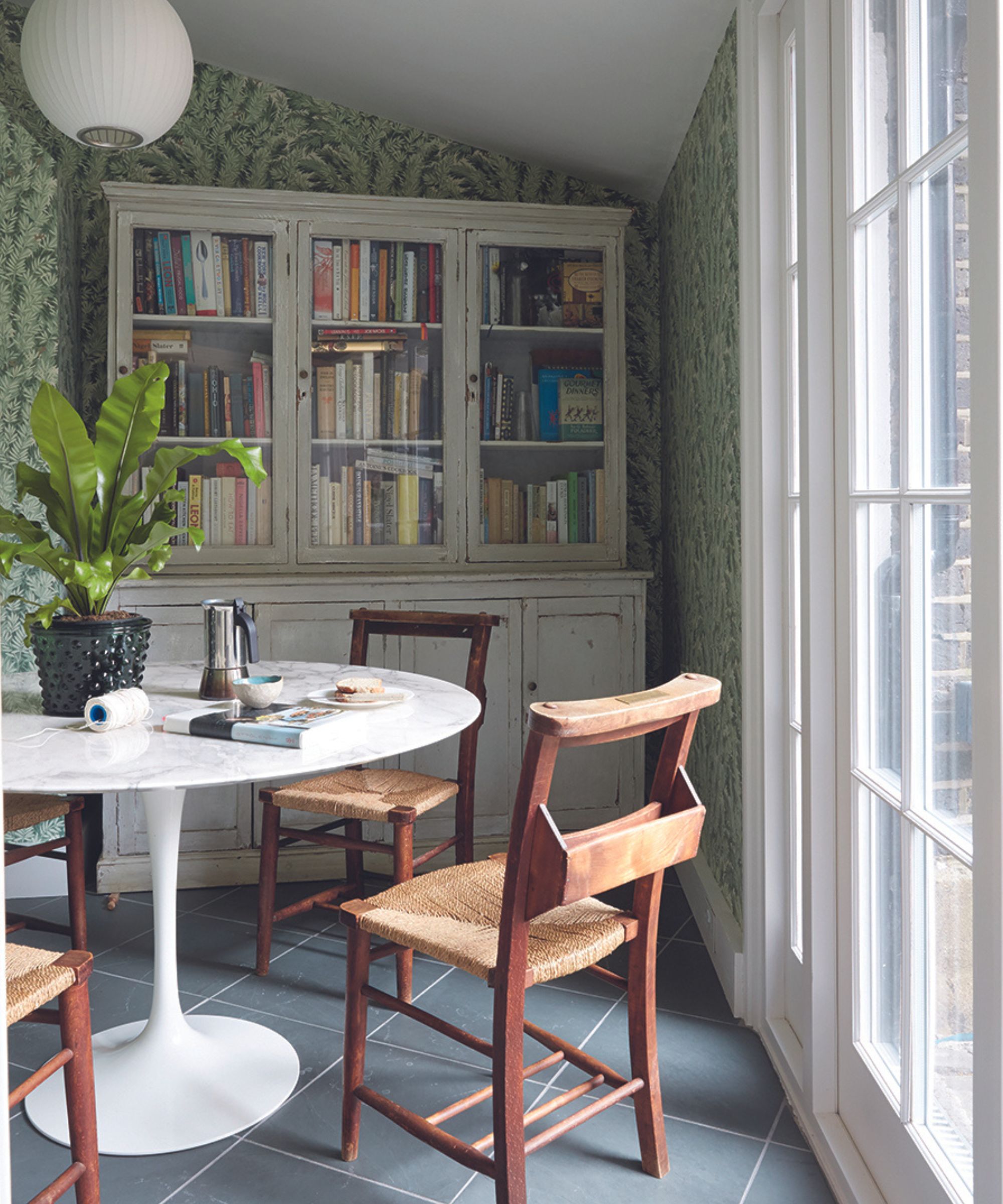
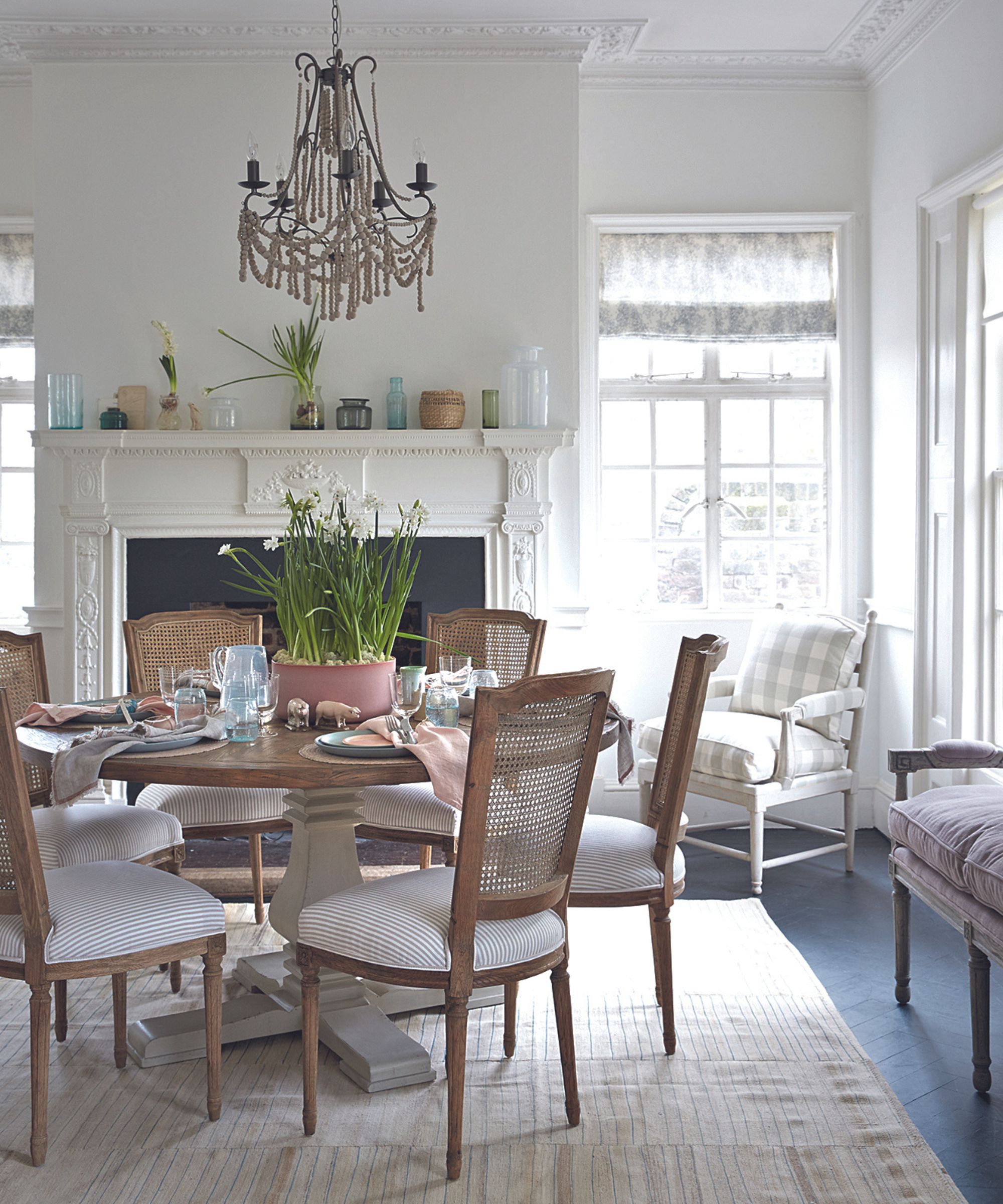
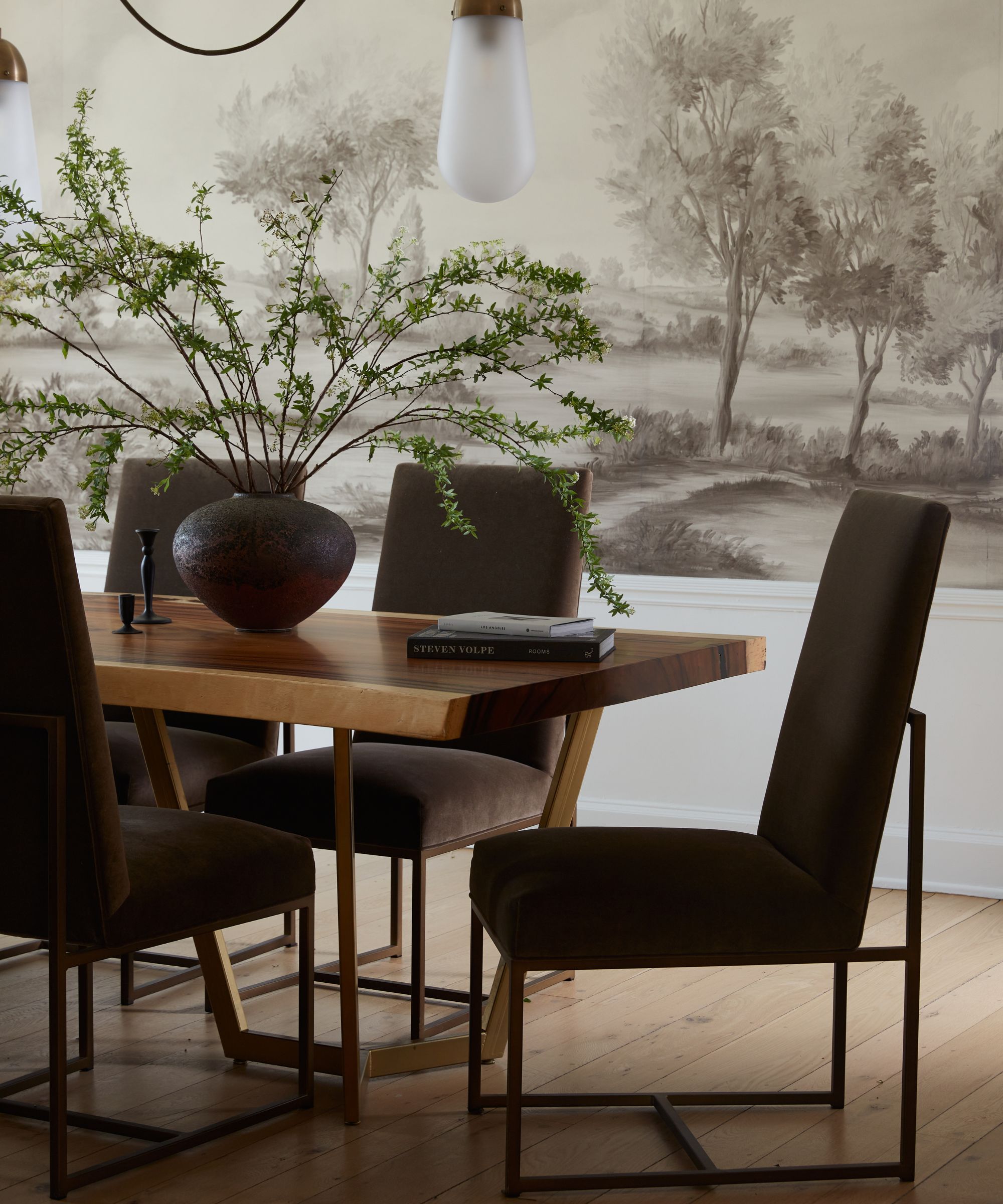
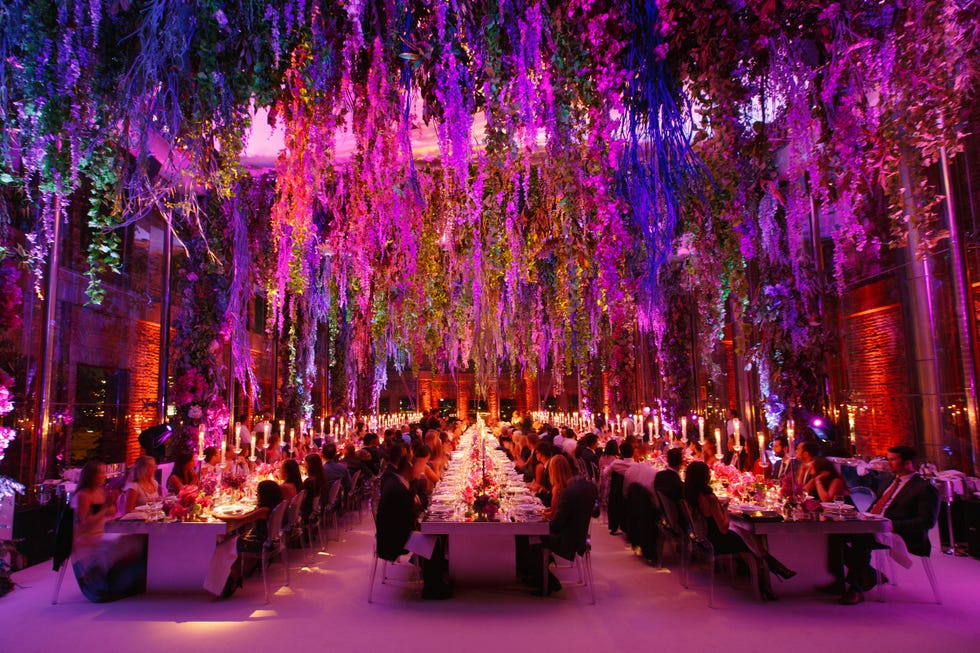
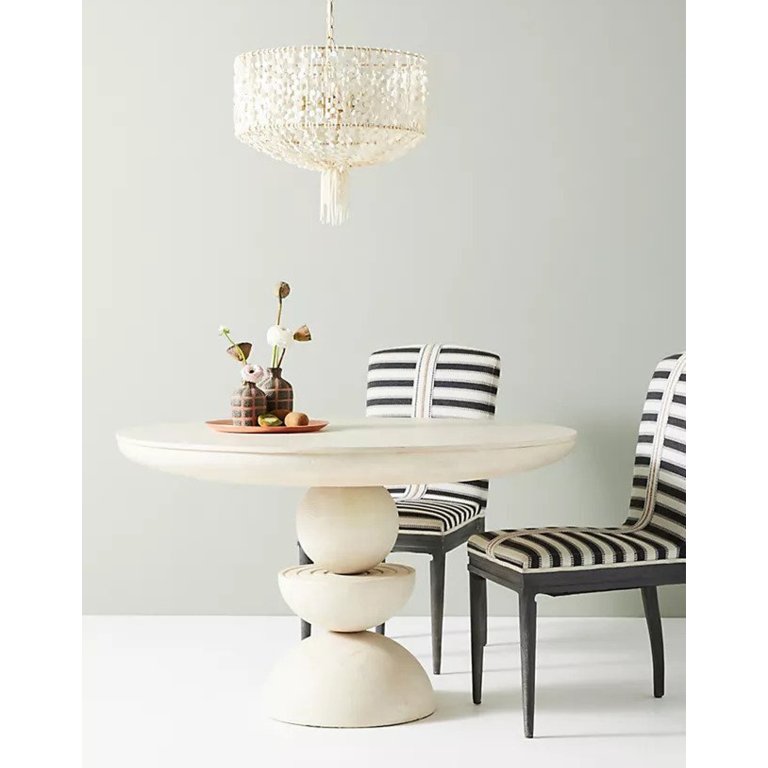
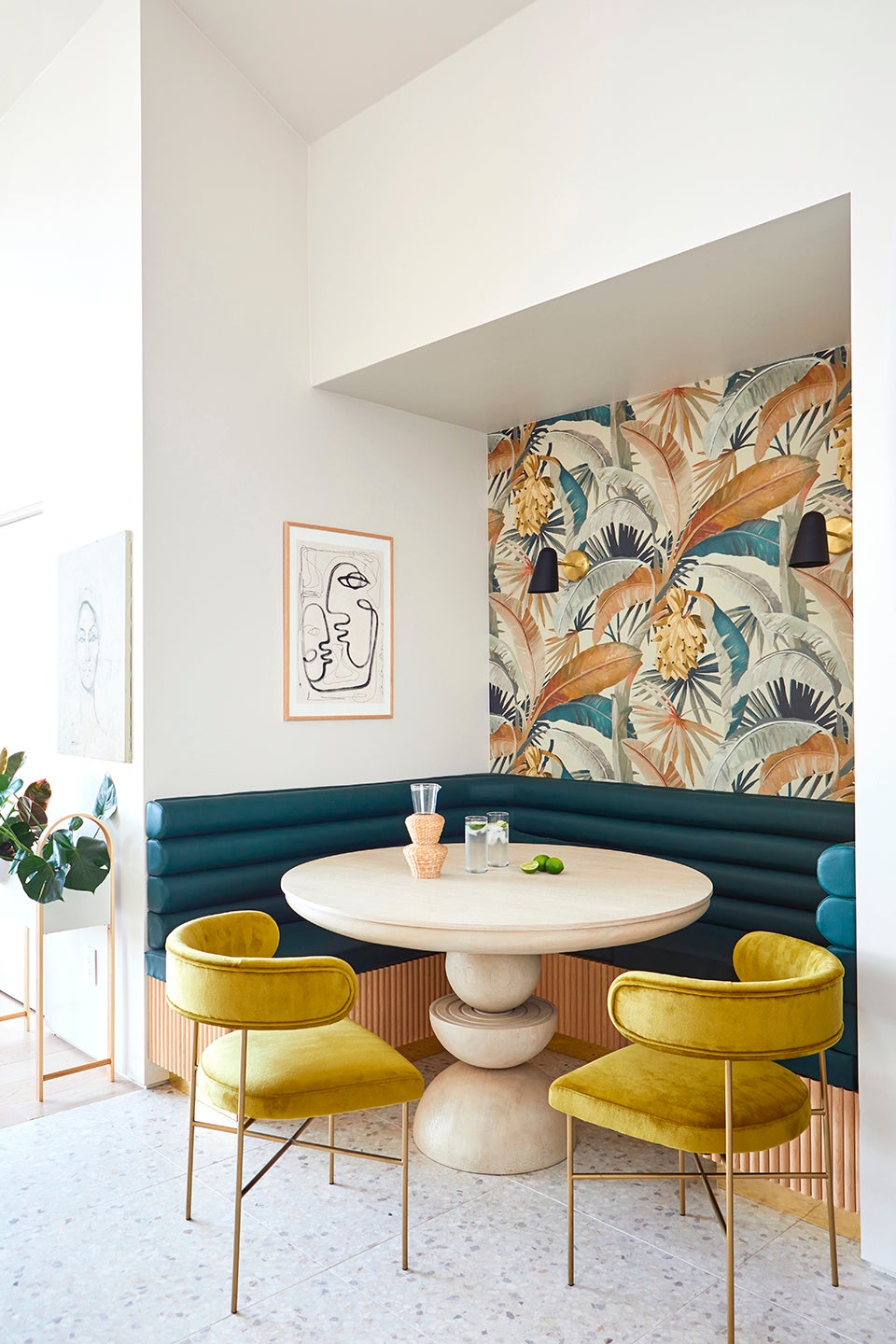
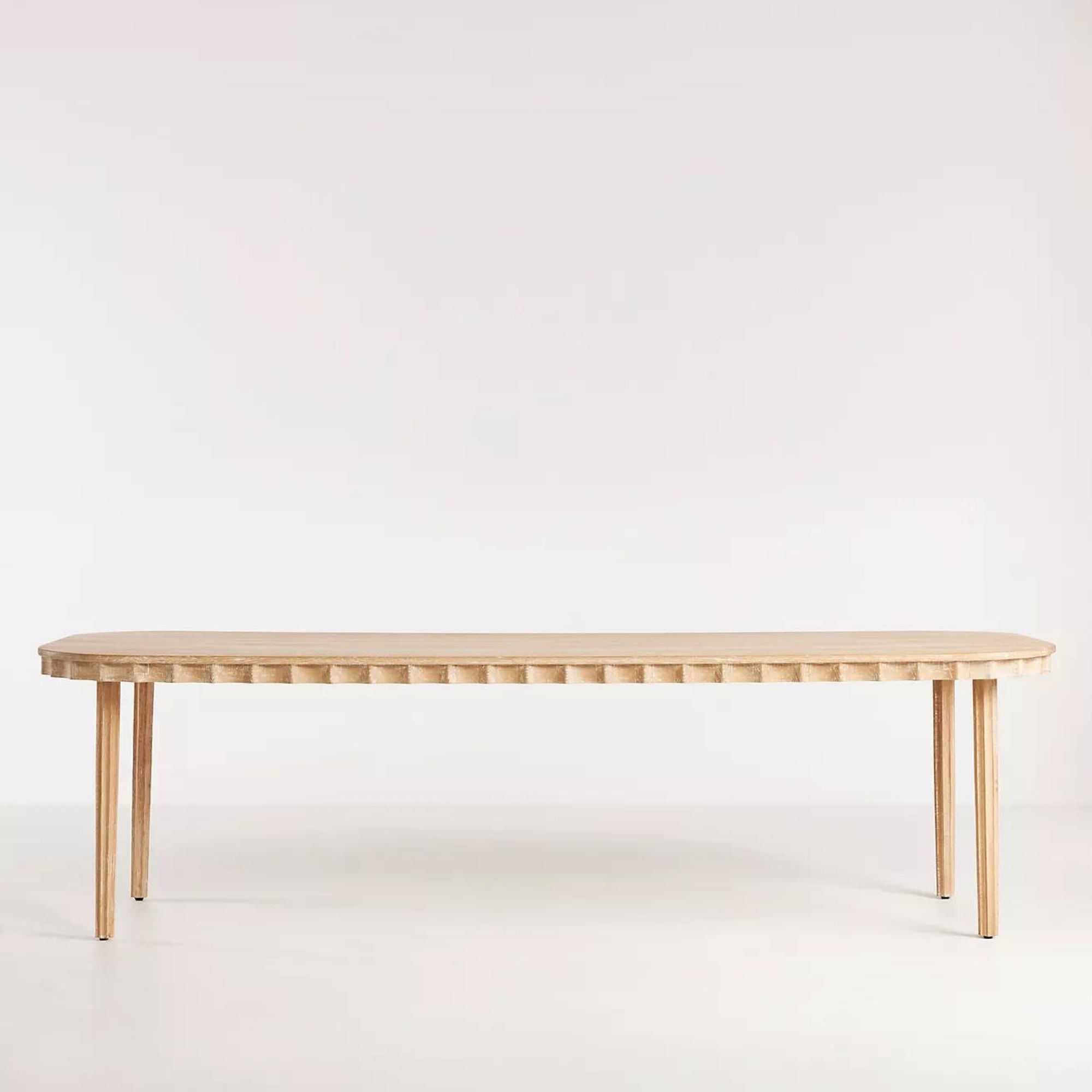
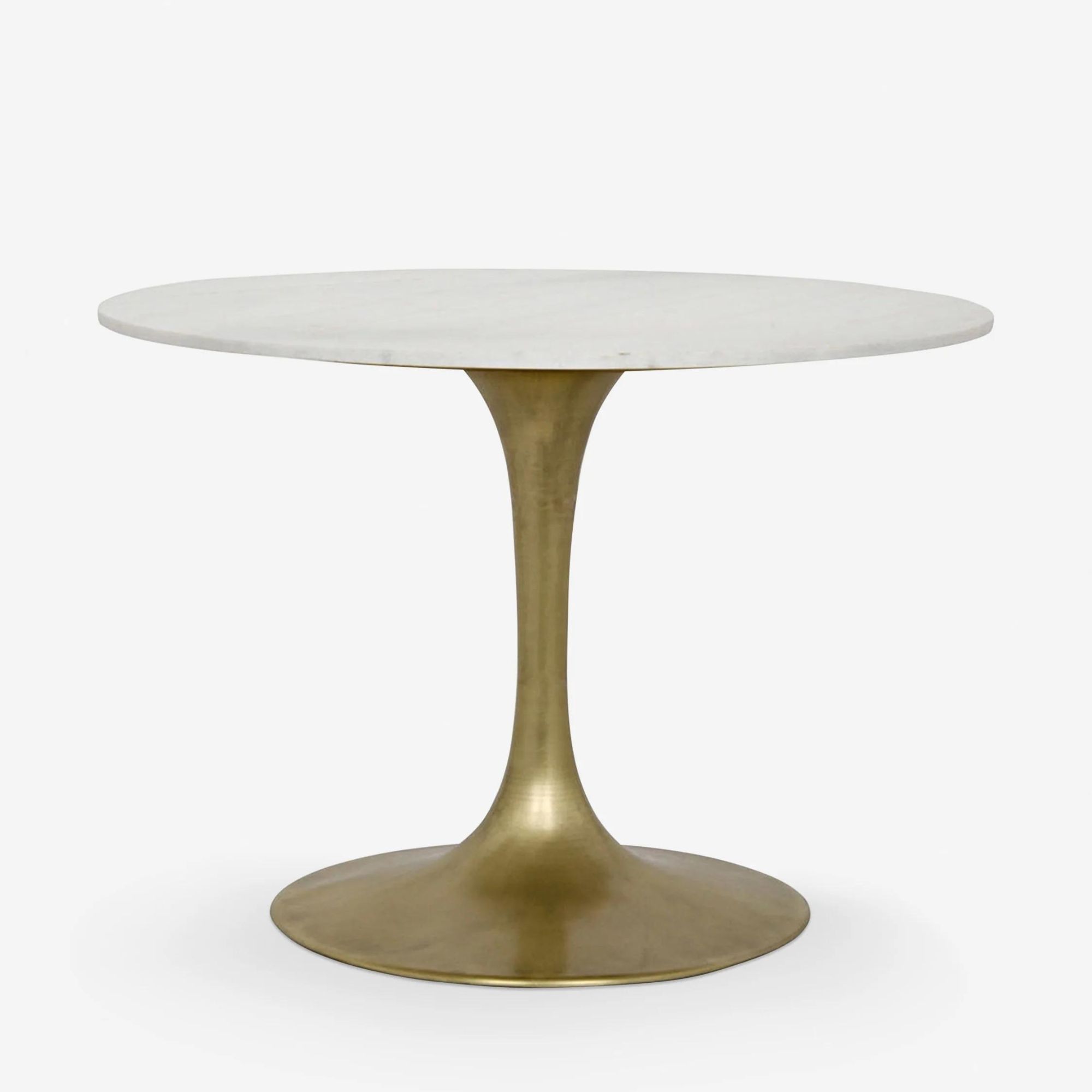
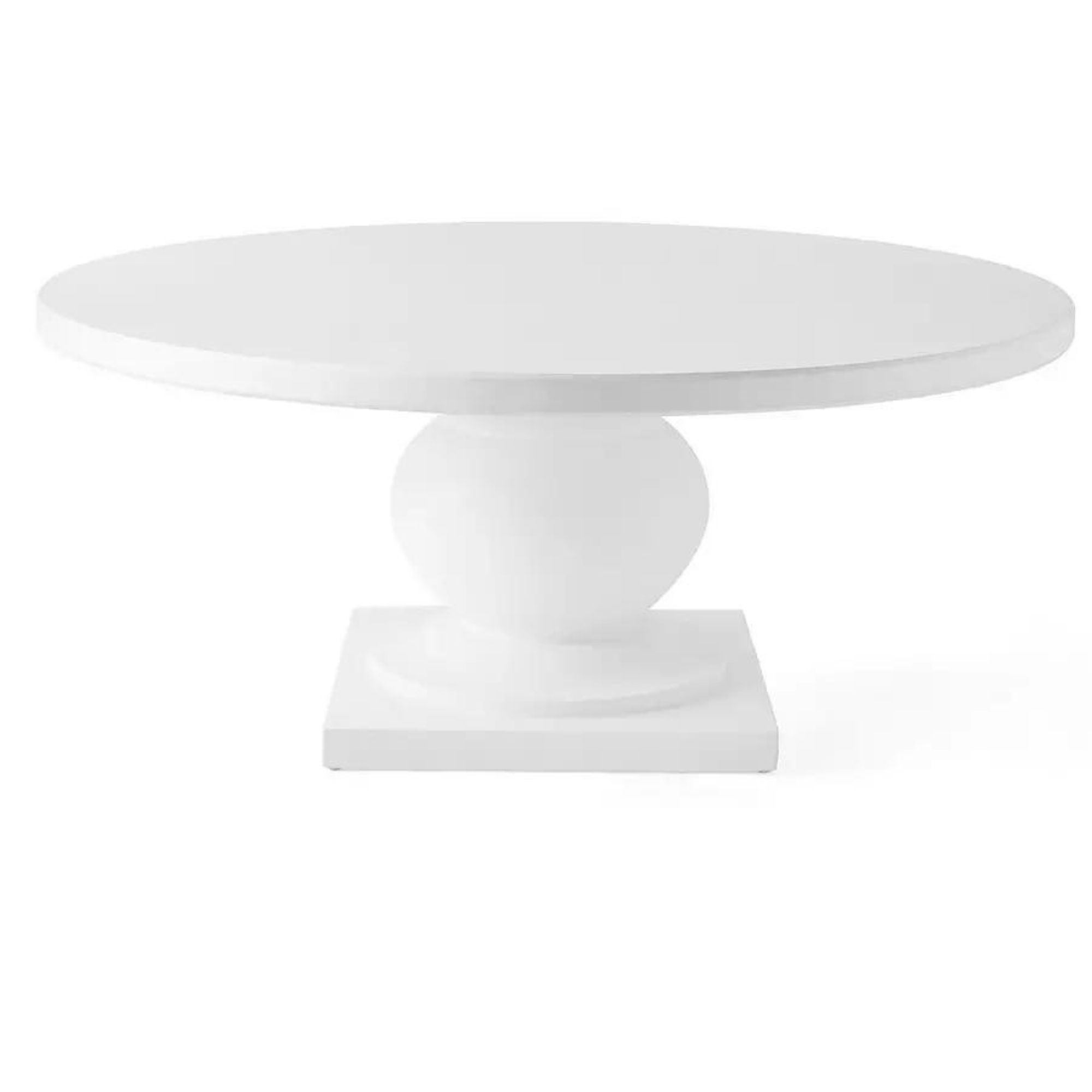
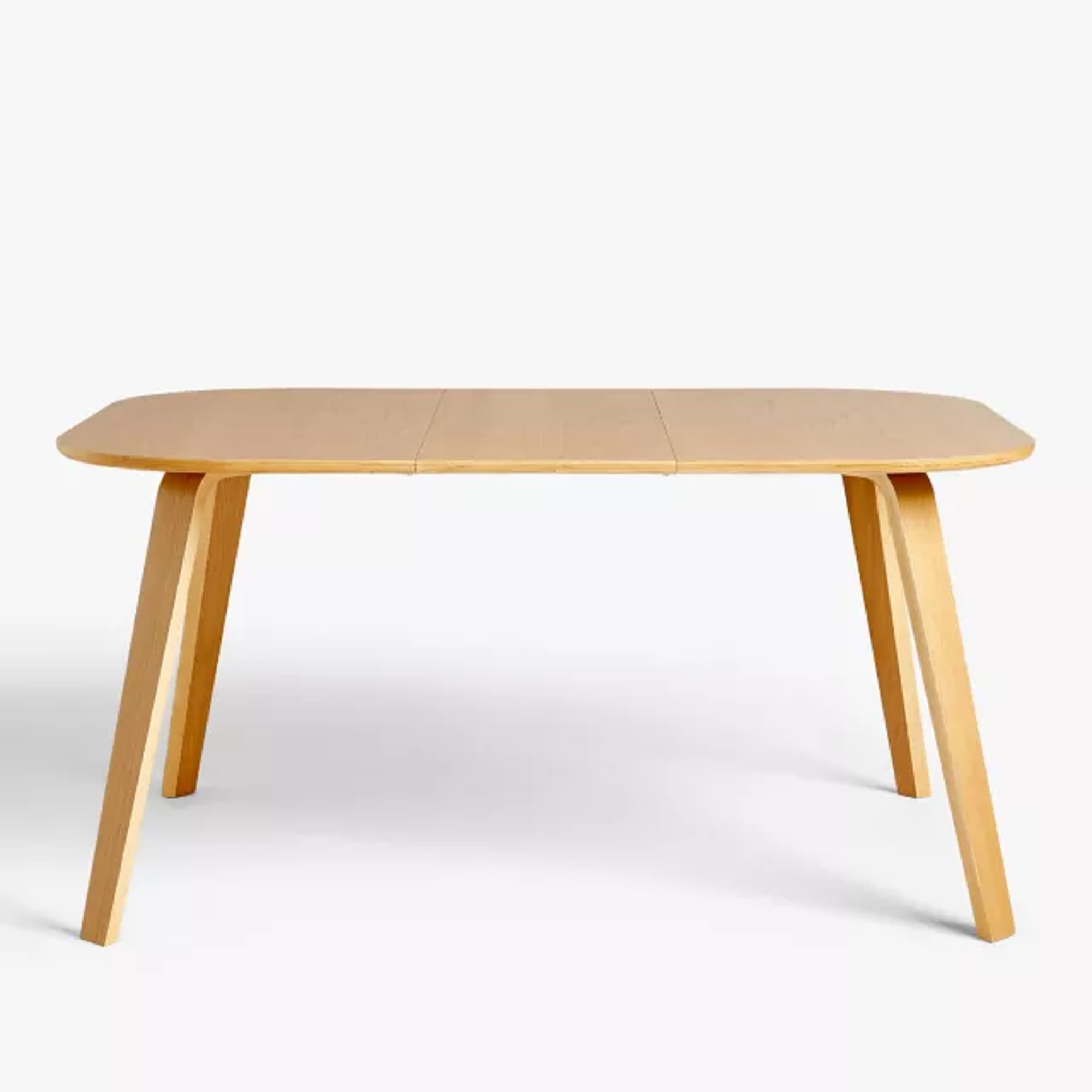
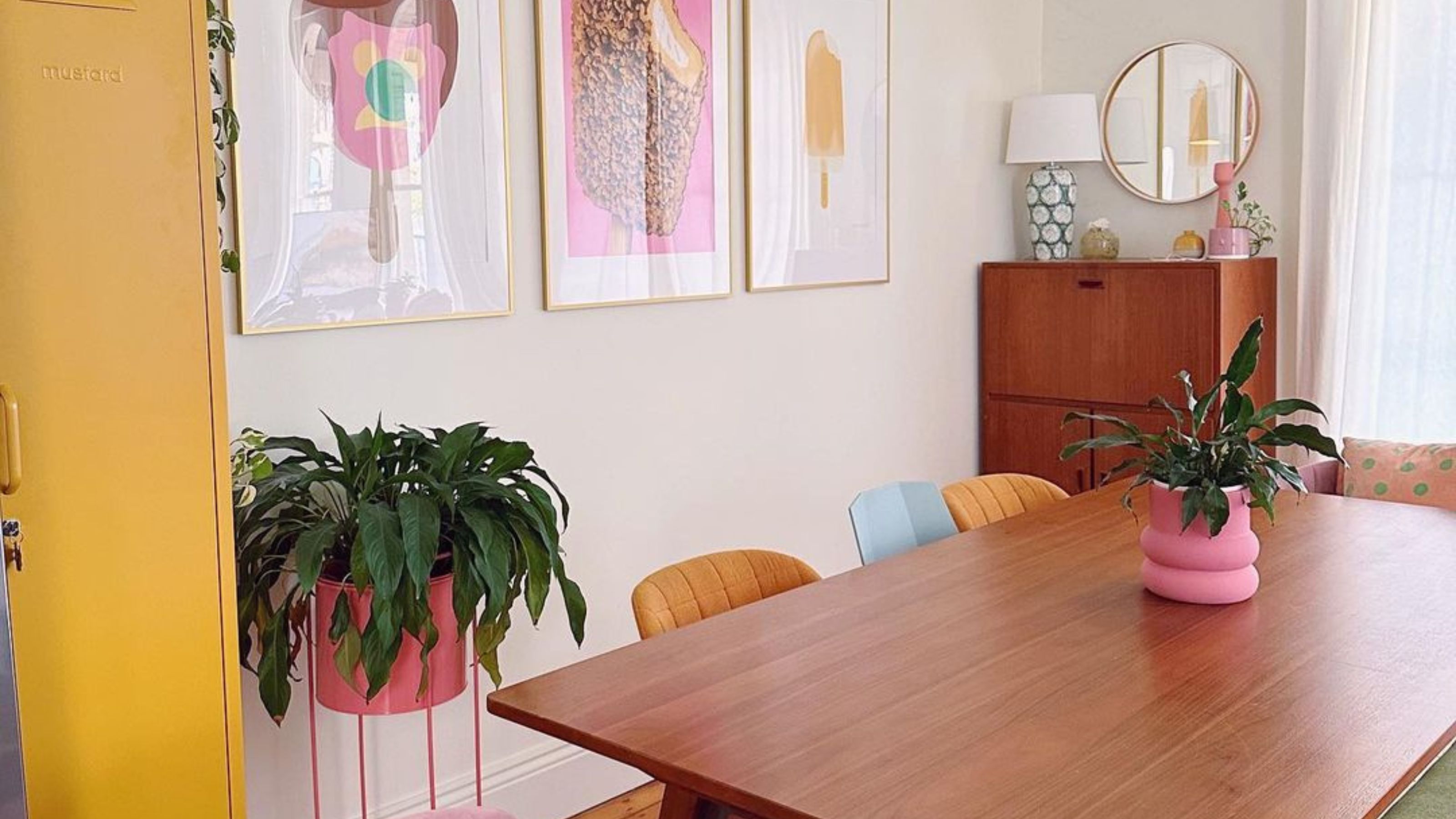
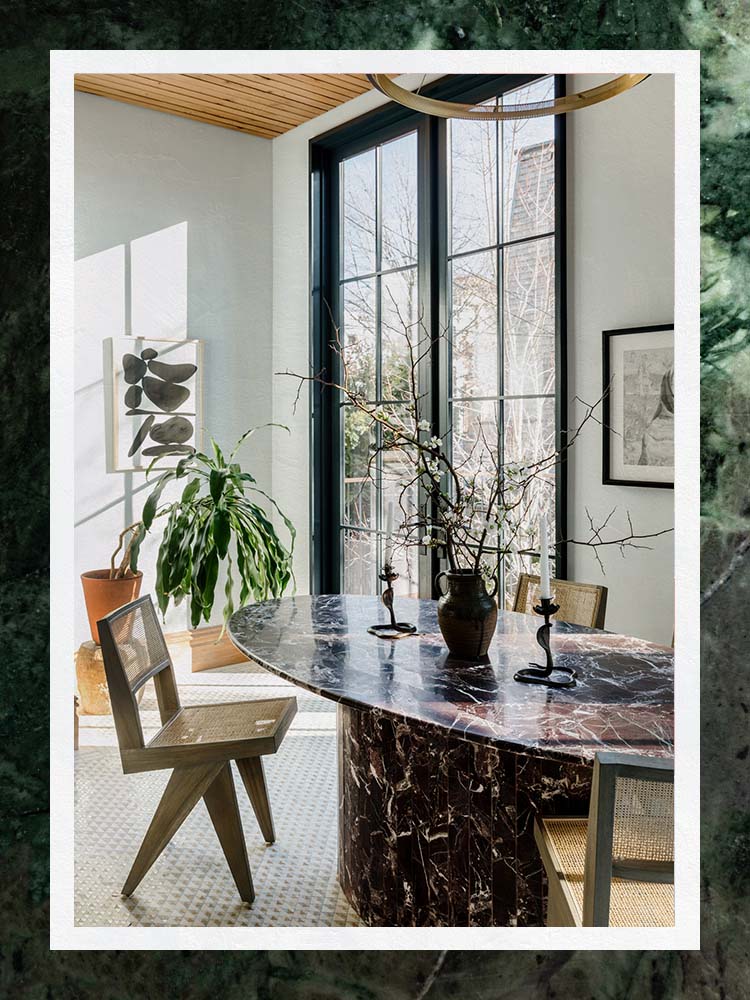
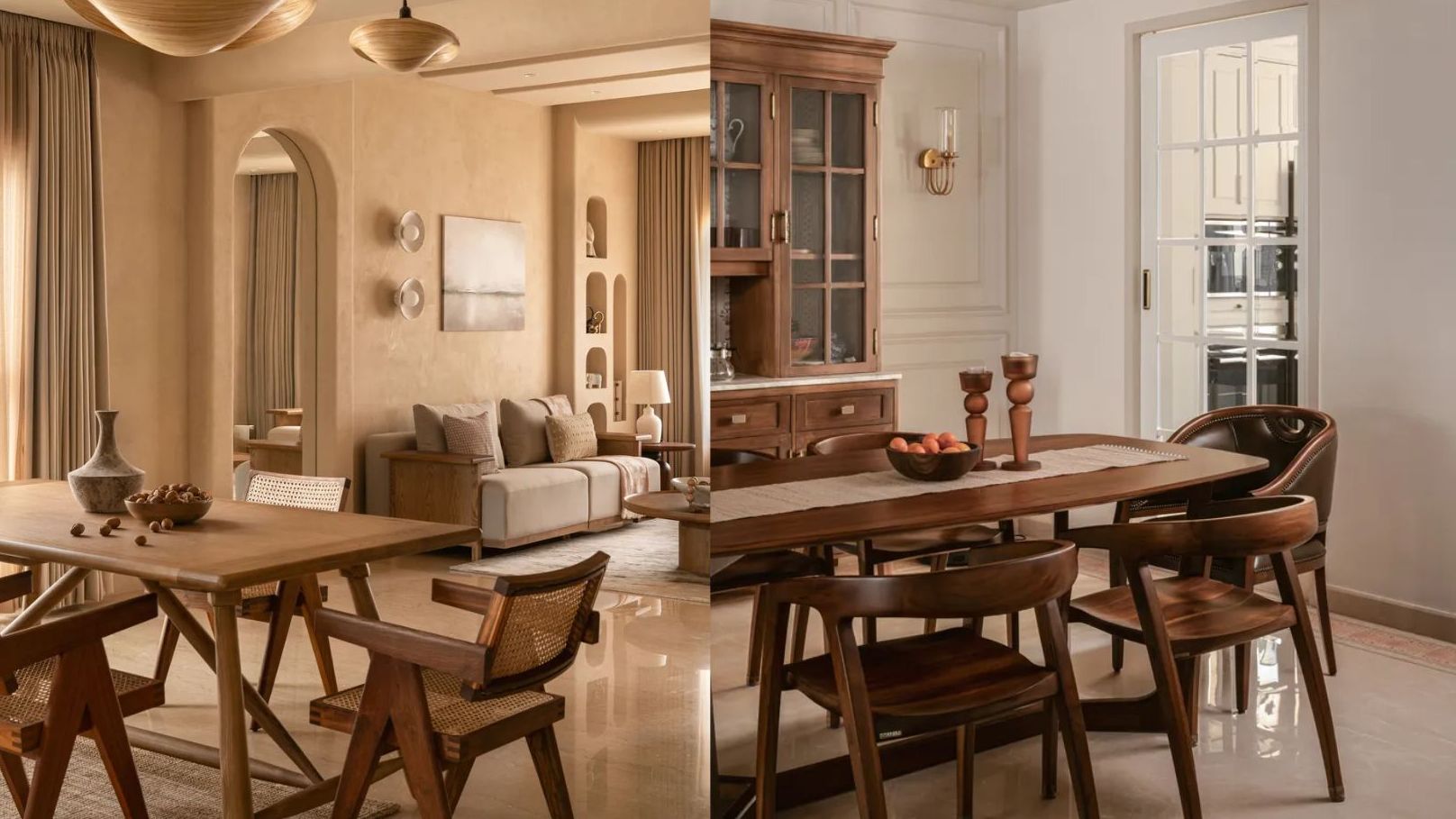
The choice of table shape also impacts energy flow. Round or oval tables are favored in Feng Shui for promoting unity and conversation, as everyone is equidistant, ensuring no one feels excluded. Square tables symbolize stability, balance, and equality among diners, fostering a harmonious atmosphere. Rectangular tables represent growth and prosperity, with their elongated shape signifying expansion and positive development.
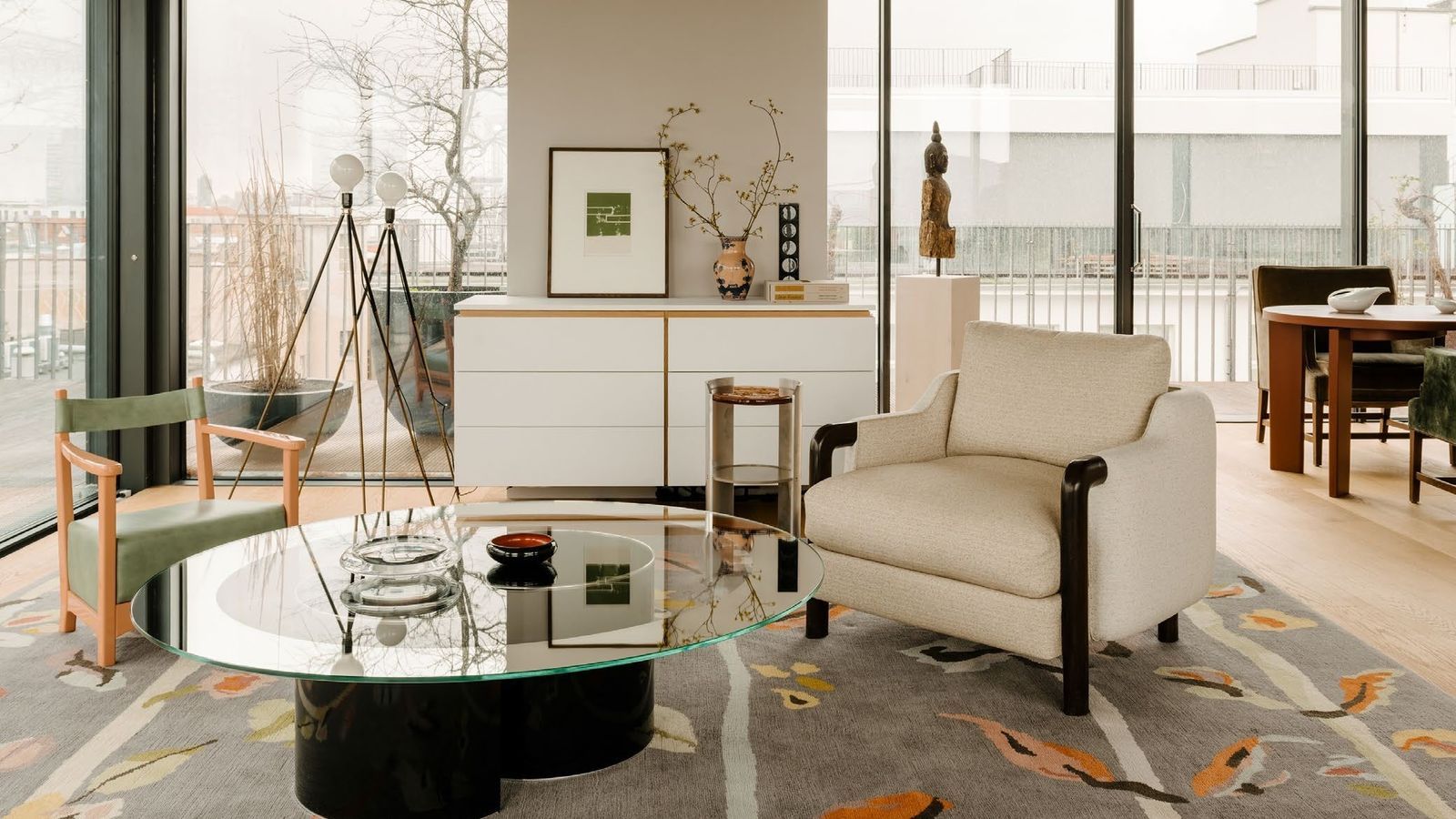
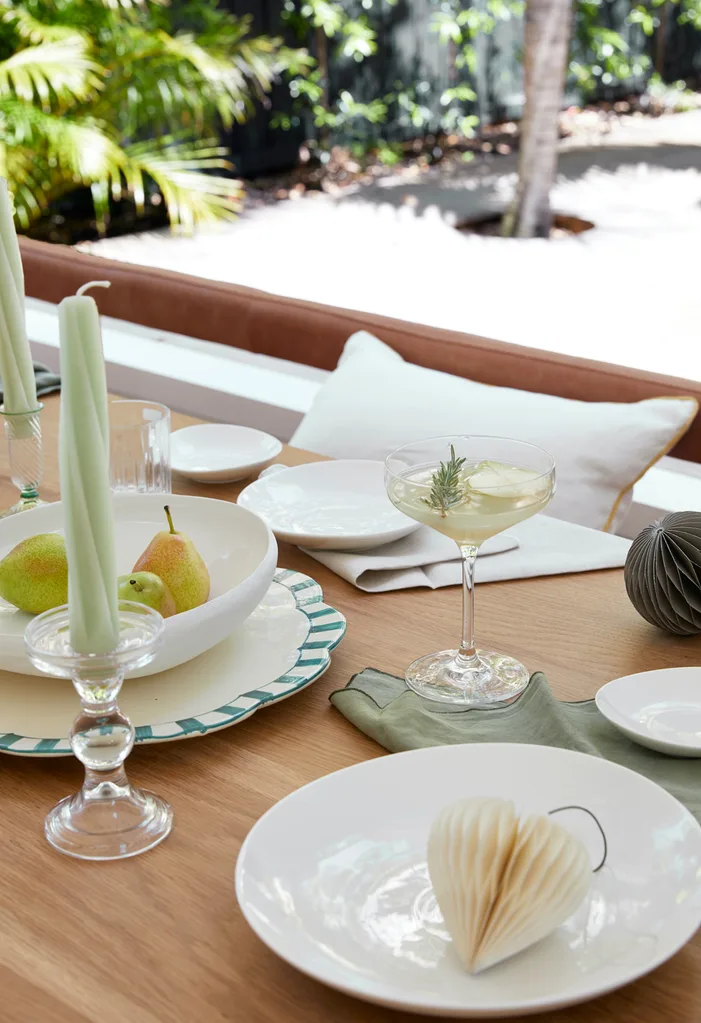
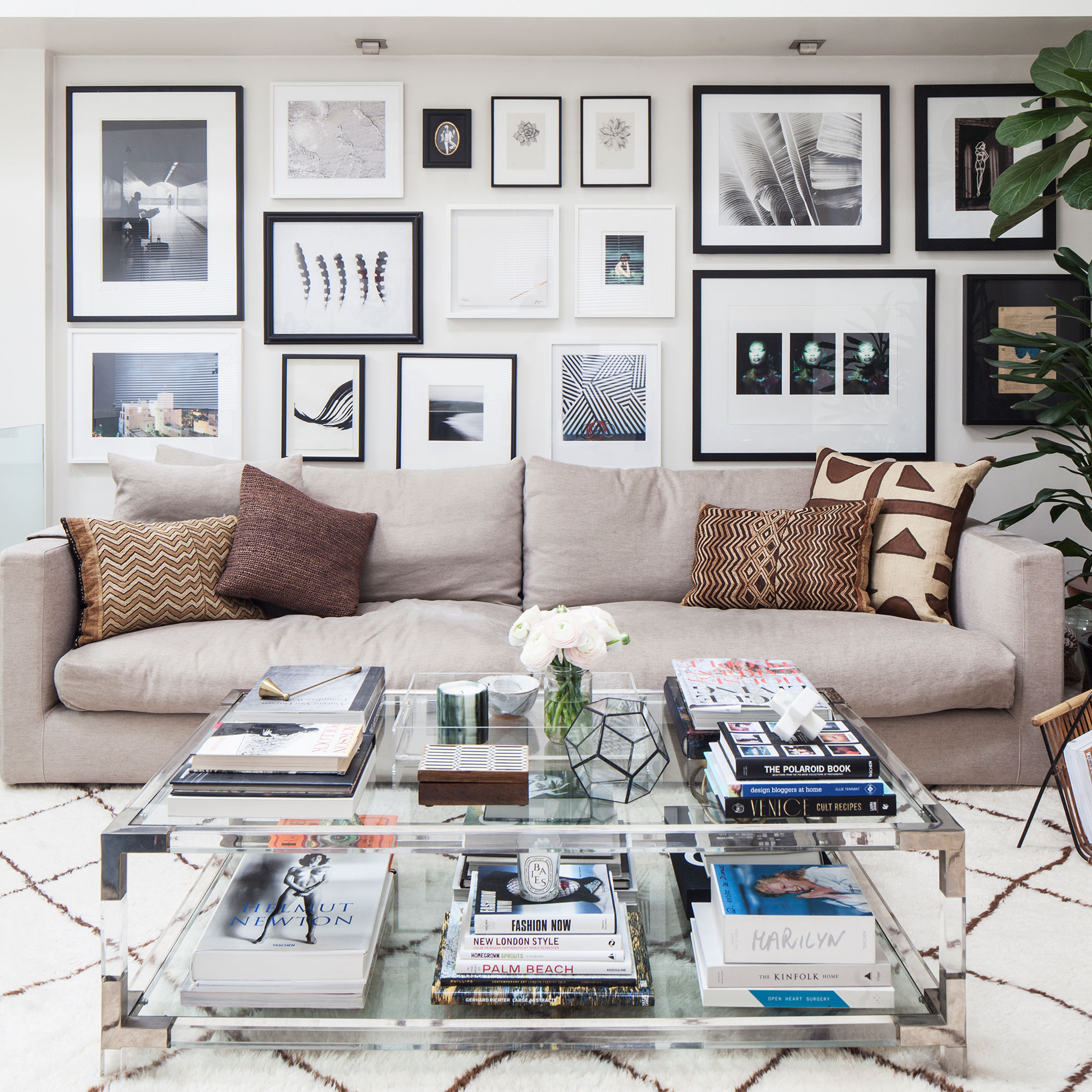
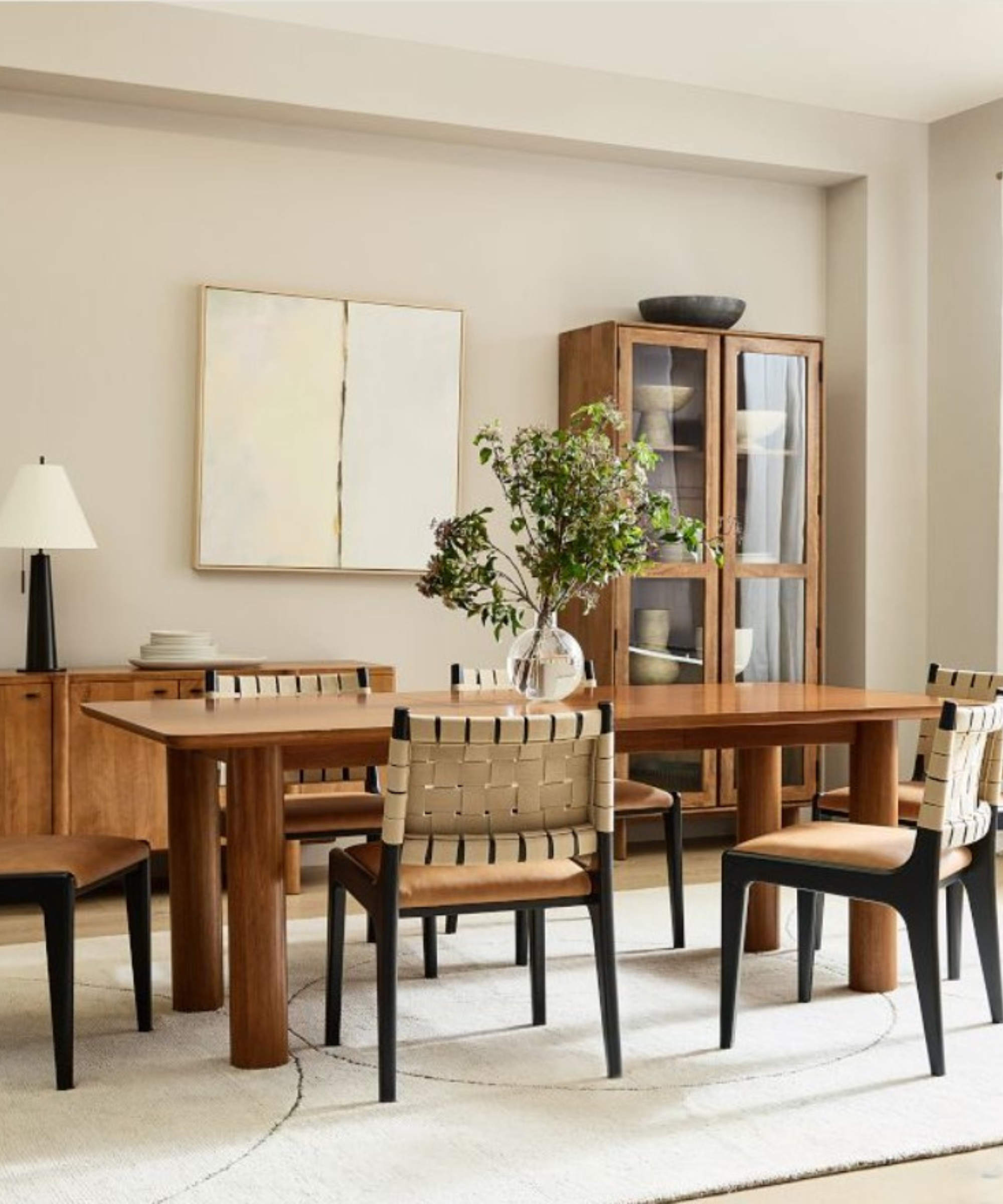
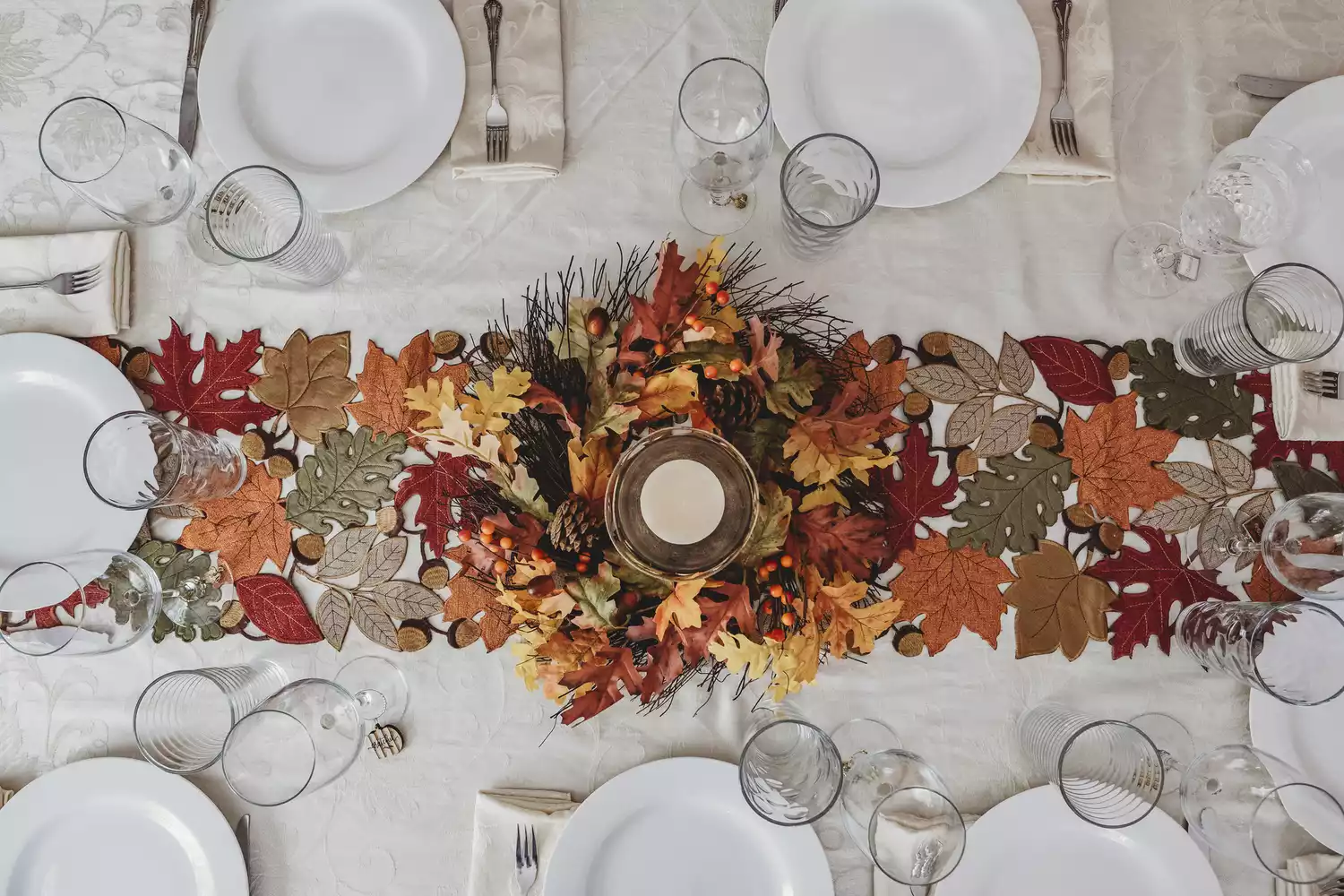
Finally, balanced place settings are essential. Symmetry is considered auspicious, recommending an even number of place settings. Each seat should have an equal and balanced arrangement to promote equality and unity. Ensuring ample space between settings allows for the free flow of energy around the table. Regarding materials, glass tabletops are generally discouraged in Feng Shui due to their unstable energy, which can create feelings of uneasiness and fragility. Solid, natural materials like wood are preferred for a more grounded and stable atmosphere. Comfortable dining chairs with high backs are also recommended to encourage a relaxed dining experience, contrasting with trendy but uncomfortable metal chairs.
#FengShui #DiningTableDecor #InteriorDesign #HomeHarmony #EnergyFlow #ColorPsychology #BaguaMap #TablePlacement #MeaningfulDecor #FengShui #DiningTableDecor #InteriorDesign #HomeHarmony #EnergyFlow #ColorPsychology #BaguaMap #TablePlacement #MeaningfulDecor
0 comment in total
 No comments yet
You may also like
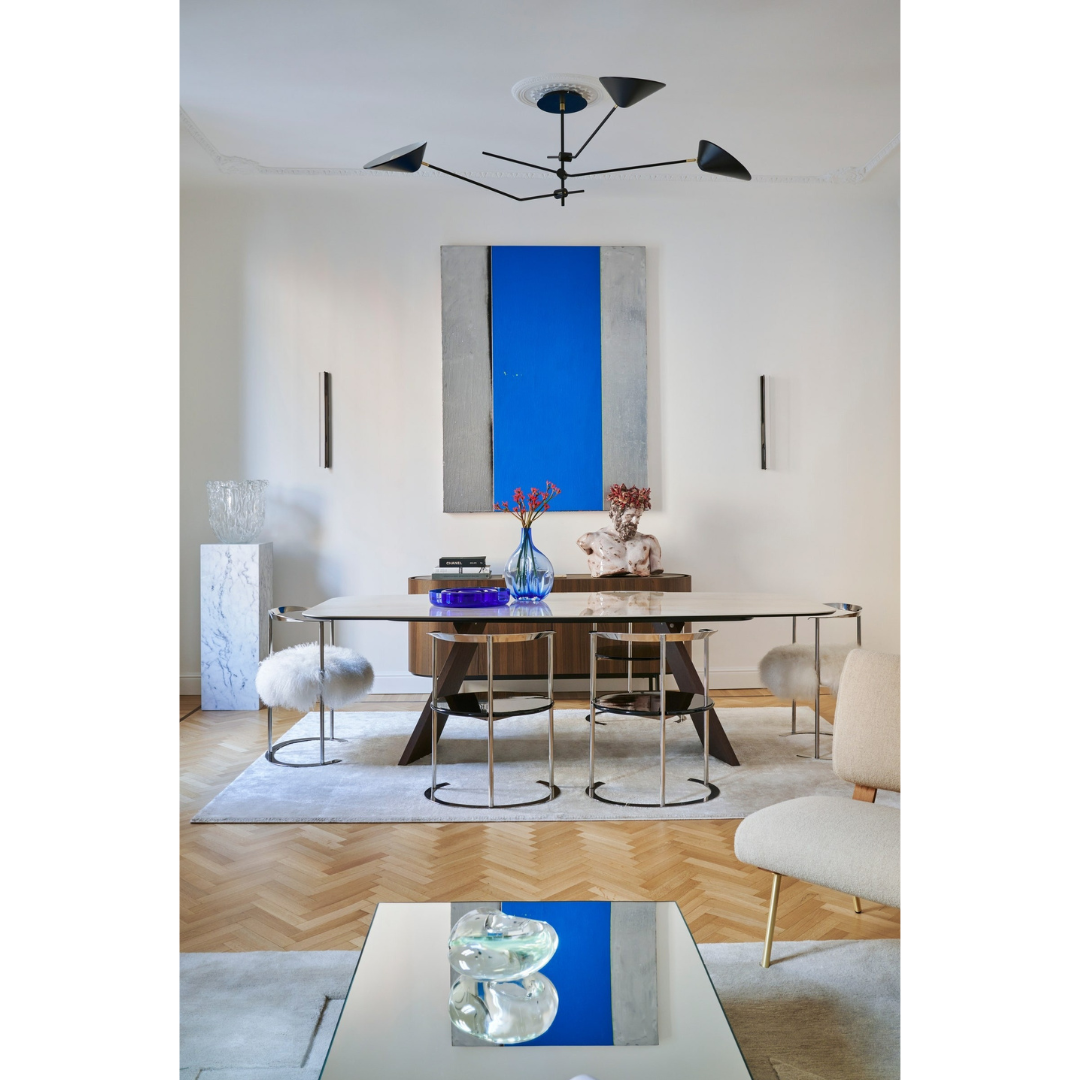
Why glass tables are a serious Feng Shui red flag

Expert tips for styling a beautiful tablescape

Did Instagram Kill Round Tables at Dinner Parties?

How to Choose the Right Dining Table for Your Home (Published 2018)
Round vs rectangular dining room tables – which one is best for your space?
5 rules for Christmas tree placement, according to Feng Shui principles
How To Set The Table For Any Southern Occasion
Curious how to fit a dining table into a small living room? Here's 5 tips designers swear by

Ways to Style a Tablecloth — 3 Simple Options for a Stunning Tablescape

How to Set a Formal Dinner Table, According to Etiquette Experts
The Best Dining Tables, as Seen in Our Favorite Spaces

I’m a shopping writer – these are the best dining tables to buy for hosting season
We Asked Etiquette Pros to Tell Us How to Set a Table Properly and We're Taking Notes

5 things that always make a dining table look cluttered
5 things stylists always do when styling a coffee table
8 dining room table ideas – the best styles and decor tips to elevate your dining space

What are the rules for a table centerpiece? 5 tips experts always follow
6 things you should never put on your dining room table, according to interior designers
Dining table Vastu: 8 mistakes you need to stop making
How to Style a Dinner Party Tablescape for the Holidays and Beyond