We Asked Etiquette Pros to Tell Us How to Set a Table Properly and We're Taking Notes
Setting a dinner table can be approached with both creative freedom and adherence to established practices. Understanding standard table-setting guidelines provides a foundational framework, allowing for the creation of attractive tablescapes. While basic components of table setting are widely recognized, the precise placement of items is often less clear. This guide, drawing on expertise from leading etiquette professionals, offers instructions for crafting appropriate table settings for various events and holidays. Mastering these techniques not only presents a polished impression but also contributes to a welcoming and special atmosphere for guests. The three primary table settings—basic, casual, and formal—are structured to build upon each other, enabling a progressive mastery from simple to elaborate arrangements.
Jo Hayes, an etiquette expert and founder of Etiquette Expert, emphasizes the significance of a properly set table in establishing a meal as an event, providing an opportunity for people to disengage from daily distractions and enjoy fellowship and conversation. This practice sets a tone that encourages relaxation and appreciation, signaling that the occasion is a meaningful time for shared experiences and good food. Hayes also highlights that a well-set table demonstrates effort, care, and intentionality, conveying to guests that their presence is valued.
The basic table setting is characterized by its simplicity and functionality, making it suitable for everyday meals, according to international etiquette coach Jamila Musayeva. This minimal arrangement begins with a tablecloth, with lace, cotton, or oilcloth being common choices, and linen for more formal contexts. A placemat can be added but is not mandatory for a basic setting. A dinner plate forms the central element, with a fork placed to its left and a knife to its right. If a soup spoon is required, it is positioned to the right of the knife. Paper napkins are acceptable, though fabric is recommended by Hayes, and should be folded and placed under the fork. The water glass is typically situated at the '2 o'clock' position relative to the plate. Musayeva suggests that basic settings offer an opportunity to experiment with various colors and styles of cutlery to introduce character.
The casual table setting represents an elevated version of the basic setup, incorporating additional elements for a more refined yet relaxed dining experience. It commences with a tablecloth, with placemats being an optional but recommended addition to distinguish it from a basic setting. A dinner plate serves as the base, topped with a soup bowl and a salad plate. Flatware arrangement mirrors the basic setting: a knife on the right, a fork on the left, and the soup spoon to the right of the knife. Fabric napkins are preferred and should be folded and placed under the fork. The water glass is placed at the '2 o'clock' position, and an additional glass, such as a wine glass, is positioned at '2 o'clock' from the water glass.
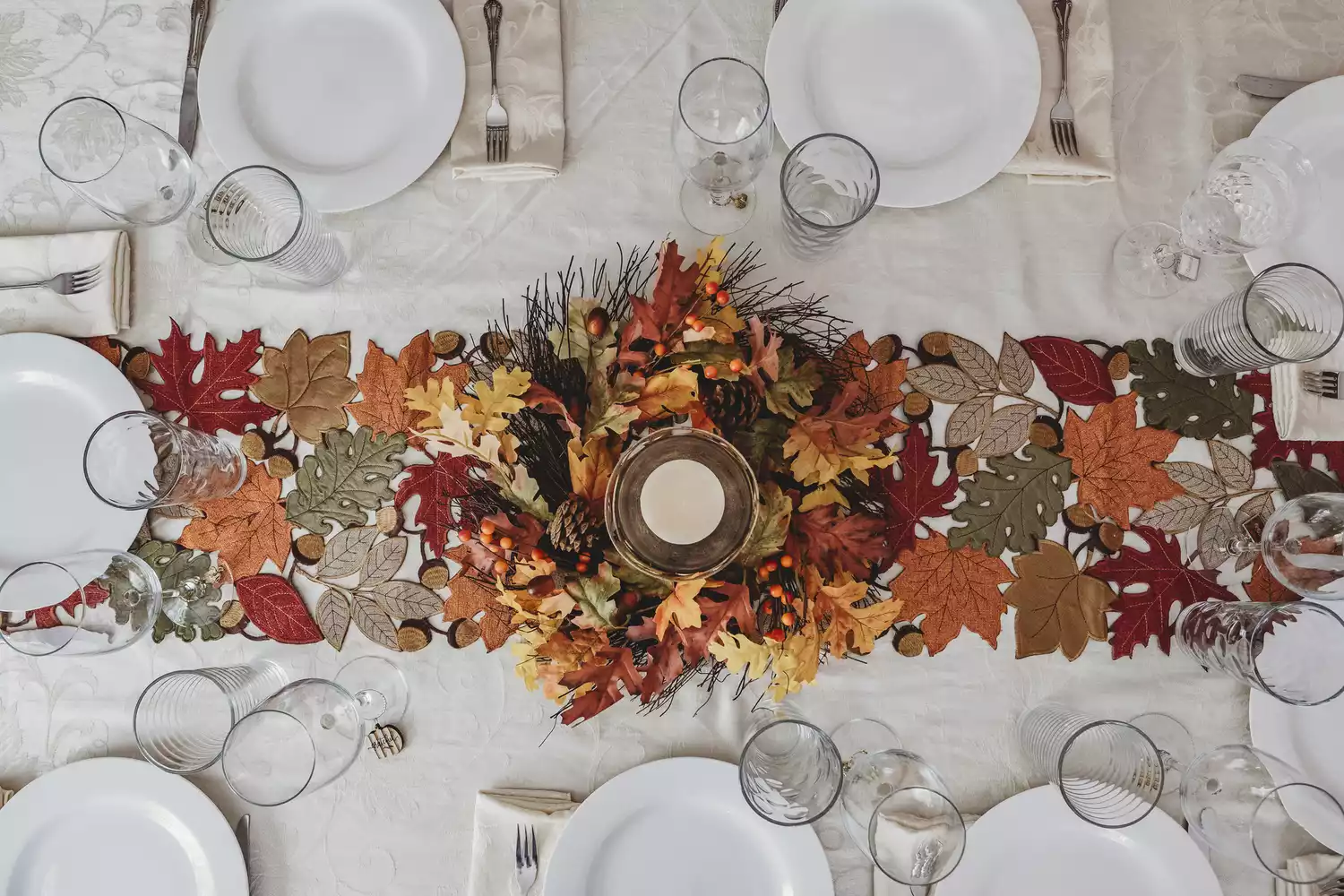
The formal table setting is designed to convey elegance and meticulous detail, often reserved for special occasions. For this setting, Hayes recommends linen tablecloths, while Musayeva suggests high-quality white cotton tablecloths with coordinating napkins. Placemats are typically omitted. A charger (or service) plate is used, depending on cultural customs, with a salad plate and soup bowl placed on top; dinner plates are introduced with the main course. A bread plate with a bread knife positioned horizontally across its center is placed at the '11 o'clock' position to the left of the dinner plate. The flatware arrangement includes a fork to the left and a knife to the right, with the soup spoon to the right of the knife, and a smaller salad fork to the left of the dinner fork. A dessert spoon is placed across the top of the dinner plate, perpendicular to the knife and fork; if a soup bowl is present, it can be placed above the plate. Place cards are positioned above the dessert spoon. Fabric napkins, ideally linen, are essential and should be folded and placed underneath the fork, without napkin rings. Glassware includes a water glass placed closer to the diner, followed by two wine glasses: a red wine glass at '2 o'clock' from the water glass, and a white wine glass at '7 o'clock' relative to the red wine glass. Salt and pepper shakers are placed to the left and right of the place card, respectively.
Additional advice for table setting includes strategic napkin placement, which for basic and casual settings can be on the plate, to the left of the forks, or under the forks. For formal settings, a simple fold on top of or to the side of the plate is recommended, with napkin rings reserved for more upscale casual settings. Glassware placement follows the order of use, typically above the knives on the right, starting with the water glass closest to the diner. Flatware order is generally arranged outwards in according to courses, with forks on the left, and knives and spoons on the right. Dessert utensils are positioned above the plate for formal settings. Finally, centerpieces and other decorative elements, particularly for formal occasions, should be placed to avoid obstructing views and should complement the ambiance, with flower arrangements either above or below eye level and candles used to enhance evening settings.
#TableSetting #Etiquette #HomeDecor #Dining #Entertaining #FormalDining #CasualDining #HomeDesign #TableSetting #Etiquette #HomeDecor #Dining #Entertaining #FormalDining #CasualDining #HomeDesign
 No comments yet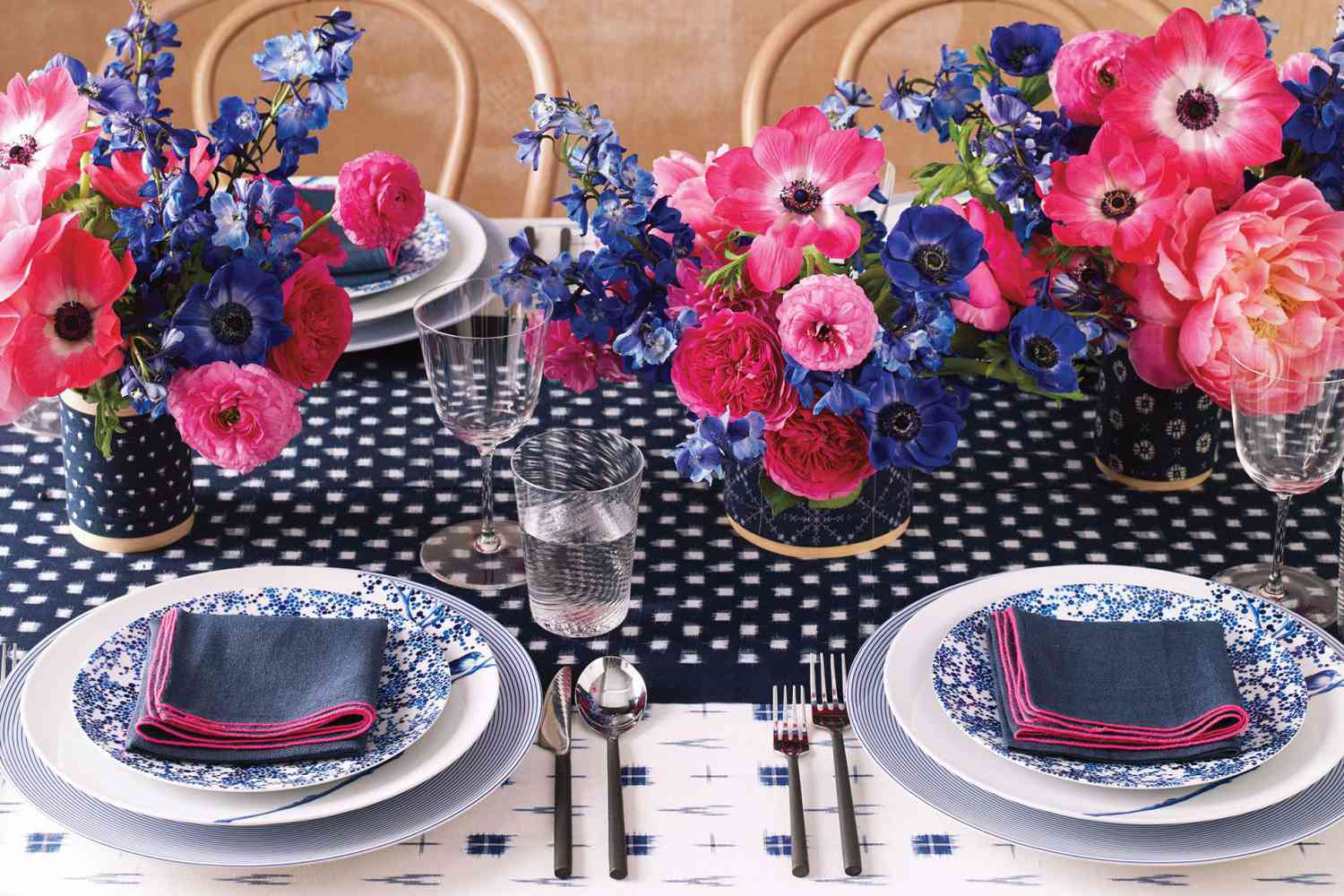
How to Set a Formal Dinner Table, According to Etiquette Experts

We Asked Designers How to Style Glass Cabinets So They Don't Look Cluttered and We're Taking Notes