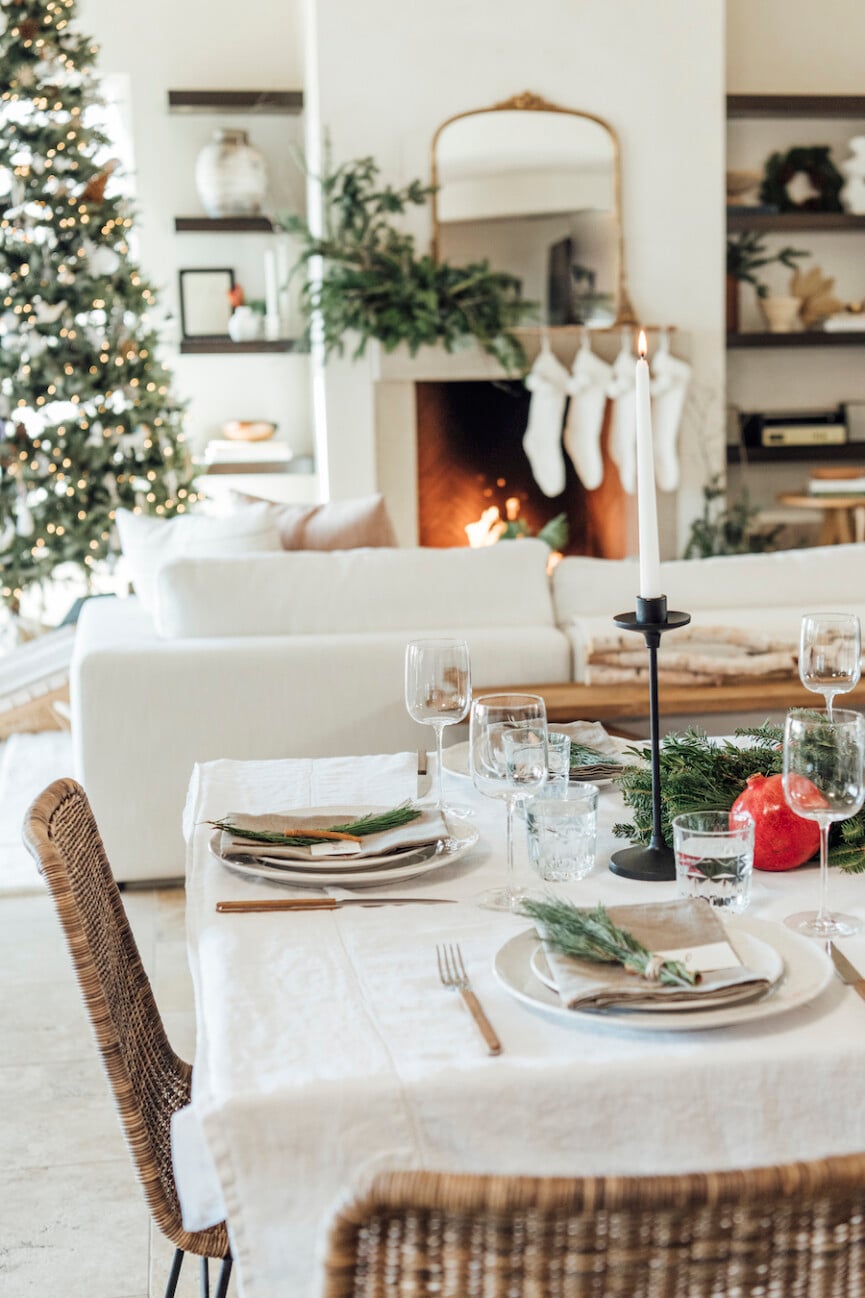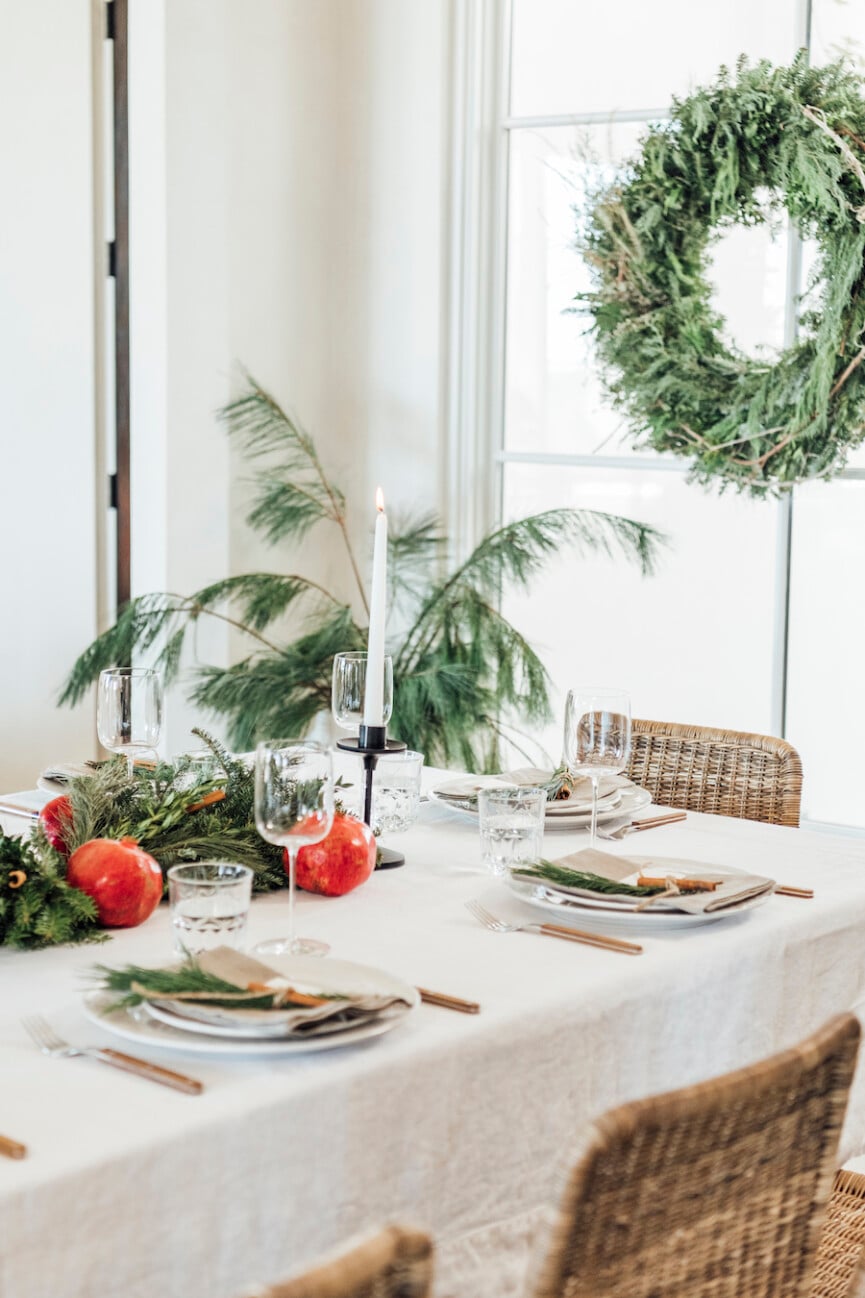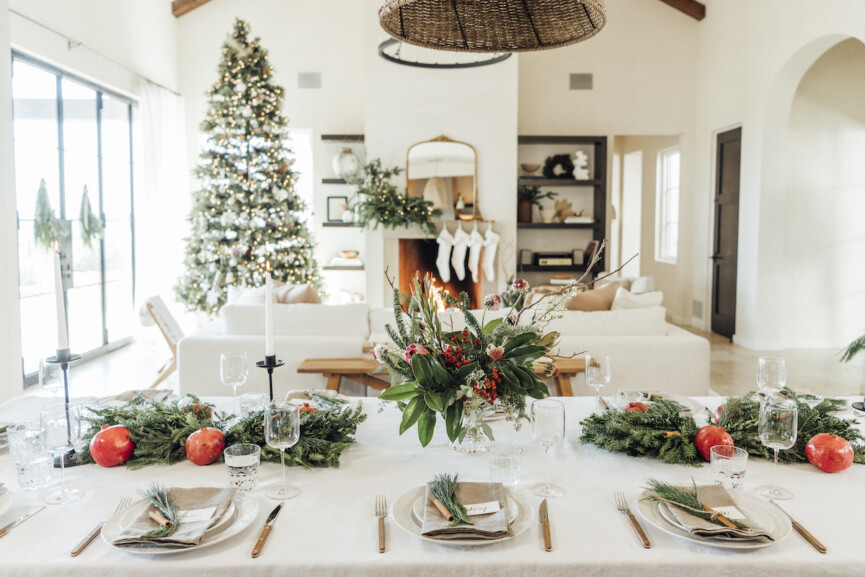
How to Set a Formal Dinner Table, According to Etiquette Experts
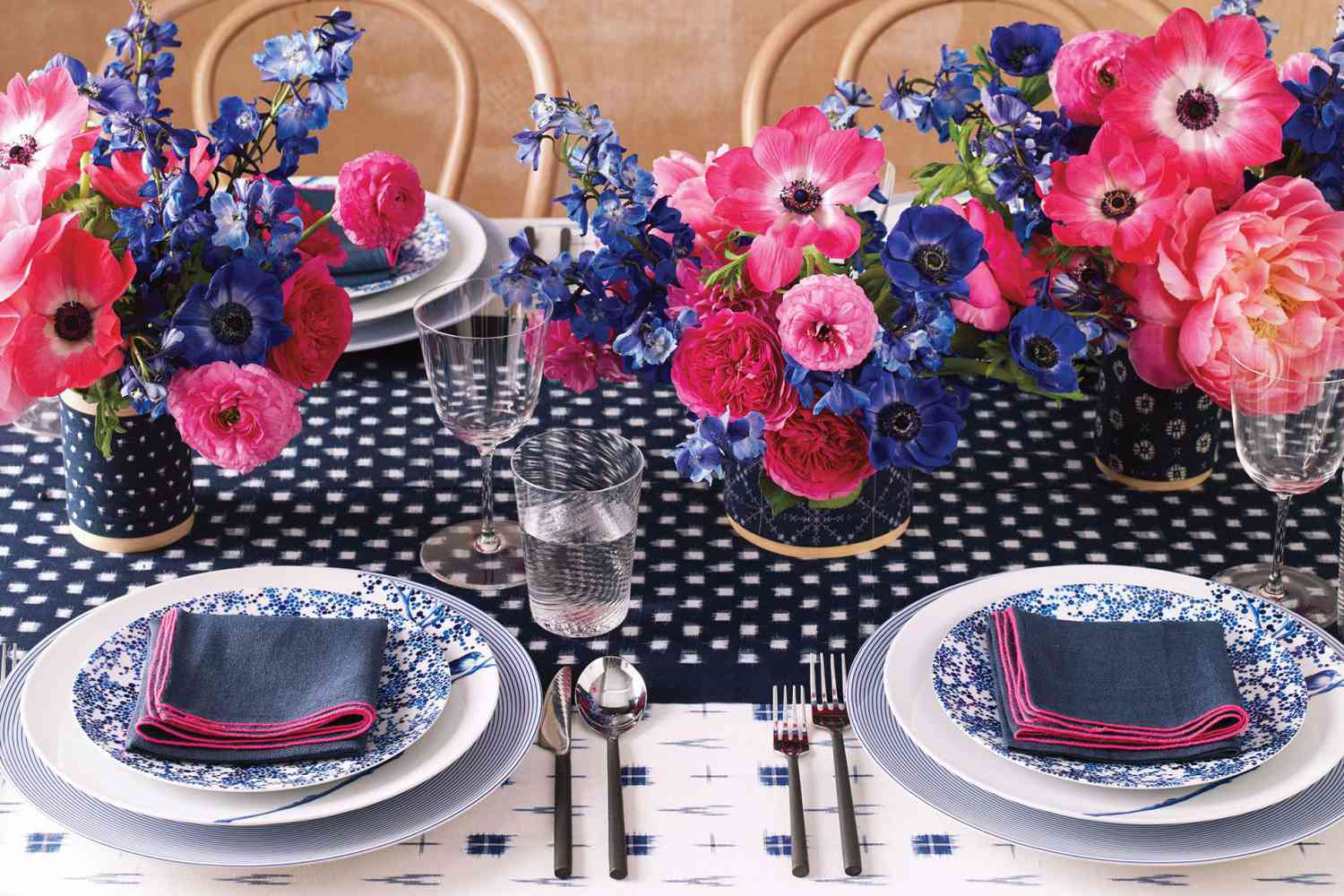
Setting a formal dinner table correctly is a skill that demonstrates thoughtfulness and respect for guests, elevating any dining experience. This guide, drawing on expertise from event planners and etiquette consultants like Jung Lee, Maryanne Parker, and Jodi Smith, outlines the proper setup for each course, ensuring a seamless and elegant meal. The underlying principle of a formal table setting is logic and practicality, making it easier to remember once understood.
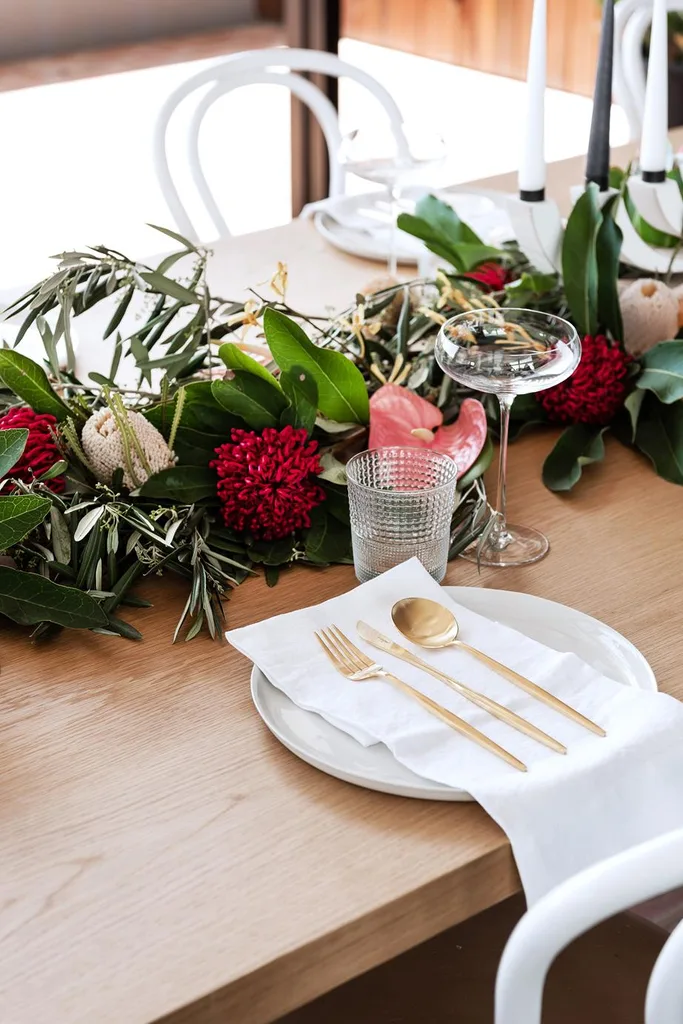
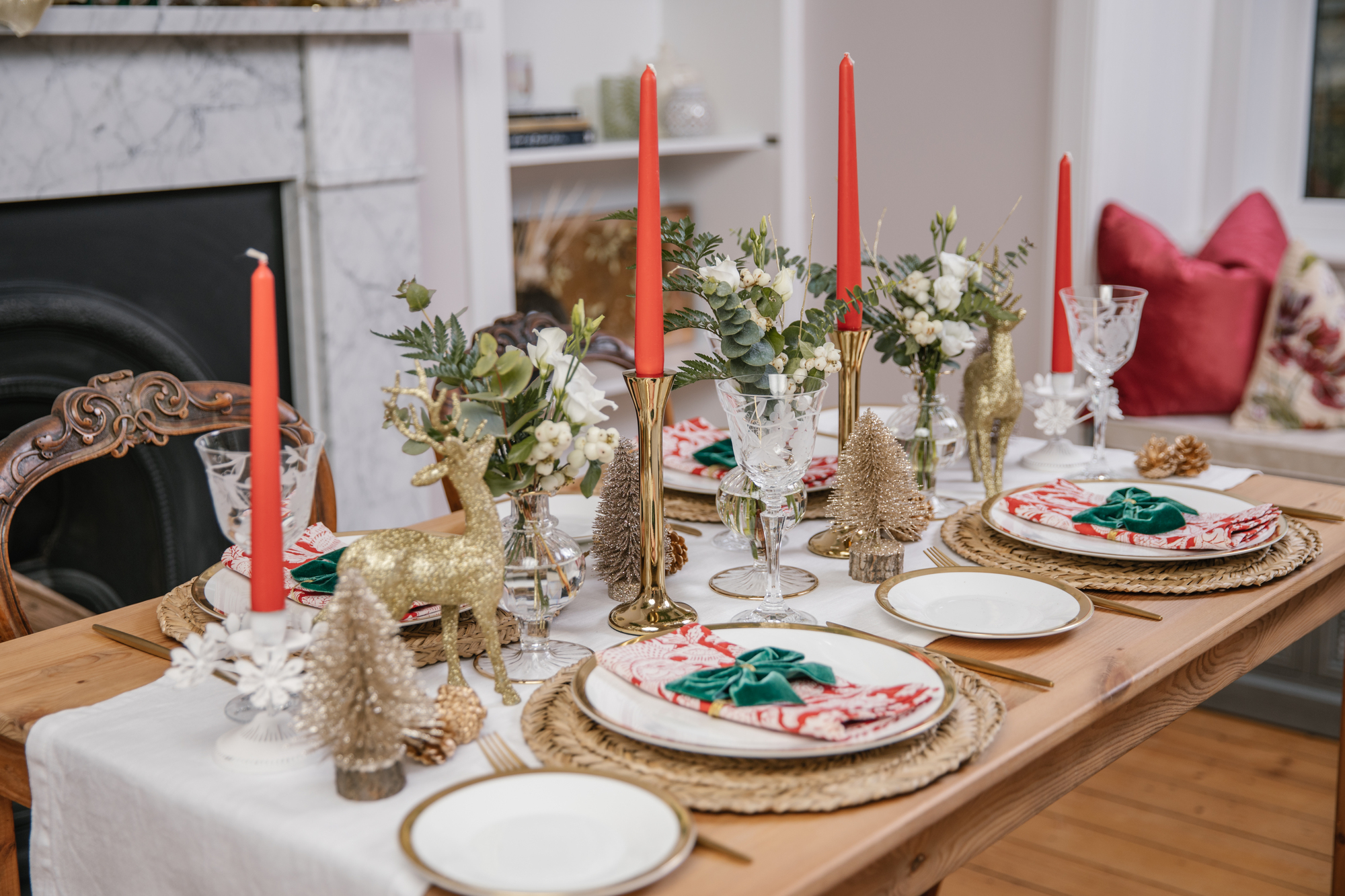
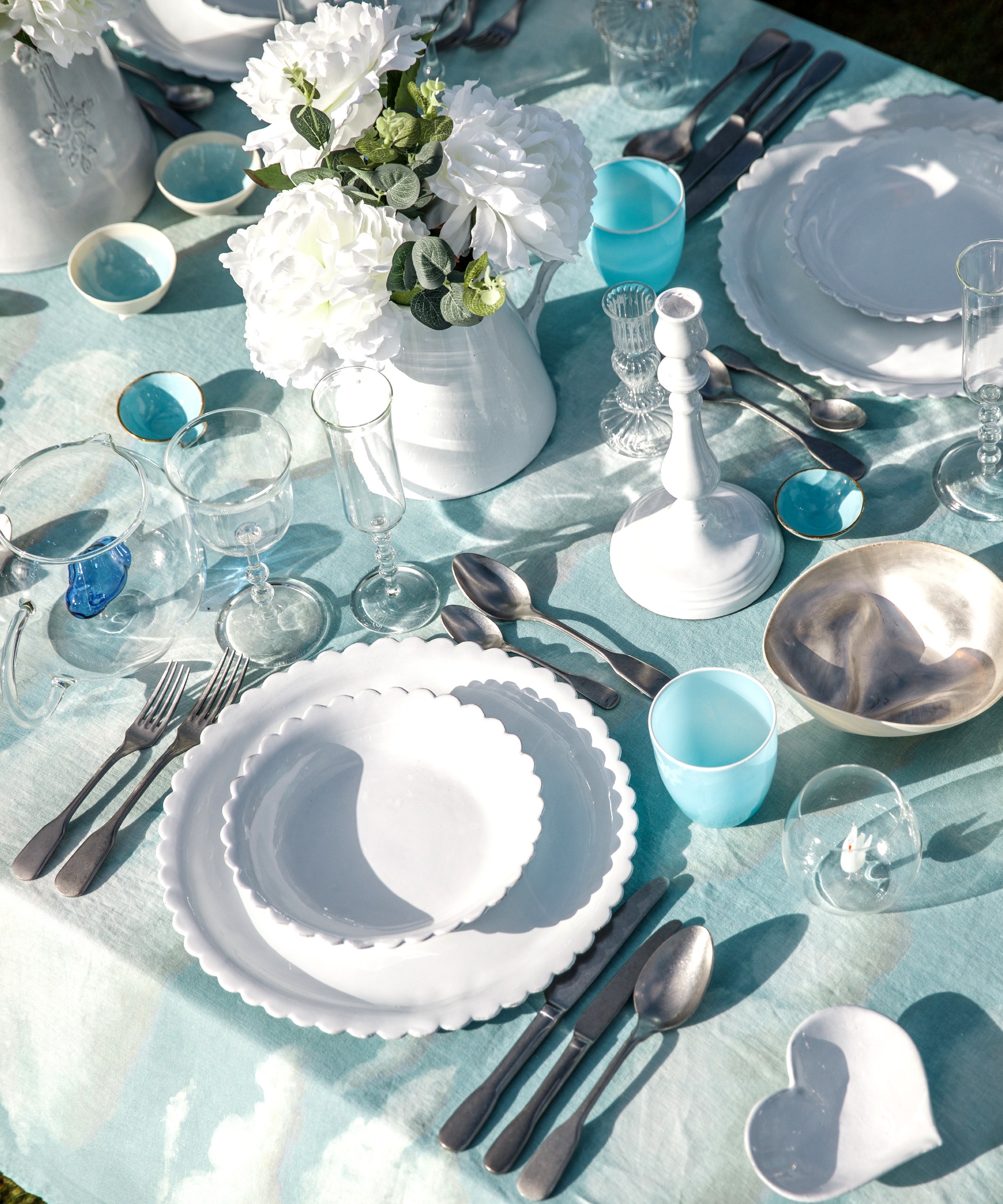
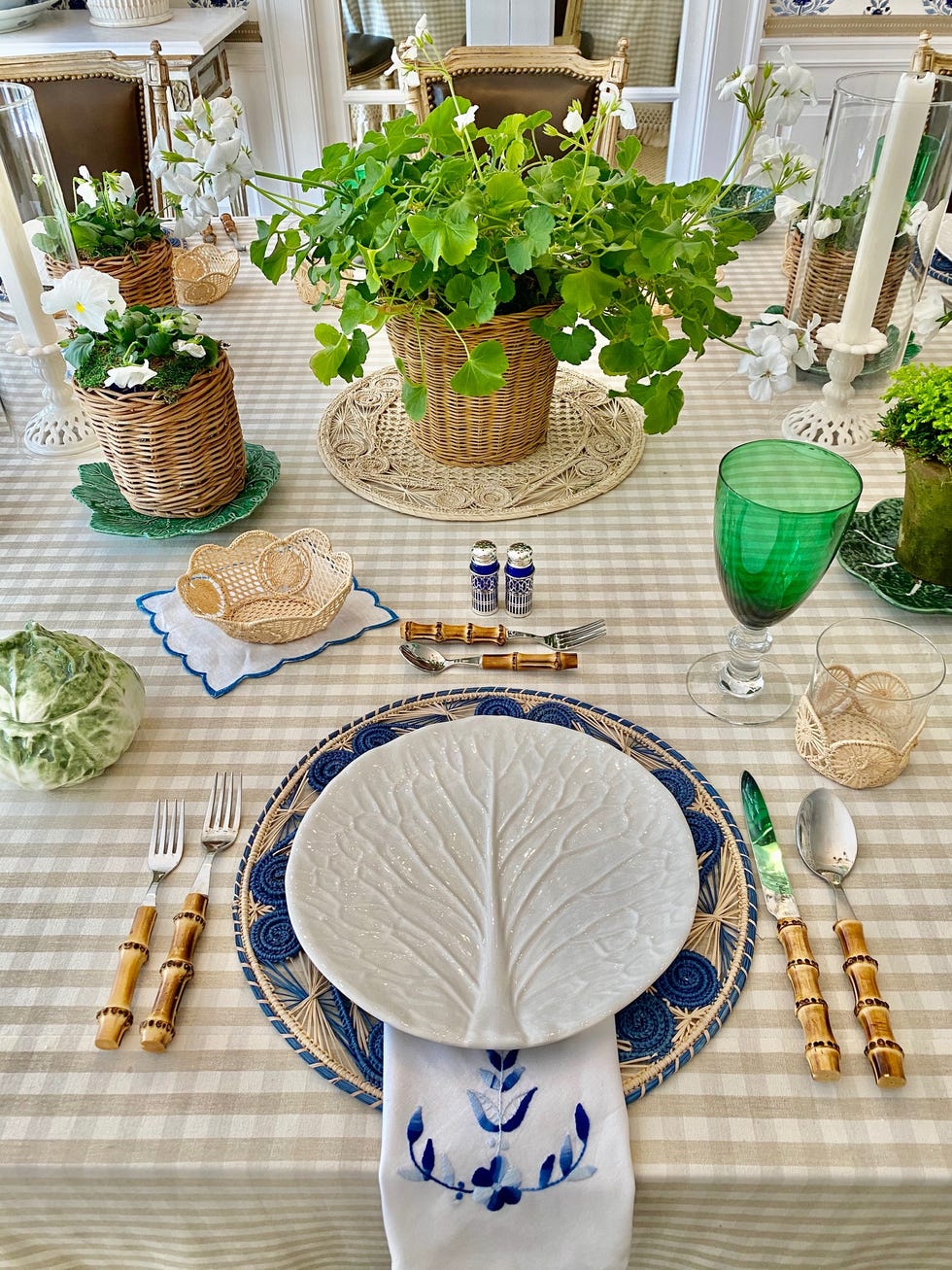
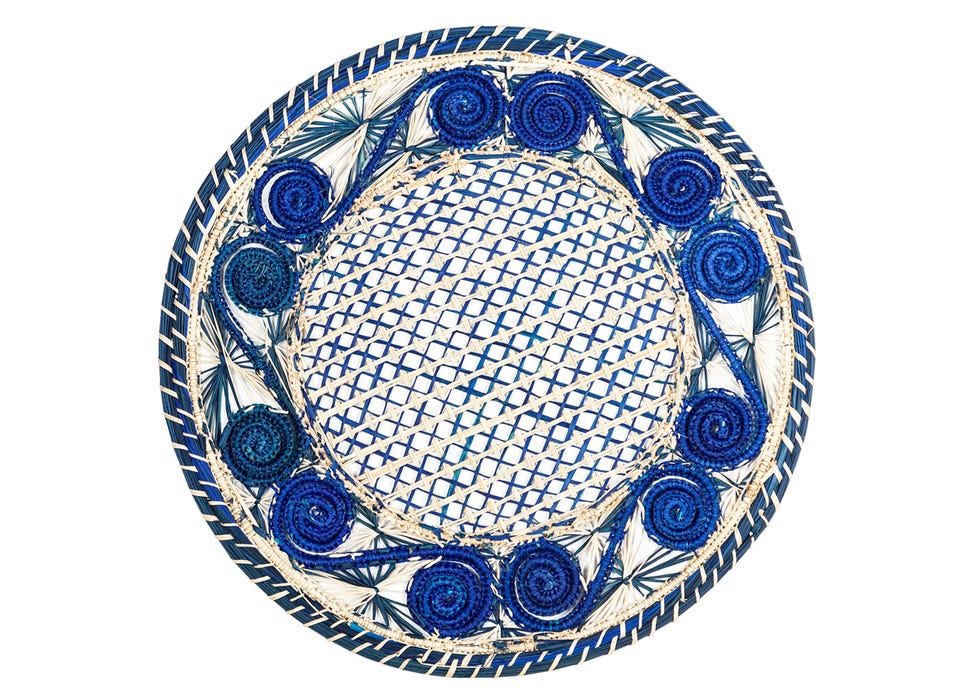
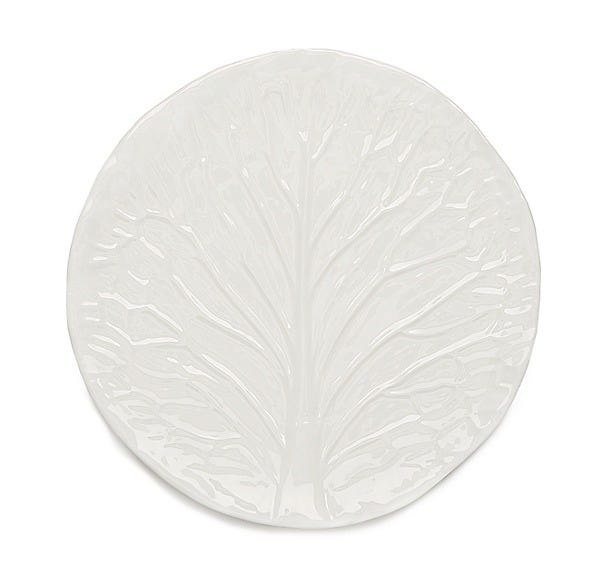
Before the first course, a charger plate is placed at each setting, which is removed after guests spread their napkins. Knives and spoons are positioned to the right of the charger, with blades facing inwards, while forks are on the left. The only exception is the cocktail fork, typically found within the soup spoon on the right. Bread-and-butter plates are placed above the forks, to the left, and remain until the dessert course. Stemware, including a water glass, white wine glass, and red wine glass, is arranged above and to the right of the dinner plate, with the water glass above the dinner knife.
For the soup course, soup is served in a heated soup dish on top of a dinner plate. The soup spoon is positioned on the outer right. When the soup is served in a bowl without an underlying plate, the spoon rests within the bowl. A key etiquette rule is that a utensil, once it has touched food, should never touch the tablecloth again. After all guests have finished, the plate, bowl, and spoon are cleared, with the spoon placed diagonally across the upper right-hand corner of the plate.
The salad course involves a midsize plate and is eaten with a specific fork designed with a broader end tine for cutting. Following this course, the bread-and-butter plate, butter knife, salad plate, salad fork, and wine glasses are removed, preparing the table for dessert. If a fish course is served, a midsize plate is used, accompanied by a short, broad fork on the outer left and a fish knife on the outer right. Upon completion of this or any course, silverware should be placed diagonally across the plate, with handles at the 4:20 position and the knife blade facing inwards.
The main course features a large dinner plate, which may arrive with food already portioned or empty for table-side service. This plate should be preheated unless the main course is served cold. Guests use the dinner fork and knife for this course. Finally, for dessert, a small dessert plate is brought out after the main dish is cleared. Guests use the cake fork (tines facing right) and dessert spoon (bowl facing left), which were initially placed across the top of the setting. The water glass is the only stemware remaining on the table, although a dessert wine or champagne glass may be added for a toast as part of a formal meal. Throughout the meal, practicality and simplicity are emphasized, advising against displaying unnecessary utensils and mindful napkin placement to avoid disruption.
#FormalDining #TableSetting #EtiquetteExperts #DinnerParty #Entertaining #HomeDecor #PlaceSetting #DiningEtiquette #FormalDining #TableSetting #EtiquetteExperts #DinnerParty #Entertaining #HomeDecor #PlaceSetting #DiningEtiquette
0 comment in total
 No comments yet
You may also like
Here’s How I Set This Year’s Holiday Dinner Party Table

Expert tips for styling a beautiful tablescape

These are the 6 mistakes most people make when setting the Christmas table – here's how to avoid them

Reddit Is Freaking Out Over This Tablecloth Debate—Here's What Design Experts Say
Feng Shui table decor rules – 5 ways to harmoniously arrange your dining table

How many people can sit around your dining table? Interior designers decide
How to Style a Dinner Party Tablescape for the Holidays and Beyond

Shea McGee suggests these tablescaping tips if you're looking to master 'Modern Charm' on the dinner table
Round vs rectangular dining room tables – which one is best for your space?
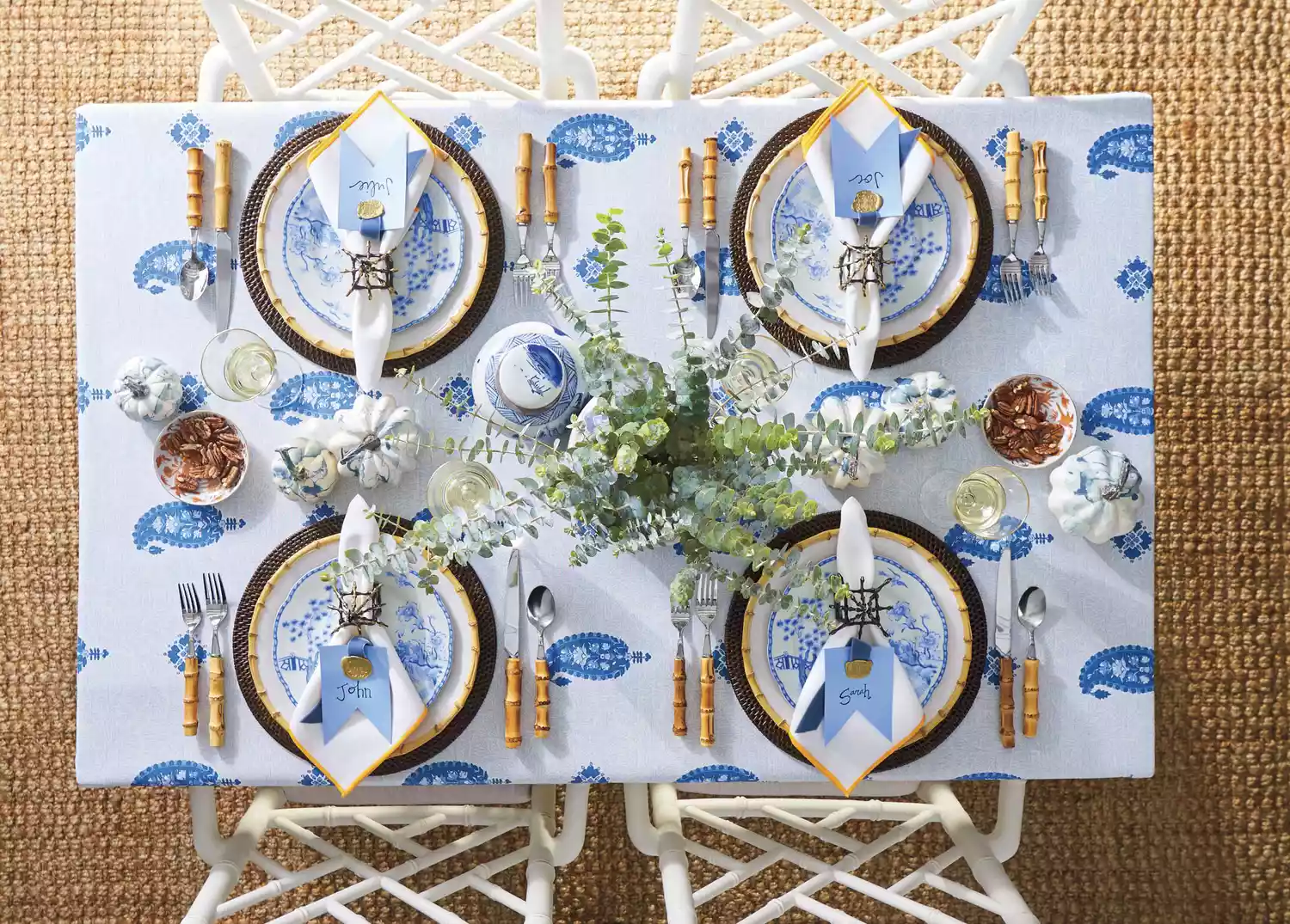
How To Set The Table For Any Southern Occasion
Is the Formal Dining Room Over? Designers Share Their Honest Take

The best dining tables for entertaining in style, tried and tested
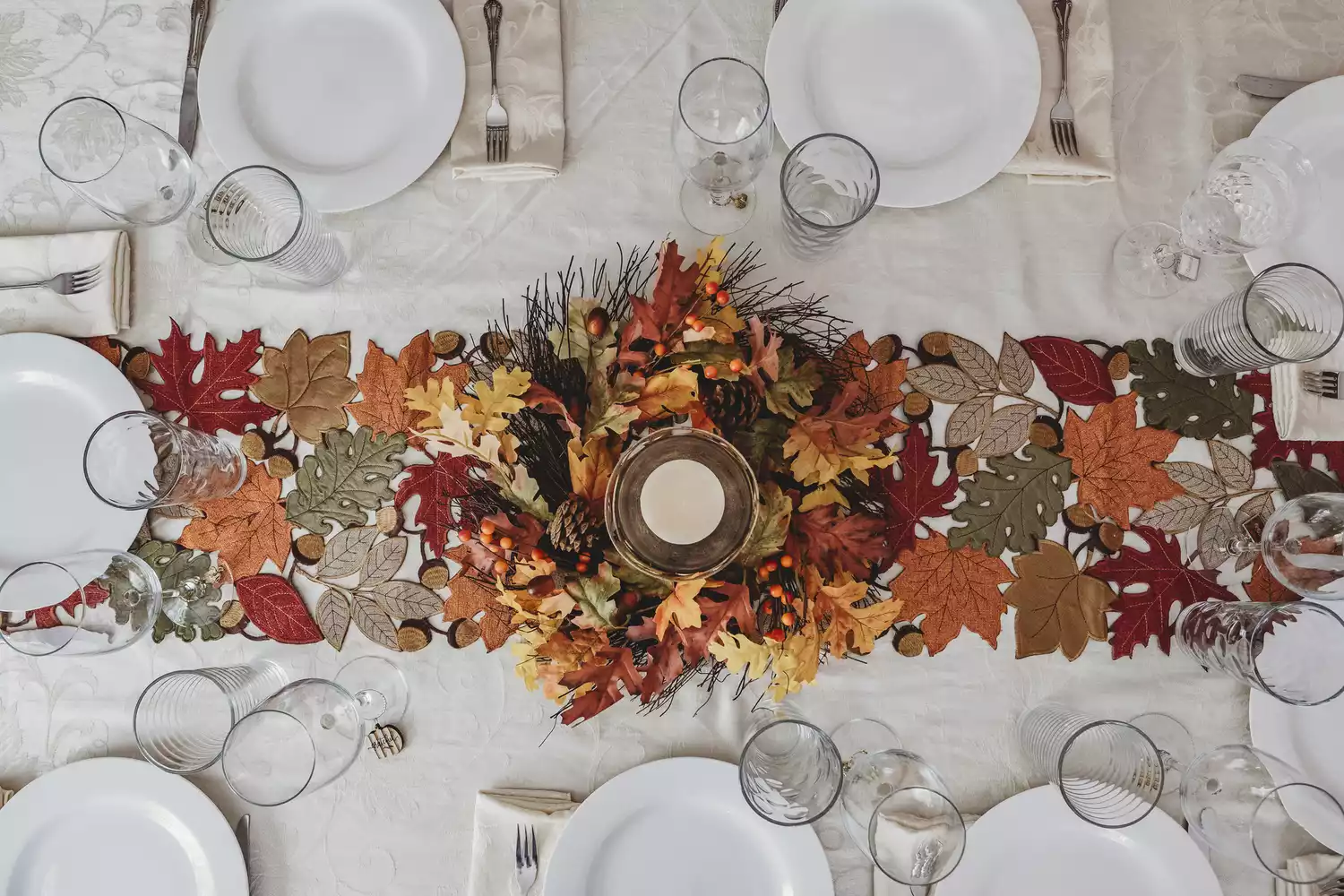
We Asked Etiquette Pros to Tell Us How to Set a Table Properly and We're Taking Notes

How to Style Your Dining Room to Make It Holiday Dinner-Ready, According to Designers

What are the rules for a table centerpiece? 5 tips experts always follow
The Best Dining Room Tables, According to Design Pros

Did Instagram Kill Round Tables at Dinner Parties?

Ways to Style a Tablecloth — 3 Simple Options for a Stunning Tablescape

Here’s How One of Our Fave Instagram Follows Sets Her Table at Home
How to Choose the Right Dining Table for Your Home (Published 2018)