1/5
How many people can sit around your dining table? Interior designers decide
Determining the seating capacity of a dining table is crucial for comfortable hosting, particularly for dinner parties and holiday gatherings. While it's tempting to invite numerous guests, understanding the physical limitations of your dining space prevents overcrowding and ensures an enjoyable experience for everyone. Interior designers and furniture experts offer practical advice on calculating the optimal number of guests for different table shapes and sizes.
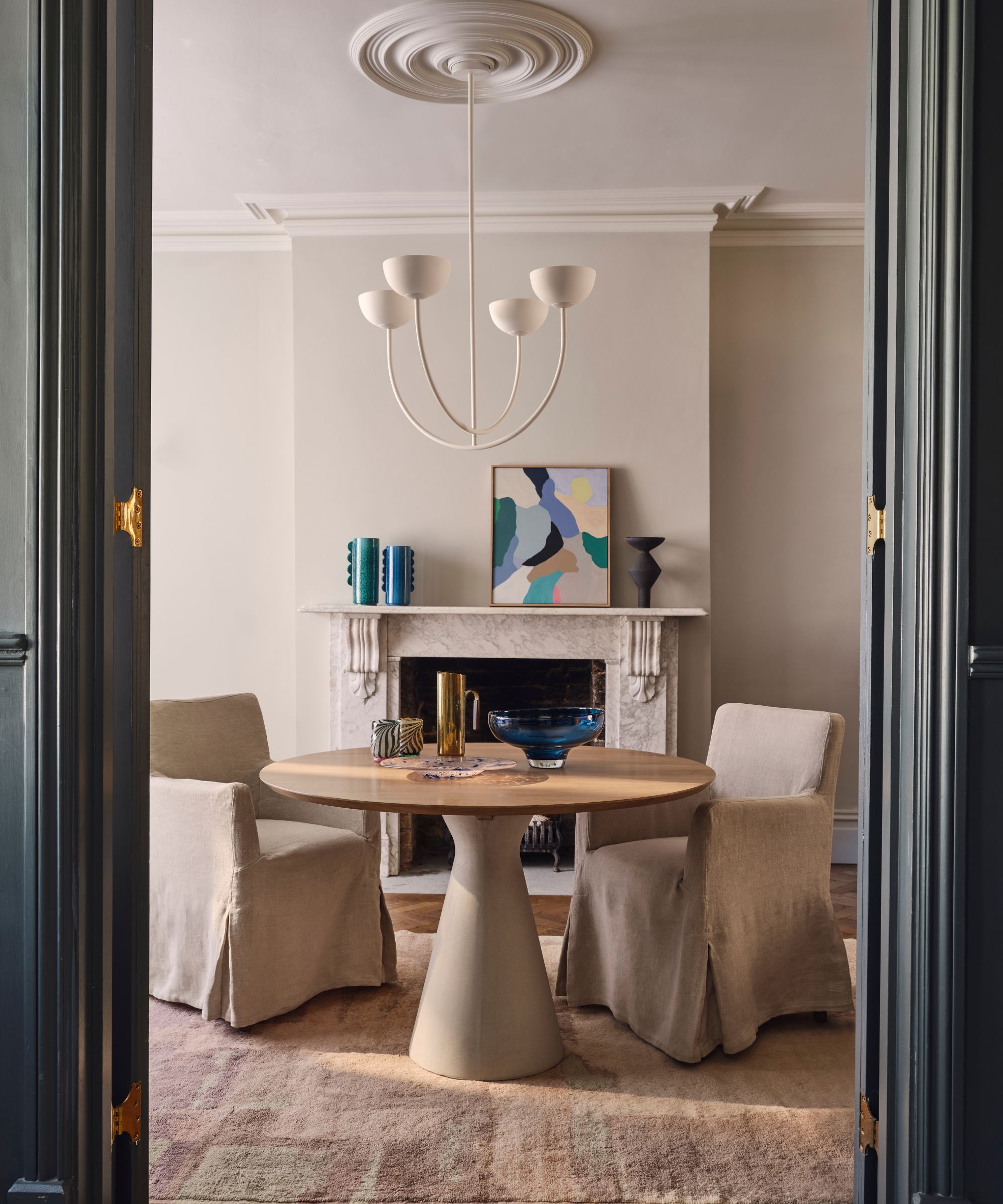
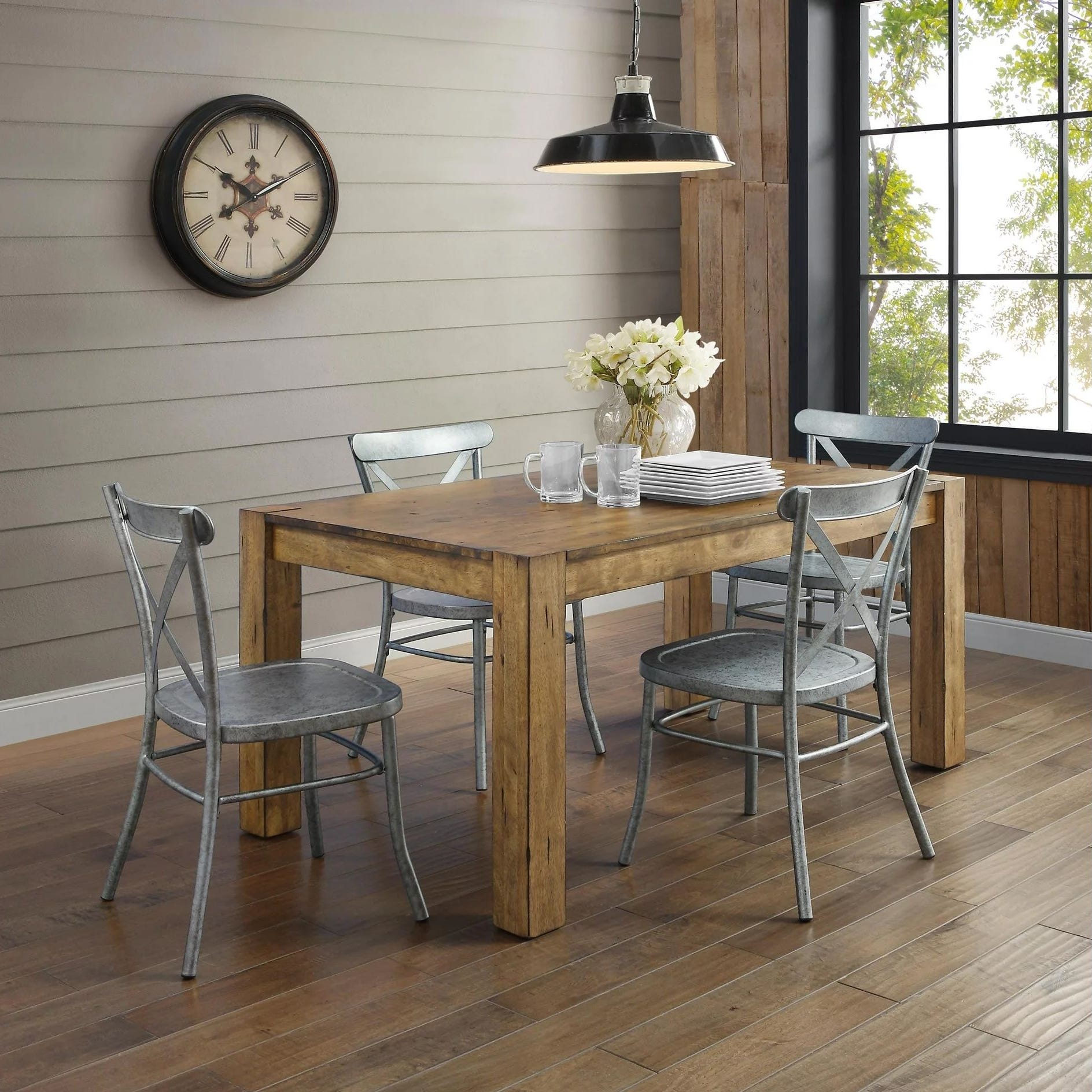
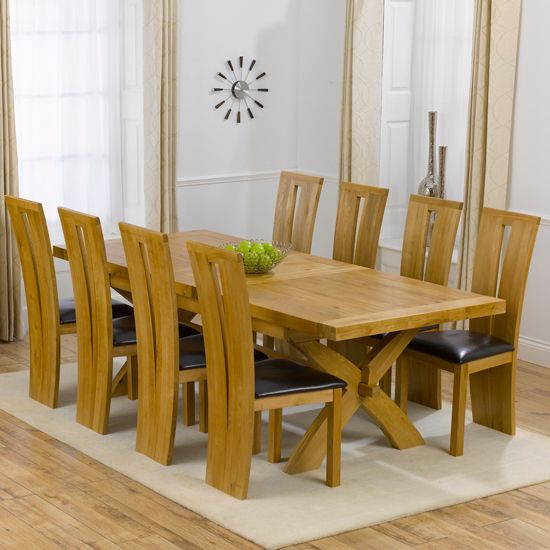
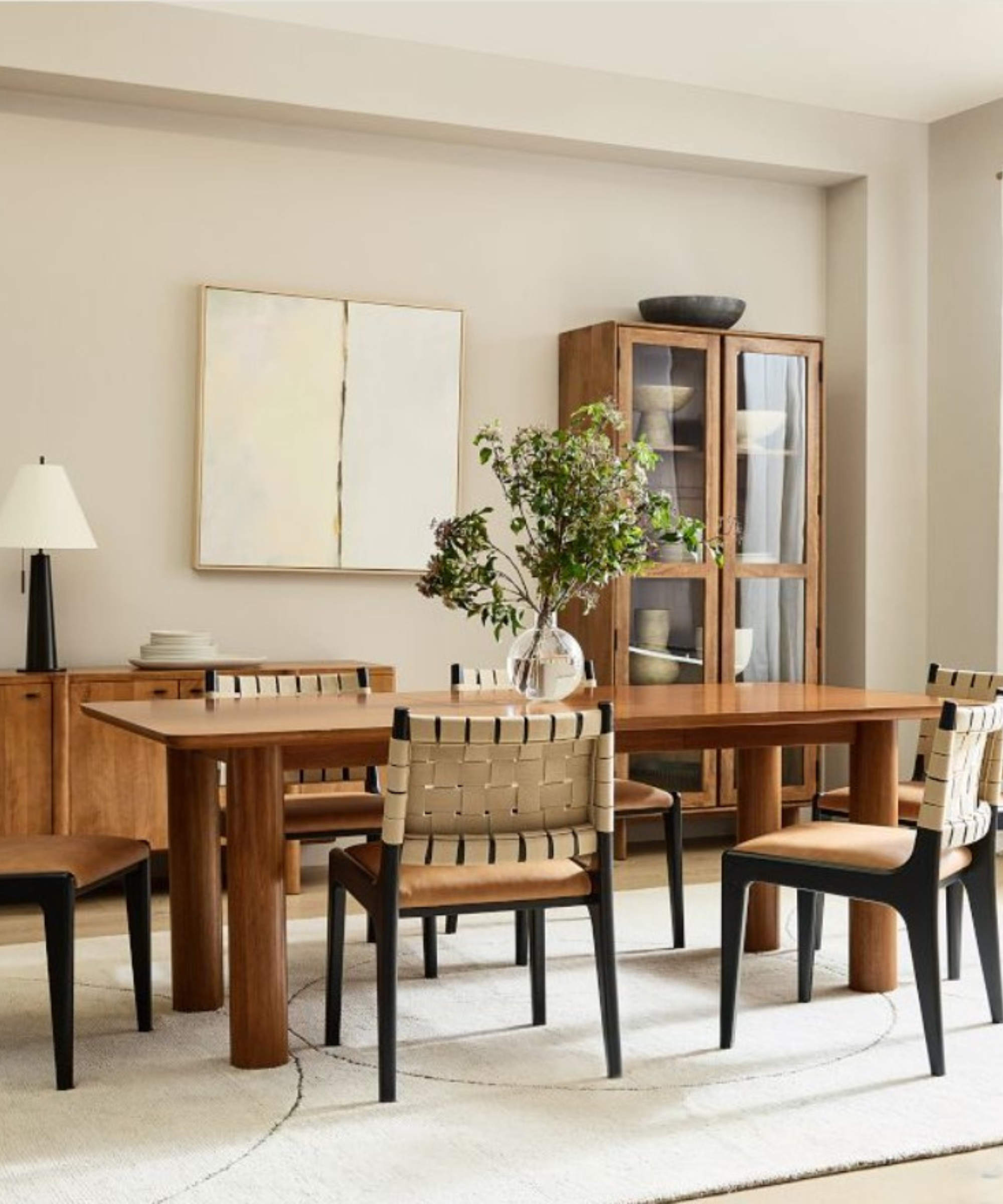
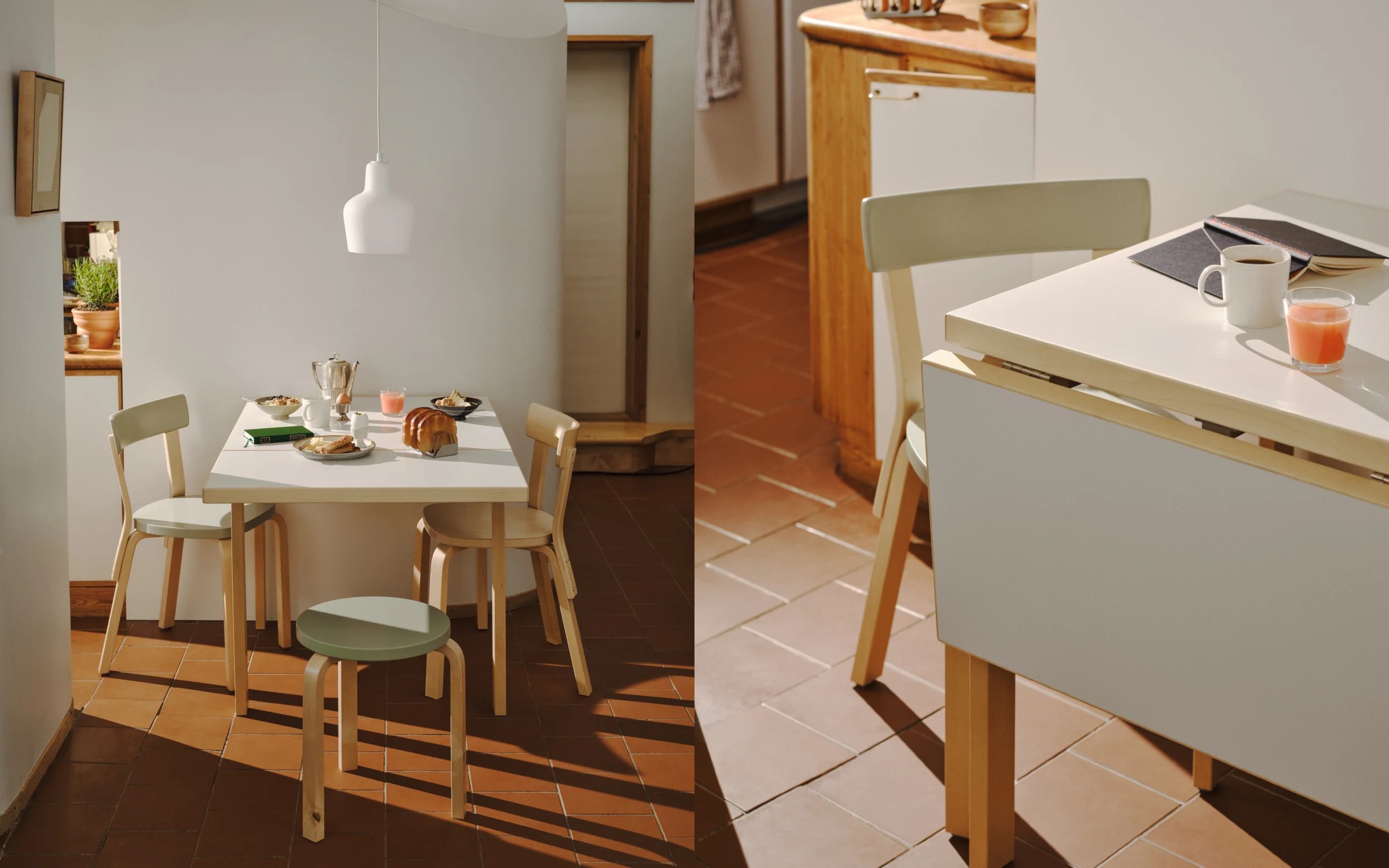
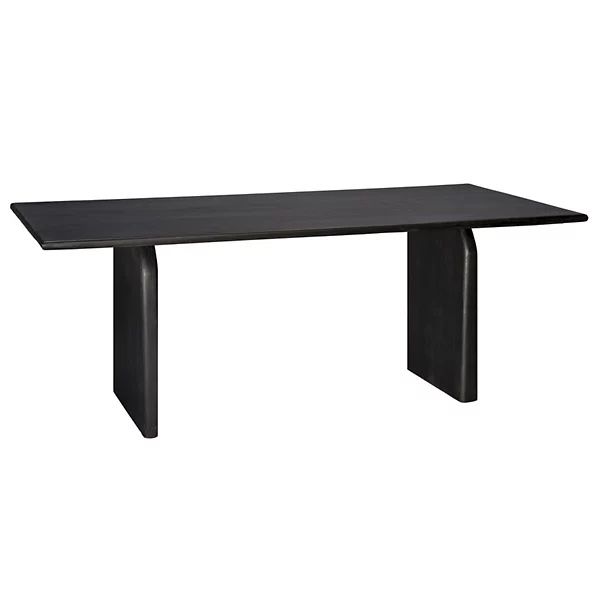
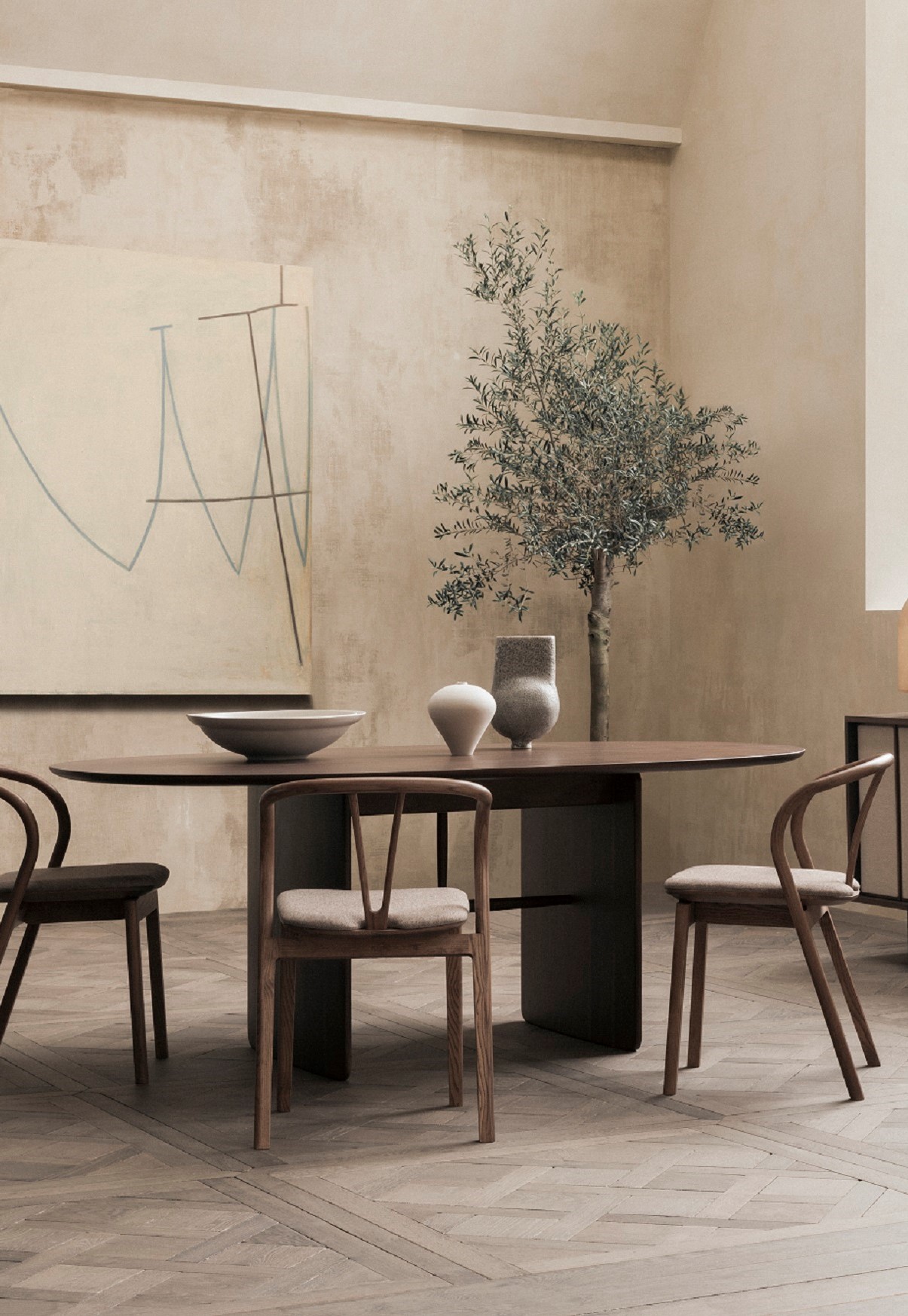
For standard square or rectangular dining tables, the process is relatively straightforward: arrange chairs around the table until no more can fit comfortably underneath. The primary consideration is ensuring each person has adequate personal space, which is generally recommended to be between 24 and 28 inches. This measurement not only allows for physical comfort but also facilitates easy conversation flow among guests.
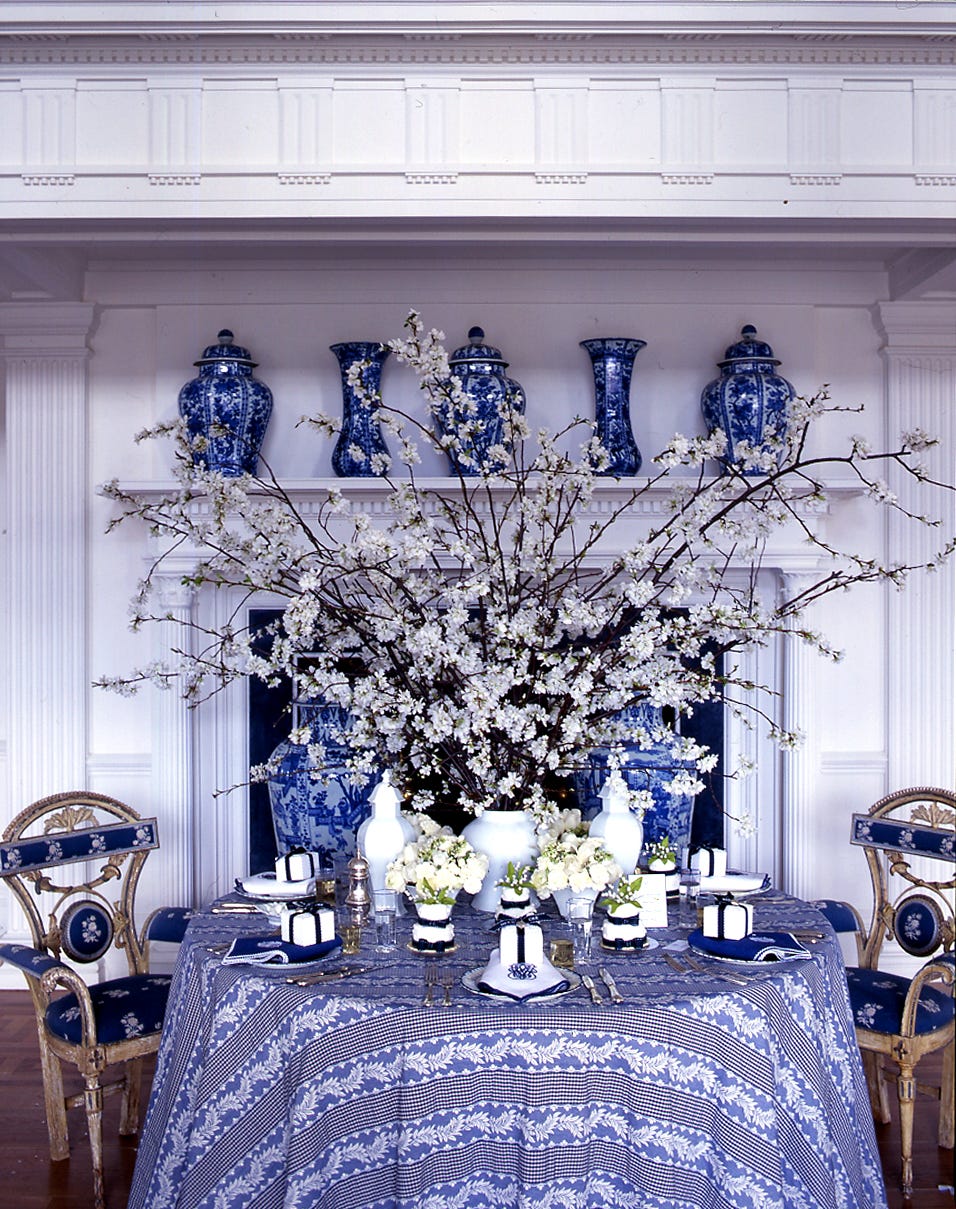
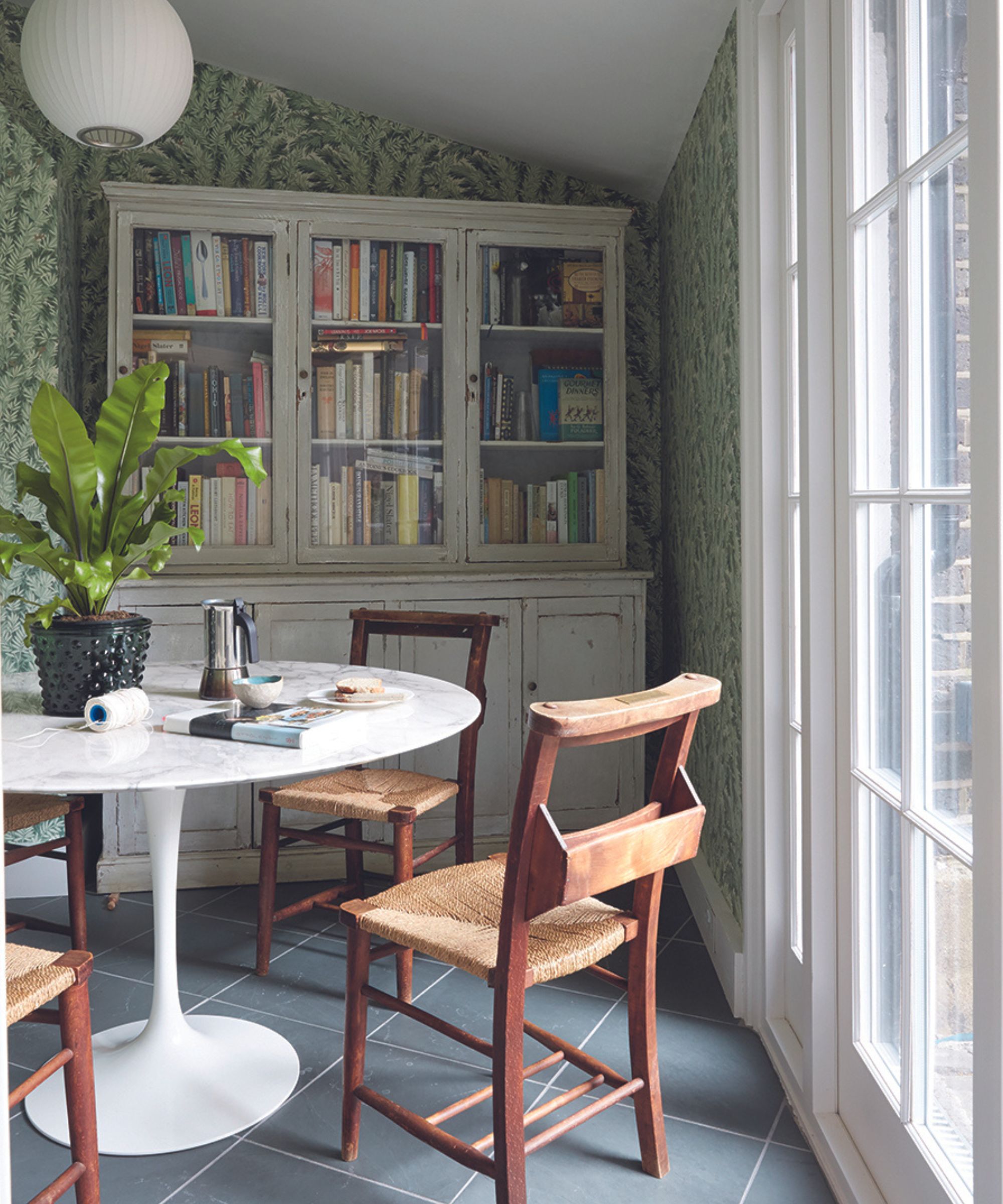
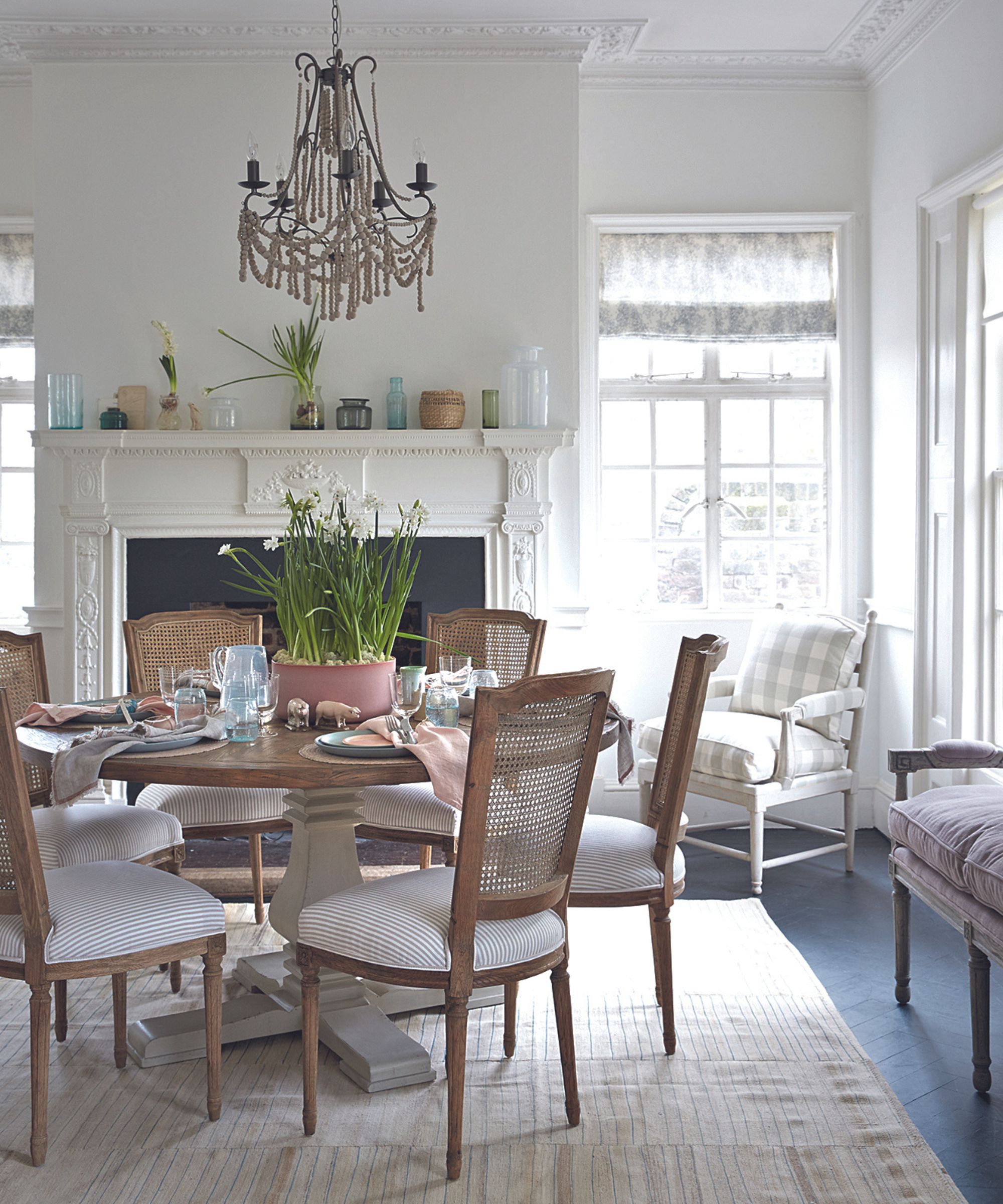
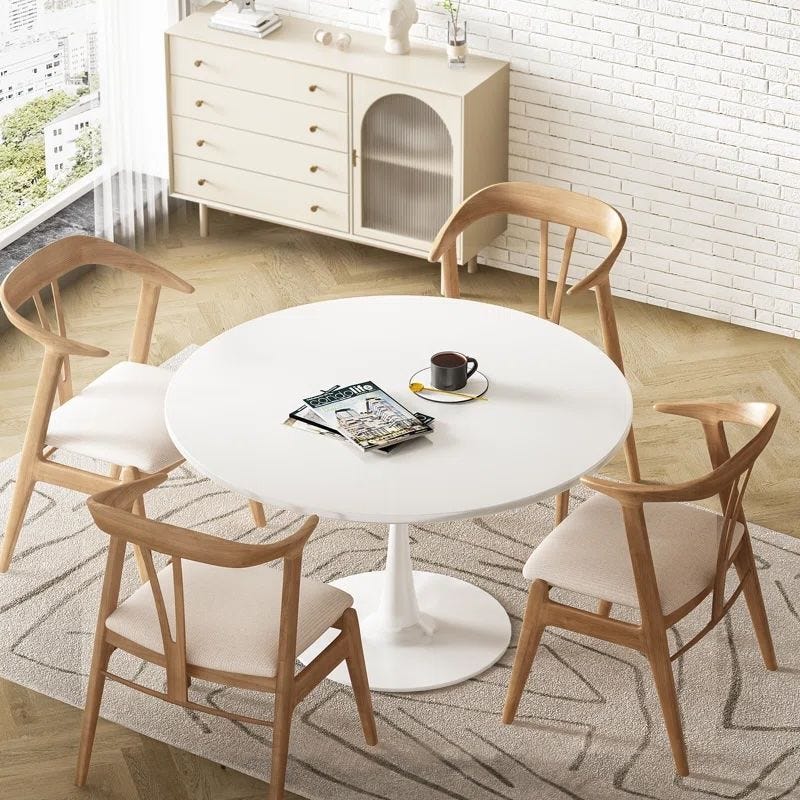
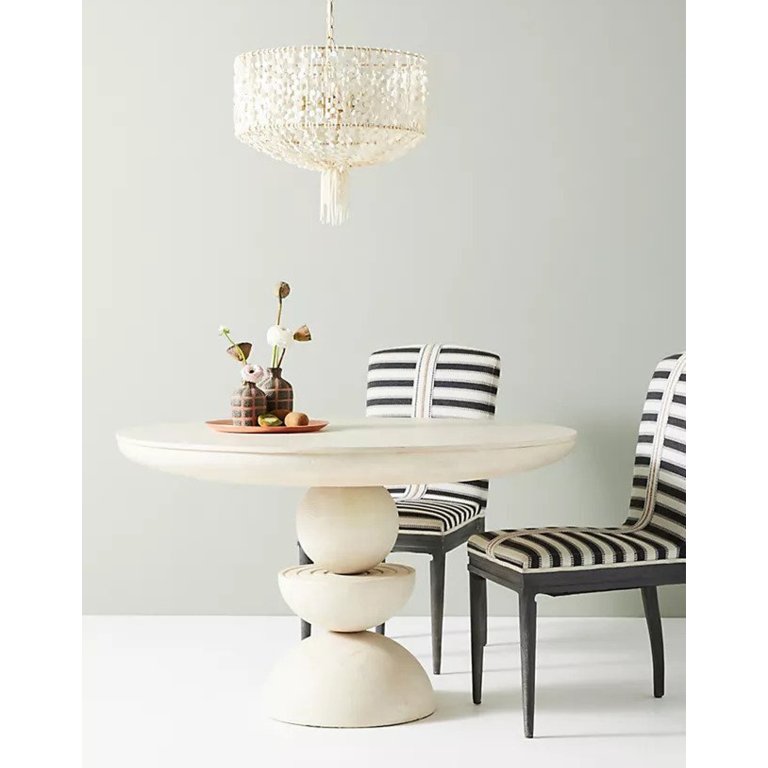
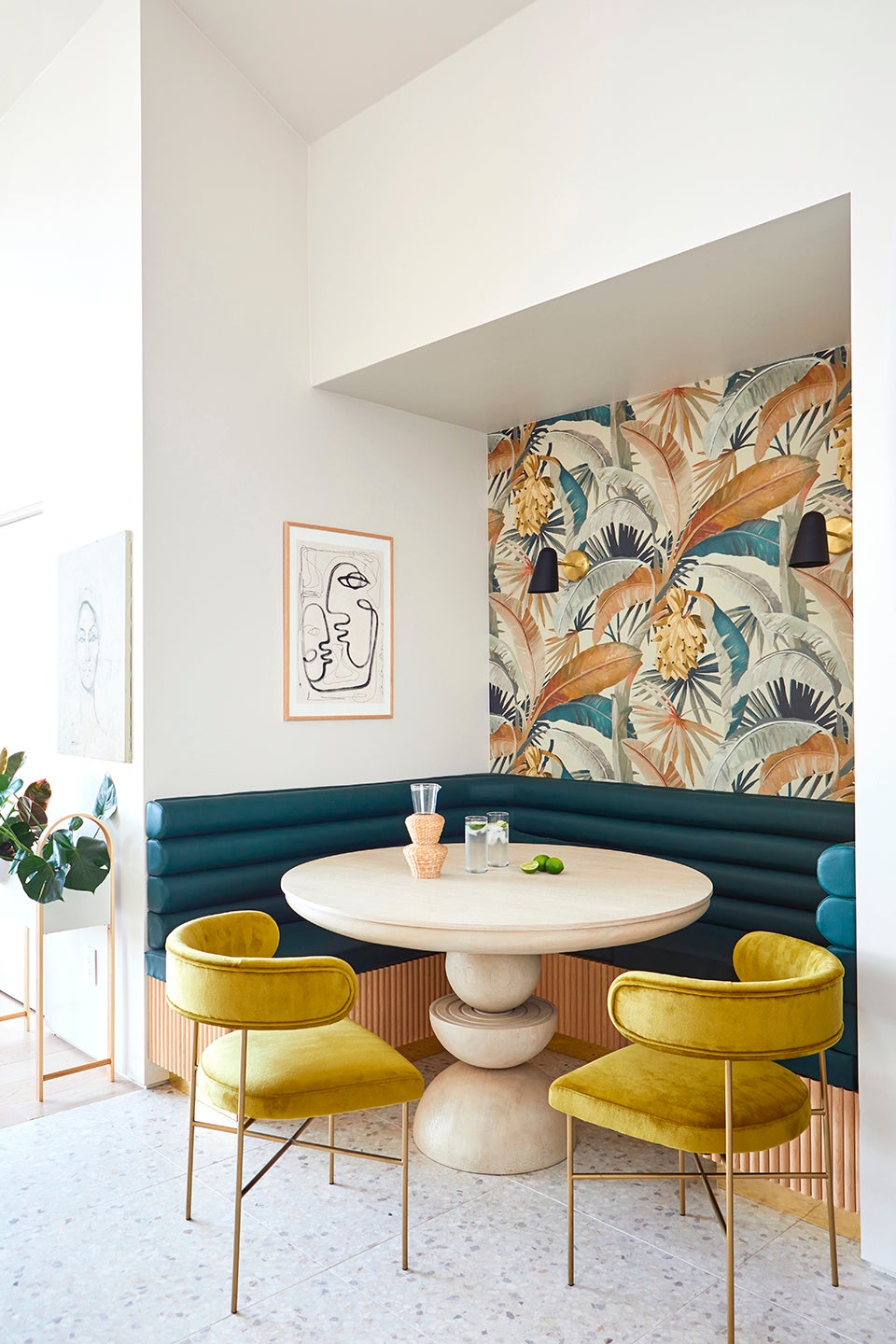
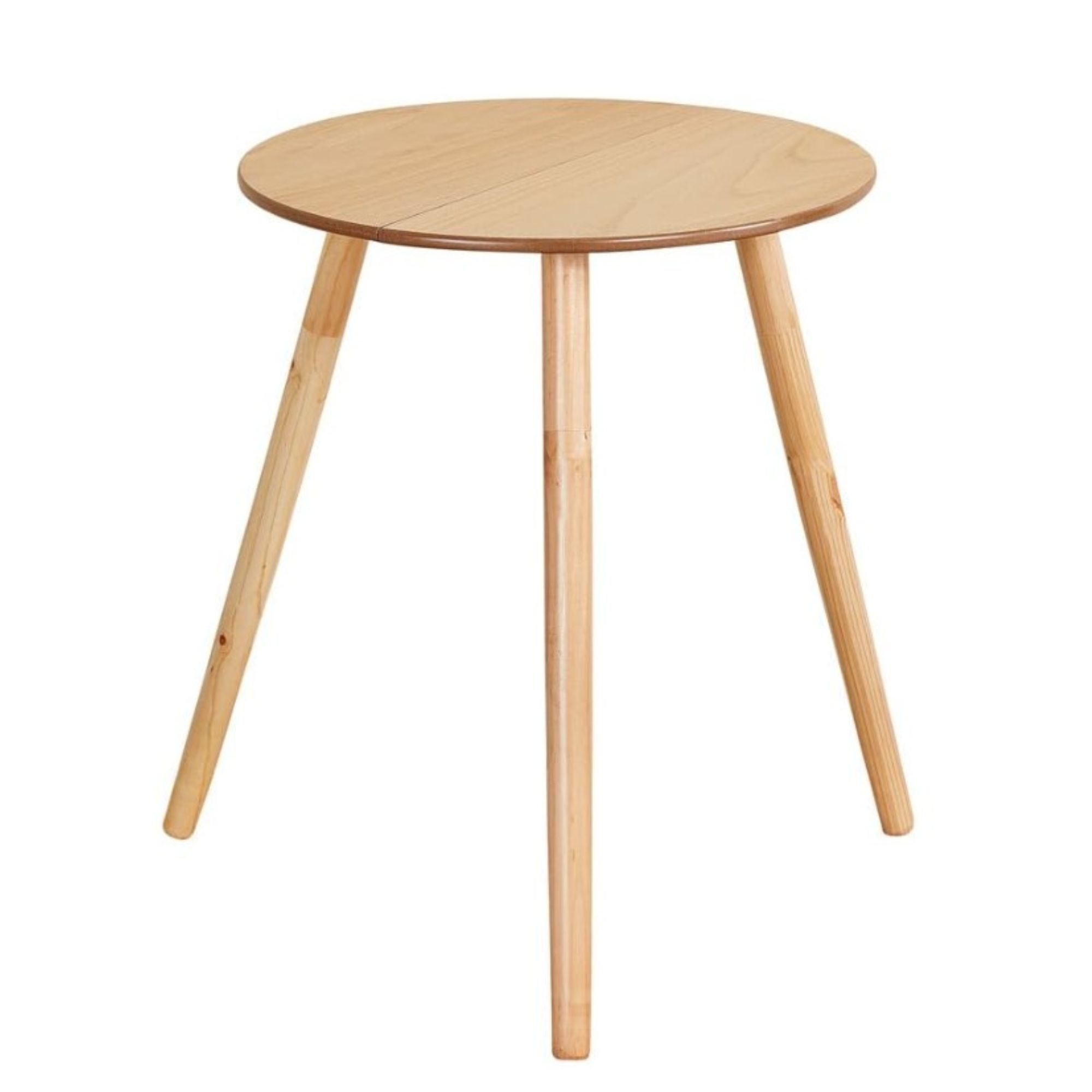
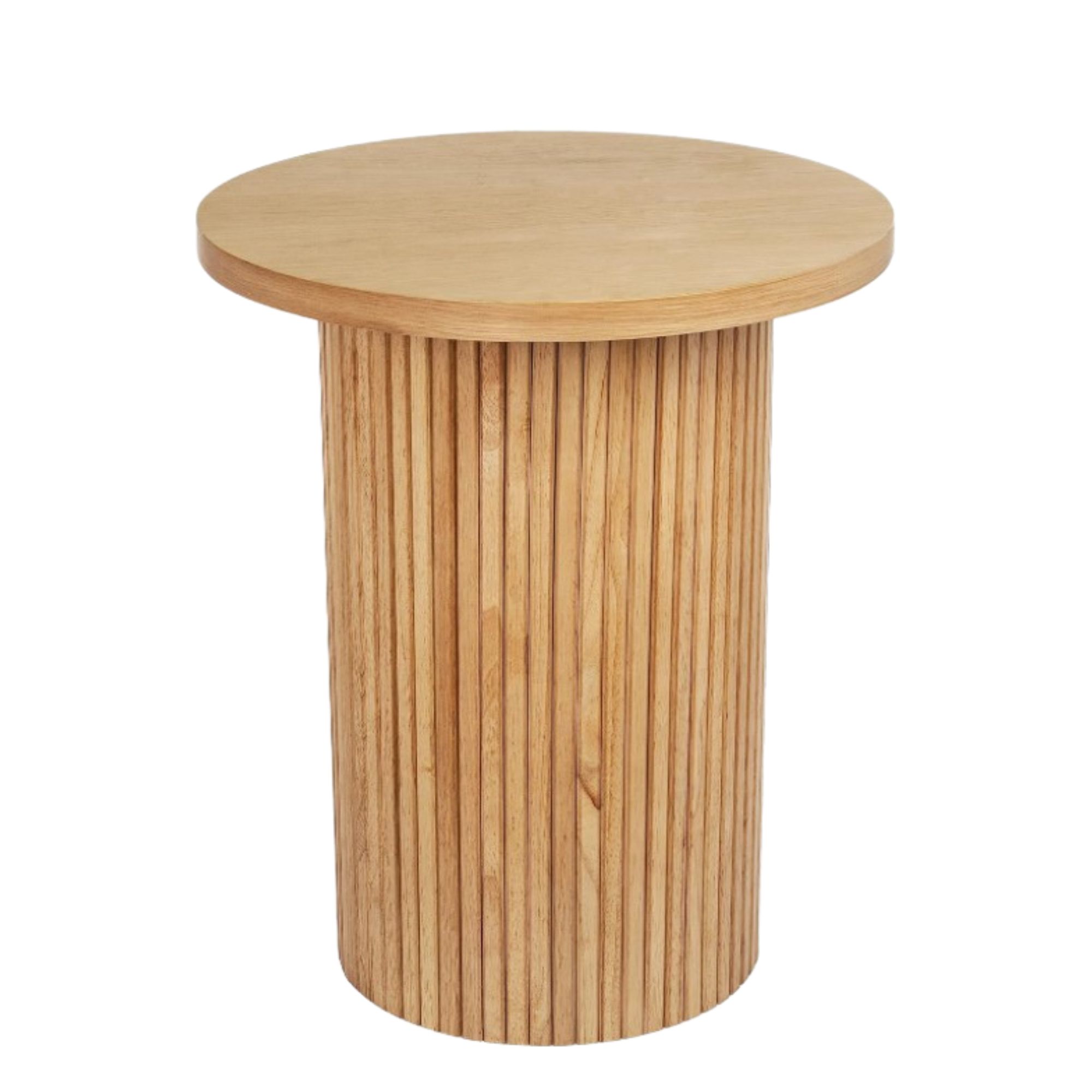
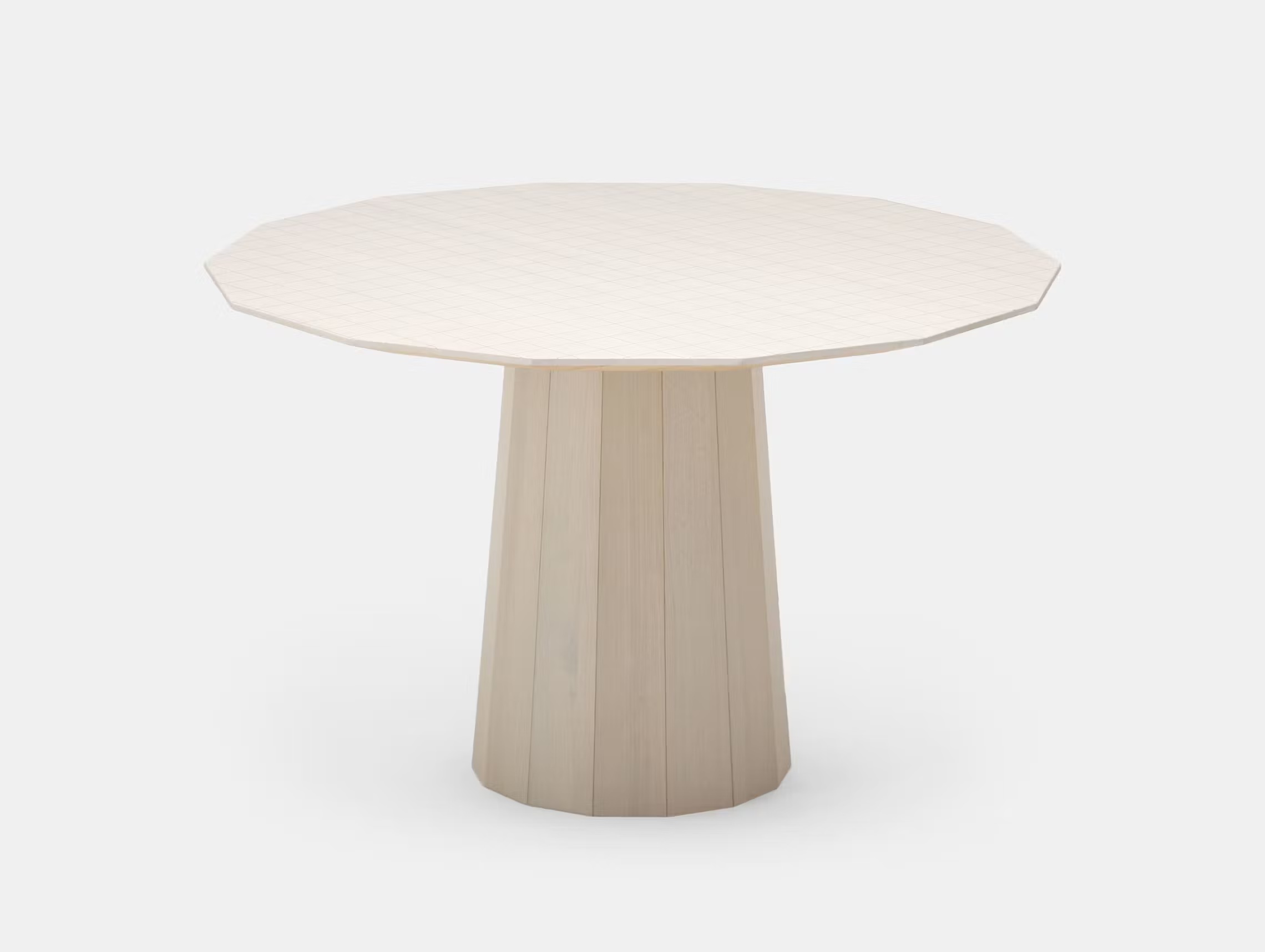
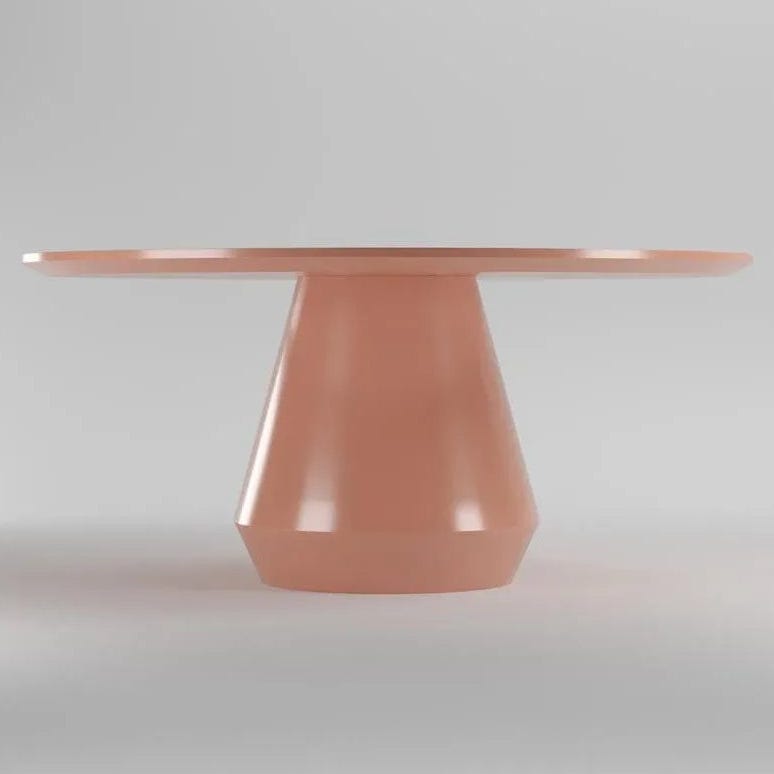
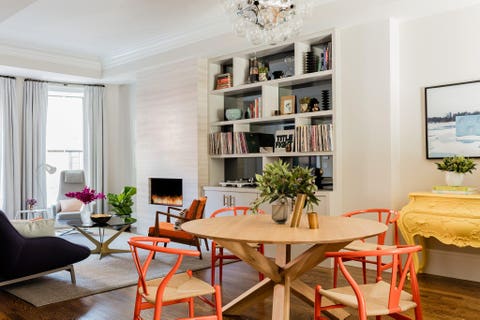
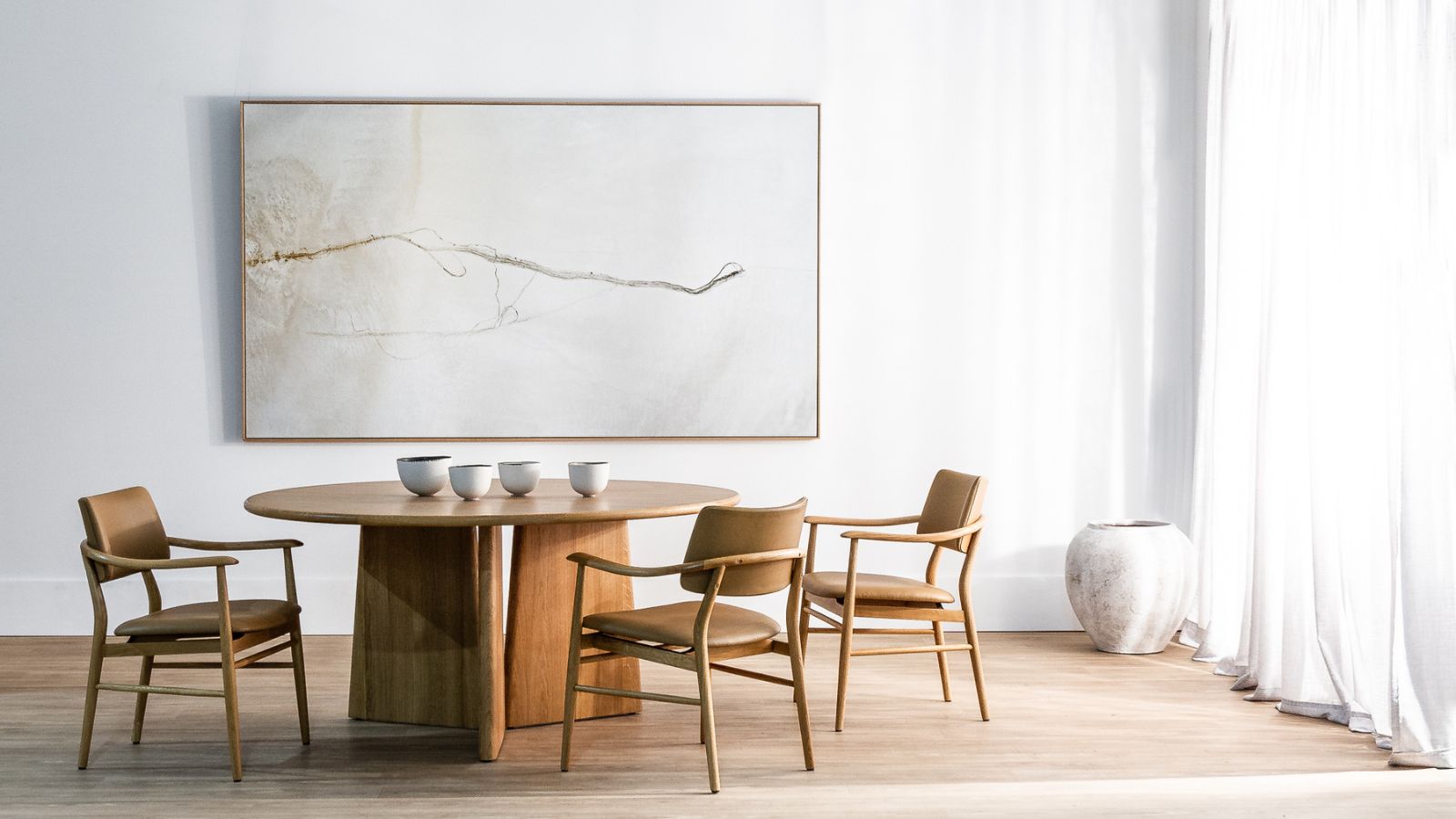
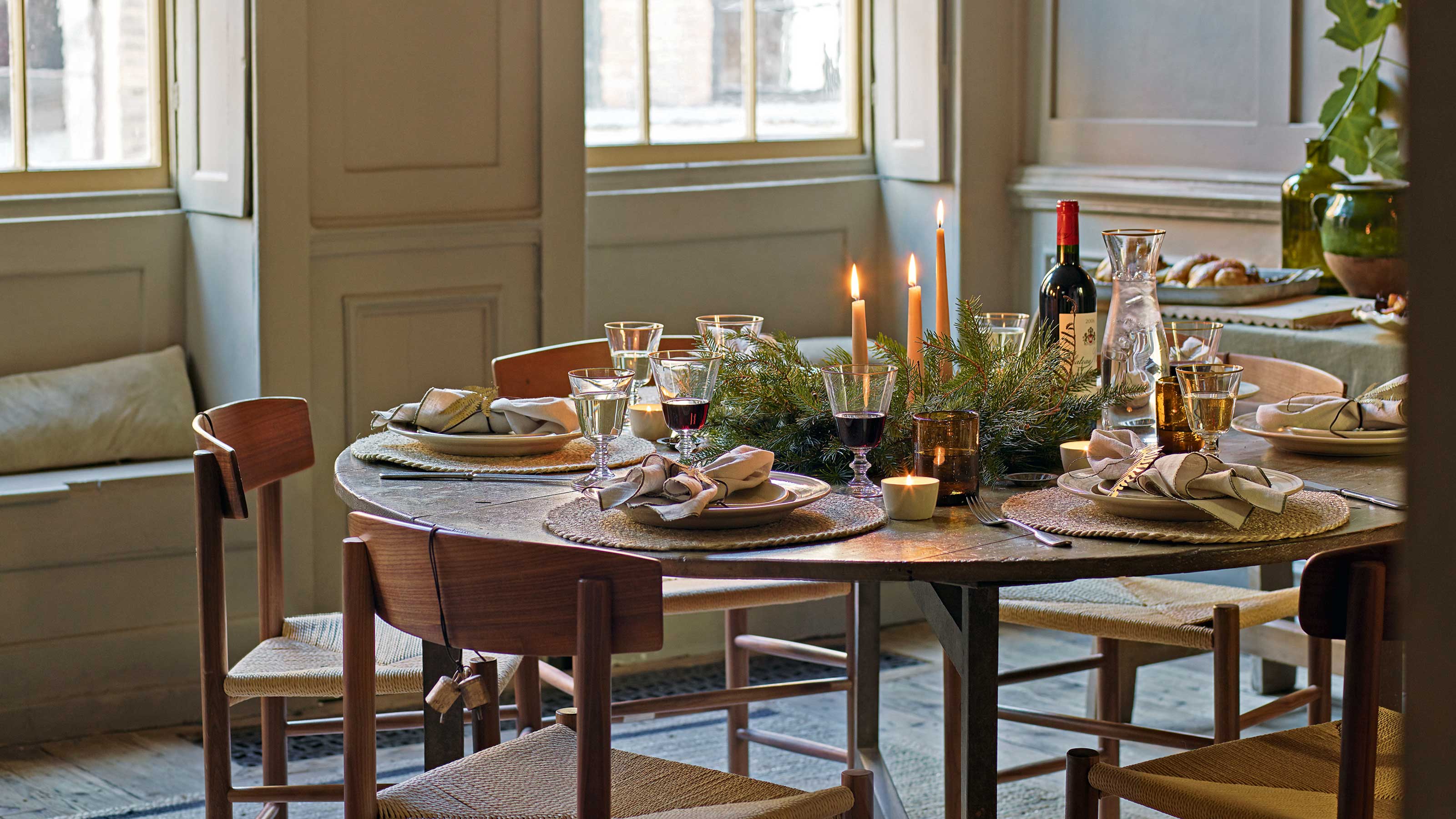
Round dining tables present a slightly more complex challenge due to their shape. Interior designer Artem Kropovinsky of Arsight suggests a specific formula for these tables: begin with the table's diameter, subtract 12 inches to account for a centerpiece and provide breathing room, and then divide this figure by the recommended personal space of 24 to 28 inches per person. For example, a 60-inch round table can comfortably accommodate five to six people using this method. This approach ensures that each guest has ample room without feeling cramped.
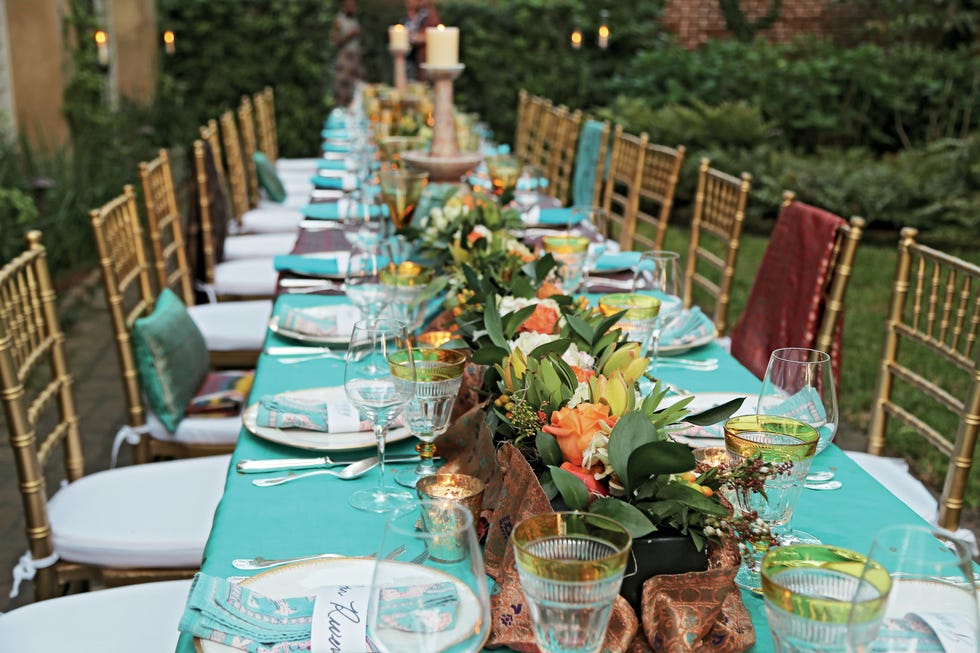
Beyond the table's dimensions, the type of seating, dinnerware, glassware, and overall dining table decor significantly influence the usable space. Overcrowding is not solely determined by the number of people but also by how the table is set. Artem Kropovinsky advises using taller, slender centerpieces instead of wide ones to maximize surface area for place settings and guest comfort. This allows for more functional space while still maintaining an aesthetic appeal.
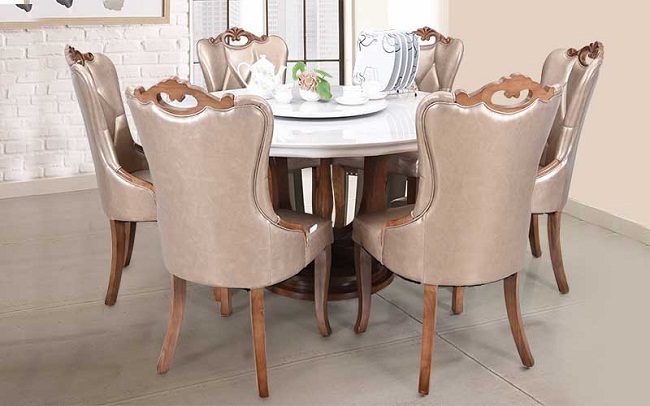
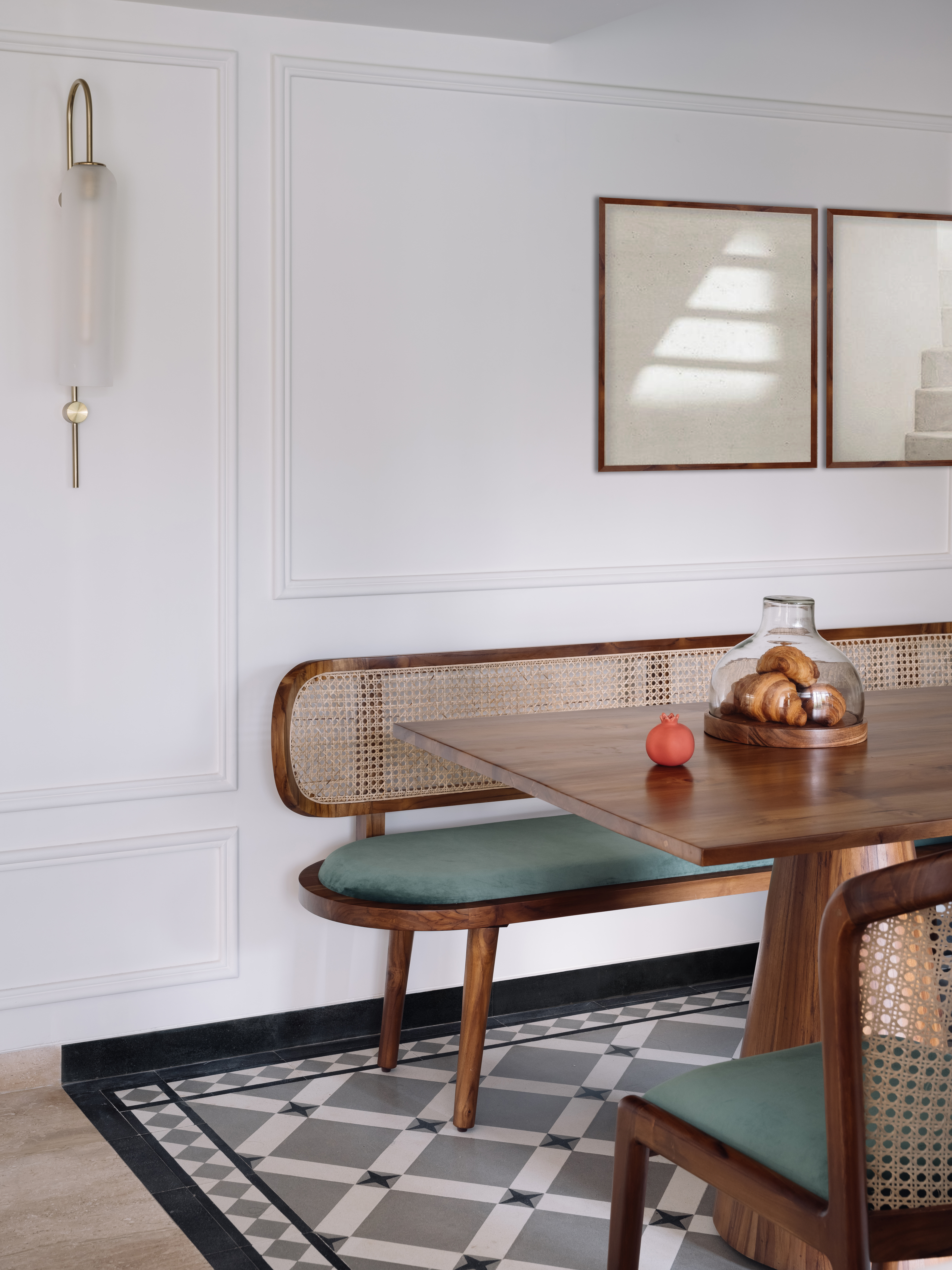
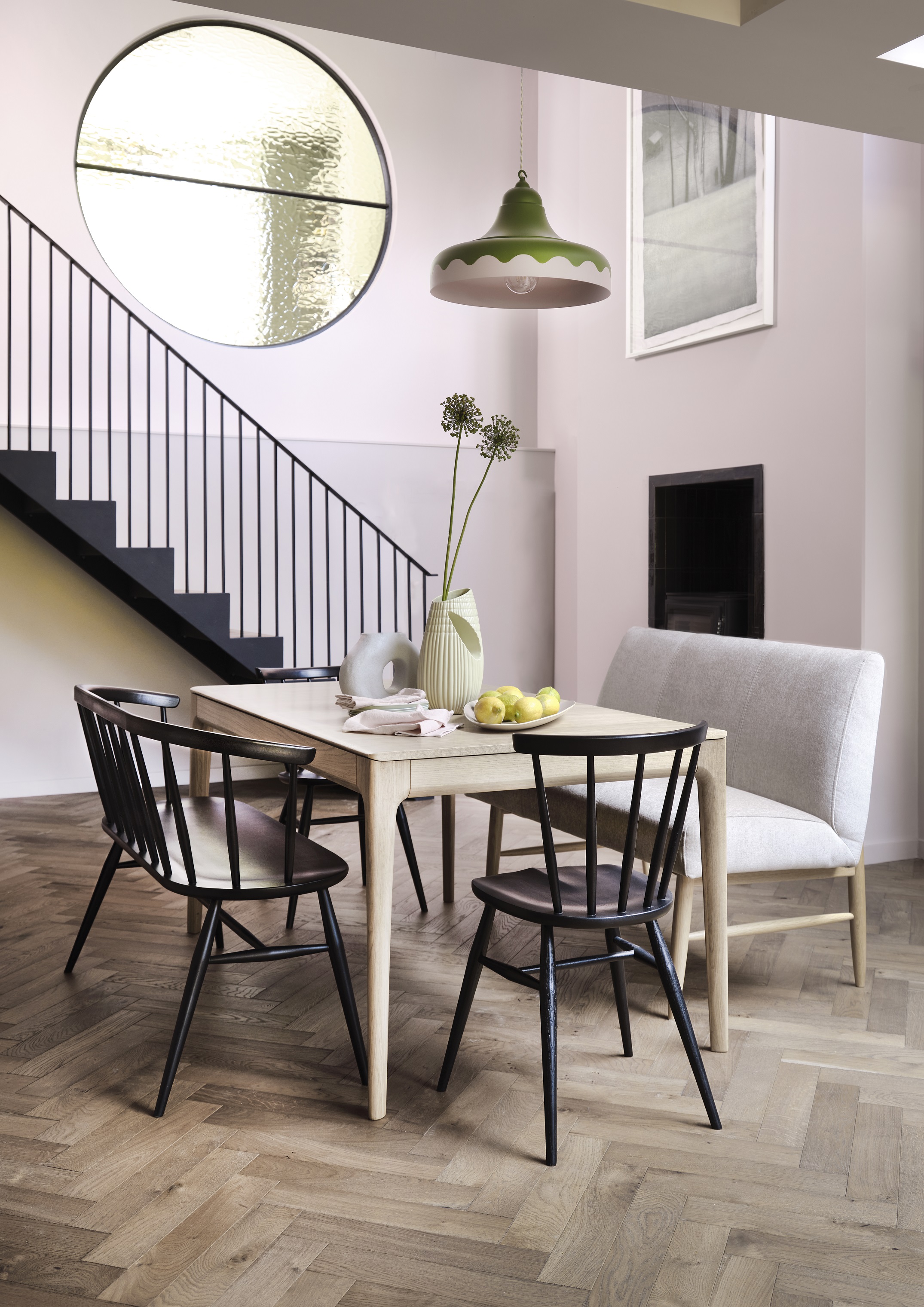
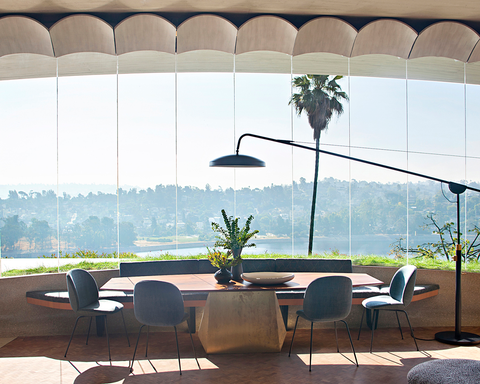
If the calculated capacity indicates insufficient space for the desired number of guests, several strategies can be employed. Virginia Frischkorn, a hosting expert and founder of Partytrick and Bluebird Productions, recommends setting up a separate serving area. This allows guests to access drinks and plates away from the main table, freeing up valuable space for seating and dining. This approach promotes a more casual atmosphere and prevents the dining table from becoming overly cluttered. Another solution is to modify the seating arrangements. Substituting traditional dining chairs with benches can increase seating capacity, as benches often allow for more flexibility in accommodating additional people. However, Frischkorn emphasizes that guest comfort should always be the priority, cautioning against squeezing too many people around a round table. She suggests a maximum of eight guests for a round table to prevent elbows from clashing and ensure a pleasant dining experience.
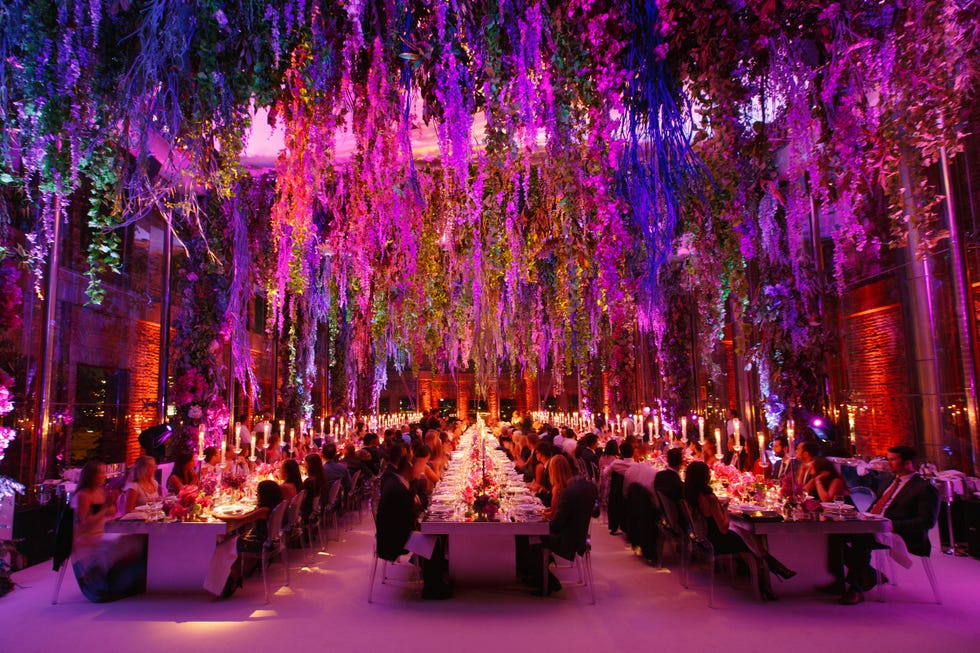
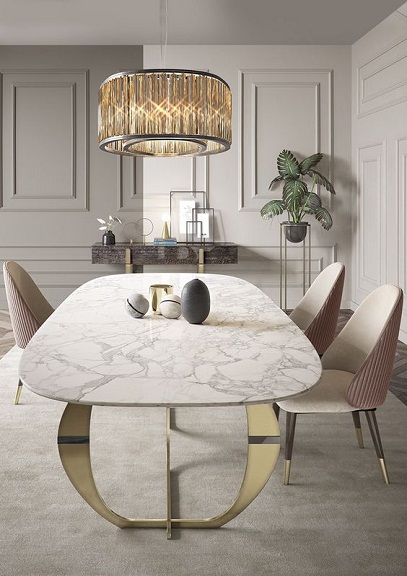
In situations where a single table cannot comfortably accommodate all guests, even with these adjustments, it may be more practical to use two separate tables. While this might divide the conversation, it prioritizes comfort over forced proximity. After dining, guests can reconvene in another room for broader socialization. Regarding table shapes, round tables often allow for more people than rectangular ones, especially if they have a large diameter, as the absence of sharp corners can be utilized more efficiently when seating extra guests if necessary. When hosting a dinner party, the focus should remain on creating a comfortable and enjoyable environment for everyone involved.
#DiningTable #SeatingCapacity #InteriorDesign #HomeDecor #HostingTips #DinnerParty #TableSetting #SpacePlanning #GuestComfort #DiningTable #SeatingCapacity #InteriorDesign #HomeDecor #HostingTips #DinnerParty #TableSetting #SpacePlanning #GuestComfort
0 comment in total
 No comments yet
You may also like
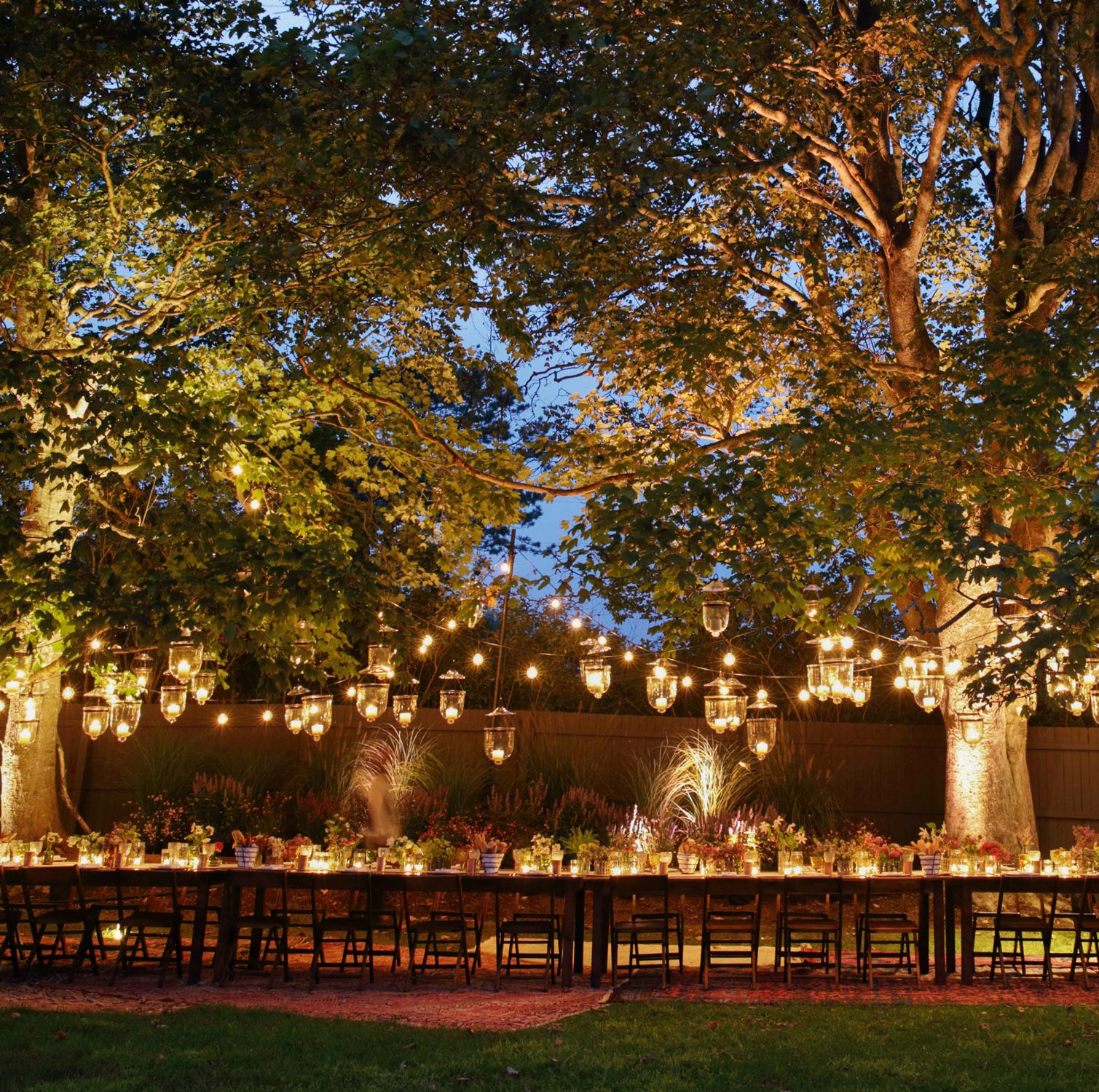
Did Instagram Kill Round Tables at Dinner Parties?

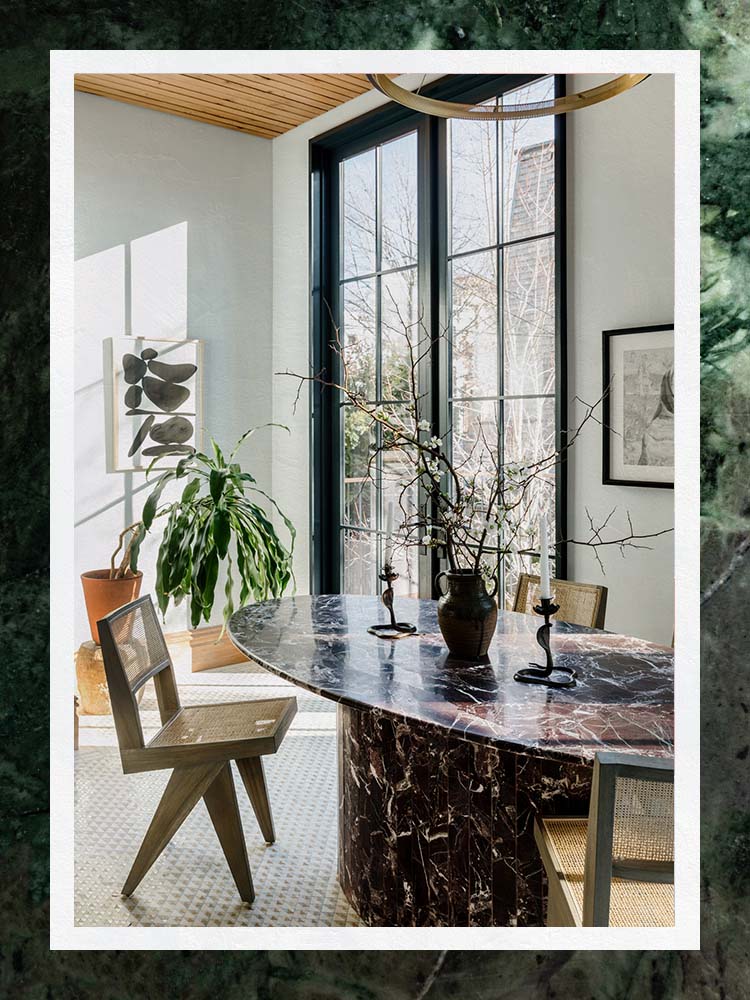
The Best Dining Tables, as Seen in Our Favorite Spaces

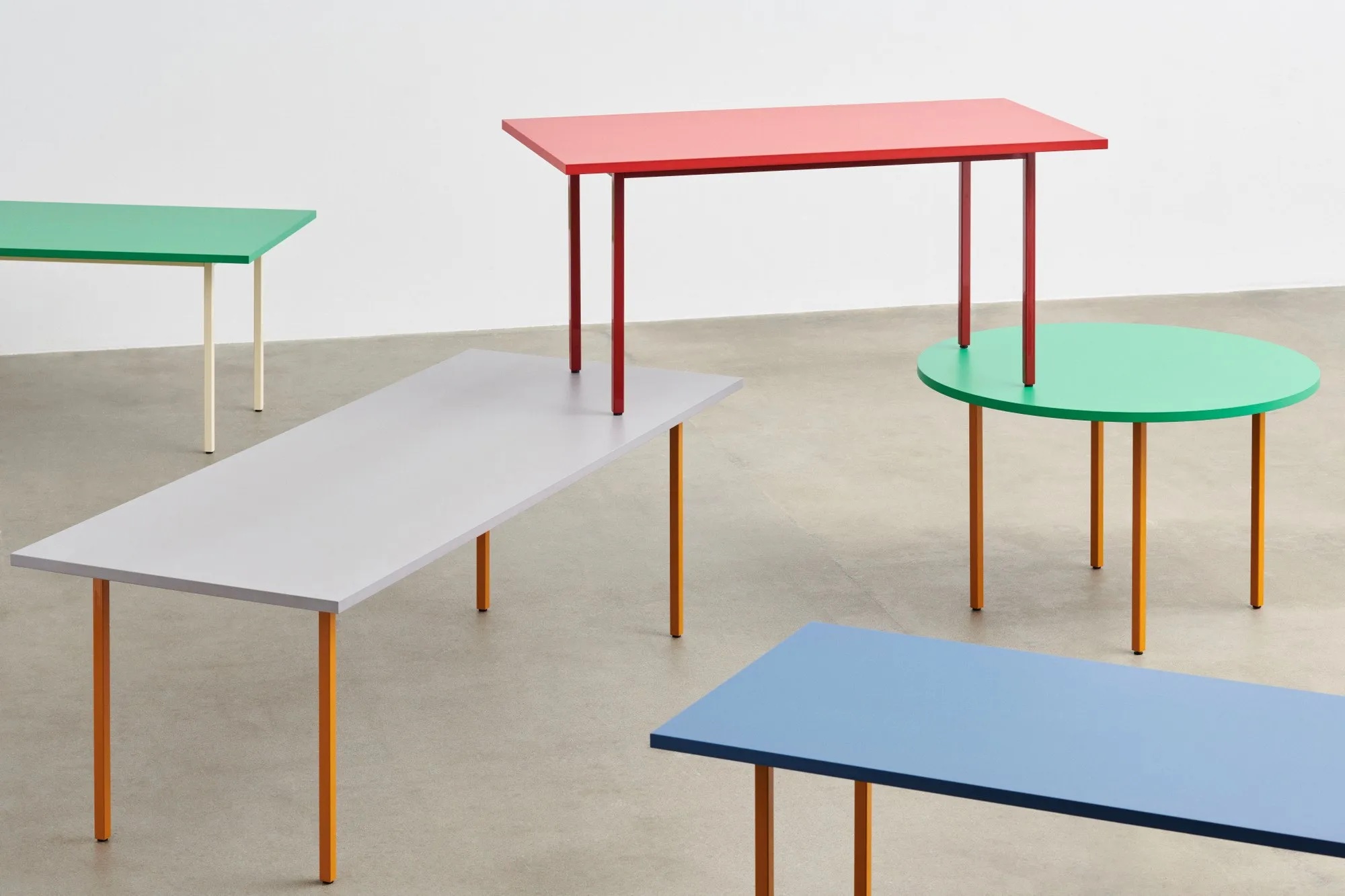
An appetite for design: 10 of our favourite dining tables

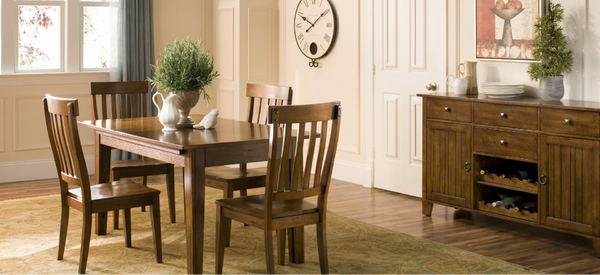
How to Choose the Right Dining Table for Your Home (Published 2018)
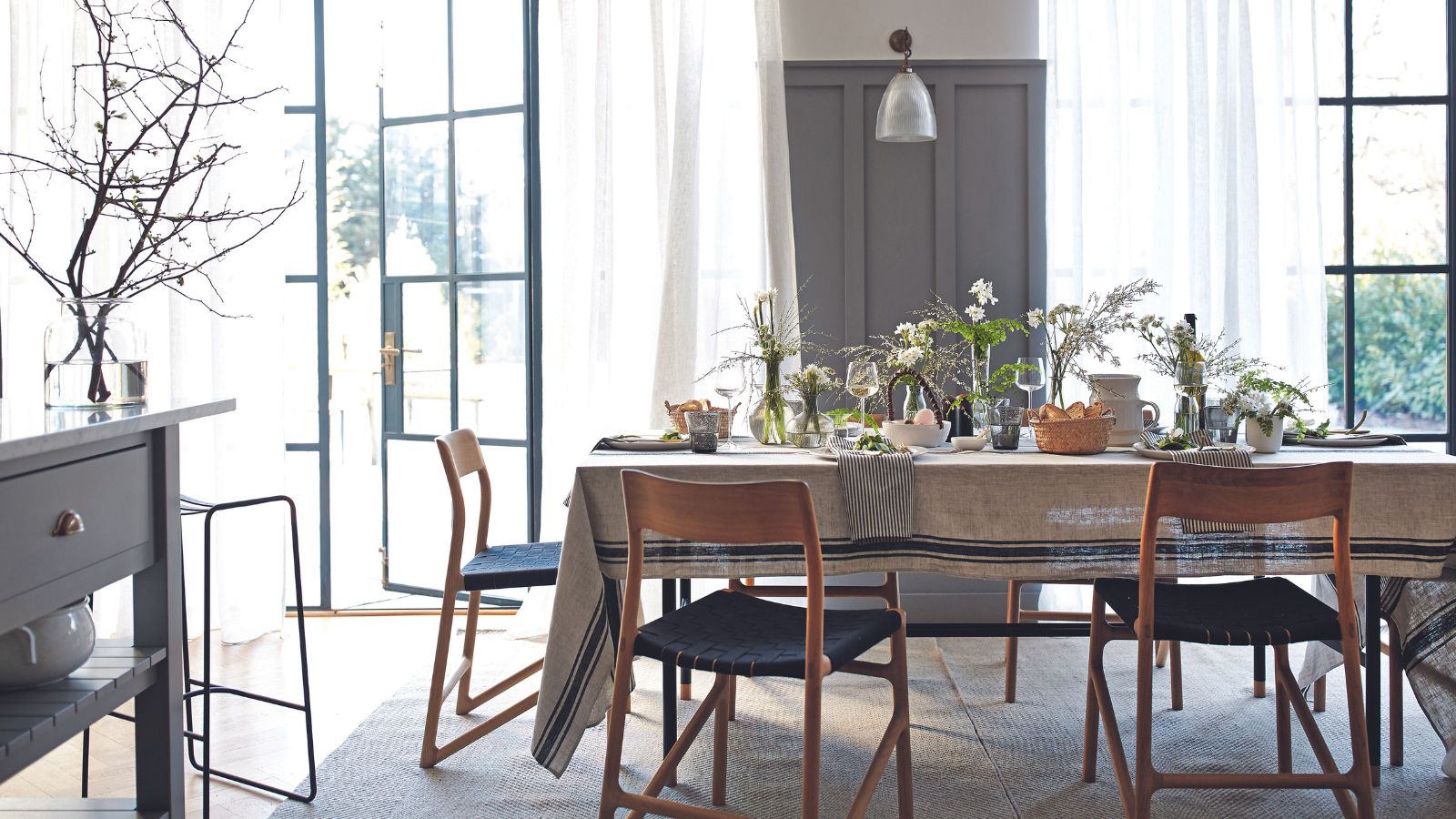
Round vs rectangular dining room tables – which one is best for your space?
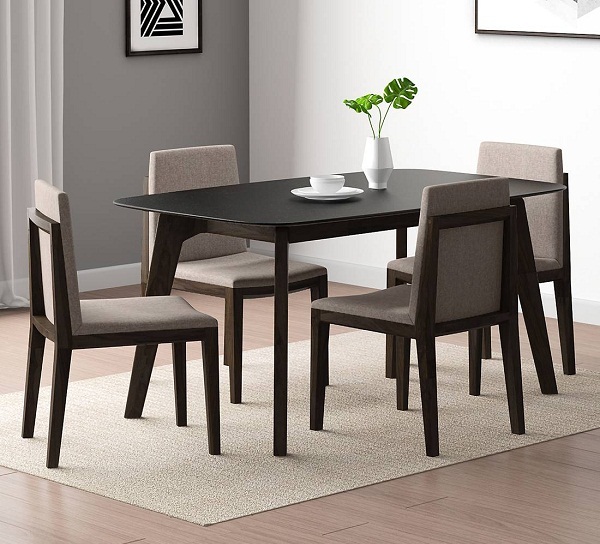
15 Best Dining Table Designs Available In 2023
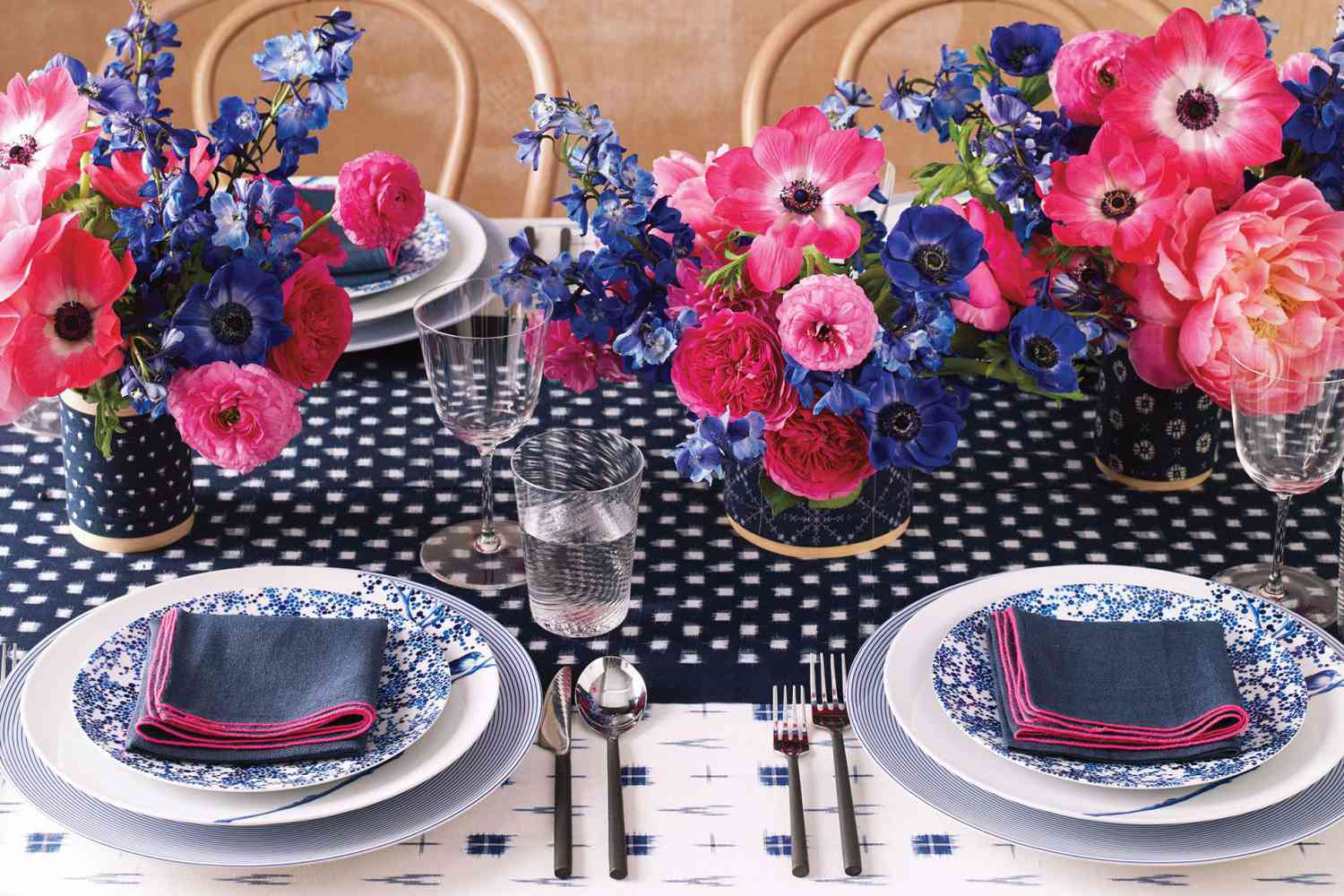
How to Set a Formal Dinner Table, According to Etiquette Experts

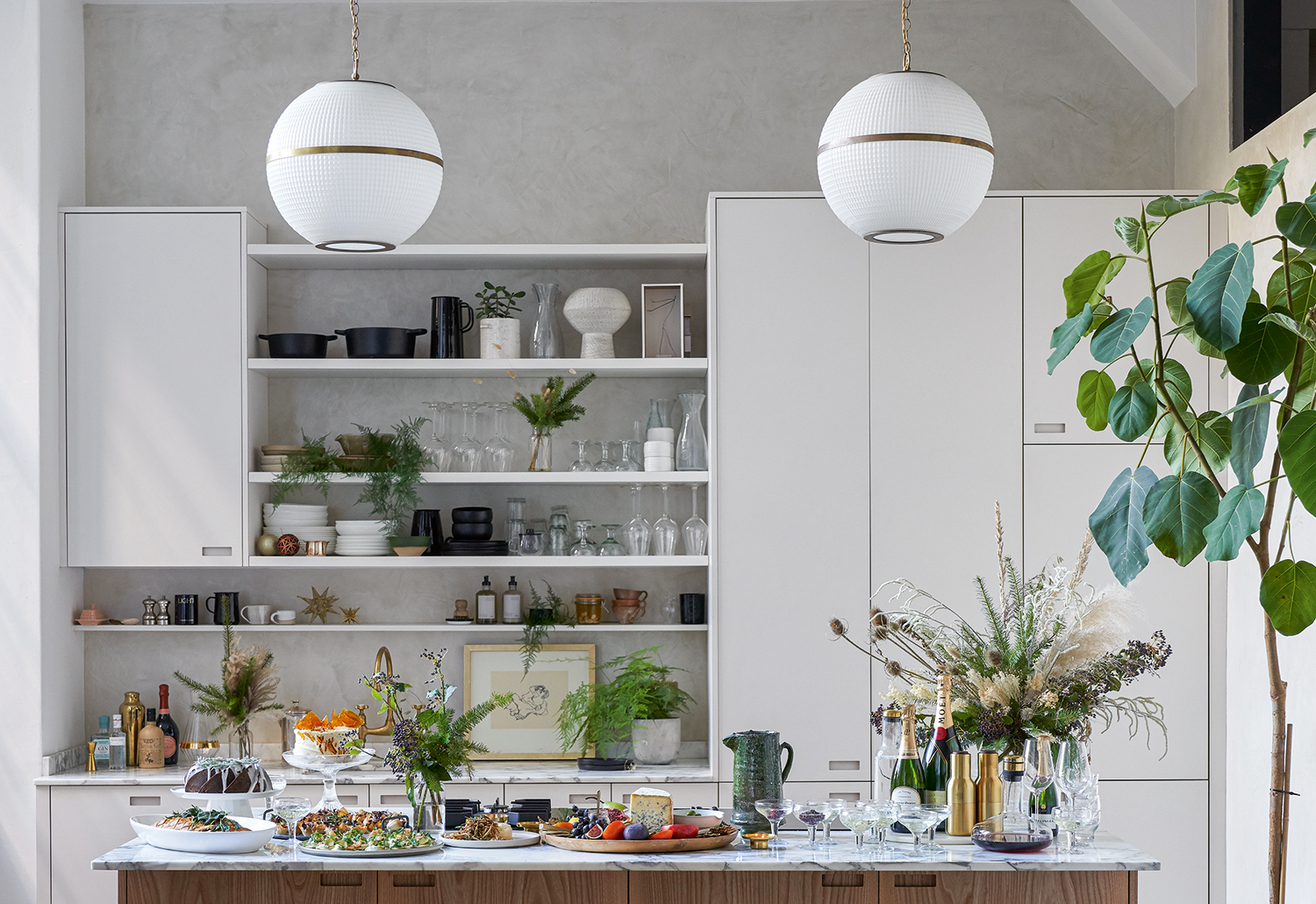
How many lights should there be in a kitchen? Designers agree on how to get it right

The Best Dining Room Tables, According to Design Pros

We Asked Etiquette Pros to Tell Us How to Set a Table Properly and We're Taking Notes

The 20 Best Dining Room Tables, According to Designers

How can I add extra seats to a dining room? 10 tips for maximizing small table space this festive season
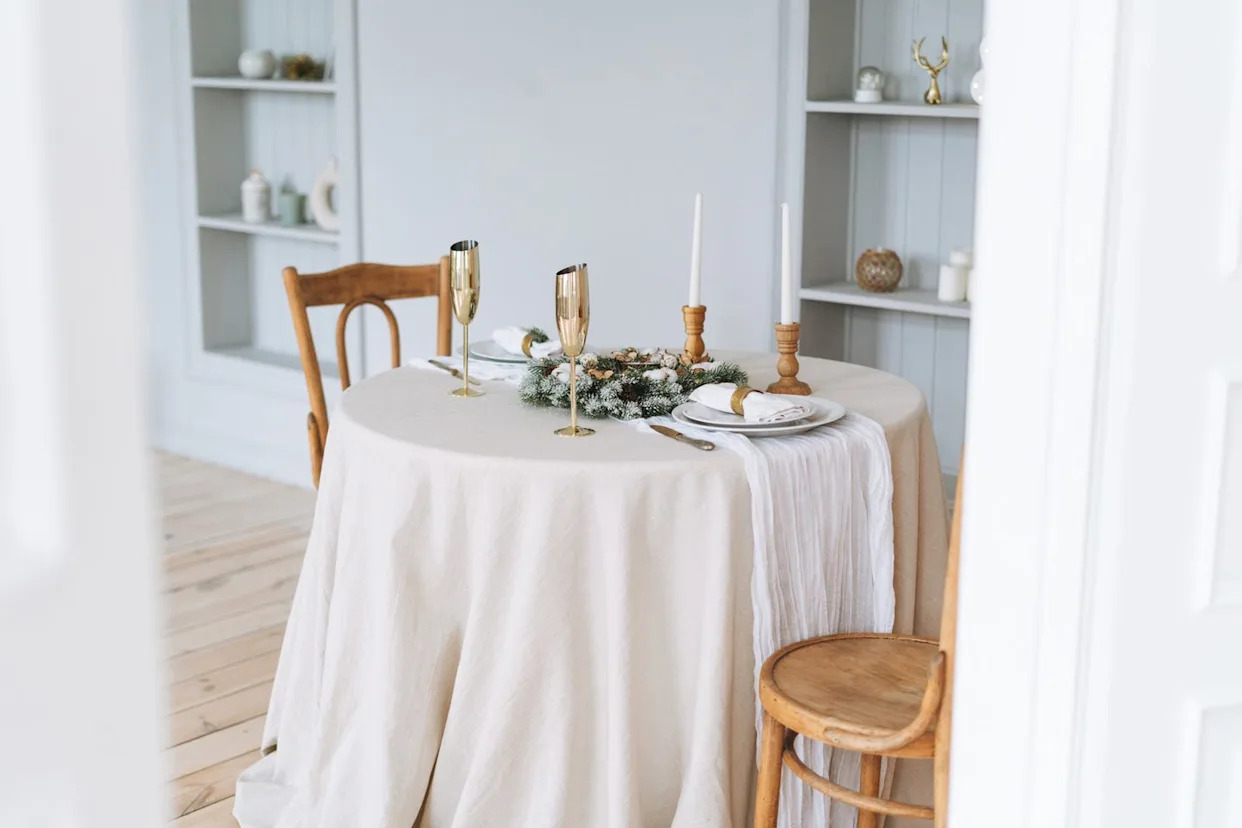
Reddit Is Freaking Out Over This Tablecloth Debate—Here's What Design Experts Say
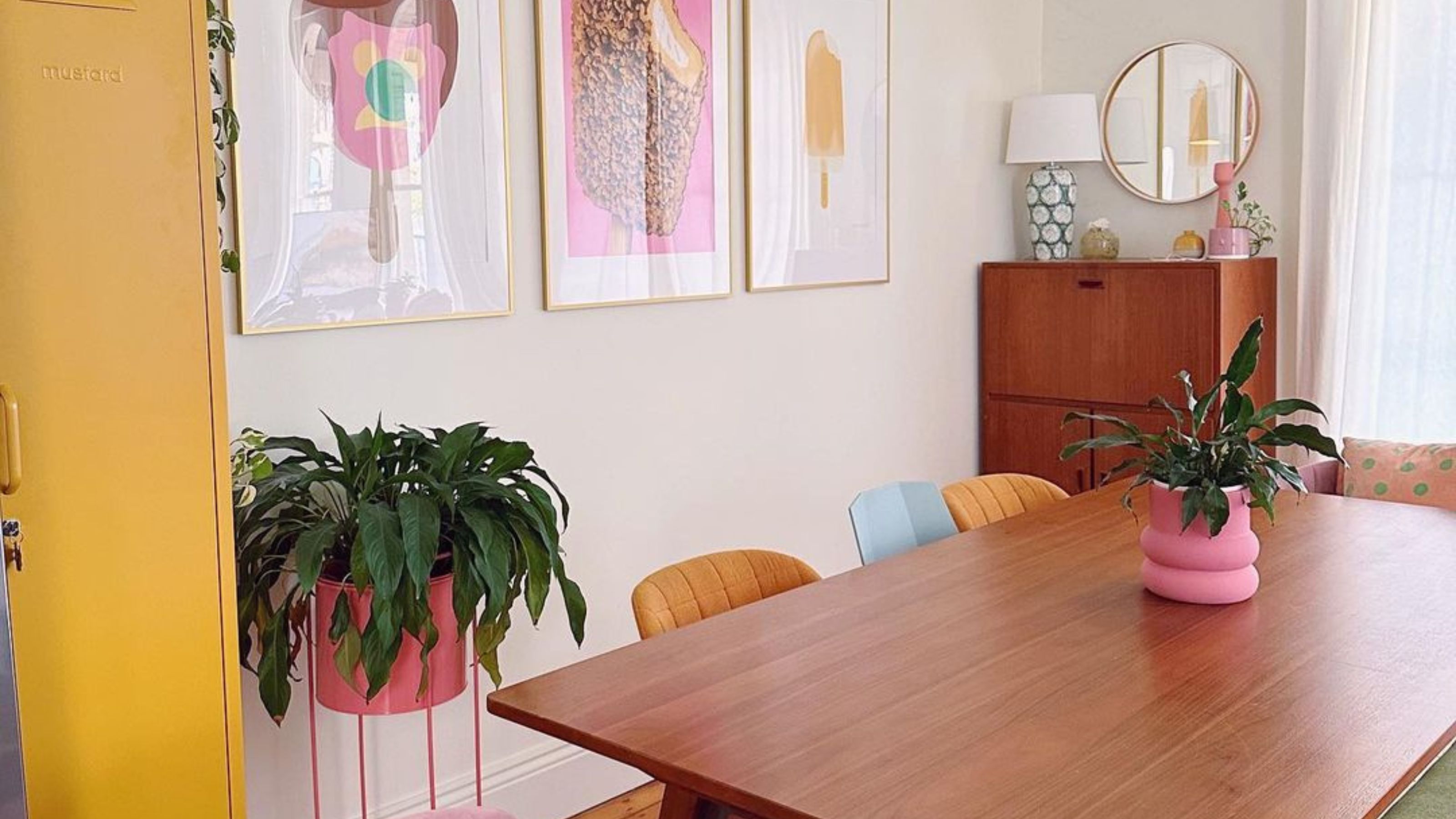
Curious how to fit a dining table into a small living room? Here's 5 tips designers swear by

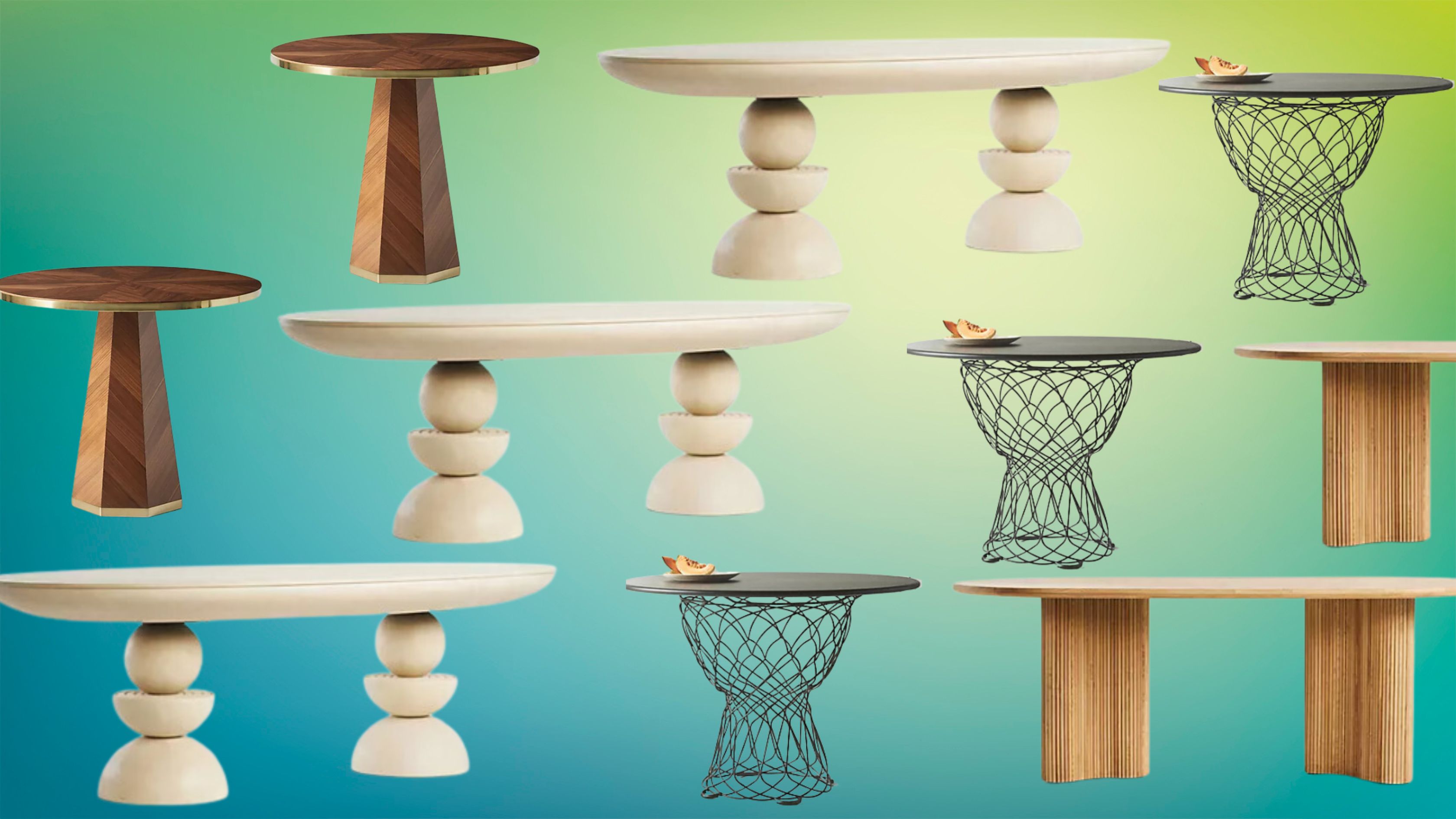
Anthropologie Dining Tables — 12 Brilliant New Designs Our Style Editors Love
10 Unique Dining Table Ideas

I’m a shopping writer – these are the best dining tables to buy for hosting season
How to fit a table into a small space, according to interior designers

Ten dining rooms where built-in seating provides extra space around the table

Do We Really Still Need the Dining Table?