1/15
8 dining room table ideas – the best styles and decor tips to elevate your dining space
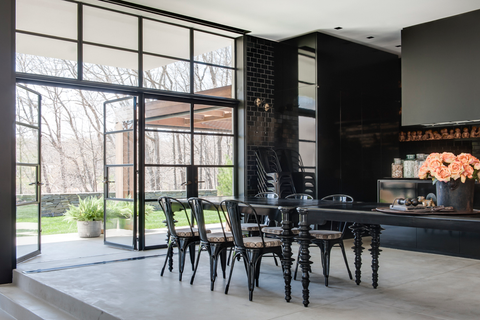
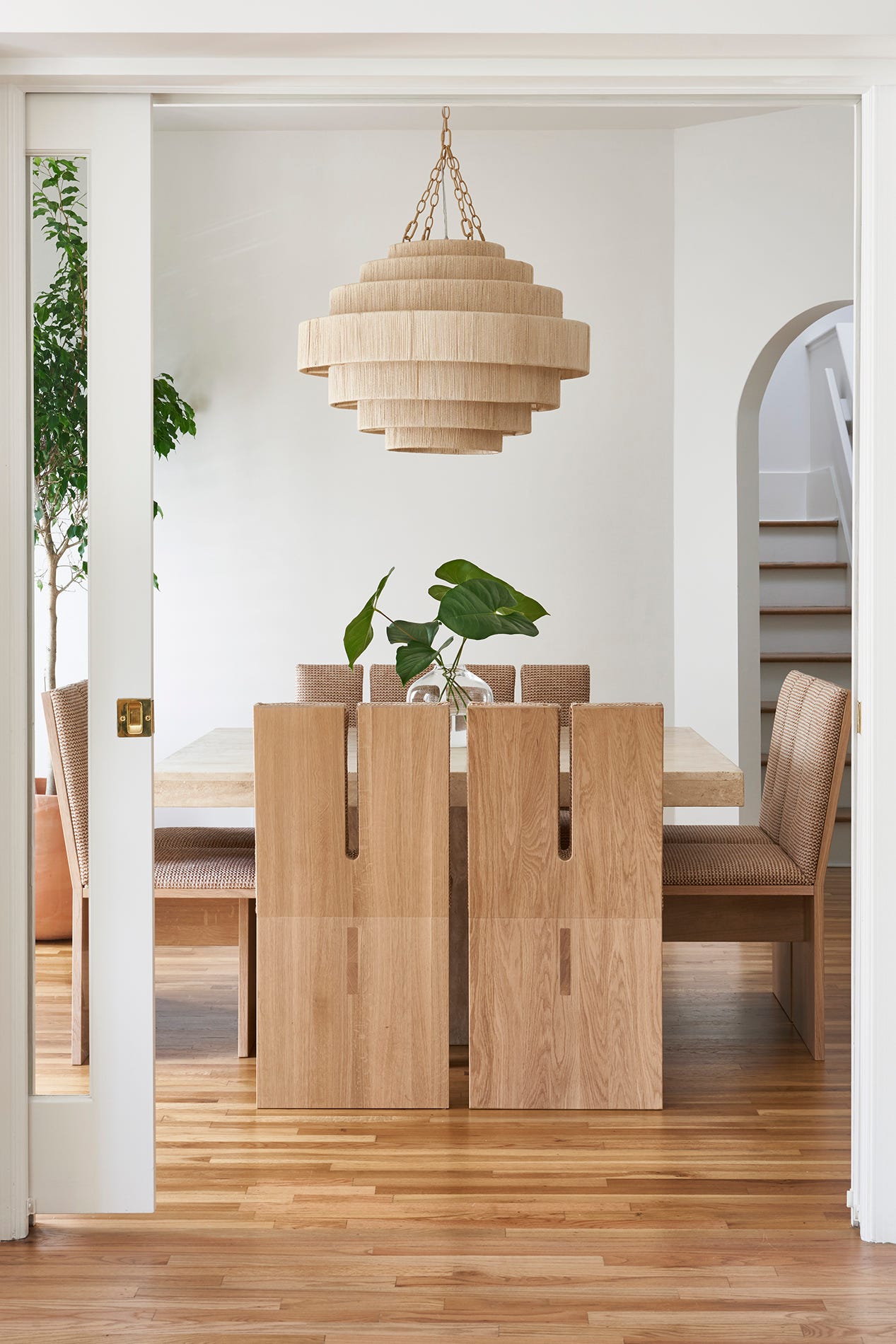
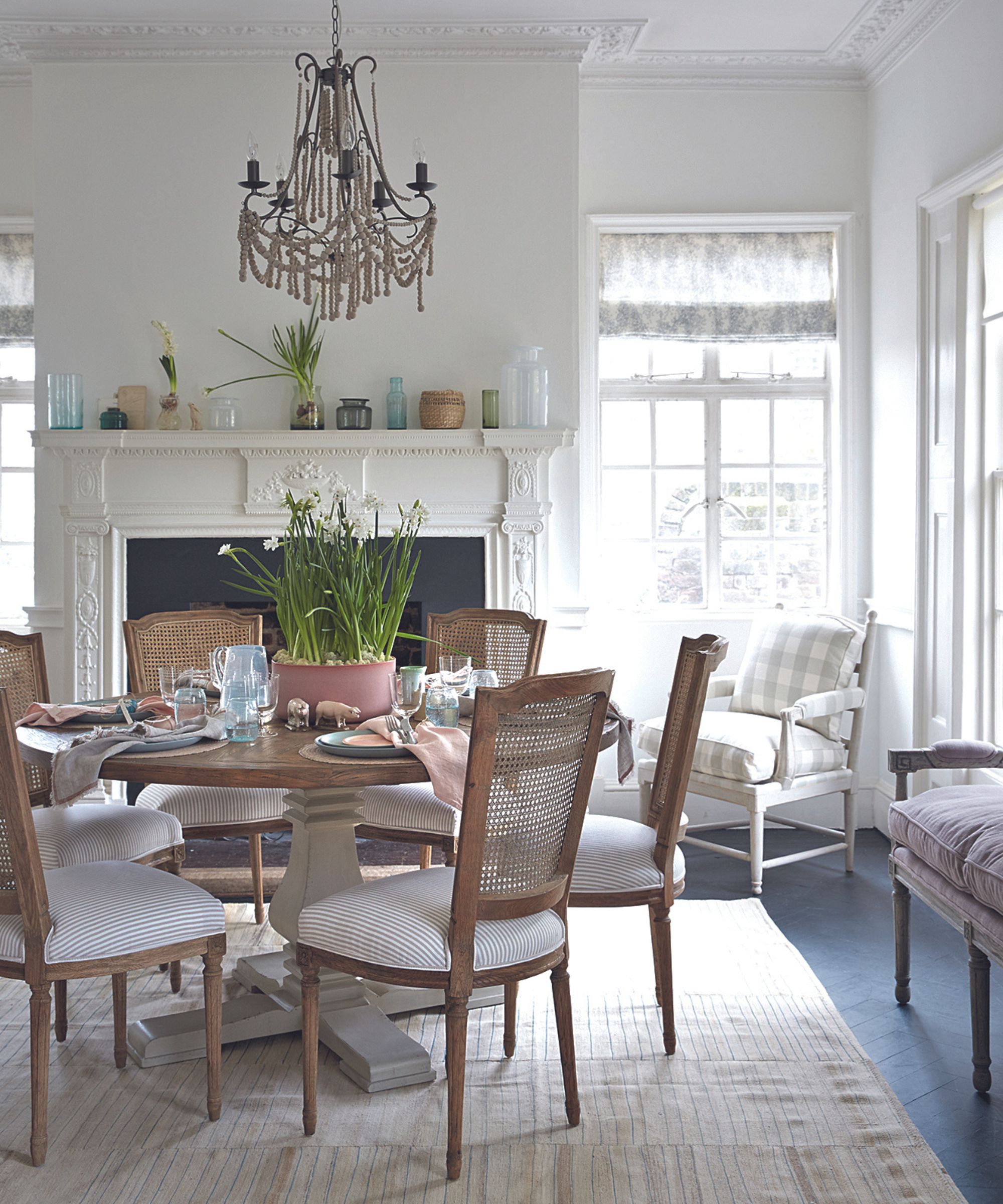
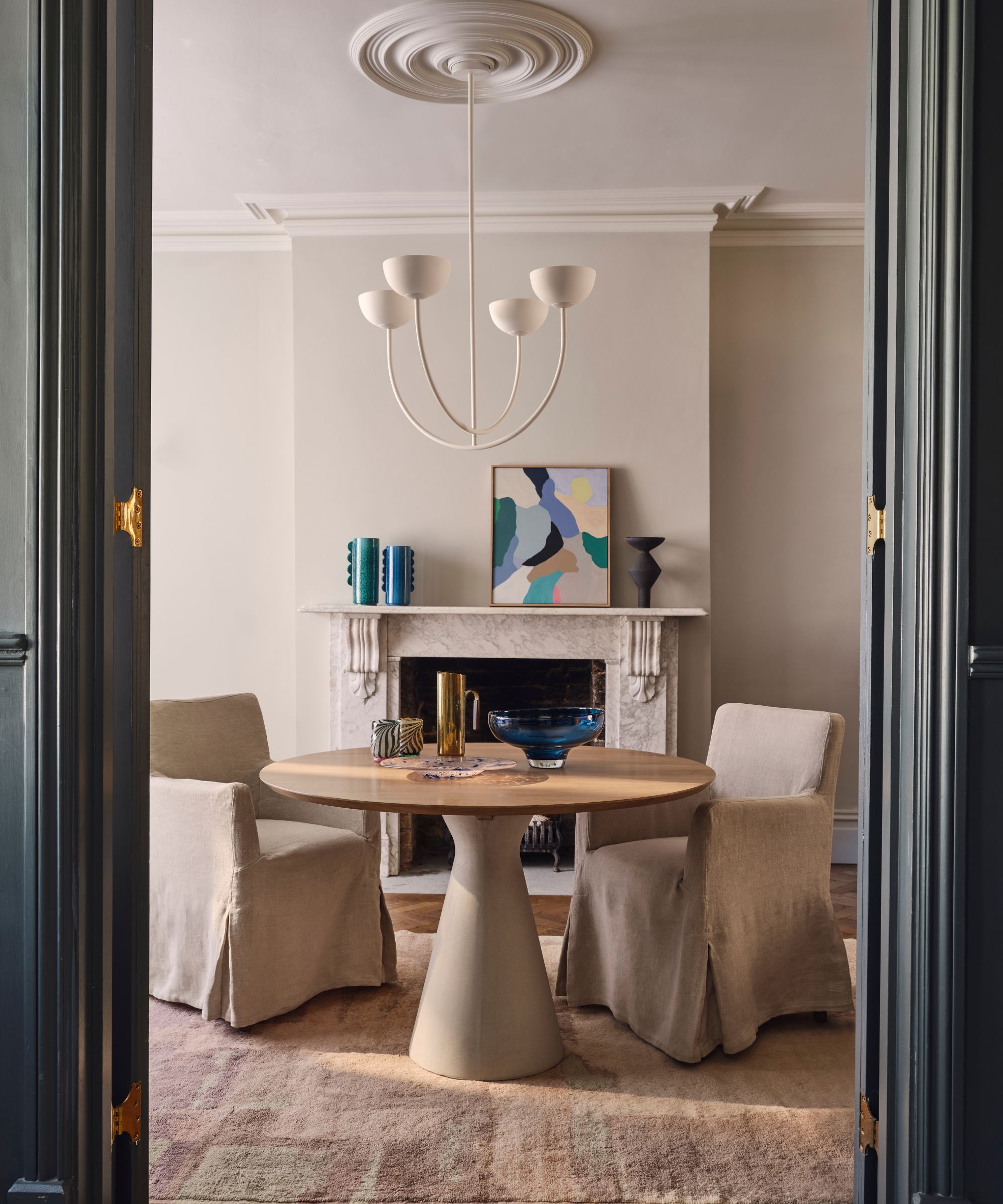
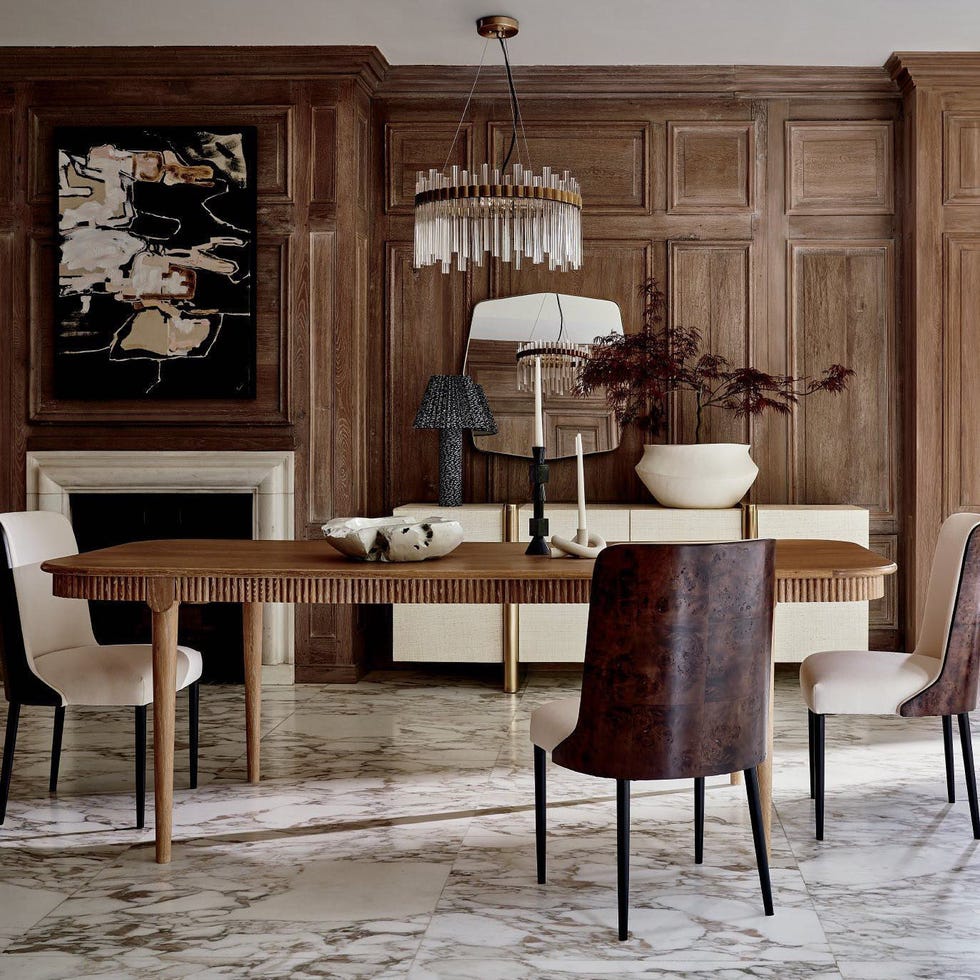
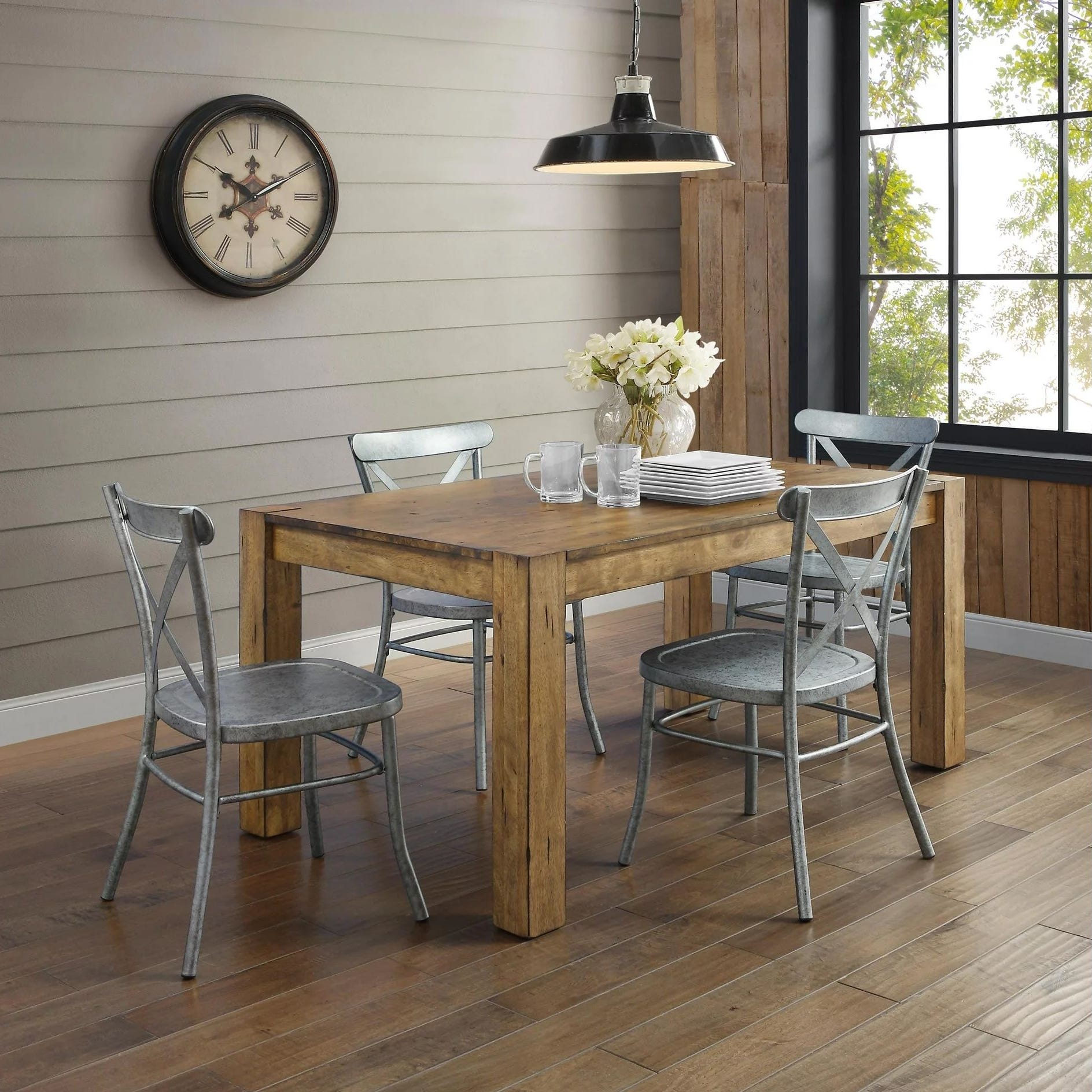
The dining table serves as the focal point of any dining room, necessitating careful consideration of its style and shape to complement the surrounding space. This comprehensive guide, informed by expert advice, offers insights into selecting and decorating dining tables to enhance the dining experience. The primary goal is to foster a welcoming and warm atmosphere, as the dining table is where food, stories, memories, and plans are shared.
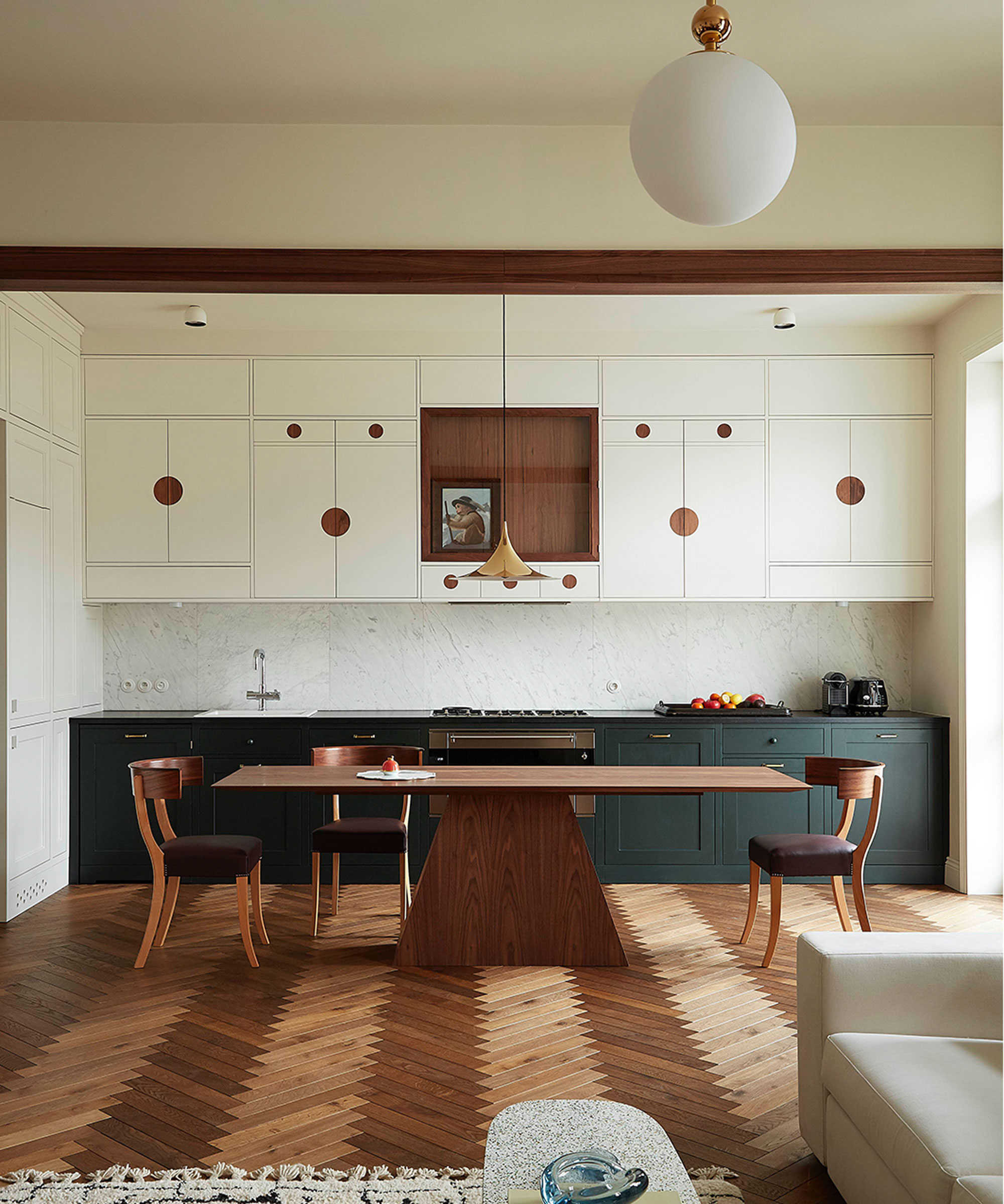
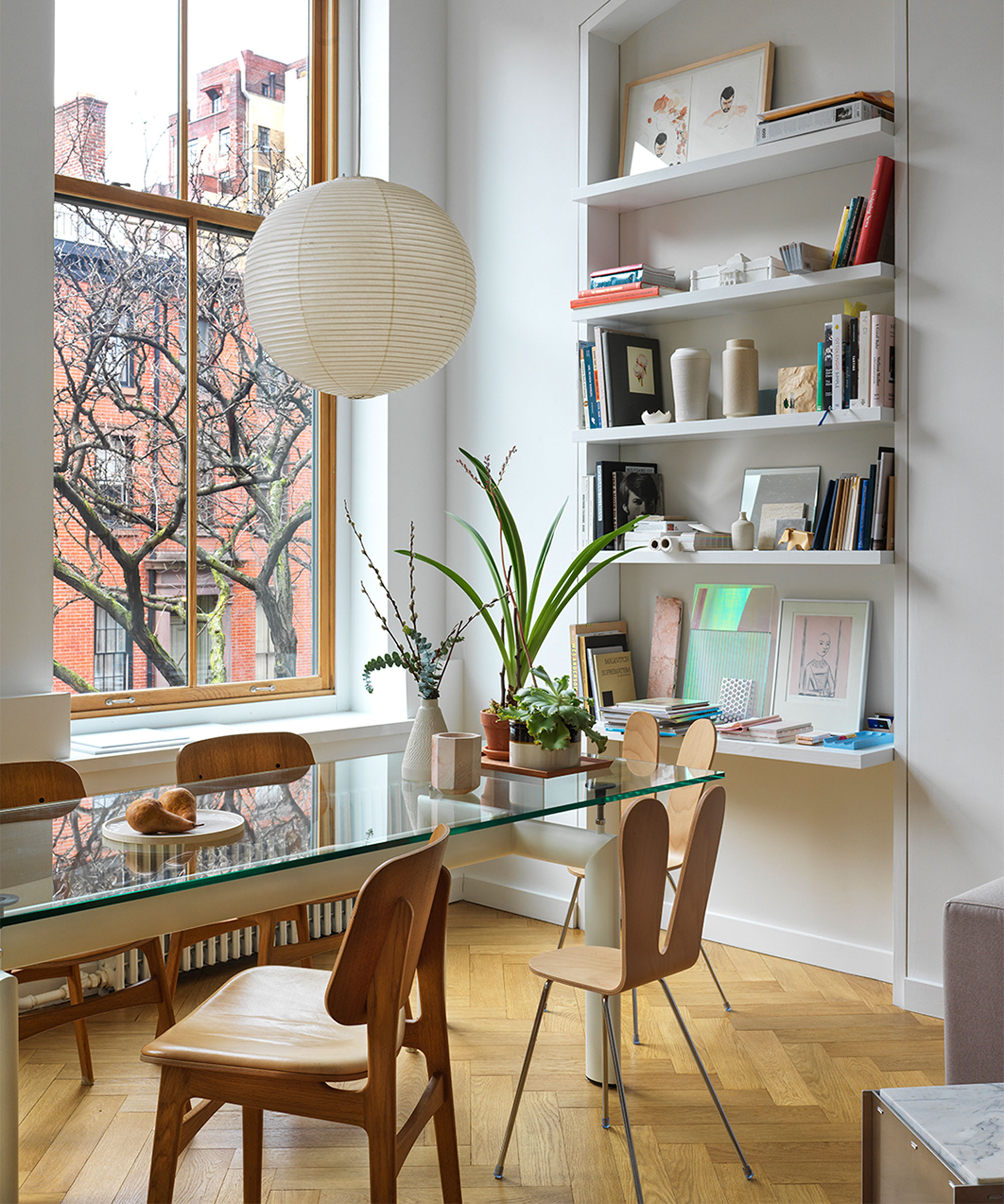
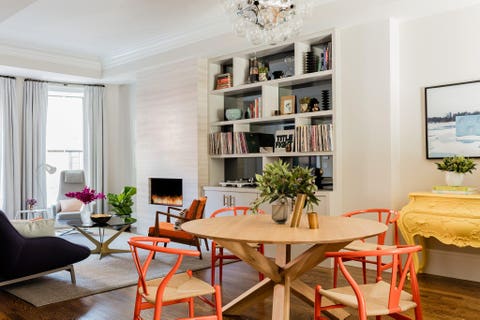
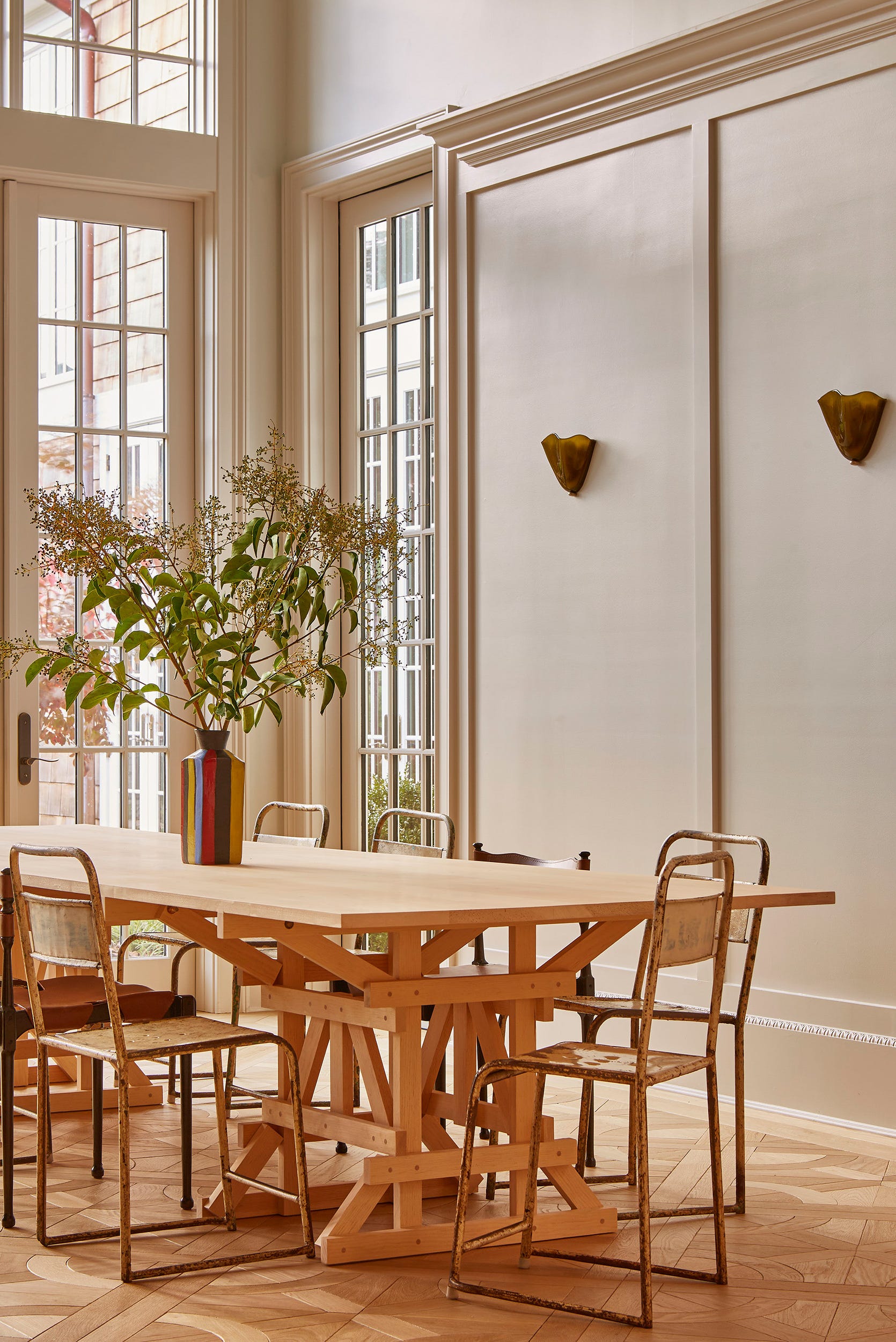
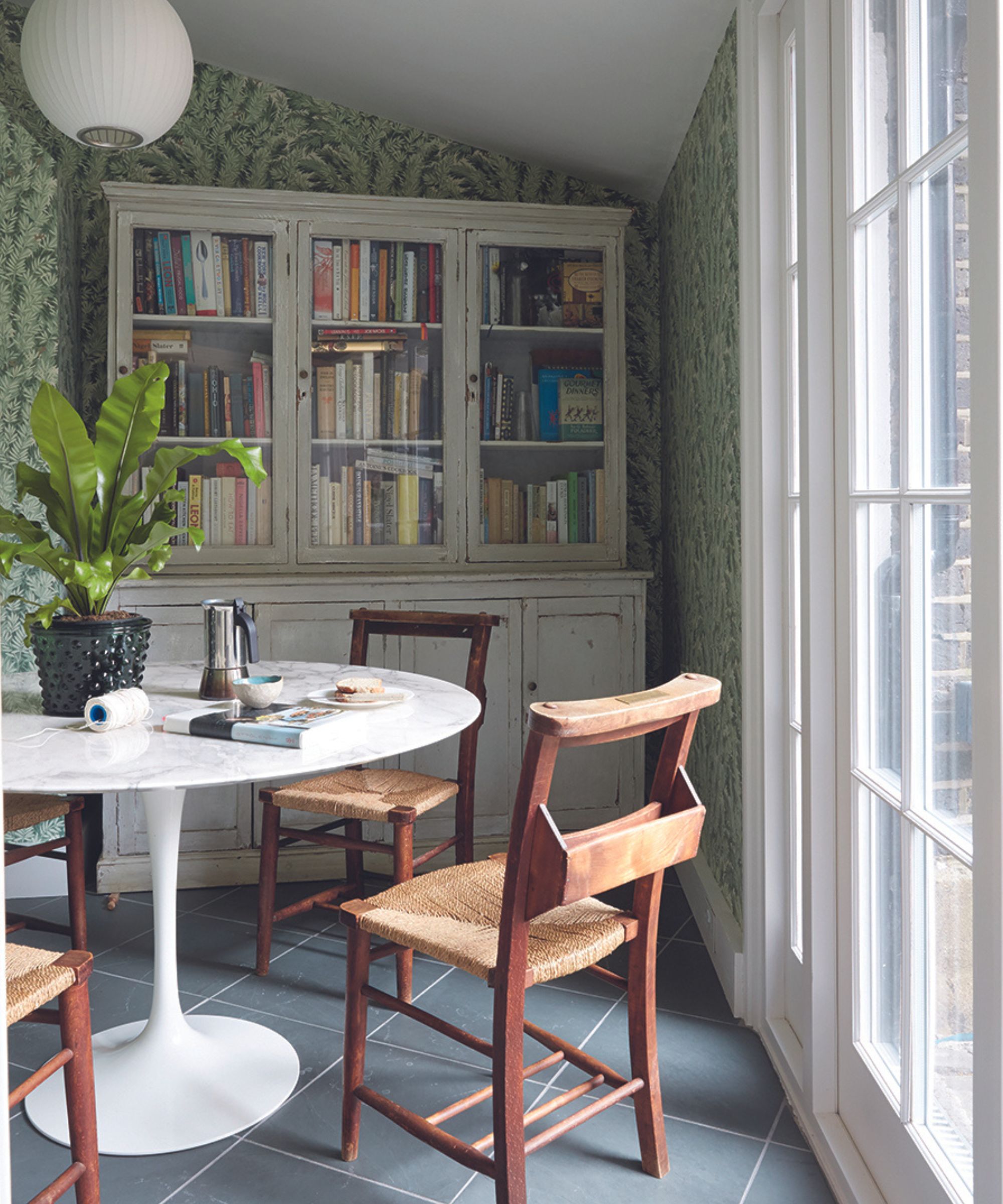
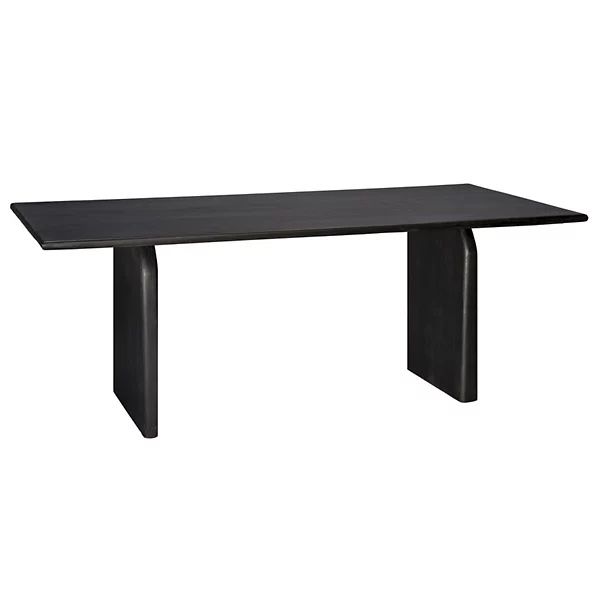
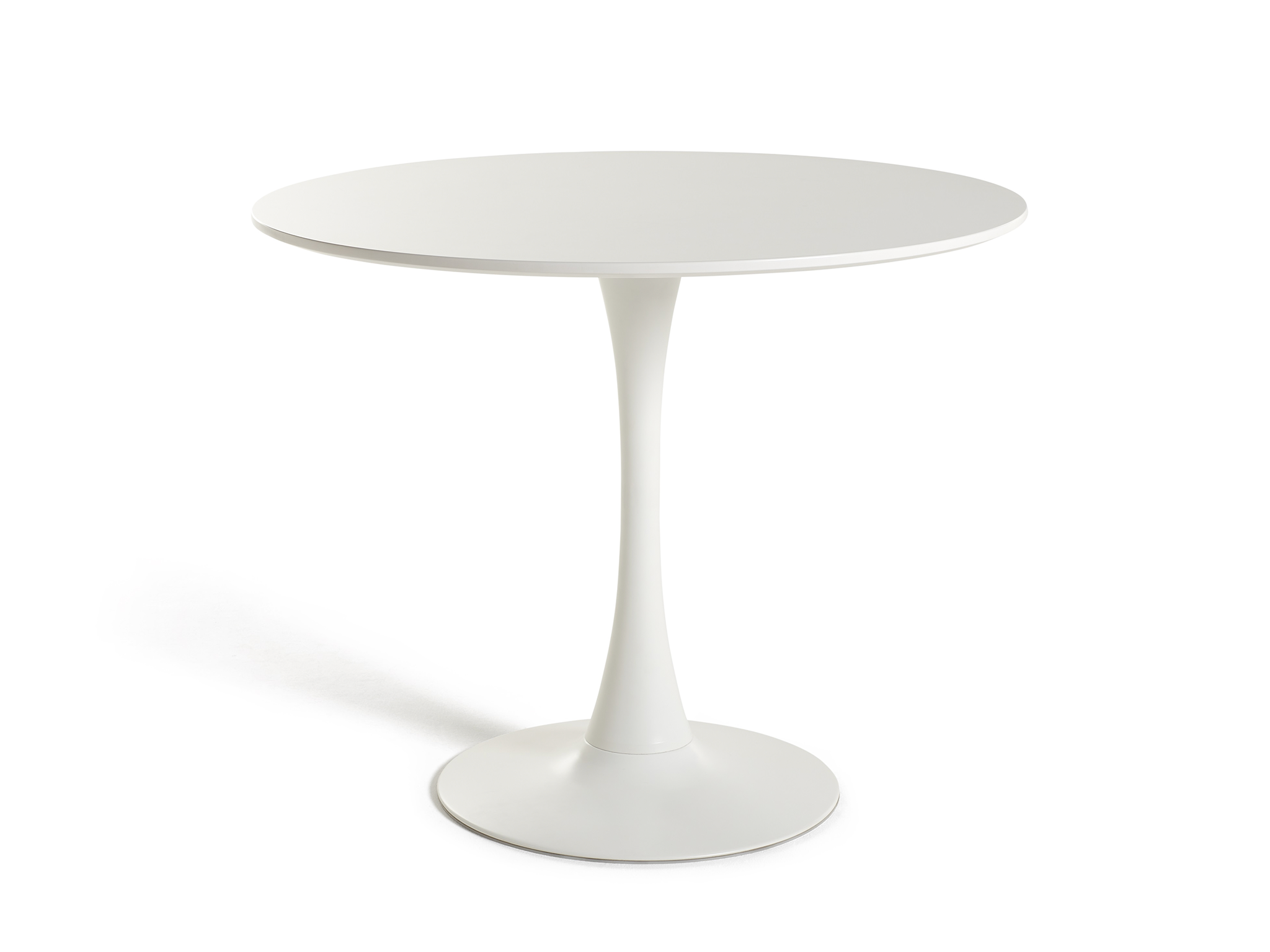
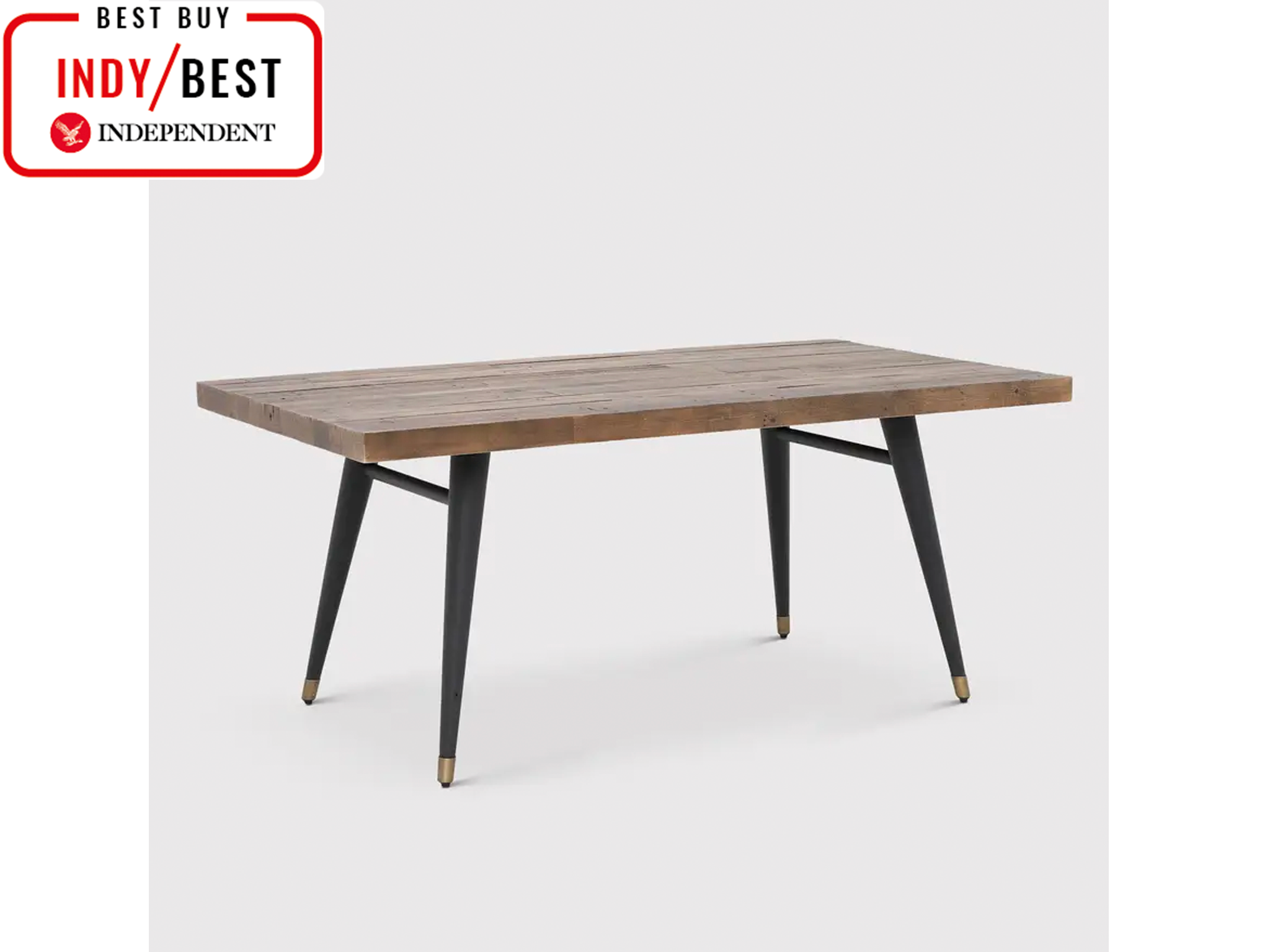
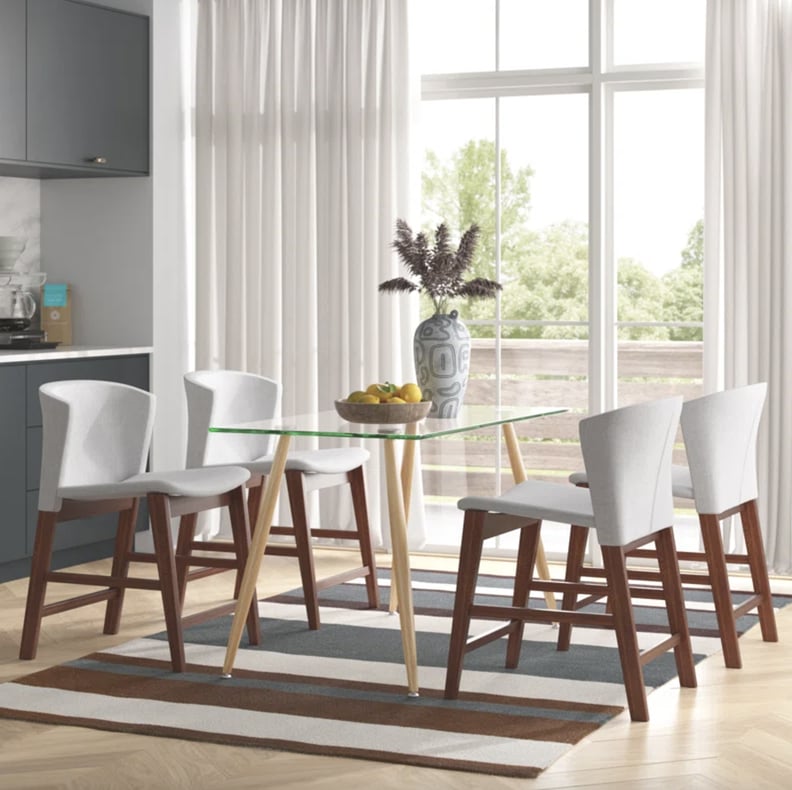
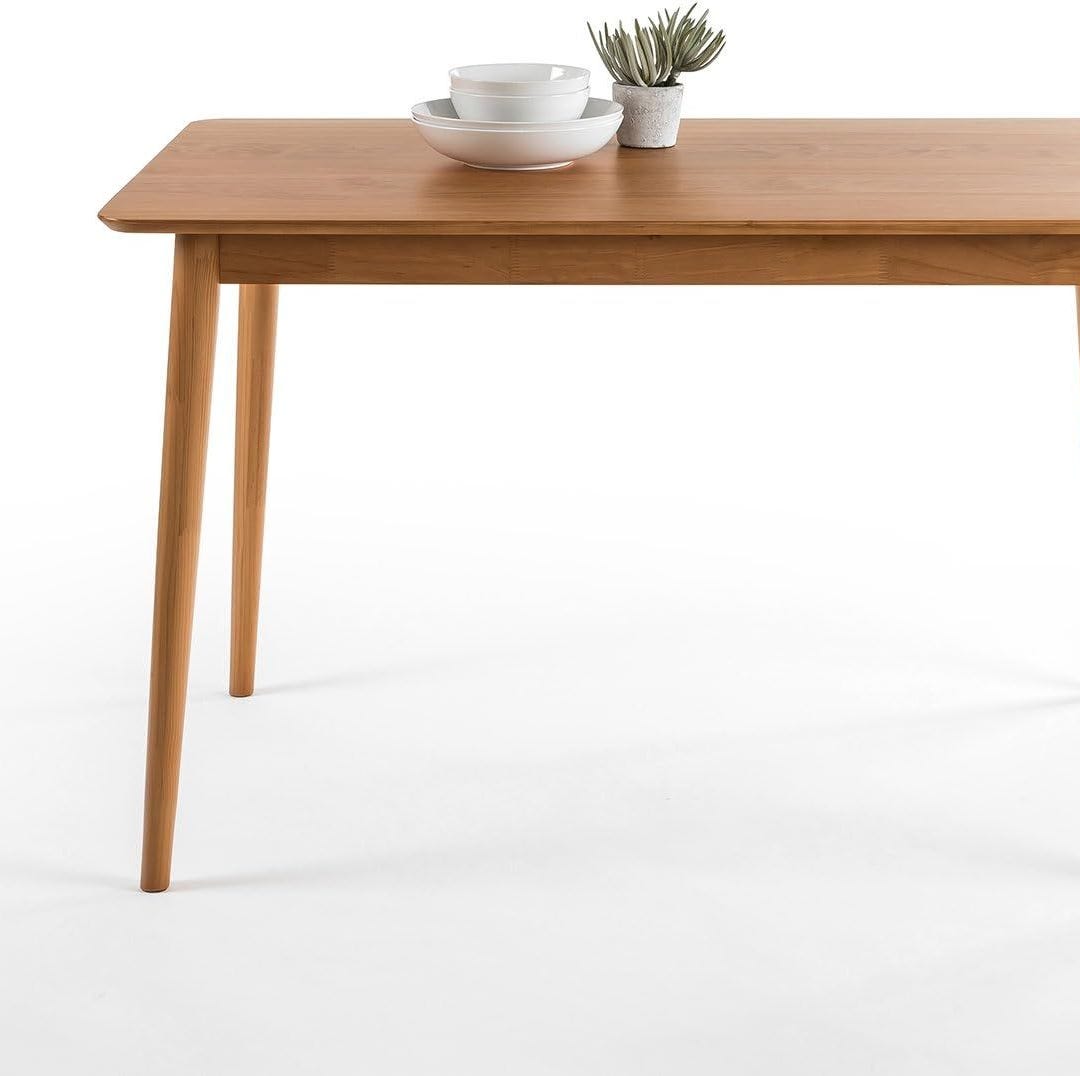
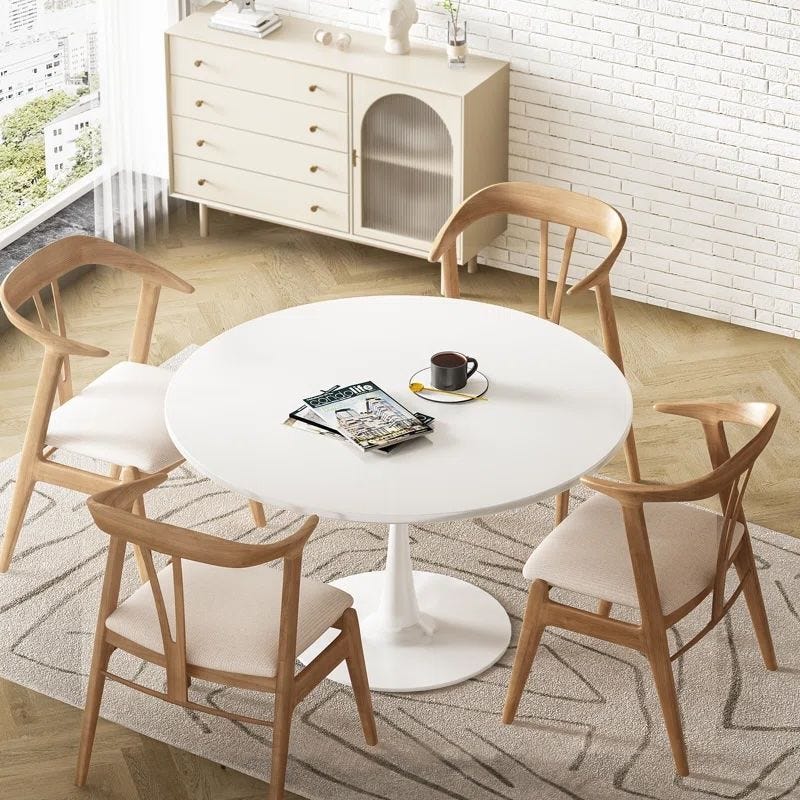
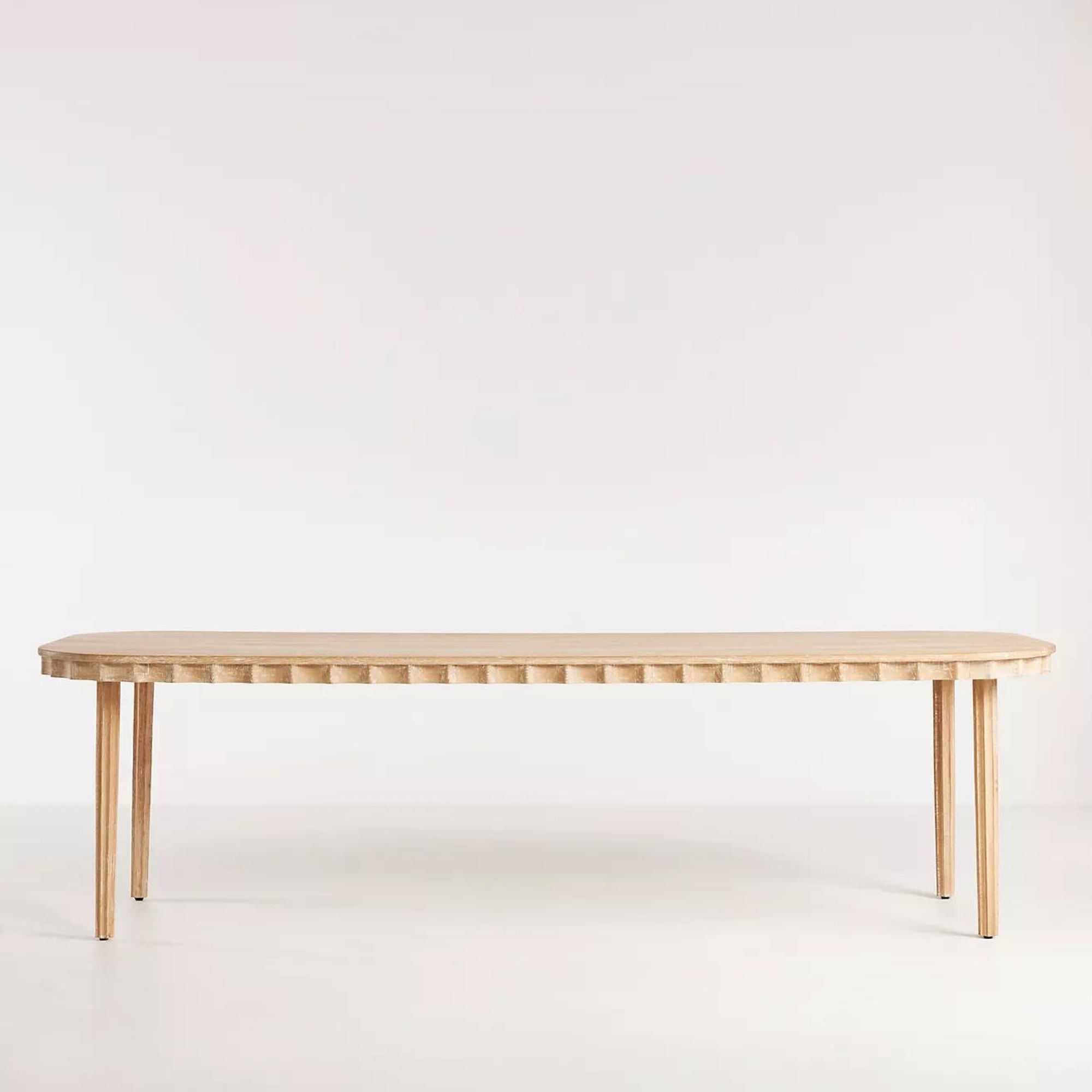
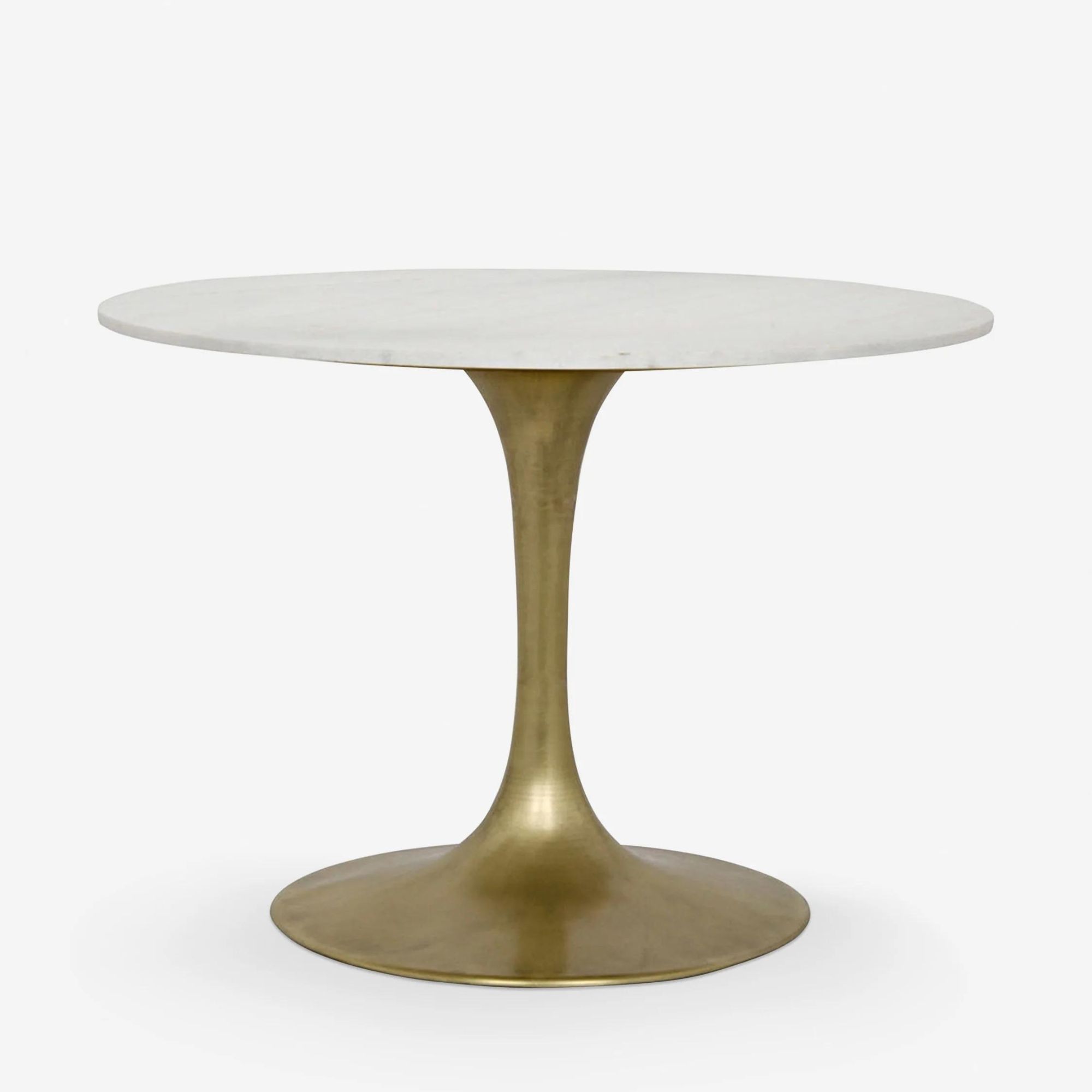
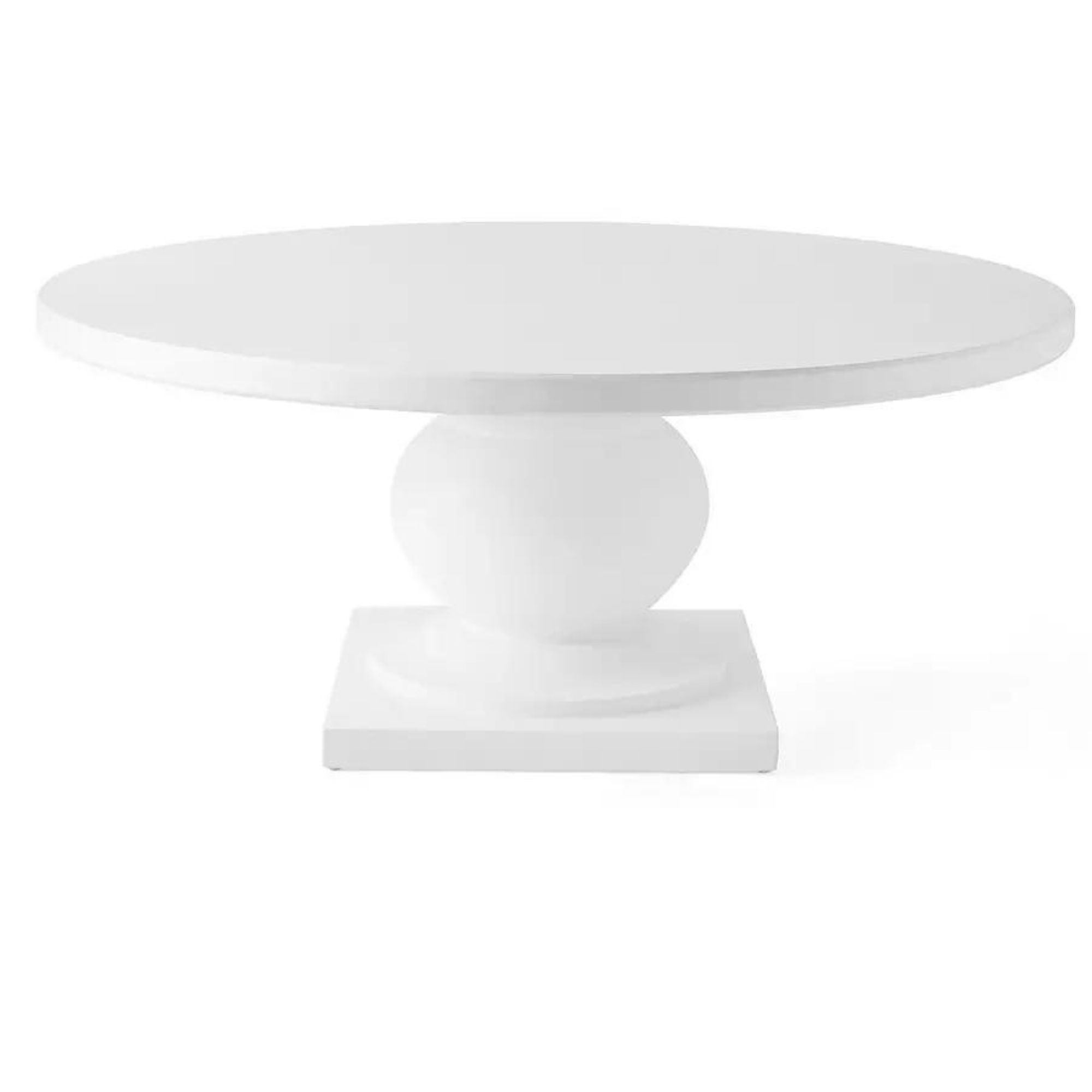
The initial step involves choosing the appropriate dining table shape based on the room's dimensions. Square and circular tables are generally best suited for square rooms, while rectangular or oval tables are ideal for rectangular spaces. To visualize the fit, a practical tip involves outlining the table's shape and size with newspaper on the floor, then arranging chairs around it to assess comfort and space for movement.
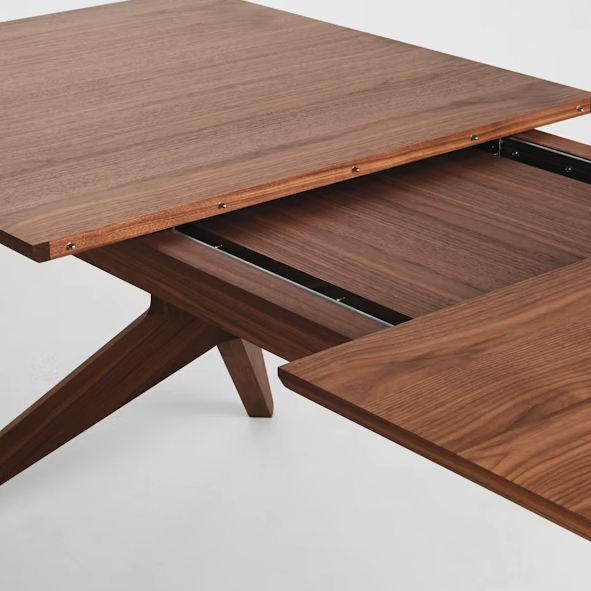
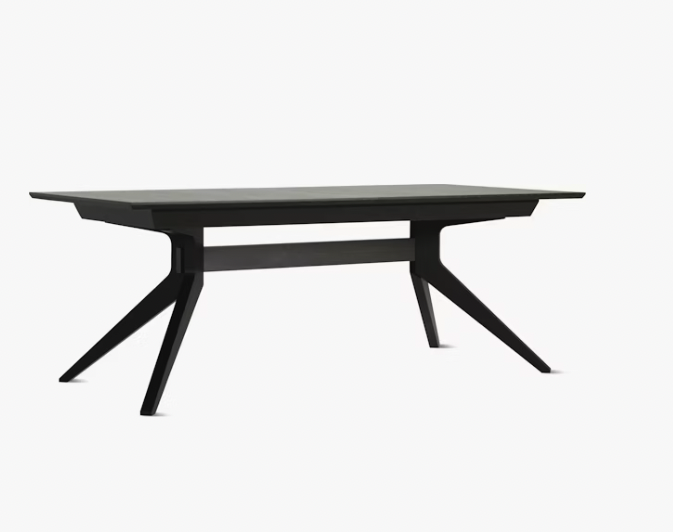
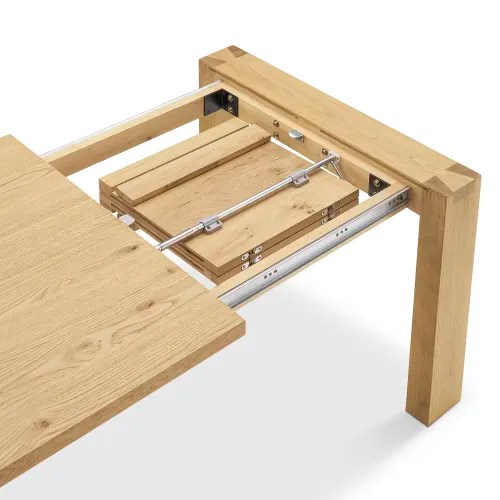
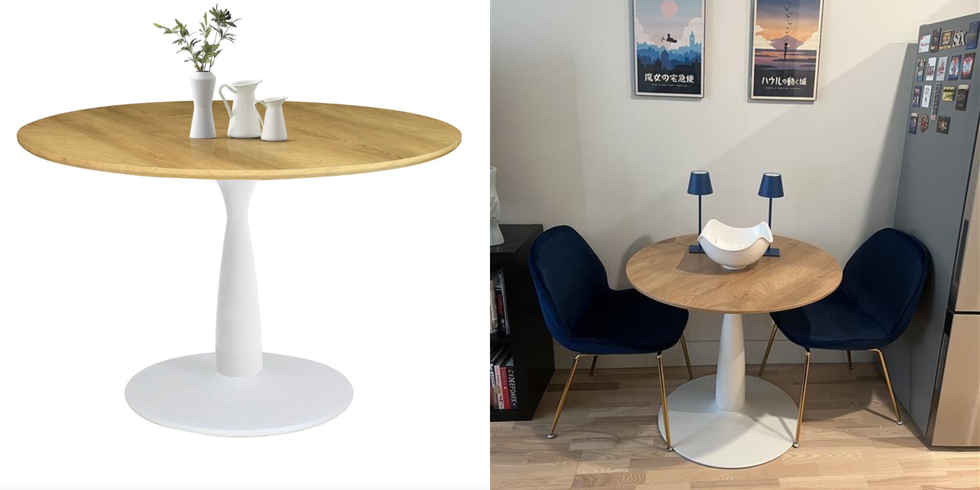
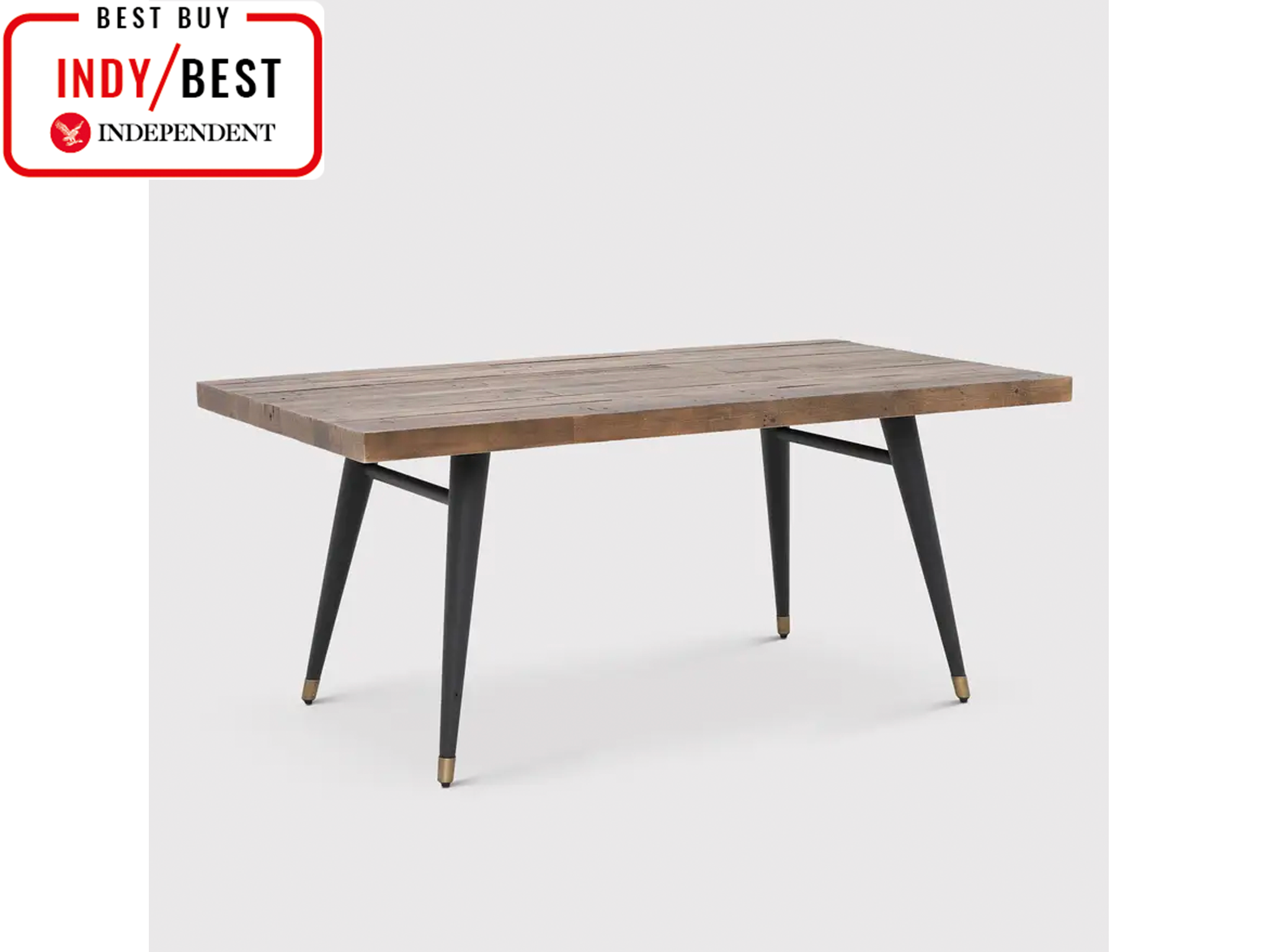
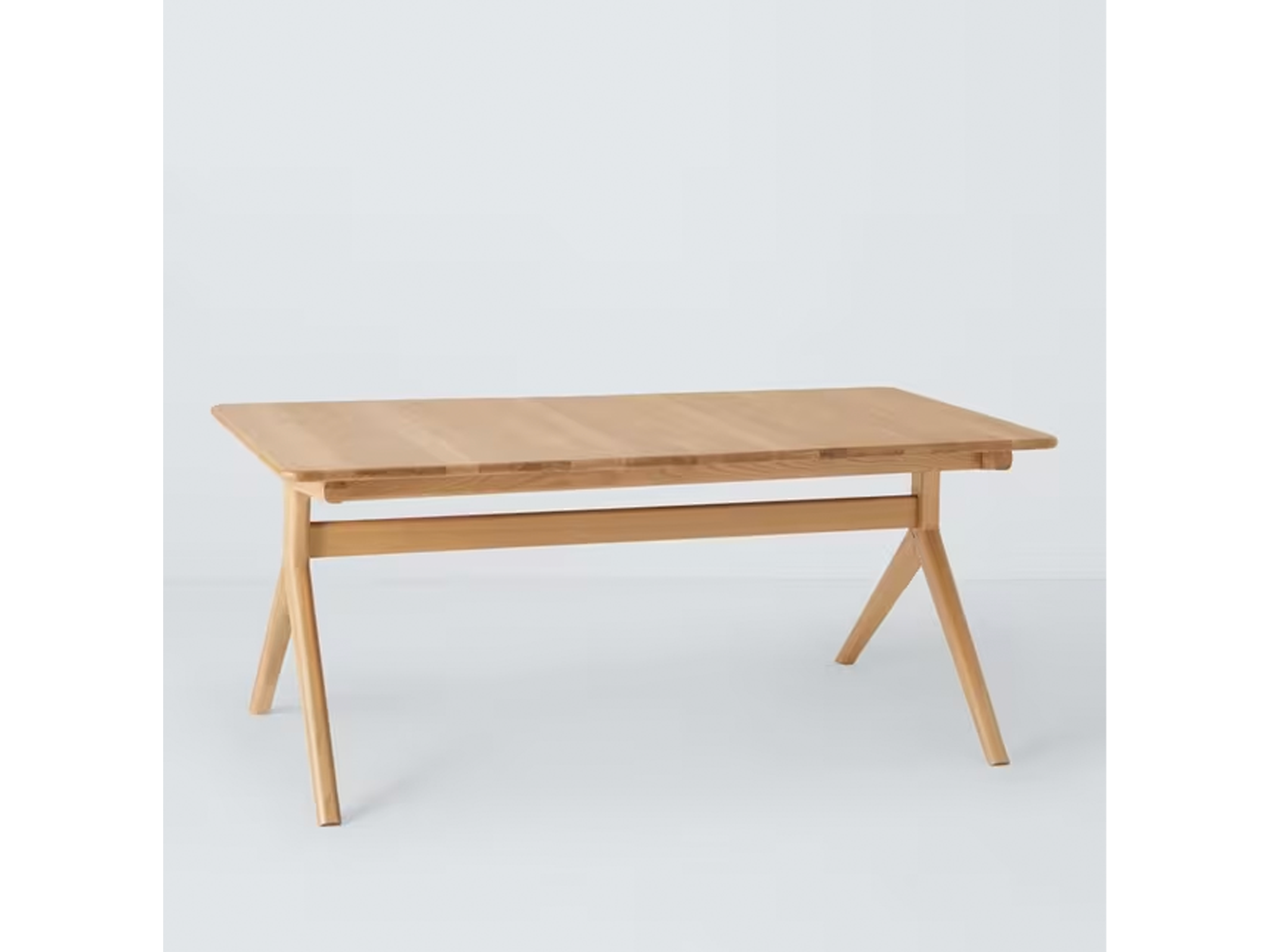
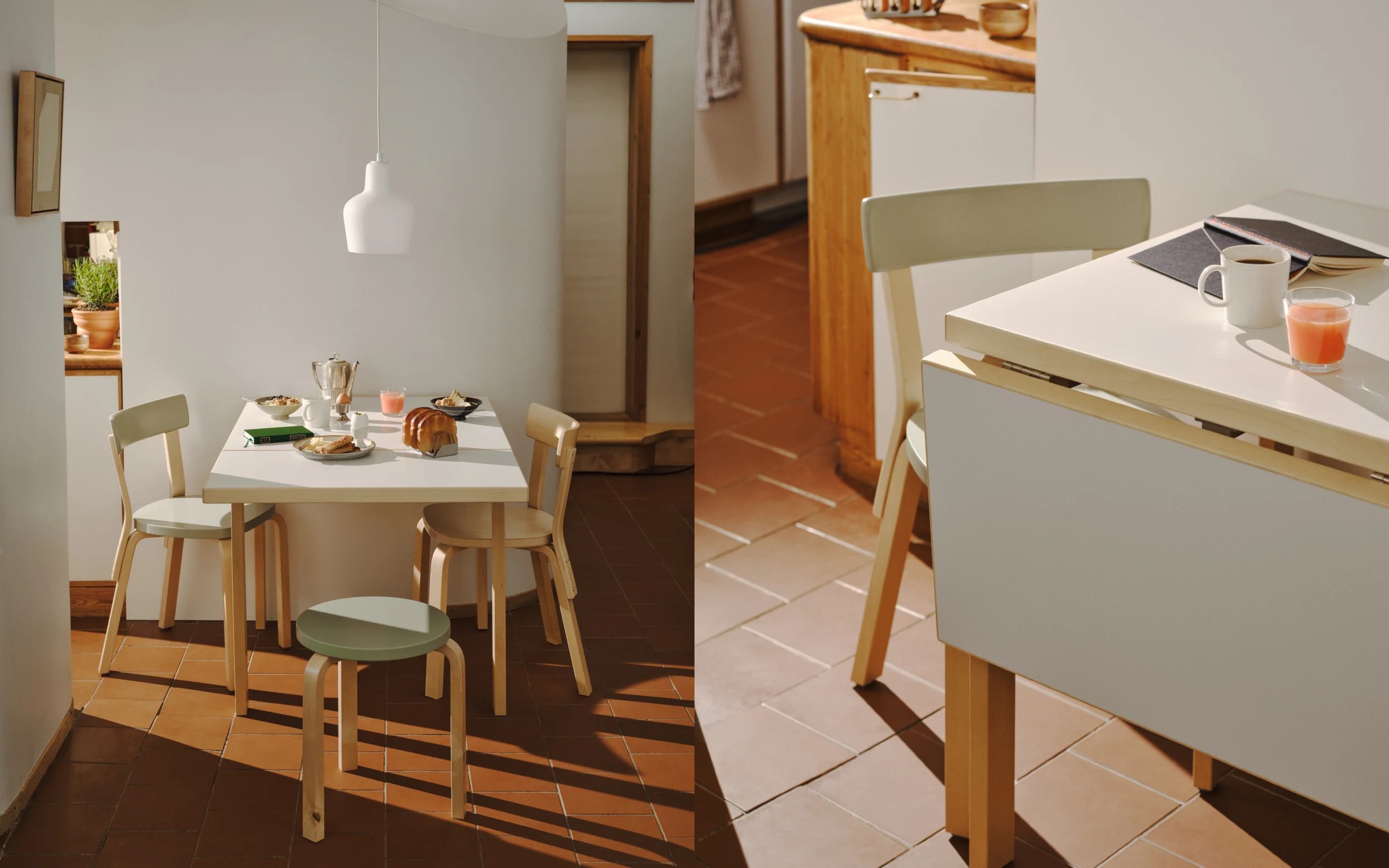
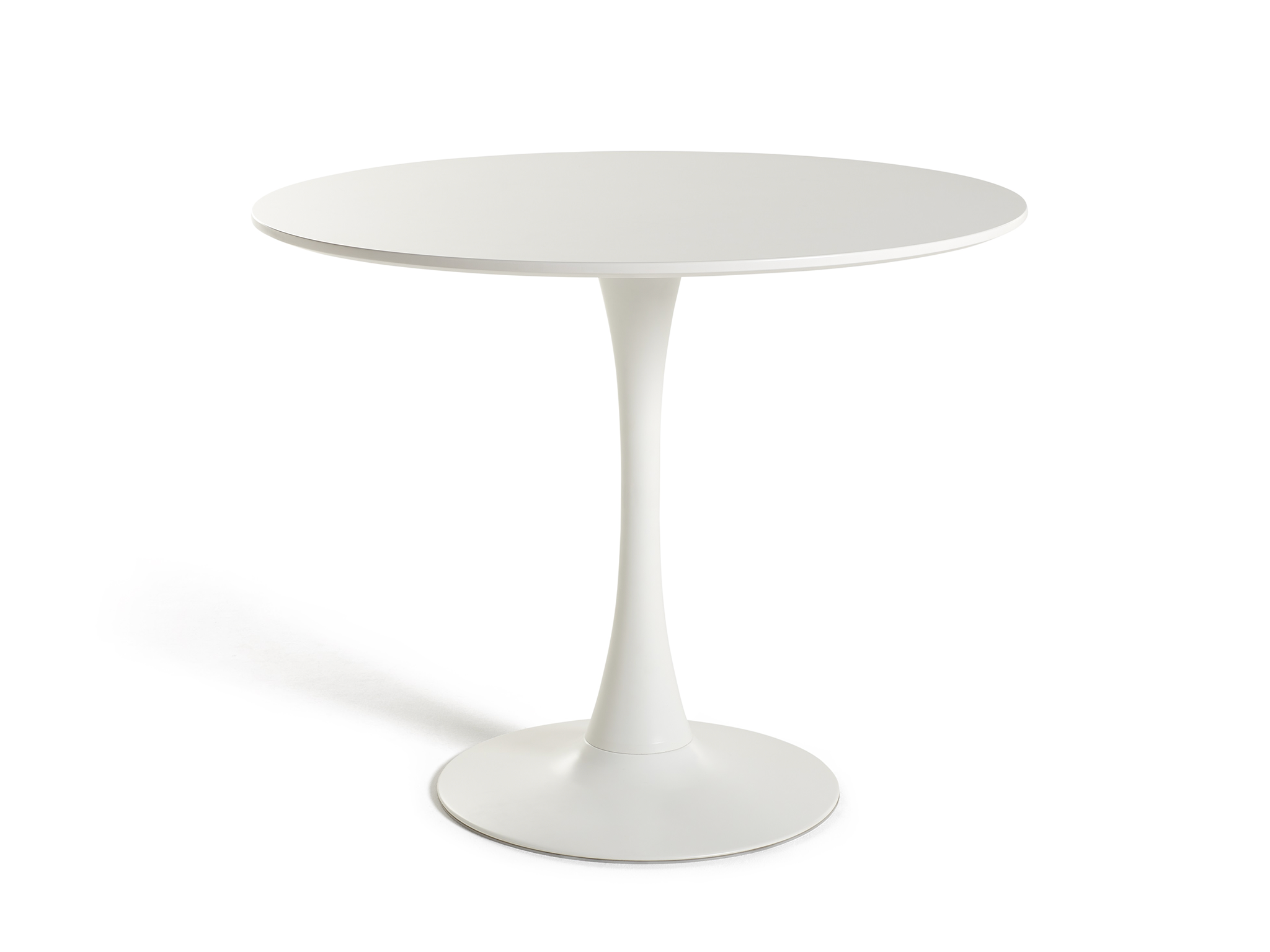
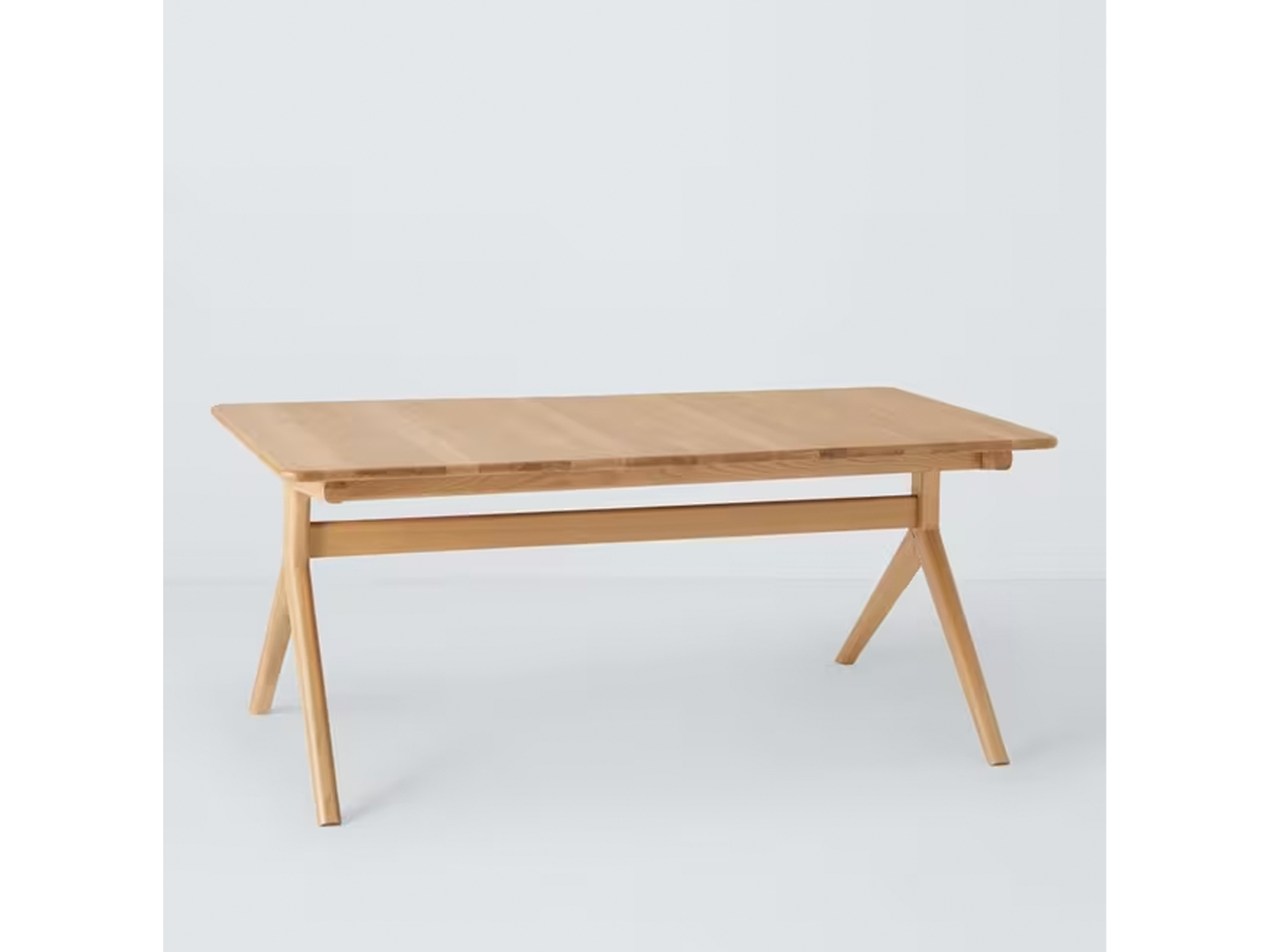
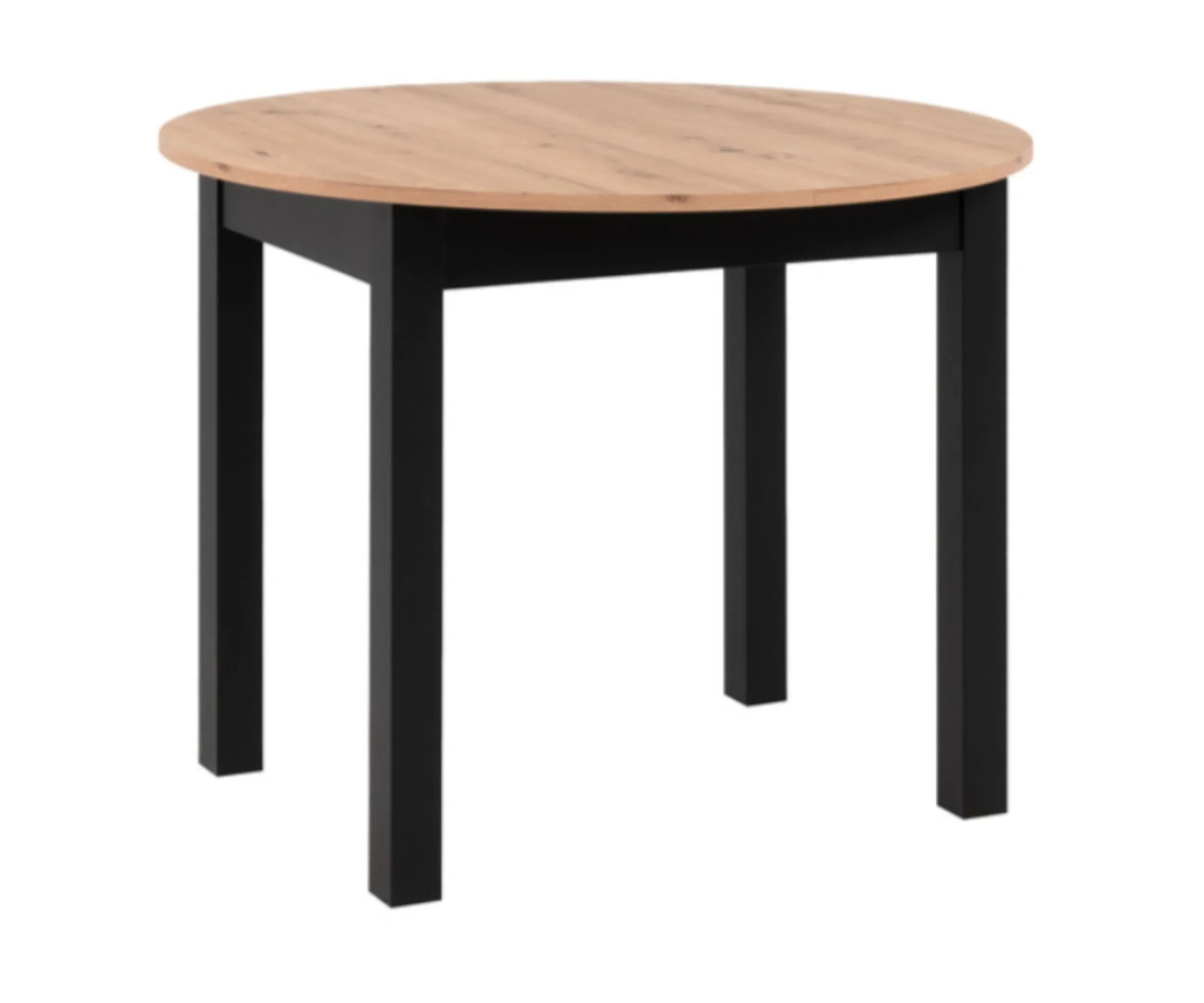
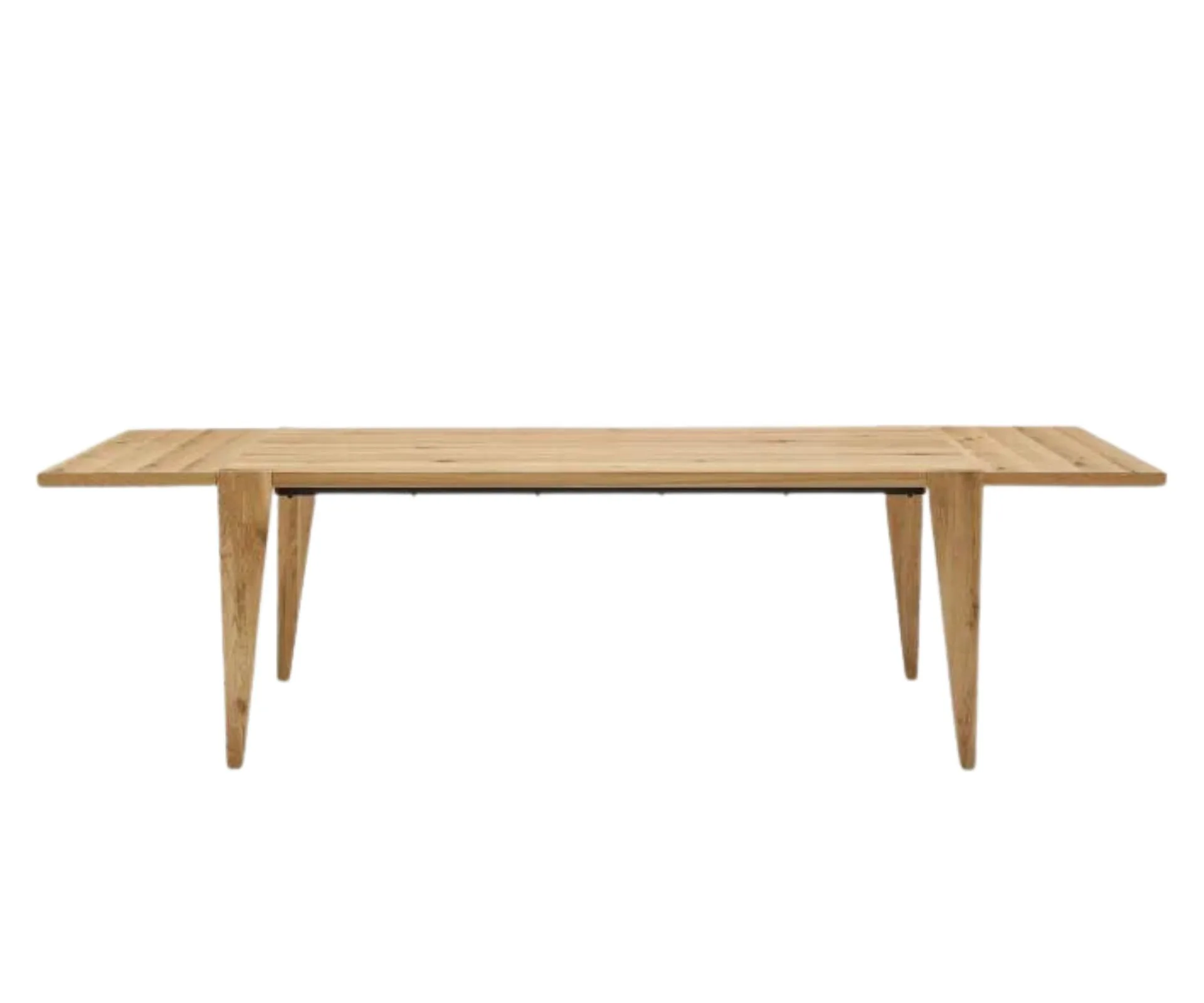
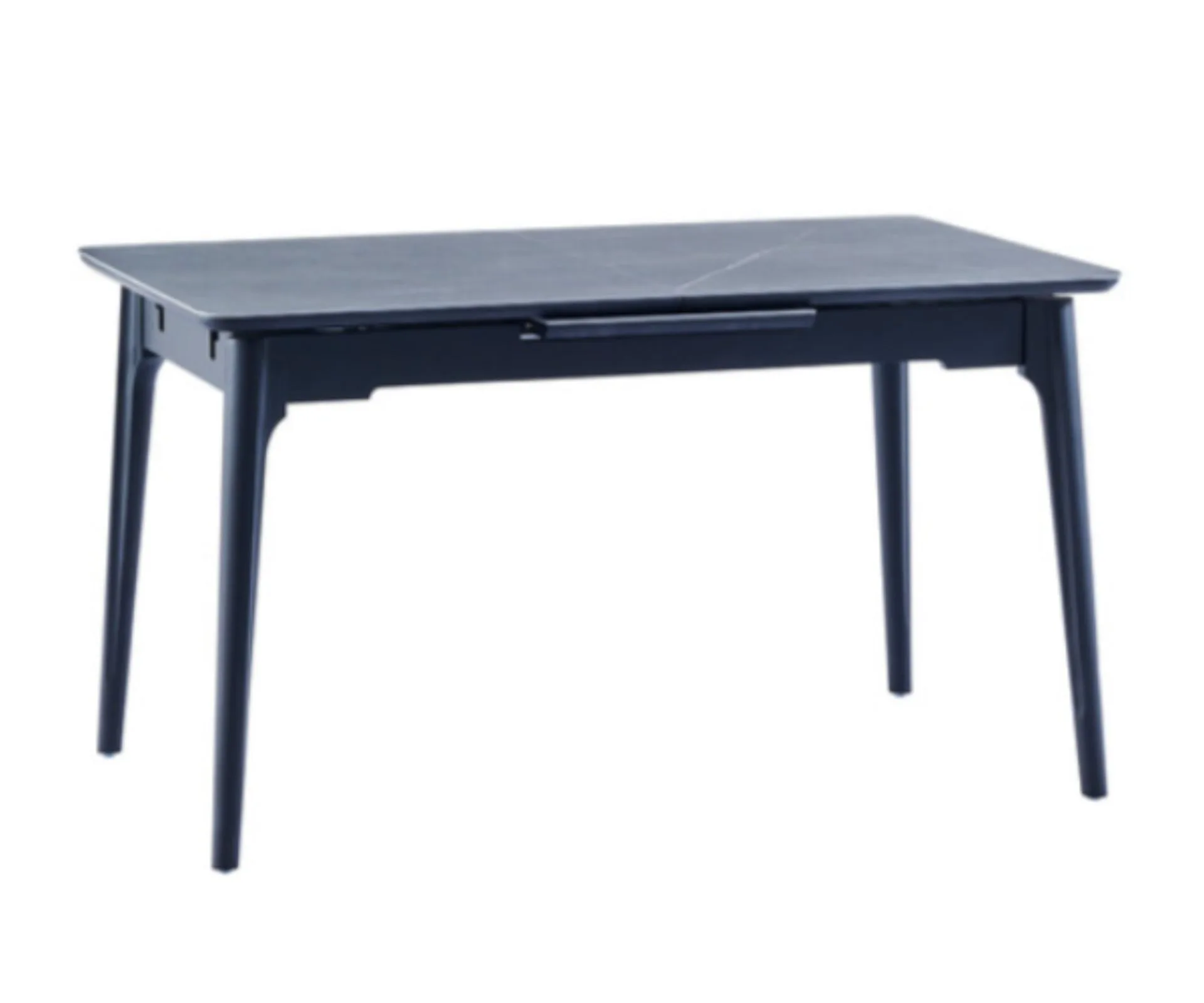
For smaller dining areas or those requiring flexible seating, extendable dining tables are highly recommended. These tables provide the versatility to accommodate varying numbers of guests, preventing a small room from feeling cramped with a permanently large table. Several extendable table options are highlighted, catering to different aesthetic preferences, such as Scandi-inspired rectangular designs, round tables for square rooms, and mid-century modern foldable tables.
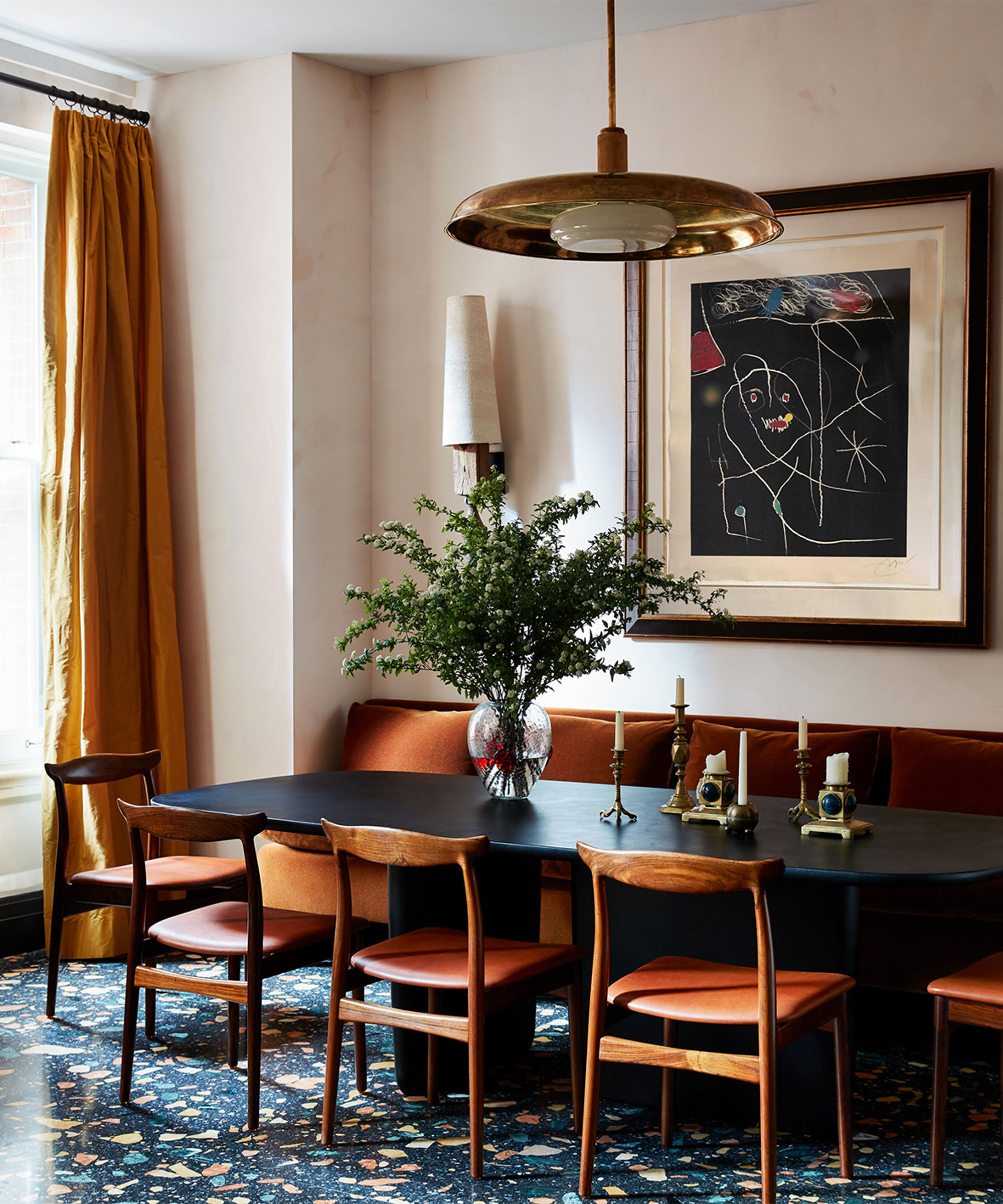
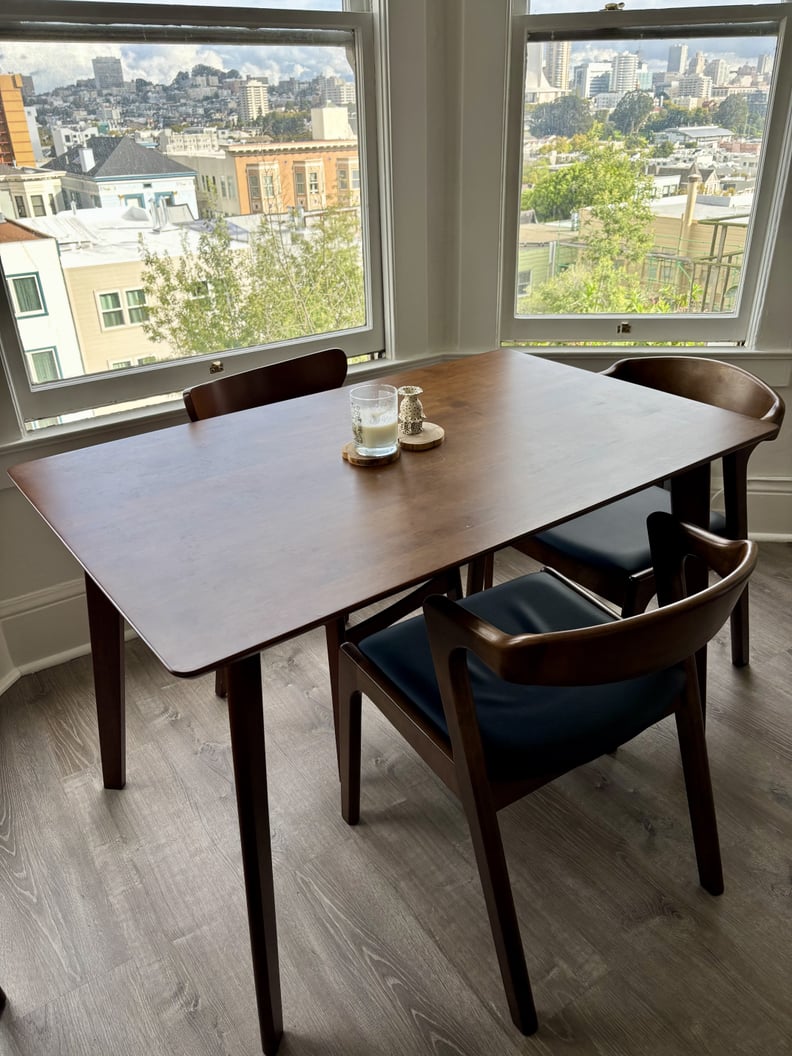
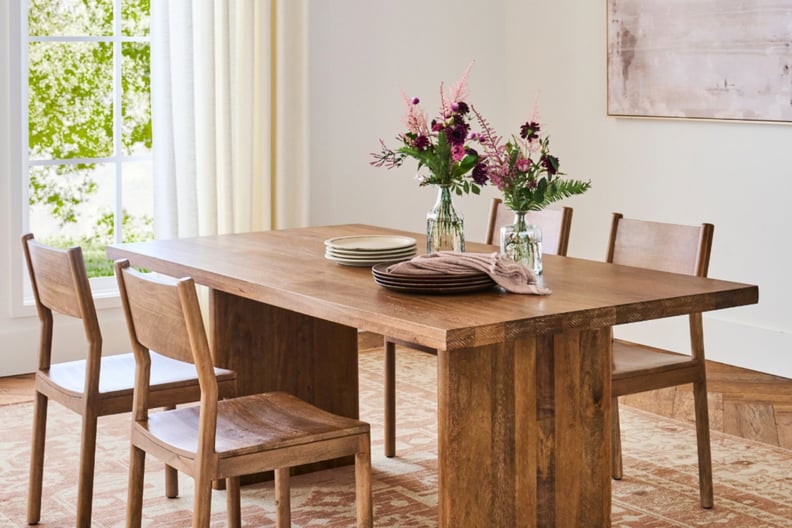
When the dining table is not in use, a minimalist approach to decor is advised. Over-decorating can lead to a cluttered appearance, while a minimalist style promotes a sleek look. Experts suggest incorporating simple yet elegant elements like a vase of flowers, a candle, or a chic ceramic set. Sculptural vases, either alone or with a single flower, and statement candle holders or taper candles are also recommended for a sophisticated touch.
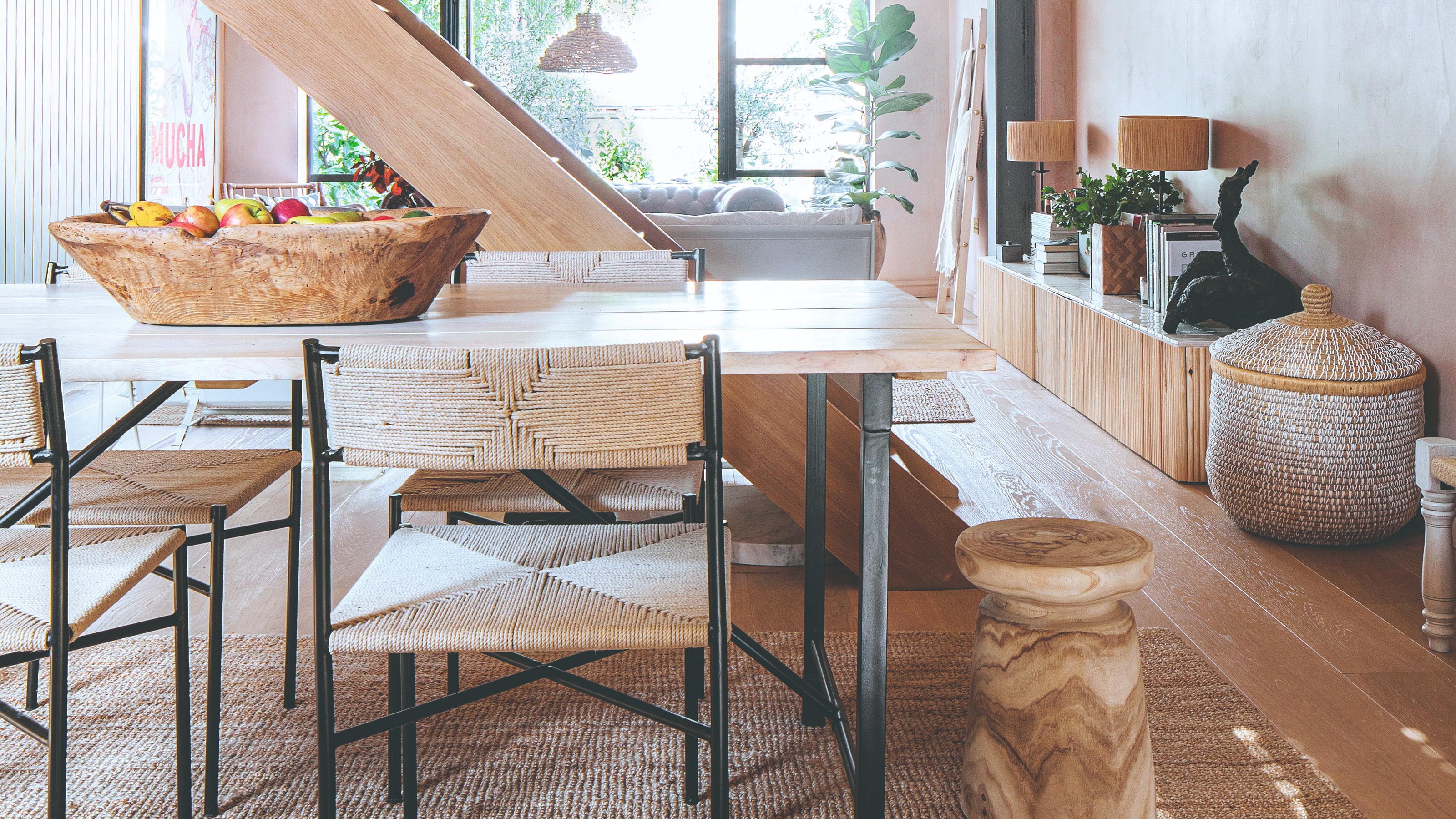
Adding texture is crucial for creating a cozy and inviting dining space. Incorporating natural table linens, seagrass placemats, or etched ceramics can make the table feel more dynamic and visually interesting. Layering elements such as flowers, candles, candlestick holders, and crockery, along with the use of coasters, contributes to a visually rich "tablescape." Examples of textured items include gingham linen tablecloths and bobbin salt and pepper grinders.
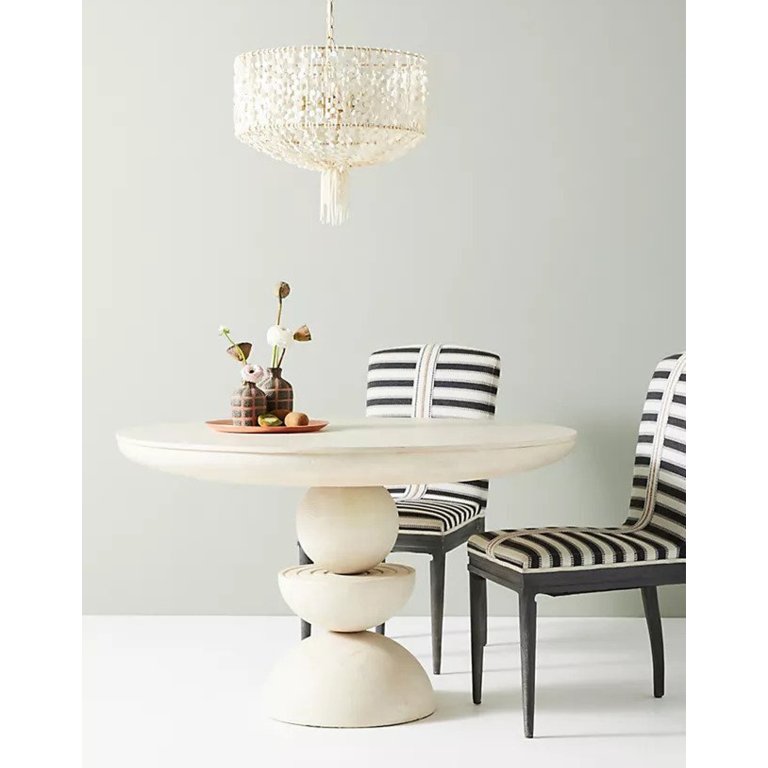
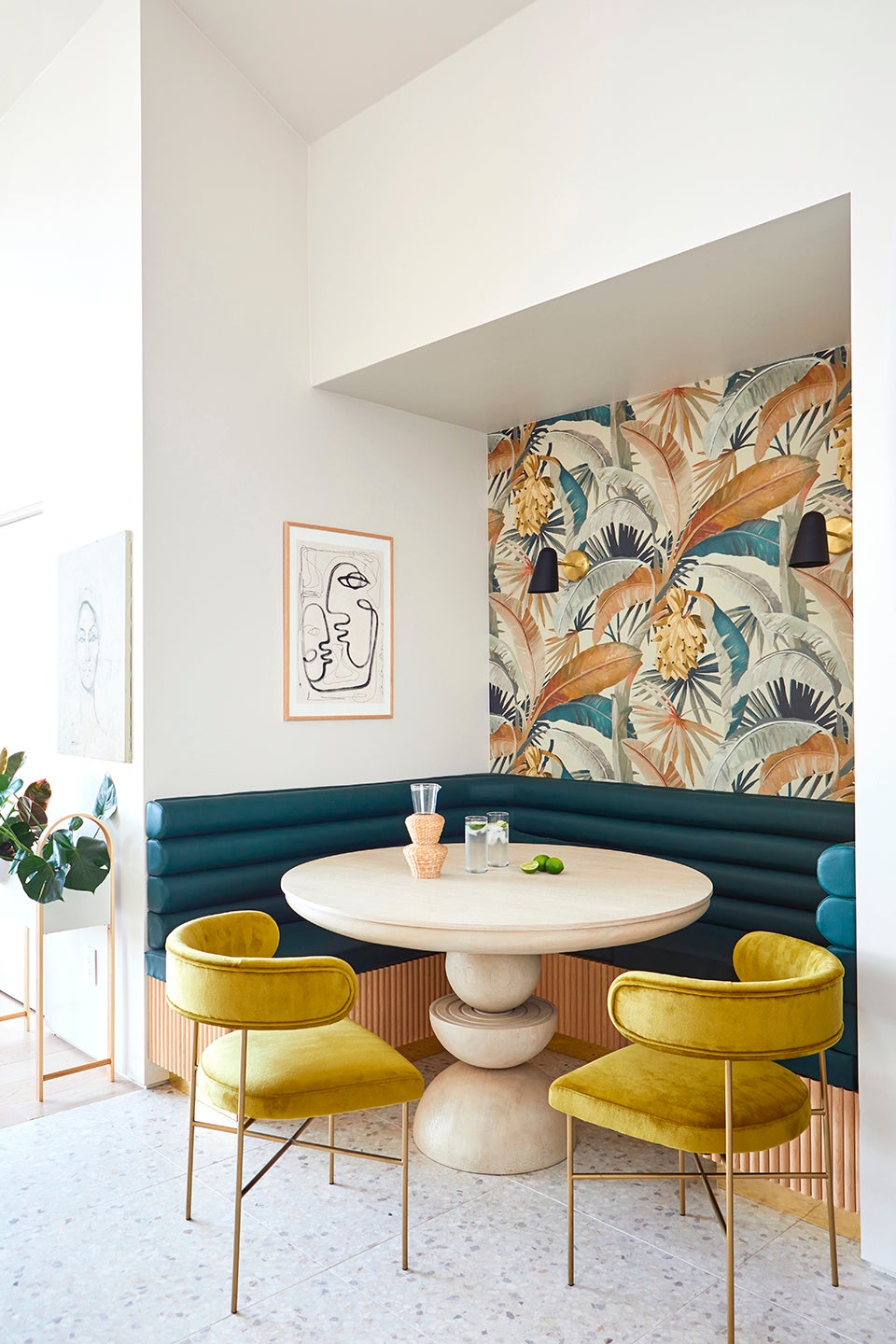
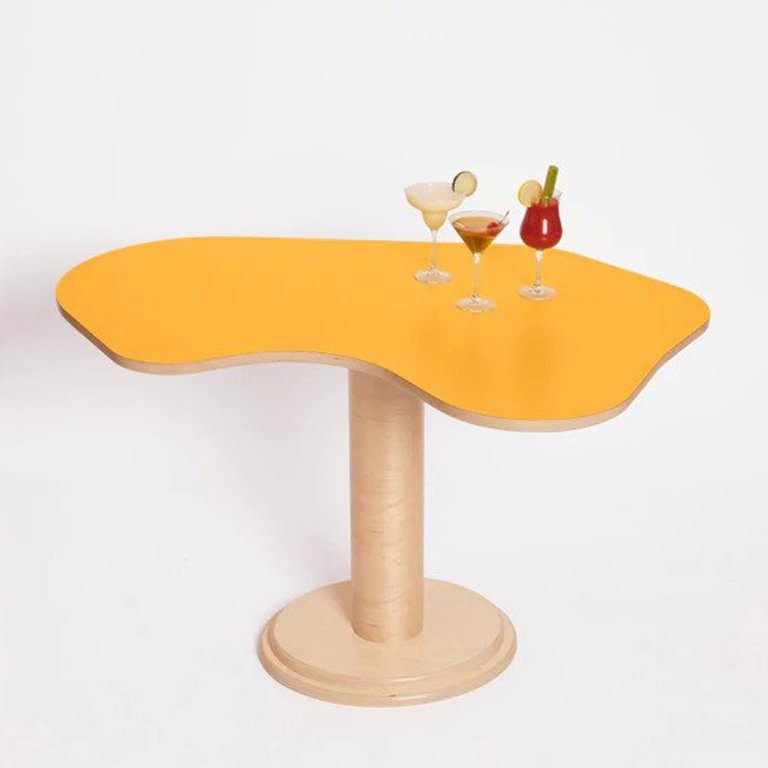
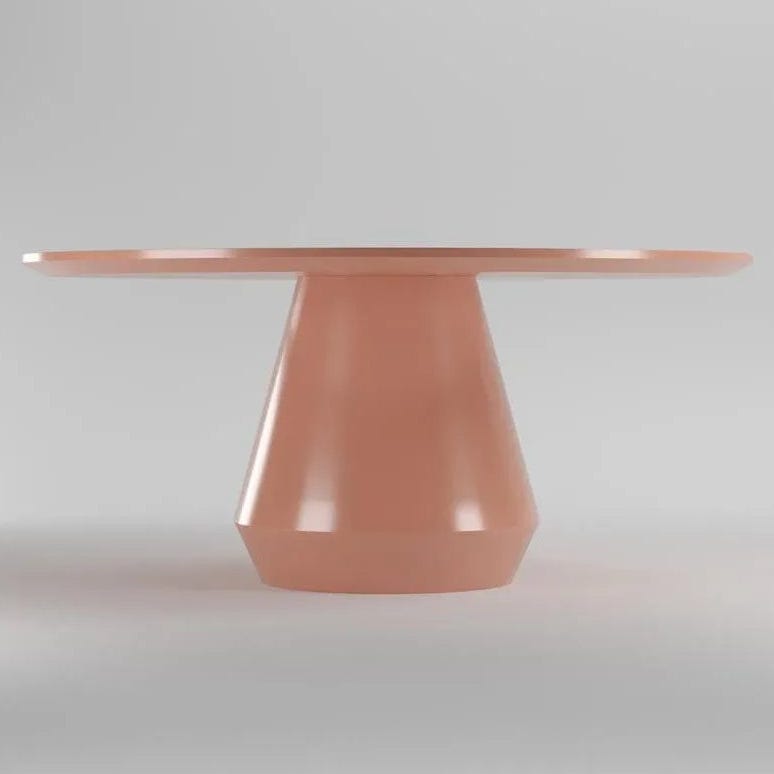
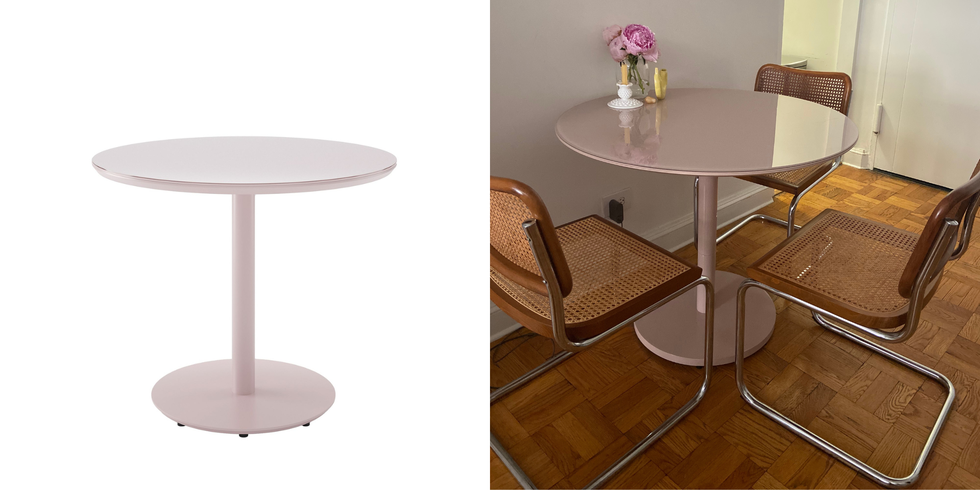
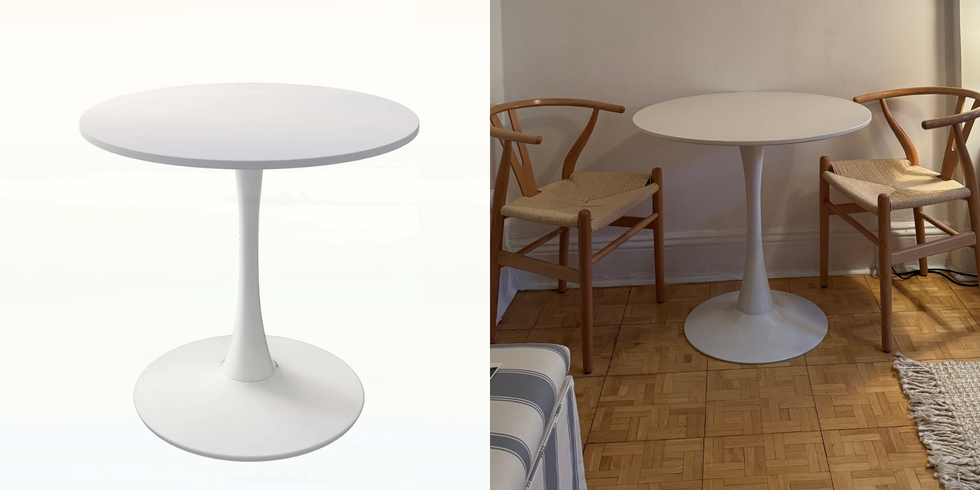
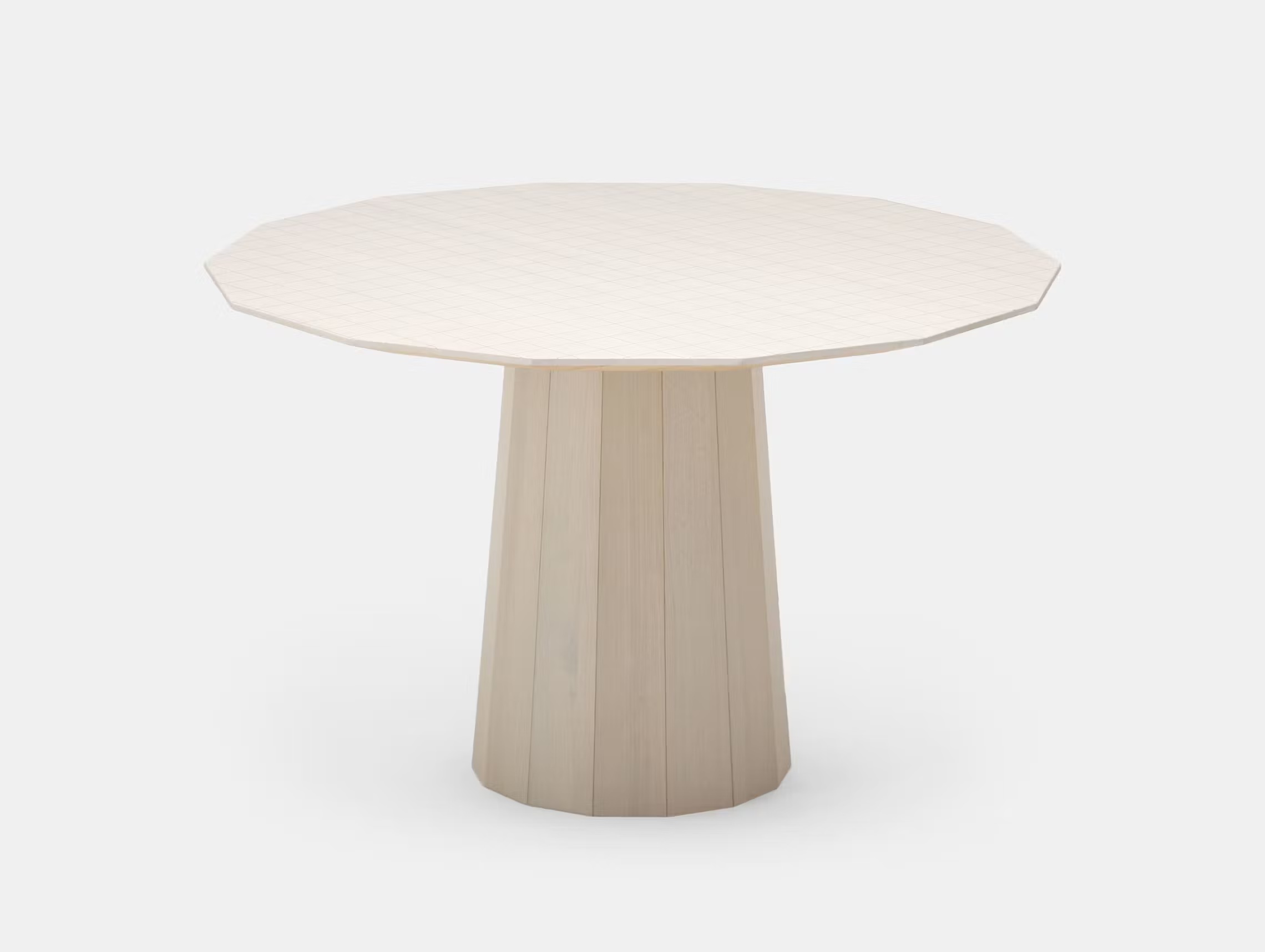
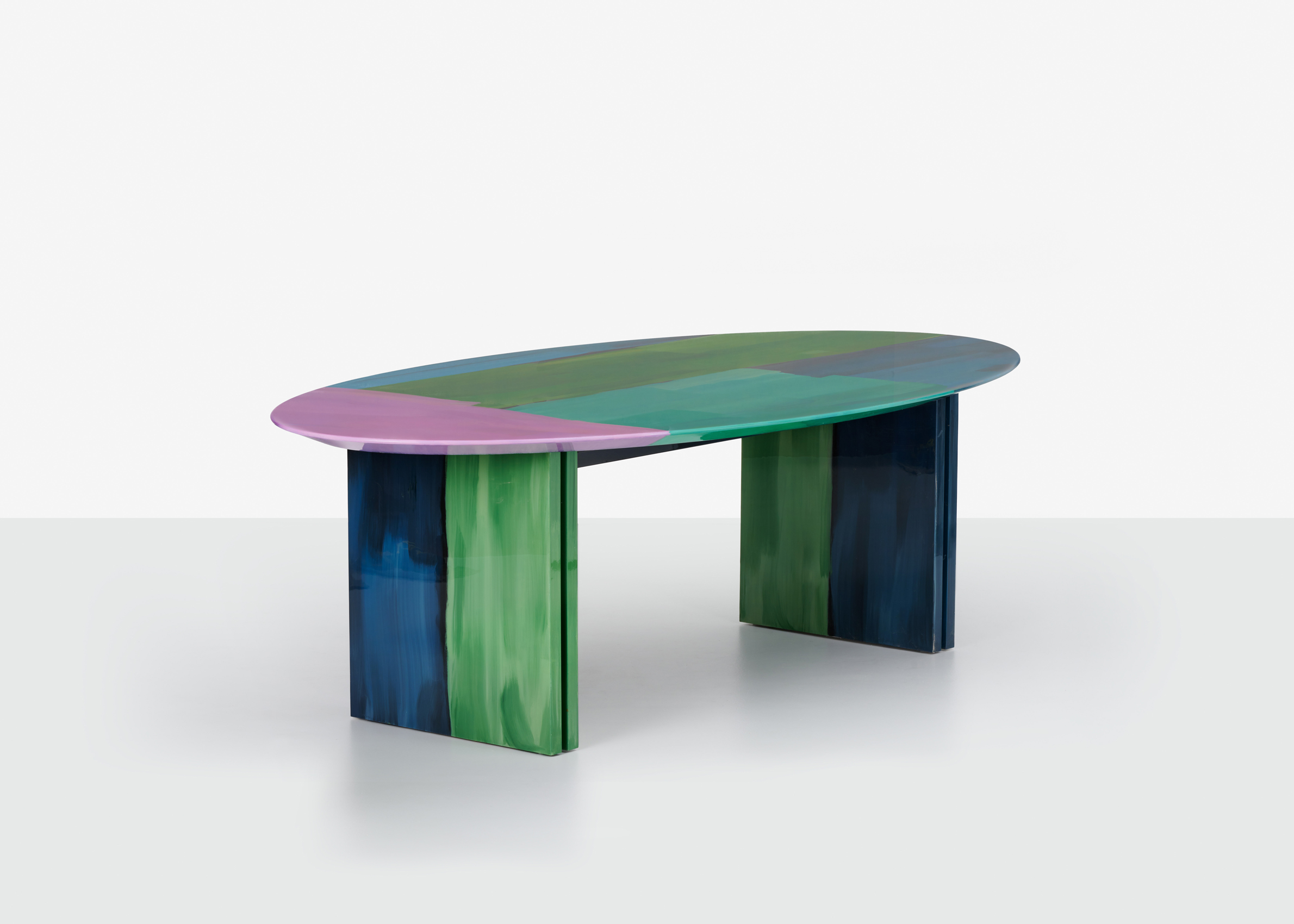
The article also highlights the trend of curved furniture, favoring organic shapes over harsh, angular designs. Rounded edges and curves in dining tables create a more welcoming and inviting atmosphere, driven by a desire for comfort and safety, particularly in homes with young children. These shapes also promote relaxation and facilitate conversation.
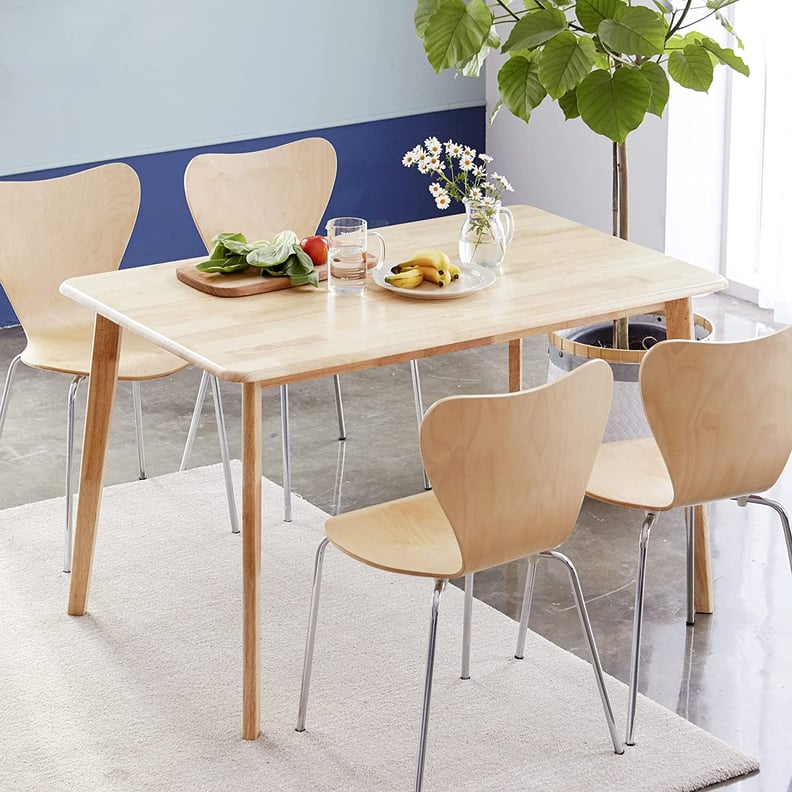
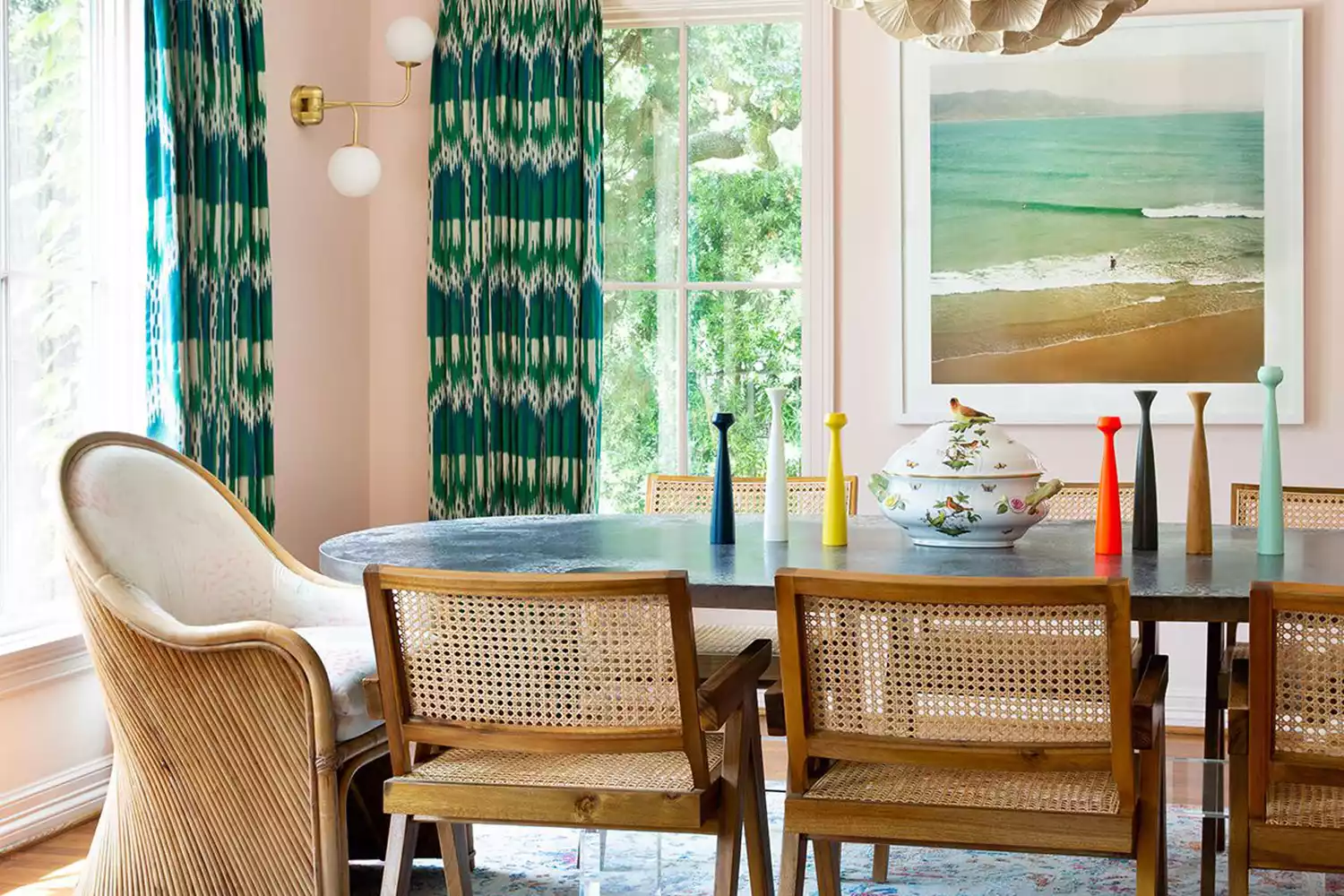
Playing with varying heights in table decor is essential to avoid a flat appearance. Tall centerpieces, such as flowers, candles, or decorative vases, along with layered tableware, can add visual interest and depth. Utilizing candle holders of different heights and mixing and matching candles further enhances the dynamic visual appeal.
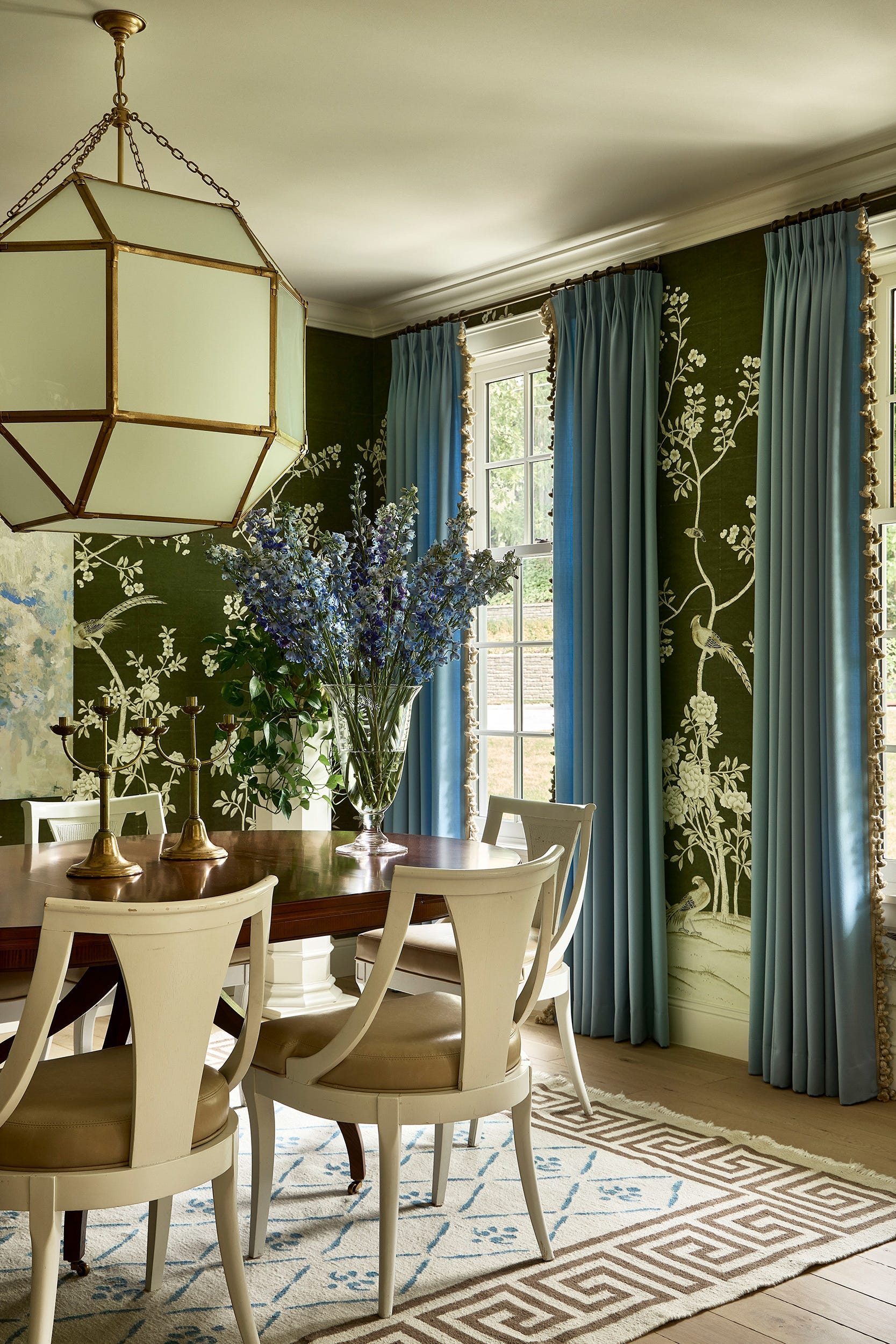
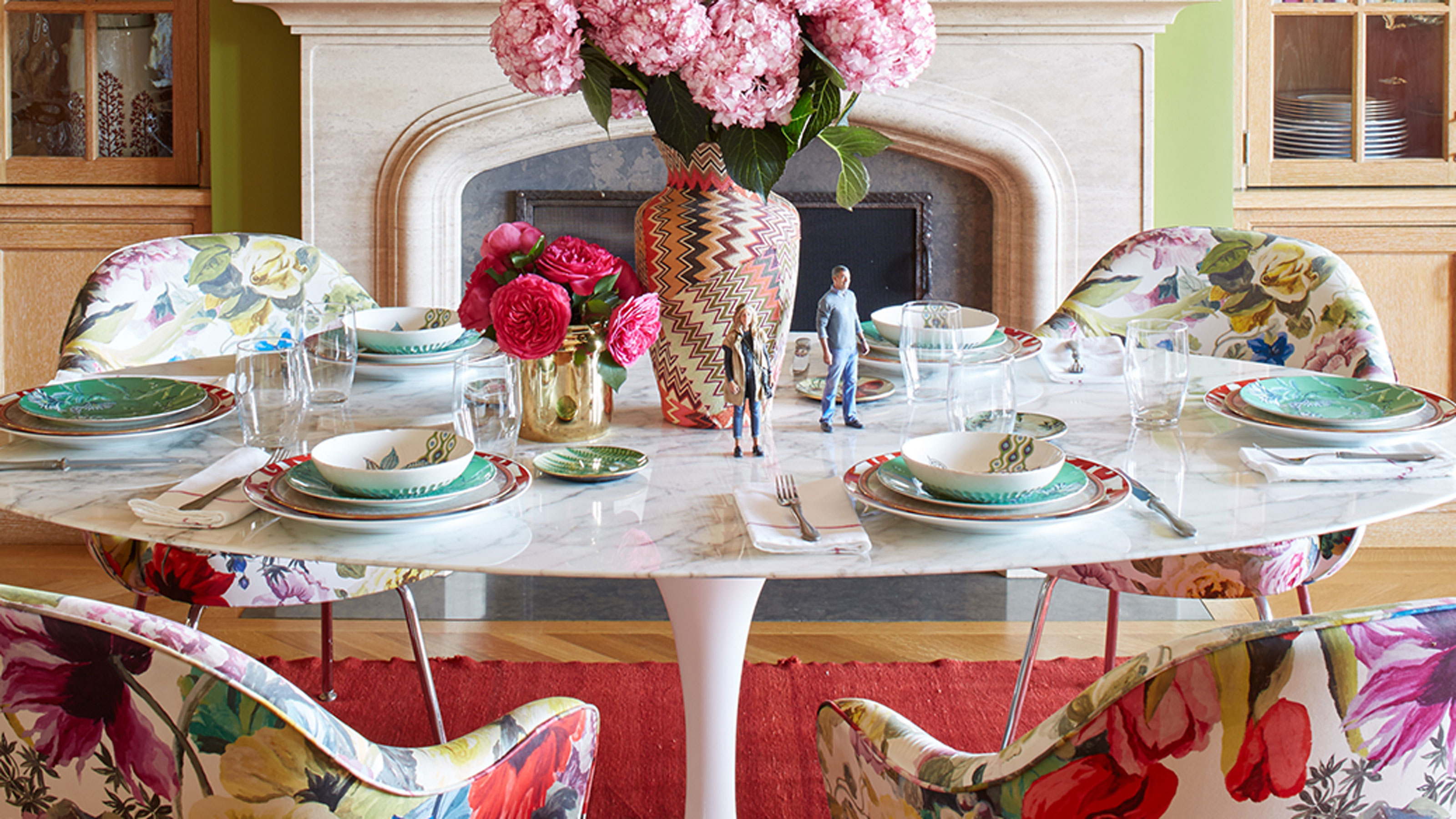
Reflecting the current season through biophilic design is another key idea. Bringing natural elements indoors, such as seasonal blooms in vases, dried leaves, or pinecones for autumn, connects the dining space to the outdoors. The trend of using fruit and vegetables in table arrangements also adds color, texture, and a seasonal touch. Mixing and matching patterns is a popular way to enliven a dining table. The maximalist trend encourages combining bold patterns, vibrant colors, and eclectic elements like mismatched tableware or vintage glassware, allowing for personal expression and creativity.
#DiningTableIdeas #HomeDecor #InteriorDesign #DiningRoom #Tablescaping #ExtendableTables #TexturalDecor #SeasonalDecor #MinimalistDecor #DiningTableIdeas #HomeDecor #InteriorDesign #DiningRoom #Tablescaping #ExtendableTables #TexturalDecor #SeasonalDecor #MinimalistDecor
0 comment in total
 No comments yet
You may also like
Dining table ideas to elevate your decor out of the ordinary

8 Clever Dining Tables That Extend, Fold, Hide Seating, and More

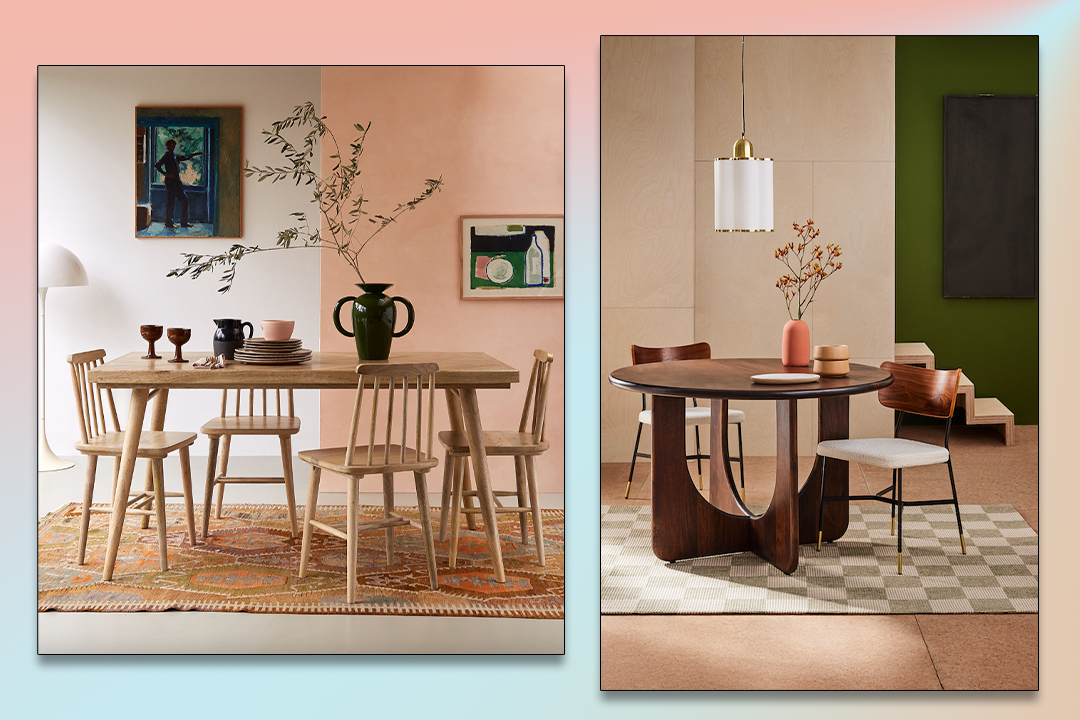
10 best dining tables for entertaining in style, tried and tested

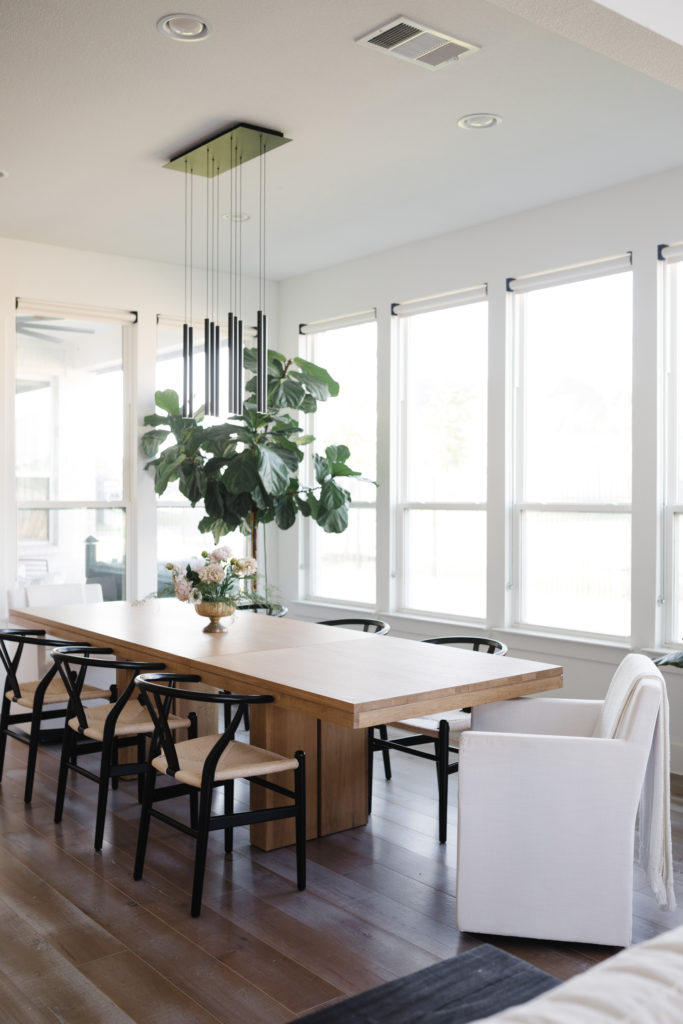
10 Best Dining Tables for Modern Homes

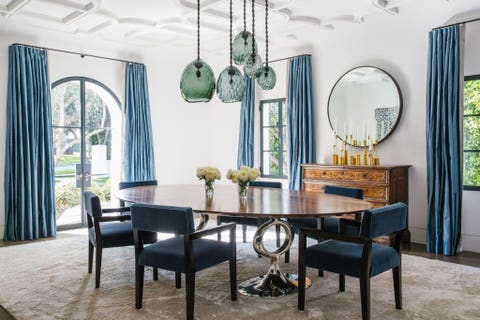
10 Unique Dining Table Ideas

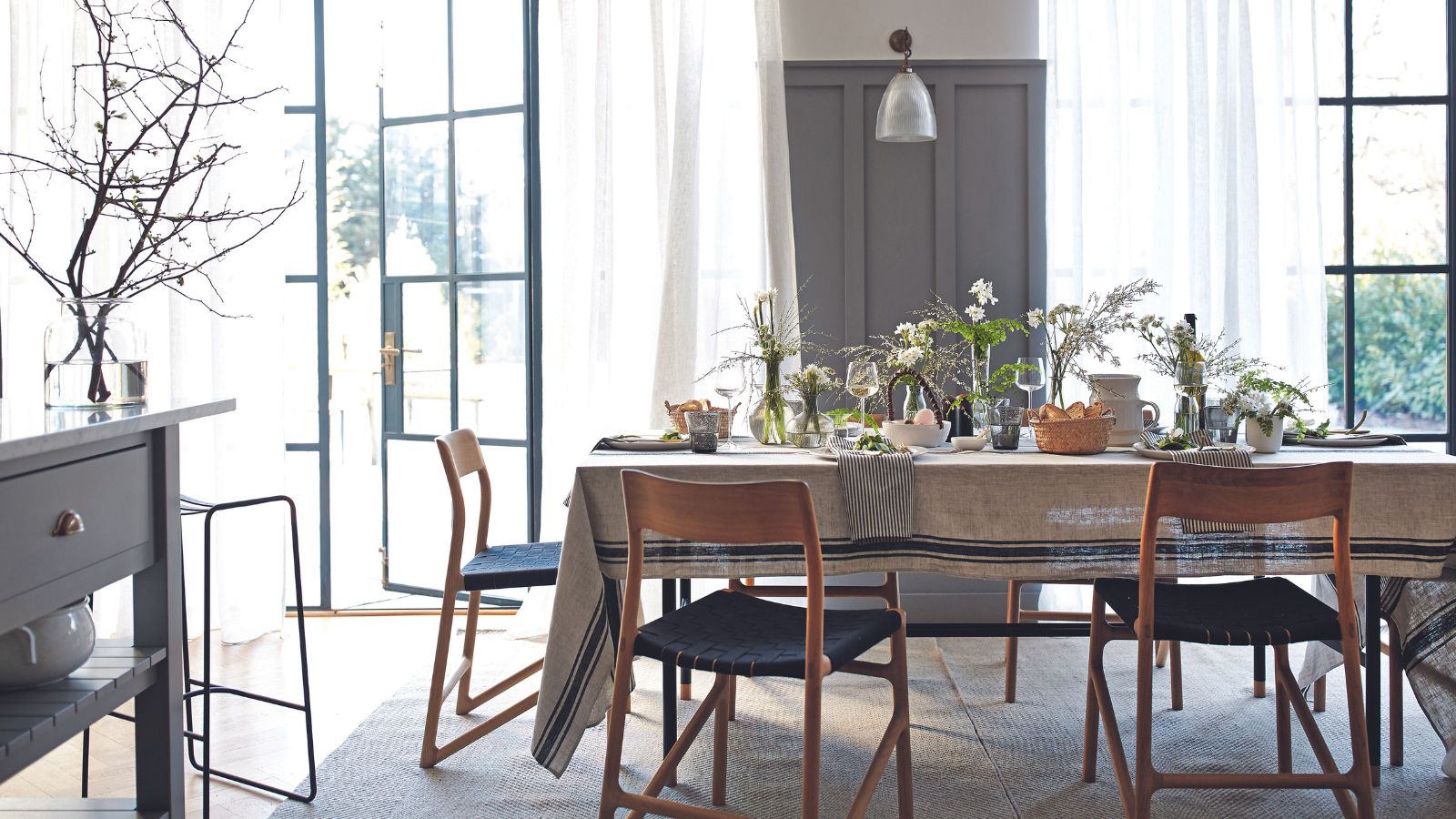
Round vs rectangular dining room tables – which one is best for your space?

18 Beautiful Dining Room Décor Ideas That Will Inspire You to Entertain More Often

The Best Dining Room Tables, According to Design Pros

These Designer-Approved Dining Room Ideas Will Elevate ANY Entertaining Space

Best dining table sets: Explore top 10 choices for your home decor | Hindustan Times

An appetite for design: 10 of our favourite dining tables

8 of the best extendable dining tables to suit every home

Dining Room: Tips and Decorative Inspirations

The 20 Best Dining Room Tables, According to Designers

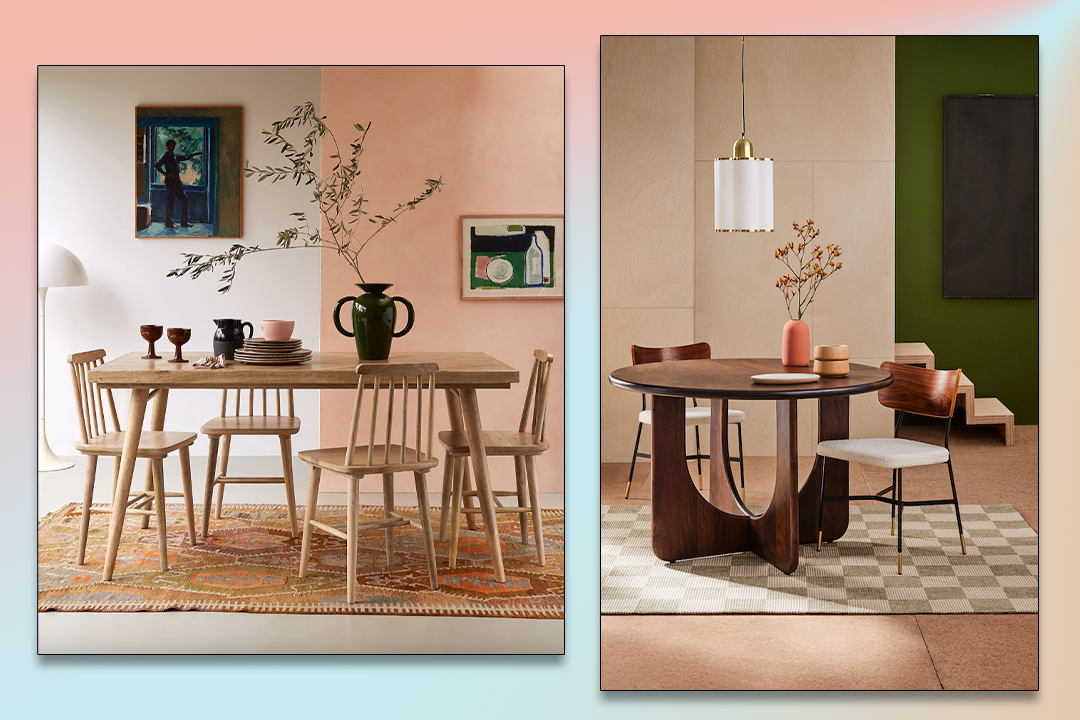
The best dining tables for entertaining in style, tried and tested
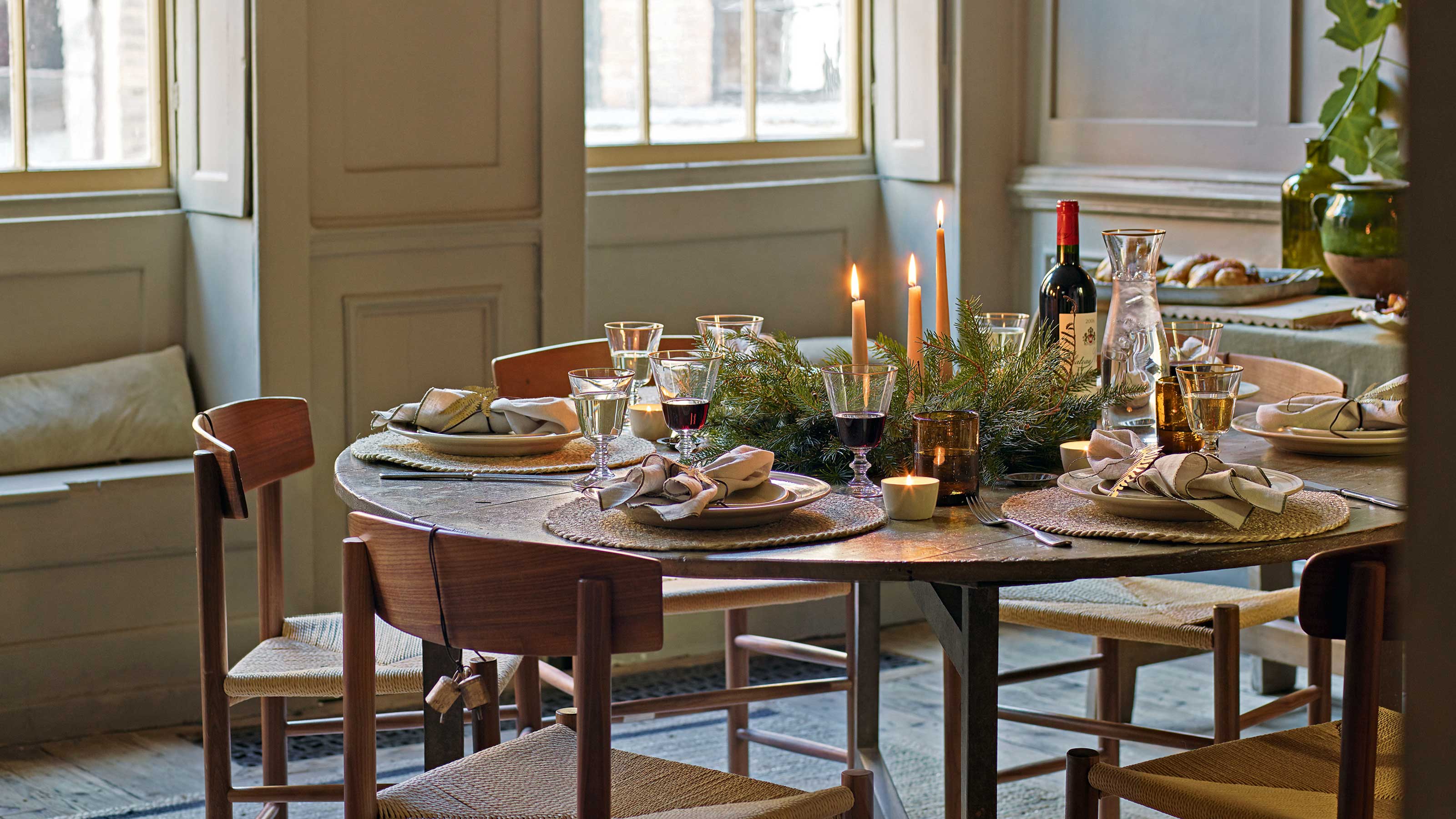
I’m a shopping writer – these are the best dining tables to buy for hosting season
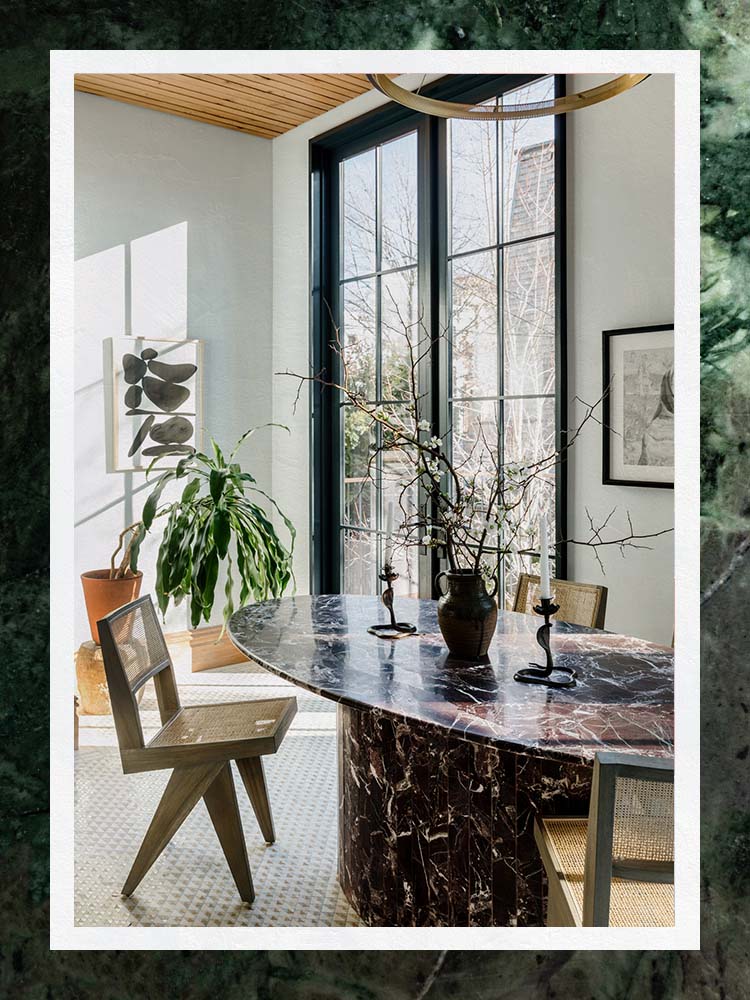
The Best Dining Tables, as Seen in Our Favorite Spaces
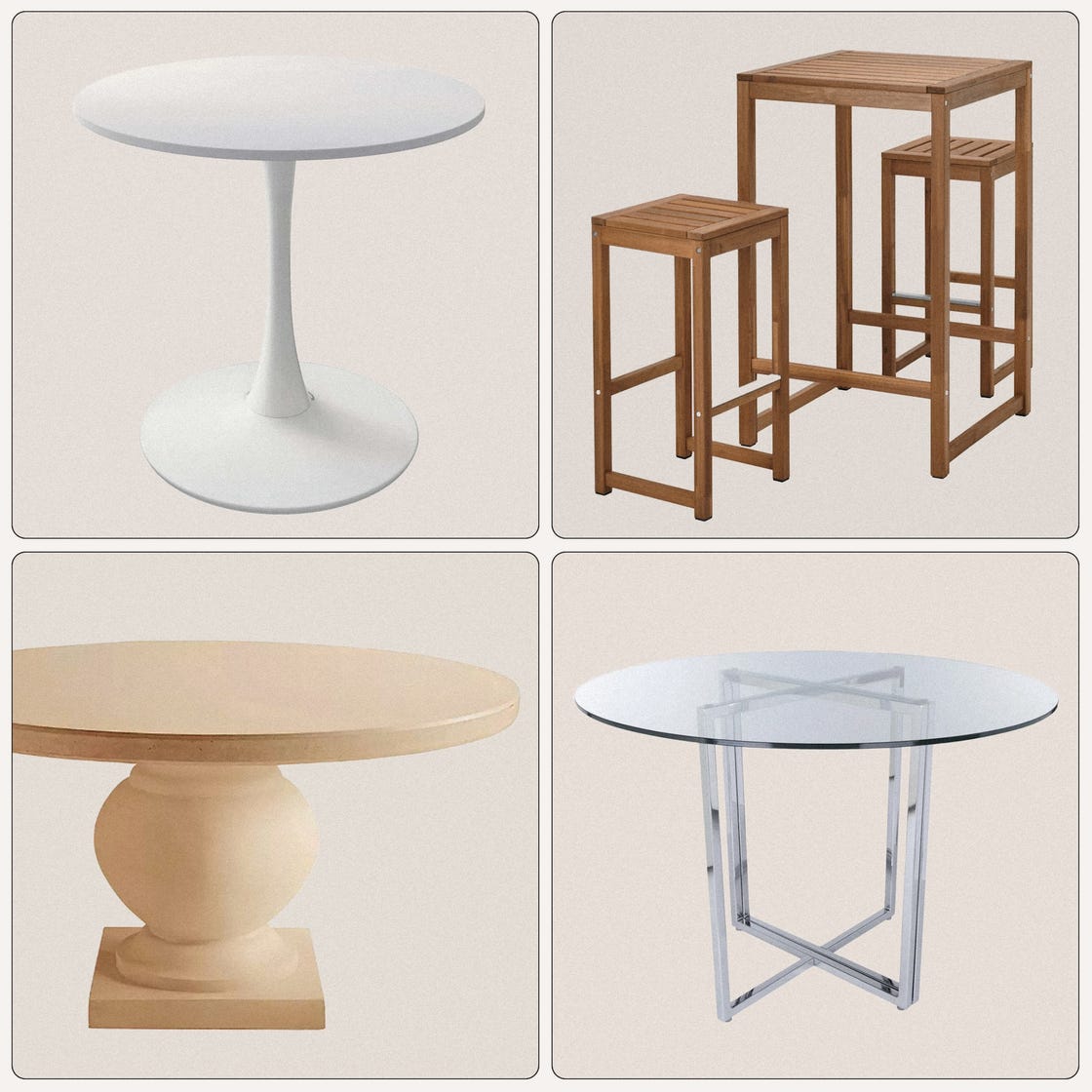
Small Dining Tables Are Having a Moment—and These 8 Are the BEST
11 Dining Tables to Fit Every Home Aesthetic
22 Living Dining Room Combo Ideas That Maximize Space and Style