1/17
Improving Cooling Capacity of Condensation-Free Radiant Cooling for Low-Emissivity Chilled Ceiling via Adaptive Double-Skin Infrared Membranes
Radiant cooling systems offer energy efficiency and enhanced thermal comfort compared to traditional convective cooling, but their application in hot and humid climates is limited by insufficient cooling capacity and condensation risk. Previous research has explored the use of infrared-transparent membranes (DIMs) to separate the air-contact surface from the cooling source, allowing for lower cooling source temperatures while maintaining the air-contact surface above the dew point. This approach is effective for chilled ceilings with high emissivity (above 0.9), where radiant heat transfer is substantial. However, for metal chilled ceilings with low emissivity (around 0.2–0.3), DIMs can reduce radiant heat transfer, leading to inadequate cooling capacity.
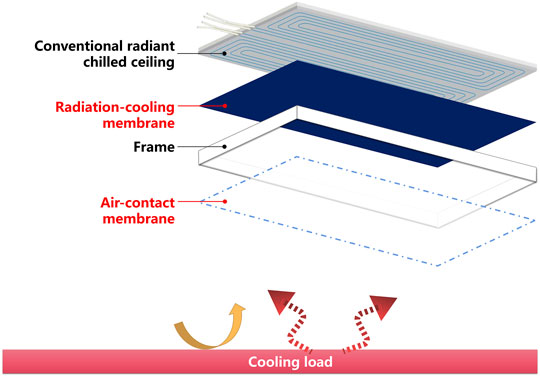
This paper introduces a novel solution: adaptive double-skin infrared membranes (a-DIMs). These membranes consist of a high-emissivity radiation-cooling membrane and a high-transparency air-contact membrane. The high-emissivity membrane functions as the primary radiant cooling surface, effectively replacing the low-emissivity chilled ceiling and boosting radiant heat flux. Simultaneously, the high-transparency membrane facilitates significant radiant heat transfer from the cooling load to the chilled ceiling. A combined heat transfer analysis, incorporating semi-transparent surface radiation and natural convection, was conducted to predict the cooling capacity of this condensation-free radiant cooling system.
The findings demonstrate a significant improvement in cooling capacity with the implementation of a-DIMs. For instance, using a-DIMs composed of a high-emissivity membrane (0.96) and a high-transparency membrane (0.87) can achieve a cooling capacity of up to 101.9 W/m², representing a twofold increase compared to conventional metal chilled ceilings with a low emissivity of 0.2. Furthermore, this capacity is 25% higher than that achieved with the infrared transparent DIMs presented in earlier work. The results also indicate that a-DIMs can more than double the cooling capacity of low-emissivity metal chilled ceilings across various humidity levels, while effectively preventing condensation. The air-contact surface temperature using a-DIMs was calculated to be 17.6°C, and 23.5°C using DIMs, both exceeding the dew point of 17.5°C in the example provided, thus eliminating condensation risk.
Further analysis explored the impact of different parameters. Increasing the emissivity of the radiation-cooling membrane was shown to enhance cooling capacity, especially for low-emissivity chilled ceilings. The transmittance of the air-contact membrane, while not significantly affecting condensation, plays a crucial role in overall cooling capacity, with higher transmittance leading to better performance. The thickness of the interlayer between the membranes also influences the air-contact surface temperature, with greater thickness contributing to improved condensation prevention safety. The study also evaluated the performance under varying environmental humidity, showing that while cooling capacity decreases with increasing relative humidity, the performance improvement relative to conventional radiant cooling becomes more pronounced. These findings offer valuable guidance for designing high-performance, condensation-free radiant cooling systems, particularly for applications involving low-emissivity metal chilled ceilings.
#RadiantCooling #CondensationFree #CoolingCapacity #InfraredMembranes #LowEmissivityChilledCeiling #ThermalEngineering #BuildingEnergyEfficiency #HeatTransfer #AdaptiveMembranes #RadiantCooling #CondensationFree #CoolingCapacity #InfraredMembranes #LowEmissivityChilledCeiling #ThermalEngineering #BuildingEnergyEfficiency #HeatTransfer #AdaptiveMembranes
0 comment in total
 No comments yet
You may also like
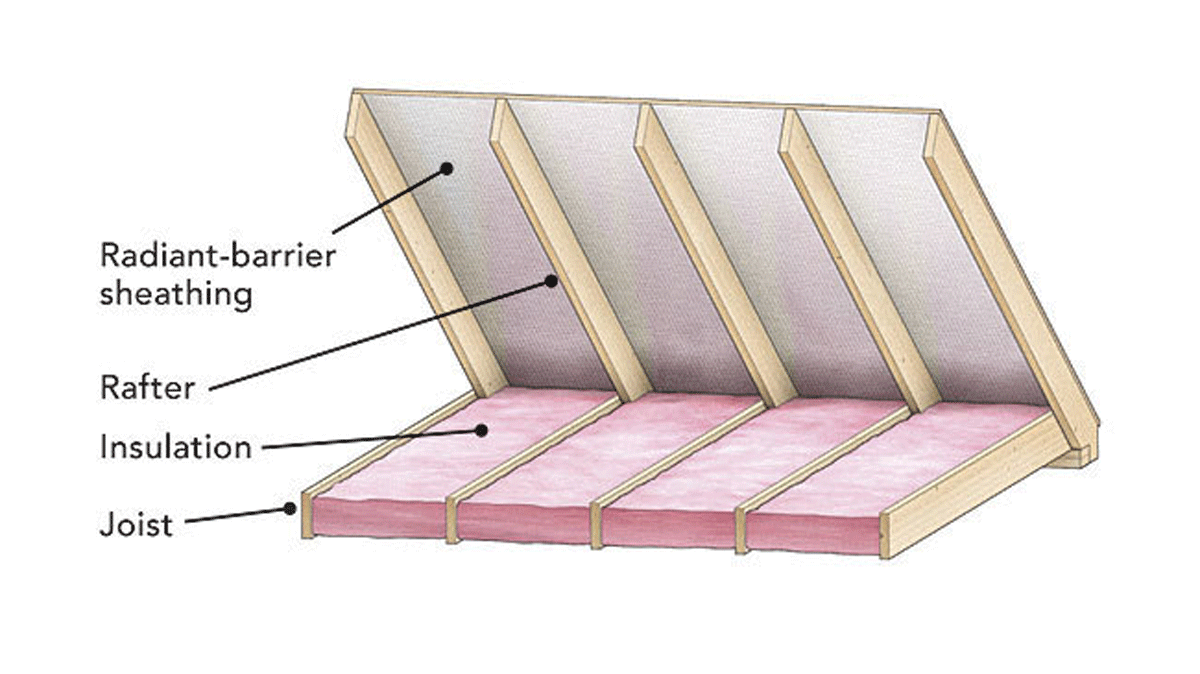
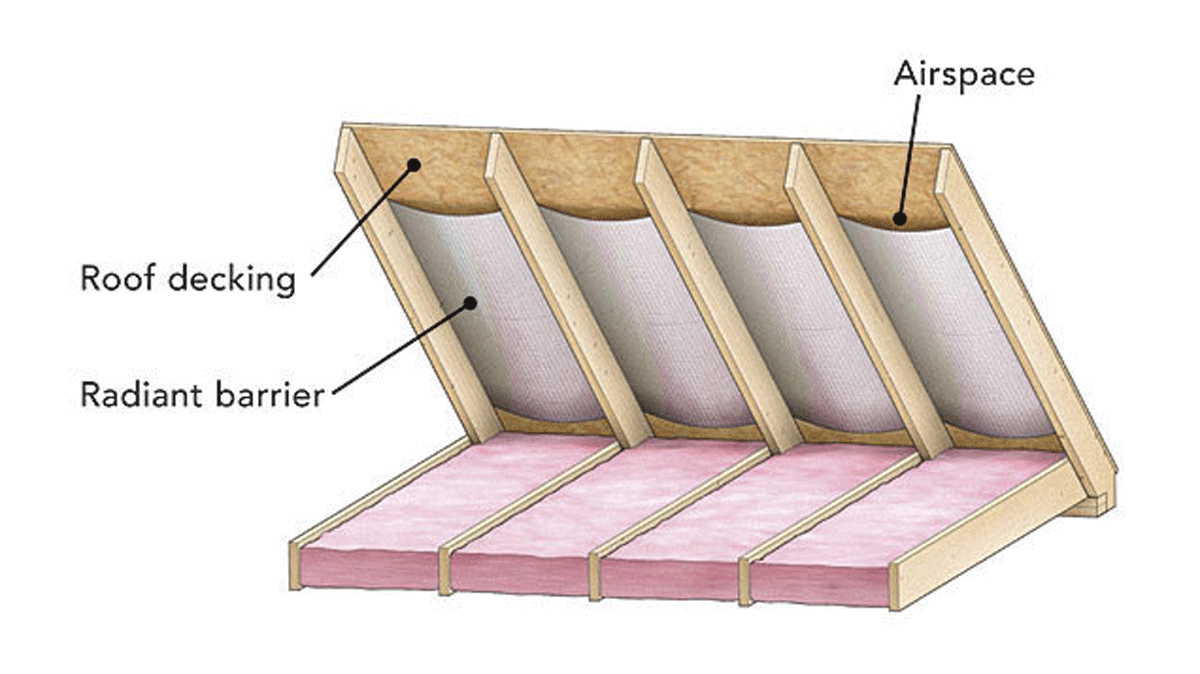
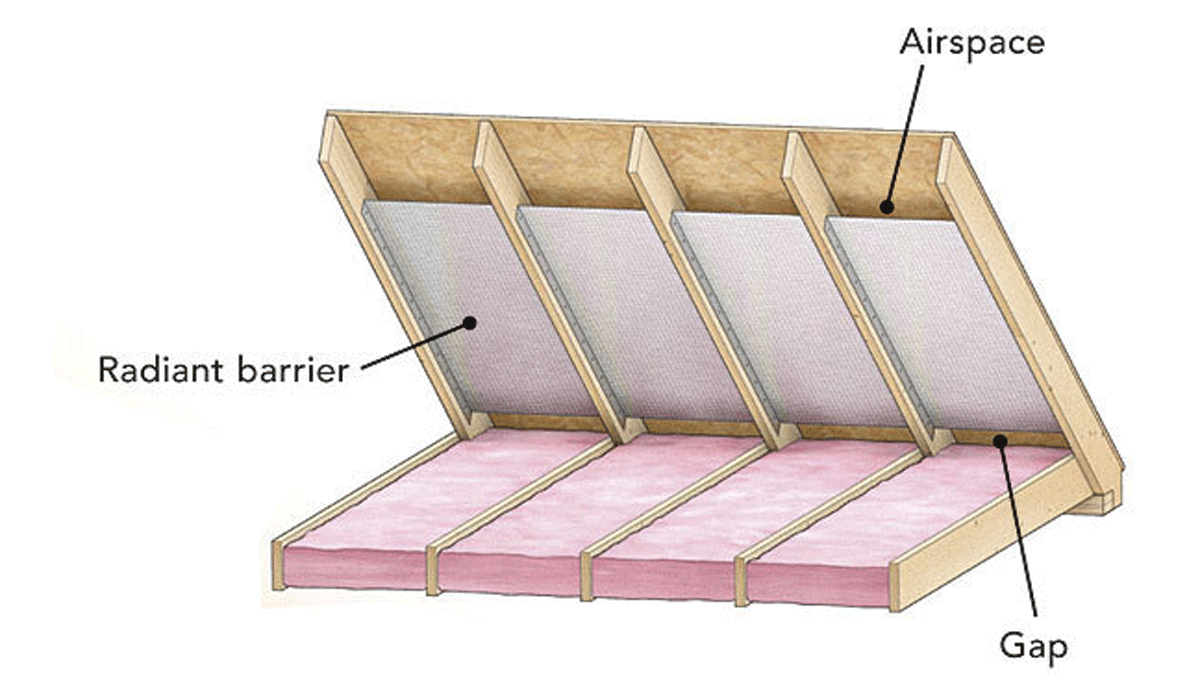
Radiant Barriers


Your Blackout Blinds and Curtains Might Actually Be Making Your Bedroom Hotter — Here’s What You Should Have Chosen for Your Windows Instead


They Might Block the Cold, but This Thermal Blind Mistake Could Make You Sick


The $54 Frost Fix That Stops Drafty Windows – and Looks Great
Thermal Curtains Will Keep Your Home Cozy and Warm All Winter—Here Are Our 9 Favorite Options

Carbontec Radiant Heating System Is Just .21mm Thick

Insulating window coating for retrofit

How to keep a top-floor apartment cool in summer

The Best Thermal Curtains, Tested and Reviewed


Which window treatments will actually keep my house cool? 5 ideas that will help control the temperature inside