1/15
Immaterial : Blankets and Quilts
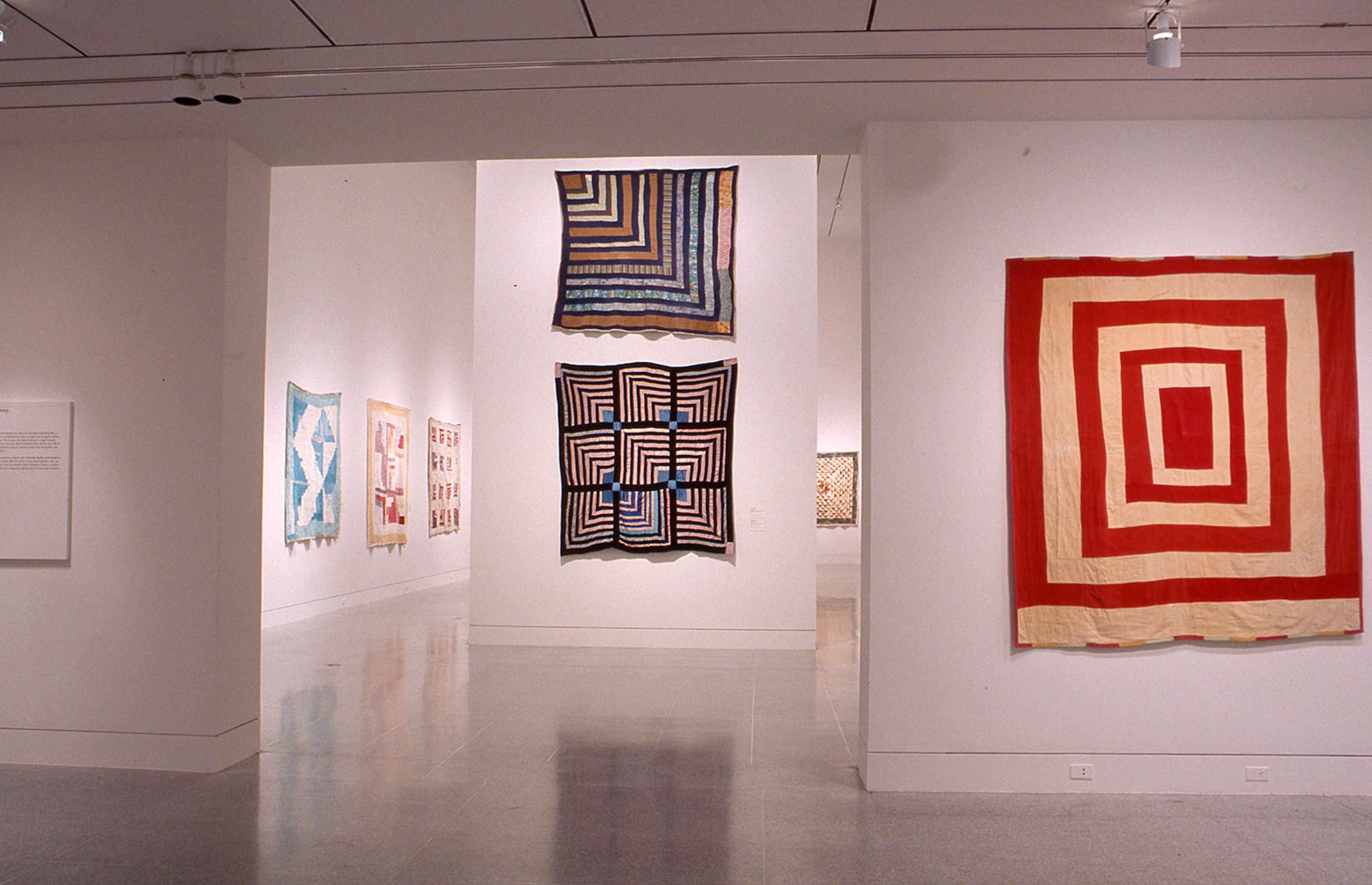
This article, part of The Met’s podcast series '_Immaterial_,' explores the profound cultural significance of blankets and quilts, examining their role as totems of memory, community, and cultural survival. The discussion features insights from Gee's Bend, Alabama, a community renowned for its unique quilting tradition, and artist Marie Watt, who uses blankets in her sculptures to tell stories. The narrative begins with Loretta Pettway Bennett of Gee's Bend, sharing her experience of seeing her mother's quilts displayed in a museum. Initially, the community viewed these quilts as mere necessities for warmth, made from salvaged scraps like old clothes and fertilizer sacks. Loretta recounts her mother's desire to touch her own quilt, now a fine art piece under museum guard, highlighting the shift in perception from utilitarian object to art. The quilters' initial disbelief that their 'ugly quilts' could be considered art gradually gave way to understanding as they witnessed public admiration and emotional responses, including tears, from museum visitors.
Marie Watt, a Seneca artist, also delves into the evocative power of blankets. She describes her childhood memories of wool blankets used for diverse purposes, from picnics to building forts, emphasizing their protective and comforting qualities. Watt's artistic practice involves collecting used wool blankets, valuing their worn appearance as a testament to their history and the lives they touched. Her early sculptures, towering stacks of folded blankets, symbolize collective stories. Over time, she began inviting individuals to share their blankets and personal narratives, which she then integrated into collaboratively realized sculptures. A poignant example is a Nazi-issued blanket from a concentration camp, illustrating how humble objects can convey profound historical narratives. Watt then evolved her process by cutting these collected blankets and piecing them into quilts during 'sewing circles'—a deliberate distinction from 'sewing bees,' which held colonial connotations for Native American women.
These sewing circles foster community and create new narratives, with each stitch and story contributing to the final artwork. Textile conservator Ally Barlow highlights how the varied hand stitching in Watt's quilts visibly represents the diverse individuals who contributed. The article then returns to Gee's Bend, emphasizing the quilts' essential function in a community where homes lacked insulation. Loretta and Louisiana Bendolph recount sitting under quilts as children, learning the craft from their mothers and grandmothers, a tradition deeply embedded in their heritage. The economic hardship following the cotton crash and the isolation of Gee's Bend after the ferry closure during the Civil Rights Movement led to the formation of the Freedom Quilting Bee Cooperative. This initiative transformed quilting from a domestic skill into an economic lifeline, providing stable income for women and helping the community thrive. The quilts, made from available materials like burlap and flour sacks, were not just practical but also creatively assembled, showcasing an innate artistry that often went unrecognized by the makers themselves.
The widespread recognition of Gee's Bend quilts began in 2002 with a major exhibition, followed by critical acclaim, media features like _The Oprah Winfrey Show_, and even U.S. postage stamps. This external validation helped the quilters, who once sold their works for modest sums, see their creations as valuable art. Their quilts, now part of major museum collections like The Metropolitan Museum of Art, represent a confluence of necessity, creativity, and resilience. The article concludes by reflecting on the many 'lives' of a quilt—from raw material to garment, then to a functional object, and finally to a celebrated work of art, each stage imbued with stories and histories.
#quilting #blankets #GeeBendQuilts #textileArt #culturalHeritage #communityArt #MarieWatt #AfricanAmericanArt #materialCulture #quilting #blankets #GeeBendQuilts #textileArt #culturalHeritage #communityArt #MarieWatt #AfricanAmericanArt #materialCulture
0 comment in total
 No comments yet
You may also like

The Coziest Throw Blankets
The Best Ways to Show Off a Textile in Your Home

Our List of the Best Throw Blankets Includes an Actually Affordable Cashmere One

Quilts That Play with Color and Pattern

The 7 Best Blankets of 2025 - Wool, Fleece & Cotton Blankets | Reviews by Wirecutter

The definitive textiles primer: Pollack’s fabric expert talks fibers, yarns and more

We’ve Tested Over 100 Blankets—These Are the Ones BHG Editors Swear By

How to layer materials and add texture to your home decor

Why we need soft textures right now

The best quilts are so cozy, even your great-grandma would approve
The 5 fabric trends ruling interiors now, according to the pros

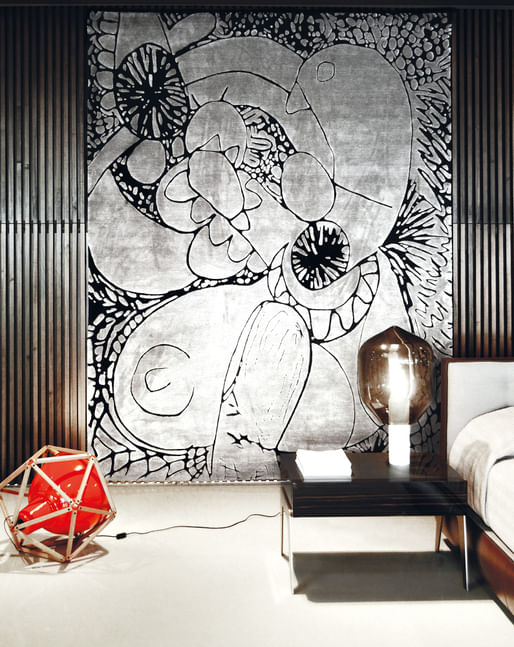
Rugs and Textiles go Vertical as Wall Art
7 Cozy Blankets That’ll Make You Never Want To Leave Your Bed
The 10 Best Throw Blankets, From Luxurious Cashmere To Cozy Wool

10 Gorgeous Throw Blankets To Get You Through the Winter (and Beyond)
15 Best Throw Blankets to Cuddle Up With for Fall

The Very Best Throw Blankets
The Best Modern Throw Blankets That’ll Keep You Cozy All Winter Long
The 23 Very Best Quilts
Quilt artists create textiles to admire or cozy up with Trend decor decor Textiles home