1/2
7 Things You Should Know Before Installing Brick Floors
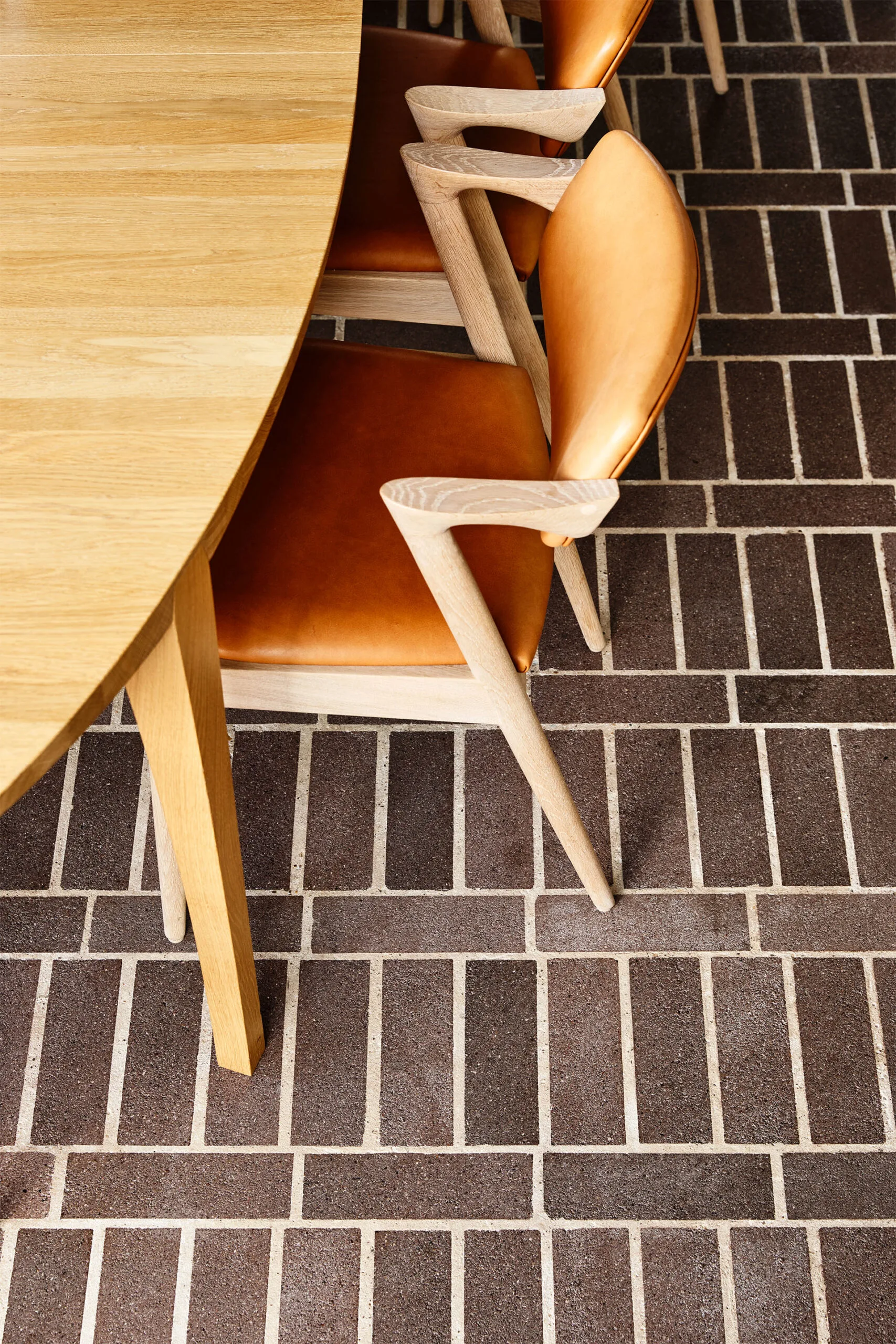
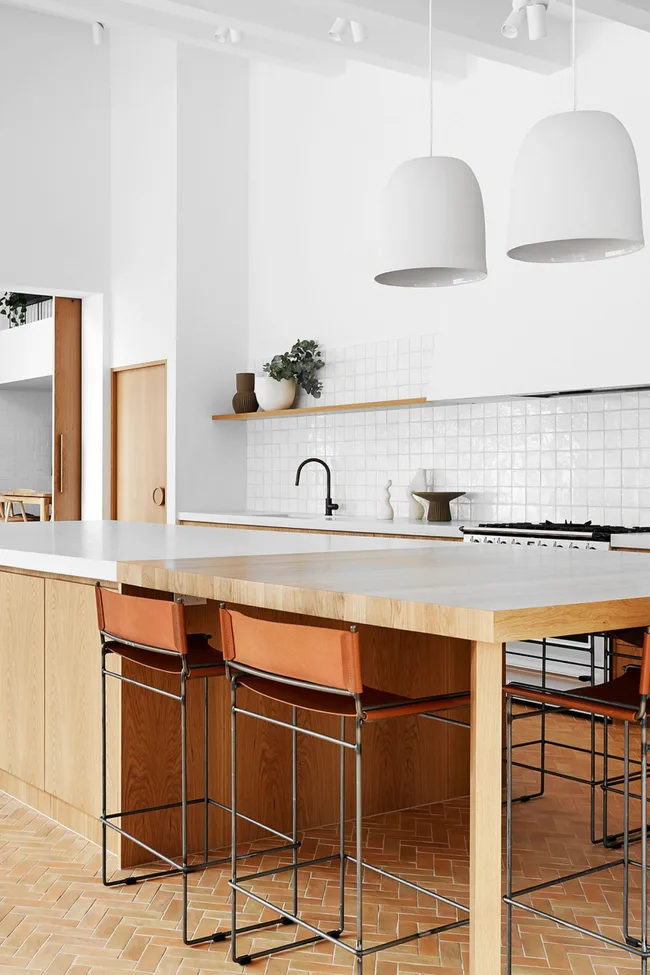
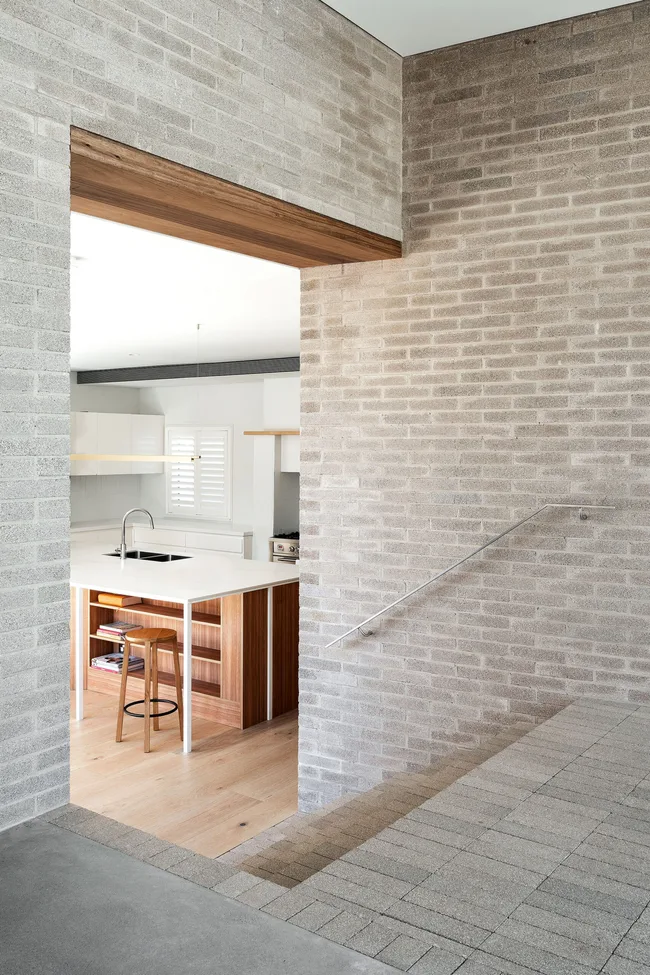
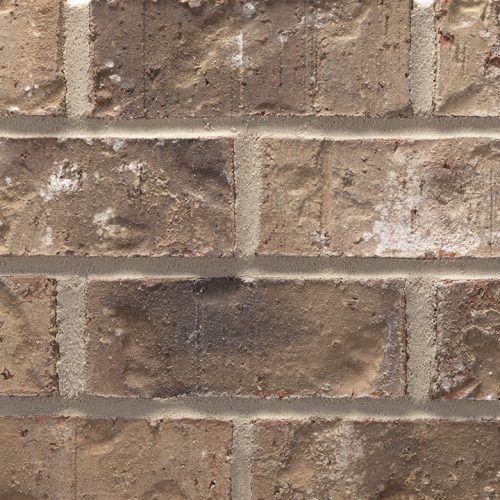
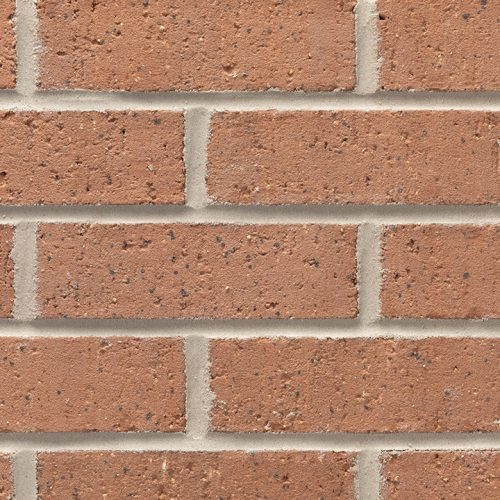
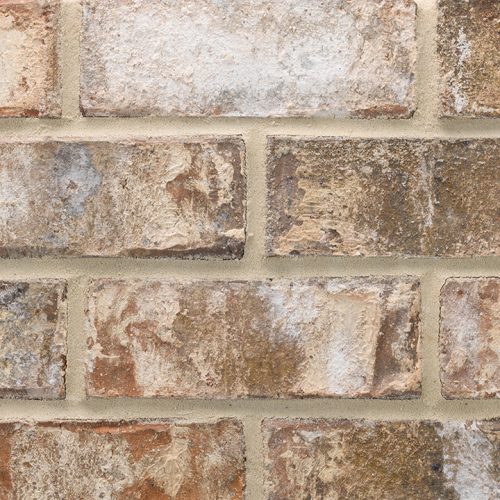
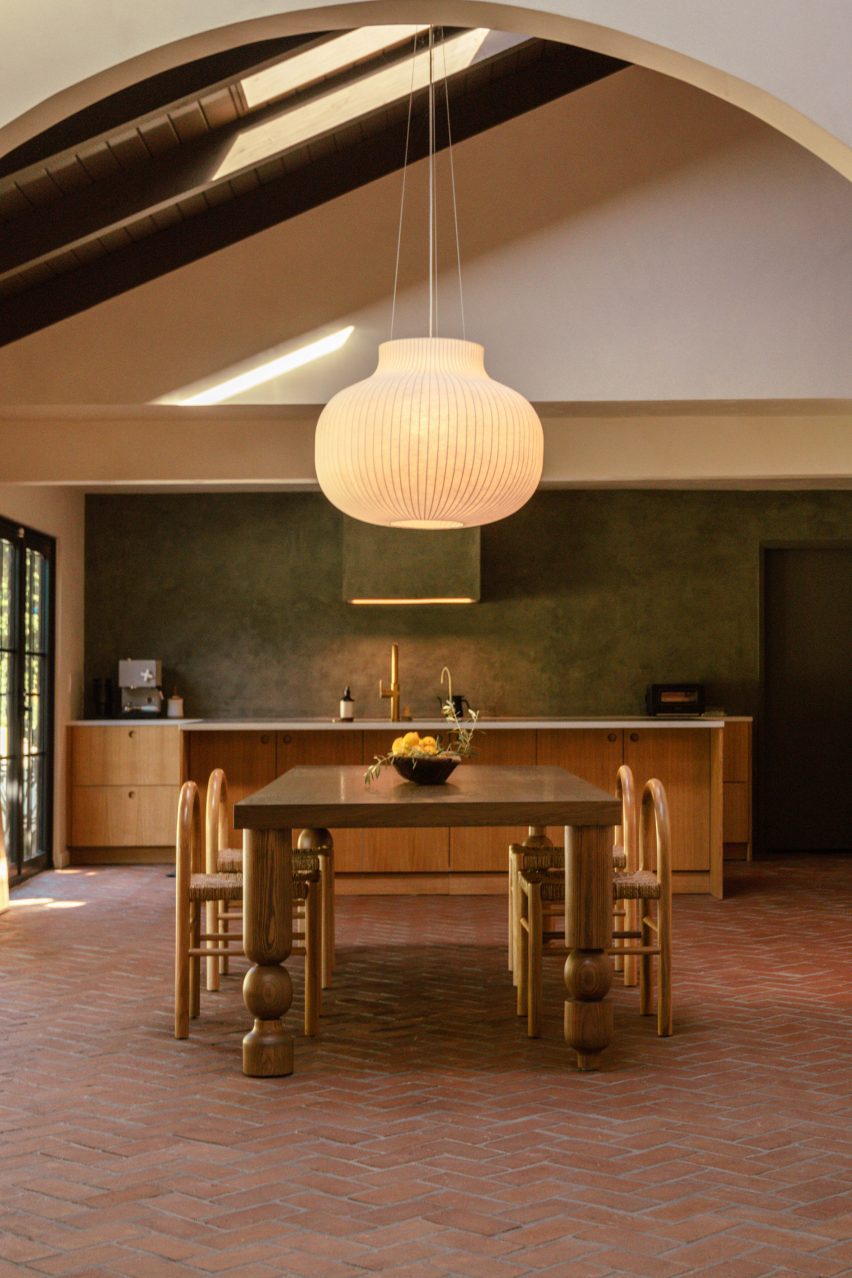
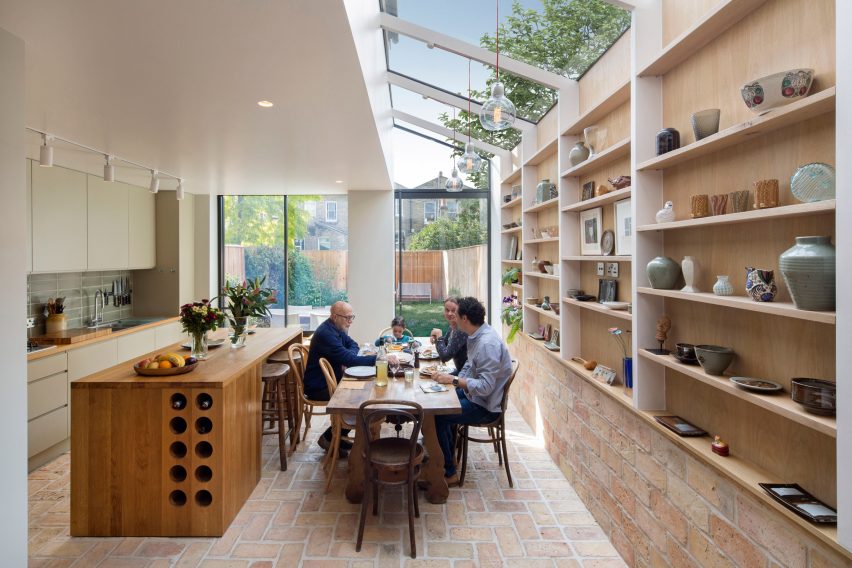
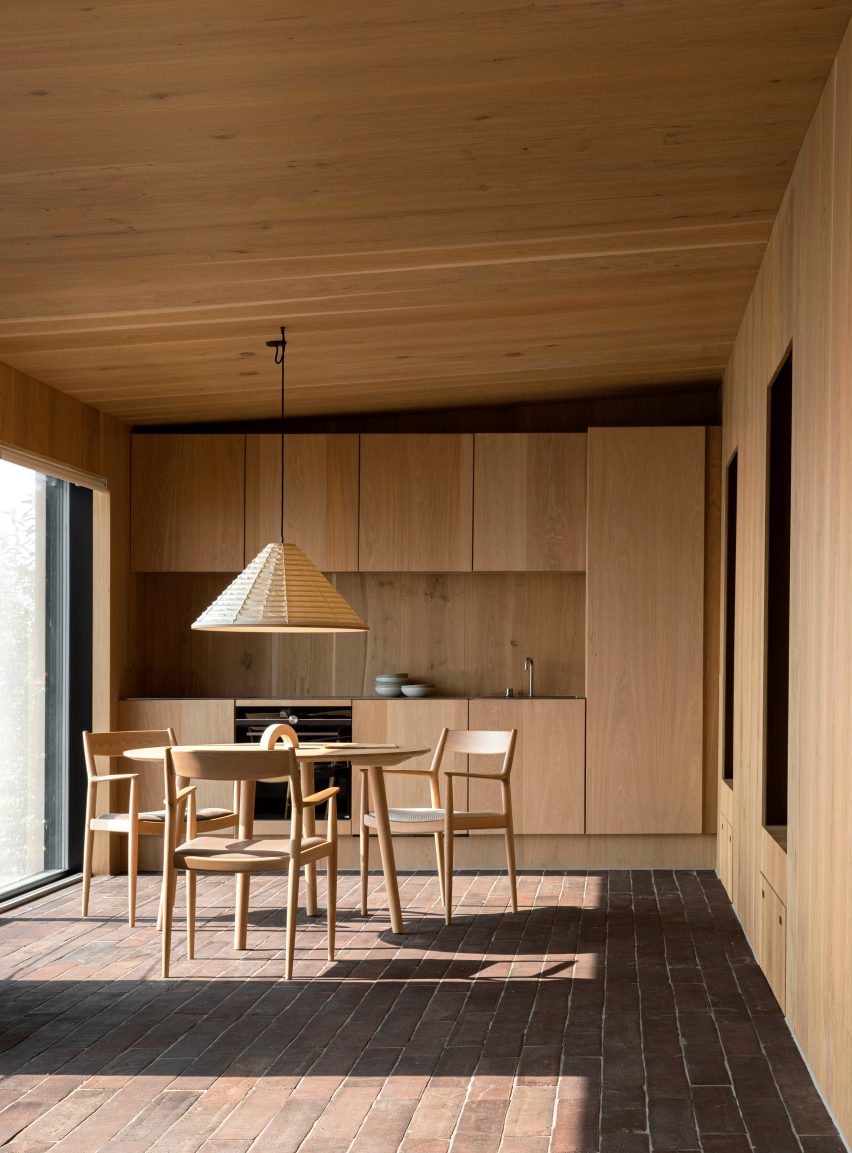
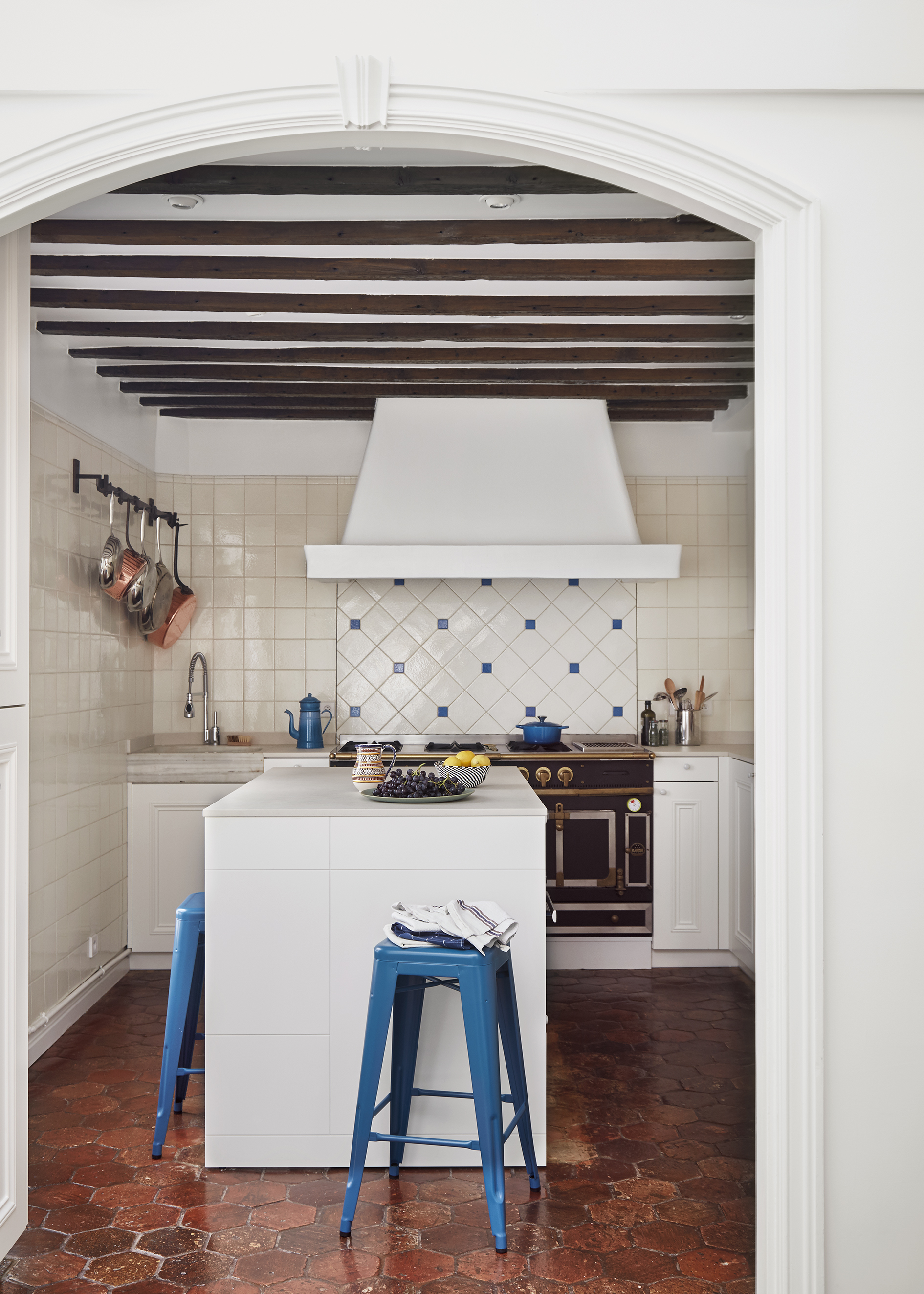
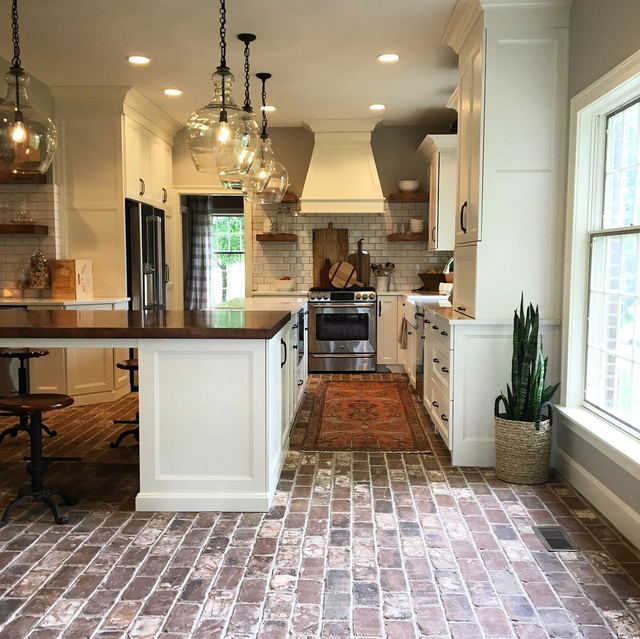
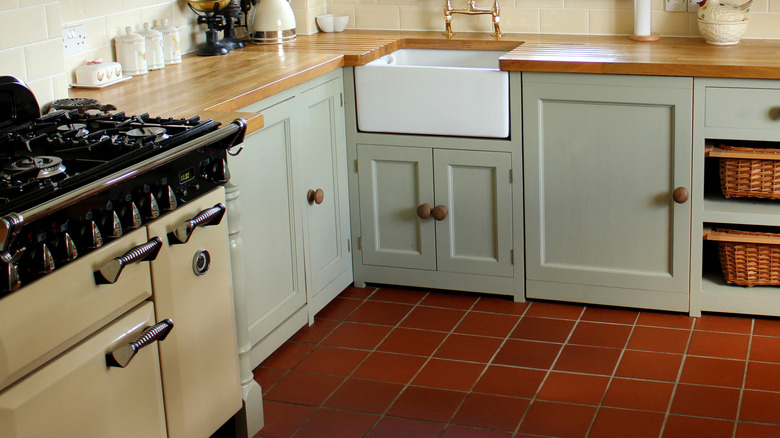
Brick flooring, while aesthetically pleasing and durable, comes with its own set of considerations that potential homeowners should be aware of. Originating from the inspiration garnered from kitchen designs on social media, the allure of brick floors is undeniable, prompting many to consider this unique flooring option. However, understanding the practical aspects of brick flooring, from its material properties to installation and maintenance, is crucial before committing.
One of the most significant advantages of brick flooring is its exceptional durability. Historically, brick has been used in construction for centuries, with many brick structures still standing today, attesting to its robustness. This material can withstand extreme conditions, making it a long-lasting choice for flooring. Despite its resilience, brick is susceptible to moisture damage, especially when laid horizontally. To prevent issues like mold and cracking, regular application of a sealant is necessary. This maintenance step is vital to ensure the longevity and structural integrity of the brick floor, protecting it from water seeping beneath the surface.
From a comfort perspective, brick flooring is not the softest option. Its inherent hardness means that standing for extended periods, particularly in high-traffic areas like a kitchen, can be uncomfortable. To mitigate this, homeowners might need to incorporate mats or rugs in areas where they frequently stand. This not only adds a layer of comfort but can also introduce additional design elements to the space.
Economically, brick flooring can be a more affordable alternative compared to other high-end flooring materials. On average, brick costs less than $10 per square foot, which is considerably less than materials like marble flooring, which can exceed $20 per square foot. It's important to note that these figures typically exclude installation costs, which can vary. However, the material cost itself presents a budget-friendly option for those seeking a distinctive look.
A practical challenge associated with brick floors is their uneven surface. Unlike perfectly level manufactured flooring, brick floors inherently possess a degree of unevenness. This can lead to furniture, such as kitchen benches, having a slight wobble. While this characteristic contributes to the rustic charm of brick, it is a functional aspect that homeowners should anticipate and accept. The aesthetic versatility of brick flooring is another key feature. It can be left unfinished to emphasize a rough, textured, and truly rustic appearance, or it can be sealed with a wax coating for a more polished and refined look. This flexibility allows homeowners to customize the floor's finish to align with their desired interior design theme.
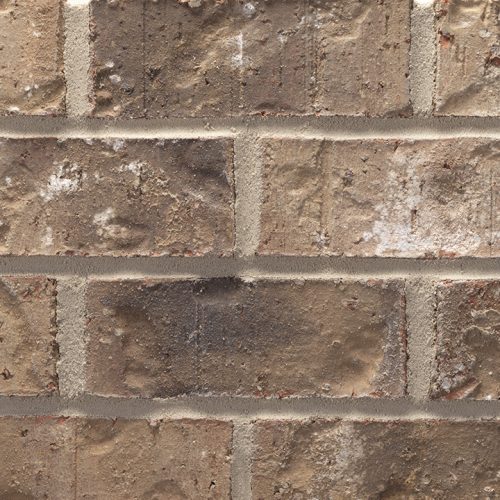
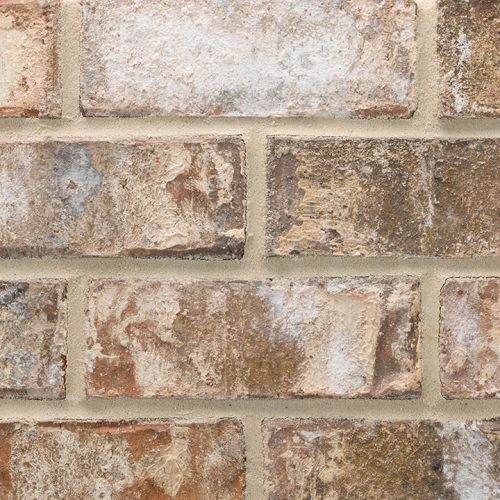
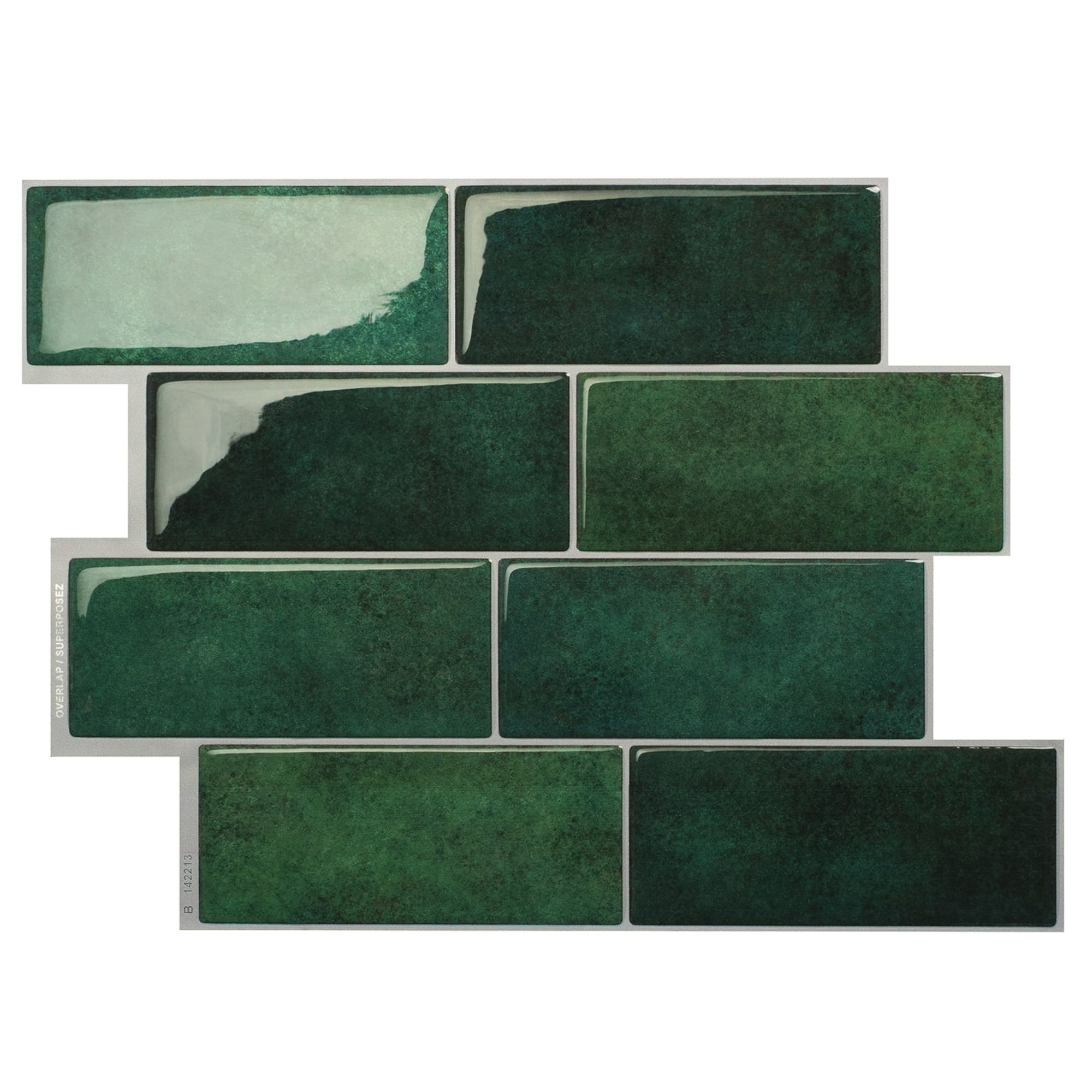
For those who are drawn to the aesthetic of brick but are hesitant about the practicalities of genuine brick flooring, brick-look tiles offer a viable alternative. These tiles mimic the appearance of brick and can be found at a lower price point, often around $5 per square foot. They provide the visual appeal of brick with potentially easier installation and maintenance, offering a compromise for those unsure about a full commitment to authentic brick. These tiles are widely available at various home improvement stores, providing an accessible option for achieving the brick aesthetic without the full investment or specific considerations of real brick.
#BrickFloors #HomeRenovation #KitchenDesign #FlooringOptions #InteriorDesign #HomeDecor #DurableFlooring #BrickFloors #HomeRenovation #KitchenDesign #FlooringOptions #InteriorDesign #HomeDecor #DurableFlooring
0 comment in total
 No comments yet
You may also like
12 brick floors that will take your breath away

Acme Brick, Tile and Stone – Shreveport
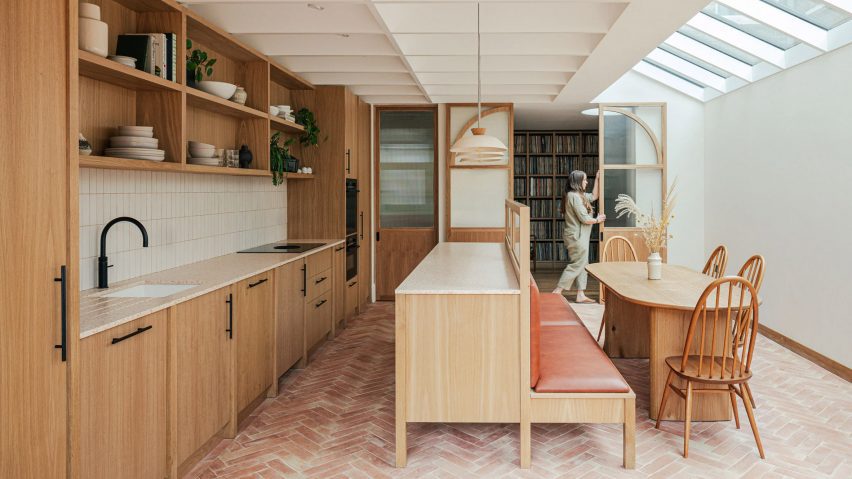
Eight home kitchens finished with tactile brick floors
Acme Brick, Tile and Stone – Memphis
Acme Brick, Tile and Stone – Abilene
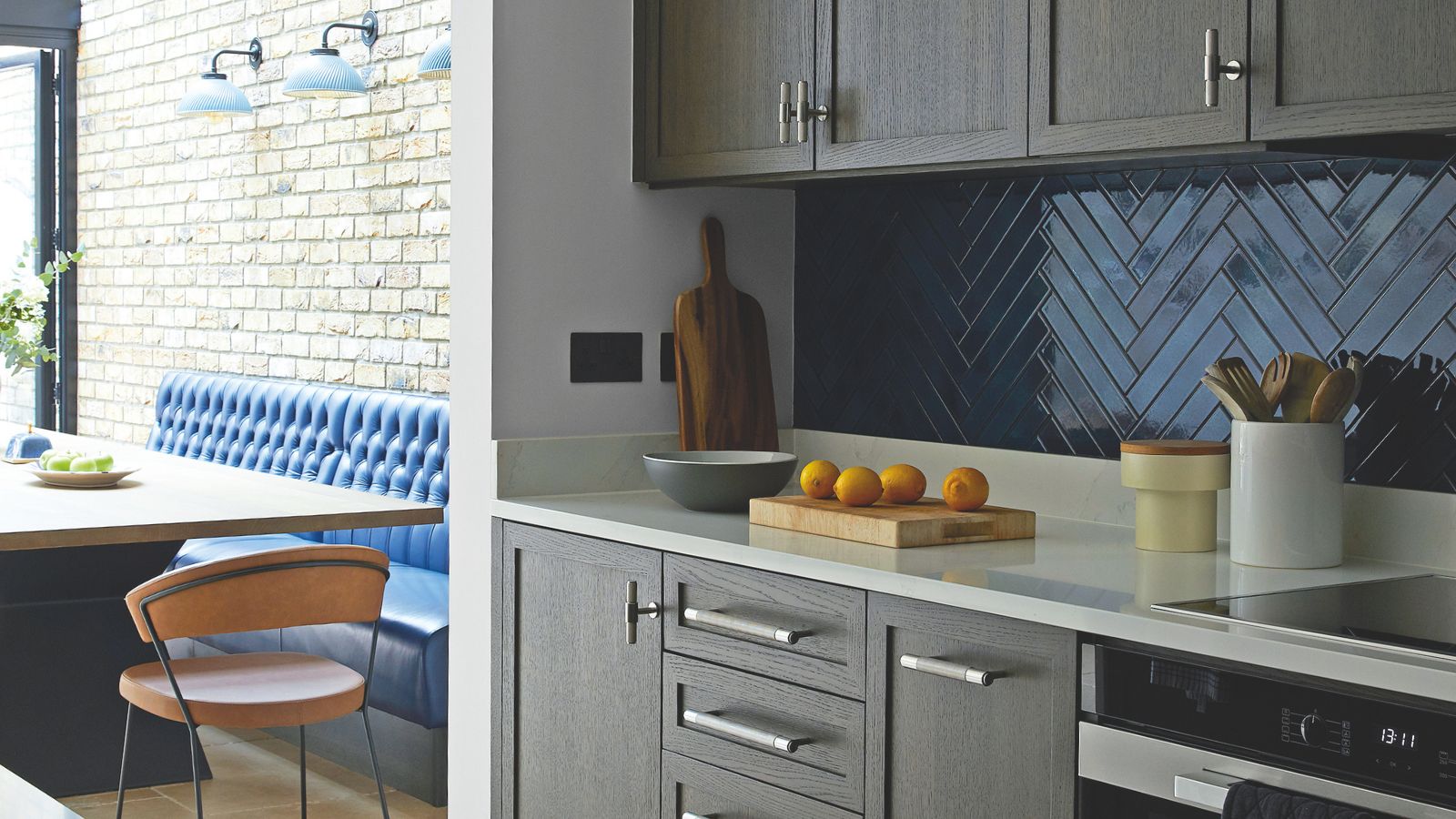
We've spoken to the experts – this is everything you need to know before trying peel and stick tiles

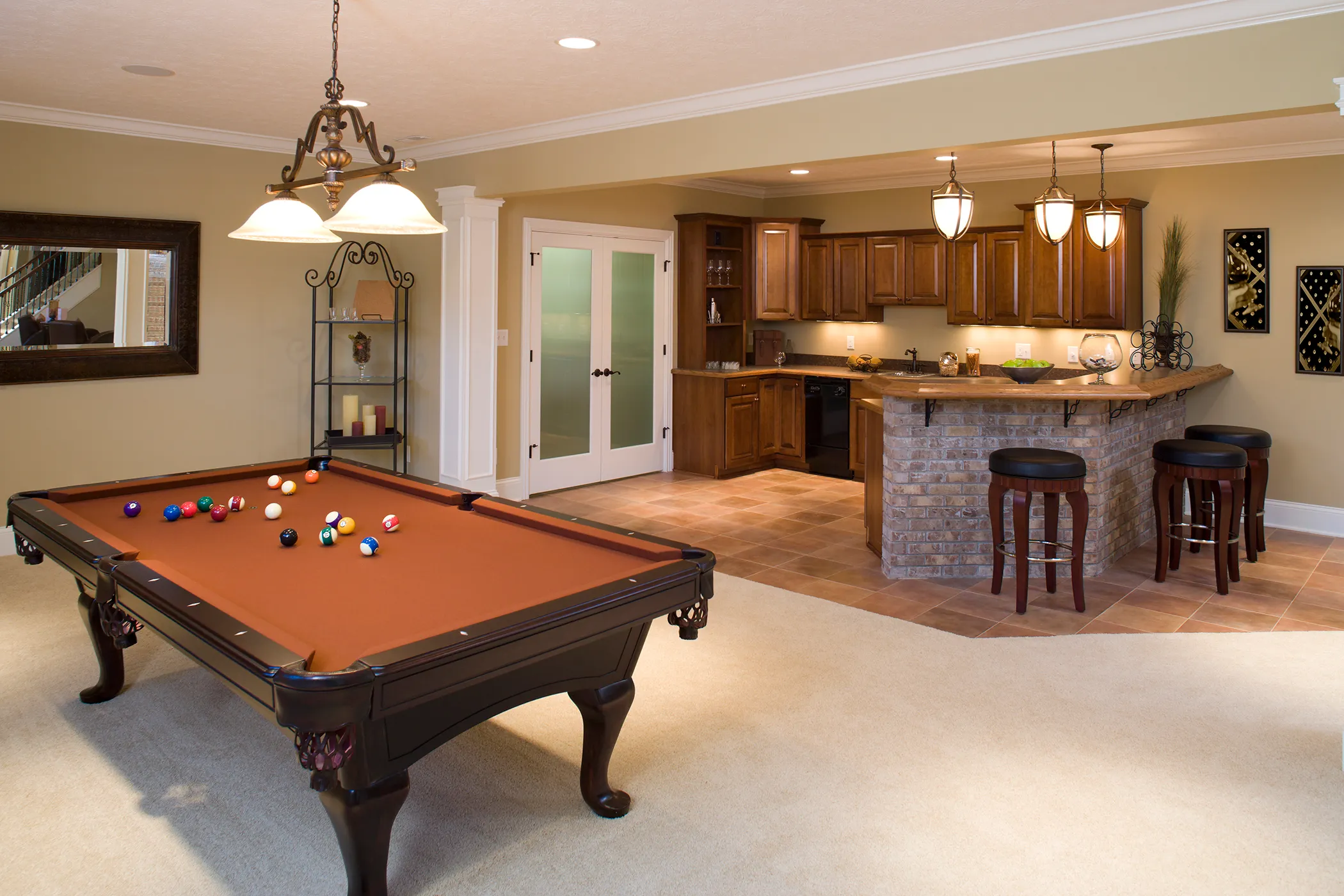
What to Know Before You Finish Your Basement
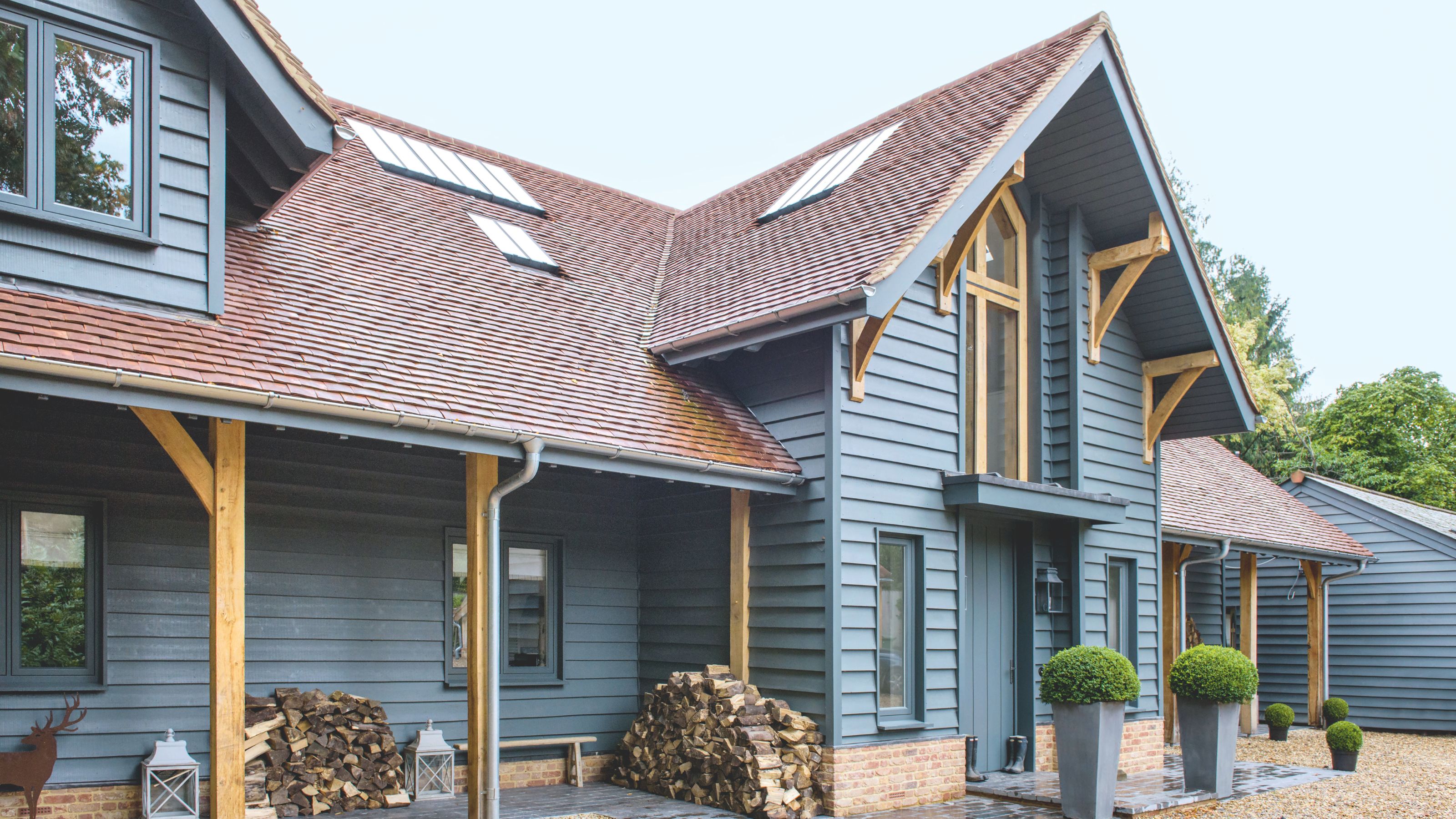
5 things to know before cladding your home's exterior
Acme Brick, Tile and Stone – Jackson, TN
Acme Brick, Tile and Stone – Bluffton

Acme Brick, Tile and Stone – Northwest Arkansas
Expert Tips For Perfecting Quarry Tile Floor Installation At Home
How to incorporate a brick wall in your home
Monroe
‘It’s a tough lesson to learn’ – brick homeowners must complete this outdoor maintenance task to avoid costly repairs and structural failure
How to create an exposed brick feature wall or fireplace - and clean and maintain it like an expert
The Number-One Rule of Decorating a Space With Exposed Brick


Birmingham
How to tile a backsplash – everything you need to know in 7 simple steps

5 Reasons You Should Think Twice Before Painting Brick, Pros Say