1/10
Louis Comfort Tiffany: The Man Behind the Iconic Tiffany Lamps
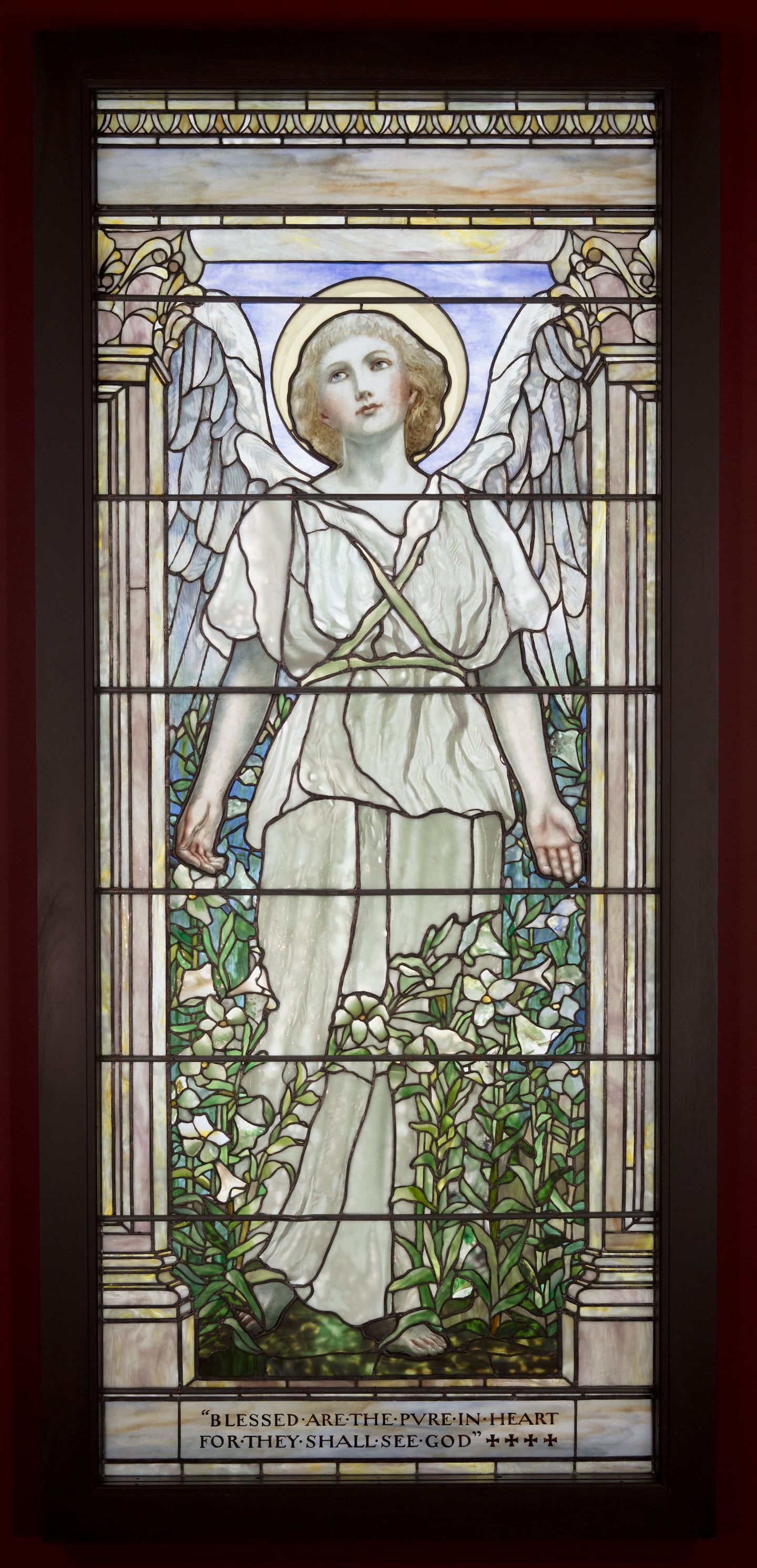
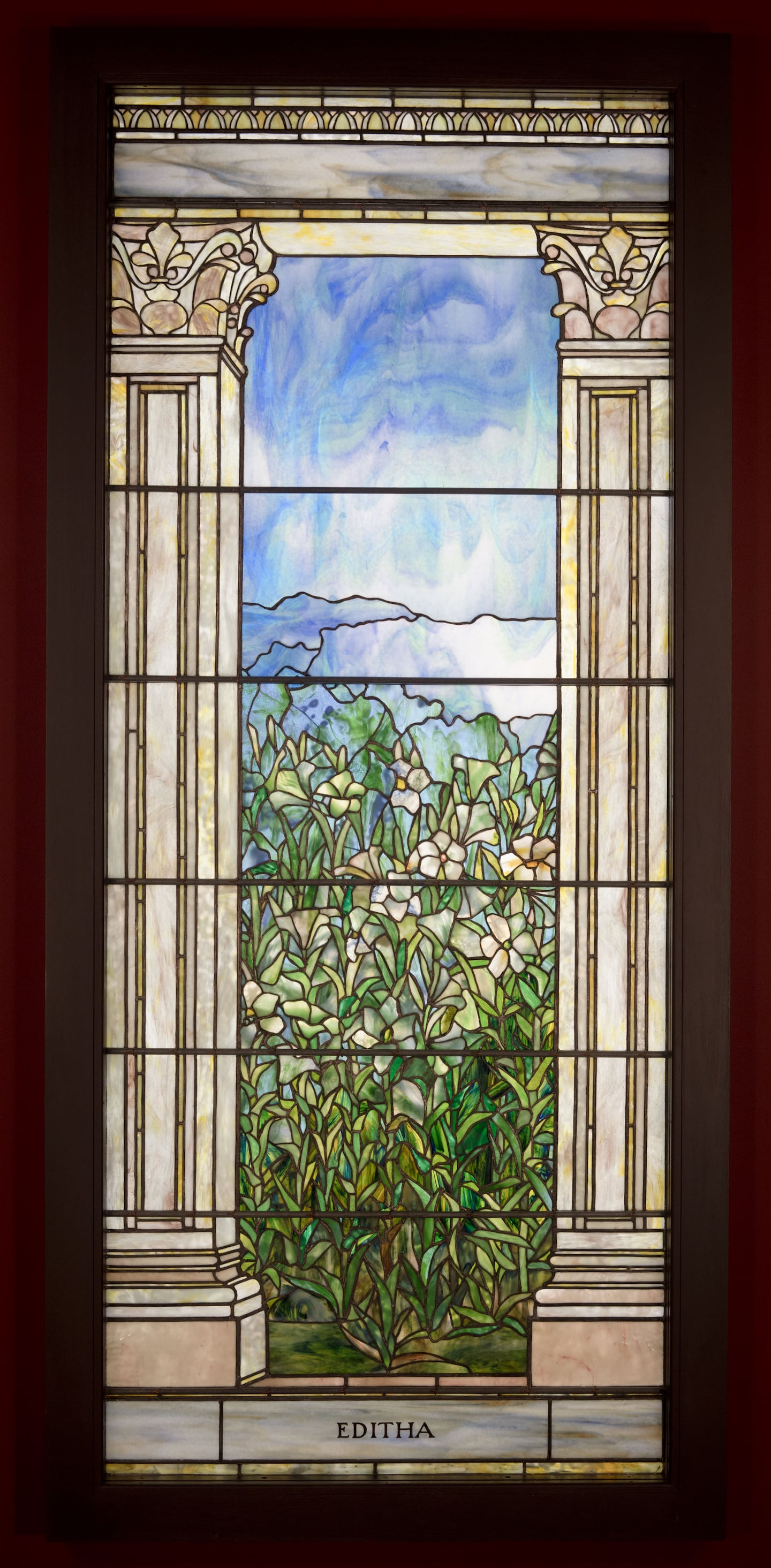
Louis Comfort Tiffany, born in 1848, was an American designer renowned for his innovative approach to decorative objects, particularly the iconic Tiffany lamps. As the son of Charles Lewis Tiffany, founder of Tiffany & Co., he was immersed in the decorative arts from an early age. Although he initially trained as a painter, Tiffany shifted his focus to decorative arts, especially glasswork, by the age of 30. He gained practical experience by working in Brooklyn glasshouses in the 1870s and co-founded an artist's group, Louis Comfort Tiffany and Associated American Artists, which designed wallpaper, textiles, and furniture for notable clients like the Mark Twain House and the White House.
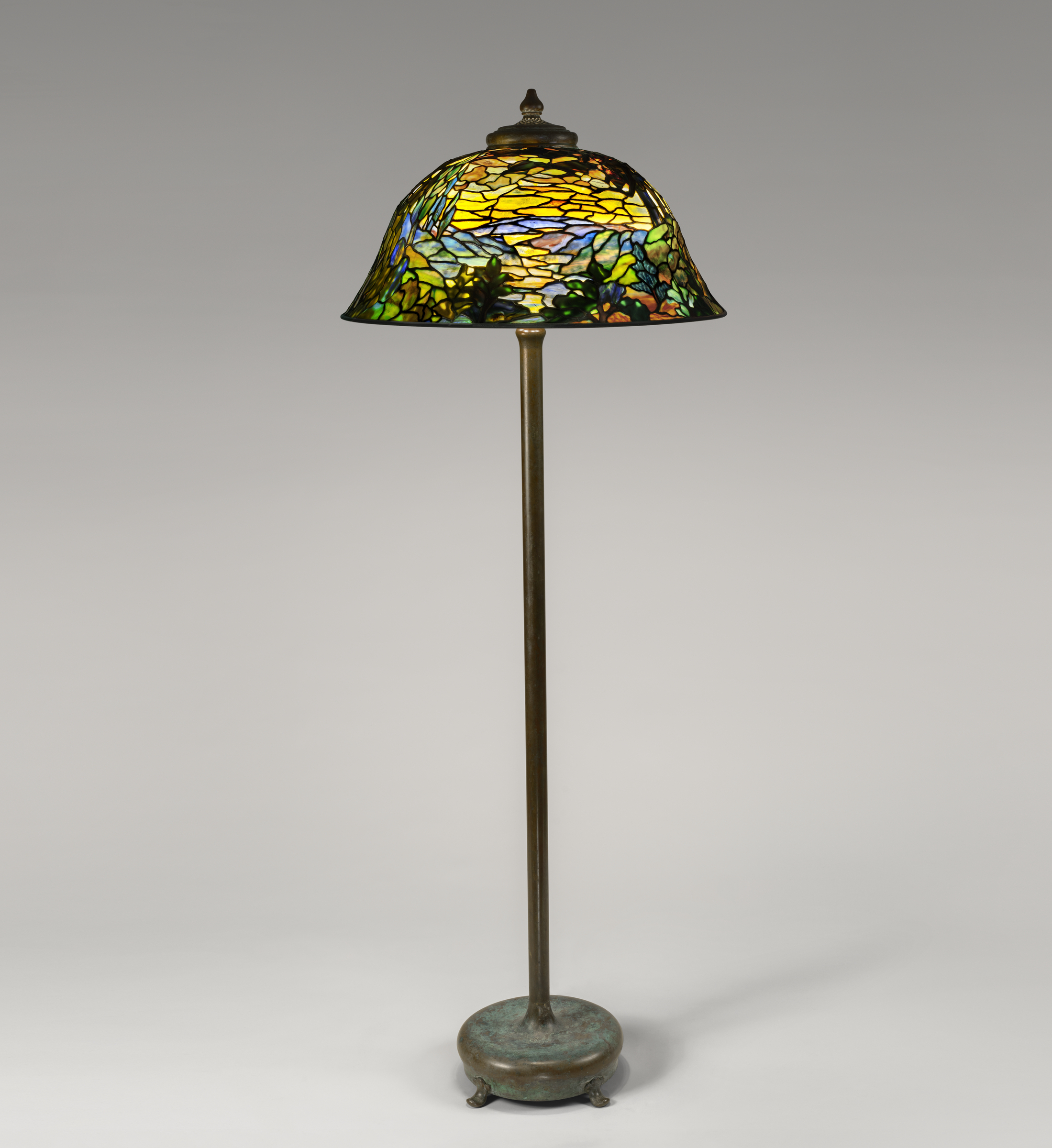
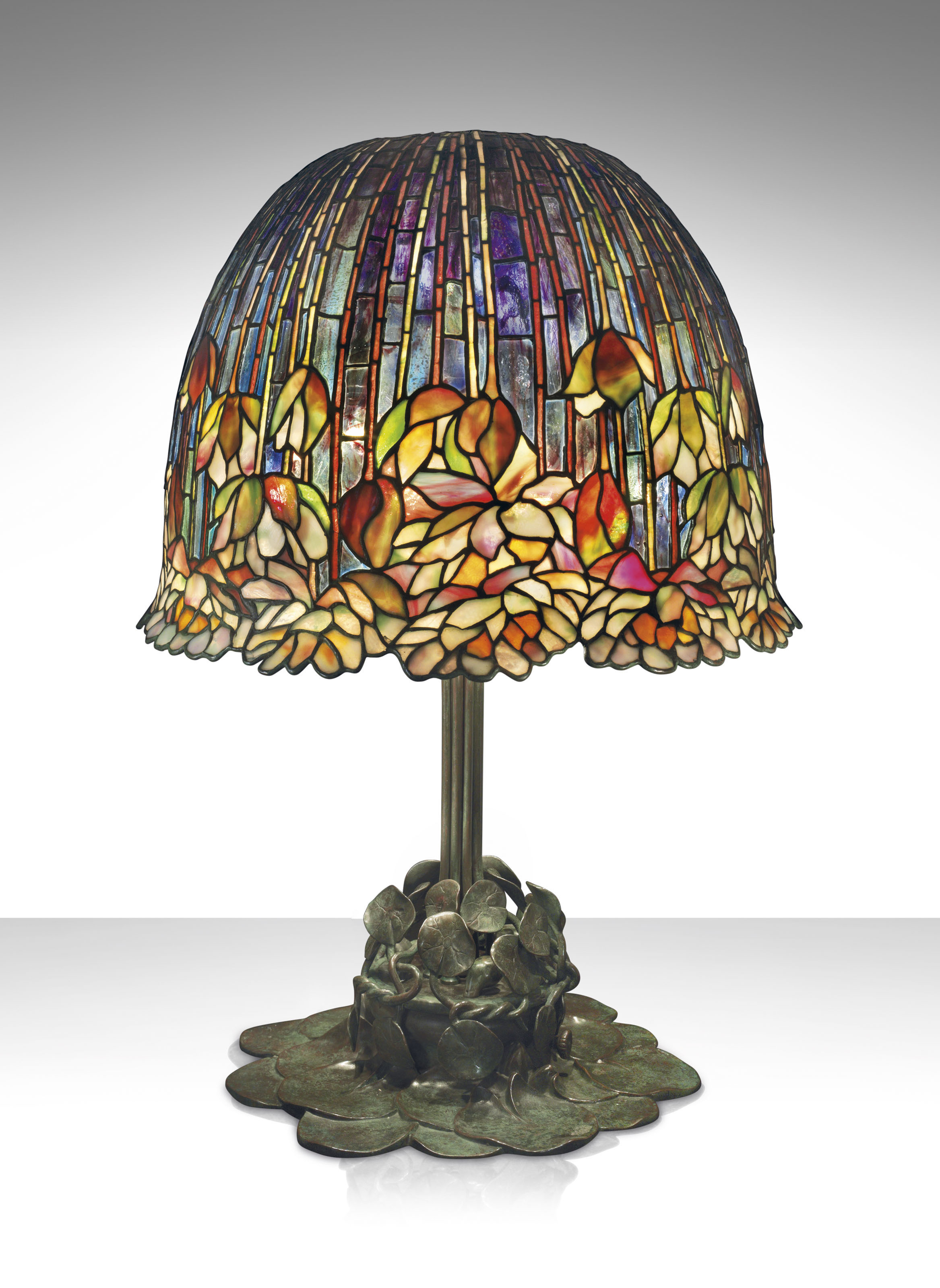
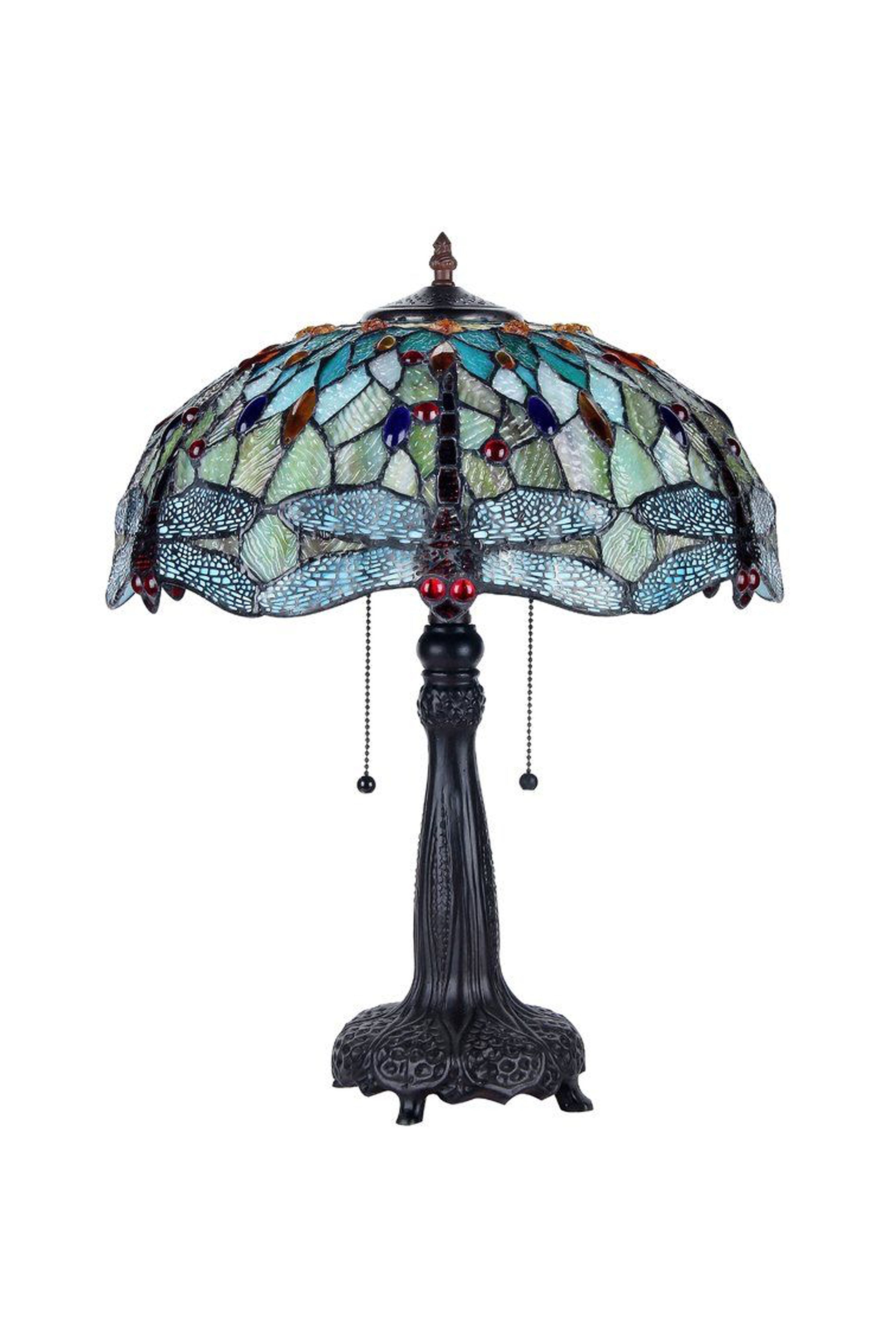
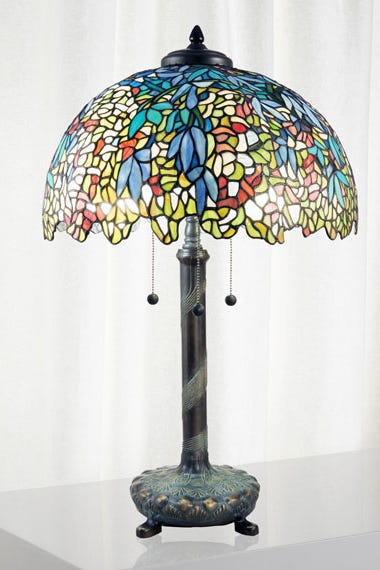
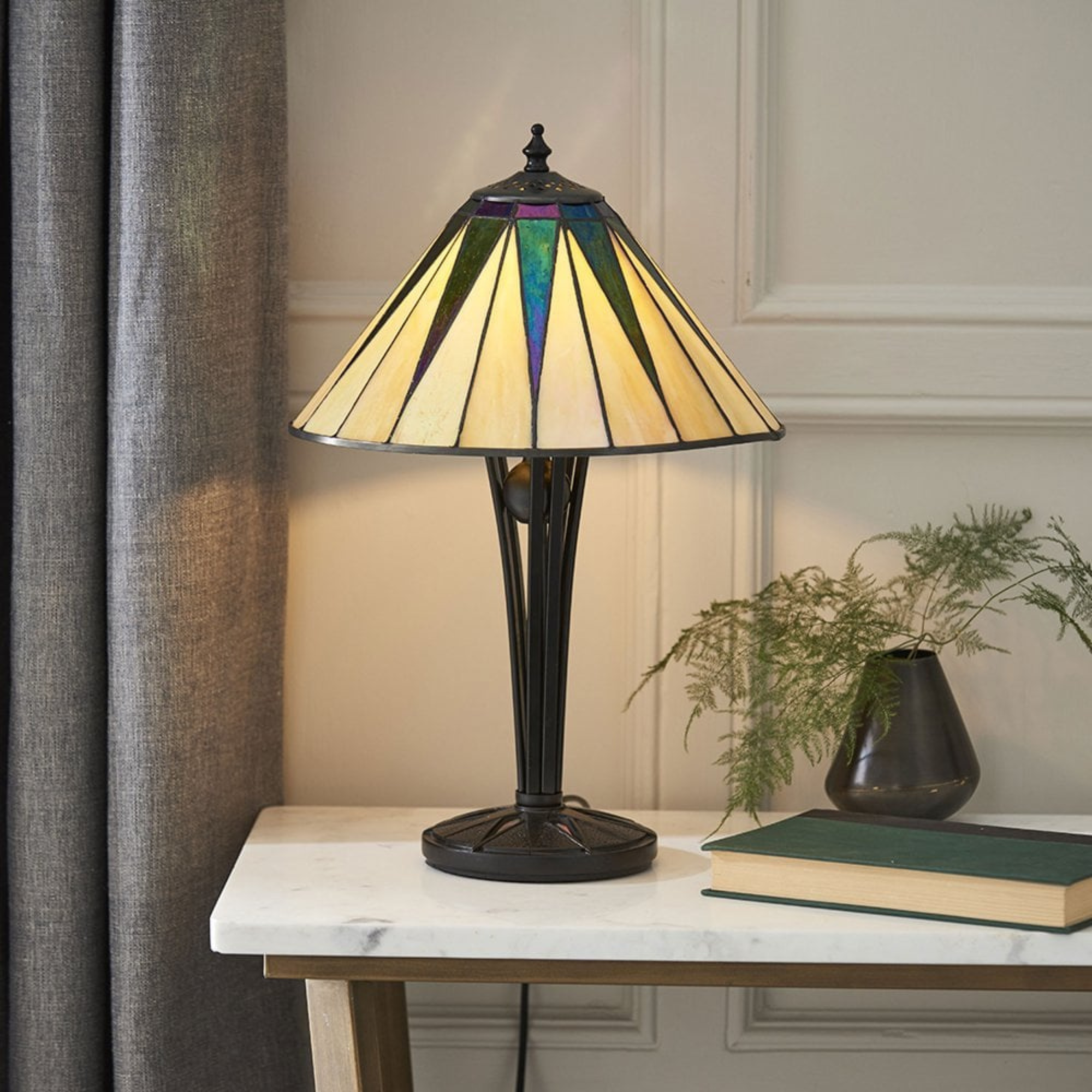
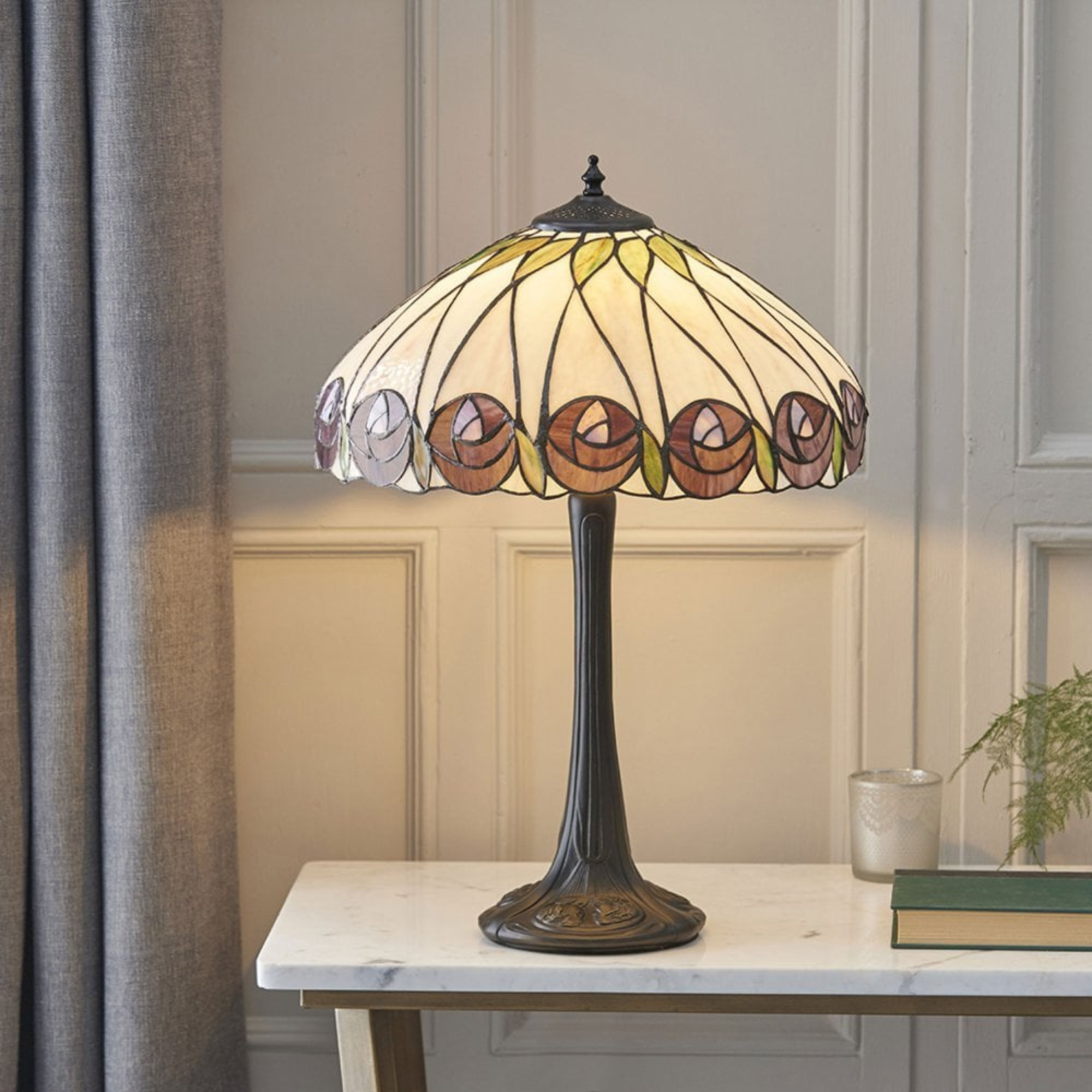
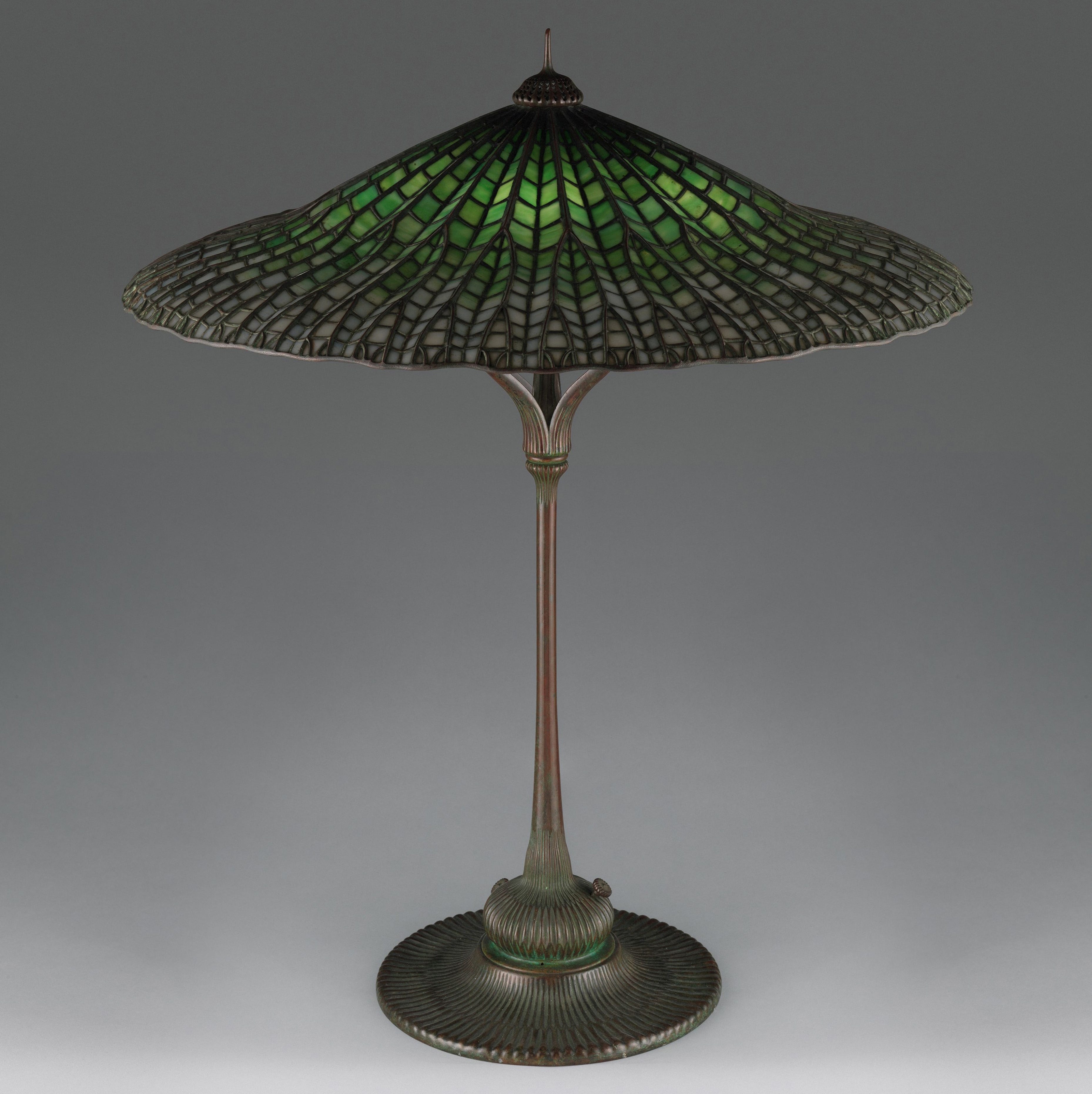
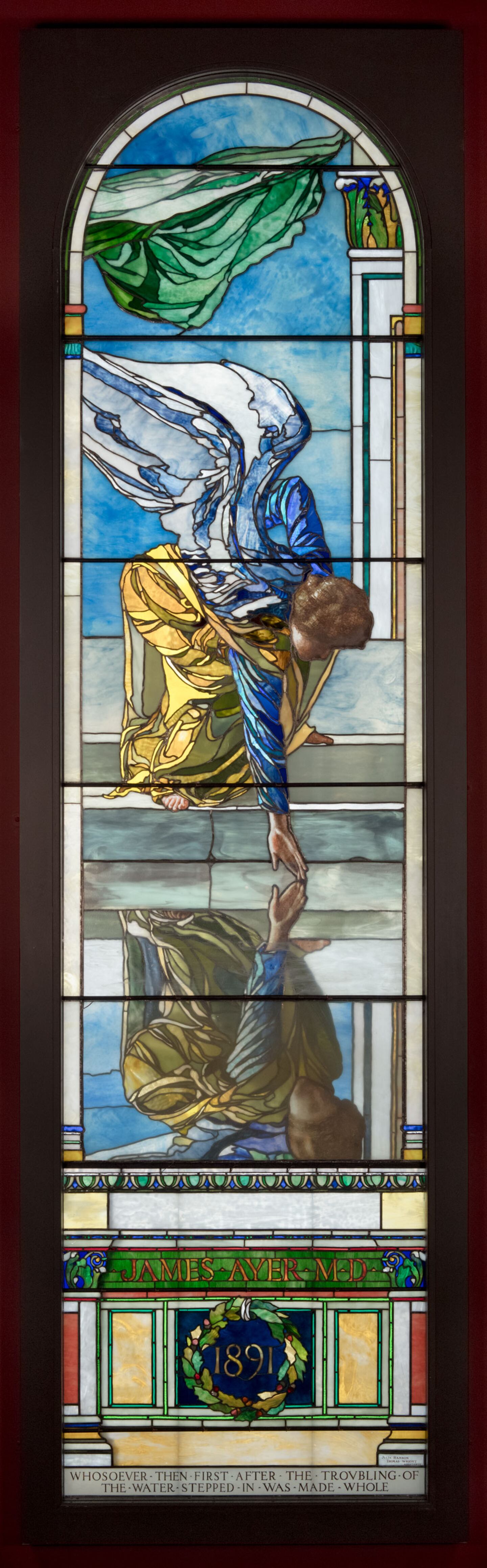
Tiffany's fascination with glasswork led to the formation of the Tiffany Glass Company, later known as Tiffany Studios. He established his own glass factory with his father's financial support, aiming to revolutionize the form and function of contemporary glass. The first Tiffany lamp was introduced in 1885 and quickly became a commercial success. These lamps are celebrated for their distinctive stained glass, which features intricate organic patterns, harmonious color palettes, and jewel-like qualities. Tiffany's design philosophy emphasized both aesthetic beauty and practical functionality, aiming to brighten American interior decorating through color and texture.
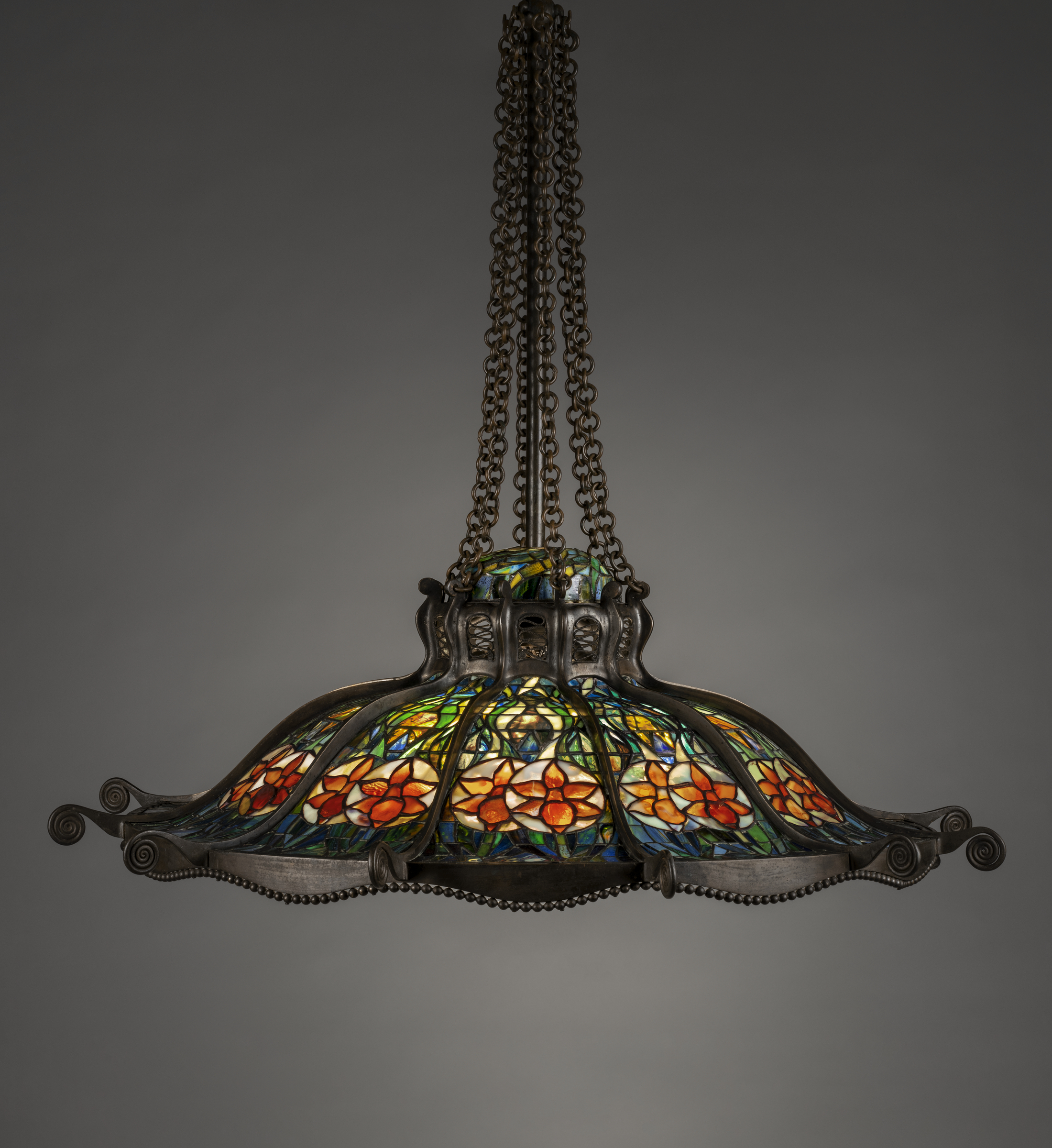
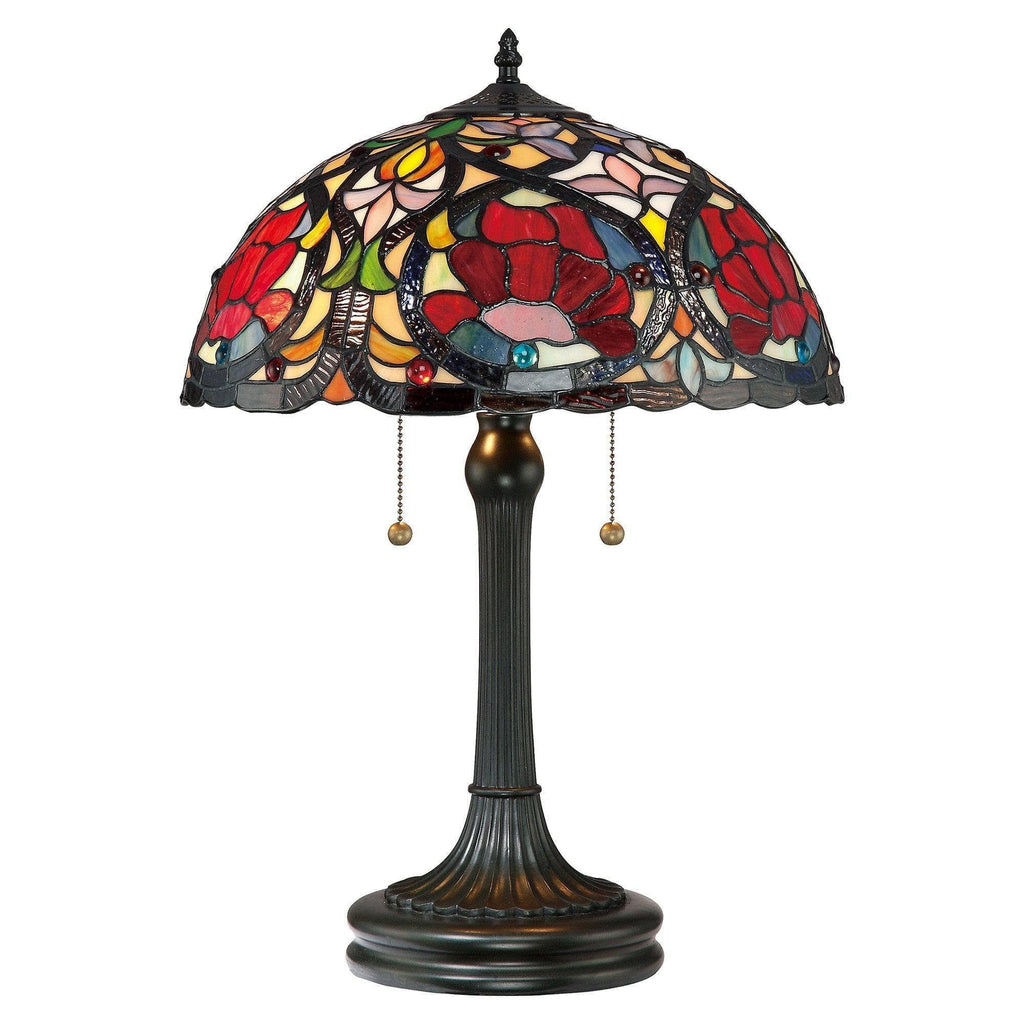
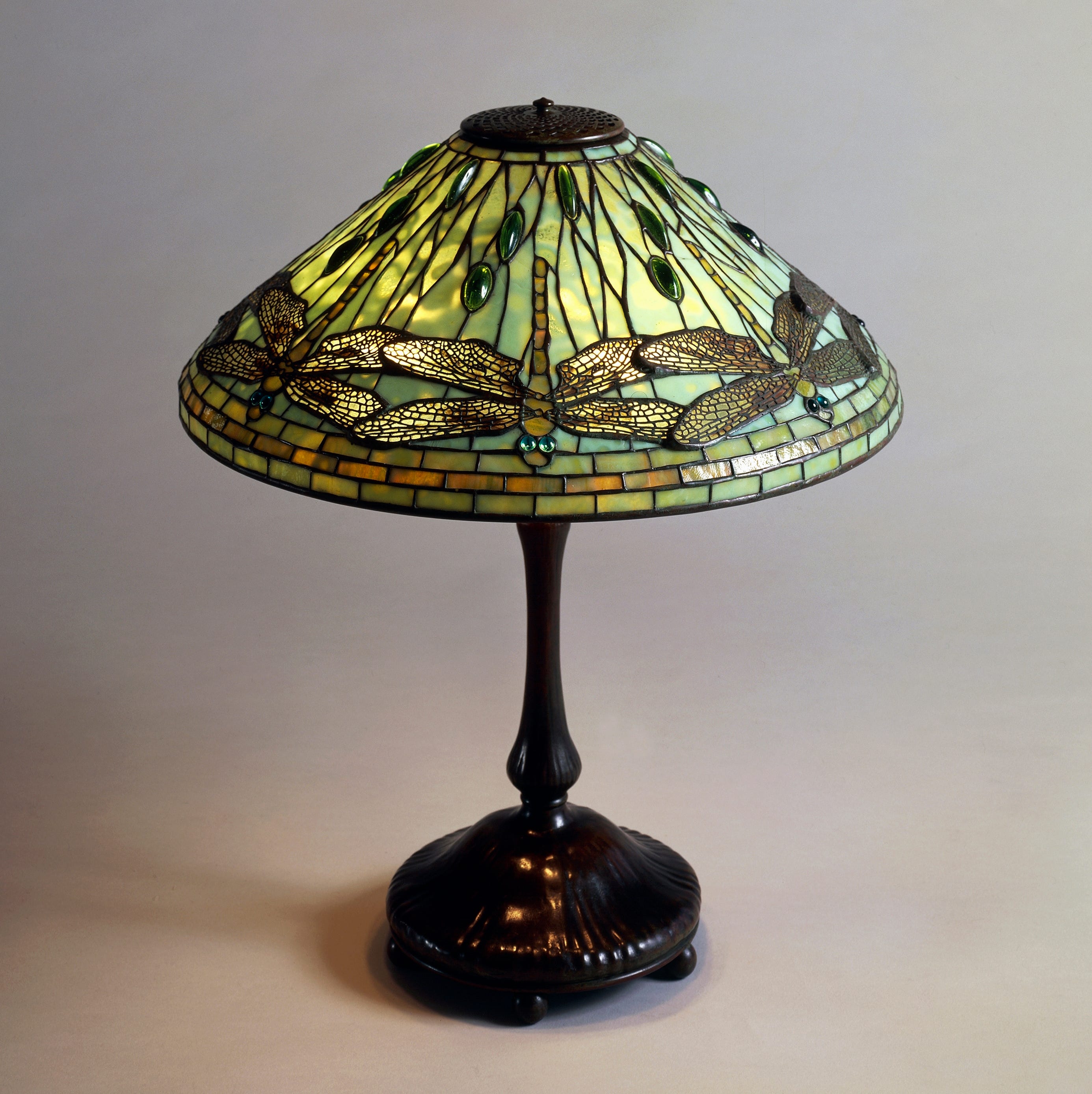
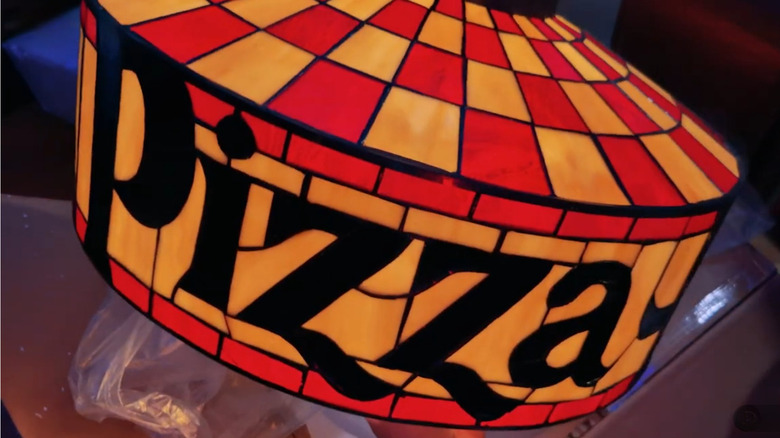
Tiffany lamps frequently incorporate natural motifs such as dragonflies, blossoms, and grapevines, brought to life through a careful arrangement of bold, contrasting, and complementary colors. The translucent, often gauzy or milky, texture of the glass highlights the artisanal craftsmanship and subtle variations in thickness and color saturation. The metalwork connecting the glass pieces is equally distinctive, featuring intricate, undulating designs that contrast with the clean lines of modern metalwork. The lamps' hollow bases are typically made of brass, often adorned with additional decorative elements like art pottery, enamel, or mosaic work, chosen to complement the lampshade designs.
Tiffany lamps bridged the artistic gap between past and future, embodying the forward-thinking Art Nouveau movement prevalent in Europe and the United States while simultaneously evoking the nostalgia of Gothic stained glass and medieval cloisonné. Tiffany’s innovative approach to glassmaking was driven by his dissatisfaction with commercially available glass, which lacked the natural impurities he valued for their unique variations in texture, color, and translucence. He even used affordable discarded jars and bottles in his early works to achieve desired effects.
As the demand for his lamps grew, Tiffany established his own factory in Queens, where he could control the glass production process and embrace these impurities. He trademarked his unique glass as "Favrile," a term derived from the Latin word for "made by hand." This allowed him to develop the signature multidimensional, opalescent, jewel-toned glass that defines Tiffany lamps. Furthermore, he refined centuries-old glass joining techniques, using copper foil instead of traditional lead in his "came glasswork" method, which enabled unprecedented levels of detail in his stained glass patterns. The term "Tiffany lamp" has since become synonymous with a broader style of leaded came glasswork, even for pieces not produced by his studios.
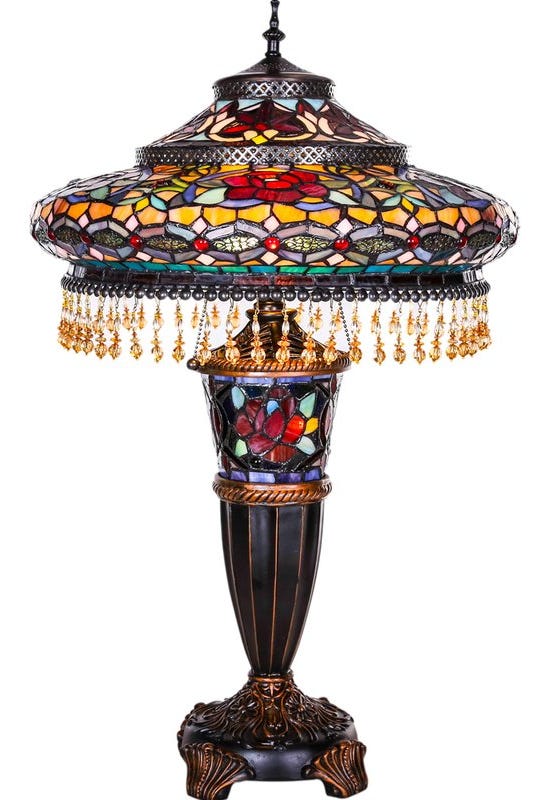
The creation of Tiffany lamps involved a team of skilled artisans, including a significant number of women, often referred to as the "Tiffany Girls." These women, working in departments such as the Women’s Glass Cutting Department supervised by Clara Driscoll, played a crucial role in developing the renowned Tiffany aesthetic. They selected and cut colorful glass pieces, often following Tiffany's patterns but sometimes introducing their own motifs. Tiffany lamps continue to be highly valuable and fashionable today, with authentic pieces fetching substantial prices at auction, while numerous affordable alternatives keep the aesthetic widely accessible.
#LouisComfortTiffany #TiffanyLamps #StainedGlass #DecorativeArts #ArtNouveau #AmericanDesign #Glasswork #InteriorDecorating #TiffanyStudios #CameGlasswork #LouisComfortTiffany #TiffanyLamps #StainedGlass #DecorativeArts #ArtNouveau #AmericanDesign #Glasswork #InteriorDecorating #TiffanyStudios #CameGlasswork
0 comment in total
 No comments yet
You may also like
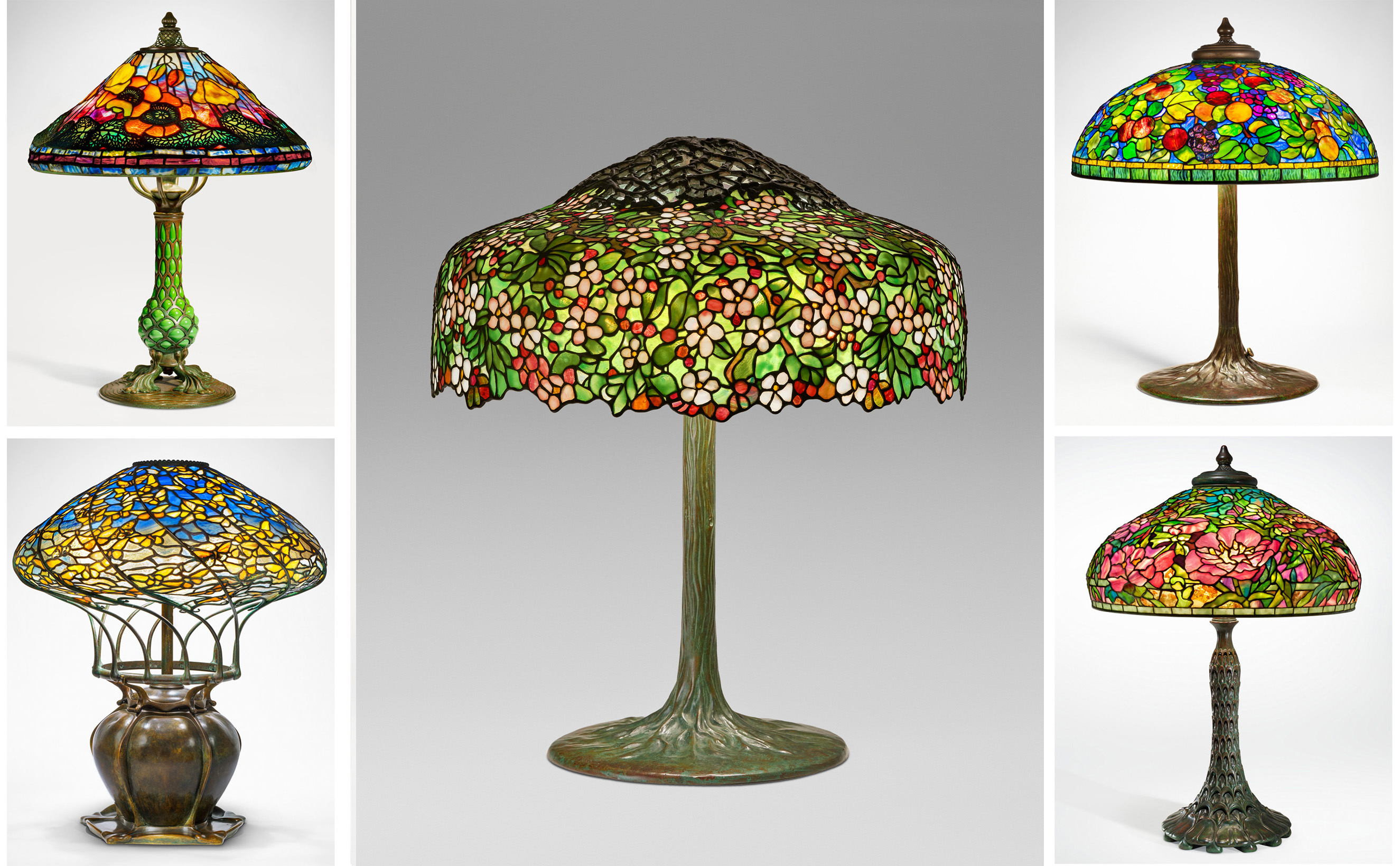
Tiffany lamps: 10 things you need to know to collect leaded glass lighting by Louis Comfort Tiffany

Laurent Lighting from Lambert & Fils

Lucifer Lighting's fixtures are designed to ‘define and disappear’

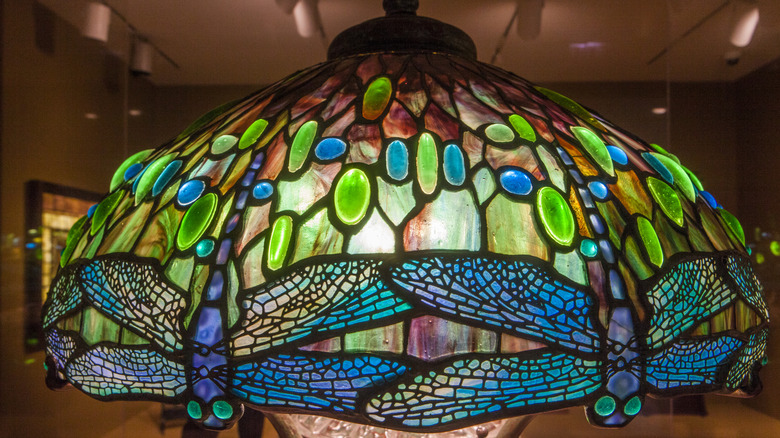
Thank These 2 Chain Restaurants For Today's Vintage Lamp Nostalgia

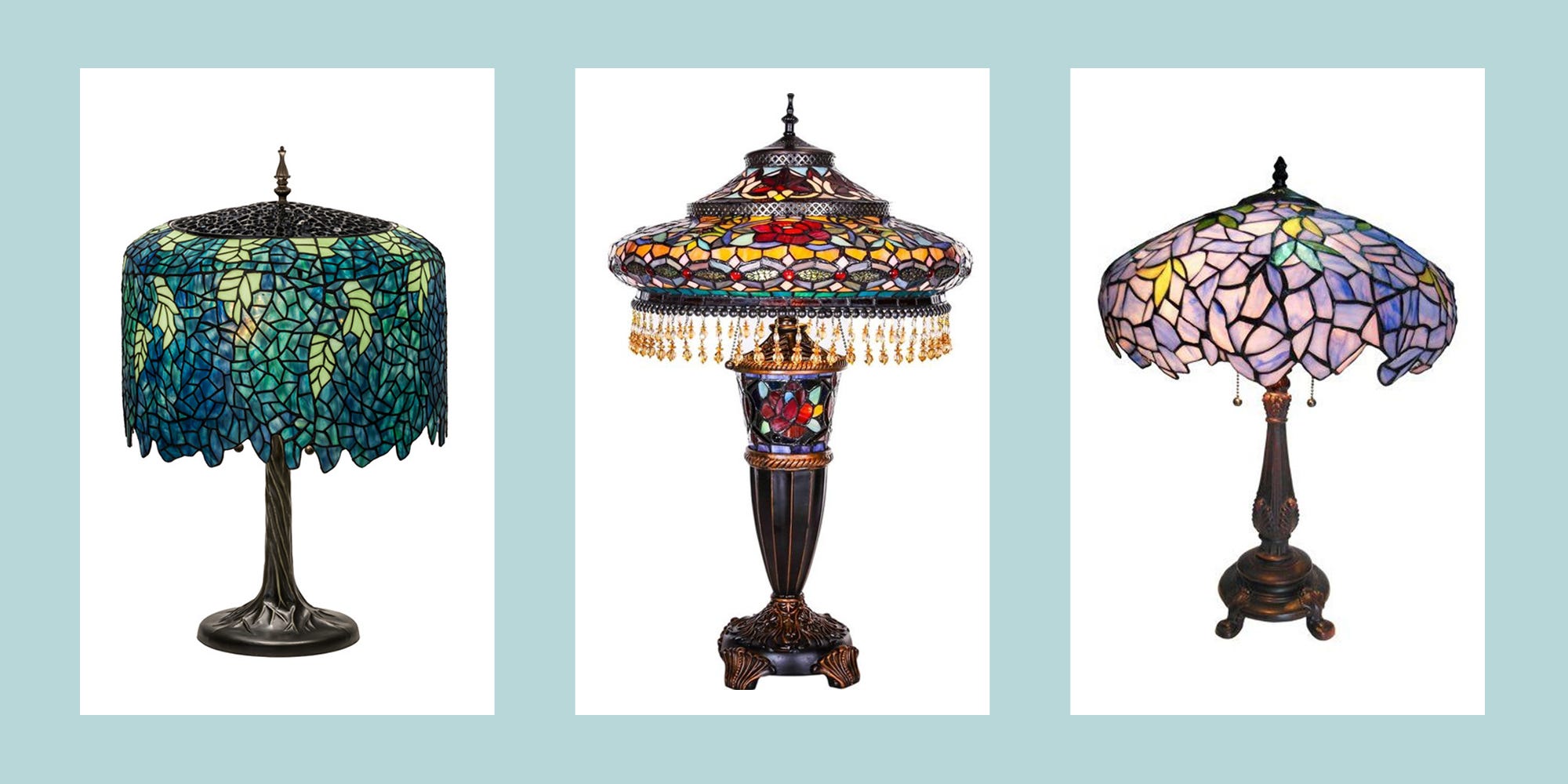
These Tiffany-Style Lamps Are As Close As You'll Get to the Real Thing

Stanley Tucci’s Kitchen Features an Unexpected Overhead Lighting Choice That’s Made Me Rethink How I Illuminate My Own Cooking Space in 2026

The Light Factory founder turned an idea into extraordinary light fixtures and a thriving company


Iconic Lamps — 7 Timeless Classics Interior Designers Say Inspire How You Light Your Home Now

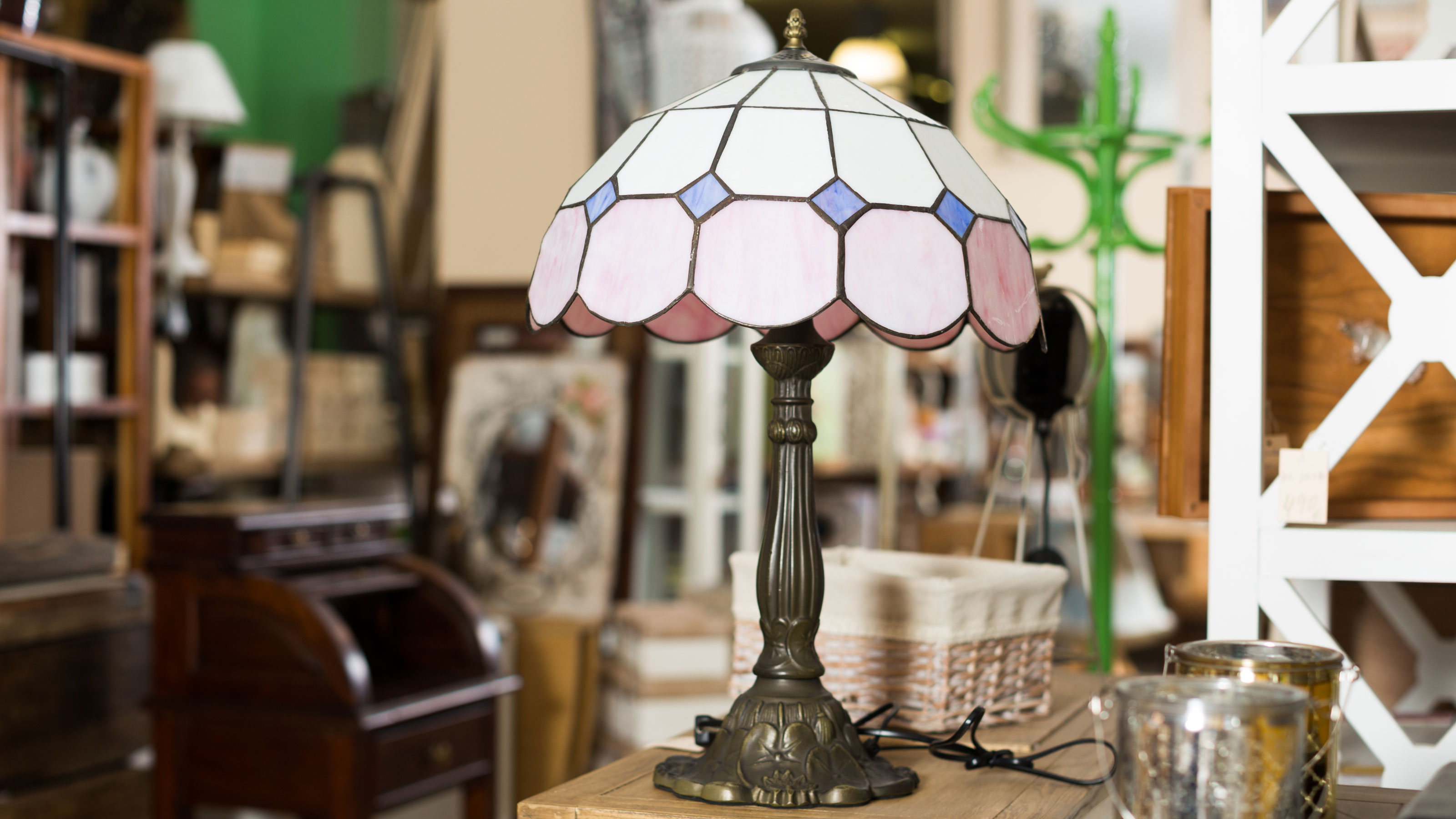
Tiffany lamps have had a huge comeback for 2025 - how to style this nostalgic lighting trend
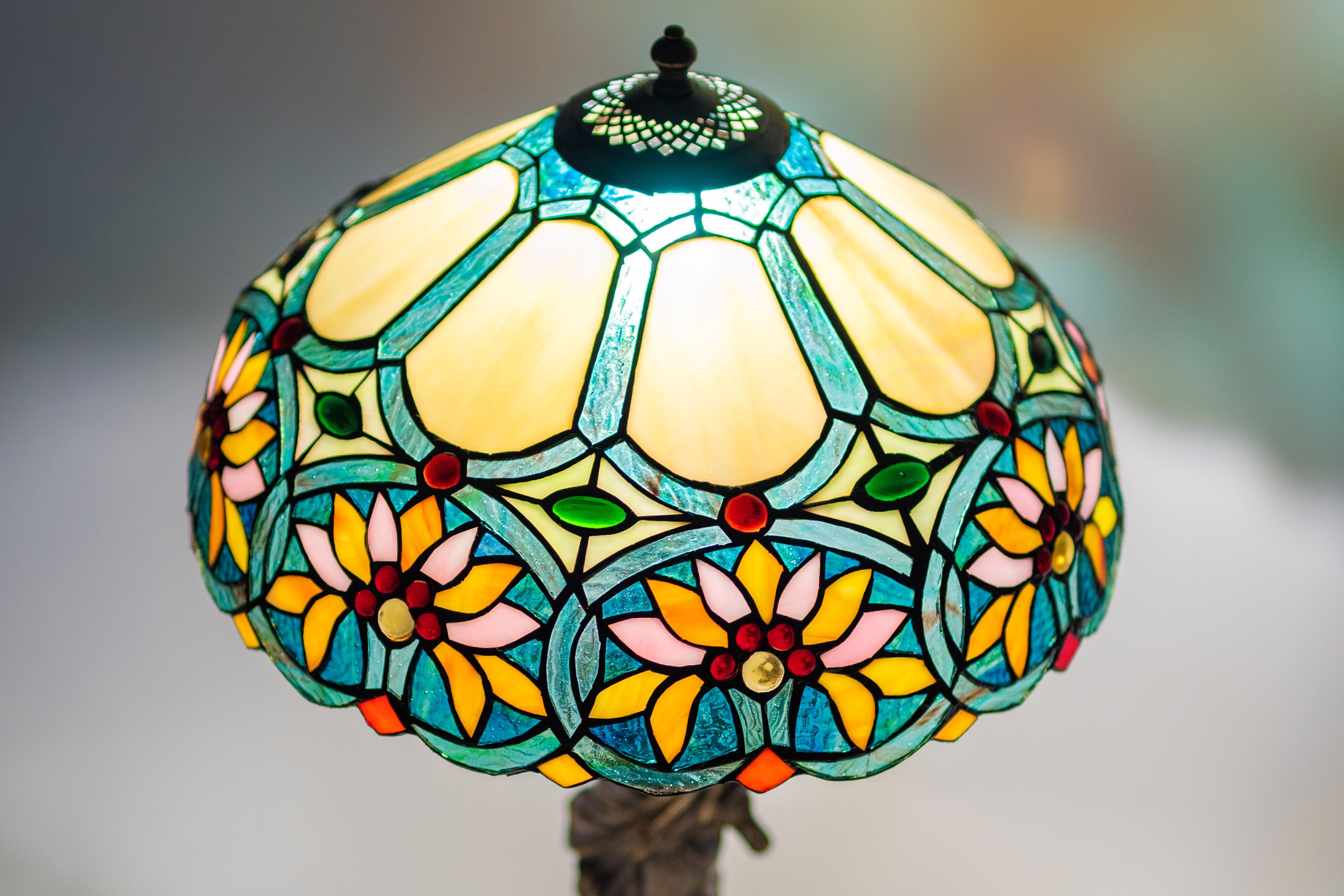
Tiffany Lamps Are Gen Z's Newest Vintage Obsession—Here's Why

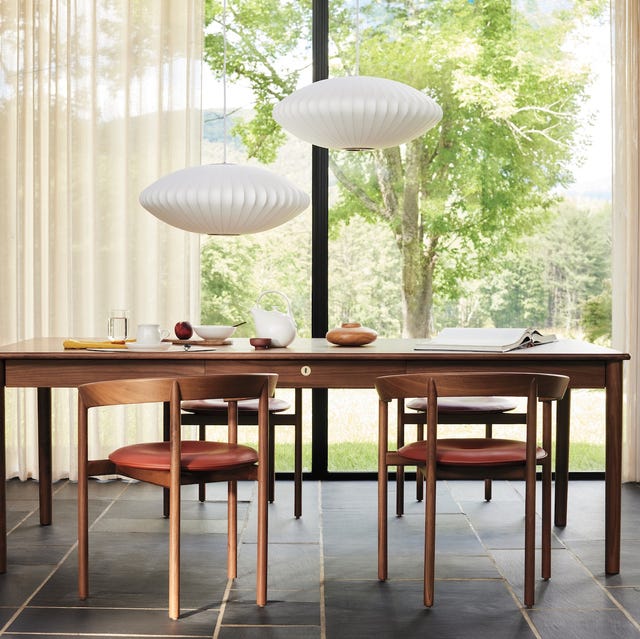
20 Iconic Lamps Every Design Lover Should Know by Heart


Staying power: Luminaire traces Antonio Citterio’s illustrious career
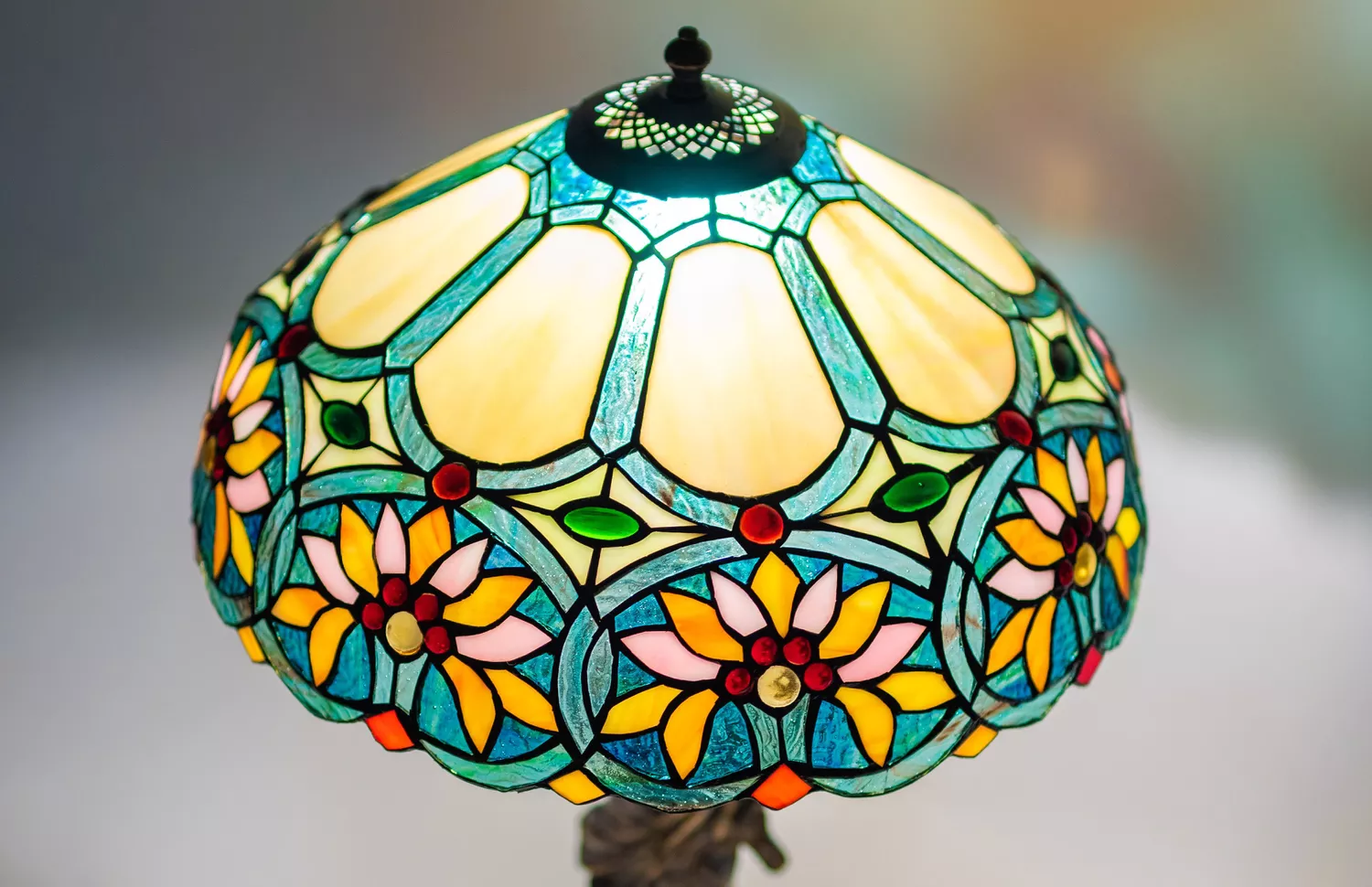
Grandma's Tiffany Lamps Are Trending Again—Here's How Designers Like To Style Them

skinflint Restores 1920s–1970s Lighting for Homes, Restaurants + Shops
The Dedicate Lamp Cranes Above the Rest With Its Versatility

digital technology & traditional craftsmanship merge in 'candelera' lighting fixture series
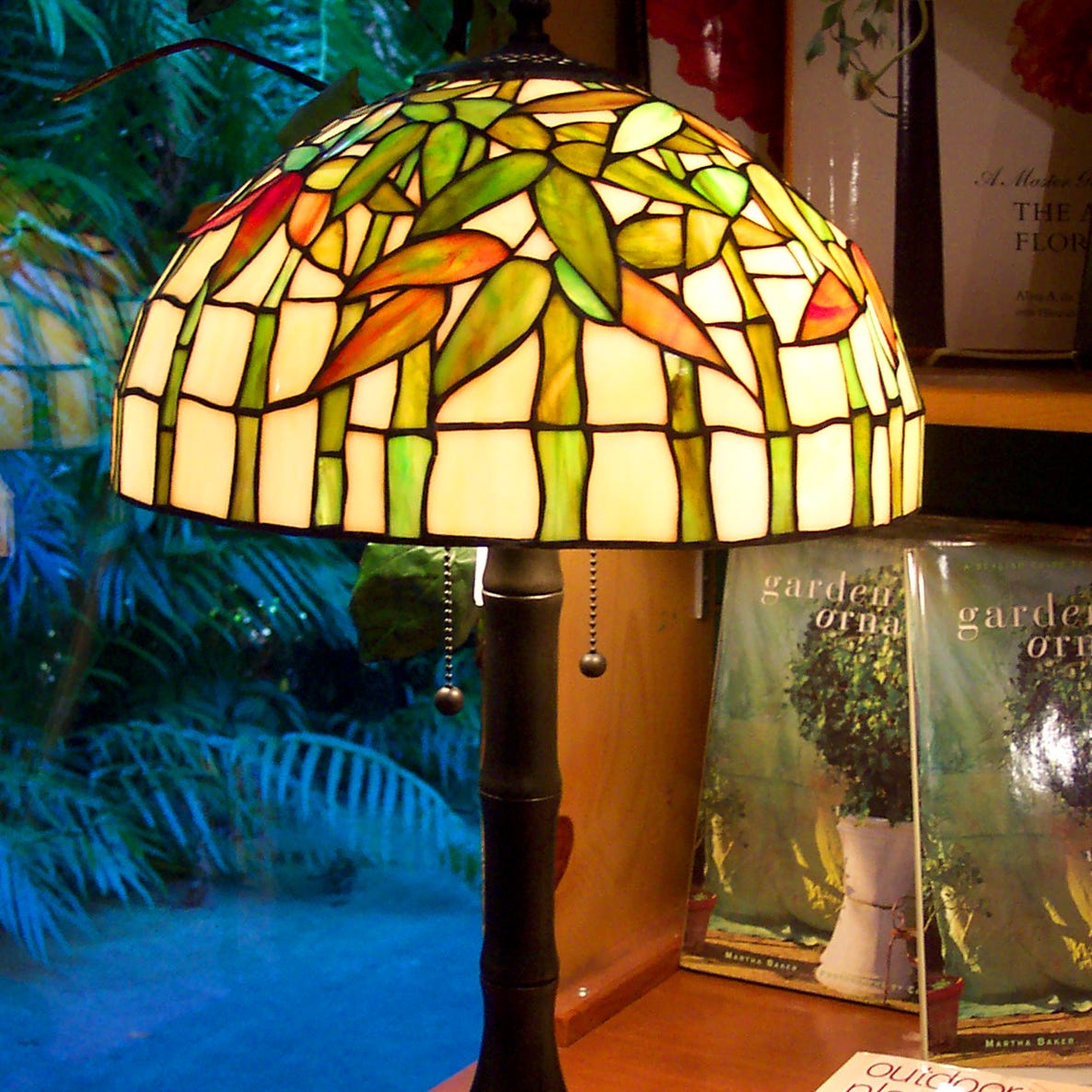
Tiffany-Style Lamps: The Next Big Lighting Trend To Illuminate Your Home
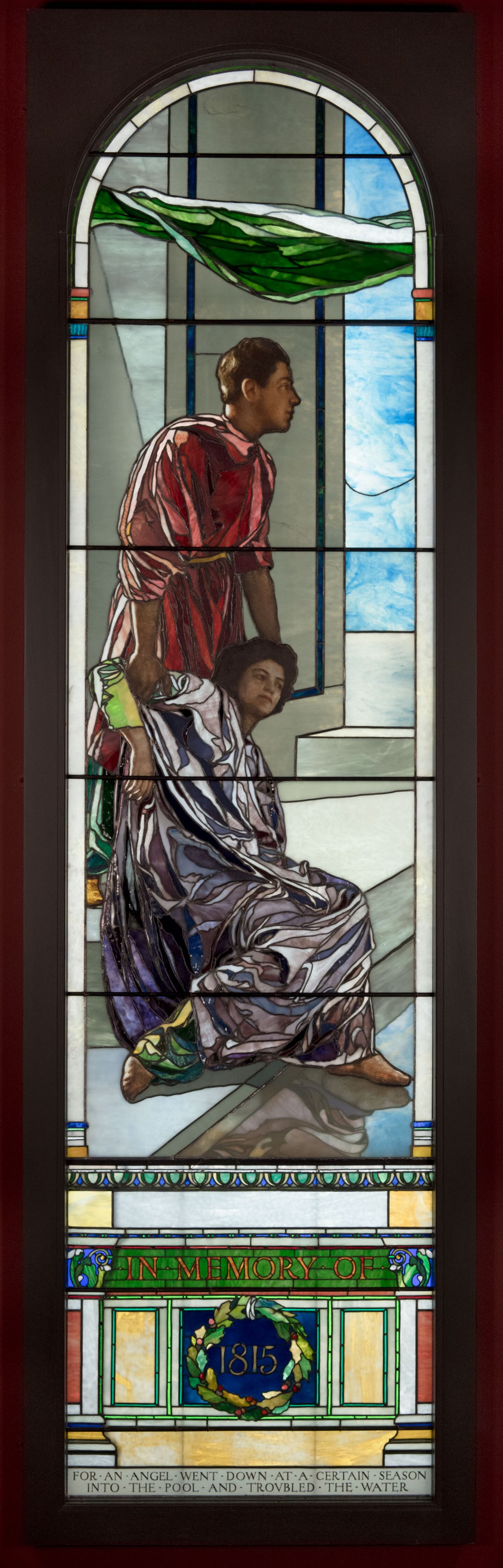
A Tiffany rival, and a genius of stained glass

I needed to find an affordable look-a-like for this vintage lamp
Spotlight on the Dimmer Switch: Handy Home Device Honored by American History Museum