Spotlight on the Dimmer Switch: Handy Home Device Honored by American History Museum
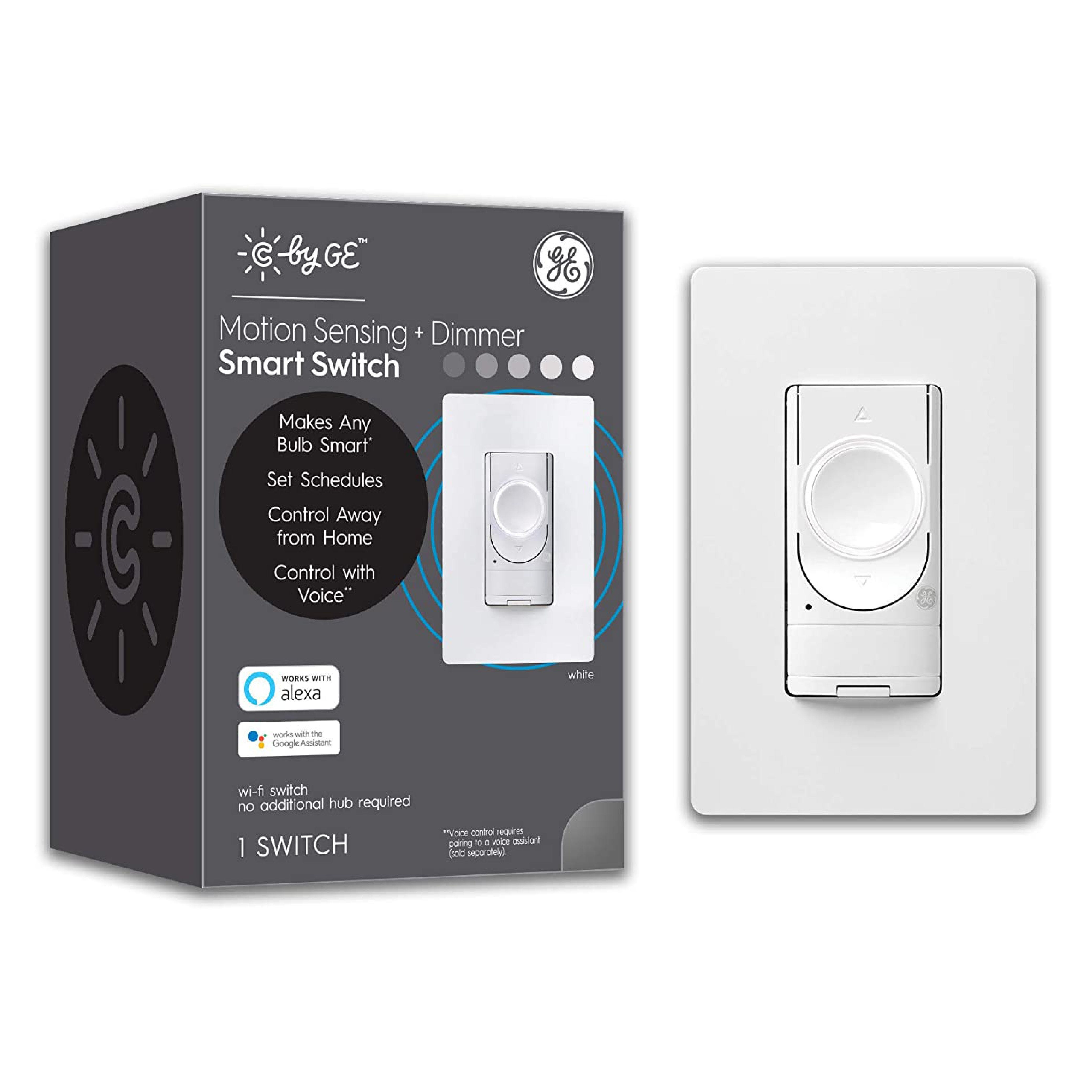
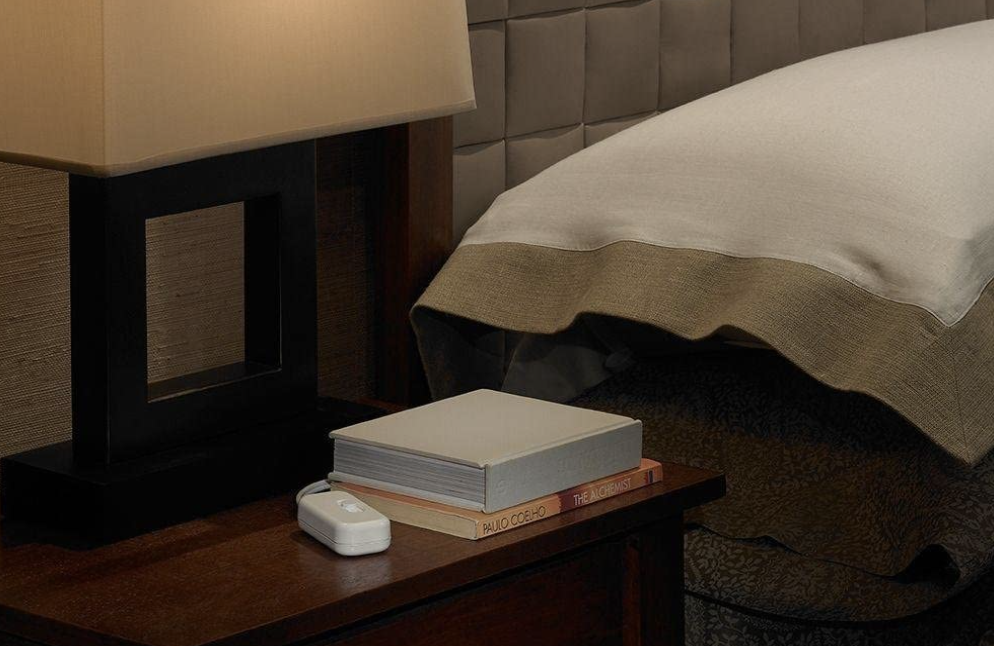
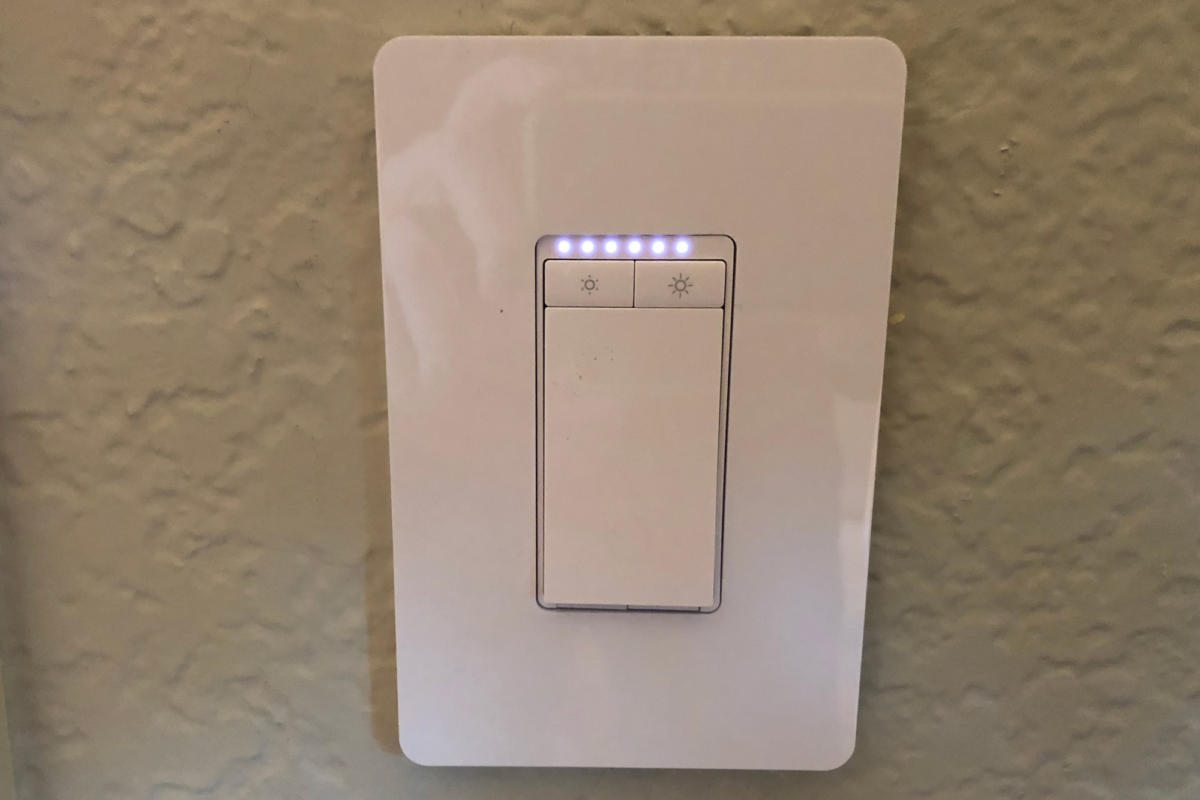
The National Museum of American History has added an assortment of dimmer switches to its collections, recognizing the device's significant role in advancing gracious and elegant living in late 20th-century American homes. This donation highlights the often-overlooked importance of lighting design and control in creating a comfortable and aesthetically pleasing home environment. Dimmers provide users with greater control over their living and working spaces, allowing them to adjust lighting levels to suit various occasions, from romantic evenings to dinner parties. The ability to subtly change light intensity throughout an event can transform the ambiance of a room, moving from bright, inviting illumination to a softer, more intimate glow akin to candlelight.
Beyond their aesthetic contributions, dimmer switches are also acknowledged for their energy-saving capabilities, a particularly relevant feature in an era focused on energy efficiency. Pennsylvania congressman Charlie Dent emphasized this point during the donation event, stating that if every American home installed just two dimmer switches, it could lead to an annual saving of 10 billion kilowatt-hours of electricity and approximately 1 billion dollars. This highlights the practical and economic benefits associated with widespread adoption of dimmer technology.
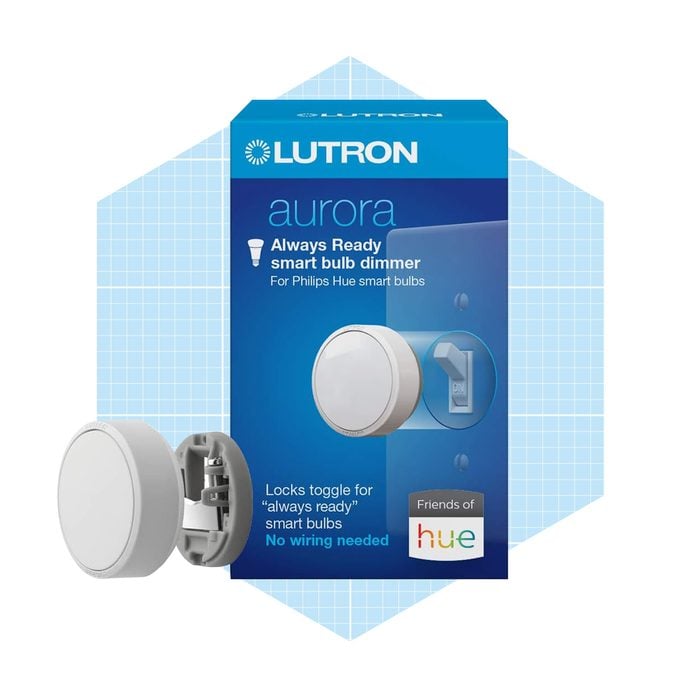
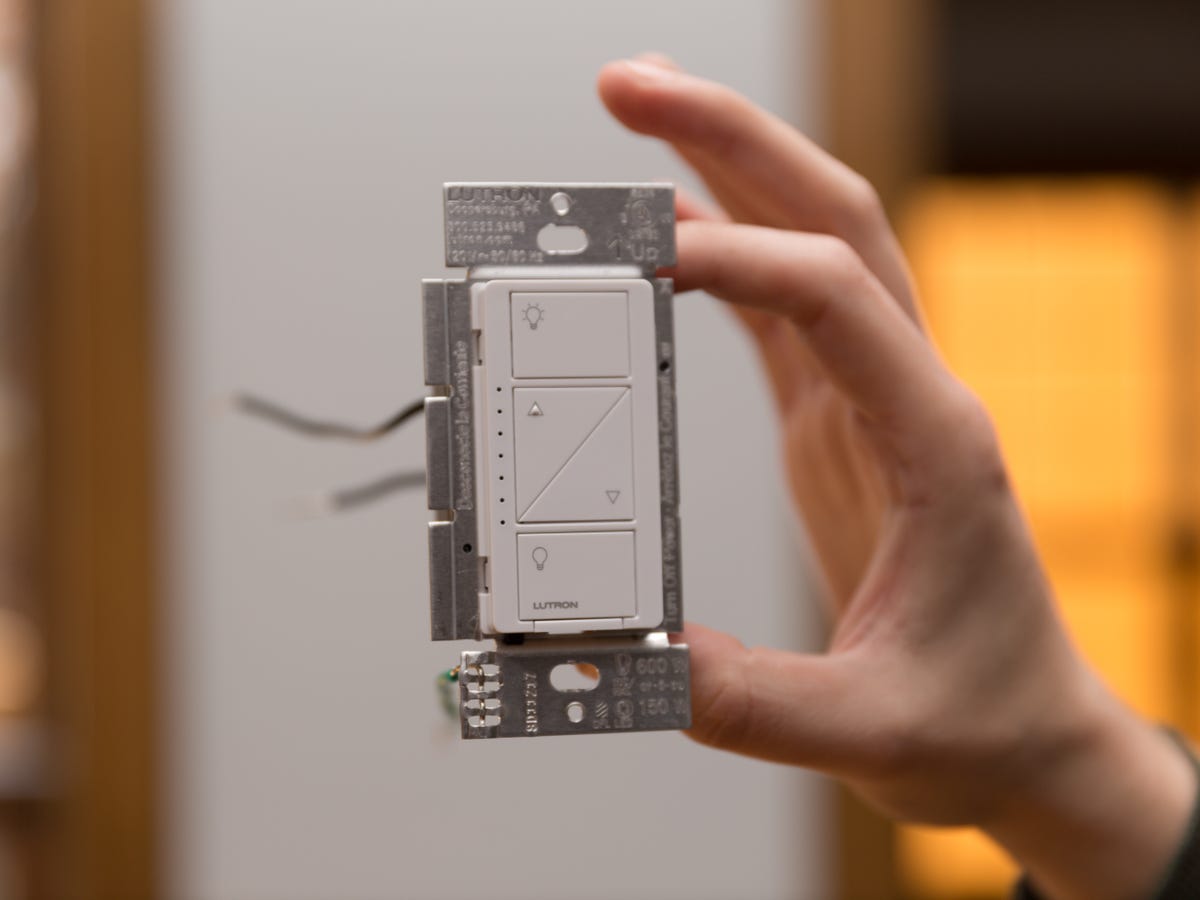
Joel Spira, inventor and founder of Lutron Electronics, played a pivotal role in popularizing dimmer switches for residential use. While dimming devices were available for automobiles, theaters, and commercial buildings earlier in the 20th century, their integration into homes was initially hampered by their bulky, expensive, and heat-generating designs, which required specialized installations. Spira's innovation in the early 1960s led to the development of the first solid-state electronic dimming device that was compact, economical, and simple enough for the average homeowner to install. This breakthrough made dimmer switches accessible to a broader market, transforming household lighting control.
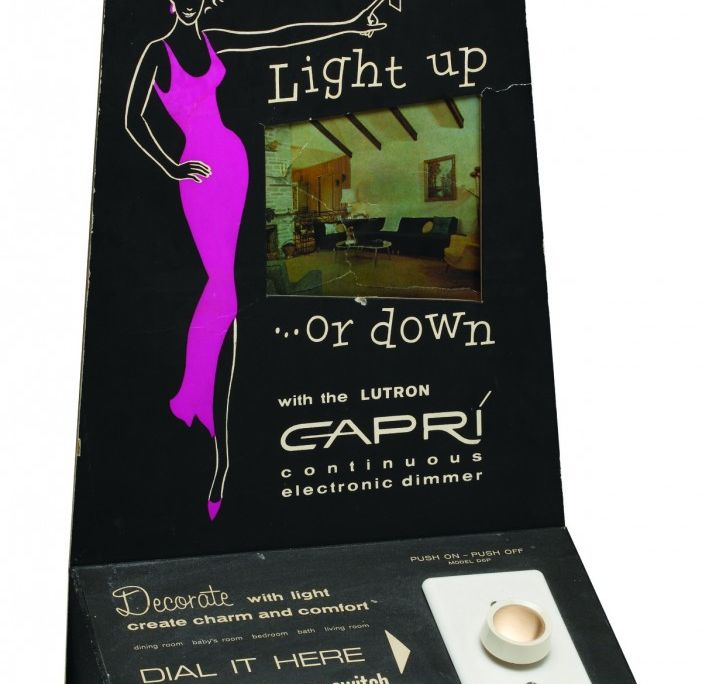
Spira's donation to the Smithsonian includes a comprehensive collection spanning 50 years of Lutron-produced lighting control products, along with his notebooks, photographs, and brochures. A notable item among the donations is a 1964 cardboard standee advertising the Lutron Capri dimmer switch, featuring a woman in an evening gown and the slogan "Light up... or down with the Lutron Capri," underscoring the cosmetic appeal and modern convenience of the device. Although there is no immediate information on when these items will be publicly displayed, the inclusion of the dimmer switch in the Smithsonian's collection underscores its historical significance as an example of American creativity and innovation that has subtly, yet profoundly, impacted daily life. The article implicitly encourages readers to consider the effectiveness of their own home lighting and the potential benefits of incorporating dimmer switches.
#DimmerSwitch #HomeLighting #AmericanHistory #JoelSpira #LutronElectronics #EnergyEfficiency #SmithsonianMuseum #HomeInnovation #LightingTechnology #DimmerSwitch #HomeLighting #AmericanHistory #JoelSpira #LutronElectronics #EnergyEfficiency #SmithsonianMuseum #HomeInnovation #LightingTechnology
0 comment in total
 No comments yet
You may also like
These migraine-inducing GIFs will show you which LEDs to avoid

Wemo Wi-Fi Smart Dimmer Light Switch review

Review: Insteon Dimmer Switch is no ordinary light switch


10 Best Smart Switches for Home Automation


This $17 Designer Secret Fixed My Constantly Flickering Dimmer Switch

Brilliant Smart Dimmer Switch review: A simple addition to a luxe smart home system

The new Philips Hue dimmer switch is remarkable
Govee x JBL Table Lamp 2 Pro review: a bold, imaginative fusion of light and sound
ORVIBO Smart Dimmer Switch with Touchscreen review
TreatLife Smart Light and Dimmer Switch Review
Lutron lights up the smart home with connected light switches
TP-Link Smart Wi-Fi Light Switch, Dimmer HS220 review: A solid competitor in the in-wall dimmer space
Halo Home Anyplace Bluetooth Dimmer Switch review: It's not as good as the lights it's designed to control
How to turn the Philips Hue Dimmer Switch into a HomeKit control panel
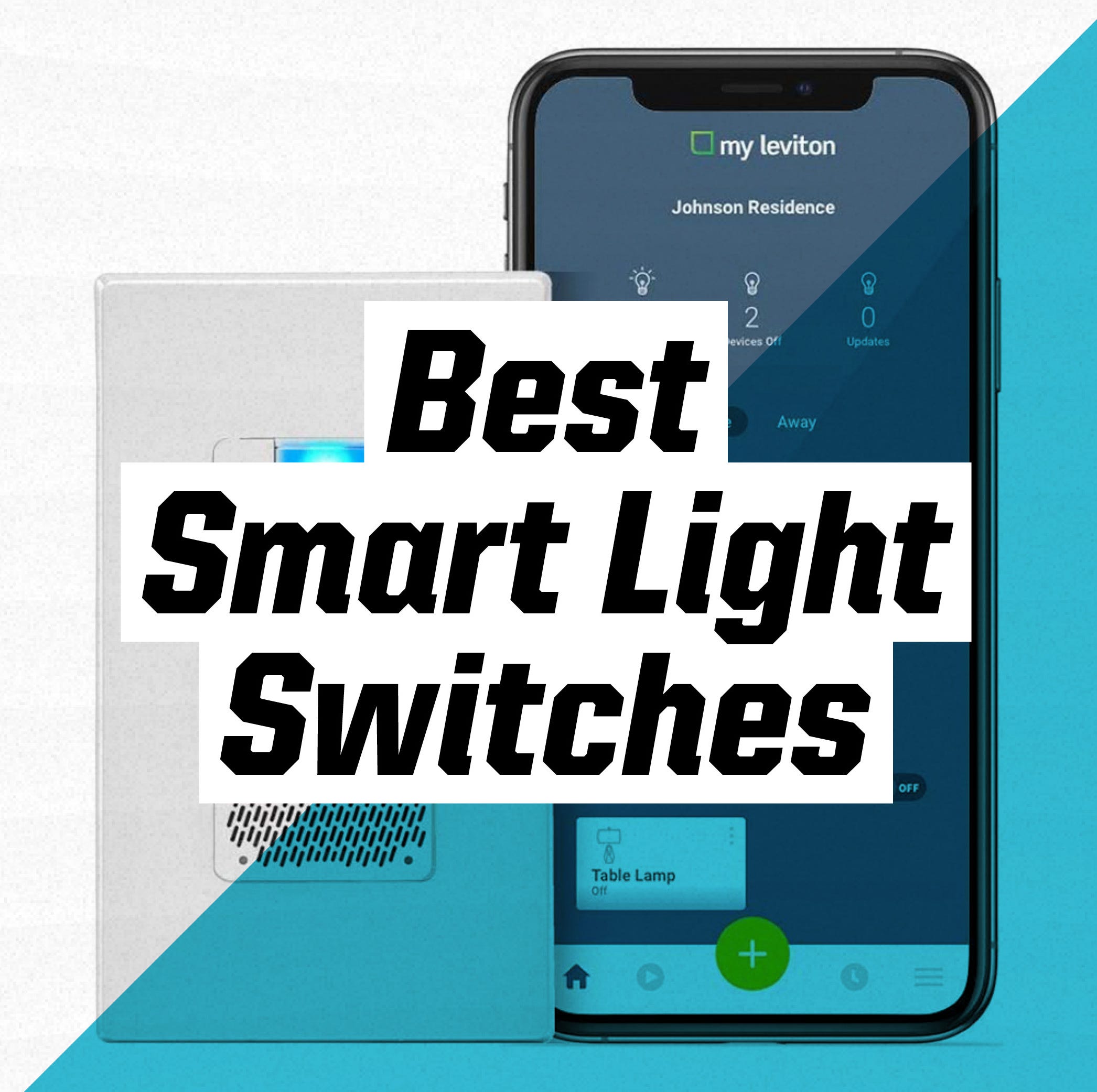
Upgrade Your Lighting With These Smart Light Switches

10 Cool New Tech Gadgets: Dyson's Dust Detecting Vac + Synth in a Box

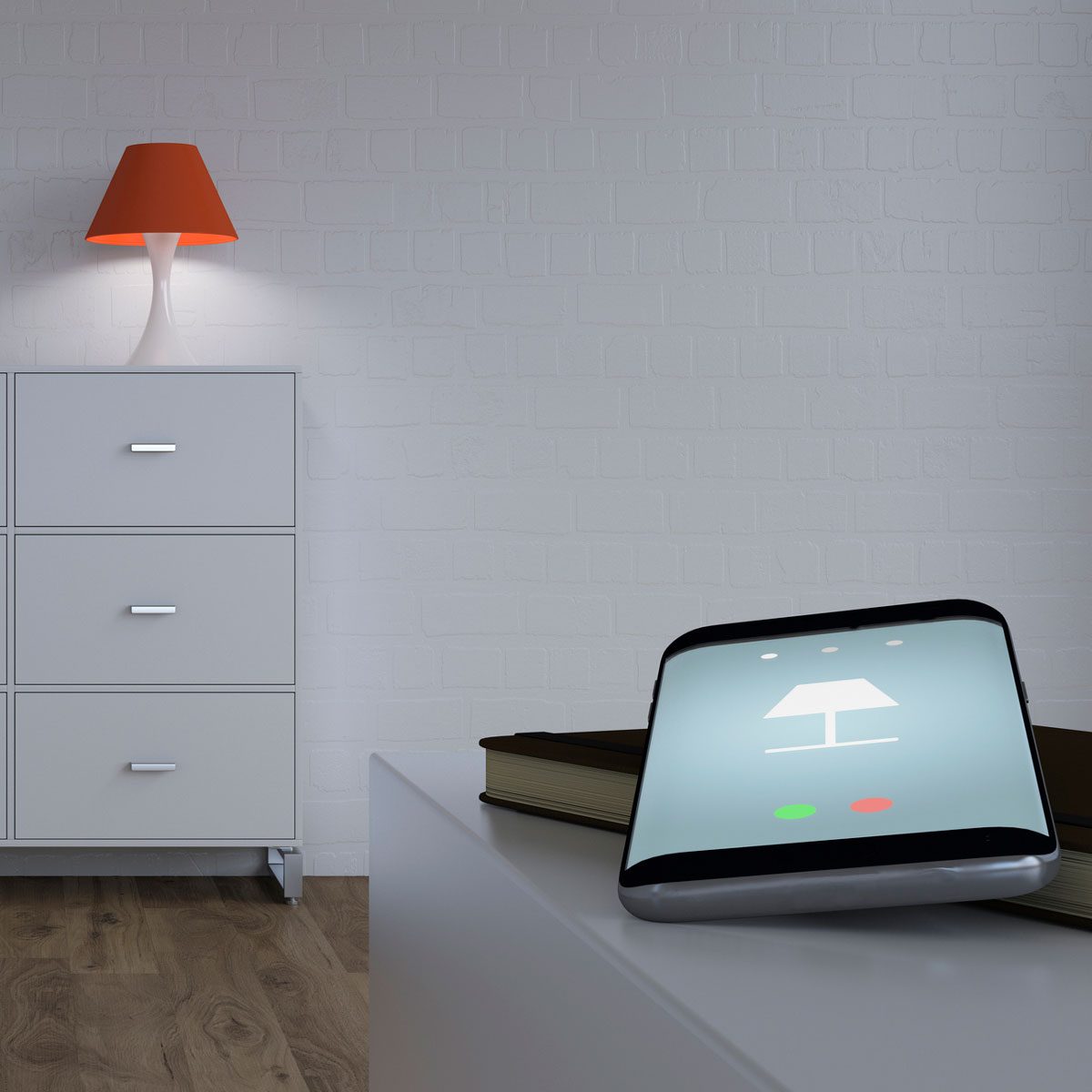
The 8 Best Smart Light Switches and Dimmers of 2025

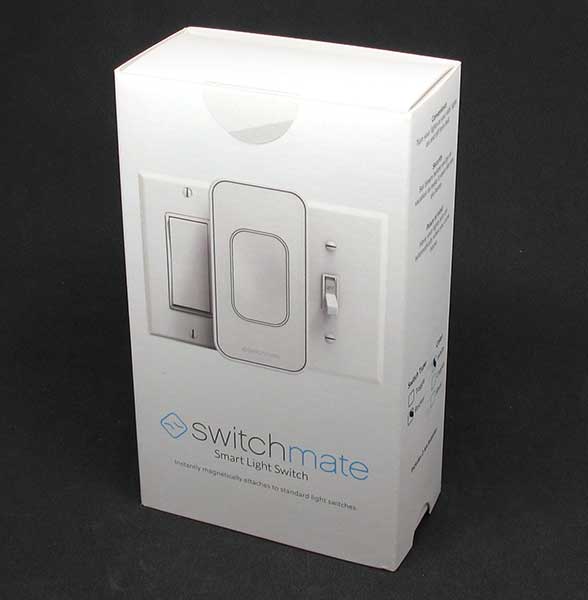
Switchmate Smart Light Switch review
RS Recommends: The Best Dimmer Switches for Studios and Every Room


‘who knew dimmer switches could be so, so sexy?’ - 29 Oct 2019 - OK! Magazine