1/10
Tiffany lamps: 10 things you need to know to collect leaded glass lighting by Louis Comfort Tiffany
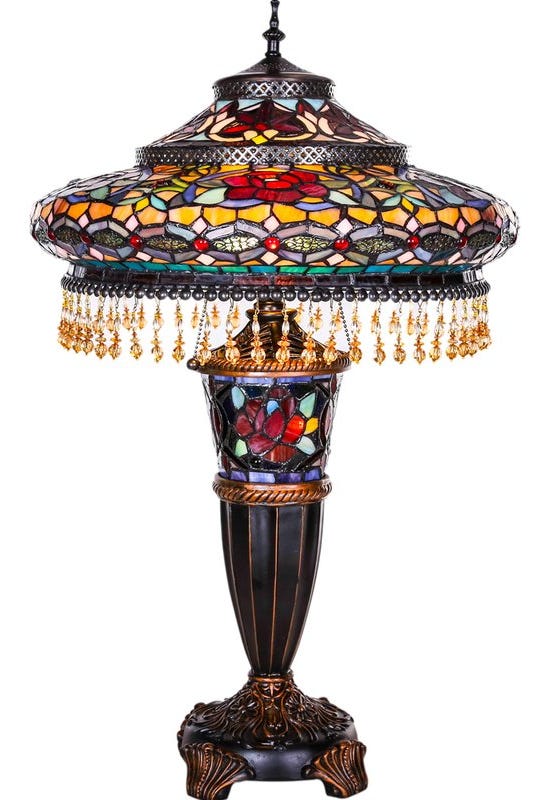
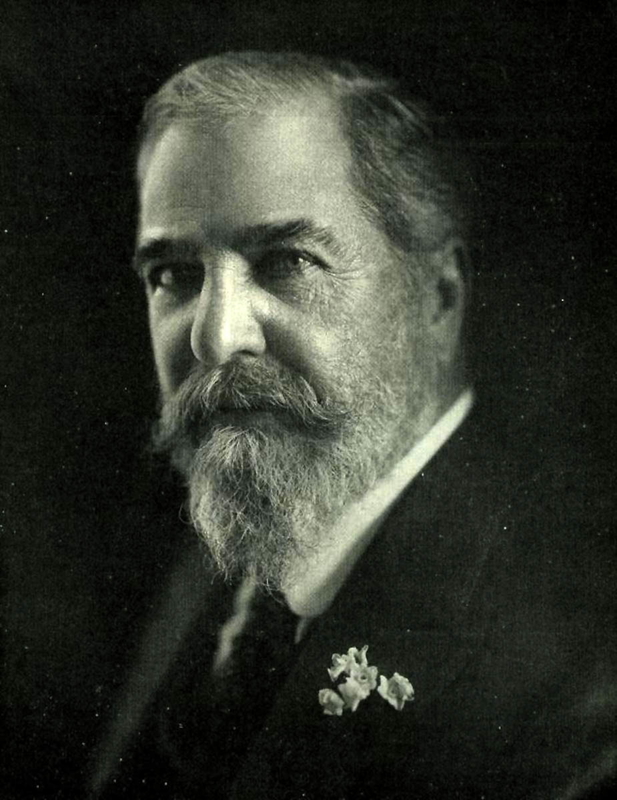
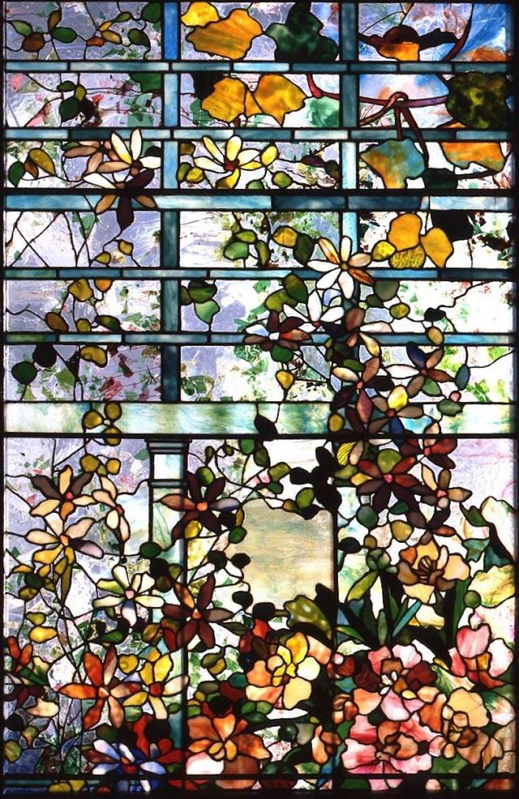
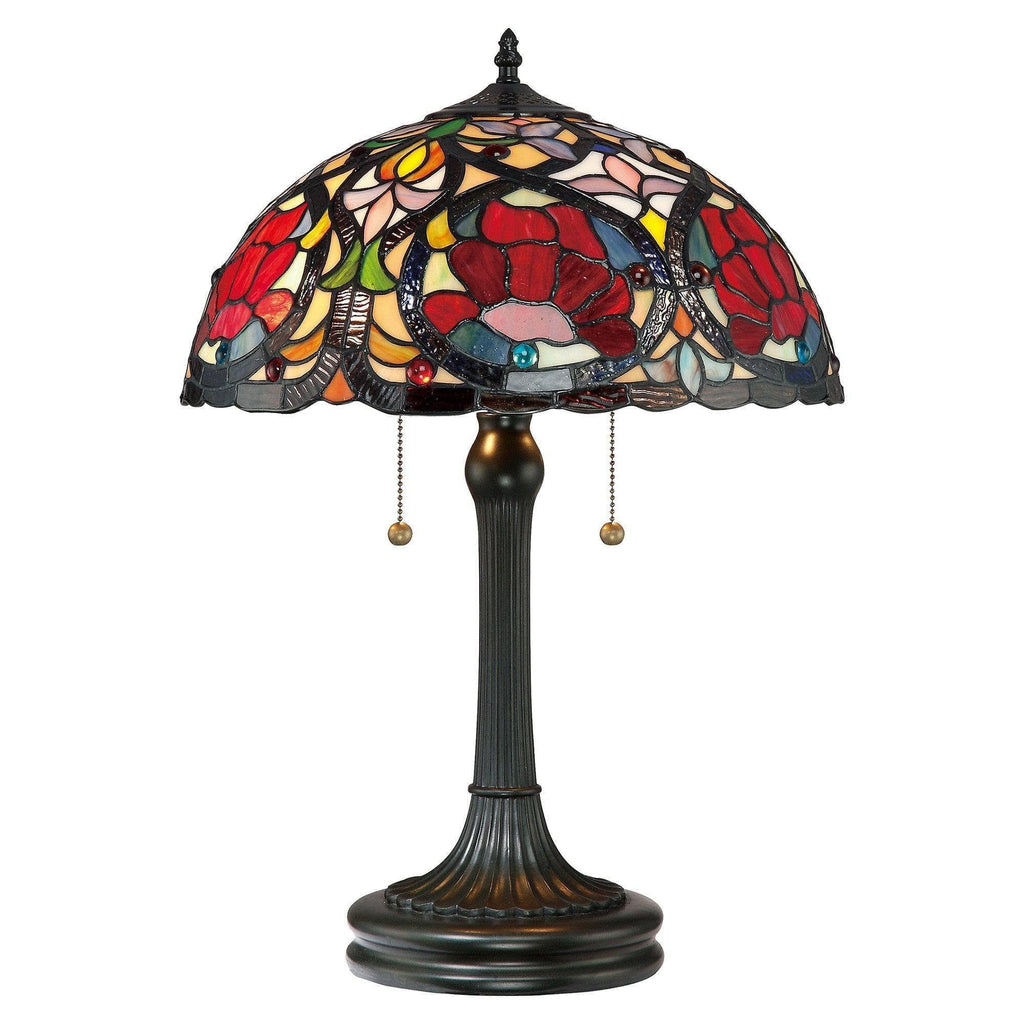
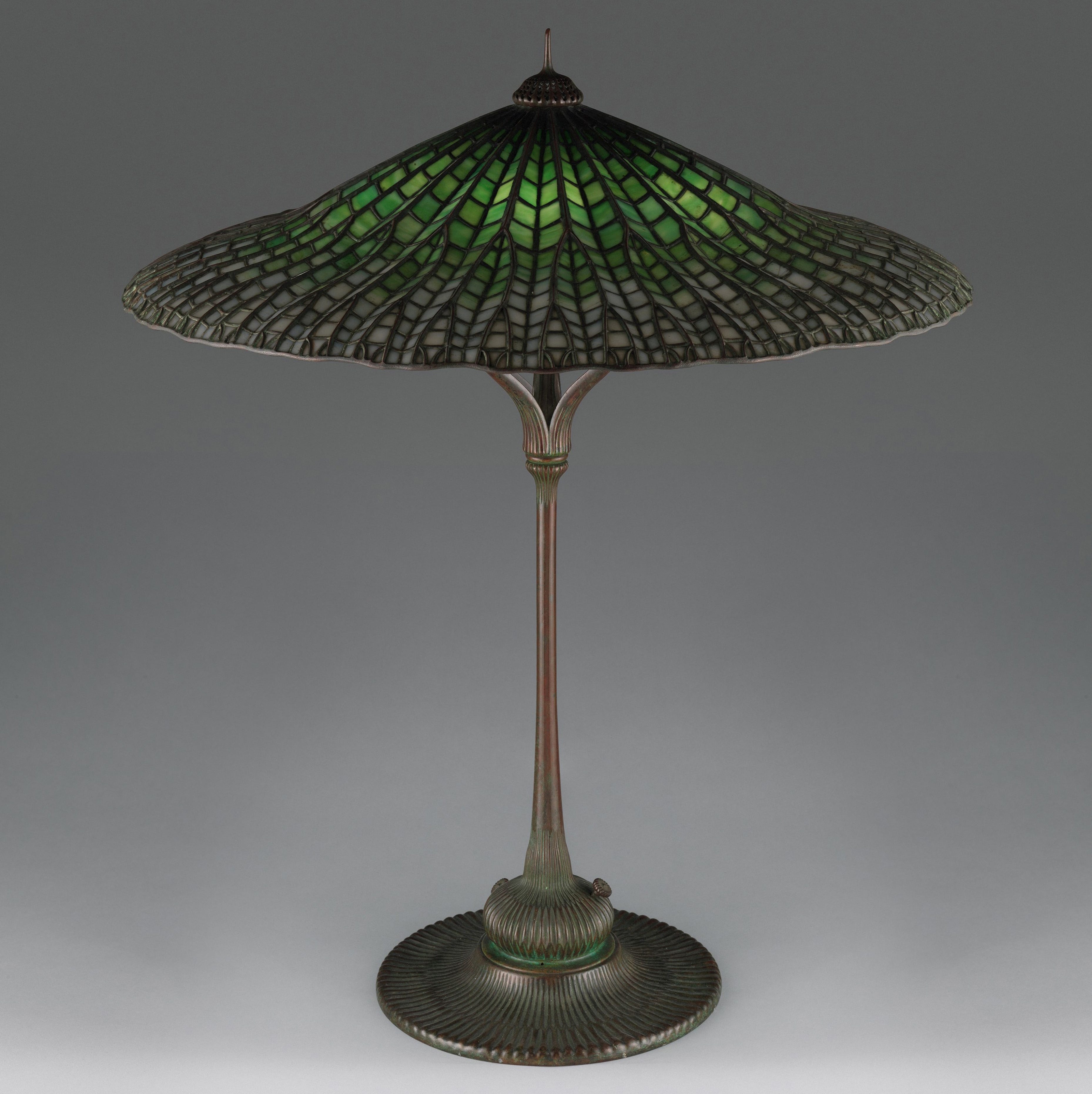
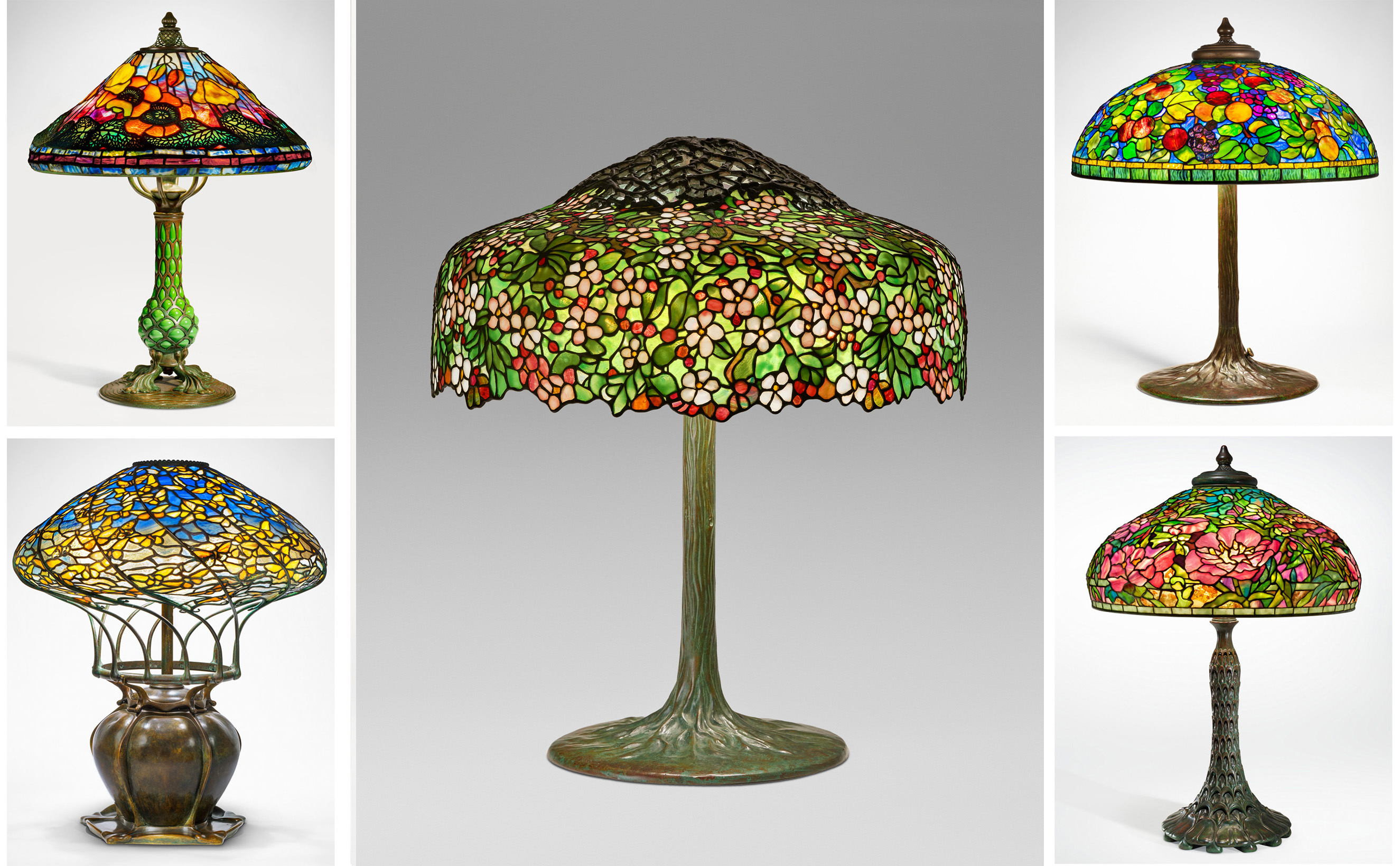
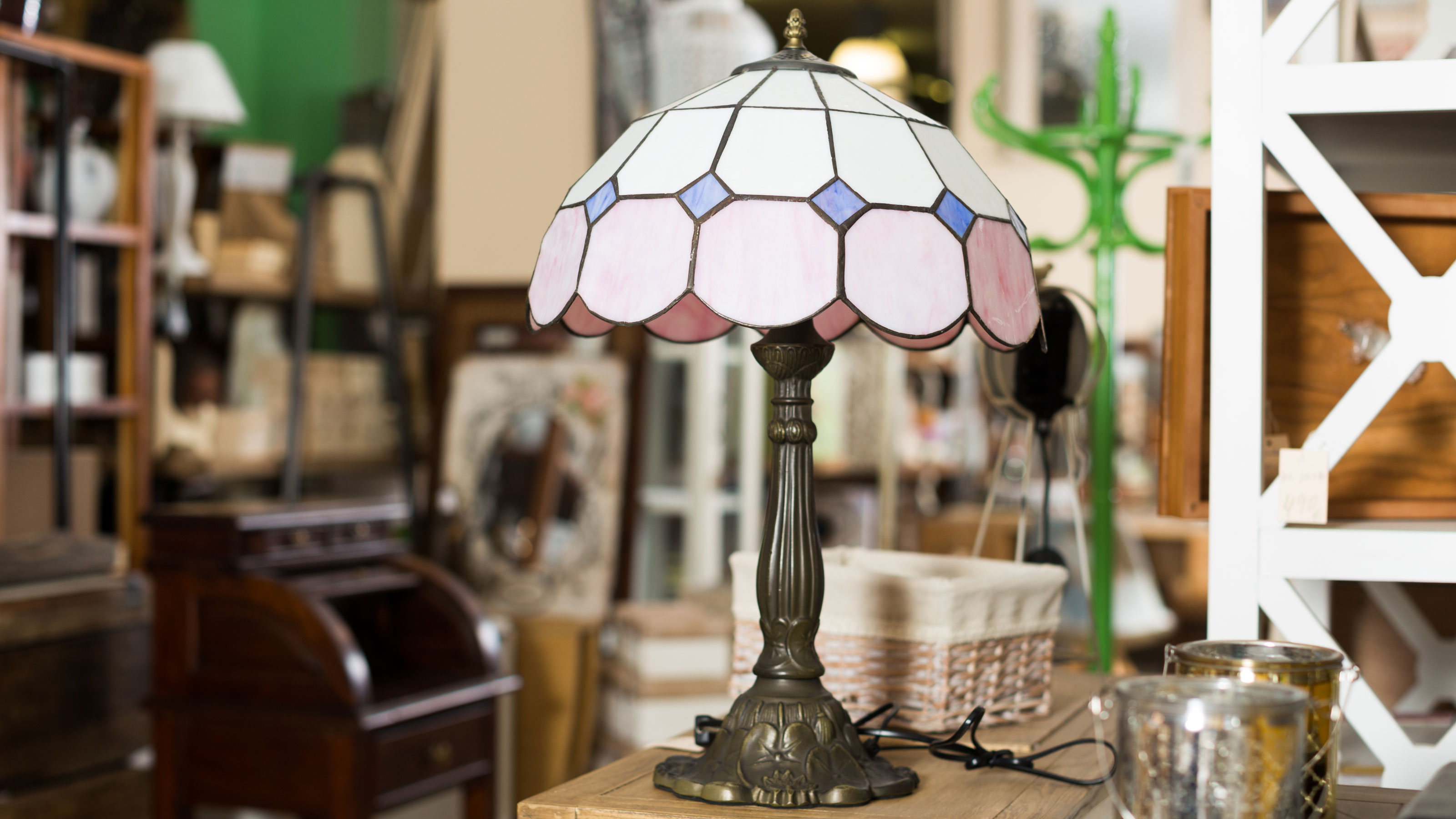
Tiffany lamps, first introduced in the early 20th century, are iconic leaded glass creations from Tiffany Studios, founded by Louis Comfort Tiffany. Tiffany, an accomplished artist and decorator, transitioned from painting and interior design to stained-glass windows, with lamps emerging as a natural extension of this focus. His Queens, New York factory produced a diverse range of decorative objects for nearly four decades. These lamps have maintained strong international appeal, with some pieces, like the ‘Pond Lily’ lamp from the early 1900s, achieving multi-million dollar sales at auction, highlighting their rarity and historical significance.
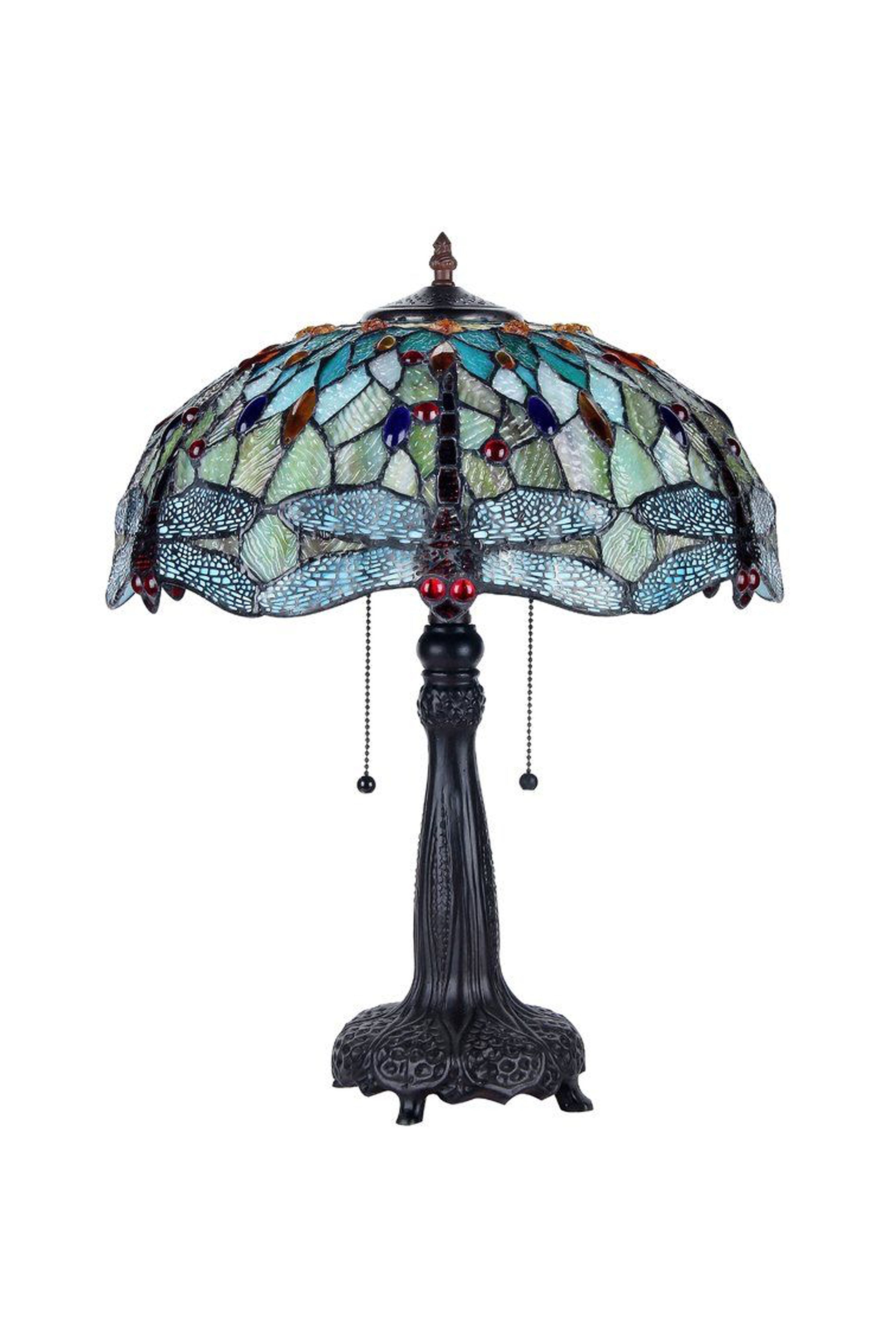
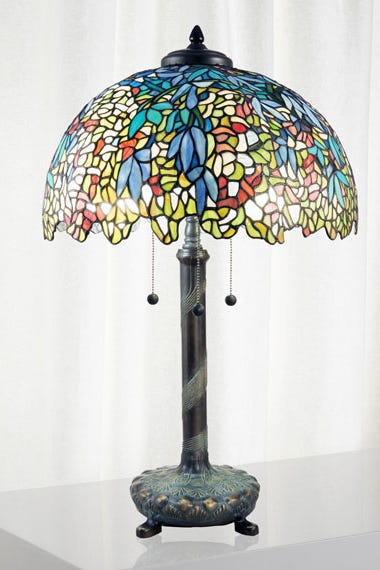
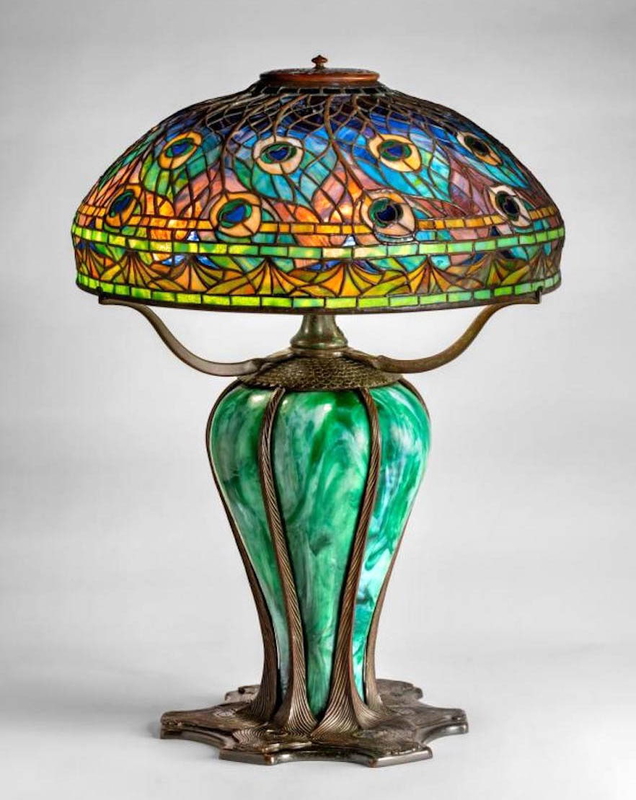
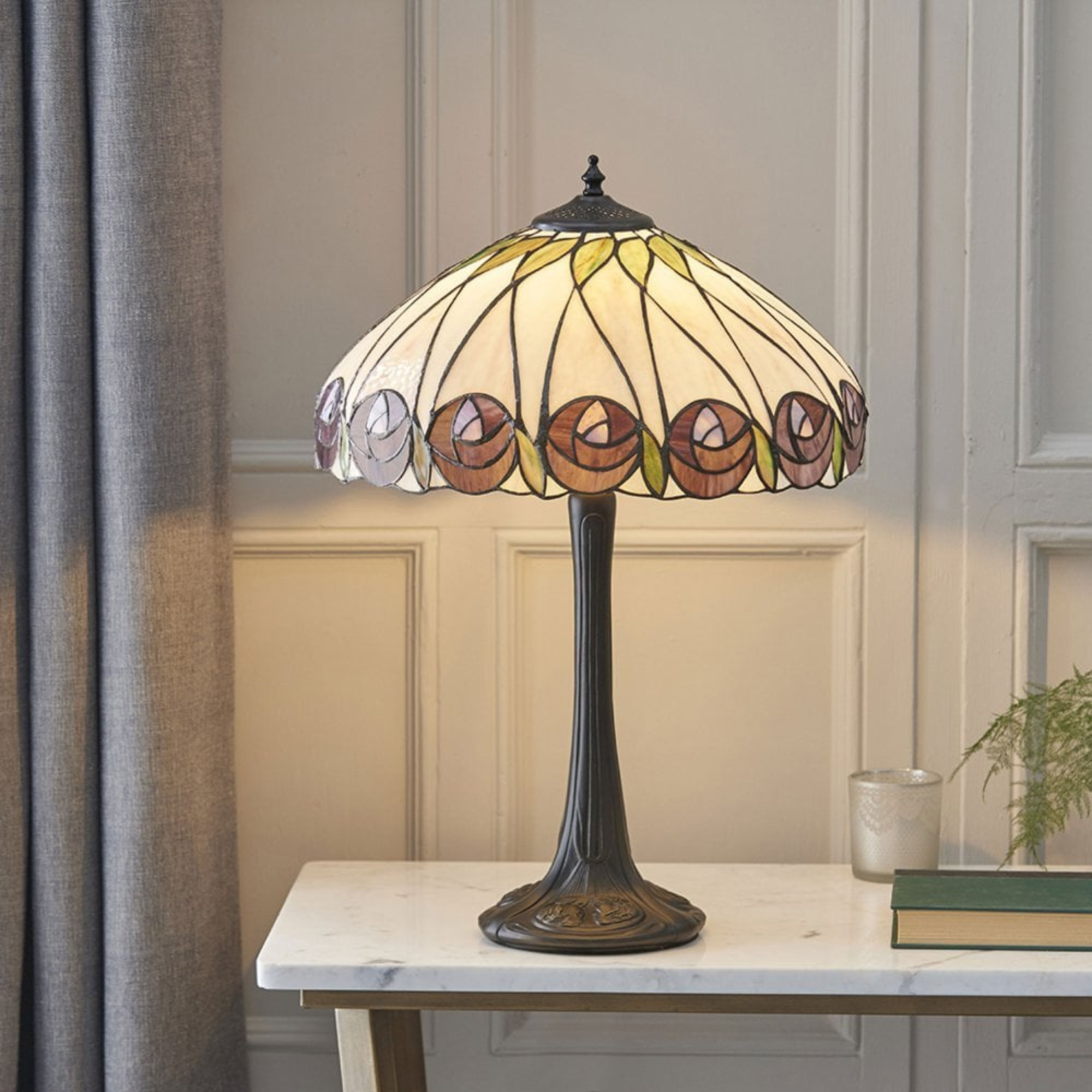
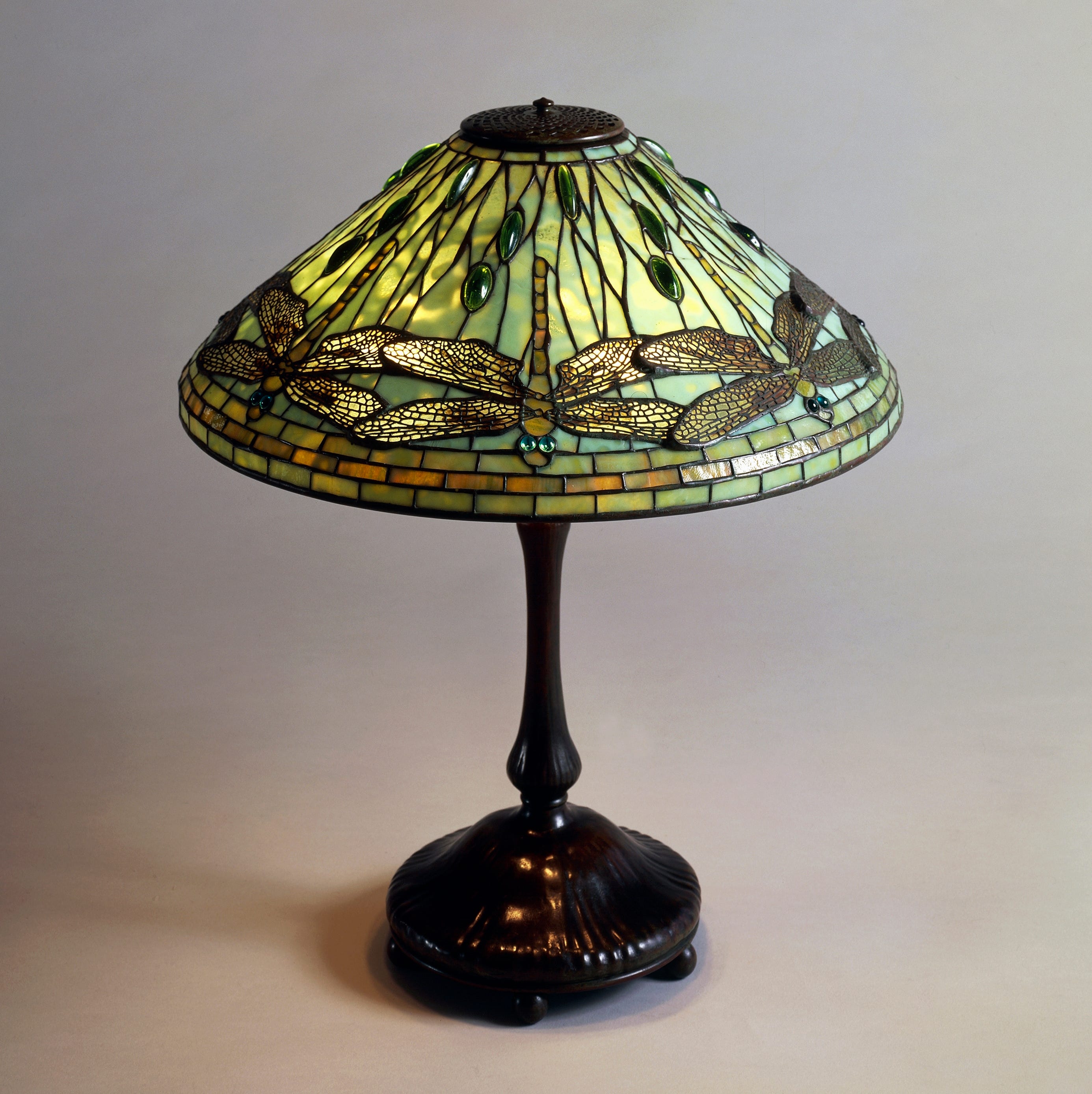
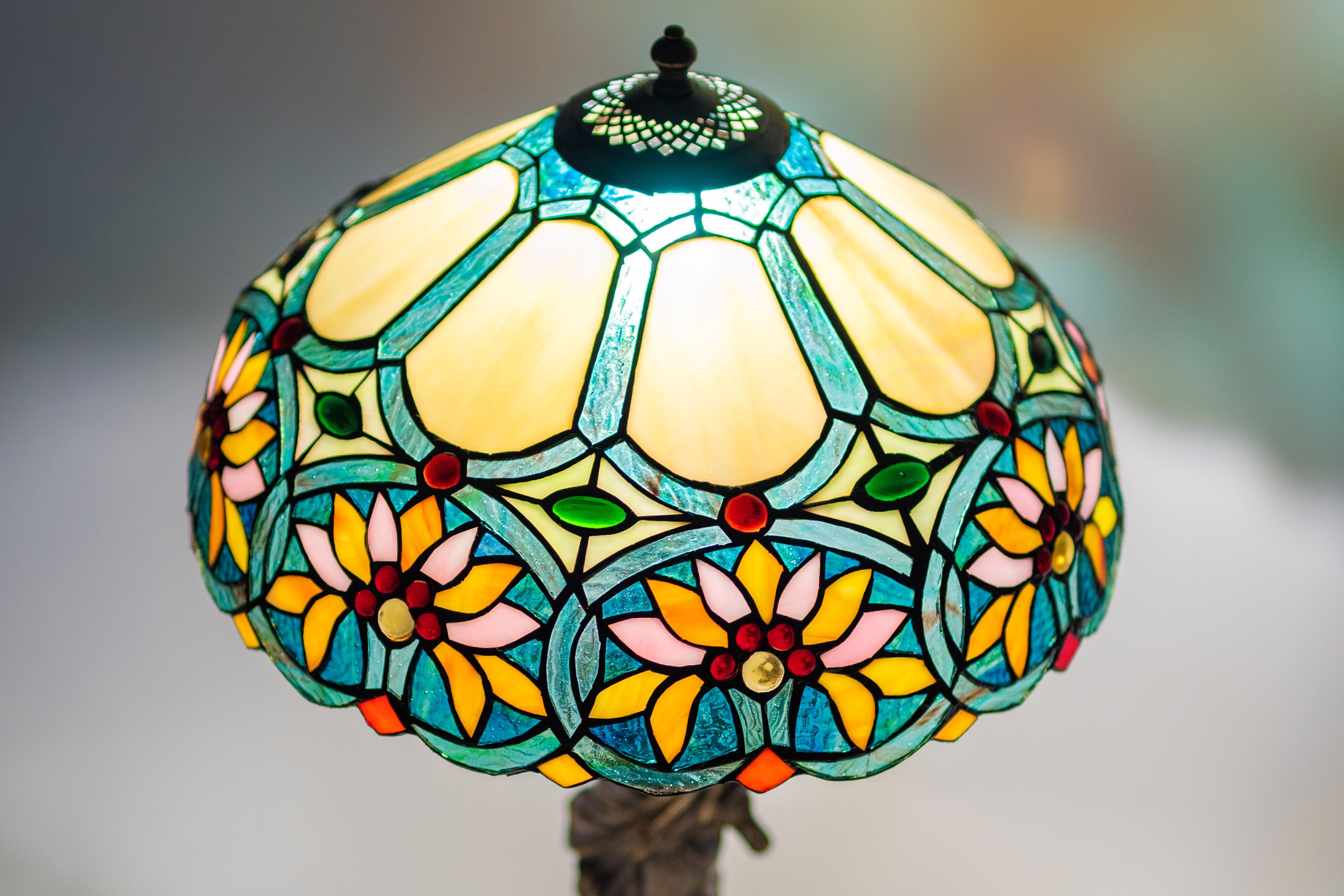
The craftsmanship involved in Tiffany lamps was exceptional, relying on highly skilled artisans. The construction of each lampshade was a labor-intensive process, involving the careful selection of individual glass sections from a vast array of available sheets. The most highly valued lampshades are characterized by a harmonious blend of diverse colors and intricate patterns. The base of a Tiffany lamp is often as crucial as the shade itself, sometimes even more so. Most bases were cast in bronze at Tiffany’s foundry, with some featuring enamelled or mosaic finishes. While bases can be interchanged with different shades, specialists advise that such pairings should always complement the overall design. Certain designs, such as the ‘Wisteria’ shade, are traditionally paired with specific bases, like the ‘Tree’ base, though others, like the ‘Dragonfly’ shades, offer more flexibility.
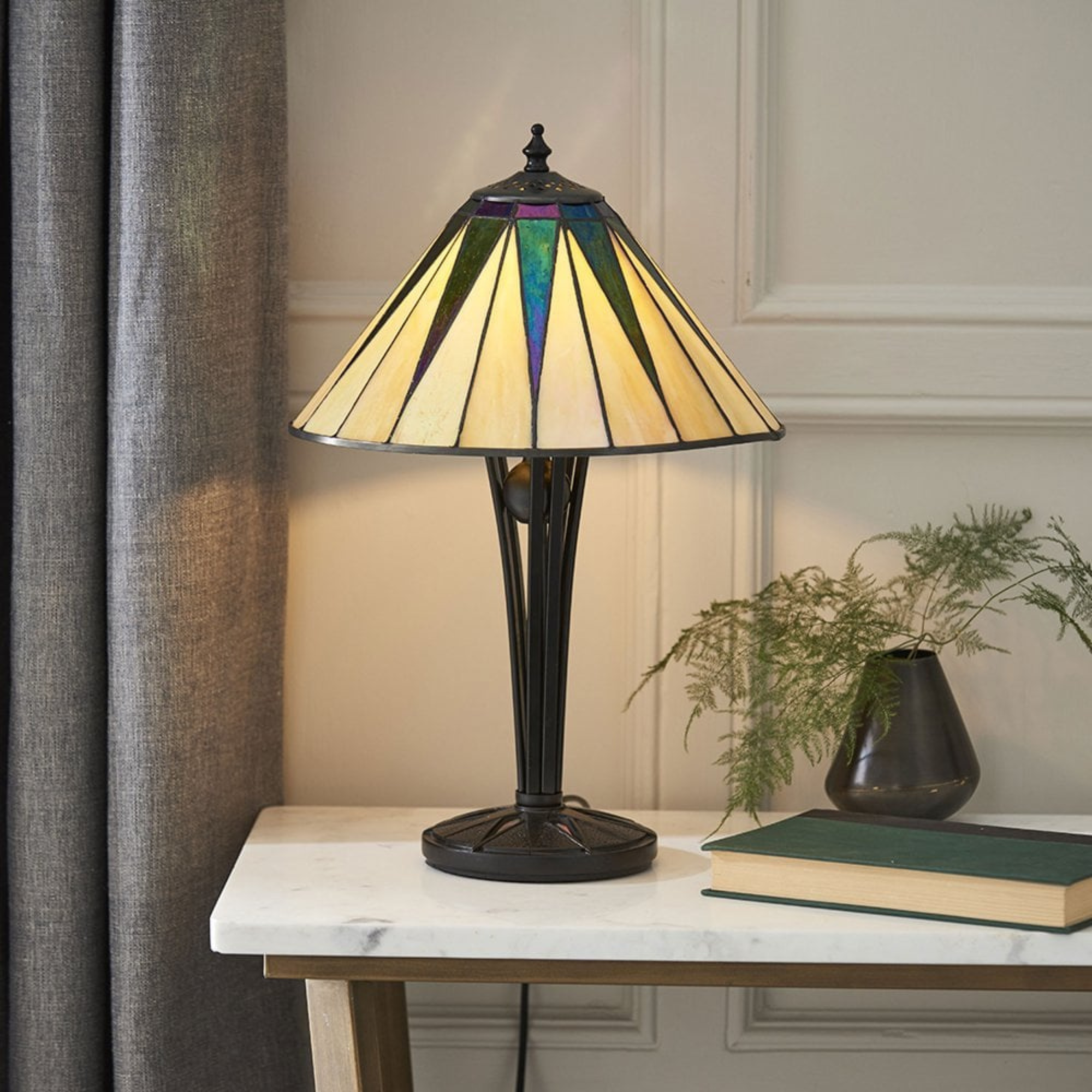
For collectors, the condition of a Tiffany lamp is a key consideration. Given their age, minor imperfections are generally acceptable, but significant damage like a detached shade or missing glass pieces can substantially impact value. Even so, lamps with historical damage can still fetch high prices if they possess a rare or spectacular base. Rewiring a Tiffany lamp is permissible and does not typically diminish its value, provided it is done carefully to preserve the original patina of the base and avoid using modern sockets that could reduce authenticity. Restorations, especially older ones, are often evident upon close inspection. While good restoration might not affect value, originality is always preferred. The most expensive Tiffany lamp ever sold at auction, the “Pink Lotus” lamp, reached $2.8 million in 1997 due to its rare form and unique mosaic base. More common ‘geometric’ models can be found for around $5,000.
Identifying authentic Tiffany lamps requires expert scrutiny. While rivals produced similar designs, reproductions became more prevalent in the 1970s. The presence of a ‘Tiffany Studios’ mark is not a definitive guarantee of authenticity. Specialists meticulously examine the leading, patina, pattern, bronze casting, and especially the type and quality of the glass. Some fakes are easily identifiable, but discerning a high-quality reproduction from an original often demands a trained eye. Tiffany lamps, once fashionable among New York society, continue to be highly sought after by collectors. They are considered unique works of art, capable of serving as a focal point in any room, regardless of its decor. Beyond lamps, Tiffany Studios also produced acclaimed blown glass vases, leaded glass windows, mosaics, ceramics, enamels, and other fancy goods, many of which are now highly coveted by collectors.
#TiffanyLamps #LouisComfortTiffany #StainedGlass #ArtNouveau #CollectingGuide #DecorativeArts #AntiqueLighting #HomeDecor #Craftsmanship #TiffanyLamps #LouisComfortTiffany #StainedGlass #ArtNouveau #CollectingGuide #DecorativeArts #AntiqueLighting #HomeDecor #Craftsmanship
0 comment in total
 No comments yet
You may also like
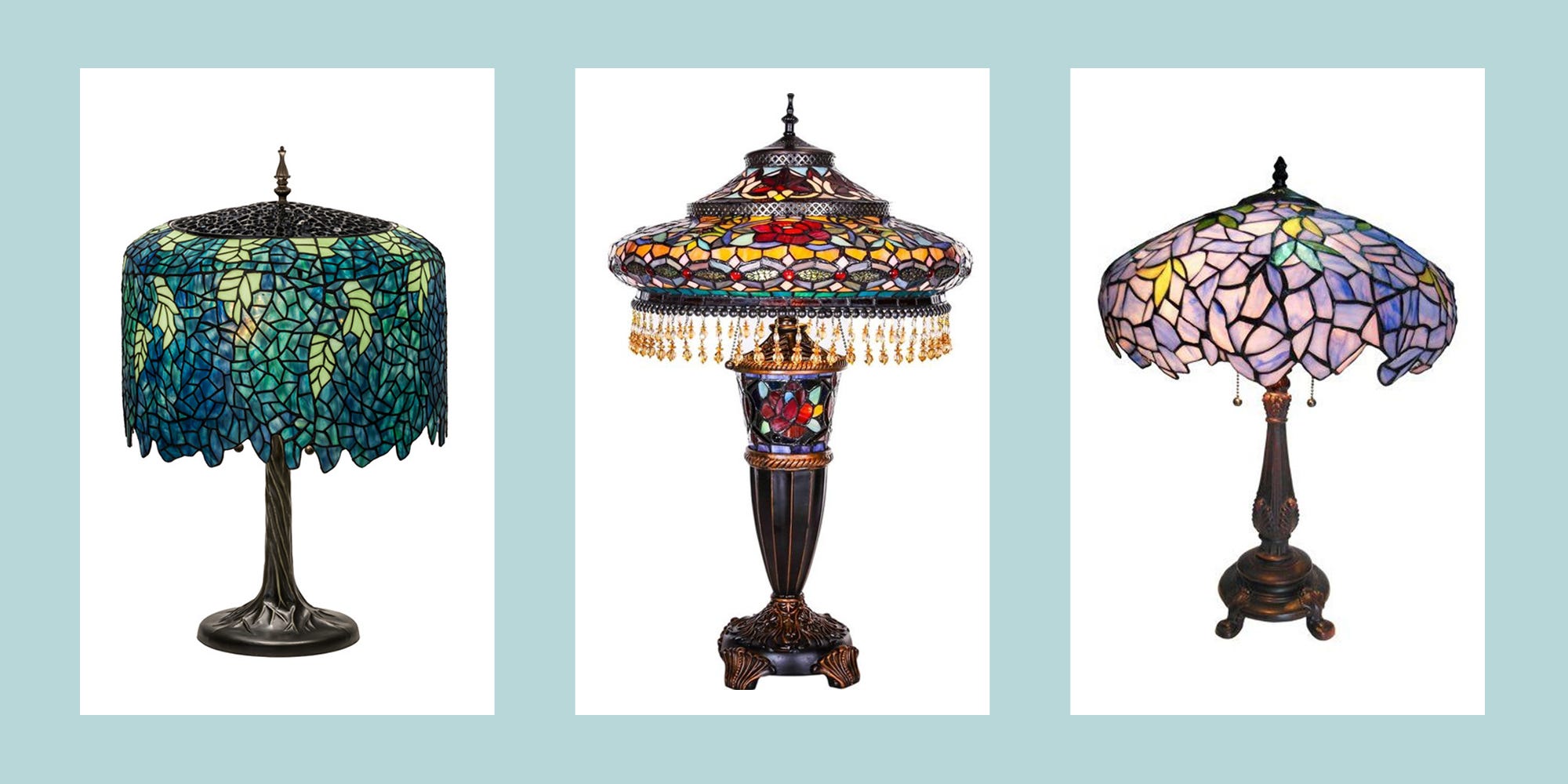
These Tiffany-Style Lamps Are As Close As You'll Get to the Real Thing
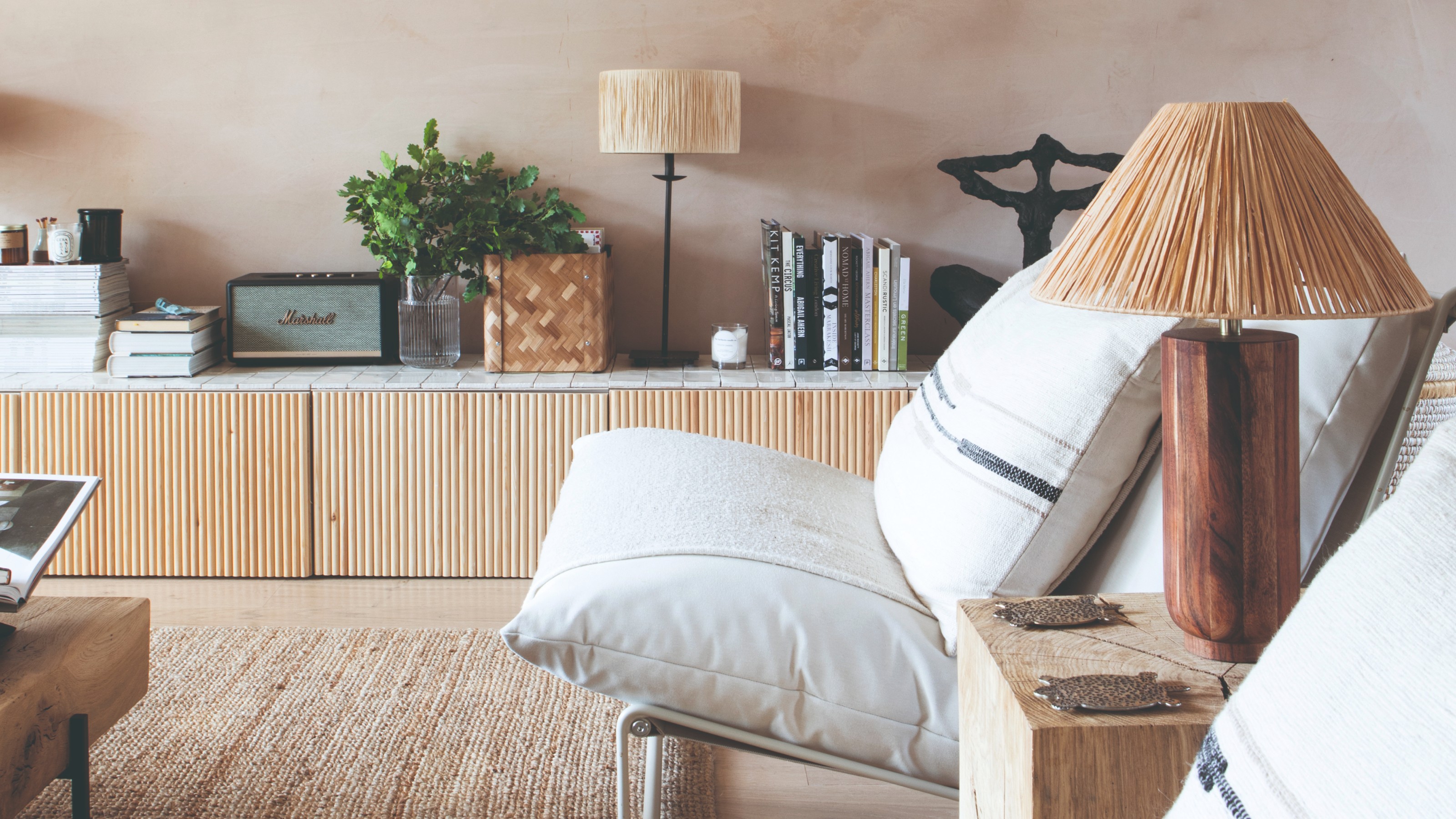
I’m a Room Decor Editor that’s fussy about lighting – but these are the 10 places I always recommend for buying lamps and light fittings
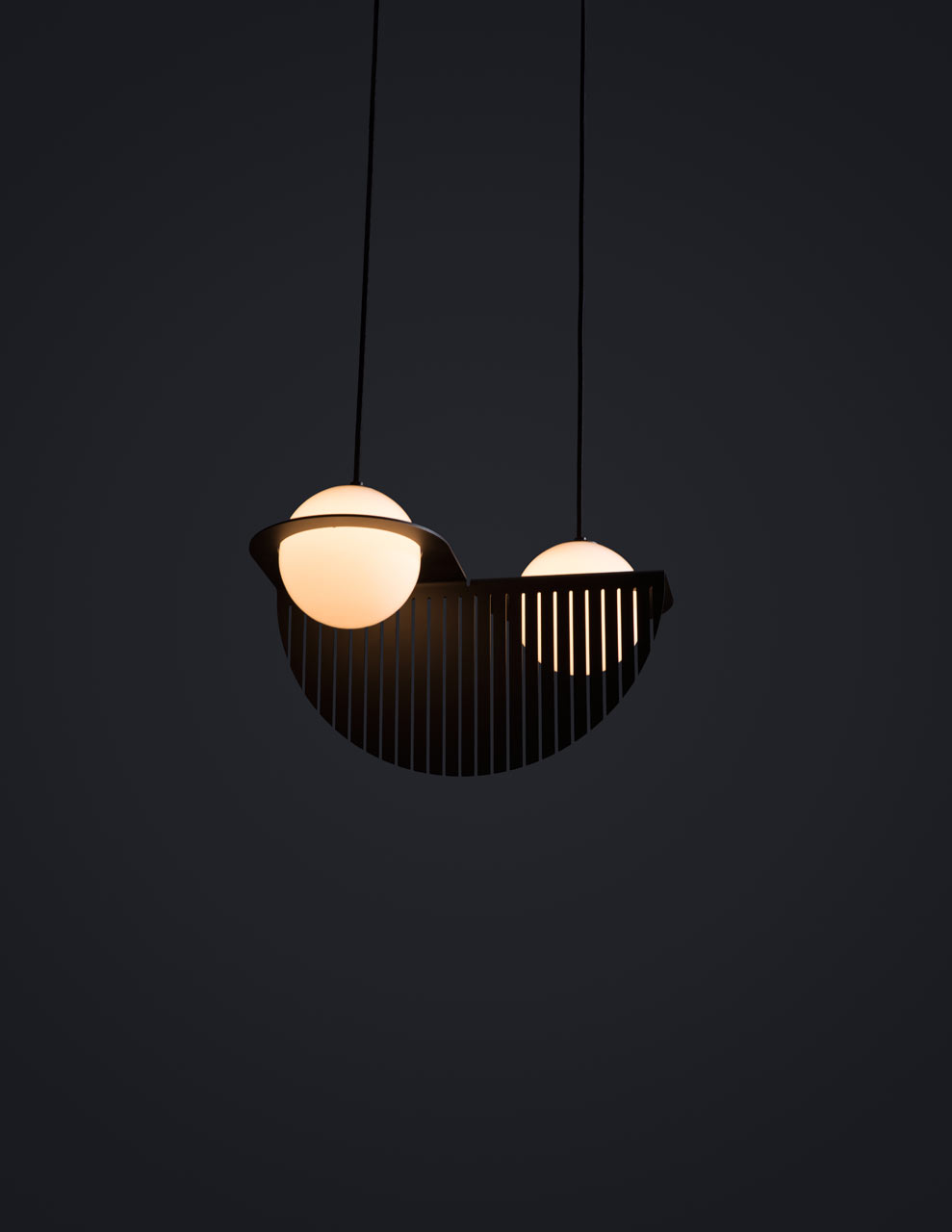
Laurent Lighting from Lambert & Fils

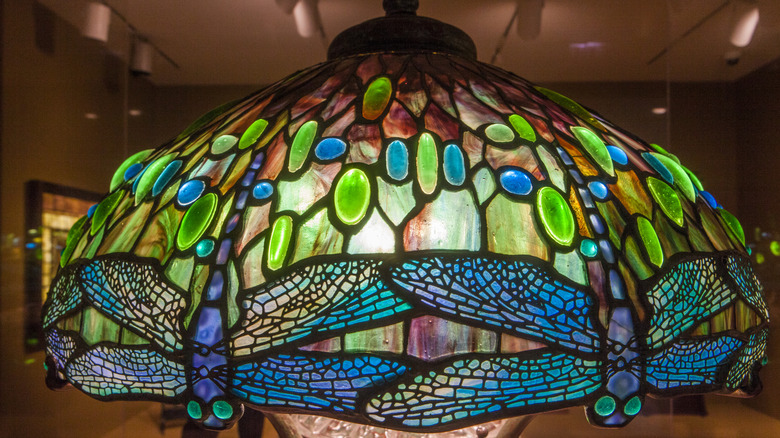
Thank These 2 Chain Restaurants For Today's Vintage Lamp Nostalgia


Louis Comfort Tiffany: The Man Behind the Iconic Tiffany Lamps
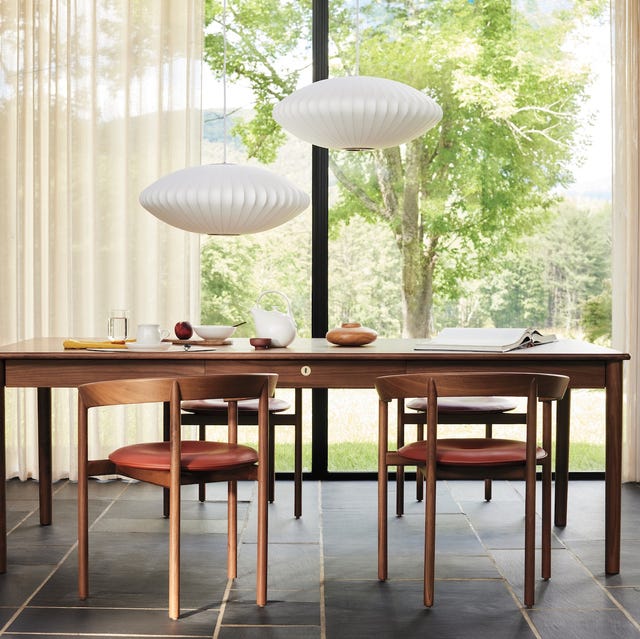
20 Iconic Lamps Every Design Lover Should Know by Heart

7 Tips to Know When Shopping for Vintage Light Fixtures

14 of the Best Places to Shop for Lighting You Need to Know |

Tiffany lamps have had a huge comeback for 2025 - how to style this nostalgic lighting trend
Tiffany Lamps Are Gen Z's Newest Vintage Obsession—Here's Why
The Library: All the Basics You Need to Know About Lighting Before Starting Your Next Project, According to the Experts

Our 10 Favorite Lacquered Lamps That Nail This Dramatic Lighting Trend

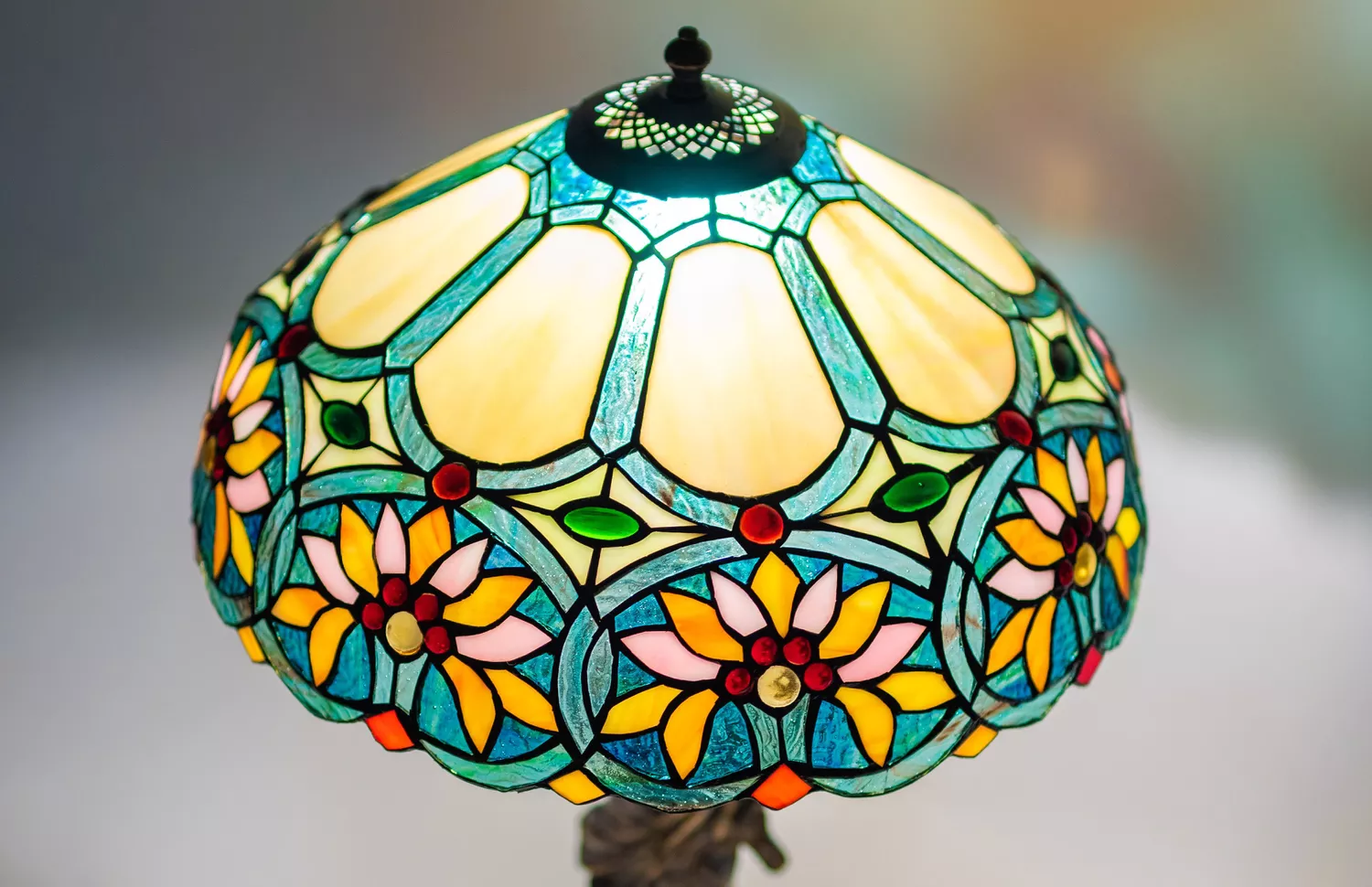
Grandma's Tiffany Lamps Are Trending Again—Here's How Designers Like To Style Them
9 Unique Lamps That Honor the Beauty of Handmade Craft
Where to Shop for Table Lamps — 10 Spots an Editor Swears By for Great Finds

The 18 best places to buy light fixtures, with expert recommendations
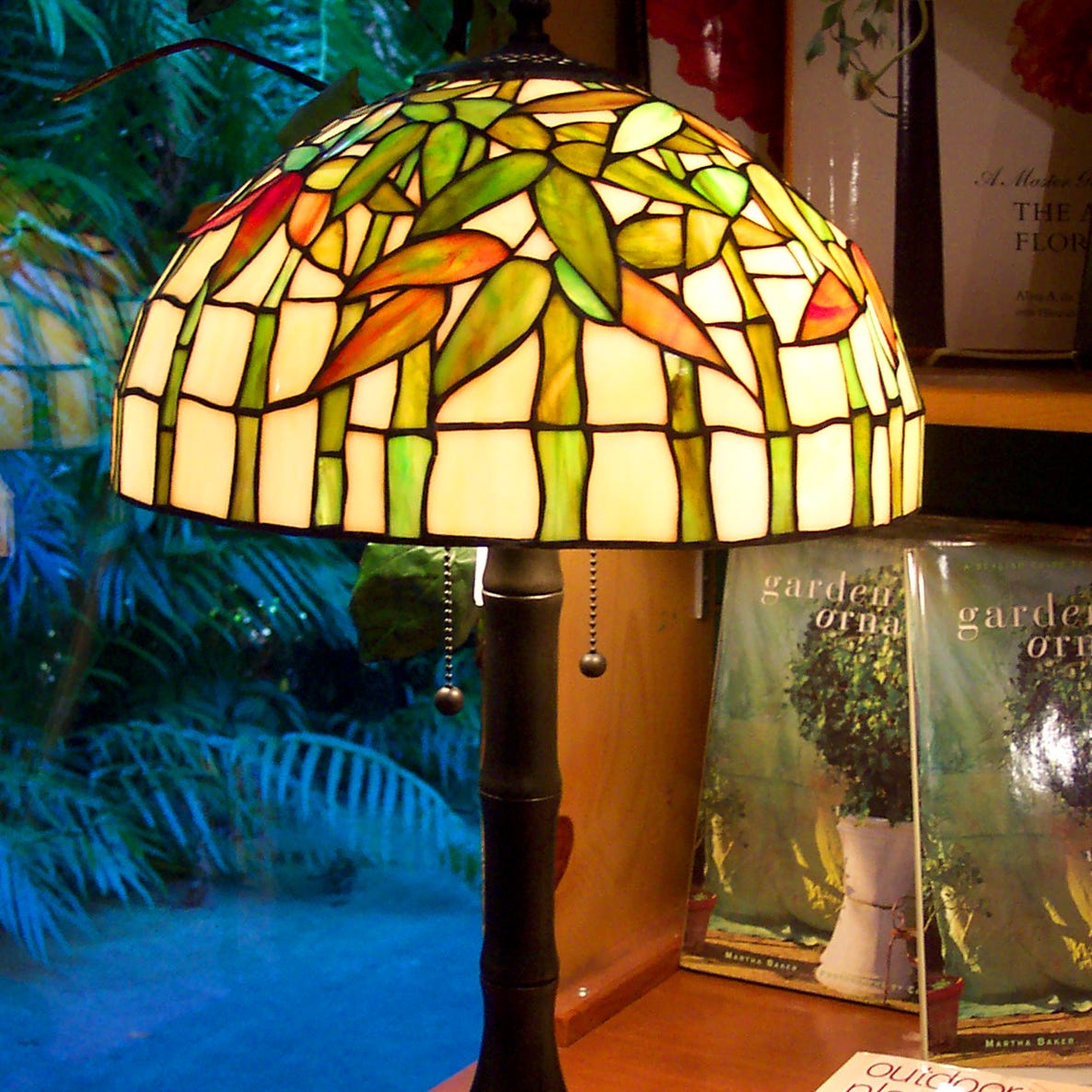
Tiffany-Style Lamps: The Next Big Lighting Trend To Illuminate Your Home
10 best pendants lights to illuminate your living space
10 Vintage Fireplace Accessories To Always Look For At The Thrift Store
What You Need To Know Before Buying A Vintage Light Fixture For Your Home