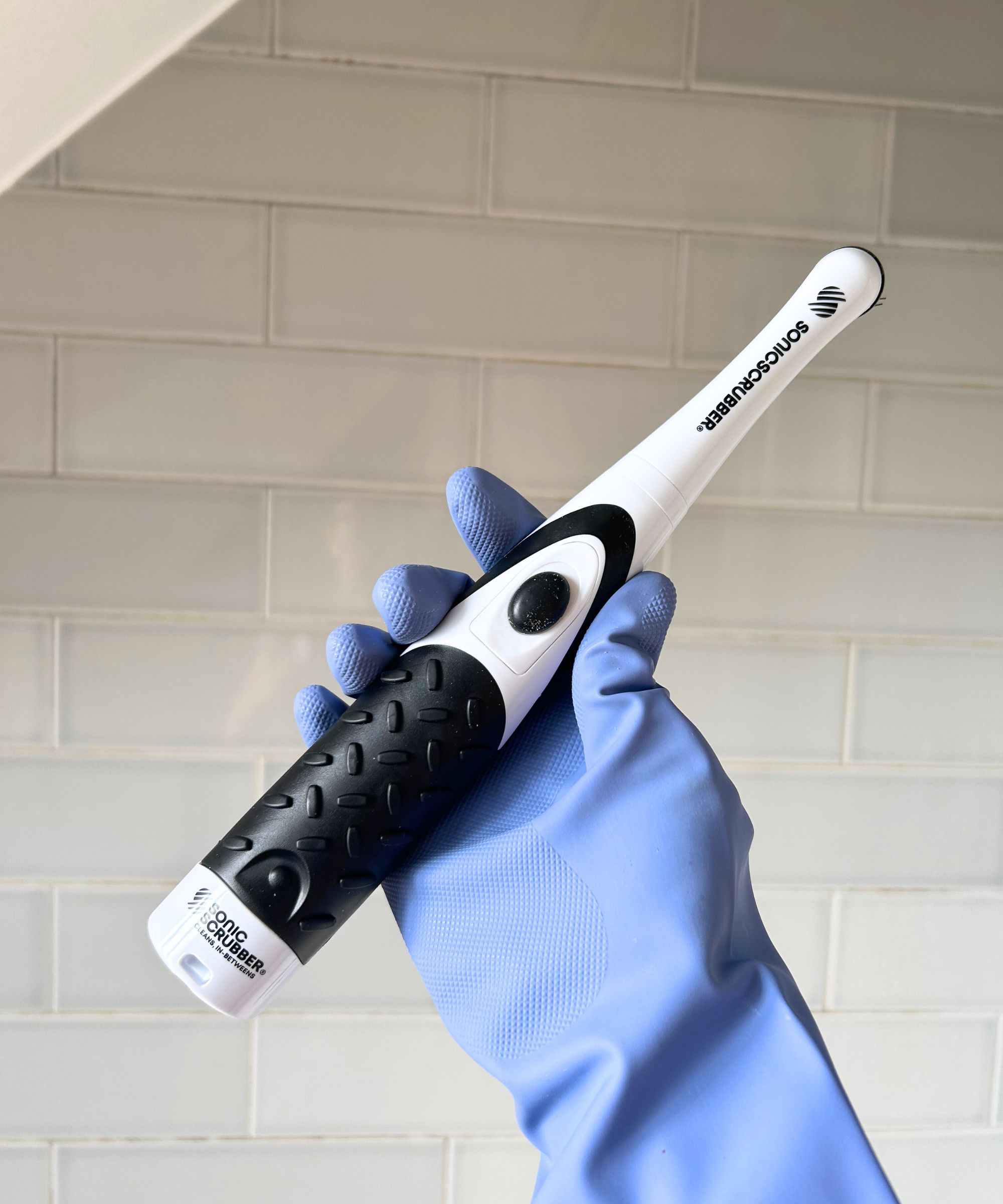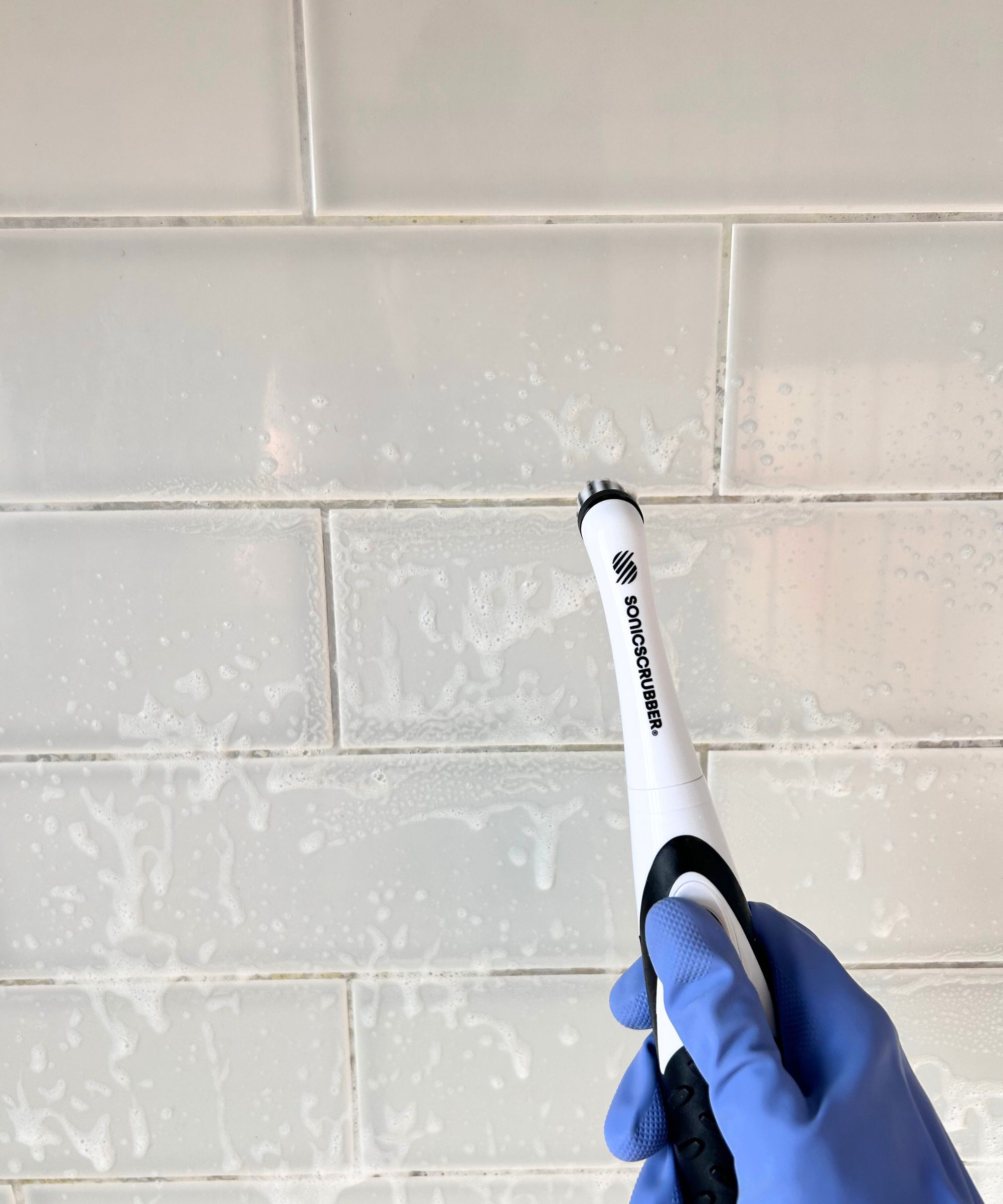

How to Clean Baseboards the Right Way
Baseboards serve as protective elements for walls but often accumulate significant amounts of dust, dirt, scuffs, and stains, which can detract from a home's appearance and potentially cause damage over time. Regular cleaning is crucial for maintaining their aesthetic appeal and extending their lifespan. Experts recommend incorporating baseboard cleaning into a regular housekeeping routine, ideally once a month, or more frequently in homes with pets or individuals with allergies, to prevent excessive buildup.
To effectively clean baseboards, several materials are needed: a vacuum cleaner equipped with a brush attachment, microfiber cloths, a sink or bucket, a small bowl, warm water, dish soap, distilled white vinegar, baking soda, and an oil-based product such as coconut, olive, or vegetable oil. The cleaning process typically takes one to two hours, depending on the size of the home.
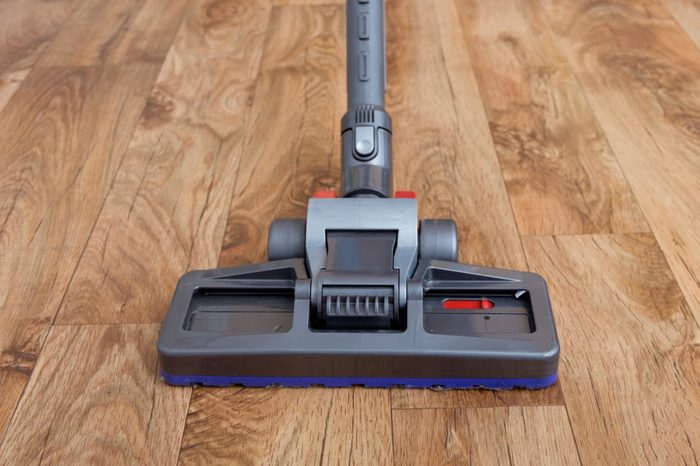
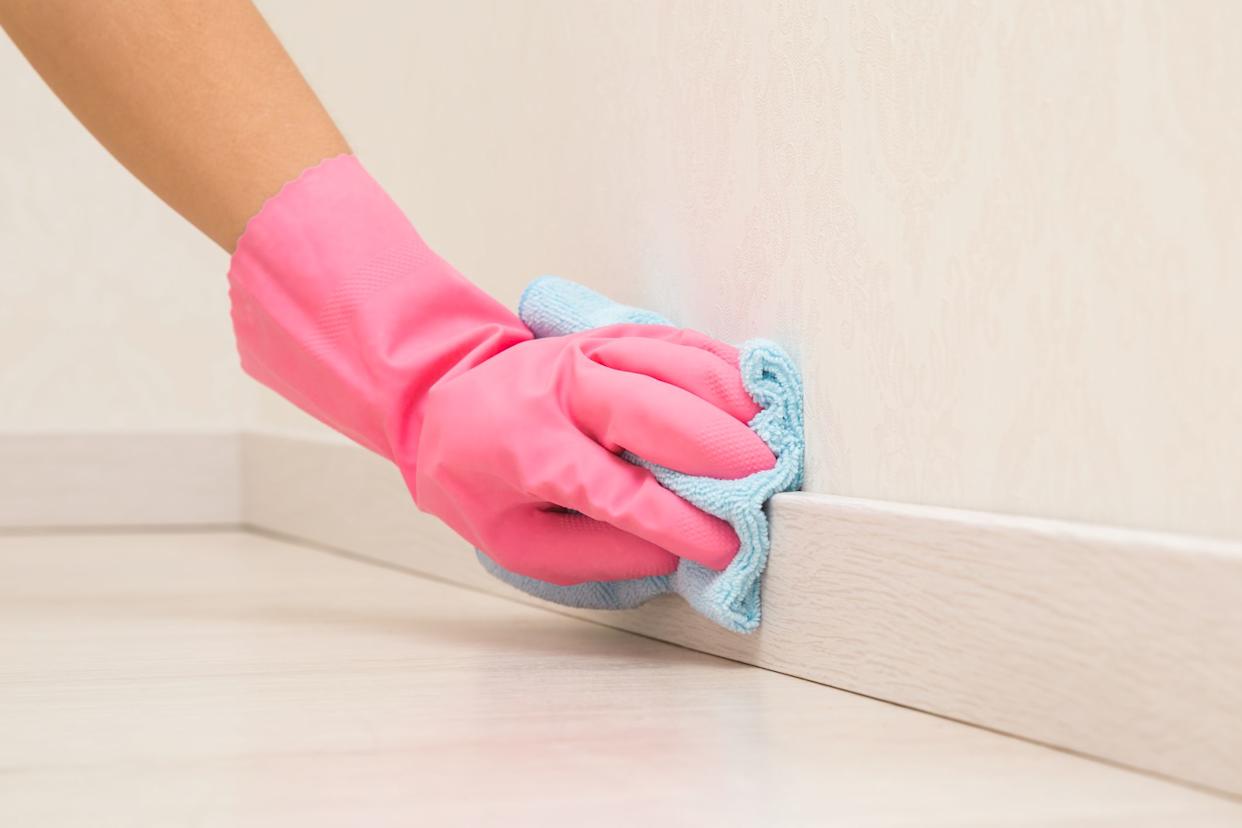
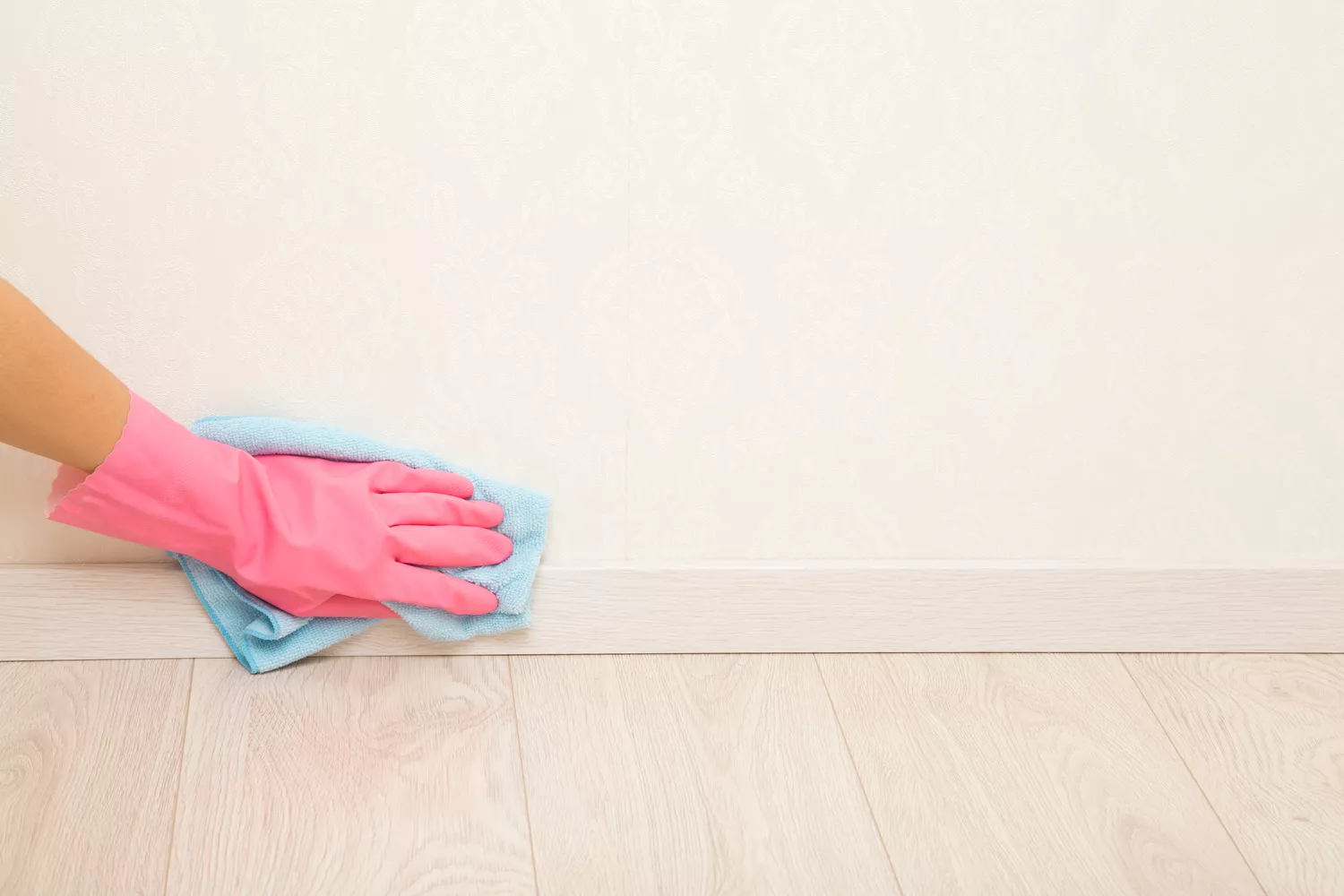
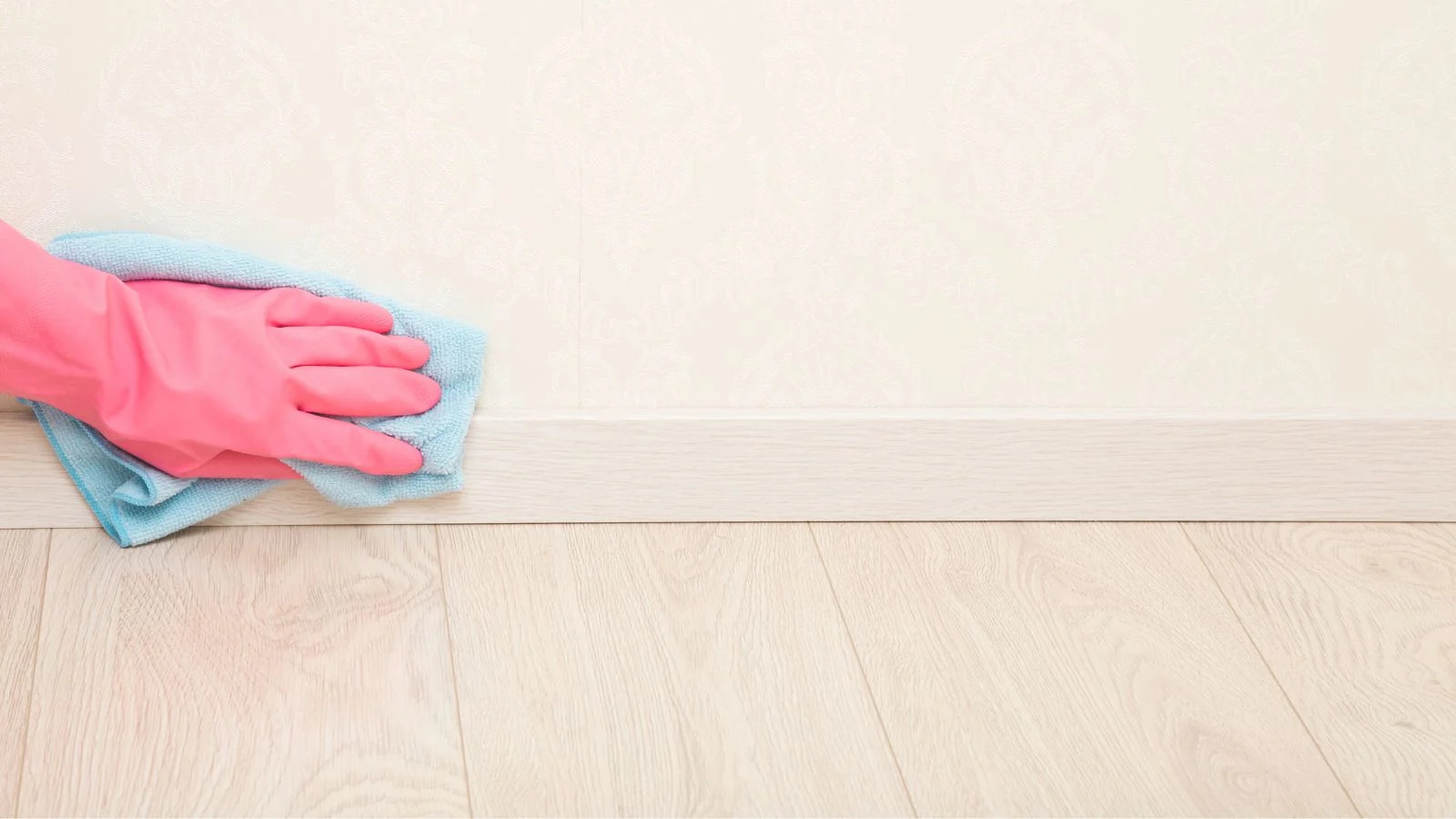
The initial step involves using a vacuum with a brush attachment or a dry microfiber cloth to remove loose dust and debris from the baseboards. Following this, a cleaning solution is prepared by mixing warm water with a few squirts of dish soap in a bucket. Dish soap is favored for its grease-cutting properties and gentleness, which prevents damage to paint or wood finishes. A sponge or cloth is then dipped into this solution and used to gently wipe down the baseboards. It is important to work in small sections and dry each area immediately with a clean cloth to prevent water damage, particularly if the baseboards are adjacent to wood flooring. Buffing the baseboards after drying can help achieve a polished finish.
For more stubborn dirt or stains, a vinegar solution and baking soda paste can be employed. A mixture of equal parts white vinegar and water is prepared in a spray bottle or bucket. Separately, a thick paste is made by combining baking soda with a small amount of water in a bowl. The vinegar solution is sprayed onto a microfiber cloth, and the baking soda paste is applied directly to stained or dirty areas on the baseboards. These areas are then gently scrubbed, and the baseboards are wiped down. A rinsed microfiber cloth is used to remove any remaining residue, followed by a dry microfiber cloth for a final wipe.
Scuff marks on baseboards can be effectively removed using oil-based products. A small amount of coconut, olive, or vegetable oil is applied to the scuff marks and left to sit for a few minutes to allow it to penetrate. The scuffs are then gently rubbed with a microfiber cloth or sponge. Any excess oil and the lifted scuff marks are wiped away with a damp cloth.
Maintaining baseboards involves not only regular cleaning but also consideration of the paint used. For durability and ease of cleaning, oil-based or alkyd-acrylic paints are recommended. Additionally, to keep dust accumulation at bay between thorough cleanings, baseboards can be buffed with a dryer sheet. Adhering to these cleaning and maintenance practices ensures that baseboards remain in excellent condition and contribute positively to the overall cleanliness and appearance of the home.
#BaseboardCleaning #HomeMaintenance #CleaningTips #StainRemoval #ScuffRemoval #DustPrevention #HouseholdChore #HomeCare #DIYCleaning #BaseboardCleaning #HomeMaintenance #CleaningTips #StainRemoval #ScuffRemoval #DustPrevention #HouseholdChore #HomeCare #DIYCleaning
0 comment in total
 No comments yet
You may also like
You're cleaning your bathroom floor wrong, experts warn – here's how to get it right


Winter Deep-Clean: 5 Things Pros Never Forget in December

How to clean a bathroom sink – expert tips for a well-scrubbed sink
This Baseboard Cleaning Tool Takes the Chore Out of Cleaning
Best Cleaning Advice & Tips

I thought my mop was just OK – until a professional cleaner taught me the right way to use it
We Asked Cleaning Pros How to Really Clean Baseboards — Turns Out, It’s Not Elbow Grease
6 things you should never forget to clean in a hallway

7 things you might be forgetting to clean in your bedroom
How To Clean Baseboards, According To An Expert

I swear by this incredibly easy 5-step method for cleaning real wood floors
We Asked a Cleaning Pro How to Finally Get Rid of Mold in the Shower—And We're Trying This ASAP

The best way to clean baseboards – pro tips for dusty, greasy, and painted surfaces


How to clean a bedroom: daily, weekly and deep-clean tasks
How to declutter a bathroom according to the experts

This electric scrubber finally cleaned my grime tiles
How to Clean Every Type of Floor Quickly and Easily


8 items to never clean with bleach – according to cleaning professionals

Squeegee Every Time You Shower — and More Bathroom Cleaning Hacks | Reviews by Wirecutter
The reason you need to vacuum your baseboards this month