1/2
Not All Scandinavian Design is Minimalist (Published 2017)
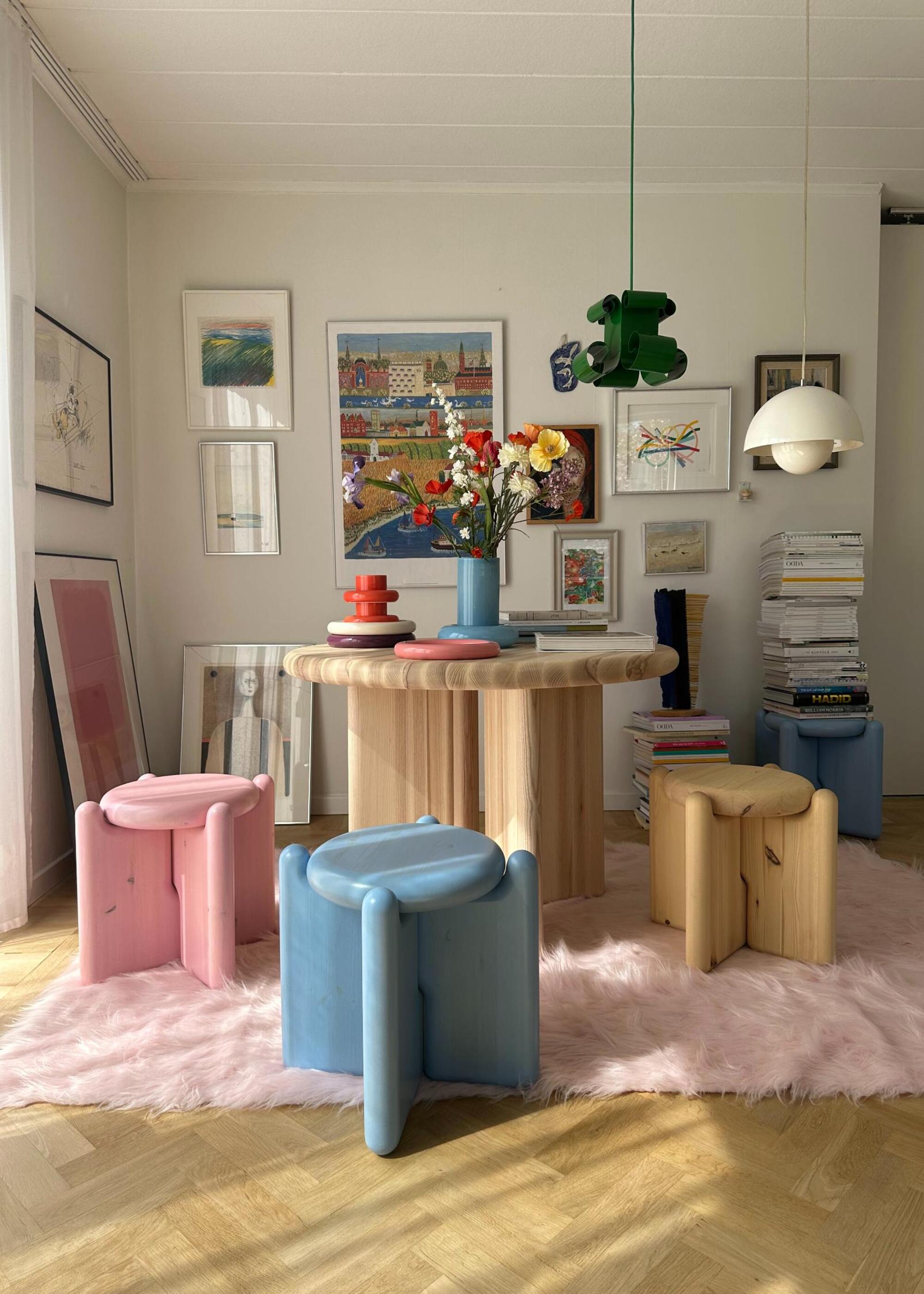
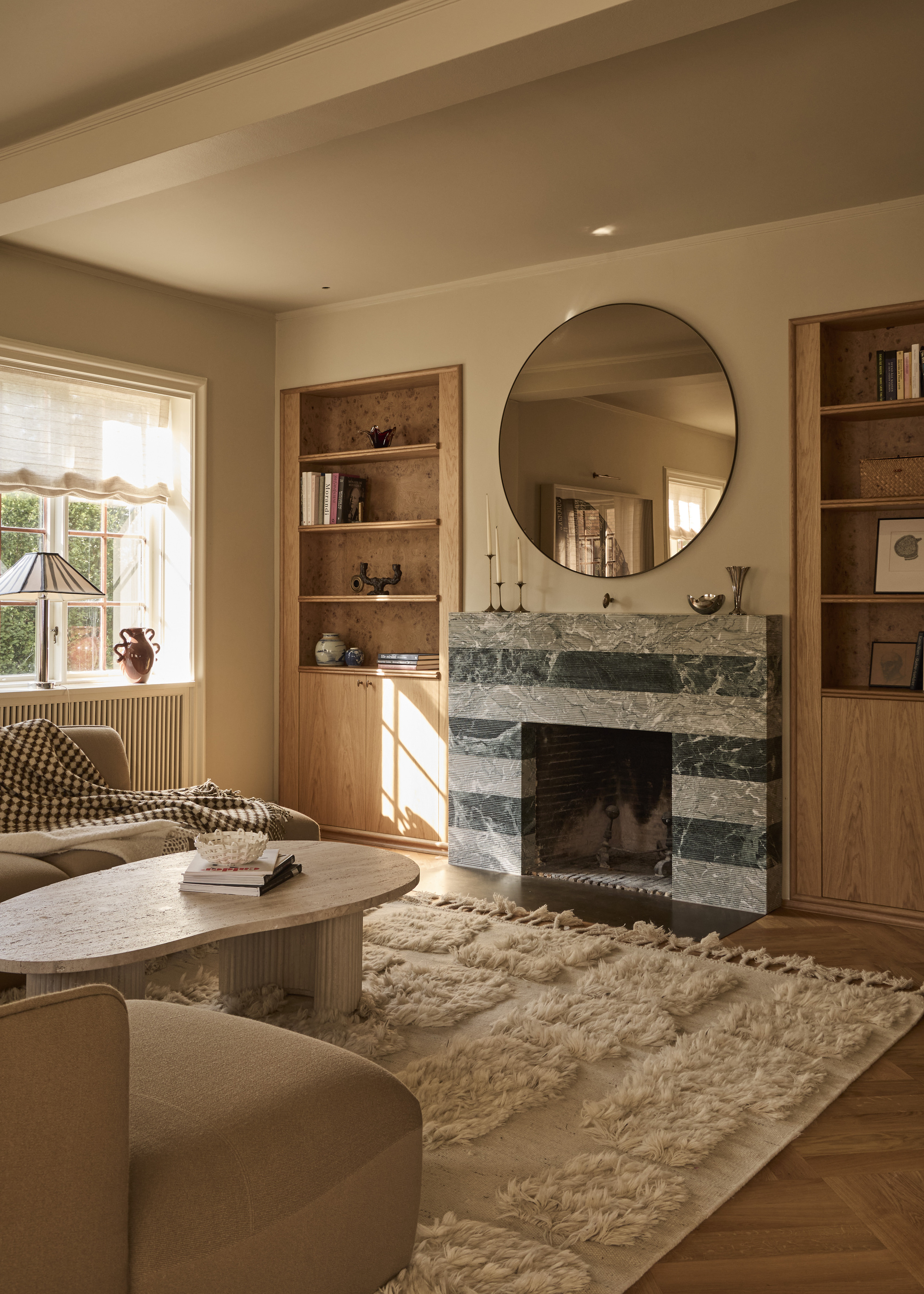
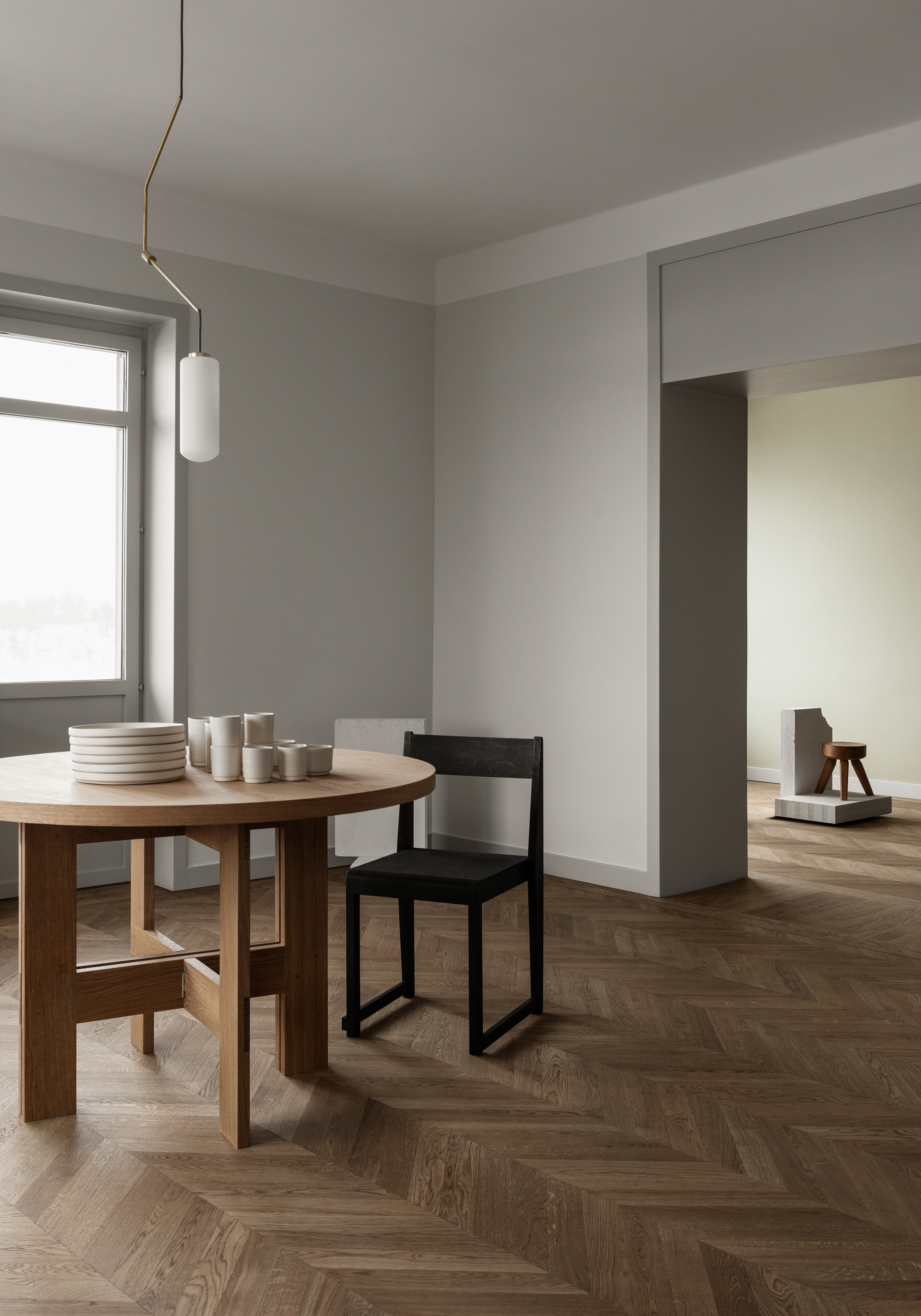
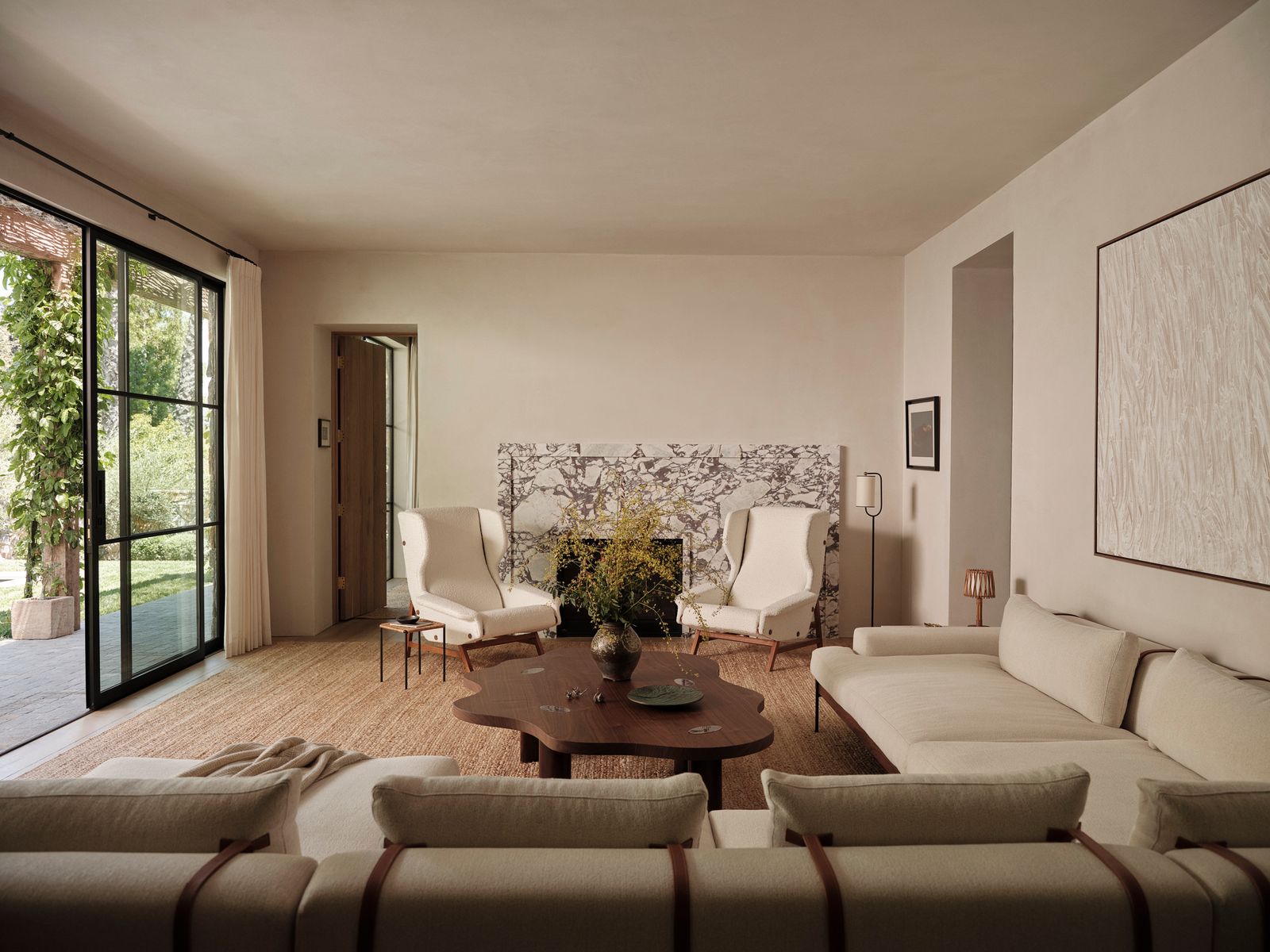
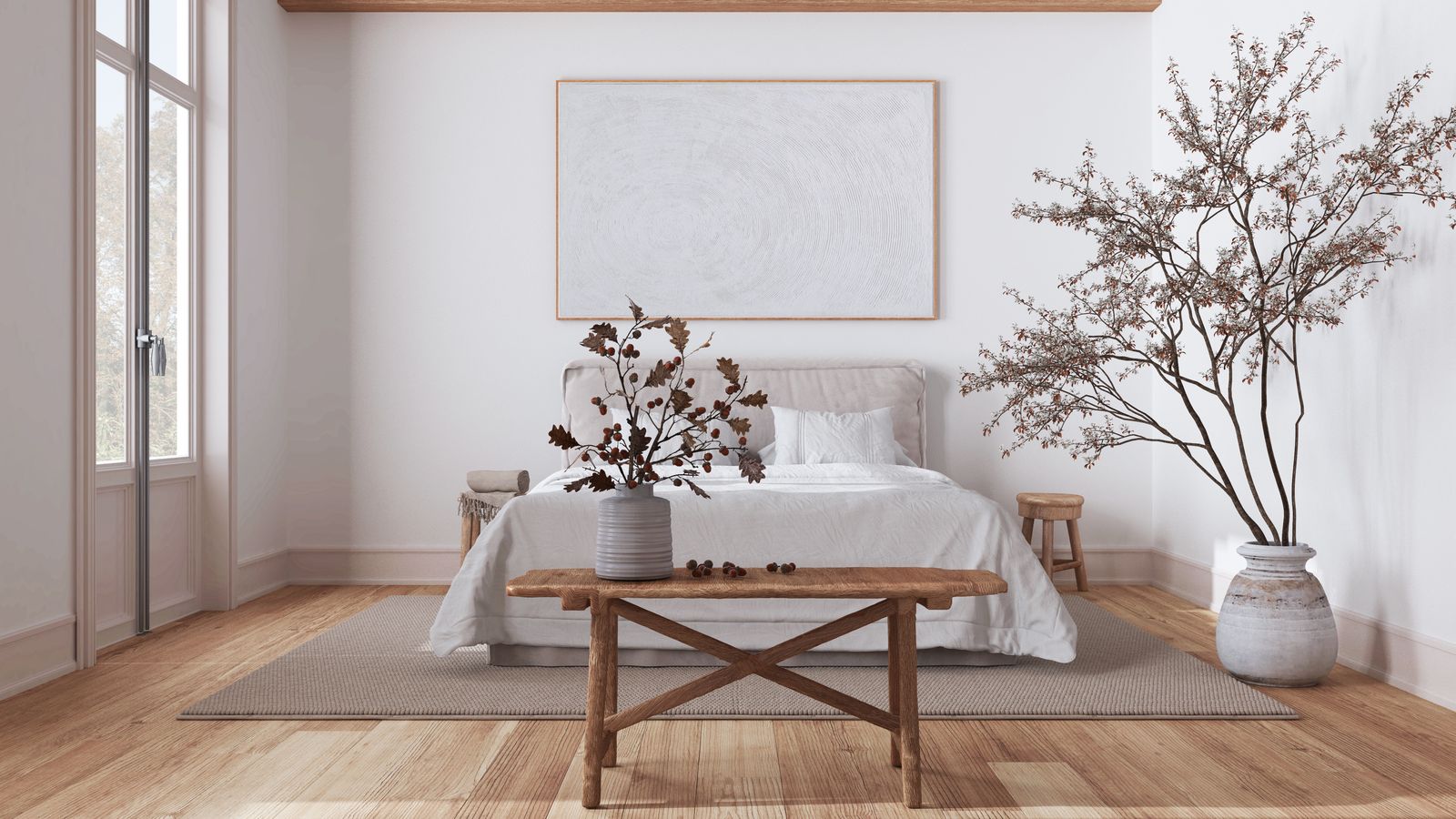
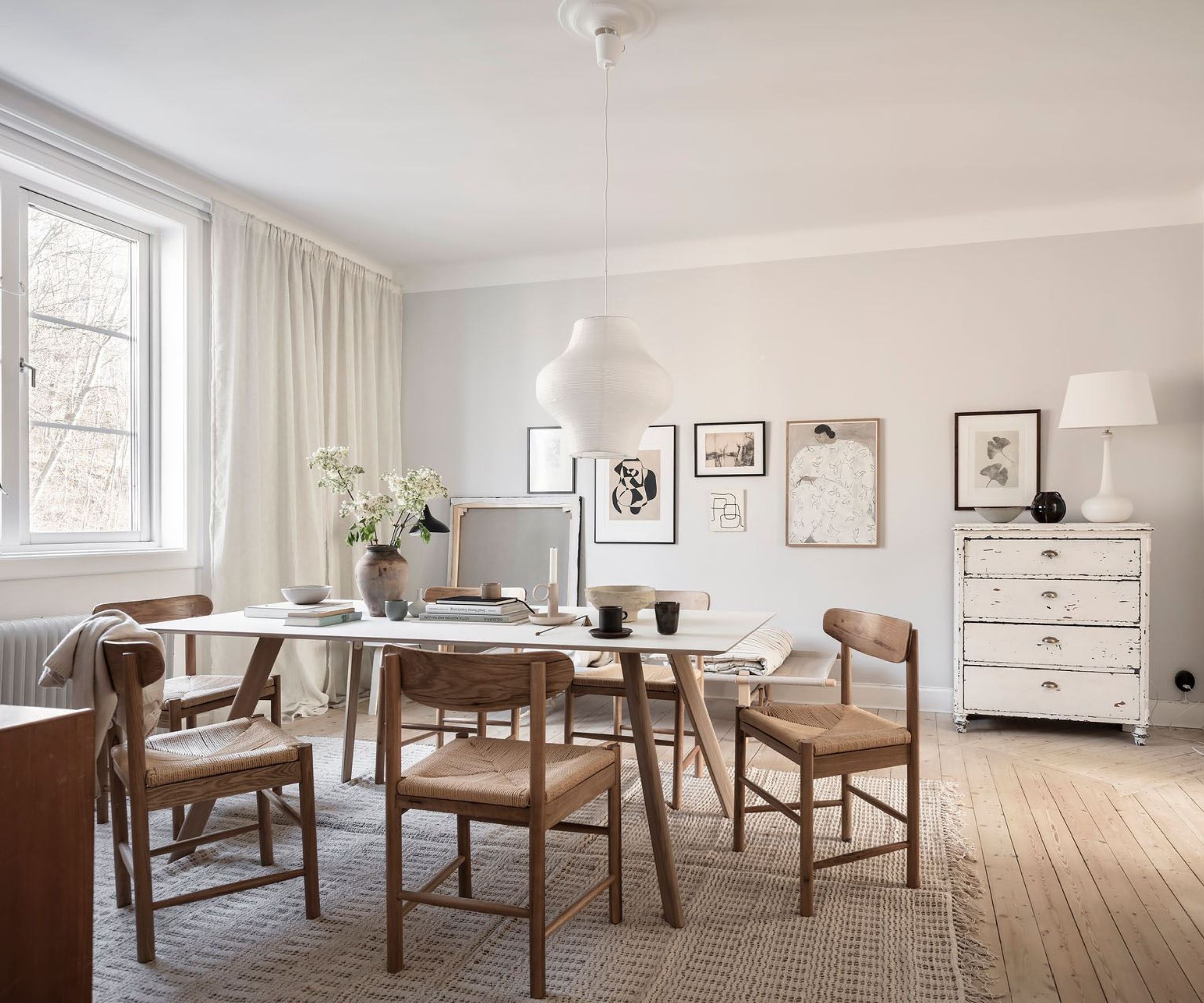
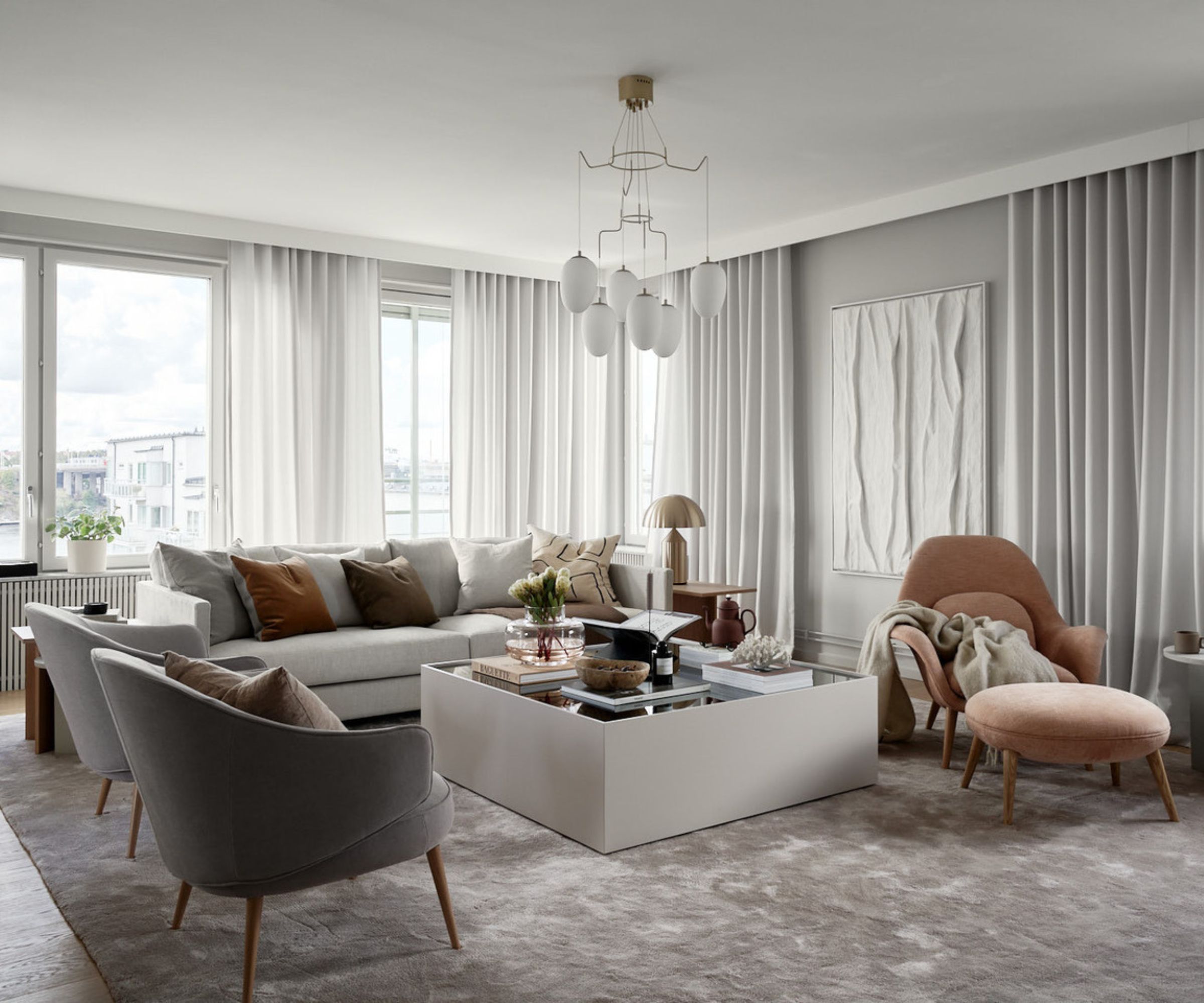
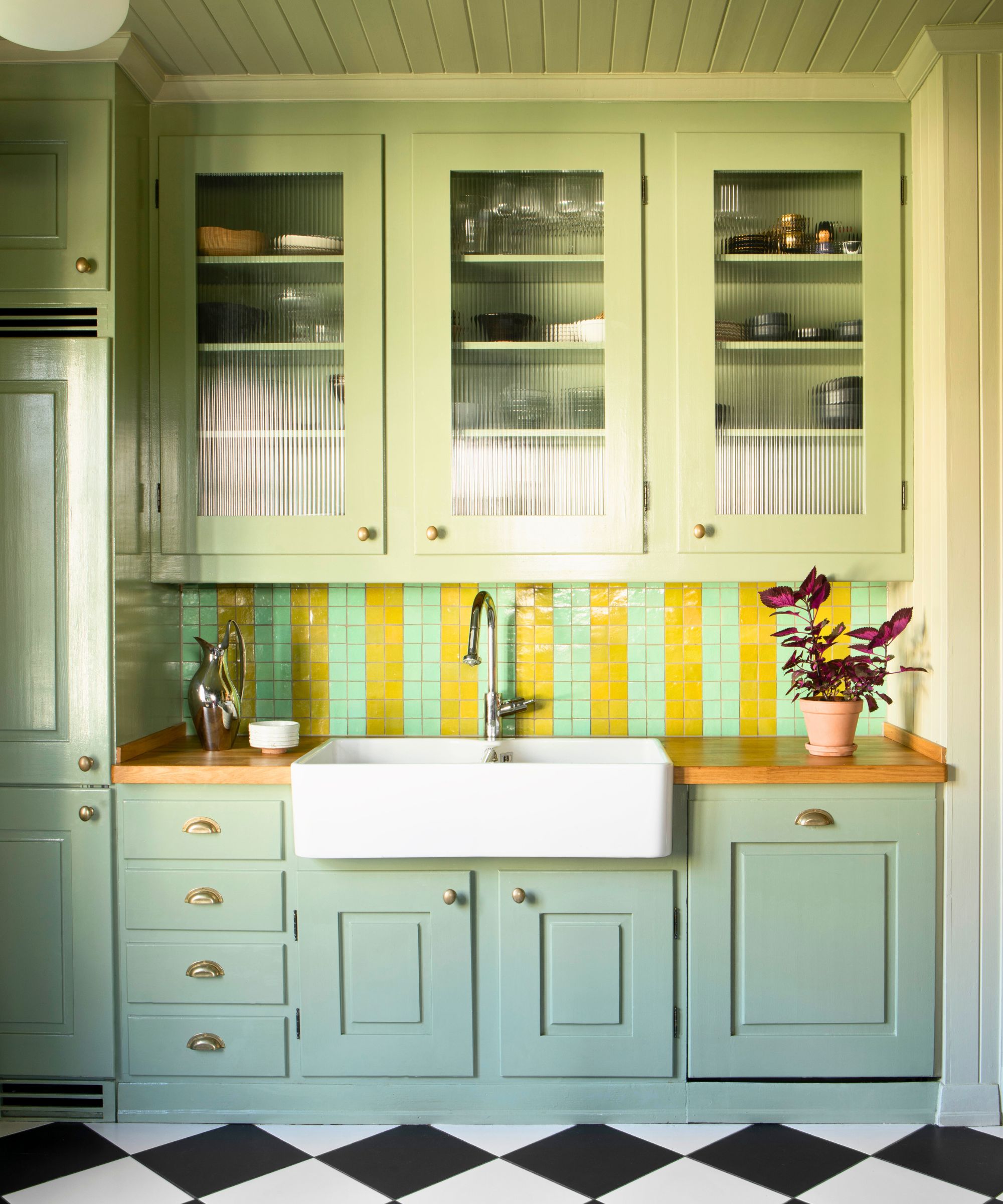
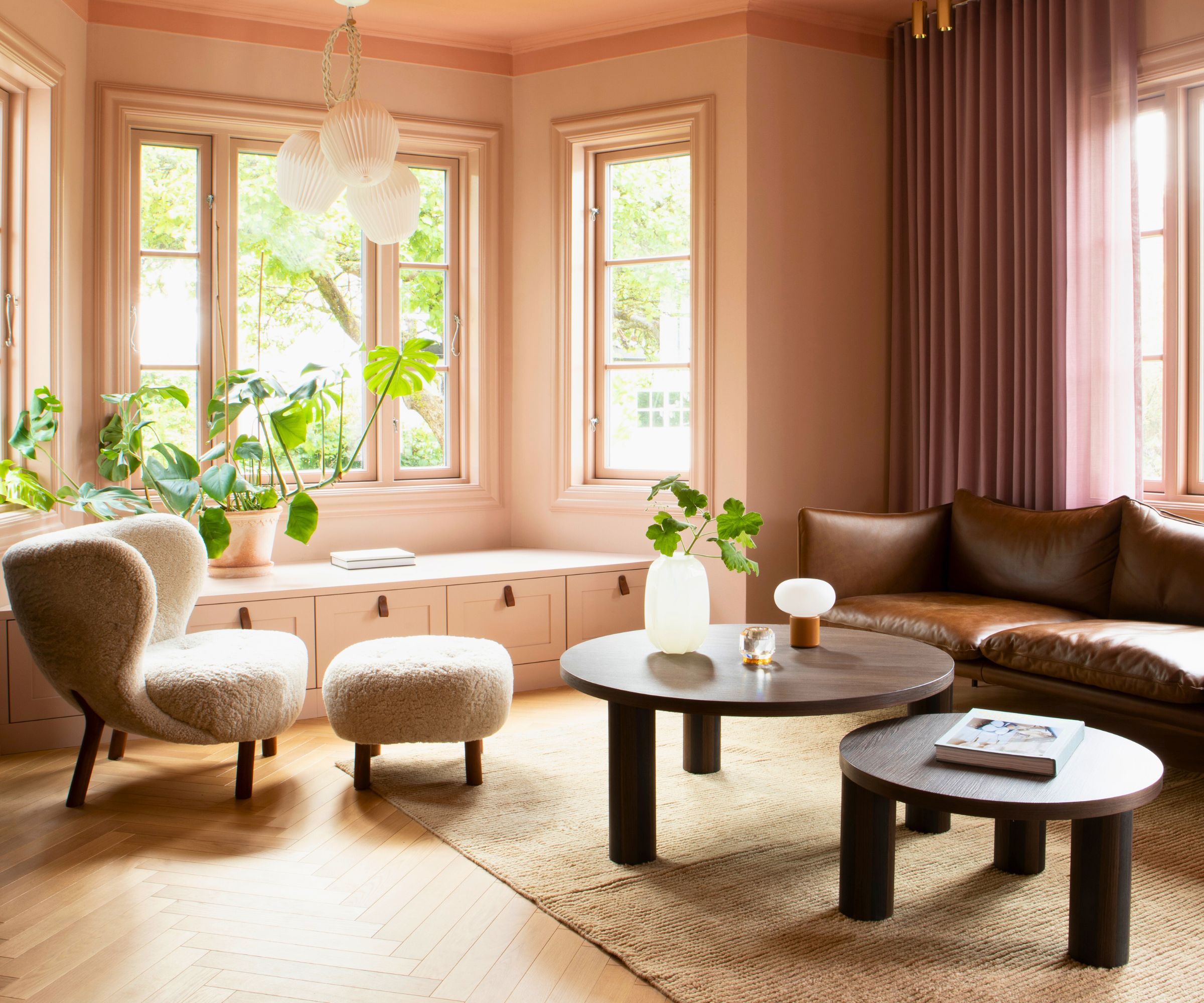
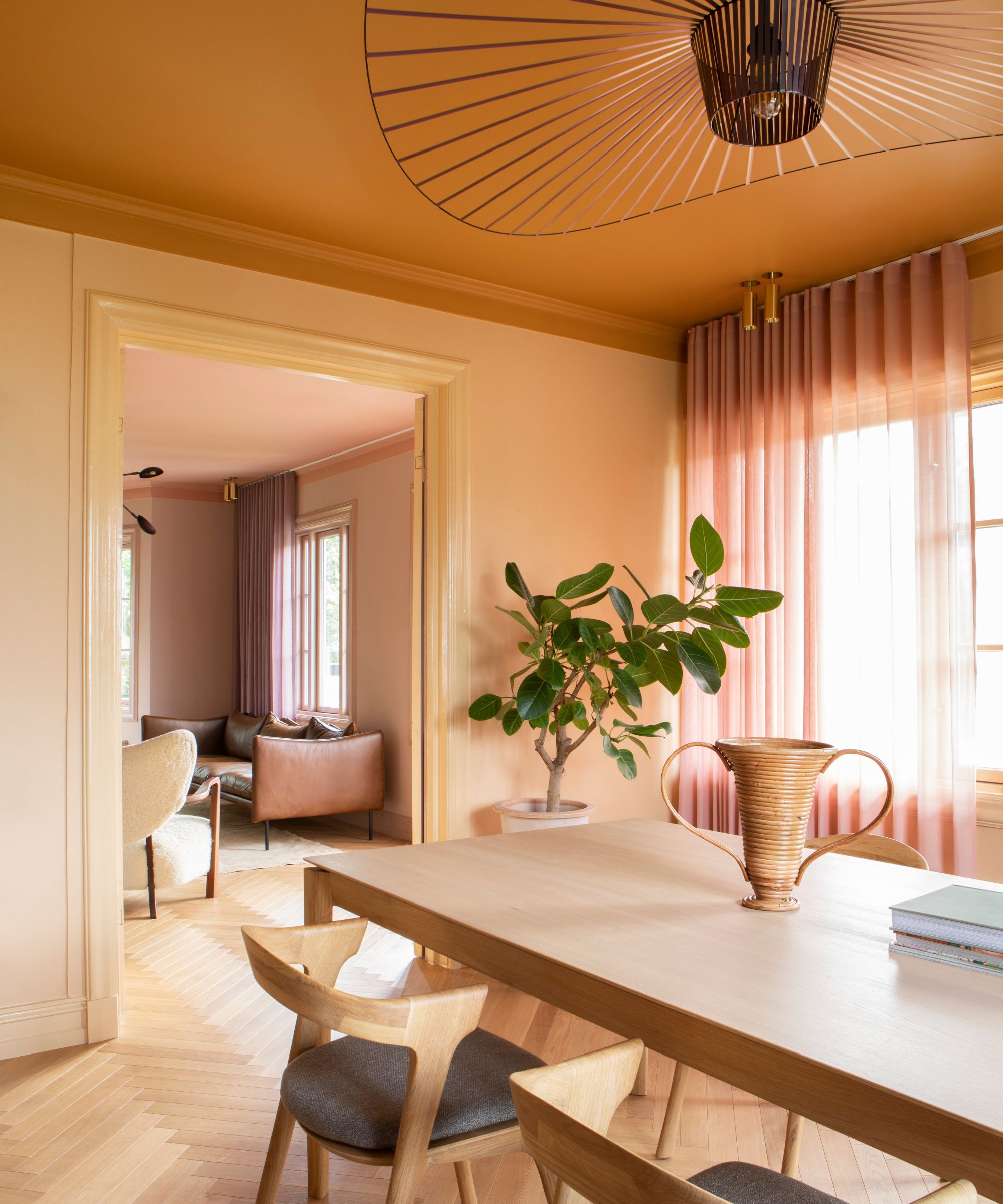
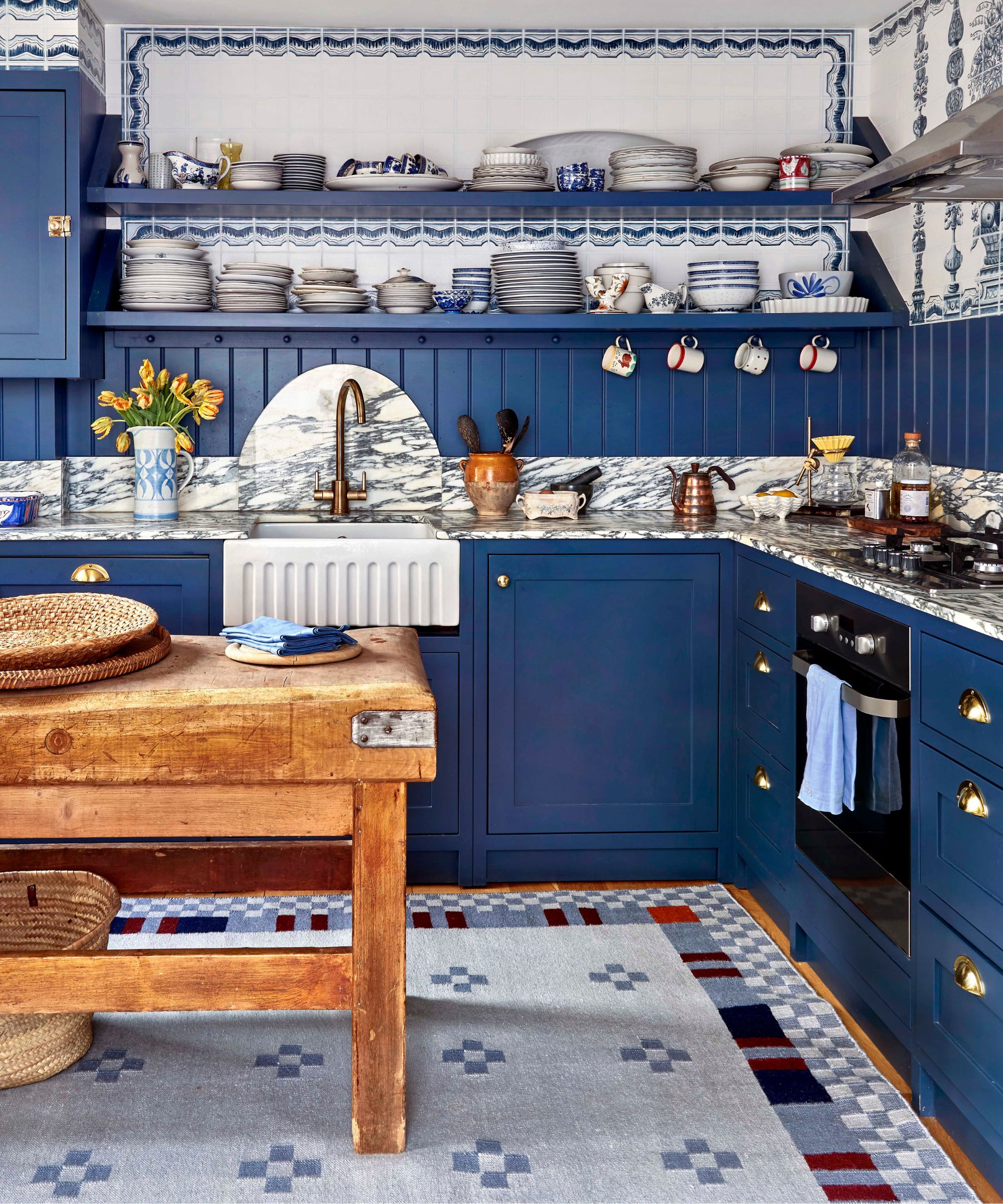
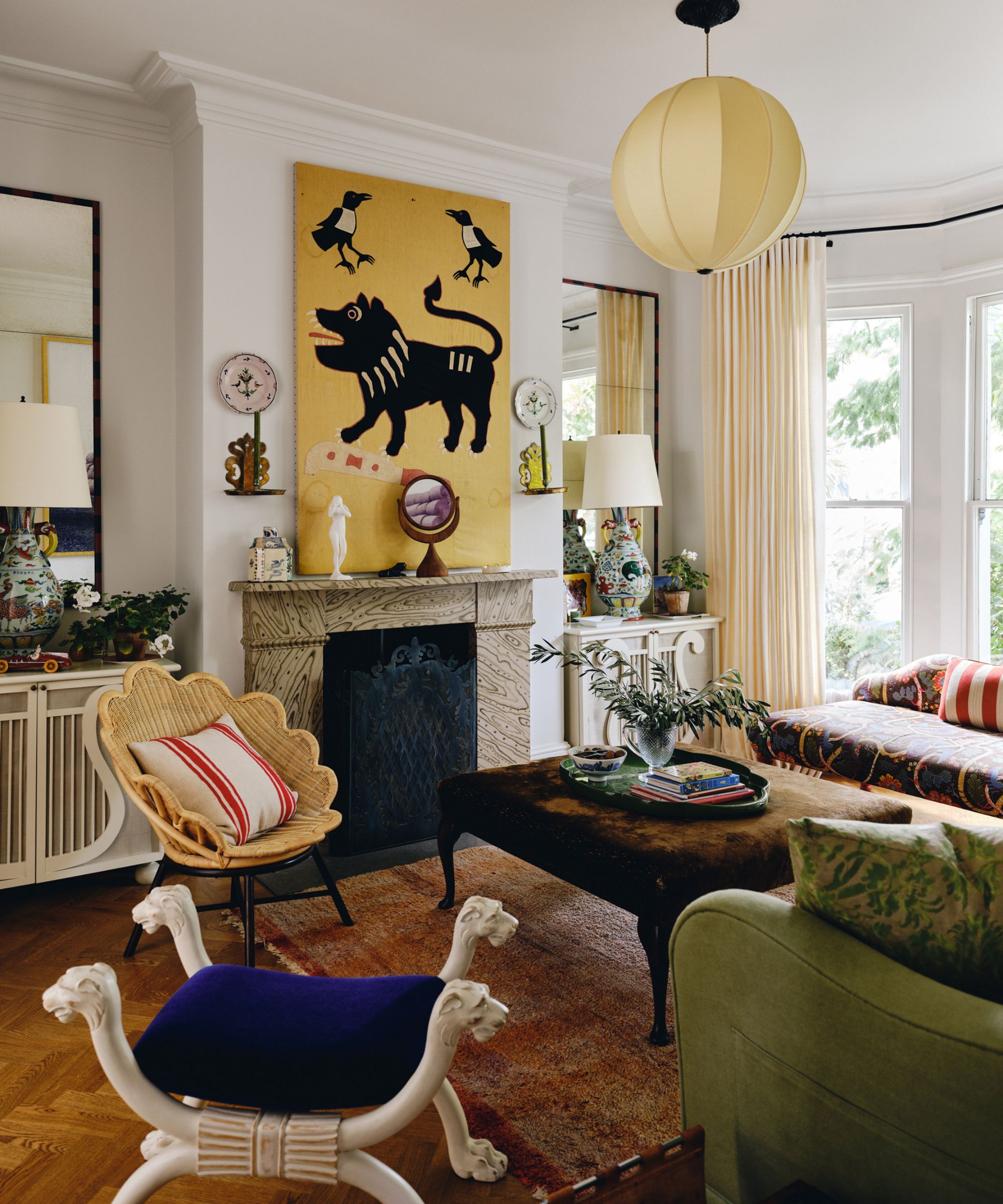
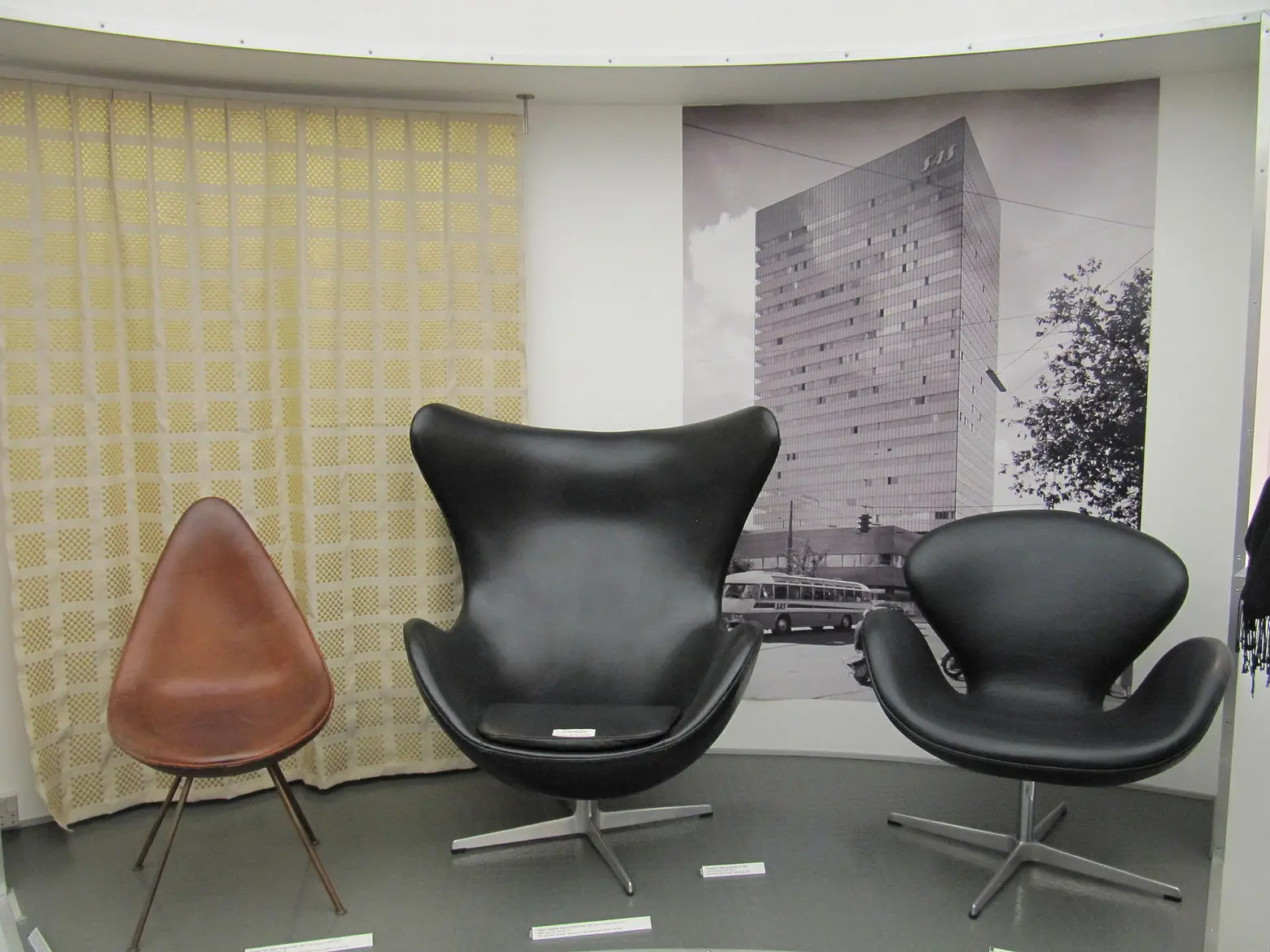
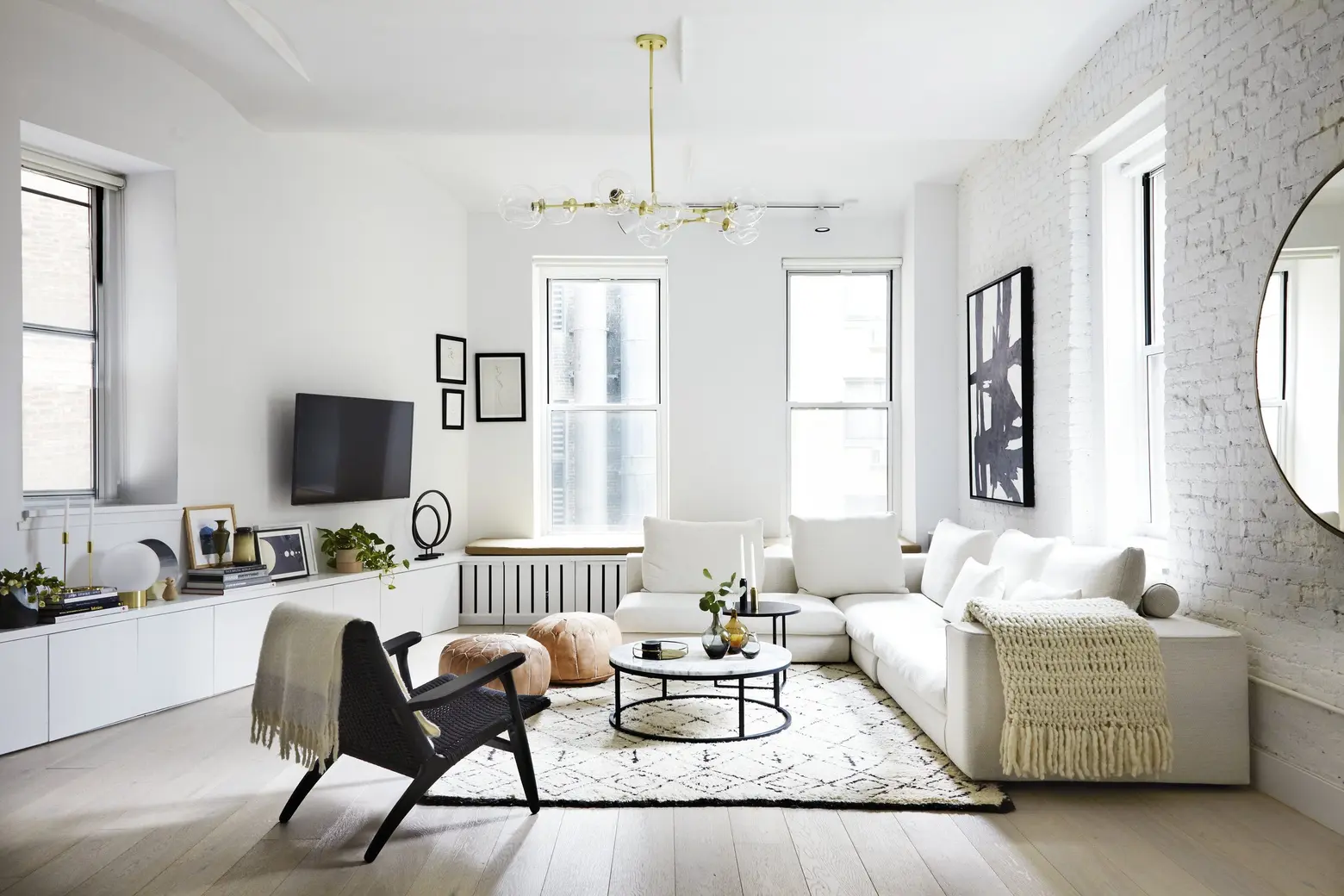
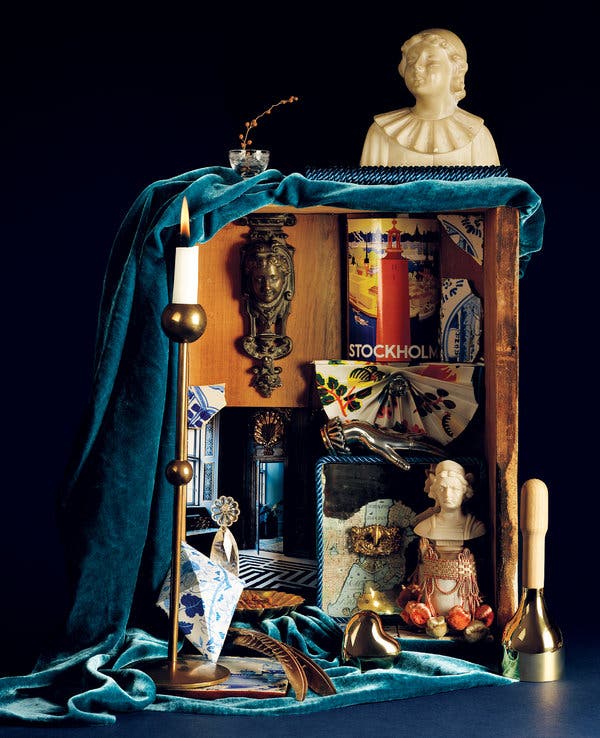
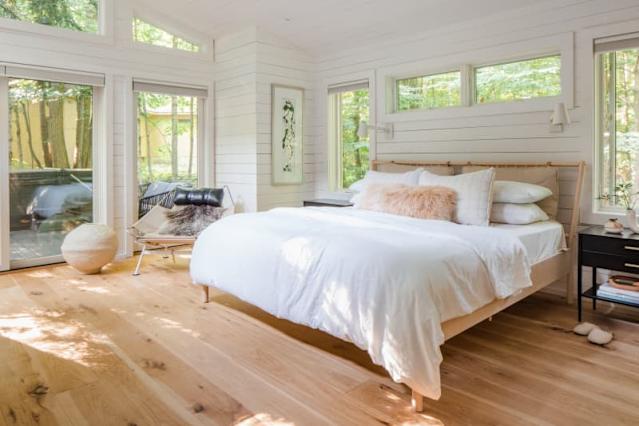
The perception of Scandinavian design, particularly Swedish design, has long been synonymous with minimalism: functional, pared-back aesthetics characterized by blond wood and stark white walls. However, a noticeable shift is occurring in Stockholm, where a resurgence of more colorful, richly textured, and historically inspired design elements is challenging this established notion. This movement is reintroducing forgotten periods of Swedish design history, injecting vibrancy into contemporary spaces.
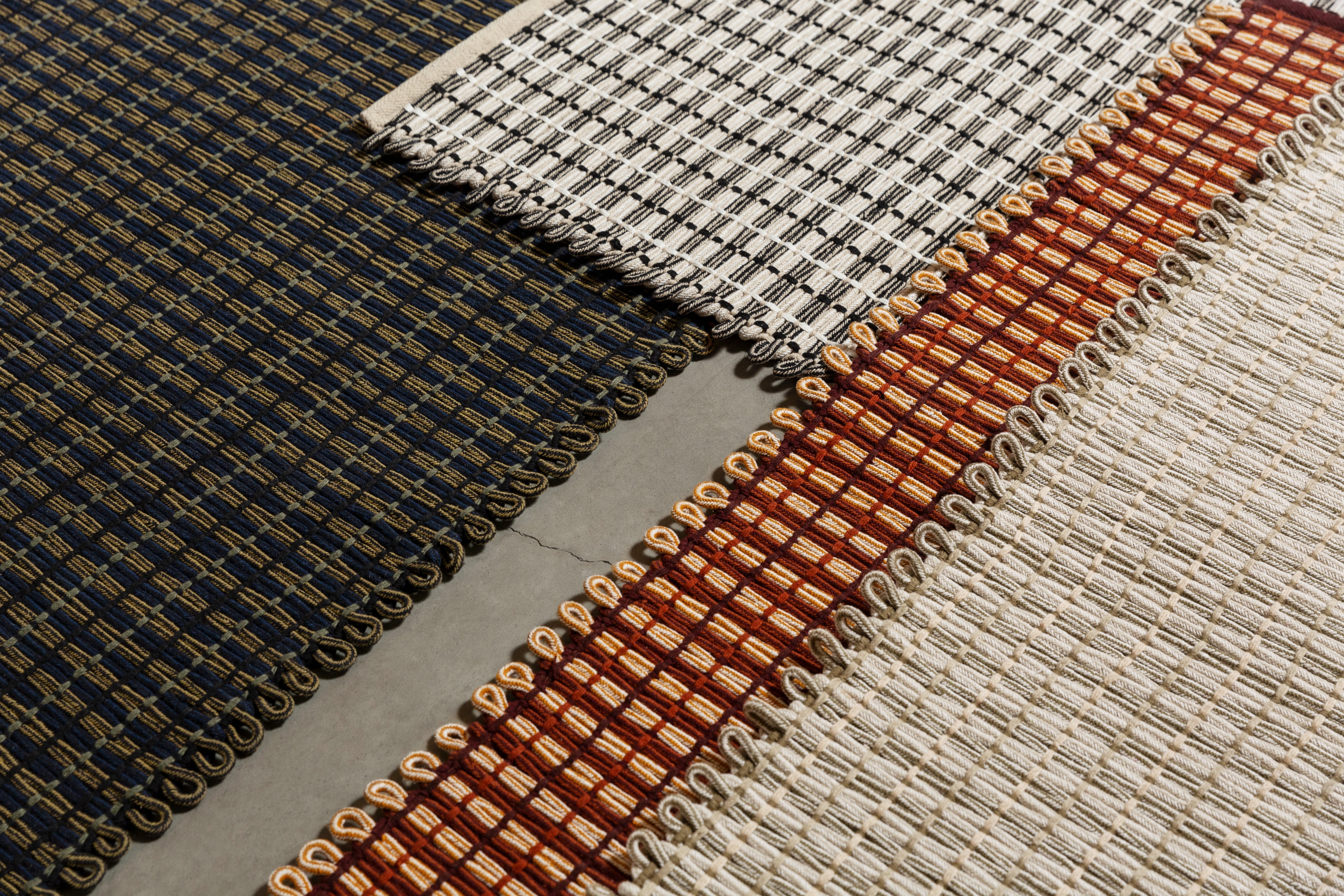
One prominent example of this evolving aesthetic is the Stockholm design shop Layered, housed in a 500-year-old building. Unlike the minimalist stereotype, Layered features marble pillars, gold scalloped moldings, and walls painted in deep turquoise and salmon. The interior is adorned with antique fringed lamps, furniture upholstered in dusty pink and marine blue velvets, and surrealist carpeting. This eclectic mix signals a departure from the purely functional and highlights a return to more ornate styles.
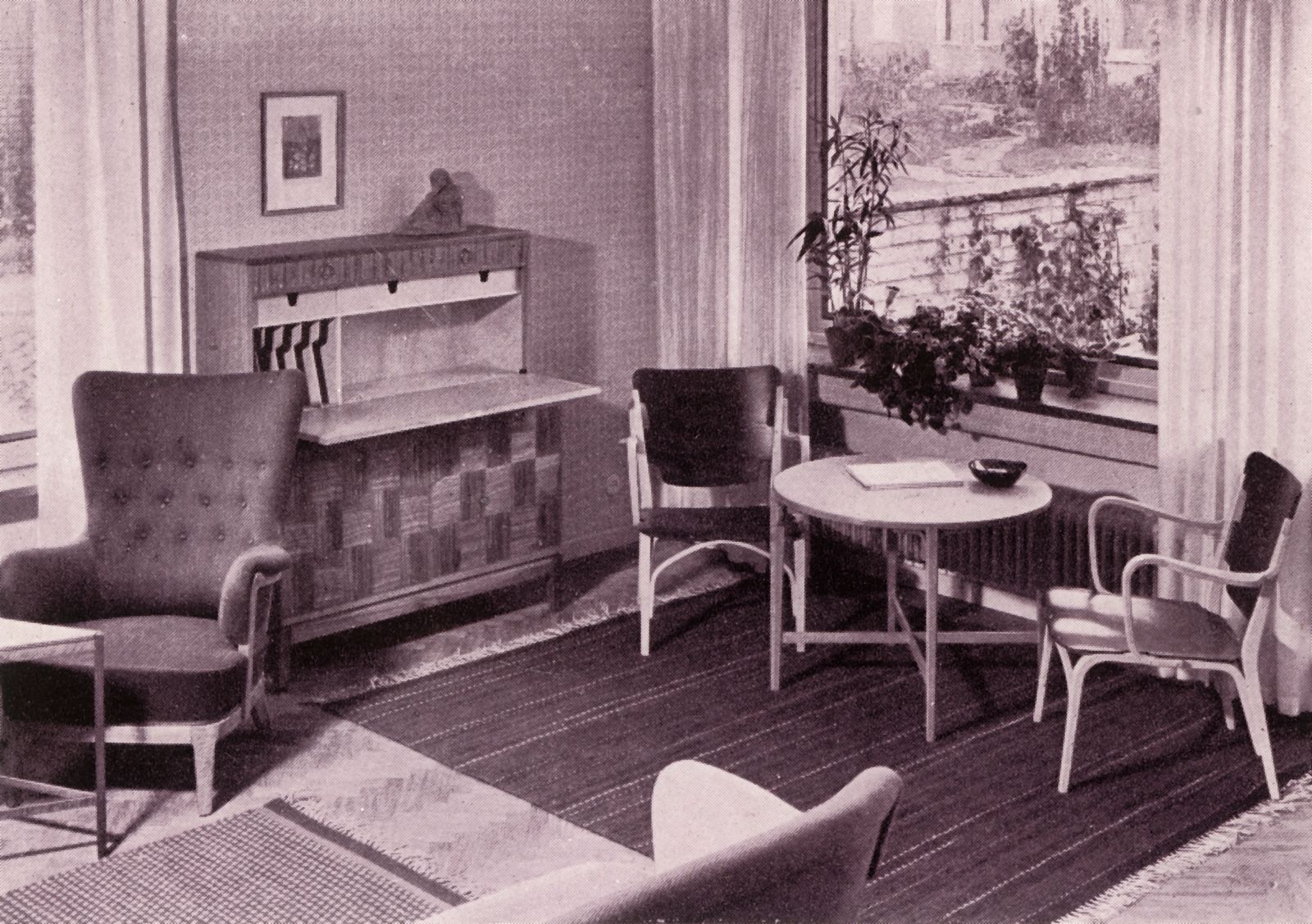
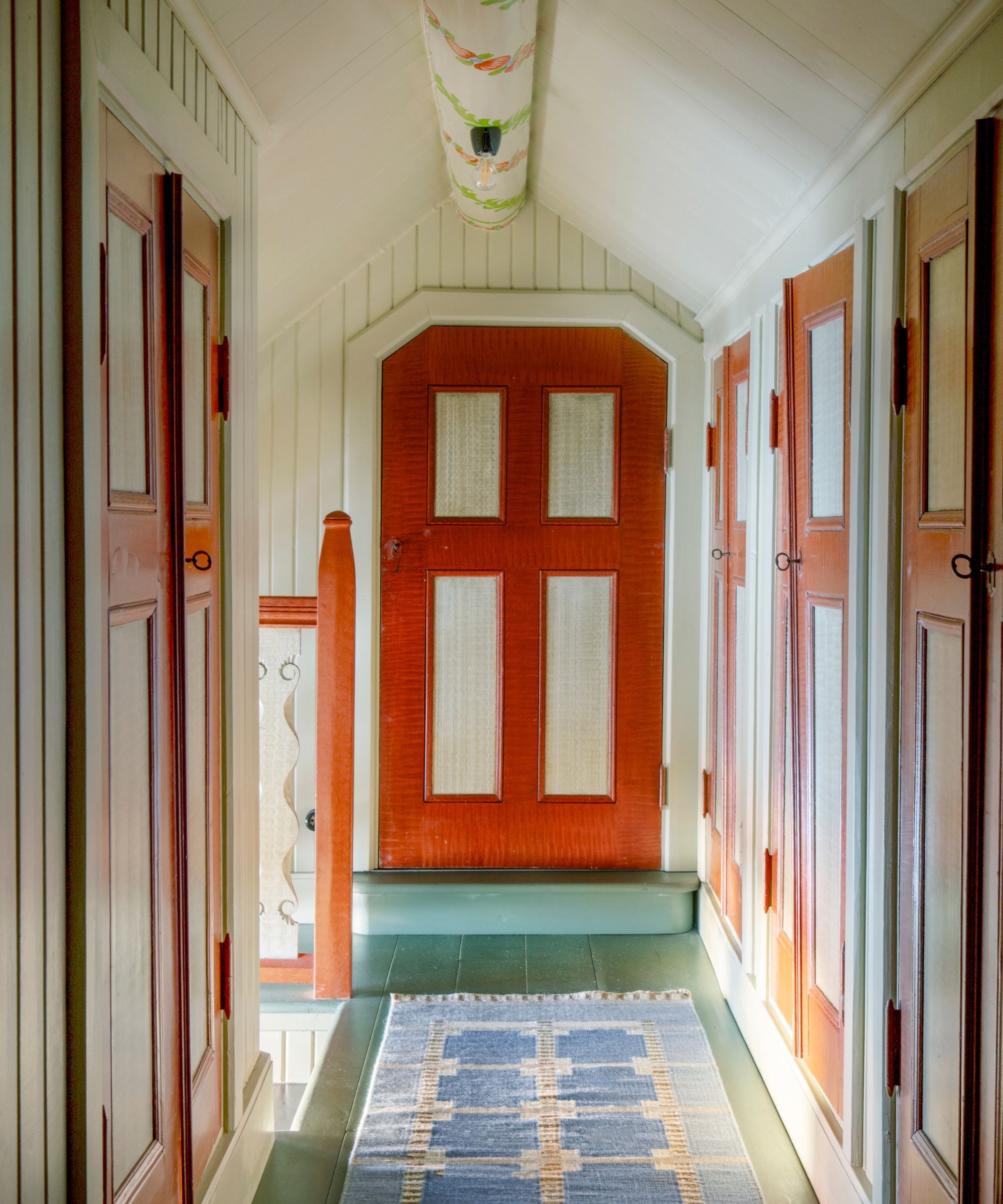
This shift draws inspiration from several historical Swedish design trends. The gilded opulence of the 18th-century court of King Gustav III, known as Gustavian gilt, is making a comeback. Another significant influence is Josef Frank, a textile designer celebrated for his wild textiles and individualistic spirit. Additionally, the “Swedish Grace” movement, an appealing pastiche of Nordic folk motifs and ornate craftsmanship that emerged concurrently with Art Deco, is gaining renewed attention. Swedish Grace furniture and ceramics garnered international acclaim at the 1925 Paris world's fair and were exhibited at the Metropolitan Museum of Art, only to be overshadowed by functionalism and mass production in the 1930s, largely due to the rise of companies like Ikea.
Andrew Duncanson, owner of Modernity, a vintage furniture gallery in Stockholm, notes the change, recalling a time when Swedish interiors were predominantly “50 shades of white.” He observes a current progression toward color, luxurious fabrics, and unexpected objects, executed with a distinctly subdued Scandinavian sensibility that sets it apart from trends in other European design hubs. This unique maximalism can be seen in historical sites like the Royal Swedish Opera and King Gustav III’s Pavilion, which showcase Sweden’s subtle interpretation of French Rococo, and Ragnar Ostberg’s mosaicked City Hall, a testament to Swedish Grace.
The enduring Stockholm boutique Svenskt Tenn, which has carried Josef Frank's designs since 1934, also plays a role in this reawakening. A pivotal moment for this new aesthetic was the opening of Ett Hem, a hotel designed by British decorator Ilse Crawford in collaboration with Jeanette Mix. This 12-room Art Nouveau townhouse blends traditional Scandinavian elements, such as handwoven wicker chairs and tiled kakelugen stoves, with truffle-colored velvet sofas, snow-white marble, and classic candelabras from the 400-year-old brass foundry Skultuna.
The Haymarket by Scandic Hotel further exemplifies this trend. Designed by the Stockholm firm Koncept, this hotel, housed in a 1920s department store, features interiors that lean more towards a "Miami than Scandi" aesthetic, incorporating palace red carpets, Deco wallpaper, and a kaleidoscope of velvet. Malin Glemme, the owner of Layered and a local designer, expresses her intention to rebel against the city’s long-standing aversion to ornamentation. She believes that minimalism has been dominant for too long and that Swedes are now more interested in expressing their individuality through design.
#ScandinavianDesign #SwedishDesign #Maximalism #InteriorDesign #GustavianGilt #JosefFrank #SwedishGrace #StockholmArchitecture #DesignTrends #ScandinavianDesign #SwedishDesign #Maximalism #InteriorDesign #GustavianGilt #JosefFrank #SwedishGrace #StockholmArchitecture #DesignTrends
0 comment in total
 No comments yet
You may also like
Stockholm Creative Edition: Glass, Wood + Metal
What is Scandinavian interior design? Experts explain its beauty and functionality

I've never been able to describe my interior design style until I came across the term Scandi Maximalism – here's everything you need to know about this folky, playful trend
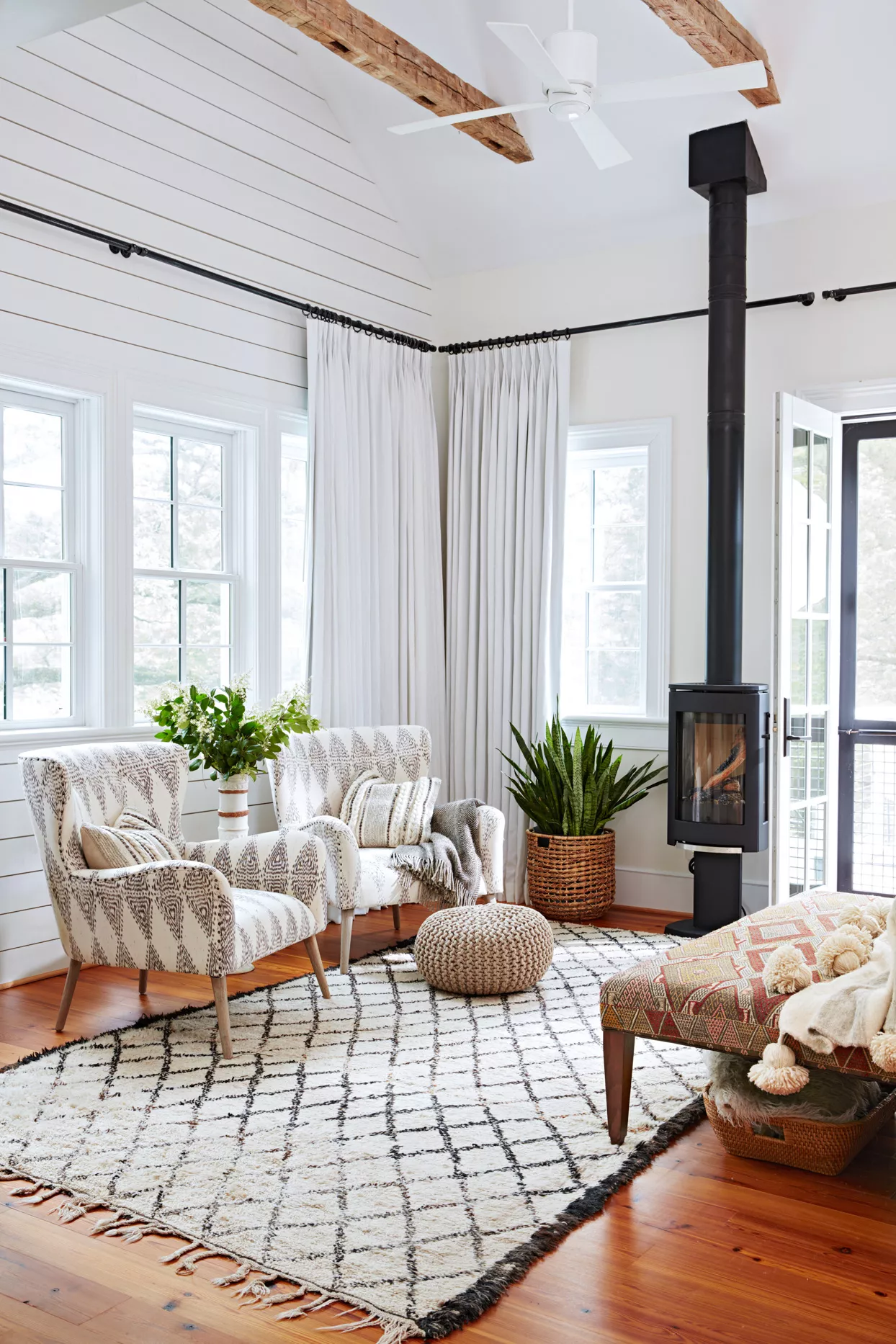
16 Gorgeous Scandinavian-Style Rooms Showcasing This Cozy, Minimalist Look

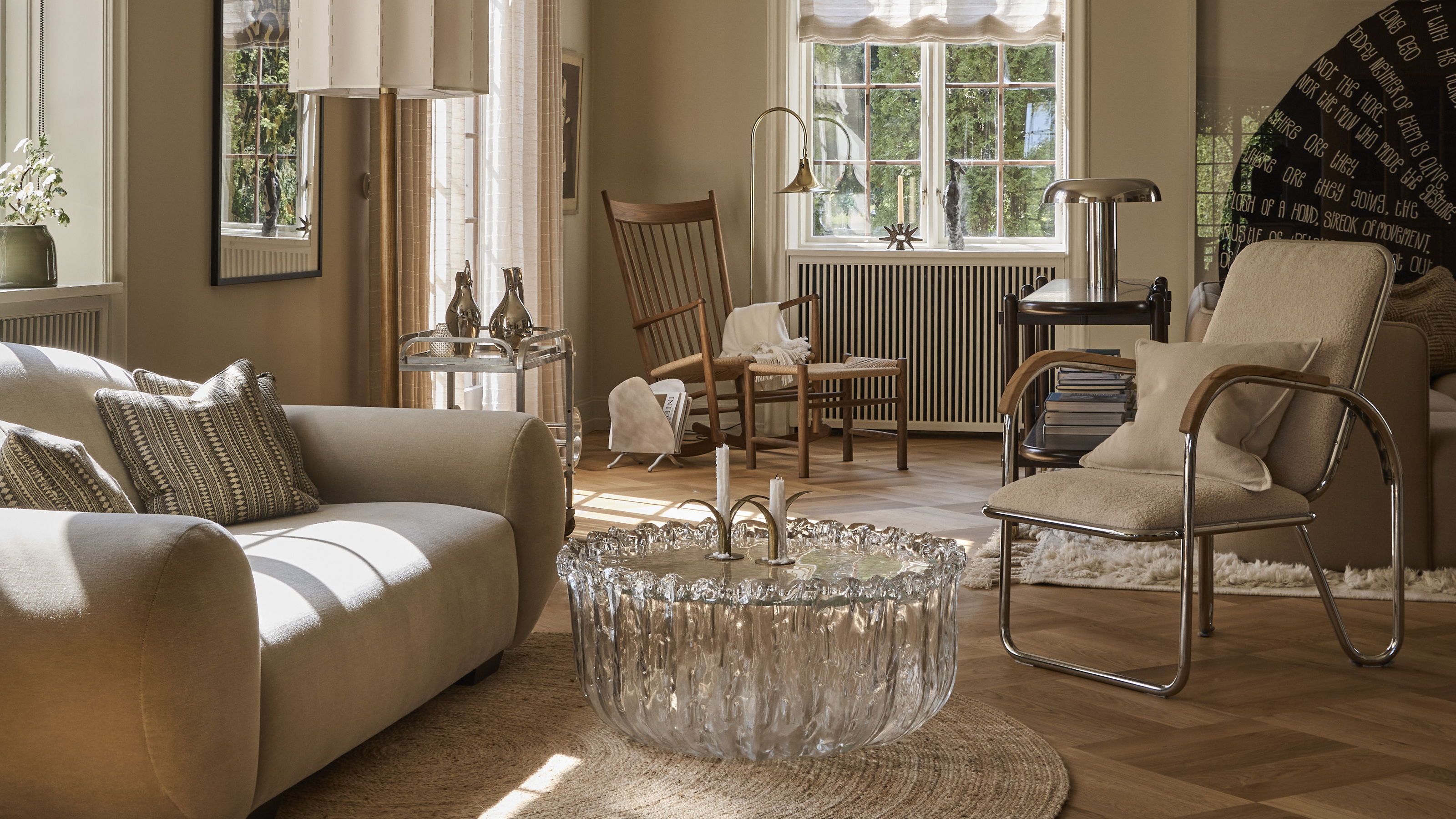
You're Missing Out If You Don't Follow These 7 Scandinavian Interior Designers

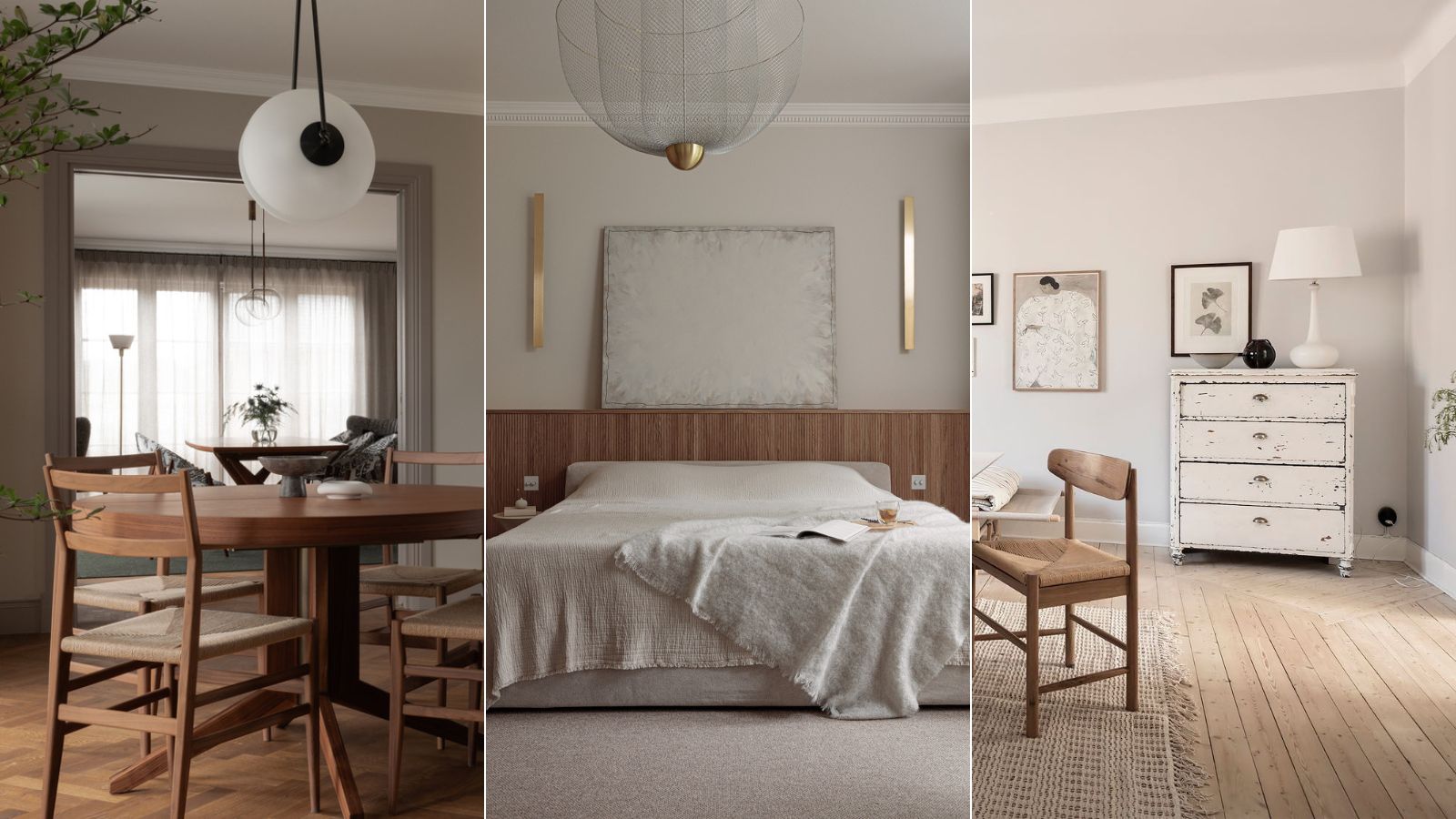
5 lessons to learn from Scandinavian interior designers about creating soft, minimalist spaces
Is this Scandinavian home décor trend about to be as big as hygge?

Steal These Design Ideas For Your Own Scandinavian Kitchen

Stockholm Design Week reframes Swedish heritage, sustainability and village life

What Is Scandinavian Style? We Break Down the Popular Style

The quirky charm of Norwegian design
5 Copenhagen-Based Creatives Pushing the Boundaries of Danish Design

We Adore These 16 Scandinavian-Style Houses for Their Simplicity and Beauty
Nordic Nest has sculpted a singular interior design spotlight

Interior Design Styles — 9 Ways to Decorate Everyone Should Know About
11 Highlights From Stockholm Design Week 2025

Scandinavian Style 101: Everything You Need to Know About Scandi Design
From uplifting pastel palettes to cool, crisp schemes, these 5 cozy homes showcase the best of Scandinavian style
The new Nordic: Scandinavian design goes from Ikea to luxury NYC real estate

This Style Creates a “Livable Aesthetic” That’s Instantly Cozy, Designers Say