1/14
The new Nordic: Scandinavian design goes from Ikea to luxury NYC real estate
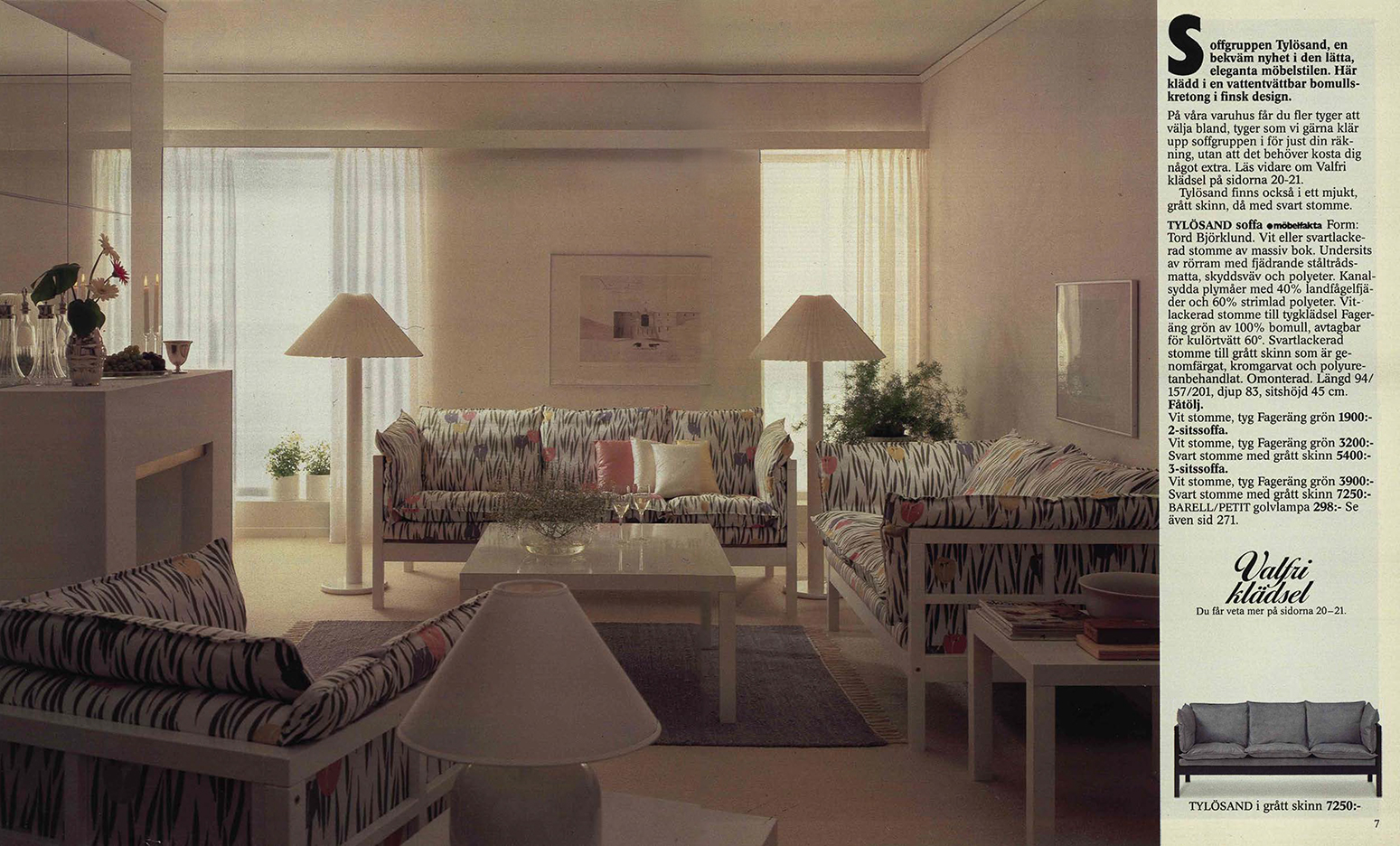
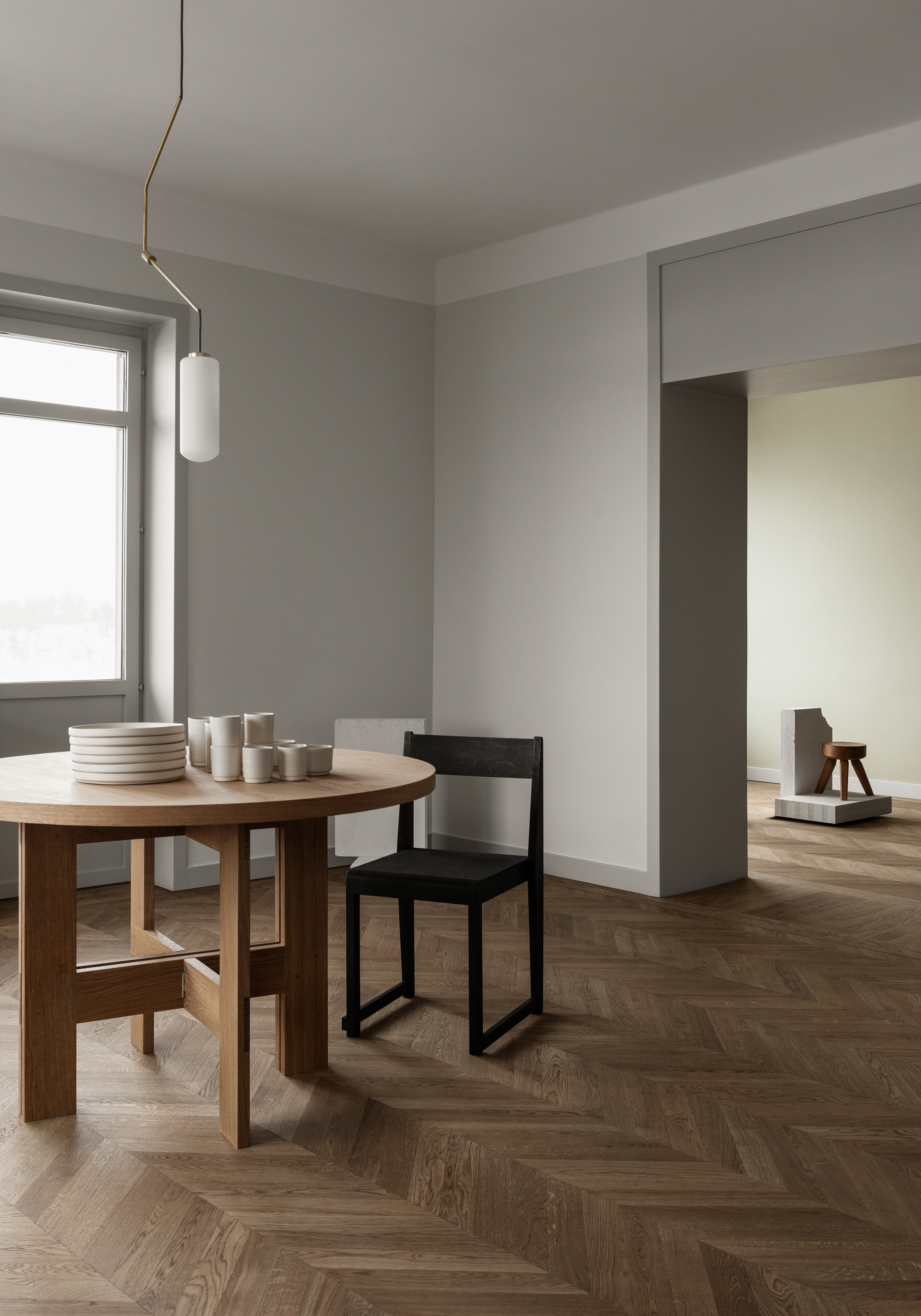
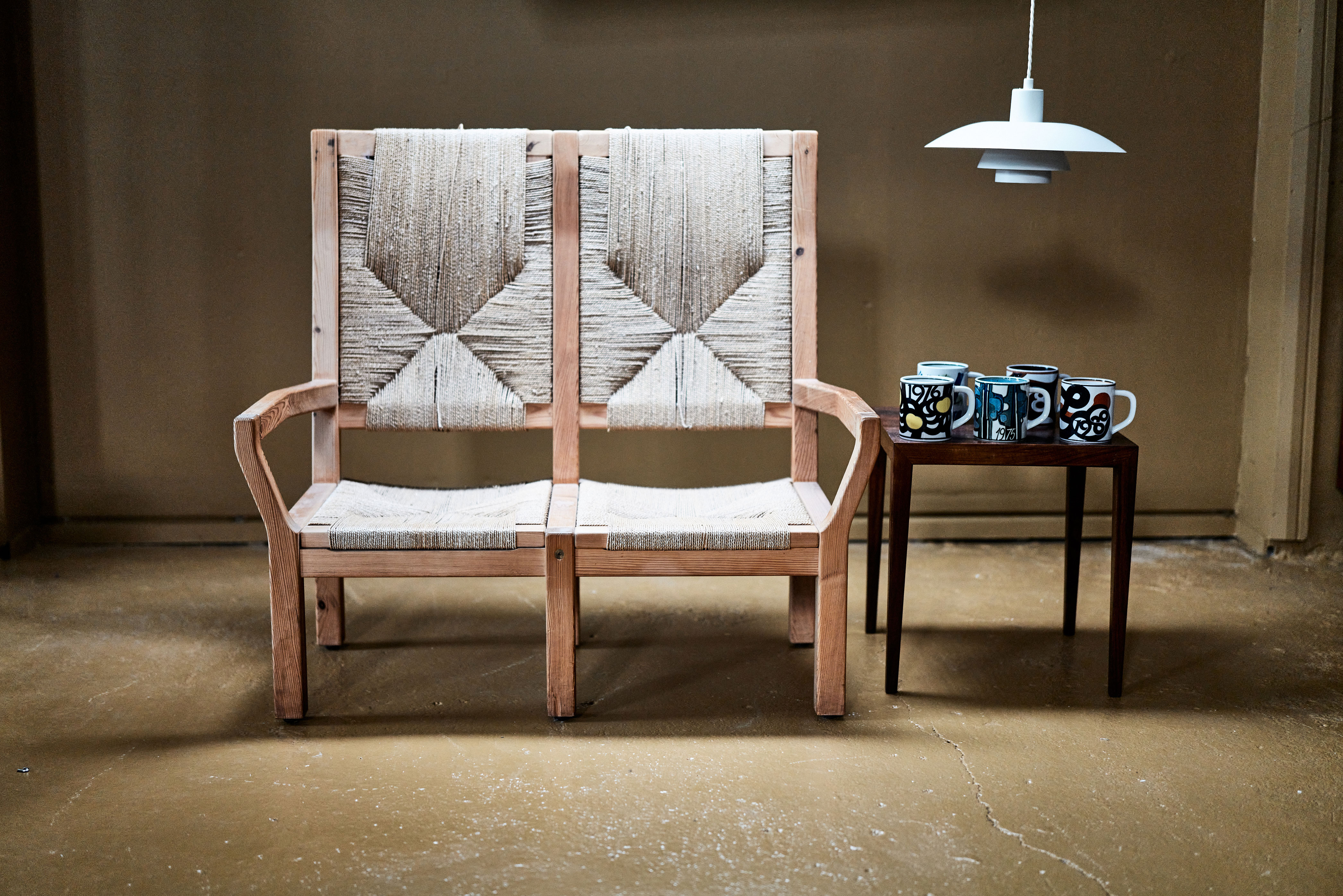
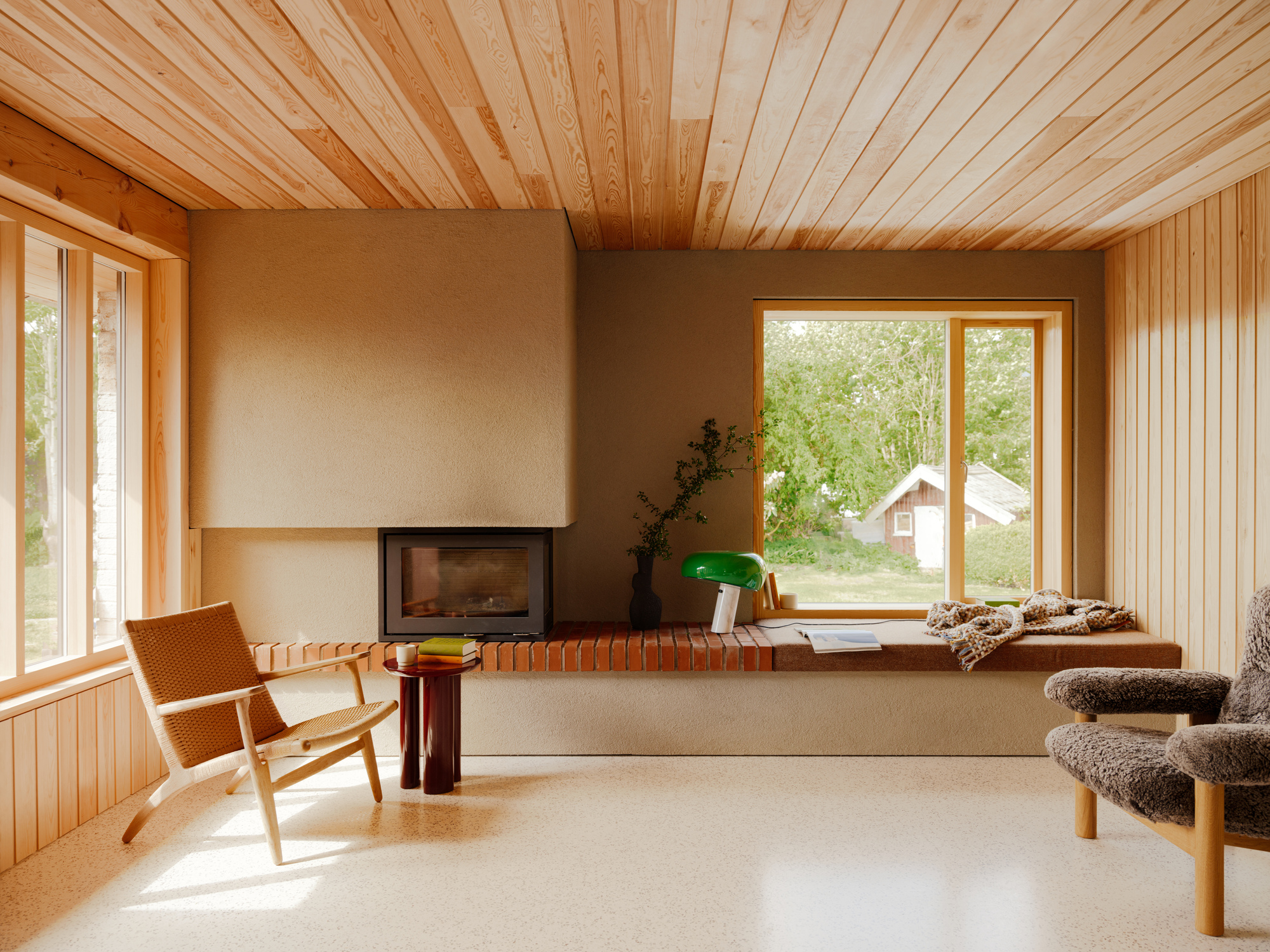
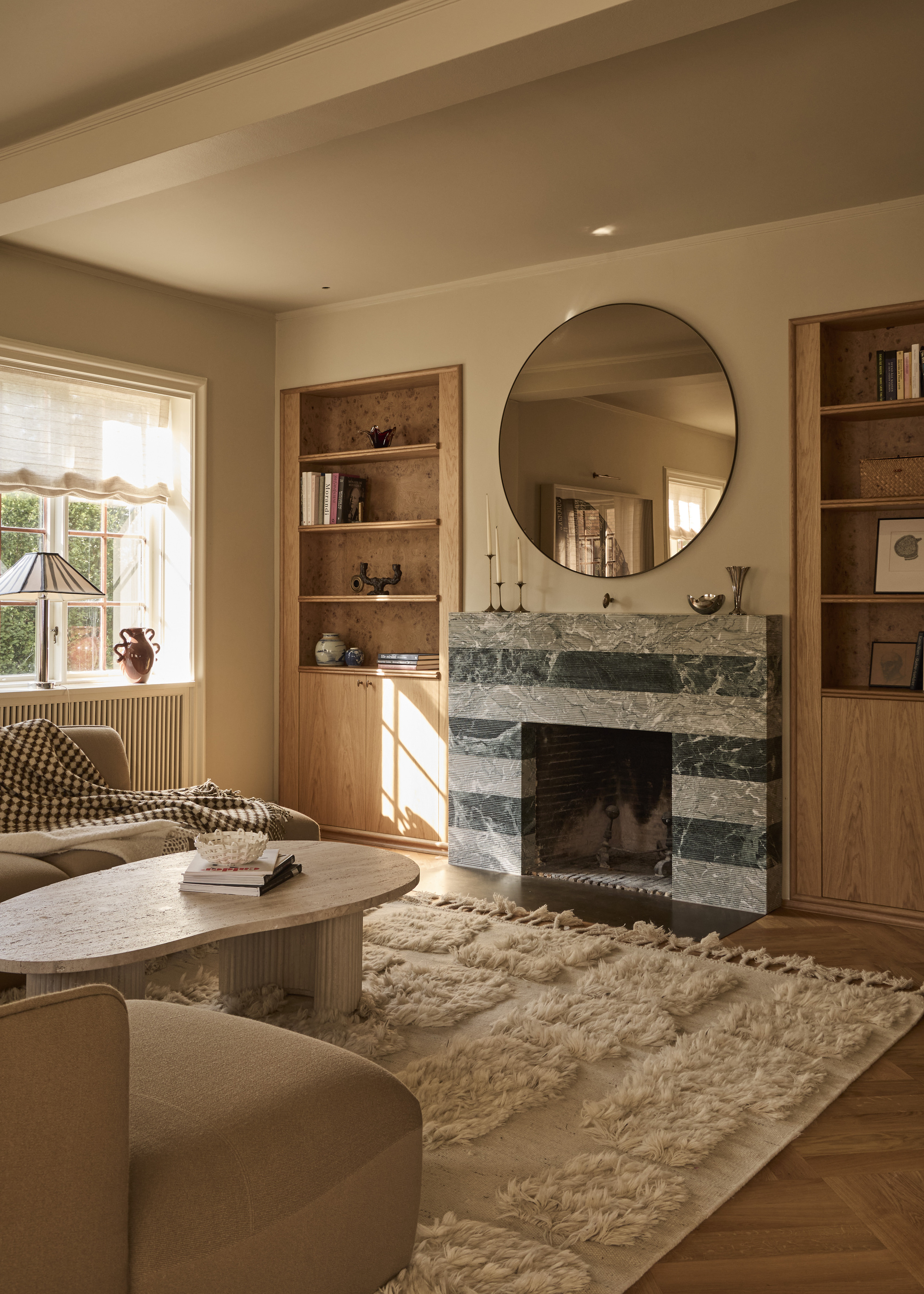
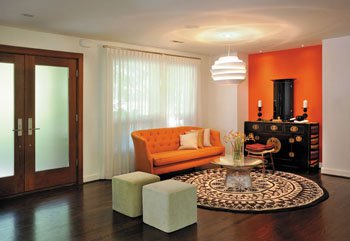
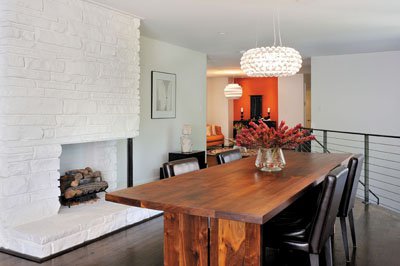
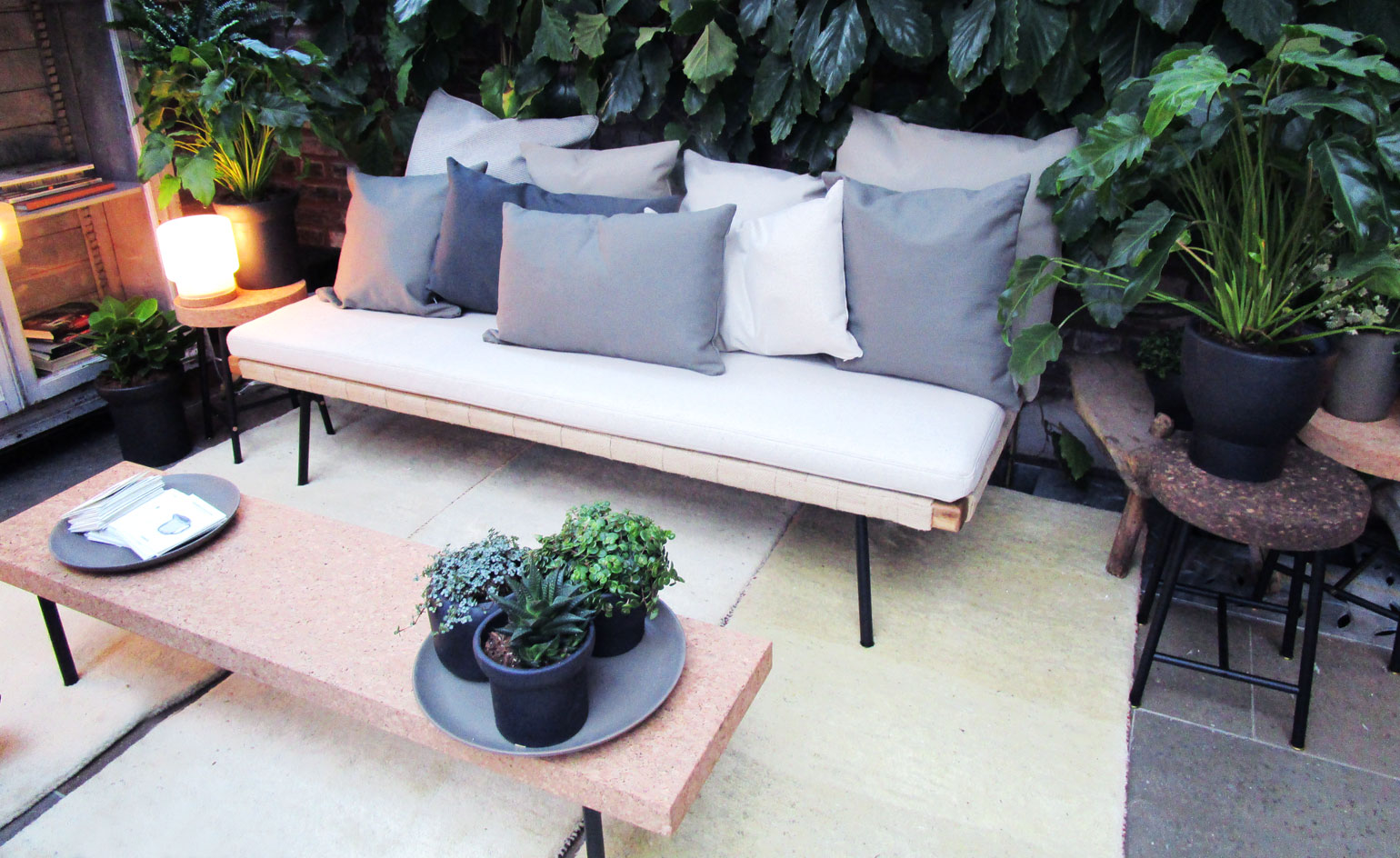
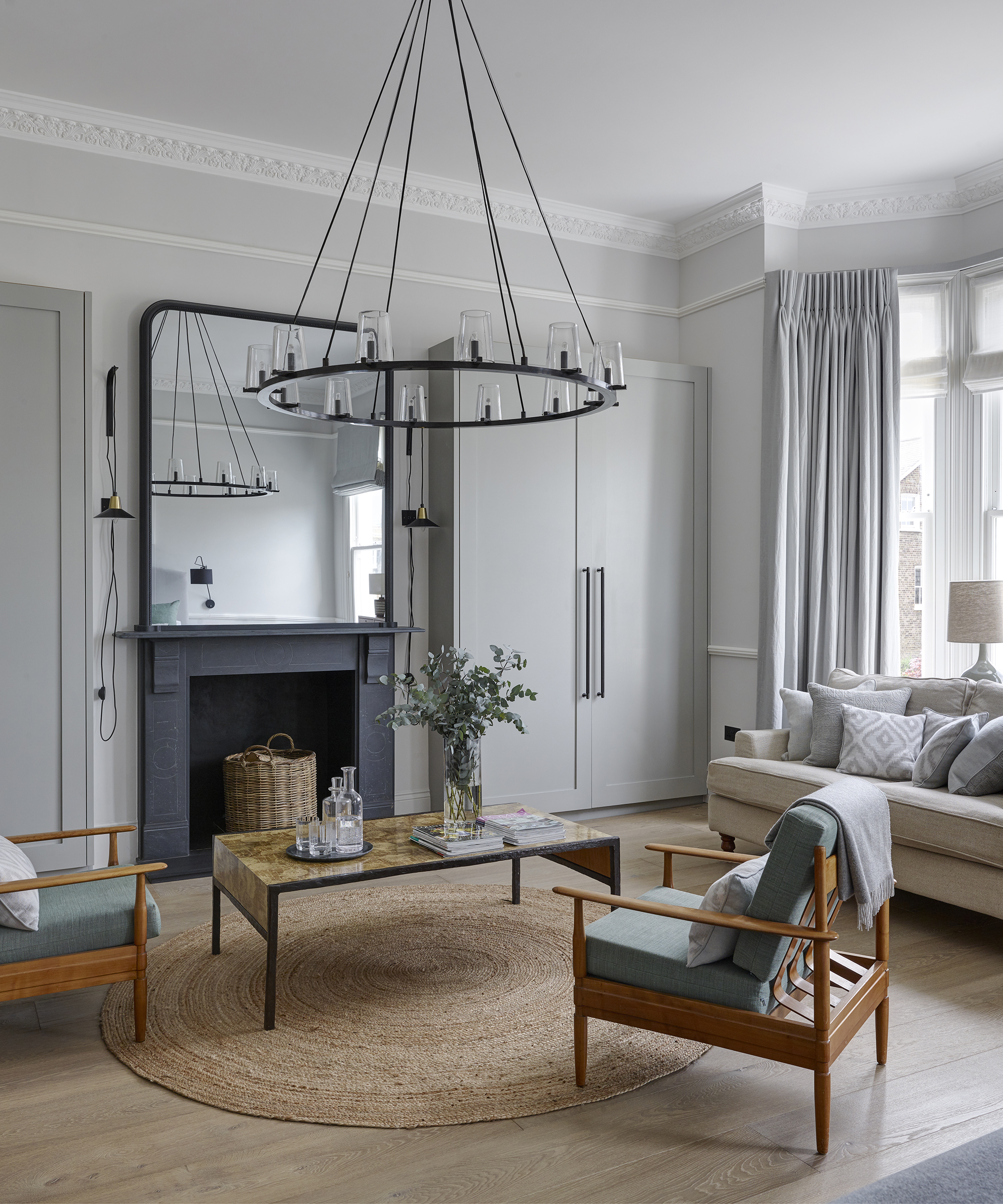
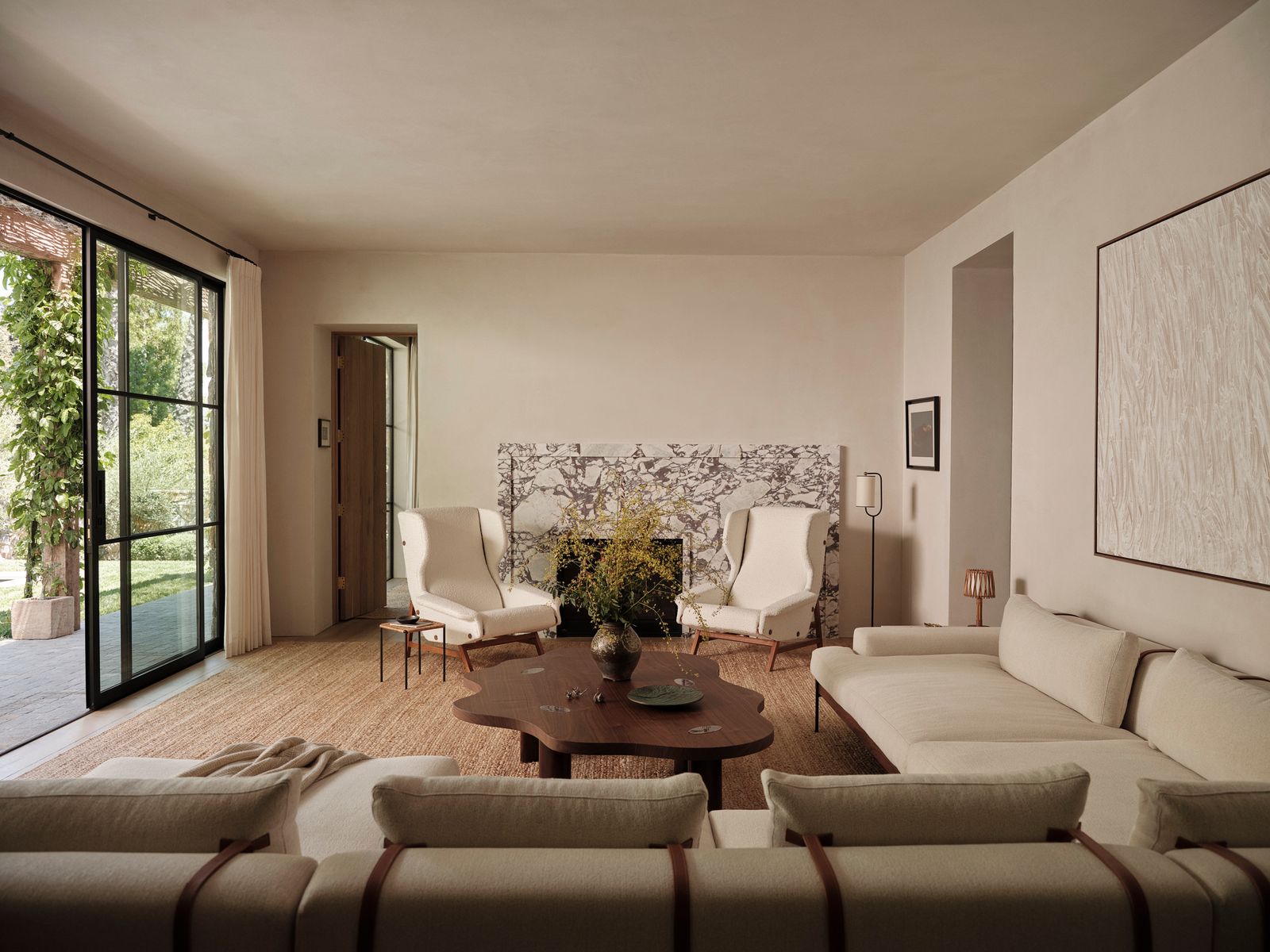
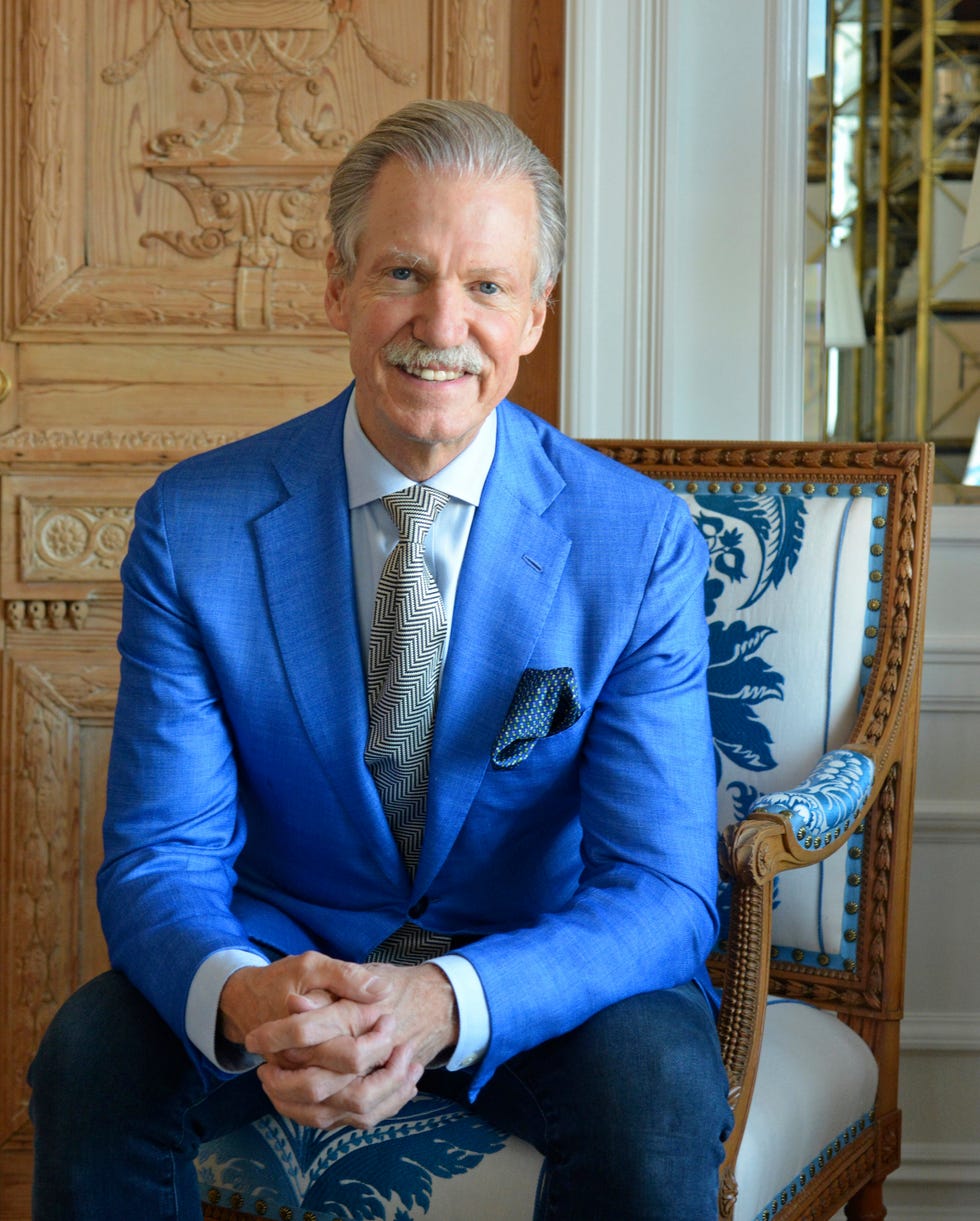
Scandinavian design, traditionally associated with utility, affordability, and simplicity, is experiencing a significant resurgence in luxury residential real estate, particularly in New York City. This trend, moving beyond its mass-produced roots like Ikea, is being embraced by high-end condo projects and reinterpreted by prominent design firms. Key to this shift is the design's underlying philosophy of “modest luxury,” characterized by refined and subtle aesthetics, understated elegance, and warmth, as articulated by interior designer Neal Beckstedt. It prioritizes purity, simplicity, clean lines, and natural materials like wood, often coupled with neutral color palettes and fine craftsmanship.
The core of Scandinavian design blends aesthetics with functionality. Interior designer Tali Roth notes that while the high-end market often favors opulence, Scandinavian design emphasizes simplicity, where the overall impact derives from the thoughtful assembly of individual components. This concept resonates with the Swedish principle of “lagom,” advocating for “not too much, not too little,” succeeding the Danish “hygge” trend. This balanced approach has positioned Scandinavian design at the forefront of contemporary high-end design.
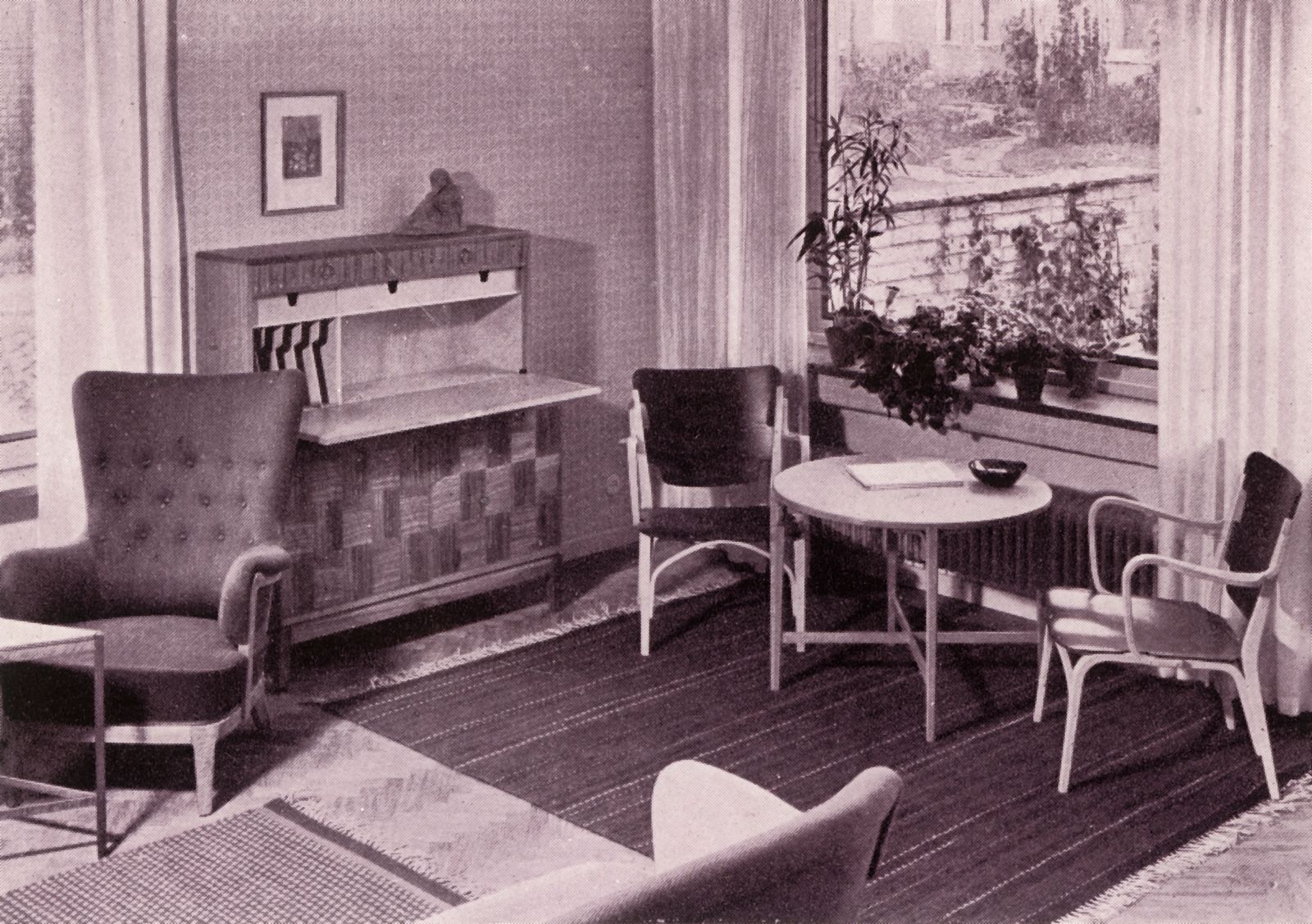
The historical origins of Scandinavian design trace back to the early 20th century, influenced by Germany's Bauhaus school. The Bauhaus principle of creating a “total work of art,” integrating all aspects of architecture and interior design holistically, was adopted and evolved in the Nordic countries. Finnish architect Alvar Aalto, for instance, exemplified this by designing everything from the building structure to minute details like lamps and glassware. This movement gained significant traction in the U.S. in the 1950s.
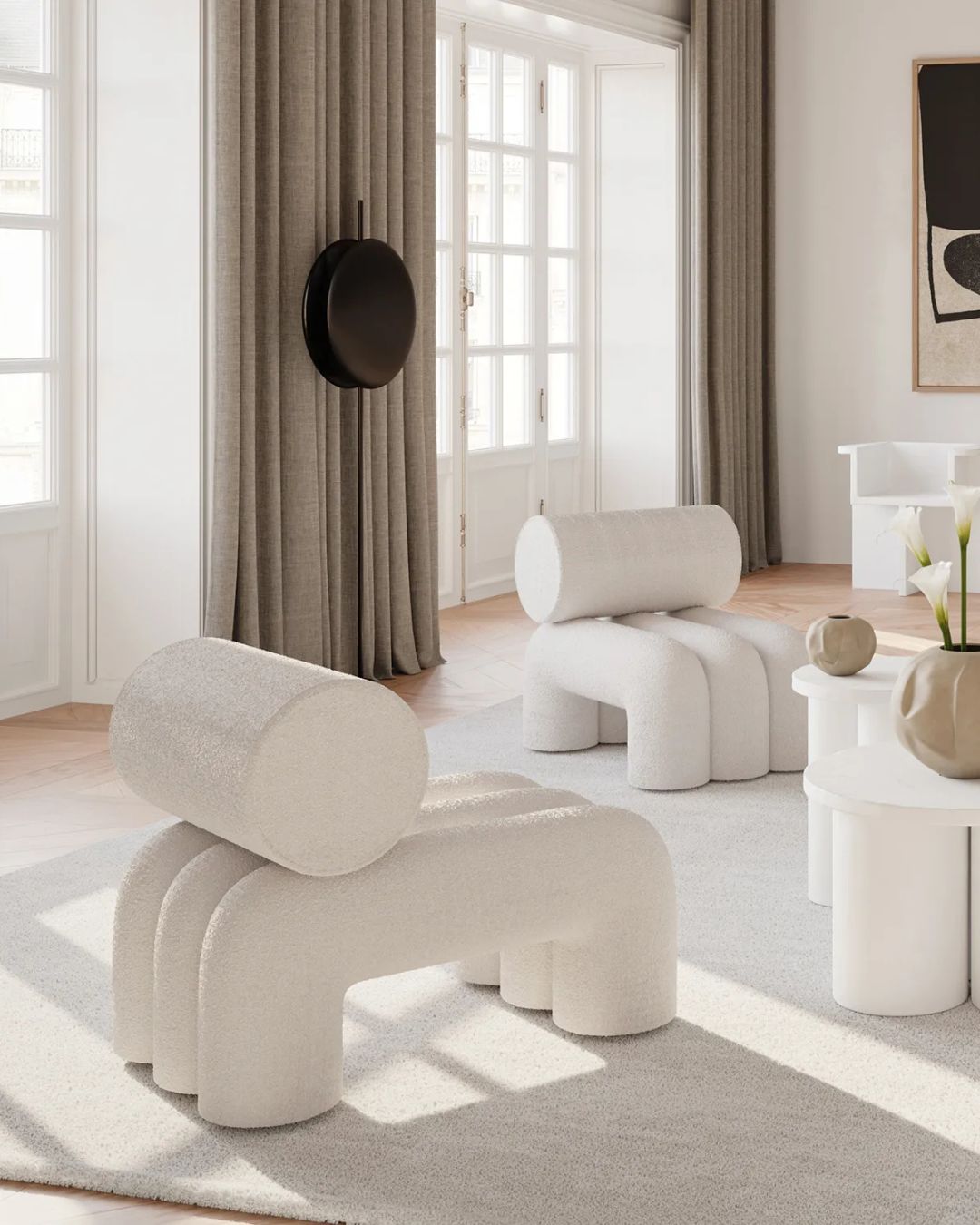
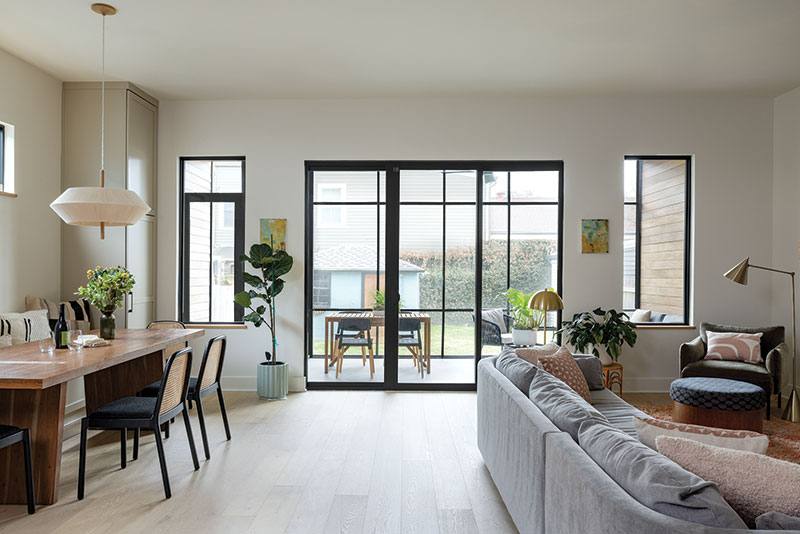
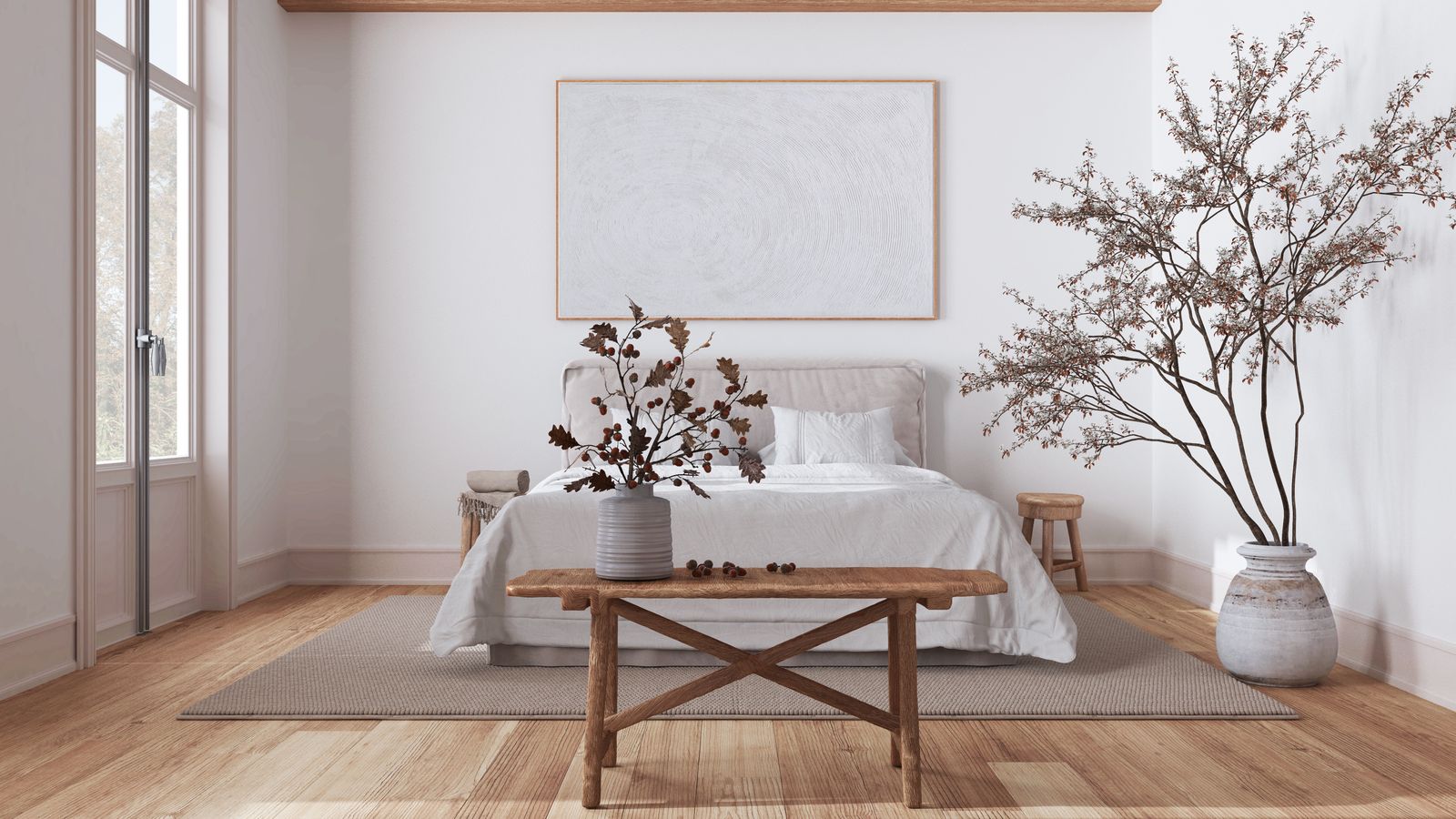
While sharing some overlap with Mid-Century Modern and Minimalism, Scandinavian design distinguishes itself through specific characteristics. Unlike Mid-Century Modern, which often uses darker hues, Scandinavian design prioritizes lightness and brightness, reflecting the long Nordic winters, and employs a muted color palette. In contrast to Minimalism's use of industrial materials like stainless steel and chrome, and reliance on geometric forms, Scandinavian design favors organic materials, subdued colors, and softer aesthetics. Beckstedt summarizes it as “form and function with warmth.”
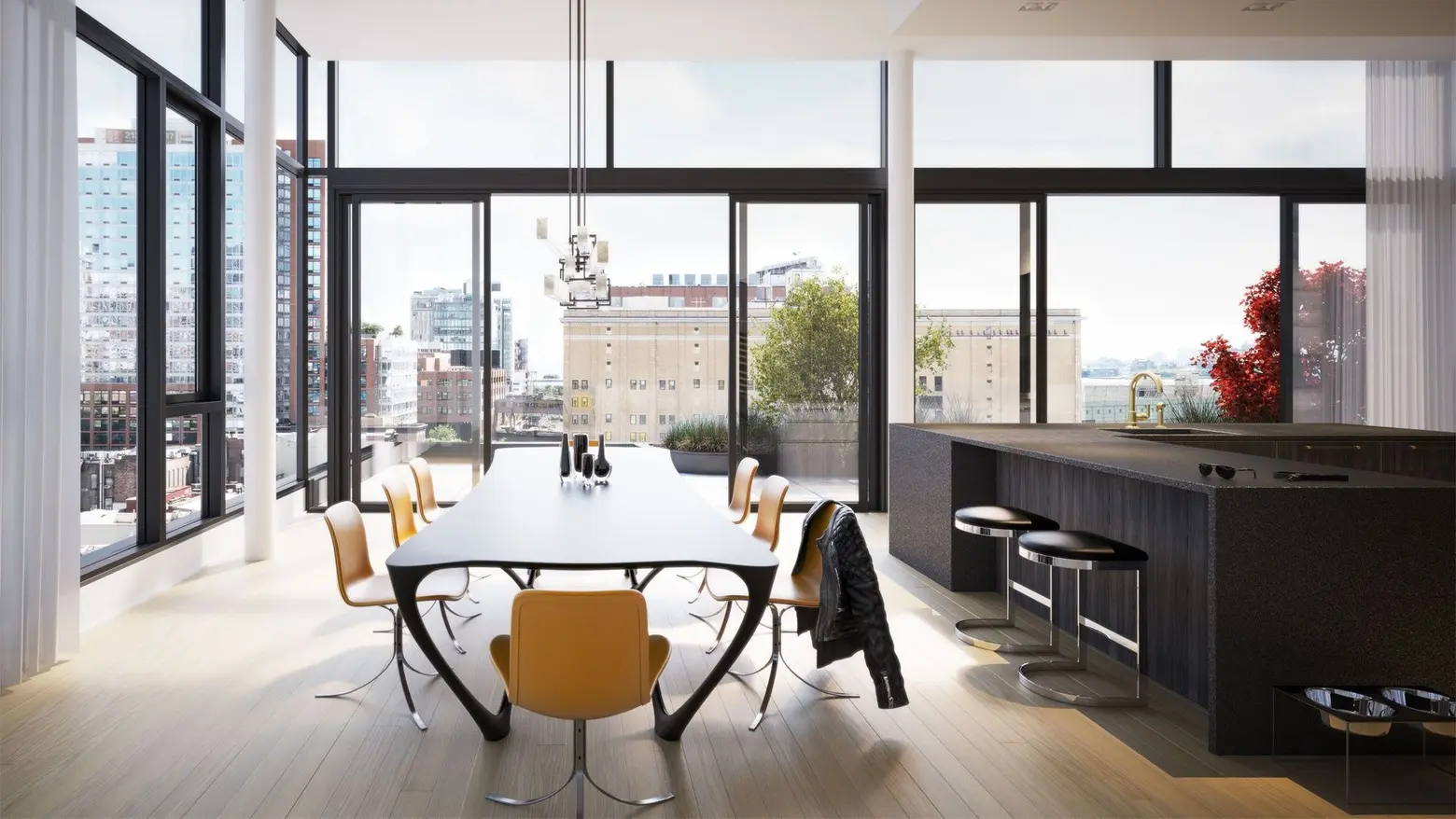
Contemporary luxury developments in NYC are actively incorporating Scandinavian influences. For instance, 145 President in Carroll Gardens, Brooklyn, promotes itself with the tagline “Scandinavian inspired. Brooklyn based.” The development's exterior features handmade Danish brick, and its interiors emphasize natural light, warm wood floors, custom cabinetry, and a Scandinavian-influenced material and color palette. Similarly, 505 West 19th Street in West Chelsea, designed by Danish architect Thomas Juul-Hansen, showcases natural materials, craftsmanship, and sophisticated interiors to create calm, comfortable, and private living spaces.
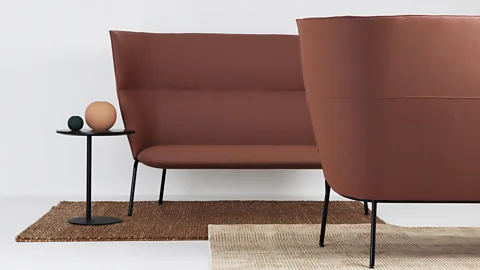
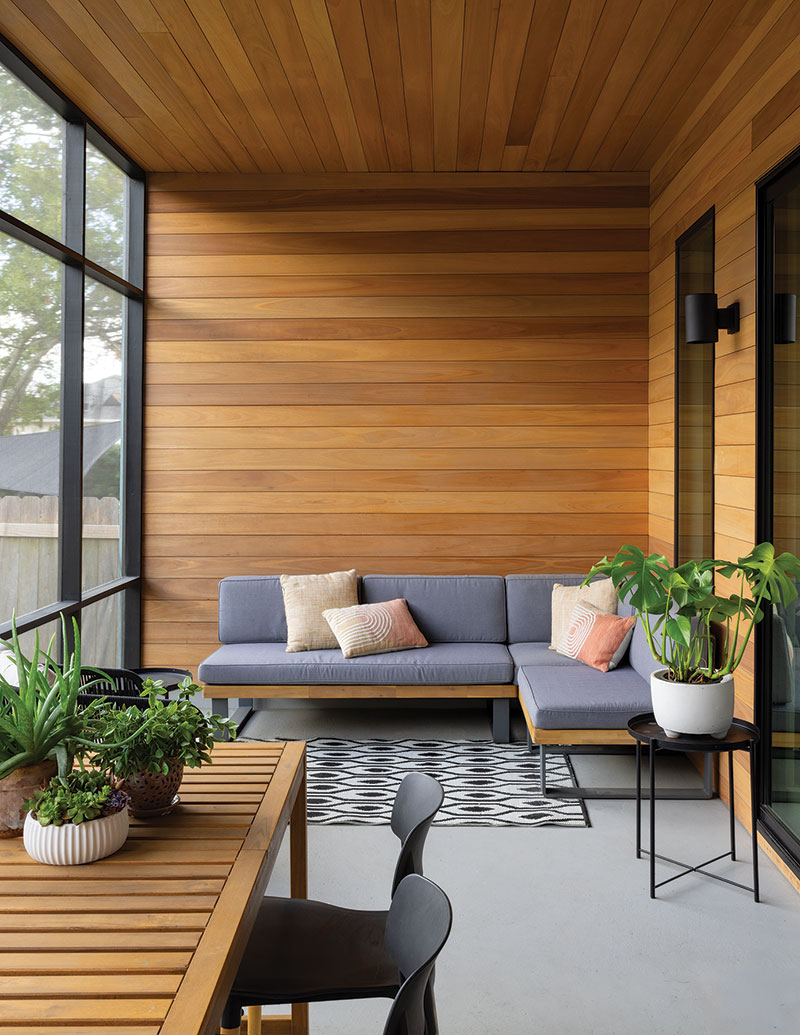
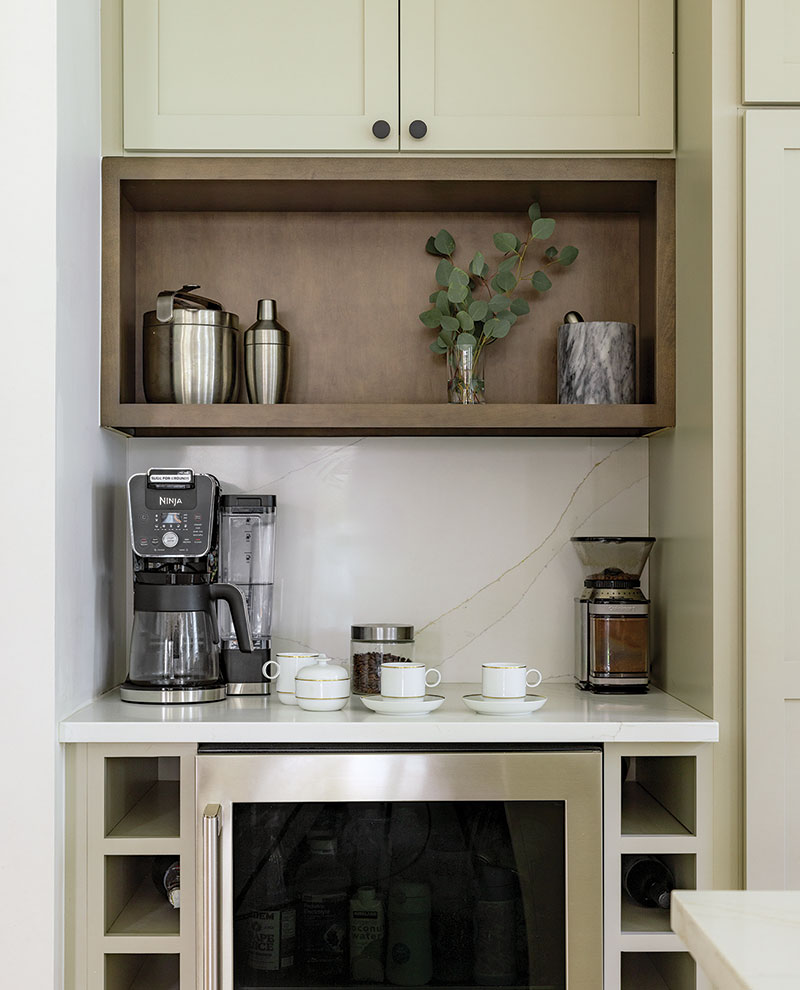
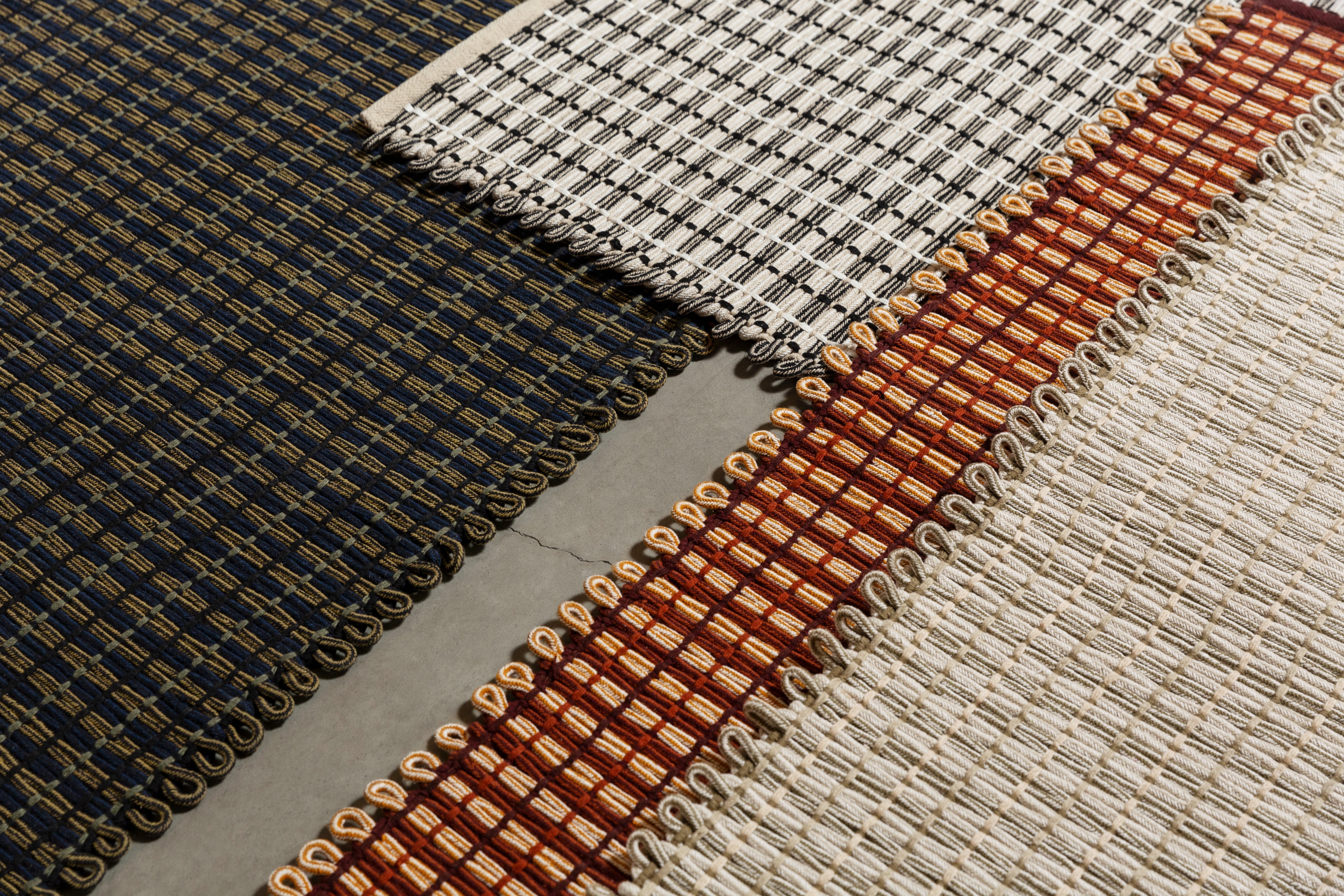
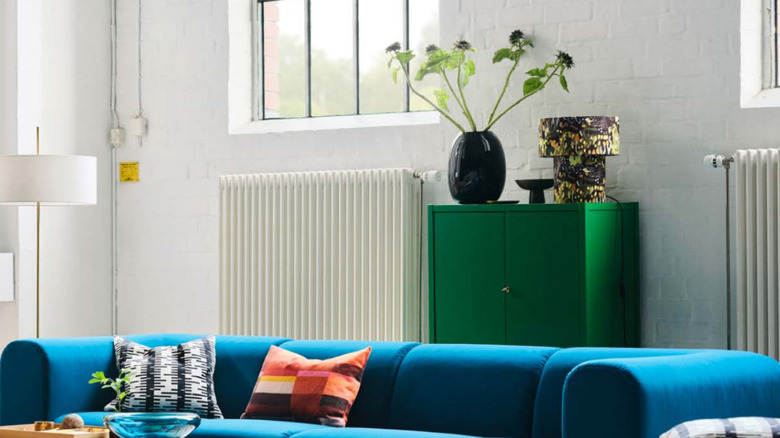
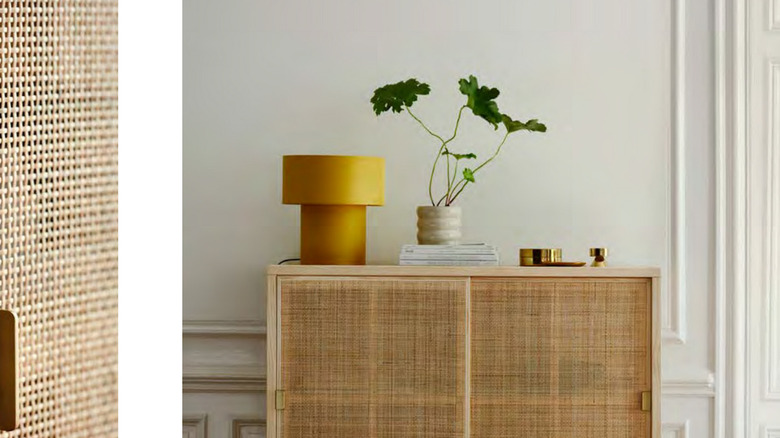
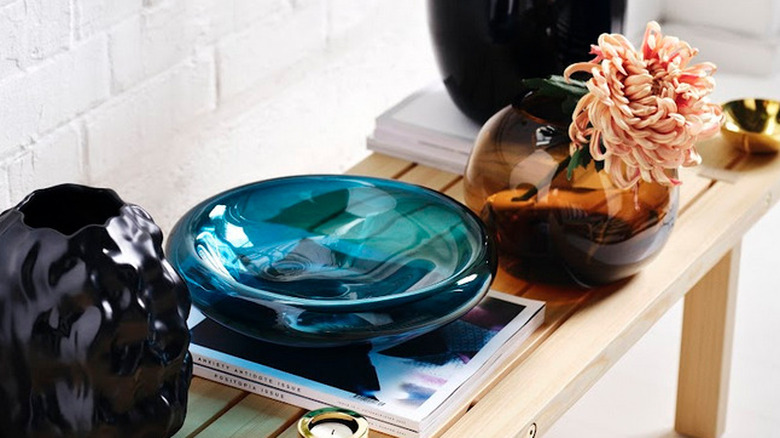
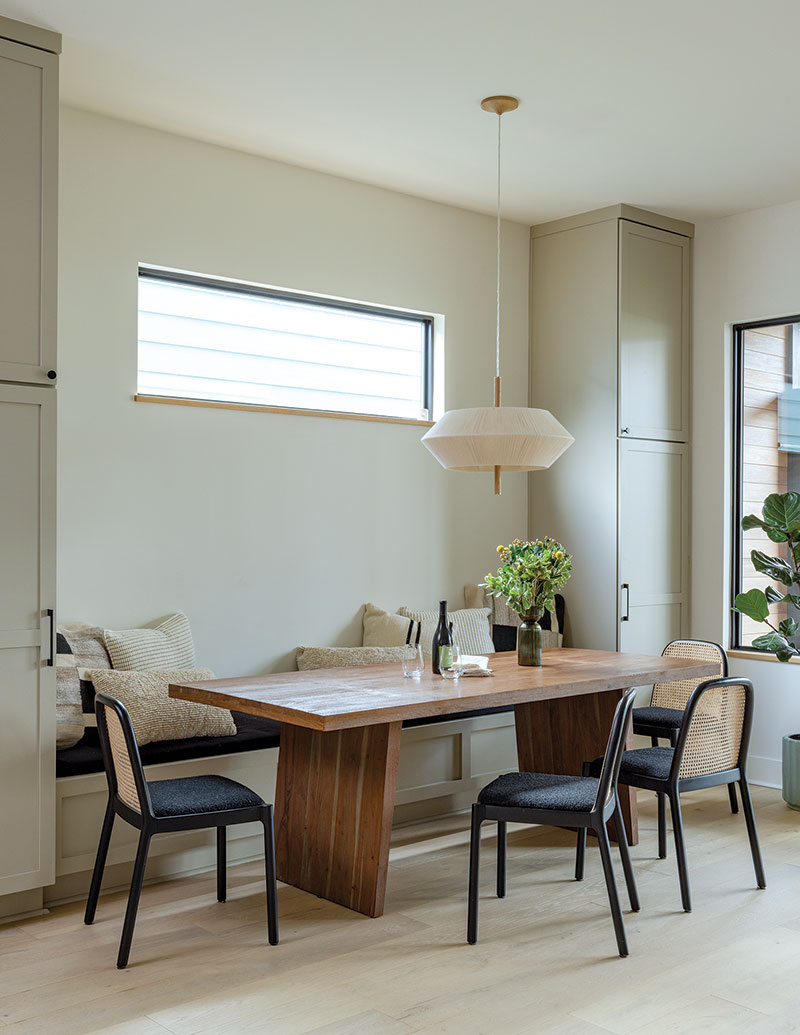
The design ethos of simplicity and functionality translates into a curated and edited selection process for interiors. Designers like Tali Roth advocate for carefully chosen items rather than an abundance of possessions. Vanessa Antonelli, specializing in nurseries, highlights the desire for clutter-free, bright spaces with natural elements among her clients, often achieved through strategic storage solutions that double as décor. Chris Taylor of Morris Adjmi Architects notes that their firm's principles—simplicity, functionality, clean lines, light, natural materials, and craftsmanship—naturally align with Scandinavian design, as seen in projects like 211 Schermerhorn. This project features bright interiors with pale woods, large format plank floors, and integrated, handcrafted-looking cabinetry, evoking a handcrafted, artisanal feel through custom-stained white oak floors with varying widths and knotting. To incorporate this style, designers recommend choosing modern furniture with clean lines in natural wood, mixing natural elements like florals and plants with hard metals, and incorporating woven textiles to add softness, ultimately creating spaces that are both functional and warm.
#ScandinavianDesign #LuxuryRealEstate #NYCDesignTrends #InteriorDesign #ArchitecturalInfluence #ModestLuxury #NaturalMaterials #BrooklynRealEstate #WestChelsea #ThomasJuulHansen #ScandinavianDesign #LuxuryRealEstate #NYCDesignTrends #InteriorDesign #ArchitecturalInfluence #ModestLuxury #NaturalMaterials #BrooklynRealEstate #WestChelsea #ThomasJuulHansen
0 comment in total
 No comments yet
You may also like
Nordic Nest has sculpted a singular interior design spotlight

Stockholm Design Week reframes Swedish heritage, sustainability and village life

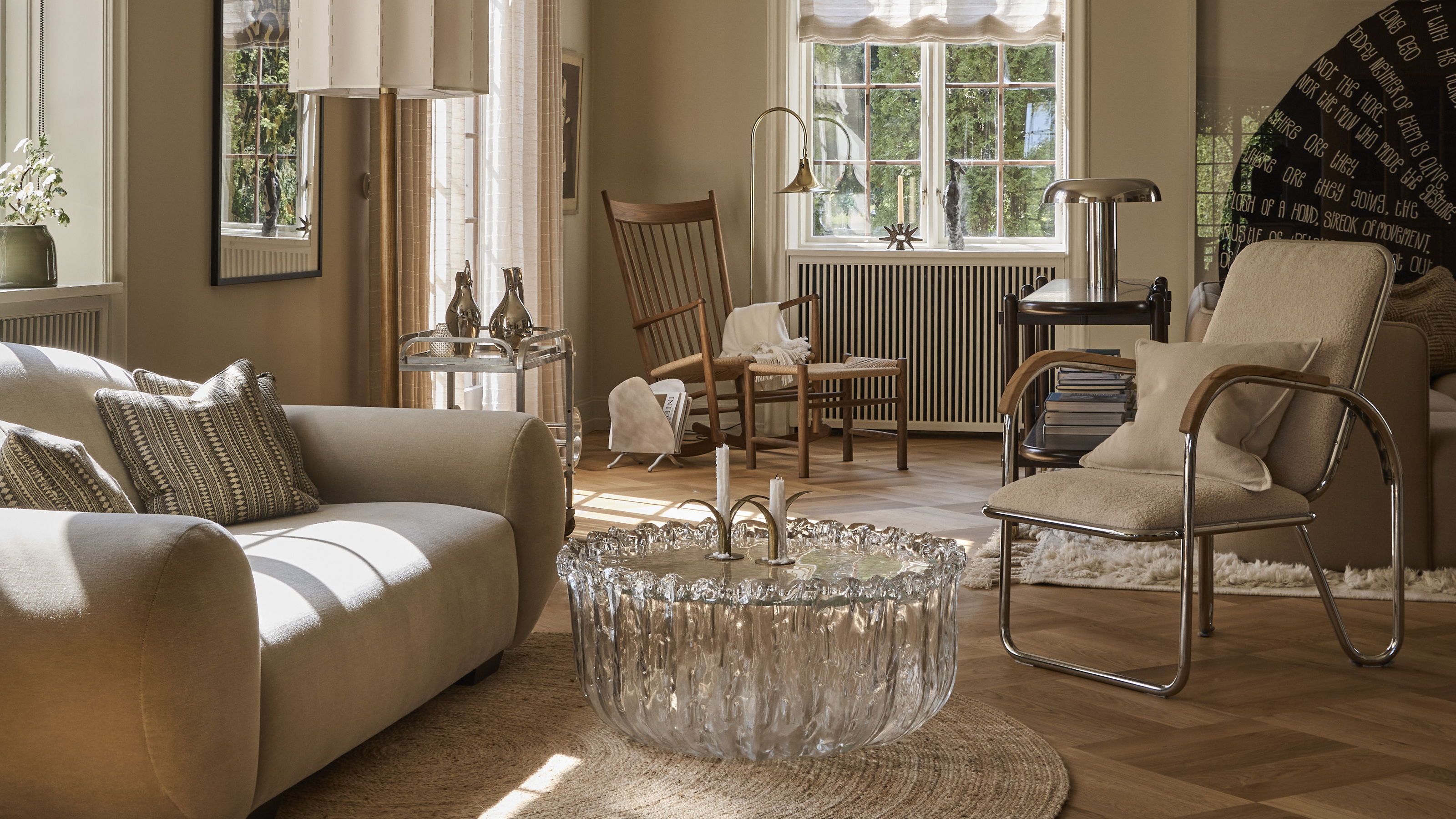
You're Missing Out If You Don't Follow These 7 Scandinavian Interior Designers

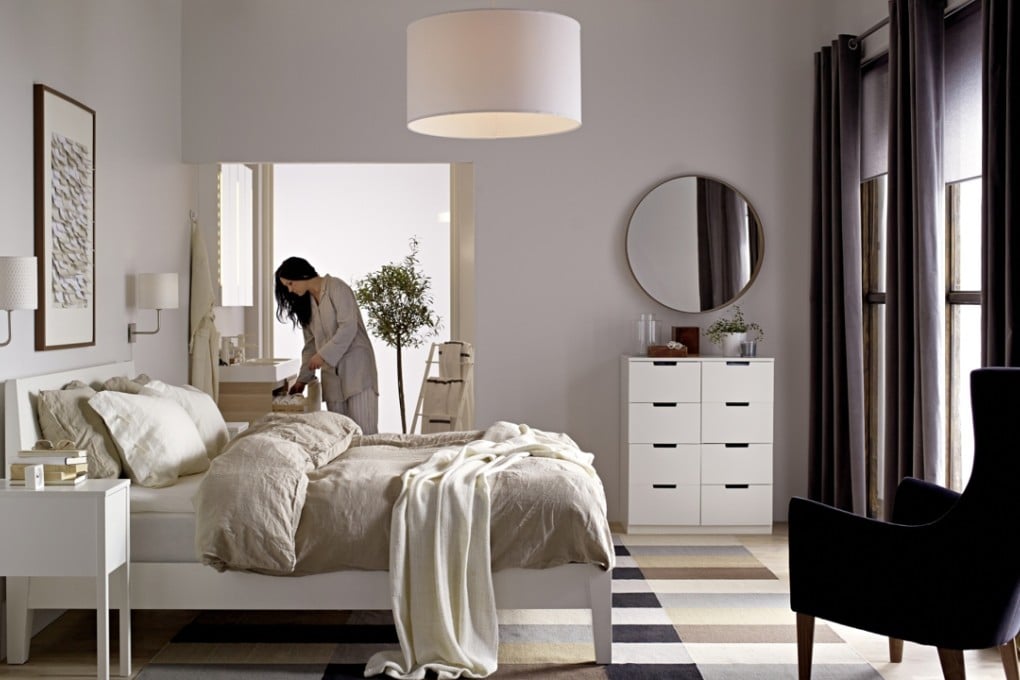
Why Scandinavian minimalism is perfect for compact Hong Kong living

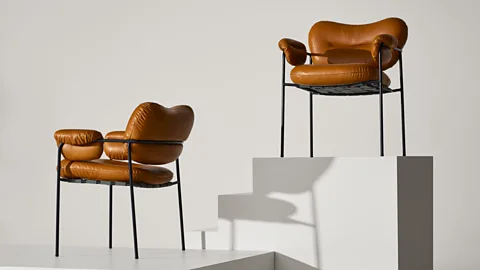
The quirky charm of Norwegian design
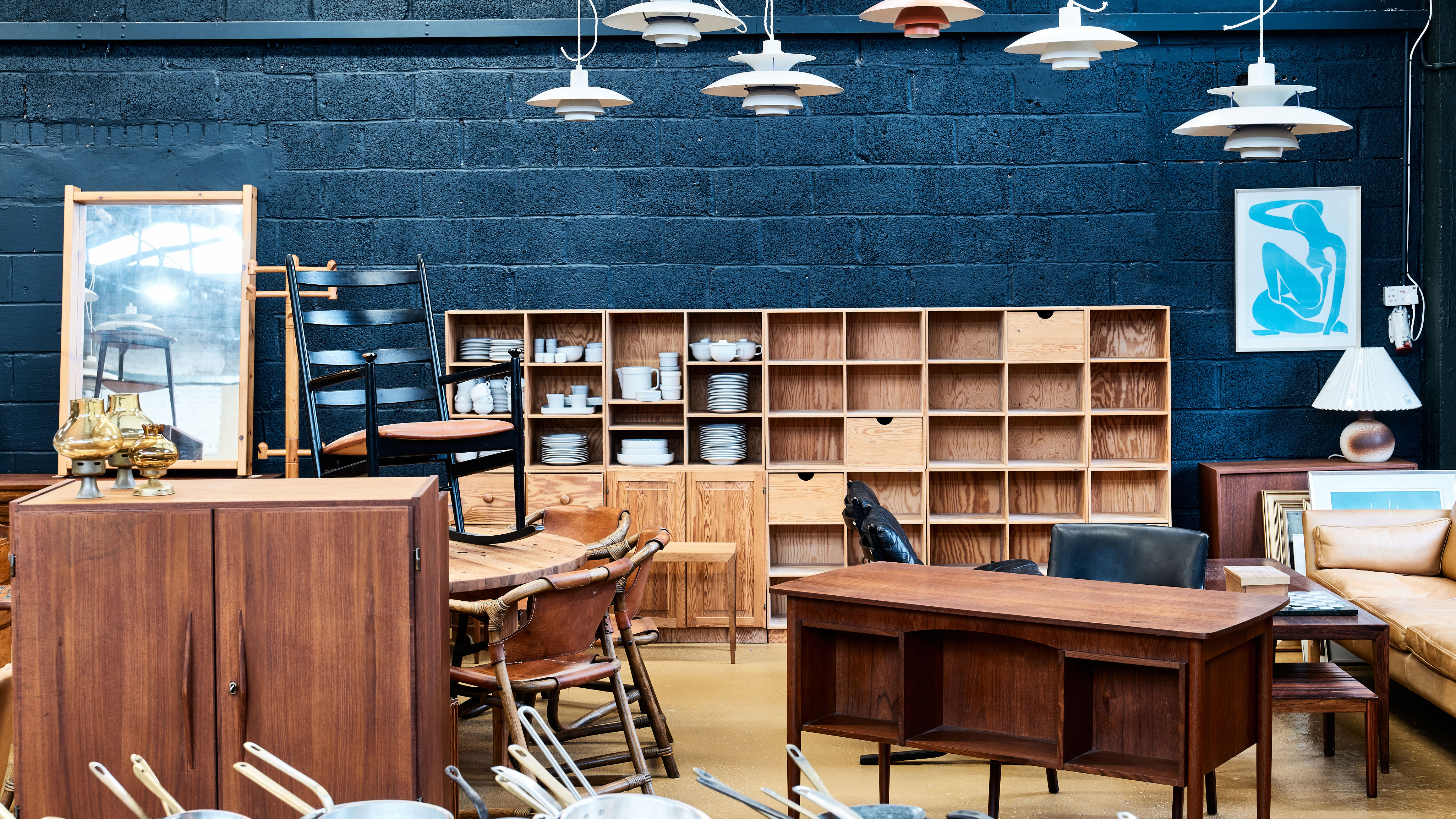
Ælfred: the new east London destination for vintage Scandinavian design
Design flagship stores in Helsinki

My whistle-stop tour of Copenhagen reaffirmed these 5 Danish design lessons in cool and cozy design

From uplifting pastel palettes to cool, crisp schemes, these 5 cozy homes showcase the best of Scandinavian style

Not All Scandinavian Design is Minimalist (Published 2017)

Our Top 7 Picks From IKEA's New STOCKHOLM Collection

Scandinavian Style 101: Everything You Need to Know About Scandi Design
Remembering the Best Parts of the IKEA Catalog, Gone at 70


5 Copenhagen-Based Creatives Pushing the Boundaries of Danish Design

Danish Modern
This New York Apartment Is Swedish Blues Done Right

New Orleans Architecture Meets Modern Scandinavian Design at Uptown Home

Stockholm Creative Edition: Glass, Wood + Metal
Bright young stars: the 2015 Stockholm Furniture Fair adds new luminaries to its abundant roster
Designer Showhouses