1/2
How to Fix Chimney Smell in the Summer
After using a fireplace throughout the winter, the warmer, more humid days of summer can cause unpleasant odors to emanate from the chimney. This phenomenon is a common complaint among homeowners during the summer months, exacerbated by the fact that air conditioning systems can draw these smells directly into the living space. Understanding the cause of these smells and implementing effective solutions can significantly improve indoor air quality during warmer seasons.
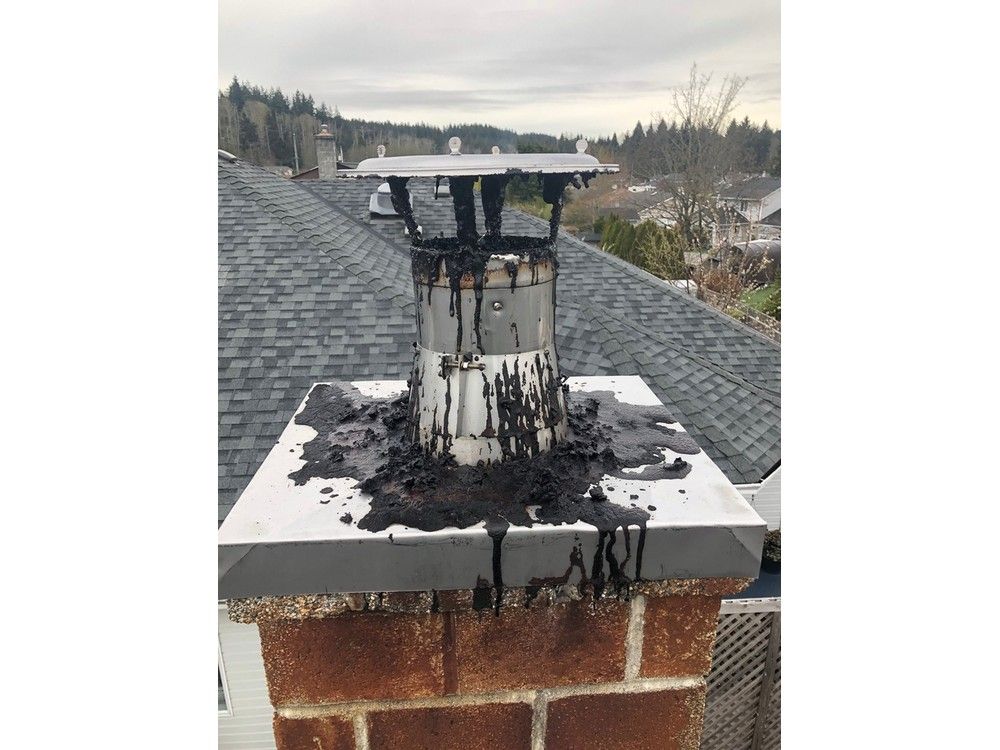
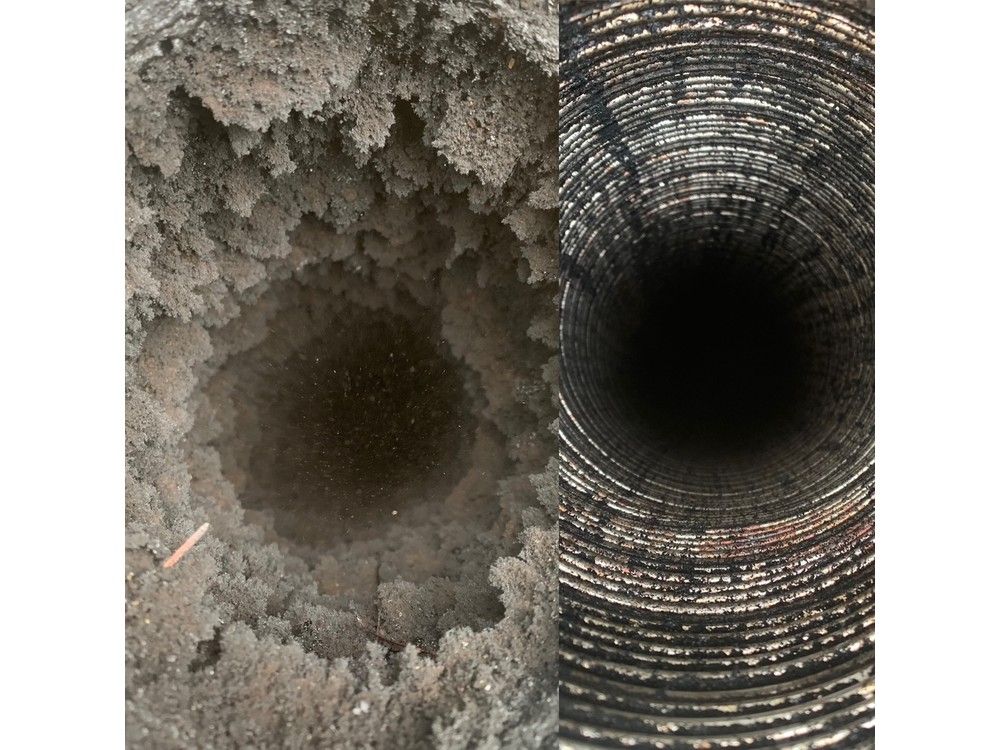
The primary culprit behind fireplace odors in the summer is creosote, a tar-like substance produced during wood combustion, combined with ash. These byproducts saturate the chimney during heavy winter use. When the muggy summer air enters the chimney, it reacts with the acidic creosote, producing a strong, unpleasant stench that can spread throughout the entire home. Furthermore, an open or poorly sealed chimney, such as one with a loose-fitting damper or ill-fitting glass doors, can create a negative pressure system within the house. This negative pressure, often caused by the operation of appliances like dryers or bathroom fans, sucks the smelly air from the chimney directly into the living areas.
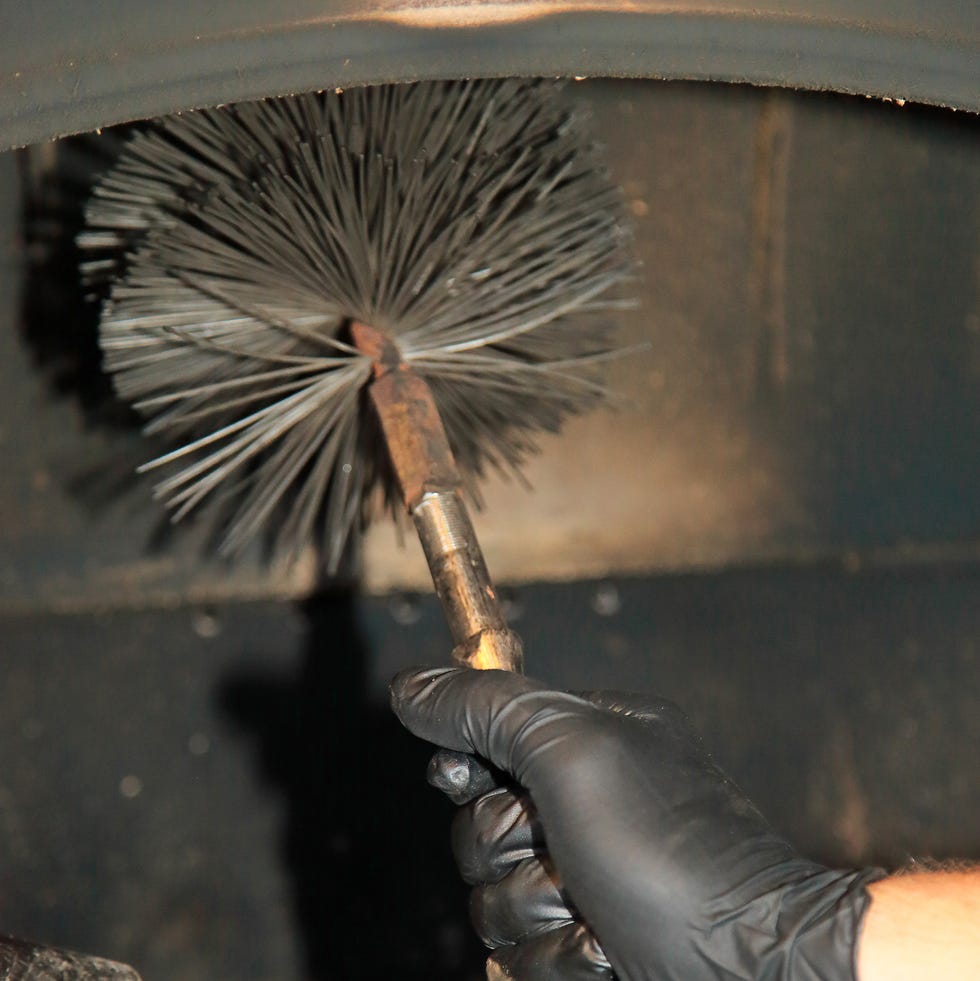
Addressing these fireplace odors requires specific actions and, importantly, knowing what not to do. Counterintuitively, cleaning the chimney during the summer is not recommended. Professional chimney sweeps often advise against it, as disturbing the creosote can temporarily intensify the odor, akin to shaking a carton of spoiled milk. Chimney cleaning should ideally be scheduled outside of the summer months. Additionally, installing a top-seal damper, while seemingly a good idea, will only trap the foul odors within the chimney, preventing them from off-gassing into the outdoors and potentially worsening the problem when the damper is eventually opened.
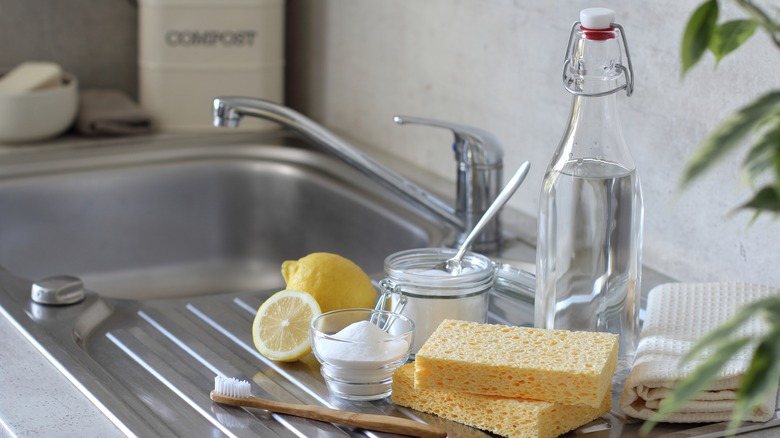
Instead, several effective strategies can be employed to eliminate fireplace odors. Sealing off the chimney effectively from the living space is crucial. This can be achieved using fireplace plugs or other draft stoppers, which prevent downdrafts and force the house to draw air from alternative, less odorous sources. Once the firebox is sealed, deodorizing it can further reduce lingering smells. After removing any loose soot and ash, a generous amount of baking soda can be sprinkled on the floor, walls, and damper of the firebox. To help the baking soda adhere to vertical surfaces, a light mist of water can be applied before dusting. The baking soda should be left to sit for at least 48 hours, or even up to a week, before being vacuumed away.
Another simple yet effective deodorizing technique is the 'vinegar bowl fix.' Placing a large bowl of white vinegar in the firebox for one to two days can help neutralize various odors, including the persistent 'burnt' smell often associated with fireplaces. Beyond addressing the chimney itself, considering the entire house as a breathing system is important. An HVAC system, clothes dryer, range hood, or bathroom fan can all impact airflow within the home. Conducting a DIY energy audit can help identify air leaks and drafts that might be contributing to the issue by drawing air from the chimney. This involves turning on a clothes dryer to create negative pressure, then using a smoke pencil around windows, doors, pipes, vents, and other potential penetration points to detect drafts. Any identified leaks should then be sealed with foam or caulk. It is important to use a smoke pencil for this task, as lit incense sticks or cigarettes pose fire hazards. By understanding the causes of summer chimney odors and applying these practical solutions, homeowners can effectively mitigate unpleasant smells and improve their indoor environment.
#ChimneySmell #FireplaceMaintenance #SummerOdors #CreosoteRemoval #HomeDeodorizing #DIYHomeImprovement #AirQuality #DraftStoppers #EnergyAudit #ChimneySmell #FireplaceMaintenance #SummerOdors #CreosoteRemoval #HomeDeodorizing #DIYHomeImprovement #AirQuality #DraftStoppers #EnergyAudit
0 comment in total
 No comments yet
You may also like
Your home stinks. Here's how to fix it, according to experts

Launder textiles as summer ends to stop allergies in fall

How to Get Rid of the Musty Smell in Your Basement


7 tips to keep your house smelling good without air fresheners

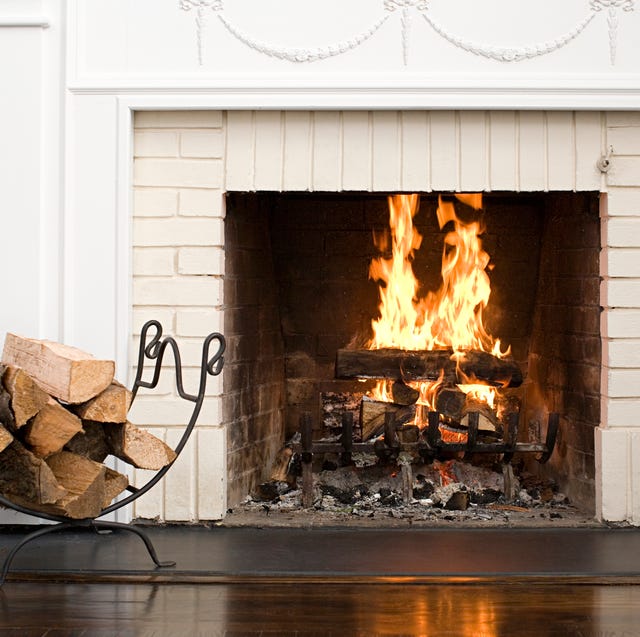
You Need to Clean Your Chimney Yearly. Here's How.

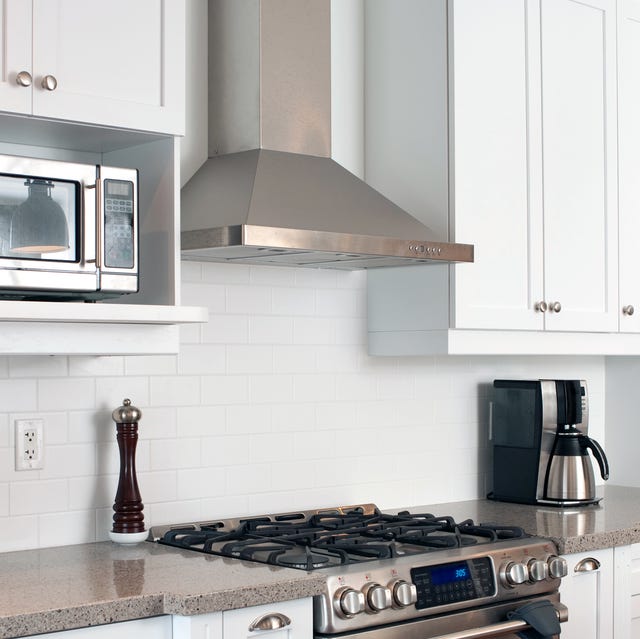
Nix Odor, Smoke, and Yuck with These Range Hoods

Does Your Home Have "Old House Smell"? Here's How to Fix It


'Old house smell': What causes it, and how to get rid of it


How to get rid of musty basement smells – 6 ways to combat odors and their causes


Old House Smell: What Causes It and How To Get Rid of It

Beat the heat: 7 DIY natural ways to summer-proof your house | Lifestyle News

Clever $4 hack makes cleaning your ceiling fans incredibly easy

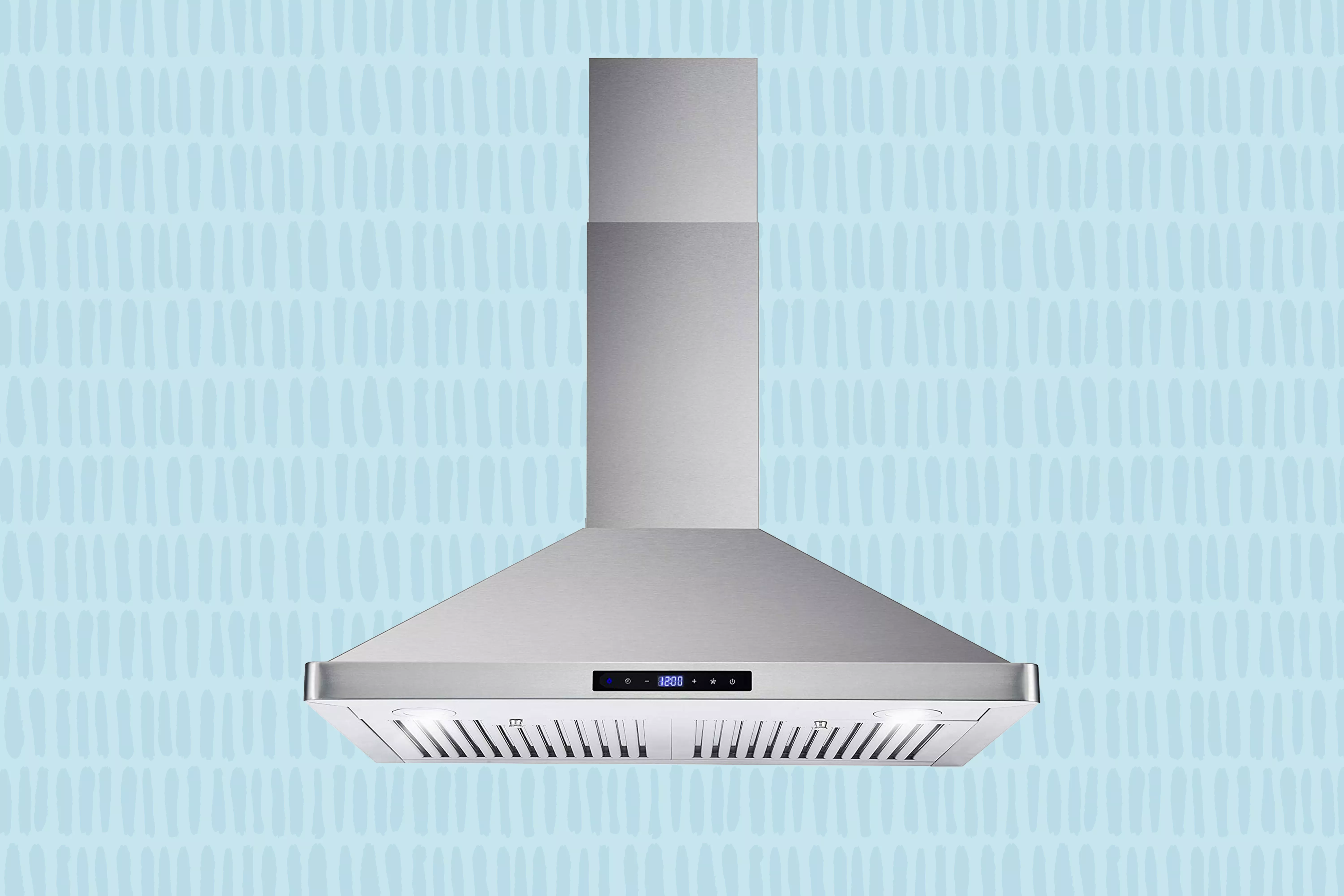
Eliminate Unwanted Kitchen Smells With These 6 Range Hoods


Do You Have a Musty-Smelling House? 6 Worrying Causes — And What You Should Do to Get Rid of Them


5 simple ways to upgrade your home this summer for $200 or less – you’ll only wish you did it sooner

Master odor removal with a little help from science

How to care for your chimney this winter and reduce chance of chimney fires


The 10 Best Hacks To Control Gross Smells In Your Home


How do I get rid of the smell of paint? 5 natural remedies to try
How to Get Rid of That Musty Basement Smell, According to Experts