1/3
How do I get rid of the smell of paint? 5 natural remedies to try
The article addresses the common issue of lingering paint odors after home decoration projects, particularly those arising from Volatile Organic Compounds (VOCs) present in paints. It highlights that autumn is a popular time for refreshing living spaces, but the strong smell associated with painting can persist for extended periods if not properly managed. The presence of VOCs is explained as chemicals that evaporate from the paint into the air, causing the characteristic odor. The article recommends opting for paints with low or minimal VOC content, citing brands like Farrow & Ball, Little Greene, and Earthborn as examples, to mitigate the intensity of the smell from the outset.
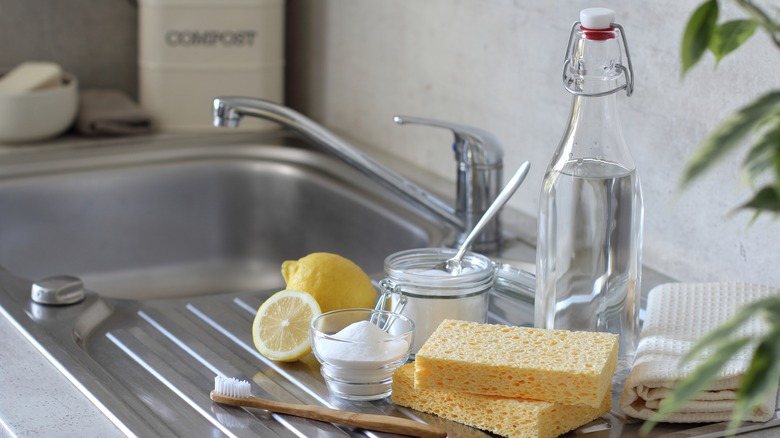
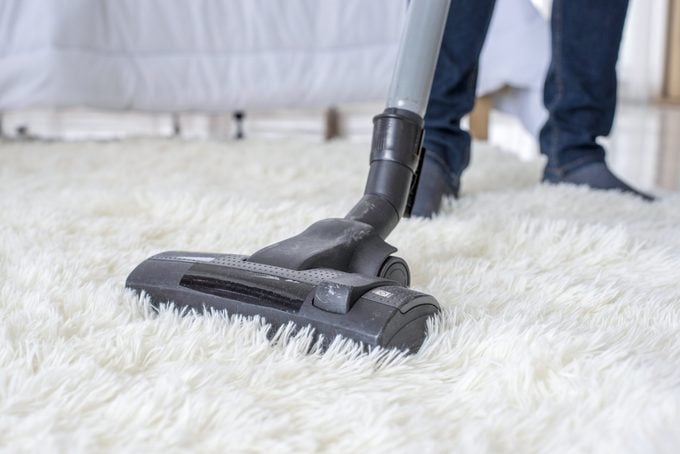
Jimmy Englezos, a paint expert from Ronseal, provides five natural and cost-effective remedies to combat paint odors, utilizing common household items. The first remedy is baking soda, known for its odor-absorbing properties. It is suggested that several tablespoons of baking soda be placed in bowls around the freshly painted room overnight or sprinkled on soft furnishings and vacuumed up the following day. Activated charcoal is presented as an equally effective alternative, also to be left in bowls overnight to absorb odors. The third method involves lemon juice; while water alone can absorb paint odors, adding lemon slices or a few teaspoons of lemon juice can introduce a clean citrus scent to mask unpleasant smells.
Another remedy, though potentially less appealing due to its own strong scent, involves sliced onions. The article explains that placing sliced onions on plates around the room can help absorb paint odors, cautioning against cooking with them afterwards due as they may have absorbed VOCs. Lastly, coffee grounds are recommended for their ability to absorb paint smells while emitting a more pleasant aroma. It is advised to use already ground coffee for better absorption and to dispose of them after use.
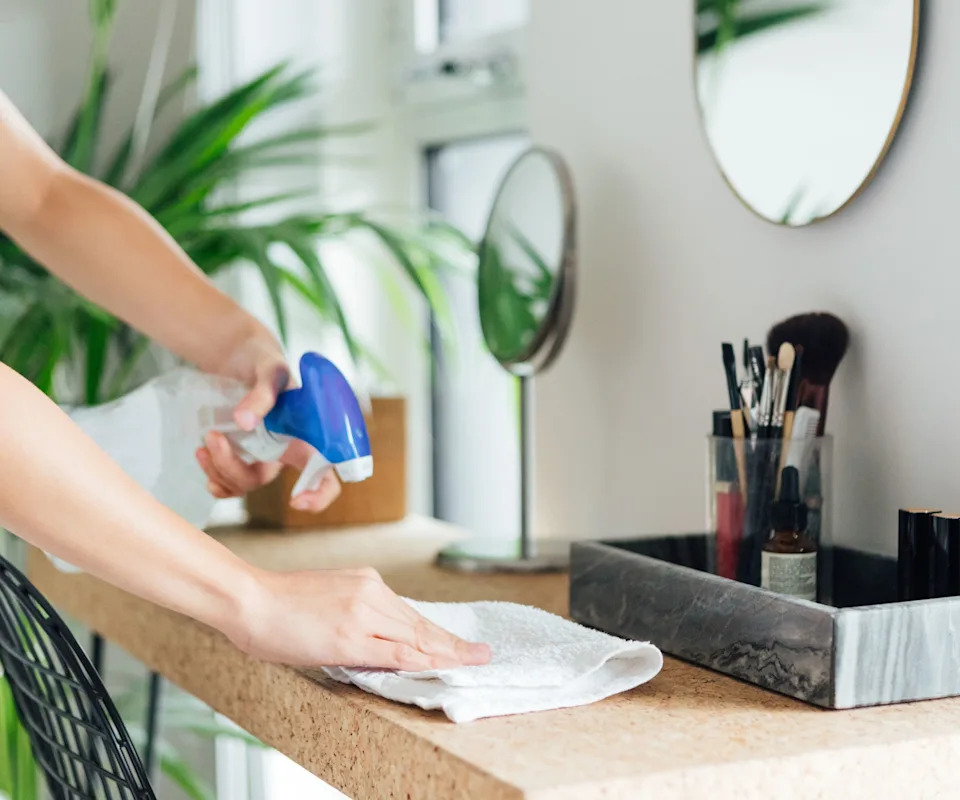
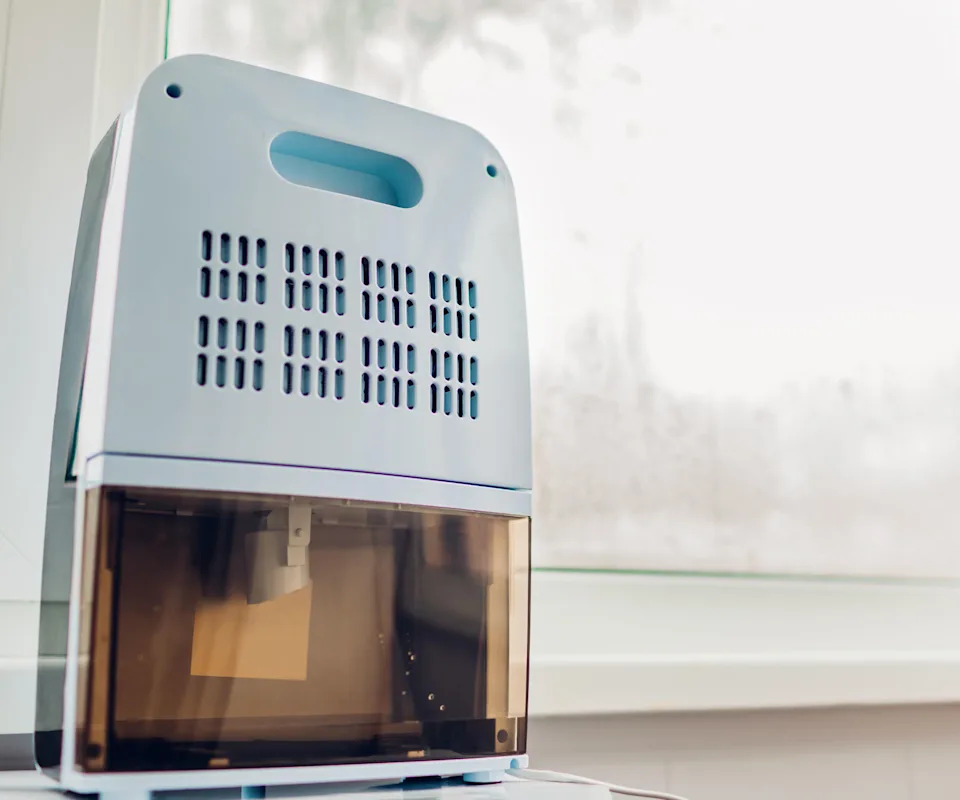
Beyond these natural remedies, the article emphasizes crucial preparatory steps for any painting job to minimize odors. Proper ventilation is paramount, which includes opening doors and windows, or using an air purifier and positioning an electric fan to direct fumes outside. Controlling the room temperature is also important; keeping the room relatively cool (above 10°C to avoid paint consistency issues) can help reduce the smell. Finally, the article advises against painting in warm, humid conditions, as high humidity slows down the drying process and intensifies odors. It suggests using a dehumidifier beforehand to maintain humidity levels between 40% and 50% for optimal results.
#PaintSmellRemoval #NaturalRemedies #VOCs #HomeDecor #PaintingTips #BakingSoda #ActivatedCharcoal #LemonJuice #OnionsForOdor #CoffeeGrounds #Ventilation #HumidityControl #PaintSmellRemoval #NaturalRemedies #VOCs #HomeDecor #PaintingTips #BakingSoda #ActivatedCharcoal #LemonJuice #OnionsForOdor #CoffeeGrounds #Ventilation #HumidityControl
0 comment in total
 No comments yet
You may also like

DIY Paint Stripper — 9 Eco-friendly Methods to Remove Paint Naturally

How to get rid of musty basement smells – 6 ways to combat odors and their causes

What to do with leftover paint – 15 creative ways to utilise small amounts of paint so not a drop goes to waste
How to clean walls before painting – expert tips and tricks

20 Cleaning Products That’ll Help Prevent That Dreaded Pet Smell

How to Get Rid of Dog Smell from Everywhere in Your House

Master odor removal with a little help from science
How to fix peeling paint in 4 steps – and reasons why your paint is crumbling

'If you can smell it, there's a problem in progress' – 5 expert-approved ways to get rid of musty smells in an attic

7 tips to keep your house smelling good without air fresheners

23 Things To Help You Keep Your Home Free From Pet Odors
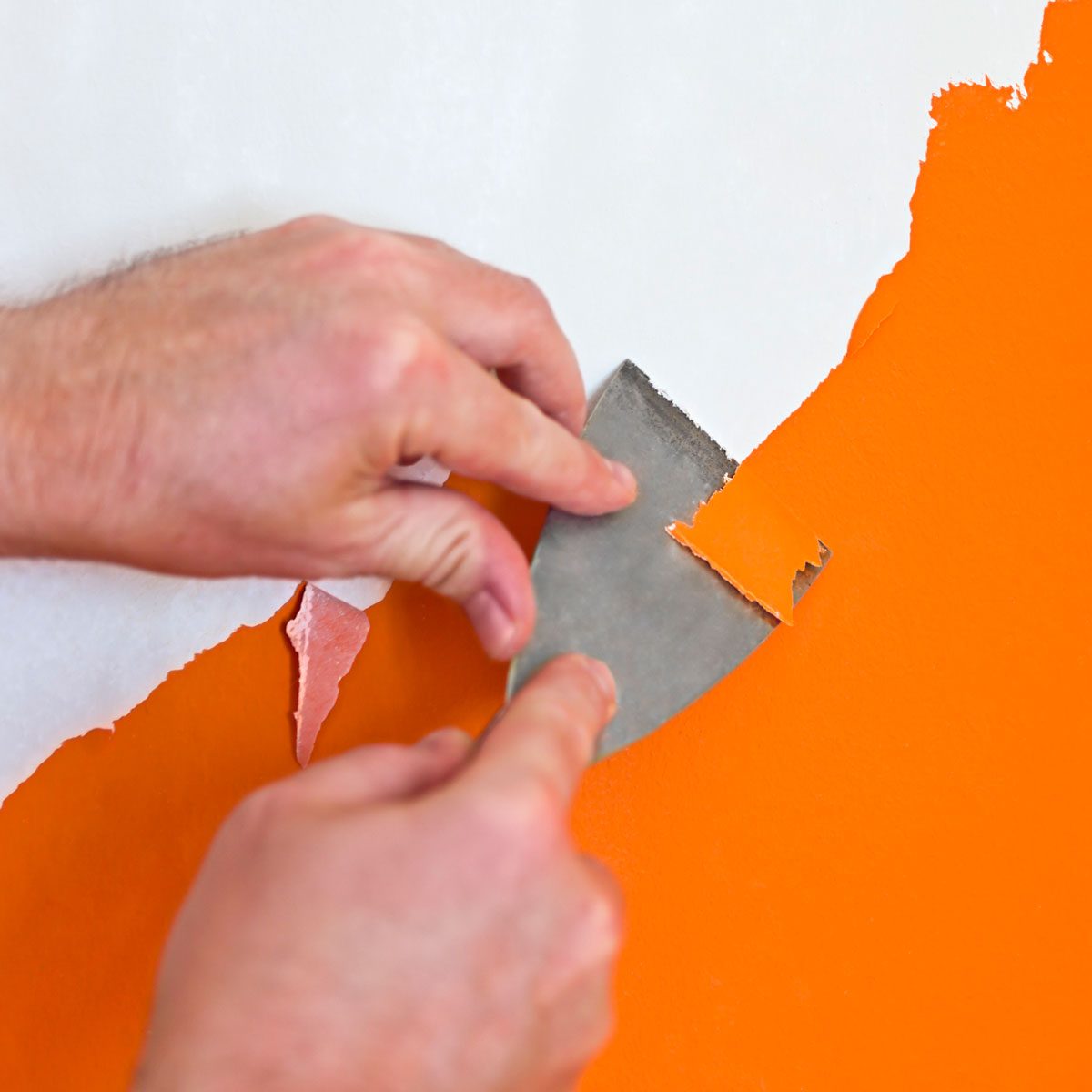
The 7 Best Paint Strippers and Removers of 2025

How To Clean Painted Walls Without Ruining Them
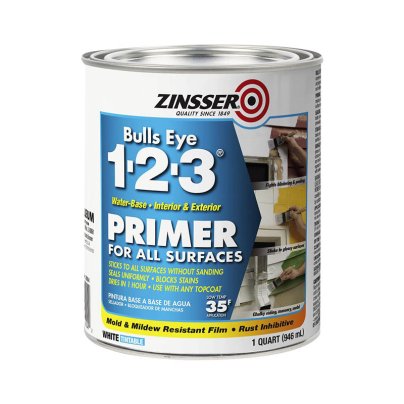
The 8 Best Paint Primers for Indoor, Outdoor, and General Use

How to Get Rid of the Musty Smell in Your Basement
5 Best Places to Buy Paint Online for Your Next DIY Project

The 10 Best Hacks To Control Gross Smells In Your Home


What to Do When a Dirty, Smelly Dude Sleeps on Your Couch
These hacks are all you'll need for your next home painting project


Old House Smell: What Causes It and How To Get Rid of It