
1/3
'Old house smell': What causes it, and how to get rid of it
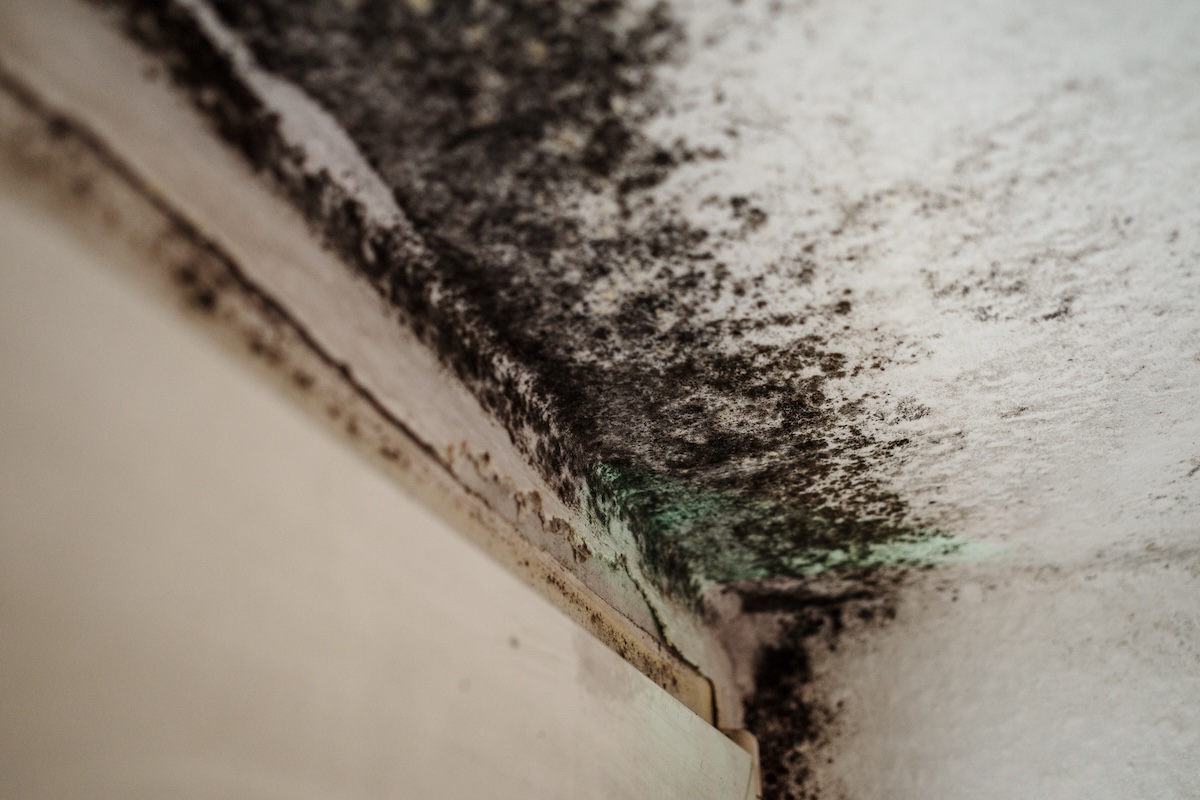
The pervasive "old house smell," a common issue in older properties, is primarily caused by mold volatile organic compounds (MVOCs), which are chemicals produced during a specific stage of mold's life cycle. While these compounds are responsible for the distinct musty odor, they are not typically a health hazard, according to Bill Carroll Jr., an adjunct professor of chemistry at Indiana University. The perfect conditions for mold growth, and consequently this smell, are lack of ventilation, high humidity, and darkness within a home. Addressing these environmental factors is crucial for eliminating the odor.
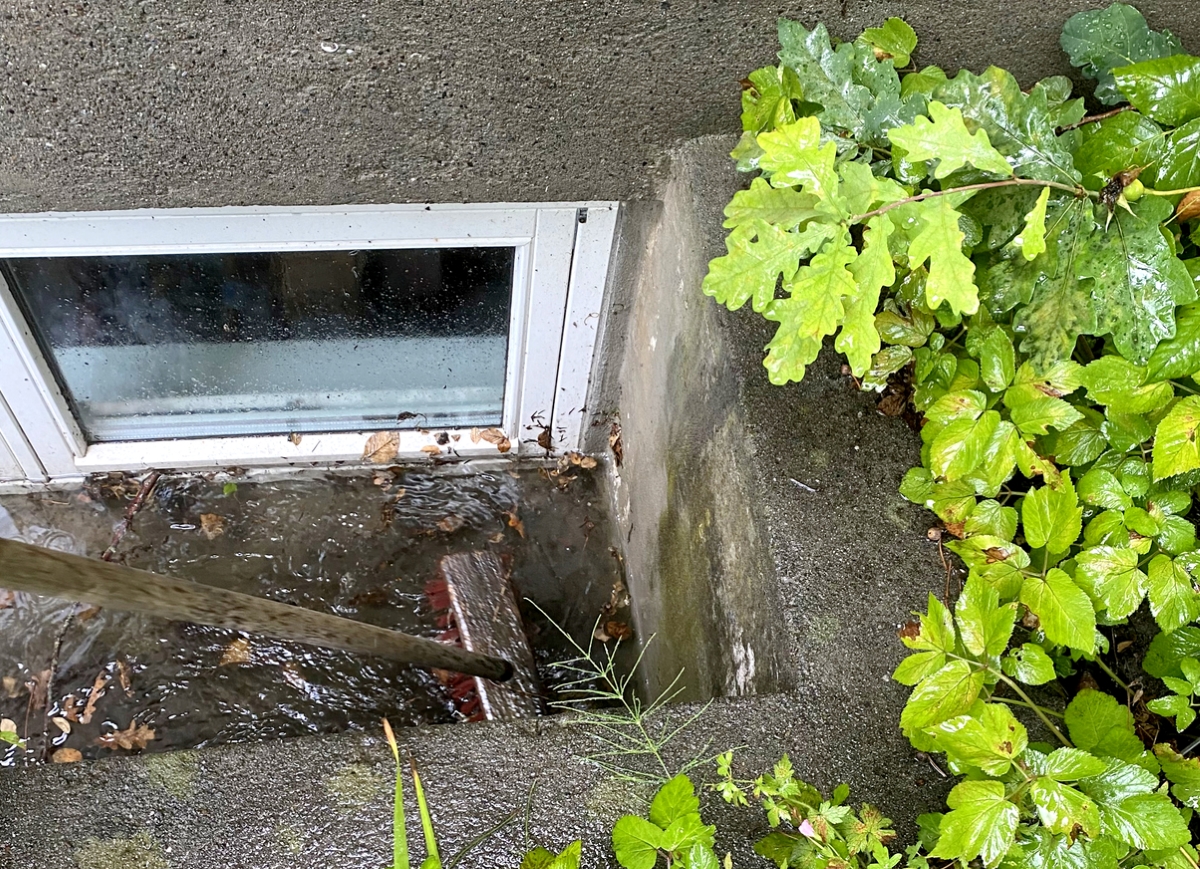
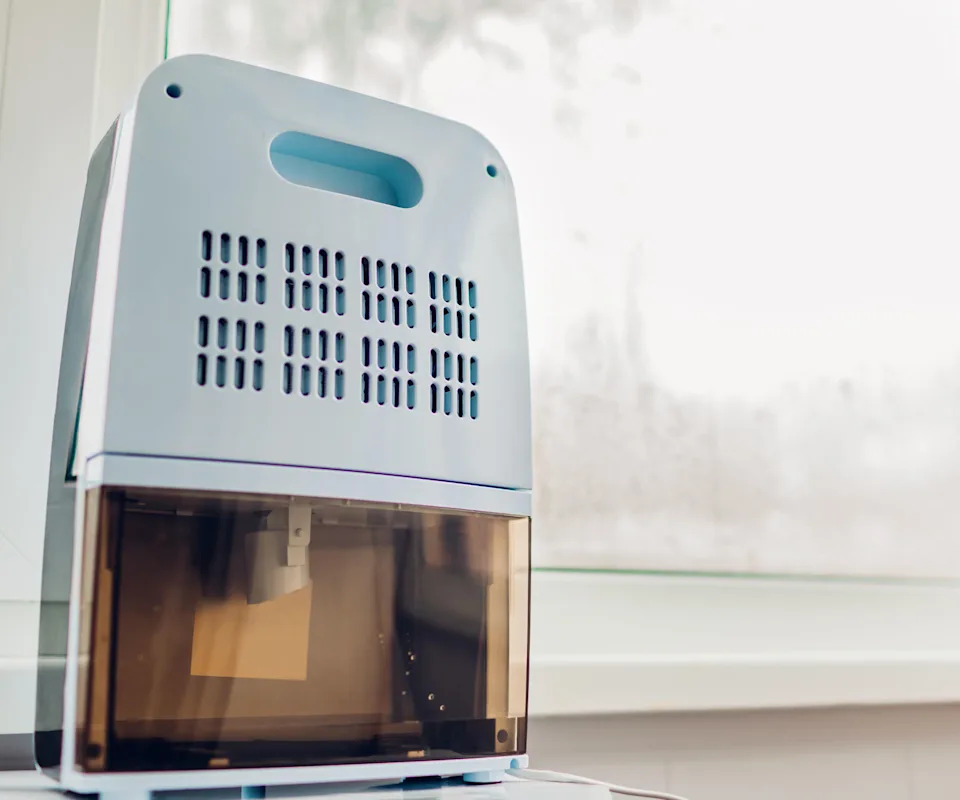
To combat the old house smell, several strategies focus on reducing humidity and increasing ventilation. One fundamental step is to air out the space by opening windows, especially during spring, to improve natural airflow. If the house experiences persistent humidity, running an air conditioner or a dehumidifier can help remove excess moisture from the air. Crucially, any existing leaks, even minor ones like a dripping faucet, must be repaired promptly, as they provide a continuous source of moisture that encourages mold growth. Sunlight, particularly its ultraviolet component, serves as a natural disinfectant and can also help in mitigating the odor.
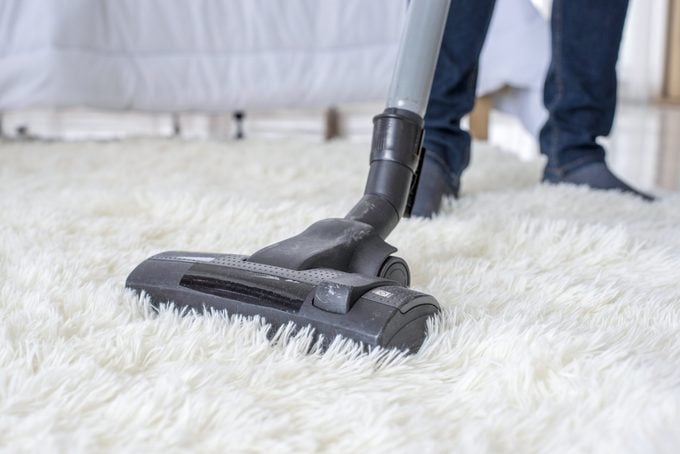
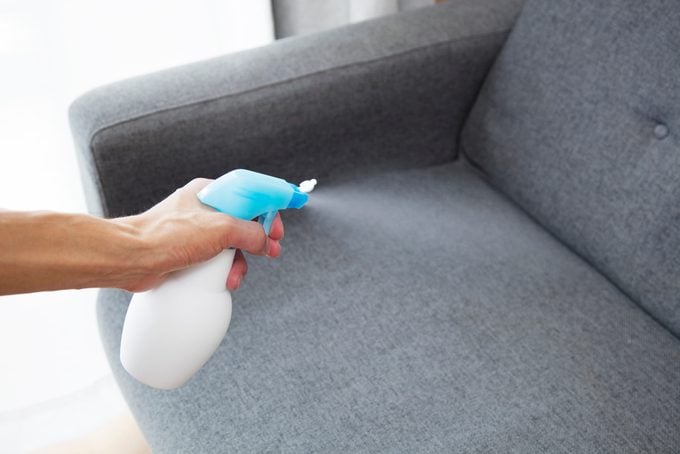
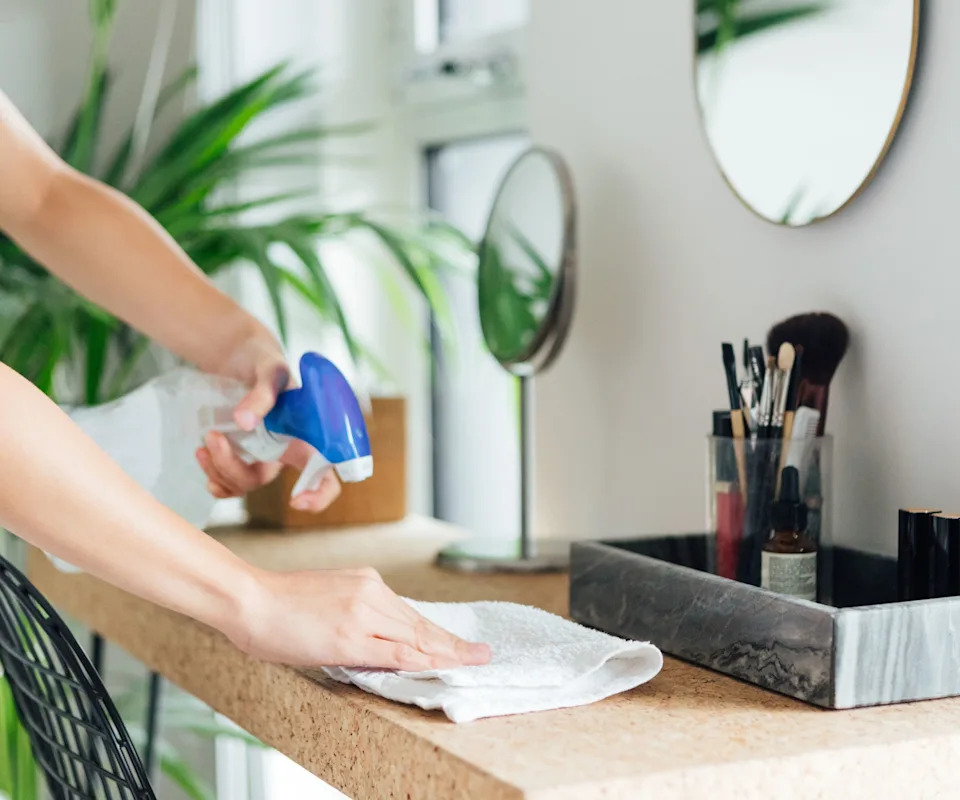
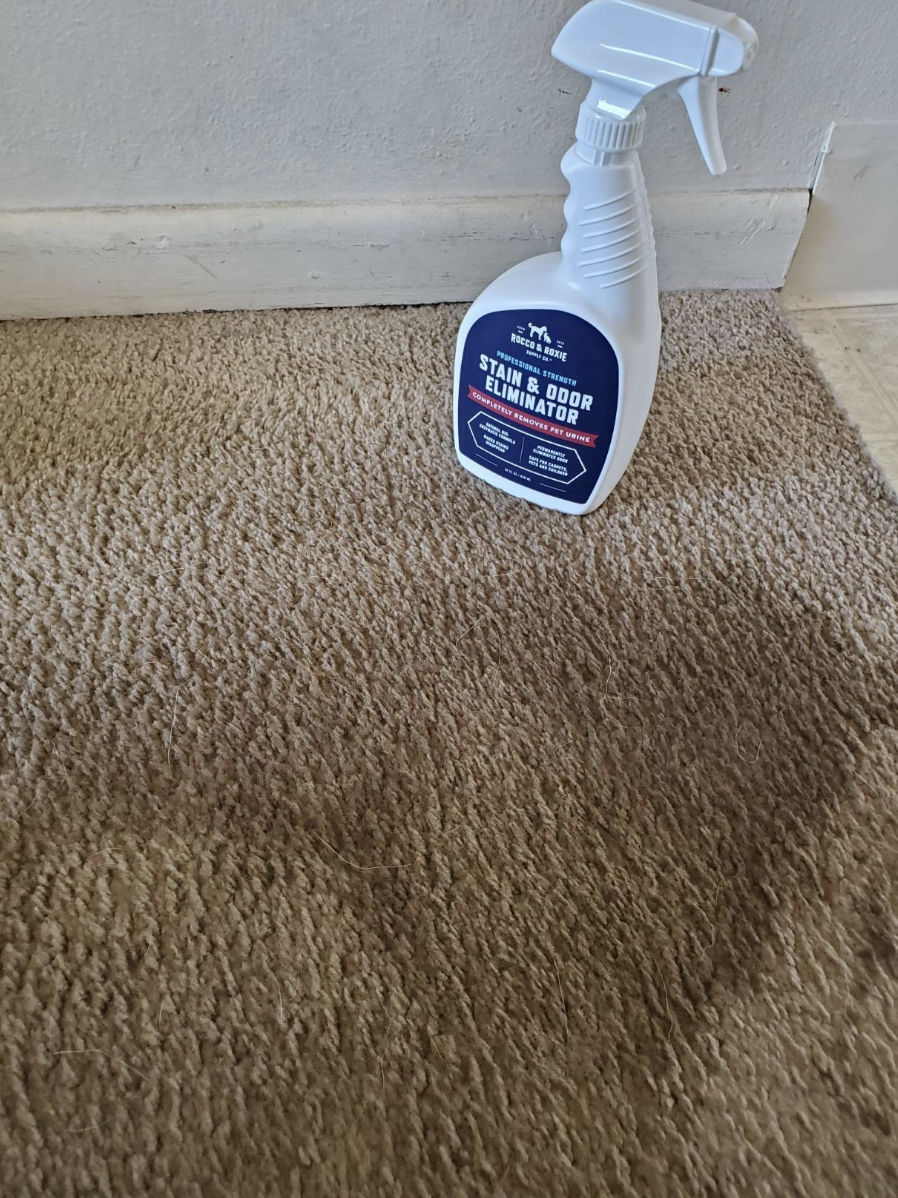
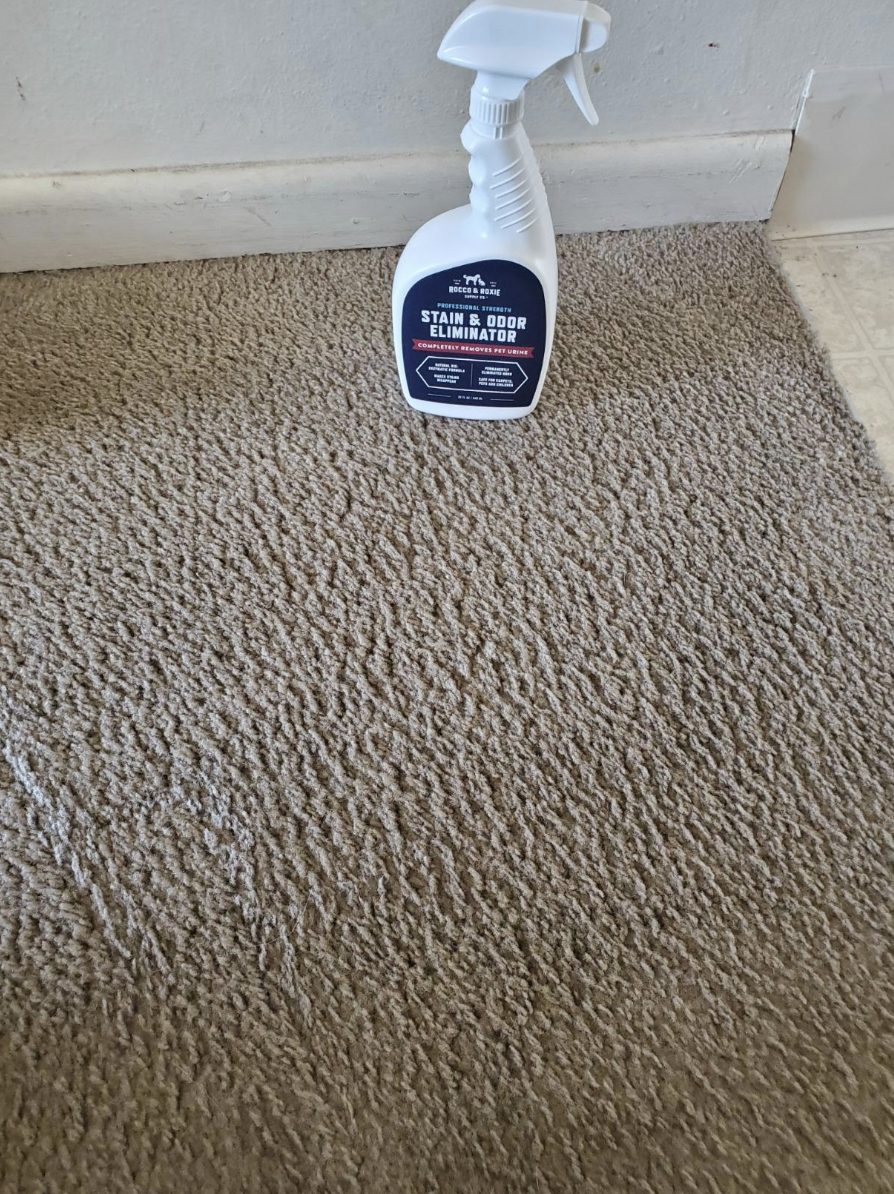
Beyond environmental controls, thorough cleaning of household items and systems is essential. Upholstered furniture and carpets are significant contributors to the old house smell because their soft materials absorb ambient moisture, creating an ideal environment for mold. While reducing humidity can eventually help these items dry out, severe cases may require professional deep cleaning or even replacement of the affected soft furnishings. Hard surfaces should also be cleaned with disinfectant to eliminate any lingering mold or bacteria.
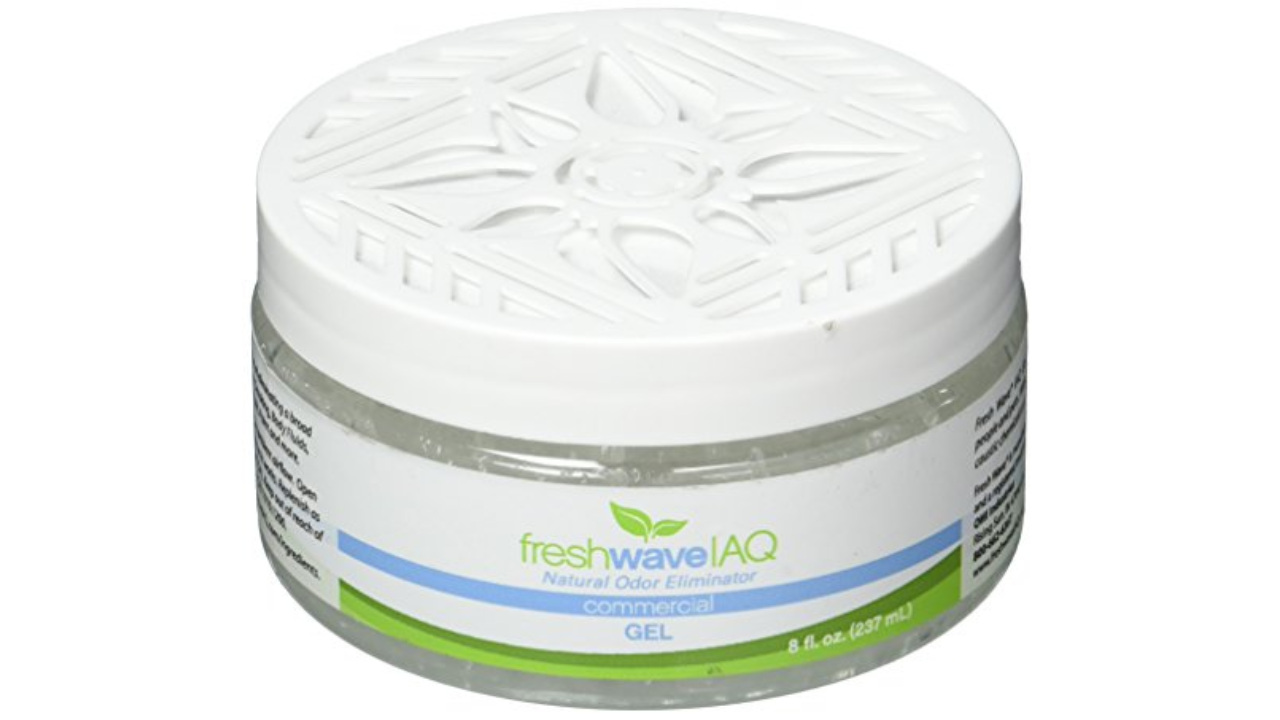
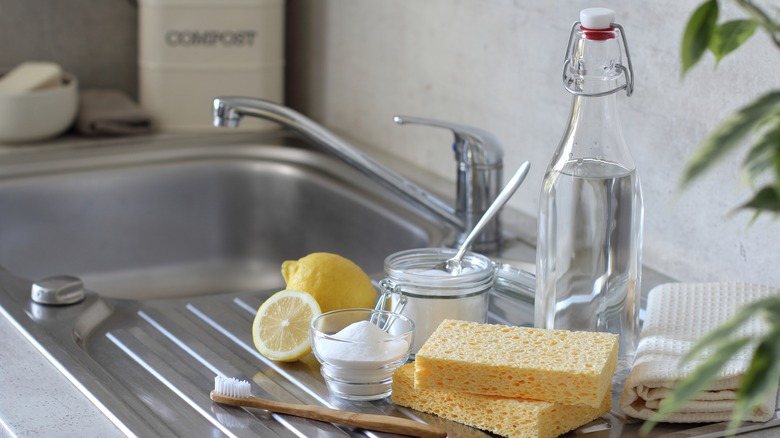
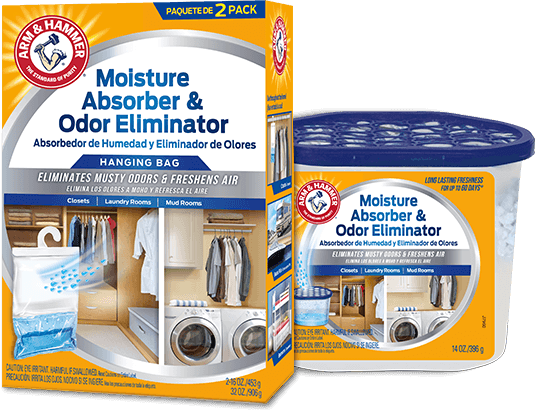
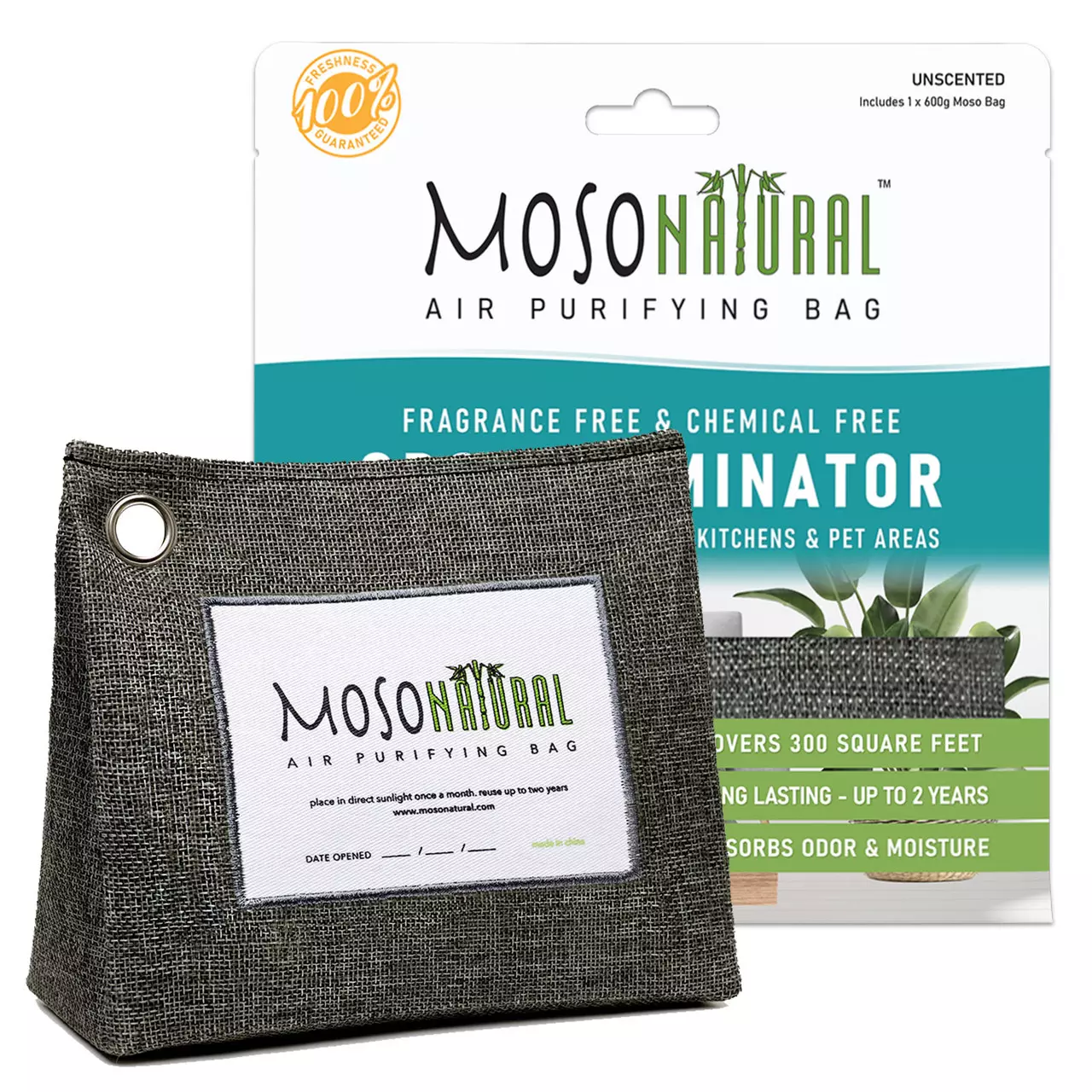
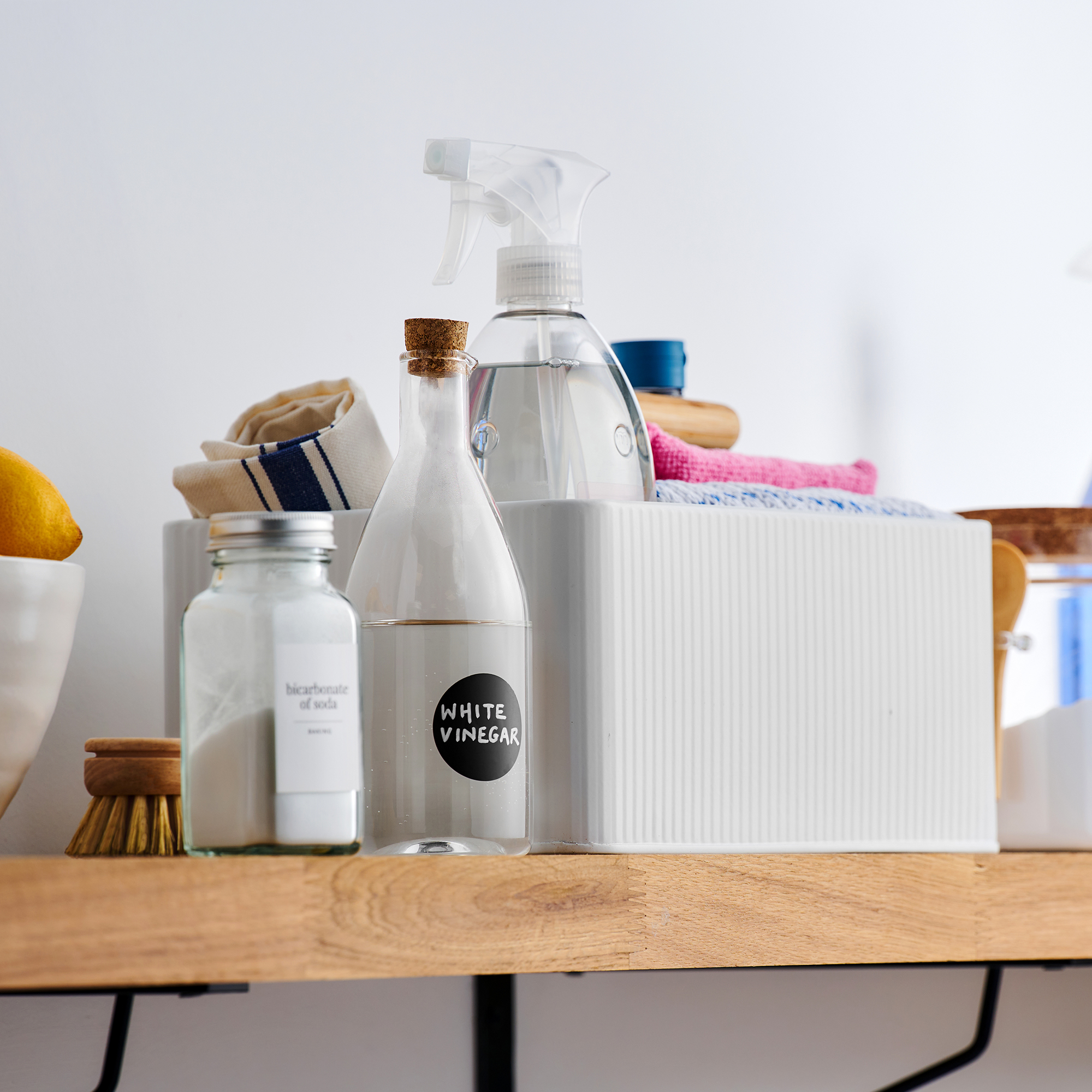
The internal systems of a house, such as furnaces and air ducts, can harbor substantial mold growth when not in use. Air conditioners, too, can trap mold and mildew within their filtering systems. For these areas, it is recommended to hire an HVAC professional to inspect and thoroughly clean the ducts and units, using specialized equipment like tiny cameras to locate and remove all contaminants. Additionally, maintaining cleanliness under sinks is vital. Homeowners often accumulate cleaning supplies and beauty products in these areas, inadvertently obscuring leaks or dampness. Clearing out these spaces allows for easier inspection of pipes and detection of any moisture issues or mold. Finally, walls can absorb and retain odors. A cleaning solution made from borax, hot water, distilled white vinegar, and hydrogen peroxide can be used to wipe down walls and wallpaper, effectively removing grease, dust, mildew, and embedded smells. For ongoing odor neutralization, placing open containers of baking soda or white vinegar, or using commercial products like FreshWave or DampRid, can absorb smells and manage excess moisture in the air.
#OldHouseSmell #HomeMaintenance #MoldVolatileOrganicCompounds #HumidityControl #Ventilation #DeepCleaning #OdorElimination #HVACMaintenance #NaturalDisinfectants #OldHouseSmell #HomeMaintenance #MoldVolatileOrganicCompounds #HumidityControl #Ventilation #DeepCleaning #OdorElimination #HVACMaintenance #NaturalDisinfectants
0 comment in total
 No comments yet
You may also like
Your home stinks. Here's how to fix it, according to experts

The 10 Best Hacks To Control Gross Smells In Your Home

Best Odor Eliminator For Rooms: 12 Effective Options For 2025
10 Habits That Are Making Your House Smelly, According To Experts

Do You Have a Musty-Smelling House? 6 Worrying Causes — And What You Should Do to Get Rid of Them


What to Do When a Dirty, Smelly Dude Sleeps on Your Couch
How to Get Rid of That Musty Basement Smell, According to Experts


How to make your home smell nice when you’re sensitive to fragrance

How to Get Rid of the Musty Smell in Your Basement


Does Your Home Have "Old House Smell"? Here's How to Fix It

'If you can smell it, there's a problem in progress' – 5 expert-approved ways to get rid of musty smells in an attic

Experts say these 6 products will get rid of dog odor in your house

Old House Smell: What Causes It and How To Get Rid of It

How to get rid of musty basement smells – 6 ways to combat odors and their causes


How to stop your shed smelling musty – 9 expert-approved methods to banish bad odors
How to wash towels that smell – expert tips to banish damp and musty odours for good

How to Get Rid of Dog Smell from Everywhere in Your House

23 Things To Help You Keep Your Home Free From Pet Odors
We Tested Dozens of Air Fresheners to Find the Best Ones for Your Home

If Your House Smells Weird, It Might Be Due to One of These Common Problem Areas