1/14
How to make your home smell nice when you’re sensitive to fragrance
Maintaining a pleasant home environment while navigating fragrance sensitivities can be challenging, but various natural and non-intrusive methods can achieve a subtly fragrant living space. The key is to personalize these approaches to individual preferences and sensitivities, ensuring comfort without sacrificing a fresh ambiance. Experts emphasize the importance of natural ingredients, free from harmful toxins and chemicals, as inorganic scents can often trigger negative effects.
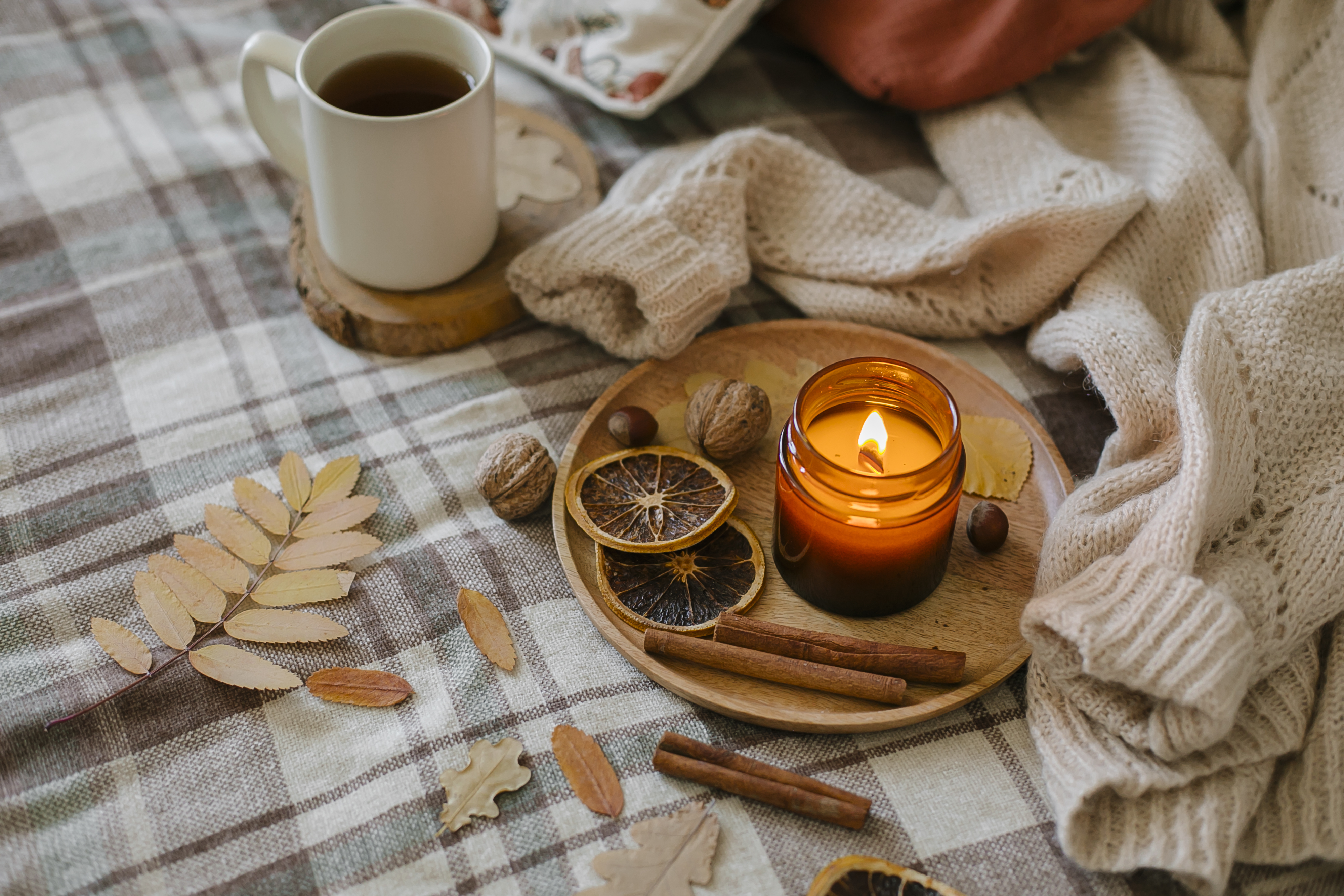
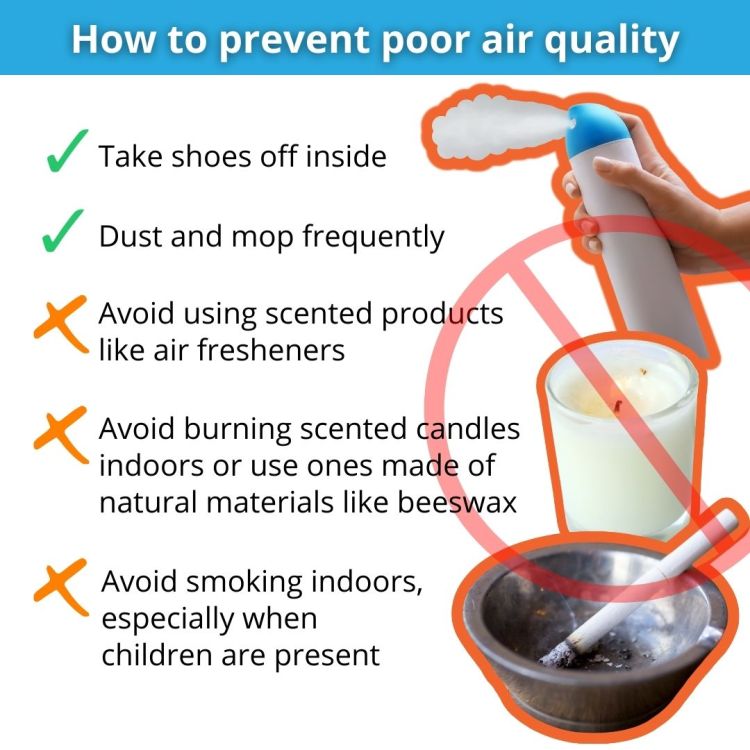
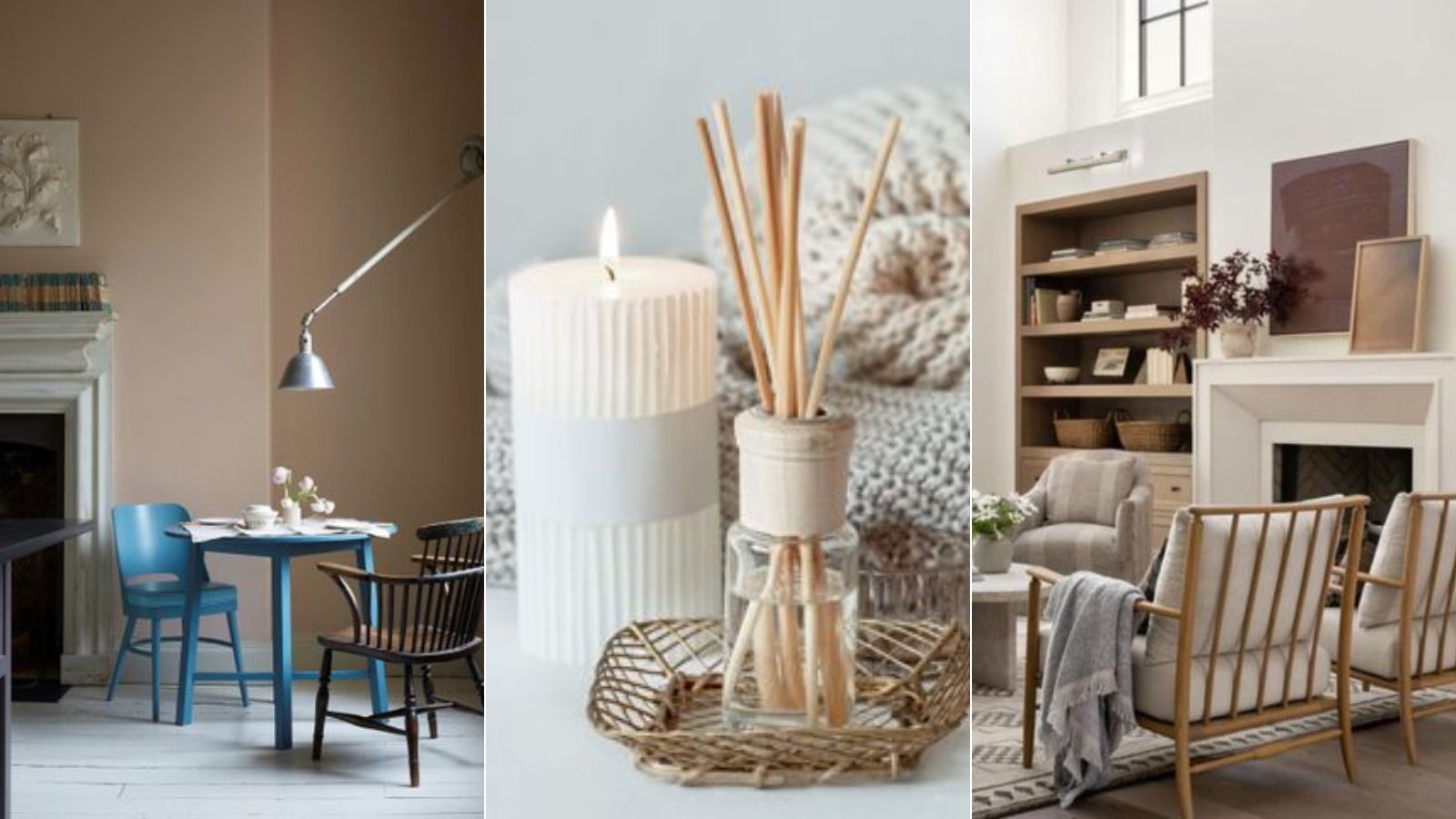
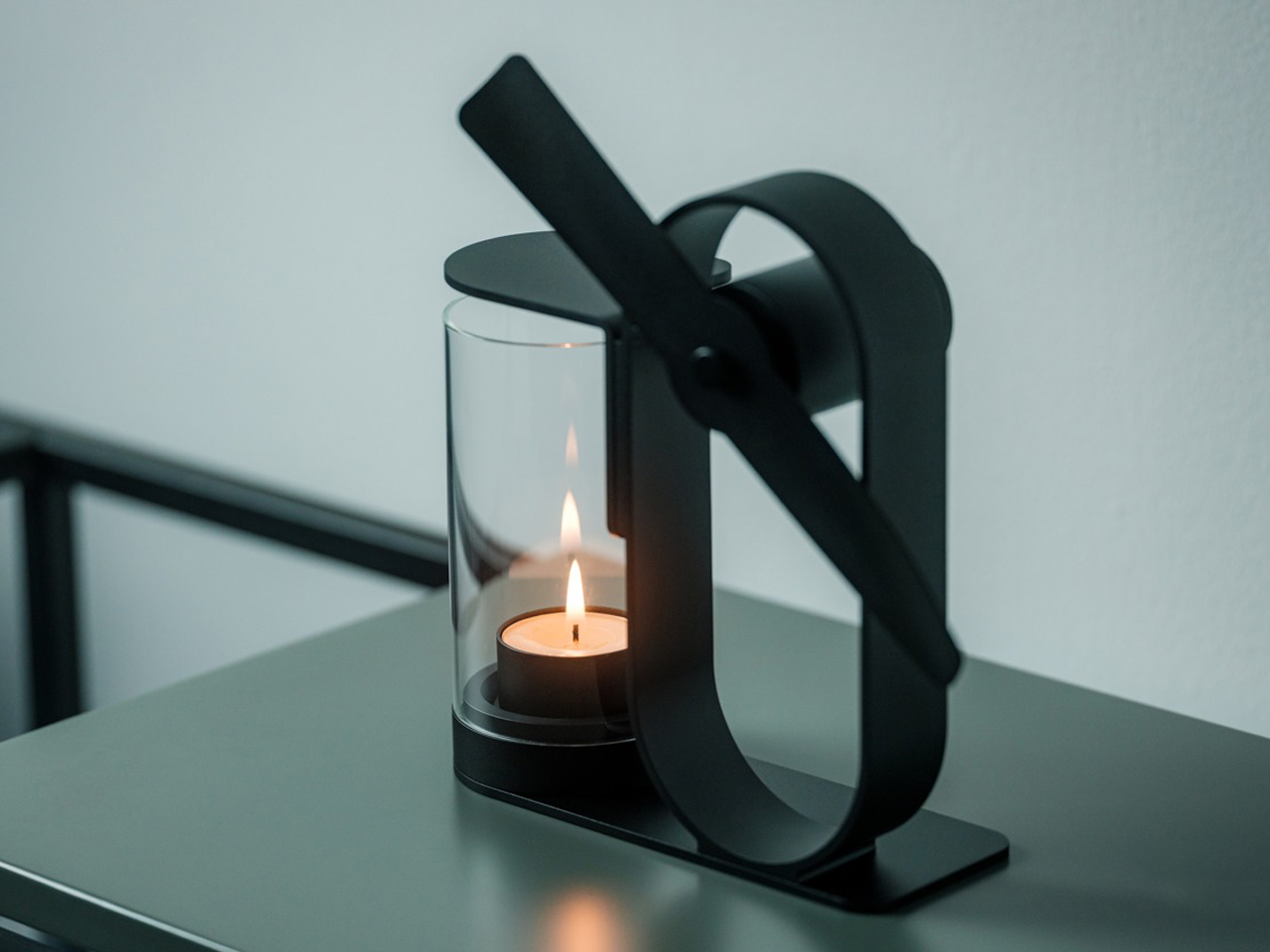
One effective strategy involves the use of natural candles, specifically those made from soy or beeswax. Unlike conventional scented candles that can be a source of irritation, these natural alternatives are typically unscented or contain low concentrations of natural essential oils, making them suitable for sensitive individuals. Beyond their gentle aroma, soy and beeswax candles are noted for their air-purifying qualities, contributing to overall air cleanliness and preventing the build-up of unpleasant odors. For those inclined, crafting homemade beeswax candles allows for further customization with safe essential oils.
Herbal and citrus infusions offer another natural way to introduce pleasant scents. Methods range from creating natural wax sachets infused with dried herbs, strategically placed in drawers or closets for a mild, herbaceous scent, to making potpourri from fresh herbs, cinnamon sticks, citrus peels, and star anise. These potpourris can be customized seasonally and positioned in high-traffic areas. A popular technique is the 'simmer pot,' which involves simmering various ingredients like citrus fruits, herbs, spices, vanilla, and eucalyptus in water to create a continuous, gentle aroma throughout the home.
Incorporating indoor plants provides both air purification and subtle fragrance. Certain plants, such as spider plants, peace lilies, and bamboo palms, are known for filtering air and reducing pollutants, offering a natural scent that is generally well-tolerated. Additionally, plants like lavender, rosemary, citrus trees, eucalyptus, and mint can directly infuse the home with their distinct, gentle fragrances.
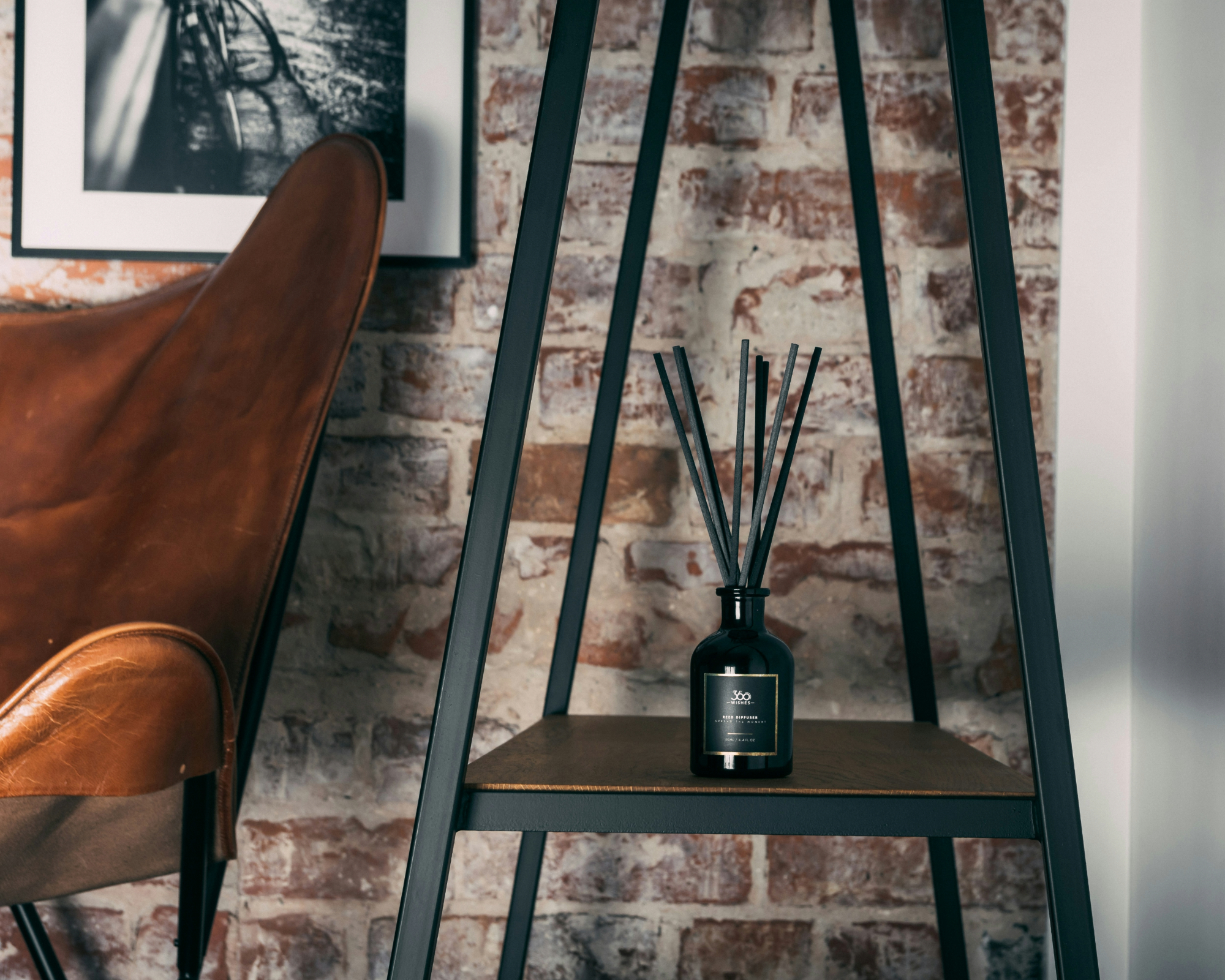
Natural aromatherapy diffusion, using hypoallergenic essential oils like lavender, chamomile, or eucalyptus, allows for a controlled and adaptable scent. Diffusers can disperse these oils in well-ventilated spaces, creating a soft aroma without overwhelming the senses. Regular cleaning of diffusers is crucial to prevent residue build-up. For a customizable option, DIY reed diffusers with a neutral carrier oil and minimal essential oil can be crafted, or terracotta diffusers can absorb and slowly release earthy scents like sandalwood or vanilla.
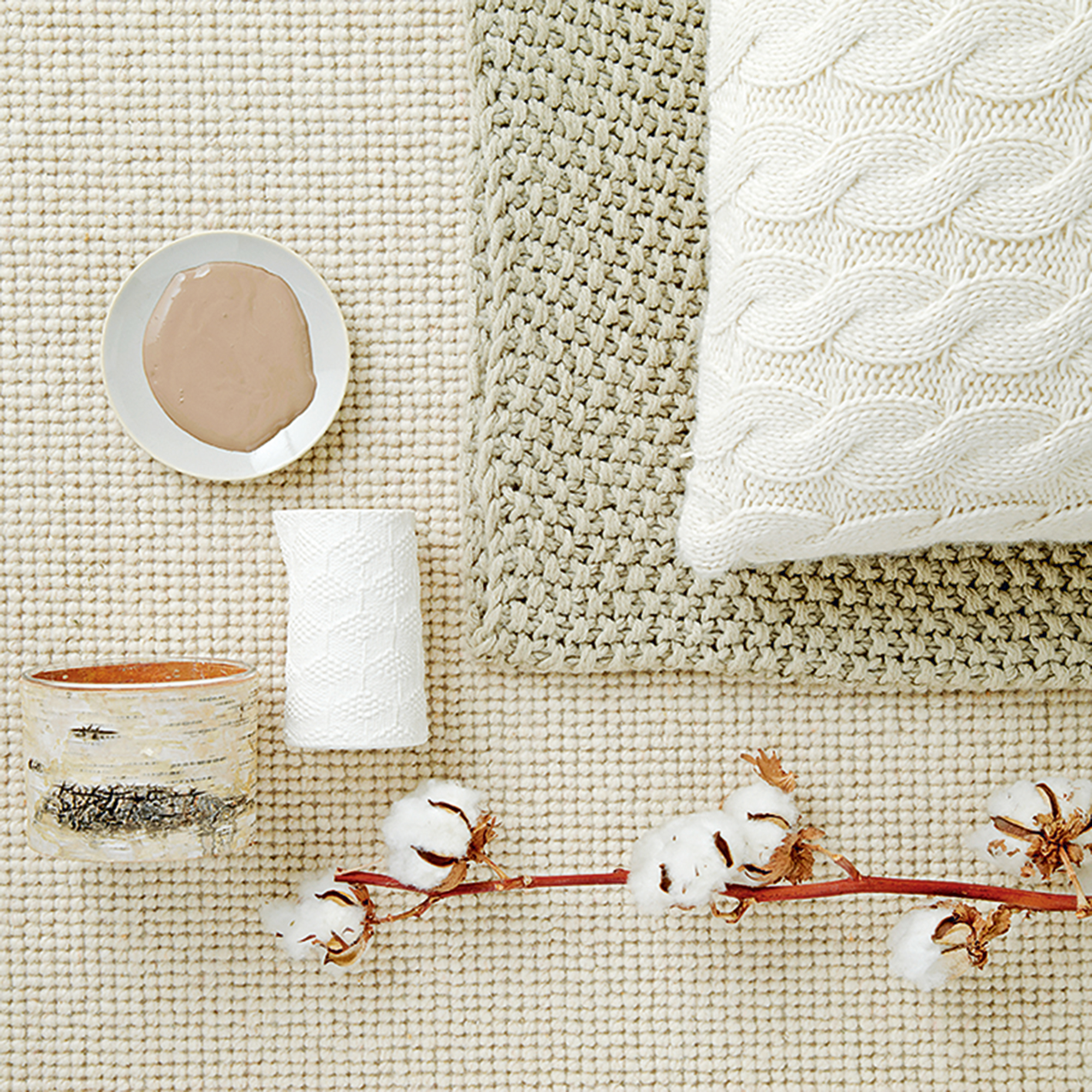
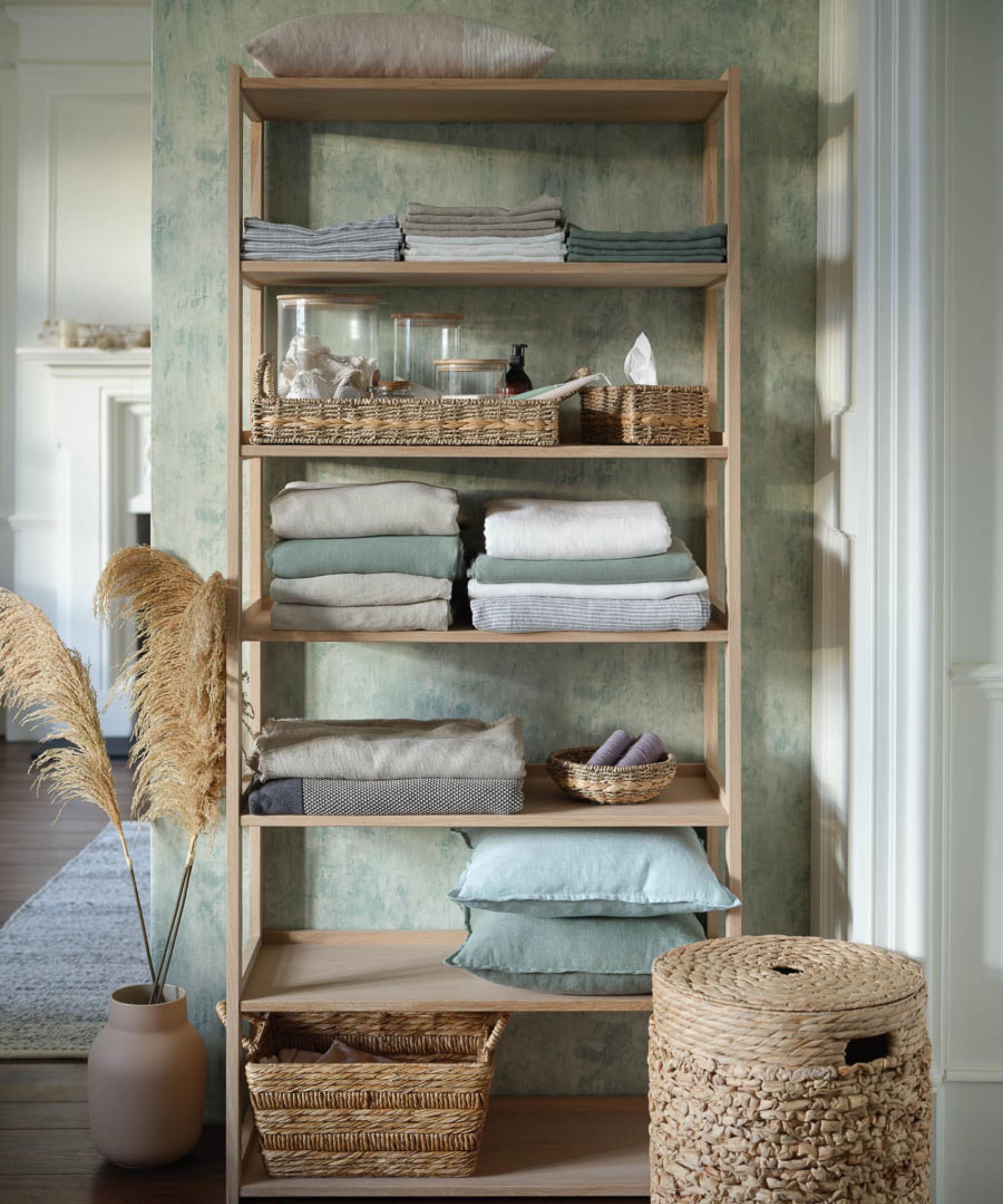
Selecting natural fabrics and materials for home furnishings, such as bamboo, cotton, or wool, helps maintain a clean and fresh atmosphere due to their neutral aroma. These materials are less likely to absorb and retain odors compared to synthetic fabrics. Personalized scents can also be discreetly added to upholstery using sachets with potpourri or wax.
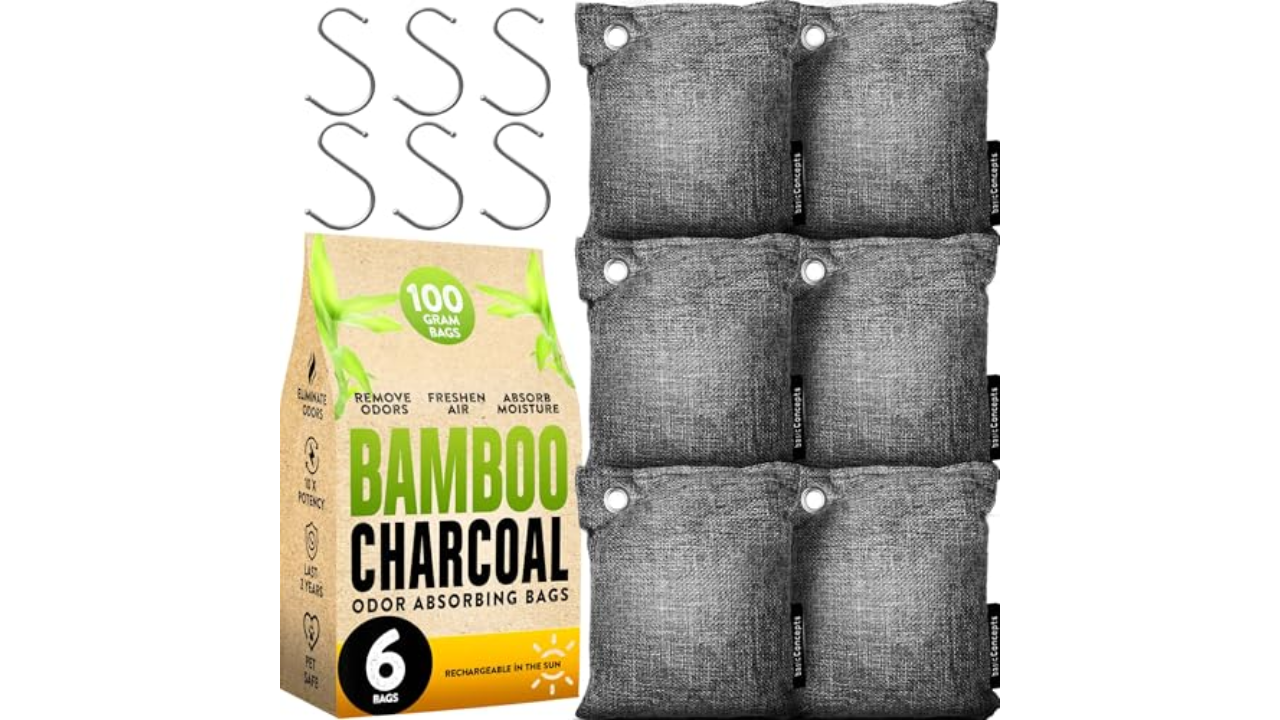
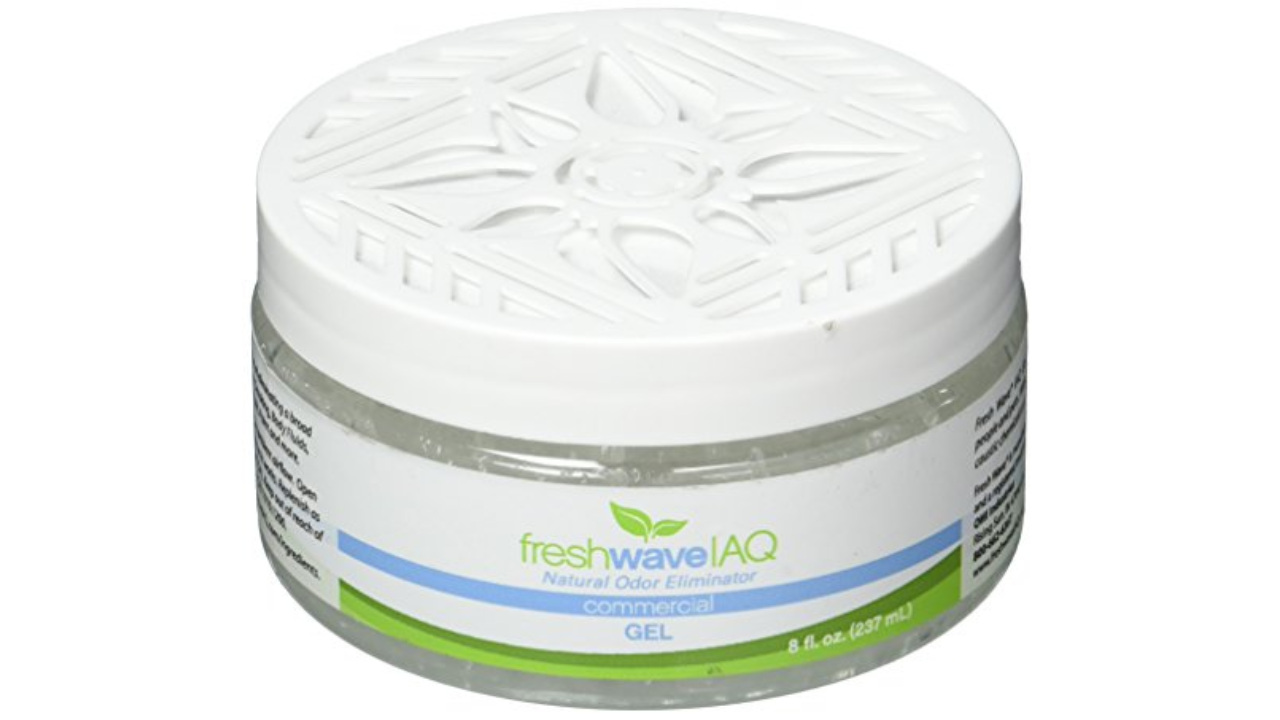
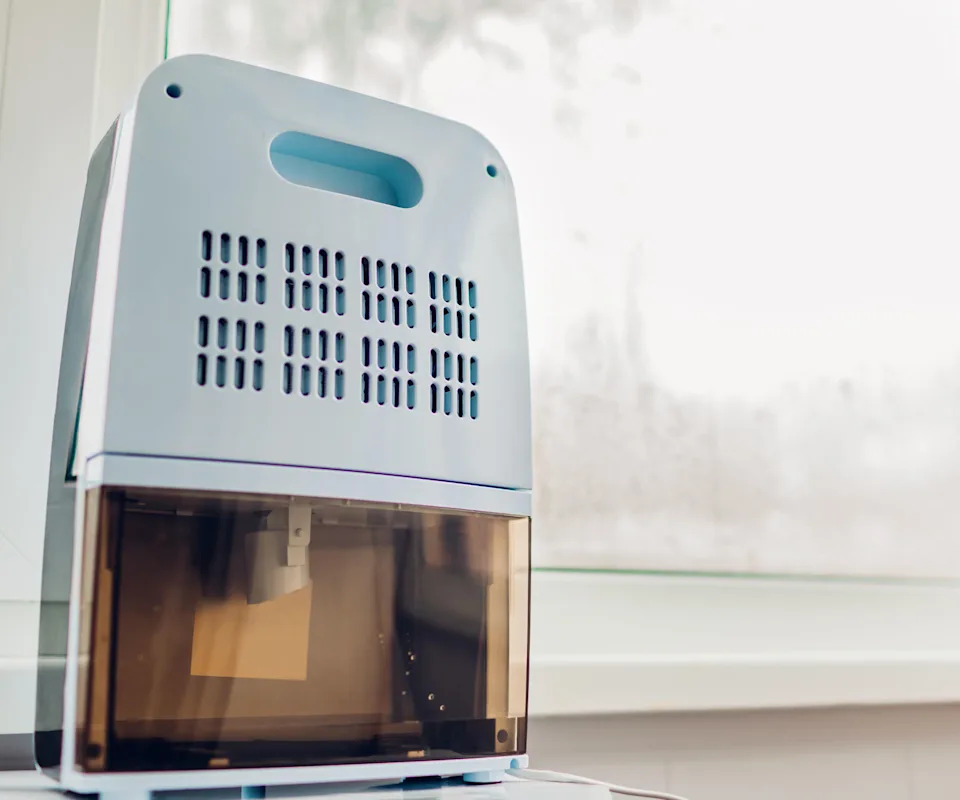
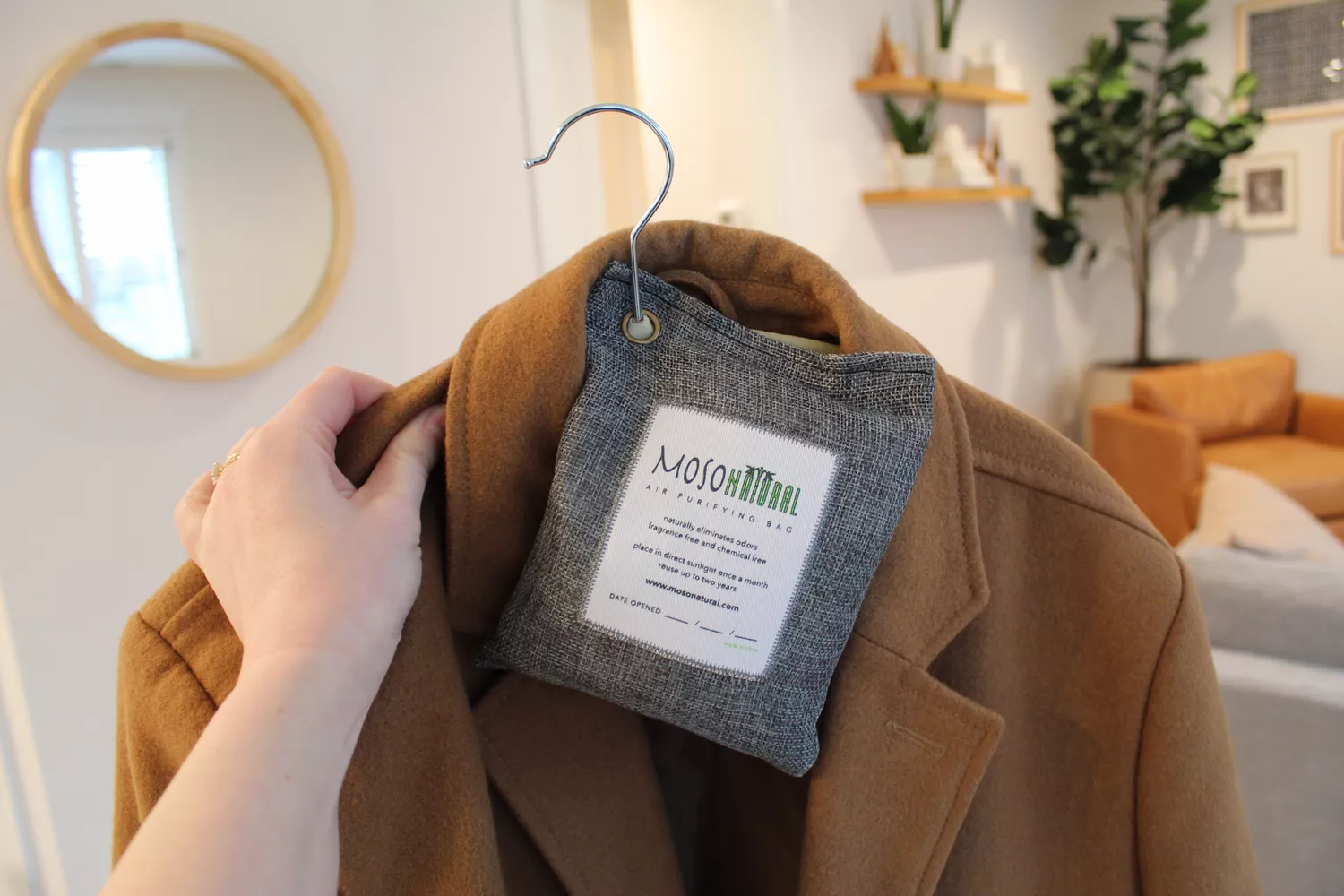
Odor-neutralizing elements are essential for a consistently fresh home. Baking soda, activated charcoal sachets, or bamboo charcoal bags can be strategically placed to absorb and eliminate odors without introducing new scents. These elements are particularly effective in areas prone to dampness or mustiness. Some charcoal air purifiers can also be infused with a few drops of mild essential oil for a combined benefit of cleaner air and a delicate aroma. Baking soda can also be combined with dried lavender to create a carpet refresher.
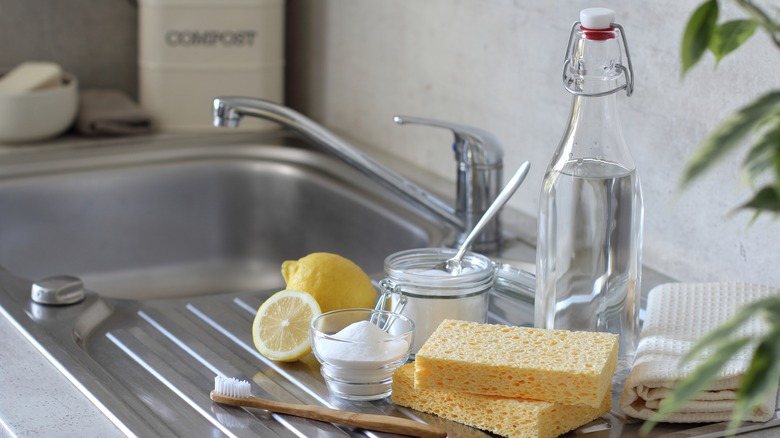
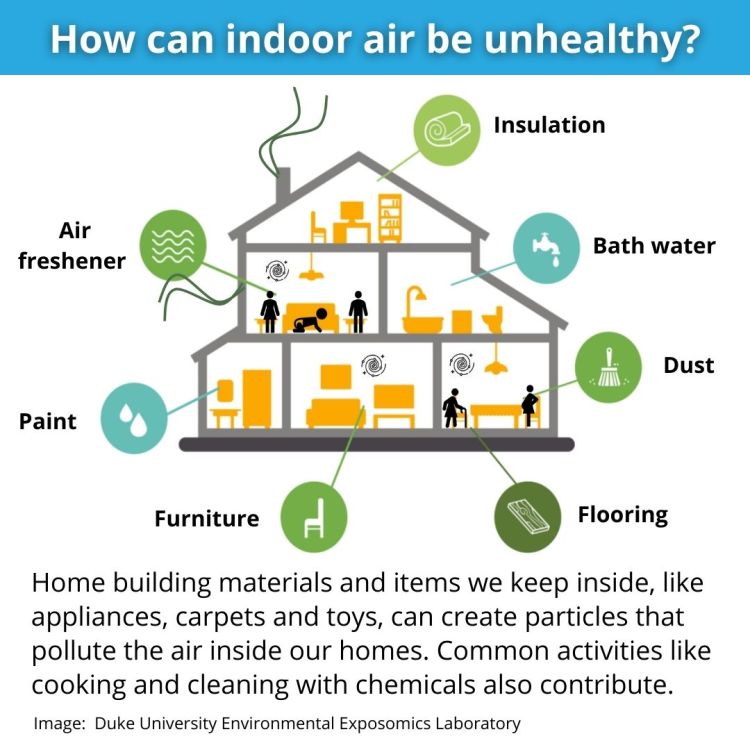
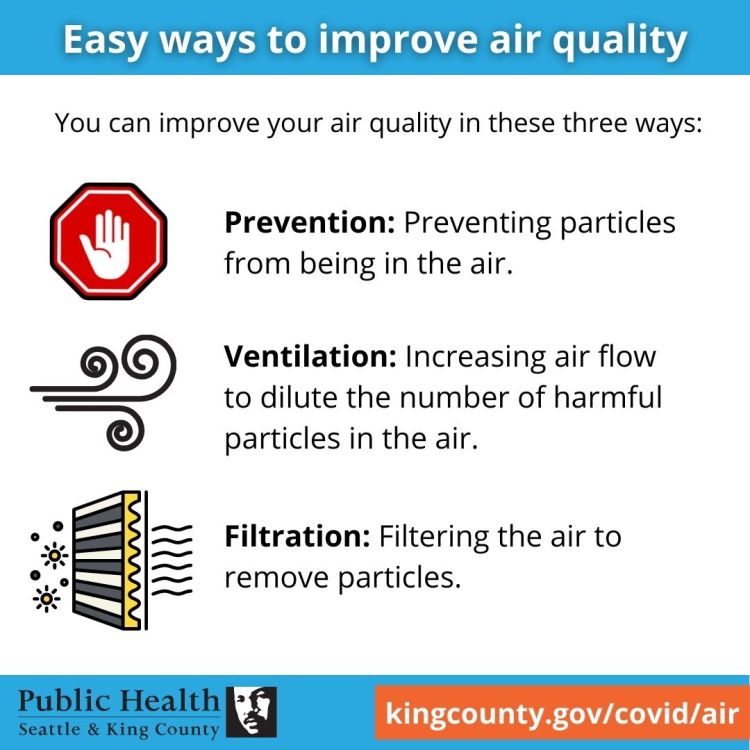
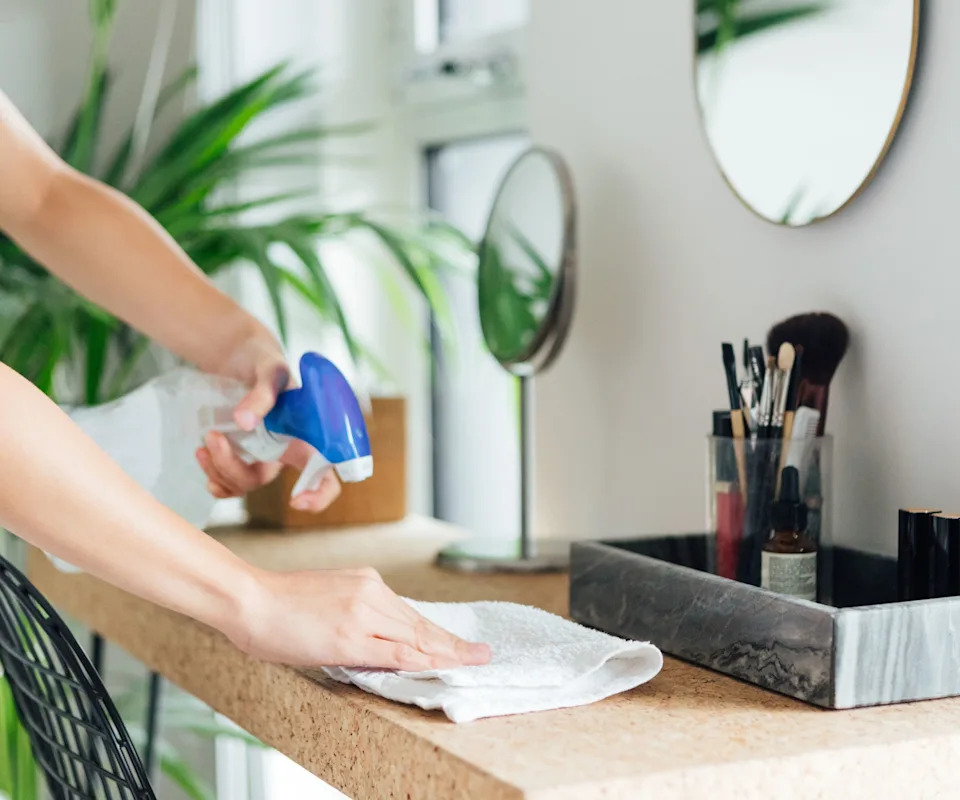
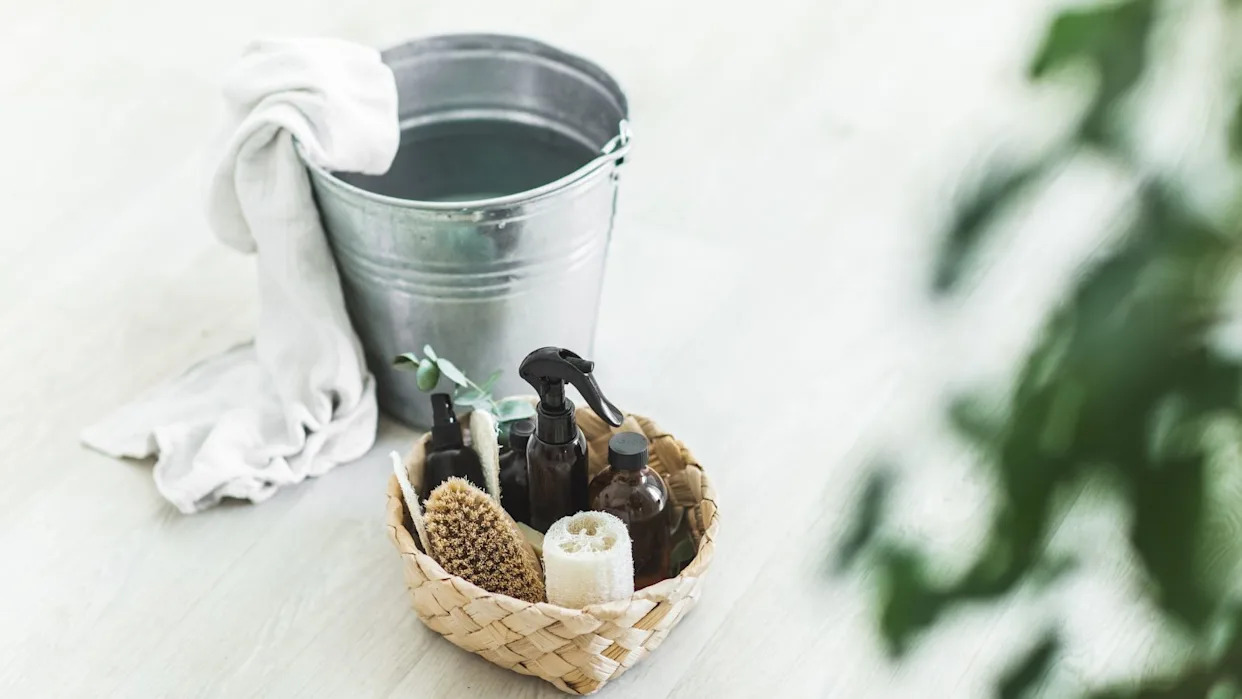
Conscious cleaning techniques play a significant role in preventing unpleasant odors. Using fragrance-free or hypoallergenic cleaning products and focusing on areas that harbor odors, like carpets, upholstery, and curtains, is crucial. Homemade cleaning solutions with baking soda and vinegar are also effective, natural alternatives. Finally, ensuring regular ventilation by opening windows allows fresh air to circulate and prevents musty odors. Air purifiers with HEPA filters can capture dust and neutralize odors without releasing scents, provided they are cleaned regularly to maintain efficiency. The strategic placement of any fragrant items is also important, ensuring scents are subtle and blend harmoniously within and between rooms, avoiding an overwhelming effect, especially for those with sensitivities.
#FragranceSensitivity #NaturalHomeScents #AirPurification #BeeswaxCandles #SoyCandles #HerbalInfusions #IndoorPlants #AromatherapyDiffusion #OdorNeutralizers #EcoFriendlyCleaning #FragranceSensitivity #NaturalHomeScents #AirPurification #BeeswaxCandles #SoyCandles #HerbalInfusions #IndoorPlants #AromatherapyDiffusion #OdorNeutralizers #EcoFriendlyCleaning
0 comment in total
 No comments yet
You may also like
This is What You Want Your Home to Smell Like for Good Feng Shui — 4 Scents To Boost Positivity at Home


7 things people with nice-smelling hallways always do – according to experts

How to improve indoor air quality at home
The 11 Odor Eliminators We Tested and Actually Love for Every Bad Smell


The 10 Best Hacks To Control Gross Smells In Your Home

Your home stinks. Here's how to fix it, according to experts
5 Reasons Why Scentscaping Is The Next Luxury Trend Set To Takeover The Wellness Industry

How to get rid of musty basement smells – 6 ways to combat odors and their causes

We Tested Dozens of Air Fresheners to Find the Best Ones for Your Home


7 tips to keep your house smelling good without air fresheners


Do You Have a Musty-Smelling House? 6 Worrying Causes — And What You Should Do to Get Rid of Them

8 things people with nice-smelling pantries always do

This is What You Want Your Home to Smell Like for Good Feng Shui — 4 Scents To Boost Positivity at Home
How I made my bathroom smell like a luxury spa

Set the scene with the best fragrances to scentscape your hallway

Sarah Gunn: Allergy Reducing Home Décor Tips


How To Pick The Perfect Scent From Your Living Room
23 Things To Help You Keep Your Home Free From Pet Odors

7 things people with nice-smelling basements never do
14 Ways to Make Your Laundry Smell Better