1/5
13 instant changes to reduce your electricity bills
In an era marked by an ongoing energy crisis and persistently high prices, households are actively seeking effective strategies to curtail their electricity and gas expenses. While long-term investments like insulation and solar panels offer substantial energy savings over time, numerous immediate, low-cost modifications can significantly impact current electricity consumption. Air Filter experts, Filter King, have compiled a list of thirteen practical tips aimed at helping consumers reduce their electricity bills without extensive overhauls.
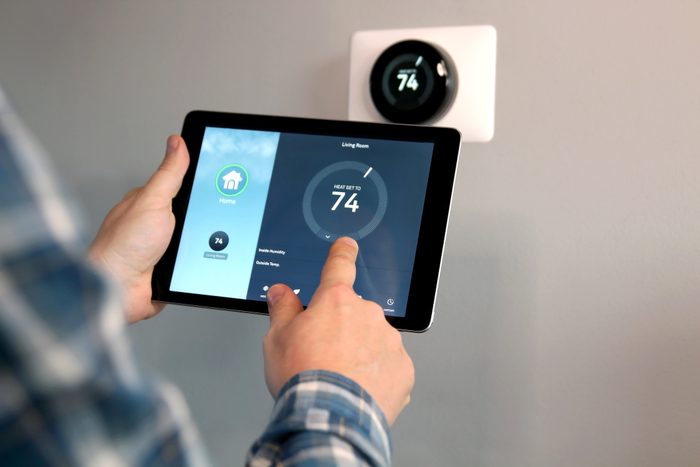
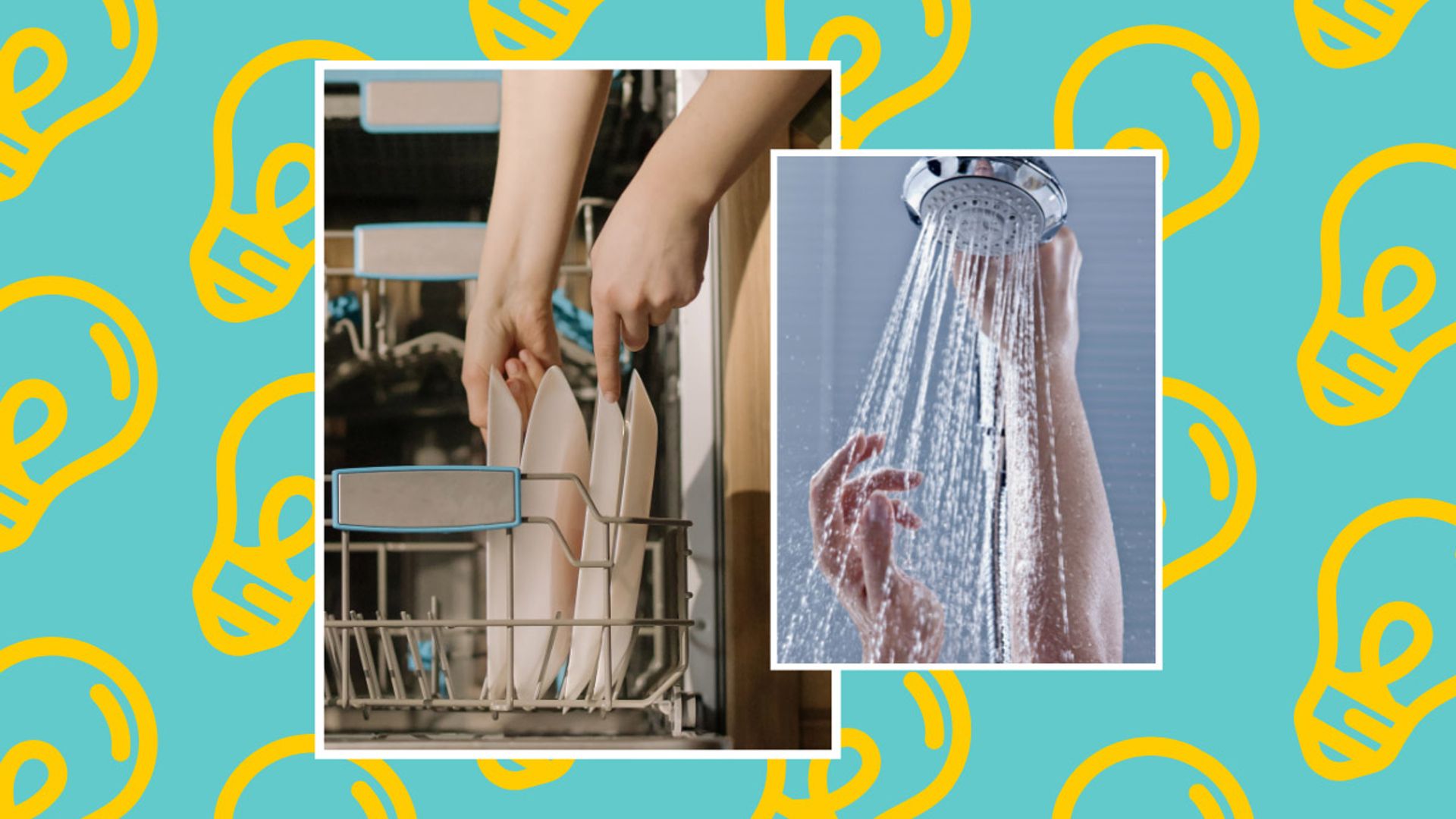
One fundamental adjustment involves lowering the temperature setting of the water heater. Even a slight reduction can lead to considerable savings, as the water heater is responsible for a significant portion of a home's overall water heating. Another effective method is to manually wash dishes instead of using a dishwasher. For those who prefer dishwashers, turning off the heated drying cycle is a simple yet impactful change; dishes will air dry naturally, consuming less electricity. Optimizing refrigerator and freezer usage is also crucial. Overfilling these appliances forces them to work harder to maintain cold temperatures, increasing energy consumption. Regularly cleaning the refrigerator's condenser coils, which often accumulate dirt, ensures the appliance operates efficiently and prevents unnecessary energy expenditure.
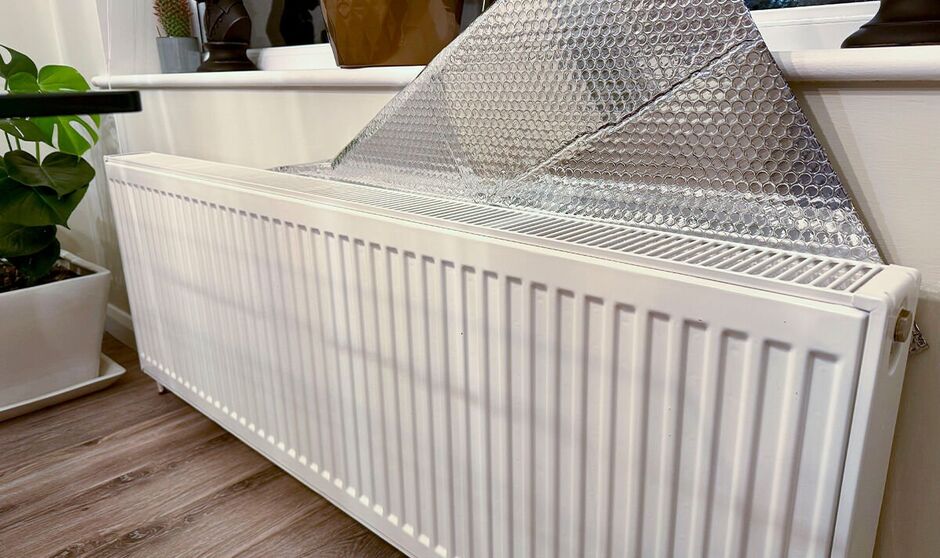
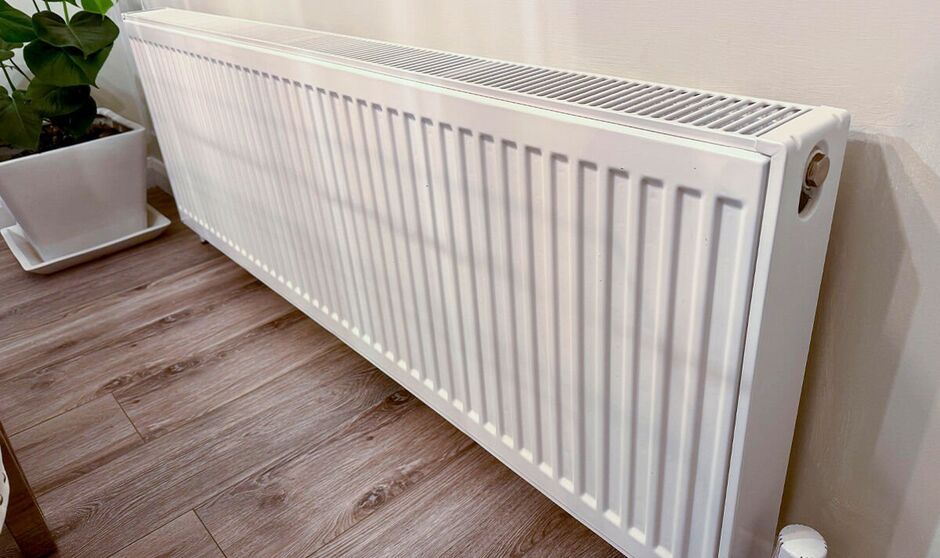
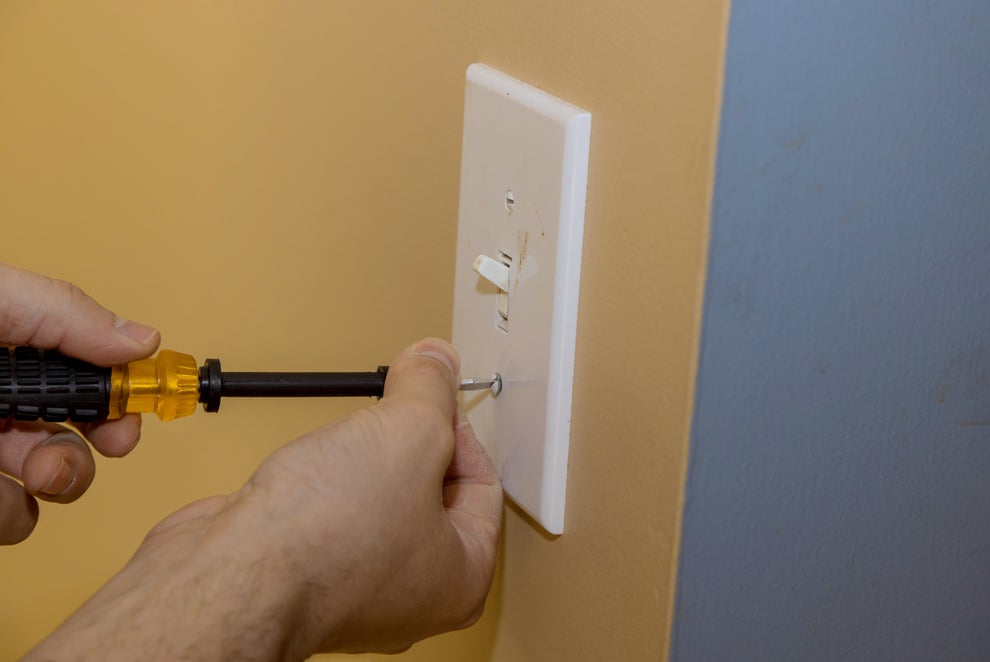
Laundry habits can also contribute to substantial savings. Opting to line dry or air dry clothes, either outdoors or indoors near a radiator, eliminates the need for energy-intensive tumble dryers. Installing dimmer switches on lights allows for reduced power usage when full illumination isn't necessary and can be done without professional help. A common misconception regarding oven use is the necessity of preheating. Many recipes call for it, but preheating often consumes a lot of electricity with minimal impact on cooking quality. Therefore, skipping this step can save energy. Strategically placing high-energy appliances apart from each other is another tip, as their combined heat emission can lead to increased electricity draw if they are too close.
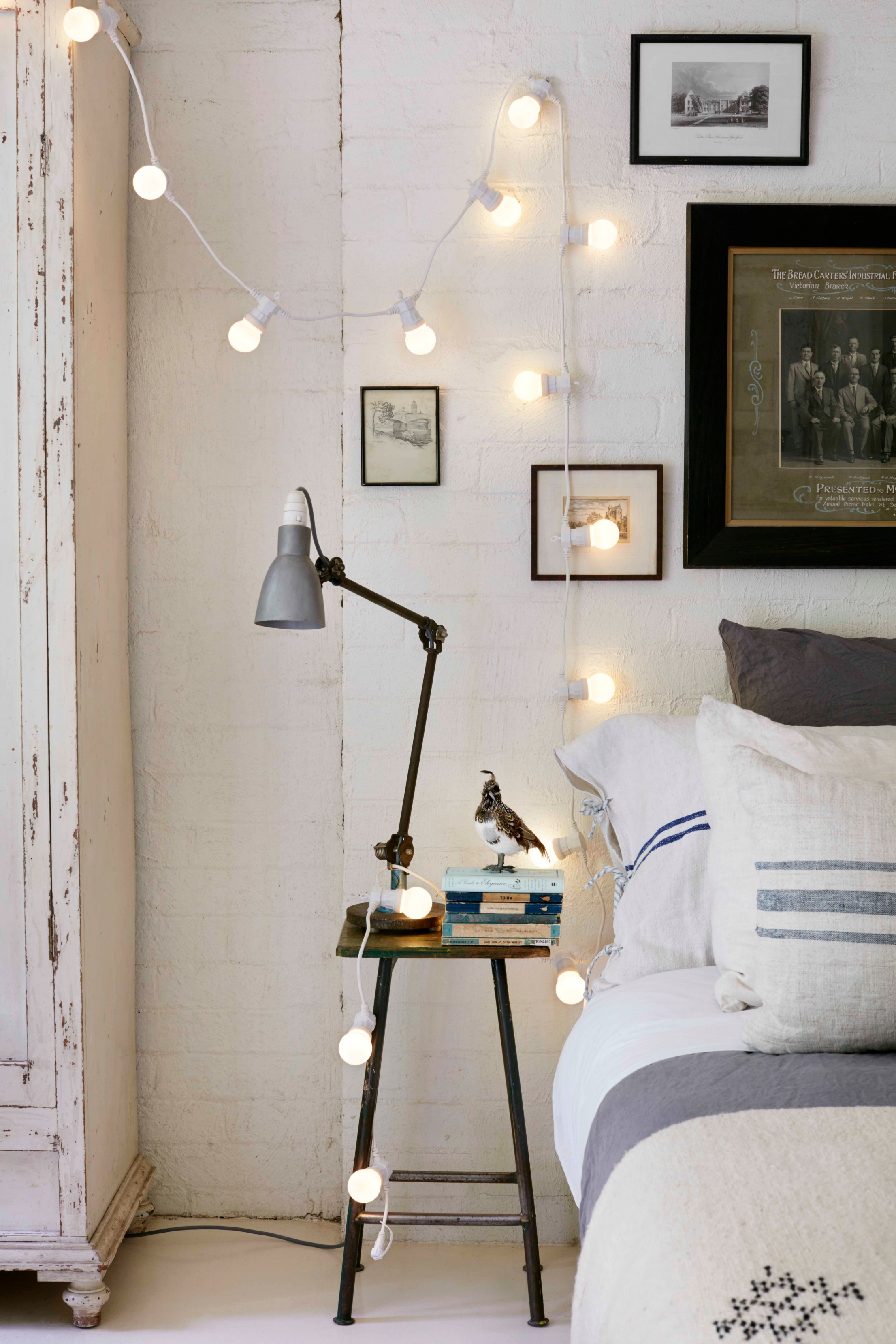
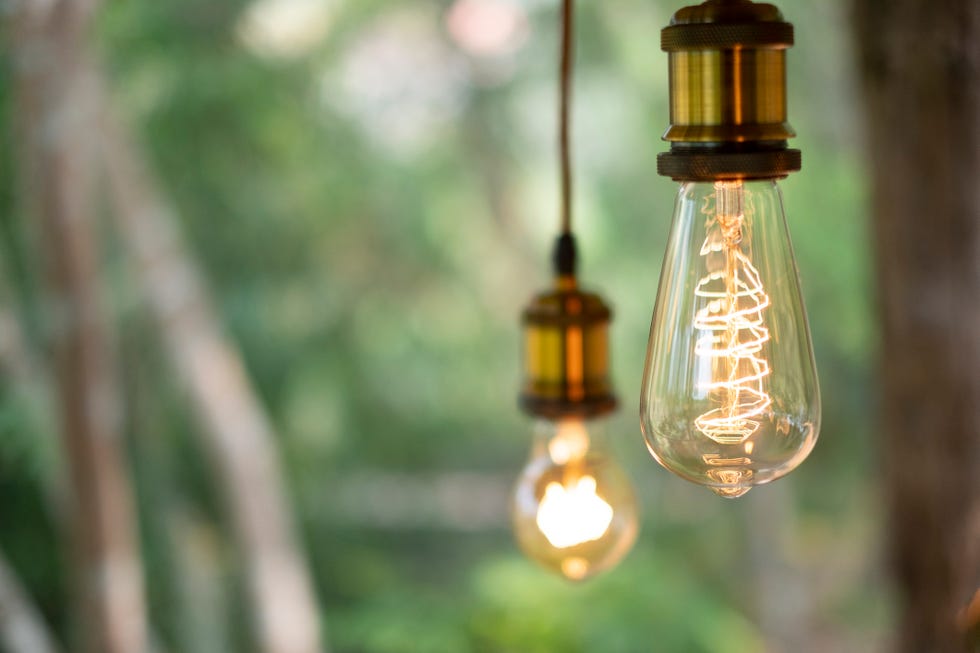
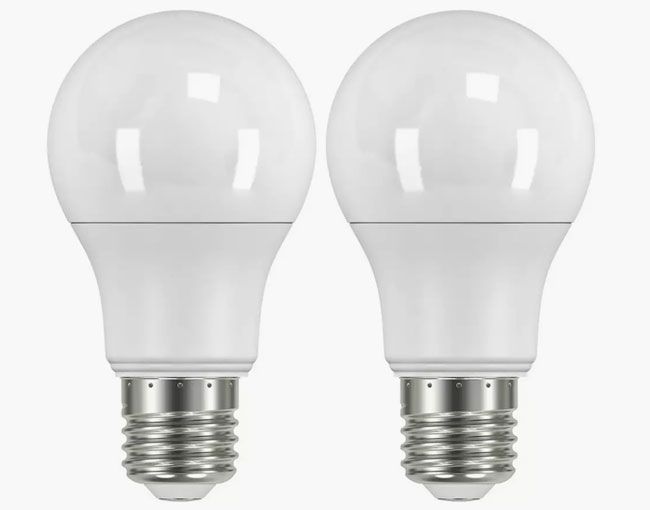
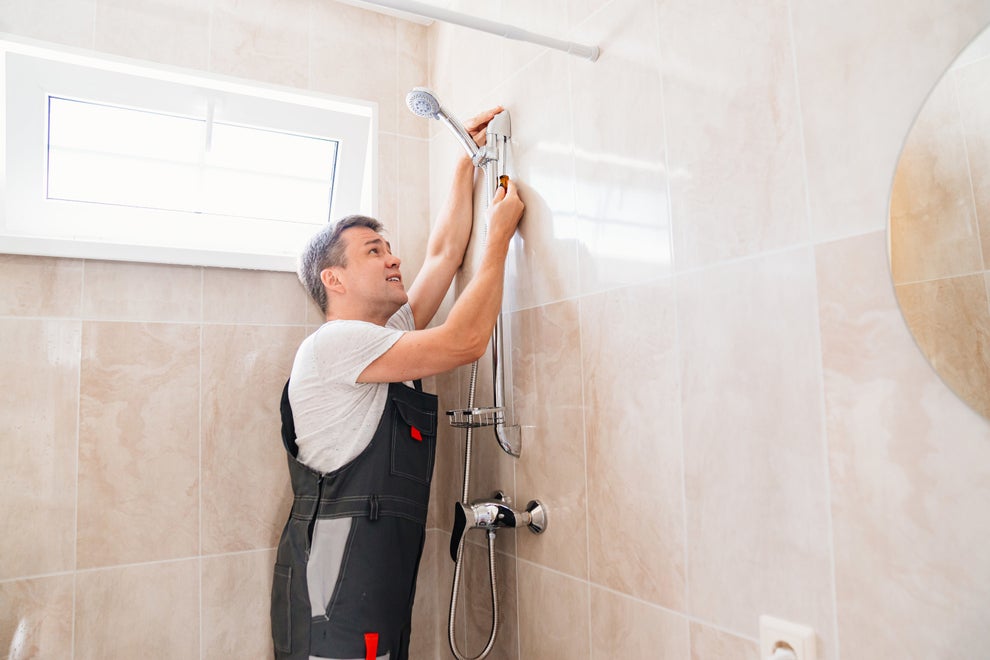
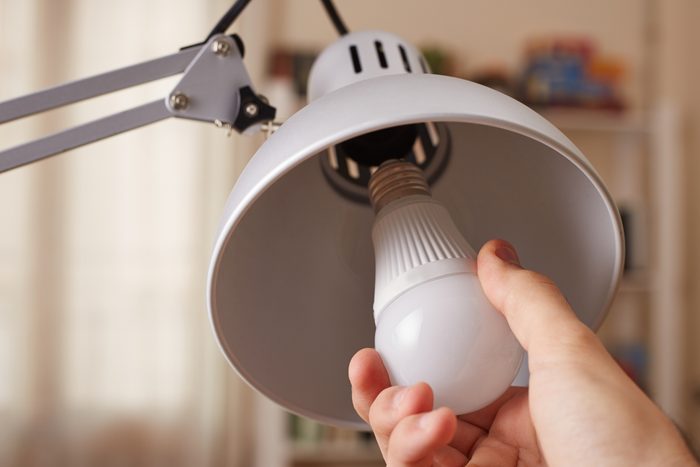
Switching to LED light bulbs is a small investment with long-term benefits, as these bulbs are designed for energy efficiency and have a longer lifespan than traditional incandescent bulbs. Understanding and utilizing off-peak electricity rates, which can be obtained from local electric companies, allows consumers to schedule appliance usage during cheaper hours. Incorporating water-saving shower heads with low flow rates helps reduce both water and electricity consumption. Finally, minimizing ironing time or consolidating ironing tasks into single sessions can significantly cut down on electricity, as irons are high-energy appliances. These immediate and cost-effective changes collectively empower households to manage their energy consumption and reduce their electricity bills amidst rising costs.
#EnergySavingTips #ElectricityBills #HomeEfficiency #CostReduction #HouseholdAppliances #SustainableLiving #HomeMaintenance #SmartHome #EnergySavingTips #ElectricityBills #HomeEfficiency #CostReduction #HouseholdAppliances #SustainableLiving #HomeMaintenance #SmartHome
0 comment in total
 No comments yet
You may also like

This Small Upgrade Can Lower Your Electricity Bills

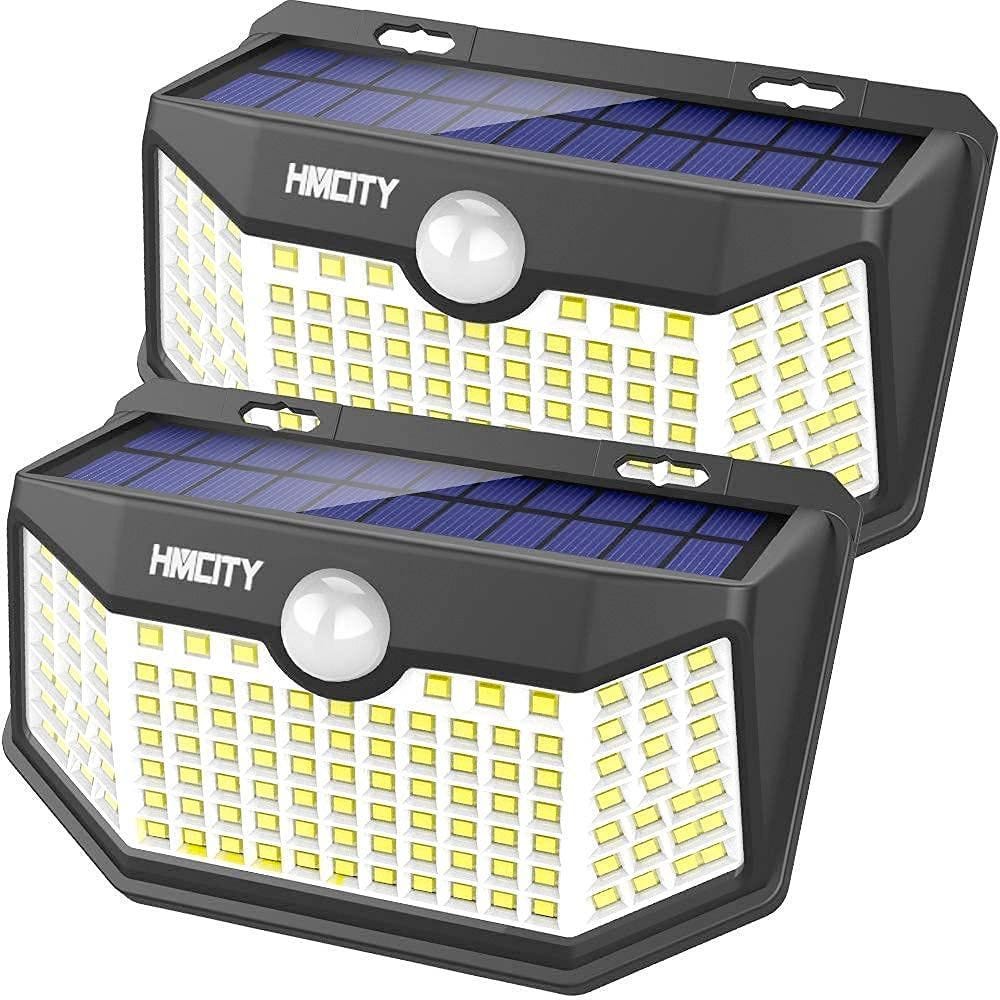
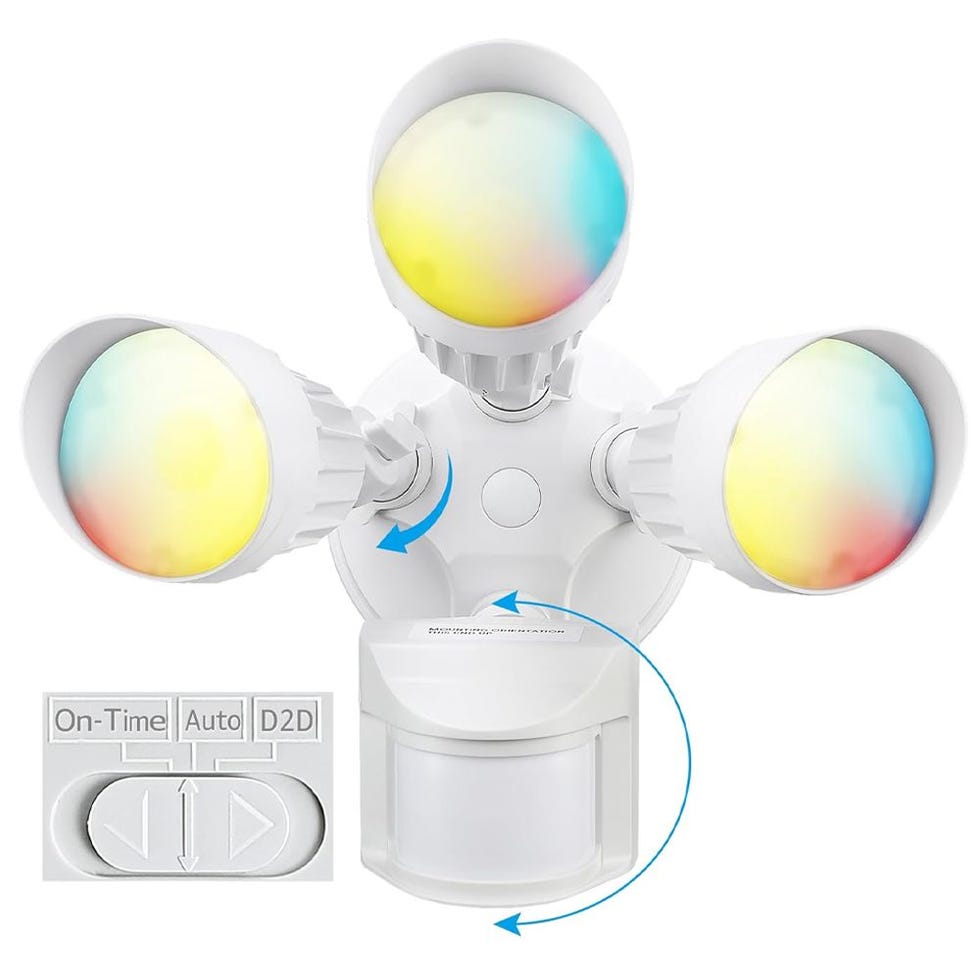
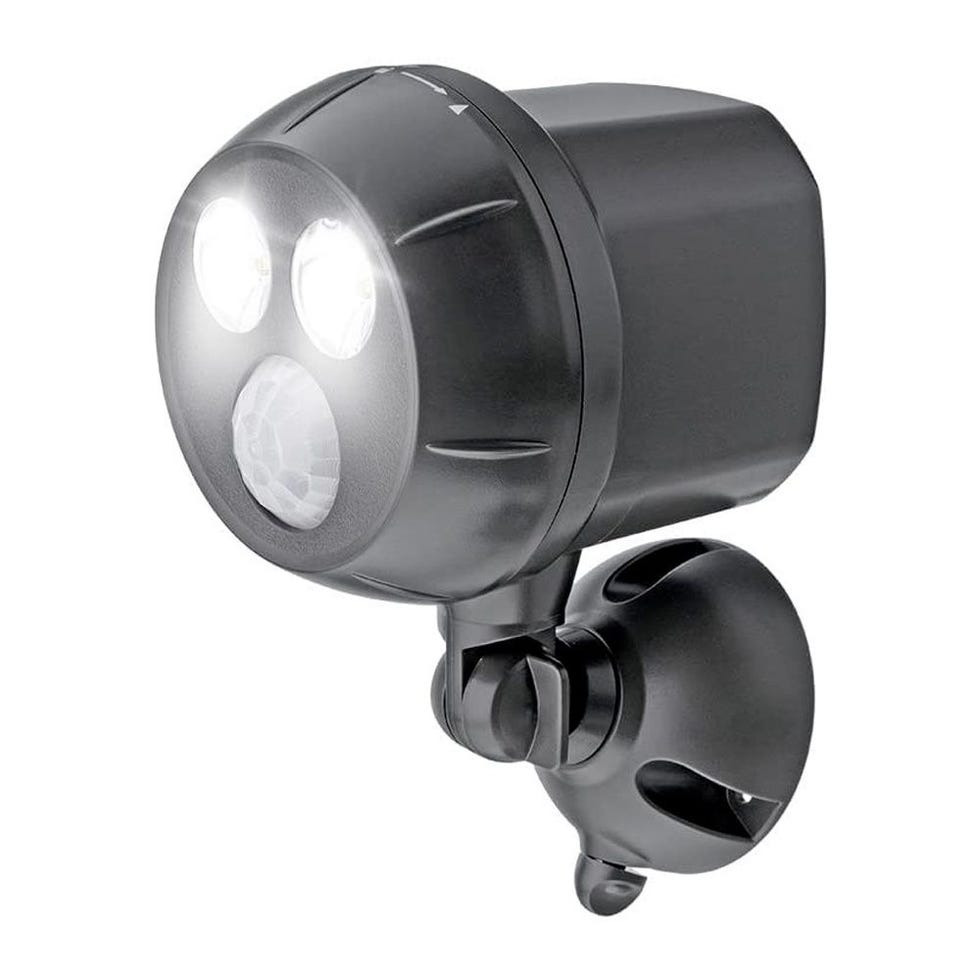
Use These Motion Sensor Lights to Up Your Security While Lowering Your Electric Bill

Homeowners Are Revealing The One Budget-Friendly Upgrade That Continues To Make The Biggest Difference

Home appliance experts uncover the little-thought-of upgrade that could slash your utility costs: 'You can save over $800'

50 Super Simple Ways to Save on Energy Costs


£14 heating trick has kept my house warm and thermostat lower as energy bills set to rise
TikToker shares how flipping a tiny switch on your ceiling fan can save you tons of money on your power bill
Save on energy prices by retrofitting your French home

18 energy saving ideas

These are the UK's cheapest – and most expensive – areas for utility bills


12 Ways To Create a More Sustainable Home
Bad Thermostat Placement Could Cost You Hundreds This Winter

Upgrade your heating system to reduce bills and energy usage

7 best energy saving devices for your home in 2023: How to save money in the long term

Meet a real estate agent showing clients how electrification can save them money

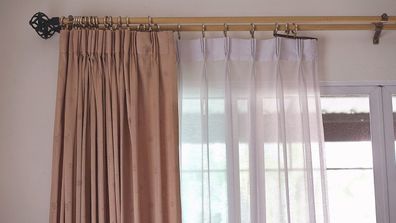
This simple curtain hack will help reduce power bills and keep your house warm this winter

Five Simple Rules For House Design That Drastically Lower Energy Costs

Warm Up Your Space & Lower Your Bills With This Energy-Efficient Home Swap

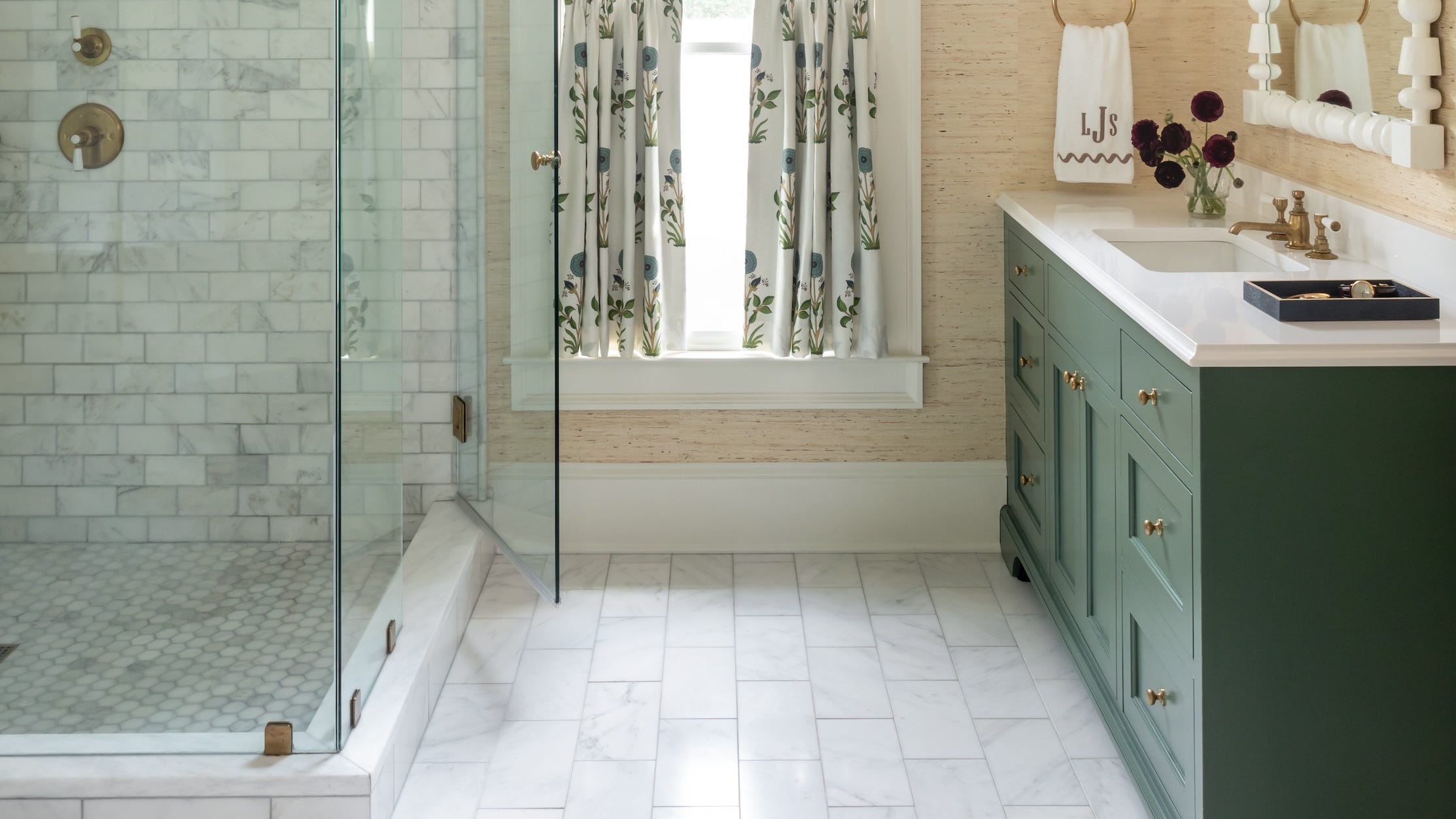
This Surprising Home Feature Can Decrease Your Energy Bill by Hundreds
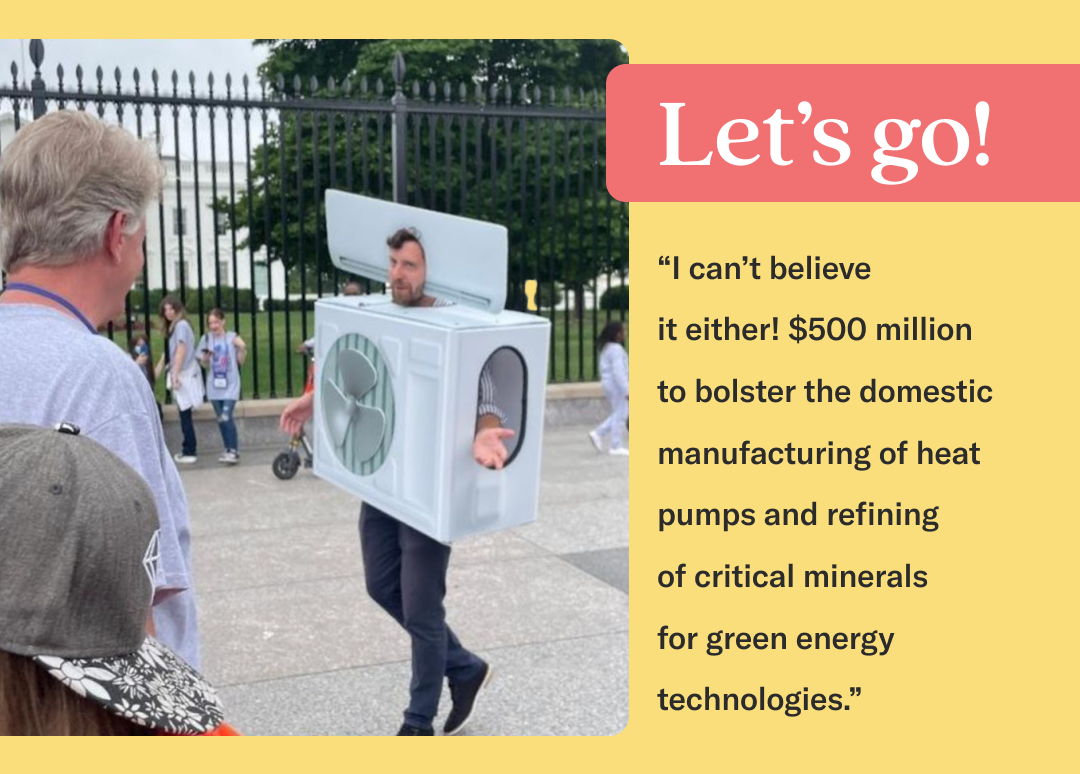
Let's Go! An Electric Explainer, and where we go from here!