Ceramic Tile Report: Tariffs put renewed focus on domestic supply – April 2025
The ceramic tile industry is facing significant uncertainty due to potential new tariffs, leading to a renewed focus on domestic supply chains. Industry consultant Joe Lundgren notes that tariffs are a constant topic of discussion, and while Federal Reserve chairman Jerome Powell anticipates a transitory economic impact, the broader implications could reshape the domestic ceramic market, which heavily relies on imports. Leonardo Pesce, CEO of Panariagroup USA, views these challenges as an opportunity for U.S. manufacturers to increase market share through efficiency, innovation, and value-driven solutions. The previous tariffs on Chinese tile in 2018 removed a major low-cost supplier, allowing countries like India to fill the gap. However, India is now under investigation for antidumping, and broader reciprocal tariffs proposed by former President Trump could impact numerous trading partners. This situation prompts importers to re-evaluate sourcing, while domestic manufacturers strategize inventory and capacity, engaging in extensive scenario planning.
Forecasting is difficult without clear tariff policies, and the industry’s demand is closely tied to new-home starts, which are also vulnerable to tariff-induced uncertainty in the construction market, particularly regarding materials like lumber and goods from Mexico. India currently leads U.S. ceramic imports, followed by Spain, Italy, and Mexico. Substantial tariffs on India and Mexico could affect approximately half of the category's imports, or a quarter of the overall market. MSI co-CEO Raj Shah anticipates inflationary pressures on the homebuilder market if new tariffs are implemented. A critical event is the Department of Commerce's final ruling in mid-April on the antidumping case against India, which has seen a 2,200% surge in tile volume since 2020 and a price drop, unlike other countries. Eric Astrachan, executive director of the Tile Council of North America (TCNA), argues that Indian tile is being dumped into the U.S. market, harming domestic producers, citing reduced domestic tile shipments and stalled expansion plans. However, he believes a tariff under 20% might have limited impact.
Over the past four to five years, India's market share has grown from nearly 0% to 20% of all U.S. imports. Hector Narvaez, executive vice president of Stonepeak, warns that if the case is lost, domestic manufacturers might postpone future growth plans as the price of tile could be driven down further. Indian porcelain tile is significantly cheaper than Mexican tile, which already offers a lower price point. With China's exit from the low-cost tile market, India has largely filled the void, though Lundgren also points to Vietnam and Malaysia as potential alternative low-cost providers. The ability of other countries to supply competitively priced product will depend on their capacity and design capabilities. The situation highlights the benefits of domestic sourcing, offering reliability and predictability amidst global supply chain disruptions. Mike Ward, vice president of sales for Portobello America, notes that while the supply chain is recovering, external interference remains higher than pre-COVID levels, making lead time predictions difficult.
Dede Dunn, vice president of product and marketing for Paramount Global Surfaces, indicates a shift in sourcing strategy, with Happy Floors, traditionally sourcing from Italy and Spain, now engaging with U.S. producers. Domestic manufacturers are actively seeking to capitalize on this opportunity, with many receiving inquiries about switching from imported products. However, domestic capacity might not fully meet the market's needs if imports are severely impacted. While domestic manufacturers can produce a wide range of products, their current capacity can absorb only about 35-40% of ceramic demand. Fifteen years ago, the ratio was 80% imported to 20% domestic, which has now shifted to 70% imported and 30% domestic. Significant expansions require time for land acquisition and operational adjustments. Companies like MSI and Emser benefit from flexible, multi-country sourcing models, allowing them to adapt to changes.
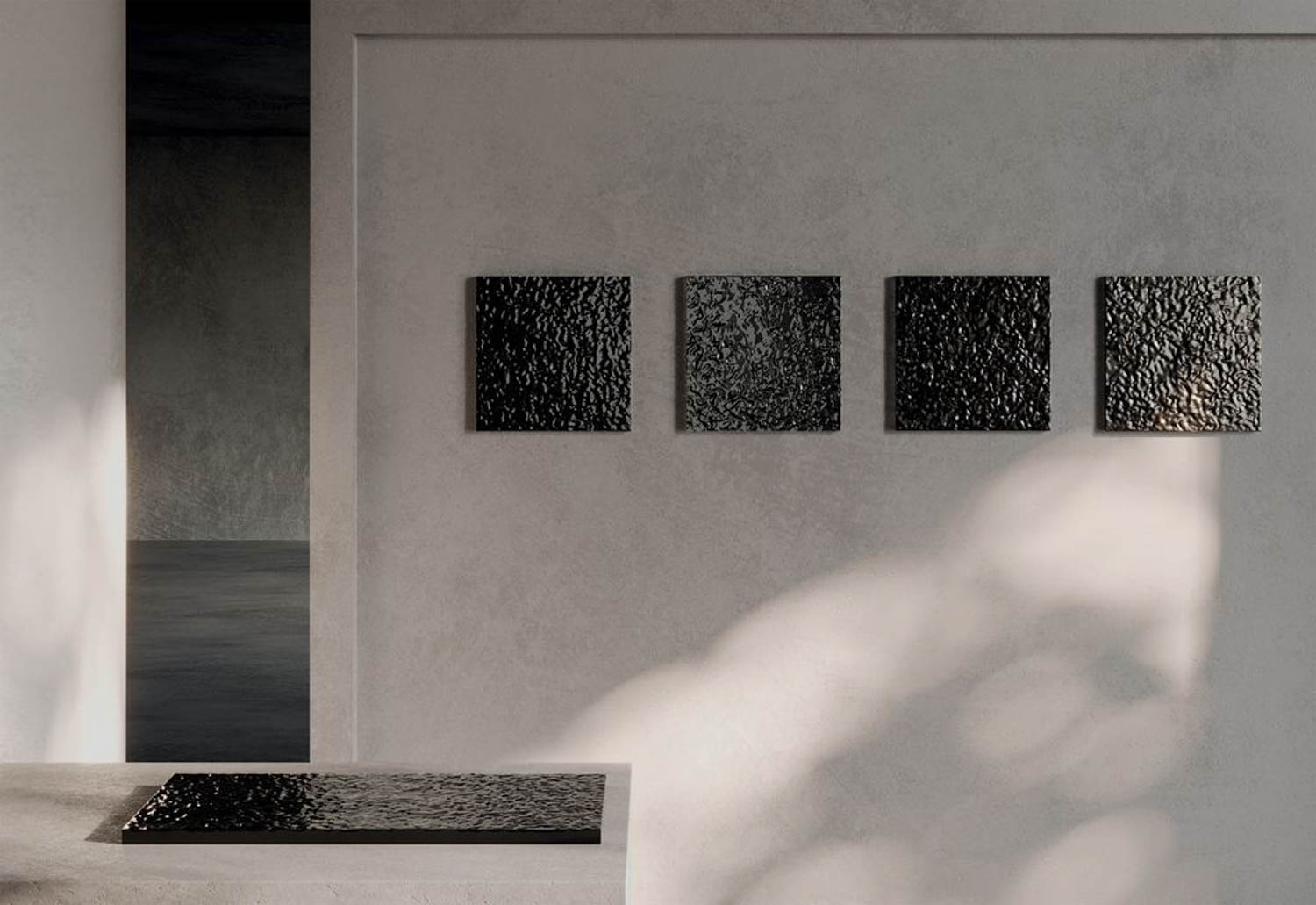
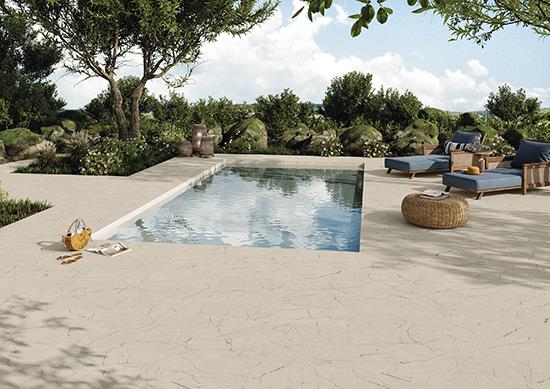
The higher end of the market can better absorb price increases, and efforts are underway to reduce installation costs for products like gauged panels, with advancements in lightweight panels and improved installation systems. Smaller format tiles, often imported, are strong in wall applications, but Maslowski notes a trend towards their use in flooring for eclectic looks. The lower end of the market, typically served by homebuilders, is more sensitive to price increases. Losing low-priced material from India or Mexico could push some to domestically made porcelain, but homebuilders are already facing rising costs for other materials. Rubio from Del Conca USA believes the U.S. market is not yet ready to produce entry-level products economically. Many U.S. operations are focusing on larger tile sizes for efficiency, with 24”x48” being prevalent, and exploring opportunities in 2cm pavers for outdoor living. Dal-Tile has upgraded its El Paso plant to produce multiple products with 3D texture capabilities, and Crossville is introducing its FeatherSoft finish and importing lighter porcelain panels. Del Conca USA, primarily producing in Tennessee, is expanding its portfolio and will manufacture 3D-textured products with new technology. MSI is launching more products for its 50th anniversary, focusing on realistic 3D textures and investing in AI and VR for customer engagement. Stonepeak is investing in its Crossville, Tennessee plant to produce high-quality large porcelain panels and plans further capital expenditures. Panariagroup USA has installed a state-of-the-art polishing line, reducing prices on polished SKUs, and will introduce Dry-Fix technology for natural marble/stone aesthetics. Portobello America is expanding its Baxter, Tennessee factory, adding a second floor tile kiln and presses for larger formats. Wonder Porcelain will debut wall tile offerings and new colorbody porcelain collections. Emser has partnered with Jennifer Farrell for exclusive tile collections, focusing on artisan heritage with modern aesthetics. Companies are also exploring new technologies to simplify tile installation due to rising costs and labor shortages. The OEM conundrum involves foreign companies asking domestic factories to produce their products, which can utilize excess capacity but often at lower profit margins. Despite the potential for increased demand, neither Lundgren nor Astrachan foresee new foreign investments in the U.S. due to volatile trade policies, high upfront costs, and long payback periods.
#CeramicTile #Tariffs #DomesticSupply #FlooringIndustry #Homebuilding #SupplyChain #AntidumpingDuties #Manufacturing #MarketTrends #CeramicTile #Tariffs #DomesticSupply #FlooringIndustry #Homebuilding #SupplyChain #AntidumpingDuties #Manufacturing #MarketTrends
0 comment in total
 No comments yet
You may also like
Home Renovation Projects That Are (Mostly) Tariff-Proof

80% of Design Pros Agree This Pared-Back Material Will Rule Construction in 2025


In Depth: Trim & Moulding


Home Design Projects Face Challenges As De Minimis Exemption Ends


5 "Tariff-Proof" Home Renovations That Experts Recommend in 2025

Tile Stickers Are The Budget-Friendly Trend Taking Over Homes In 2025
These Are the Home Products That Could Be Impacted by Tariffs—Plus How to Save


How Spain’s Decocer is taking quality ceramic fashion global

Discover The Top 10 Tile Trends Discusses at Coverings 2025
How Tariffs Will Impact Your Next Home Improvement Project

Outdated Tile Trends That Are Going Away In 2025
Top Tile Trends of 2025: What’s In and What’s Out

Ceramic Update: As duties on Chinese tile necessitate a sourcing shift in the U.S. market, who will fill the gap? - March 2020

Miles of Tile at Cersaie 2022

Pink Salt Tiles Wholesale: Transforming Wellness and Interior Design in 2025

Orient Ceramics & Industries Limited Long Term Buy Call : Fairwealth Securities

15 Standout Tile Designs Shaping Cersaie 2025

This is the Tile of the Year for 2024
2023 Tile Trends Feature Wellness, Sustainability And Resilience

Home Improvement Tax Credits and Rebates for Energy Efficiency in 2025