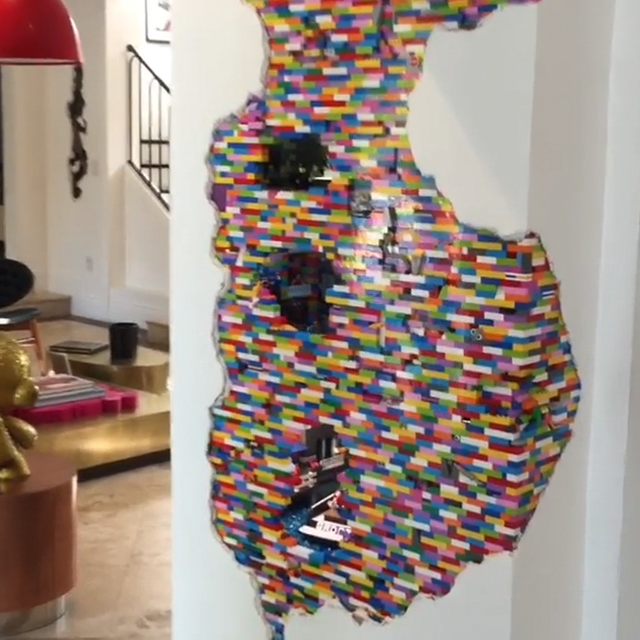

Lego-like product saving energy in construction
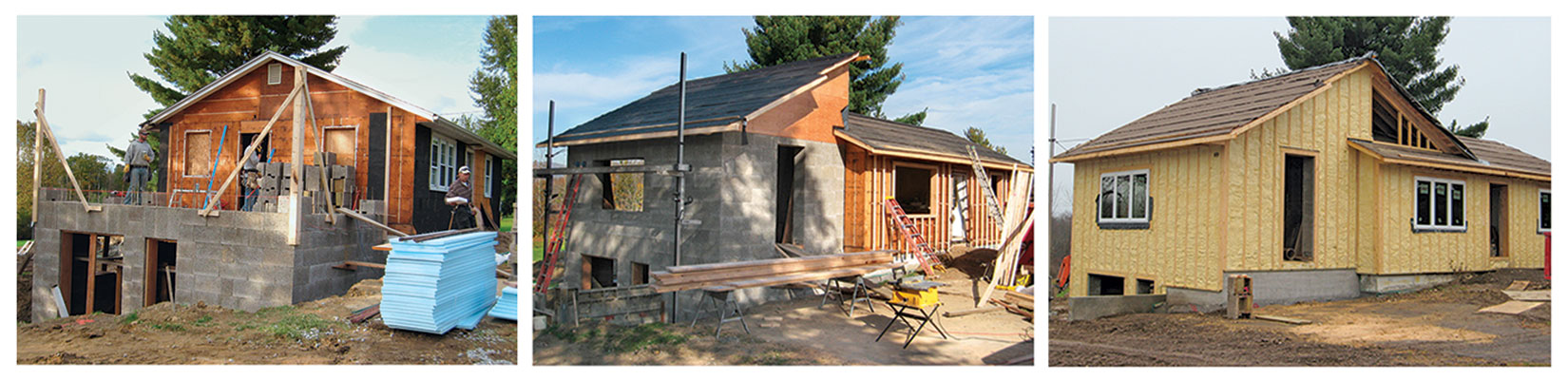
Insulated concrete forms (ICFs), a relatively new product in the construction industry, are gaining recognition for their ability to enhance thermal insulation and energy efficiency in buildings. These modular building blocks, composed of concrete, rebar, and foam panels, interlock similarly to Lego bricks, forming a robust structural shell for various types of constructions. The primary advantage of ICFs is their superior thermal insulation, which translates into significant savings on energy costs and a reduction in resource consumption. Beyond energy efficiency, ICFs offer enhanced structural integrity, creating extremely durable and resilient structures. This characteristic was notably demonstrated when a private school in Yelm, constructed with ICFs, survived the Nisqually earthquake with no damage, not even a drywall crack, despite being at the earthquake's epicenter. This inherent stability can also lead to reduced insurance costs, as ICF buildings are resistant to common issues such as rot, mold, mildew, insect infestations, and fire.
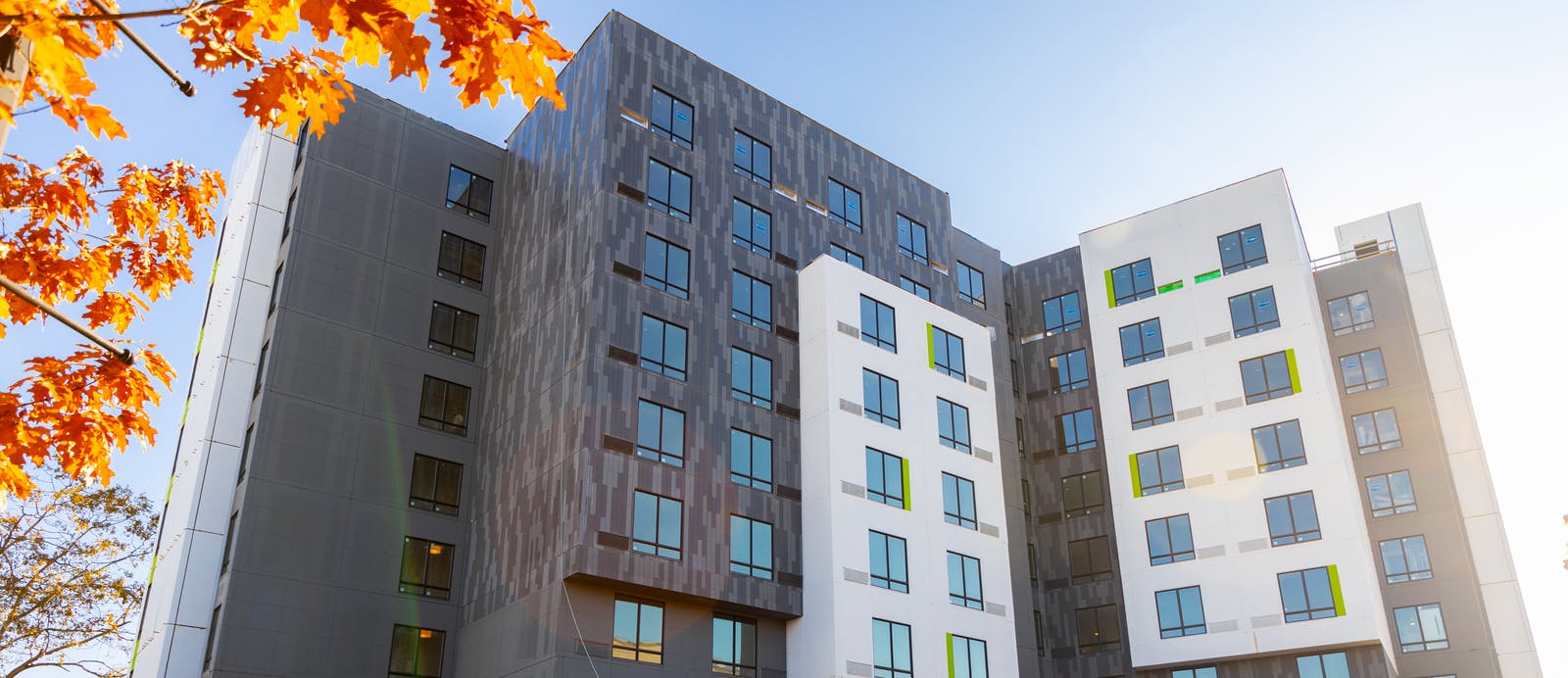
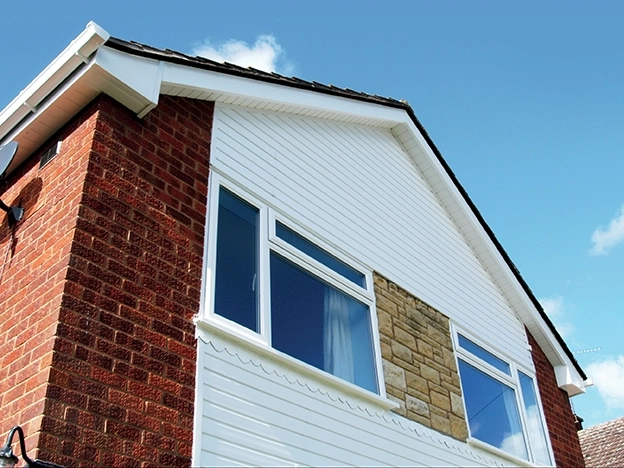
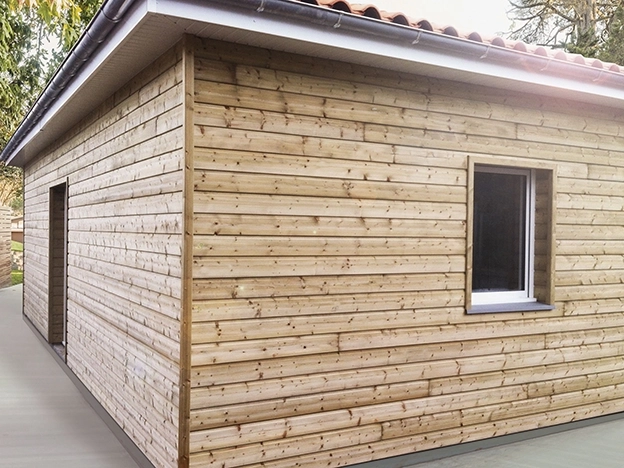
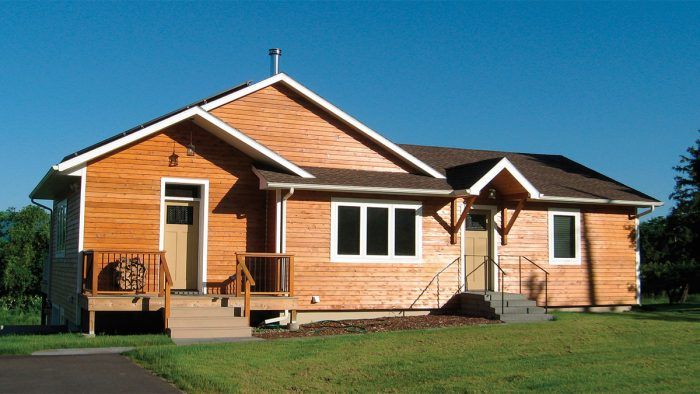
However, ICFs do come with certain challenges. The initial construction cost can be up to 5 percent higher compared to conventional building methods. Nevertheless, this additional upfront investment is generally offset by long-term energy savings and lower maintenance requirements. A contractor specializing in ICFs noted that his heating costs remained the same after moving from a 900-square-foot conventional home to a 4,000-square-foot ICF home, highlighting the product's energy efficiency. Another limitation is their potential restrictiveness in complex architectural designs. While not impossible, intricate designs involving multiple angles, curves, or non-standard wall shapes can be more labor-intensive and time-consuming with ICFs. Despite these design considerations, ICFs are versatile enough to be used in structures up to 12 stories high, as evidenced by mixed-use buildings supplied by Glacier Northwest from Vancouver to Portland. In terms of aesthetics, finished ICF buildings are indistinguishable from traditionally constructed homes, as they can be covered with any standard exterior material such as wood, brick, or stucco. This allows for diverse architectural appearances without compromising the inherent benefits of ICF construction.
#InsulatedConcreteForms #ICFs #EnergyEfficiency #SustainableConstruction #BuildingMaterials #ThermalInsulation #ConstructionTechnology #EarthquakeResistance #InsulatedConcreteForms #ICFs #EnergyEfficiency #SustainableConstruction #BuildingMaterials #ThermalInsulation #ConstructionTechnology #EarthquakeResistance
0 comment in total
 No comments yet
You may also like

Building Materials - Building Supplies

3D Printing Lightweight, Insulated Walls Using Cement-Free Mineral Foam

The latest and greatest innovations in sustainable building materials
Build Your Own Bar, Table, or Even a House With These Oversized Legos for Adults
Product Picks: October 2018

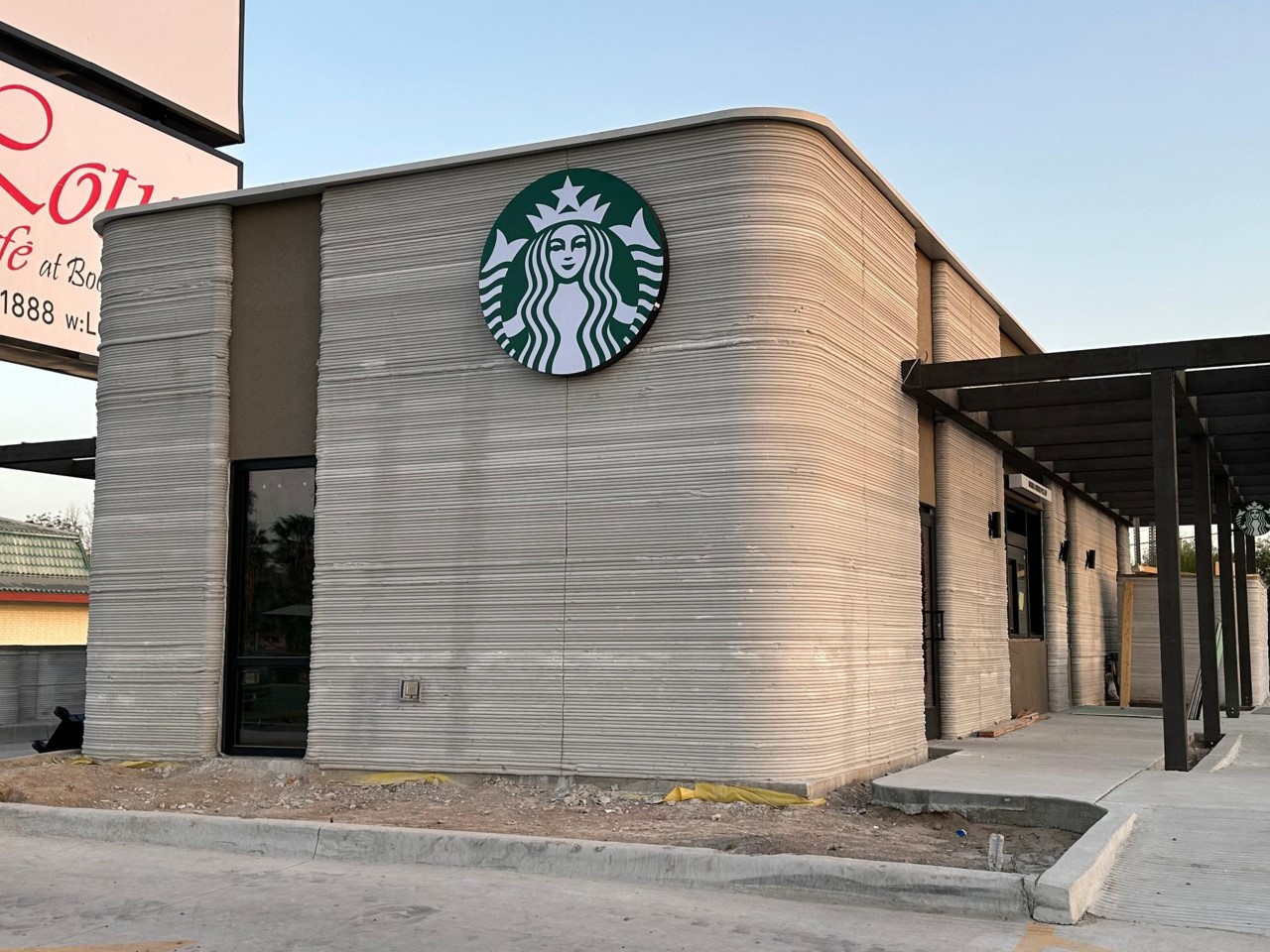
This 3D-Printed Starbucks Cafe in Texas Is Just Like Its Coffee - Industrial And Rapidly Manufactured

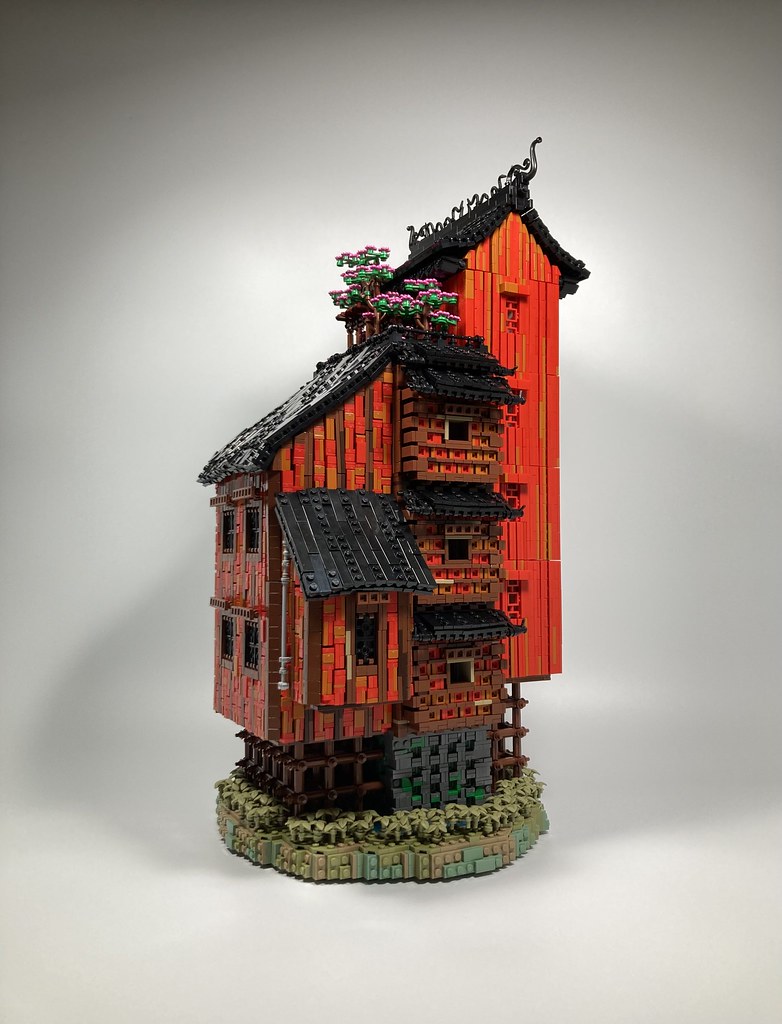
A(nother) vertical LEGO architectural marvel

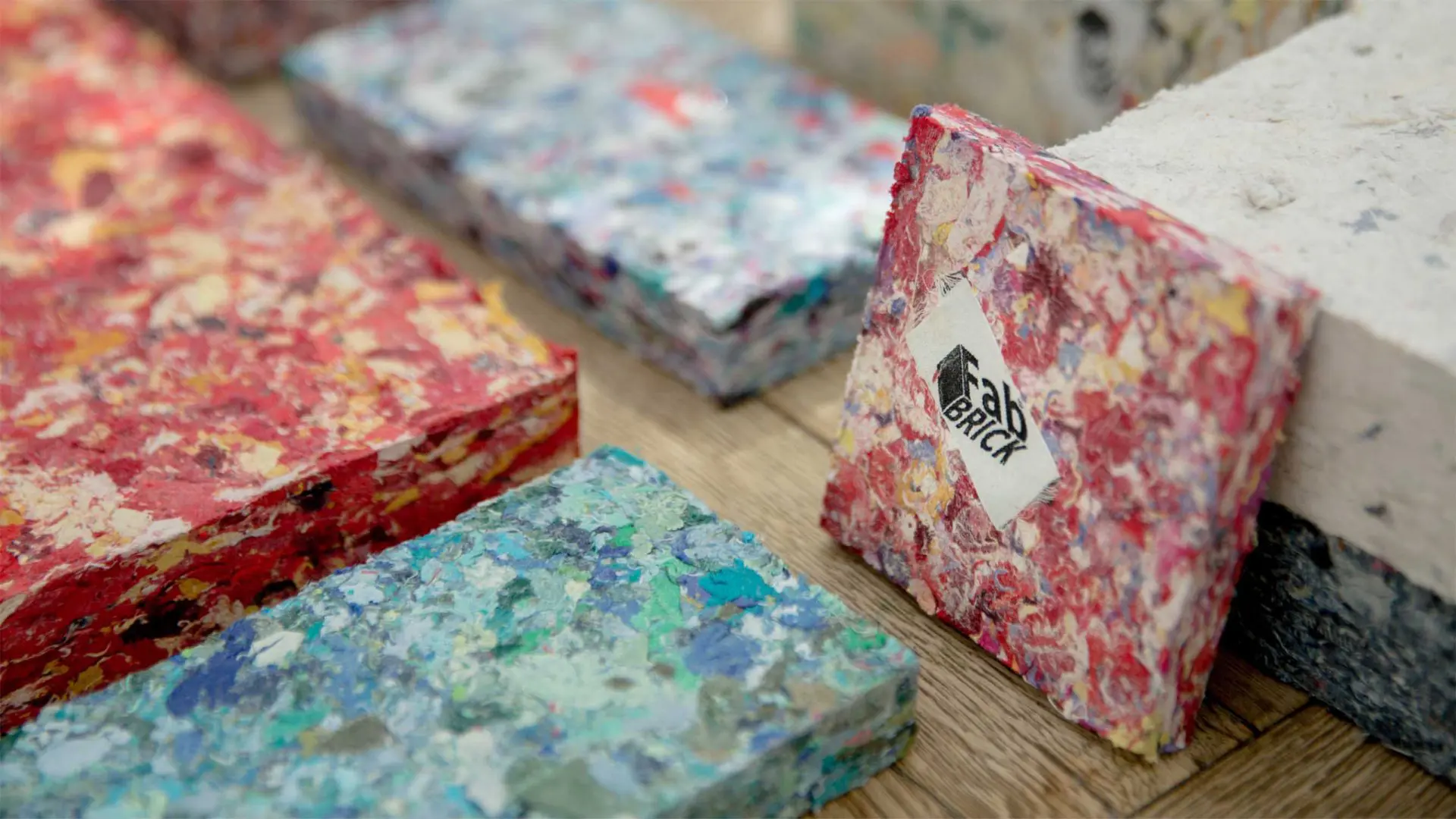
FabBRICK reinvents construction materials with recycled textile waste

Builders' Metalwork
This Tiny Solar House Made of Legos Is a Lesson in Sustainable Design
Rammed Earth: Creating a 500-Year House

Top 8 LEGO Tables You’ve Got to See

ambience studio’s repurposed LEGO brick light emanates a playful kaleidoscope of color
Snap clip-on supports create furniture from found objects

11 Ways To Upgrade Your Home for Under $100
A Retrofit for the Future

Sustainable Concrete Panel Construction | Spotlight on Nexii and Vero Building Systems

A Deck Builder’s Tool Kit
Cladding


Incredible Lego Wall Installation