Time for Another Look at Insulated Concrete Forms?
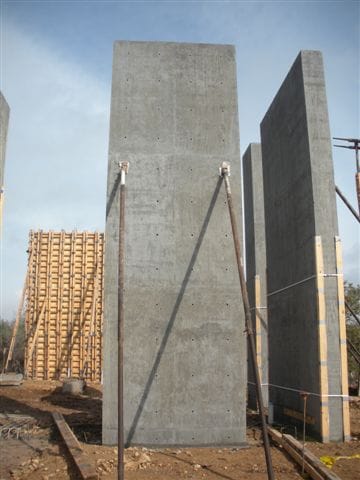
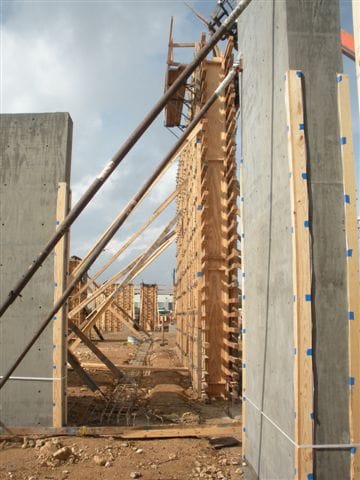
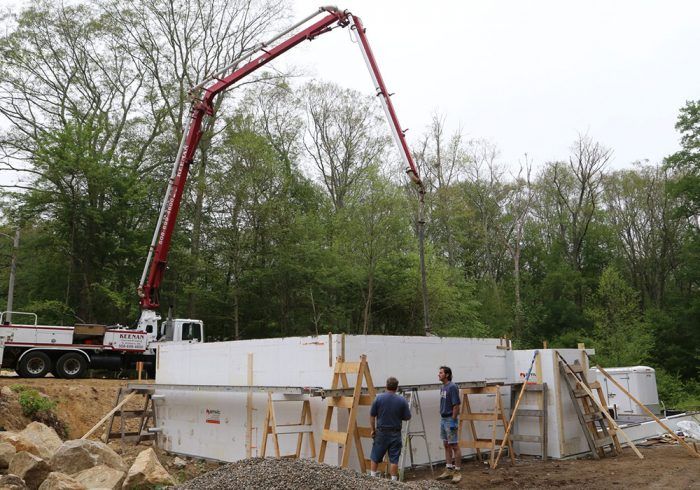
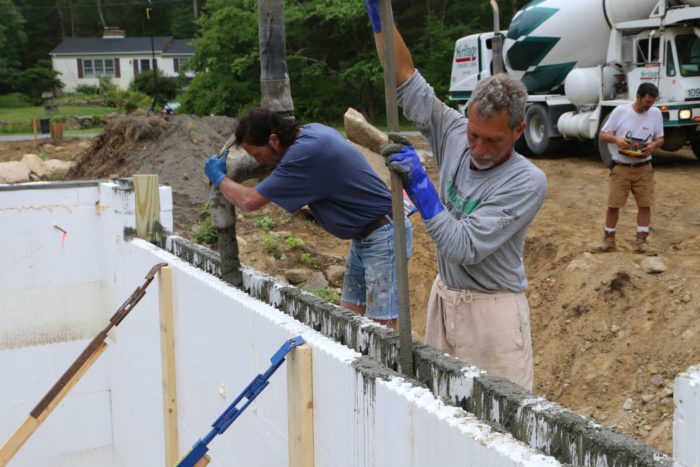
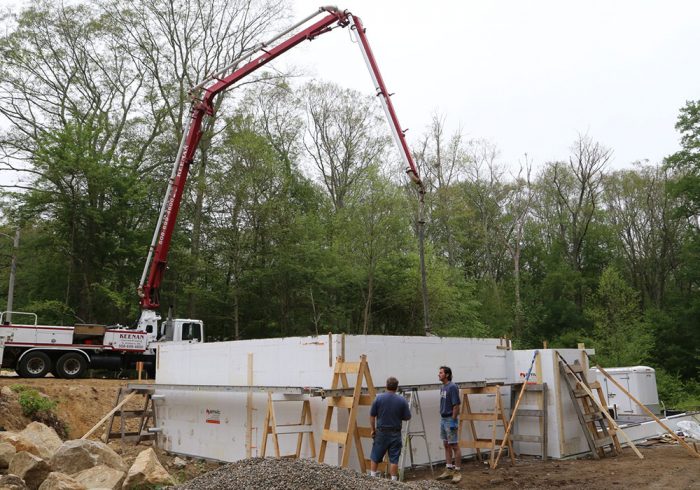
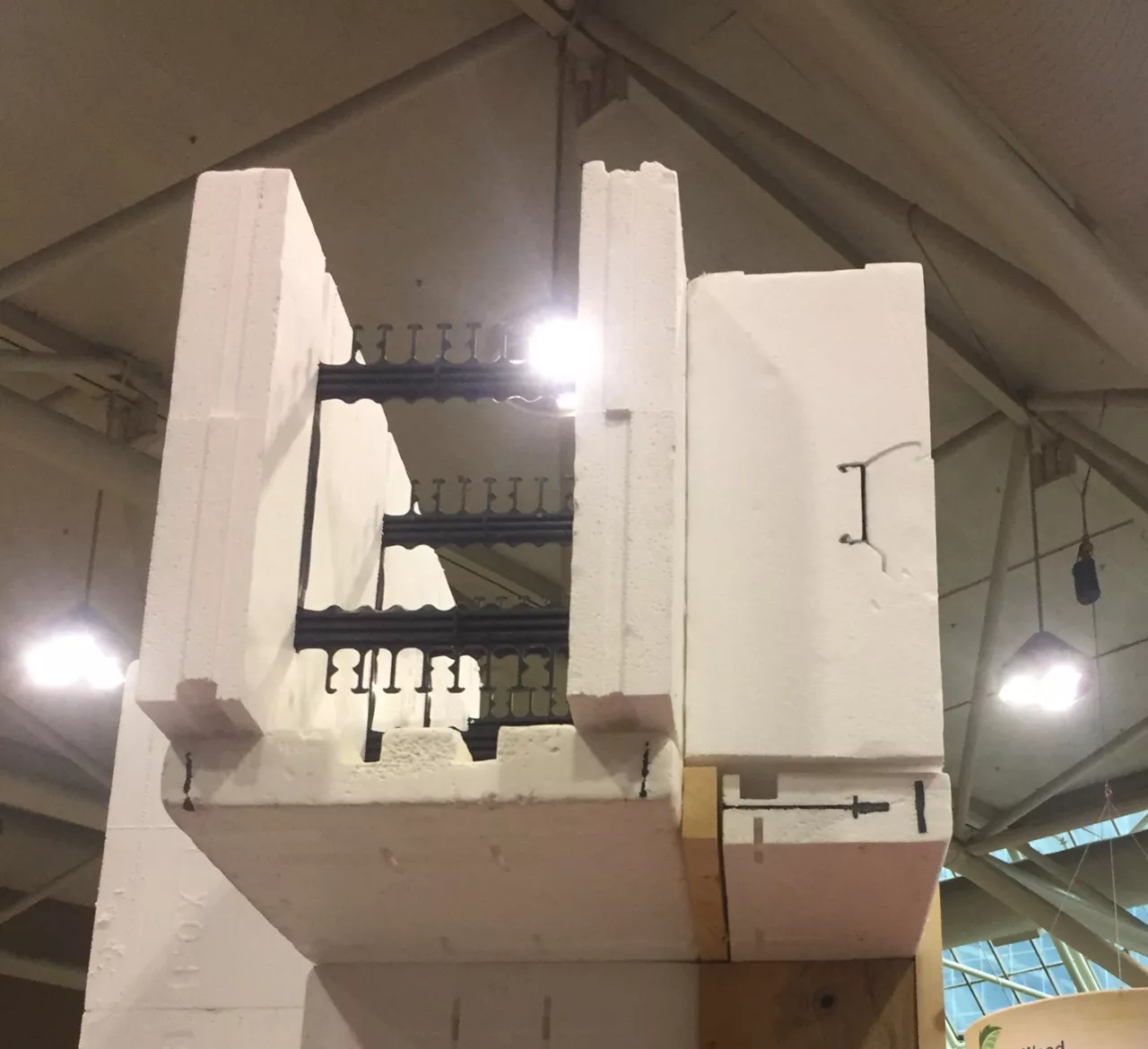
Insulated Concrete Forms (ICFs) are a building system involving two slabs of insulating foam separated by plastic ties, stacked and filled with concrete to create energy-efficient, durable walls. Proponents often consider them "green" due to their high energy efficiency and resilience, particularly in areas prone to hurricanes and tornadoes. The insulation provided by the formwork itself contributes to excellent thermal performance, minimal thermal bridging, and reliable U-values, enhancing airtightness.
However, the environmental implications of ICFs are a subject of debate. Critics, including the author, express concern over the primary materials: polystyrene and concrete. Both have comparatively high embodied carbon emissions. While some life cycle analyses (LCAs) have presented ICFs favorably, these studies are often criticized for not comparing equivalent systems. For instance, an LCA comparing a 2x4 stud wall with fiberglass to a 12-inch ICF system will naturally favor the ICF in terms of energy savings, but this comparison may not accurately reflect the relative environmental impact when compared to modern, highly efficient walls built with alternative materials.
The embodied energy and carbon become a more significant factor in highly insulated designs like Passivhaus buildings. Traditional LCAs often state that over 90% of life cycle carbon emissions come from the operational phase, with less than 10% from construction and disposal. However, in designs with extremely high insulation levels, the embodied energy of the materials themselves constitutes a much larger proportion of the total environmental footprint, shifting the focus from operational energy to the impact of material production.
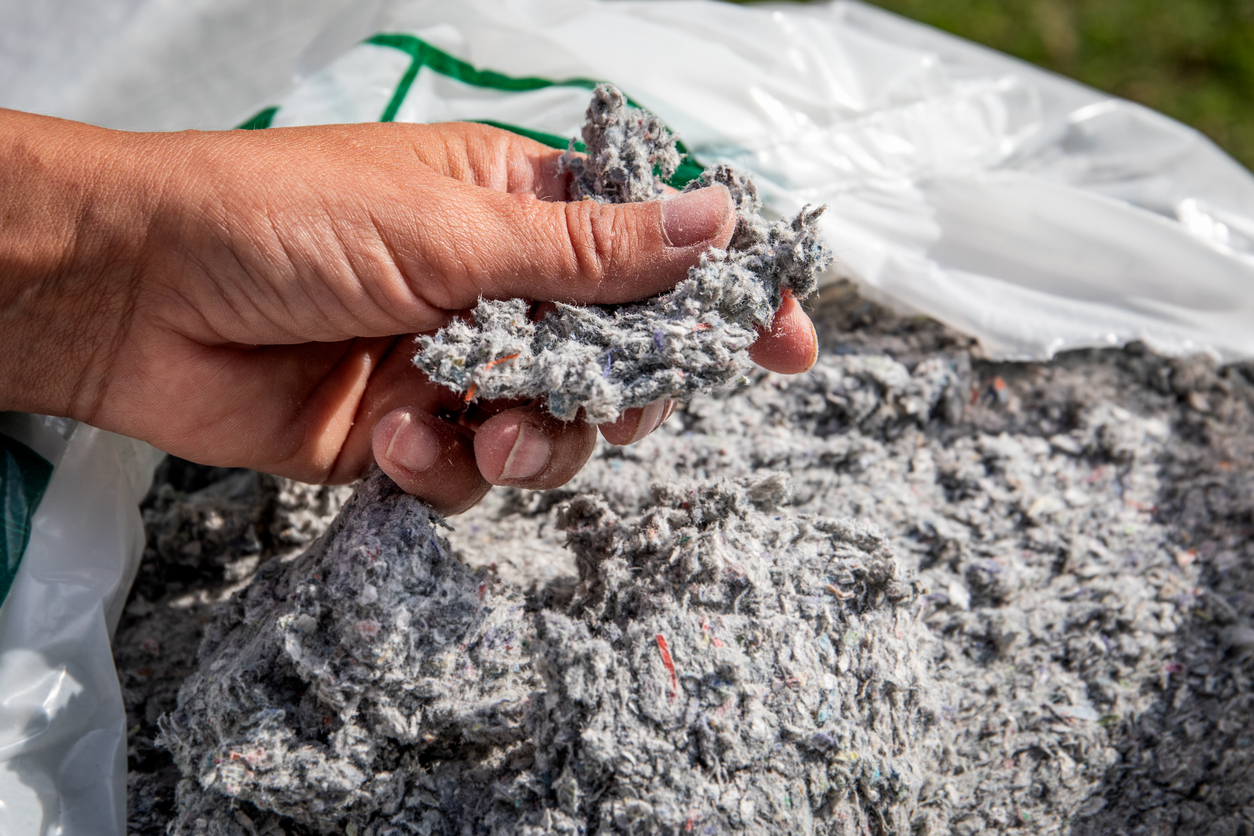
Health and toxicity are additional concerns. Foam plastics, including those used in ICFs, are petrochemical products and often contain flame retardants, some of which have historically been problematic. Although some harmful retardants have been phased out, the use of petrochemicals raises environmental questions, especially given the availability of alternative, less toxic insulation materials. Concrete itself is another major concern, with cement production alone contributing over 5% of global CO2 emissions, and aggregate extraction leading to habitat destruction.
Regarding recyclability, while the components of ICFs—EPS, concrete, plastic ties, and steel rebar—are theoretically recyclable, the practicalities of separating these materials at the end of a building's life make it challenging. The process is often considered a "monstrous hybrid" by critics, akin to complex multi-material products that are difficult and uneconomical to recycle effectively, leading to a perception of "phony feel-good environmentalism." While acknowledging the virtues of ICFs in terms of speed of construction, durability, and insulative properties, especially for specific applications like basements or foundational systems, the author advocates for minimizing the use of concrete and petrochemicals in green building where substitutes exist. The article promotes a holistic "Elrond Standard" for sustainable building, encompassing Passivhaus principles, low embodied energy, and non-toxic materials, suggesting that concrete and foam sandwiches may not align with this comprehensive approach.
#InsulatedConcreteForms #GreenBuilding #EmbodiedCarbon #LifeCycleAnalysis #SustainableConstruction #Passivhaus #BuildingMaterials #EnergyEfficiency #BuildingDesign #InsulatedConcreteForms #GreenBuilding #EmbodiedCarbon #LifeCycleAnalysis #SustainableConstruction #Passivhaus #BuildingMaterials #EnergyEfficiency #BuildingDesign
0 comment in total
 No comments yet
You may also like
Building with High Thermal Mass in a Hot, Humid Climate
Old Drafty House Owners: The Pros and Cons of Retrofit Insulation

A New Take on Insulating a Roof

Benefits of Building with ICFs
7 Concrete Alternatives


More Practical Than Plaster and Cement: This Material Is on Our Reno Radar
Global Insulated Concrete Form (ICF) Market Size, 2033


Concrete Floors: The Hot And Cold Of Them

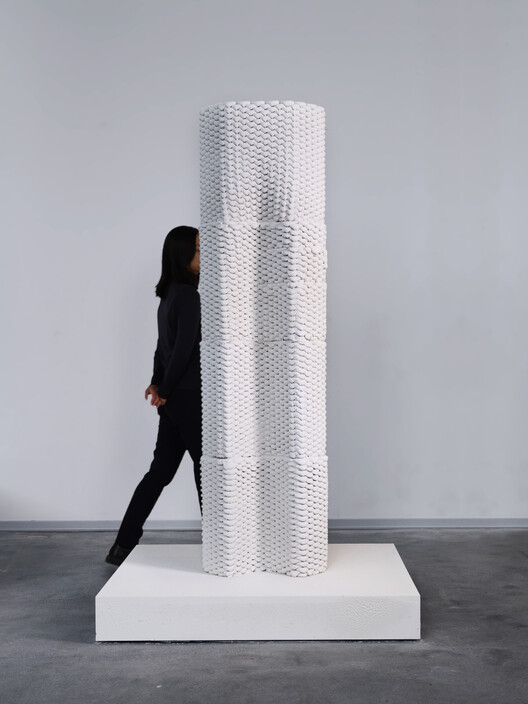
3D Printing Lightweight, Insulated Walls Using Cement-Free Mineral Foam


Lego-like product saving energy in construction

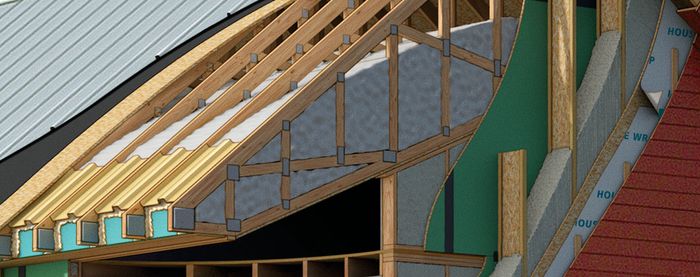
What to Consider When Choosing Insulation

Material Guide: The Benefits of Building With Concrete

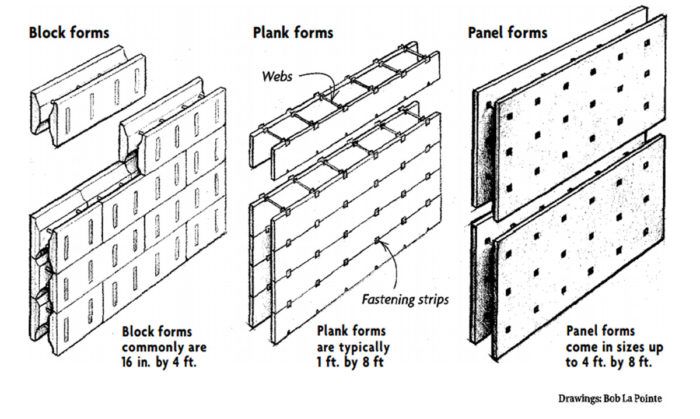
Insulated Concrete Forms

Six examples of fabric-cast concrete that are breaking the mould

The pros and cons of permanent formwork systems for single dwelling wall construction

Sustainable Concrete Panel Construction | Spotlight on Nexii and Vero Building Systems

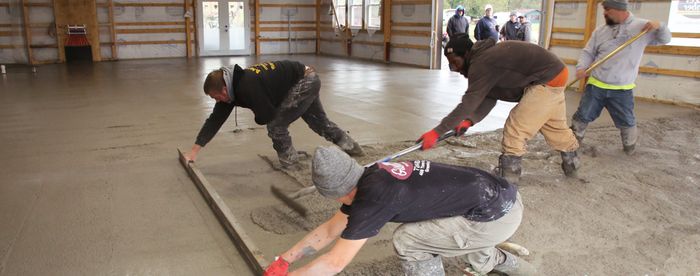
Placing Concrete in the ICF Foundation
An Easy Way To Build a Well-Insulated House
Home insulation materials

Basements and Beyond