1/2
Living wall systems: A space where veggies grow vertically
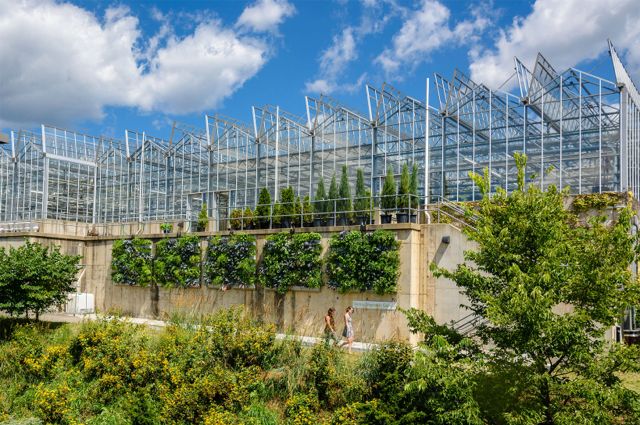
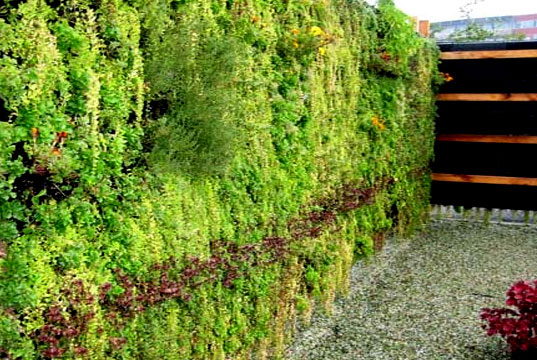
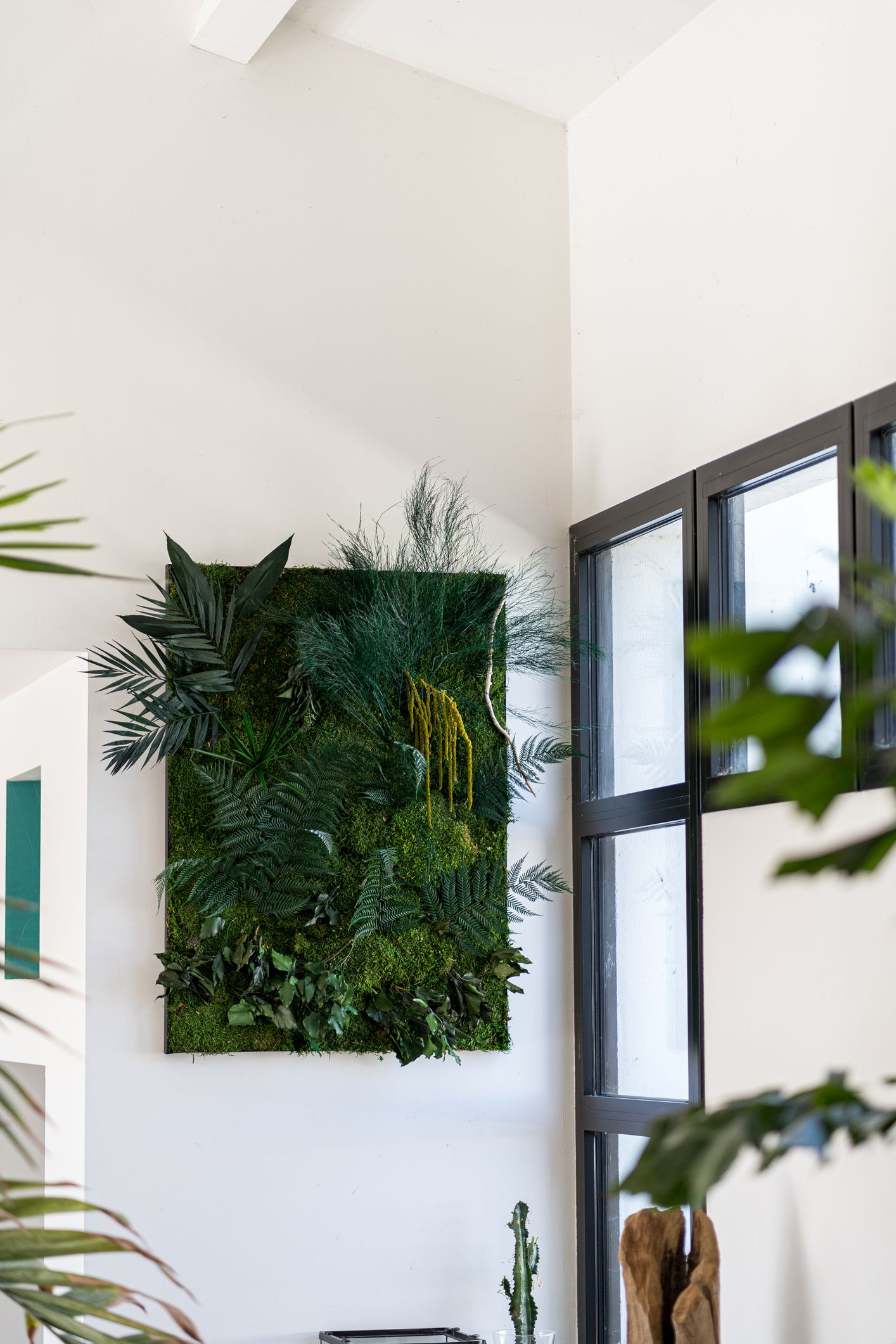
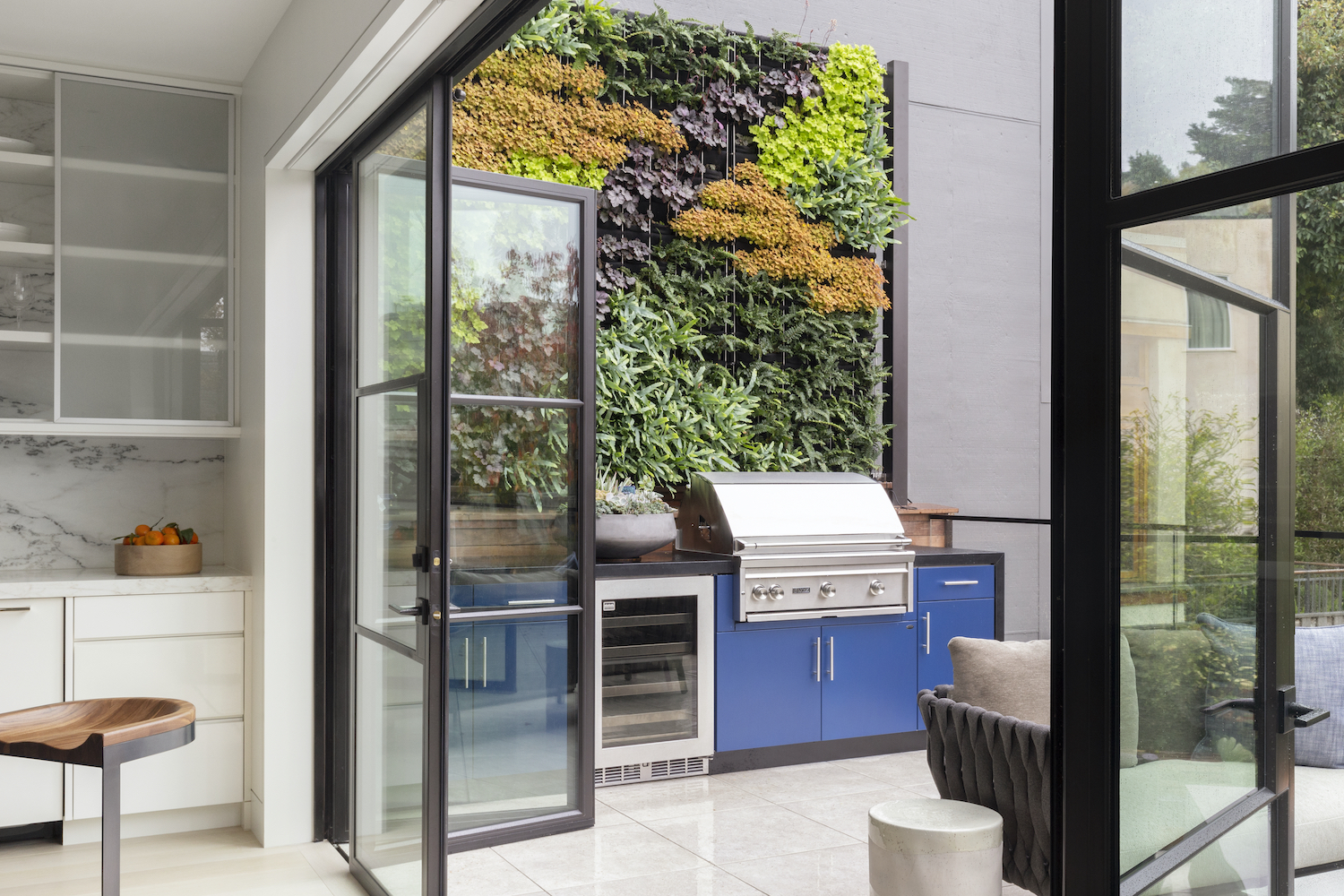
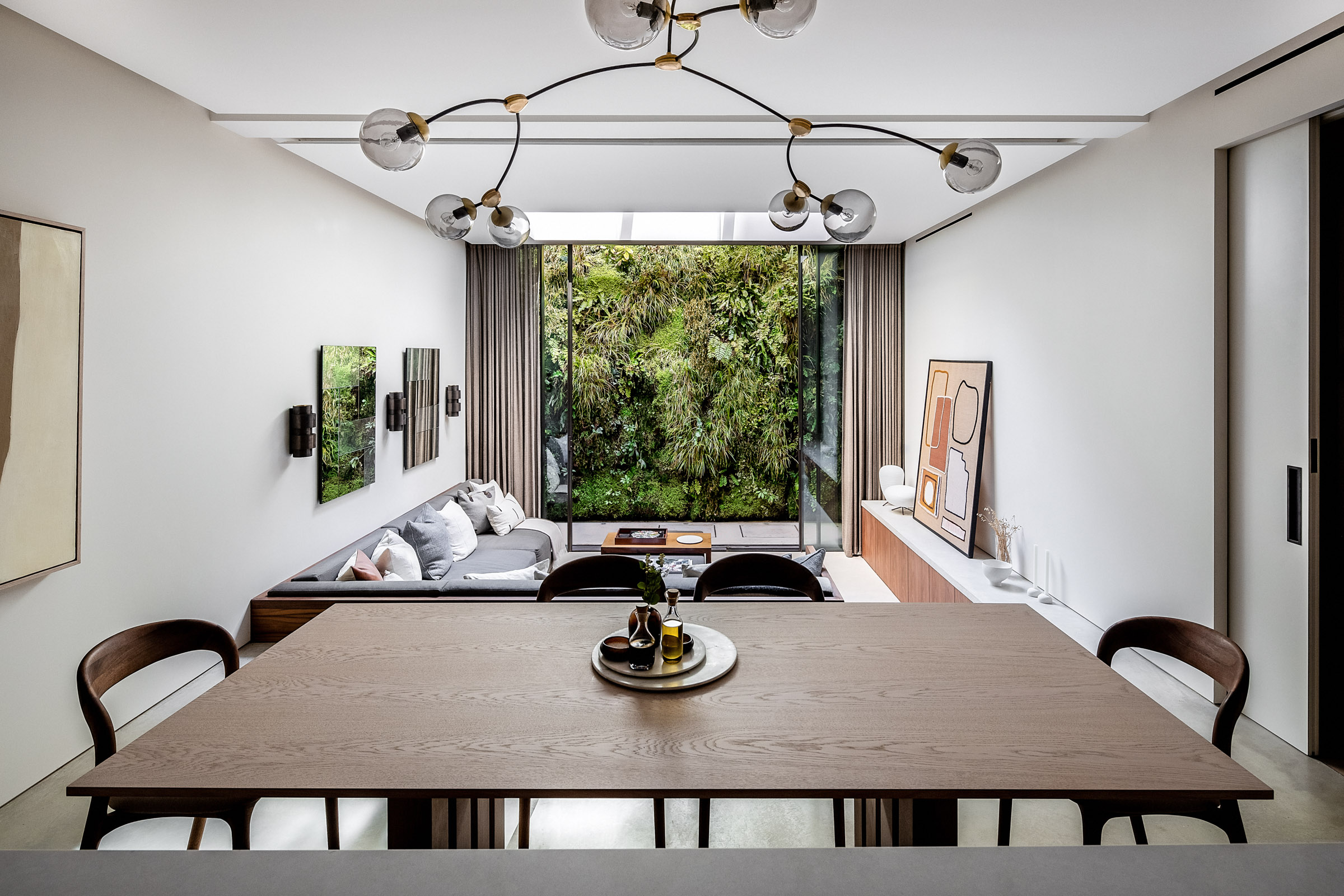
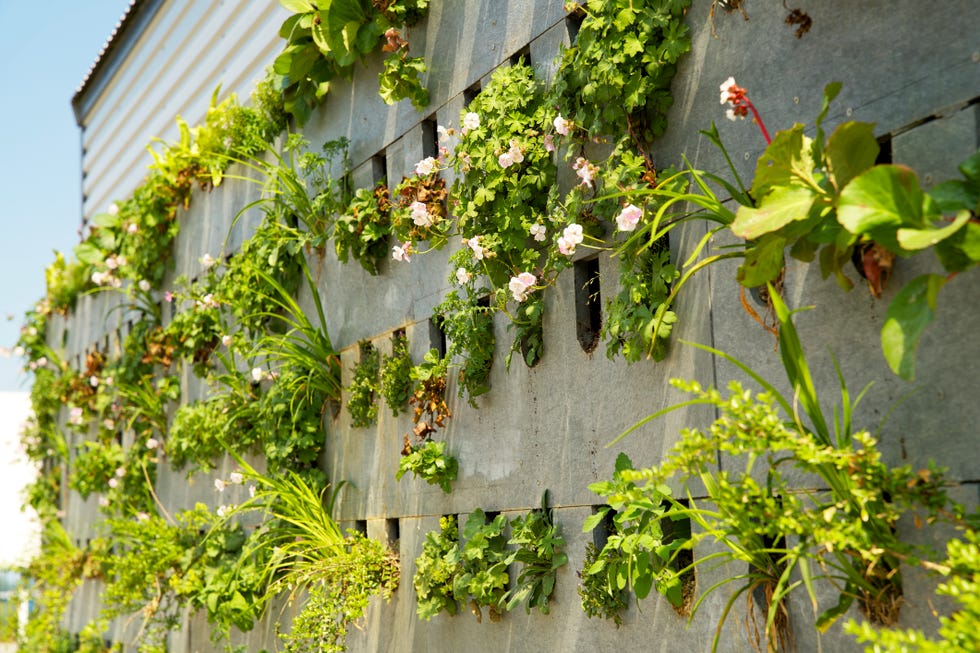
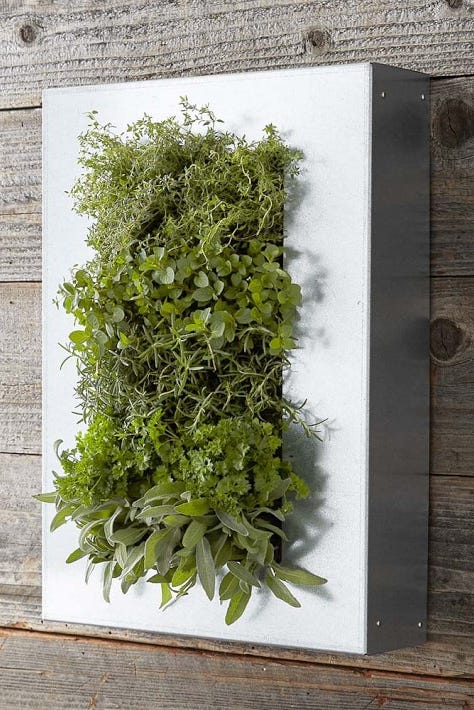
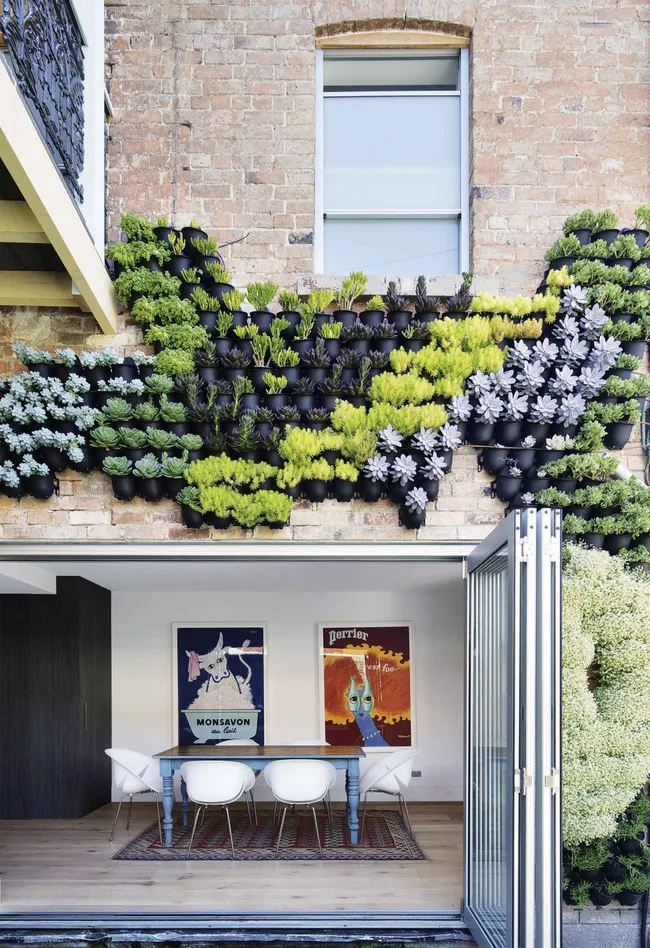
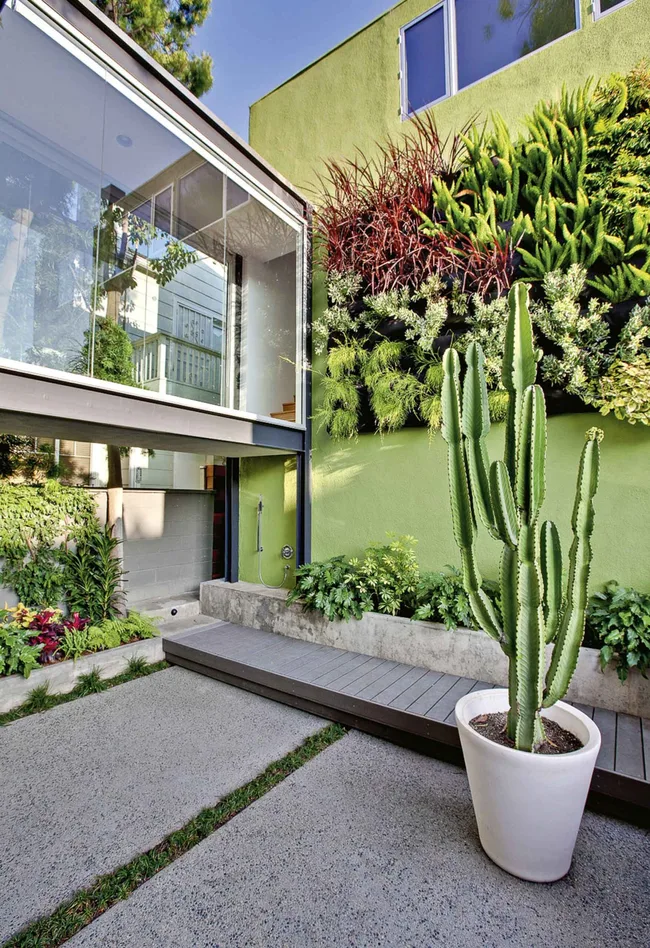
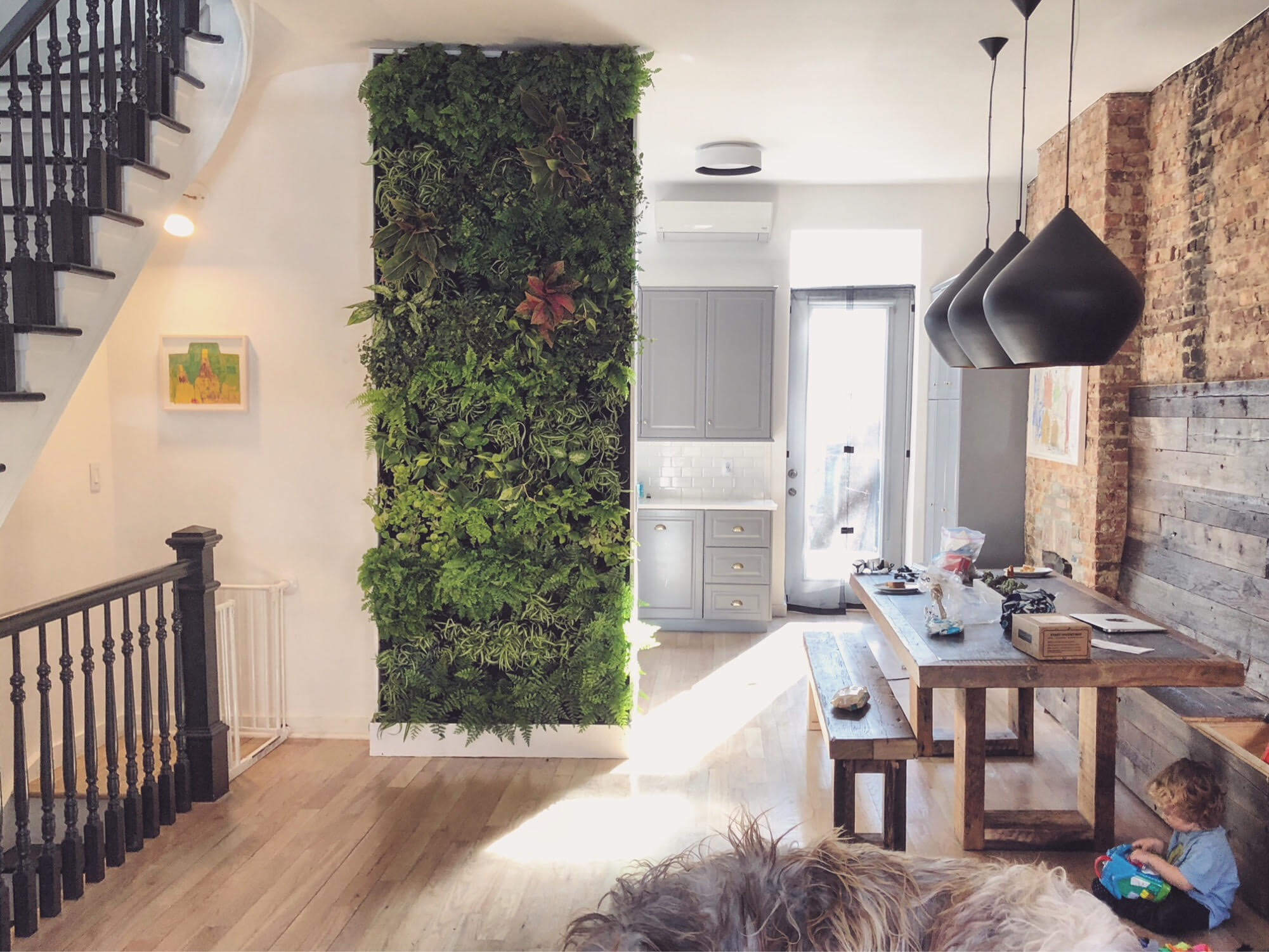
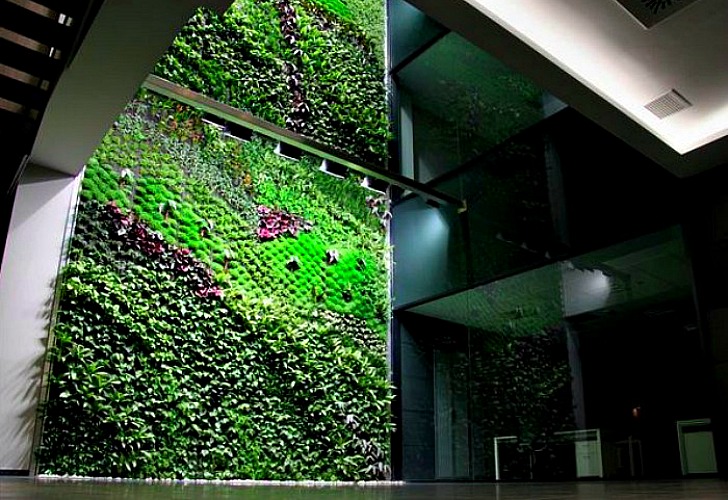
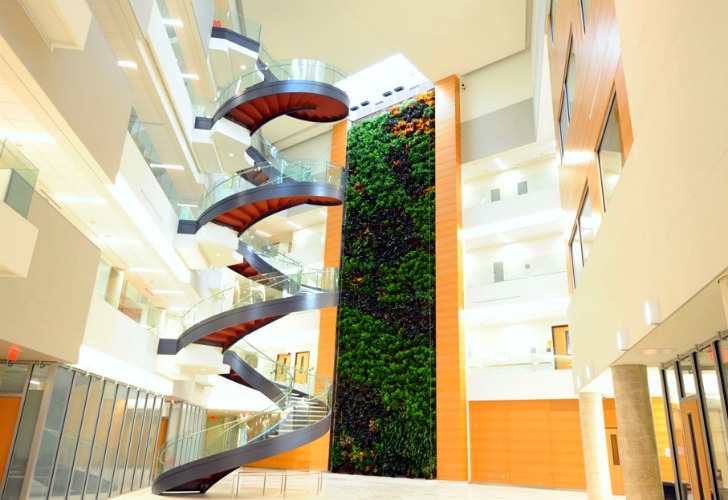
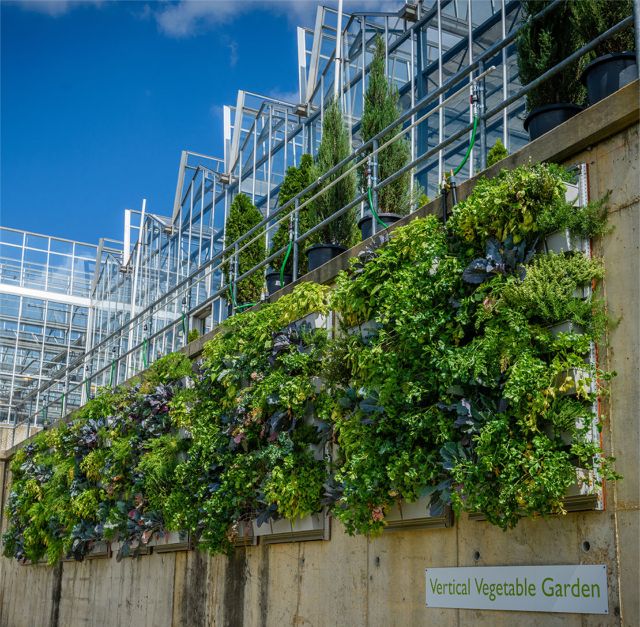
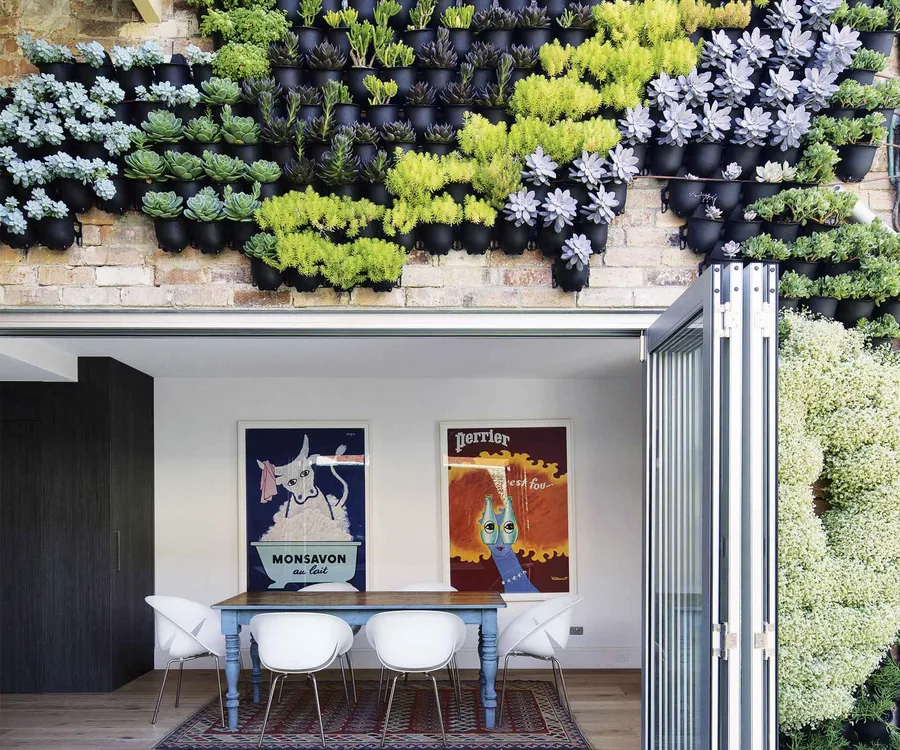
As urban populations increase and available land for farming diminishes, innovative solutions for food production within cities are becoming essential. Building facades, which typically represent twice the area of building footprints in urban environments, offer a significant opportunity for local food cultivation through living wall systems. These vertical growing platforms are integrated into building exteriors, providing various environmental and social benefits beyond just food production, such as improved biodiversity, air purification, noise reduction, and urban cooling. They also contribute to aesthetic value and have been shown to reduce stress and enhance well-being.
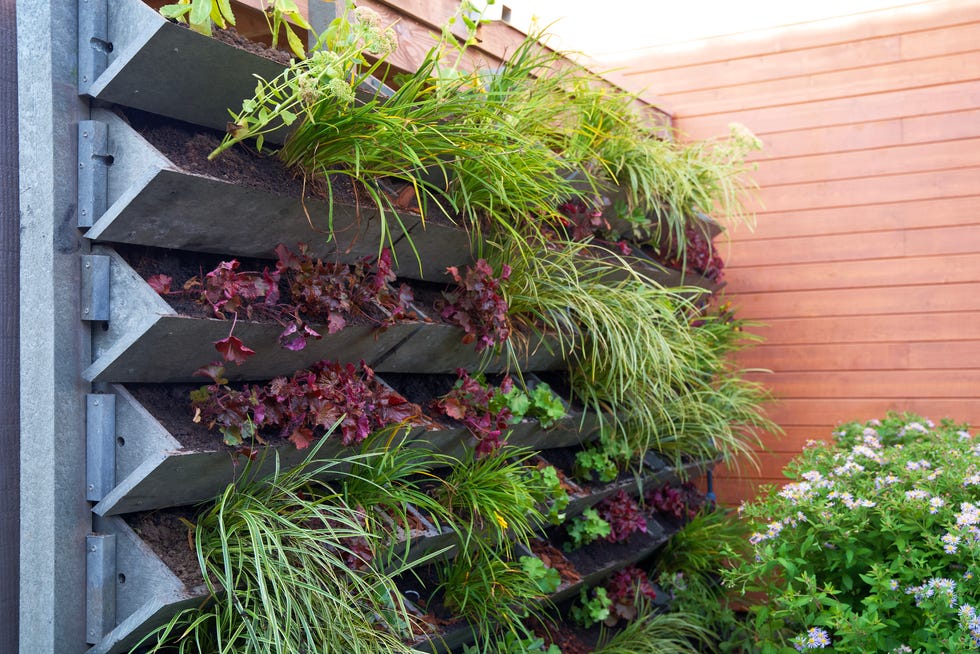
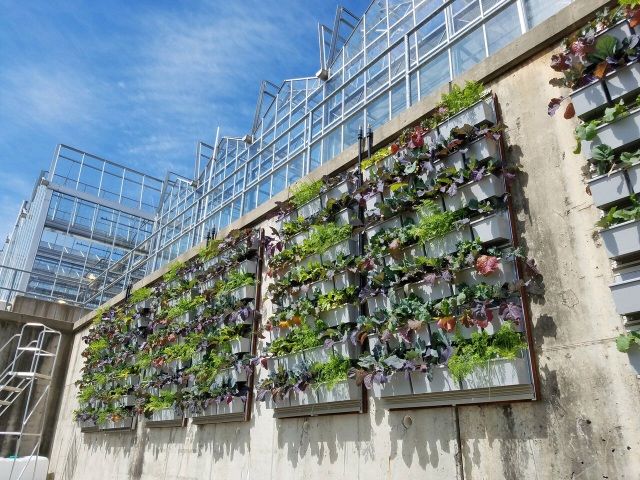
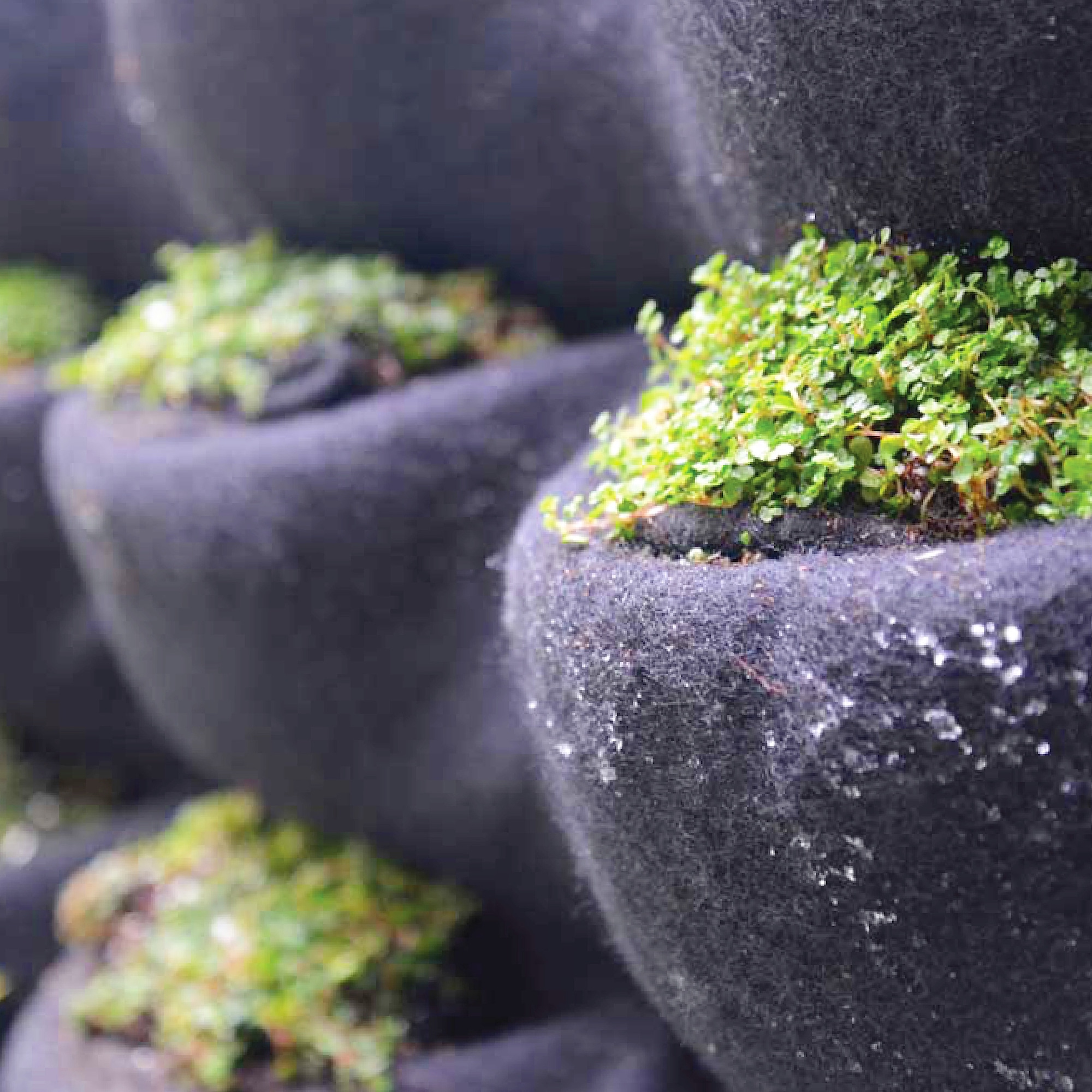
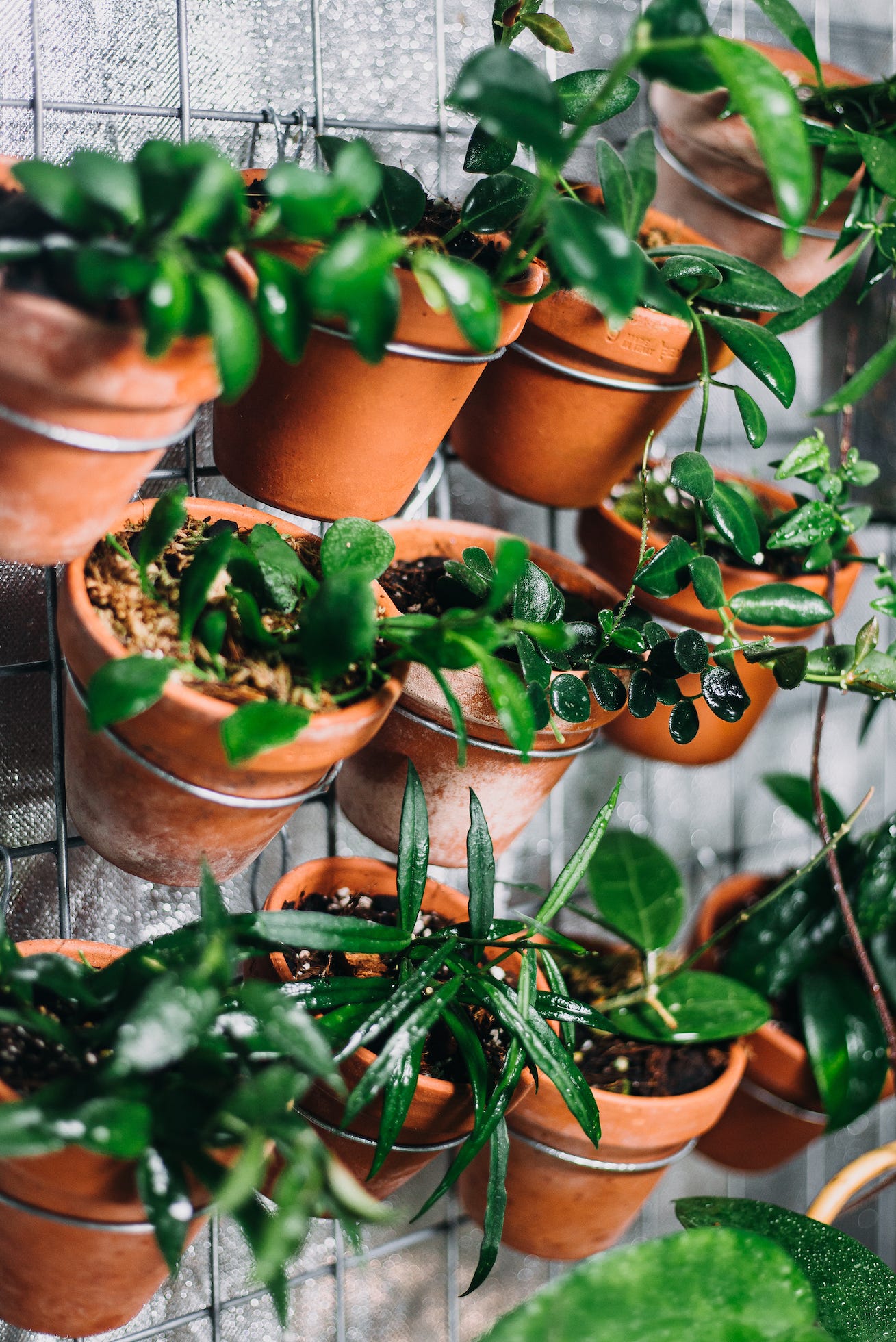
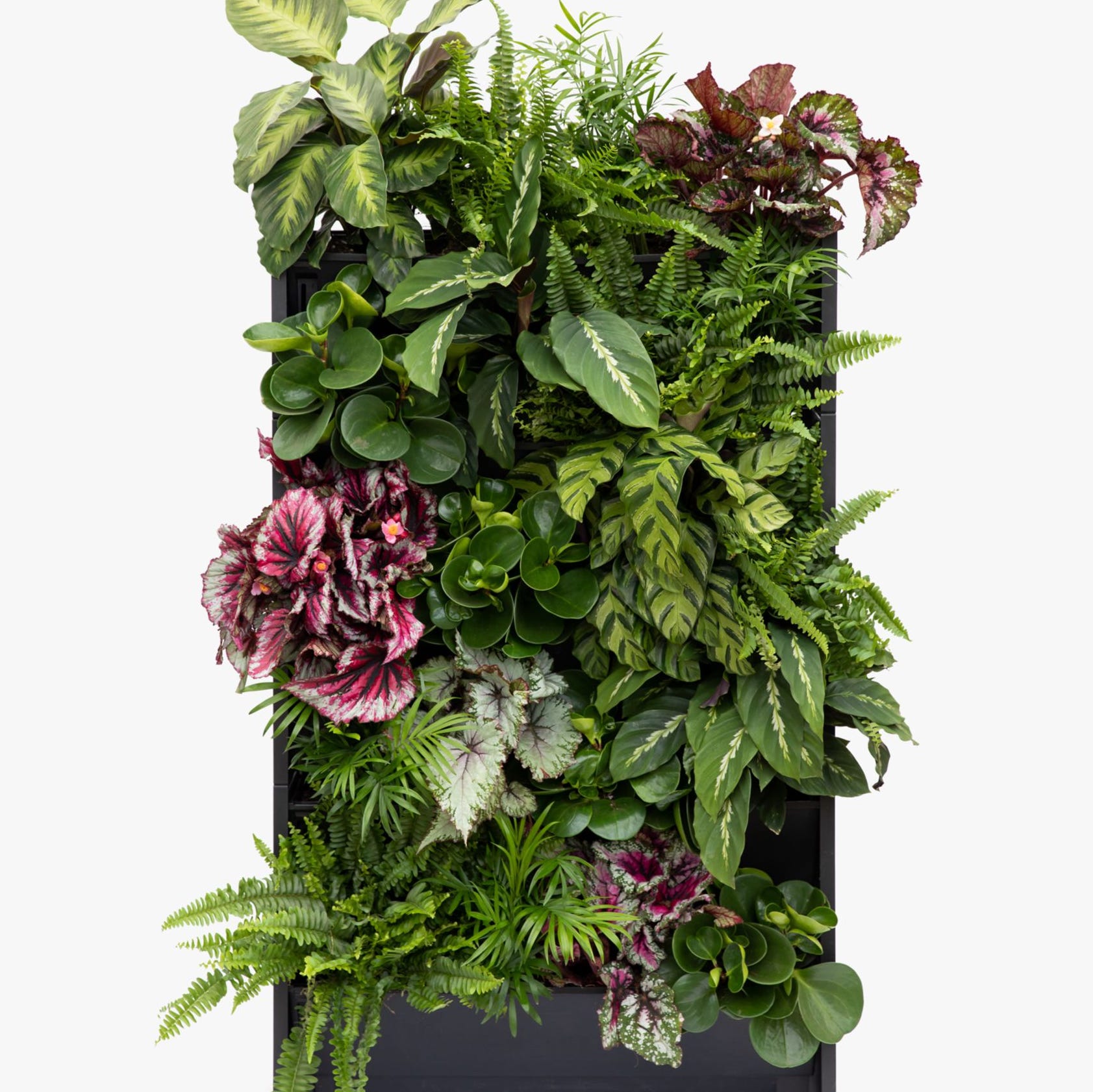
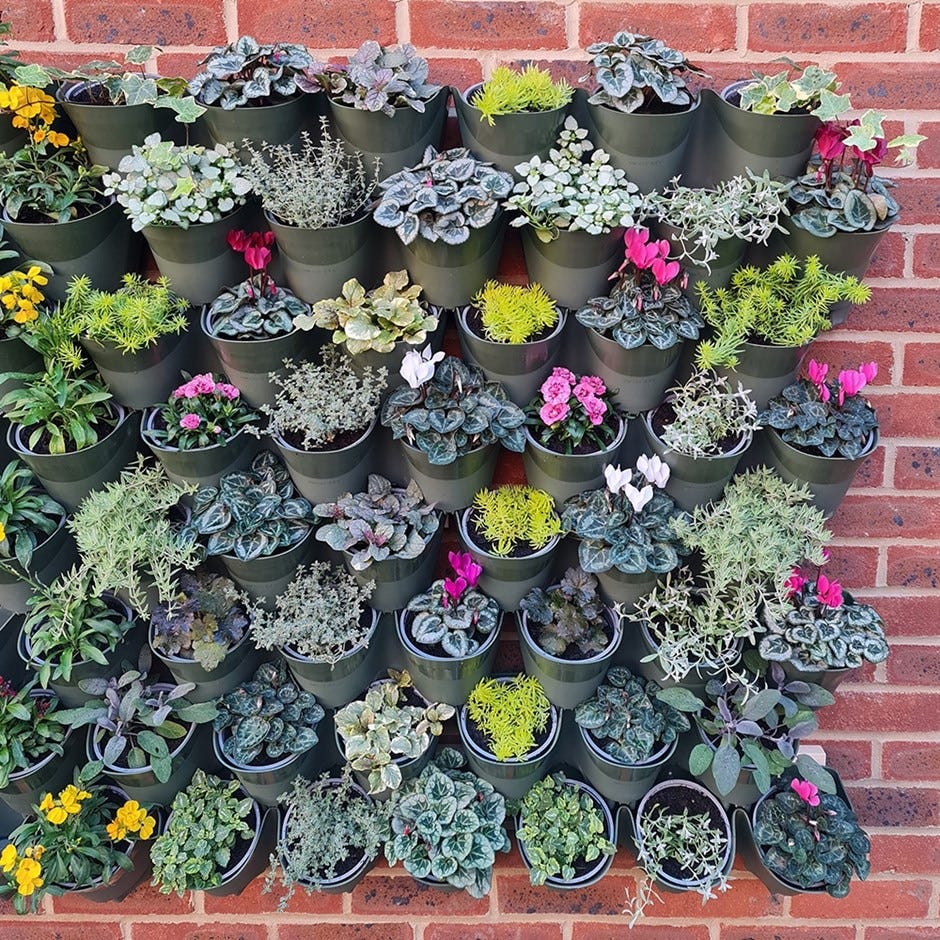
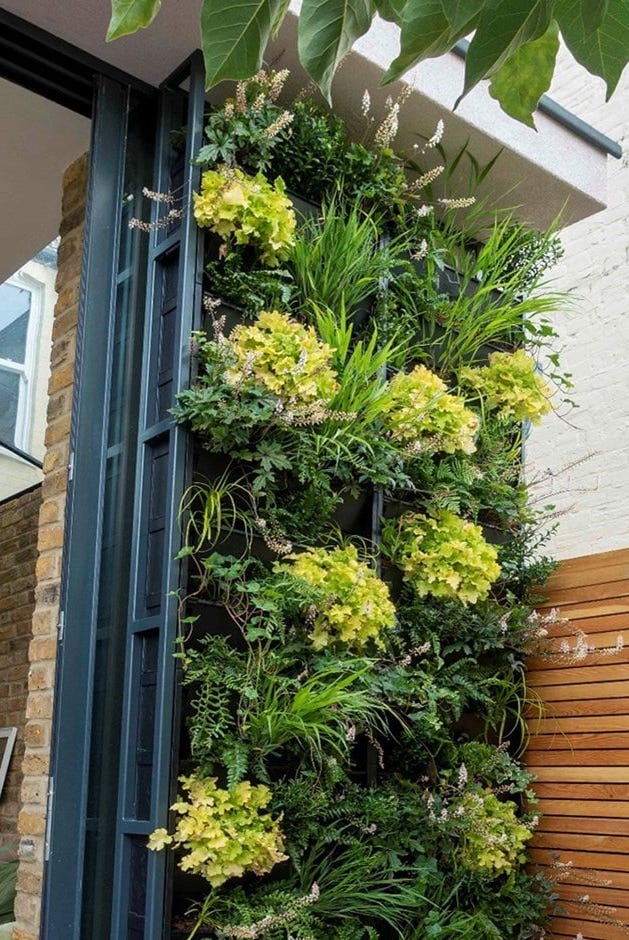
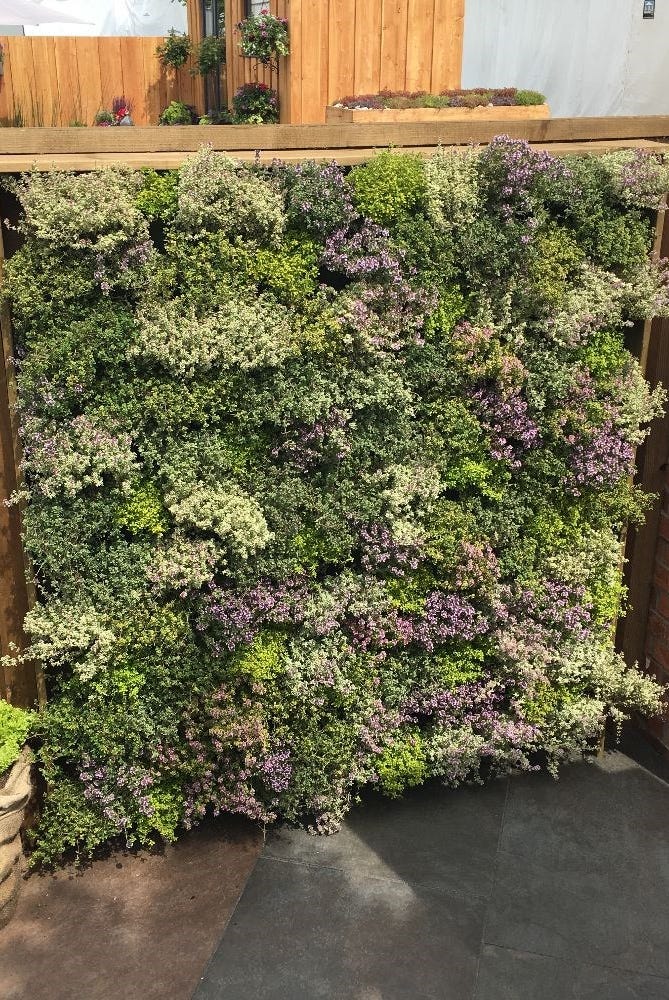
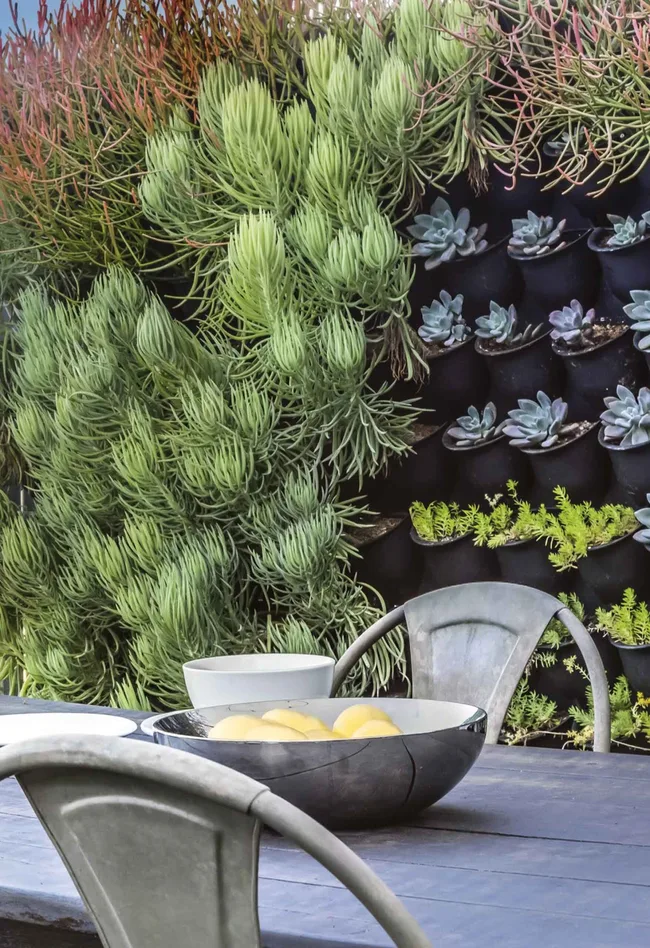
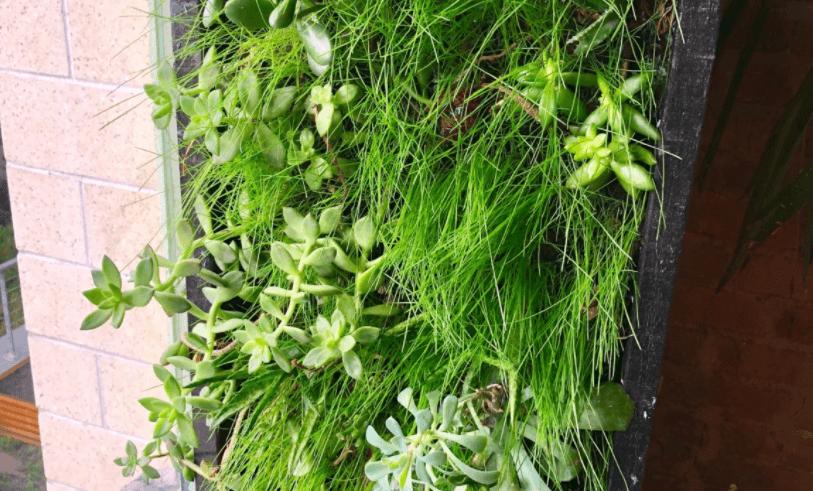
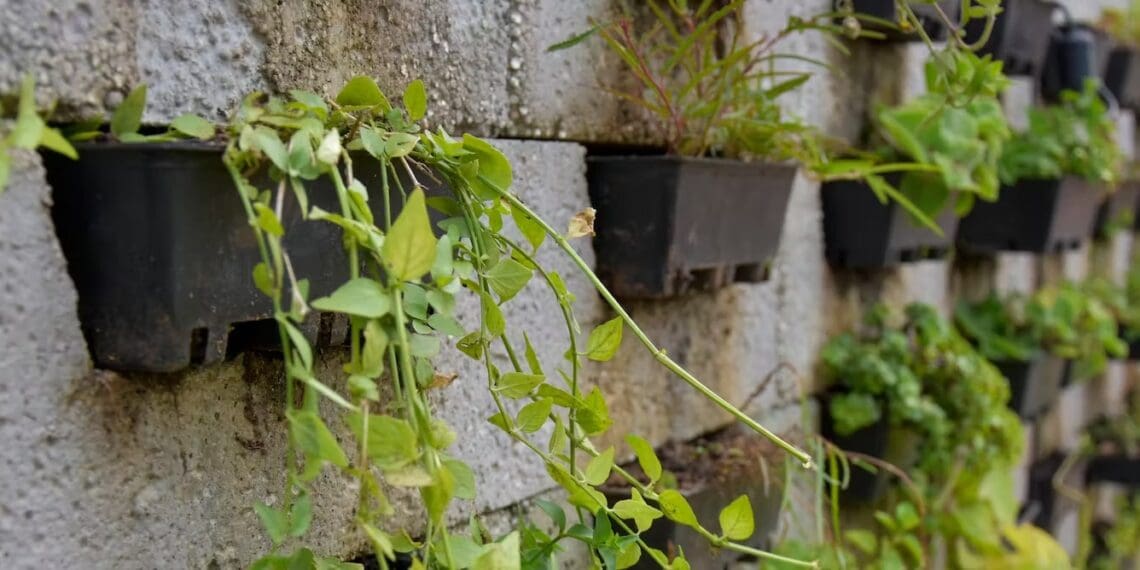
Living wall systems come in two main types: continuous and modular. Continuous systems utilize lightweight screens with pockets containing wet felted substrate layers or rock wool, or they employ hydroponics where plant roots are continuously bathed in nutrient-rich fluids. Modular systems, more commonly adopted due to their immediate visual appeal and ease of plant replacement, consist of irrigated plant trays or pots filled with soil, affixed to a supporting structure. These systems allow for pre-growing plants offsite, simplifying installation and maintenance.
Research conducted in Pretoria, South Africa, investigated the efficacy of modular living wall systems for growing traditional African vegetables. The study compared the performance of two systems, the Vicinity wall and the Eco Green Wall, against conventional soil-based agriculture. The Vicinity wall is an integrated system featuring water tanks, a pump, and a filter, with a drip irrigation setup that recirculates water. The Eco Green Wall, designed for economic feasibility and sustainability, utilizes interlocking, lightweight blocks made from recycled materials and plant pots with a 1.5-liter soil volume. The research found that localized production of living wall components can lower costs and reduce carbon footprint. It also highlighted that low-technology designs, requiring basic assembly and simple irrigation, enhance performance by limiting reliance on electricity and water.
Key findings indicated that selecting appropriate plant species, particularly traditional African vegetables, significantly improves the resilience and sustainability of these systems. Seven traditional African vegetable species were identified as suitable for household food production in living walls: creeping foxglove, Indian borage, jute plant, pink ribbons, water mint, dwarf elephant’s food, and black-eyed pea. These plants are well-suited to harsh sub-Saharan African climates, possessing high nutritional value, requiring minimal irrigation and chemicals, and exhibiting disease resistance. They thrive in full sun and prefer well-drained, aerated potting soil with moderate irrigation. Proper placement to avoid pollution and ensure efficient sun exposure is crucial for optimal growth.
While living wall systems offer substantial benefits, challenges include high installation and maintenance costs, difficulties in providing optimal plant growing conditions, and dependency on electricity and water. Some systems also demand specialized skills and technology. To overcome these barriers, the study suggests limiting sun exposure to plant pots to prevent overheating, recommending pots with at least three liters of lightweight, well-aerated soil (200mm depth) to boost yield and reduce plant stress, and implementing efficient drip or wick irrigation systems. The research concluded that modular living wall systems, particularly when used with selected traditional African vegetables, are a viable and space-saving method for improving food security and urban environments in sub-Saharan Africa, yielding more than four times the produce per square meter compared to conventional soil-based agriculture.
#LivingWallSystems #VerticalGardening #UrbanFarming #FoodSecurity #SustainableAgriculture #ClimateChangeAdaptation #TraditionalAfricanVegetables #EcoFriendlyDesign #ModularSystems #LivingWallSystems #VerticalGardening #UrbanFarming #FoodSecurity #SustainableAgriculture #ClimateChangeAdaptation #TraditionalAfricanVegetables #EcoFriendlyDesign #ModularSystems
0 comment in total
 No comments yet
You may also like
How to Create a Living Wall to Maximize Your Outdoor Space

15 Vertical Garden Ideas, From Living Walls to Botanical Libraries

How to create a plant wall in your garden

23 Indoor Plant Wall Ideas to Bring Life to Any Room

Phipps Conservatory Showcases Vertical Gardening with LiveWall by Amber Ponce and David Aquilina
19 vertical garden ideas - landscape experts show how plants thrive in small spaces inside and outside the home

Linda Cobb: Gardens get fresh looks by planting living walls
9 Genius Ways to Do Living Walls in 2025 That Take This Idea in a Style-Forward Direction

ELT EASY GREEN LIVING WALLS

Easy-To-Install Living Wall System Uses Felt Pockets for Plants
Give Your Blank Walls New Life With These Stunning Planters

Living Green Walls of Plants Refresh Brooklyn Homes
Homeowner’s Guide To Living Walls

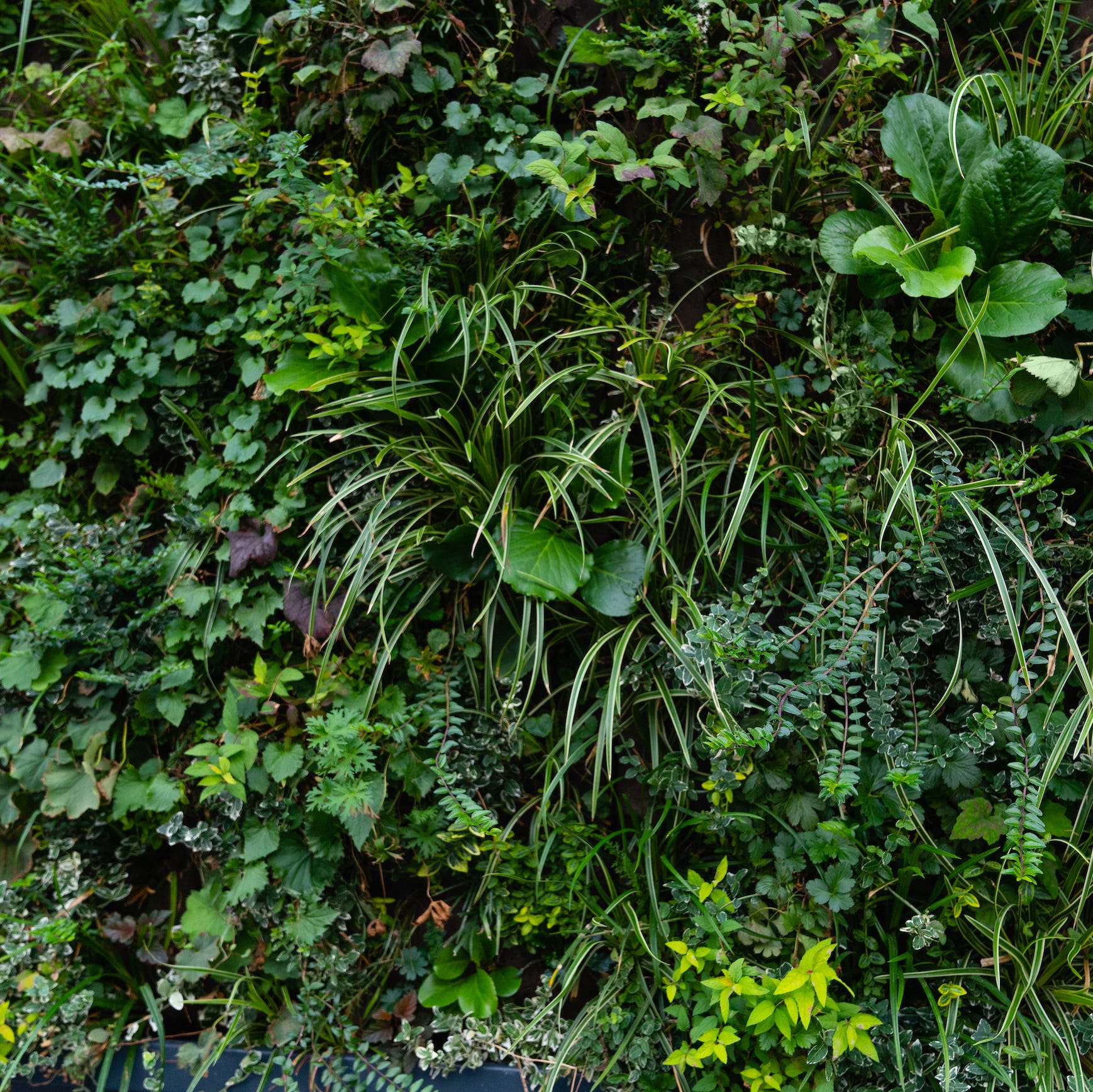
How to make a living wall that brings the outdoors in

21 Best Wall-Mounted Planters to Infuse Your Space With Greenery
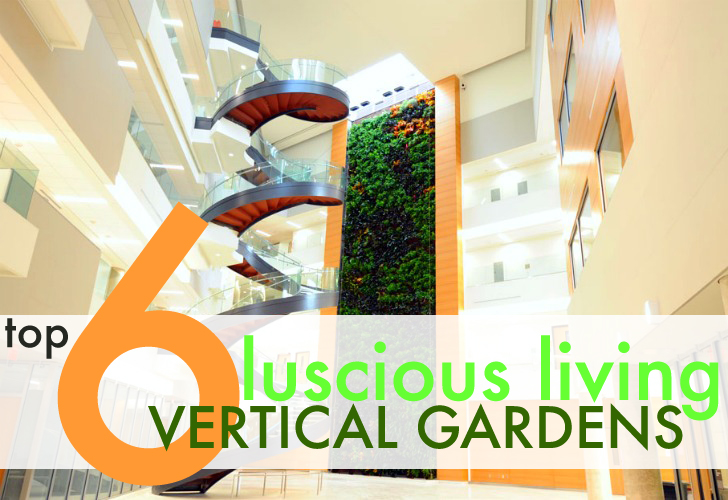
6 Luscious Living Vertical Gardens That Bring A Breath Of Fresh Air Indoors
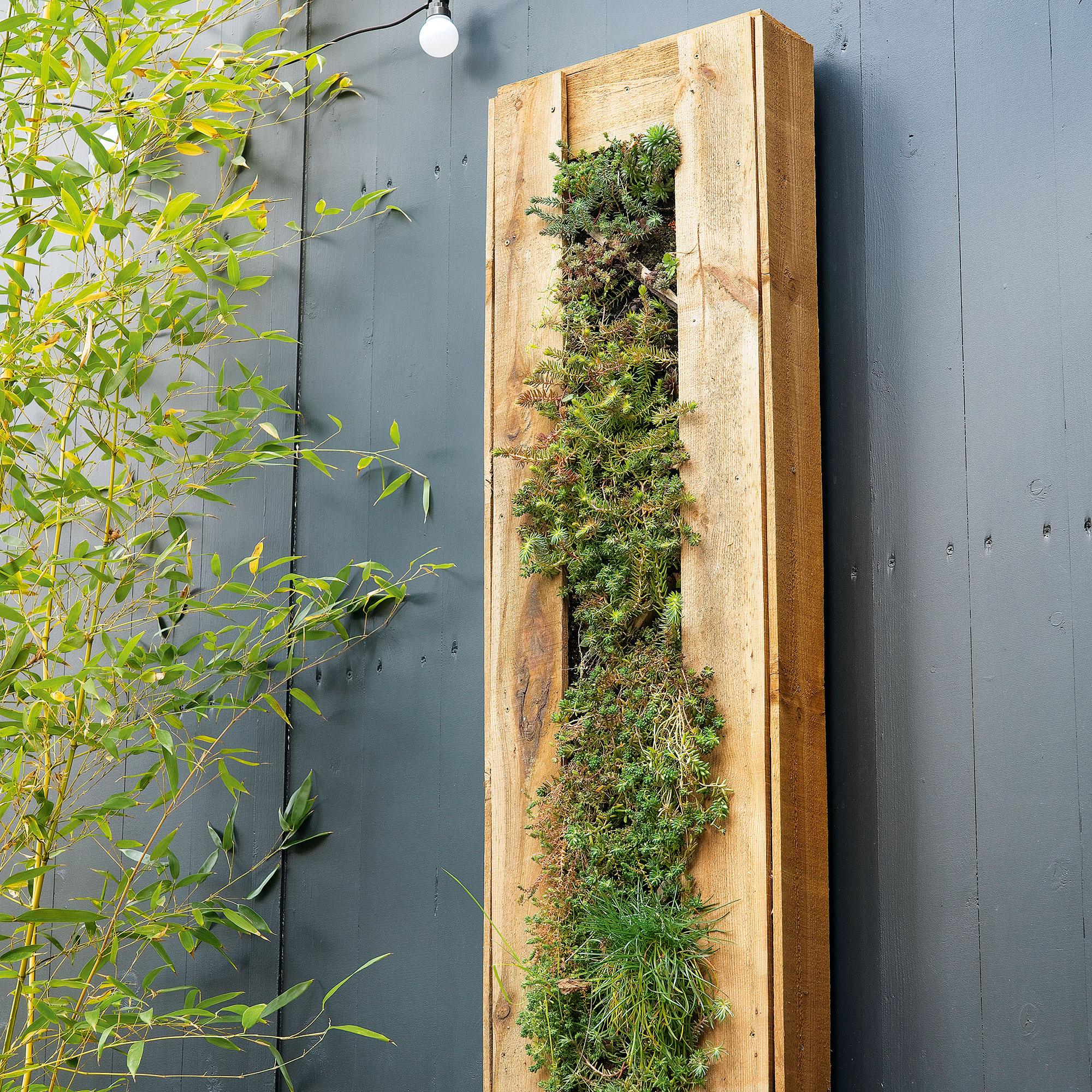
Living wall ideas to create a stylish vertical garden in your space
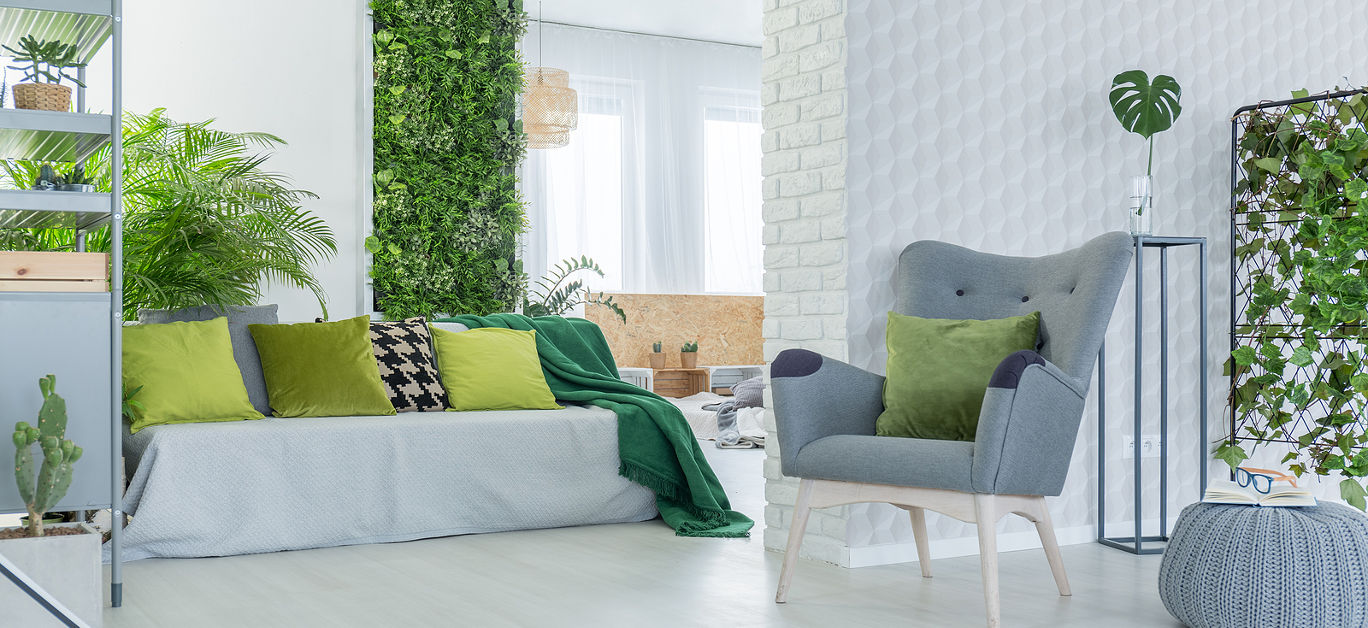
Exciting ideas for an indoor plant wall in your home

12 vertical garden ideas to inspire your own plant wall

LiveWall Indoor Living Wall Livens Up Coava Coffee’s New Café Location