1/7
Yes, Plywood Interiors Are Good for Your Reno Budget, But They're Way More Than Just an Inexpensive Finish
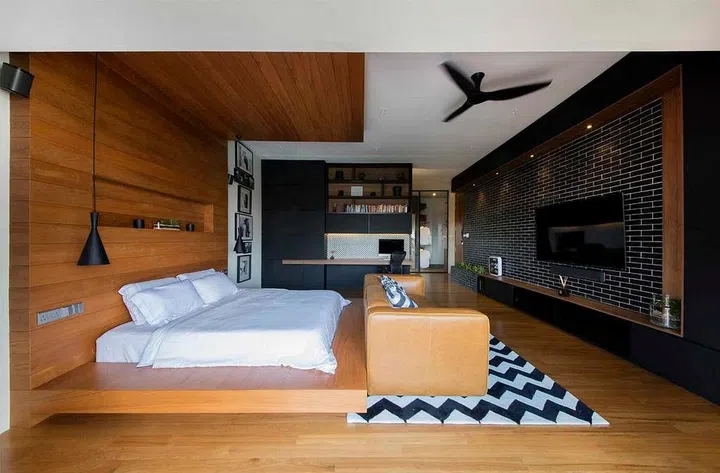
Plywood, traditionally a hidden structural material, is increasingly being embraced by designers as a prominent decorative element in modern interiors. This shift is attributed to significant improvements in manufacturing techniques, allowing for high-quality plywood available in various finishes, from raw and matte to lacquered and veneered. The material's inherent properties, such as its construction from thin, cross-grained veneers, contribute to its exceptional strength, lightweight nature, and cost-effectiveness compared to solid wood. This composition also makes it resistant to warping and splitting, adding to its appeal for a range of applications.
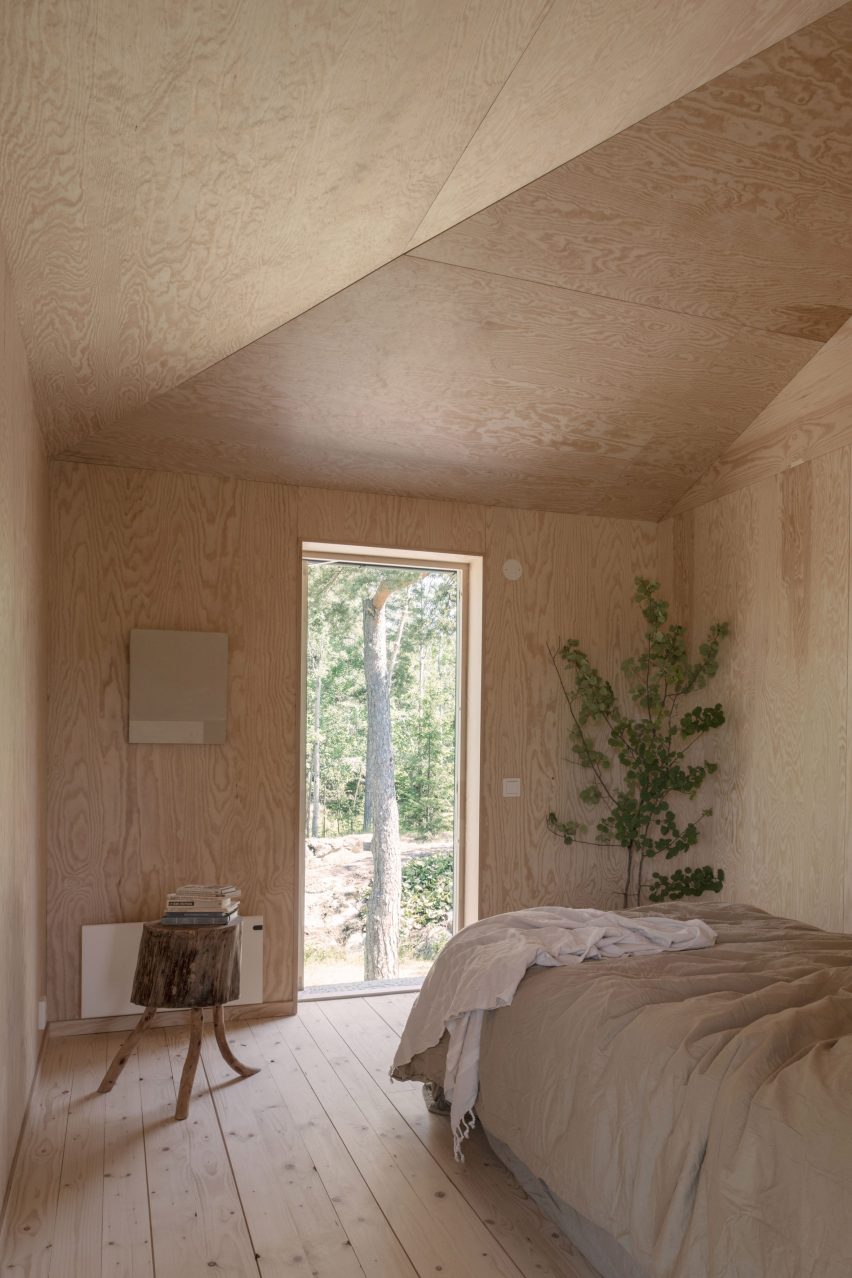
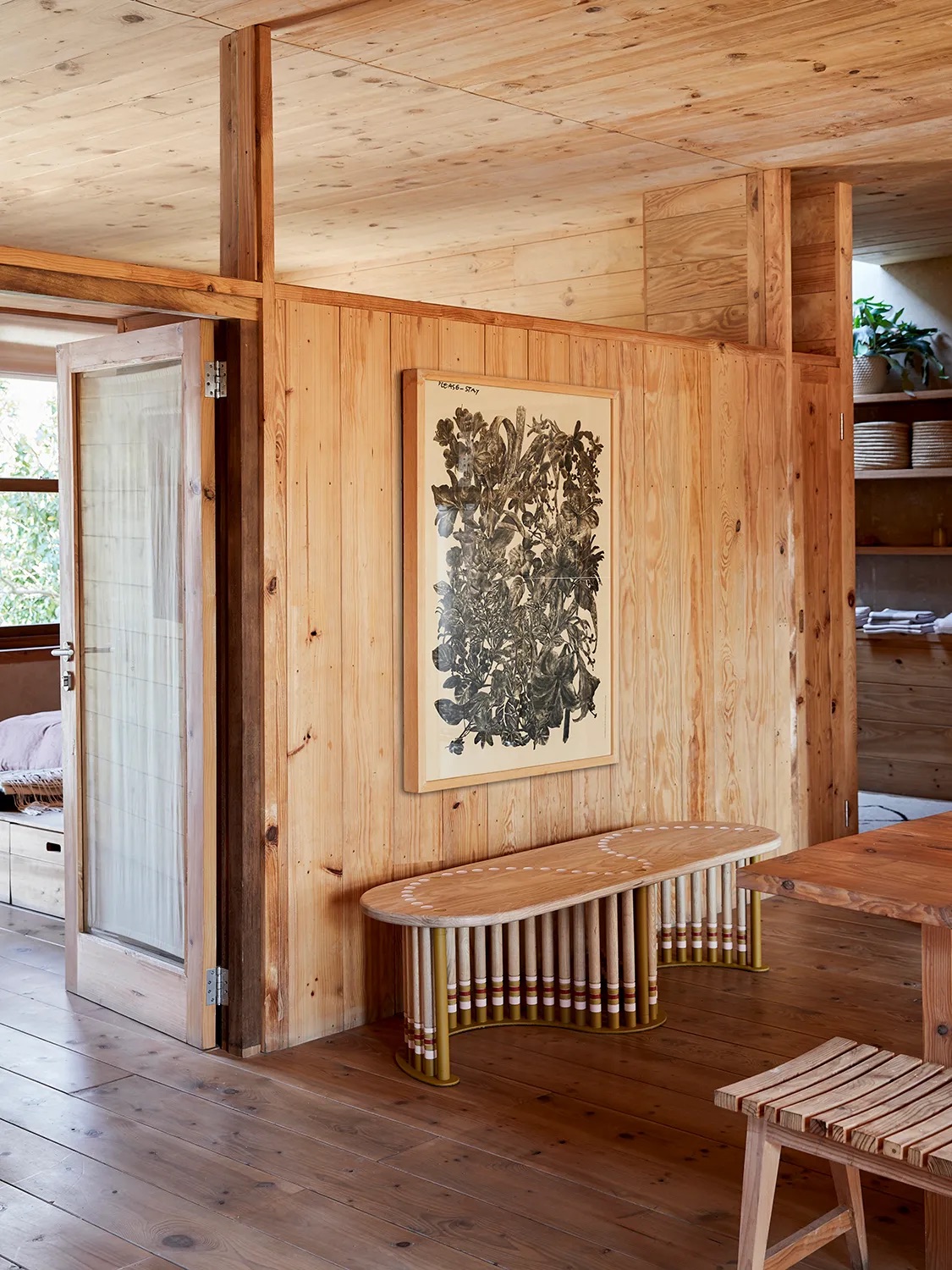
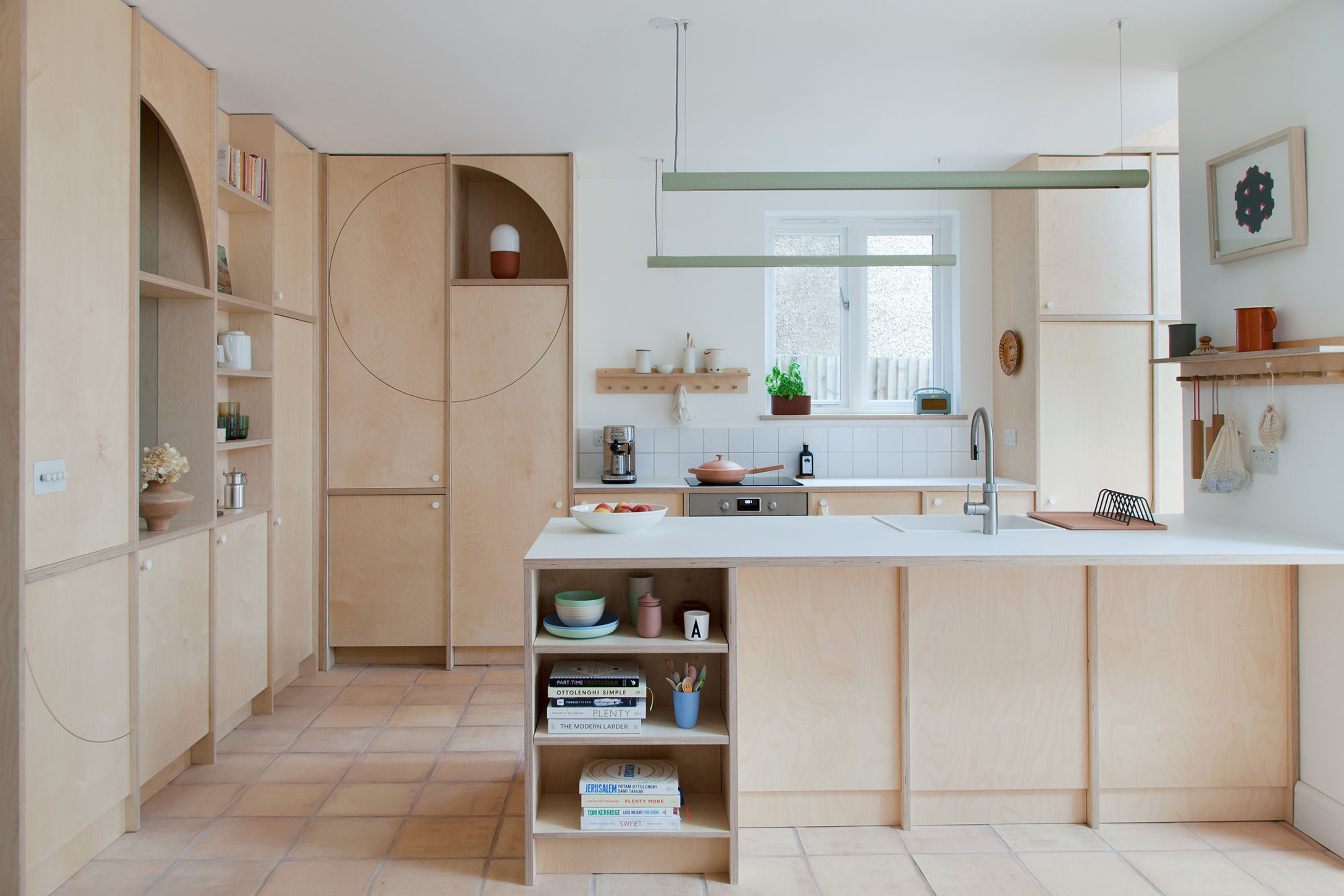
Beyond its functional benefits, plywood is gaining recognition for its aesthetic qualities. Designers note the warm, rich tones and visually interesting grain patterns that vary depending on the wood type (maple, oak, birch, etc.). Its ease of cutting and shaping allows for bespoke designs, including curved architectural details and minimalist built-in features, making it ideal for customized projects. This versatility, combined with its affordability, positions plywood as an attractive alternative for creating elegant interior designs, especially for projects with budget constraints.
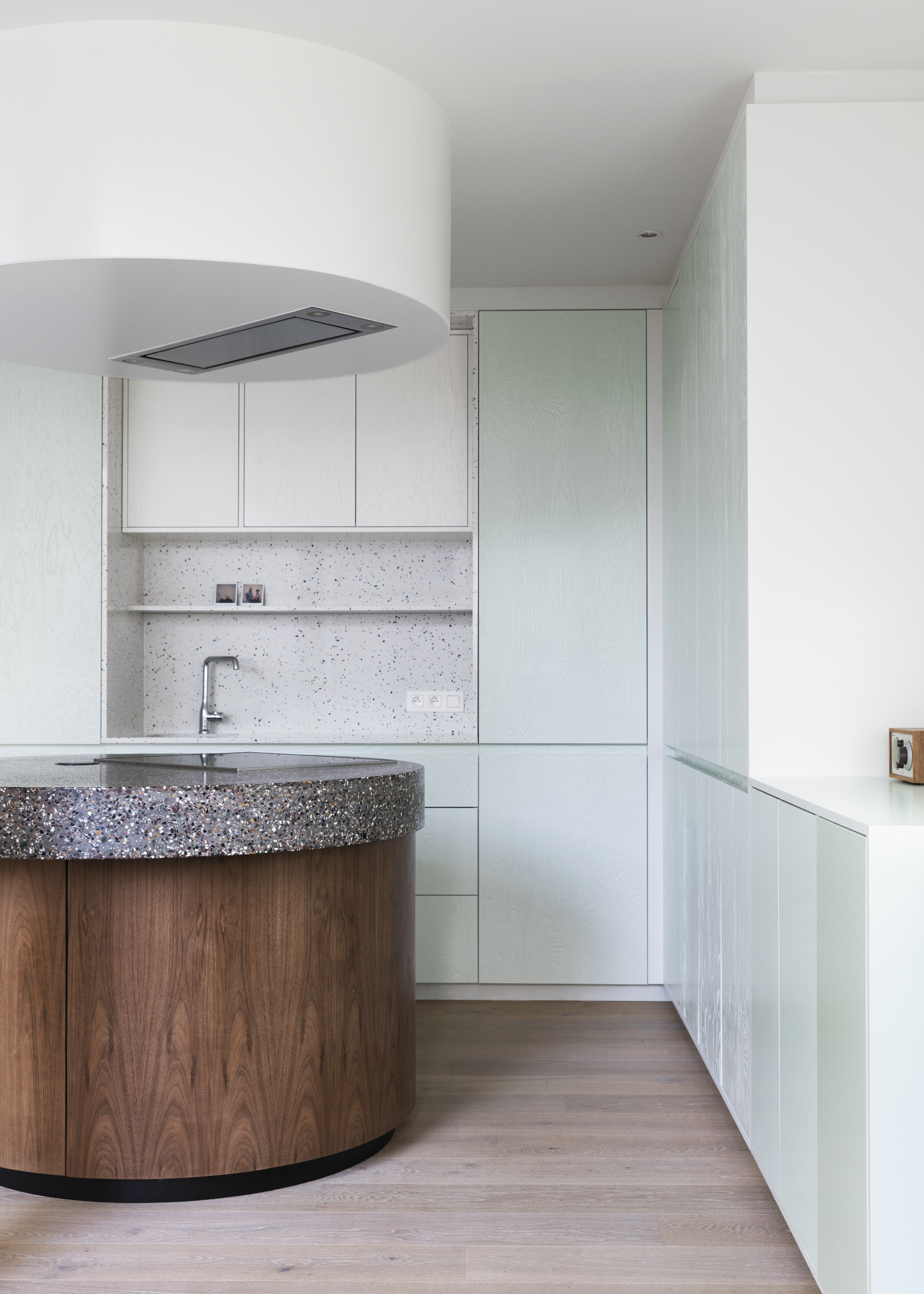
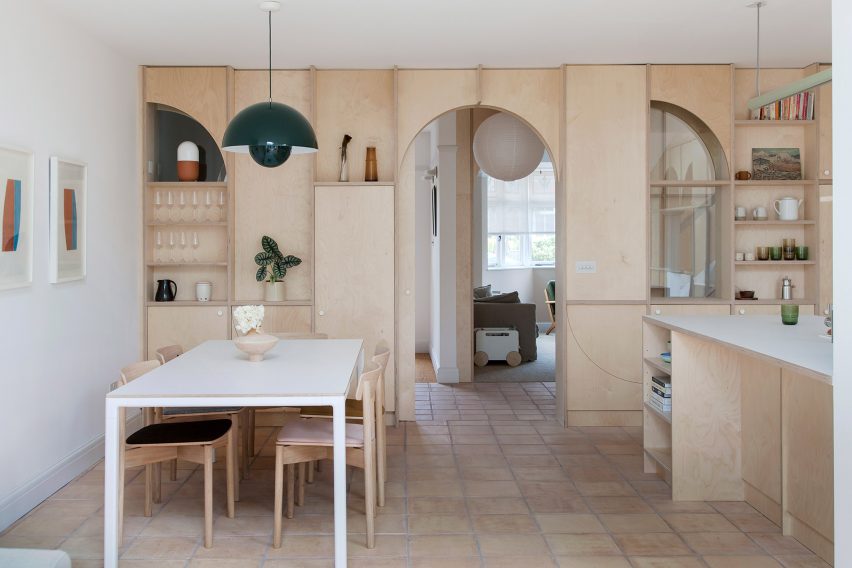
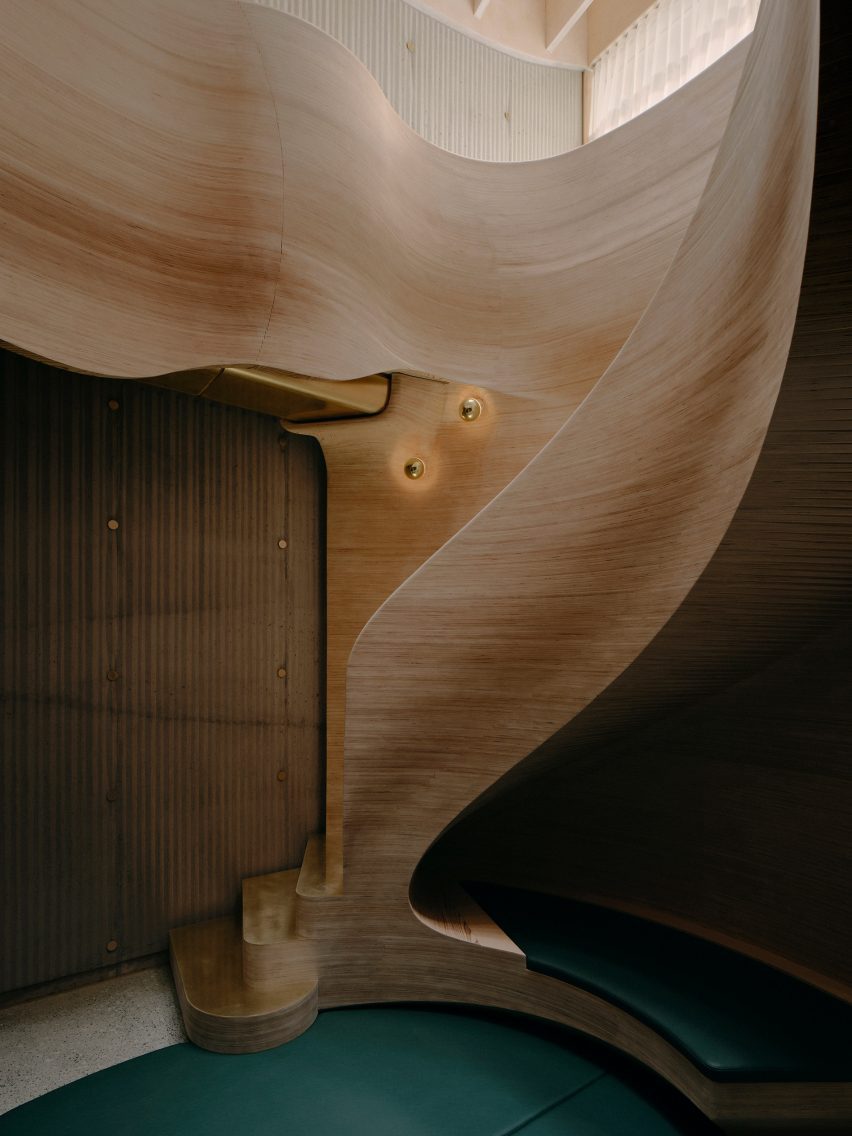
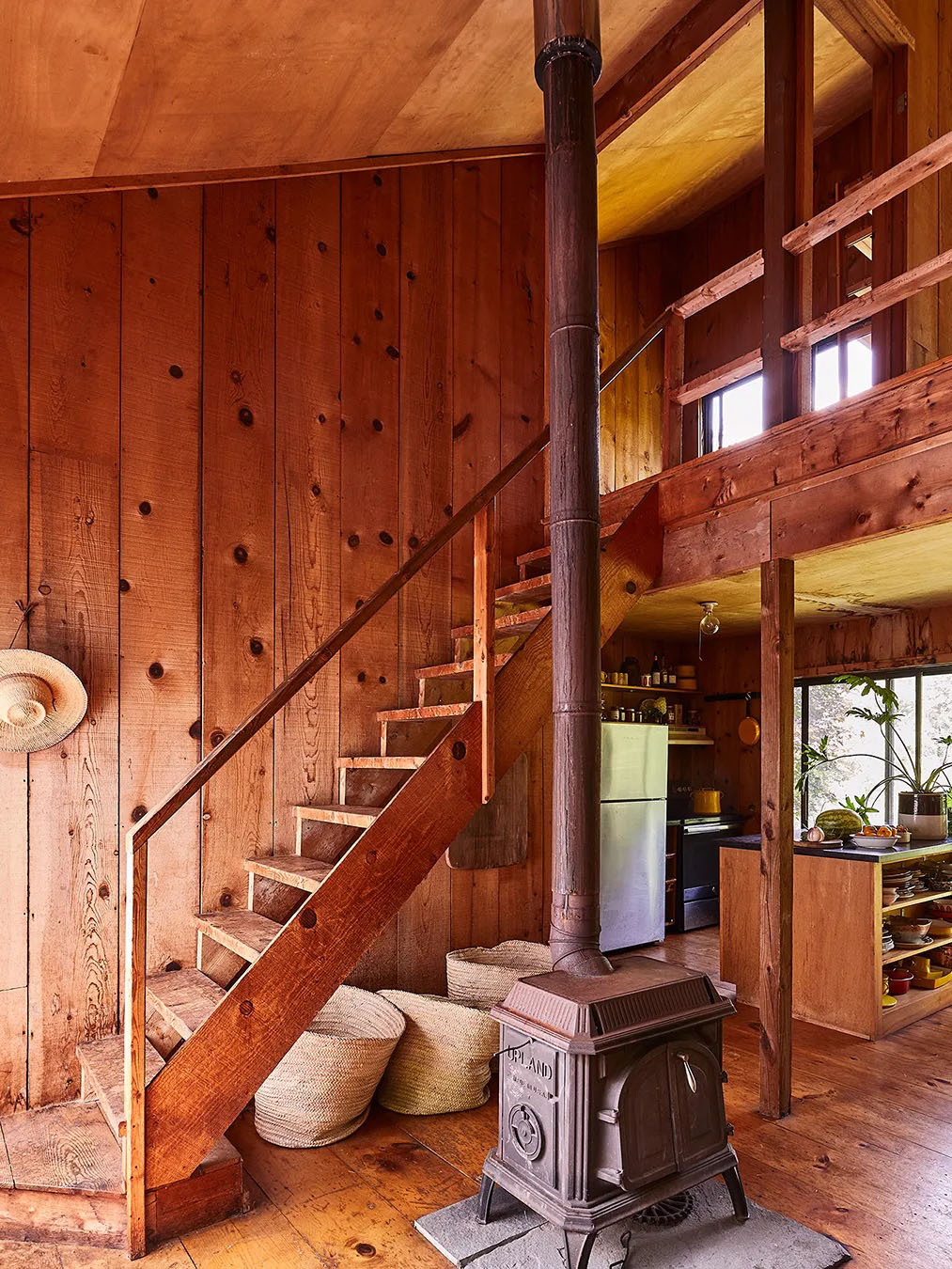
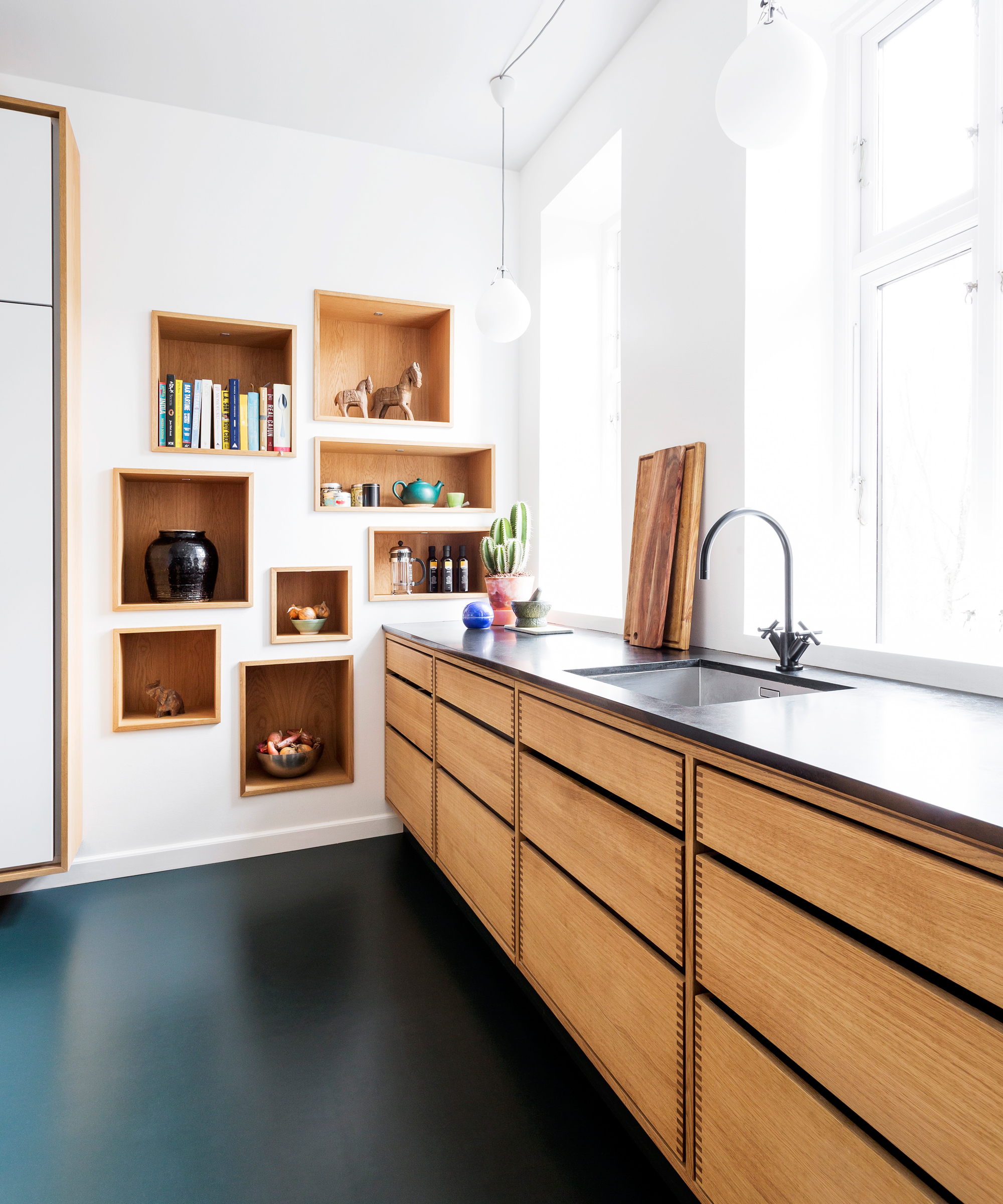
The article highlights several ways designers are incorporating exposed plywood into contemporary spaces. One approach is to utilize the raw edge of the plywood as a decorative detail, where the visible layers of wood veneer create a contrasting border or outline for features like curved niches and built-in storage. Lacquering or sanding and waxing these edges can further refine their appearance. For larger surfaces, plywood offers a budget-friendly architectural finish, as demonstrated in a staircase design where its raw aesthetic contributed to a sense of simplicity and geometric abstraction.
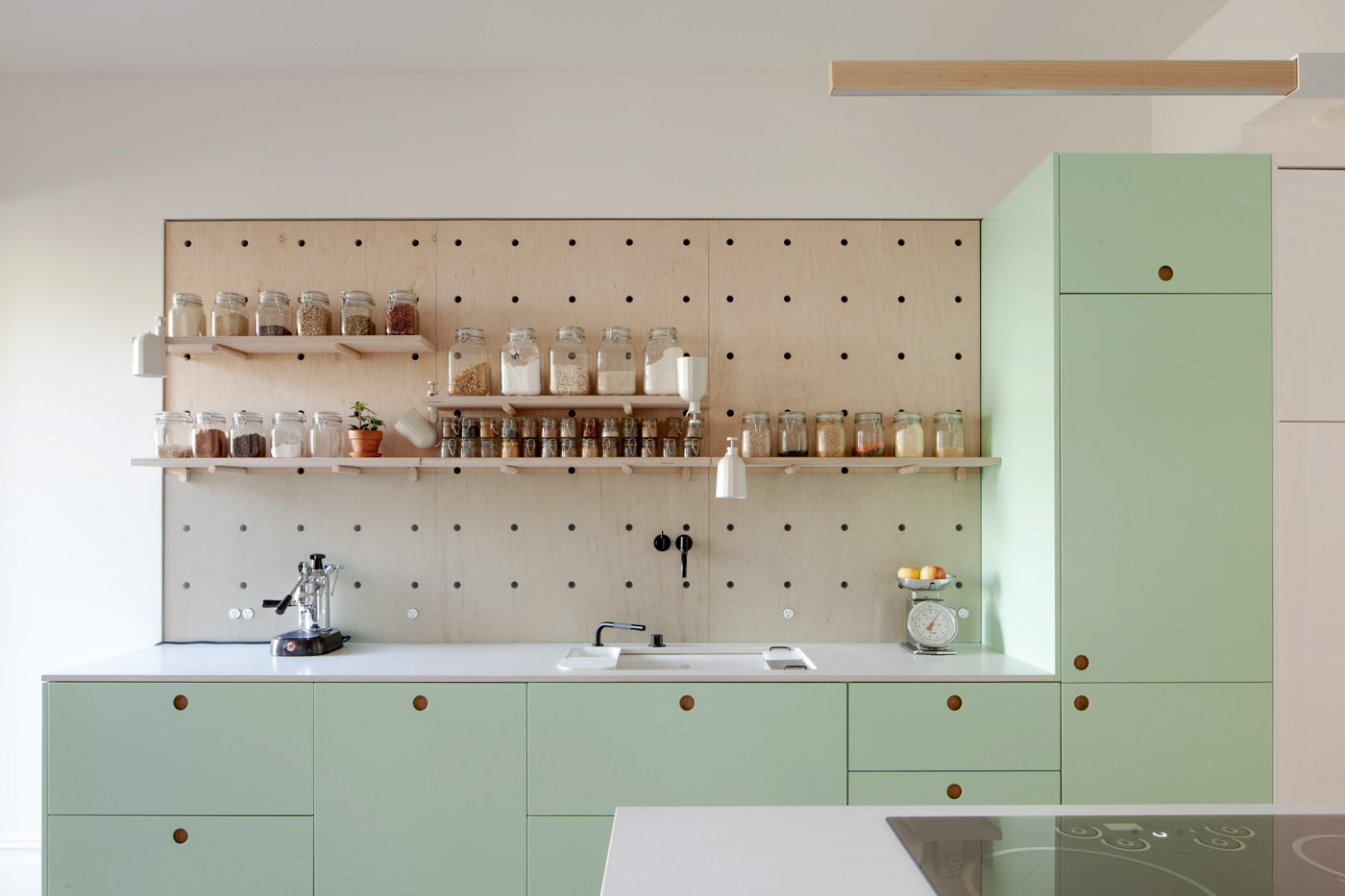
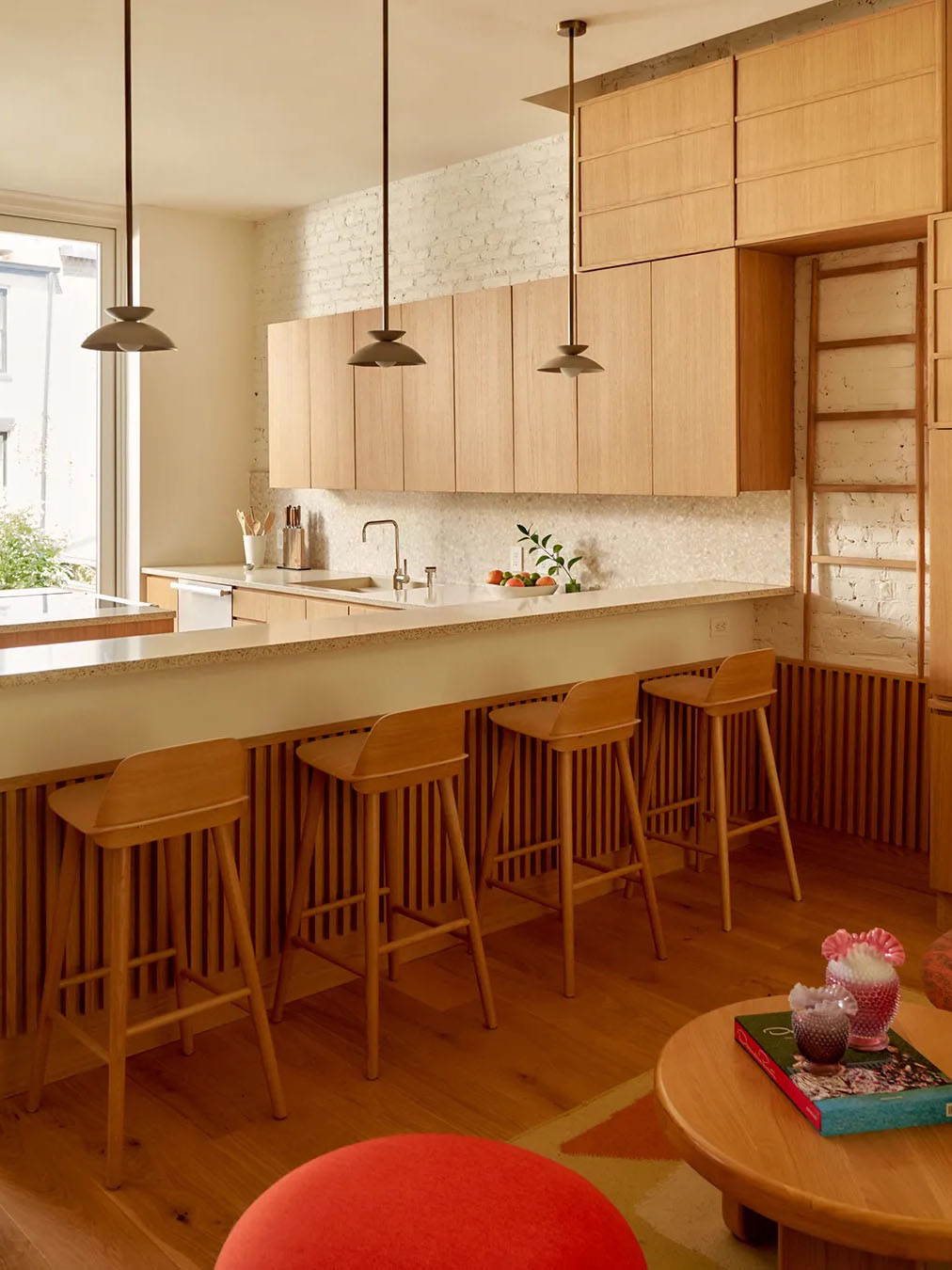
Plywood's adaptability also extends to creating bespoke shapes and designs, such as arched alcoves and modern kitchen elements, allowing for creative compositions without incurring excessive material costs. The natural beauty of its grain is also a key feature, with marine-grade plywood, for instance, offering character and texture akin to stone veining, particularly suitable for humid environments like bathrooms. Designers advise careful consideration of placement and grain orientation to maximize its visual impact, treating it with the same respect as premium materials like marble.
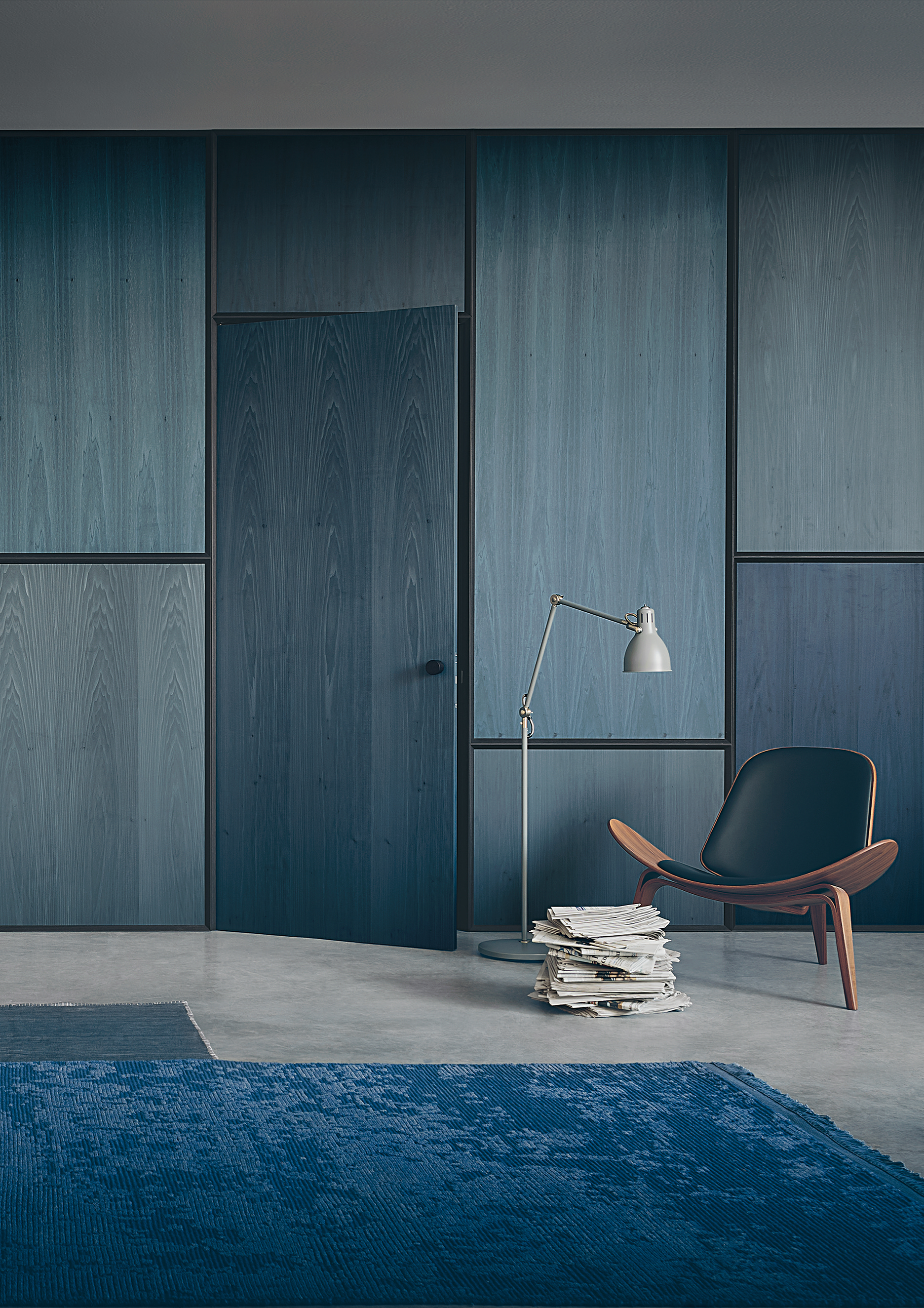
Furthermore, plywood can be effectively mixed with other wood types, contributing to a rich and diverse material palette. Birch plywood, in particular, is noted for its versatility and ability to complement various timbers, acting as a calm yet characterful background structure. The material can also be used for structured ceilings, as seen in a music room where it enhances acoustics and adds a charming, lo-fi quality. Finally, for those who prefer a different aesthetic, plywood serves as an excellent base for veneers or paint, allowing for a modernist look where the material's inherent stability and structure are still celebrated, even when its surface is altered. When considering interior walls, plywood is a viable option, provided it is treated to ensure durability and protection against wear and tear, though repair can be more challenging compared to other wood types.
#PlywoodInteriors #ModernDesign #InteriorRenovation #BudgetFriendlyDesign #ArchitecturalMaterials #CustomJoinery #SustainableMaterials #HomeDecor #MaterialVersatility #PlywoodInteriors #ModernDesign #InteriorRenovation #BudgetFriendlyDesign #ArchitecturalMaterials #CustomJoinery #SustainableMaterials #HomeDecor #MaterialVersatility
0 comment in total
 No comments yet
You may also like
Good News: This Kitchen Cabinet Trend Is Also Insanely Affordable

80% of Design Pros Agree This Pared-Back Material Will Rule Construction in 2025

11 Reasons Hardwood Flooring Might Not Be Right for Your Home

Marni Jameson: Love wood floors but not the cost?
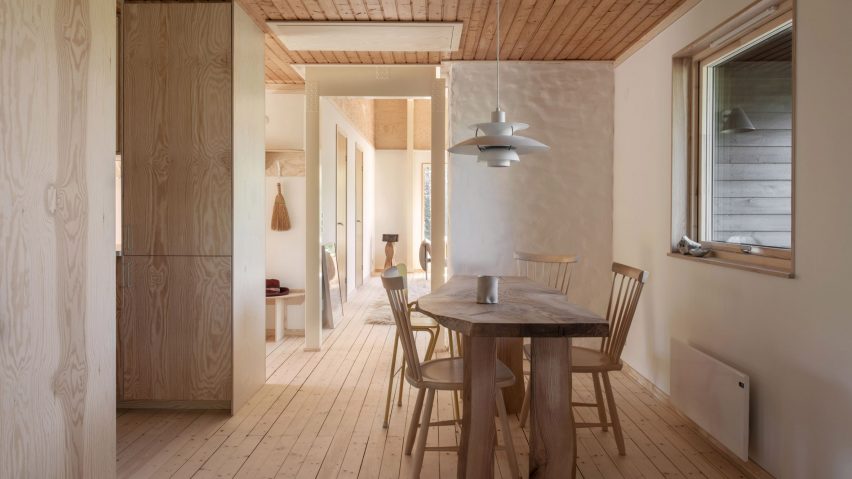
Eight homes where plywood panelling creates warm interiors
6 Flooring Upgrades That Are Worth The Extra Cost (And 3 To Skip)
You Should Consider Painting Old Wood Floors (Hear Me Out)


The Insider: Ridgewood Row House Reno Highlights Cheap and Cheerful Furnishings
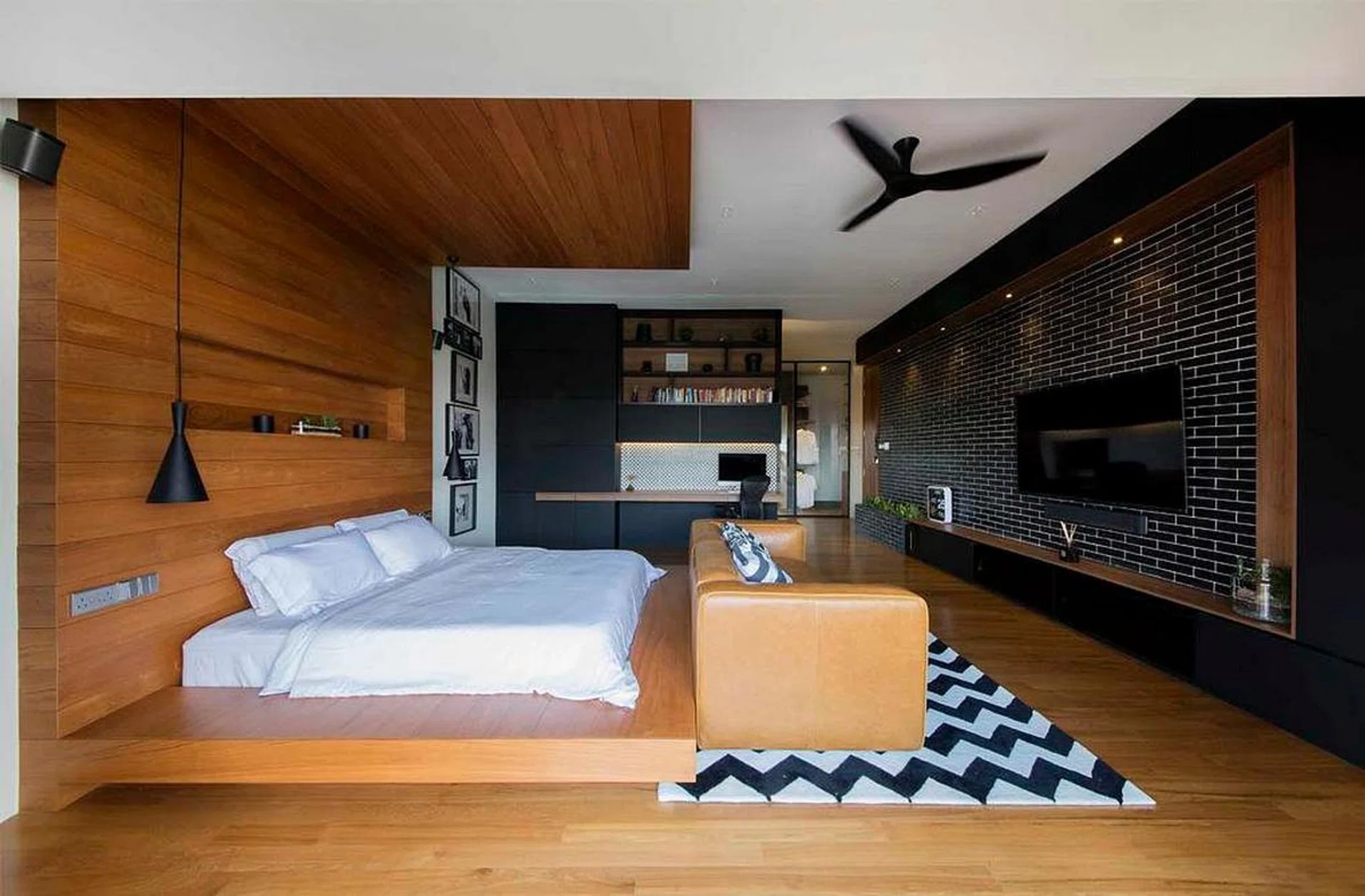
Q&A on wood flooring: How much it costs and more

Your Guide to Wood Flooring

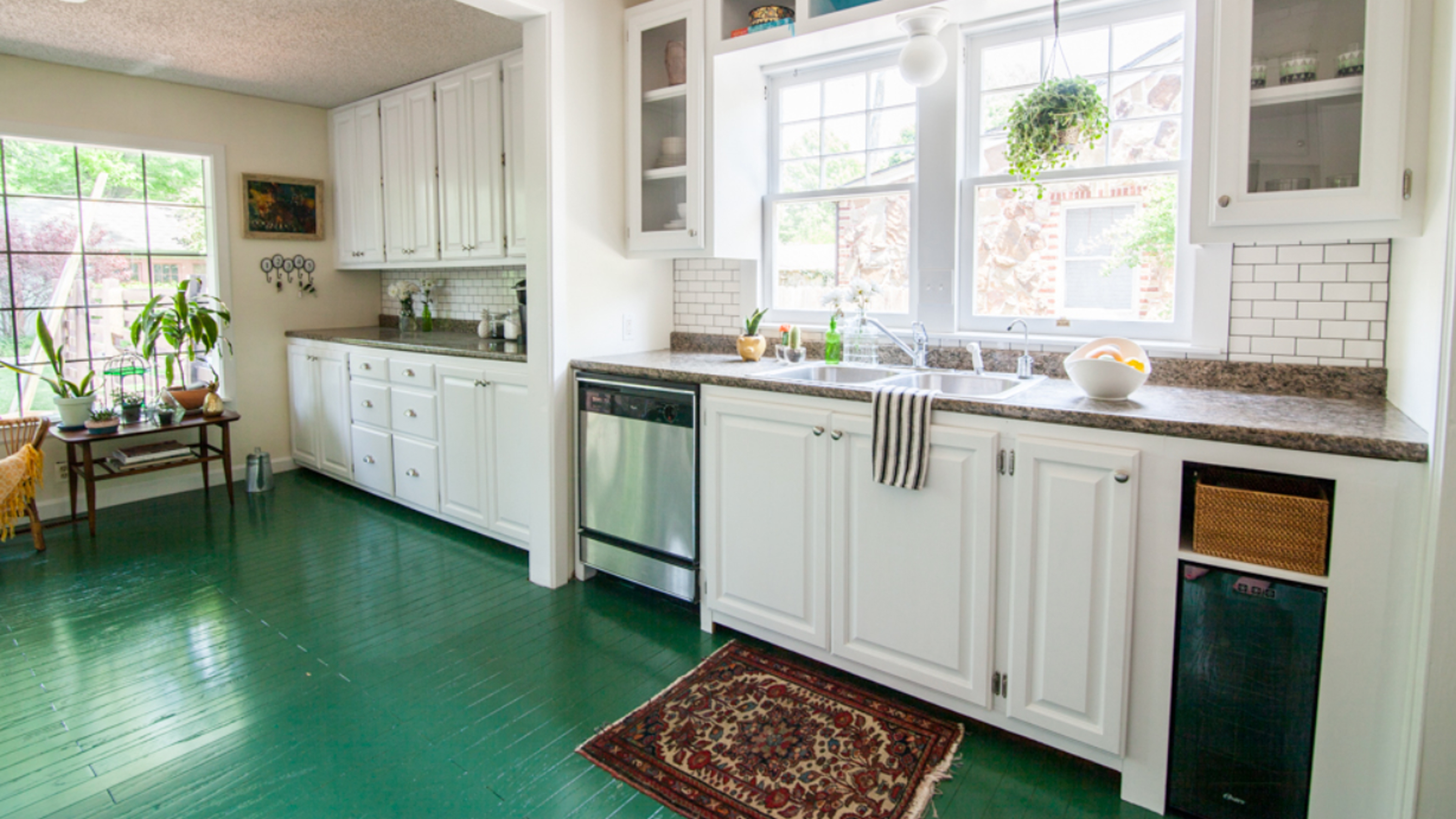
9 inexpensive kitchen flooring options – budget-friendly ideas you can DIY

Add comfort and beauty to your home with new floors


The Flooring Option Jenn Todryk Says Can Save You Tons Of Money


It's Only a Paper Floor, But You'd Believe It's Real -Wood Planks

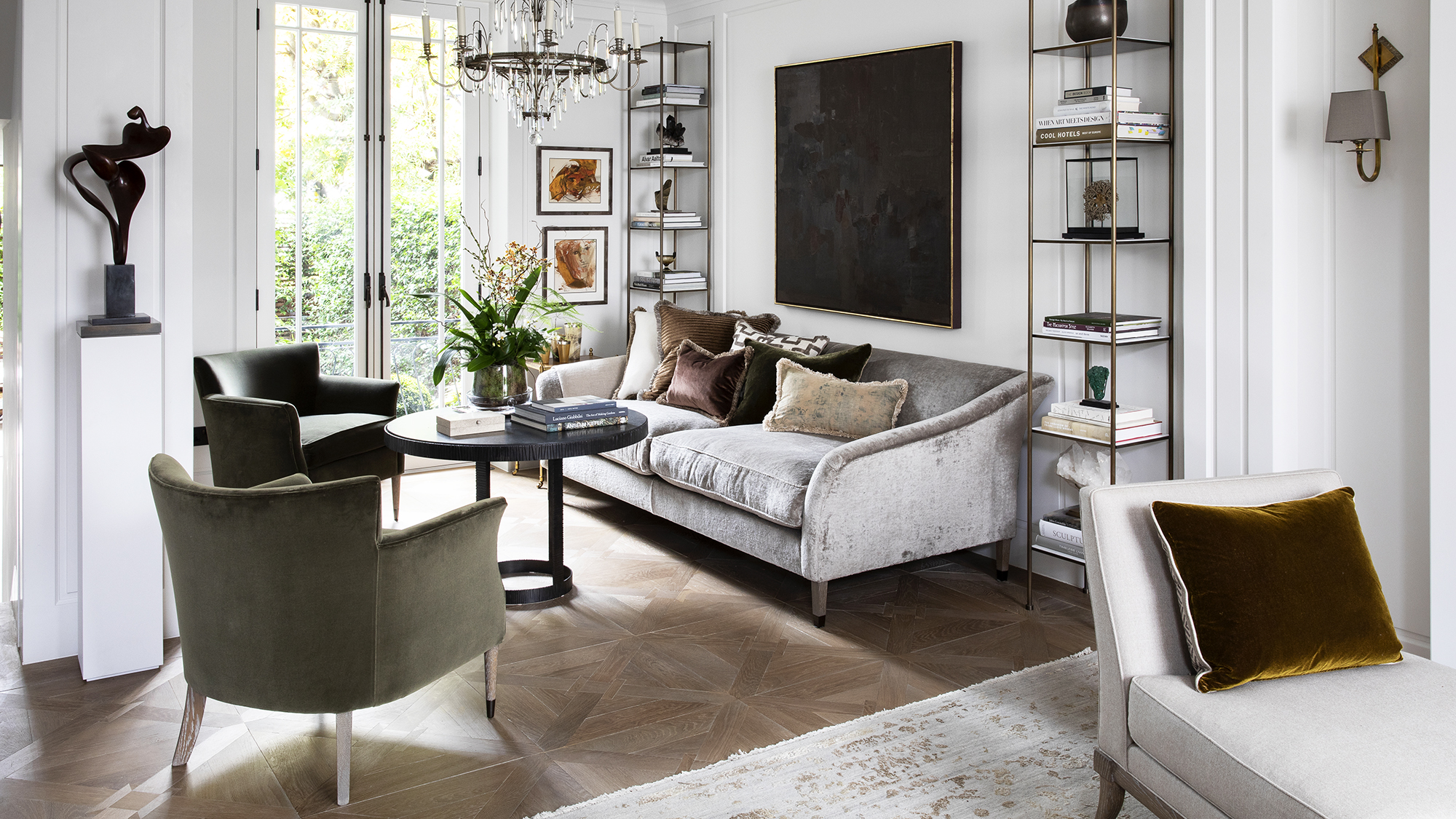
Wood floor ideas for a living room – 10 practical and stylish looks for flooring

Wood Flooring – Our Pick of the Best
Uni Grad DIYs His HDB’s Vinyl Flooring & Builds His Own Wooden Furniture For Only $265
Flooring Materials That Just Aren't Worth The Price, According To Our Experts
Top Interior Design Stories of 2023
How I Redid My Wood Floors for $50K Less Than I Was First Quoted