How I Redid My Wood Floors for $50K Less Than I Was First Quoted
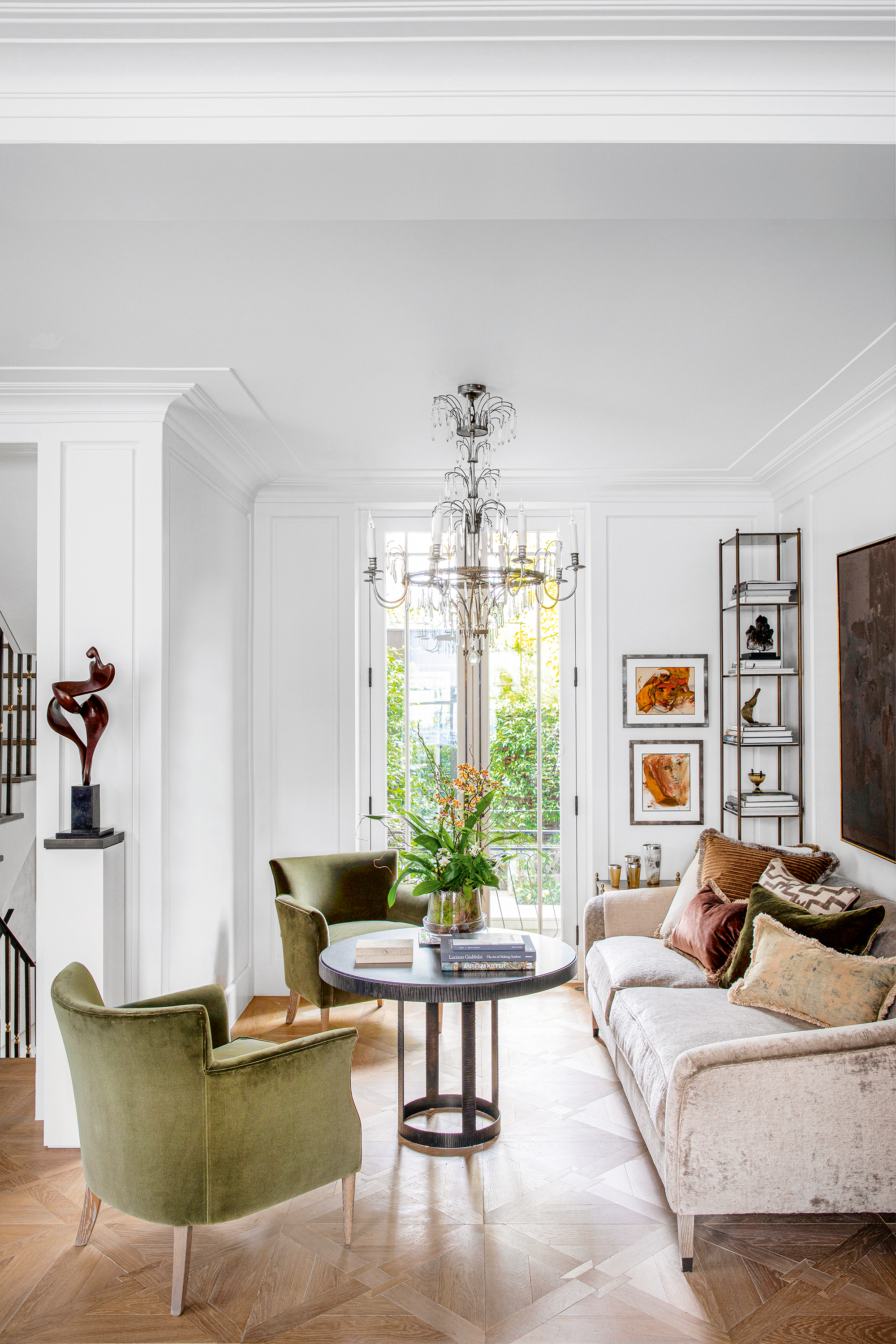
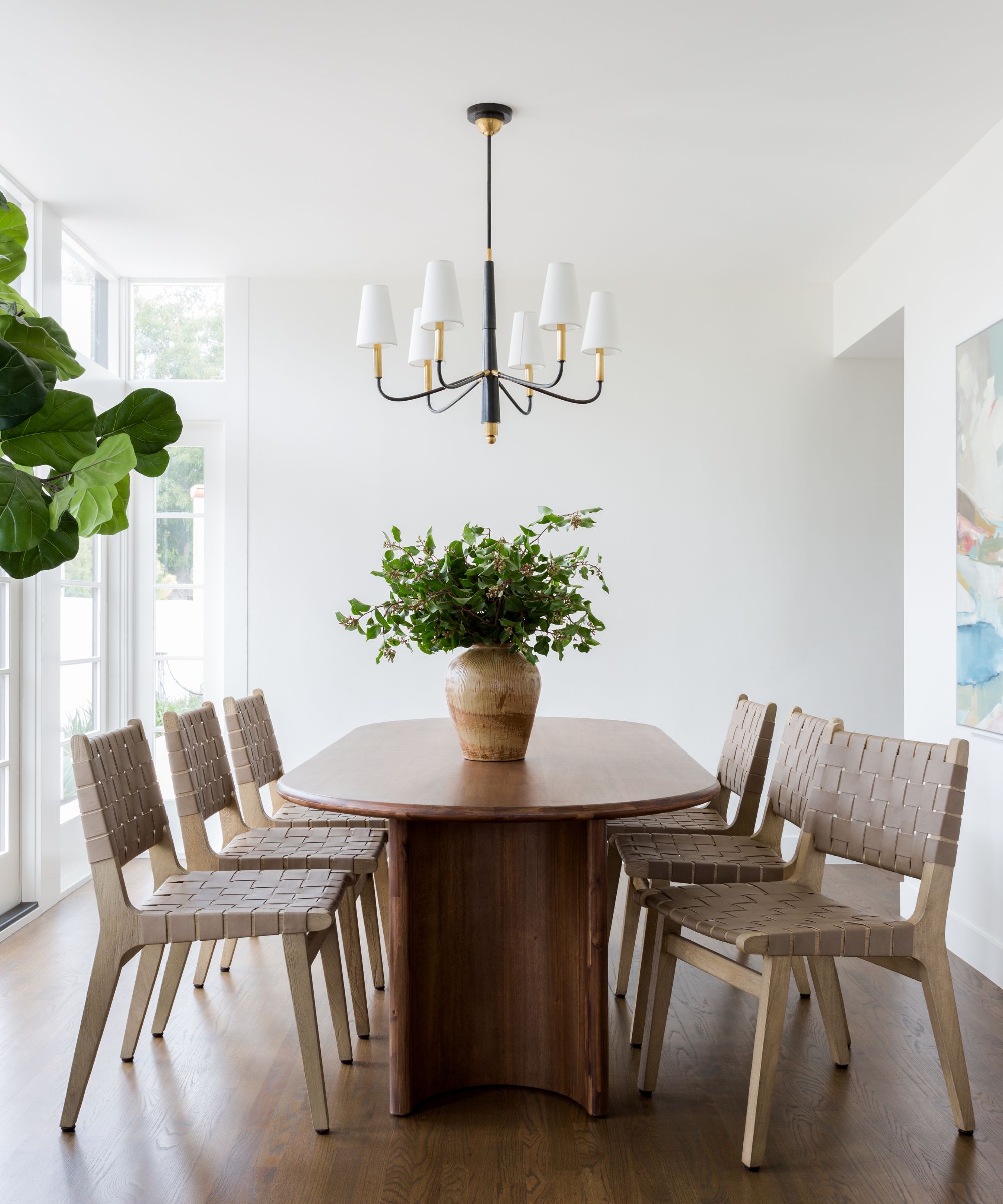
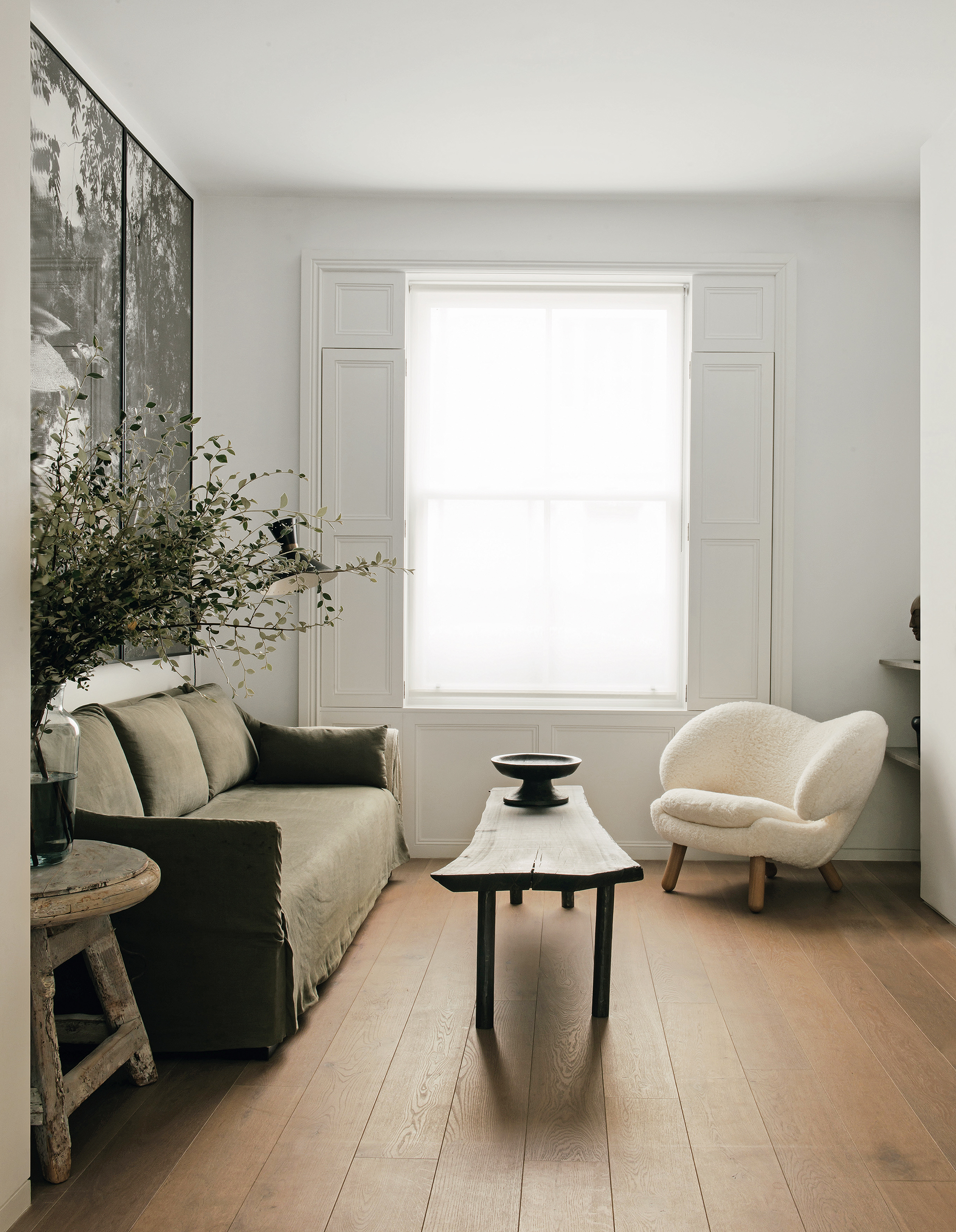
This article details a homeowner's experience in significantly reducing the cost of wood flooring renovation in her 3,000-square-foot mid-century raised ranch. Initially quoted $70,000 for a mix of refinishing existing floors and replacing others, the author managed to complete the project for approximately $20,000, saving $50,000. The renovation involved refinishing about half of the original wood floors and installing new 7.5-inch French white oak planks in the remaining areas.
The first key strategy employed was to bypass a general contractor and directly hire a flooring contractor. This 'direct-to-consumer' approach eliminated the middleman's markup. The author meticulously researched potential contractors using online reviews from platforms like Google, Yelp, and the Better Business Bureau. She also sought advice from online home renovation guides and forums to formulate interview questions, and recommends utilizing local social media groups for recommendations and requesting references and work portfolios from contractors.
The second crucial step involved purchasing the wood materials independently. Even with a more affordable contractor, their quoted price for wide white oak planks was nearly double what the author found online. She ordered samples from various retailers, ranging from high-end to budget-friendly, to physically evaluate options for character and construction. Ultimately, she sourced 7.5-inch engineered white oak from Hurst Hardwoods for $3.79 per square foot, significantly less than the contractor's quote of $8.23 per square foot. Customer service and patience were also deciding factors in her choice of supplier.
Extensive research was a foundational element of the savings. Understanding different wood species, such as oak, walnut, hickory, and maple, and their suitability for various lifestyles (e.g., with kids or pets) was essential. The author, living in the Northeast and desiring wide planks, opted for engineered wood over solid wood, based on recommendations from flooring specialists. This choice saved money because engineered hardwood was less expensive than solid hardwood and prevented potential future expenses related to stability and shifting issues often associated with wide solid wood planks in certain climates without proper humidity control and subfloors. The article clarifies that while engineered wood can be pricier, cost varies greatly depending on factors like width, and affordable solid wood options are also available.
Additional considerations during the selection process included square versus beveled edges, plank length, grade (e.g., live sawn for natural knots and flaws), thickness, milling type, and installation style. The final decision involved choosing between prefinished and unfinished wood. Prefinished wood is completed in the factory, offering durability and immediate usability, but with fewer stain options. Unfinished wood, while requiring more labor for on-site staining and sealing, provides a wider range of color customization and a smoother surface without bevels between planks. The author notes that the cost difference between the two options tends to equalize, as the higher material cost of prefinished wood is offset by lower labor costs, and vice-versa for unfinished wood.
Despite the challenges, such as personally handling cartons of timber, the author found the effort worthwhile, resulting in significant savings and a visually appealing outcome. Her only regret was not extending the new, wider planks throughout the entire house.
#HomeRenovation #WoodFlooring #CostSaving #DIYHomeImprovement #ContractorSelection #EngineeredHardwood #HomeDesign #BudgetLiving #HomeRenovation #WoodFlooring #CostSaving #DIYHomeImprovement #ContractorSelection #EngineeredHardwood #HomeDesign #BudgetLiving
0 comment in total
 No comments yet
You may also like
I Cut $9K From My Bungalow Renovation Budget by Going With Imperfect Flooring

This $20 Product Revived Worn Hardwood Floors in 30 Minutes

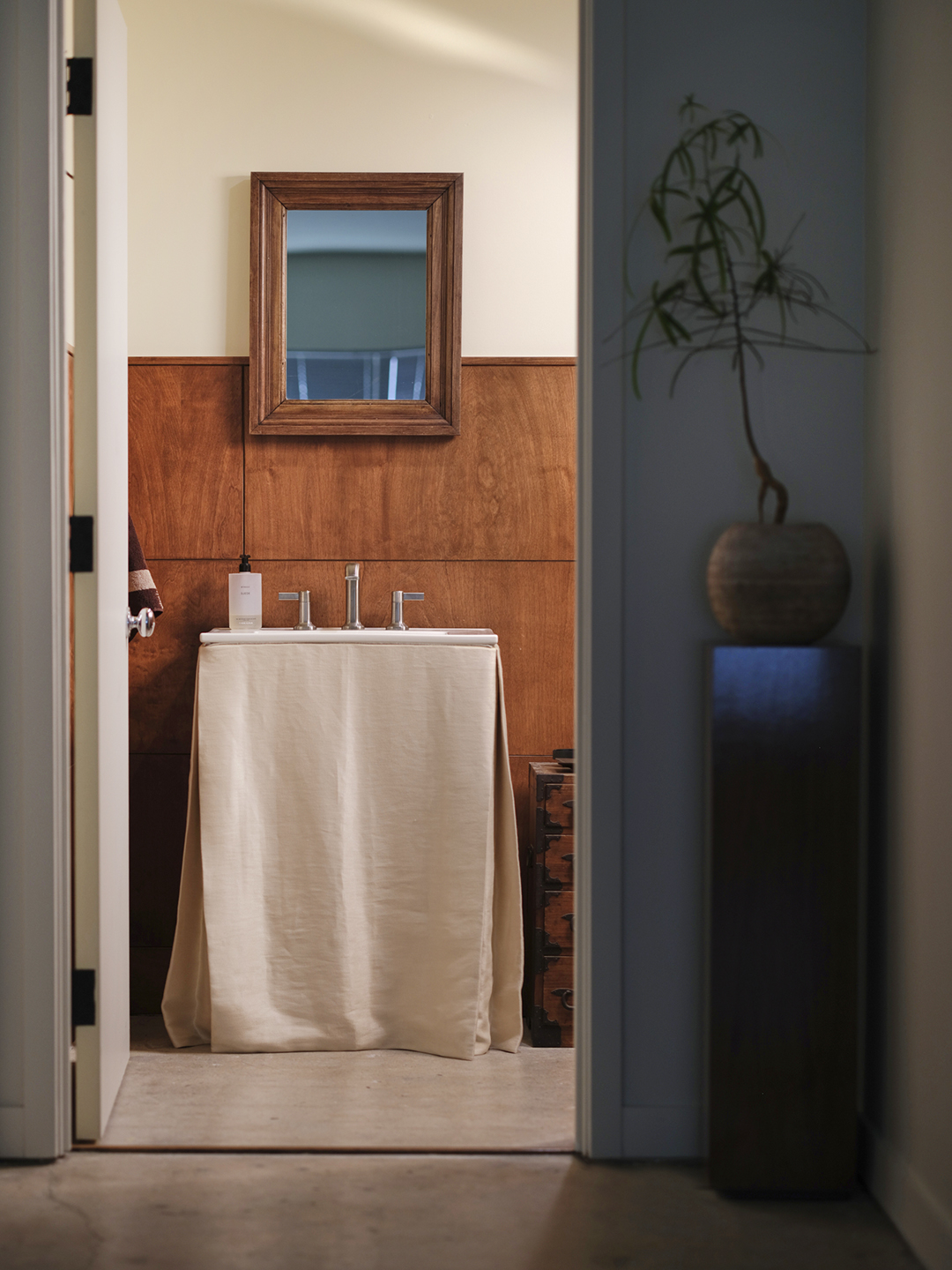
For Less Than $5K, This Pro Swapped Cold, Cobalt Bathroom Tile for British-Inspired Paneling

You Should Consider Painting Old Wood Floors (Hear Me Out)

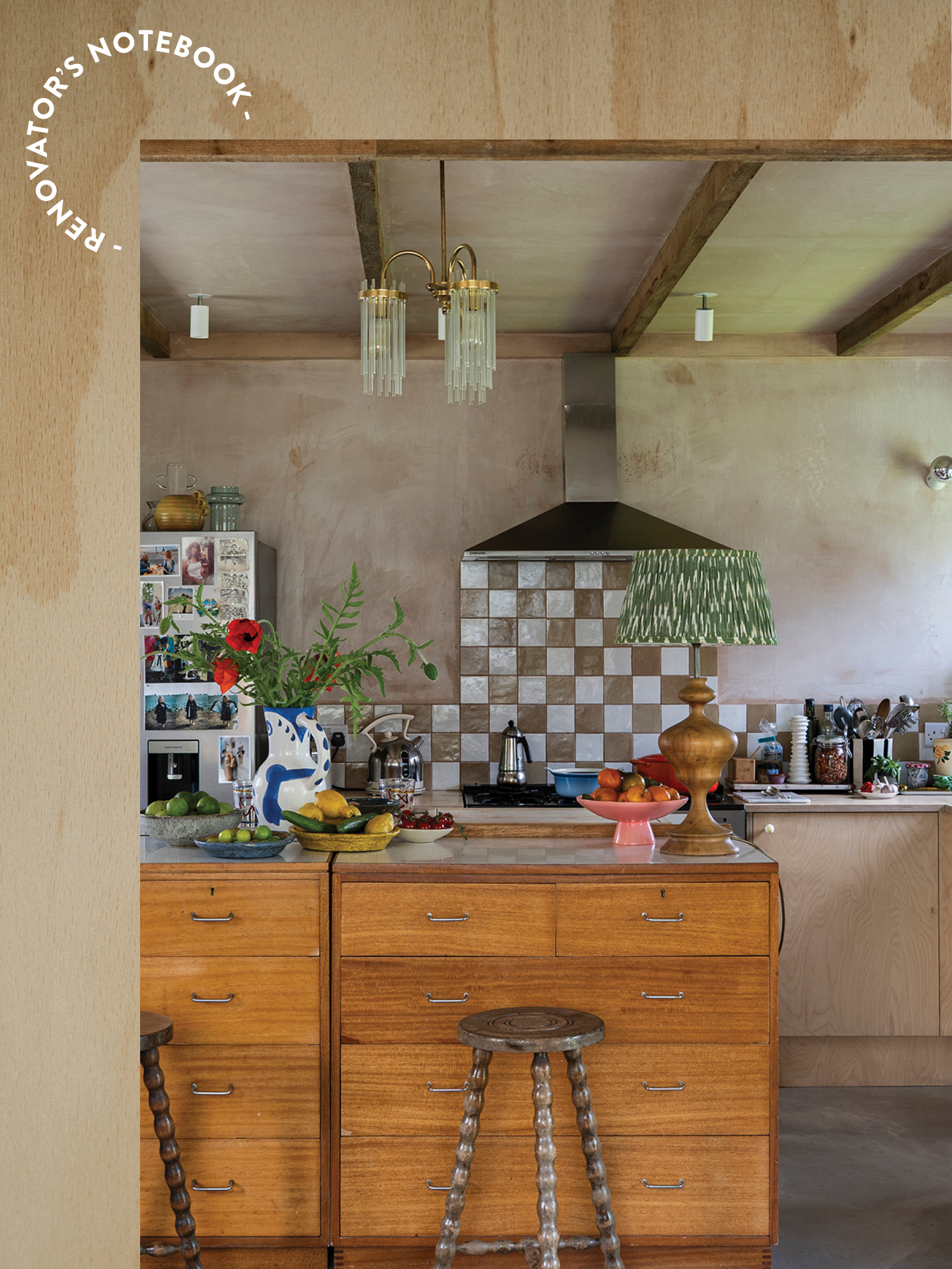
I Cut $9K From My Bungalow Renovation Budget by Going With Imperfect Flooring
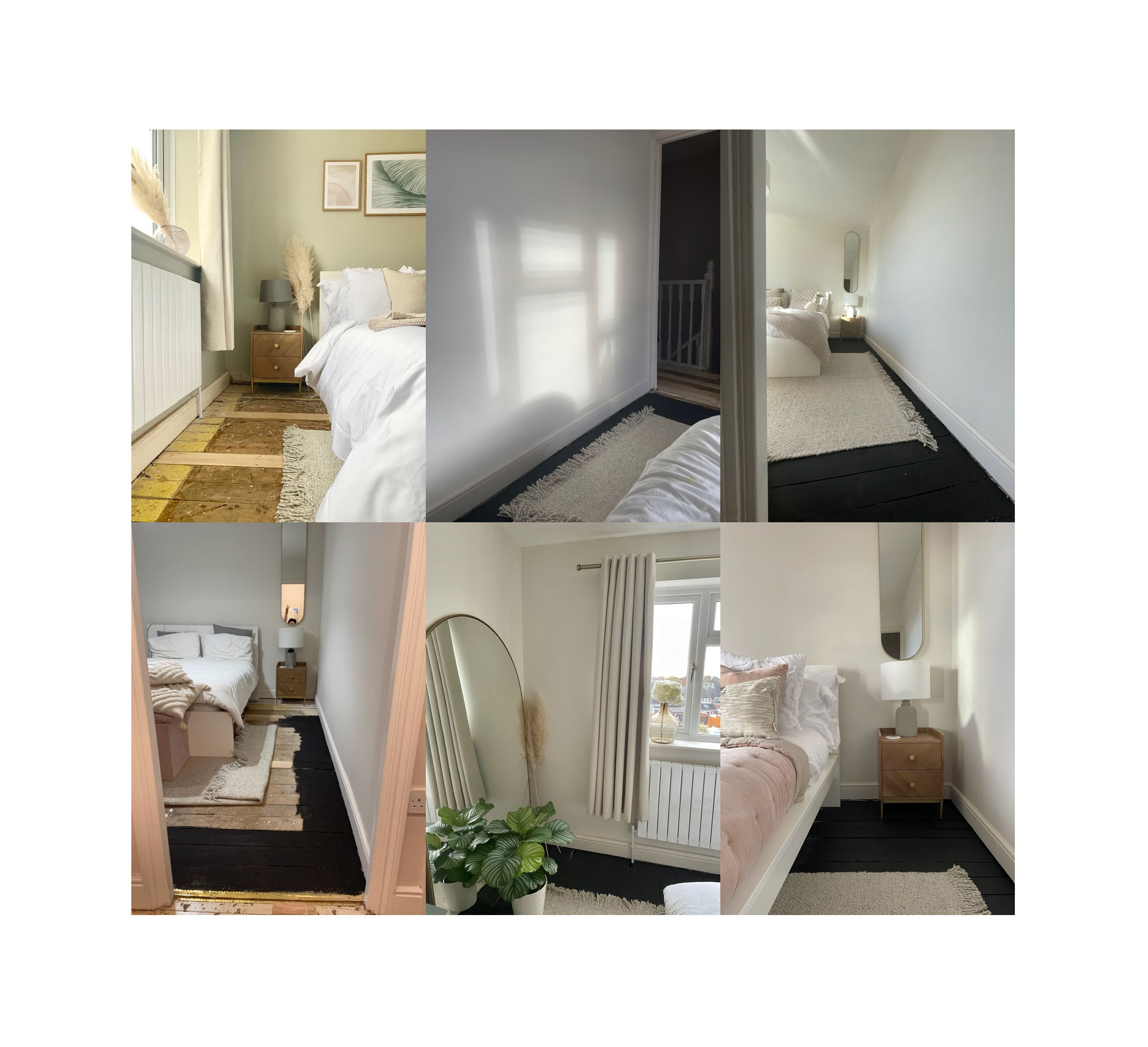
3 steps to cover ugly wood floors mid-home reno

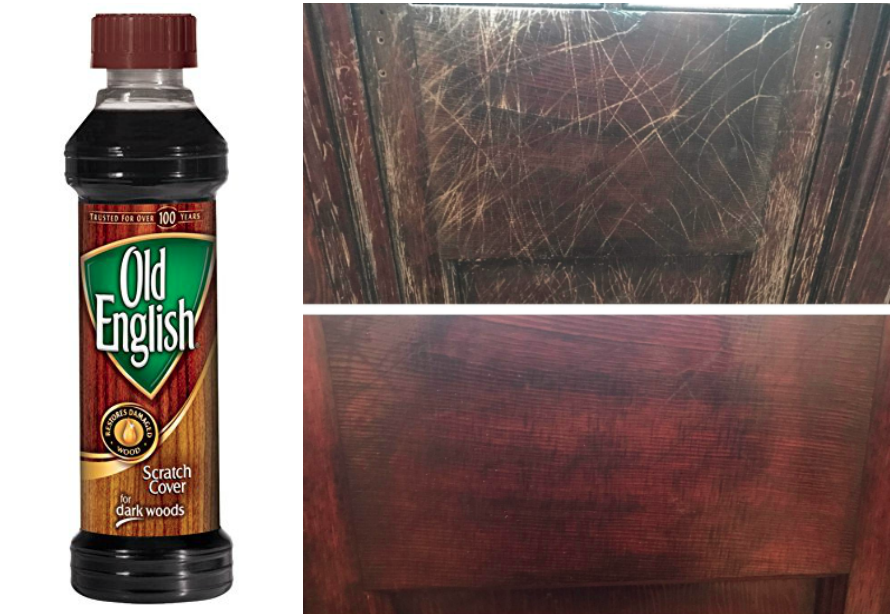
Say Hello To The $5 Polish That'll Make Your Wood Furniture Look Brand Stinkin' New
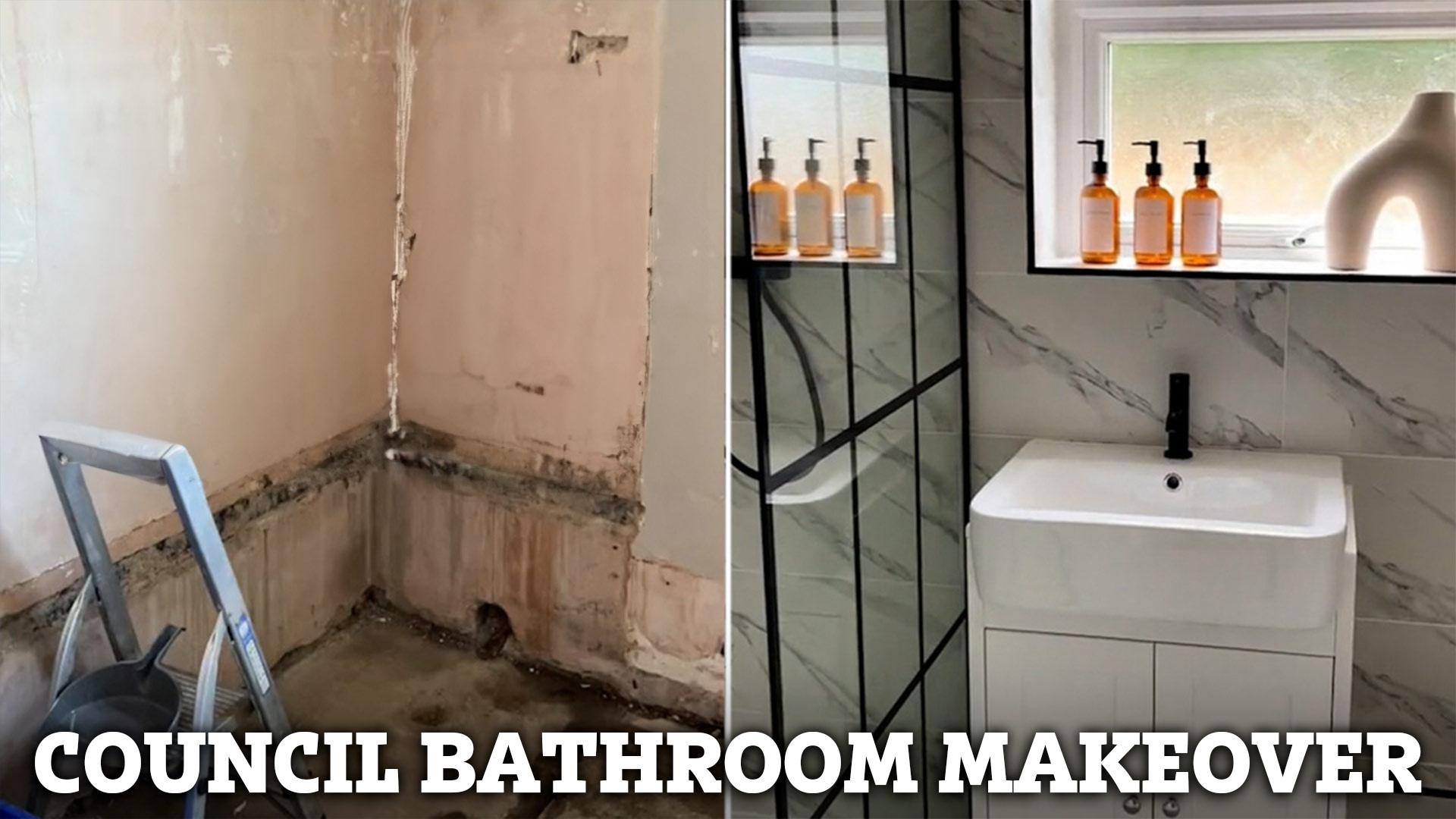
I gave my bathroom a quick & easy glow up with cheap buys from B&M & The Range - it's the flooring that's a real winner

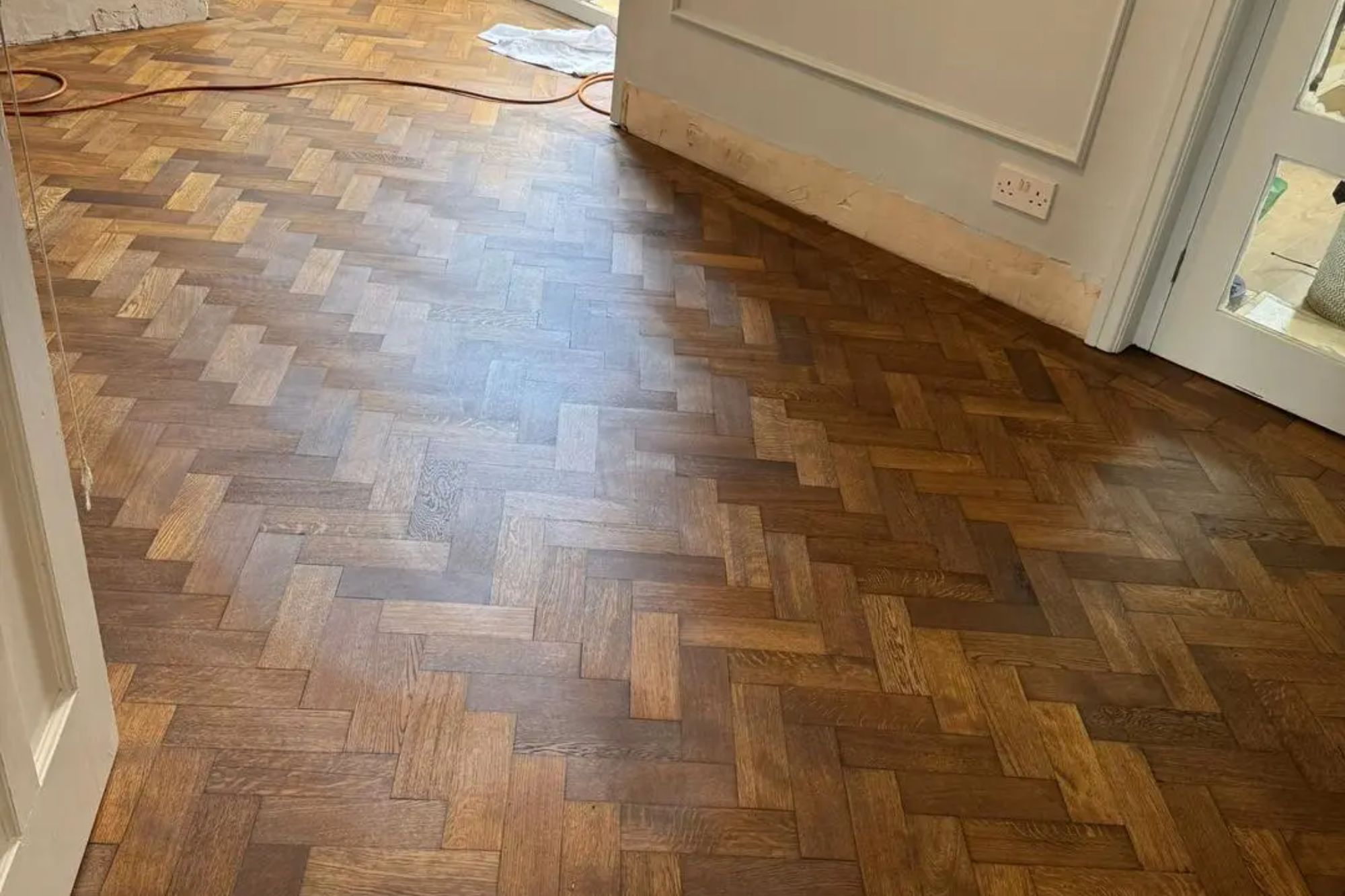
I dreamt of parquet flooring but was quoted £6k so I did it myself with £350 buy

This 15-Minute DIY Made My Living Room Sofa Look Like a Million Bucks

After Being Quoted $20K for a Guest Bath, This Vintage Dealer Pulled Off a Makeover for Just $1K
I swear by this incredibly easy 5-step method for cleaning real wood floors

How a 15-Minute Cleaning Routine Transformed My Entire Home

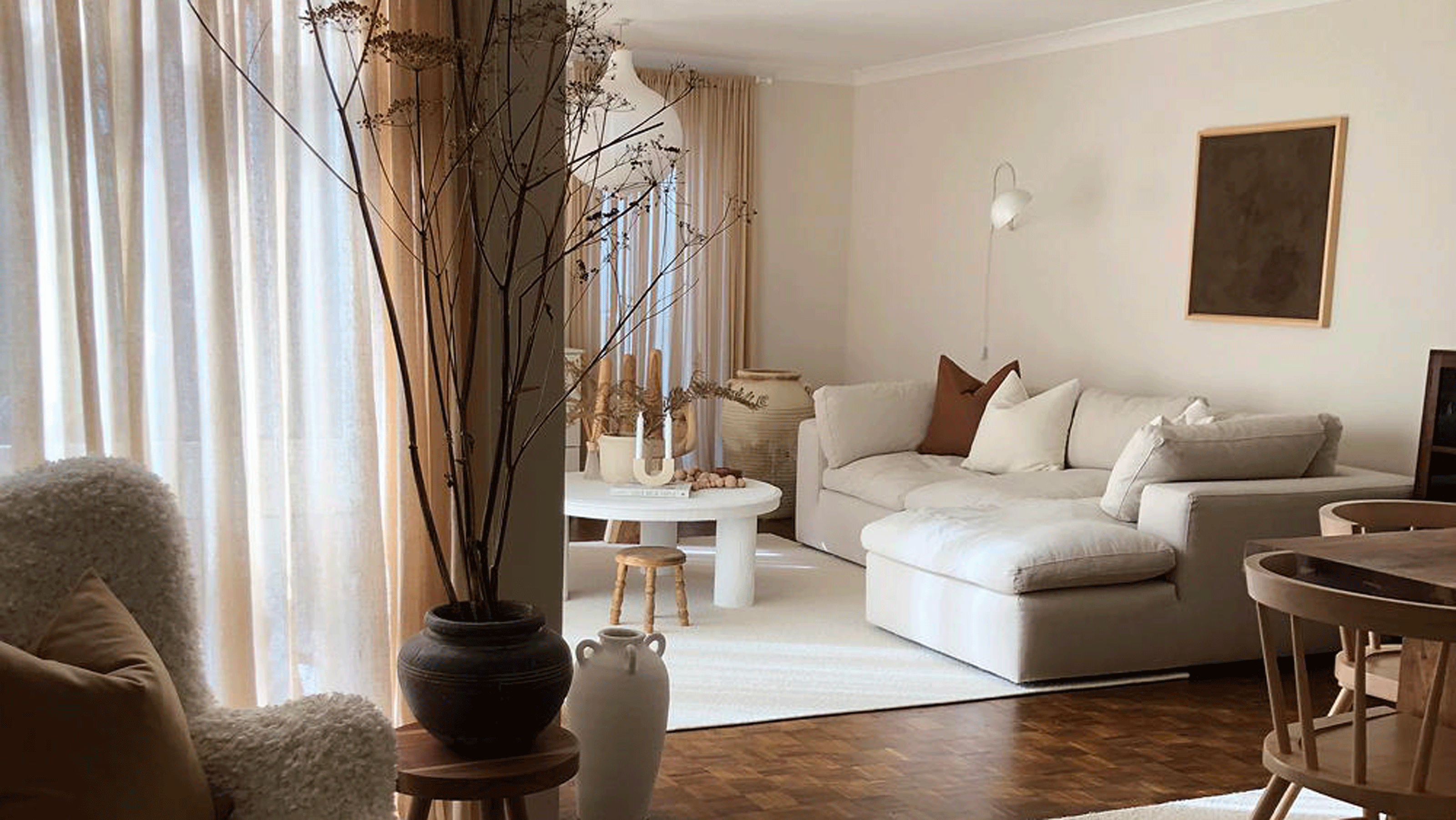
Renter transforms living room with a striking parquet floor for just £183


How to Know When an Old Wood Floor Is Worth Restoring or Should Be Replaced
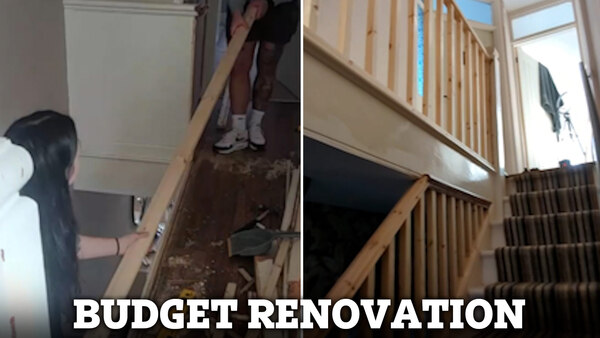
I saved £20k by renovating my home with YouTube videos & Facebook buys – everyone can’t believe how good it looks
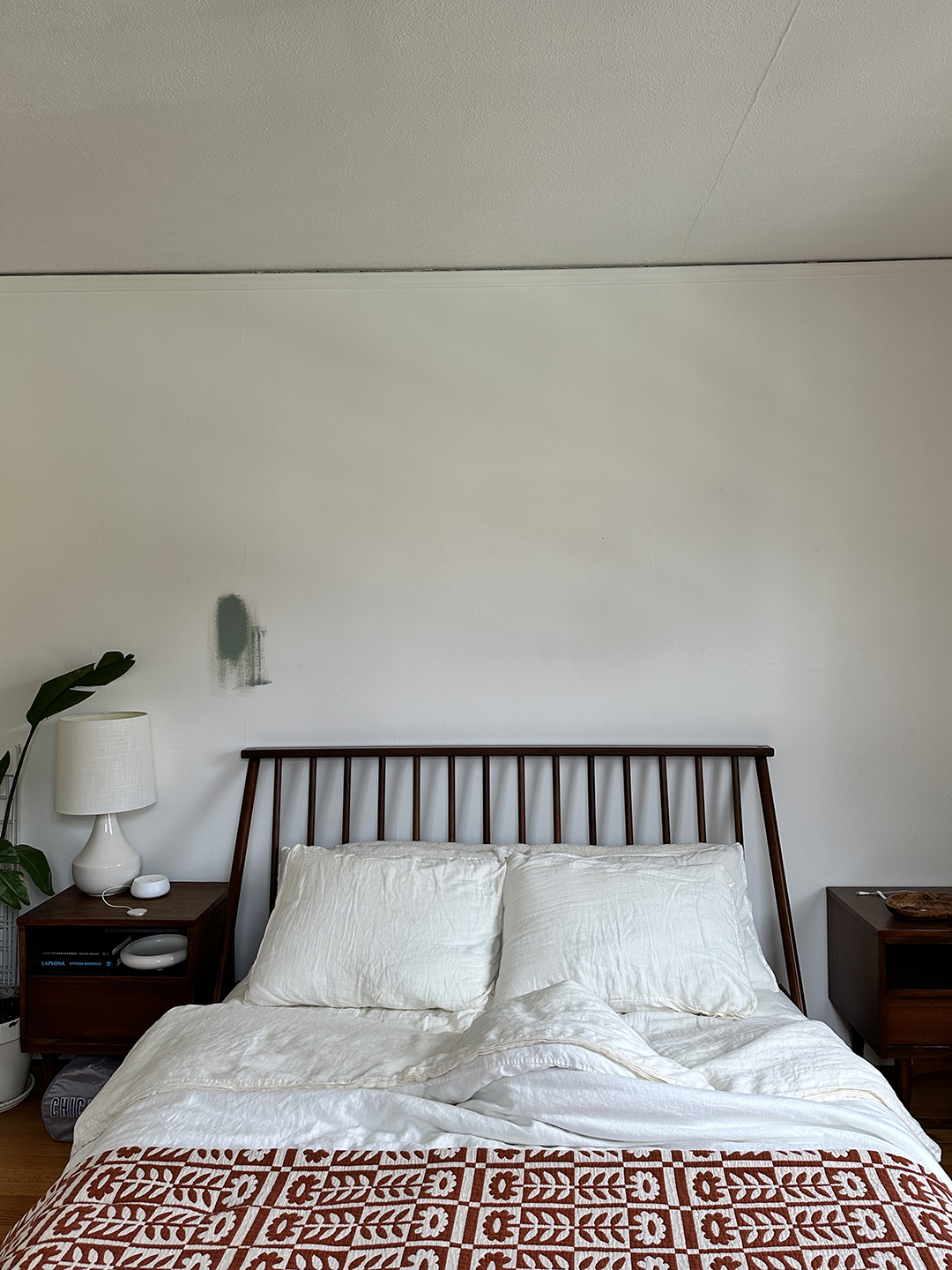
For $500, My Rental Bedroom Went From Plain White to Cottage-Worthy
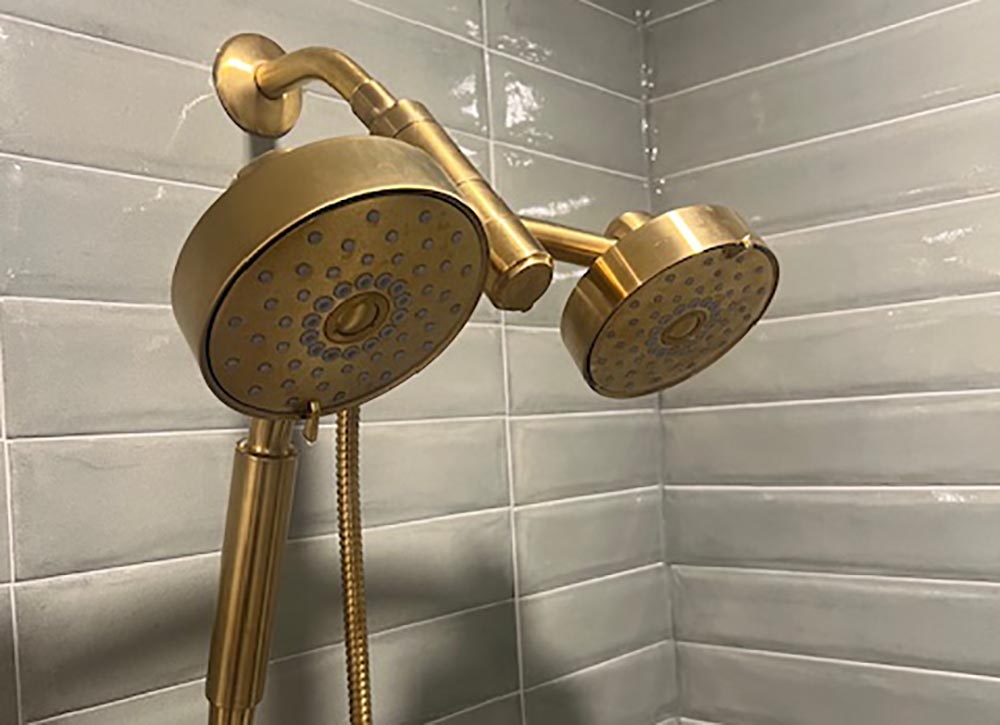
This One Simple Swap Instantly Gave My Bathroom a Luxury Upgrade—Without the Price Tag
I Covered My 400-Square-Foot Guesthouse in Tile for $500
5 Cheap Improvements That Were the Best Part of My Home Renovation