1/4
Best wood for outdoor projects – 5 types that are loved for their durability and good looks in equal measure
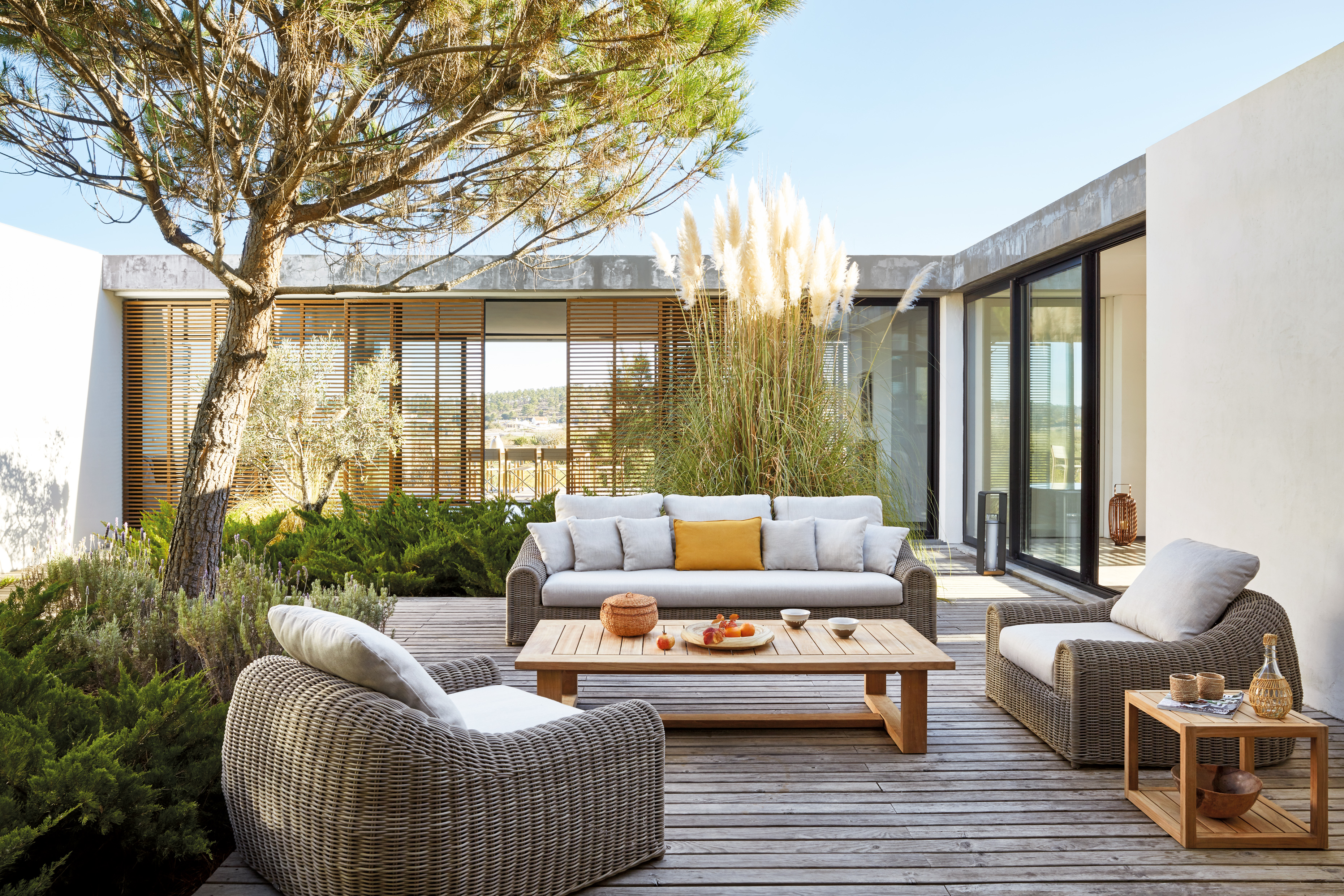
Choosing the right wood for outdoor projects is crucial for longevity, aesthetics, and minimal maintenance. Unlike indoor wood, outdoor wood must withstand extreme weather conditions, sunlight exposure, and resist rot and insects. The selection process should consider the specific application, desired look, and the maintenance commitment one is willing to undertake. Different wood types offer varied characteristics in terms of durability, resistance, and how they age, making informed choices essential for successful outdoor installations.
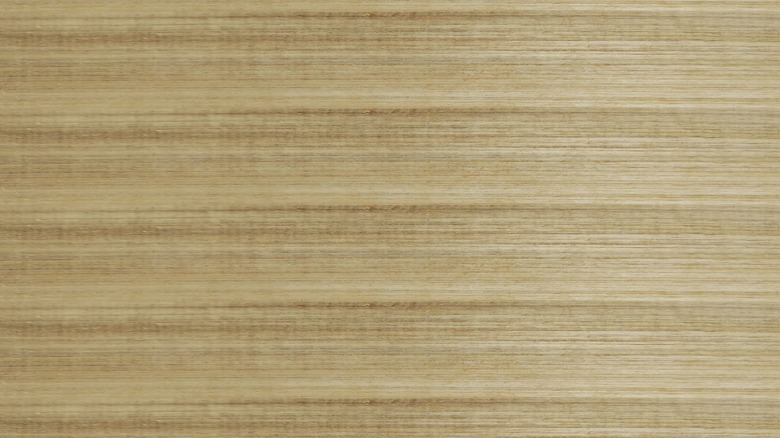
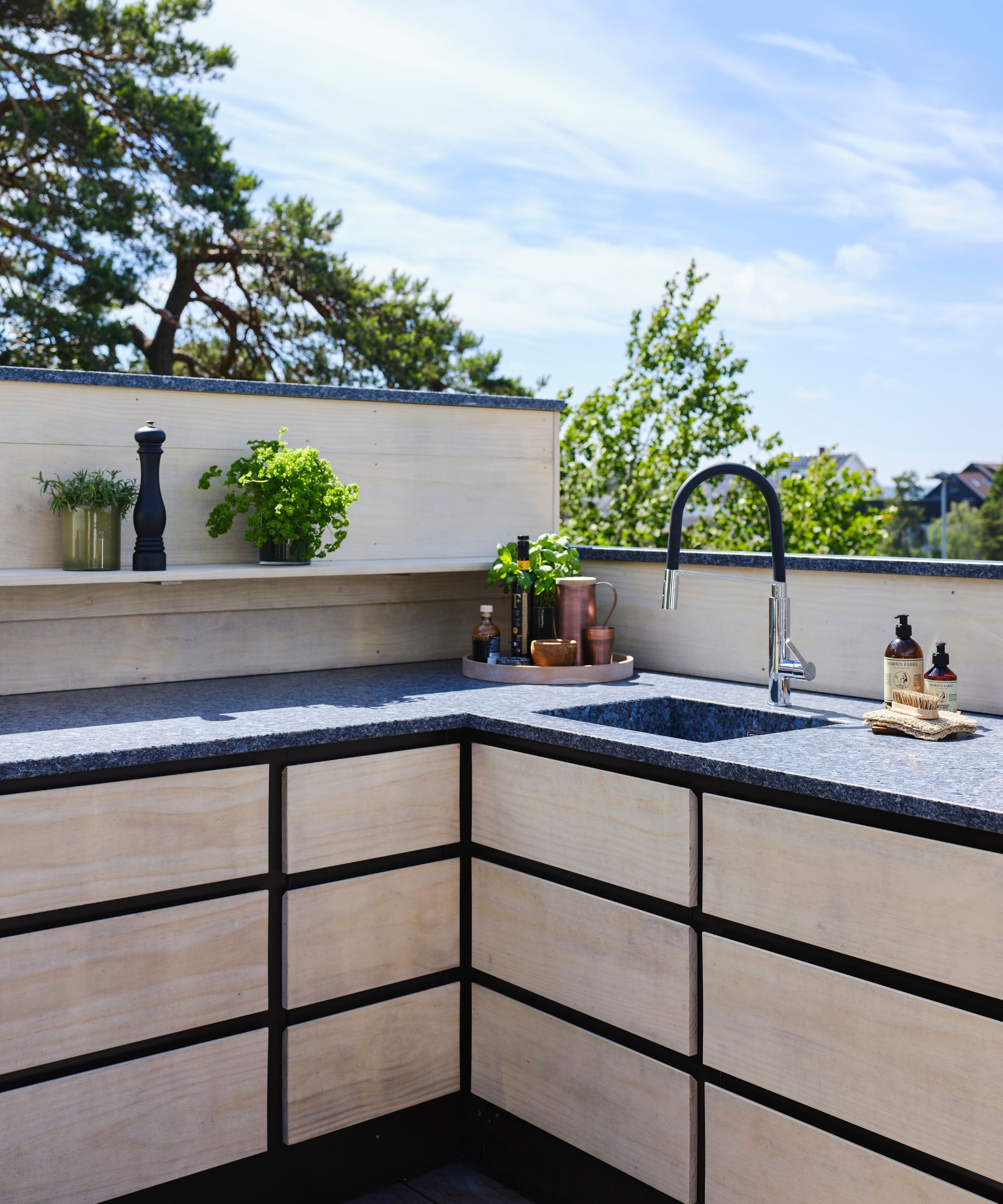
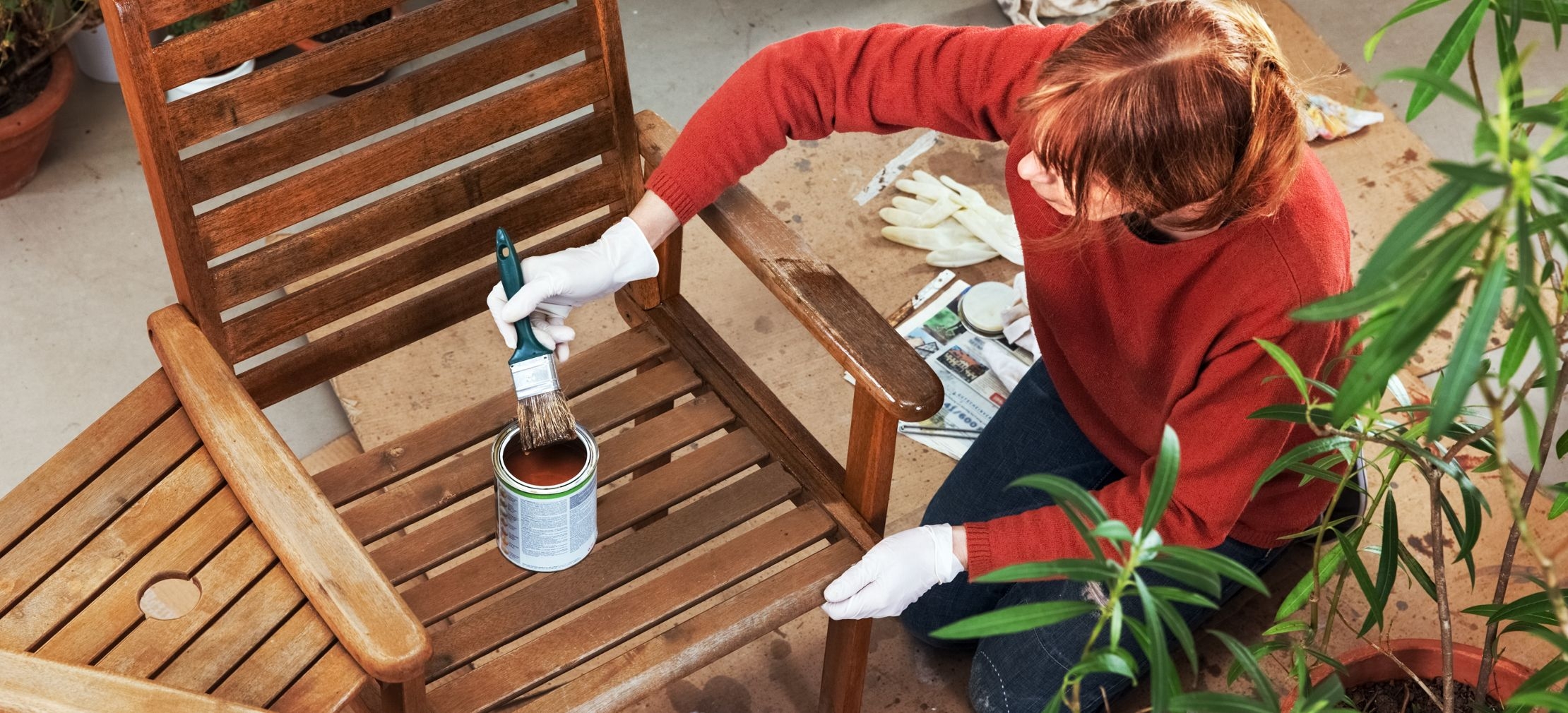
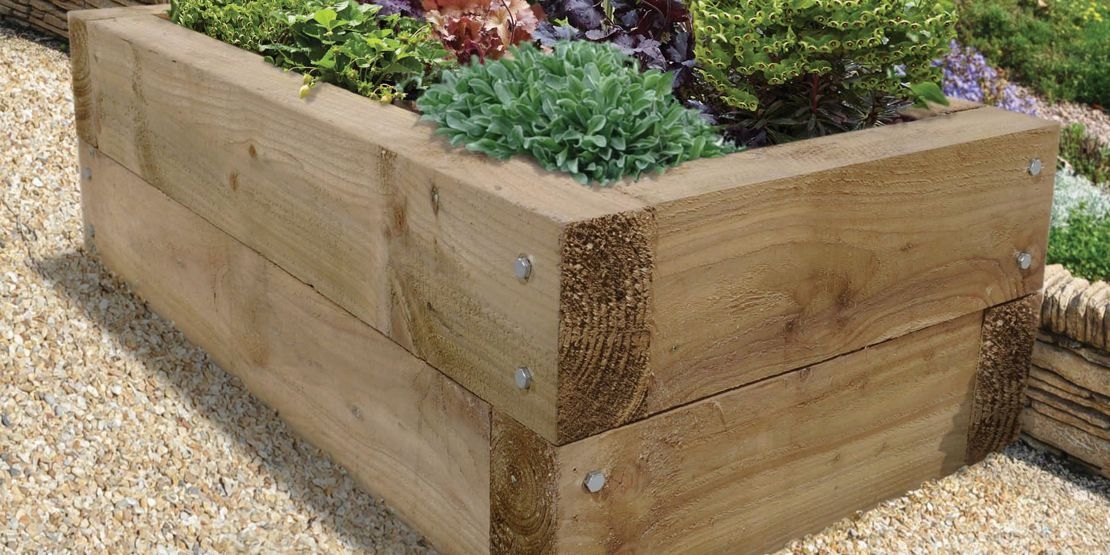
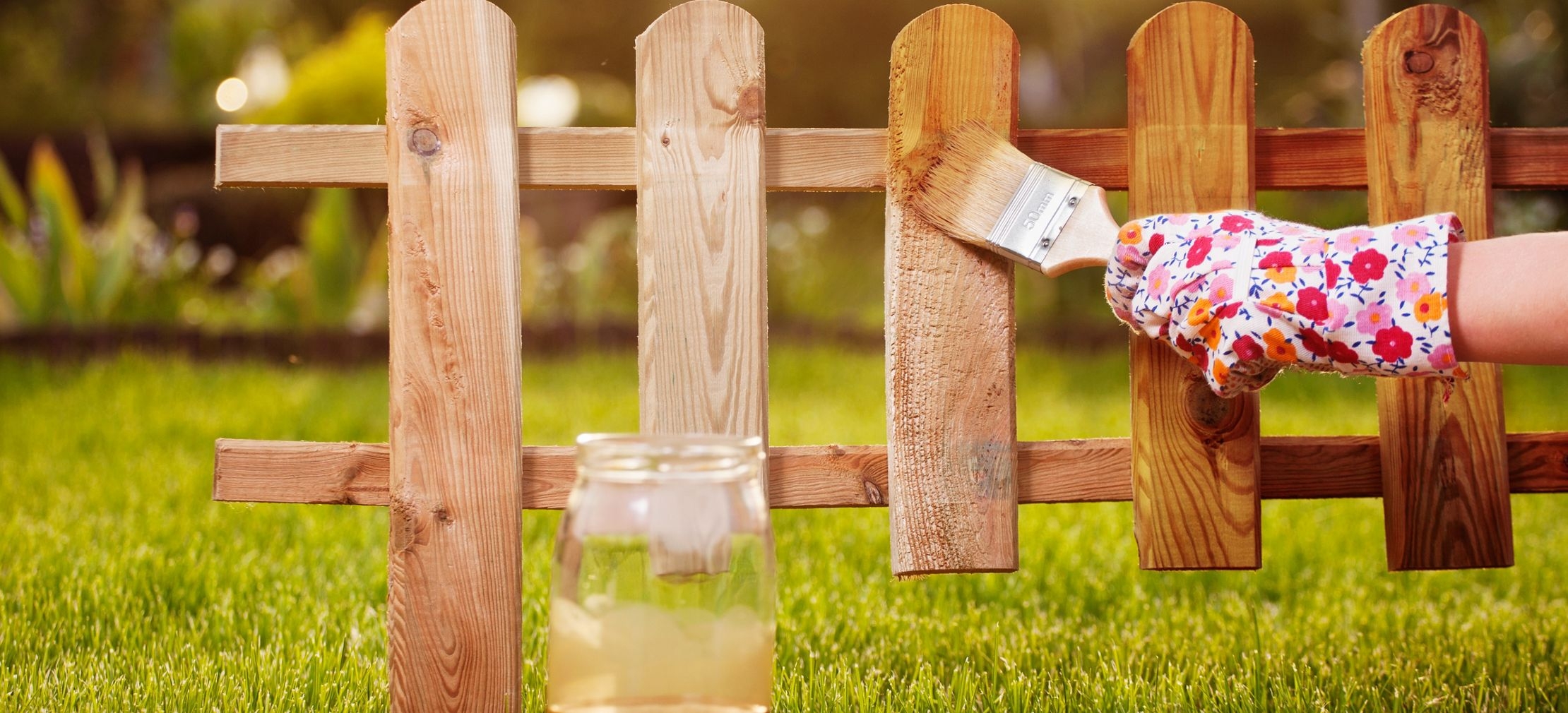
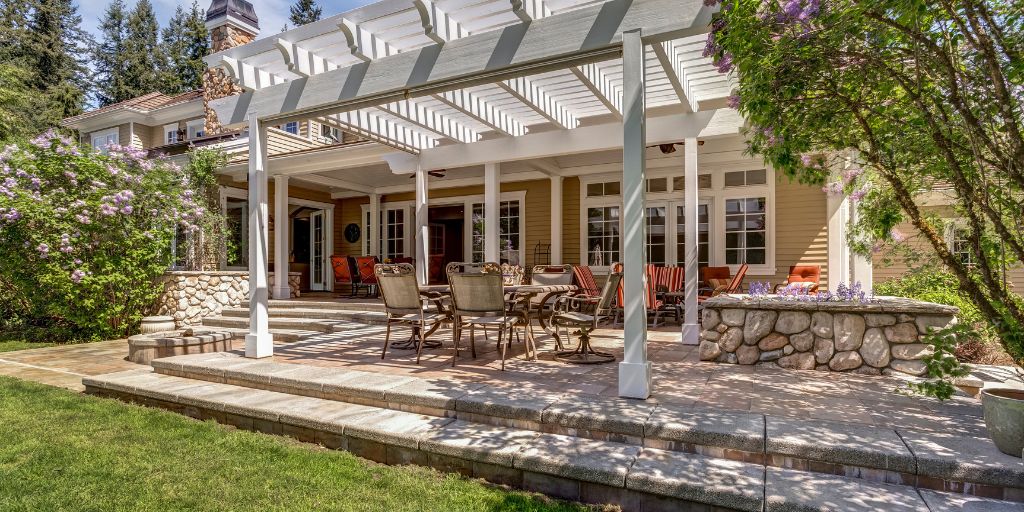
One of the most common and versatile options is treated lumber, often used for foundational structures like sheds, decks, and facades. This type of wood is pressure-treated to resist warping and twisting, making it suitable for elements like fences, decks, and arbors. It possesses low resin content, which facilitates easy staining and painting. Applying paint, stain, or sealant can further extend its lifespan, though proper weather conditions (avoiding high humidity, extreme temperatures, or strong winds) are necessary during application to ensure optimal adhesion and quality.
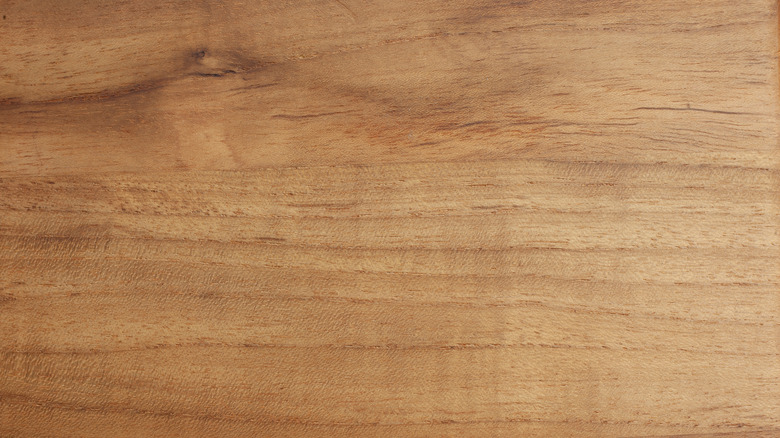
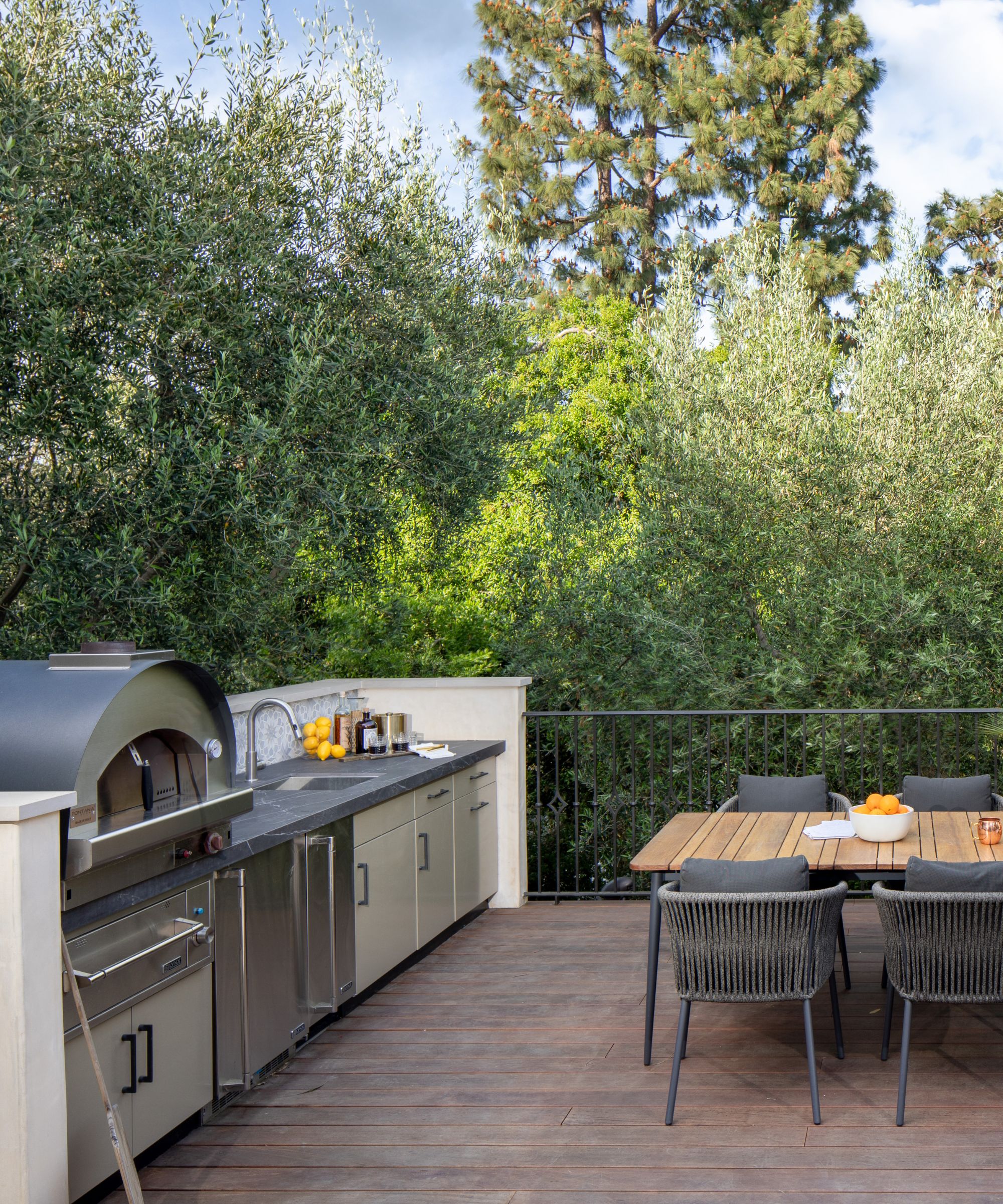
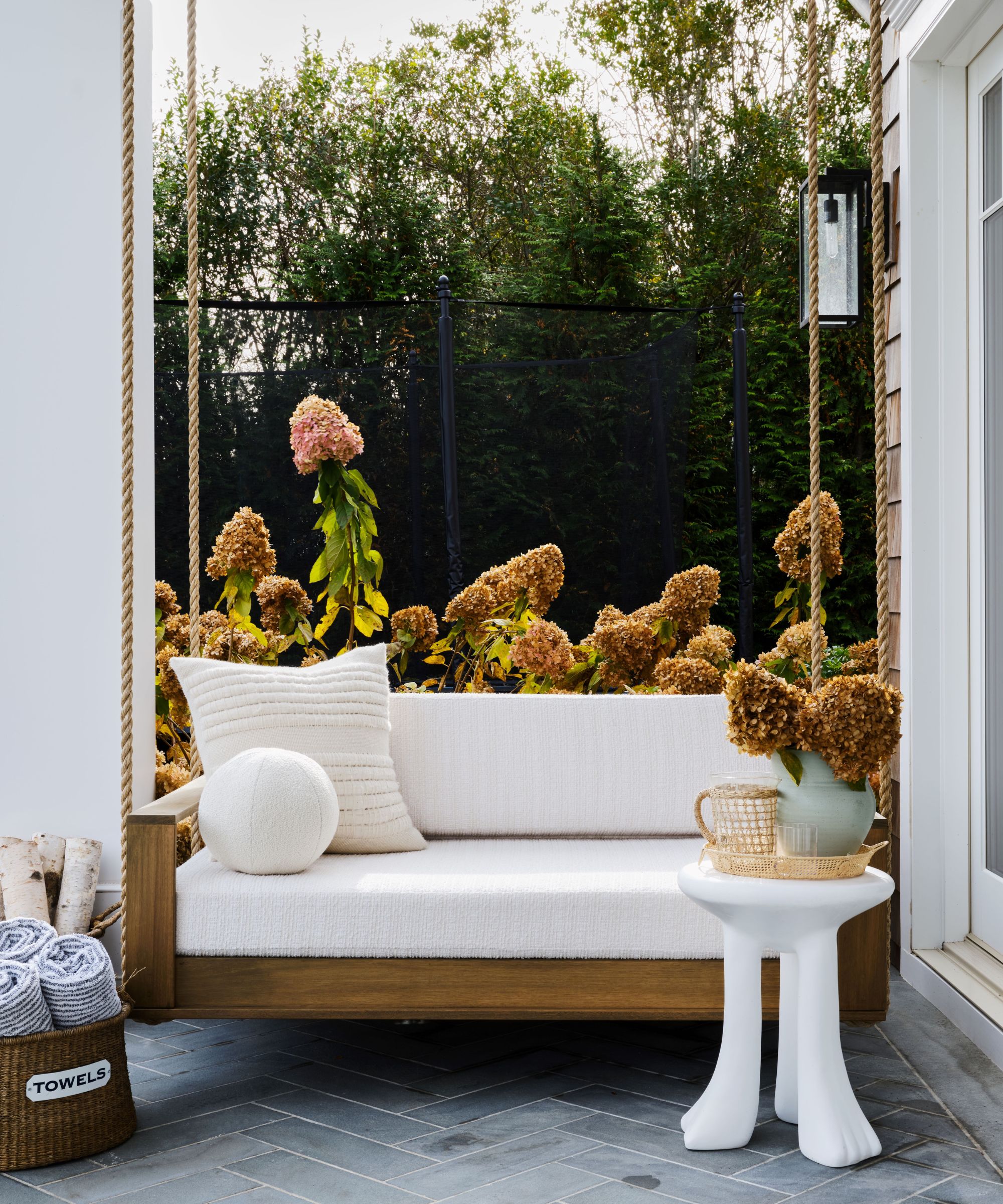
Ipe wood stands out as a premium choice for outdoor applications, especially in tropical environments. Originating from the Tabebuia Tree in Central and South America, Ipe is inherently tough due to its natural oils and hardness. It exhibits exceptional resistance to weather, rot, and insects, making it a highly durable material for decking. Furthermore, Ipe boasts a natural Class A fire resistance, comparable to steel and concrete, enhancing safety in construction. While it does not readily accept stains or topcoat finishes like cedar, its natural beauty and longevity make it a preferred option for high-end outdoor projects.
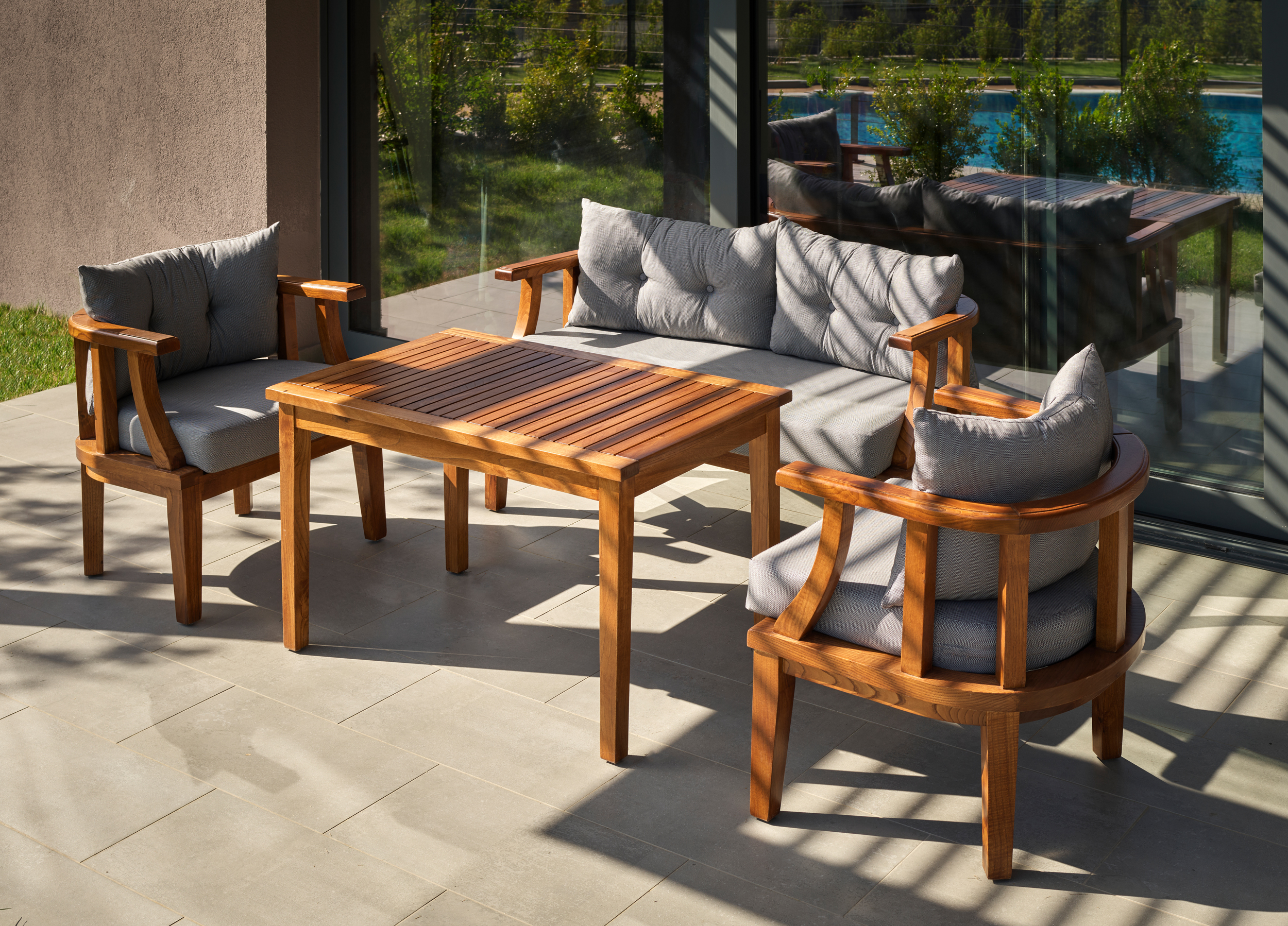
Cedar, though classified as a softwood, performs well in many climates with regular maintenance. It has a distinct tinted appearance, which can be enhanced with semi-transparent wood stains to bring out its deep, earthy orange tones. Cedar is notable for its inherent aroma, sound-resistant properties, and insect-repelling qualities, making it ideal for outdoor hot tubs, saunas, and showers. It is resistant to termites, other insects, and rot, and is less prone to cracking compared to some other wood types.
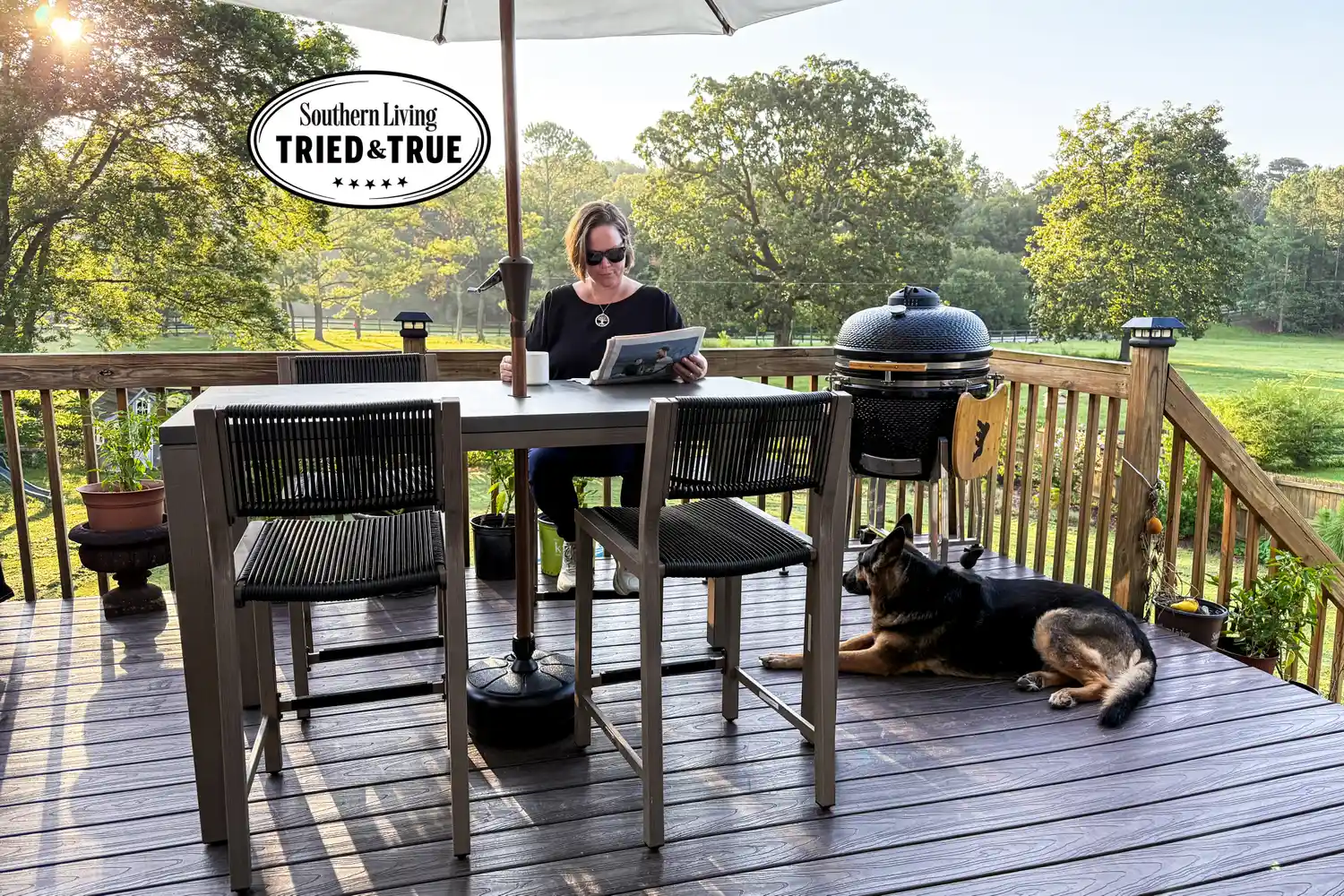
Wood composites offer a low-maintenance alternative, made from various wood products like sawdust or lumber bound together. These materials are weather-resistant and typically do not require sealing or staining, often arriving prefinished with diverse textures that mimic natural wood. Their multi-material composition provides exceptional strength and resistance to wear and tear, preventing breakdown and rot over time. Composites require minimal upkeep, often only an occasional pressure wash, and rarely need repainting.
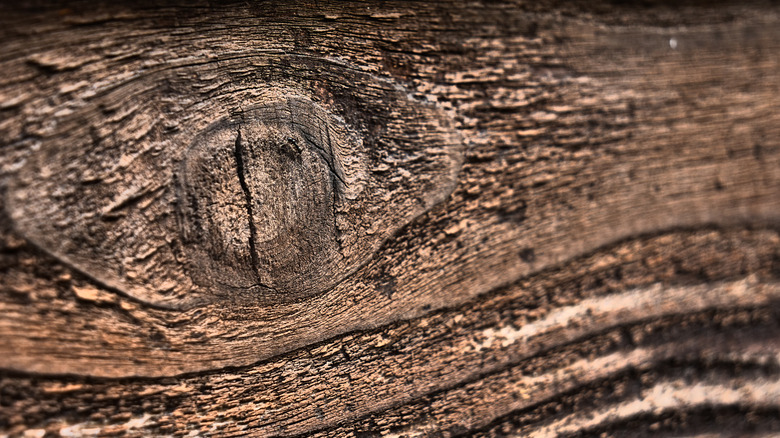
For environmentally conscious individuals, eco-friendly alternatives such as Sassafras and Black Locust are excellent choices. Sassafras features beautiful grain detailing and low movement stats, making it suitable for areas with significant moisture fluctuations. Black Locust is highly durable, water-resistant, rot-resistant, and fire-resistant, demanding minimal maintenance. Its longevity is comparable to that of Ipe hardwood, making it a sustainable and robust option for various outdoor constructions. Proper care for all outdoor wood involves creating a protective layer with suitable coatings, ensuring quick water drainage, and using biodegradable cleaning products, followed by a sealer application to enhance durability and appearance.
#OutdoorWood #WoodProjects #DurableWood #WeatherResistance #TreatedLumber #IpeWood #CedarWood #WoodComposites #EcoFriendlyWood #HomeImprovement #OutdoorWood #WoodProjects #DurableWood #WeatherResistance #TreatedLumber #IpeWood #CedarWood #WoodComposites #EcoFriendlyWood #HomeImprovement
0 comment in total
 No comments yet
You may also like
Best wooden outdoor furniture – expert picks and advice

Best exterior wood paint 2020

The 10 Best Woods for Woodworking (According to a Pro)
Our Favorite Wood Stains Will Make Your Furniture Look Like a Million Bucks

What outdoor furniture lasts the longest? Every landscape designer we asked picked one of these 5 durable options
Best wooden garden furniture – the top brands and designs
6 Outdoor Performance Fabrics That Feel as Good as They Look

Is outdoor furniture weatherproof? We ask the experts
What outdoor furniture lasts the longest? Every landscape designer we asked picked one of these 5 durable options
The 5 Best Outdoor Furniture Covers We Tested to Keep Your Patio Furniture Protected, No Matter the Weather

5 ways to treat exterior wood

These are the best wooden outdoor furniture sets you can buy right now

The Weather's Finally Right—These Are The Outdoor Furniture Pieces Worth Putting Out Now
The 10 Best Woods for Woodworking (According to a Pro)

What are the best fabrics for outdoor furniture? Designers share their top picks – stylish and functional in equal measure
We Put the Best Exterior Wood Stains Through 40 Hours of Testing to Find the Top Picks

15 Types Of Wood That Are Easy To Build With
What are the best countertops for an outdoor kitchen? 5 materials that are stylish and practical
The 5 Big Trends and 5 Popular Features In The Best Outdoor Spaces
wood and timber architecture and design Archives