Our Favorite Wood Stains Will Make Your Furniture Look Like a Million Bucks
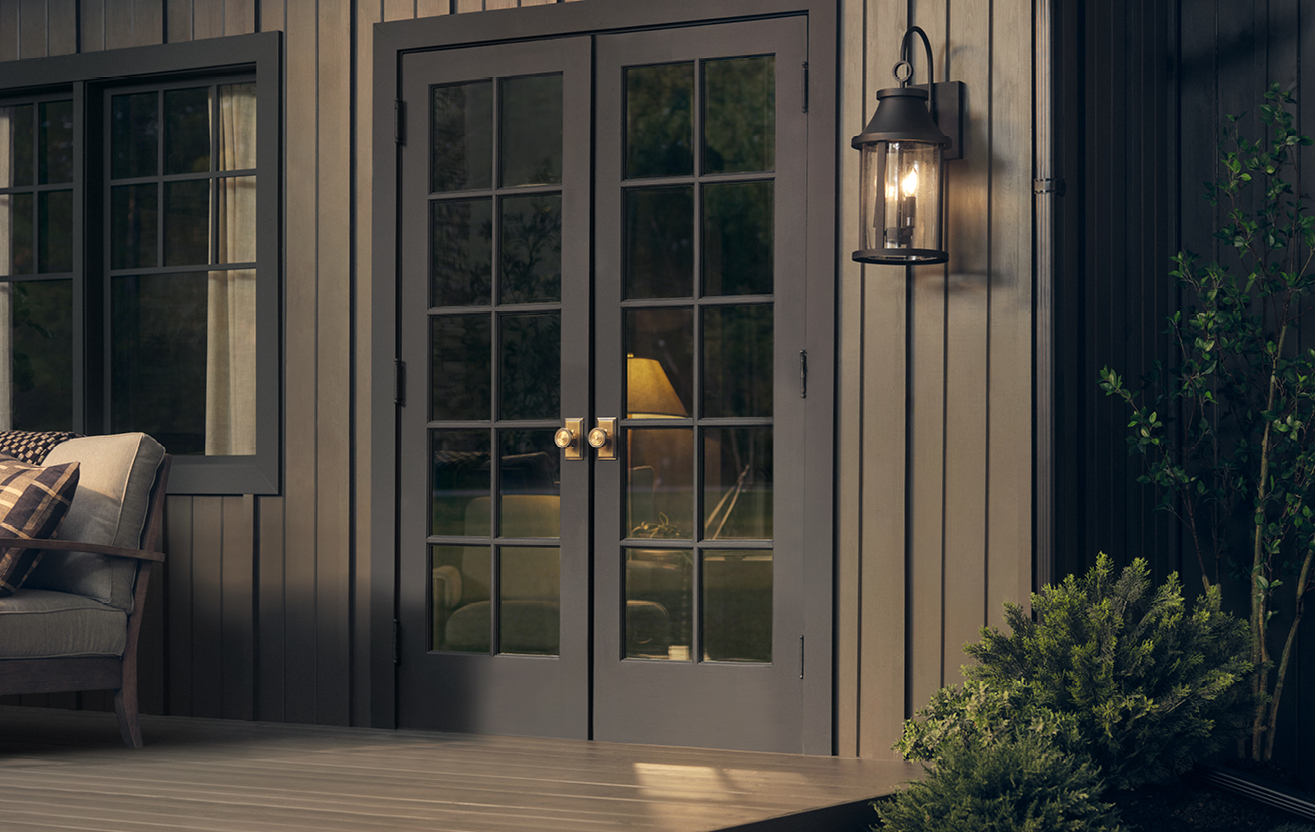
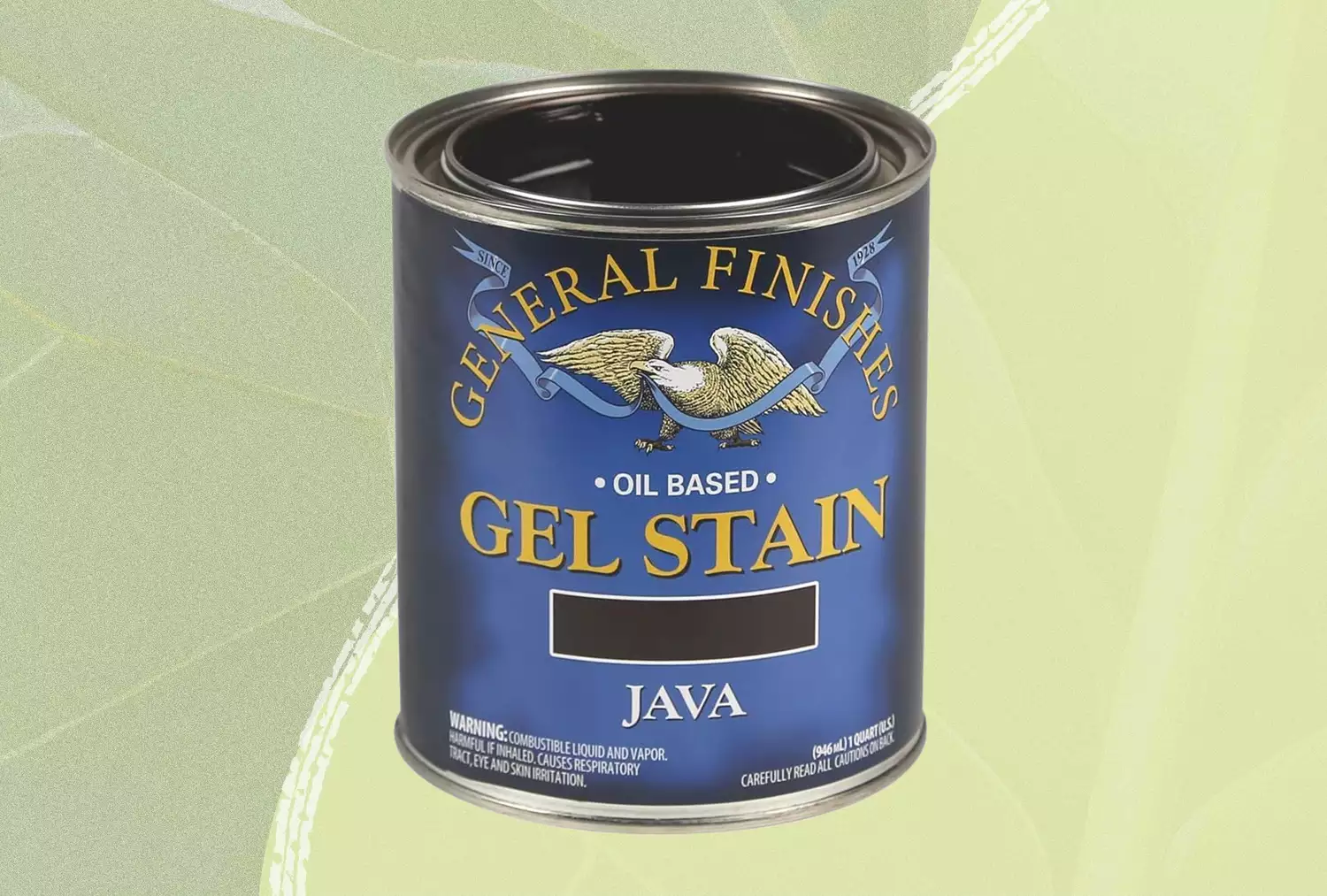
Selecting the appropriate wood stain is crucial for protecting and enhancing the appearance of wood surfaces, whether for indoor furniture or outdoor decking. The choice between oil-based and water-based stains depends on the specific project requirements, with each type offering distinct advantages and disadvantages. Oil-based stains, known for their deep penetration and superior protection against UV rays, are ideal for outdoor applications like decks and fences. However, they often have a strong odor and release volatile organic compounds (VOCs). Gel-based stains, a thicker variant of oil-based stains, are particularly effective on challenging woods such as pine, minimizing blotchiness and providing a lustrous finish.
Water-based stains are a more environmentally friendly alternative, as they produce fewer VOCs and are generally preferred for interior projects. While they offer less penetration and protection compared to oil-based options, they dry quickly and allow the natural wood grain to show through beautifully. One notable advantage of some water-based stains is their ability to avoid raising the wood grain, eliminating the need for sanding between coats. Regardless of the base, the opacity of a stain—ranging from clear to semi-transparent to solid—plays a significant role in the final aesthetic and protective qualities. Semi-transparent stains allow much of the wood's natural character to remain visible, while solid stains are excellent for concealing imperfections on older, weathered wood and provide the highest level of UV protection.
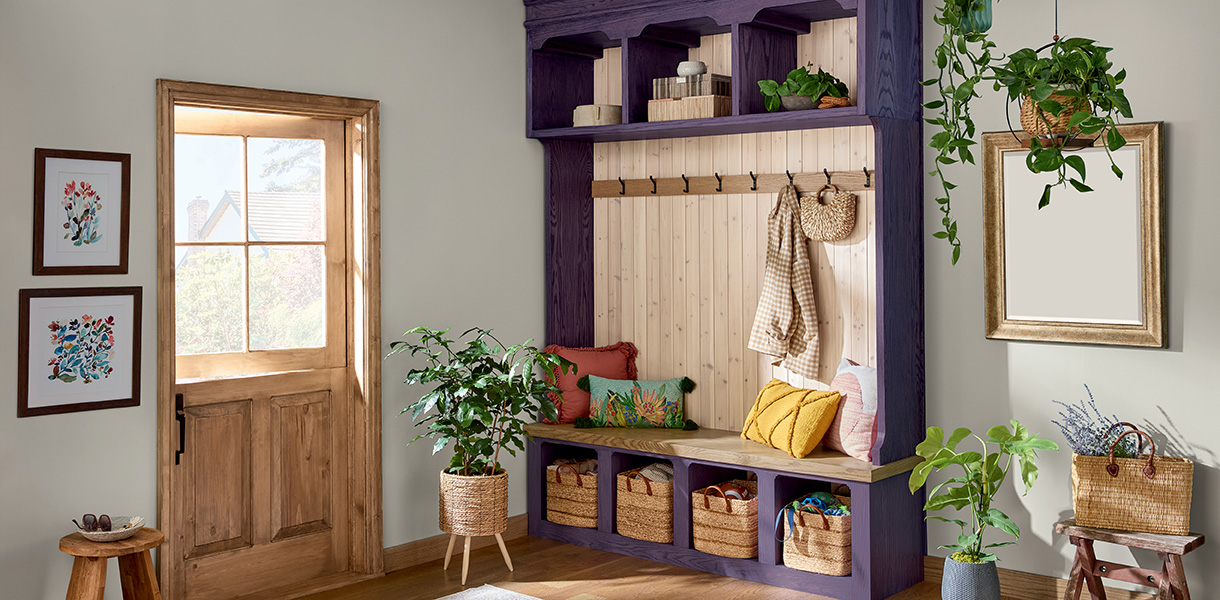
Key considerations when choosing a wood stain include its intended location (indoor or outdoor), desired color, and finish. Many stains are available in a wide array of natural wood tones, and some offer vibrant, non-traditional colors. The finish or sheen, from matte to high-gloss, also impacts the overall look, with shinier finishes tending to highlight surface imperfections. For optimal results, surface preparation is vital; some stains require thorough sanding to remove previous finishes, while others can be applied with minimal prep work. The application conditions, including temperature and humidity, are also critical for successful staining, particularly for exterior projects, where weather forecasts for rain and ideal temperatures should be carefully observed.
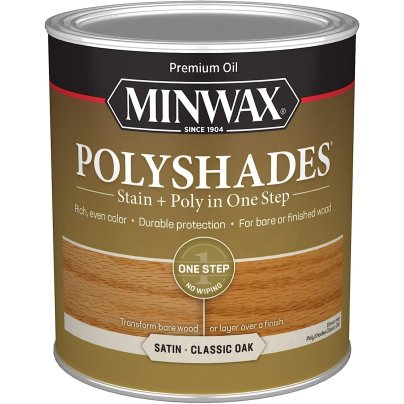
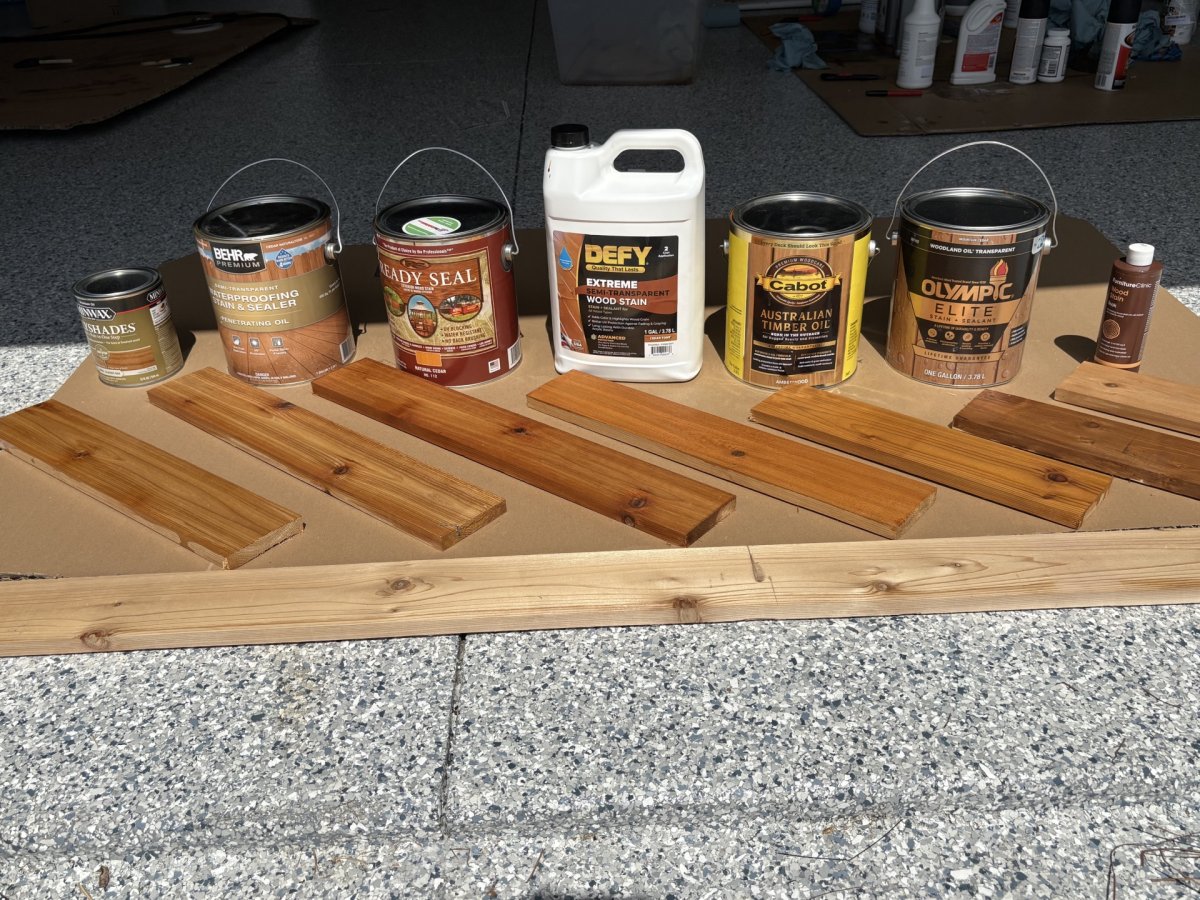
Top recommendations include General Finishes Oil-Based Gel Stain for its smooth application and rich finish, especially on difficult woods. For a wide variety of colors and fast drying times for interior projects, Varathane Fast-Dry Interior Wood Stain is a strong contender. SamaN Interior Water-Based Wood Stain is praised for its semi-transparent finish, extensive color options, and ability to not raise wood grain. Minwax Polyshades serves as an excellent multipurpose option, combining stain and polyurethane for interior wood, requiring minimal sanding. Lastly, Cabot Solid Wood Stain and Sealer is ideal for exterior use, offering robust UV and water protection and the ability to hide imperfections on older wooden structures. By carefully considering these factors, consumers can select the best wood stain to protect and beautify their wooden surfaces.
#WoodStain #HomeImprovement #InteriorDesign #ExteriorWood #DIYProjects #OilBasedStain #WaterBasedStain #WoodFinishing #HomeDecor #WoodStain #HomeImprovement #InteriorDesign #ExteriorWood #DIYProjects #OilBasedStain #WaterBasedStain #WoodFinishing #HomeDecor
0 comment in total
 No comments yet
You may also like
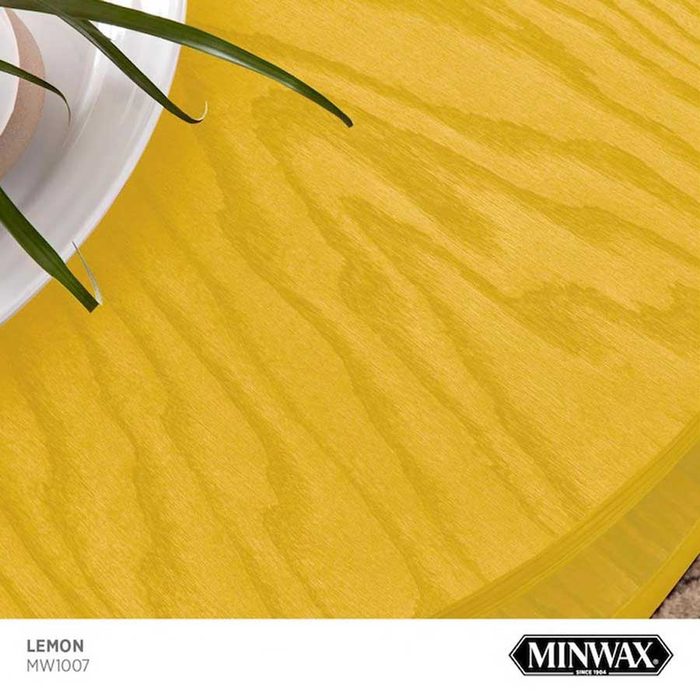
Best Wood Stain Colors For Interior And Exterior Surfaces

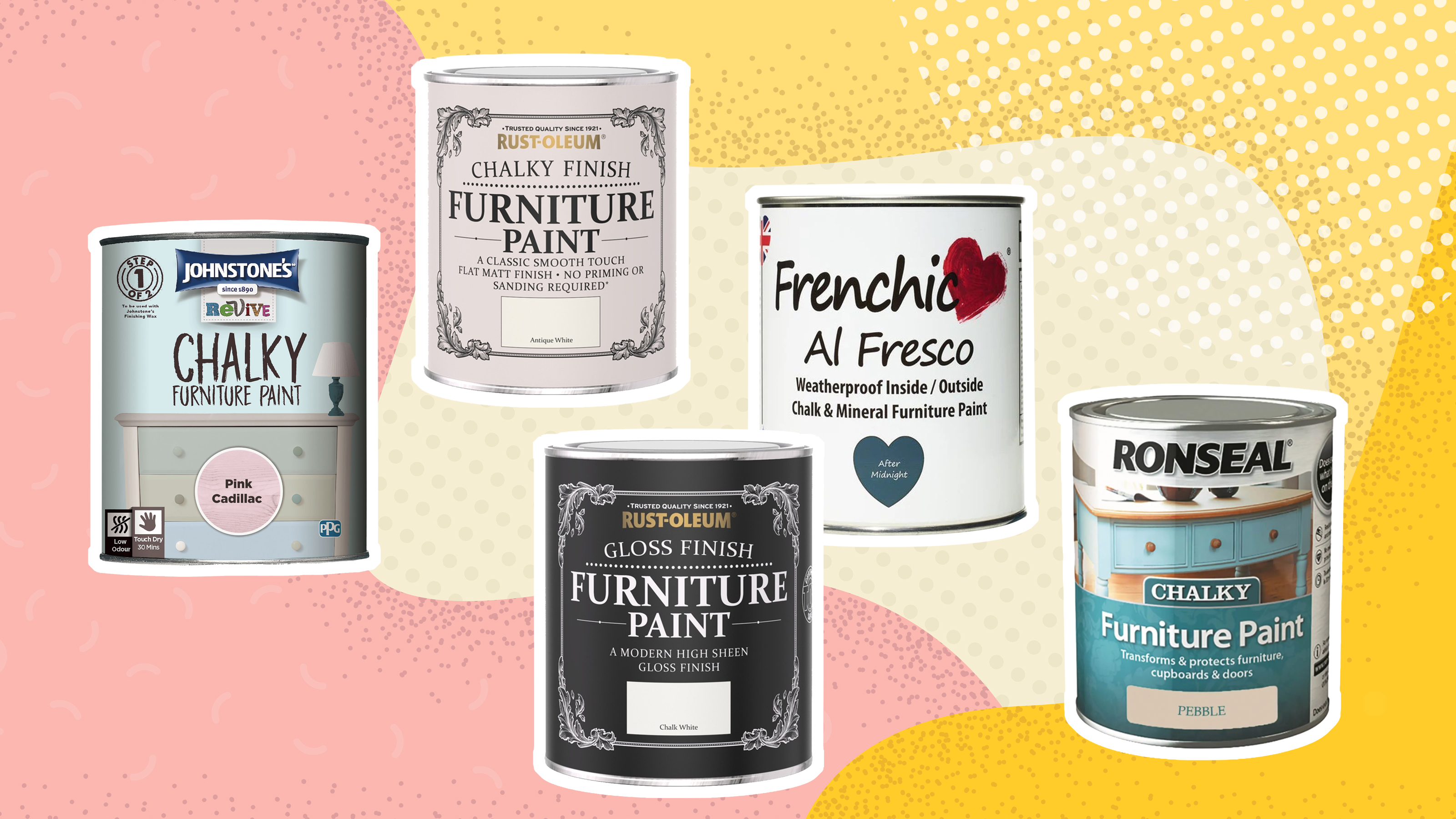
Best paint for furniture: 8 best furniture paints

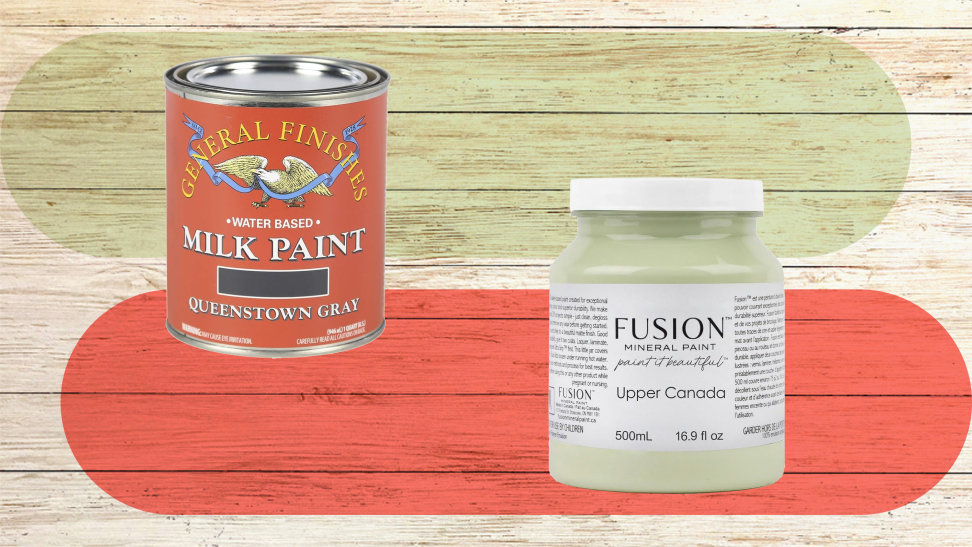
The Best Furniture Paint of 2026

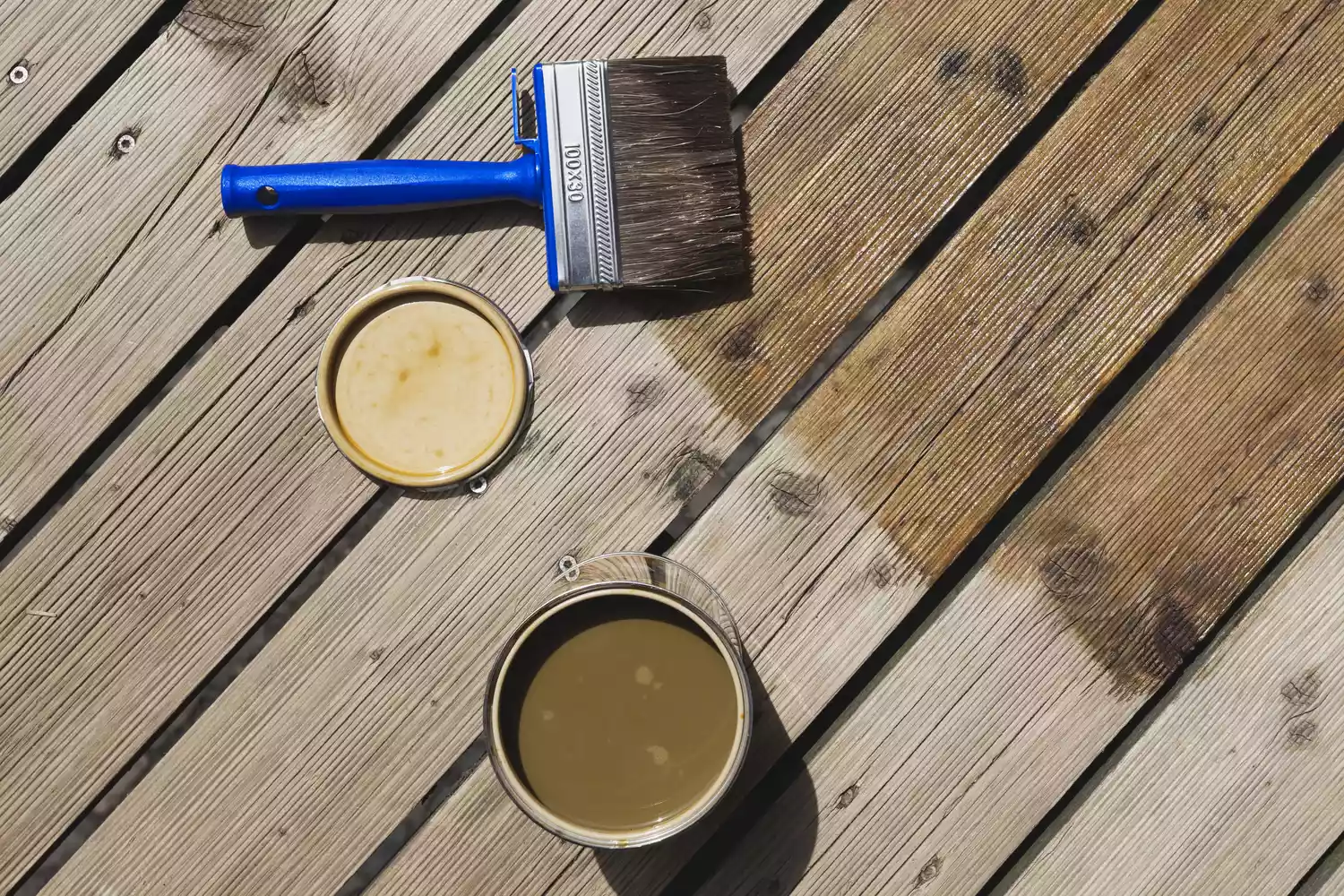
How to Stain Wood Like a Pro—and Get It Right the First Time
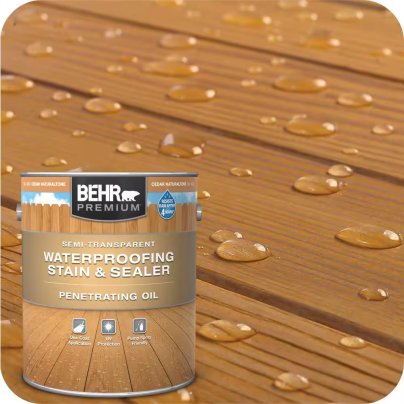
Make Cedar Shine: Our Favorite Wood Stains

6 Luxury Home Finishes That Make Your Abode Stand Out

The 6 Best Paint Types for Furniture
Listen Up: These Are the Best Paint Colors for Your Living Room

Need A Furniture Refresh? These Are Paint Colors That Top Designers Recommend

Make Wood Trim Shine By Pairing It With One Of 15 Hues
The Best Furniture Paint of 2025
This "trend-defying" kitchen color could make your home sell for thousands of dollars more, say experts

Cabinet Stain Selection

We Put the Best Exterior Wood Stains Through 40 Hours of Testing to Find the Top Picks
Paint Colors That Go With Natural Wood — 10 Picks That Bring Out the Beauty of This Organic Material
11 Paint Colors That INSTANTLY Make Your Home Look "Expensive," According to Designers

6 Timeless Sofa Colors That Will Make Your Living Room Look Classy and Expensive
We're Over White-Washed Woods: See the Colors of the Year from 4 Major Stain Companies
Update your furniture with extreme texture, the biggest trend in upholstery…

We Found Every Wood Stain Color of the Year to Refresh Your Outdoor Space in Style