
How to Soundproof Your Bedroom for a Calm and Quiet Sleep Sanctuary
Bedrooms are often considered personal sanctuaries, yet they frequently fall short of providing the tranquility needed for restful sleep due to pervasive noise. This article explores effective strategies for soundproofing a bedroom, addressing both internal and external noise sources to create a peaceful environment. Modern home construction, often utilizing lightweight materials like drywall and hollow-core doors, exacerbates noise transmission. Additionally, bedrooms are commonly situated near shared walls, plumbing, or HVAC ducts, facilitating sound travel. External factors such as traffic, neighborhood noise, and even air infiltration through poorly sealed windows and doors further contribute to a noisy living space. The prevalence of hard floors and minimal soft furnishings also allows sound to echo, intensifying overall noise levels.
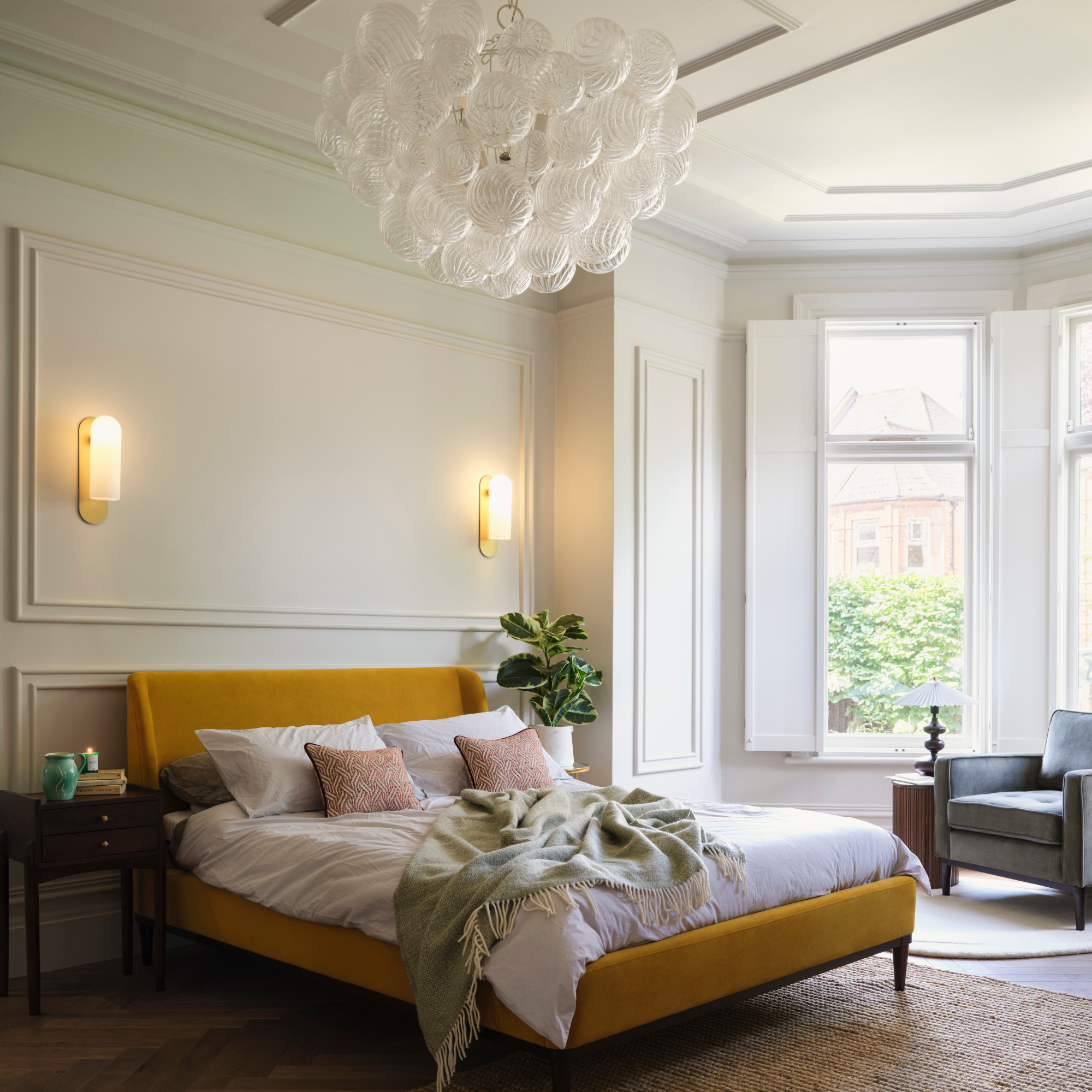
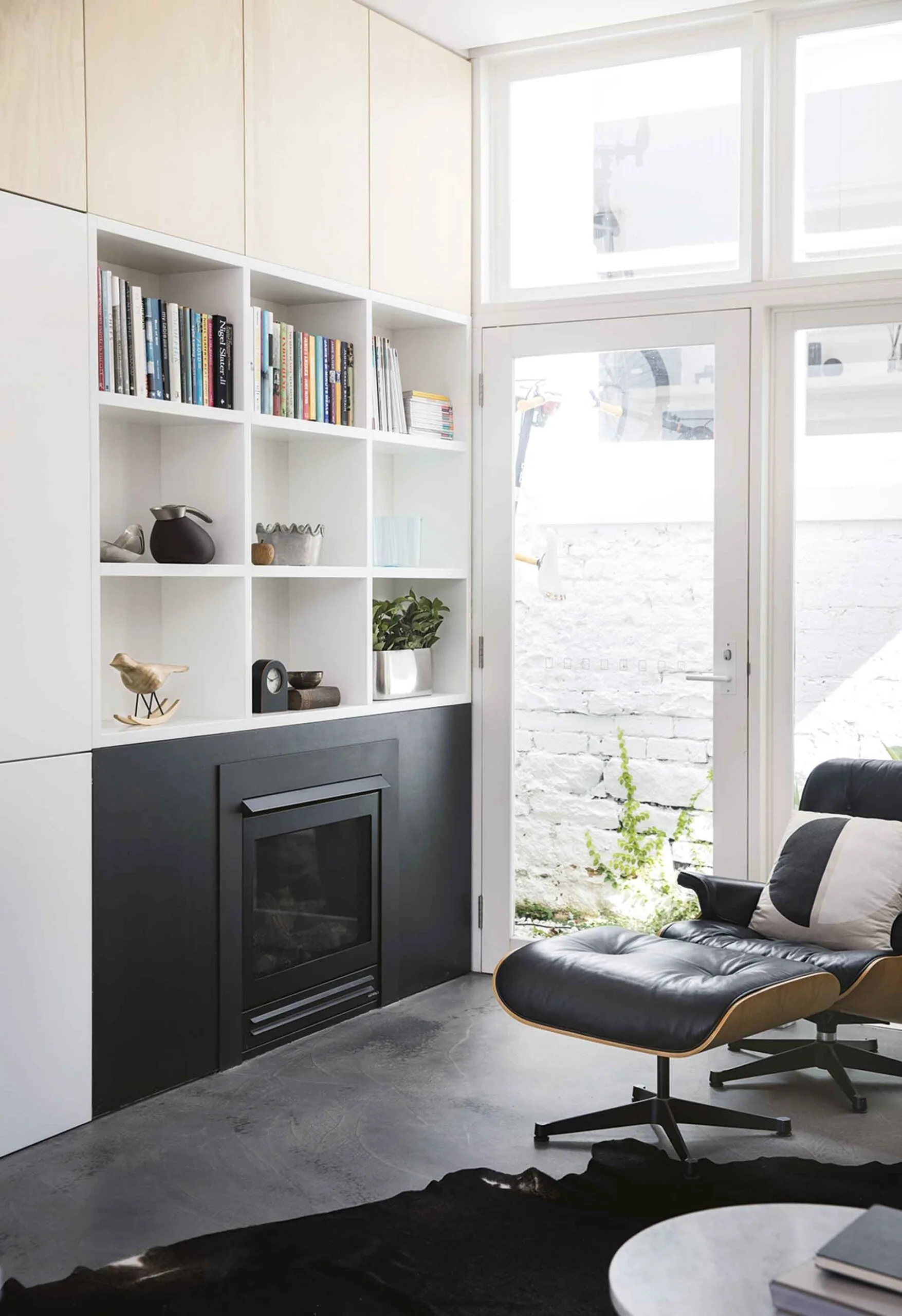
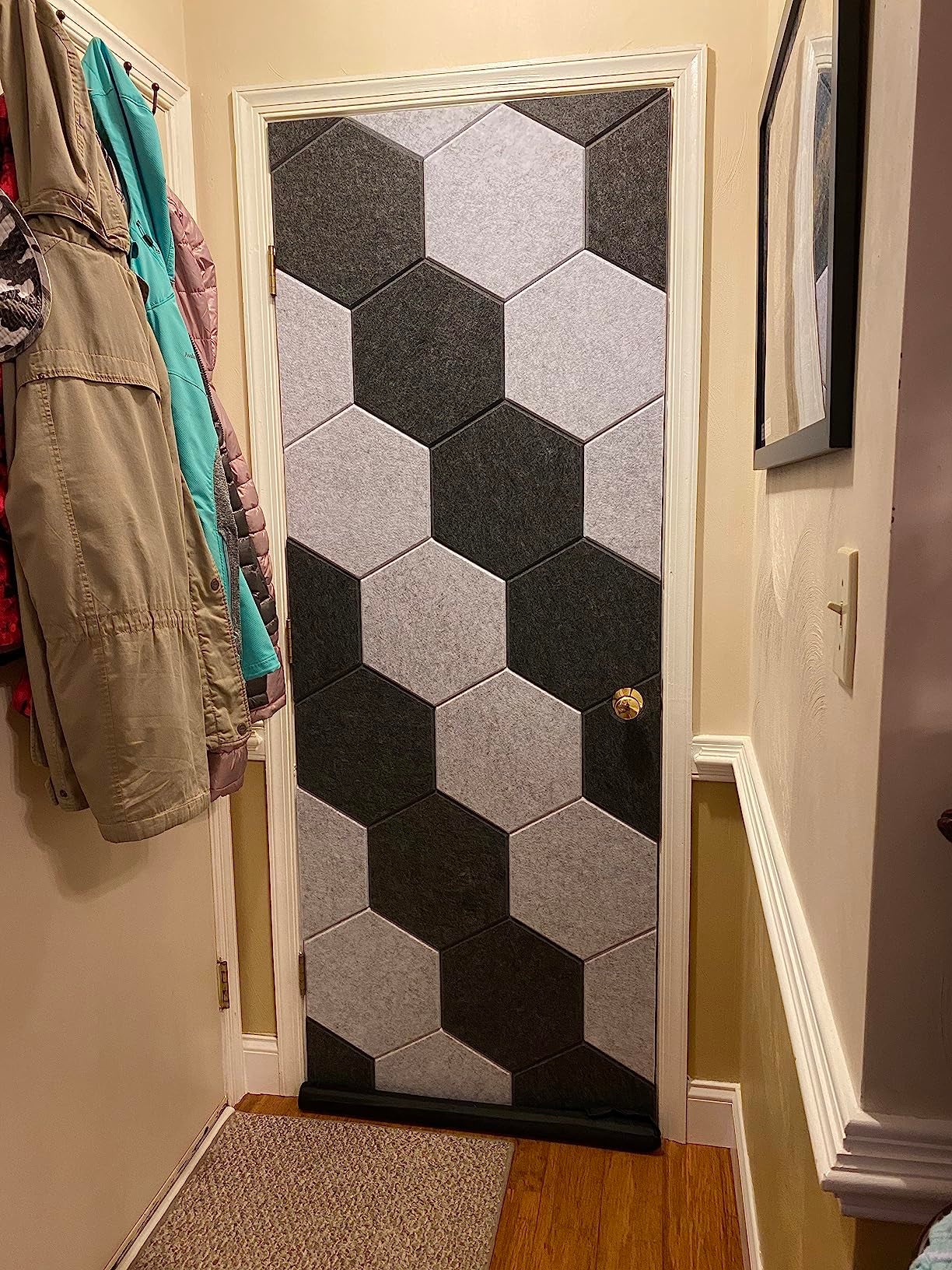
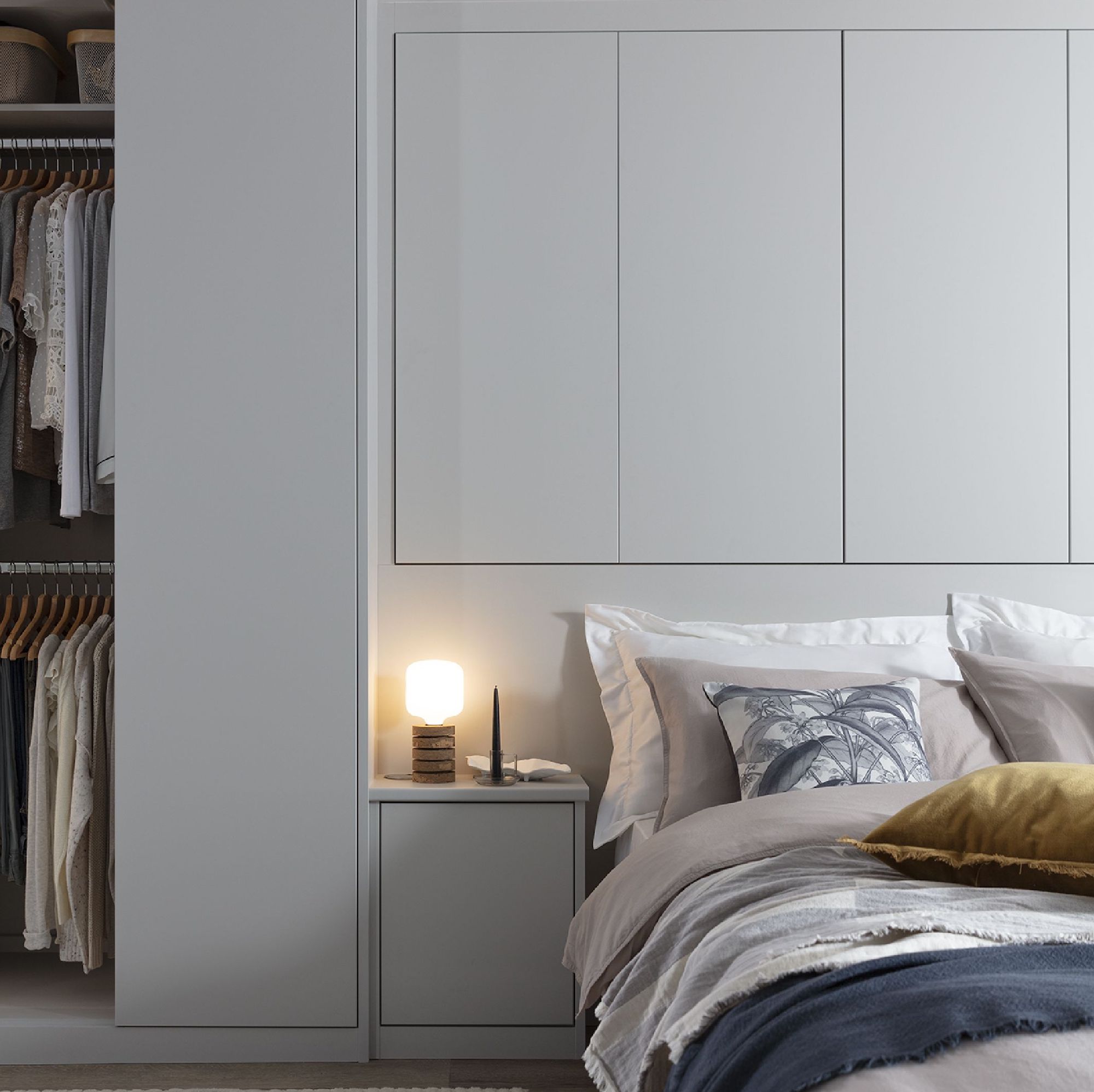
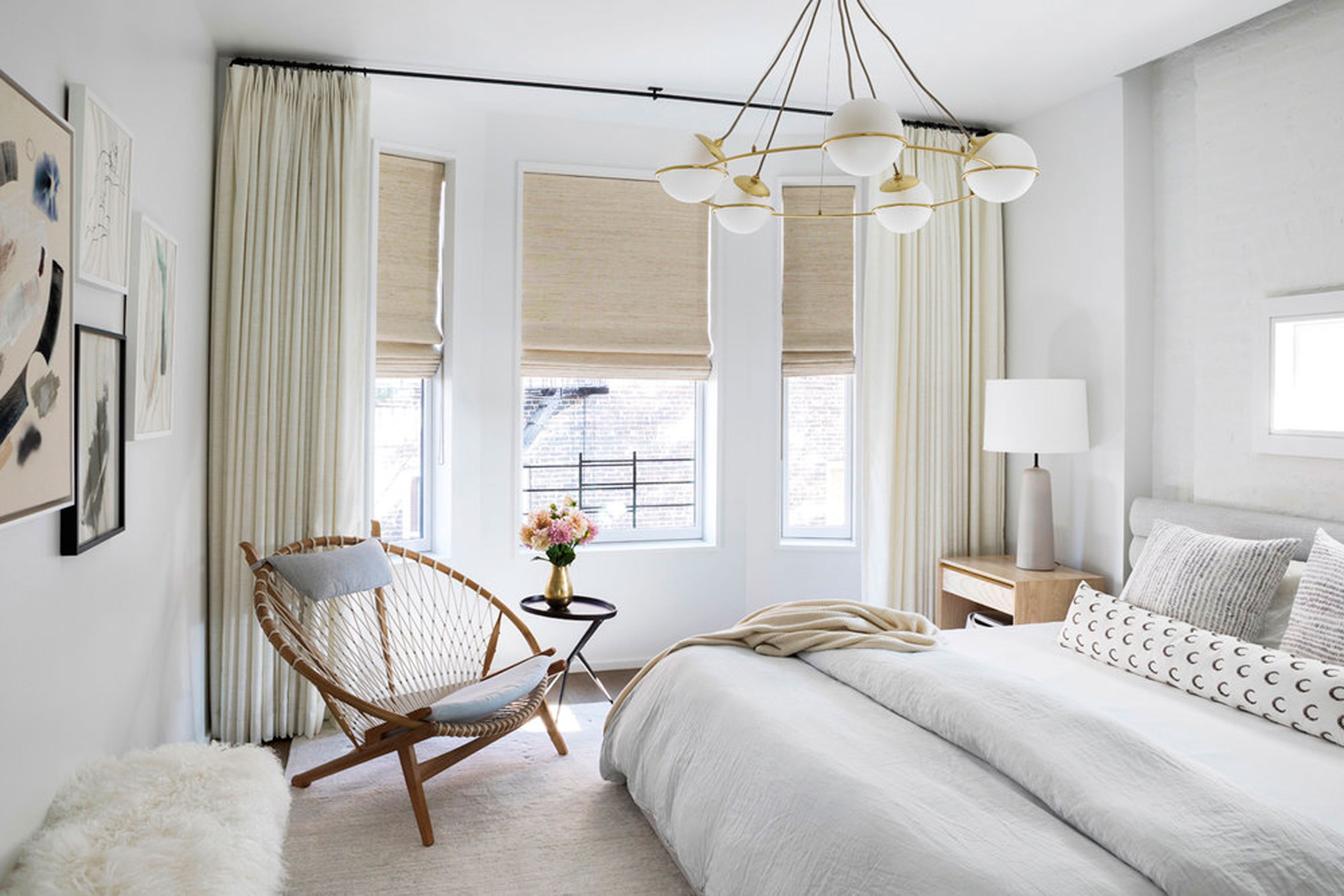
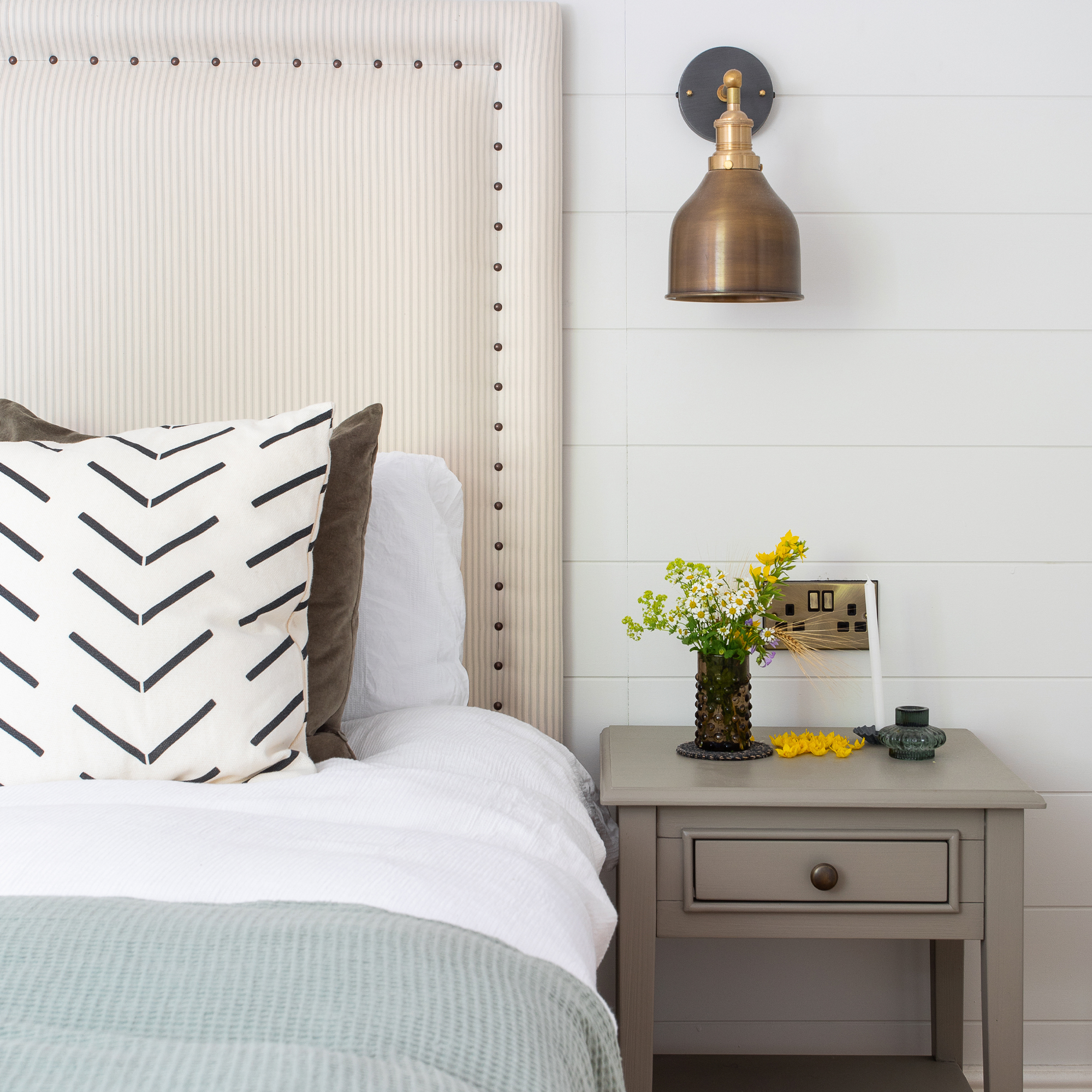
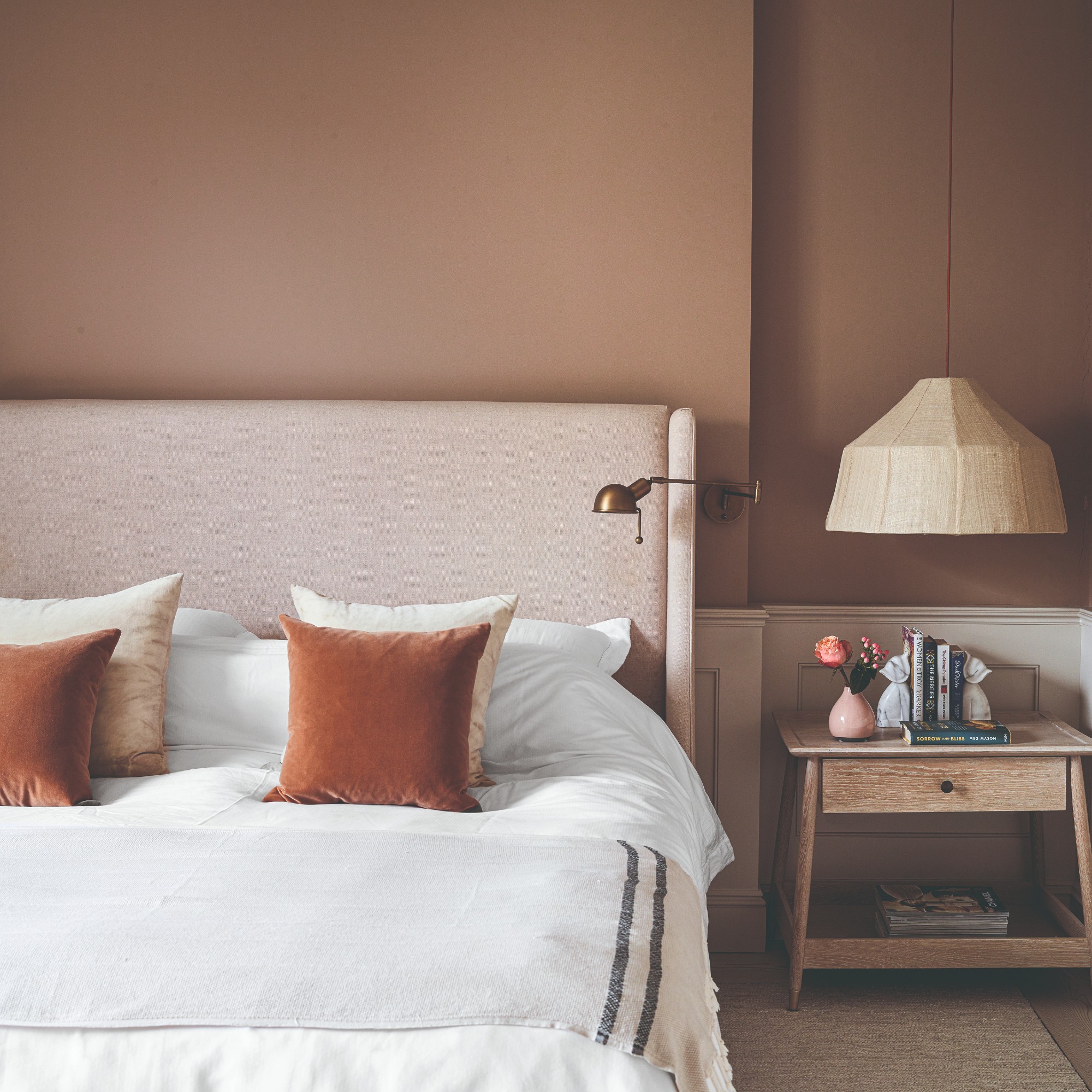
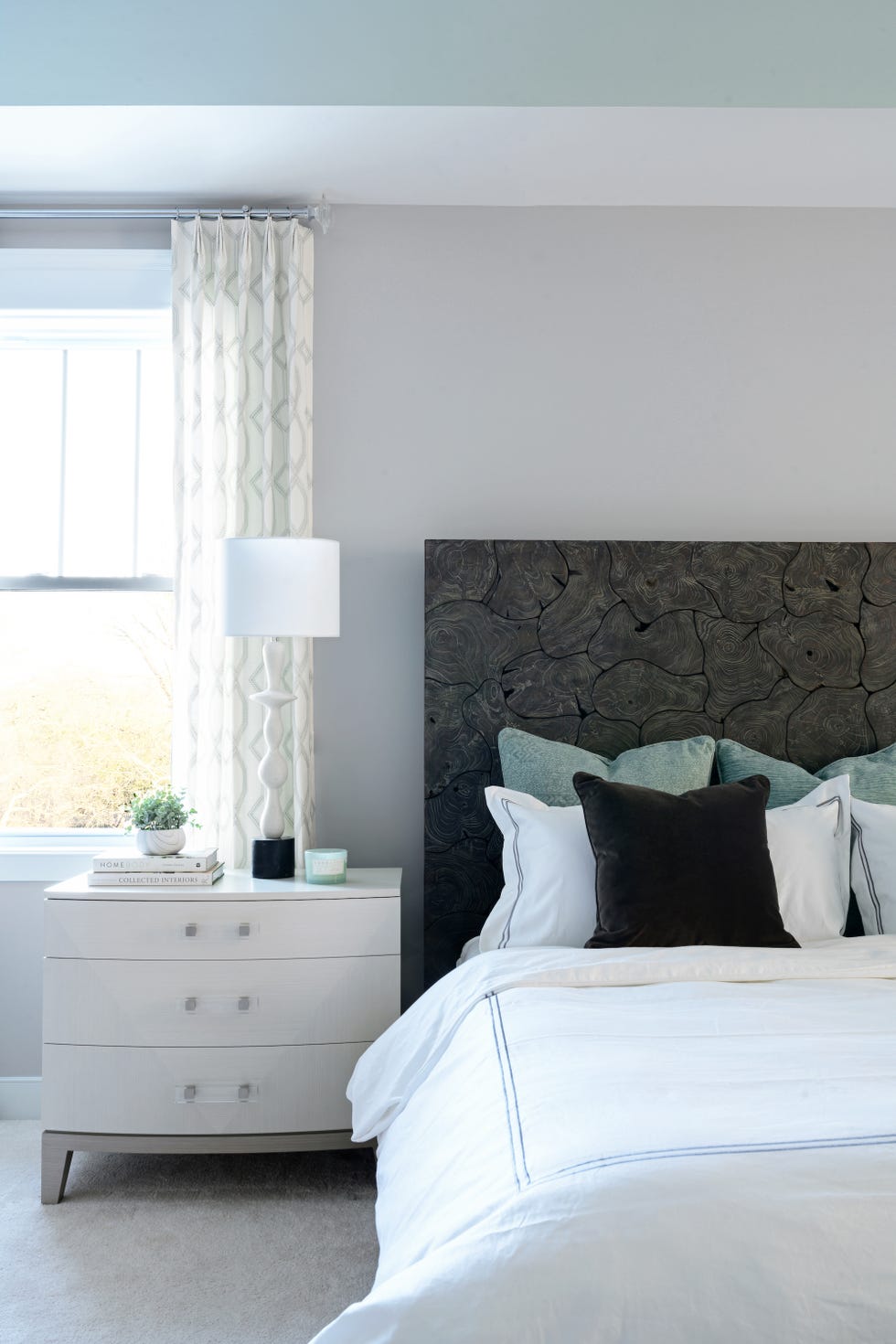
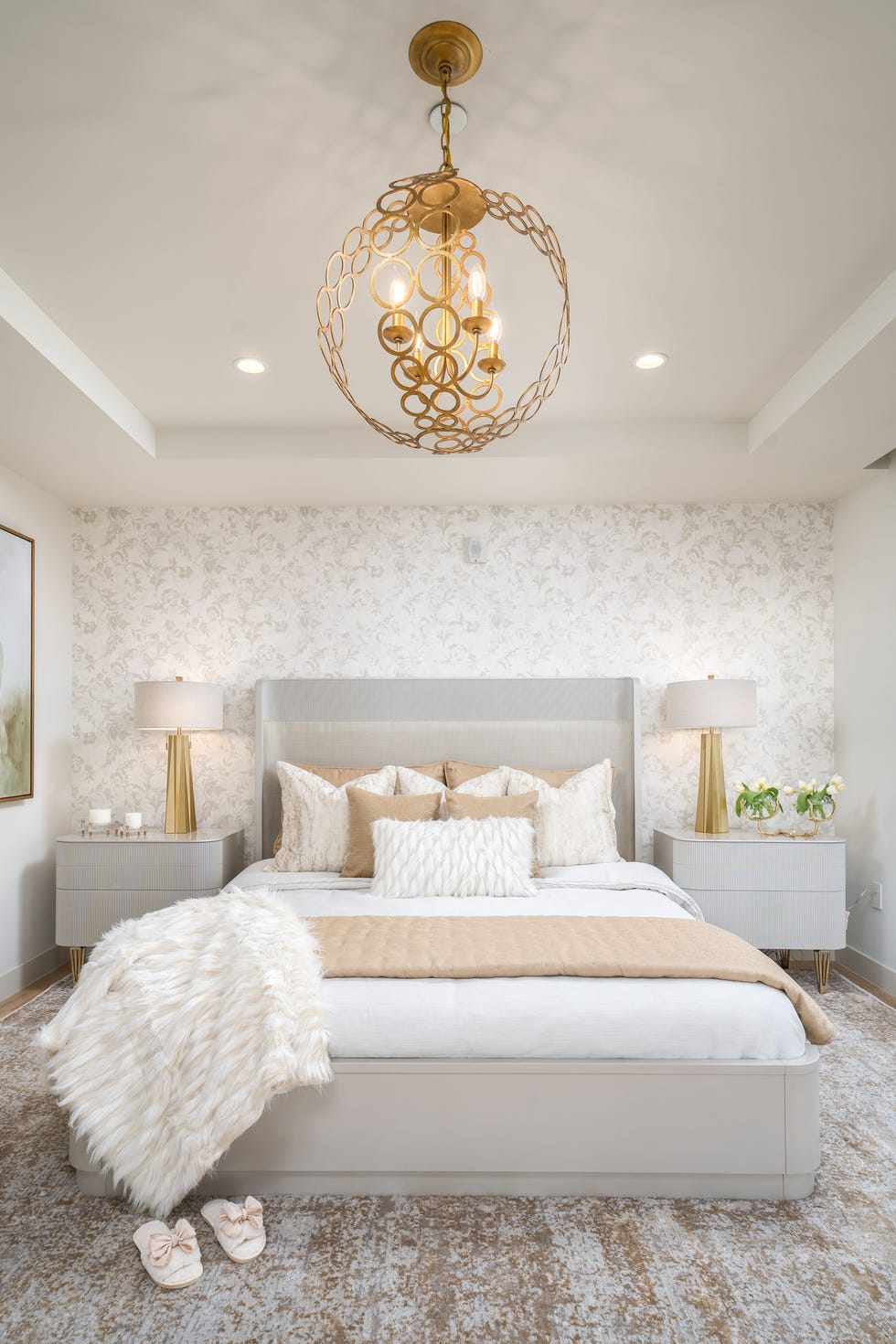
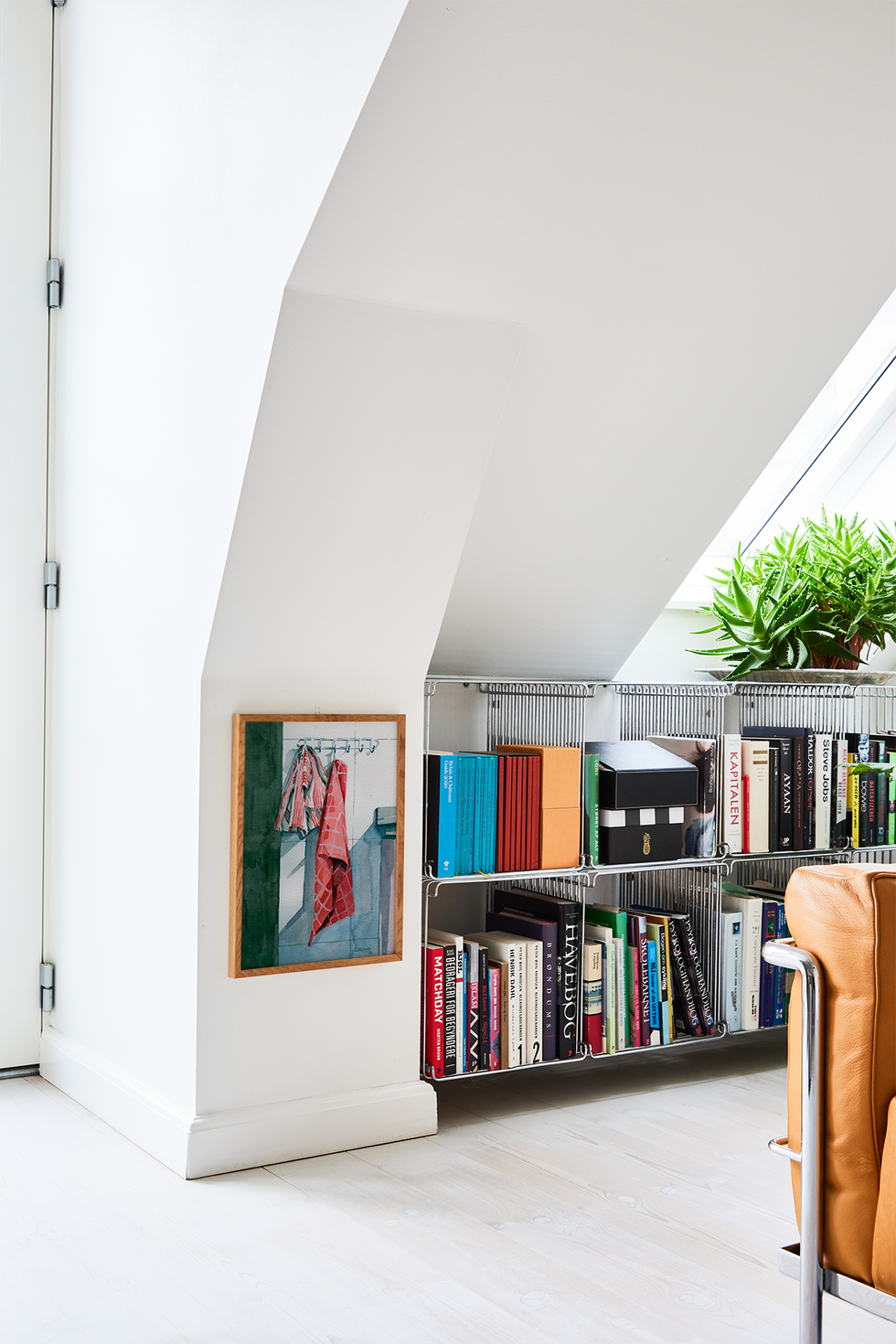
For those undertaking new construction or major renovations, installing soundproof insulation in walls and ceilings, along with an extra layer of blue board or Sheetrock, is highly recommended. Sealing gaps around doors with weatherstripping and using acoustic caulk for open holes can significantly reduce noise leakage. If extensive construction is not feasible, several decorative and furnishing choices can help. Incorporating upholstered furniture, such as a new headboard or a plush bench, can effectively absorb and dampen sounds, unlike hard surfaces like wooden bed frames and dressers. Rearranging existing furniture can also make a difference; placing bookshelves or wardrobes against shared walls can act as a barrier to block noise from adjacent rooms, and repositioning the bed away from shared walls can improve comfort.
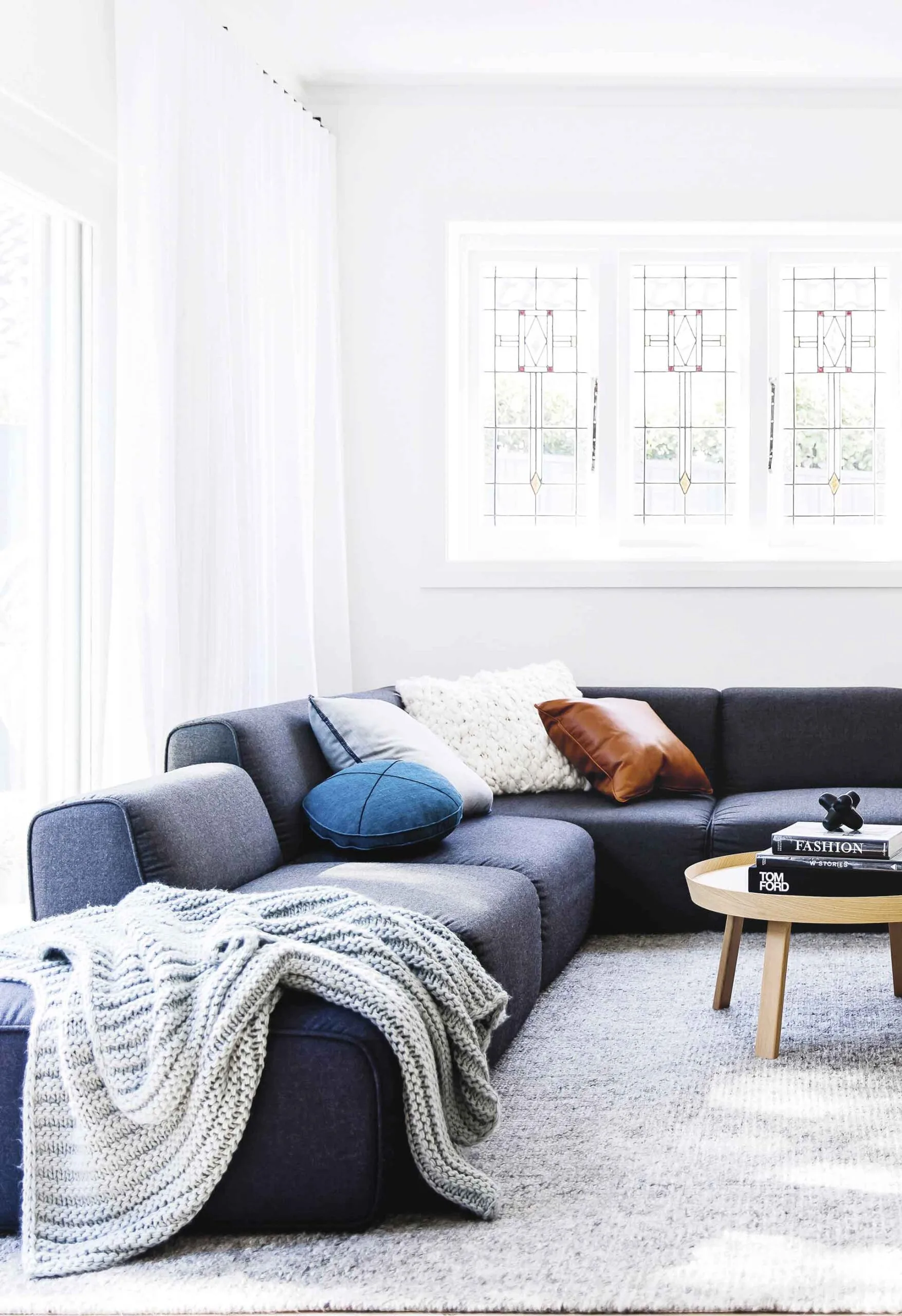
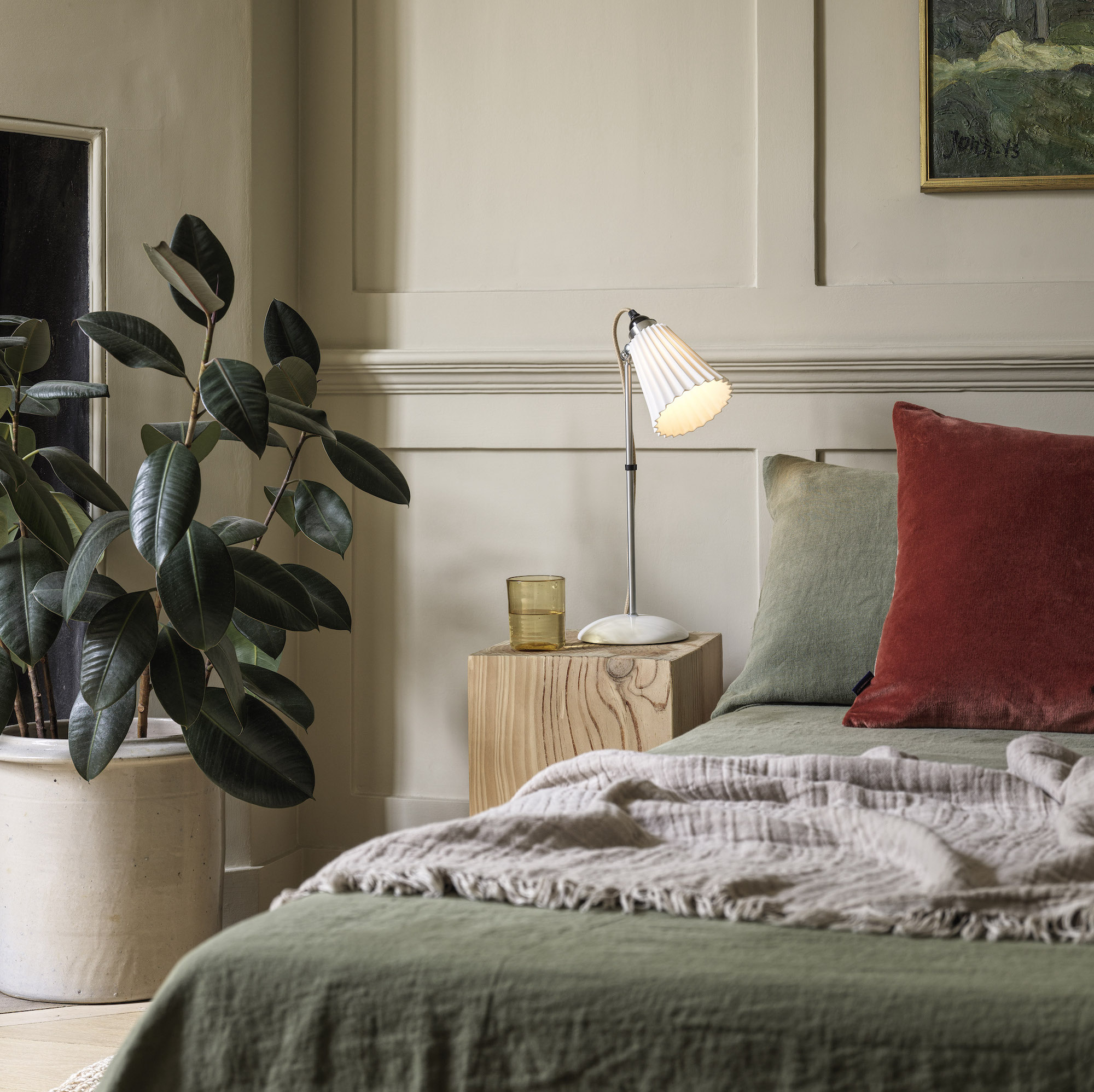
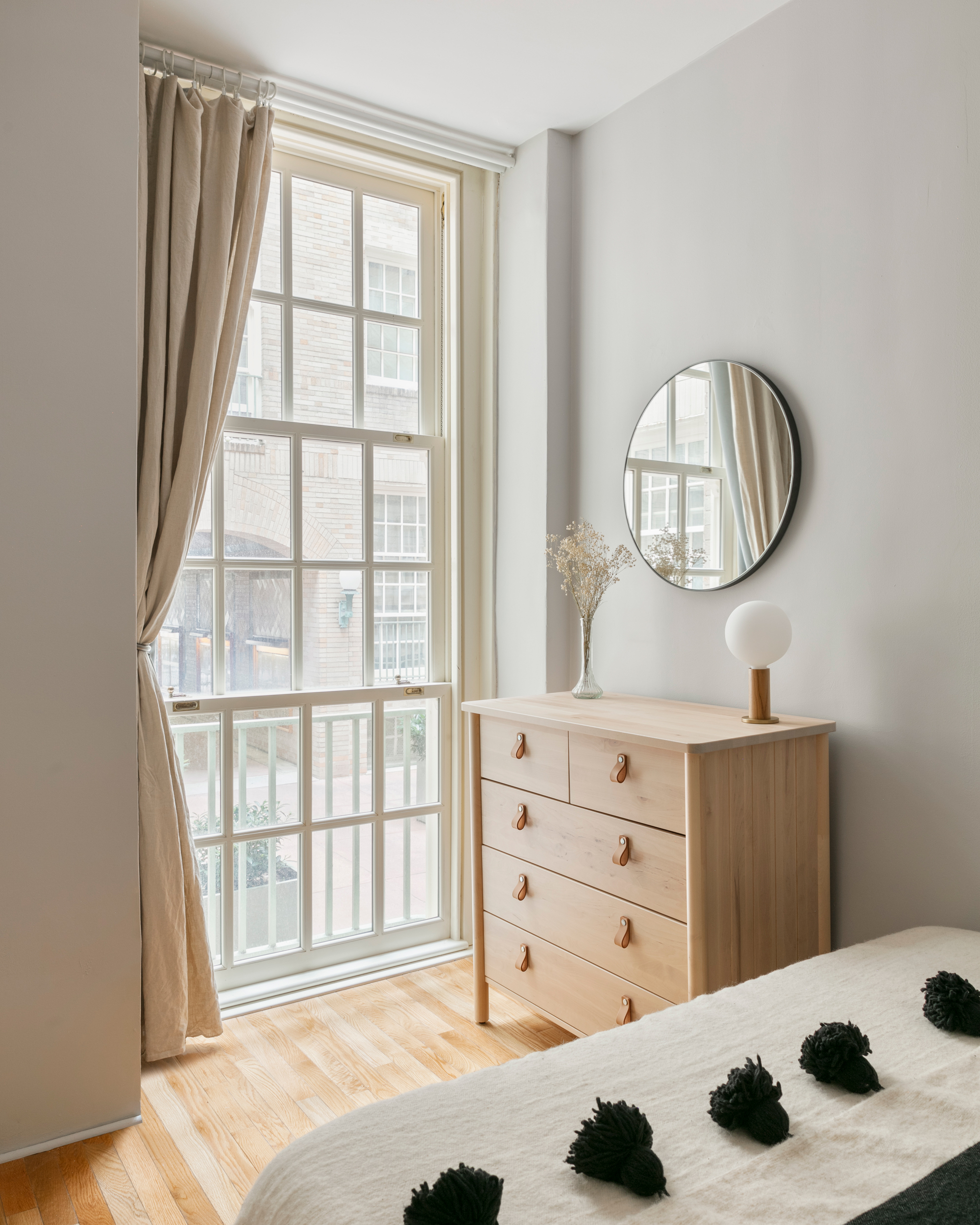
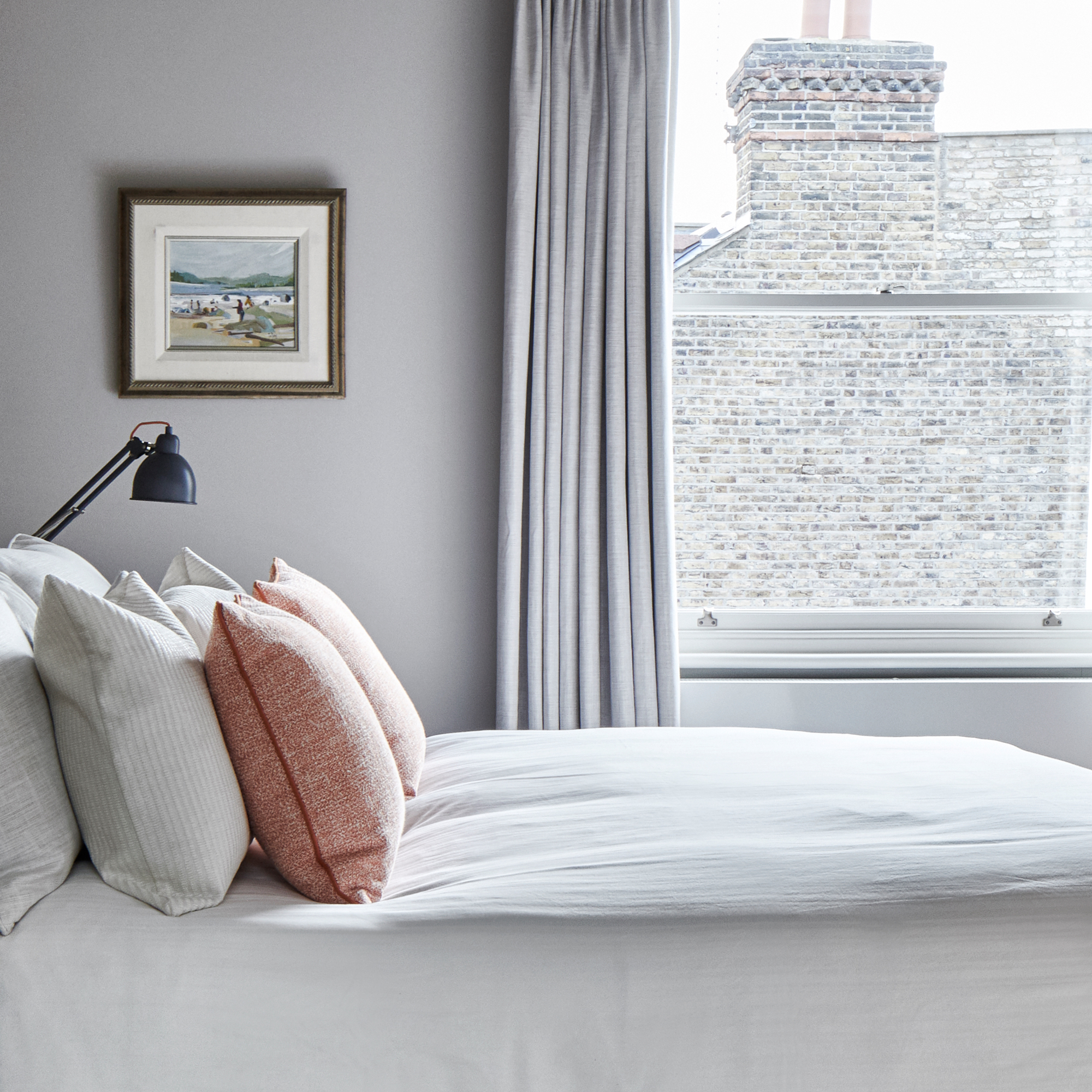
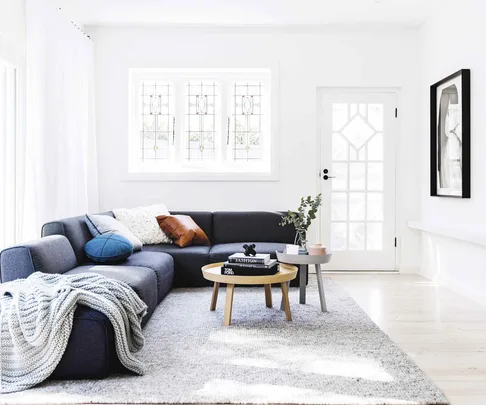
Textiles play a crucial role in sound absorption. Laying down a dense, thick rug with an extra soft or foam pad can absorb considerable sound from the floor. Heavy and thick drapery, as opposed to lightweight sheer curtains, is another excellent way to reduce noise while adding to the room's aesthetic. For those who prefer natural light, installing a double curtain rod allows for the use of both light and heavy drapes, providing flexibility and layered sophistication. Finally, integrating plants into the bedroom decor can help soften echoes and increase sound absorption, contributing to a more serene, greenery-filled space. By implementing a combination of these methods, a bedroom can be transformed into a calm and quiet haven conducive to better sleep and overall well-being.
#BedroomSoundproofing #HomeImprovement #SleepSanctuary #InteriorDesign #NoiseReduction #HomeDecor #AcousticSolutions #BedroomSoundproofing #HomeImprovement #SleepSanctuary #InteriorDesign #NoiseReduction #HomeDecor #AcousticSolutions
0 comment in total
 No comments yet
You may also like
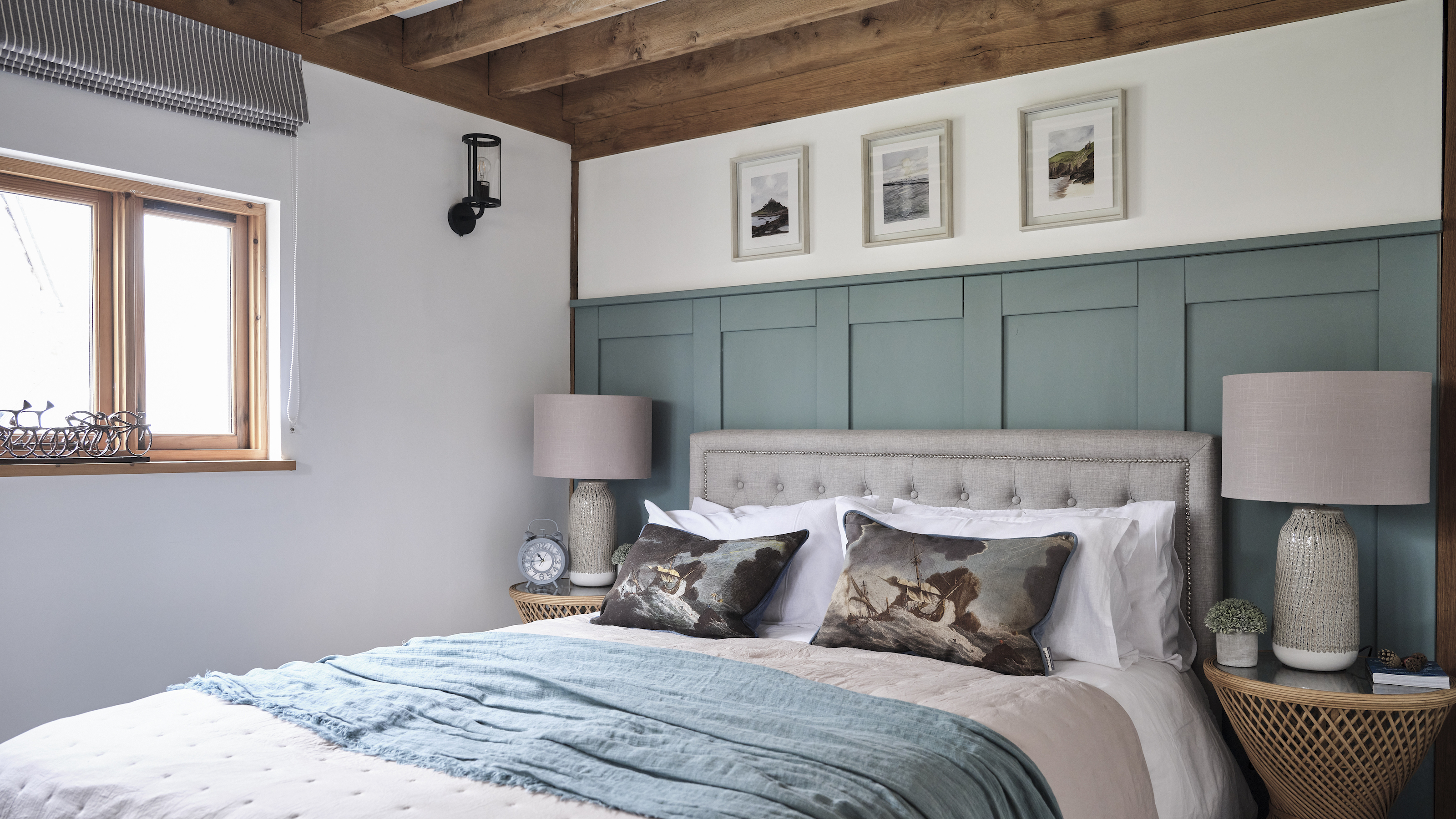
How to soundproof a bedroom – five easy and affordable fixes for a quiet night's sleep
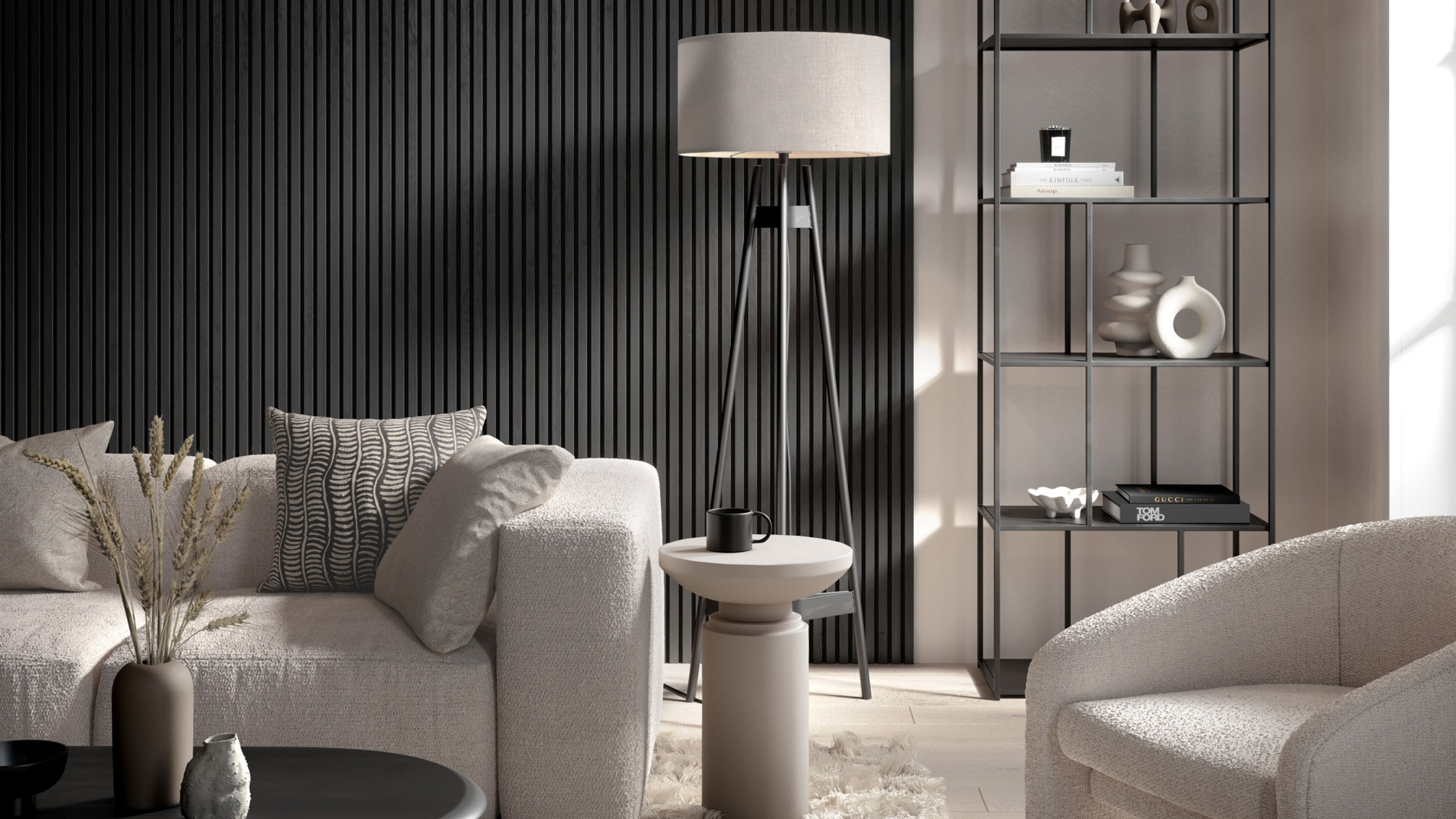
9 expert tips for soundproofing a room – how to sort acoustics while losing nothing of the aesthetics


These Acoustic Wall Panels Make Any Room a Quiet Place to Work or Relax


5 cheap and easy ways to soundproof a room, whether you're a homeowner or a renter
How to soundproof a room according to an expert

The Best Soundproofing Materials for Any Room in Your Home

How to soundproof your apartment


7 Ways to Make Your Bedroom a No-Stress Zone Right This Minute

If Your Home Is Super Noisy, You’ll Appreciate These 24 Noise-Dampening Products

How to Soundproof a Room (Published 2021)
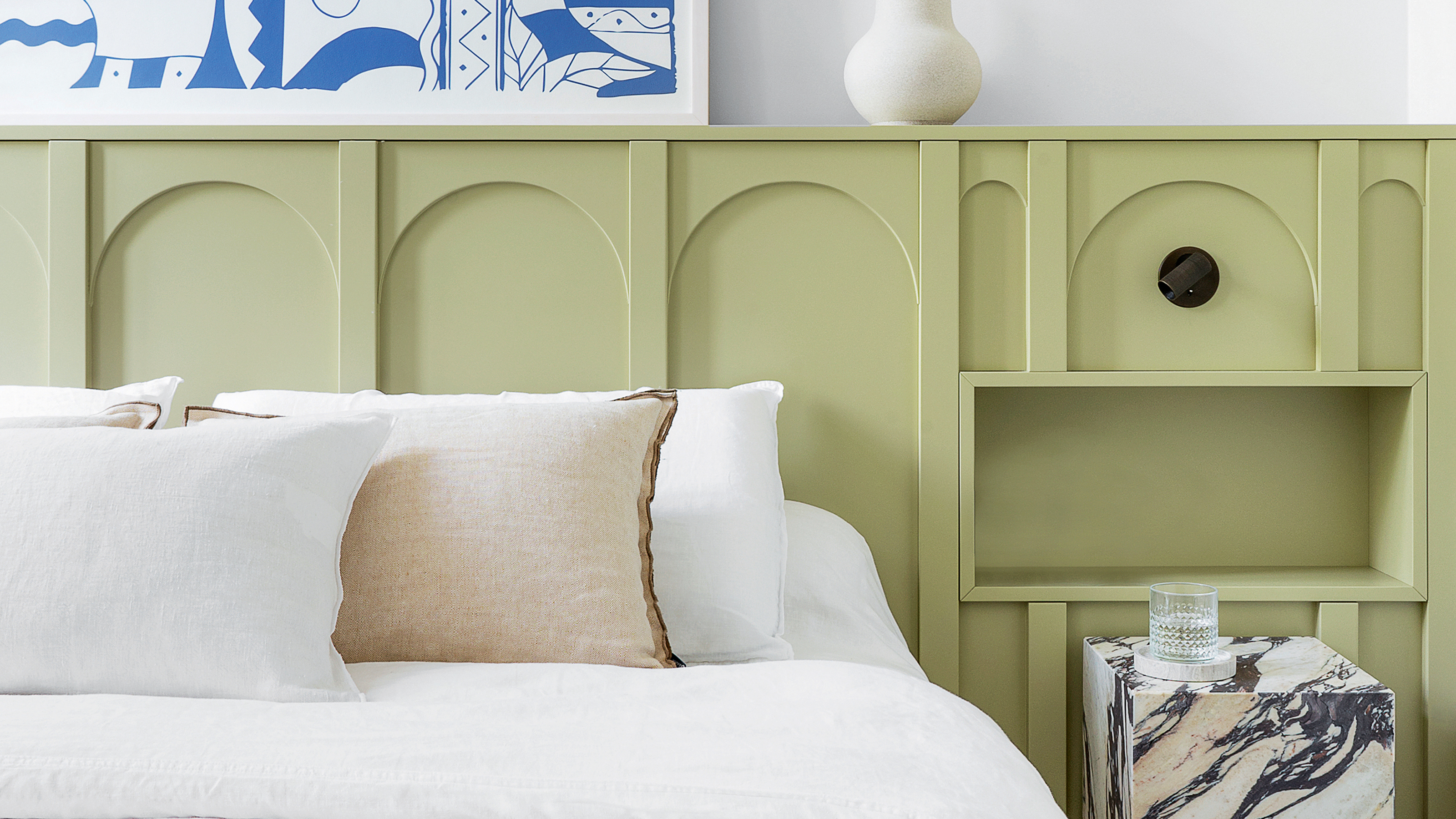
'Avoid a return flight straight into burnout' – 6 simple tricks for sleeping better on holiday, according to Simba's sleep experts
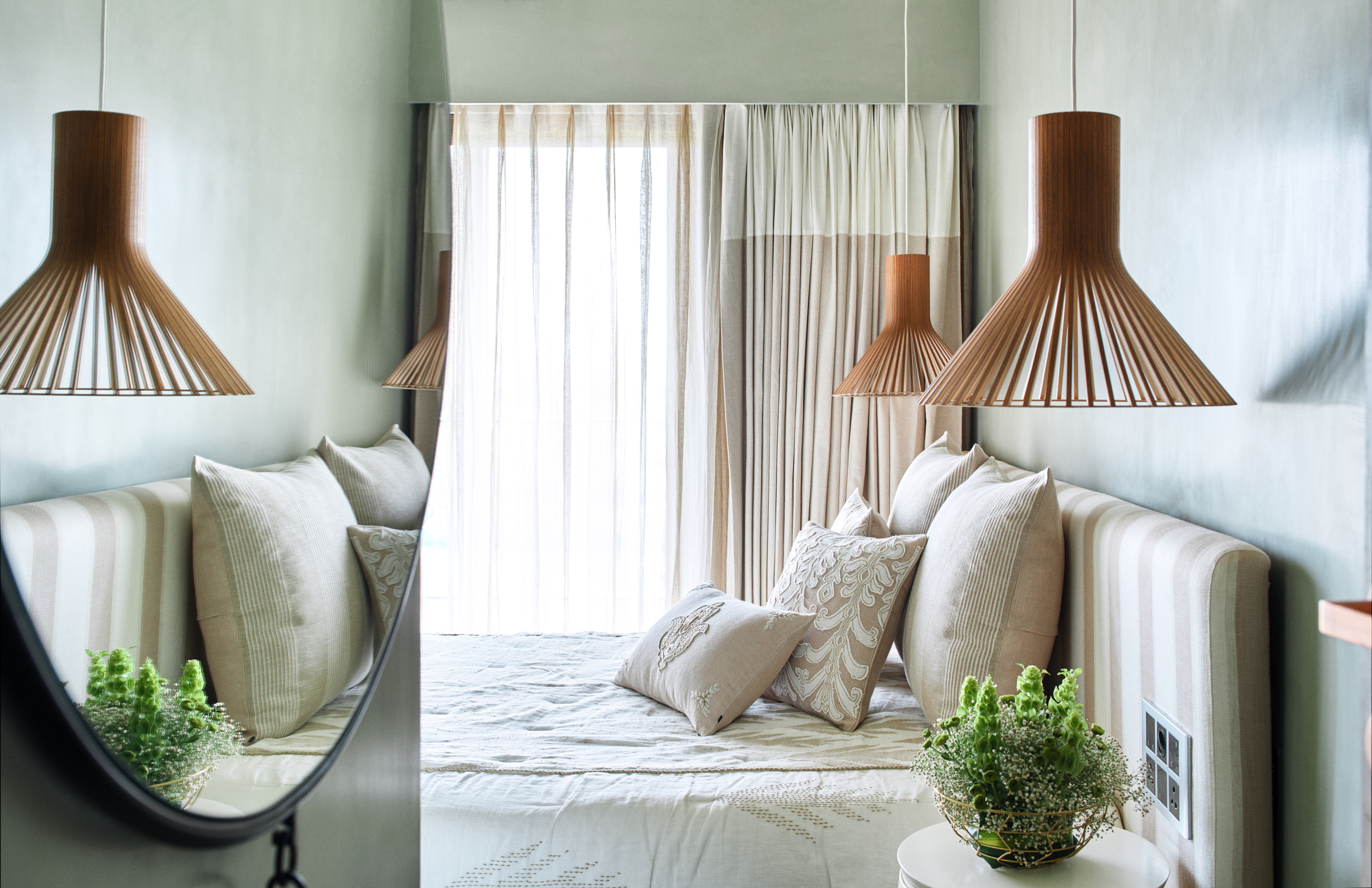
Relaxing bedroom ideas – how to create a more serene space, according to designers

4 Effective Ways to Soundproof Your Bedroom


How to soundproof an apartment – 6 renter-friendly changes that will block out noisy neighbors
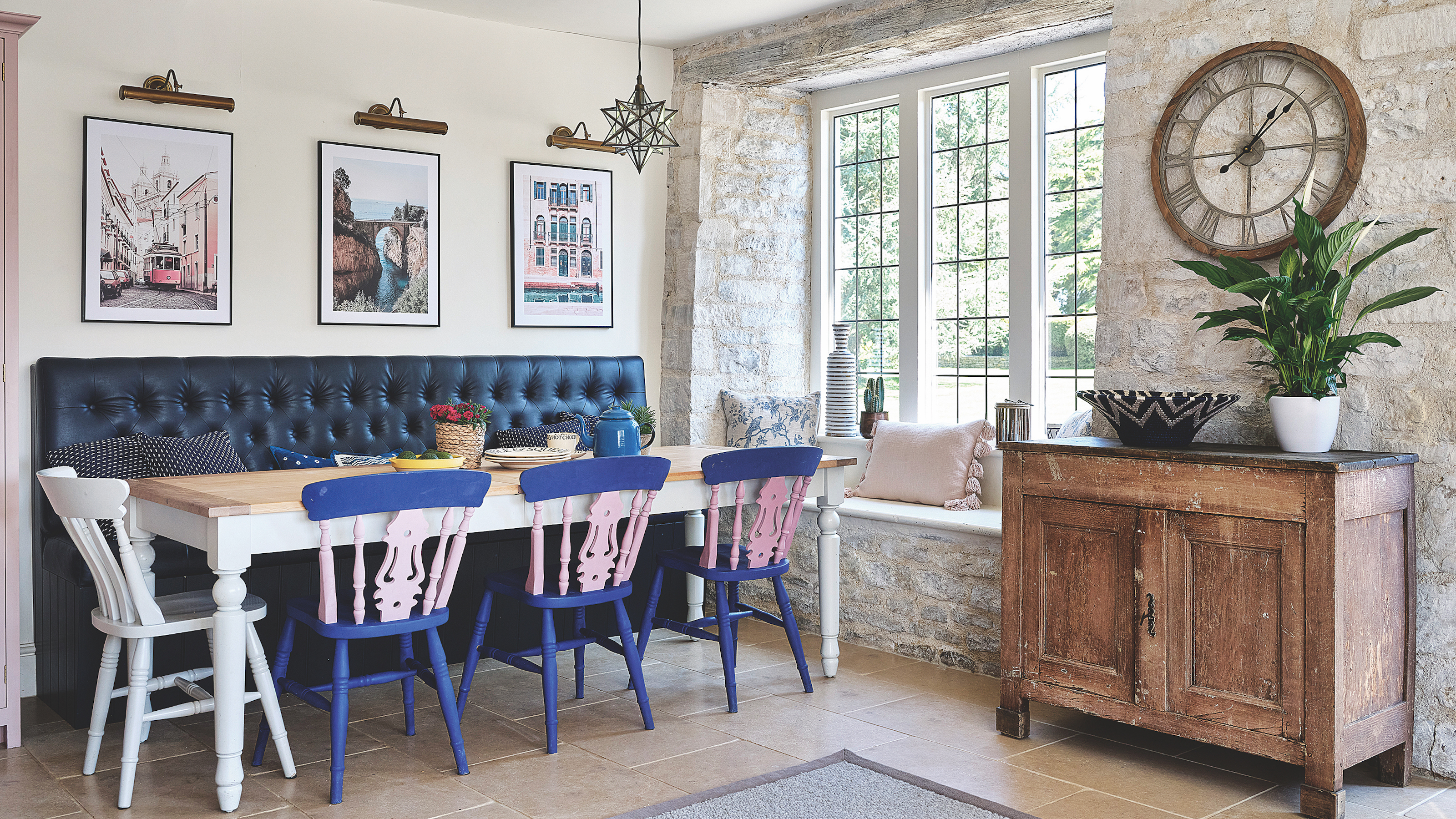
How to soundproof your kitchen and stop noisy appliances disturbing your peace

Stylish sound-absorbing artwork for a quieter home
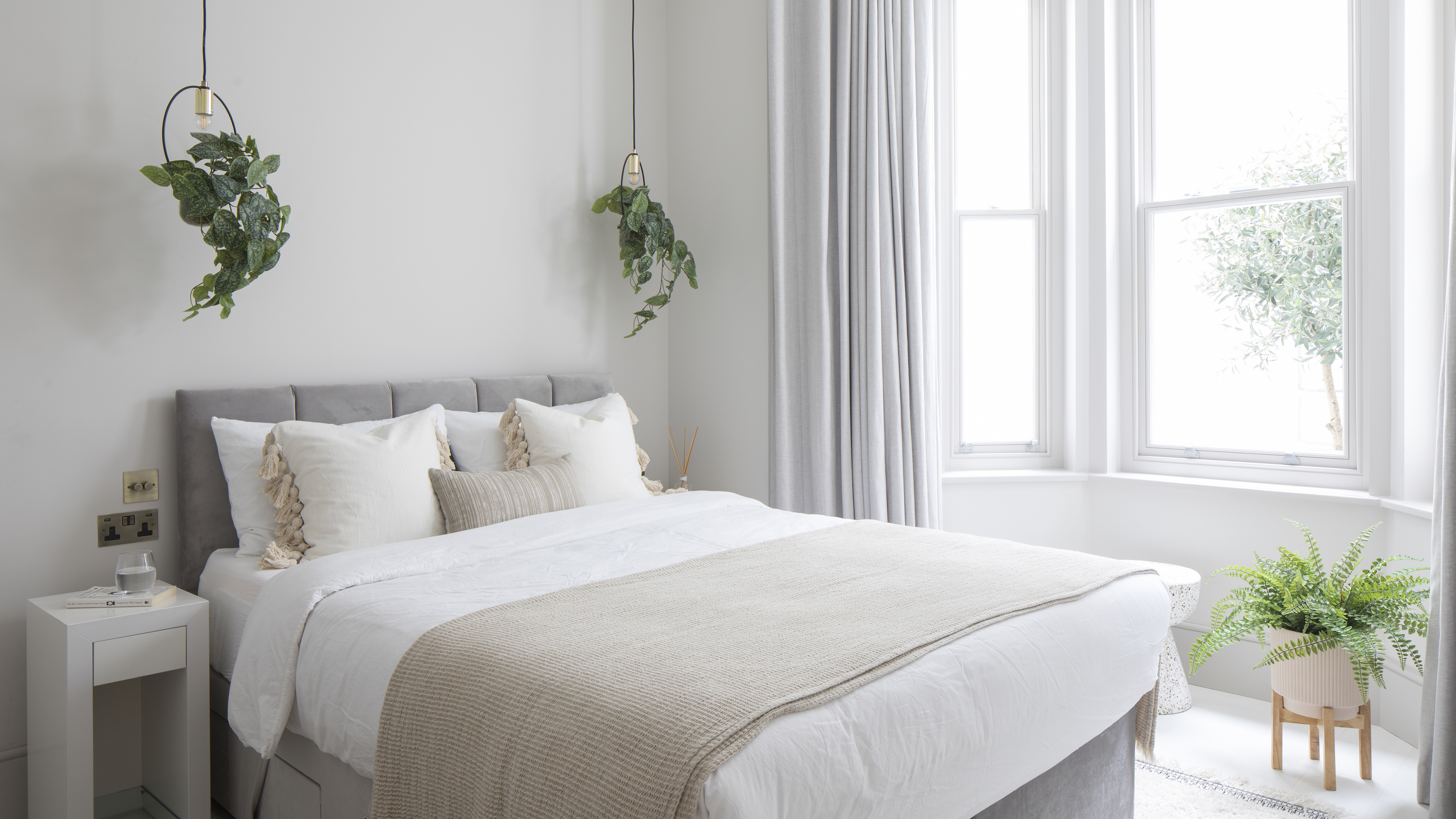
Calm bedroom ideas – 11 style tricks to create a soothing sanctuary


The 9 Very Best Sound Machines
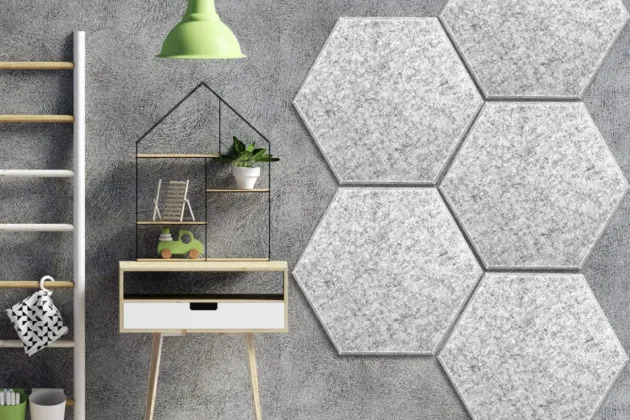
These Acoustic Wall Panels Make Any Room a Quiet Place to Work or Relax

How to Turn Your Bedroom Into a Sanctuary for Sleep