1/5
How to elevate a kitchen with the paneled backsplash trend
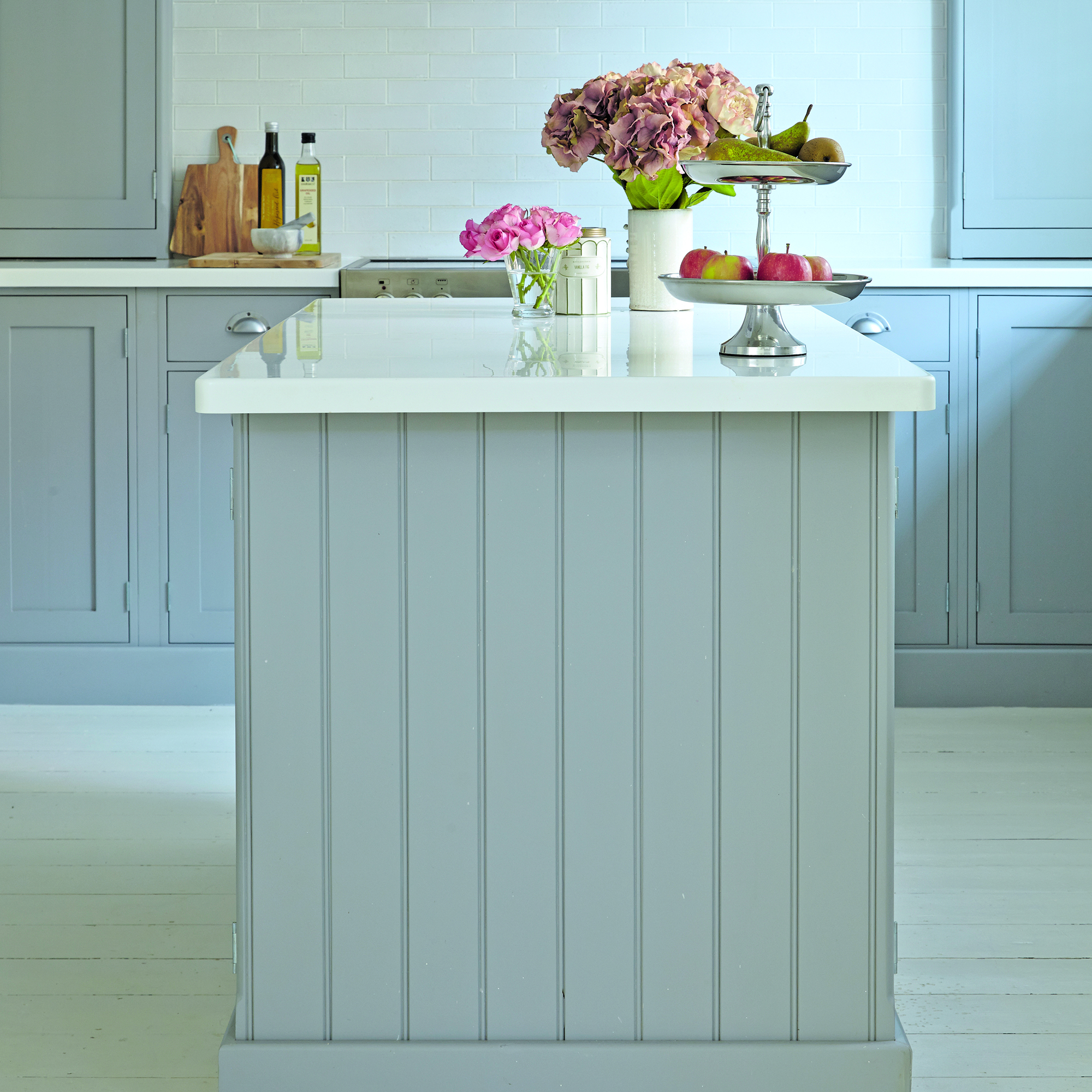
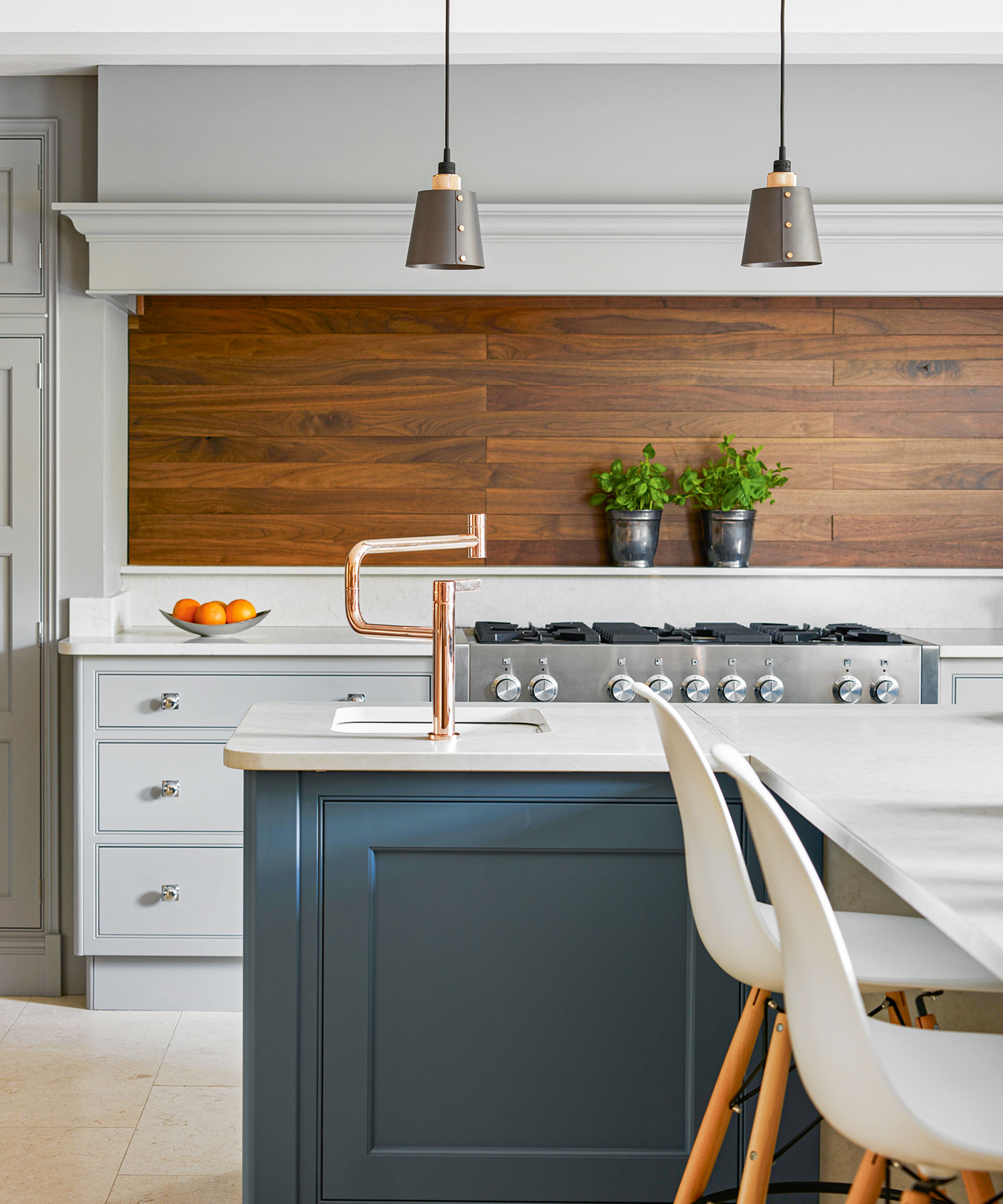
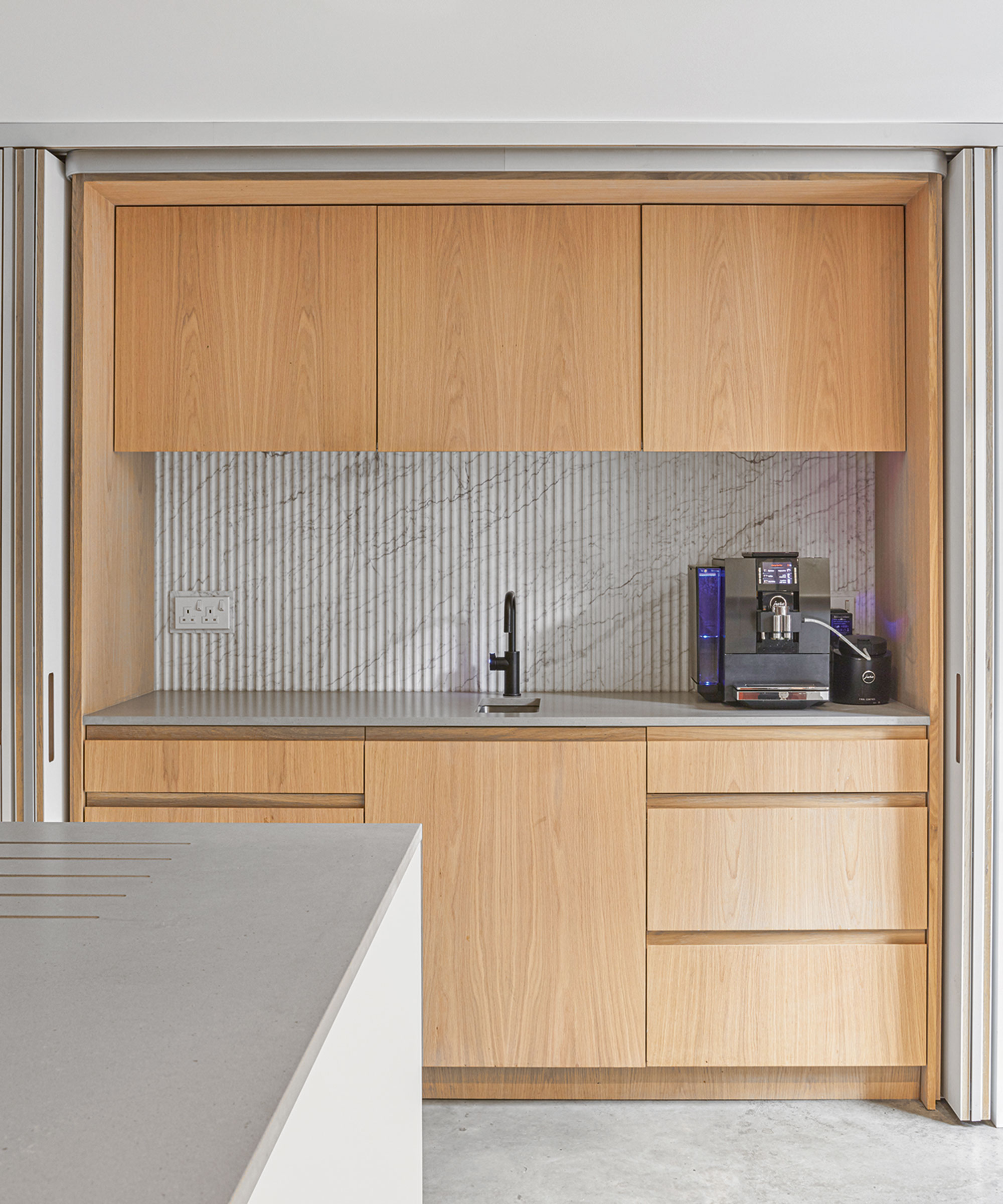
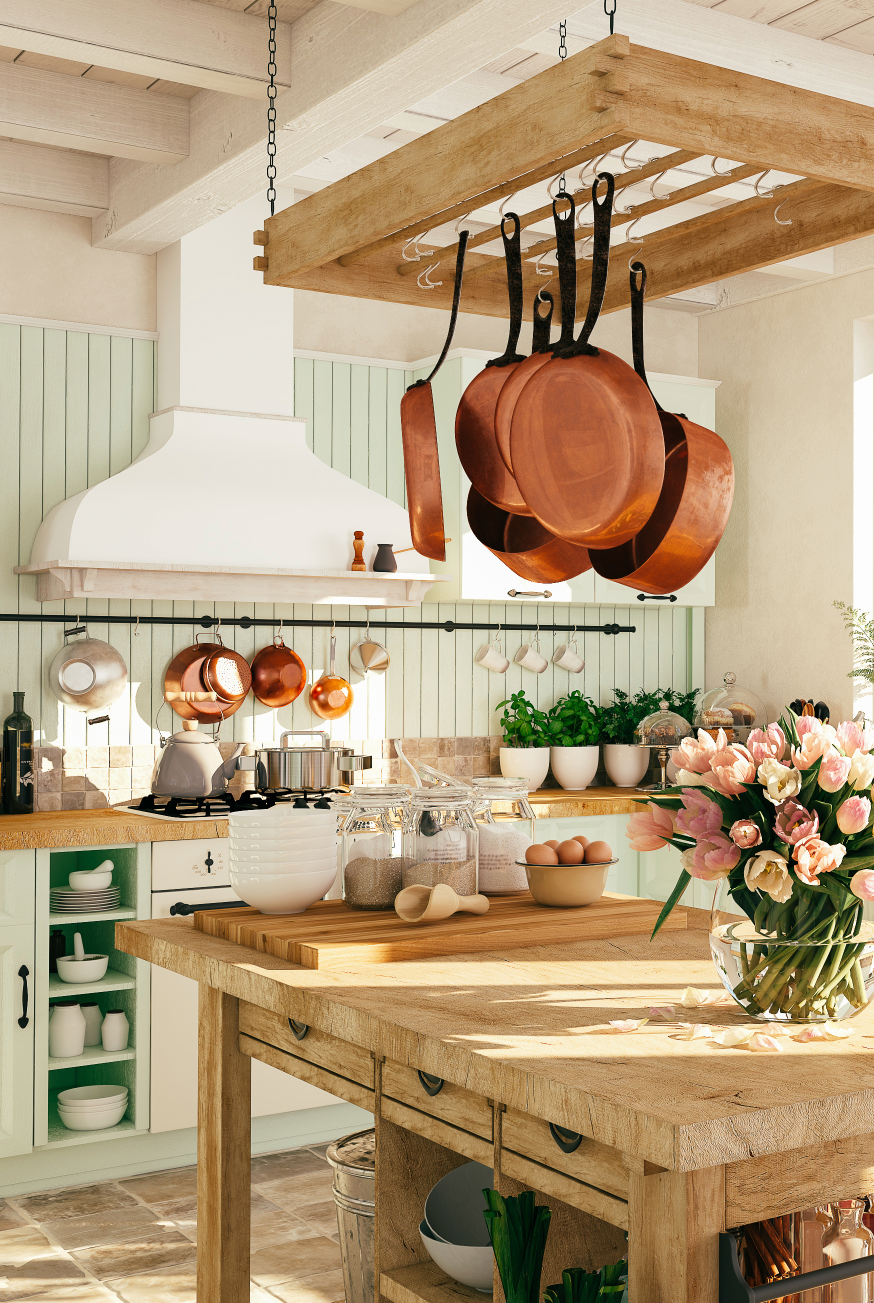
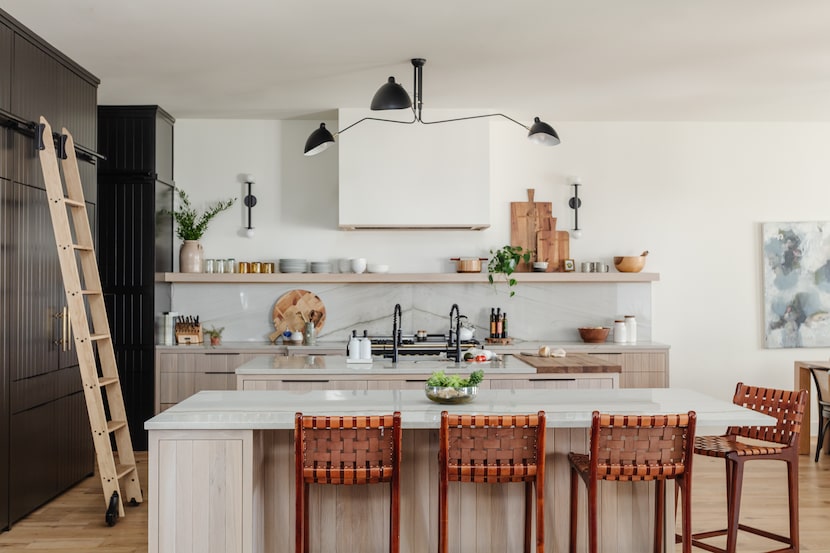
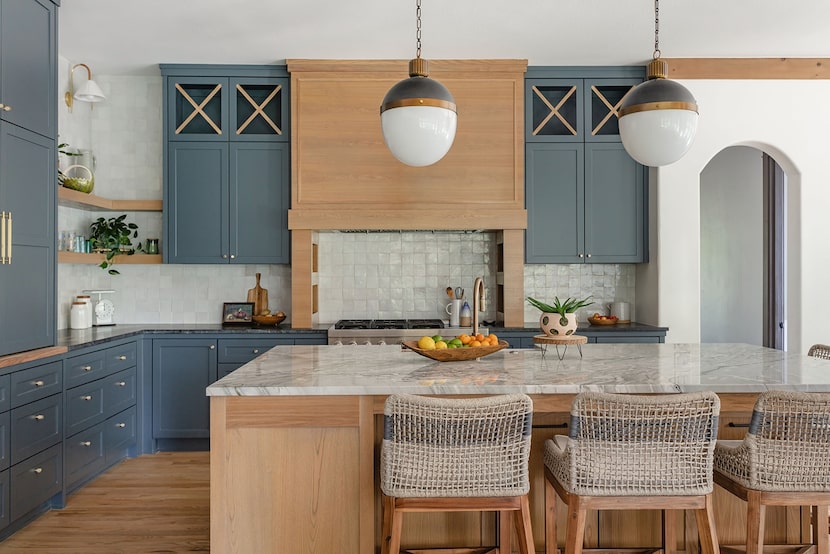
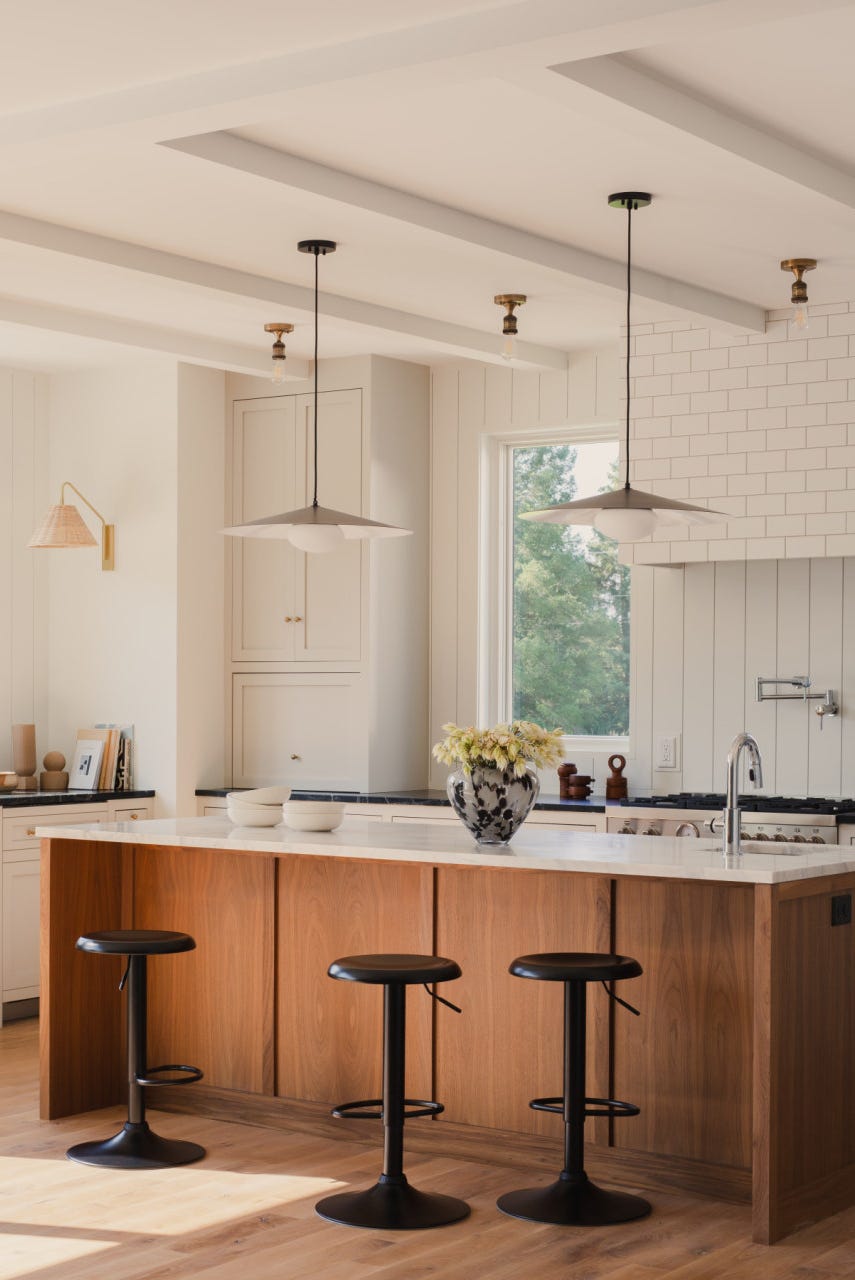
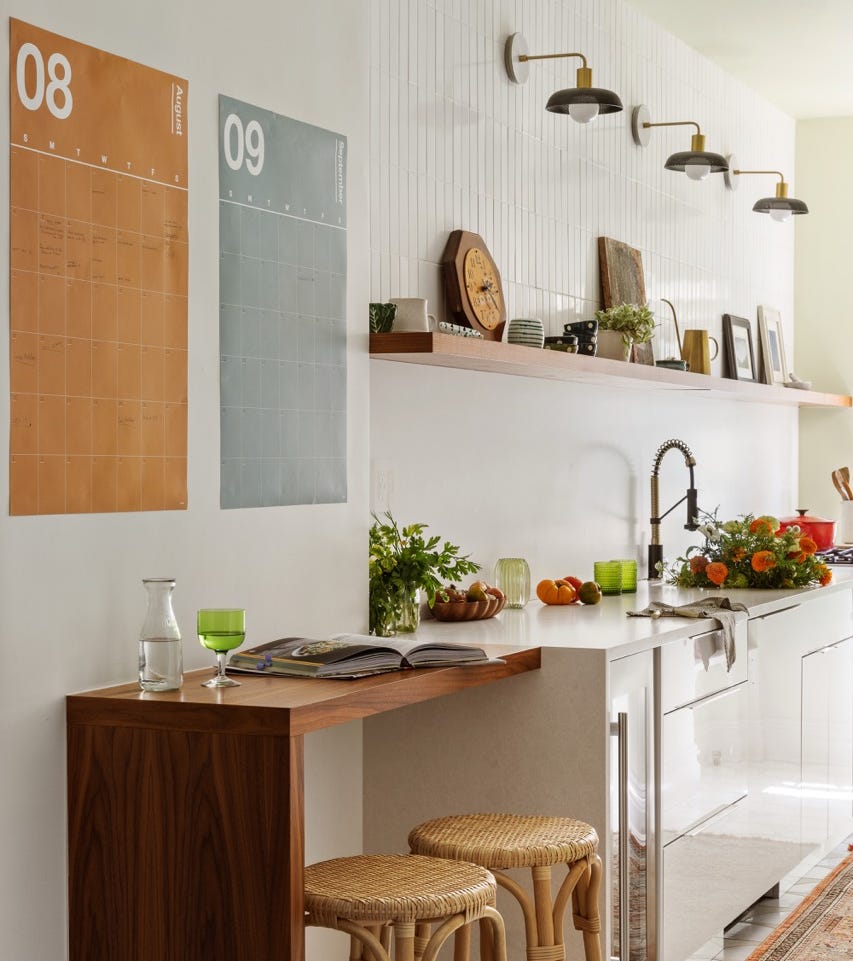
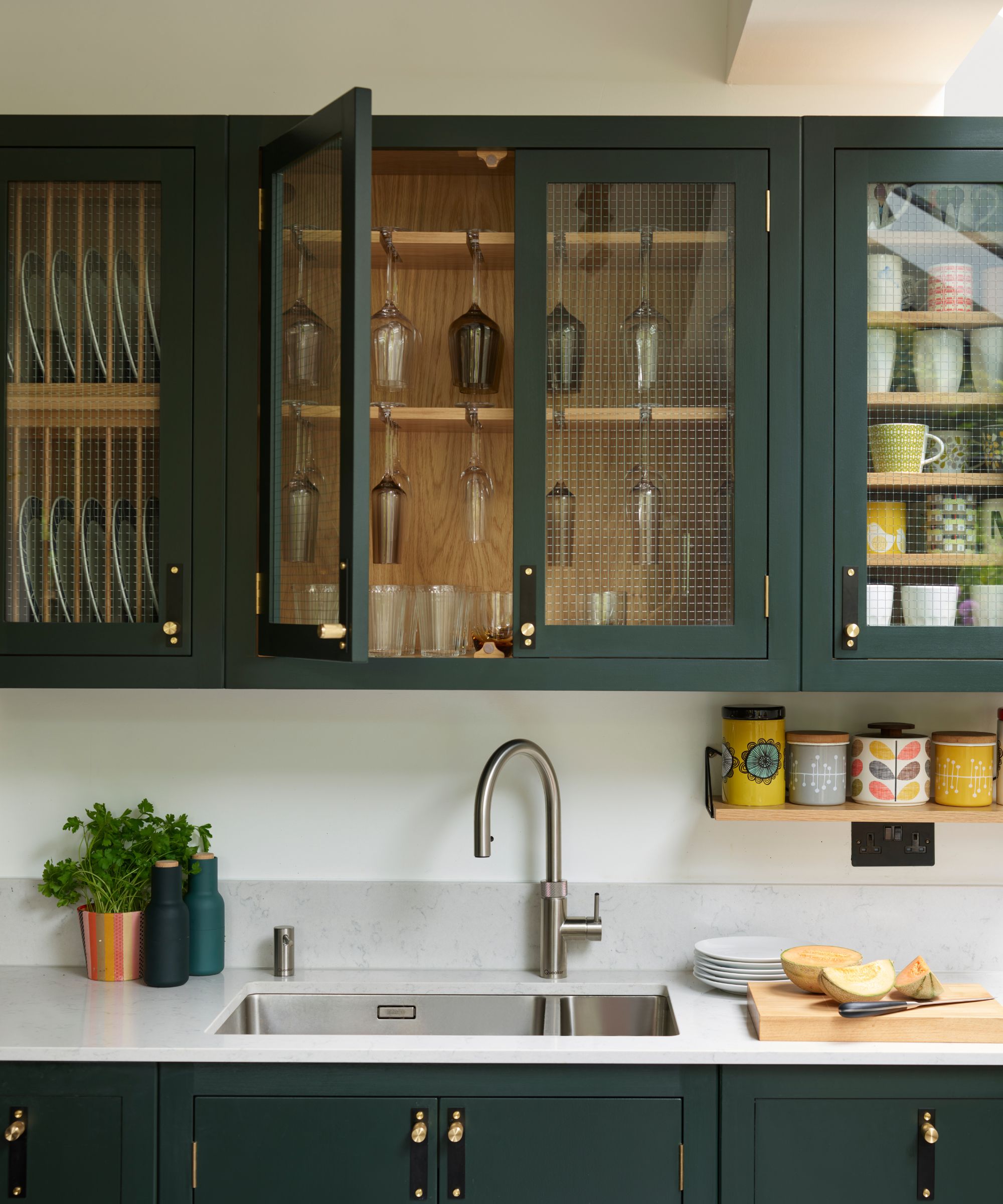
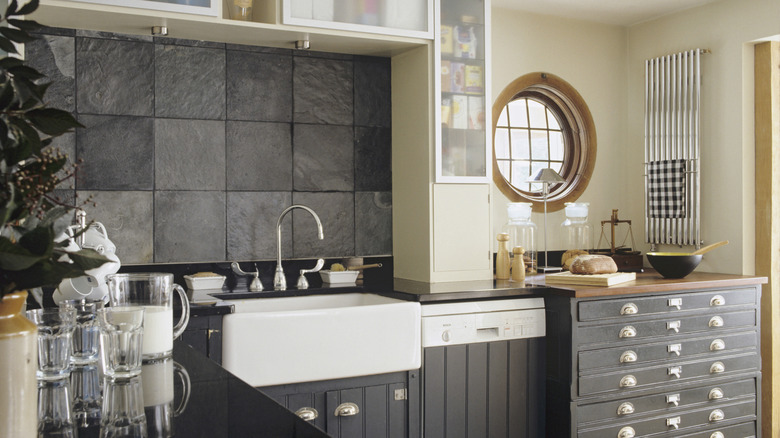
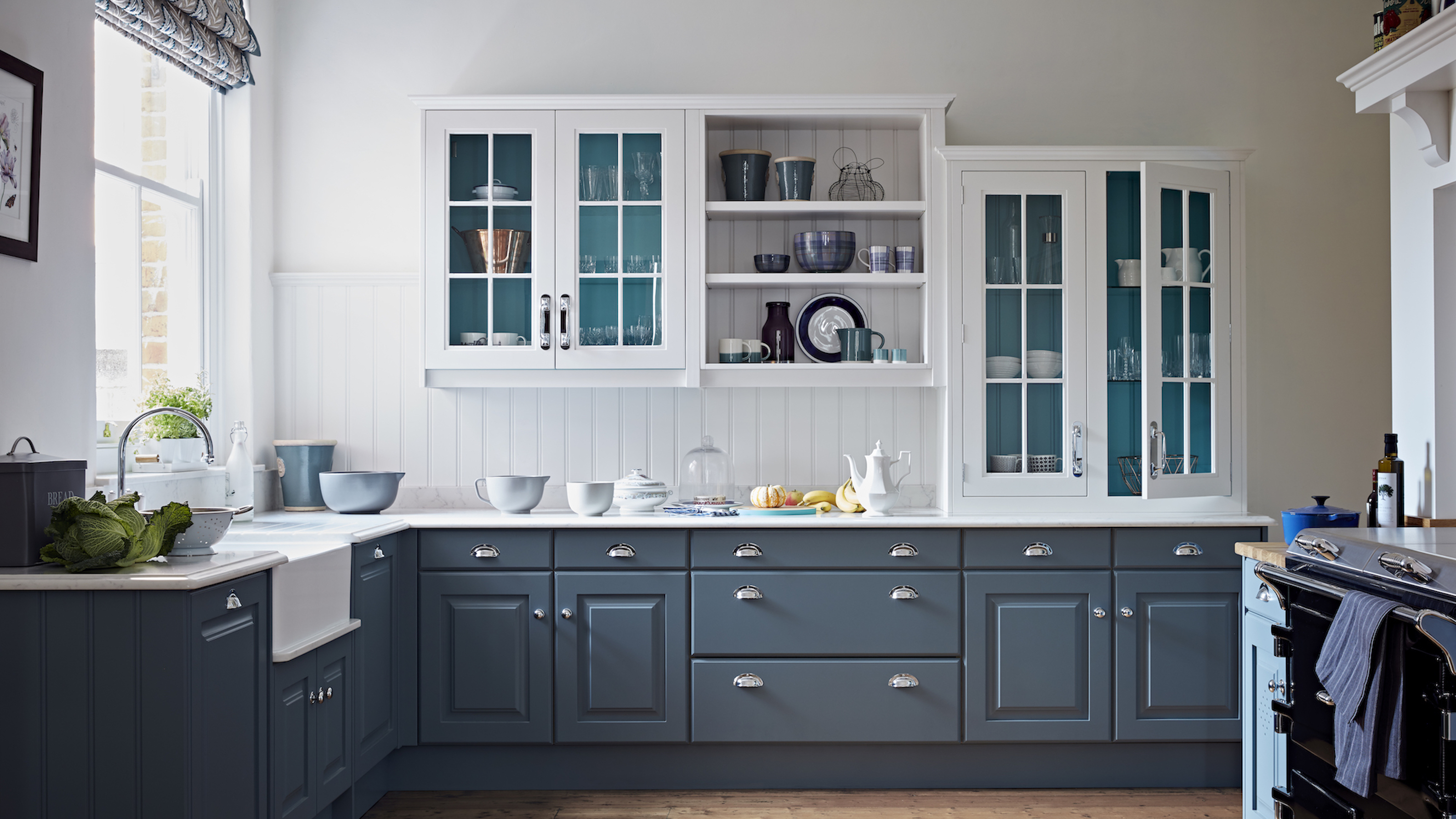
The article discusses the resurgence of paneled kitchen backsplashes, marking a shift away from traditional tile or stone options towards wood. Historically present in old country kitchens, paneled backsplashes fell out of favor but are now making a significant comeback in 2025, driven by a desire for characterful and timeless design elements. This trend extends beyond just kitchen cabinetry, finding its way into backsplash applications. The appeal of paneled backsplashes lies in their quiet elegance, unfussy yet intentional and tailored appearance. Designers note that this style reads as more architectural than decorative, aligning with a current preference for kitchens that feel timeless rather than overtly trendy. The design draws from historic millwork and joinery, imparting a sense of permanence and tradition even in contemporary settings.
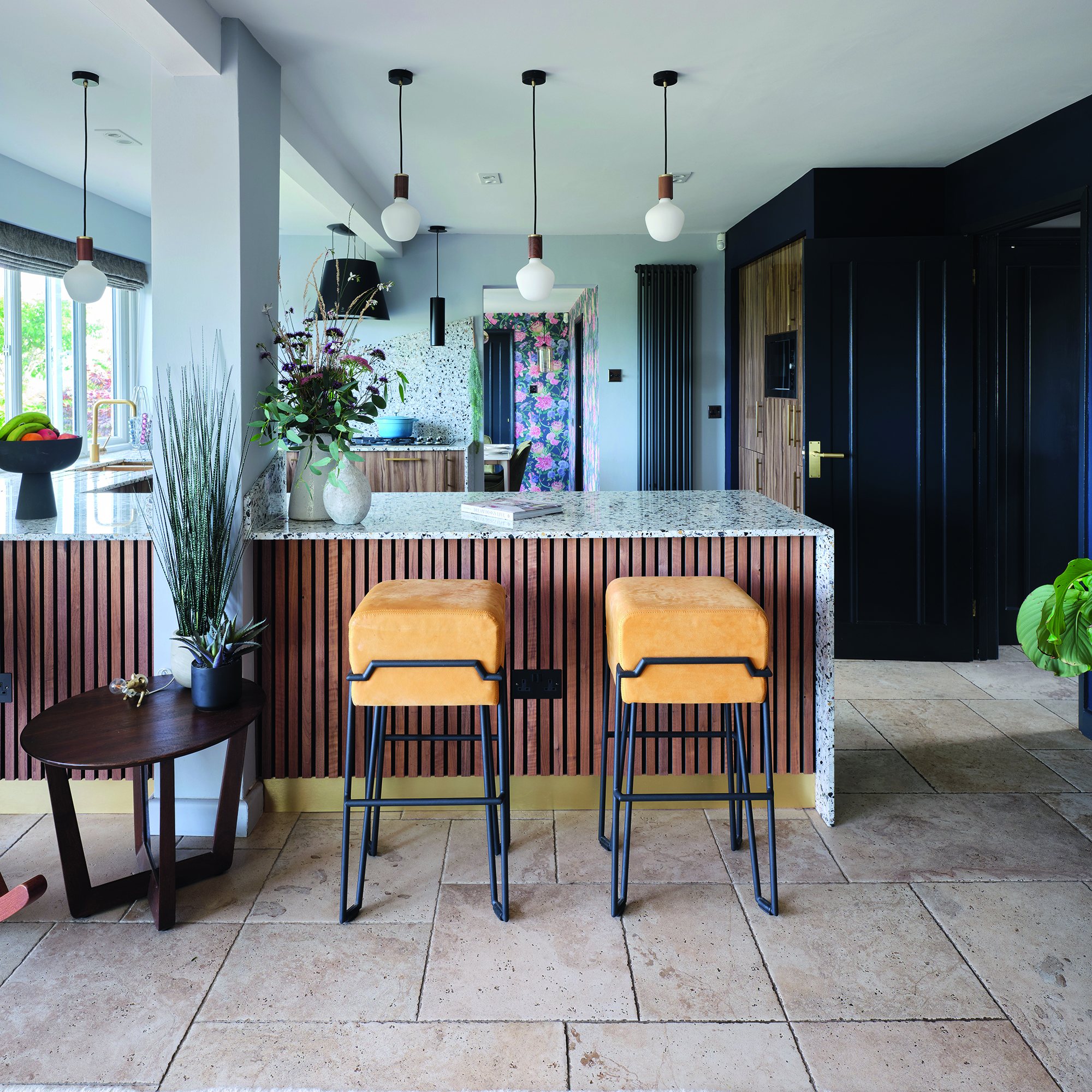
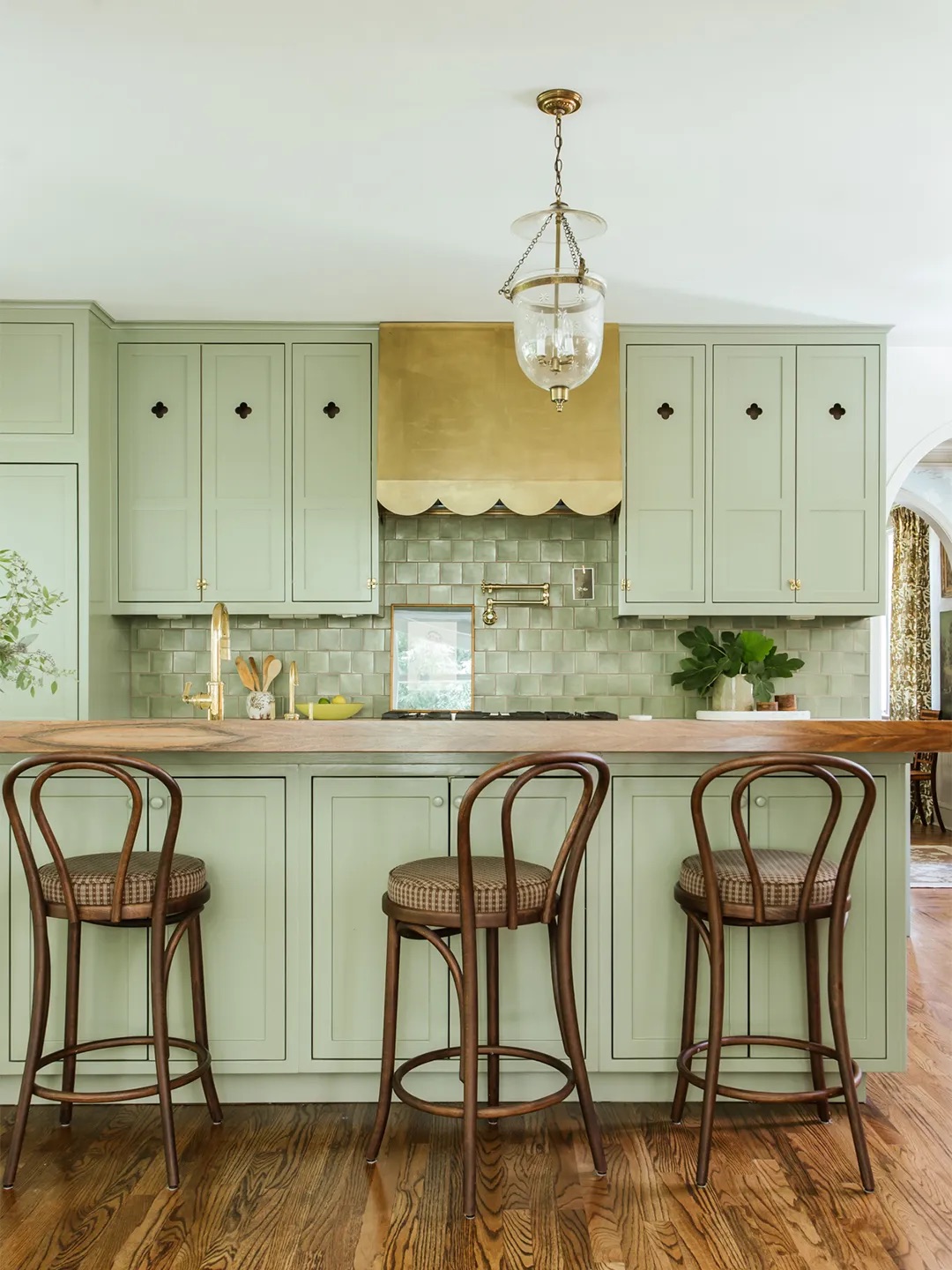
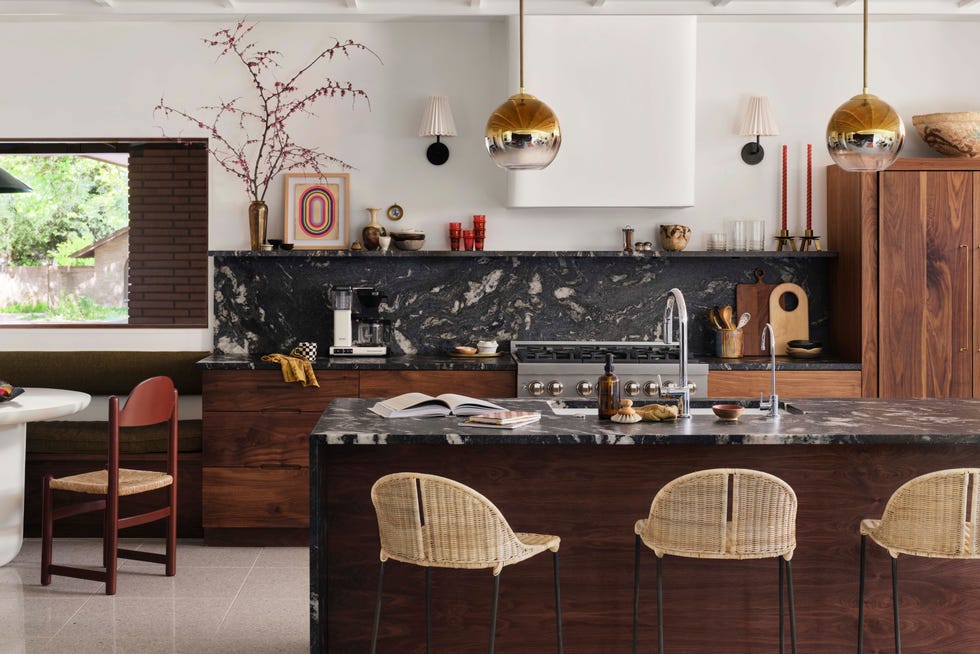
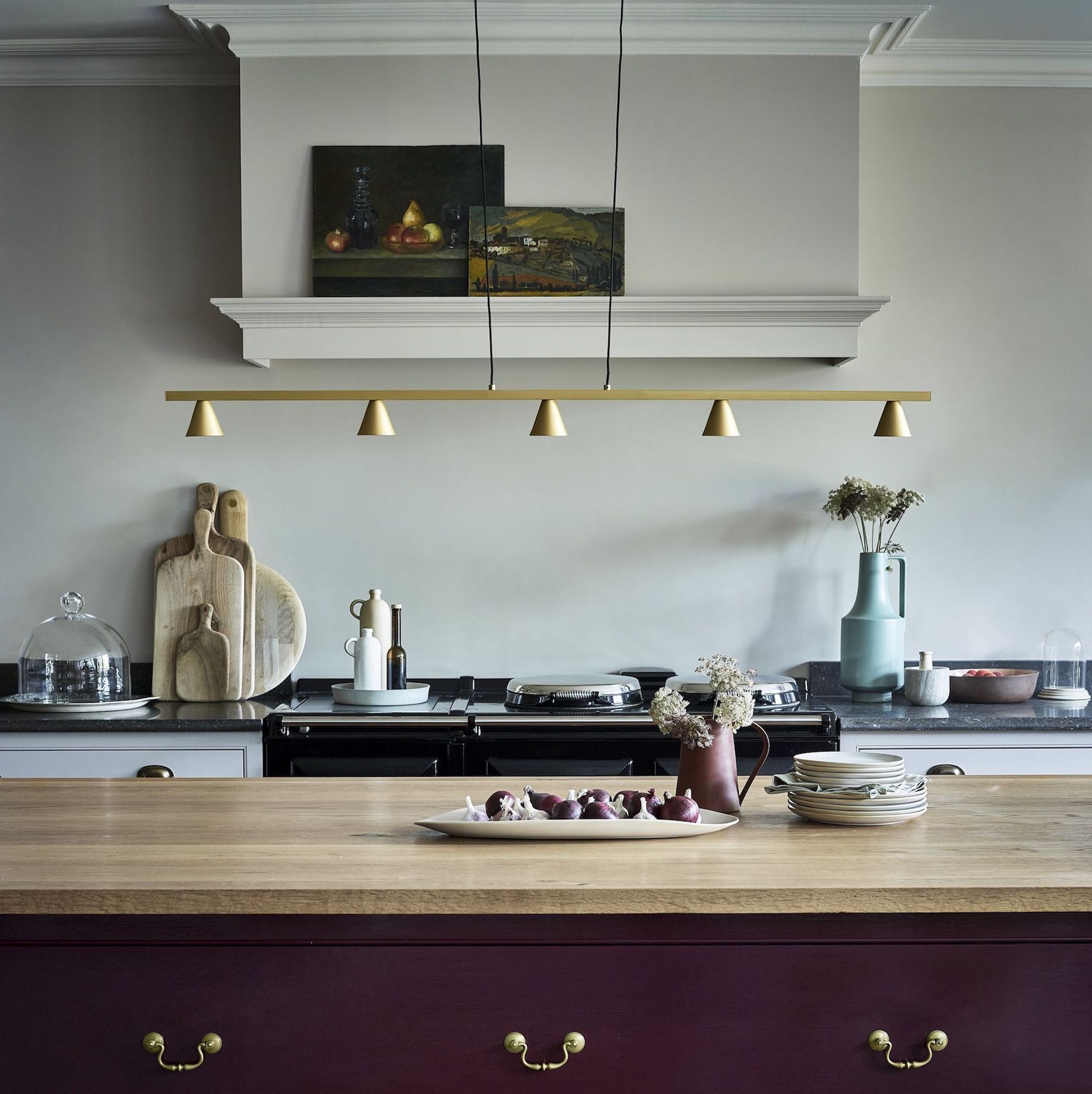
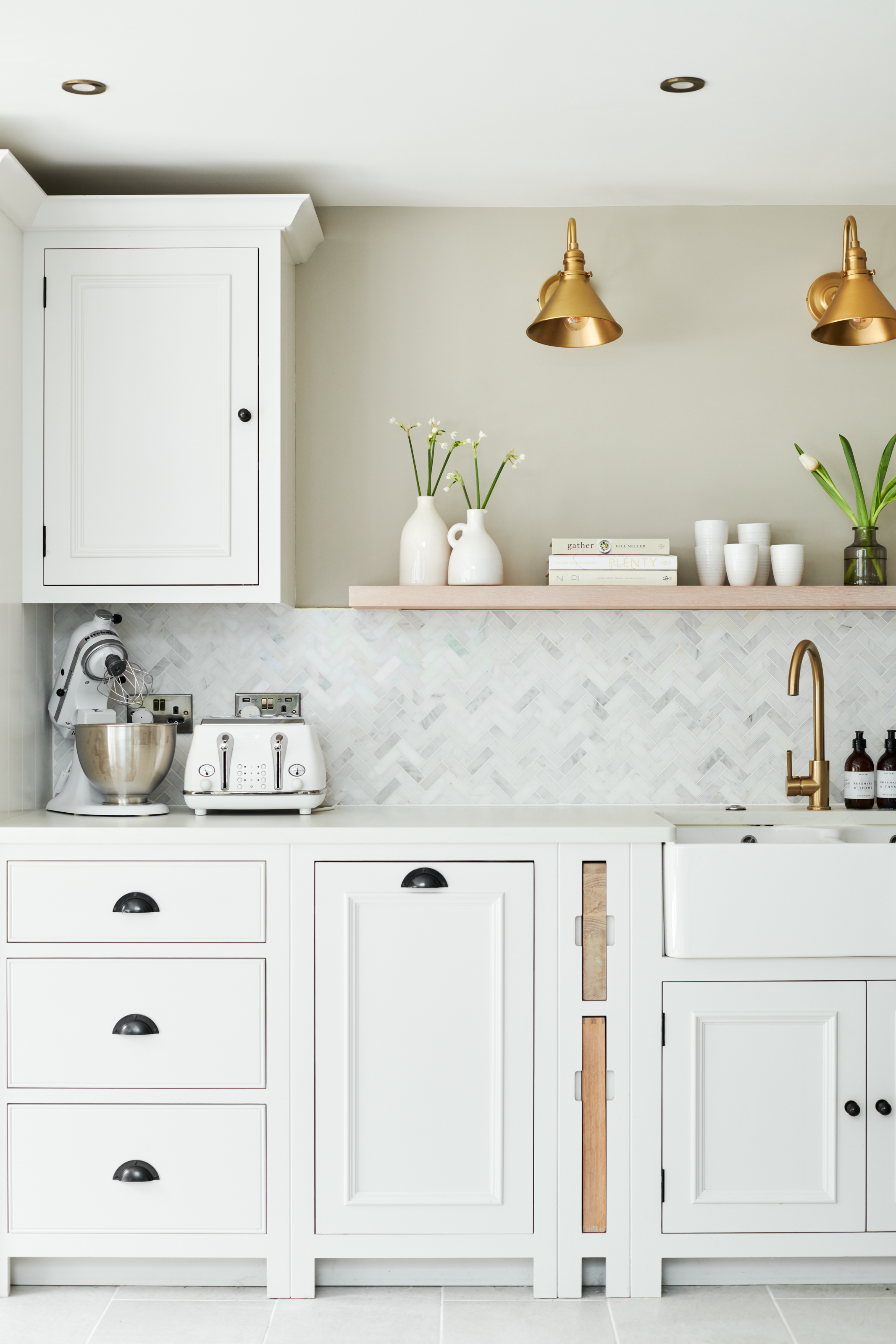
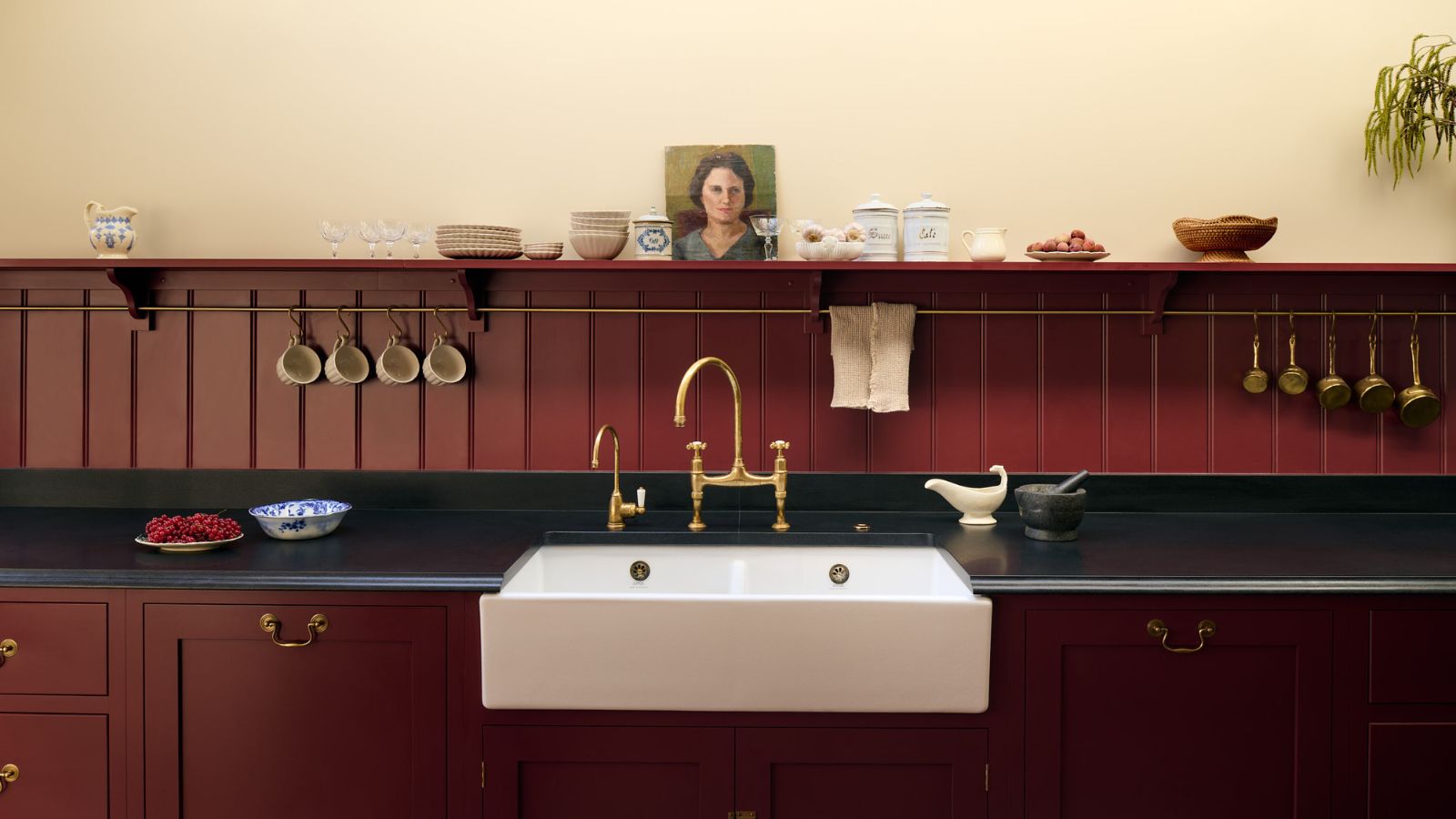
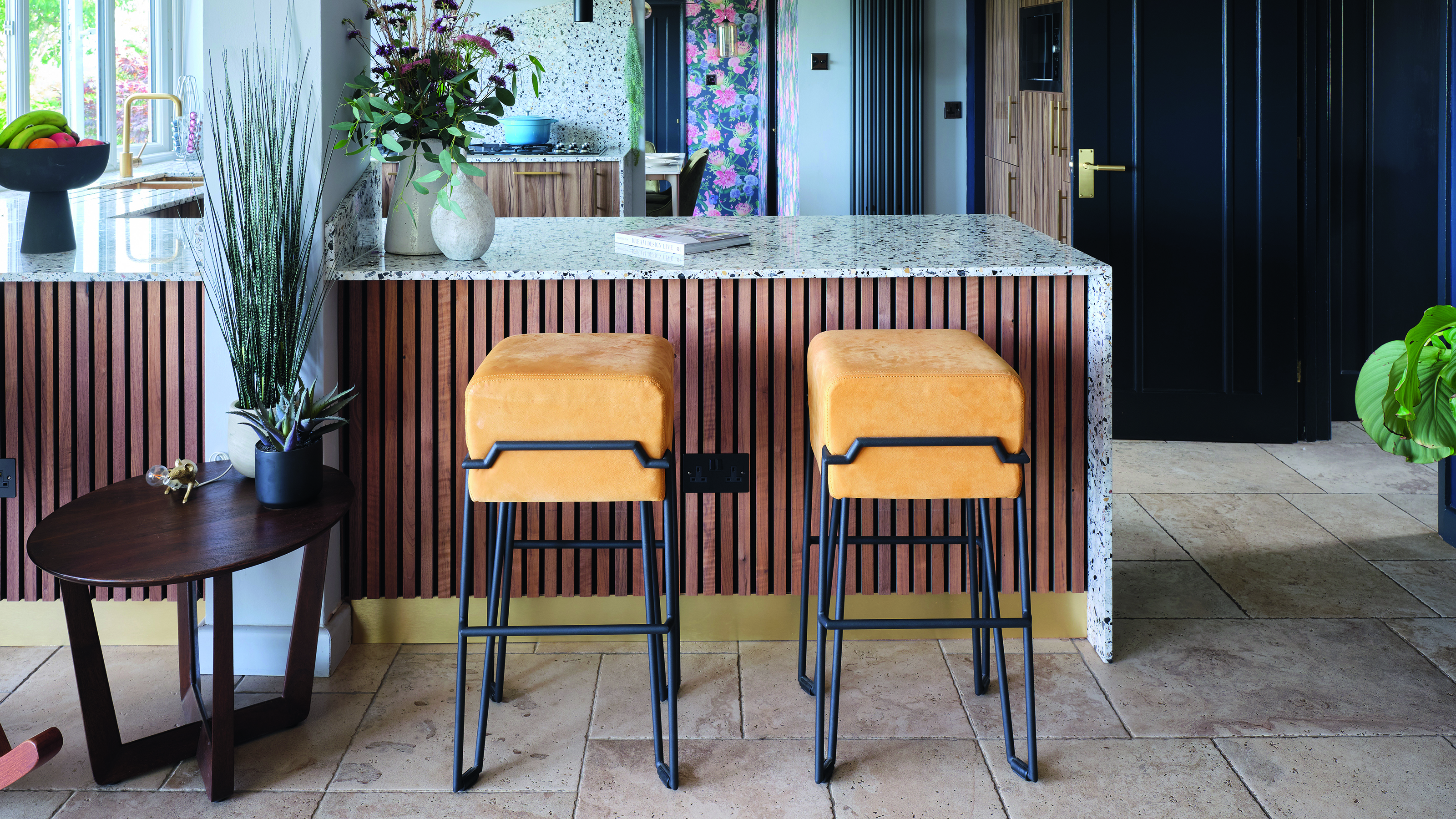
This trend is also closely linked to a broader movement towards making kitchens feel more like lived-in, sociable spaces, rather than purely utilitarian rooms. Paneling, being a familiar architectural feature in other areas of the home like bedrooms, living rooms, and hallways, helps to bridge the gap between utility and comfort in the kitchen. When integrated with elements like open shelving or painted in warm, tonal shades, paneling contributes to a cozier atmosphere. A cohesive approach often involves matching the backsplash paneling with the existing colors and materials of the cabinetry, creating a unified look that makes the kitchen appear more like a single piece of furniture rather than a collection of disparate surfaces. This continuity is particularly beneficial in open-plan homes, where the kitchen is visible from other rooms, promoting a calming and elevated aesthetic without being overly conspicuous.
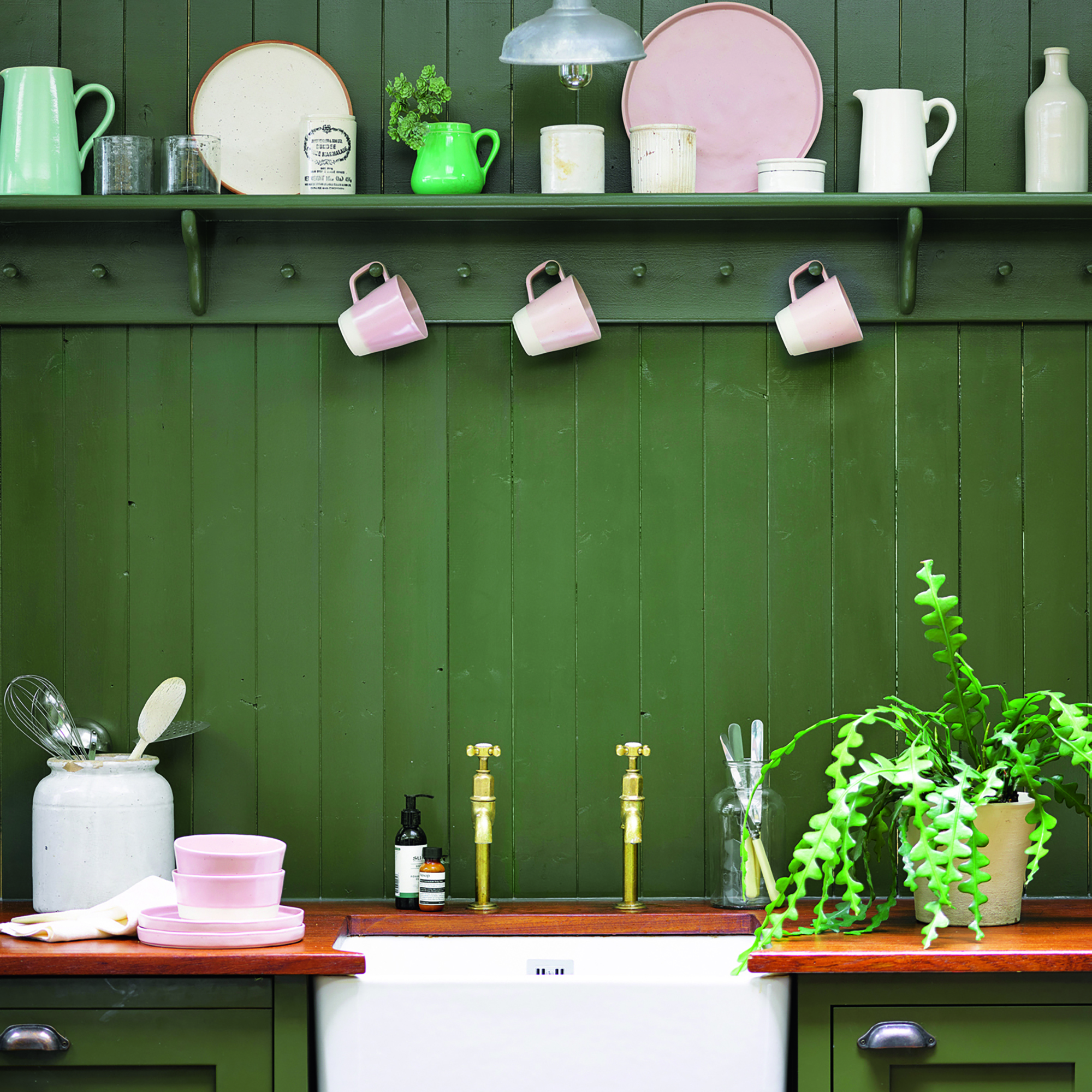
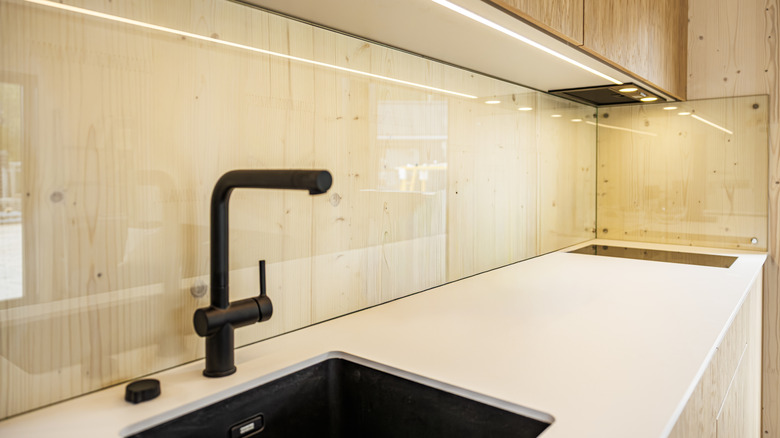
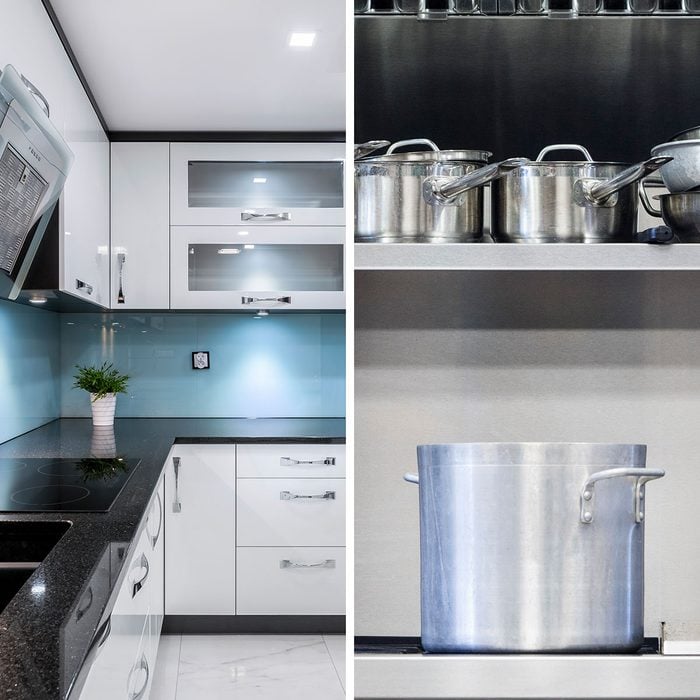
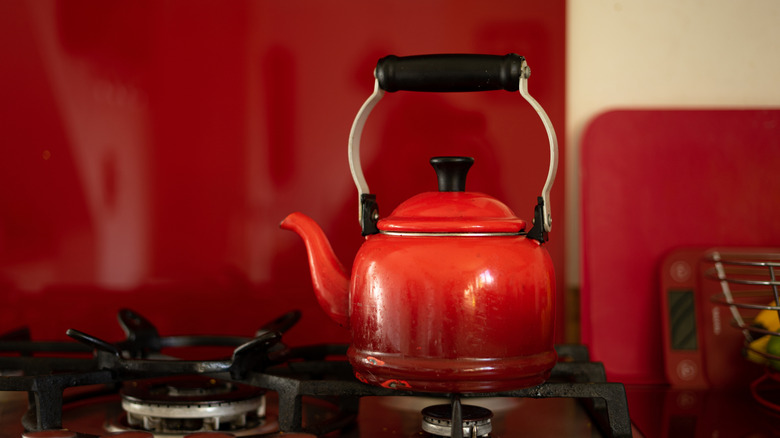
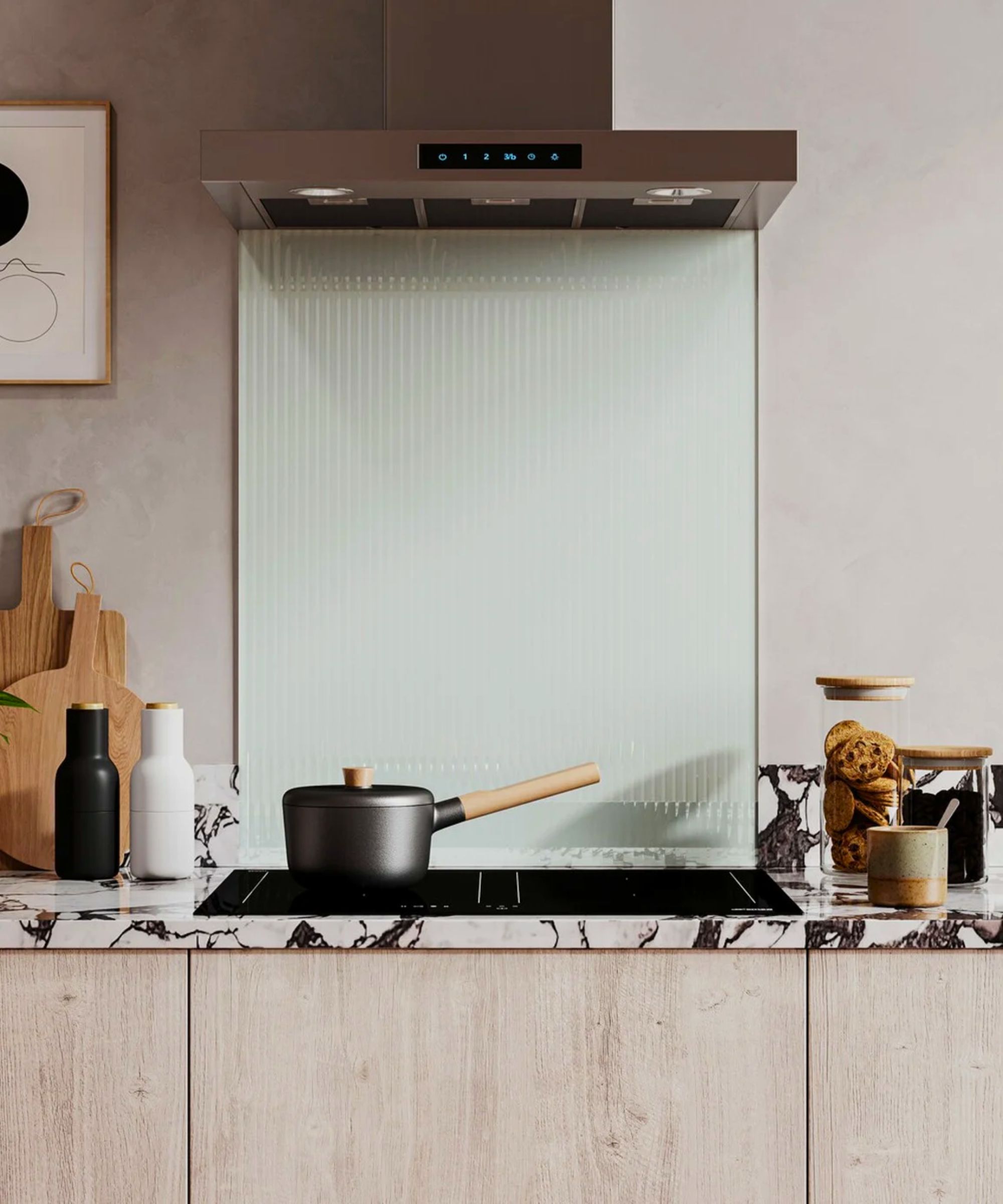
However, incorporating paneled backsplashes requires careful consideration of practicalities, primarily due to wood's vulnerability to moisture and grease. Designers advise against using wood paneling directly behind a range unless protected by a sheet of glass or stainless steel. It is deemed more suitable for lower-impact areas, such as behind a sink or around open shelving, provided it is finished with a durable satin or semi-gloss coating to withstand daily cleaning. Proper installation, including sealing all edges, adequate ventilation, and applying a durable paint or clear topcoat, is crucial to prevent warping and ensure long-term performance. Regular cleaning is also essential for maintaining the surface over time.
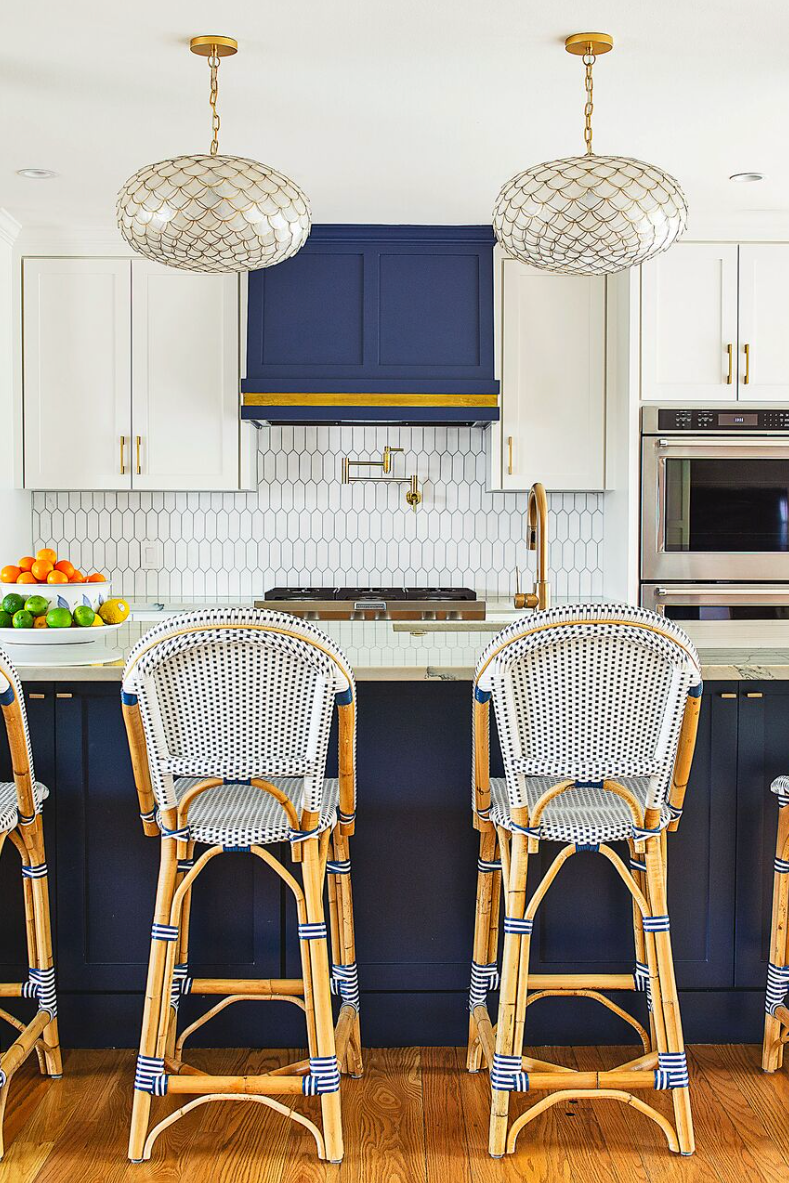
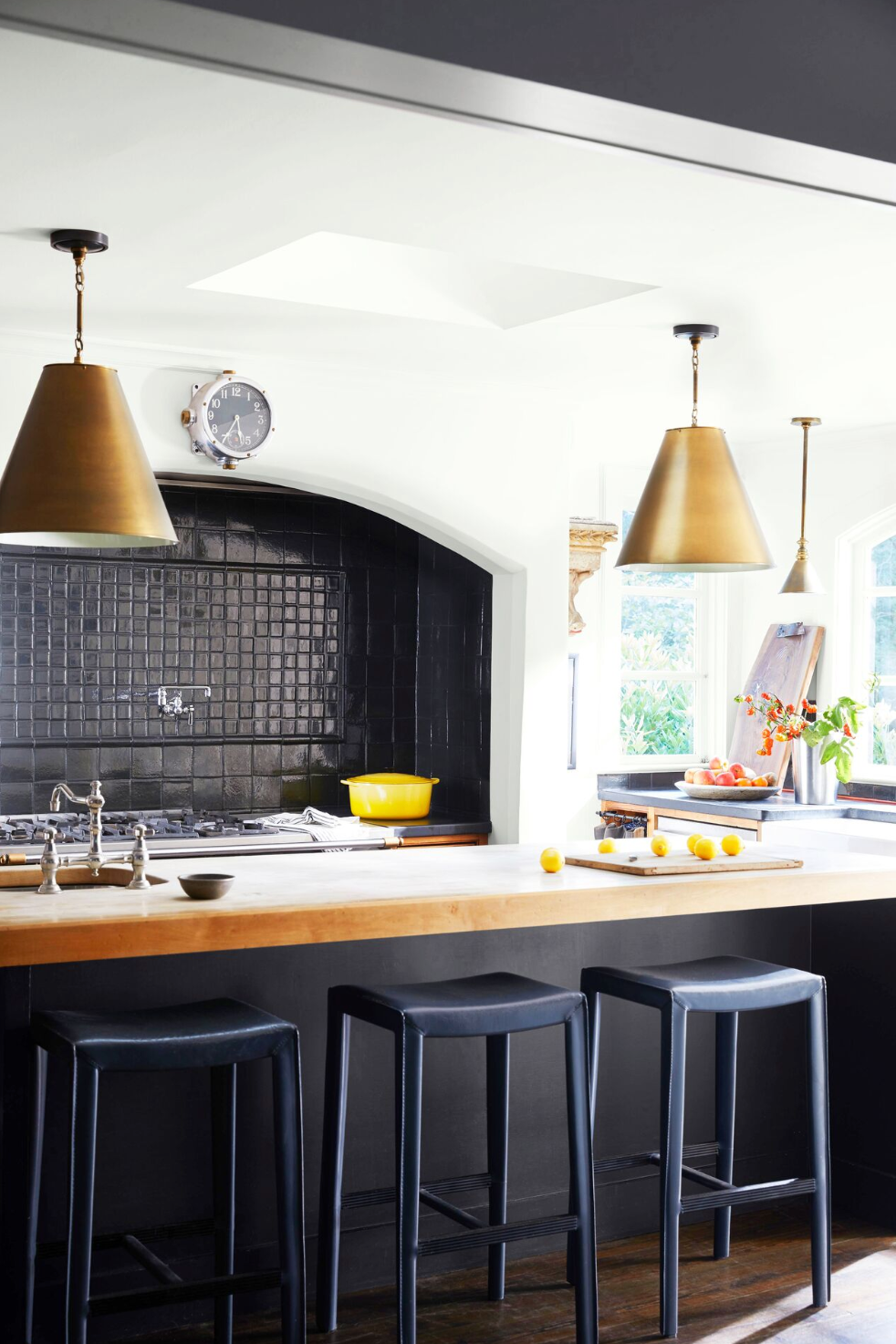
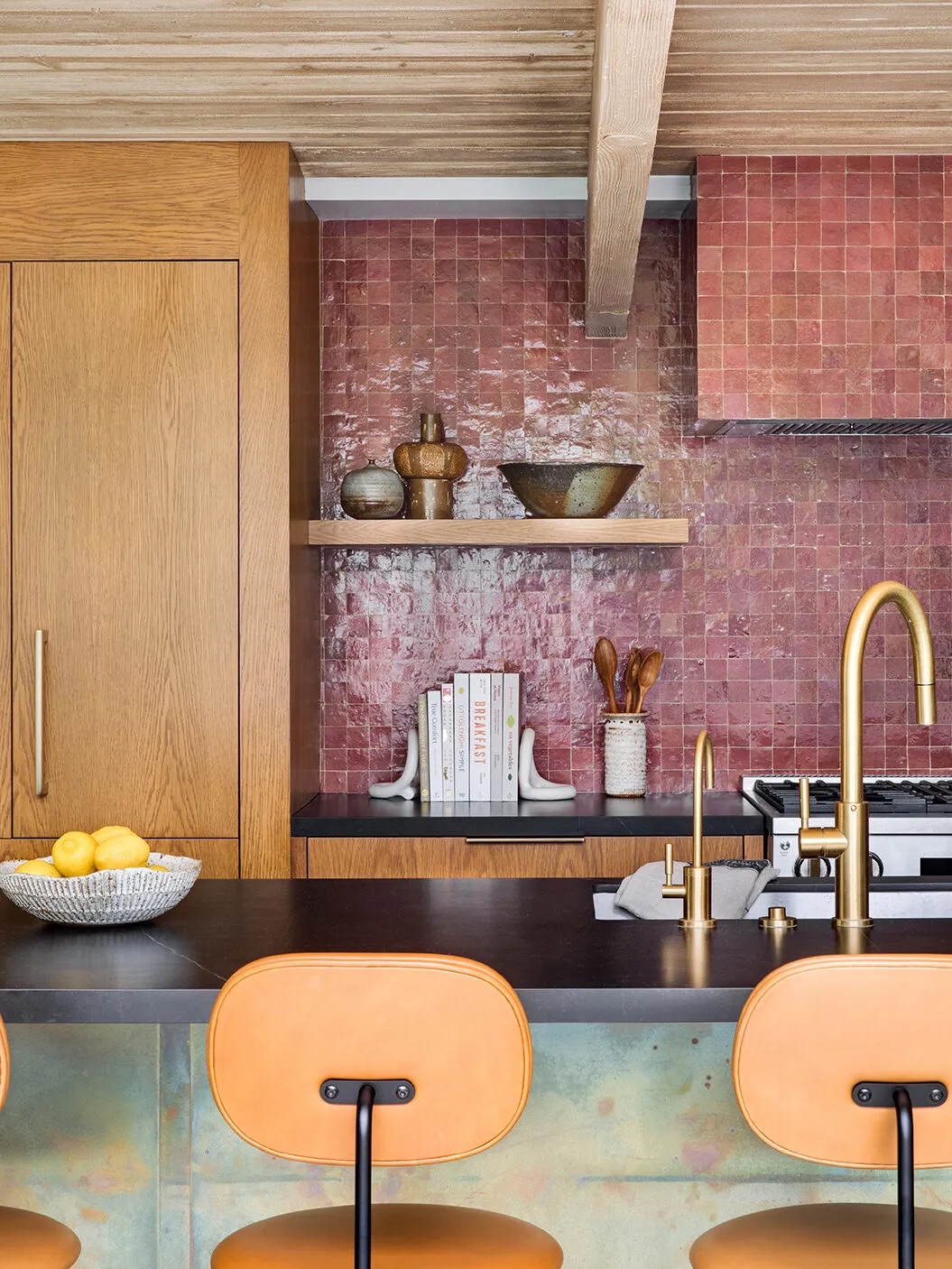
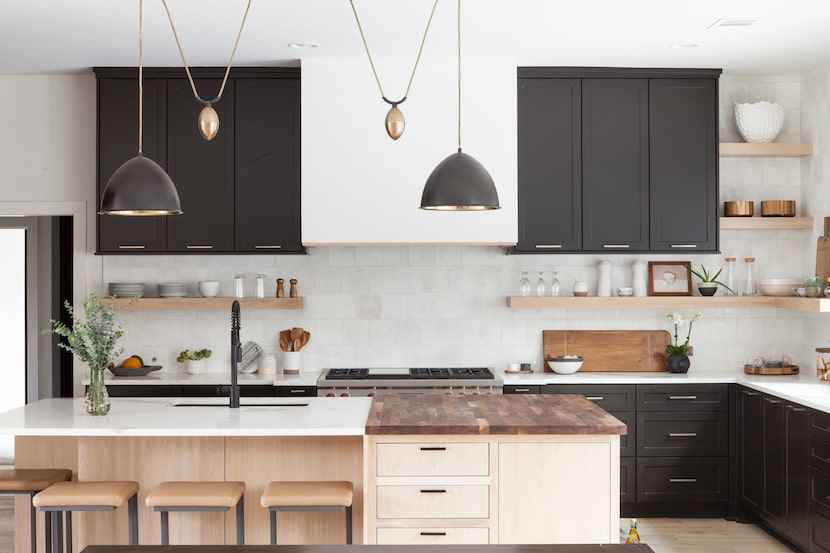
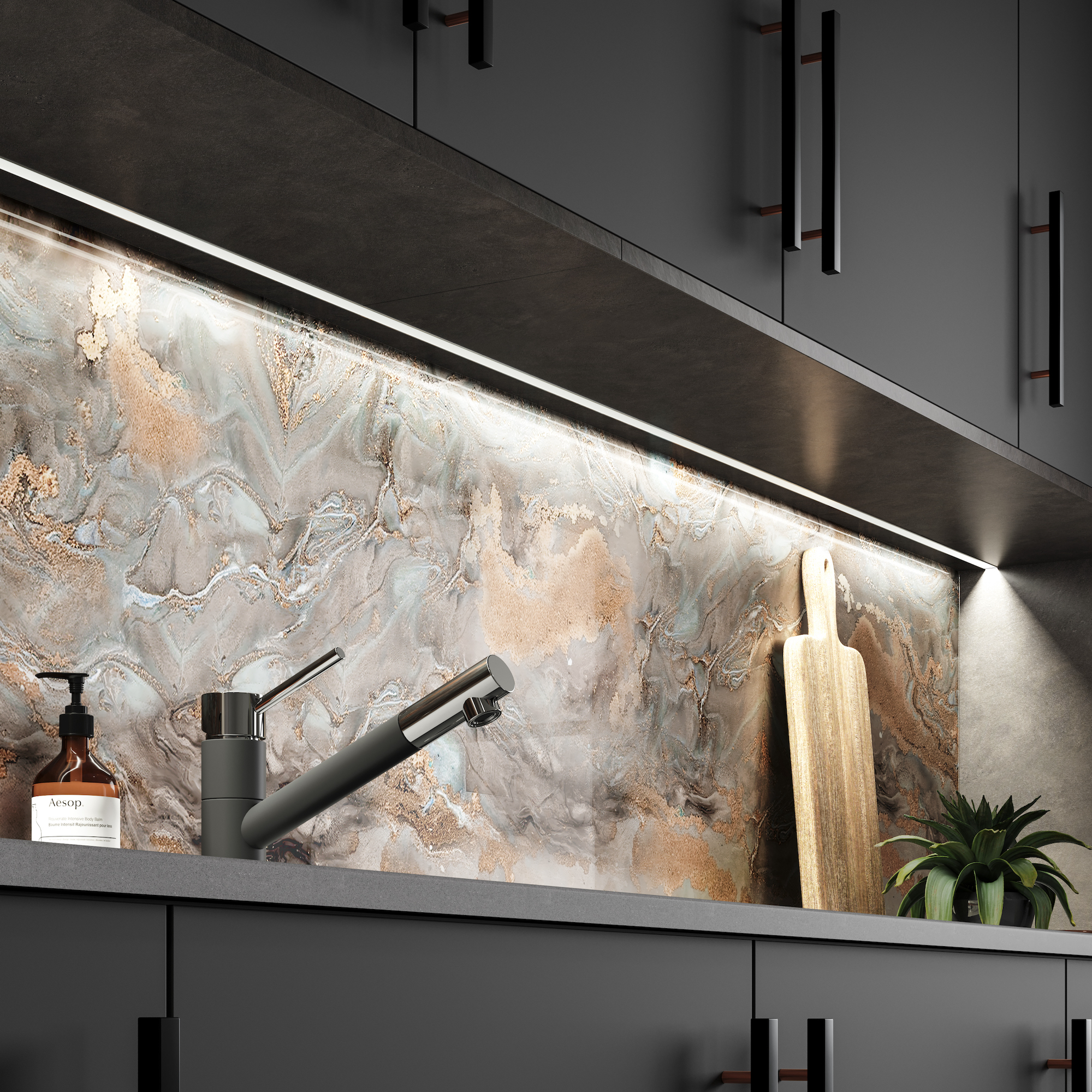
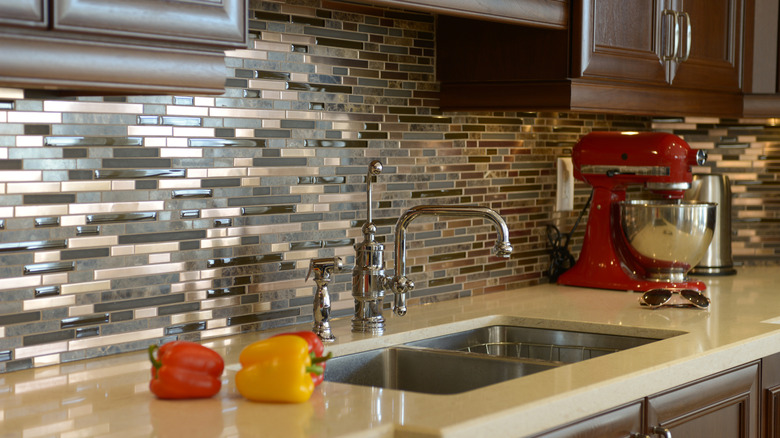
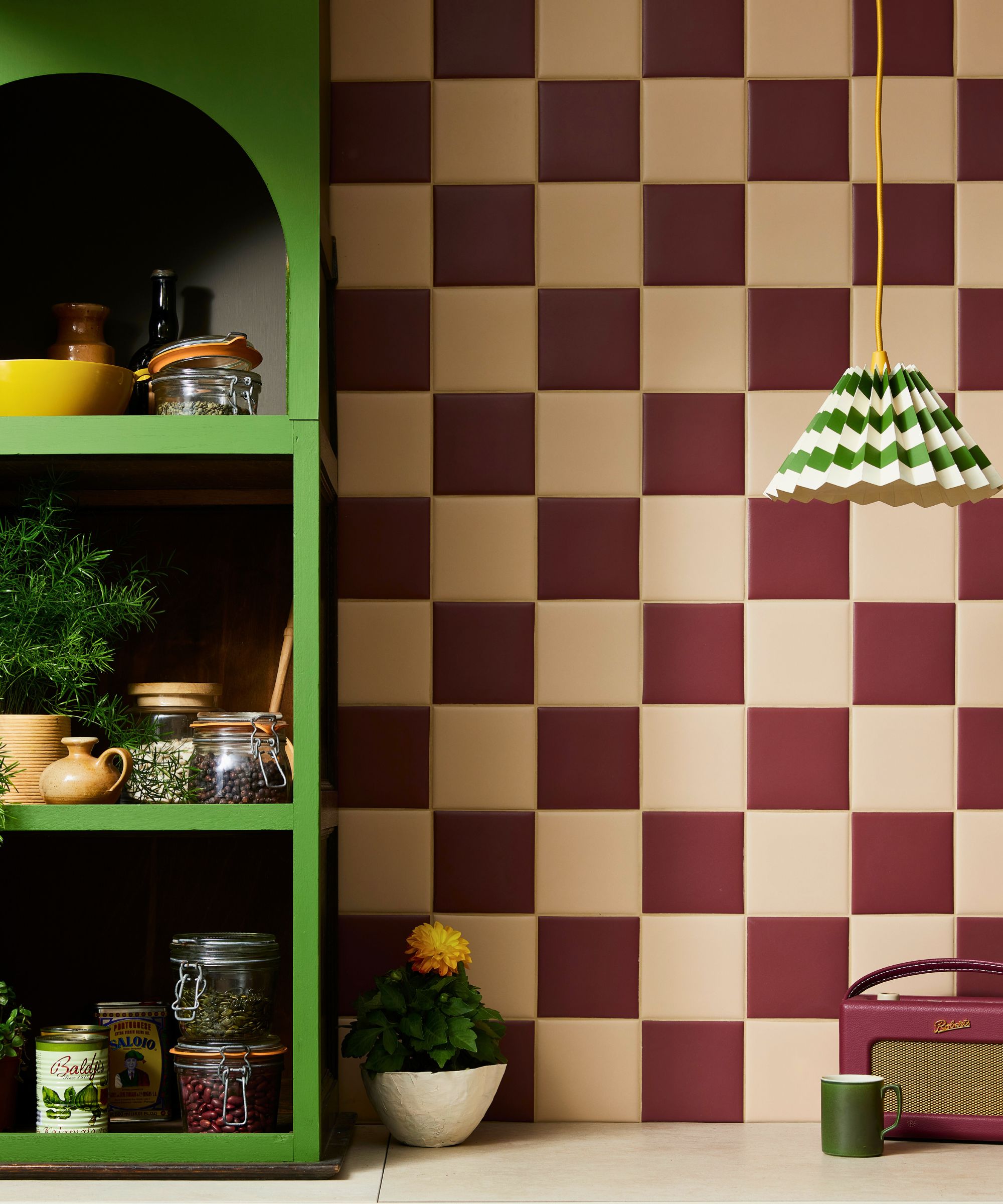
Despite these practical limitations, creative solutions exist. Combining wood paneling with other materials like tiles is a stylish and effective way to achieve a layered and curated look. This allows for a balance where the paneling provides a subtle background, enhancing more prominent design elements like a glossy tiled section. Such combinations contribute to a kitchen that feels collected, personalized, and far from a sterile, matchy-matchy environment. The article highlights that paneling kits are available for DIY enthusiasts, simplifying the installation process. Ultimately, the trend emphasizes thoughtful material selection and application, leveraging the strengths of wood paneling while accounting for its limitations, to create a characterful and enduring kitchen design.
#KitchenDesign #BacksplashTrends #PaneledBacksplash #InteriorDesignTrends #KitchenRemodel #TimelessDesign #WoodPanel #HomeDecor #KitchenStyling #KitchenDesign #BacksplashTrends #PaneledBacksplash #InteriorDesignTrends #KitchenRemodel #TimelessDesign #WoodPanel #HomeDecor #KitchenStyling
0 comment in total
 No comments yet
You may also like
Kitchen panelling is trending - here are 8 ways to achieve this affordable but luxury look
8 Backsplashes to Avoid, According to Interior Designers

Upstand vs splashback – what you need to know before designing your kitchen
7 Backsplash Mistakes That Will Date Your Kitchen
The 'wallpaper' of the kitchen – why choosing the right kitchen backsplash can make or break a space
Freshen up the look of your kitchen with a unique backsplash

Common kitchen backsplash trends to avoid in 2025

6 outdated kitchen backsplash designs that can bring down a whole room
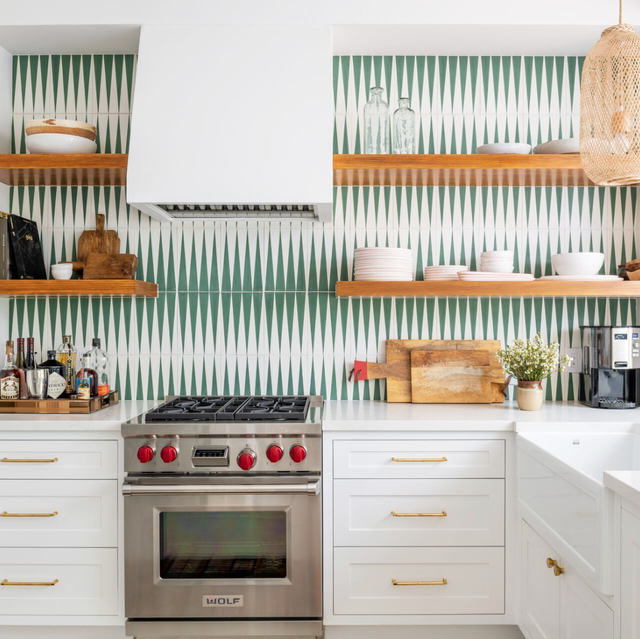
This Striking Geometric Backsplash Is Just the Thing to Upgrade Your Kitchen

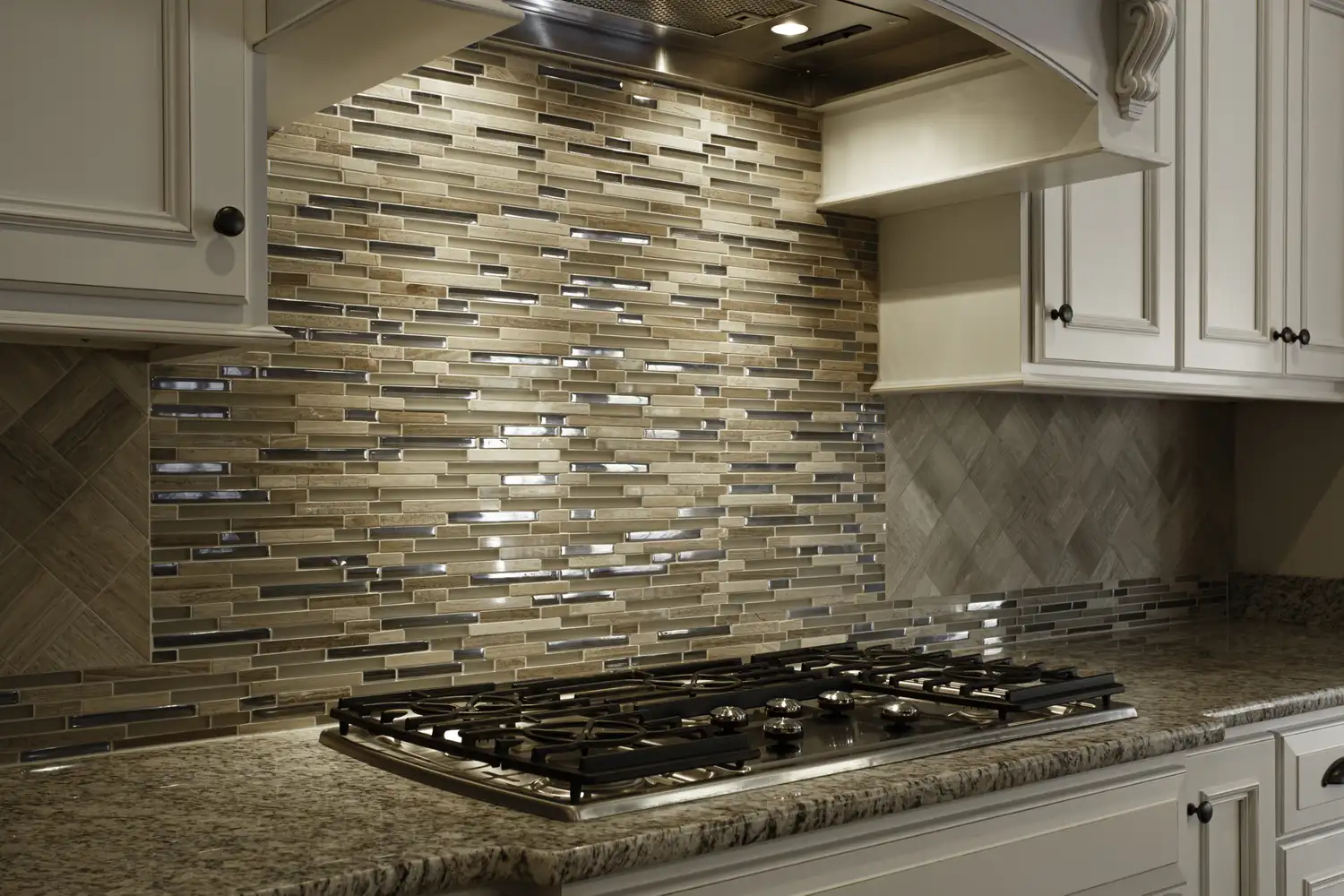
8 Backsplash Styles Designers Say Are Dating Your Kitchen
10 Kitchen Backsplash Trends That Are Out In 2025

Ditch These Dated Backsplash Trends For Timeless Alternatives
This Modern Backsplash Alternative Makes Your Kitchen Look Bigger And Brighter

Your Backsplash Is Cheapening Your Kitchen—Here's How to Fix It, According to Designers

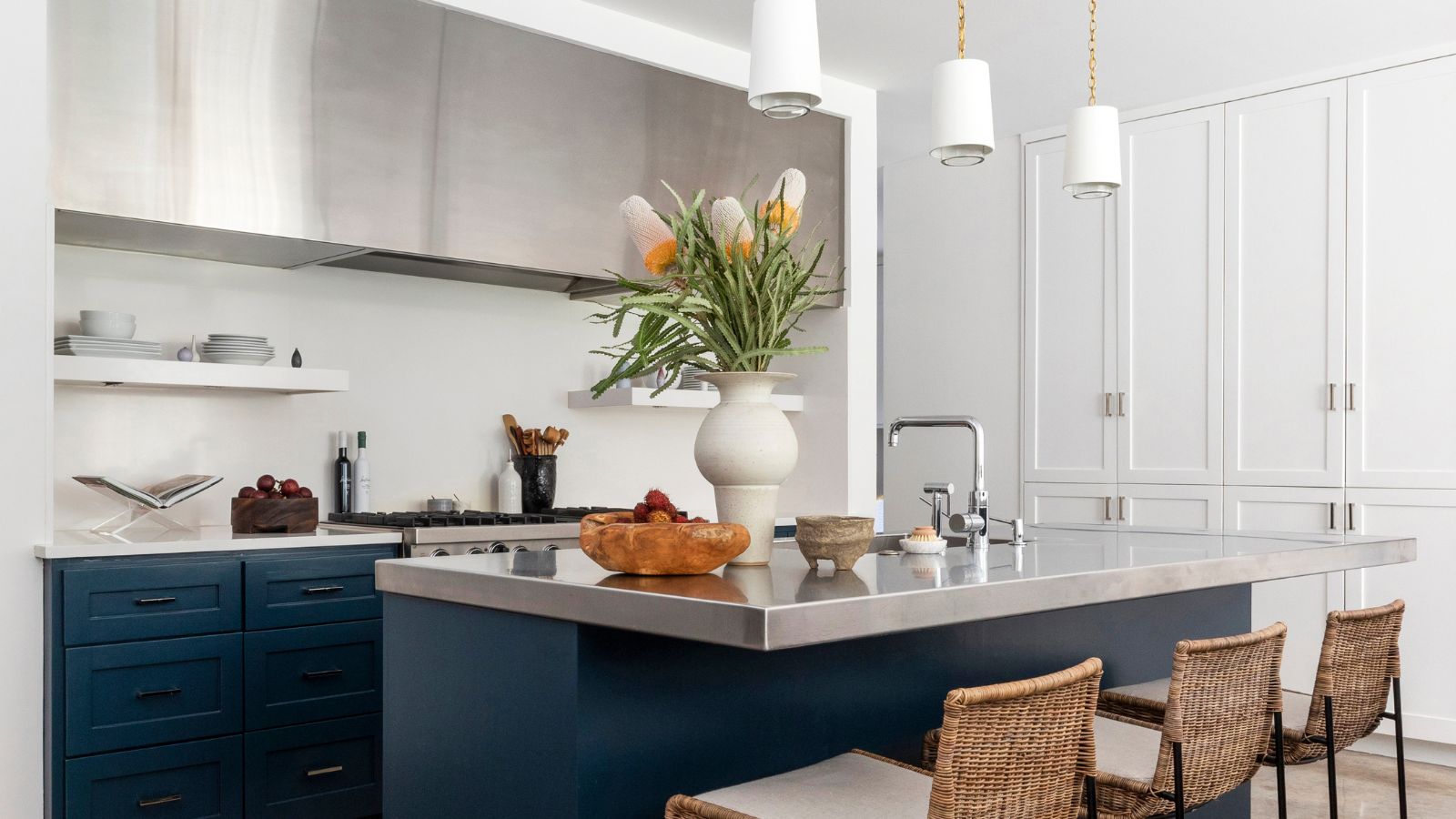
All the most stylish kitchens in 2025 forgo this key feature
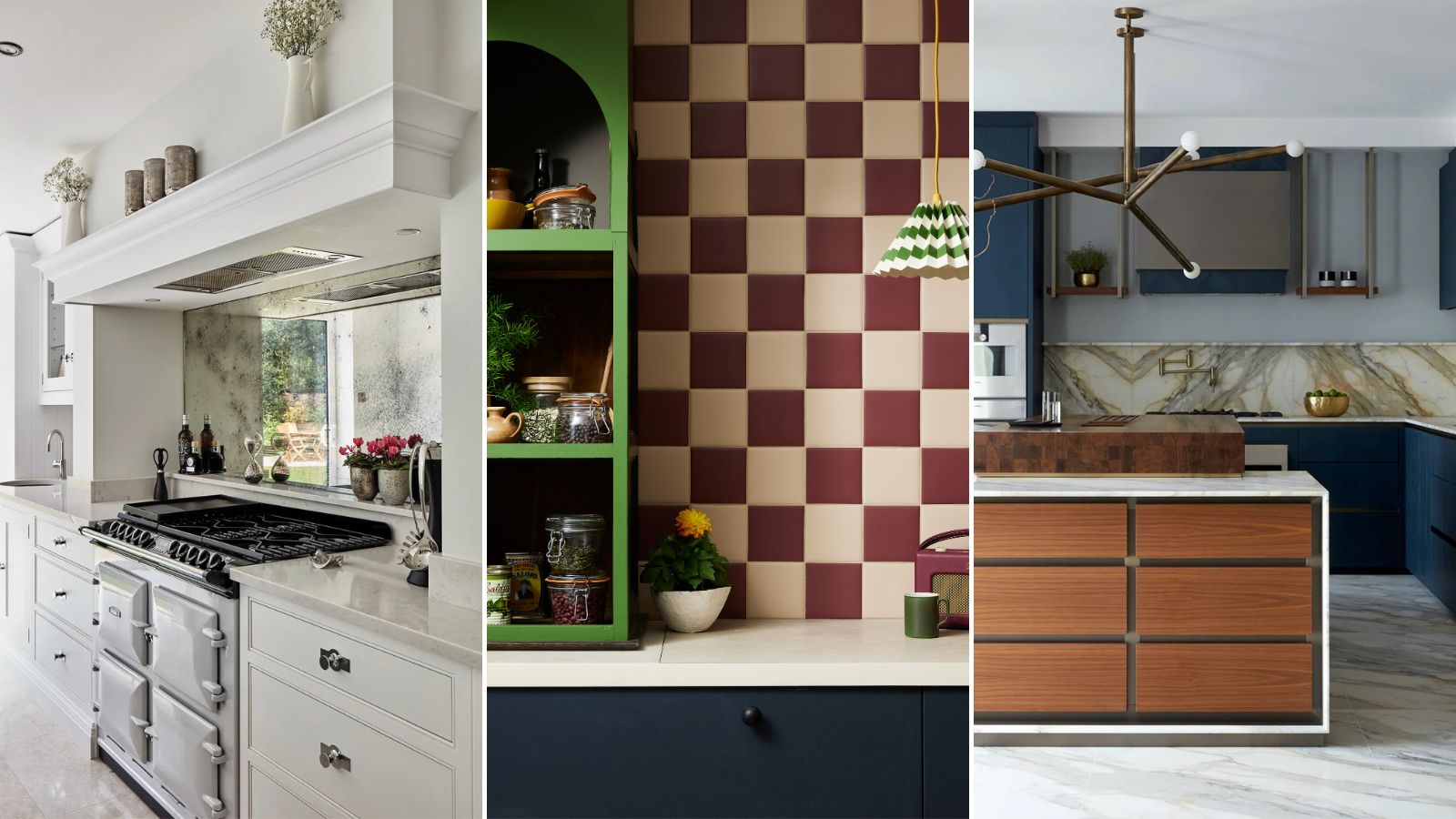
12 beautiful kitchen backsplash ideas that will instantly elevate your space
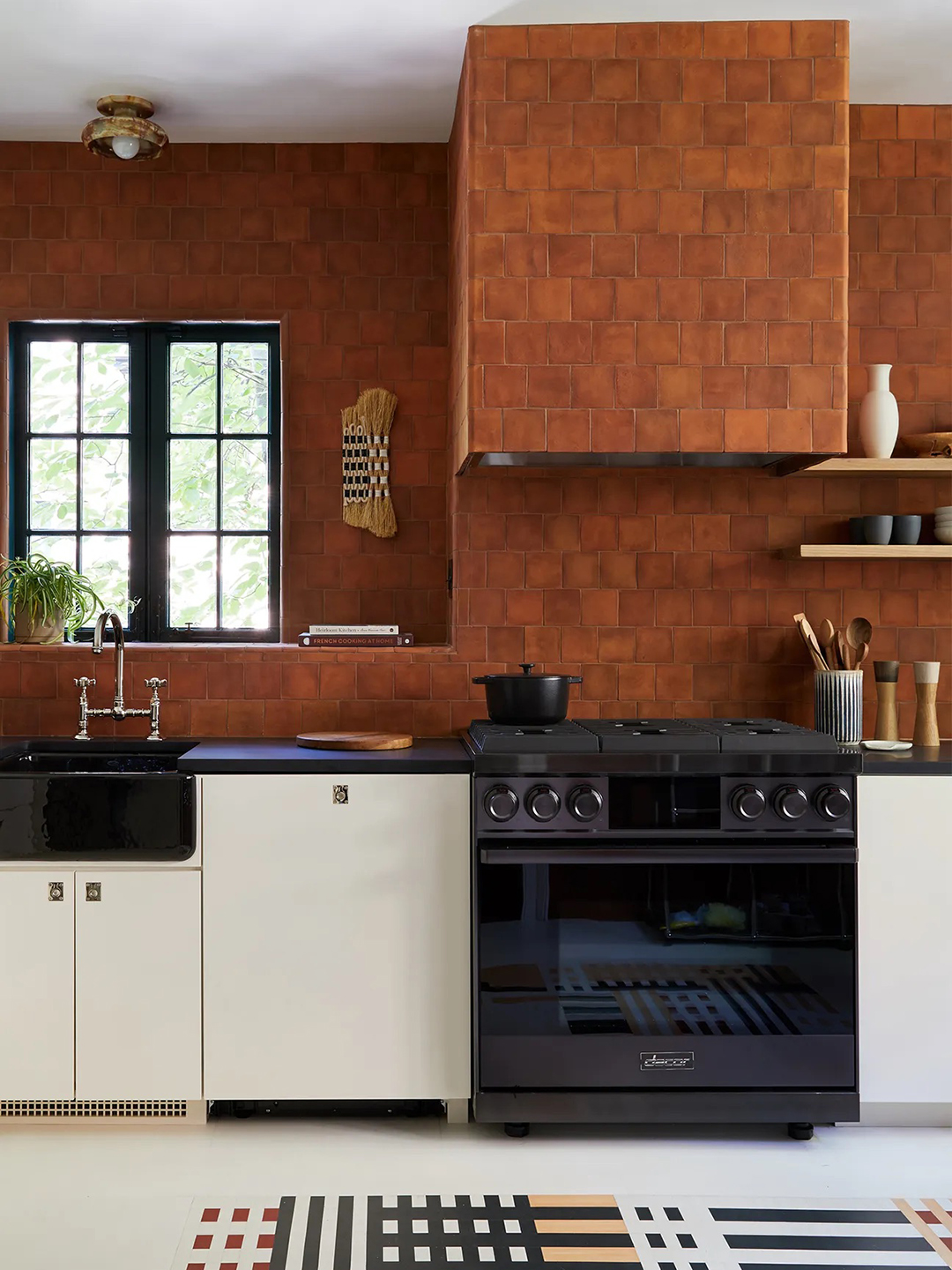
67% of Renovators Are Abandoning Standard Backsplashes for This Maximalist Look

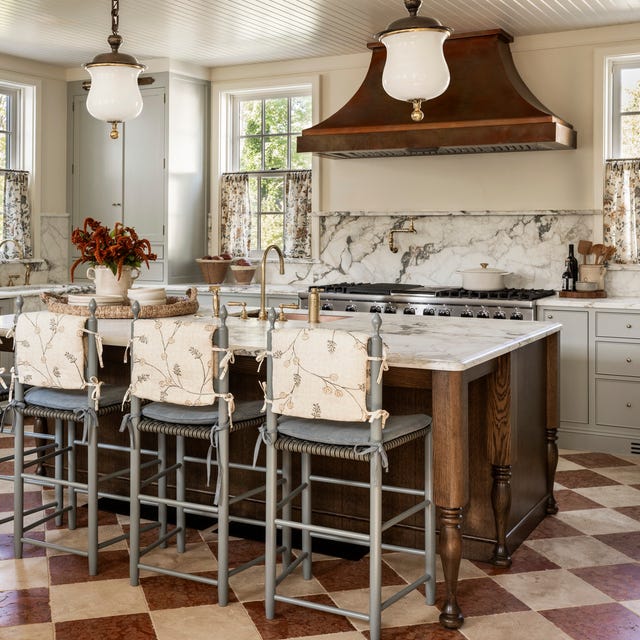
Why Half Backsplashes Are Taking Over Kitchen Design, According to Experts
Blended backsplashes are trending in kitchen design – this is what you should know
Why Half Backsplashes Are Taking Over Kitchen Design, According to Experts