1/8
Should you invest in a kitchen island with a sink? We asked the experts
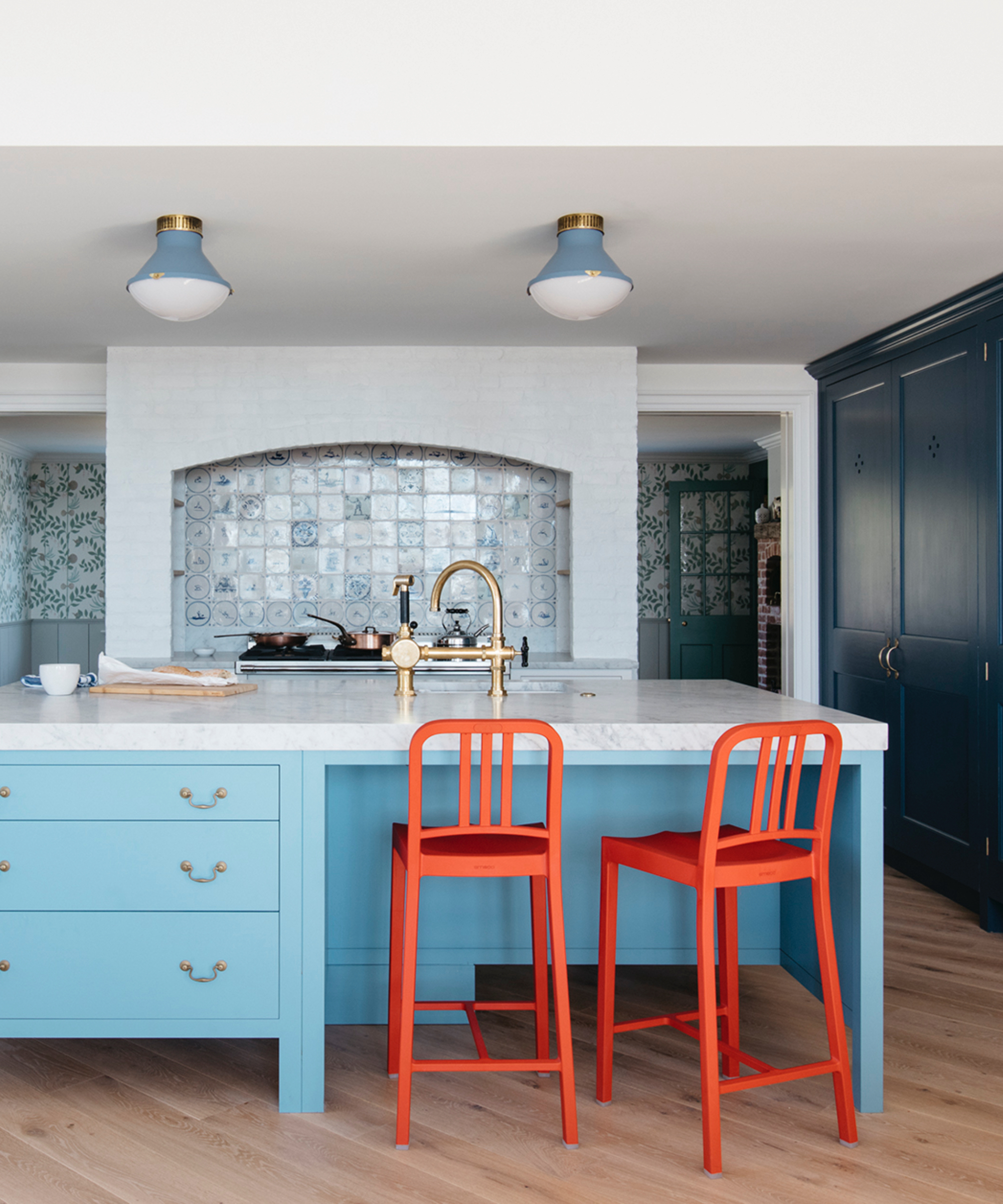
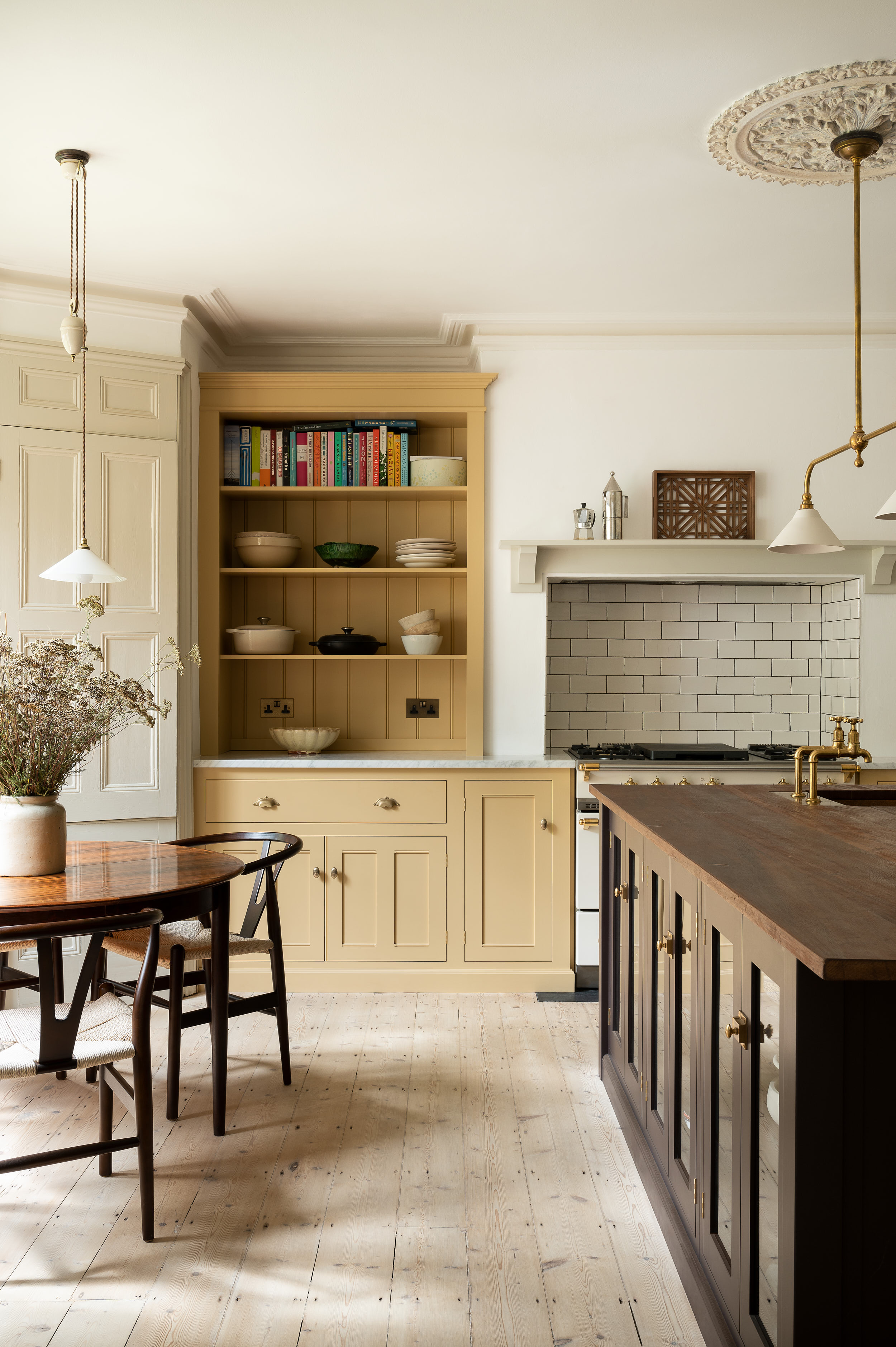
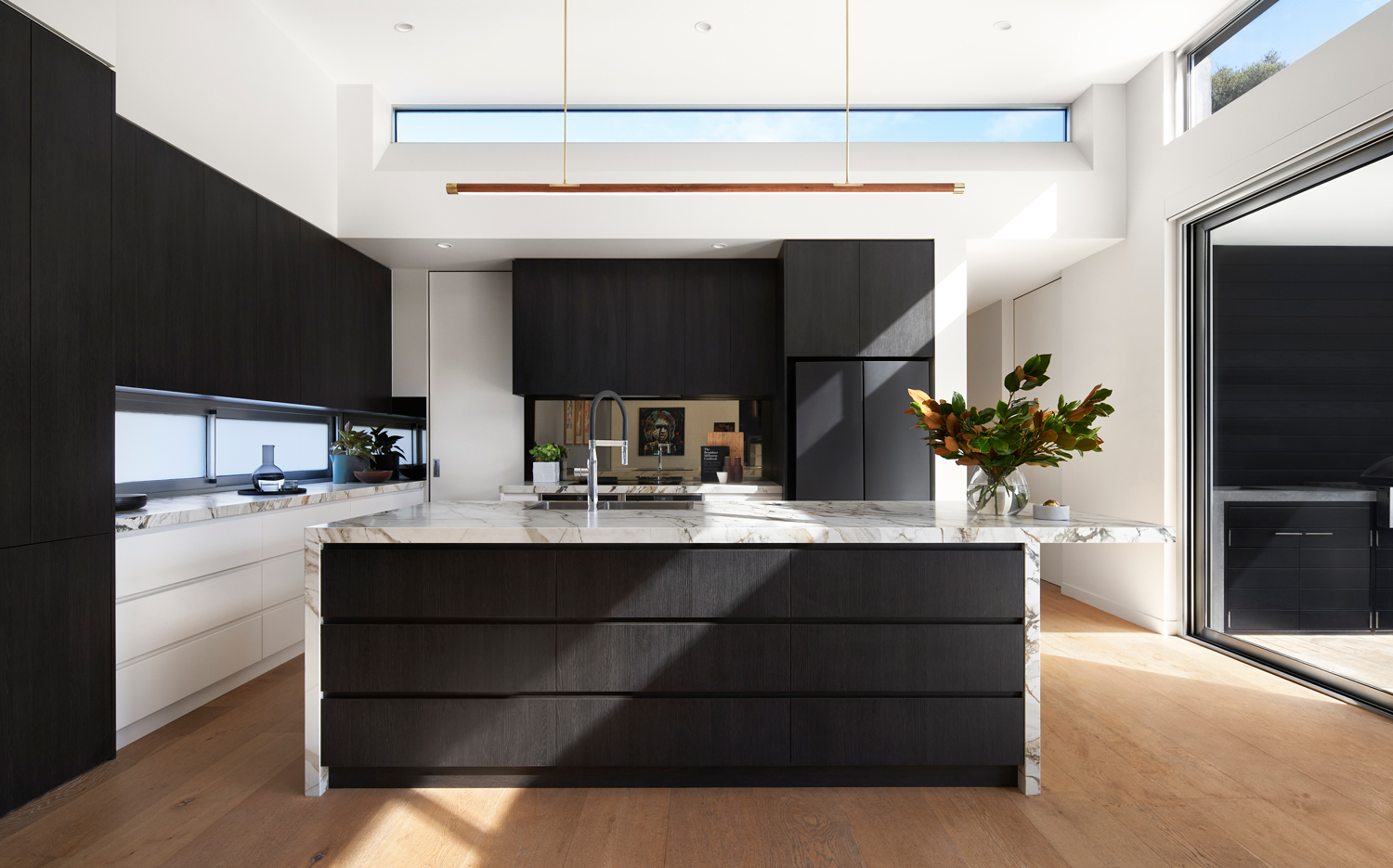
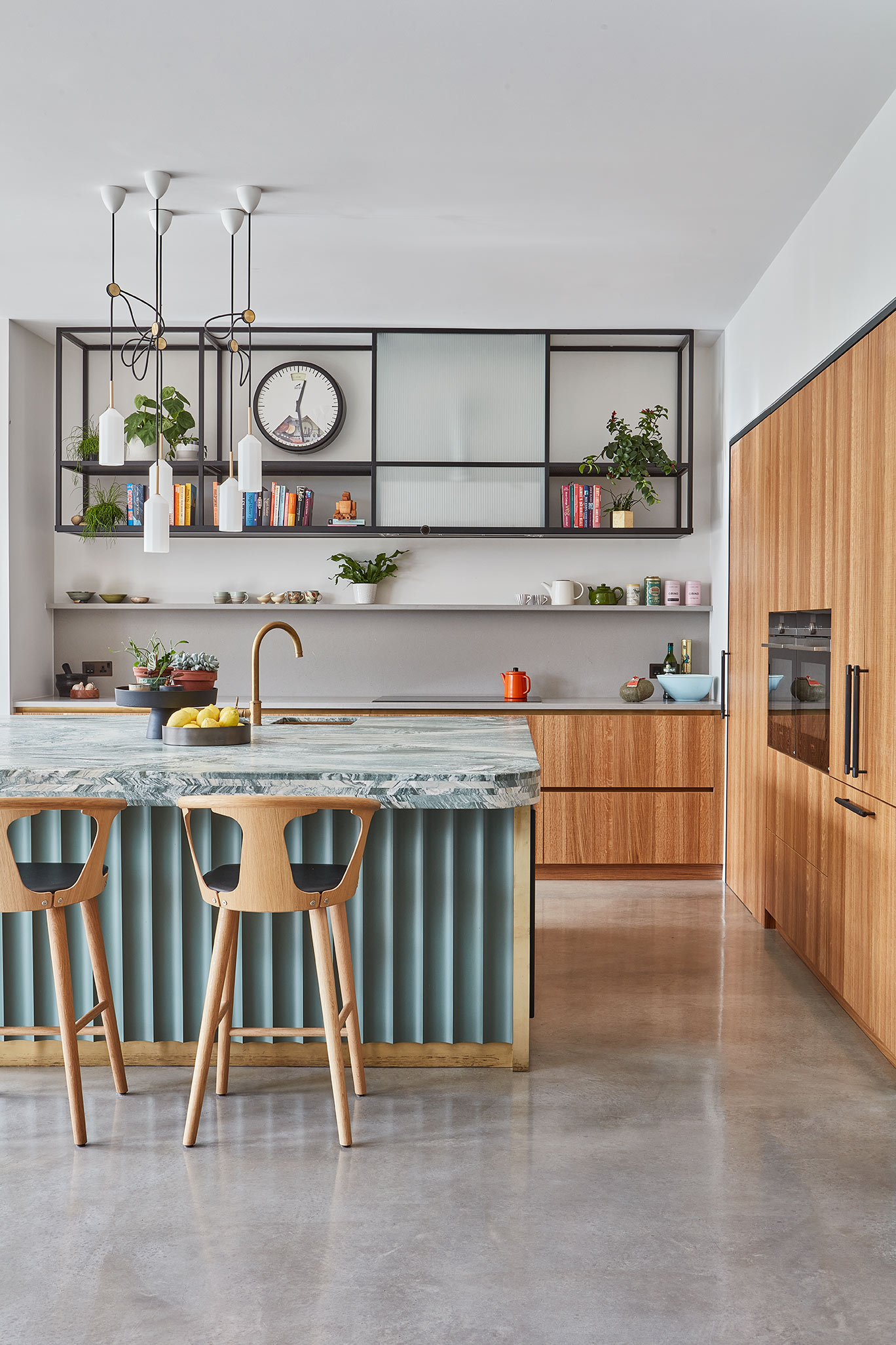
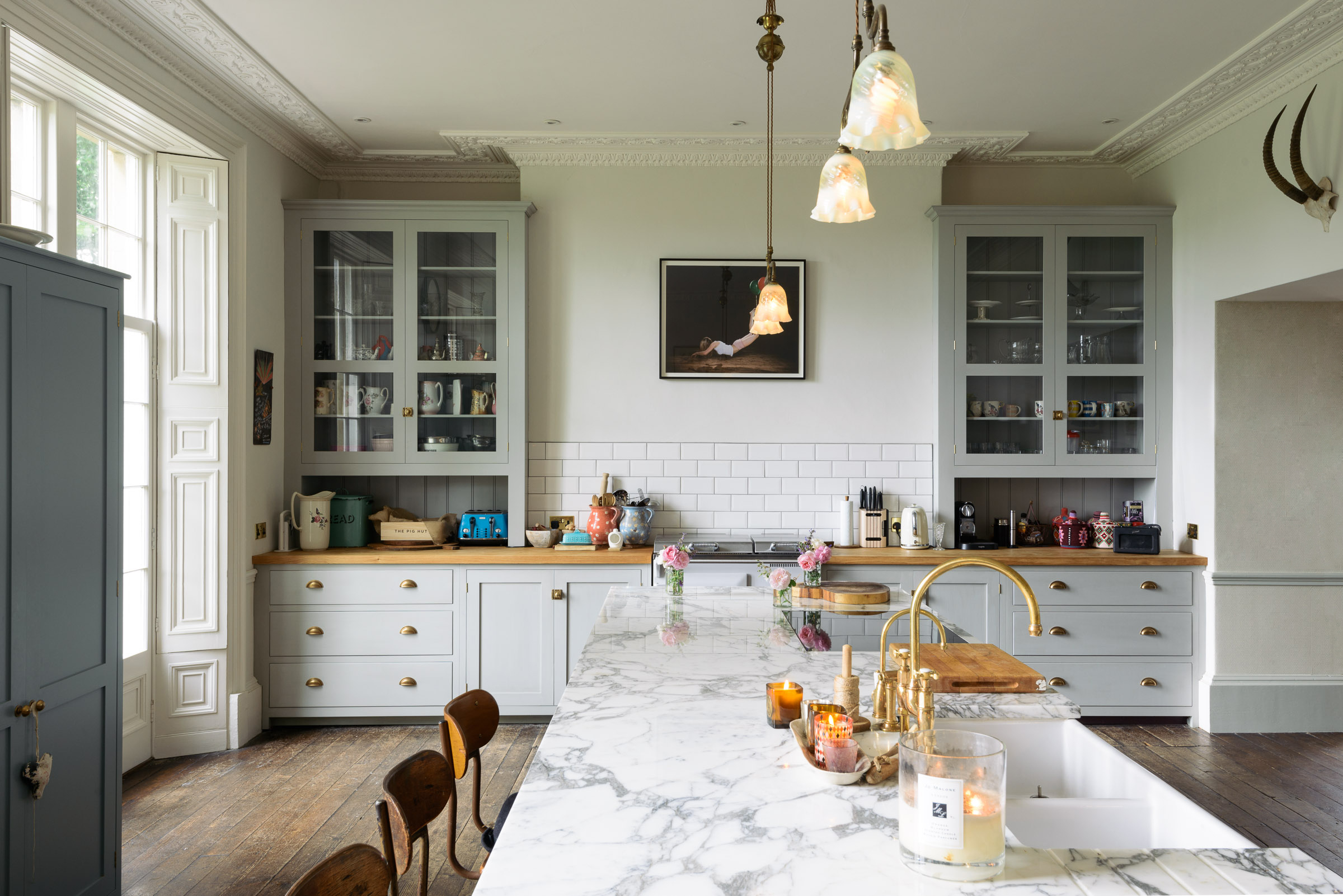
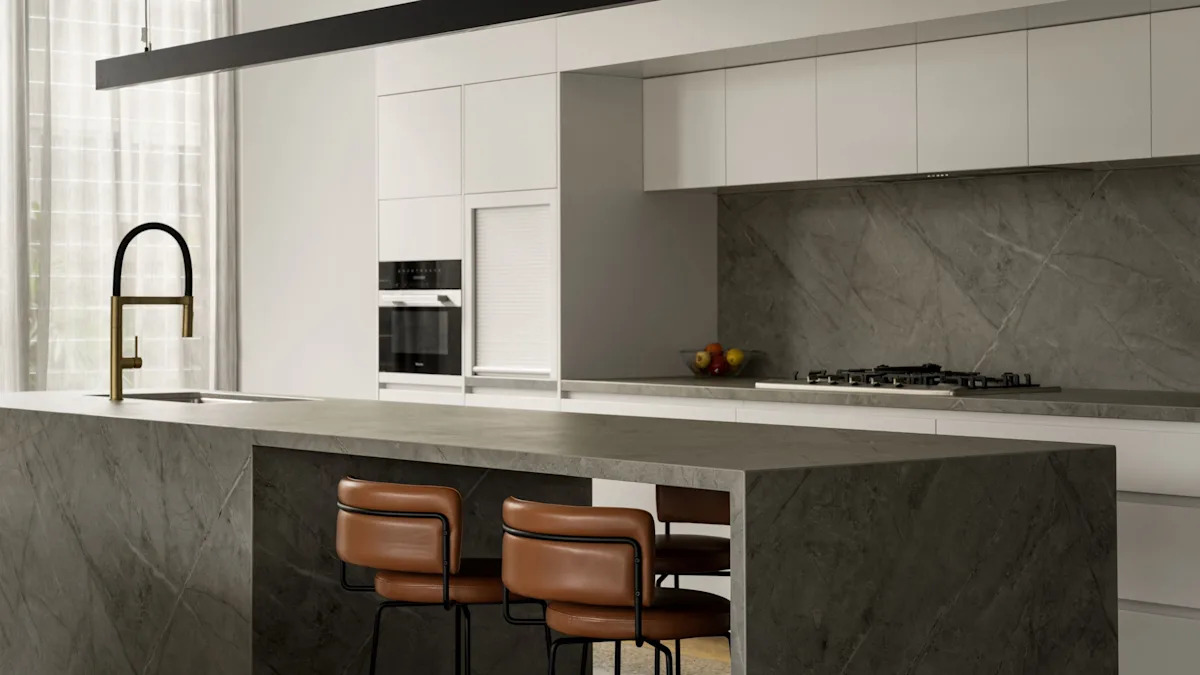
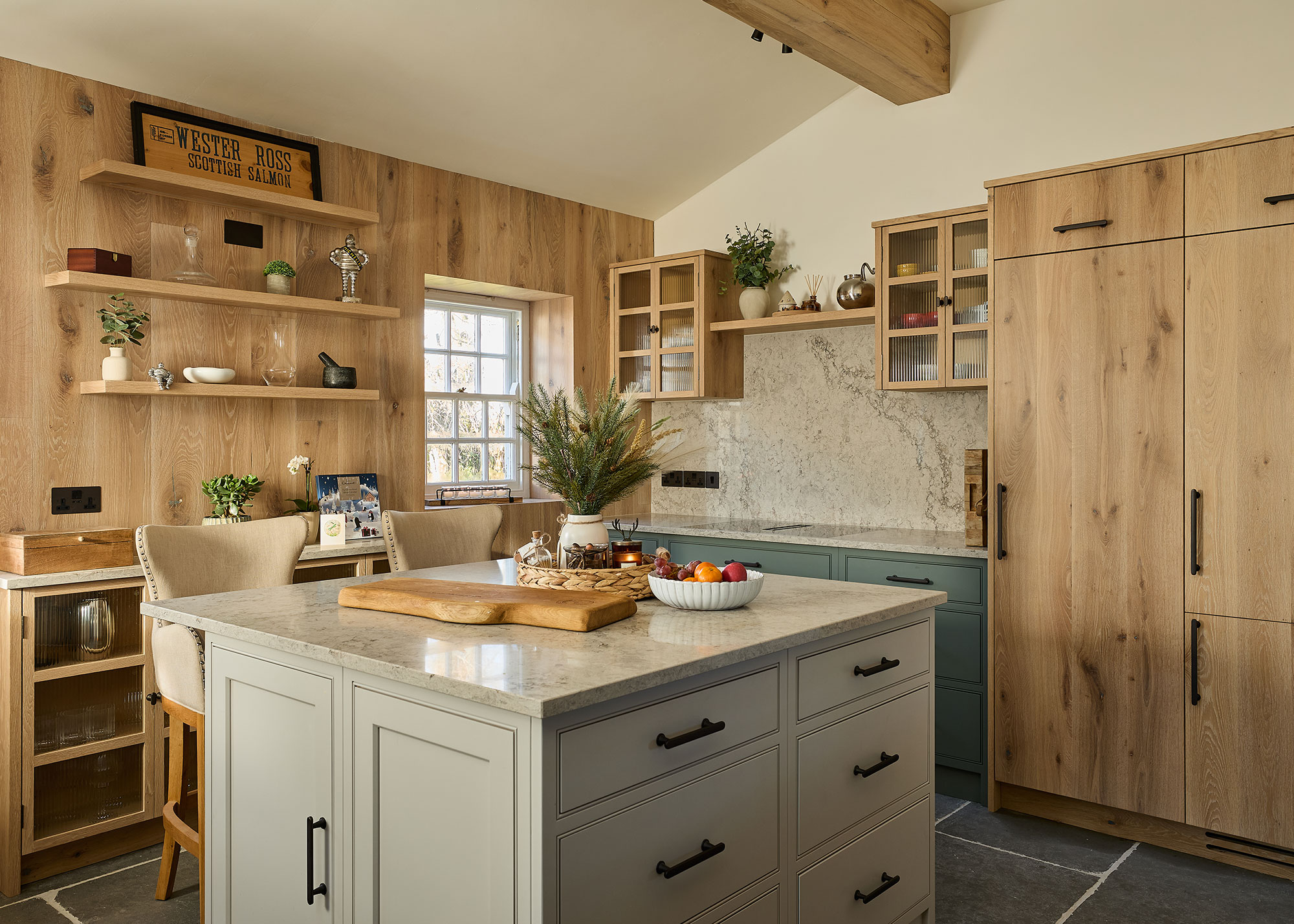
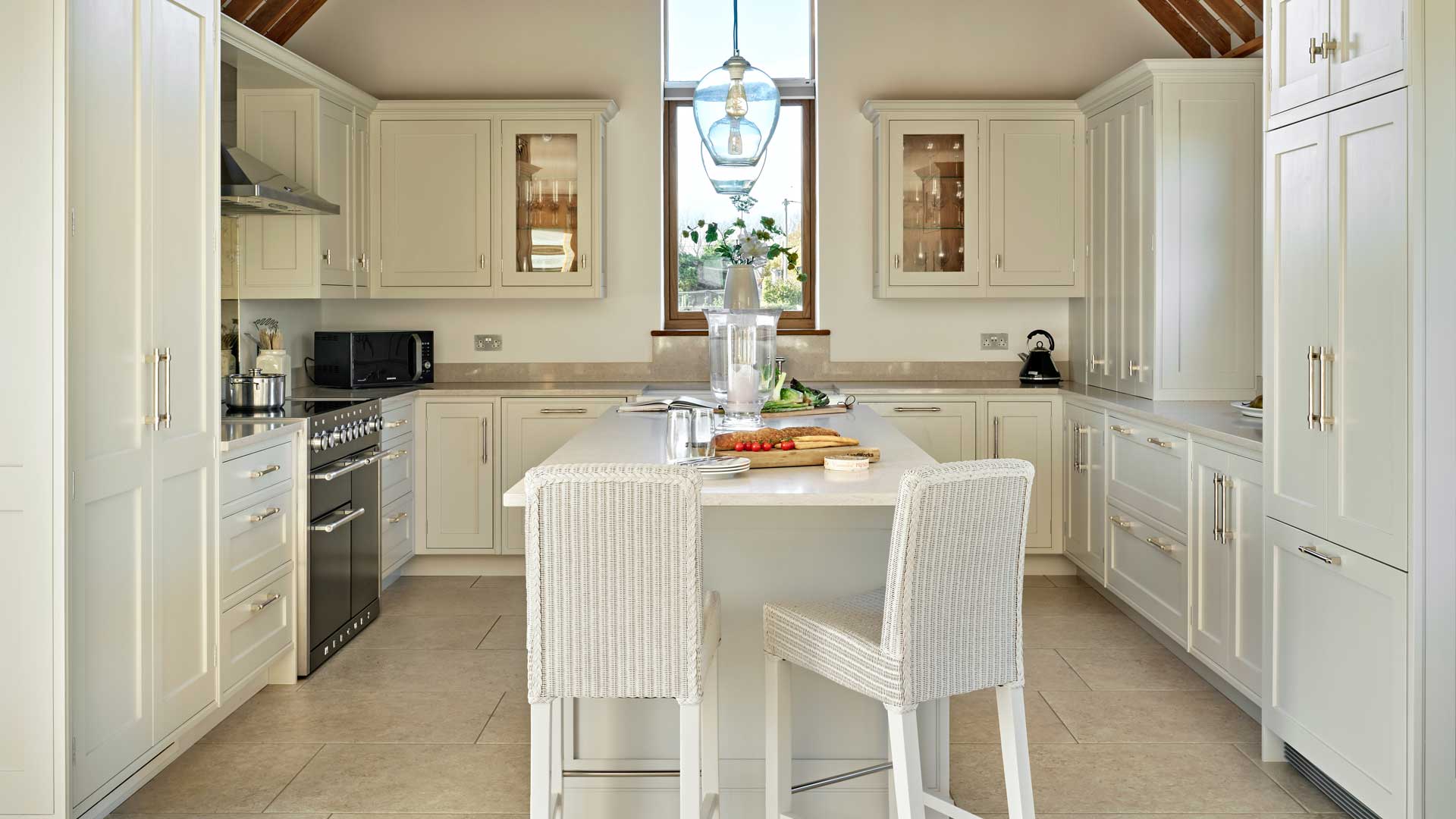
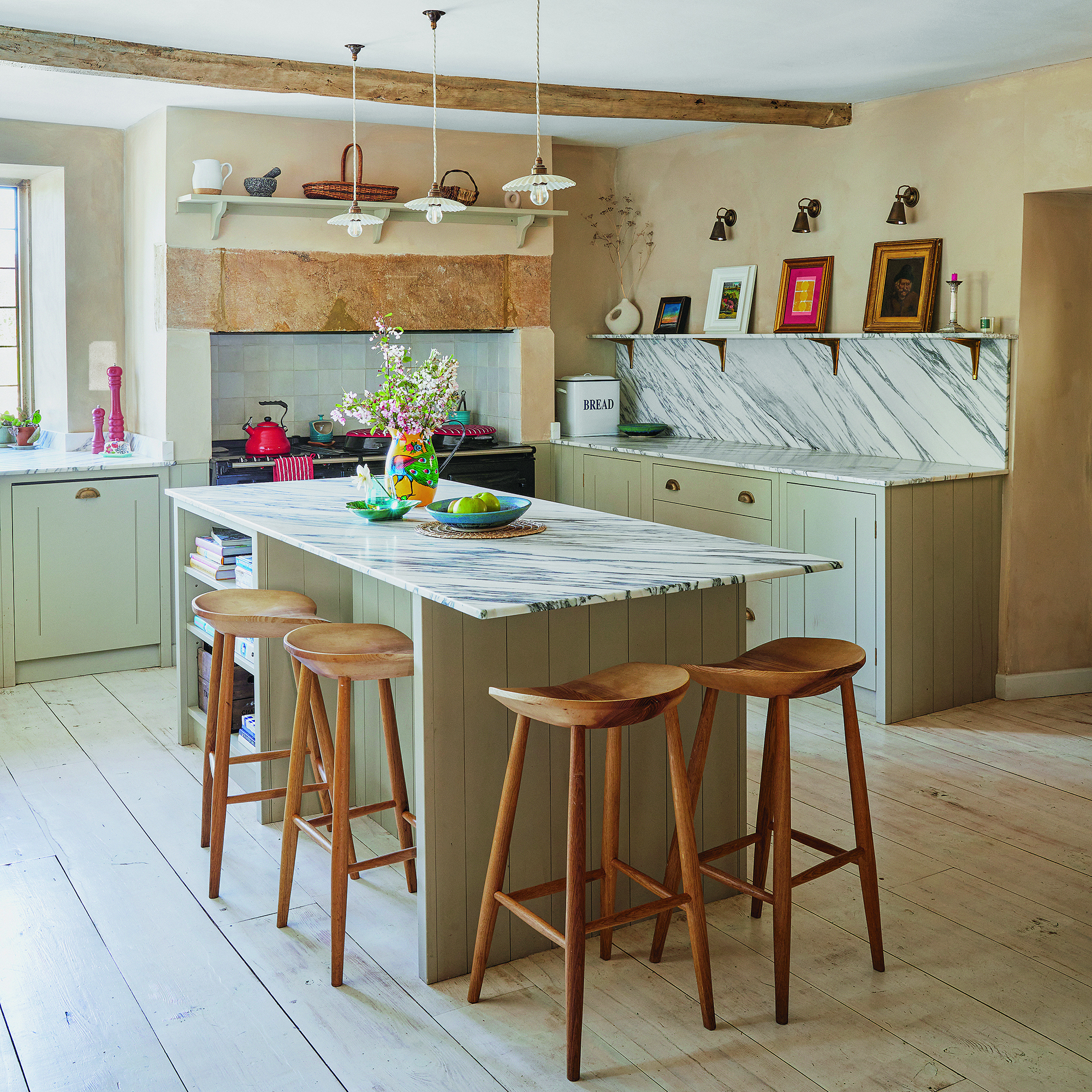
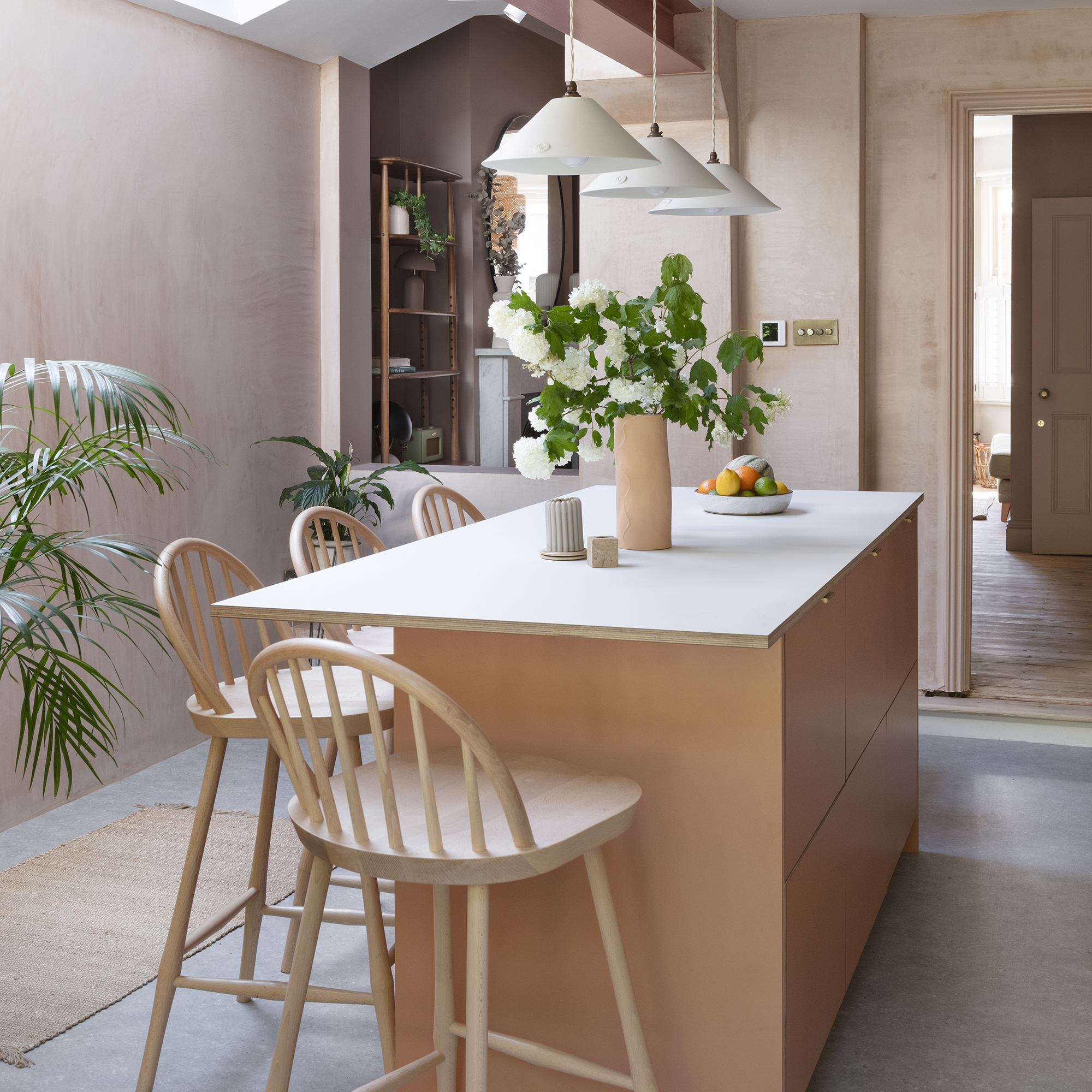
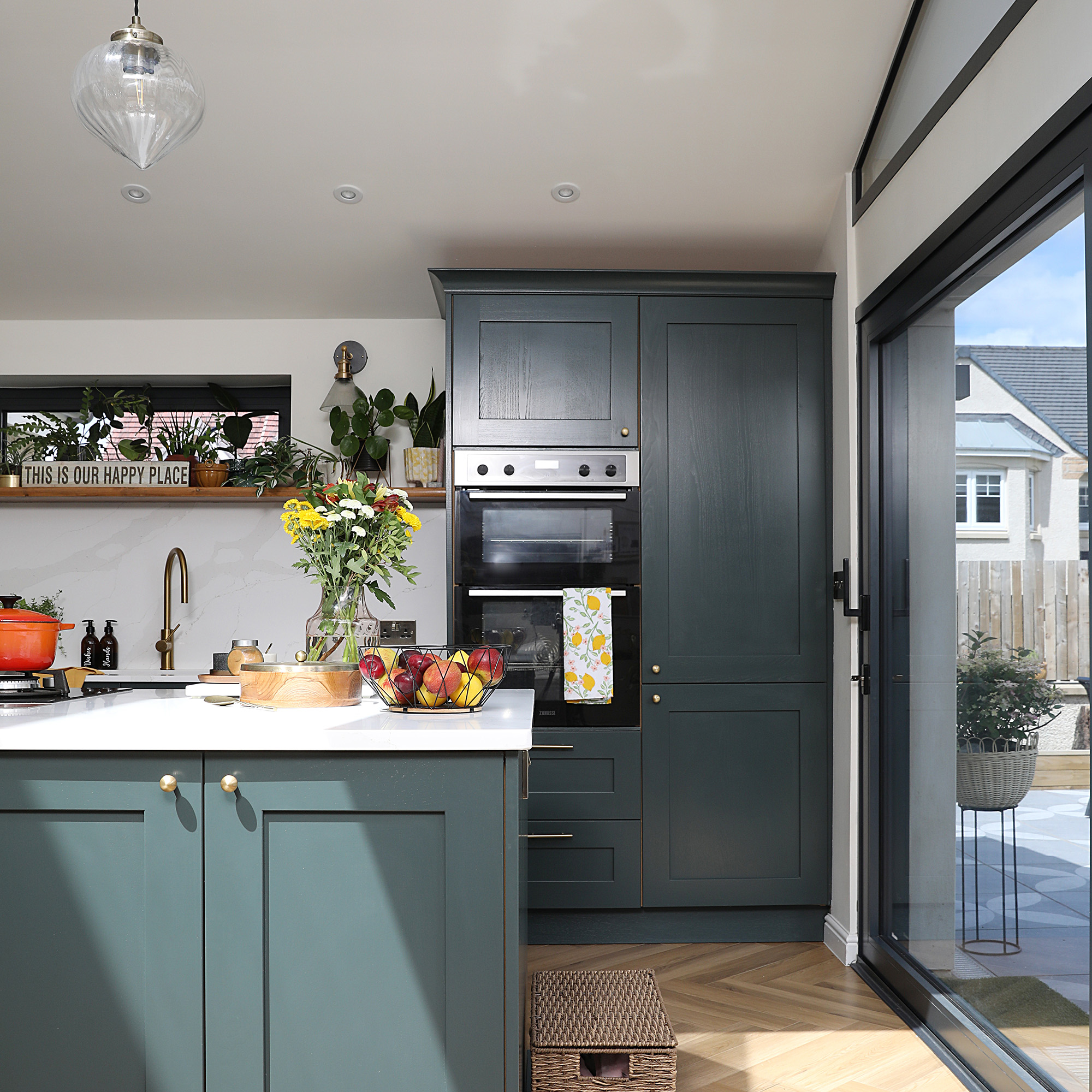
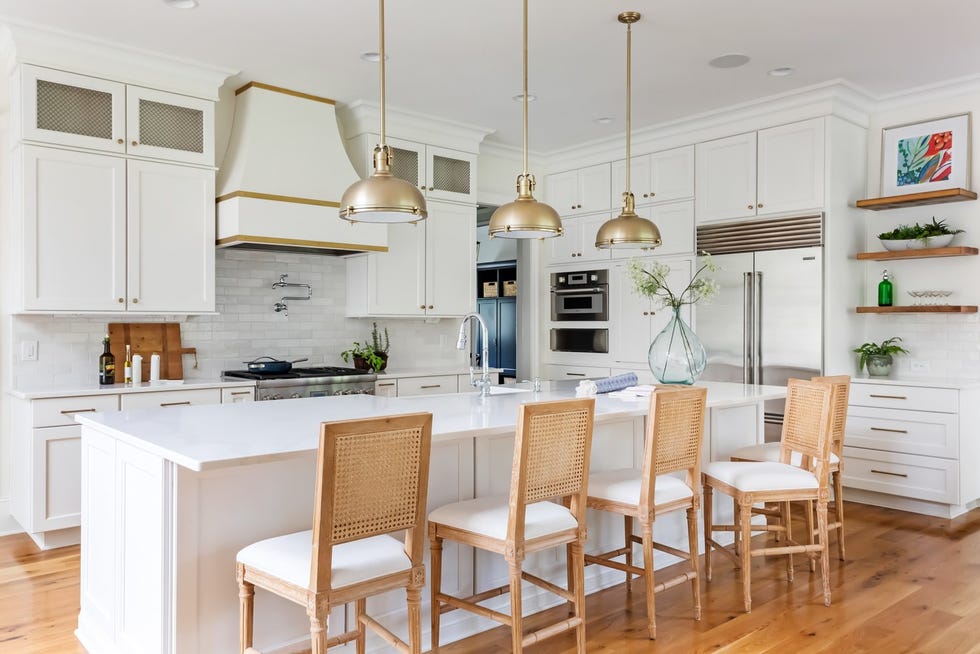
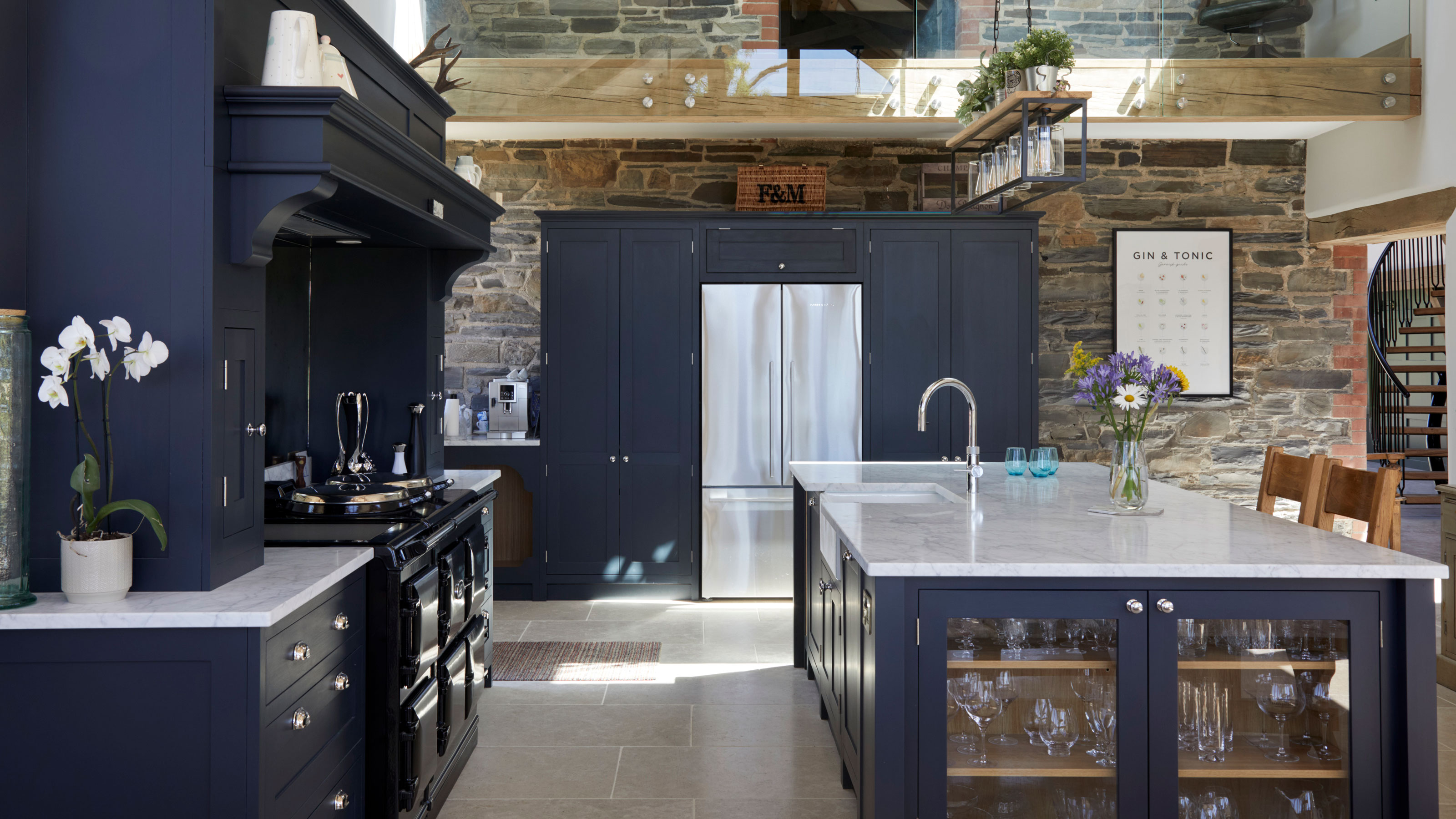
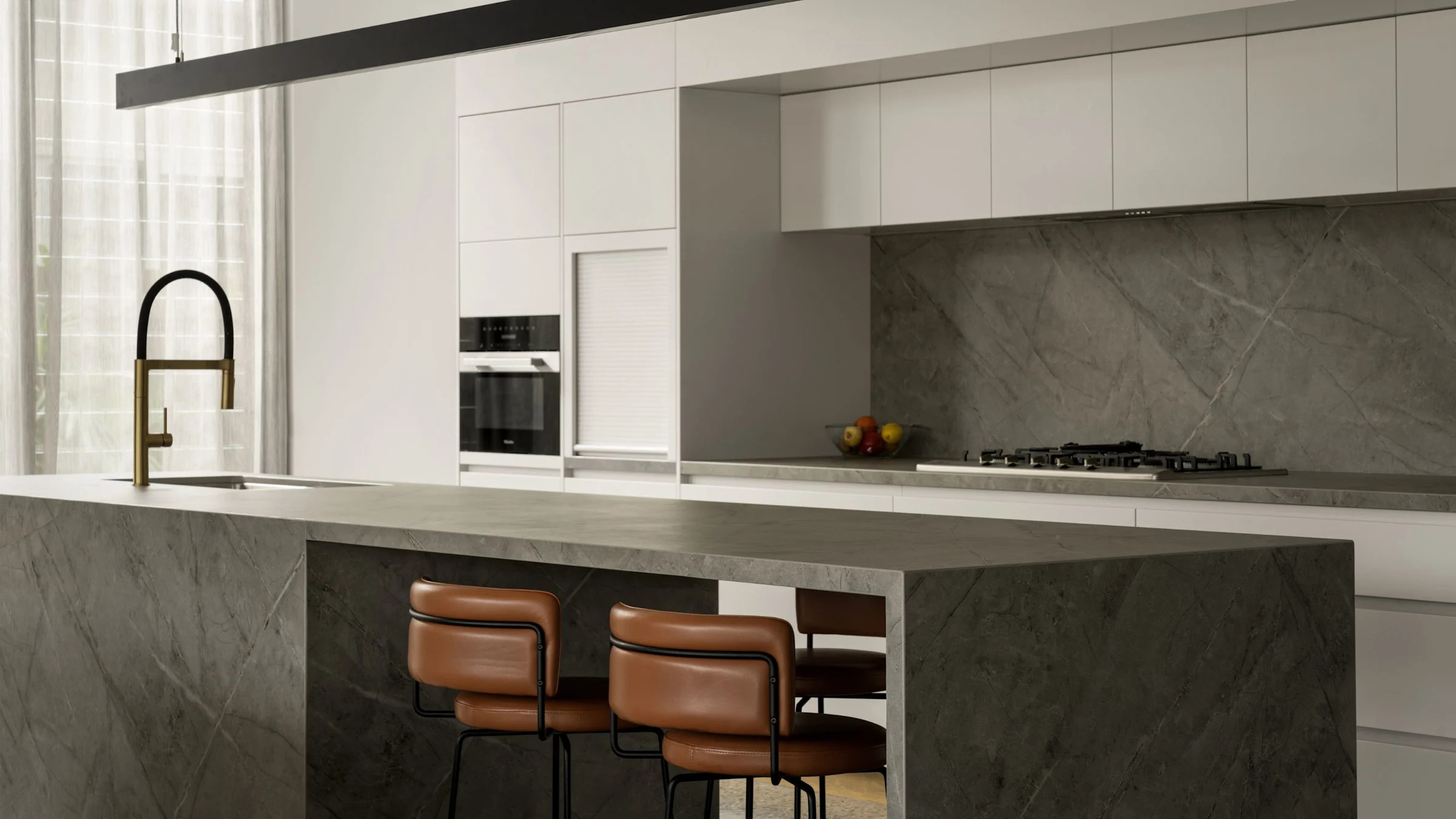
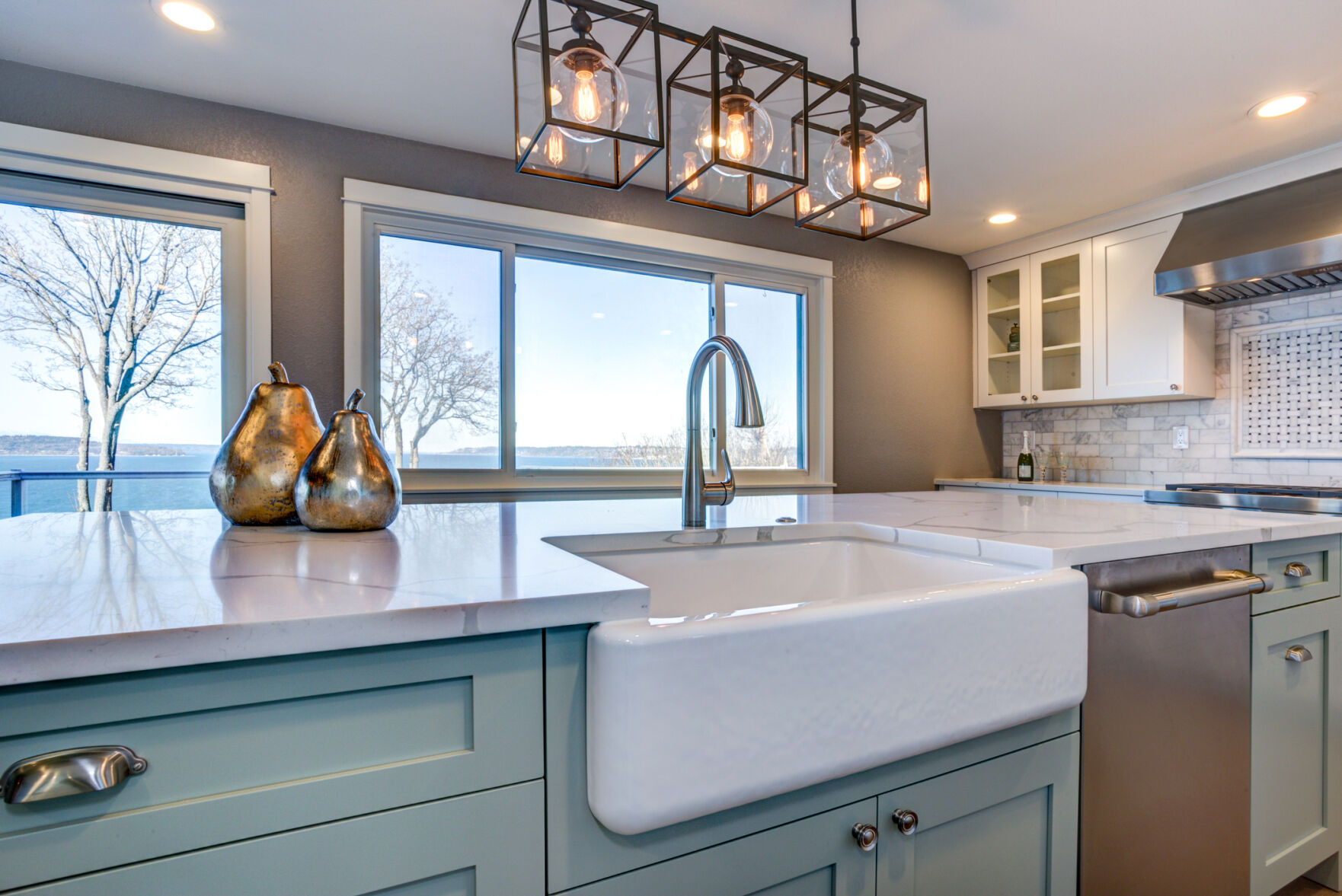
Integrating a kitchen island with a sink can offer significant functional and aesthetic advantages, but careful consideration is required during the early stages of kitchen renovation. Experts highlight that such an addition is particularly beneficial for home cooks, providing an extended utility space for food preparation, cooking, and cleaning in one dedicated area. However, for those who prioritize entertaining, a clear, clutter-free island surface for serving and socializing might be more desirable. Installing a sink in an island necessitates planning for water and waste pipes, making it a decision best made early in the design process.
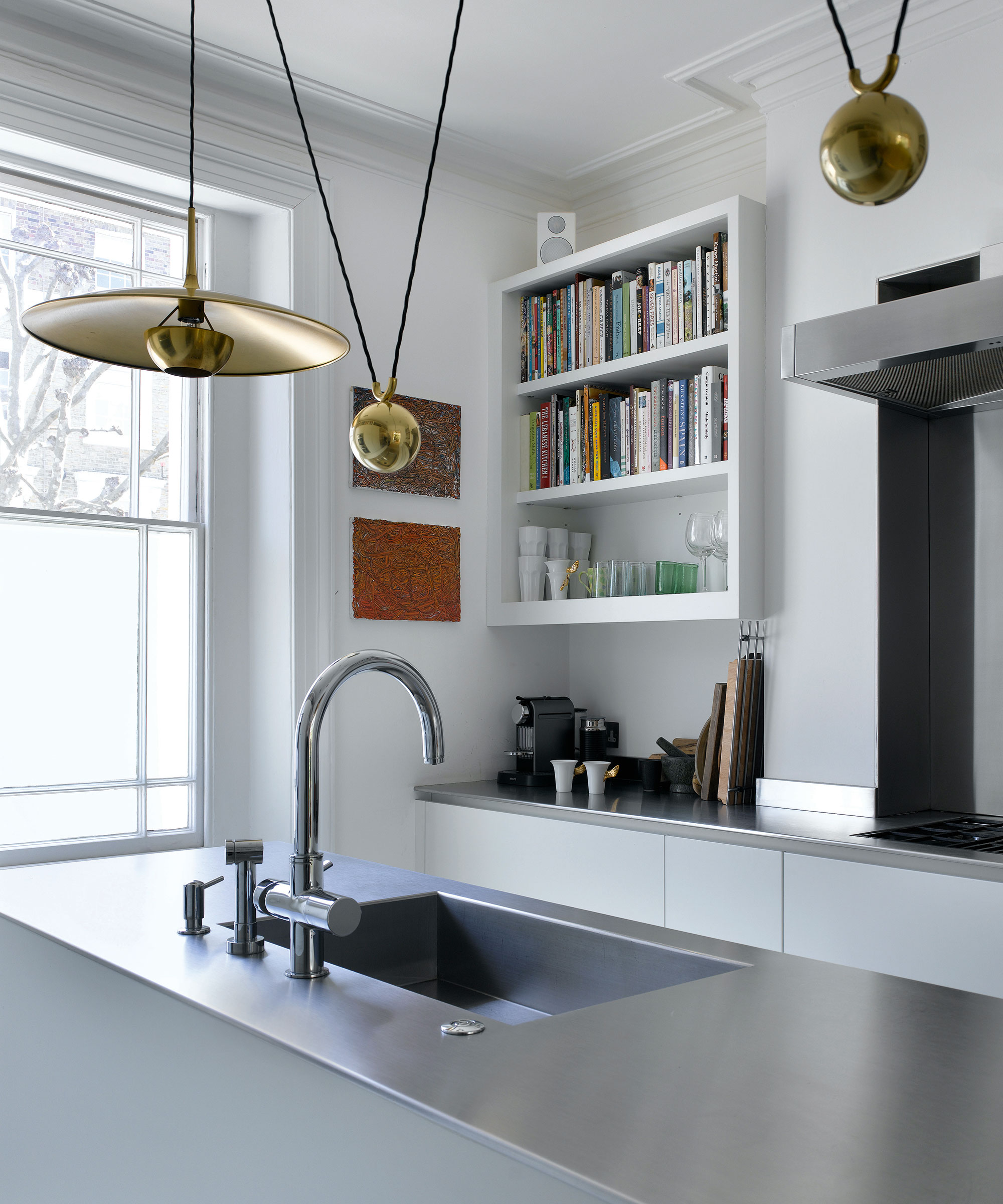
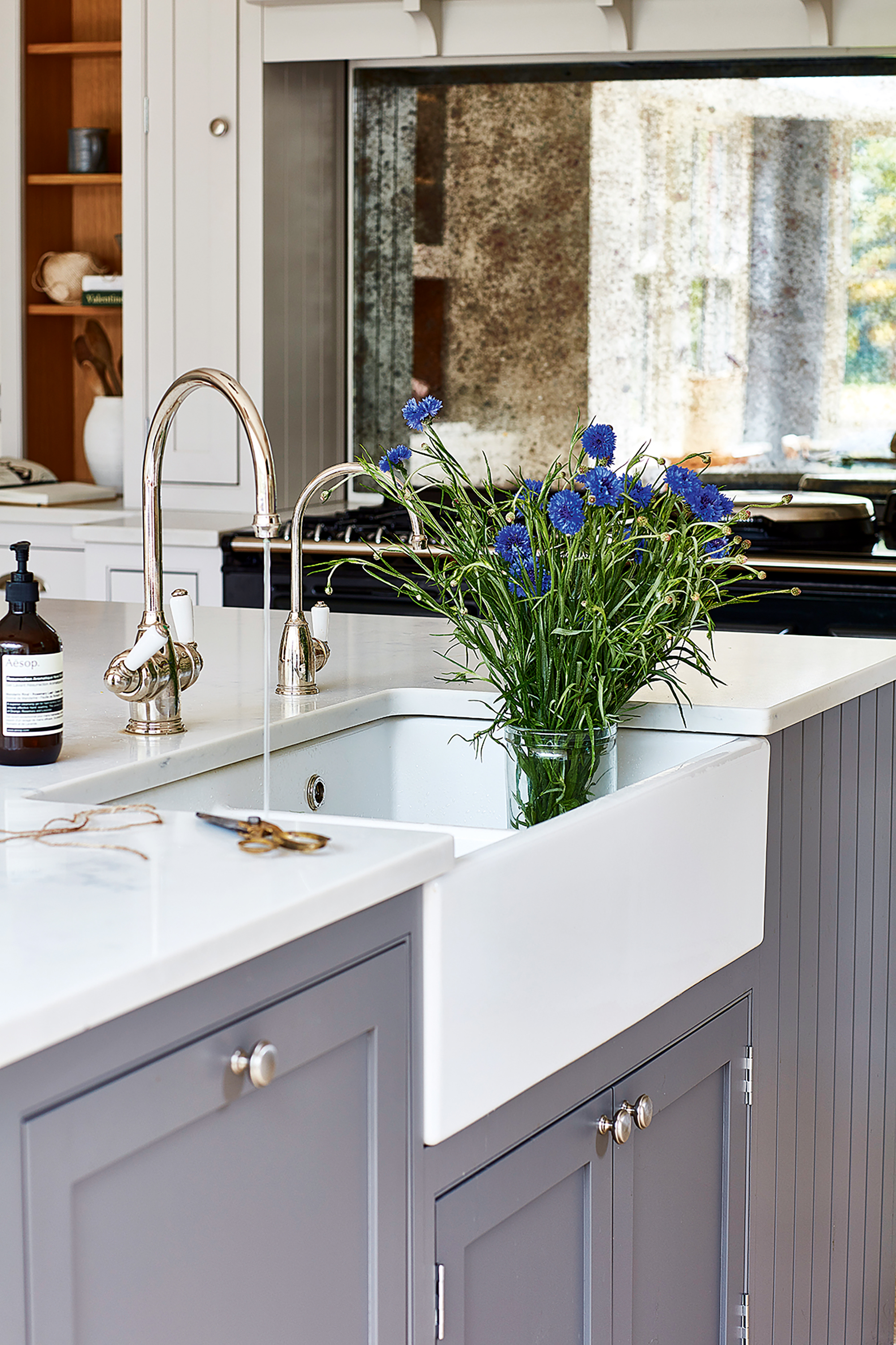
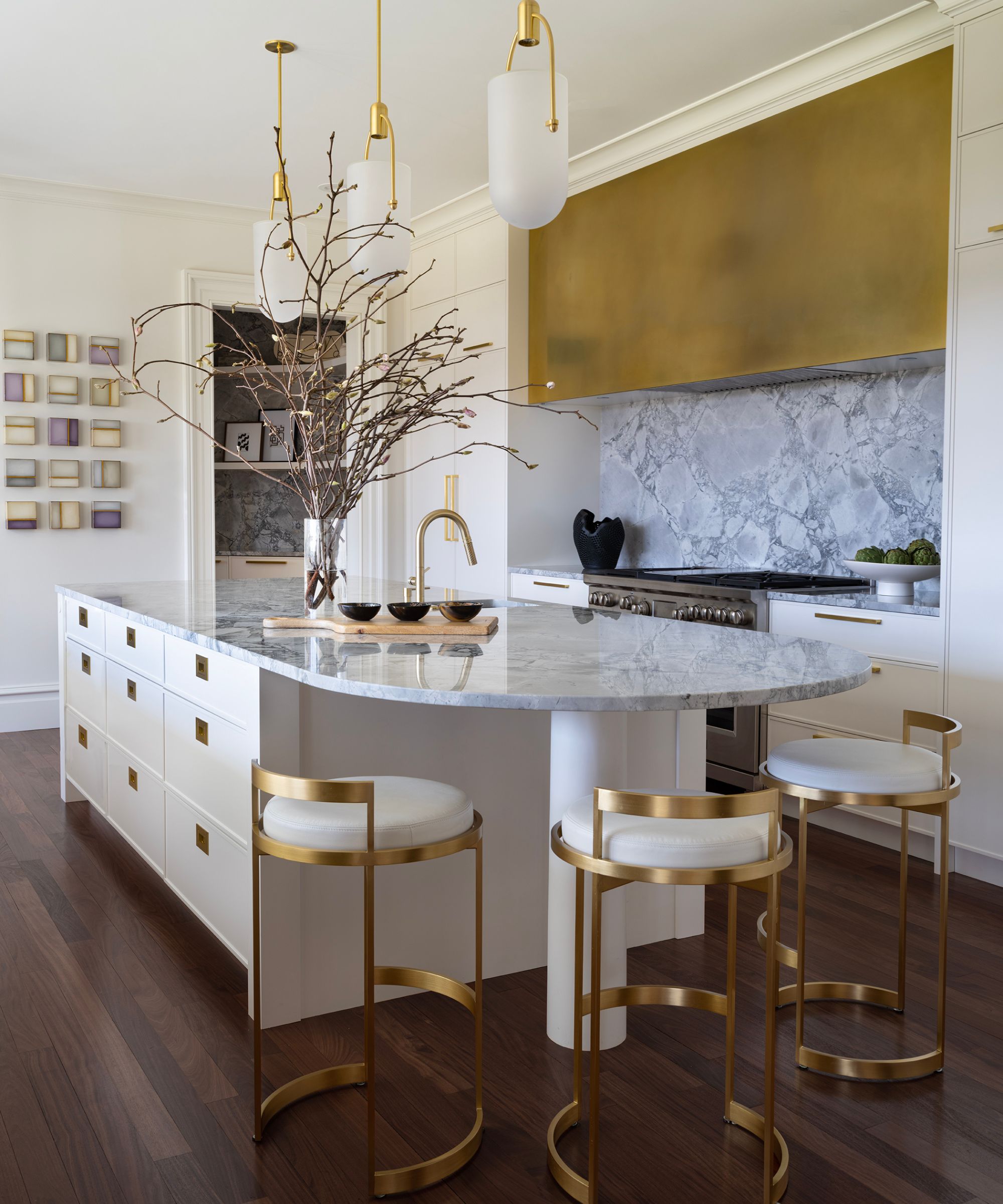
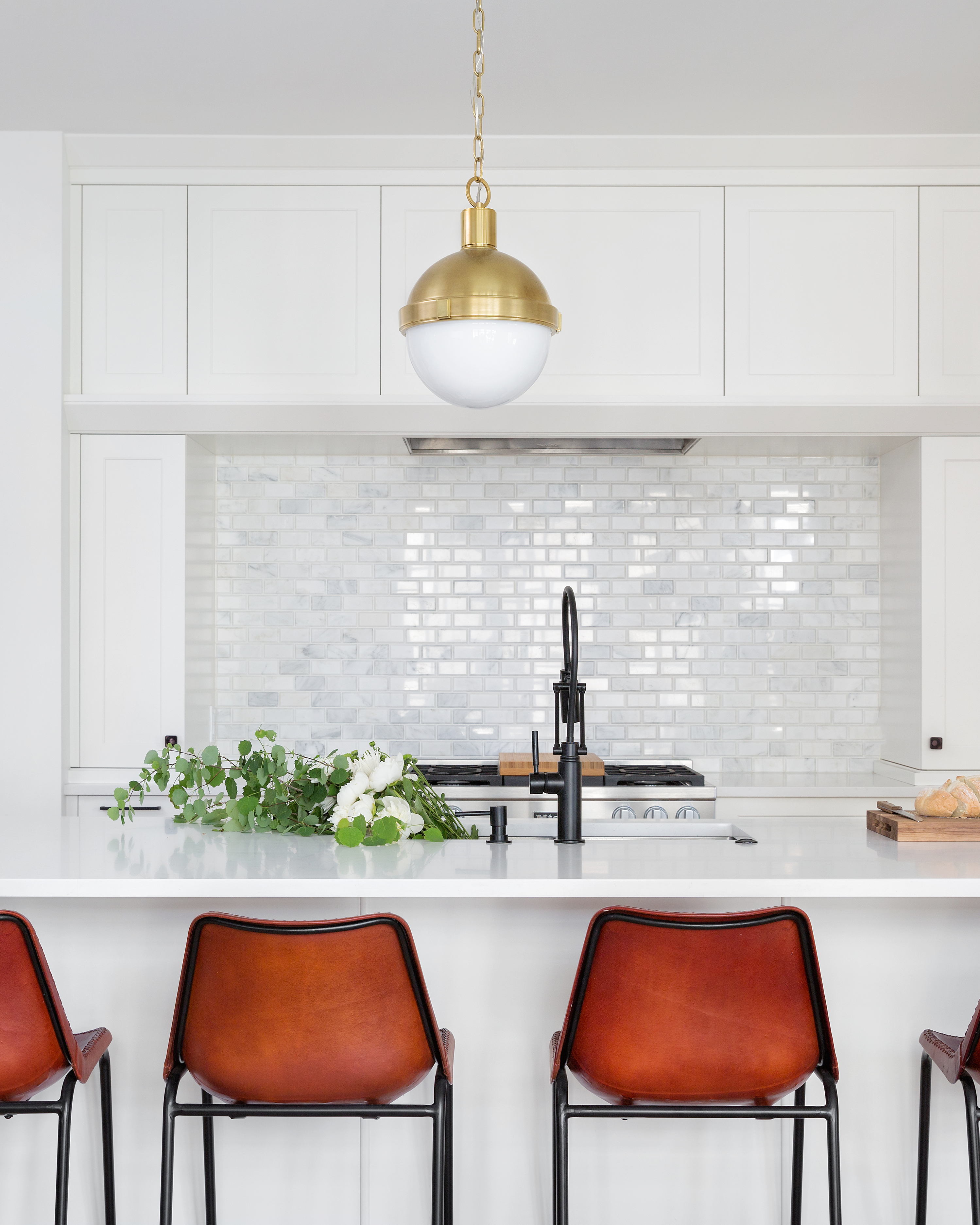
A kitchen island sink can serve as a key focal point, influencing other design elements. Coordinating tap finishes with cabinet hardware or matching sink materials with other utilitarian features can create a unified and luxurious look. The primary purpose of the island sink also dictates its design. Whether it's a secondary prep sink with a boiling water tap or a main washing-up station, its function will influence the layout and surrounding counter space. It's important to weigh the convenience of a dedicated wet zone against the potential for accumulated dishes and clutter, especially if a minimalist aesthetic is preferred. Positioning the sink either centrally for symmetry or at an edge to preserve prep space are common considerations.
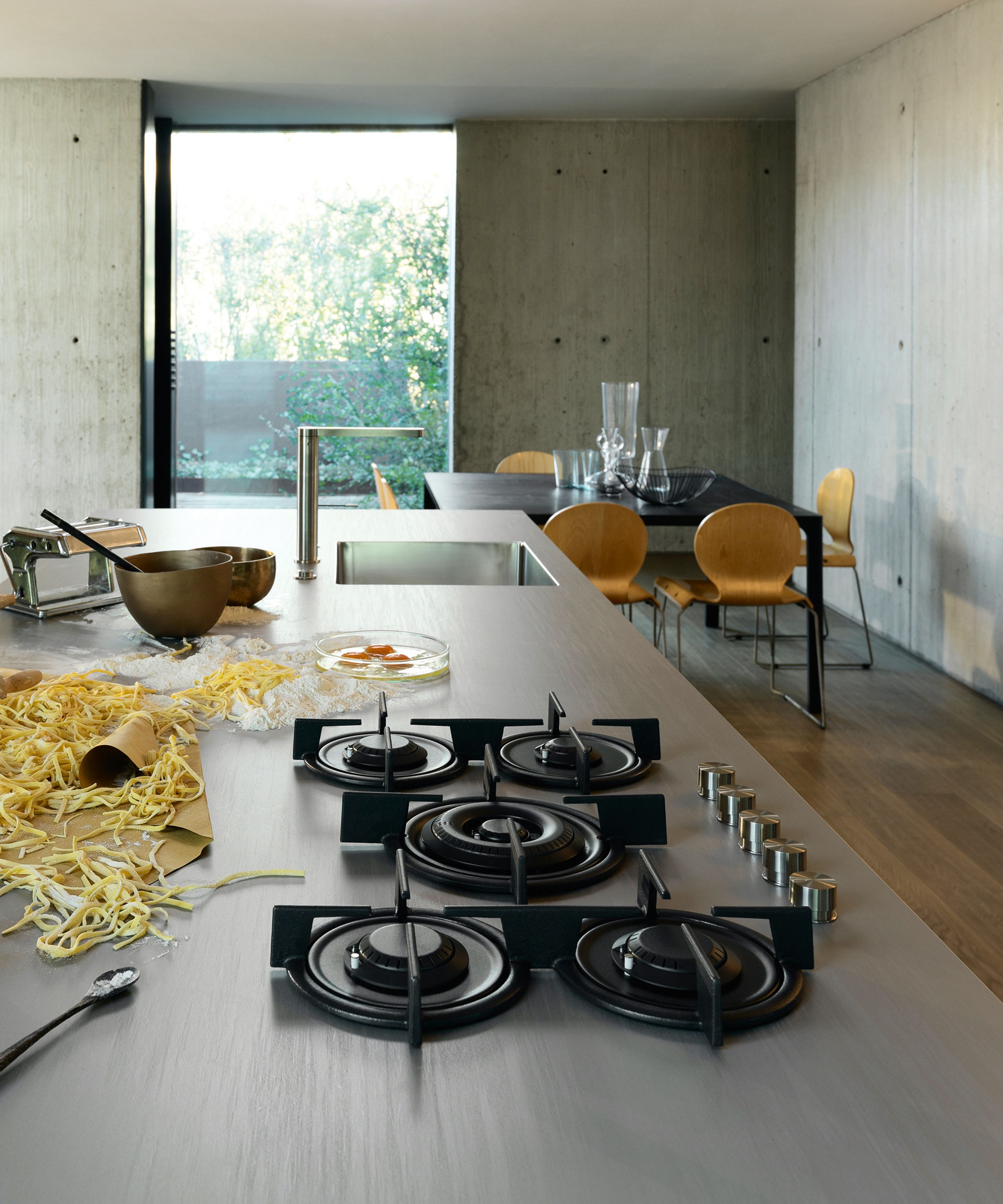
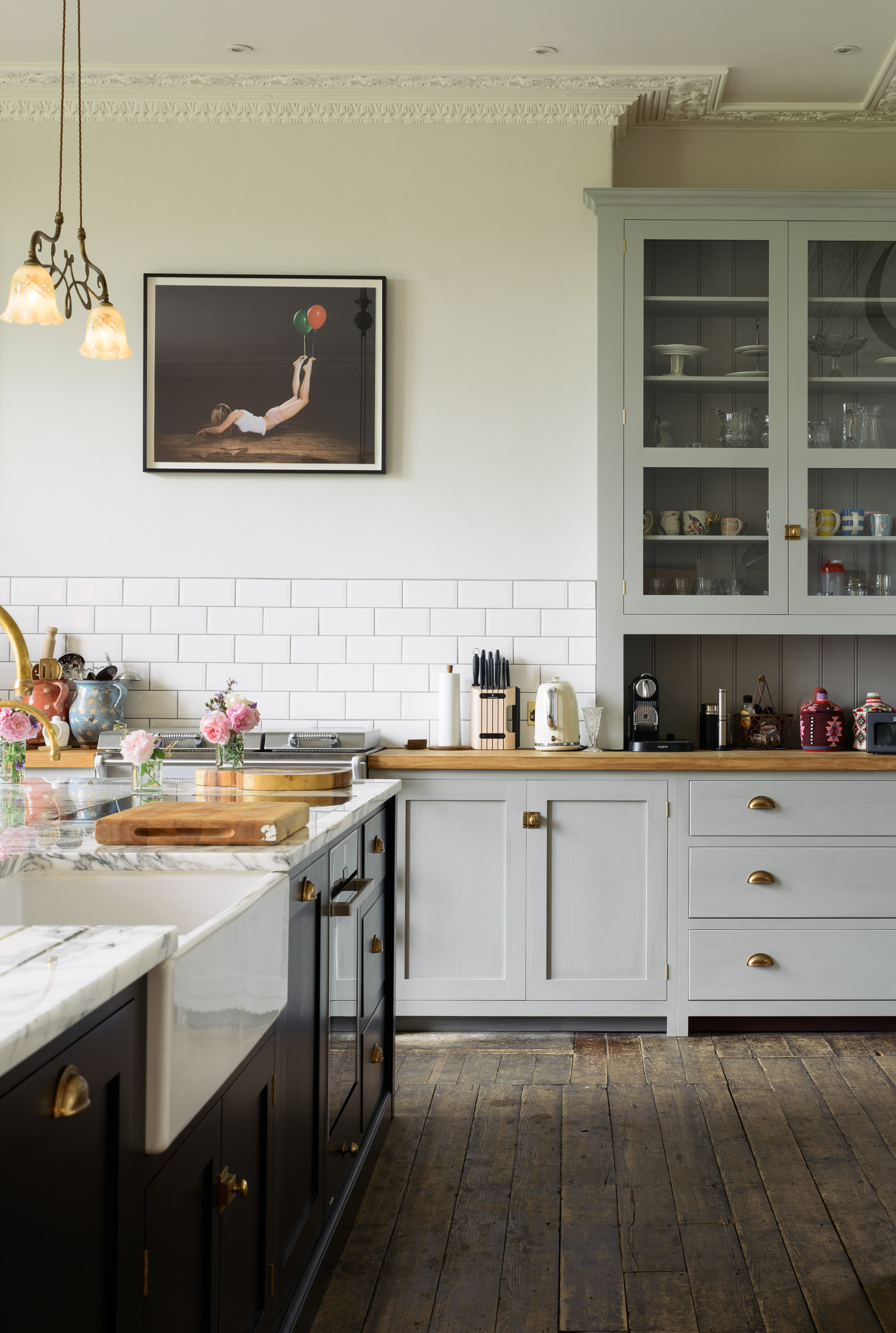
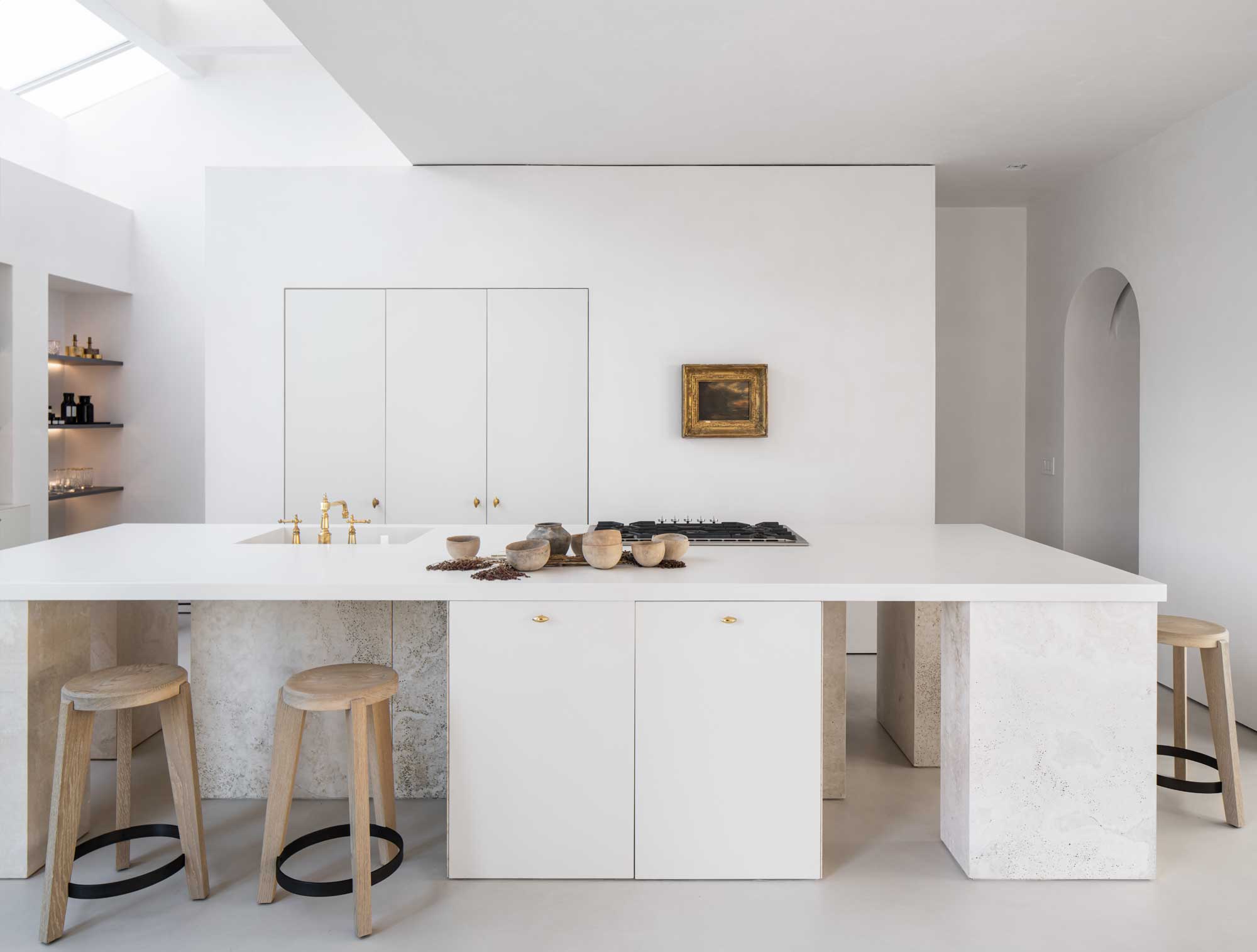
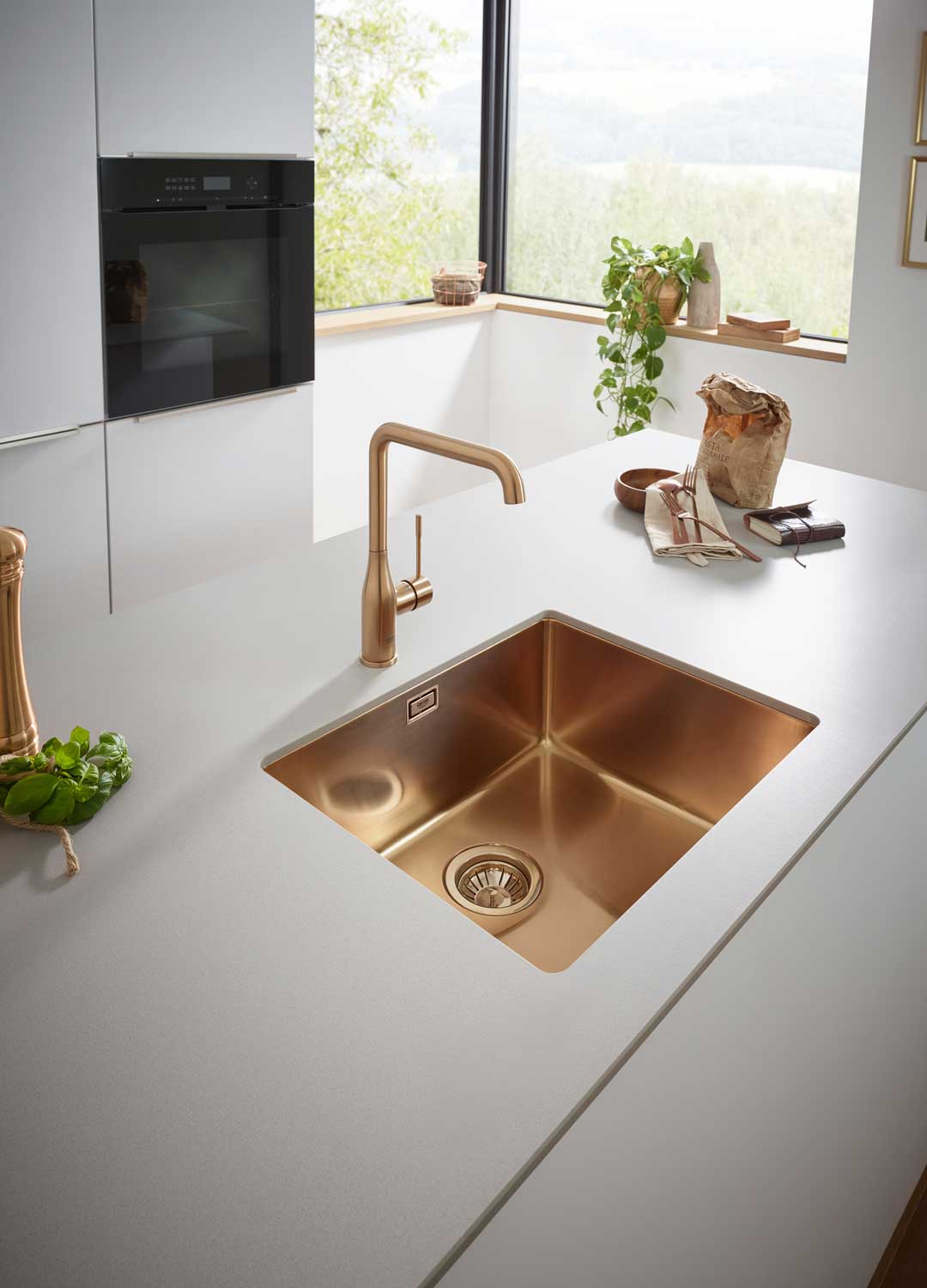
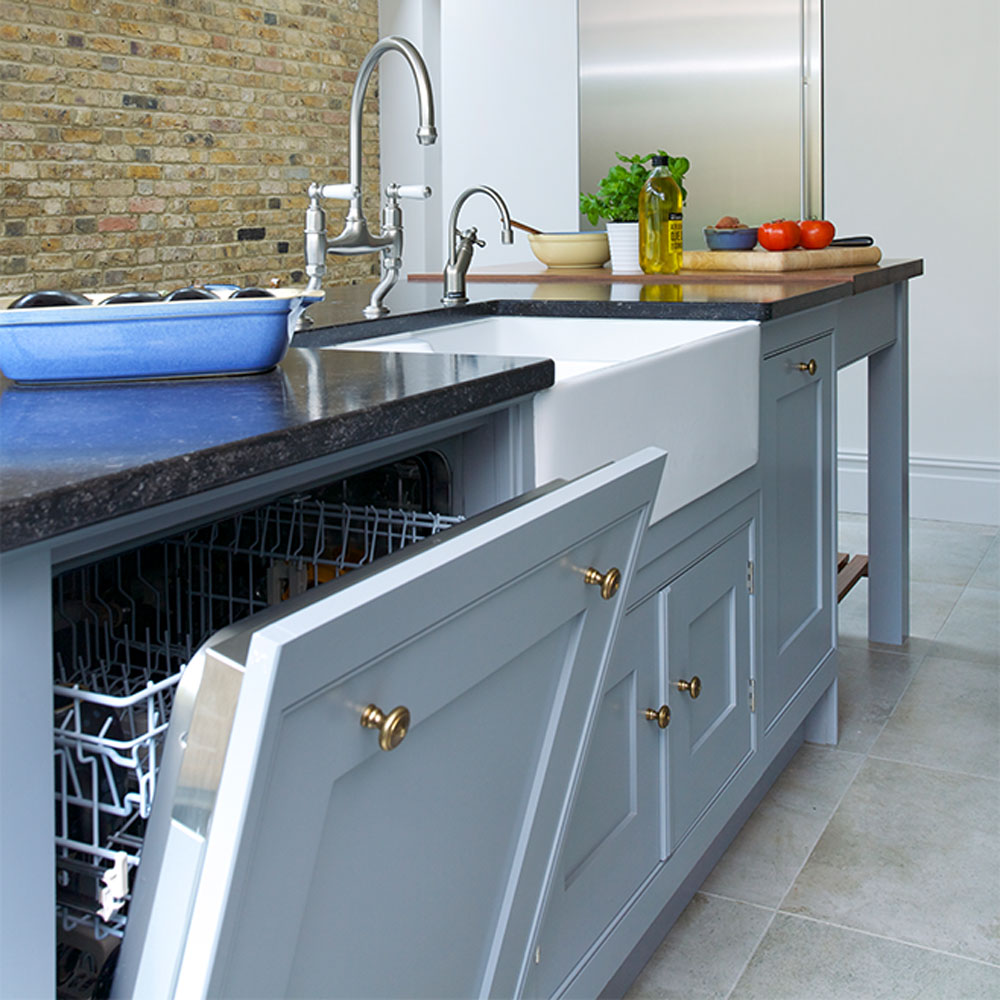
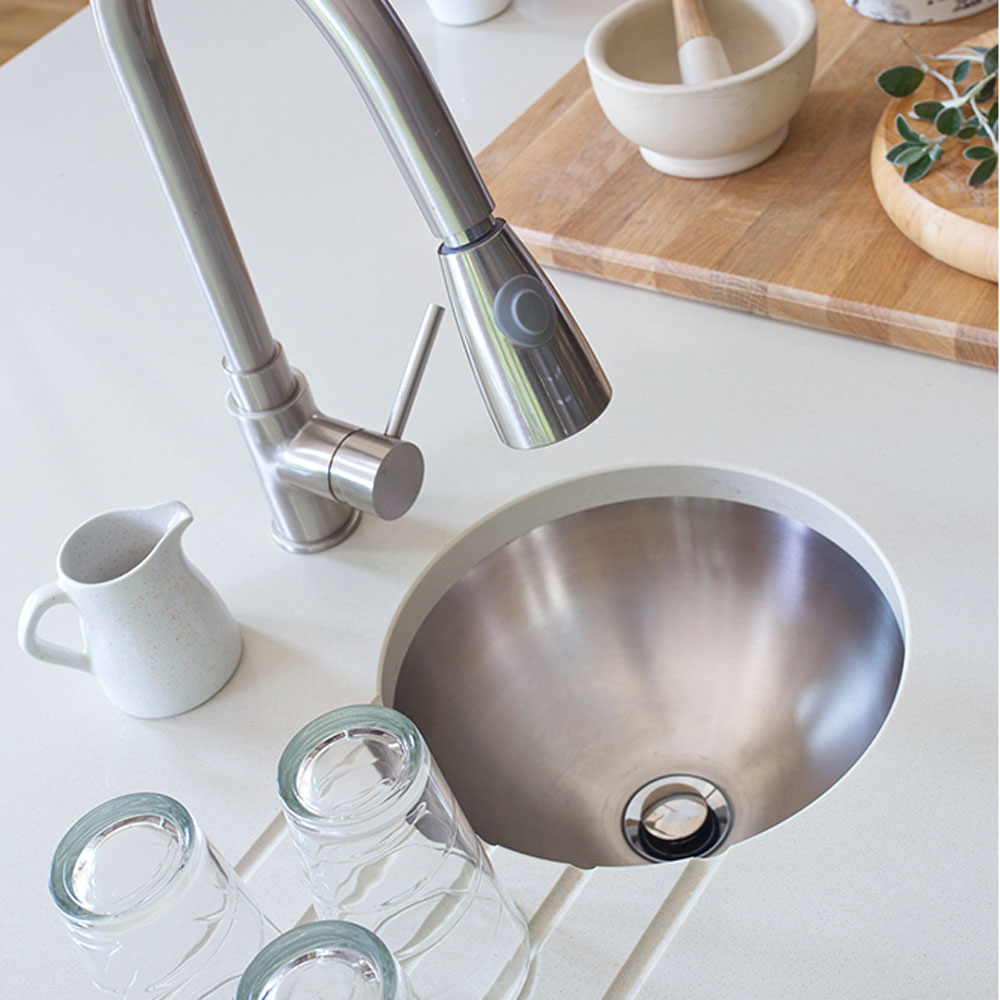
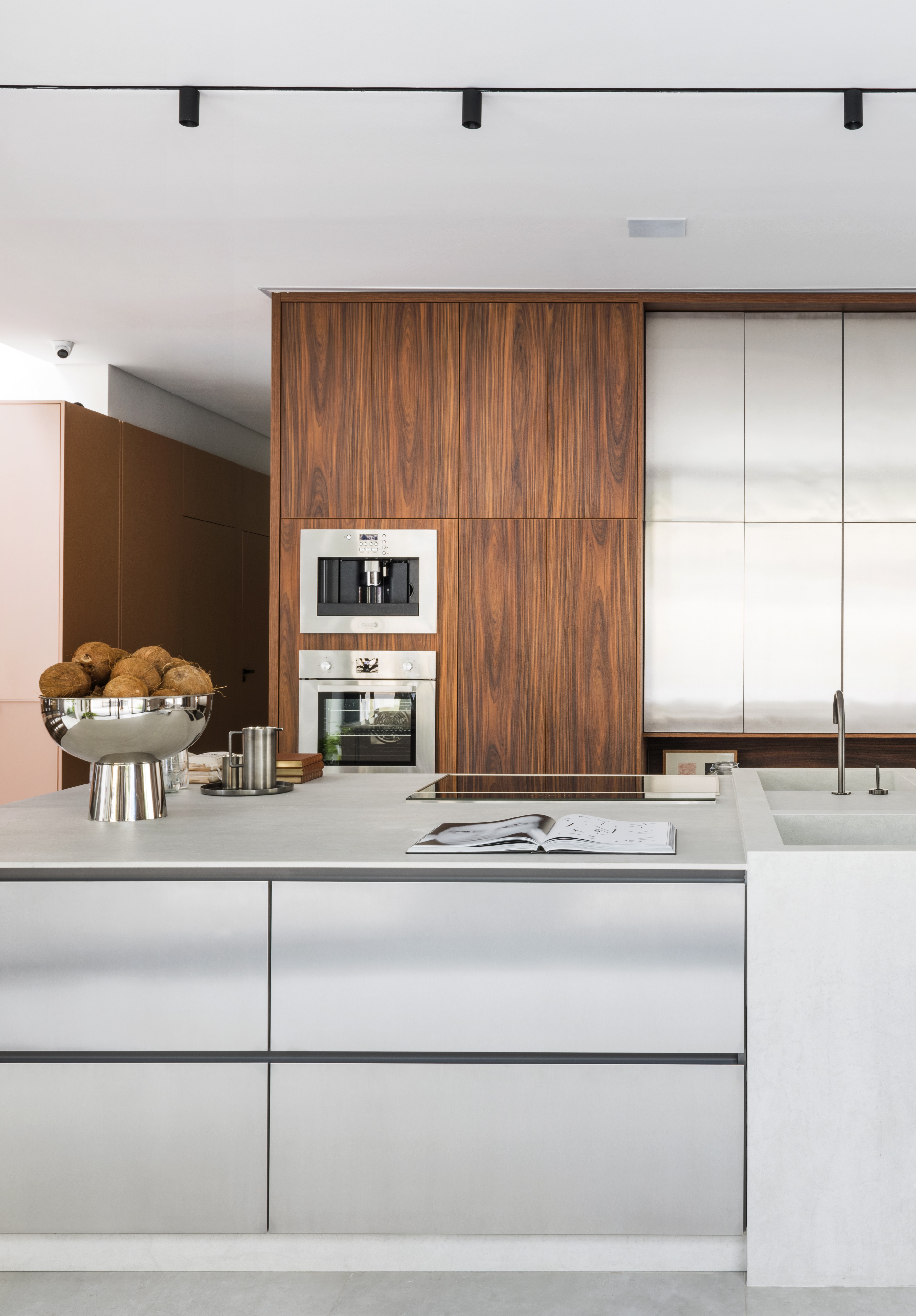
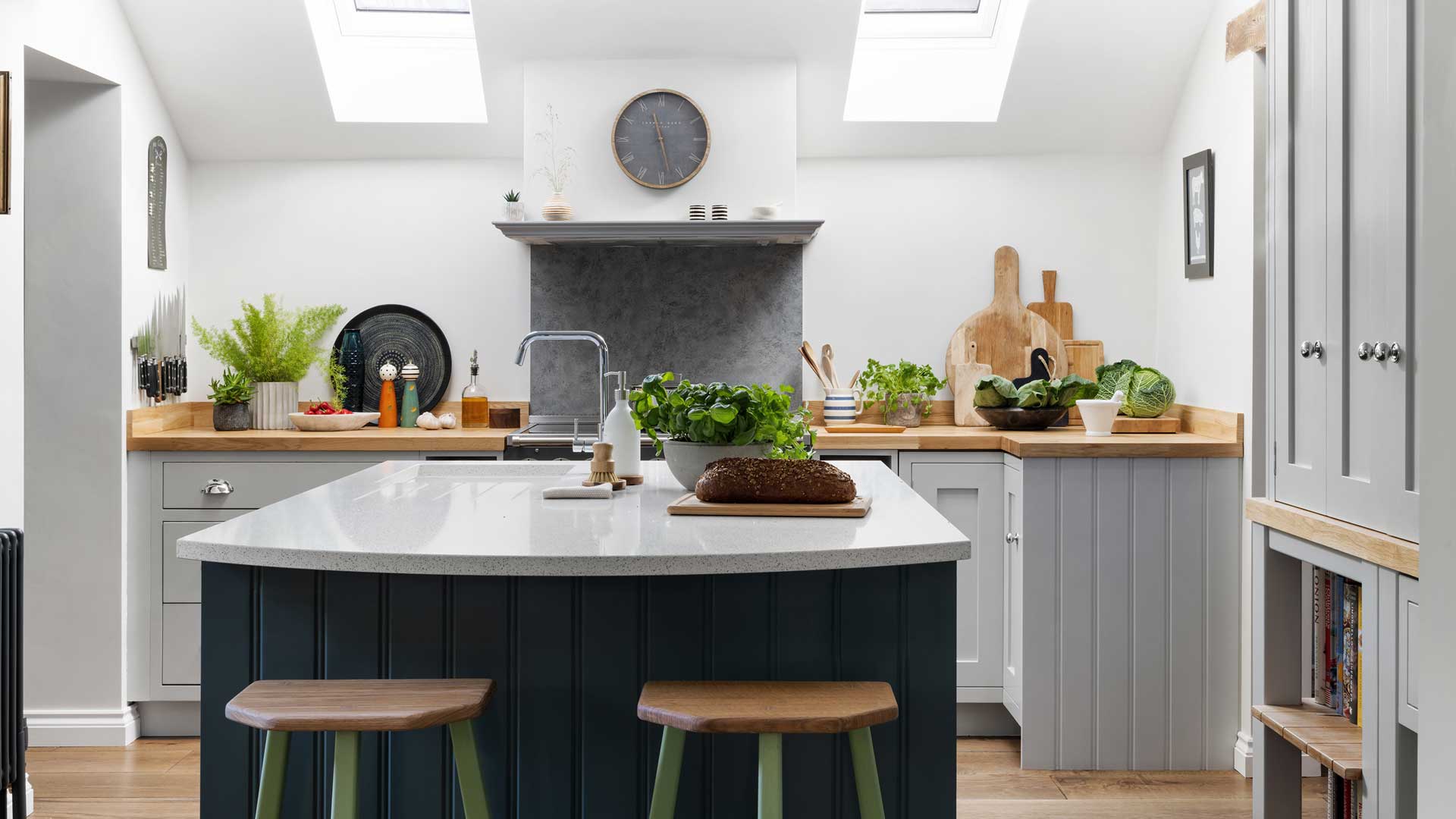
Creating an extra wet zone on the island enhances the kitchen's functionality, especially in modern kitchens that function as multi-purpose work and cook stations. Manufacturers offer various single and double bowl sink designs that can be flush-fitted, inset, or undermounted to integrate seamlessly with the island unit. A small single-bowl sink can be ideal for hand washing, drink preparation, and light food prep, minimizing clutter, especially when paired with a primary clean-up sink on a wall. This dual-sink approach helps manage dirty dishes without encroaching on the island's clean surface.
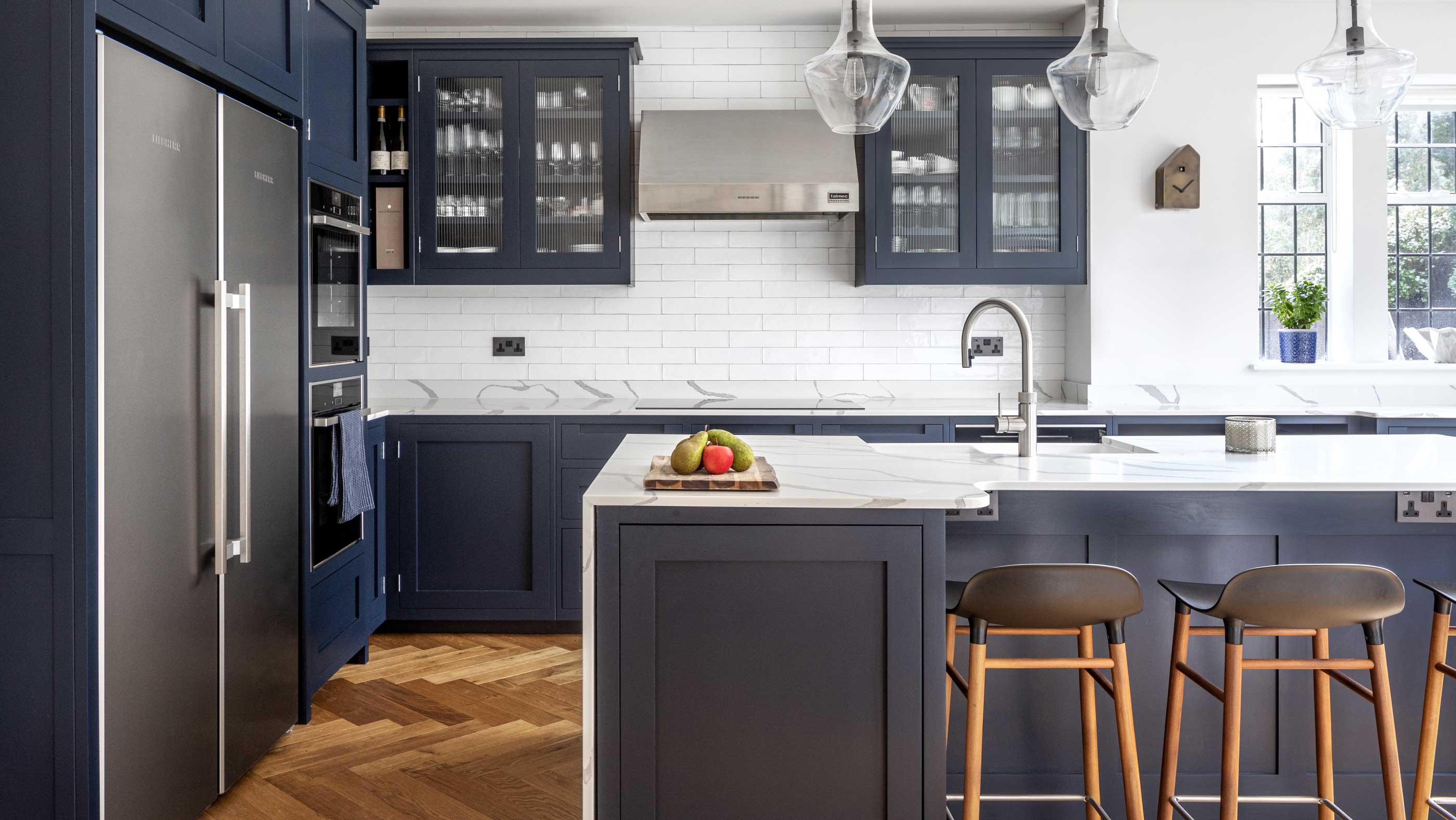
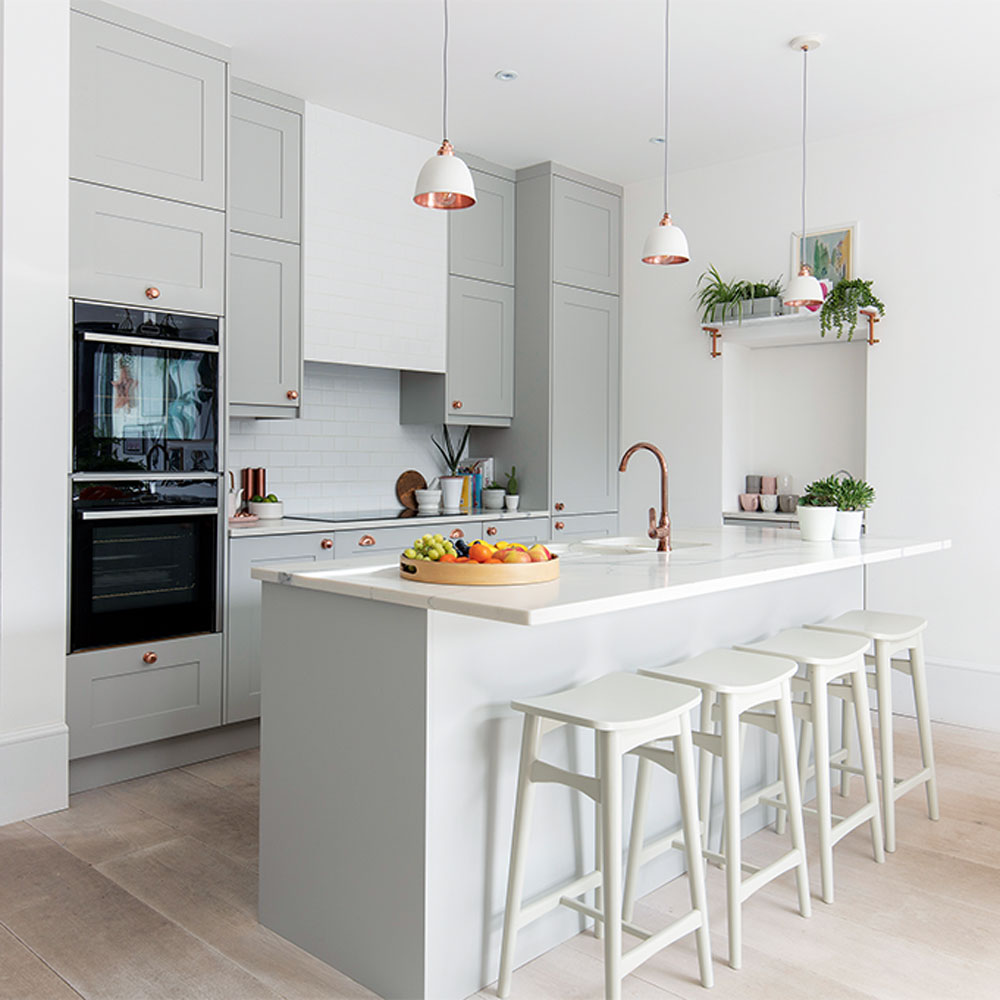
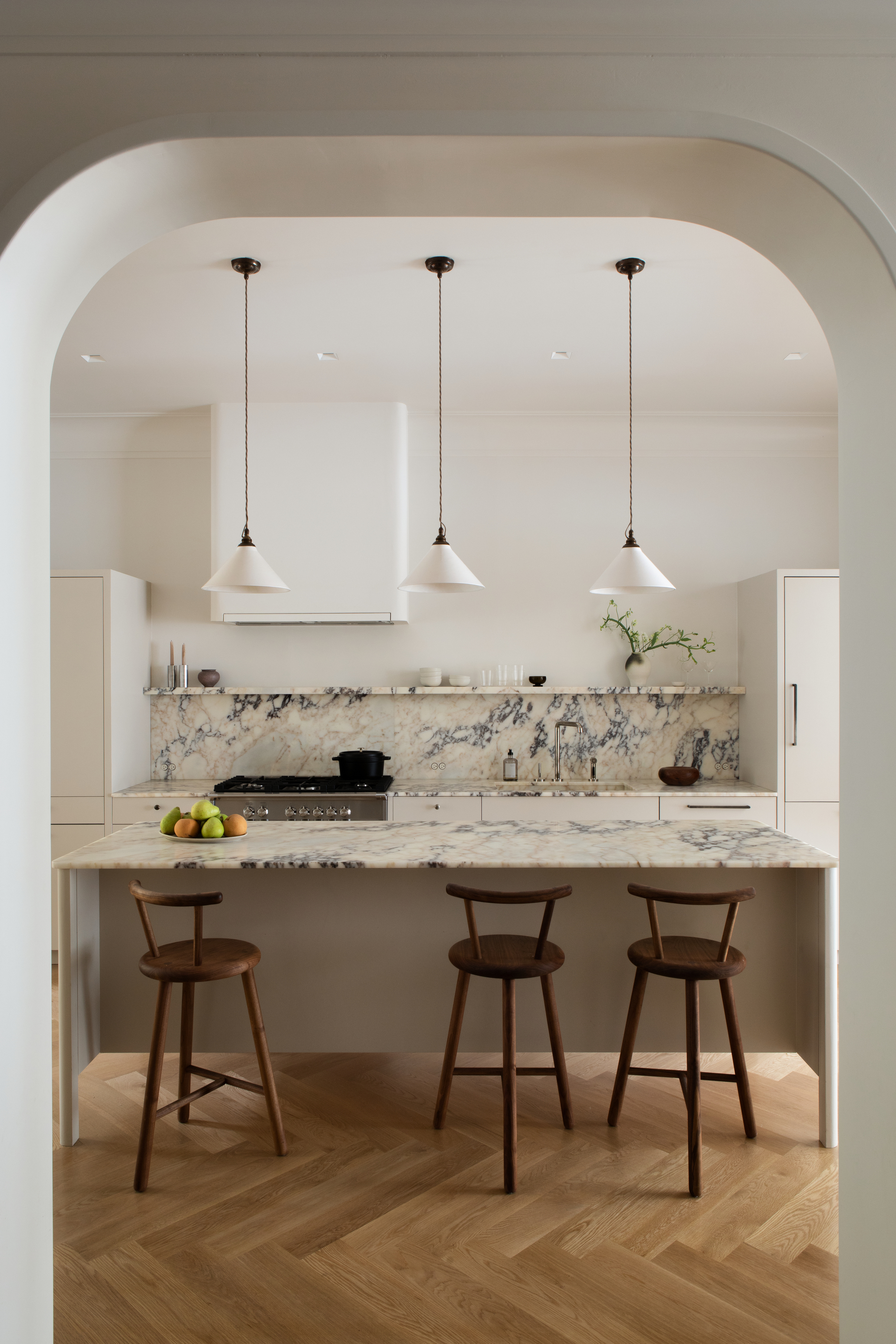
Incorporating a sink into the island can also improve the kitchen's feng shui and optimize the 'working triangle' between the sink, hob, and fridge. This layout allows for more fluid movement within the kitchen, preventing all main appliances from being confined to a single wall. Moreover, an island sink can maximize storage potential by enabling the storage of dishes, cutlery, and appliances within the island itself. This frees up cabinet space elsewhere in the kitchen and promotes a more sociable cooking experience, allowing hosts to interact with guests while preparing meals. Such a setup can transform the island into a convenient hub for entertaining, aiding drink preparation, and making cleanup easier at the end of the day. In smaller kitchens, a space-saving boiling water tap can provide instant hot drinks, keeping counter space uncluttered. Ultimately, the decision to include a sink in a kitchen island depends on individual lifestyle, cooking habits, and design priorities, with many benefits arising from thoughtful planning and expert advice.
#KitchenDesign #KitchenIsland #HomeImprovement #InteriorDesign #KitchenSinks #HomeRenovation #KitchenStorage #DesignTips #KitchenLayout #KitchenDesign #KitchenIsland #HomeImprovement #InteriorDesign #KitchenSinks #HomeRenovation #KitchenStorage #DesignTips #KitchenLayout
0 comment in total
 No comments yet
You may also like
Should kitchen islands have a sink? Experts agree on this definitive answer

Should the hob go in the kitchen island? Experts decide on the most sociable and space-saving design

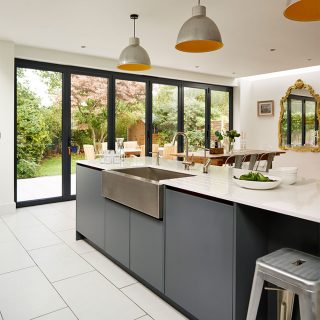
Kitchen island sink ideas to create a multi-functional workspace
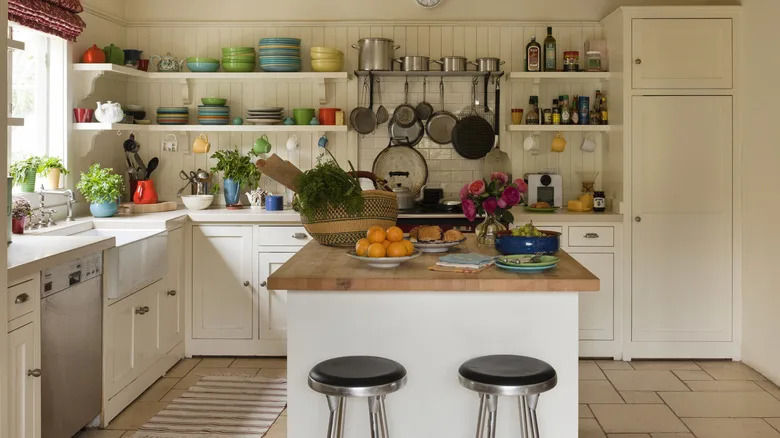
Why You Shouldn't Have An Island In A Small Kitchen

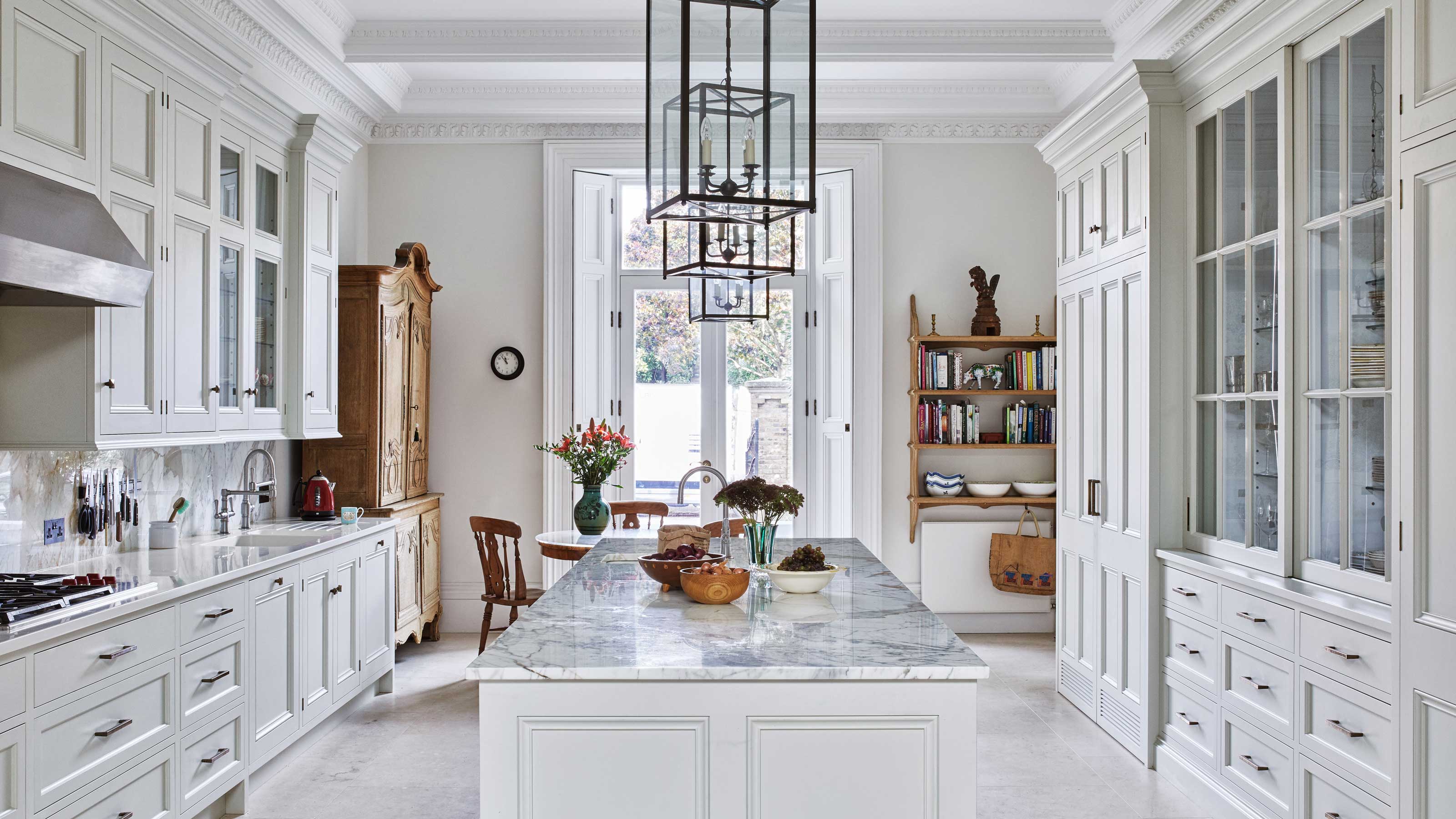
Do you need a kitchen island? Designers weigh in on are they an essential or are islands becoming outdated
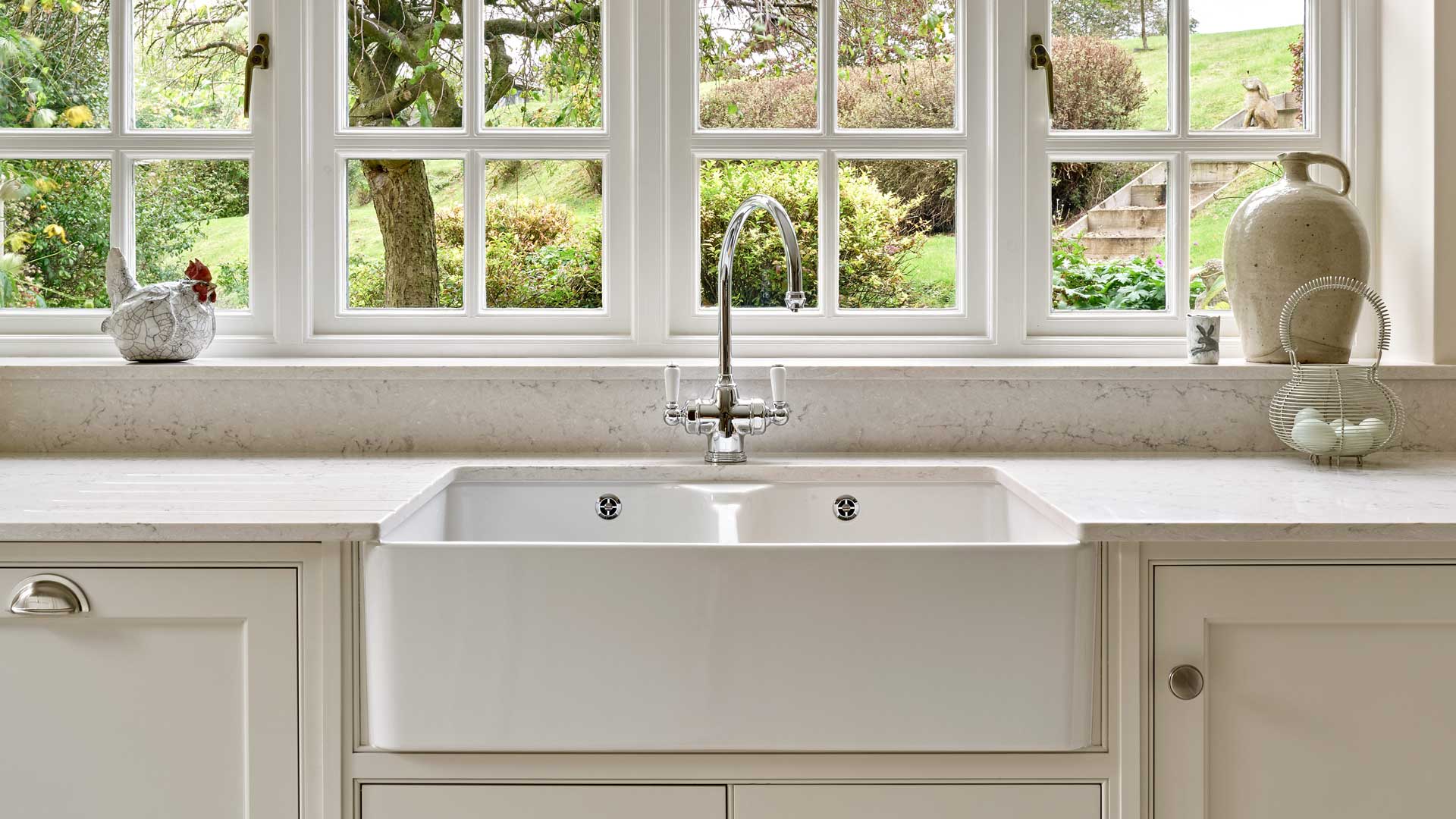
Where should a sink be in a kitchen? Designers share advice on placement for maximum efficiency

Should You Choose a Kitchen Island or a Breakfast Bar? Experts Weigh-in on the Debate
Can you add an island to an existing kitchen? Yes, but these are the 3 considerations to be aware of
Should You Choose a Kitchen Island or a Breakfast Bar? Experts Weigh-in on the Debate
This Kitchen Island Upgrade Instantly Adds Tons Of Value To Your Home

Should You Have Lights Over The Kitchen Island? Designers Unanimously Agree If They Are Worth Budgeting For
Why You Should Never, Ever Put an Island in Your Kitchen

Should You Have a Sink on a Kitchen Island? Designers Love (and Hate) This Layout, so Here's How to Decide
Can you fit an island into a galley kitchen? Interior design experts share their advice
Should a Kitchen Island Be Centered? "There Is No One-Size-Fits All" Solution, Say the Experts
Is it time to say goodbye to kitchen islands?

One Sink or Two? Design Experts Weigh In on the Bathroom Debate

Should you get a kitchen island, a breakfast bar or a table?
How to choose the right kitchen island size – experts explain how big a kitchen 'ideally' needs to be
The great kitchen-sink debate: Double or single? Plus, more things to consider before you choose