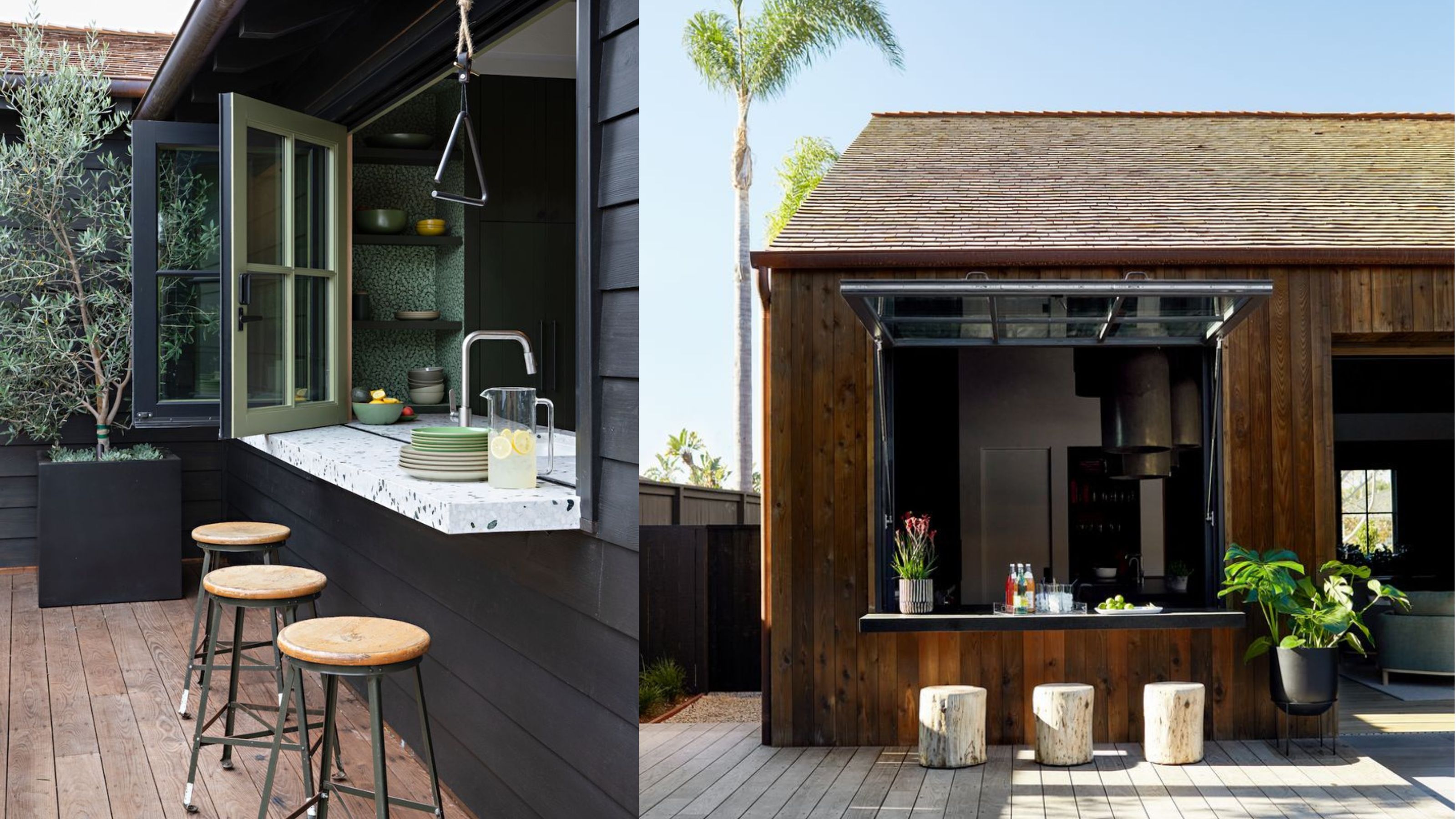
1/5
Are Kitchen Pass-Through Windows Worthwhile? We Asked Designers for Their Honest Thoughts
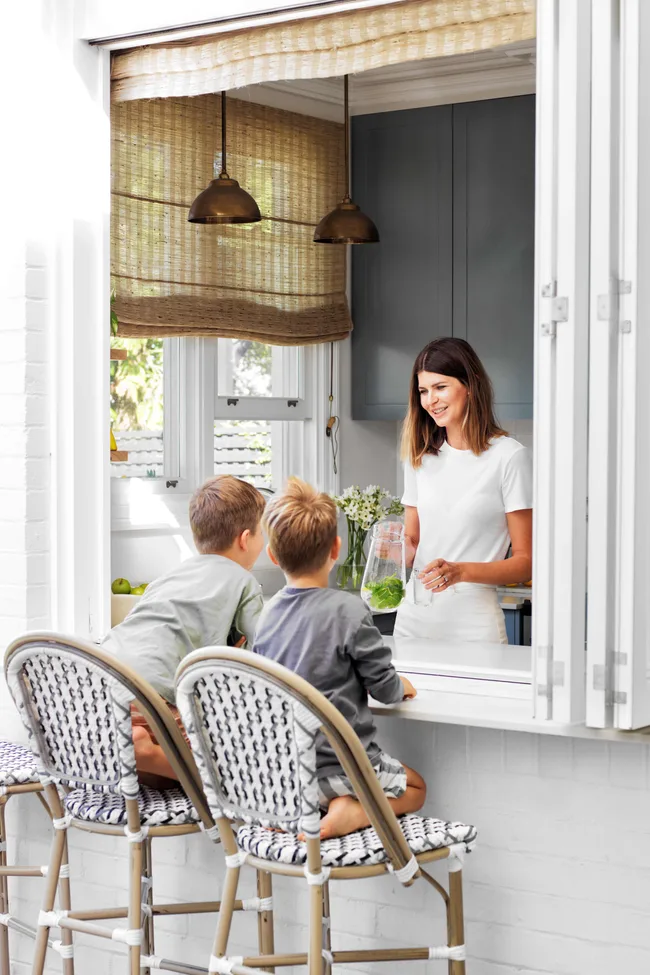
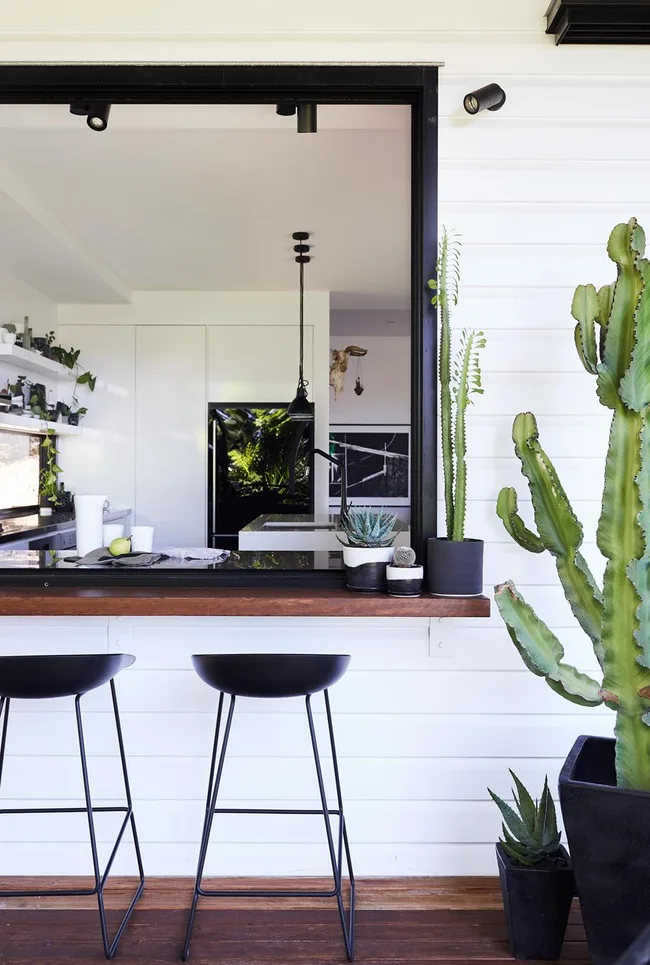
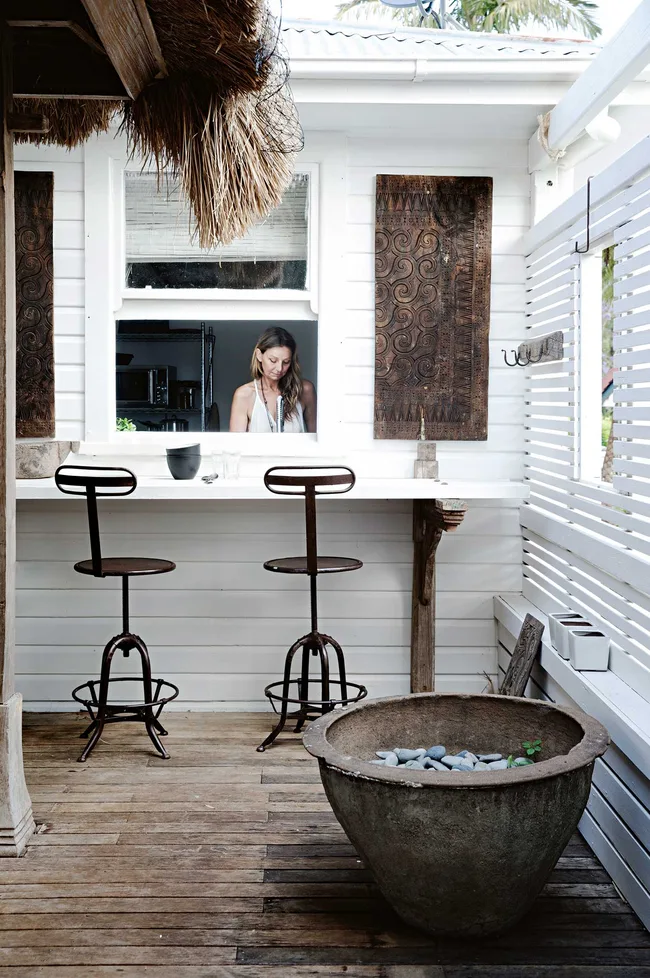
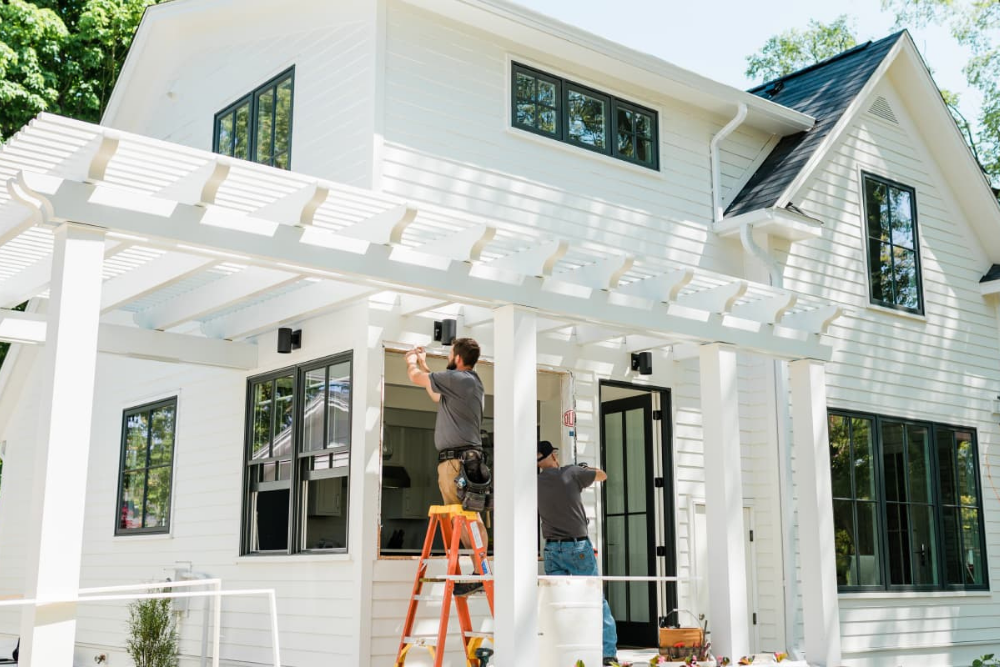
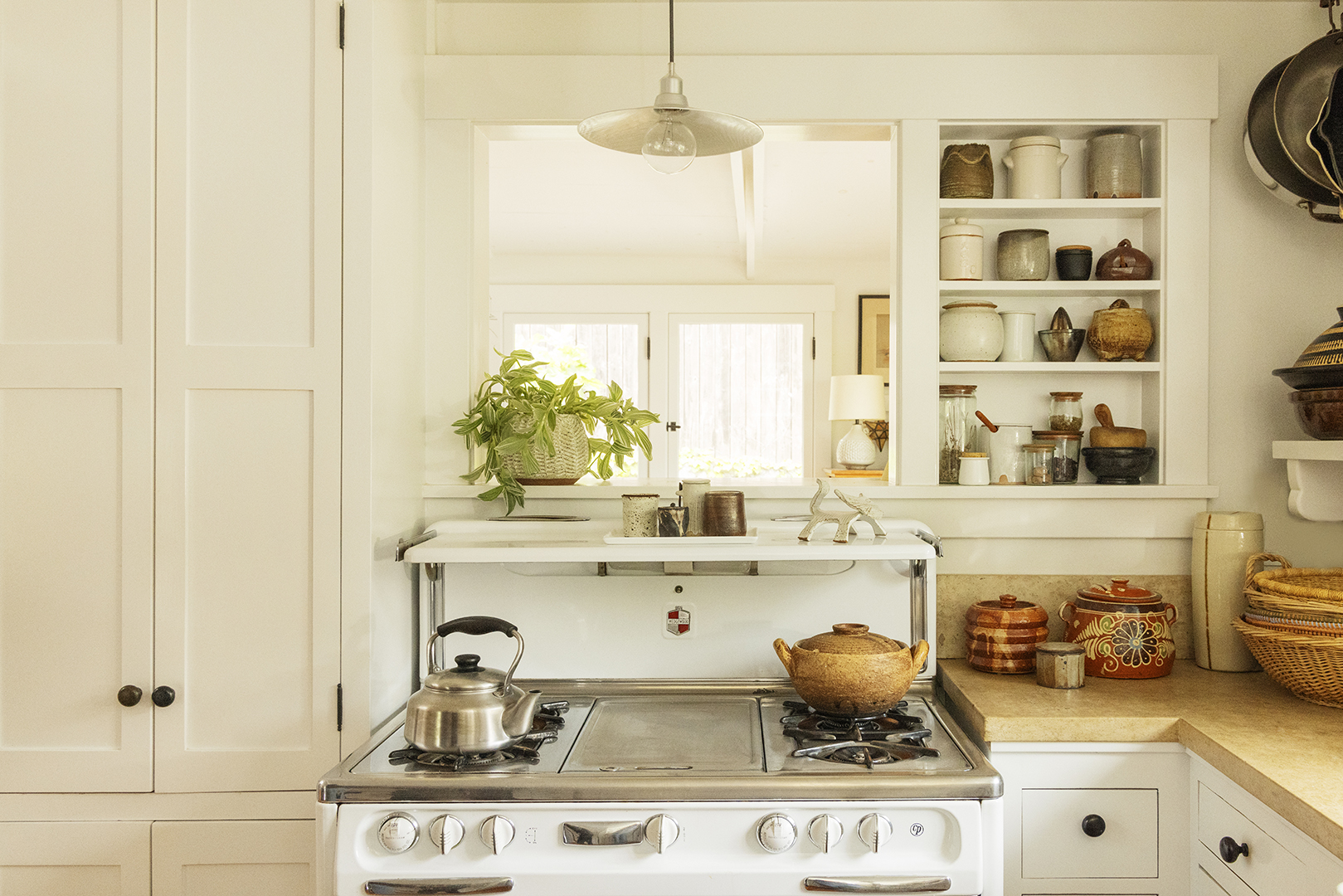
Kitchen pass-through windows, also known as servery windows, serving hatches, or concession windows, are design features that create a large opening to facilitate passing items from the kitchen to an adjacent area, commonly an outdoor entertaining space or, less frequently, an indoor living or dining room. Originally popular in mid-century homes, their popularity waned with the rise of open-concept living. However, their purpose has evolved, particularly for connecting indoor kitchens with outdoor living areas.
Designers hold differing views on their value. Interior designer Raili Clasen from RailiCA Design highlights their effectiveness in connecting indoor and outdoor spaces, especially in climates conducive to year-round outdoor living, suggesting they can effectively extend the usable space of a home. Conversely, architect Georgina Wilson from Georgina Wilson Associates expresses skepticism, arguing that they are often used less than anticipated and may necessitate sacrificing more crucial functional elements within the kitchen layout.
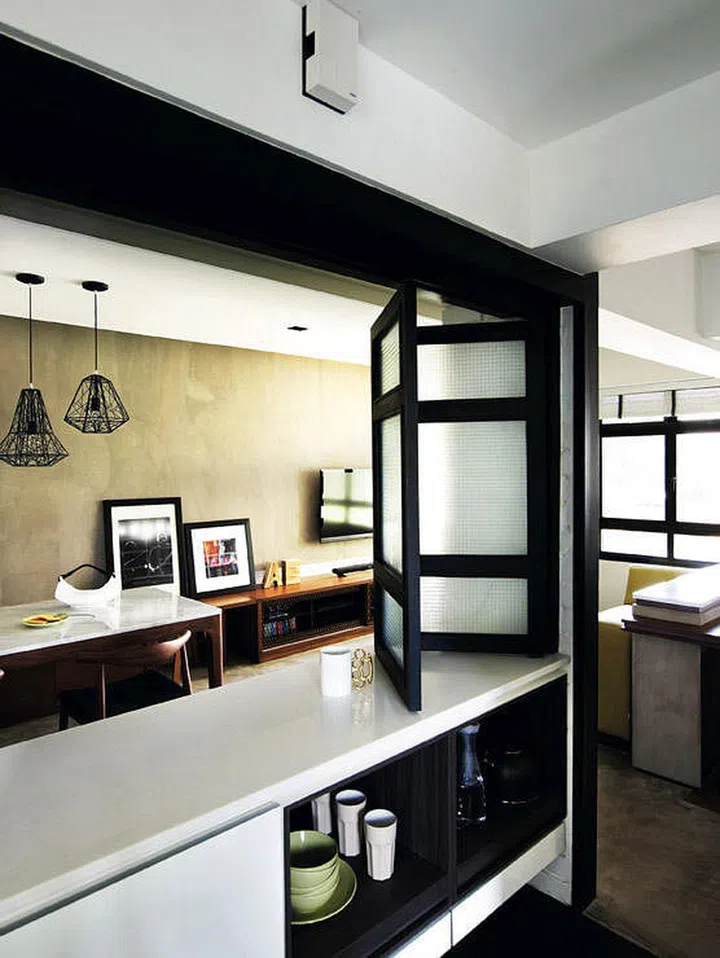
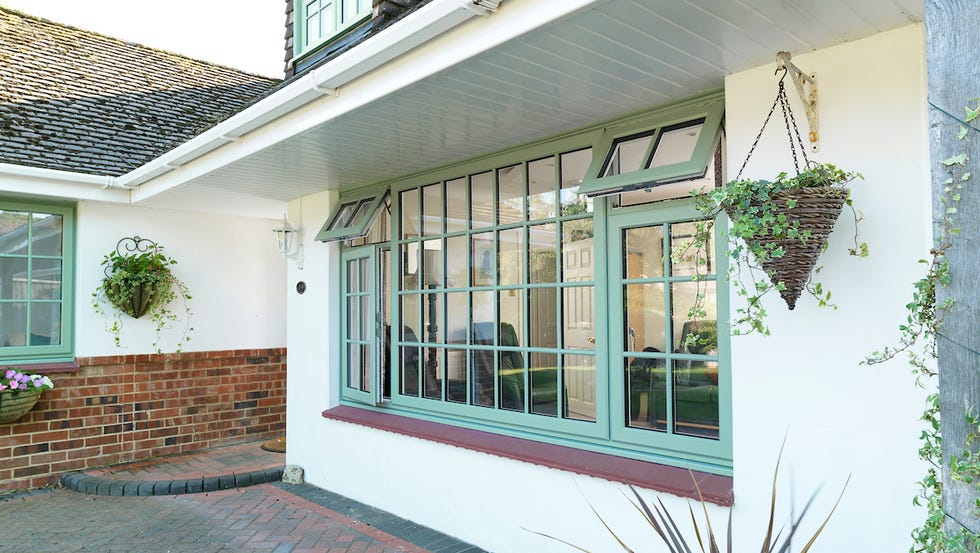
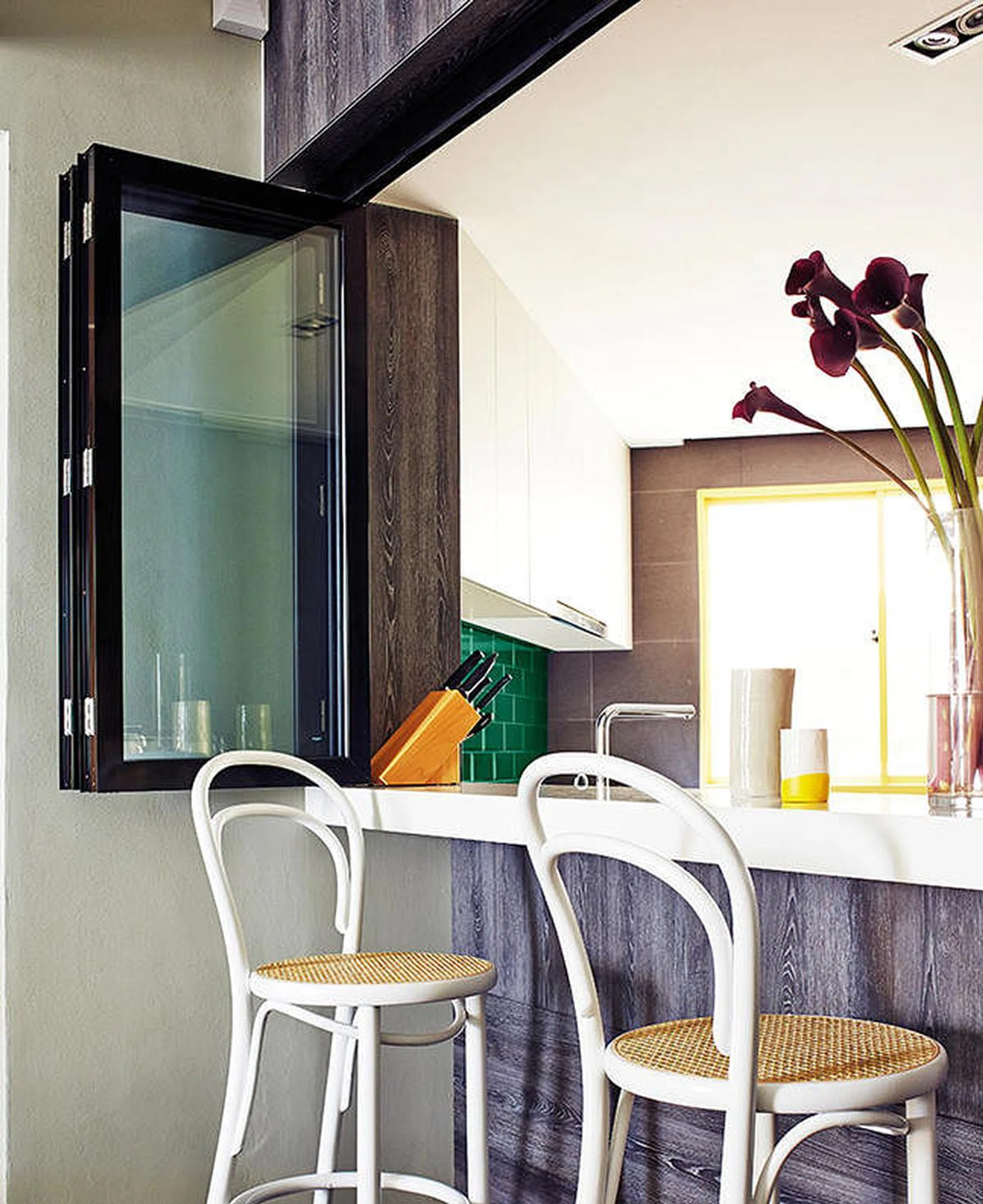
Several styles of pass-through windows are available, including cafe-style windows that flip up, accordion-style windows that stack to create large openings, bi-fold options, and windows that pocket or slide. Raili Clasen favors both cafe-style and accordion windows for their ability to maximize the opening. Brian Quick, product manager at Anderson Windows & Doors, mentions folding pass-through windows, which stack for vast unobstructed openings, and Liftslide pass-through windows, which offer smooth operation along a flush track. Georgina Wilson suggests sliding windows as the neatest mechanism, emphasizing that since these windows are closed most of the time, they should blend seamlessly with the home’s design.
Regarding window treatments, Georgina Wilson generally advises against them for kitchen windows due to dust accumulation, which is undesirable near food. For pass-through windows leading to outdoor areas, external solutions like awnings or pergolas can provide shade. Brian Quick suggests retractable blinds or shades for light control and privacy, but also notes that leaving windows untreated can enhance the open connection, particularly for private outdoor spaces.
While internal pass-through windows (connecting kitchens to dining rooms) may seem dated due to the prevalence of open-plan living, exterior pass-through windows are considered a potential game-changer for layout. Hugh Metcalf, editor of Livingetc, shares his experience of opting for a bi-folding pass-through window in his small kitchen to maintain a connection with his garden without sacrificing cabinet and countertop space, which would have been necessary with large patio doors.
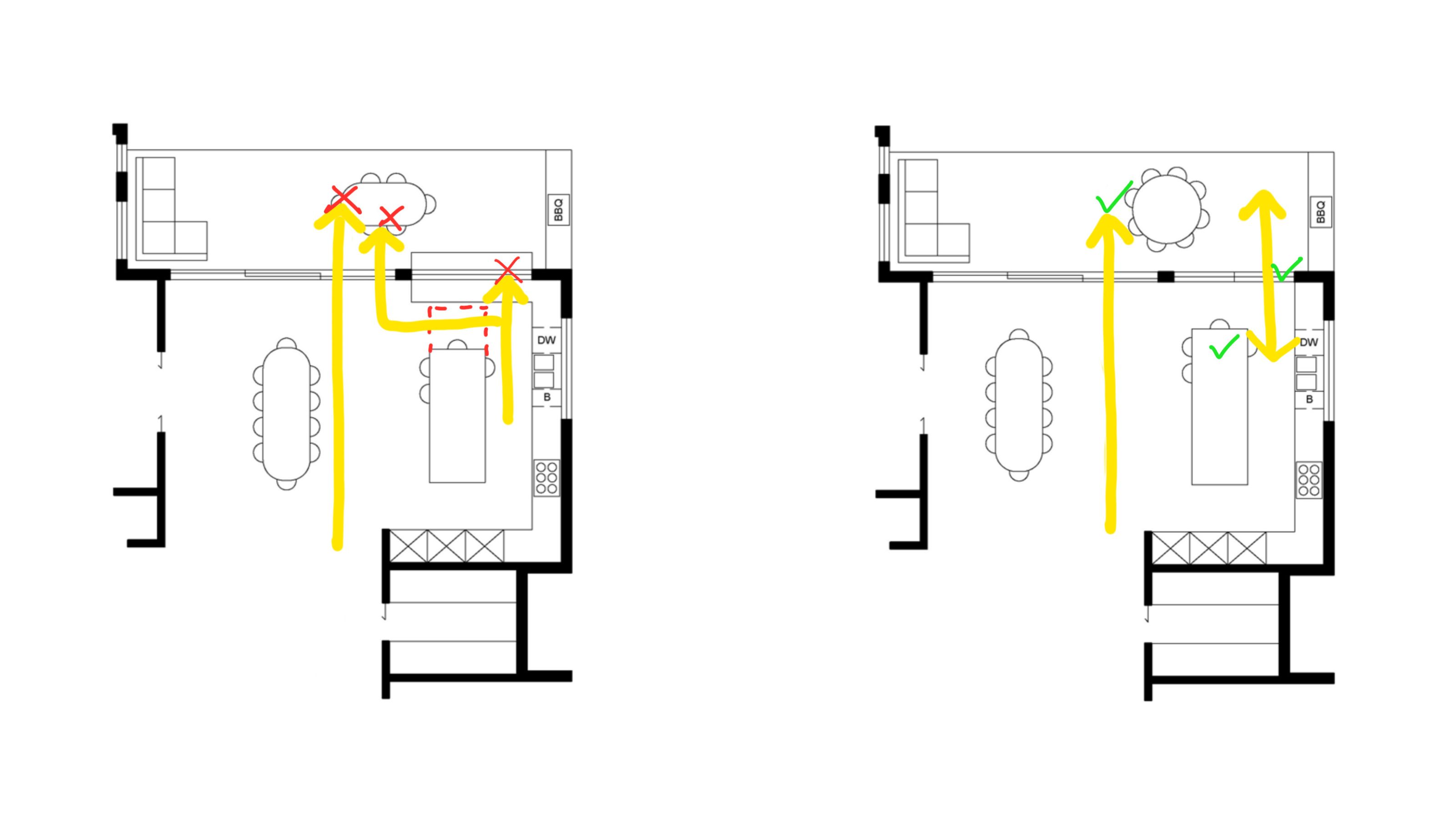
Ultimately, the decision to install a kitchen pass-through window depends on individual home layouts, climate, budget, and lifestyle. Homeowners should consider what functionality the window would add, what compromises might be necessary (e.g., wall space, cabinetry), how frequently it would be used, and its potential to enhance outdoor entertaining. Evaluating these factors objectively will help determine if a pass-through window is a worthwhile addition to a specific home.
#KitchenDesign #PassThroughWindows #InteriorDesign #OutdoorLiving #HomeRenovation #WindowStyles #ArchitecturalFeatures #KitchenLayout #DesignTrends #KitchenDesign #PassThroughWindows #InteriorDesign #OutdoorLiving #HomeRenovation #WindowStyles #ArchitecturalFeatures #KitchenLayout #DesignTrends
0 comment in total
 No comments yet
You may also like
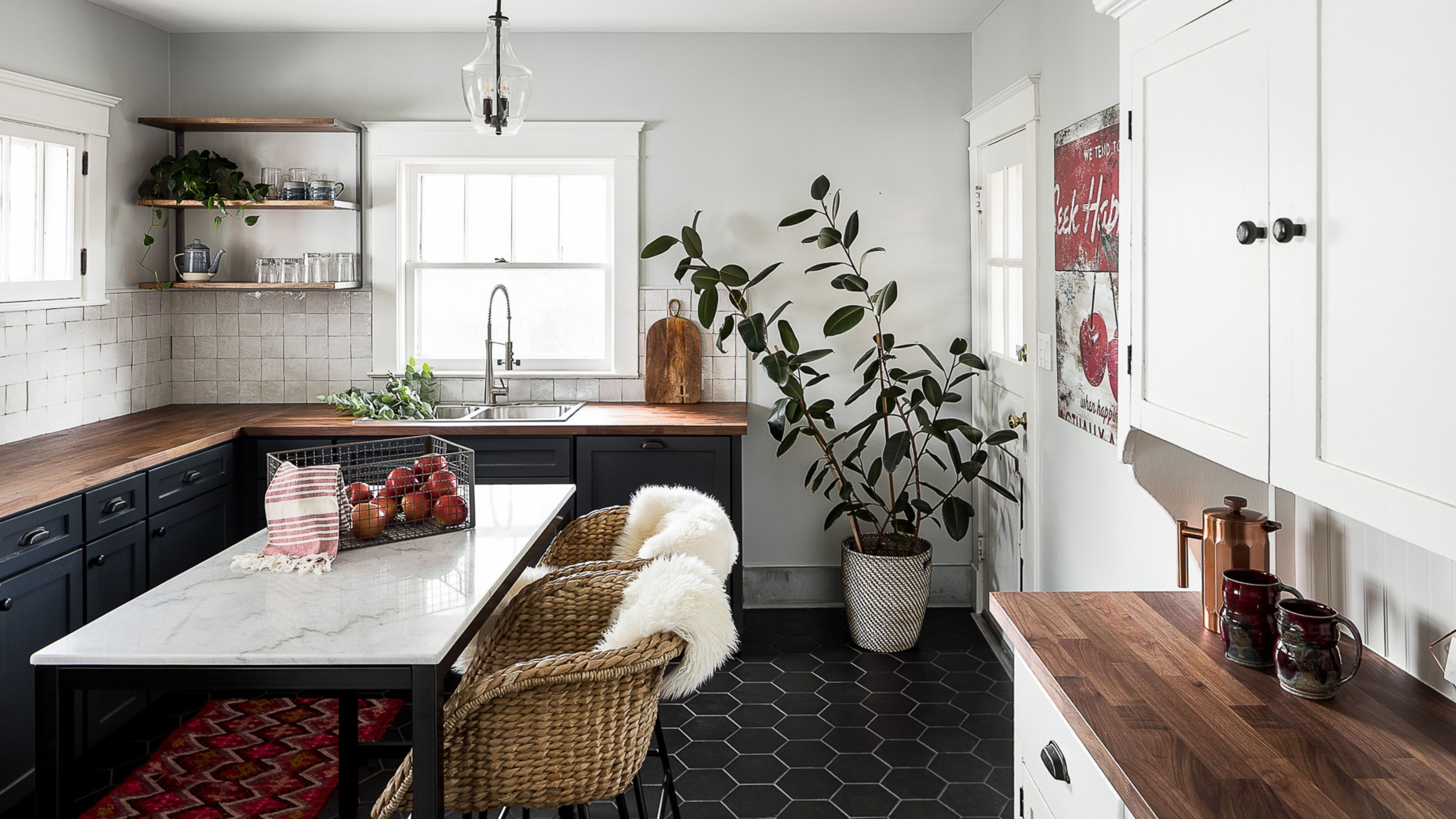
Is a Window Over the Sink Really the Best Layout? We Get the Verdict From Kitchen Designers
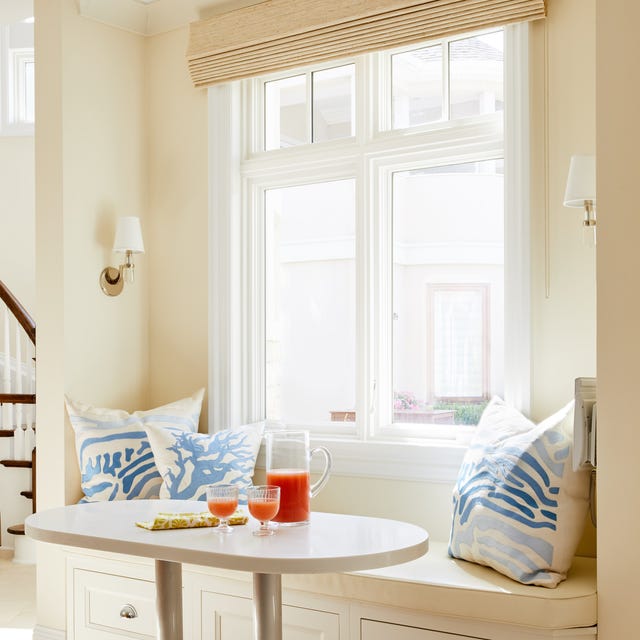
This Design Element Instantly Brightens a Dark Room

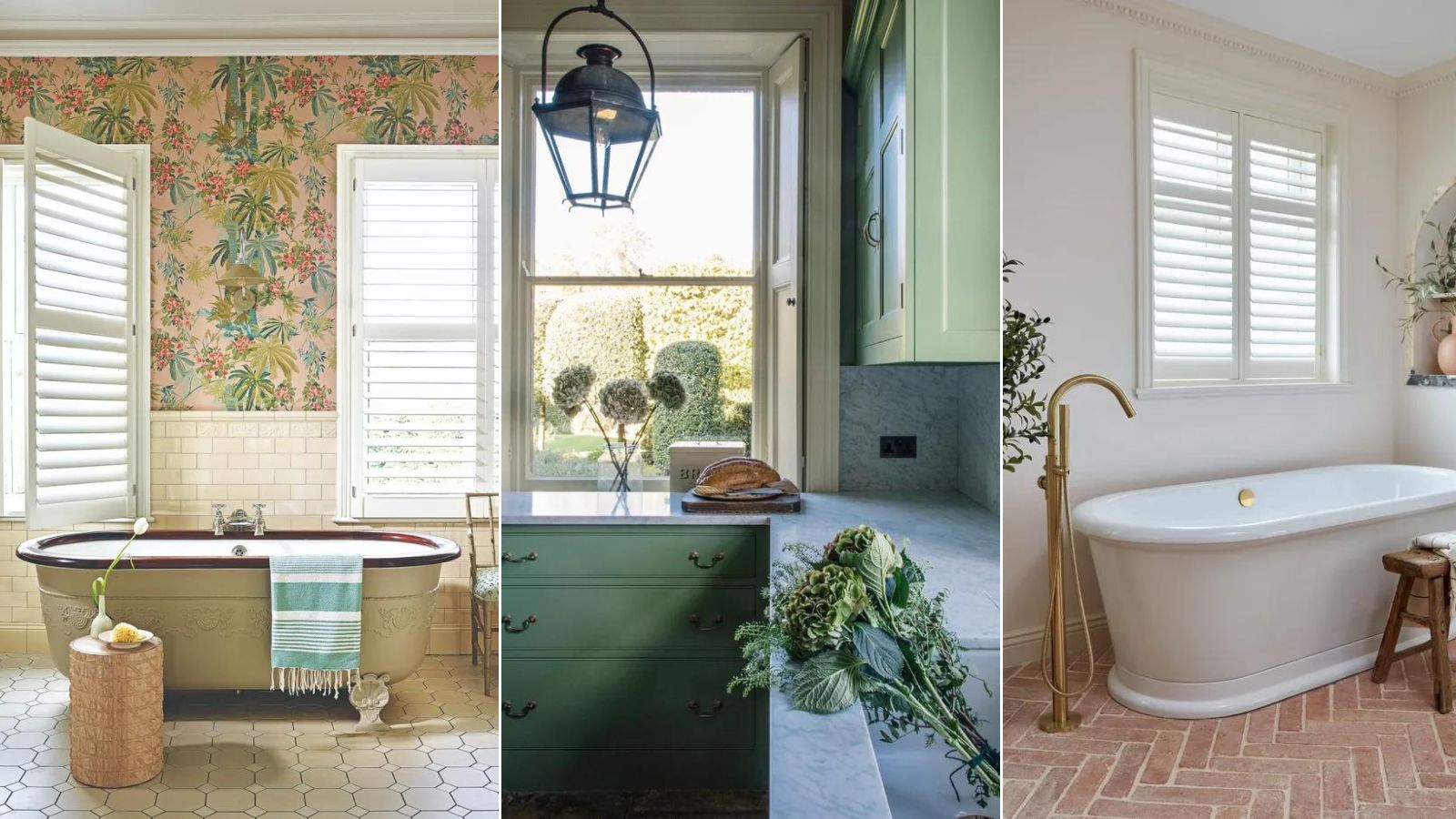
Are window shutters out of style? Interior designers weigh in


How to Pick Windows: 5 Factors to Consider
This Forgotten Kitchen Feature Is Popping Up More and More

We Asked 6 Designers Their Favorite Way to Dress Up a Kitchen Window, and They Did Not Disappoint
Are Window Shutters Still in Style? We Asked Designers What They Really Think

Everest’s window designers reveal how to add value to your home
5 Kitchen Window Mistakes to Avoid, According to an Architect — Some May Seriously Surprise You
We Asked Designers If Those Cute Café Curtains Are Still Cool — or Headed Straight Out the Door

15 easy, breezy kitchen servery windows

The Best Window Brands for the Home

We Asked Designers If Kitchen Islands Are Still Worth It, and Their Answer Surprised Us
Architects Are Embracing "Porthole" Windows Right Now — And They Make for Such Joyful Spaces
D-FW designers reveal the do’s and don’ts of window treatments

Kolbe Windows & Doors Enhances a Sleek Indoor/Outdoor Oasis
Kitchen design ideas: A kitchen window bar
The Top Window and Door Stores in Toronto
Are shutters outdated? Here’s what interior designers say, and how they're decorating for 2023 and beyond
Best Replacement Windows of 2025