1/7
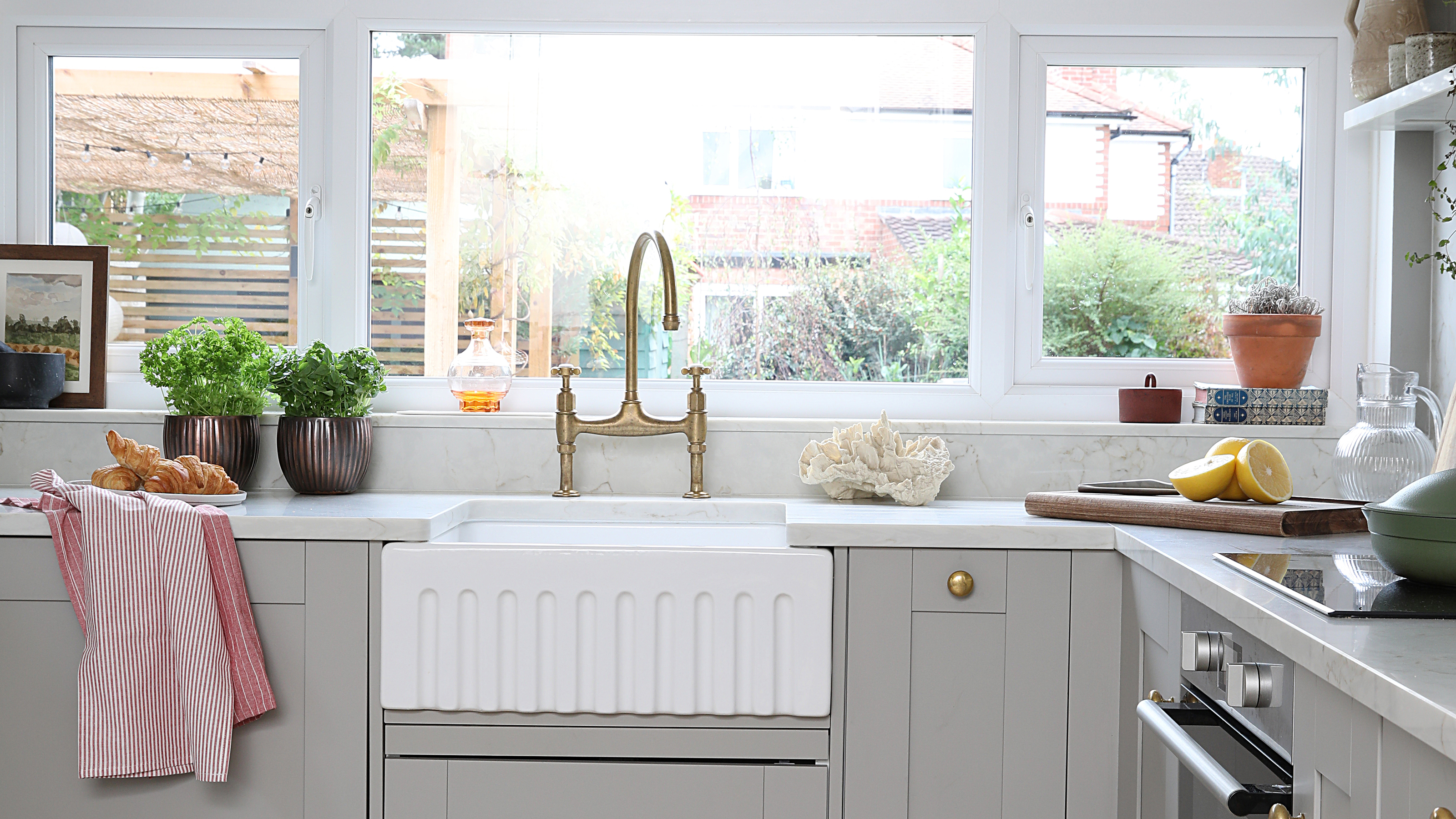
How to fake natural light in a dark room - 5 design tricks to brighten up a gloomy space
The absence of natural light can significantly impact both physical and mental well-being, leading to feelings of low energy, sluggishness, and agitation, especially during winter months. Research indicates that prolonged exposure to natural light improves mood, cognitive performance, creative thinking, self-control, and reduces stress by aligning circadian rhythms. It also positively affects physical health, such as lowering blood pressure and enhancing sleep quality. With 16% of the UK population reportedly suffering from Seasonal Affective Disorder (SAD) in winter, finding ways to mitigate the effects of limited natural light in indoor spaces is crucial.
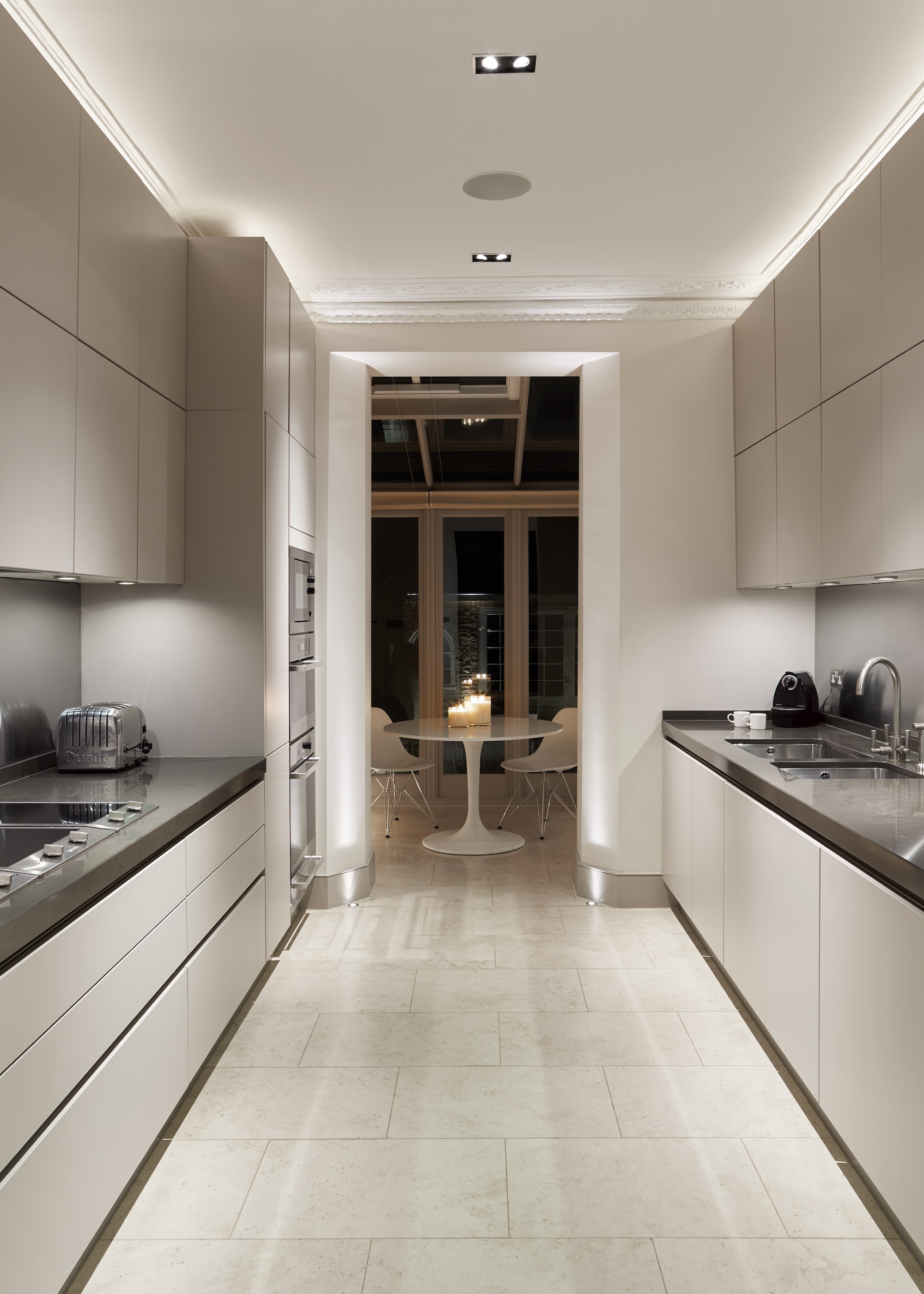
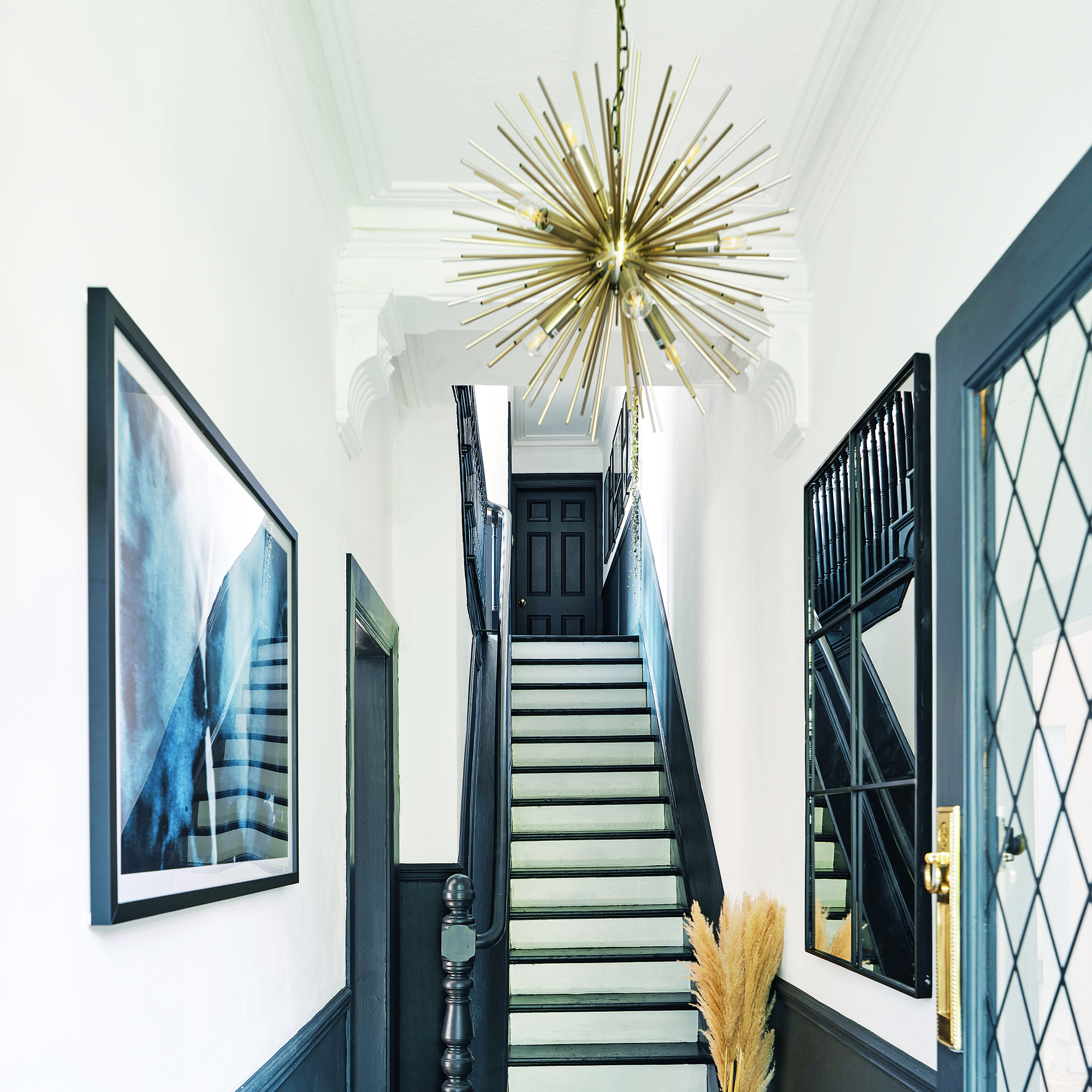
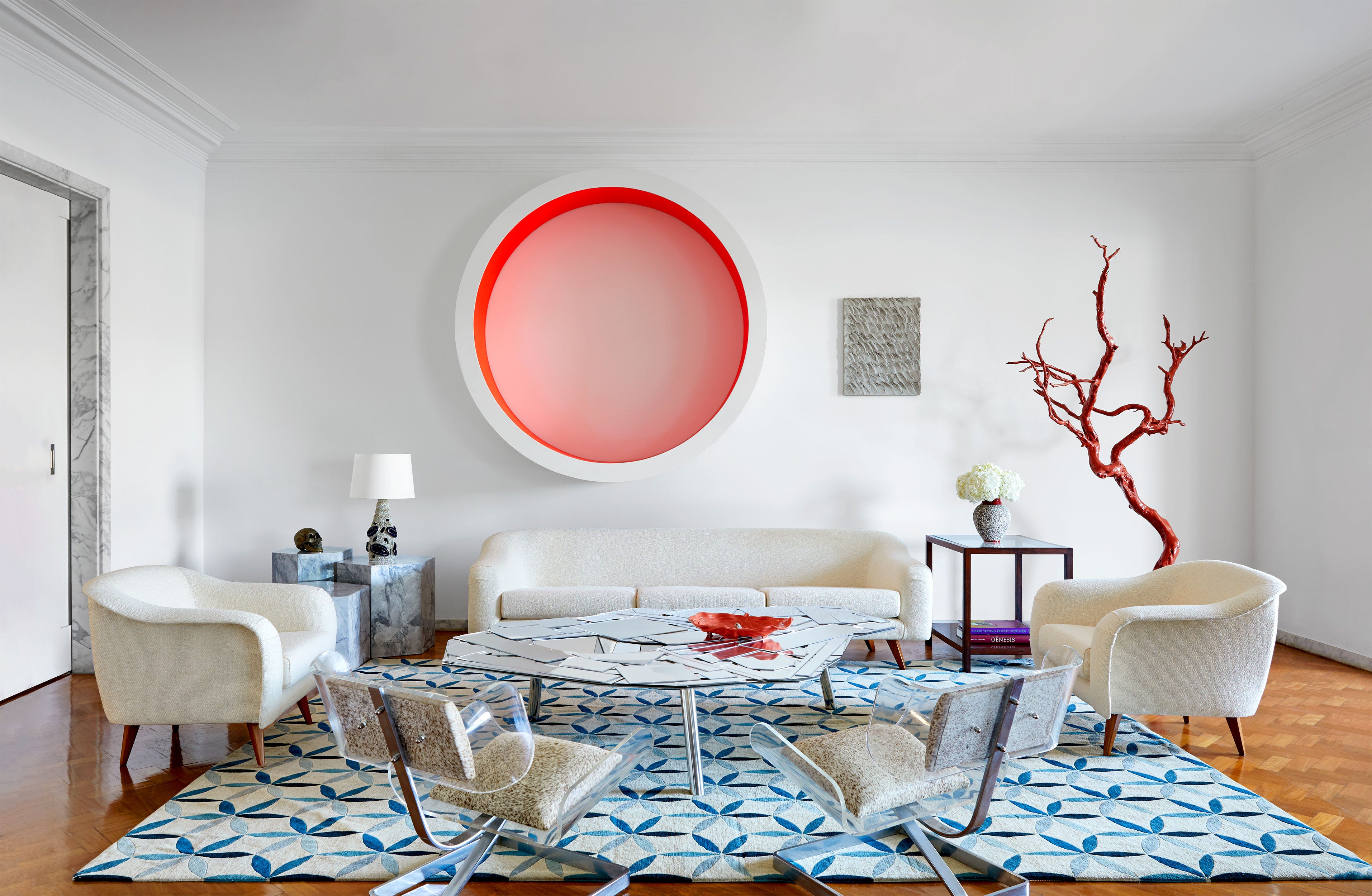
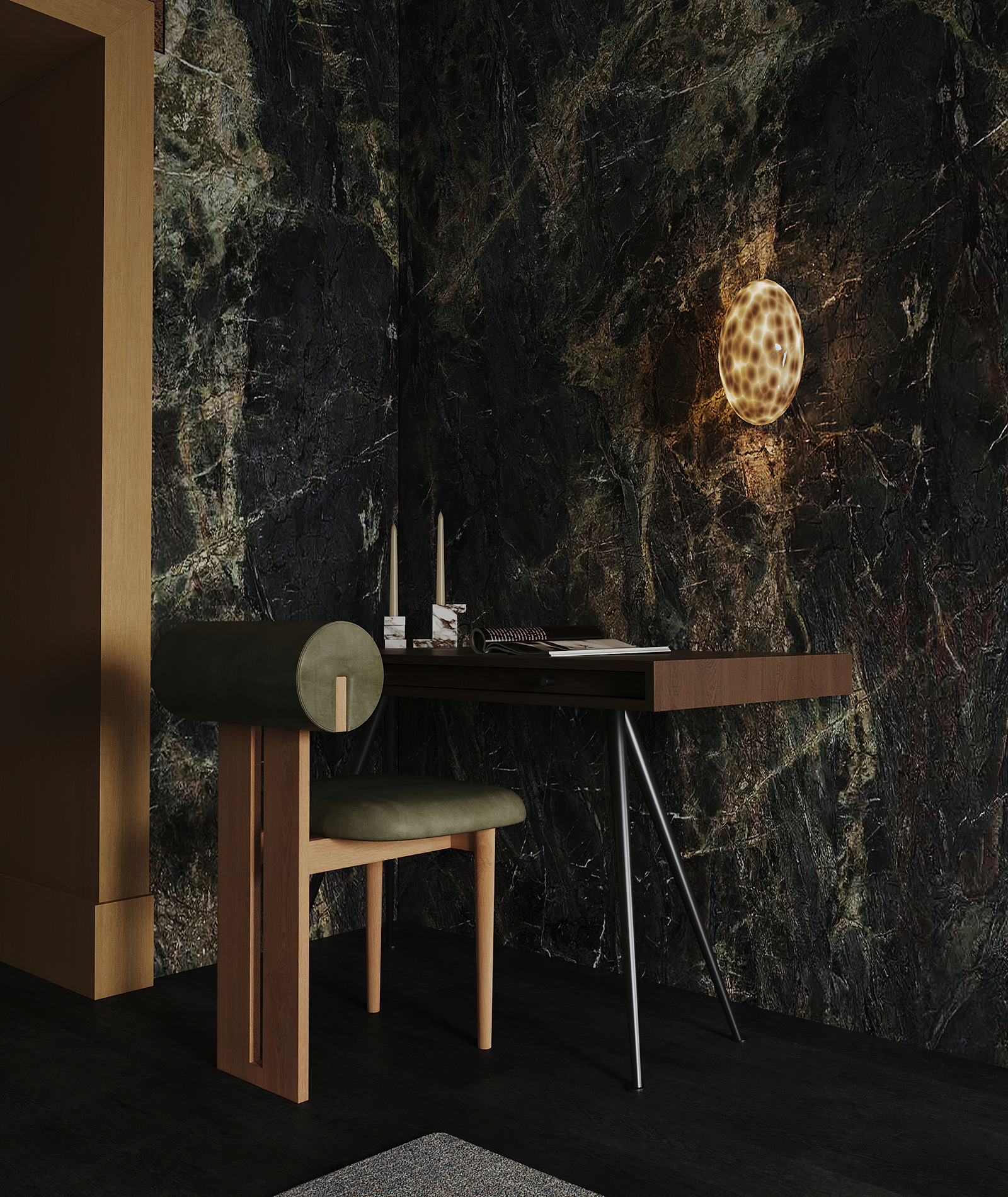
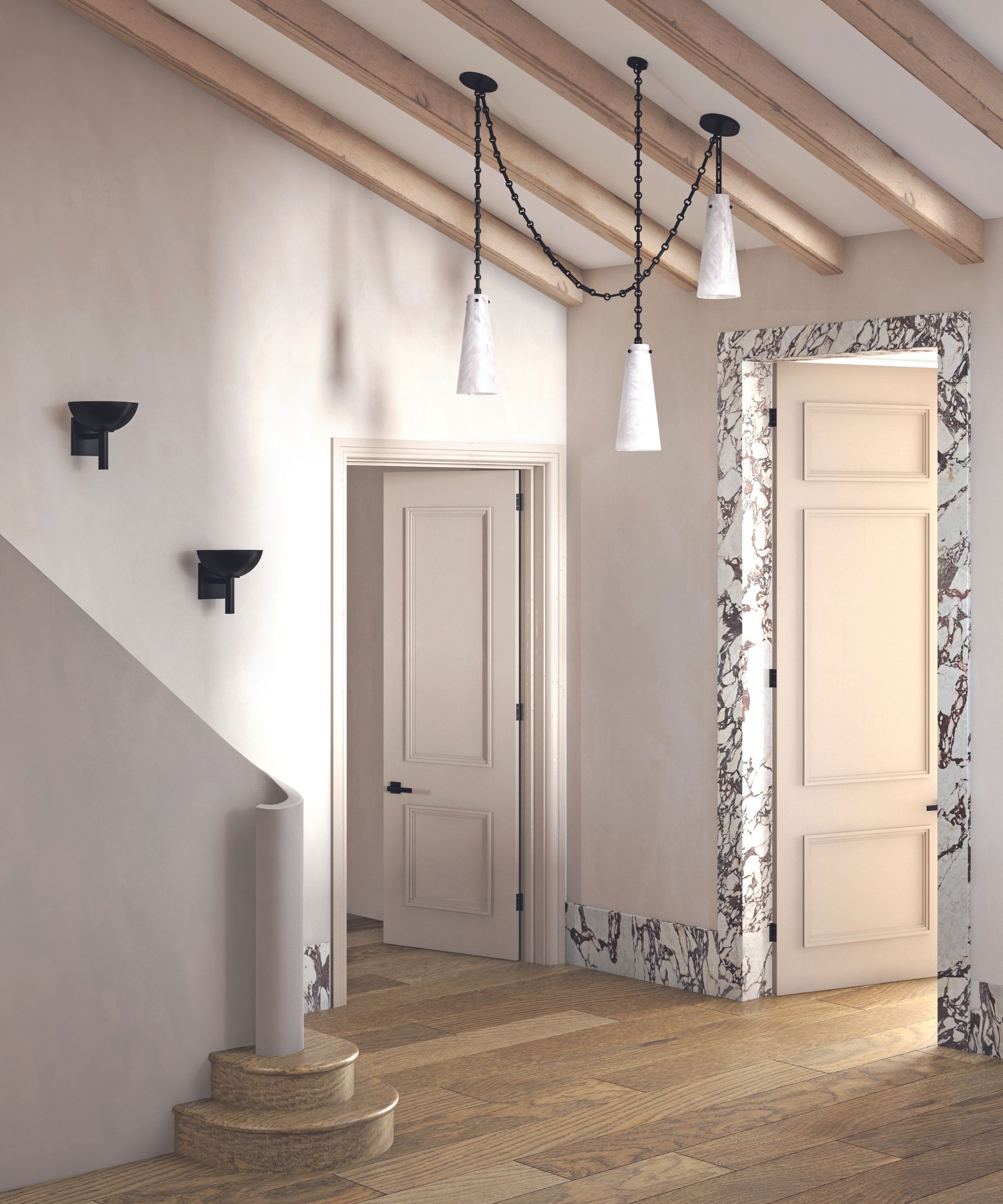
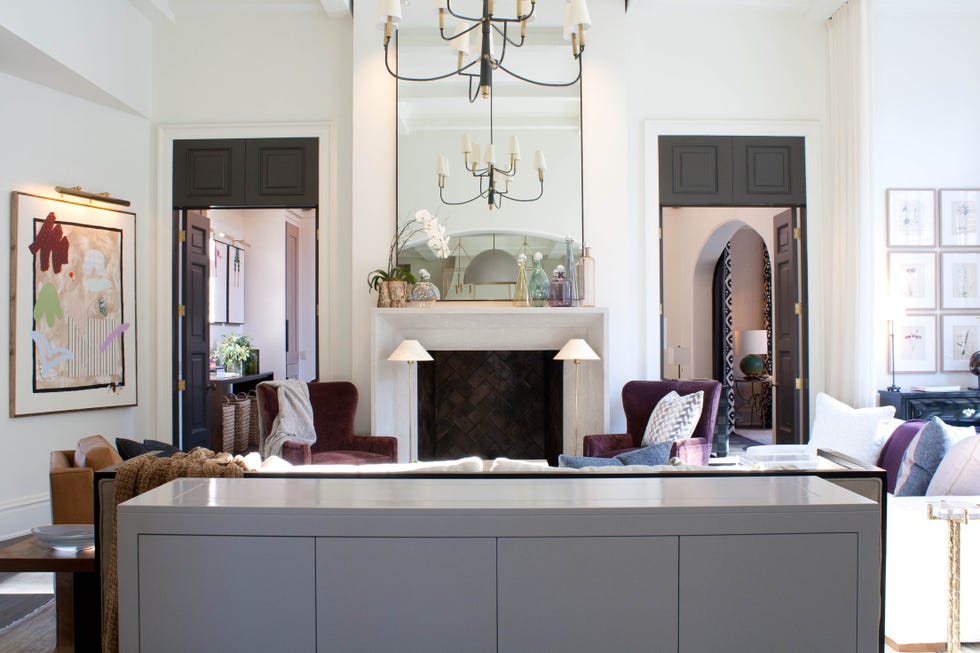
Several design strategies can be employed to simulate natural light in dark rooms, addressing challenges posed by short daylight hours, north-facing rooms, or windowless spaces. One effective method involves using specialist lighting. High-technology light fittings, such as those by CoeLux, are designed to replicate natural light by being recessed into ceilings, creating the illusion of a sunny skylight. Directional recessed or surface-mounted spotlights can also mimic light shining through a window, illuminating parts of a room. For task lighting, daylight lamps with a high Kelvin rating (around 6,000K) and a high Colour Rendering Index (95+ CRI) can provide vivid, accurate colors and excellent contrast, contributing to a brighter environment.
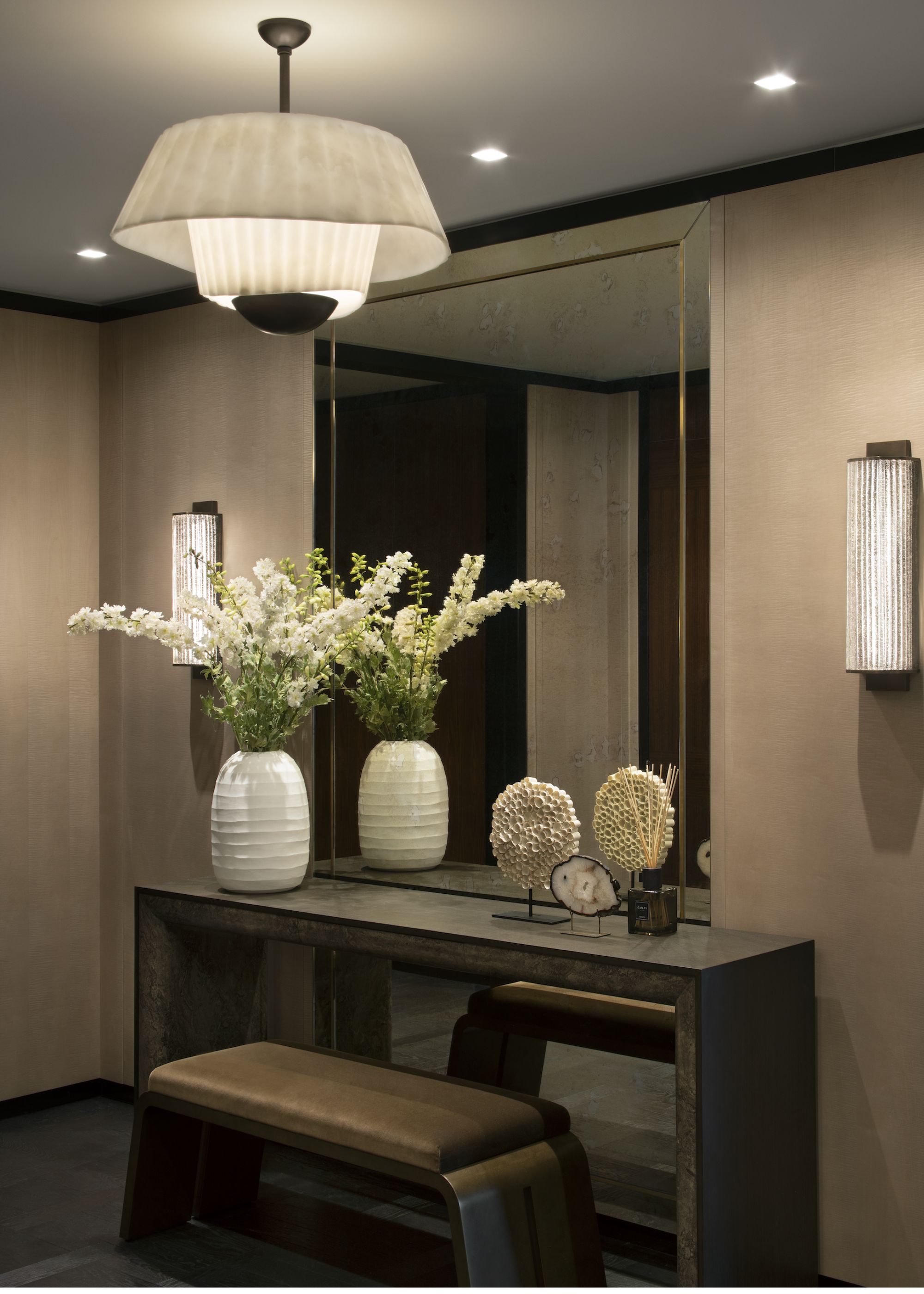
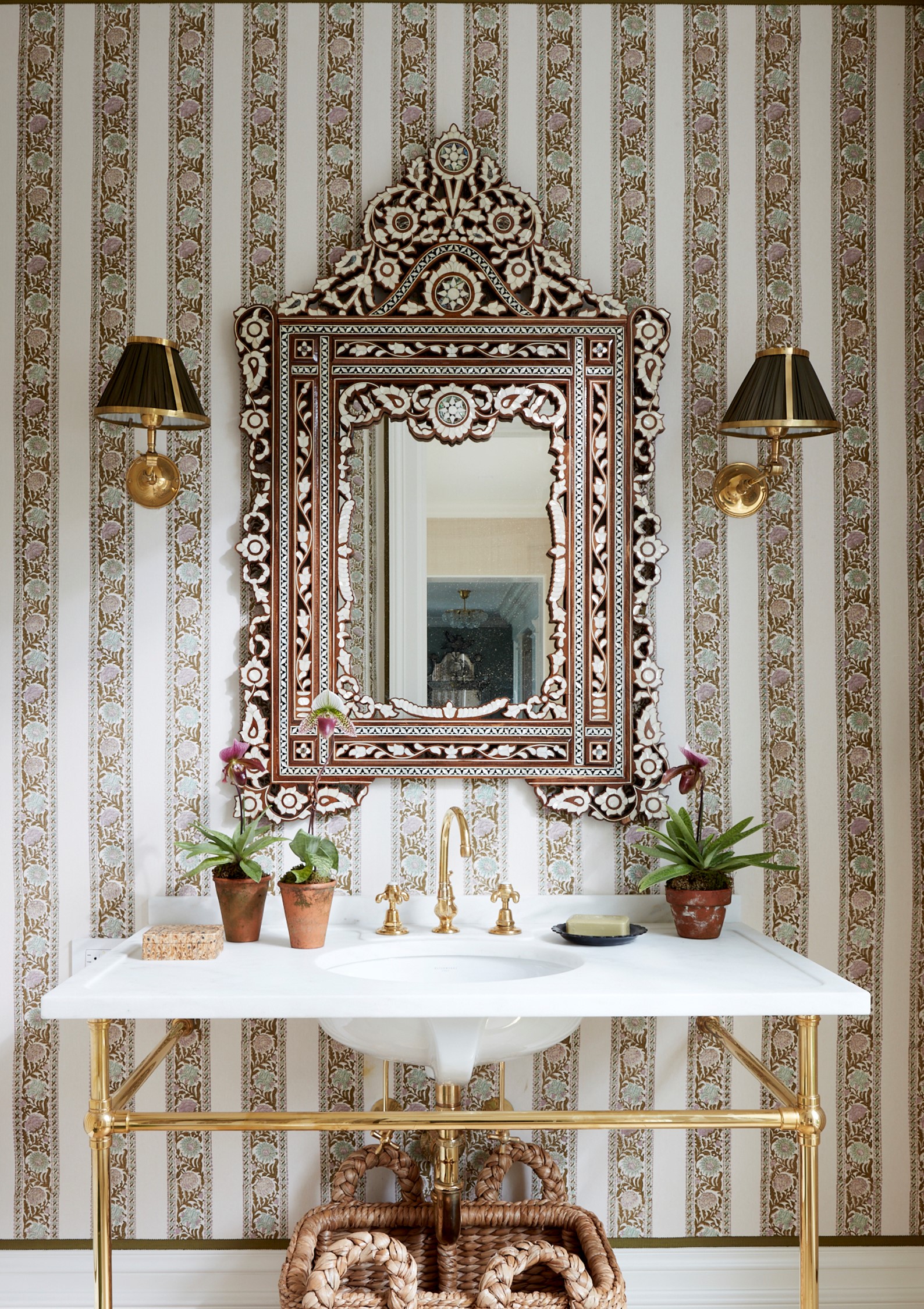
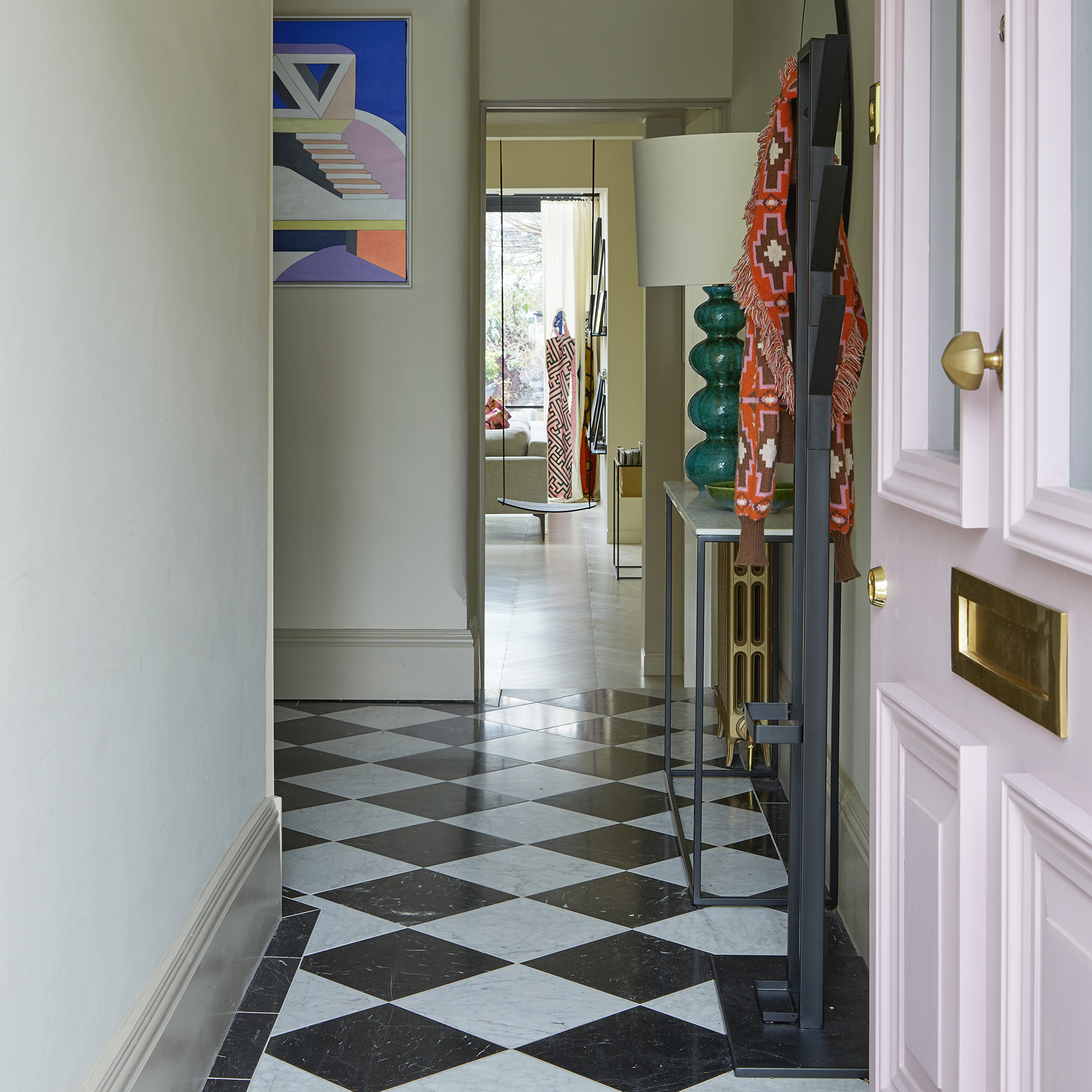
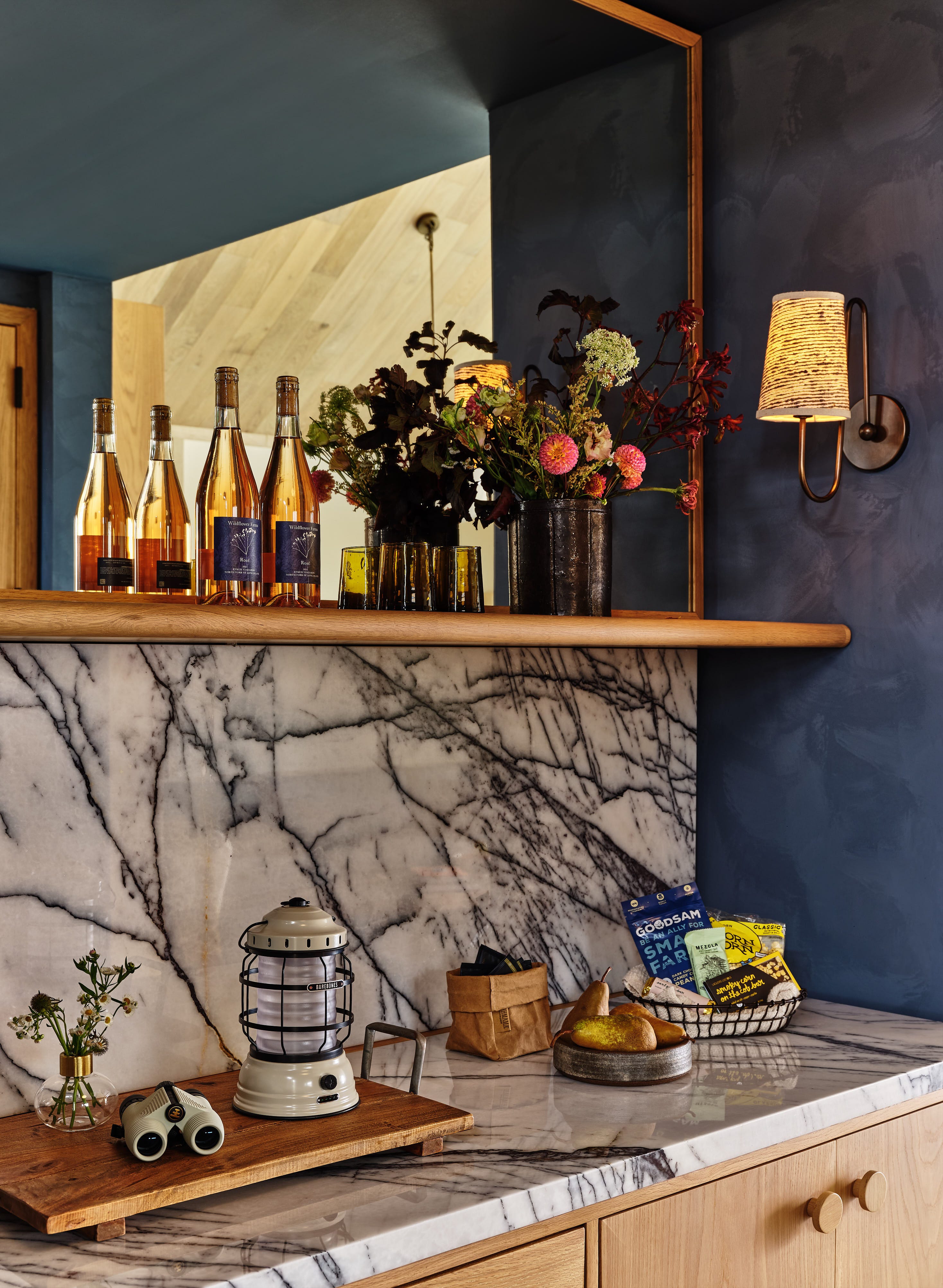
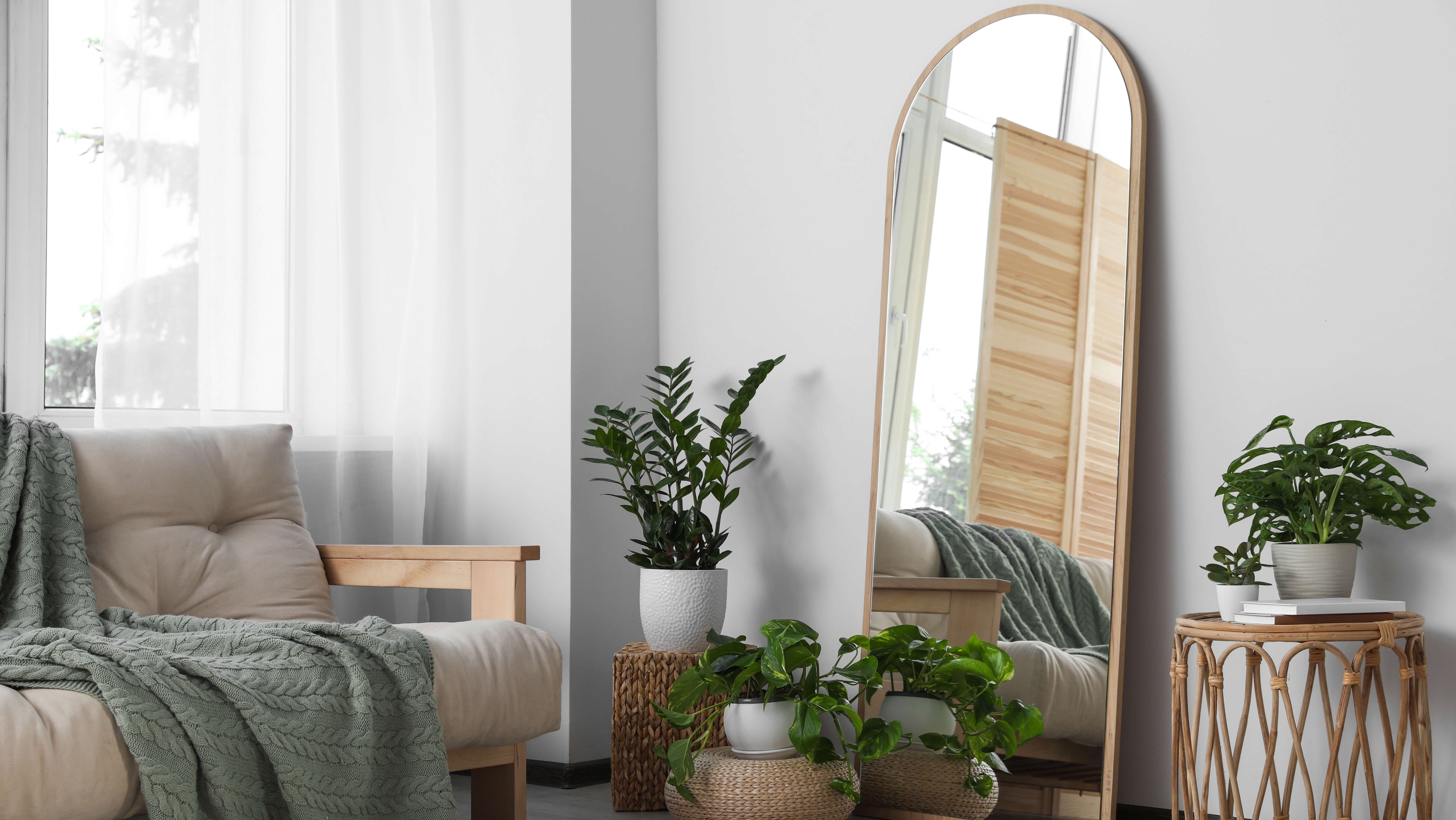
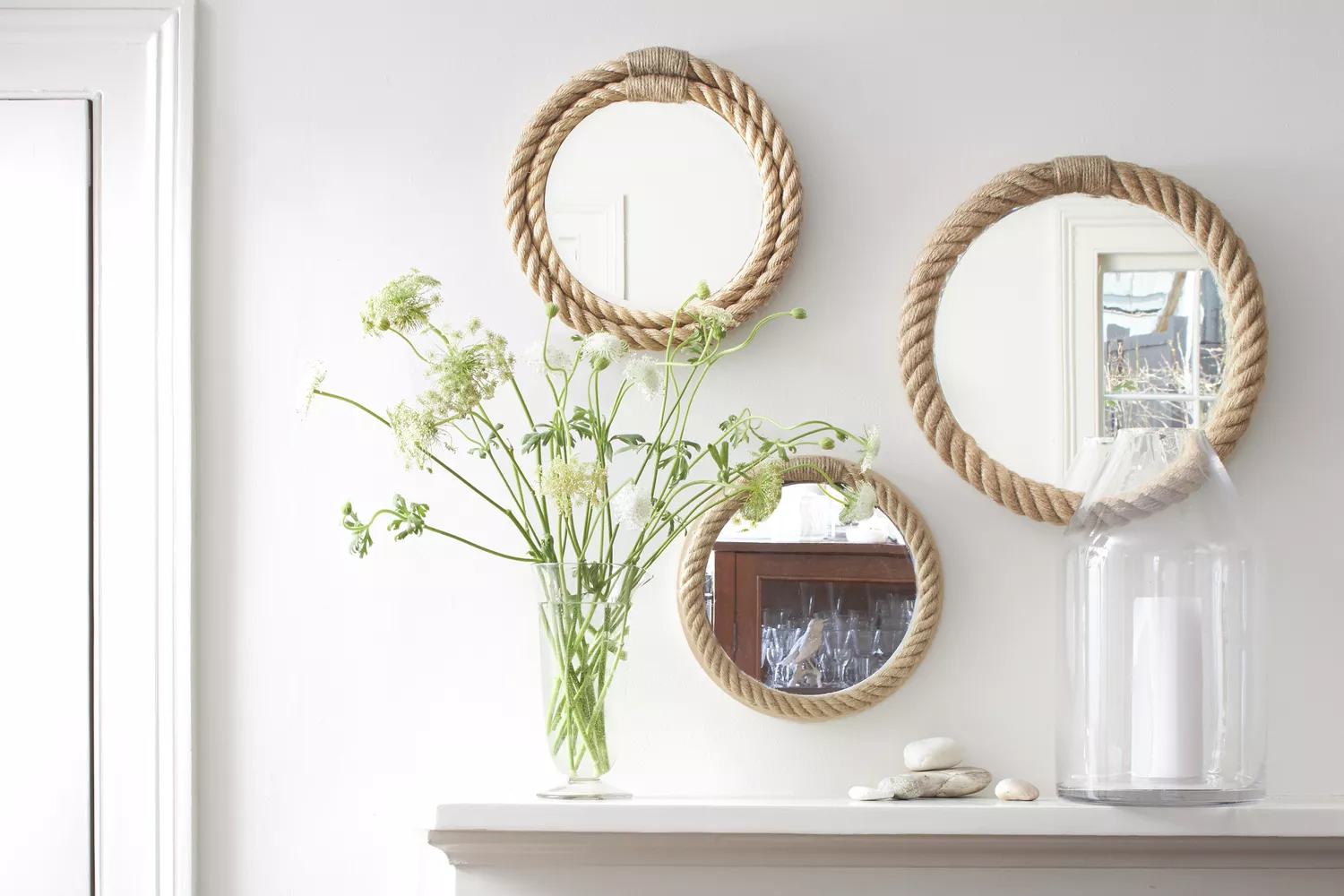
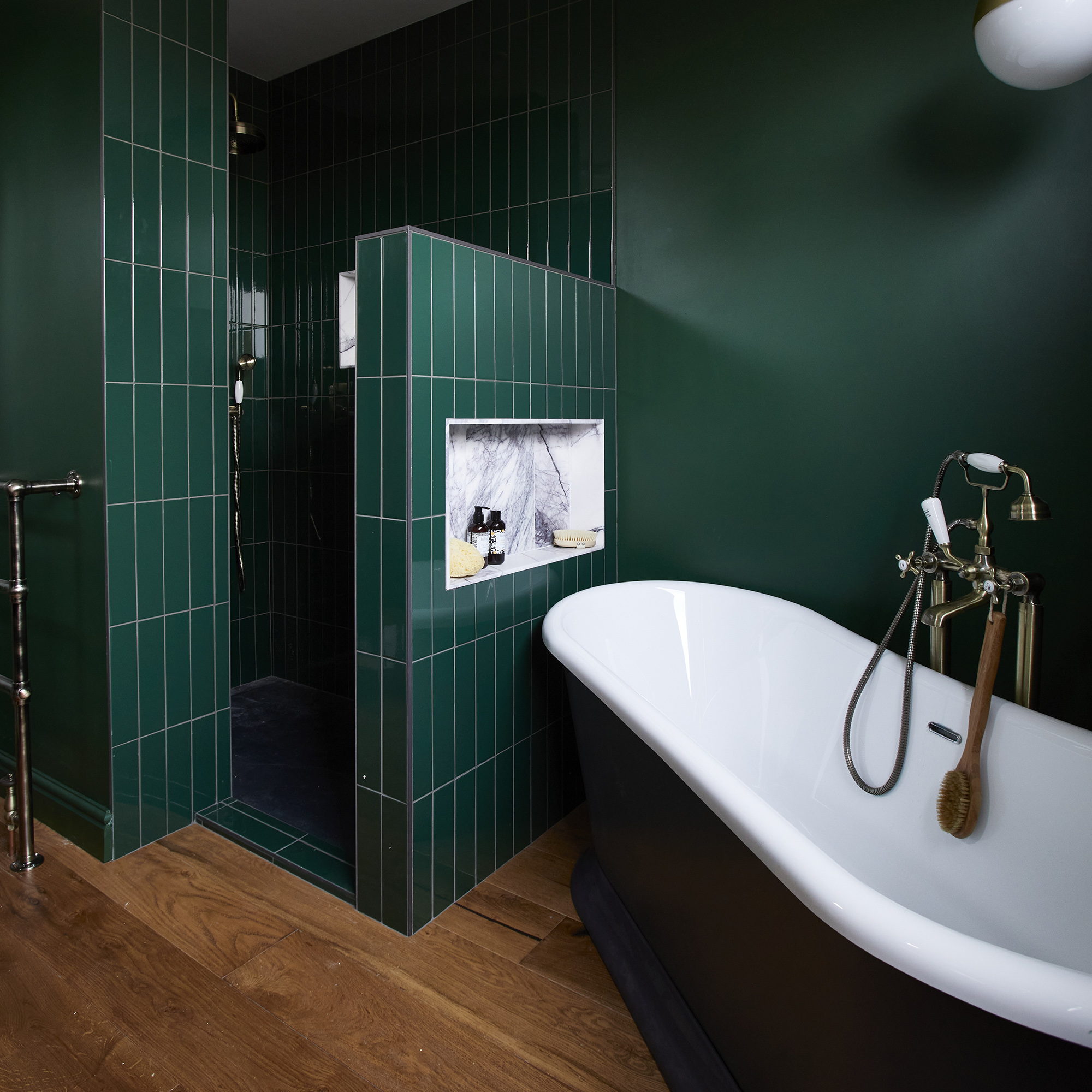
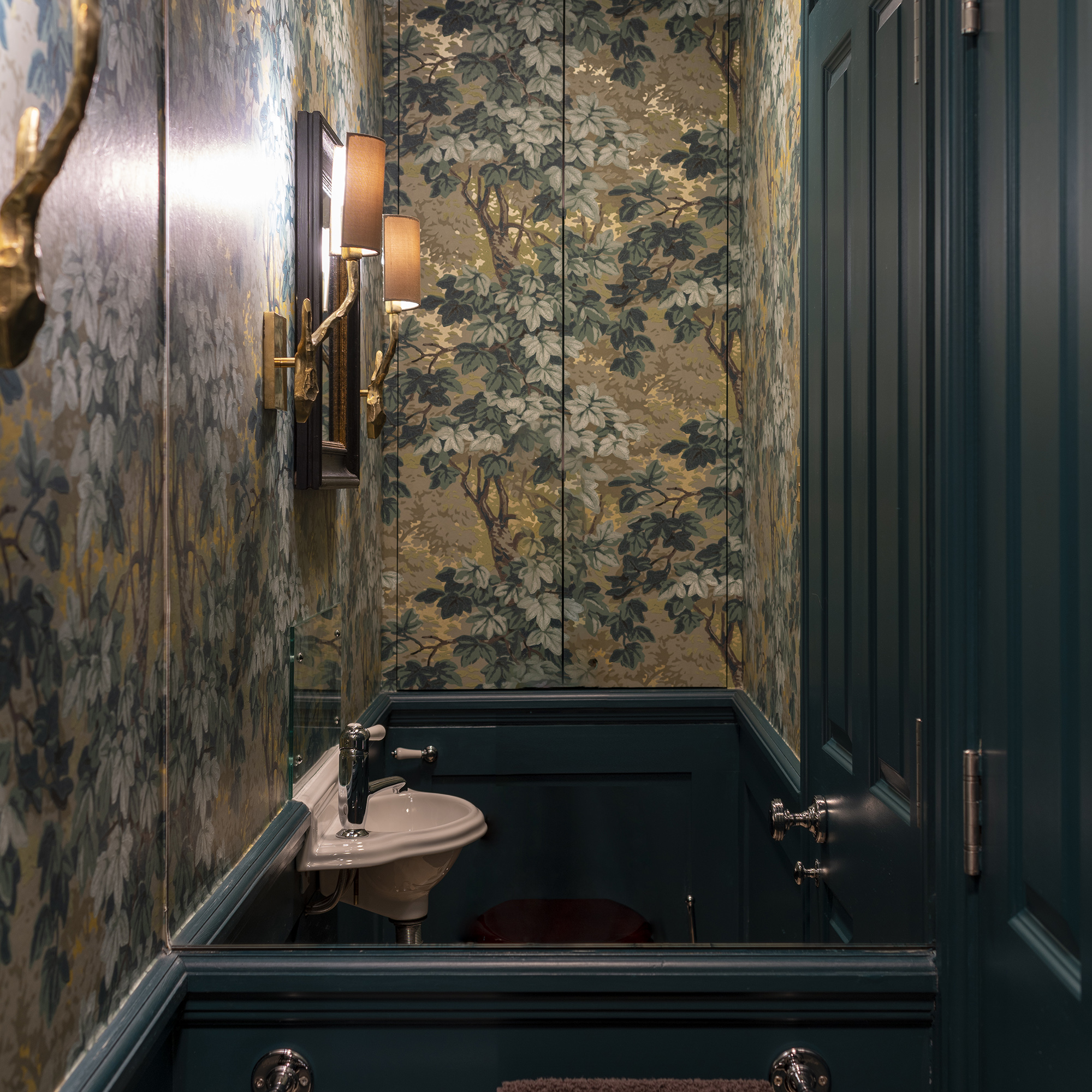
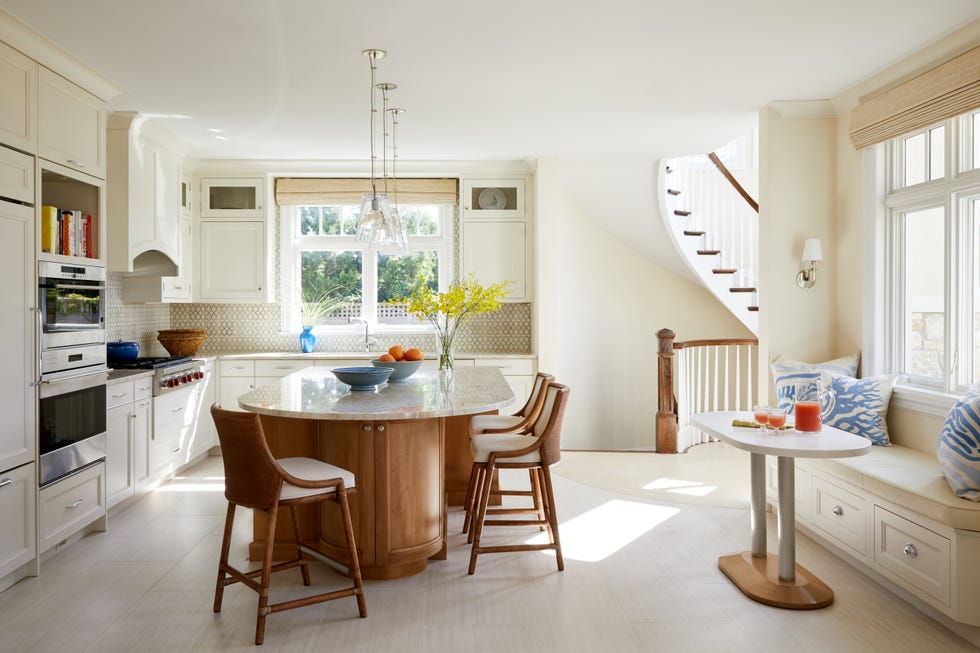
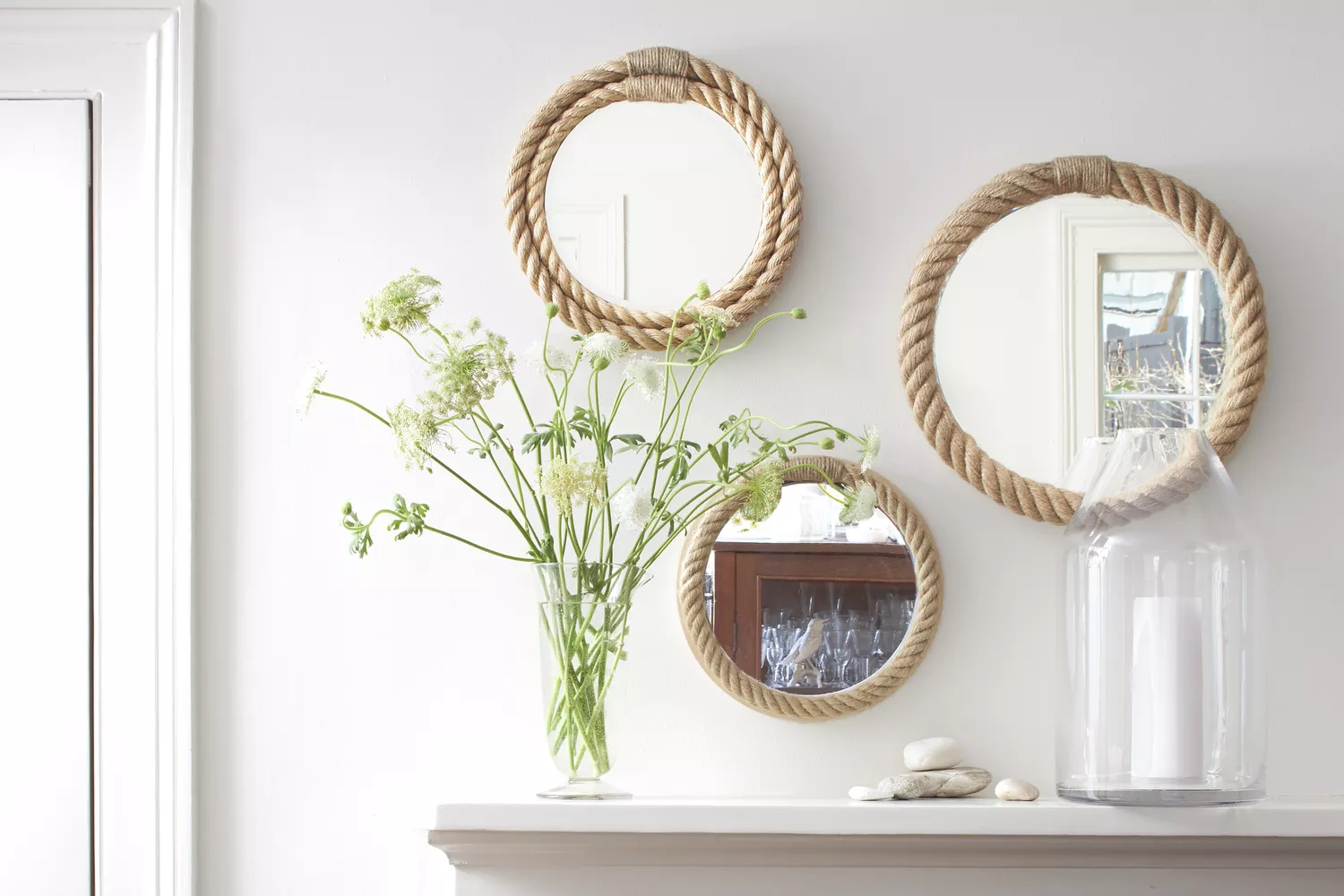
Another technique focuses on utilizing mirrors and gloss finishes to maximize the available light. Professional interior stylists recommend incorporating large mirrors and reflective materials to bounce light around a dark interior. This could include mirrored splashbacks in kitchens or wall-to-wall mirrors in small, dark bathrooms. The choice of paint finish also plays a role; while a flat matt finish offers a low sheen, a luxurious gloss finish with an 80% sheen level can significantly reflect light back into the room, making it appear brighter.
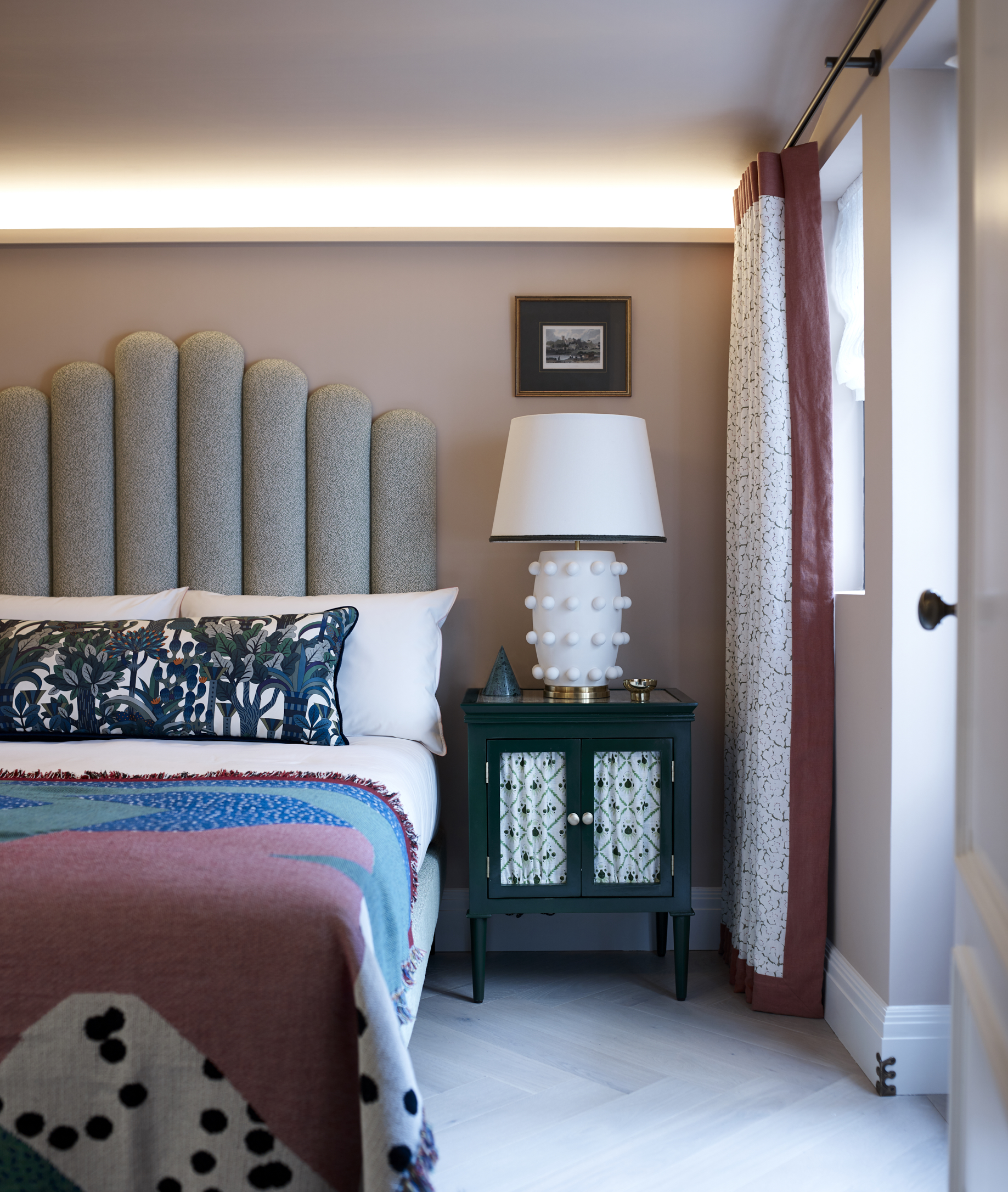
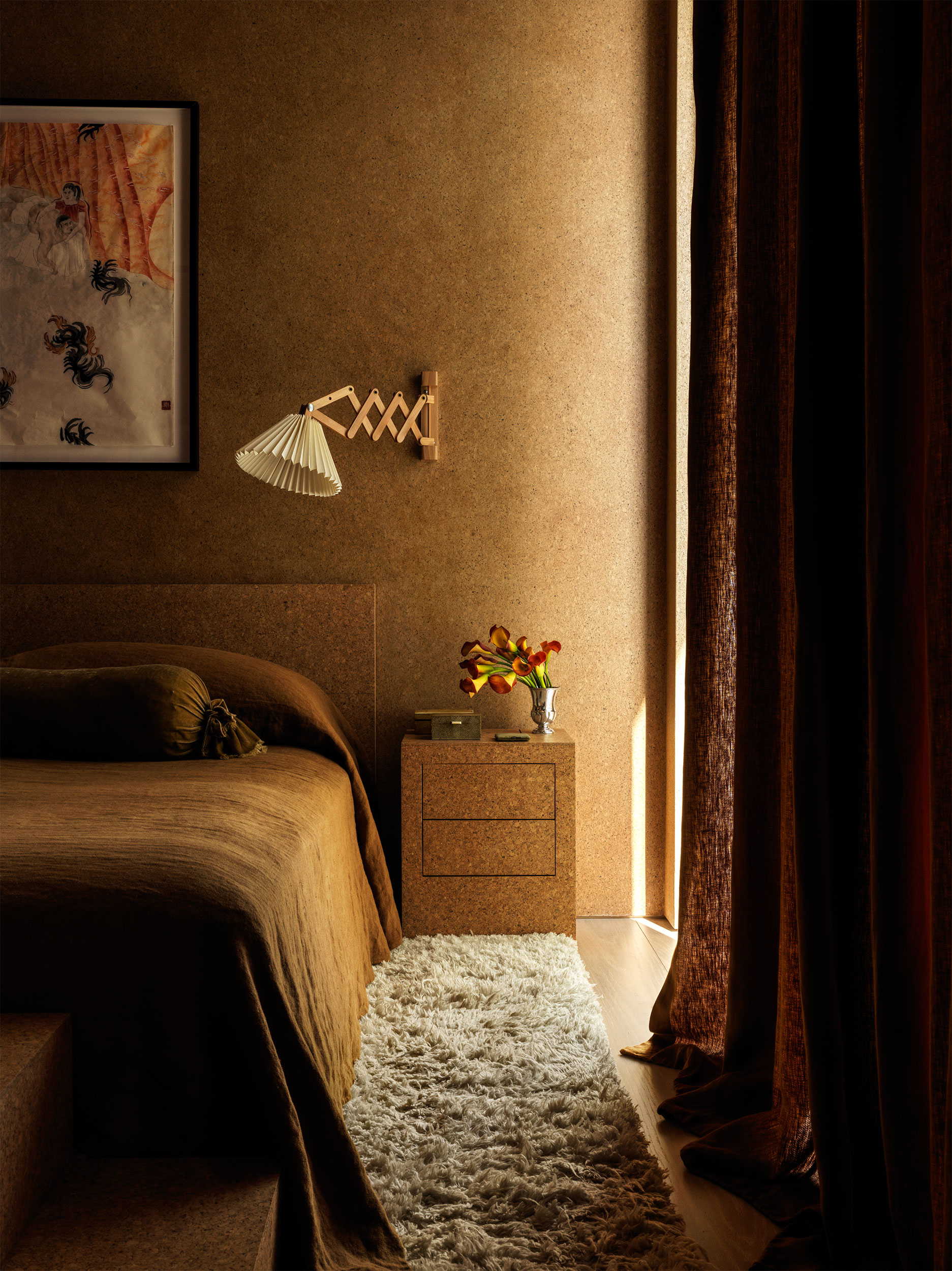
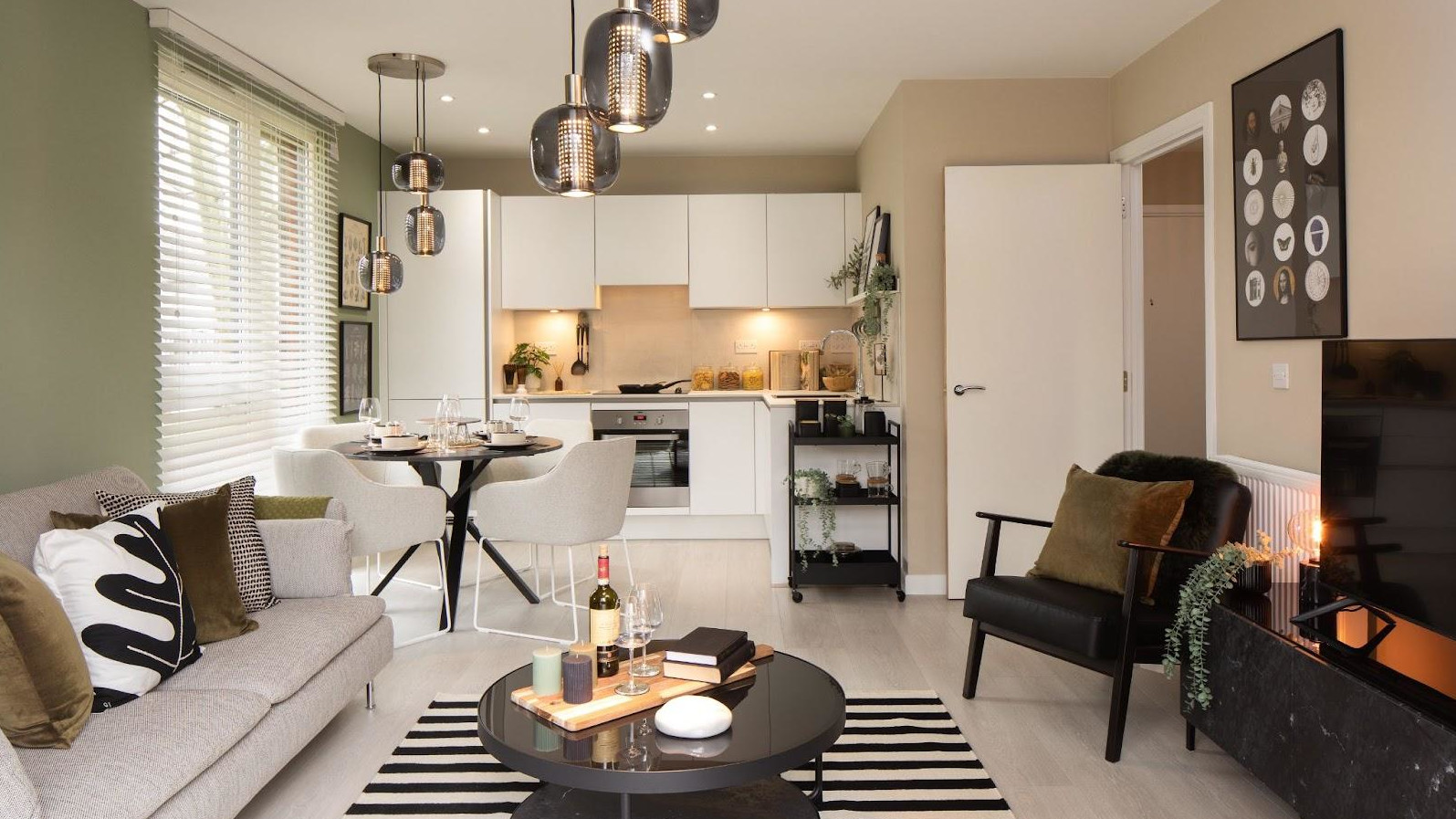
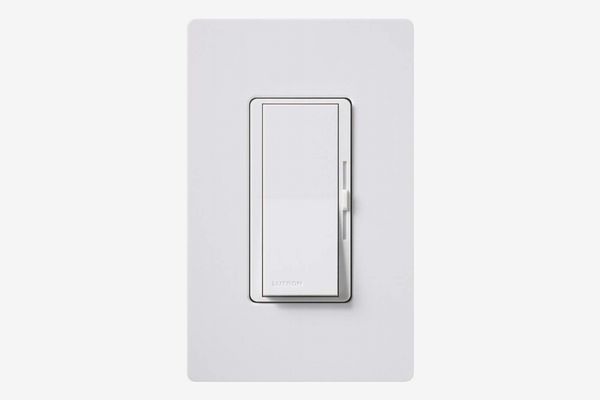
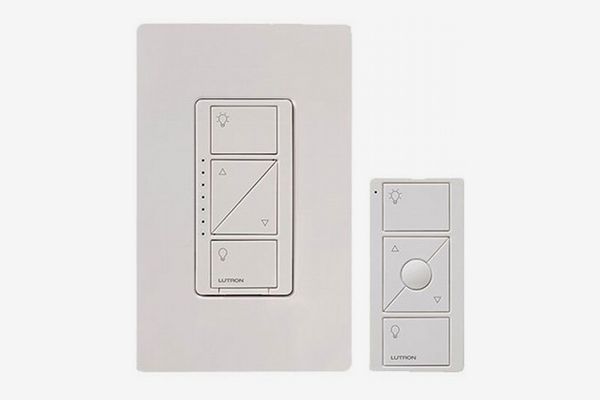
Layering artificial lighting is essential for creating flexible lighting schemes that adapt to different times of day and activities. This involves combining various types of light fittings, controlled by flexible switching and dimmer switches. Products that allow for adjustable color temperature, often controllable via an app, enable users to pre-program different brightness levels and color temperatures, simulating natural light cycles. This approach is particularly beneficial for windowless bathrooms or north-facing living rooms.
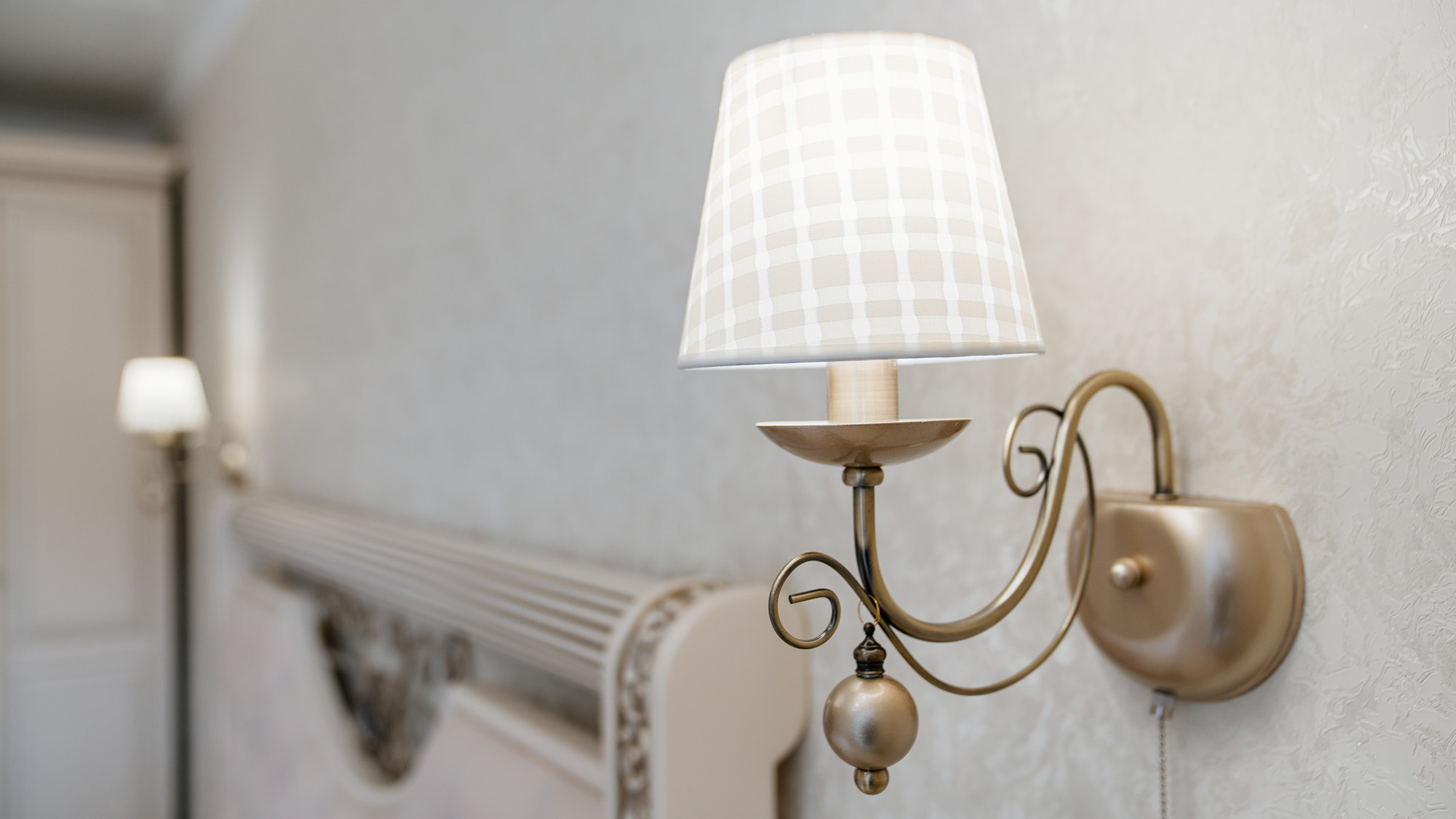
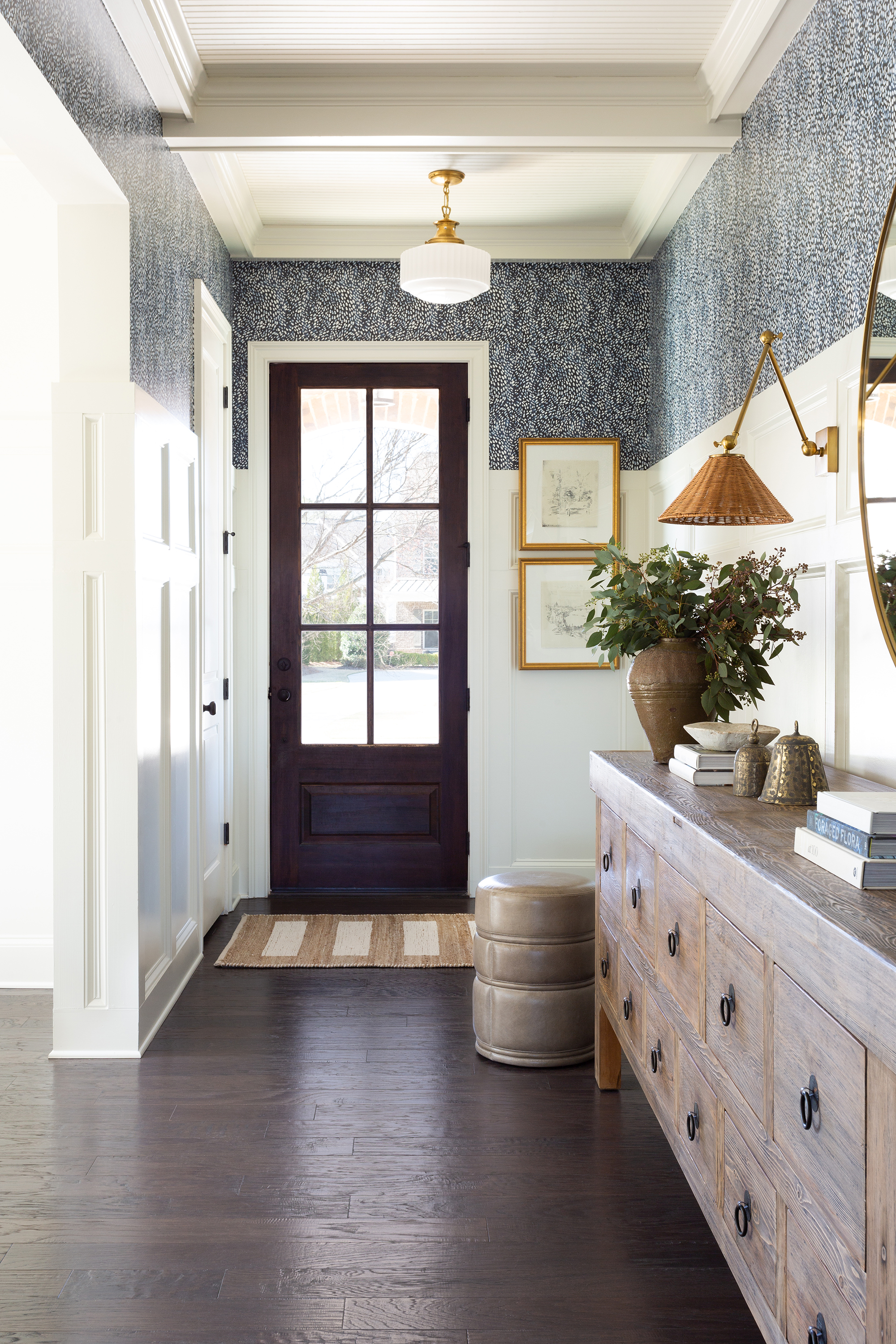
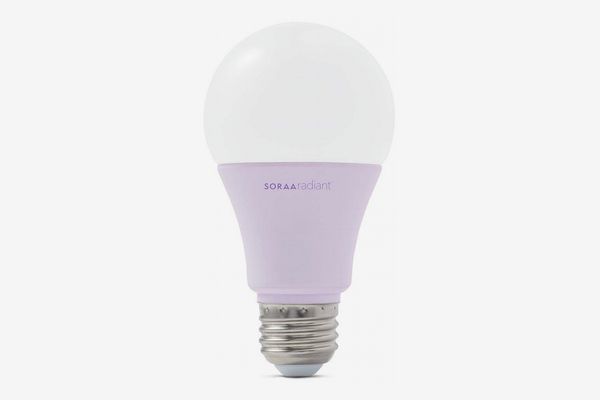
Upgrading light bulbs is a straightforward yet impactful step. Opting for daylight or cool white LED bulbs that mimic the color temperature of natural light is recommended. When selecting lights, prioritize those with a high brightness level, measured in Lumens, and dimmable features for versatility. It's advisable to avoid color temperatures above 3,000 Kelvin to prevent a cold, clinical ambiance. Many modern light fixtures now feature integrated LED chips rather than traditional bulbs, maintaining the same principles for light quality.
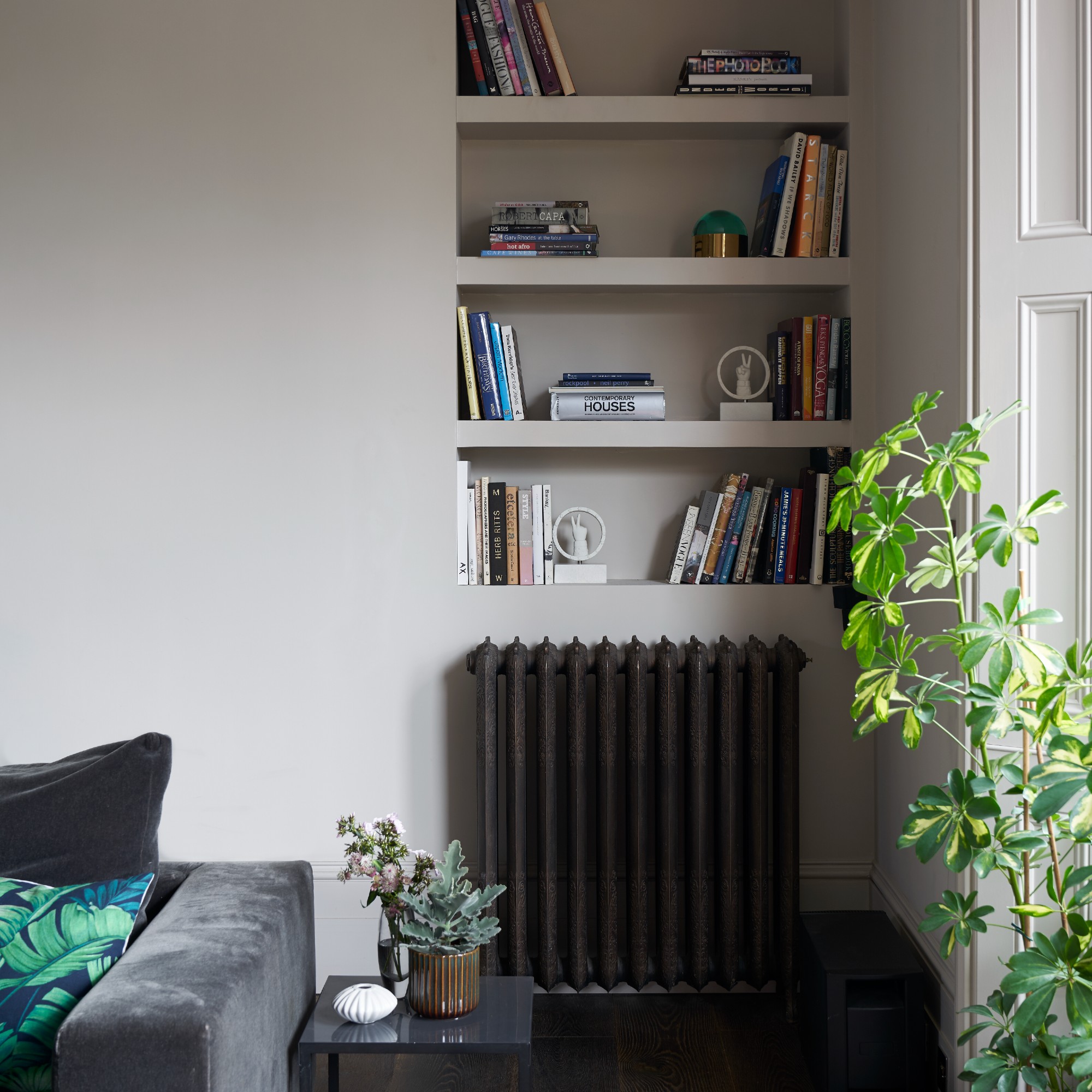
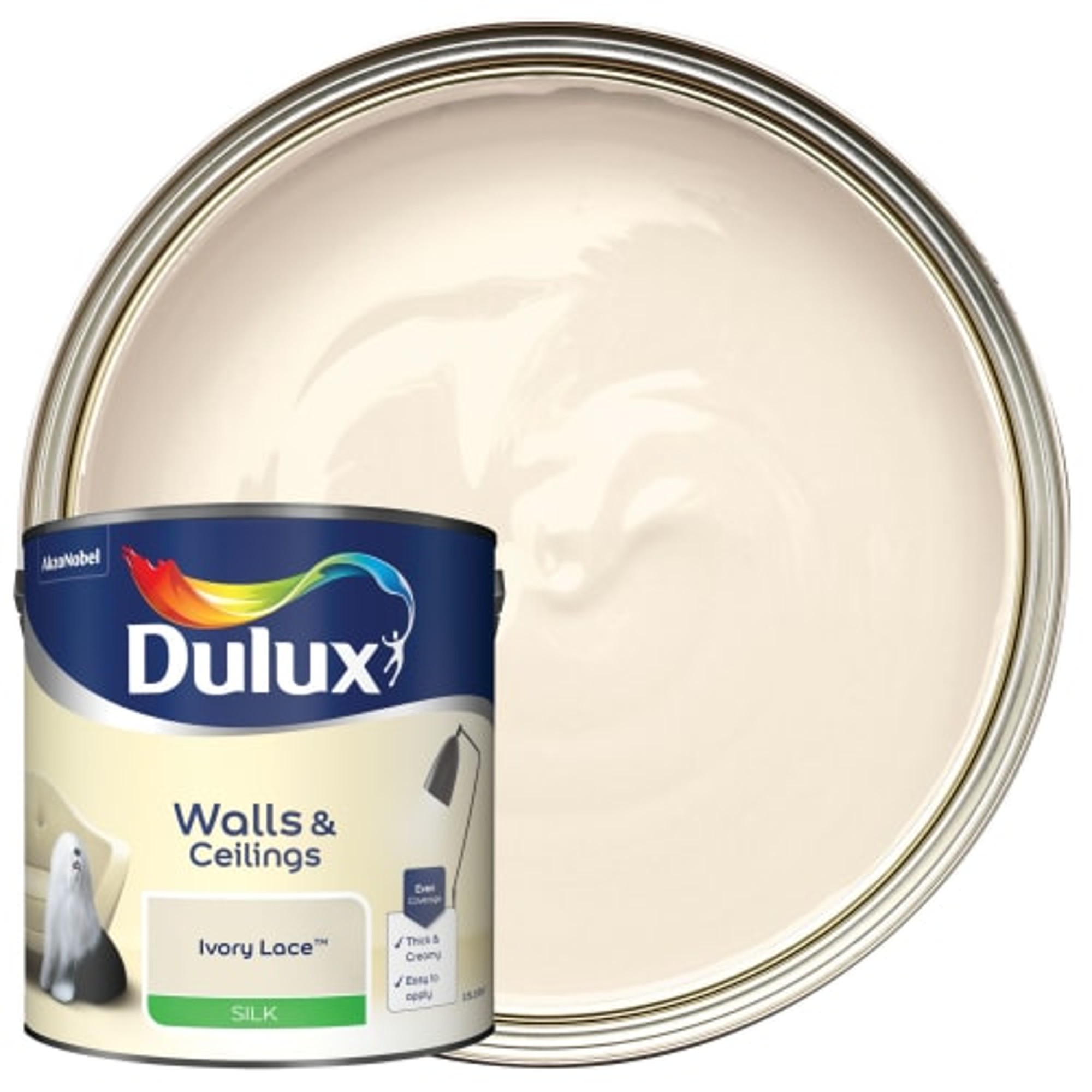
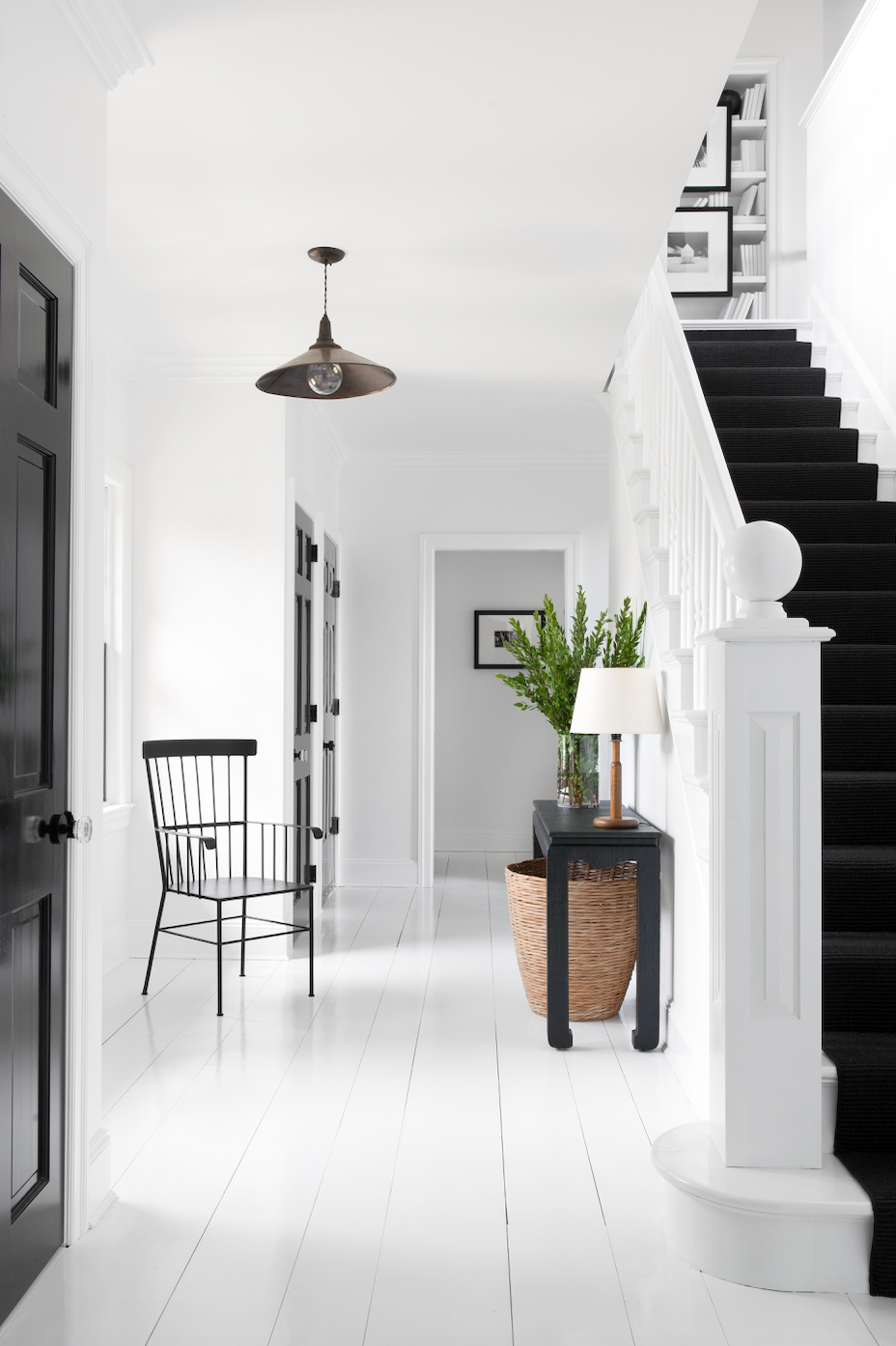
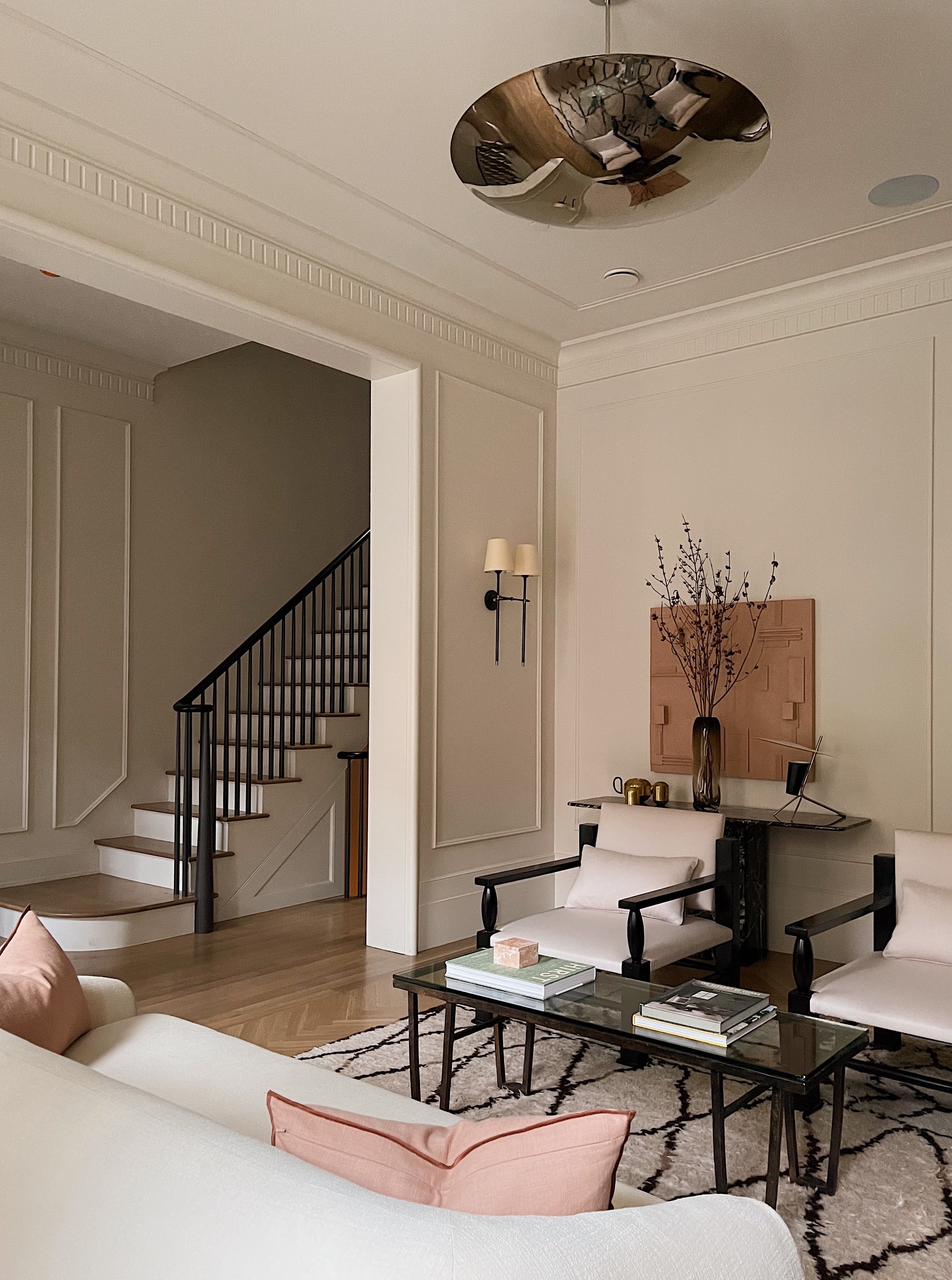
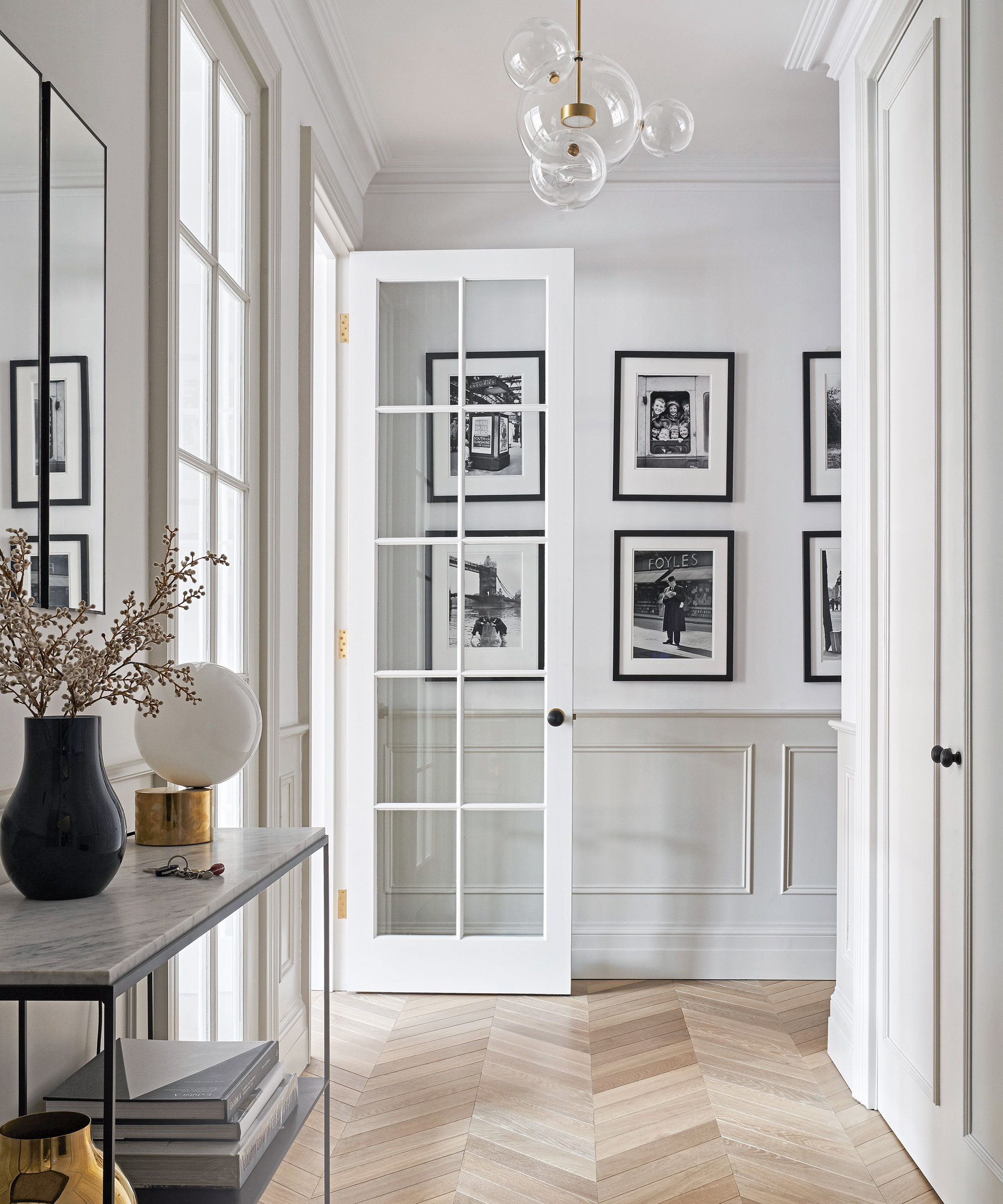
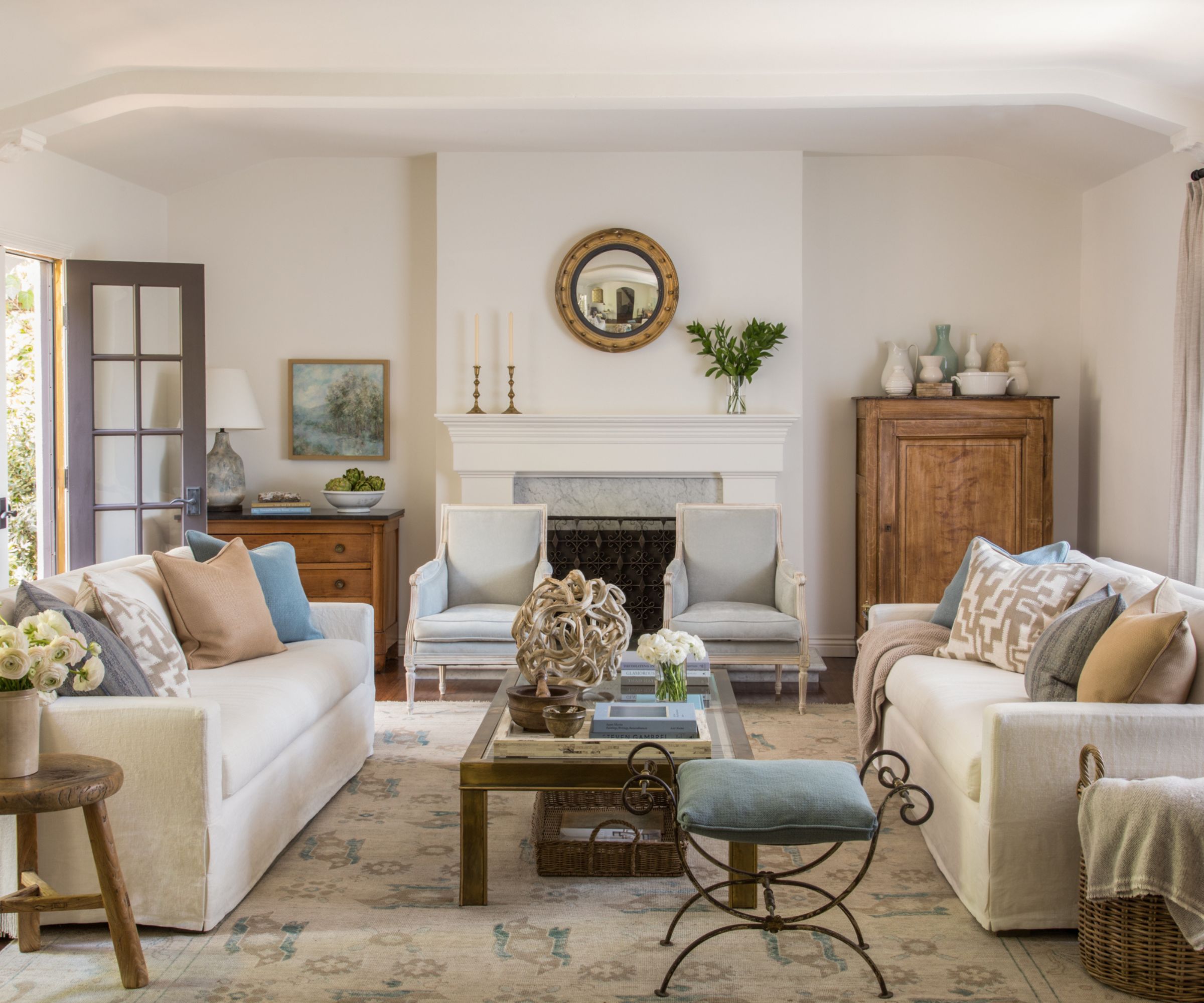
Finally, brightening walls with the right shade of paint can significantly enhance a room's luminosity. While brilliant white can sometimes appear harsh due to its blue undertones, choosing whites with warmer undertones, like 'Clay Pale' or 'First Light,' can introduce warmth and coziness, particularly in cooler, north-facing rooms. Alternatively, using light neutrals in a tonal scheme can create a harmonious and brighter living environment without appearing too stark. The overall secret to brightening any room lies in the harmonious interplay of mirrors, reflective surfaces, light-colored walls, flooring, and furniture, coupled with decluttering to allow light to flow freely. For those experiencing low mood during winter, SAD (Seasonal Affective Disorder) lamps, which mimic daylight to boost serotonin levels, can also be a beneficial addition, although they are considered a medical light rather than an interior design choice.
#InteriorDesign #LightingDesign #NaturalLightSimulation #HomeBrightness #RoomDecor #PaintColors #Mirrors #LEDLighting #SeasonalAffectiveDisorder #InteriorDesign #LightingDesign #NaturalLightSimulation #HomeBrightness #RoomDecor #PaintColors #Mirrors #LEDLighting #SeasonalAffectiveDisorder
0 comment in total
 No comments yet
You may also like
6 Ingenious Ways to Brighten Up a Room That Gets Very Little Natural Light

How to lighten a dark hallway - genius design tips to brighten a gloomy corridor
How to increase natural light in your entryway – 8 pro-endorsed solutions that experts love

We Asked Designers How to Brighten a Dark Room and We’re Using These All Winter

Let There Be Light — 10 Lighting Tricks That Will Transform Any Dark Room Into A Warm and Inviting Space

So You Live in a Lightless Cave. Here’s How to Create the Illusion of Sunshine

10 Ways to Brighten a Dark Room, According to Interior Designers

This Design Element Instantly Brightens a Dark Room
How to brighten a dark living room – 6 ways to make a dingy lounge feel light and airy
No Natural Light? Here's How To Brighten Your Space, According To Designers
5 design tips for your windowless bathroom - how to fake a light and bright look
Designers Share Their Best Tips for Acing Ambience in the Living Room with Lighting
8 Ways to Make a Dark, Gloomy Room Feel Instantly Brighter

5 Tricks to Maximize Your Home's Natural Light on Darker Autumnal Days Using Artificial Lighting
How to make a living room lighter – an interior designer's 10 tips for a creating brighter space
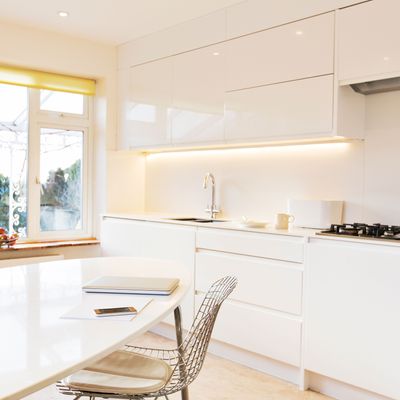
How to Brighten Up Your Sad Kitchen Lighting, According to Interior Designers
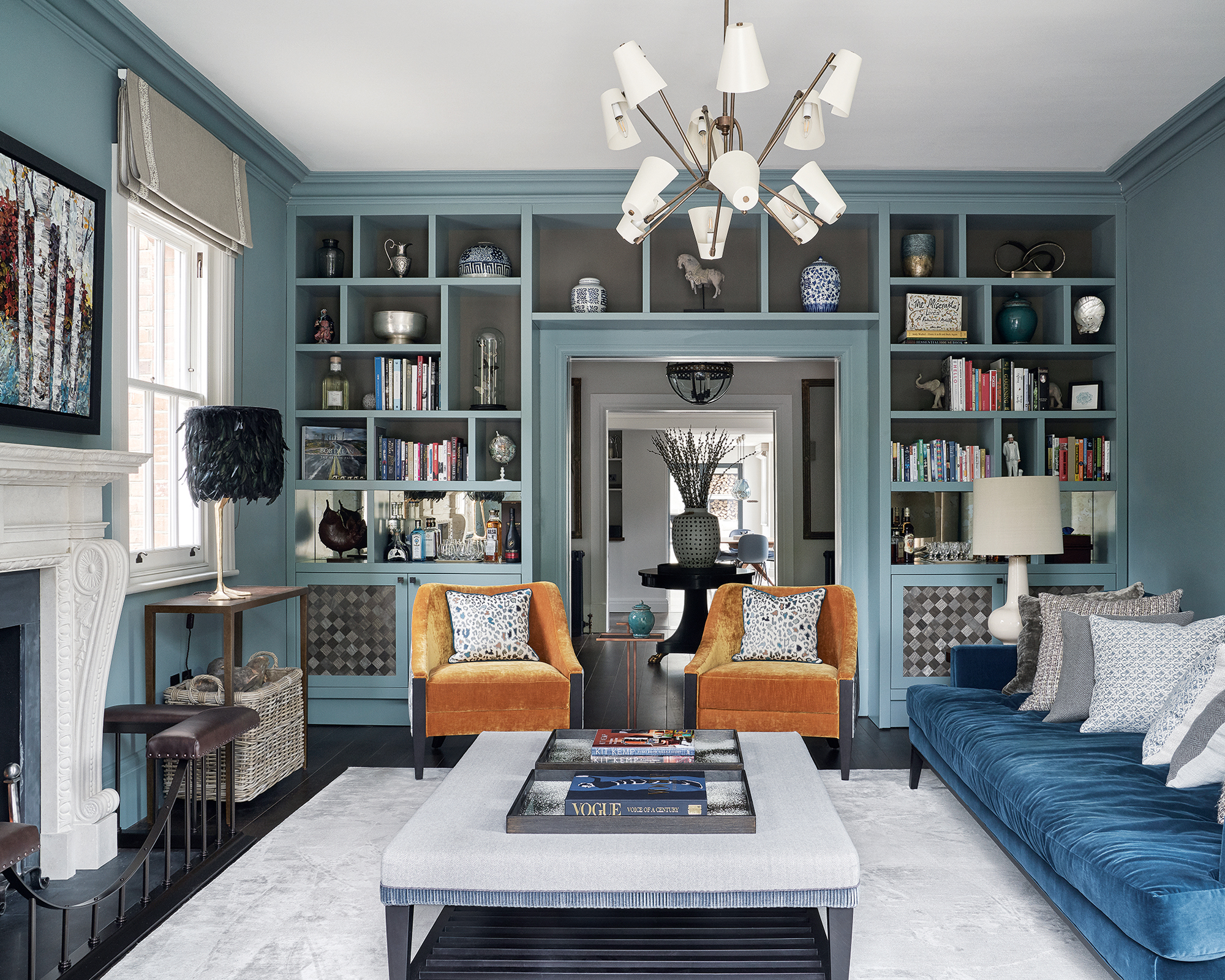
Lighting a dark room – 10 top tips from experts
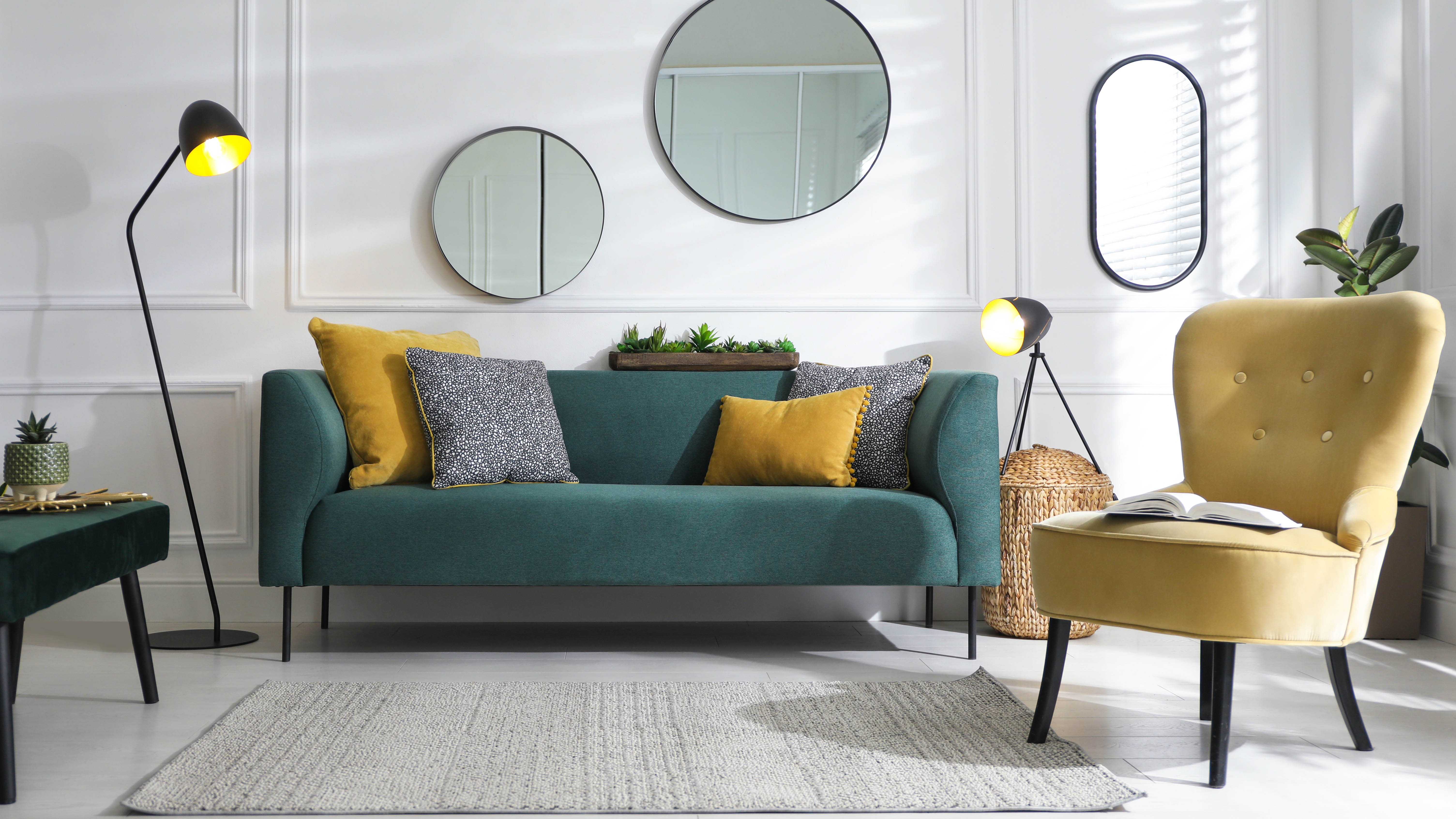
How to brighten any room in your home — 5 tips from a lighting expert

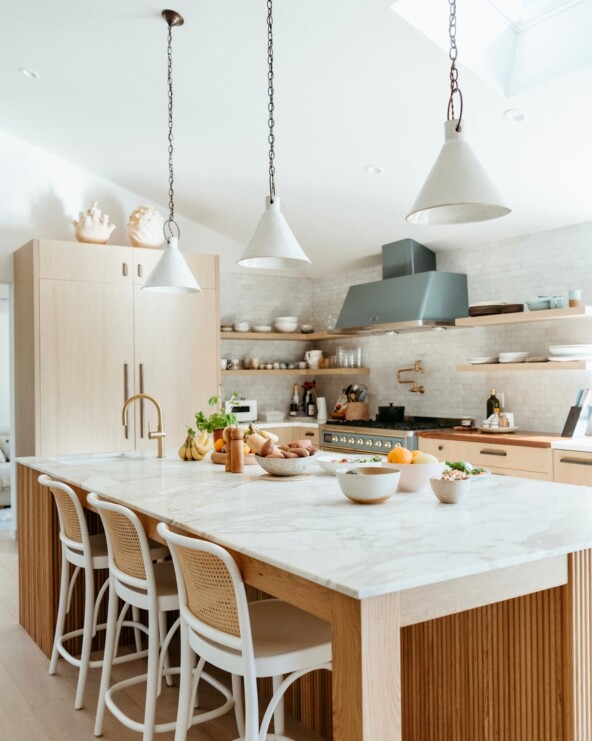
Lighting Is the Easiest Way to Transform A Room—15 Ideas to Inspire

5 Easy, Designer-Approved Lighting Hacks to Brighten Up Your Home