Glass Block Is Back: How We're Embracing This Retro Feature in a Fresh, Modern Way
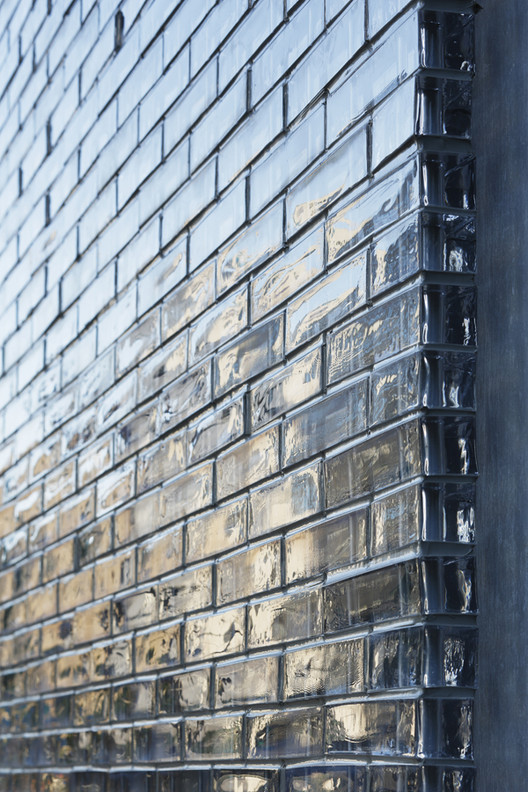
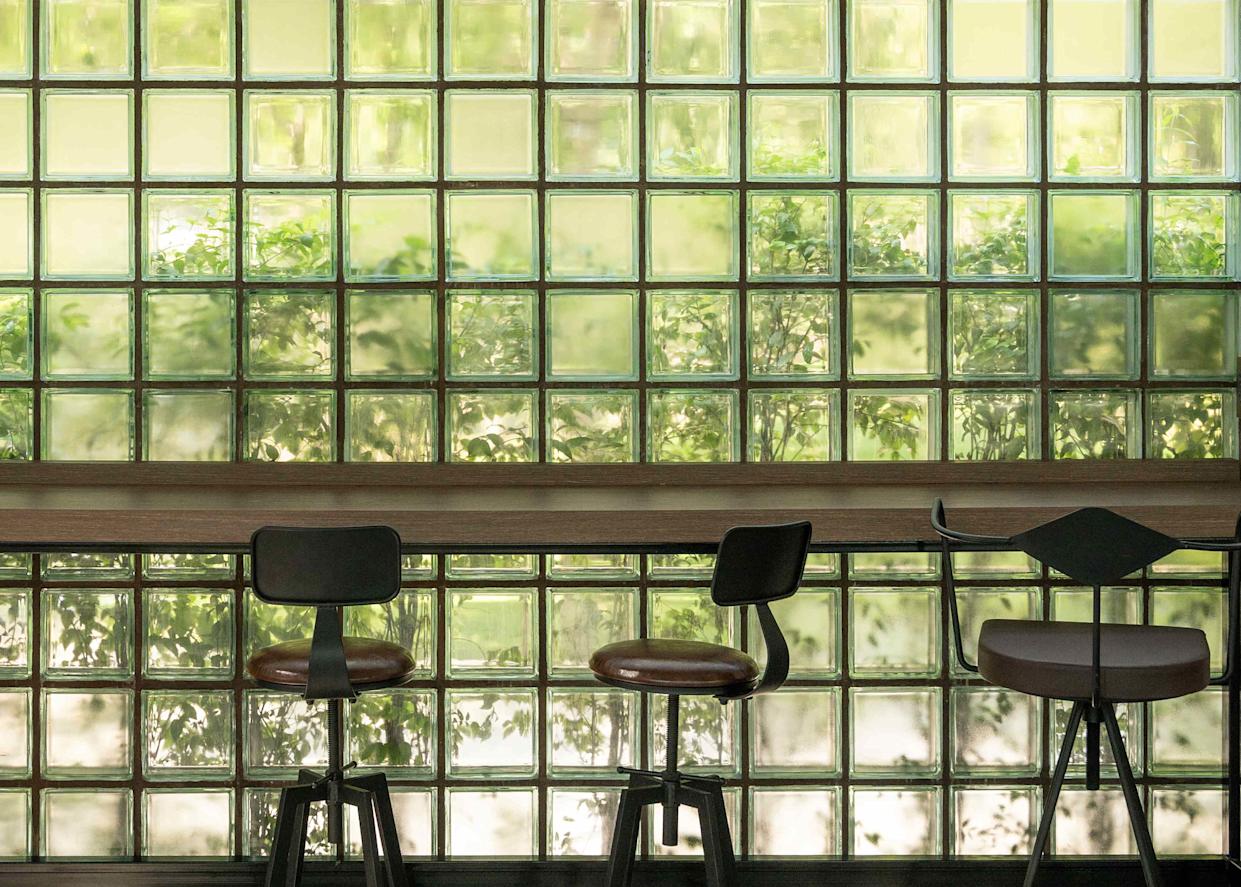
The article explores the resurgence of glass block in modern home design and decor, a material previously popular but later discarded. Initially, glass block gained prominence in the early 1900s, especially in Europe, where it was utilized in industrial settings like warehouses and factories. Its primary appeal stemmed from its ability to provide natural light while offering durability, strength, and insulation, a significant improvement over fragile traditional windows. The material's geometric and sleek aesthetics made it a favorite in residential architecture during the Art Deco and Moderne periods, from the 1920s to the 1940s, and continued its popularity through the post-war construction booms of the 1950s and 1970s. However, by the early 1990s, glass block became overused, leading to a decline in its perceived style and a subsequent fall from grace in interior design.
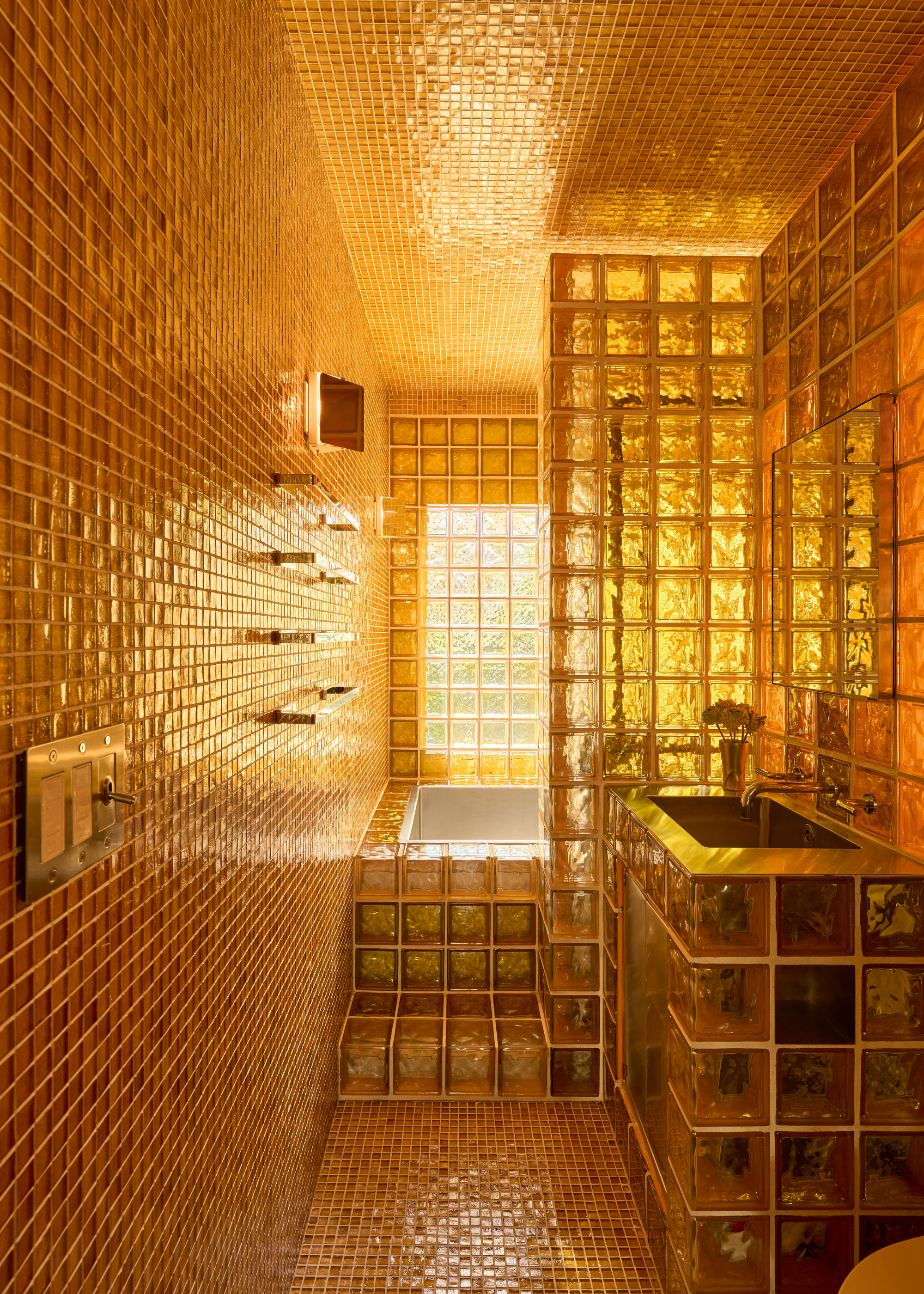
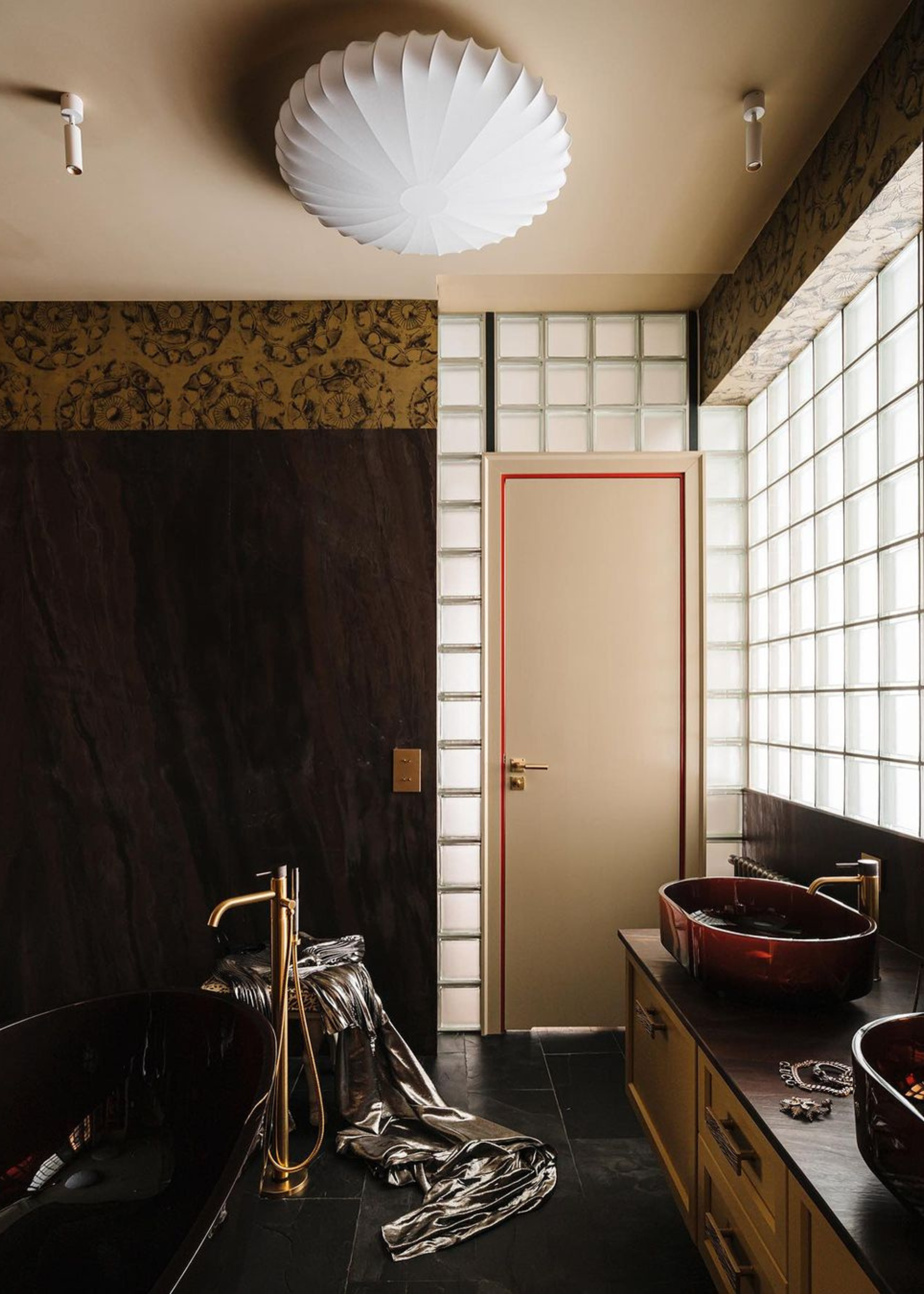
Today, glass block is experiencing a significant revival, repositioned not as a utilitarian solution but as a bold and stylish design element. Contemporary designers are integrating it with modern finishes such as matte metals and various wood types, as well as incorporating it into maximalist color palettes to highlight its versatile and aesthetic qualities. The inherent sustainability of glass block, being long-lasting and recyclable, further enhances its appeal in an era focused on eco-conscious design.
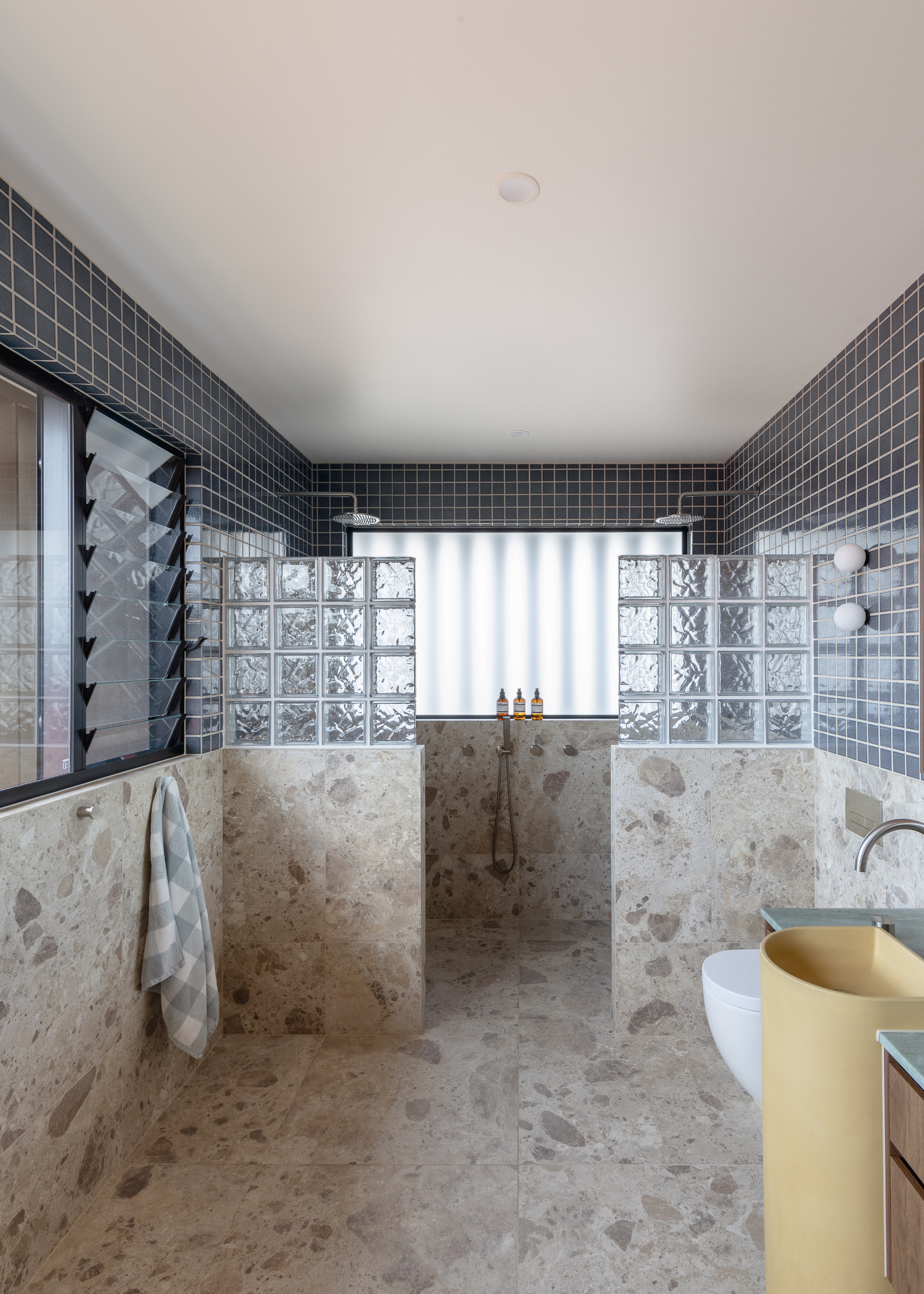
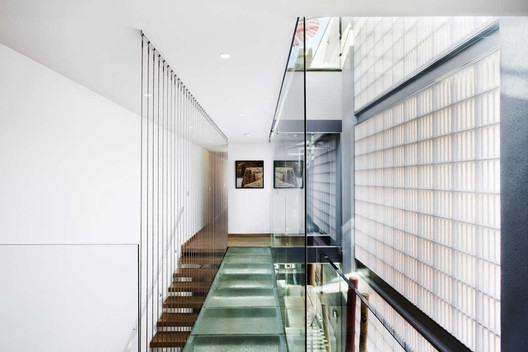
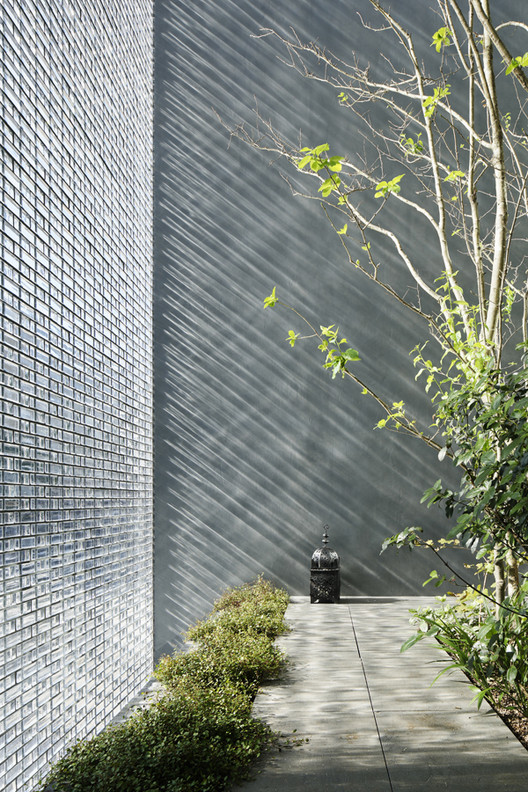
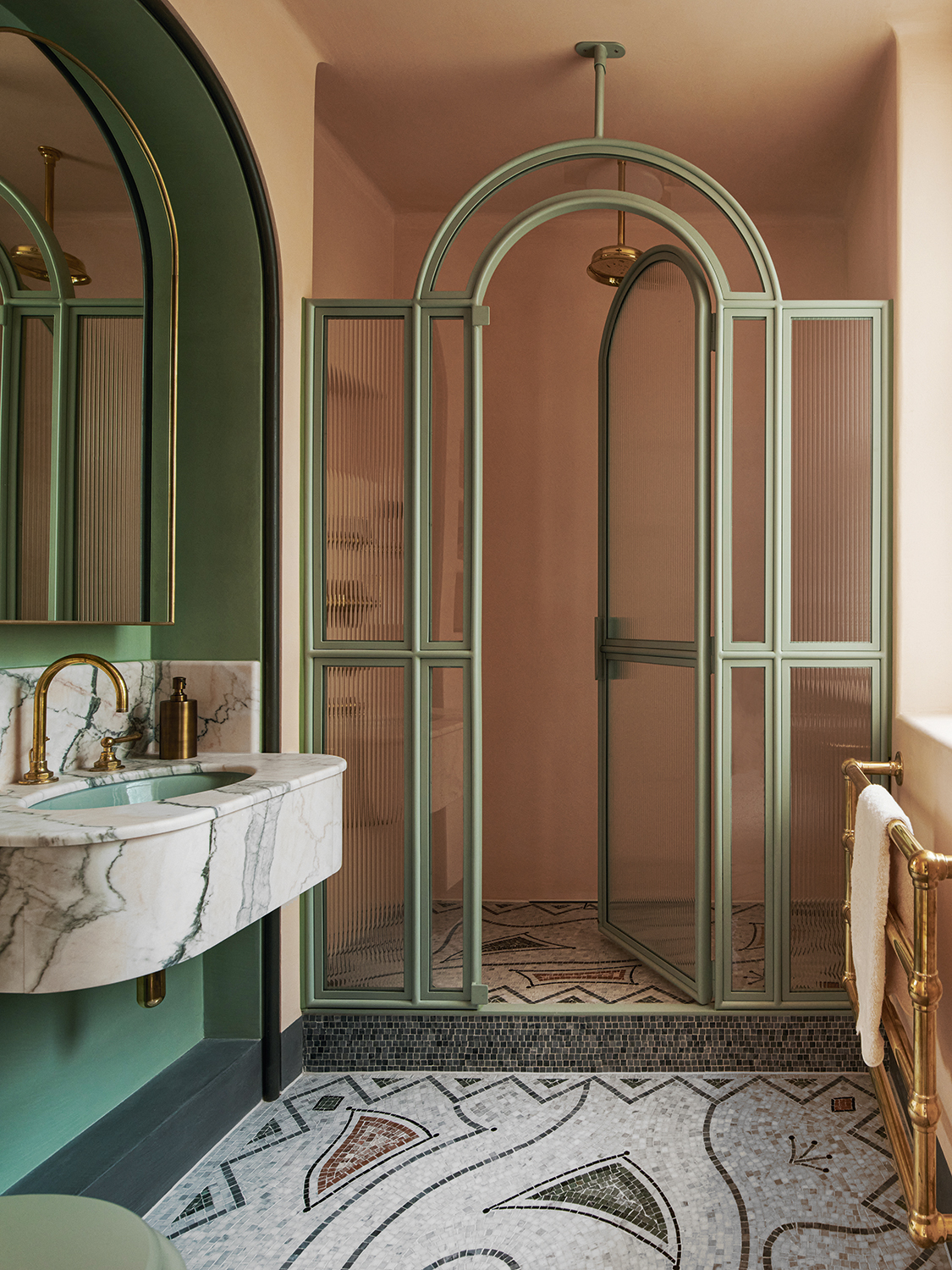
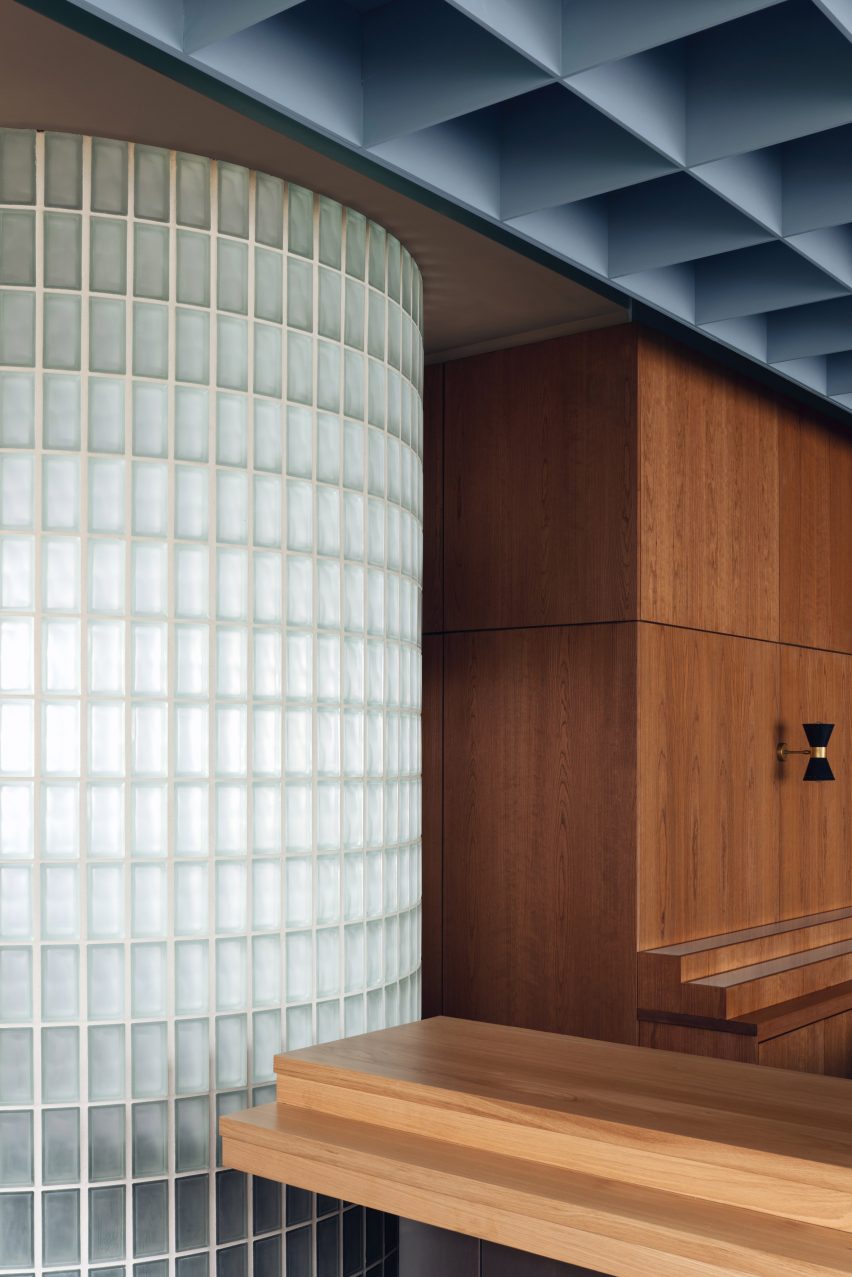
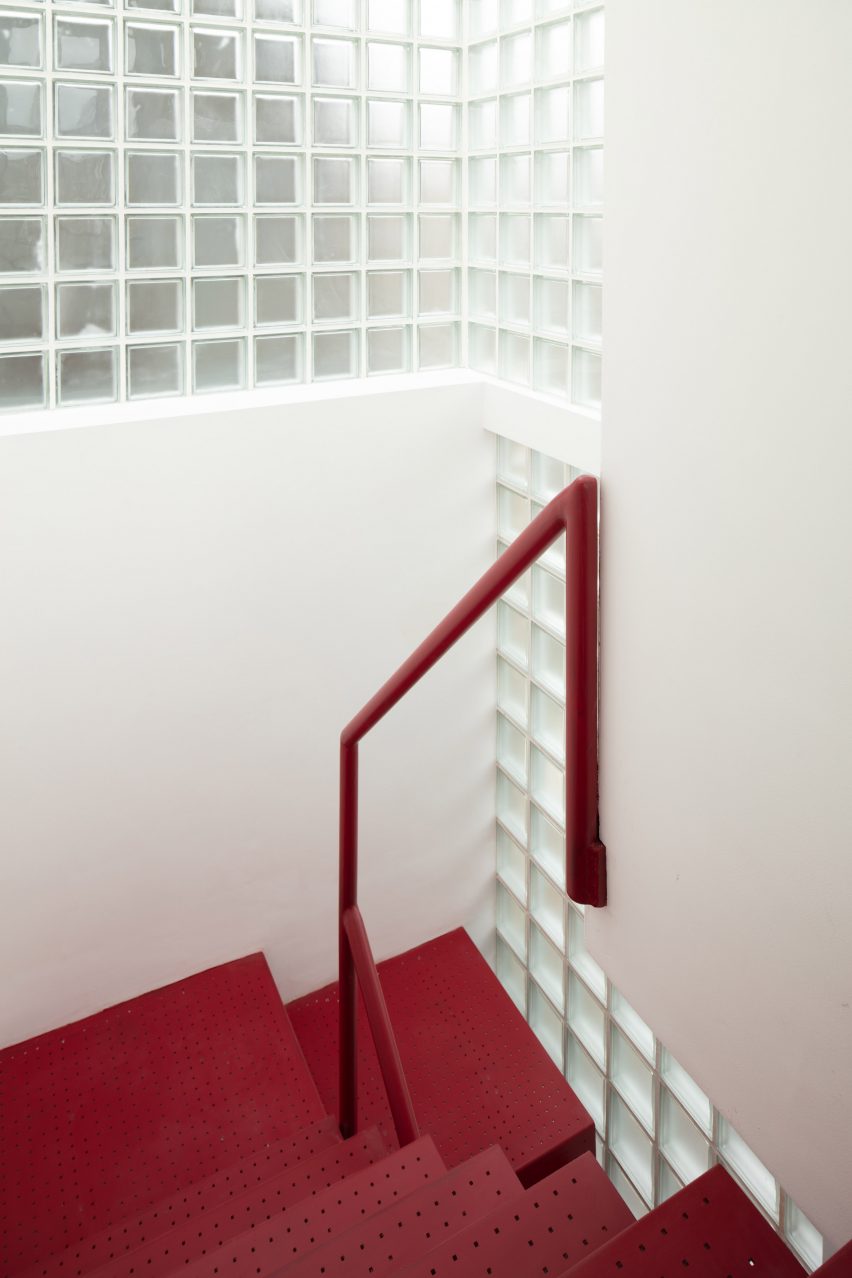
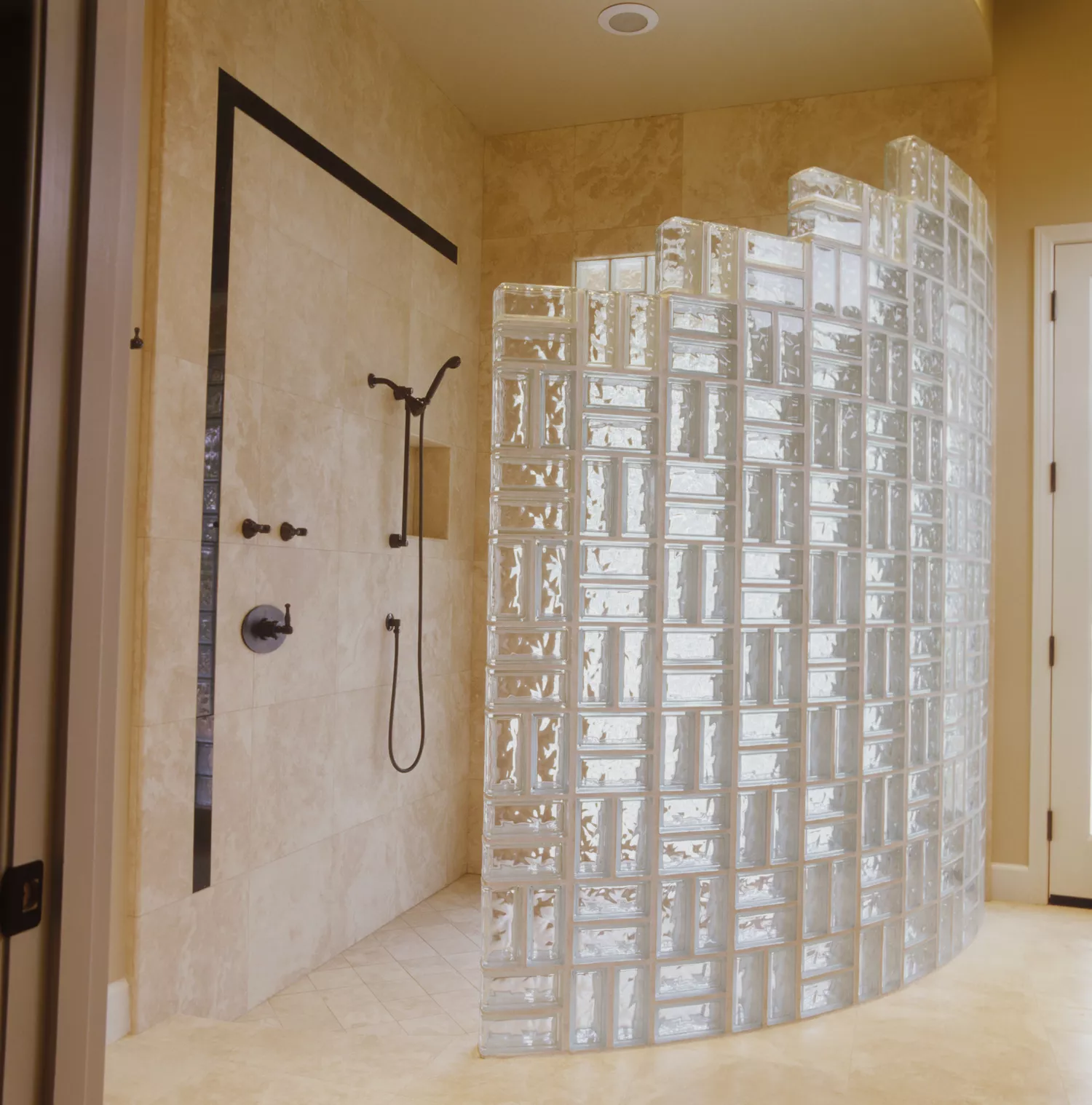
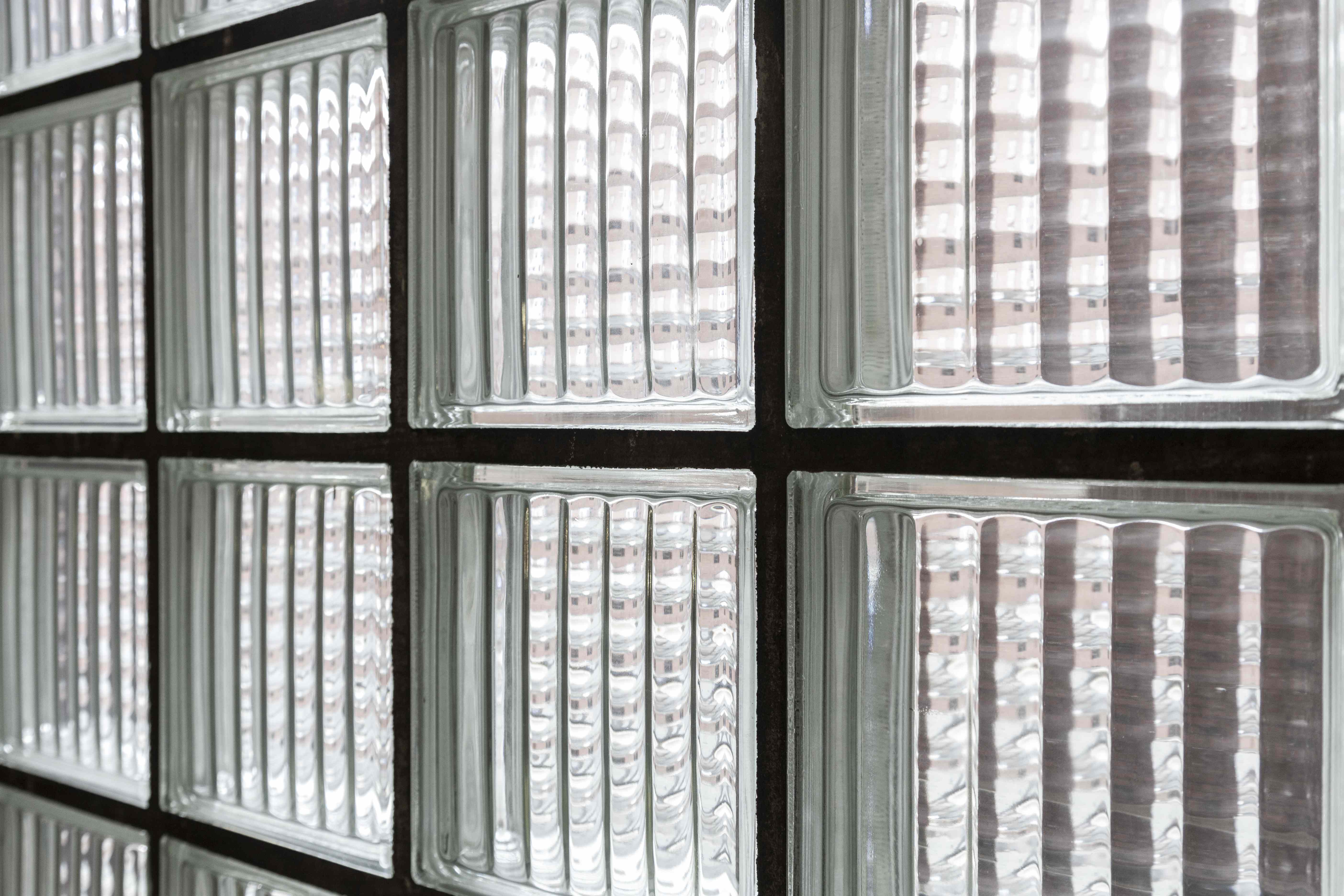
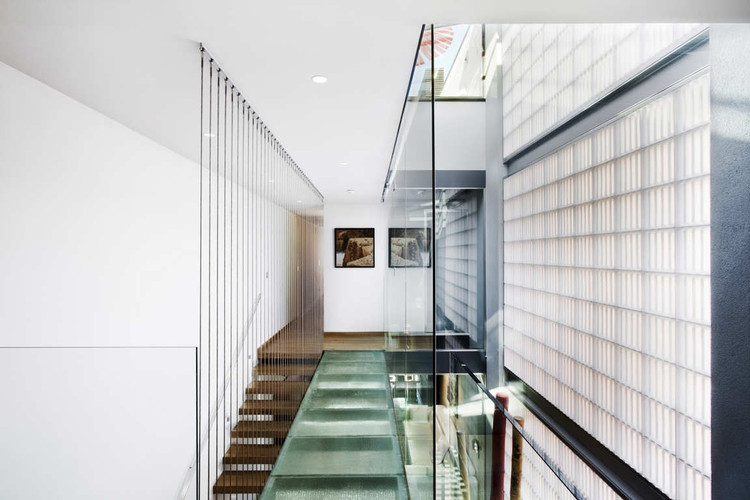
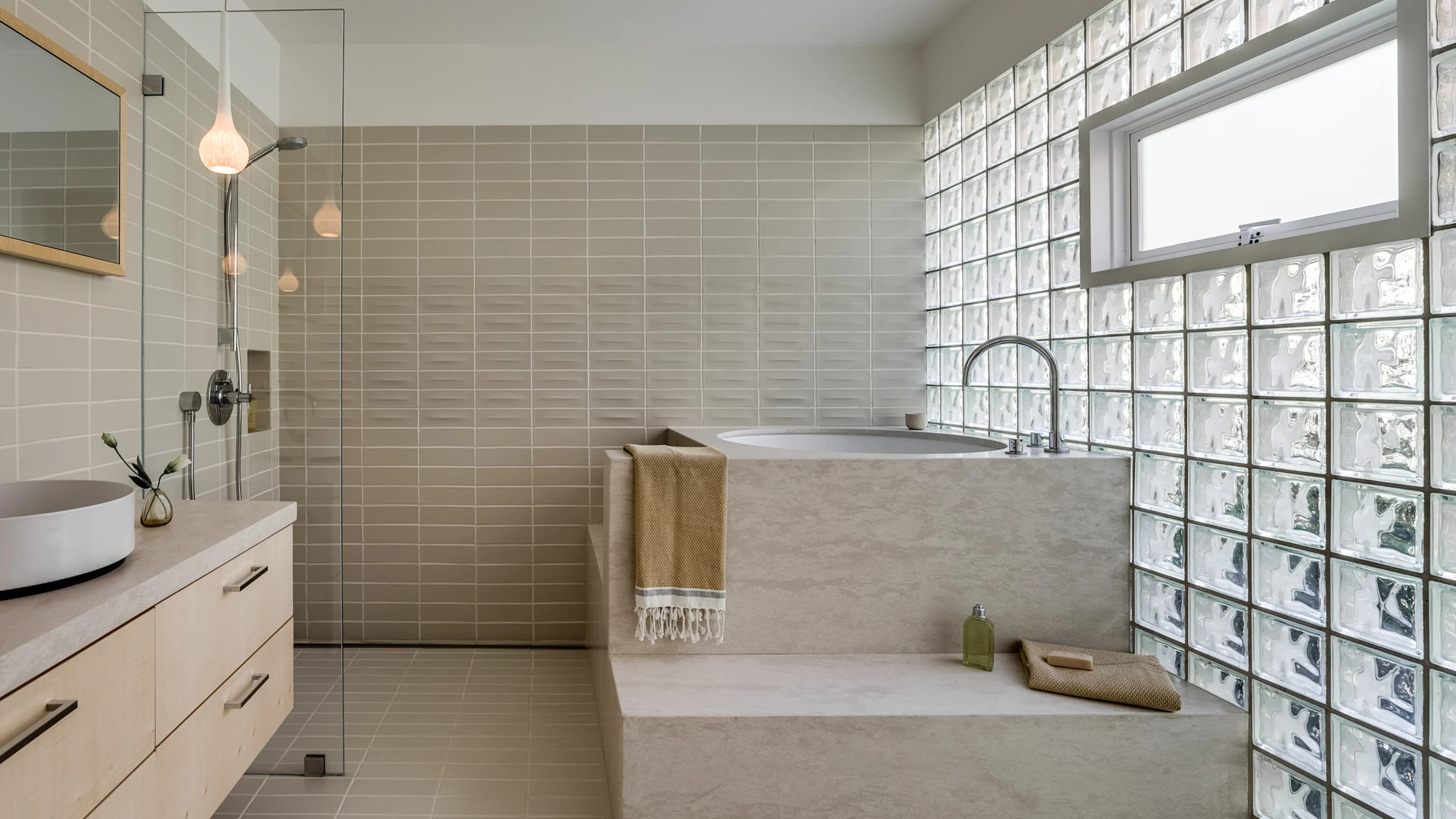
Its repetitive geometric patterns and rippled, glossy texture contribute dimension to spaces while maintaining a clean and bright ambiance. The material is being applied in diverse ways, moving beyond its historical use in basement windows and locker rooms. Modern applications include false walls, room dividers, and innovative bathroom shower enclosures, capitalizing on its ability to provide privacy while still allowing light penetration. Furthermore, glass block is now being incorporated into staircases, entrances, and even outdoor environments such as patios and poolscapes.
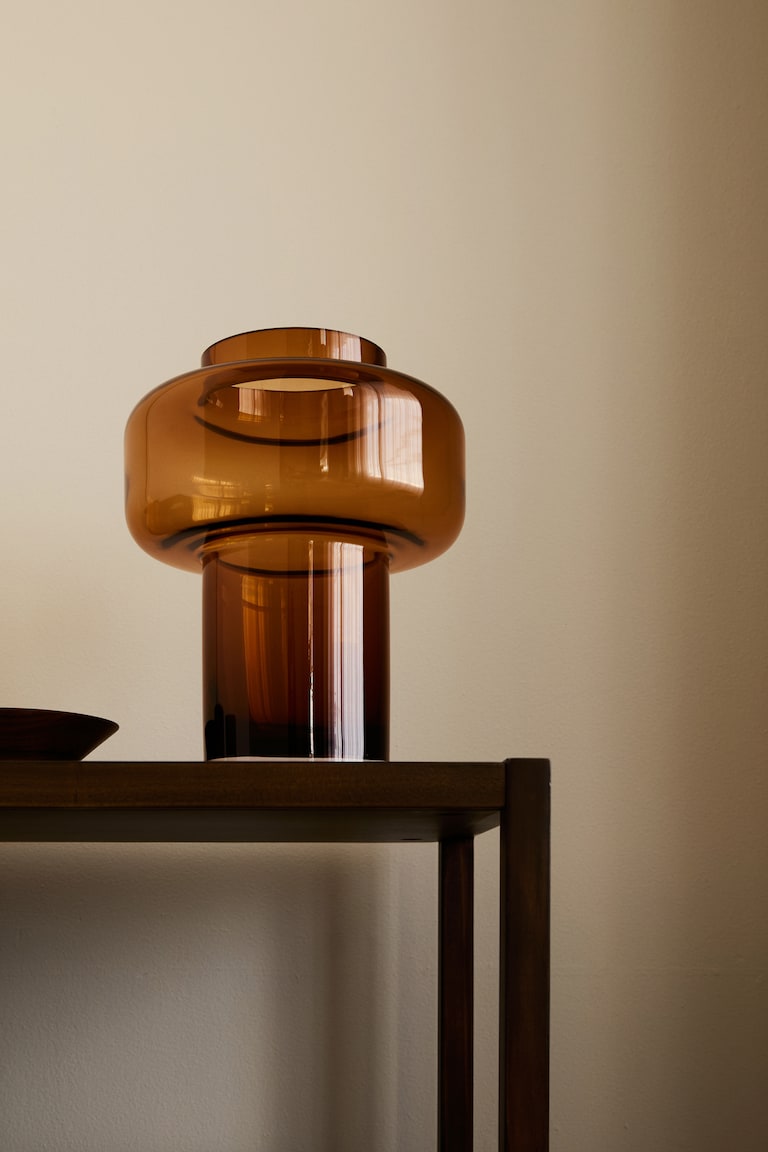
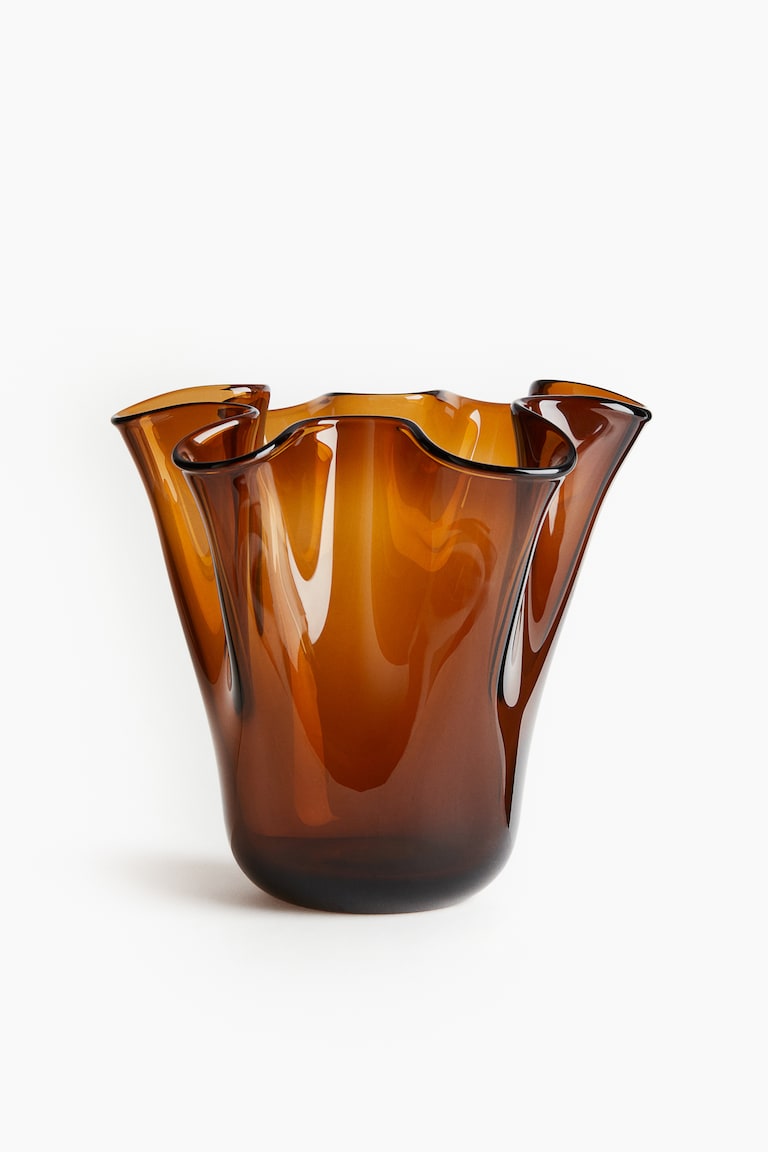
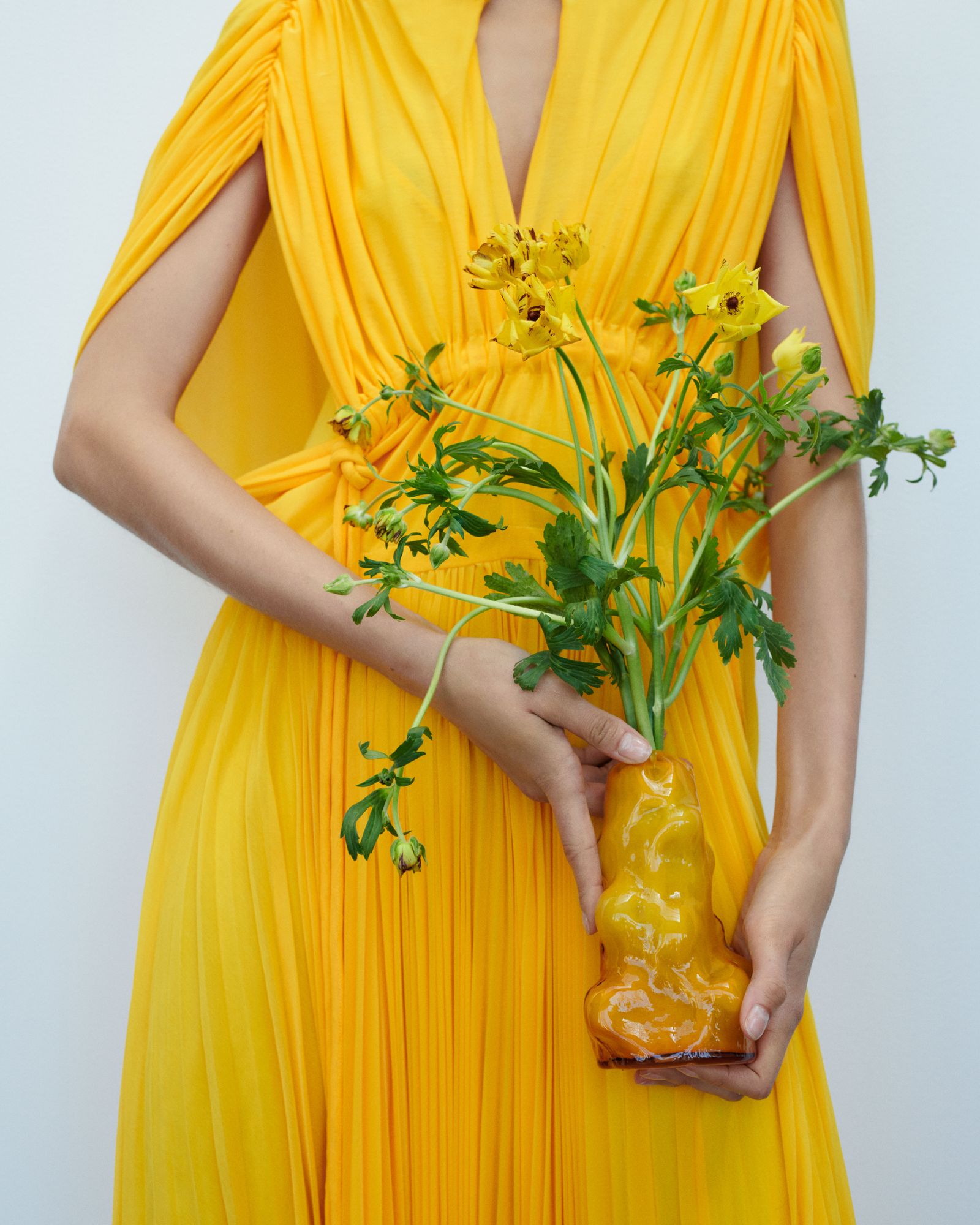
The versatility of glass block has expanded to include furniture and decor. Available in a wide array of styles, shapes, and colors, it is being used by content creators and designers to craft side tables, desks, shelving units, storage solutions, and even lighting fixtures. This modern embrace of glass block is also evident in high-end hospitality and design events, with examples cited in SoHo boutiques, Milan Design Week exhibitions—where young designers have created various furniture pieces from stacked glass blocks—and recent renovations at iconic hotels like The Standard Hotel in Miami. The renewed interest in glass block underscores a broader trend of revisiting retro materials and reinterpreting them for contemporary aesthetics and functional needs.
#GlassBlock #RetroDesign #ModernHome #InteriorDesign #HomeDecor #ArchitecturalTrends #SustainableMaterials #HomeRenovation #GlassBlock #RetroDesign #ModernHome #InteriorDesign #HomeDecor #ArchitecturalTrends #SustainableMaterials #HomeRenovation
0 comment in total
 No comments yet
You may also like
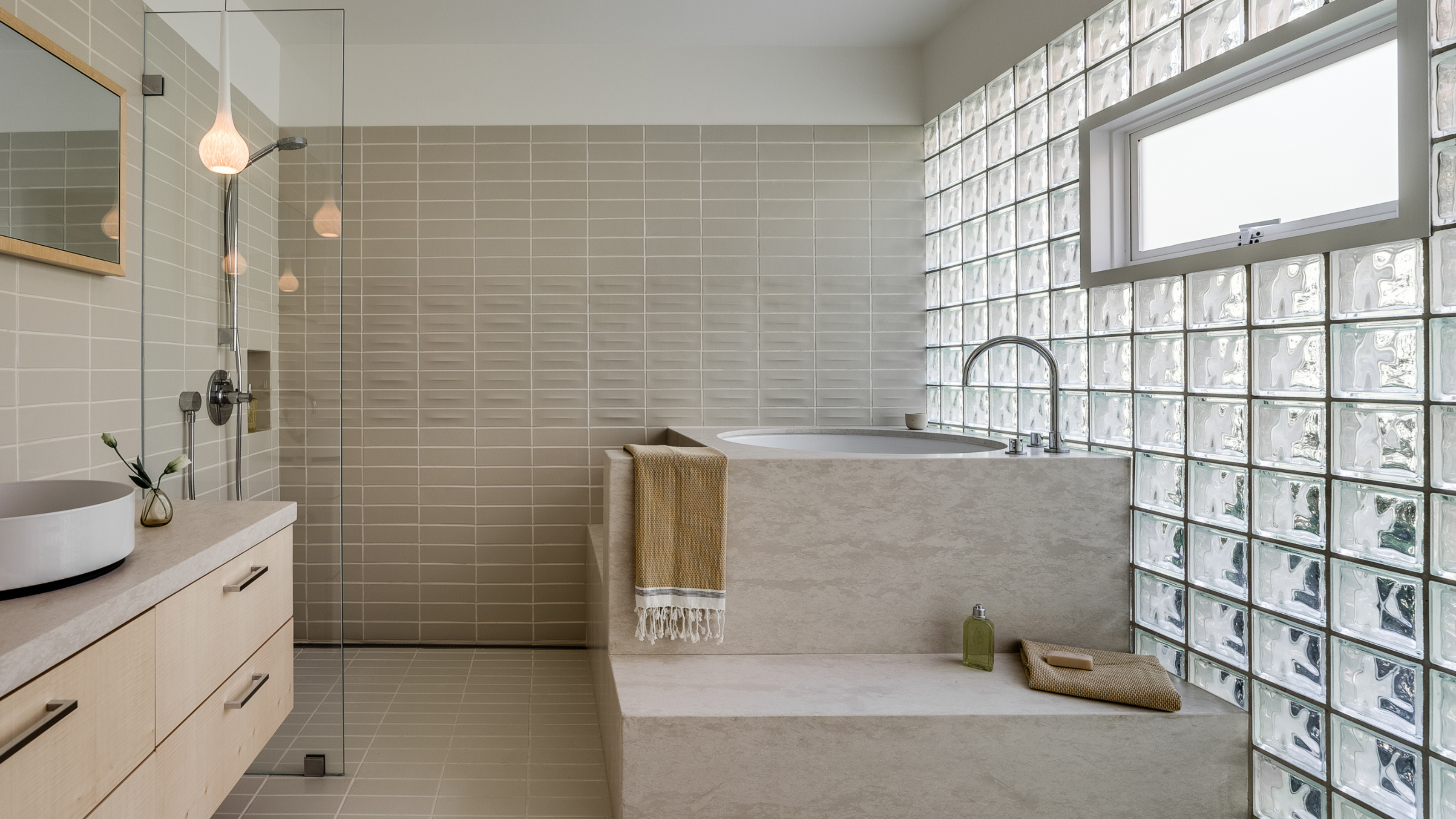
6 Glass Block Bathroom Ideas That Bring Retro-Charm Through This Emerging Design Trend

How modern designers are transforming glassware with creative touches

Stained glass is having a renaissance in interiors – here's how to use it well
Like It Or Not, This '80s Bathroom Decorating Trend Is Making A Comeback
Glamorous Glass Bricks Are Booming – Again

The Countertop Material That We Loved 25 Years Ago Is Coming Back

6 Glass Block Bathroom Ideas That Bring Retro-Charm Through This Emerging Design Trend
Why glamorous glassware is booming

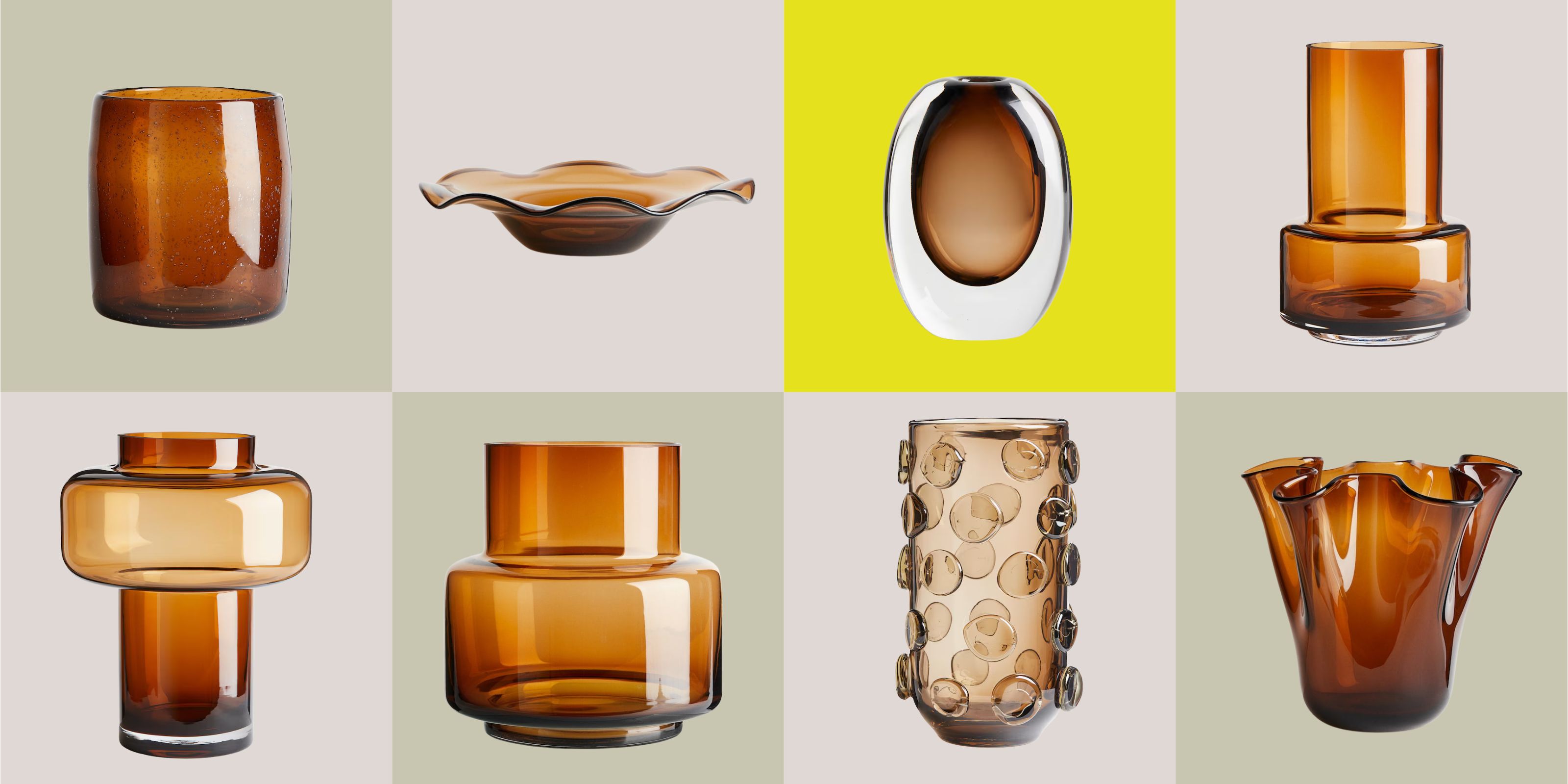
I Used to Think Amber Glass Instantly Dated an Interior, but This Store Has Just Revived the Retro 70s Trend

Glass Blocks Are the Vintage Trend We're Loving in 2025—Here's How to Use Them
Surprise: 1990s Design Trends Are Coming Back
Design Trends: Retro Revival

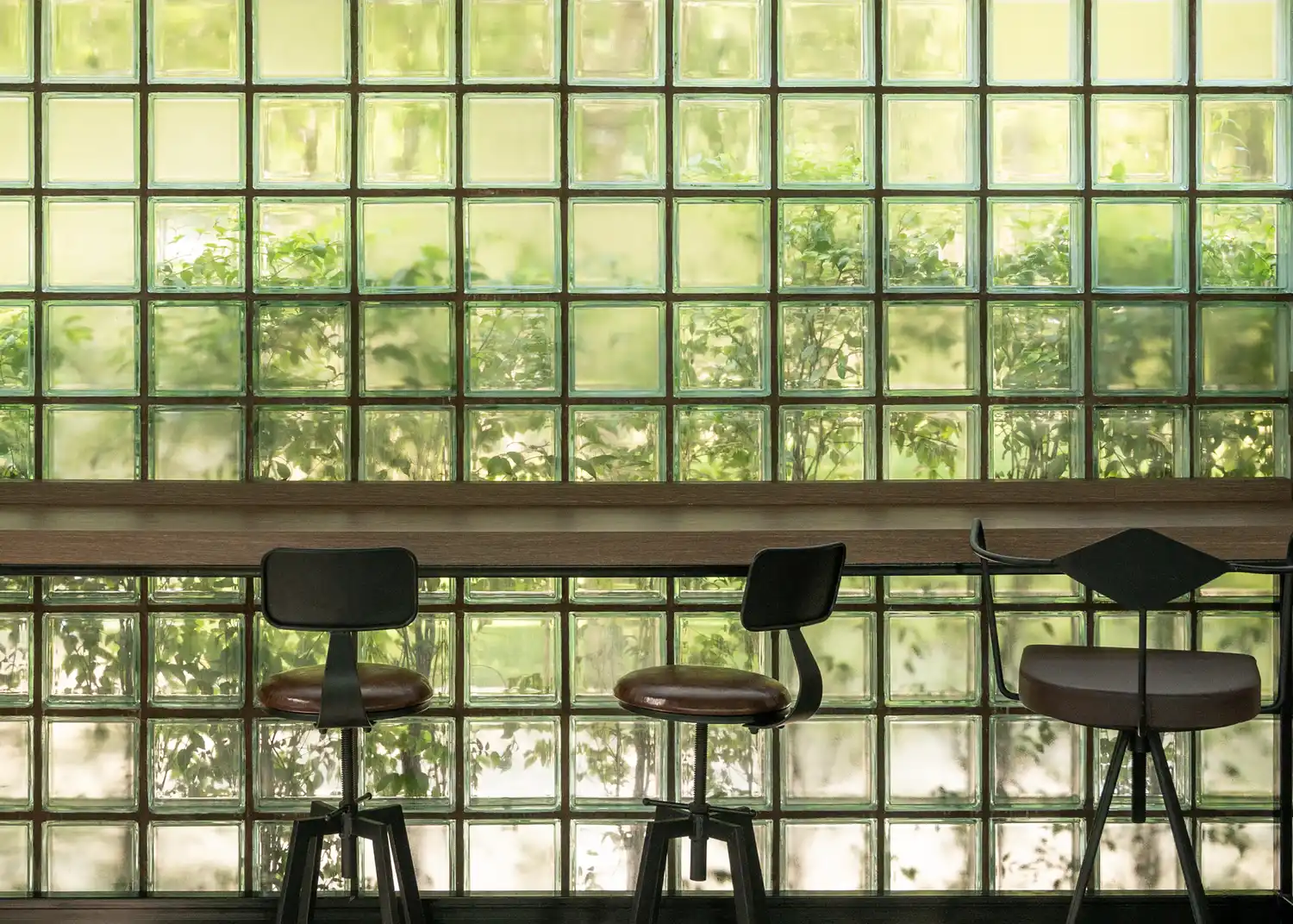
Glass Blocks Are the Vintage Trend We're Loving in 2025—Here's How to Use Them

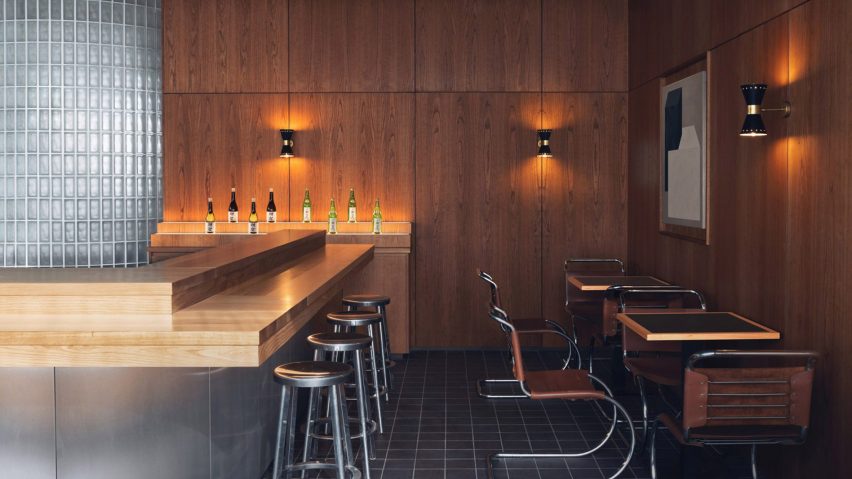
Ten interiors that use glass-block walls to play with light and shadow
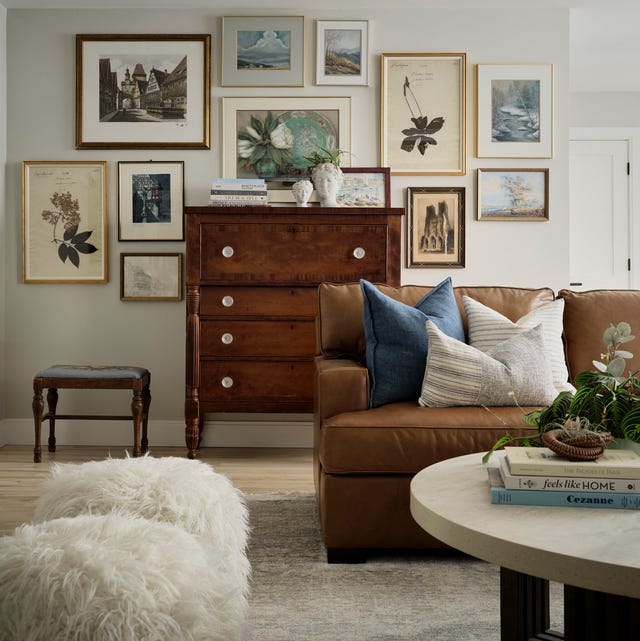
The #1 Retro Design Trend Designers Say is Making a Comeback

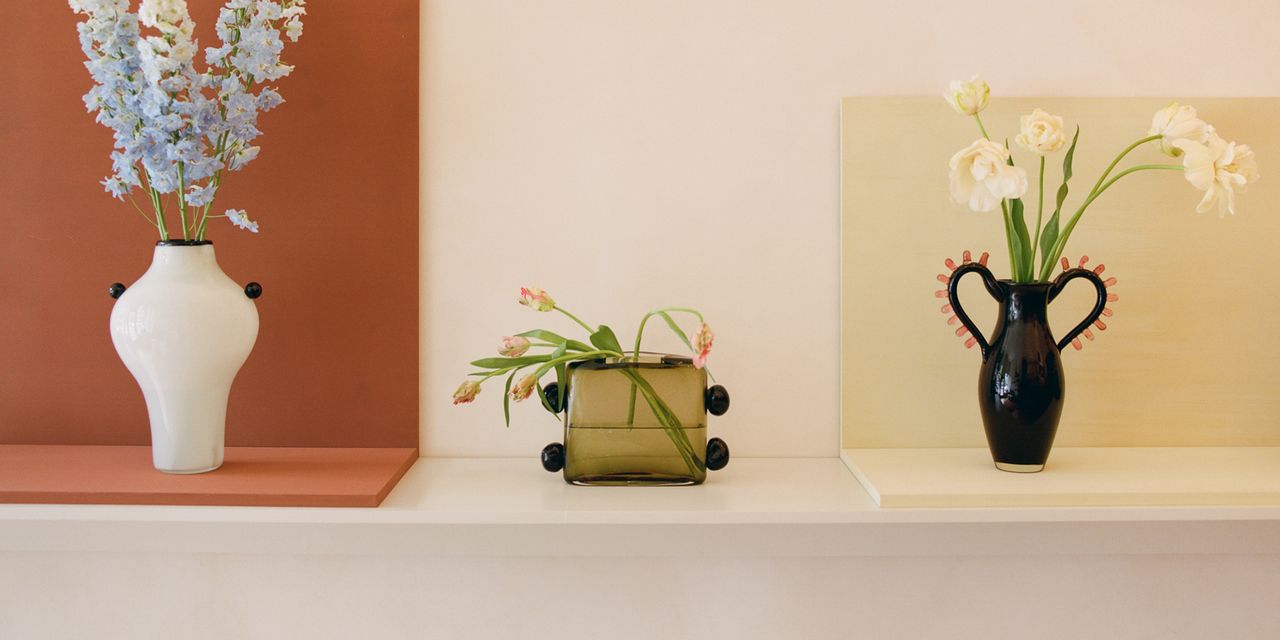
Glass Is Red-Hot: Here Are 6 New Collections to Know

Is frosted glass outdated? Here's what designers are doing instead to create easy privacy for windows
Designers Say This Vintage Home Feature Is Back
glass art and design Archives
Old Is New Again: Designers Say These 6 Retro Design Trends Are Defining 2025 Style