1/9
Stained glass is having a renaissance in interiors – here's how to use it well
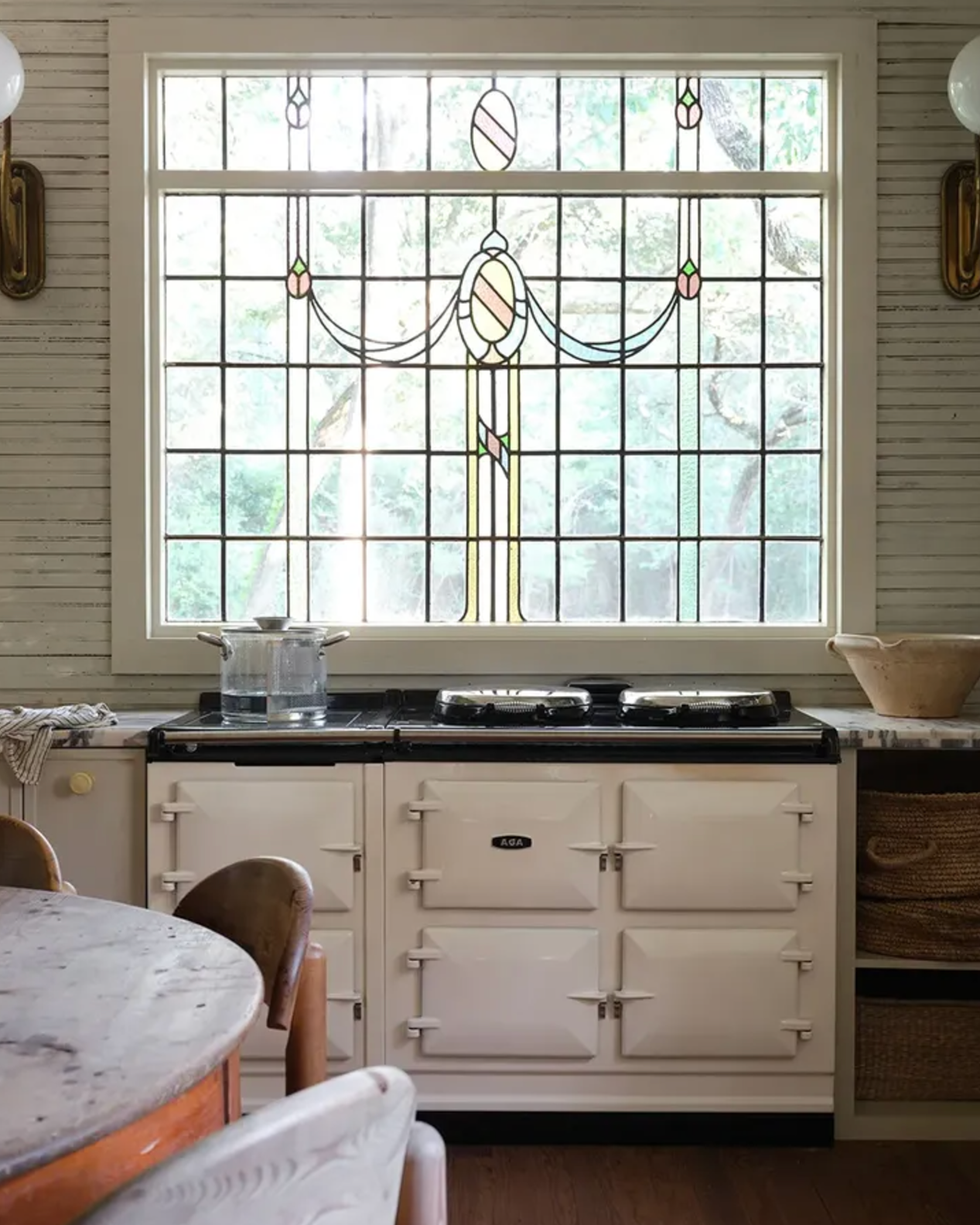
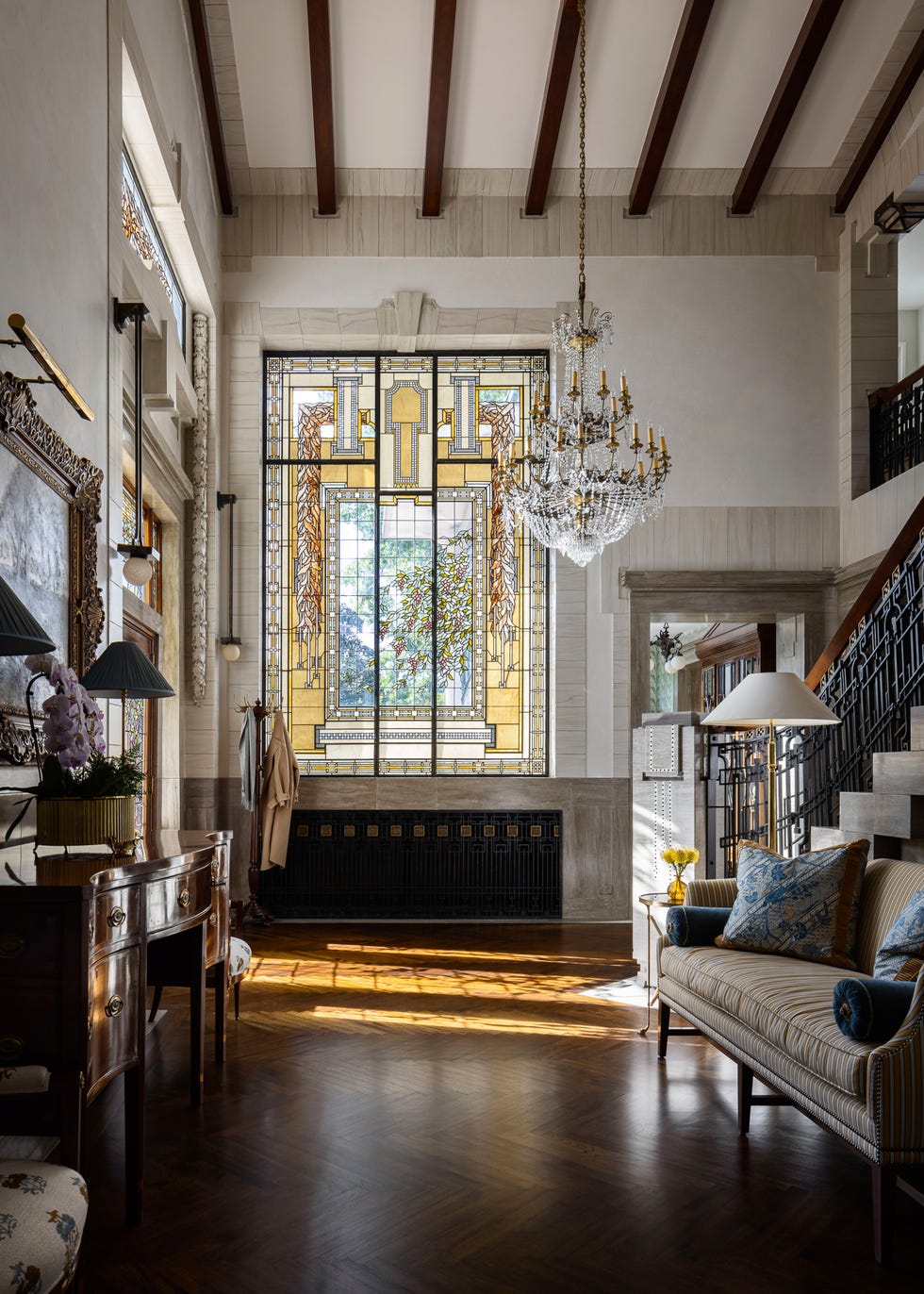
Stained glass, traditionally associated with churches and religious buildings, is experiencing a resurgence in contemporary interior design. While its origins lie in medieval churches where it was used to depict biblical stories for illiterate congregations, the art form has evolved to become a striking feature in secular buildings and private residences. Historical examples can be found in prominent structures like Canterbury Cathedral and Westminster Abbey, and renowned architect Charles Rennie Mackintosh frequently integrated stained glass into his designs, such as The Glasgow School of Art.
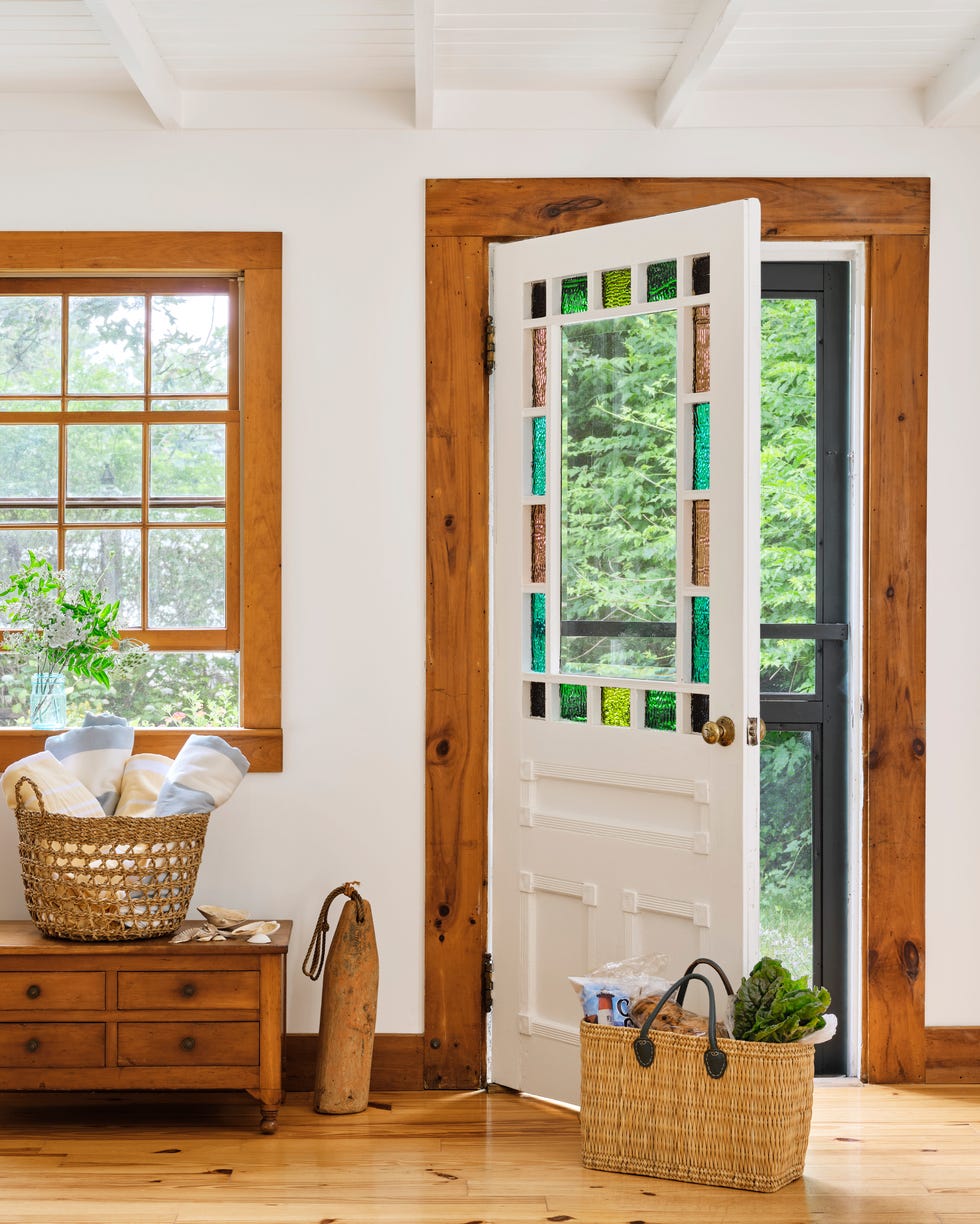
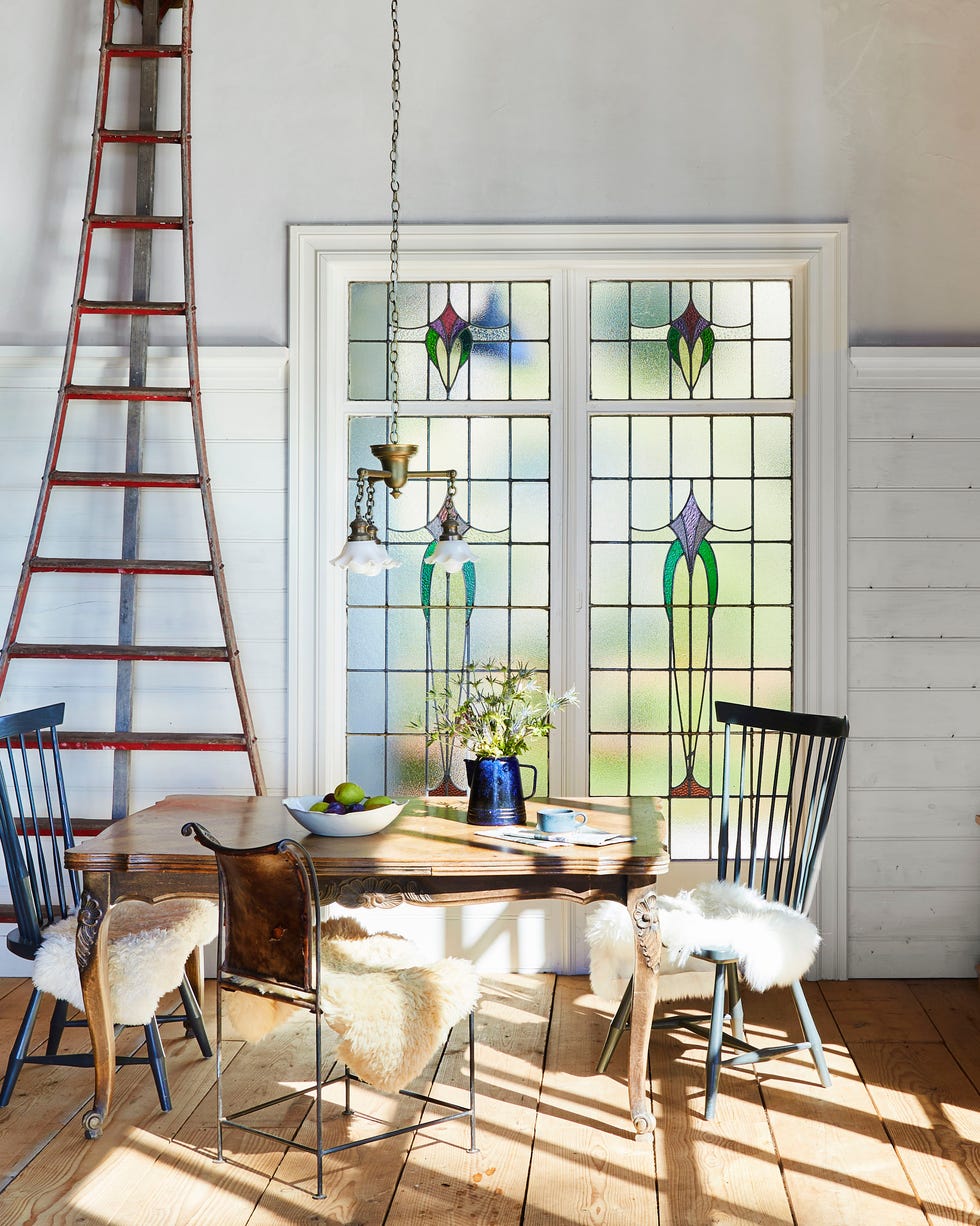
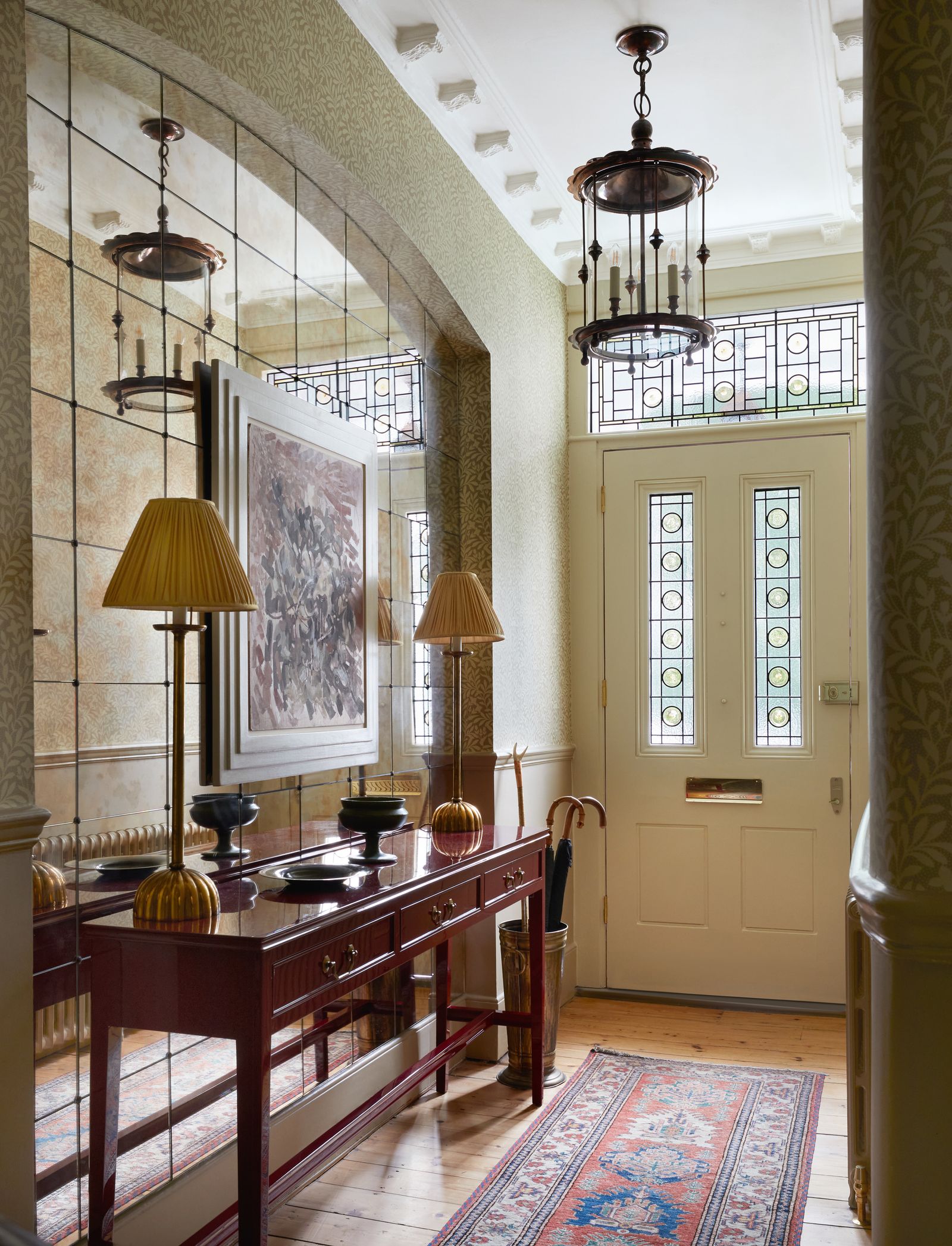
During the Victorian era, stained glass became more common in smaller, private homes, particularly in front doors. Its dual purpose was to infuse hallways with atmospheric light while offering privacy from outside views, making it a practical choice for spaces like bathrooms. The popularity of stained glass mirrored design movements like the Arts and Crafts era, which valued craftsmanship, and the Art Nouveau period, famous for Tiffany Lamps. Despite a decline during the rise of Modernism in the 20th century, contemporary designers are now rediscovering its elegance and versatility.
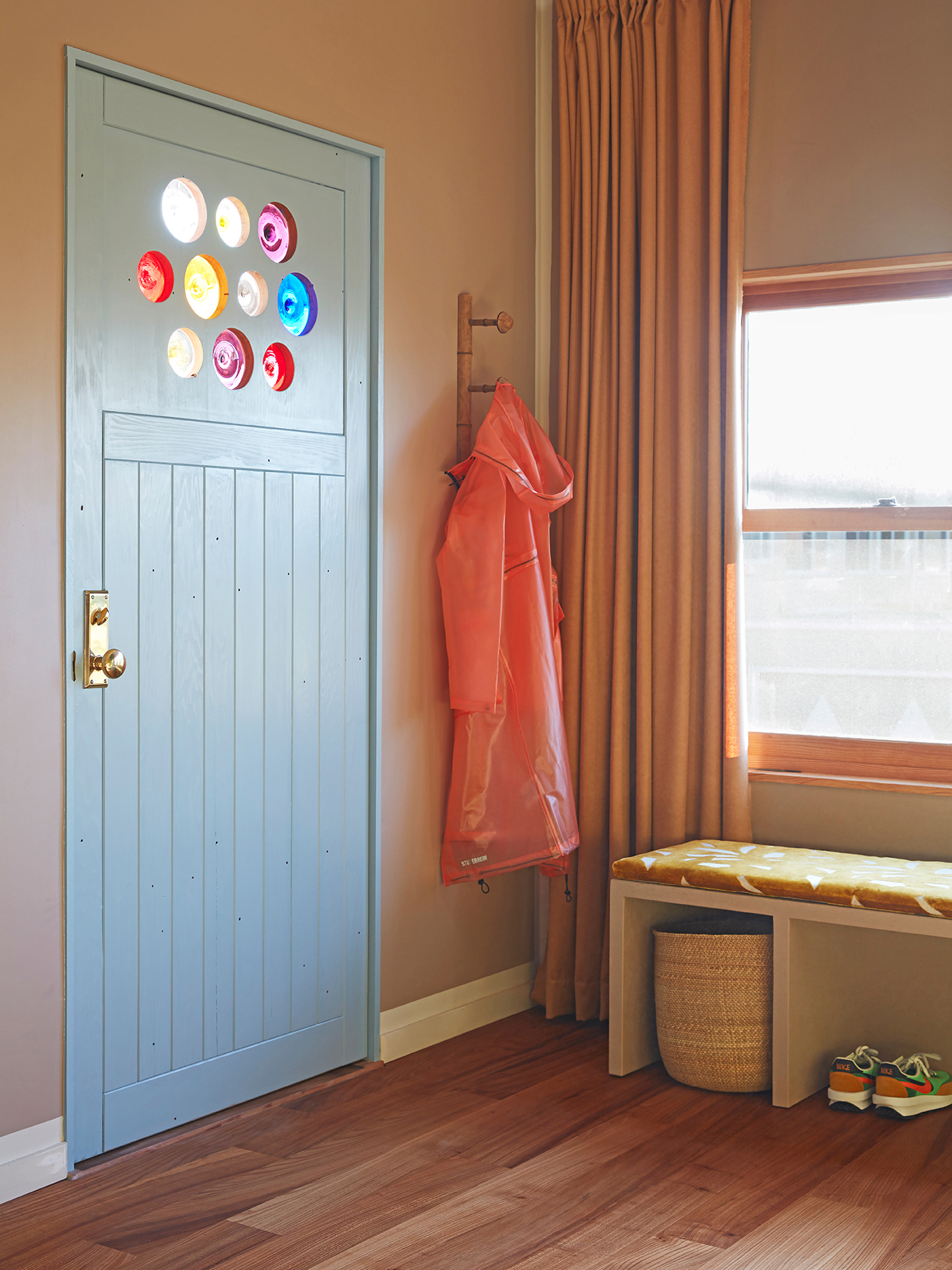
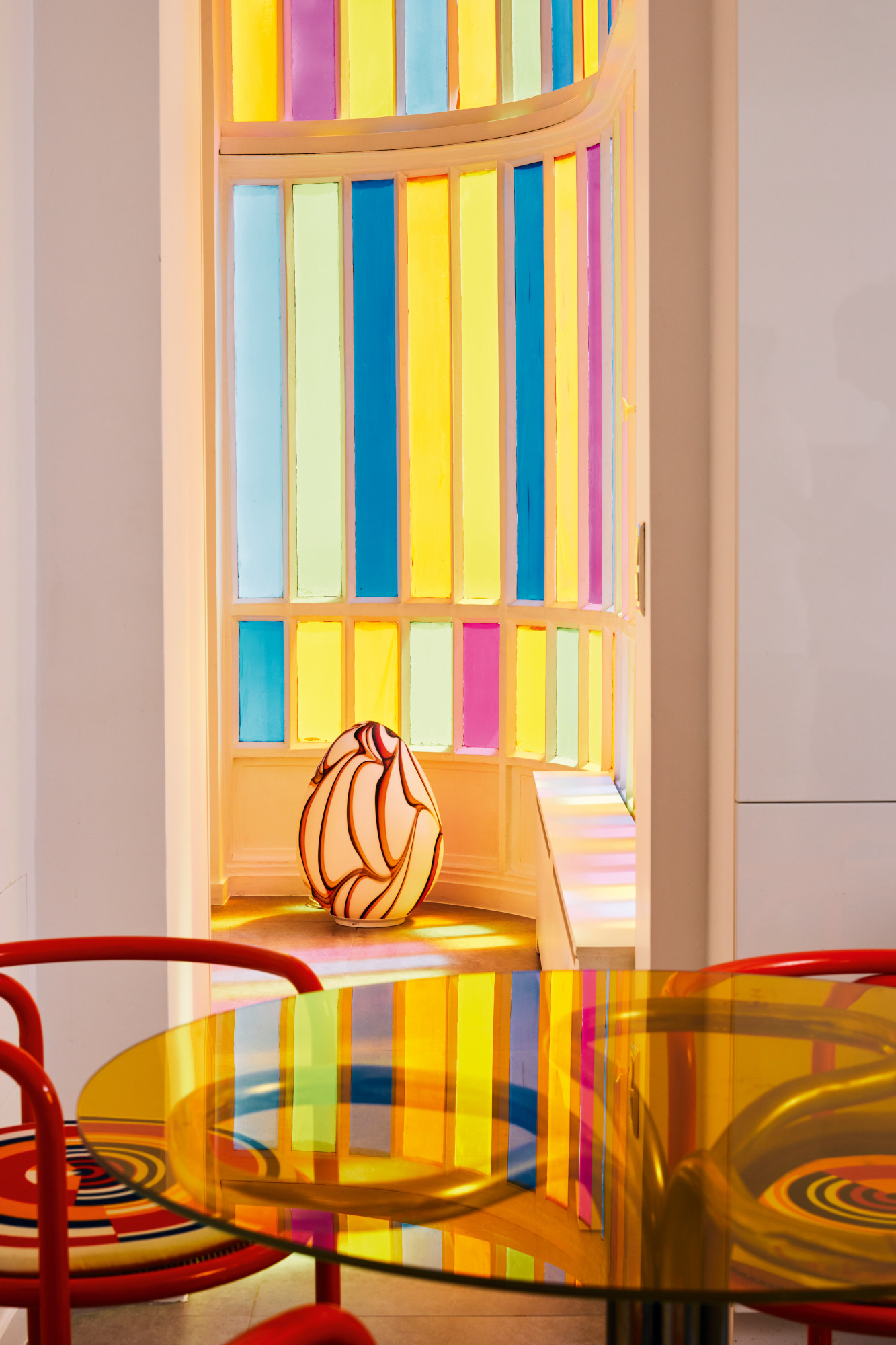
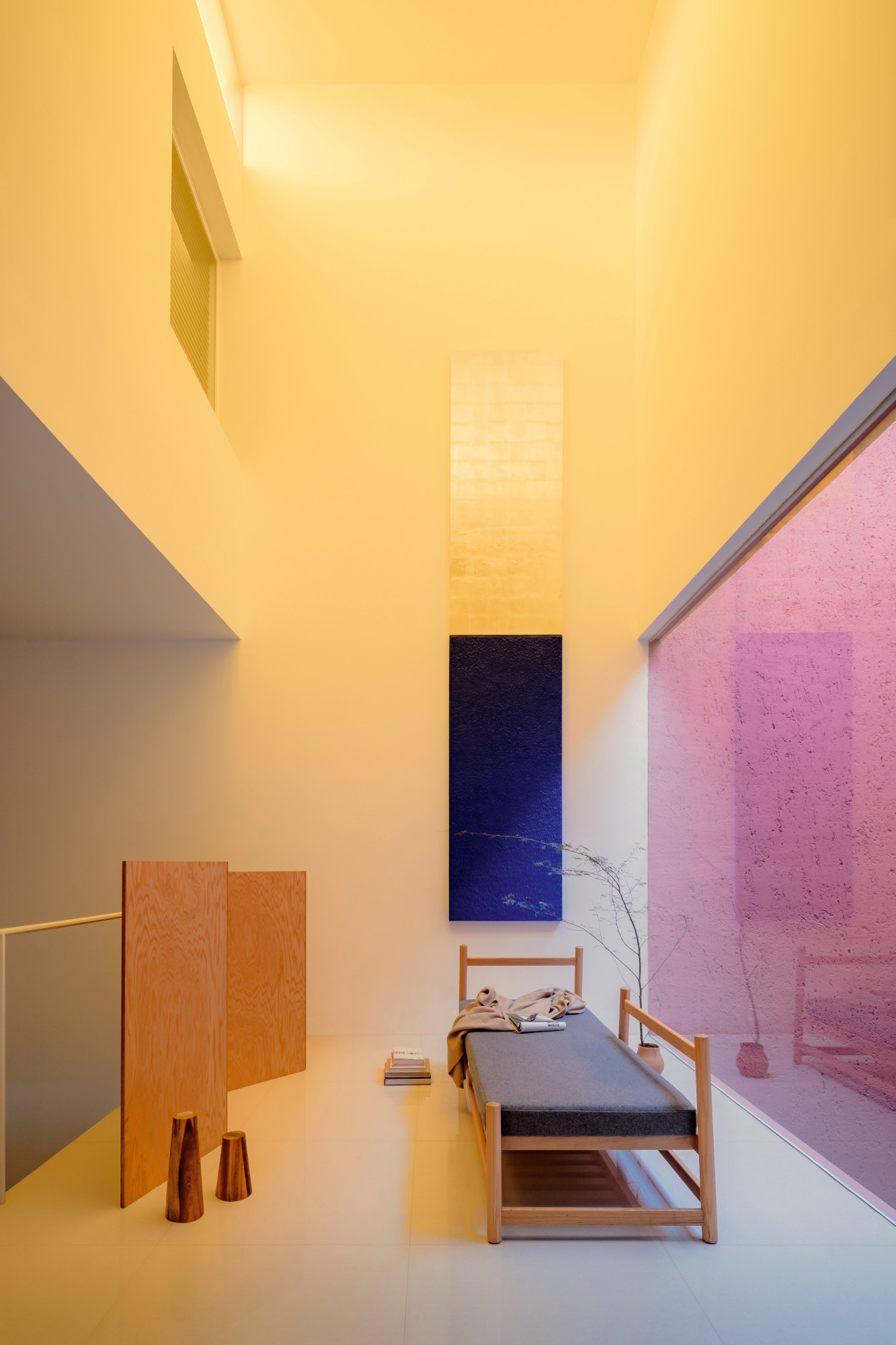
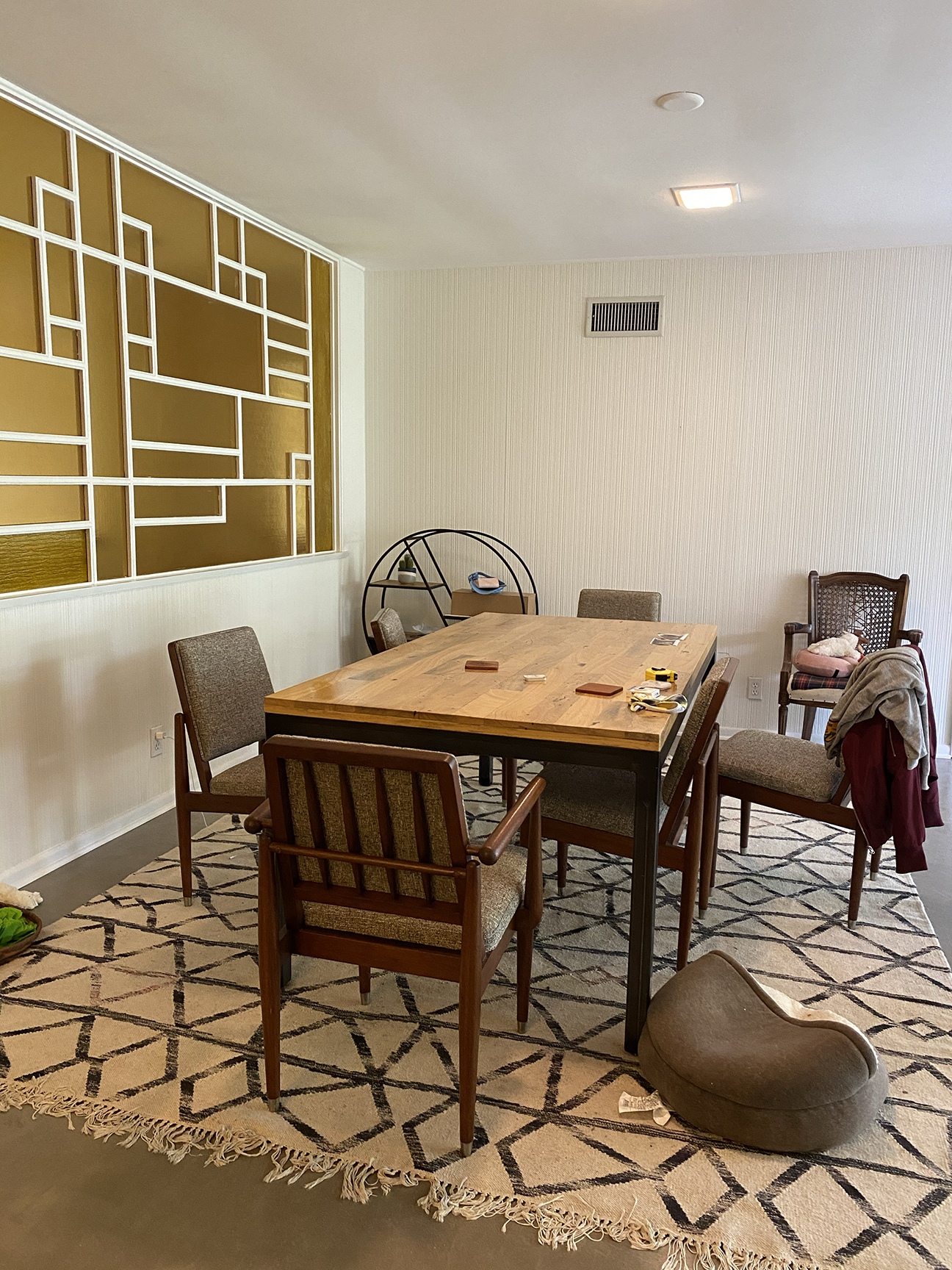
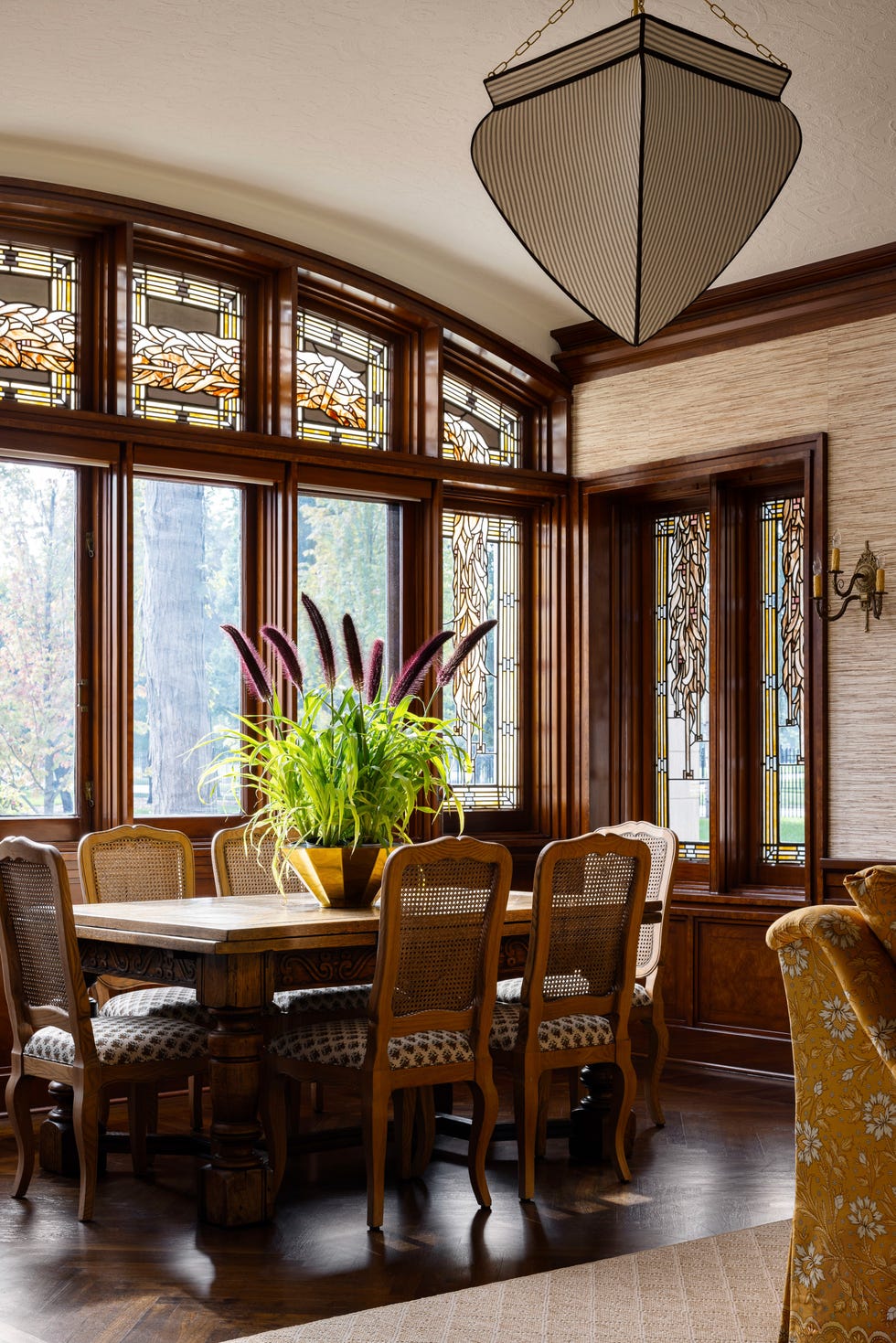
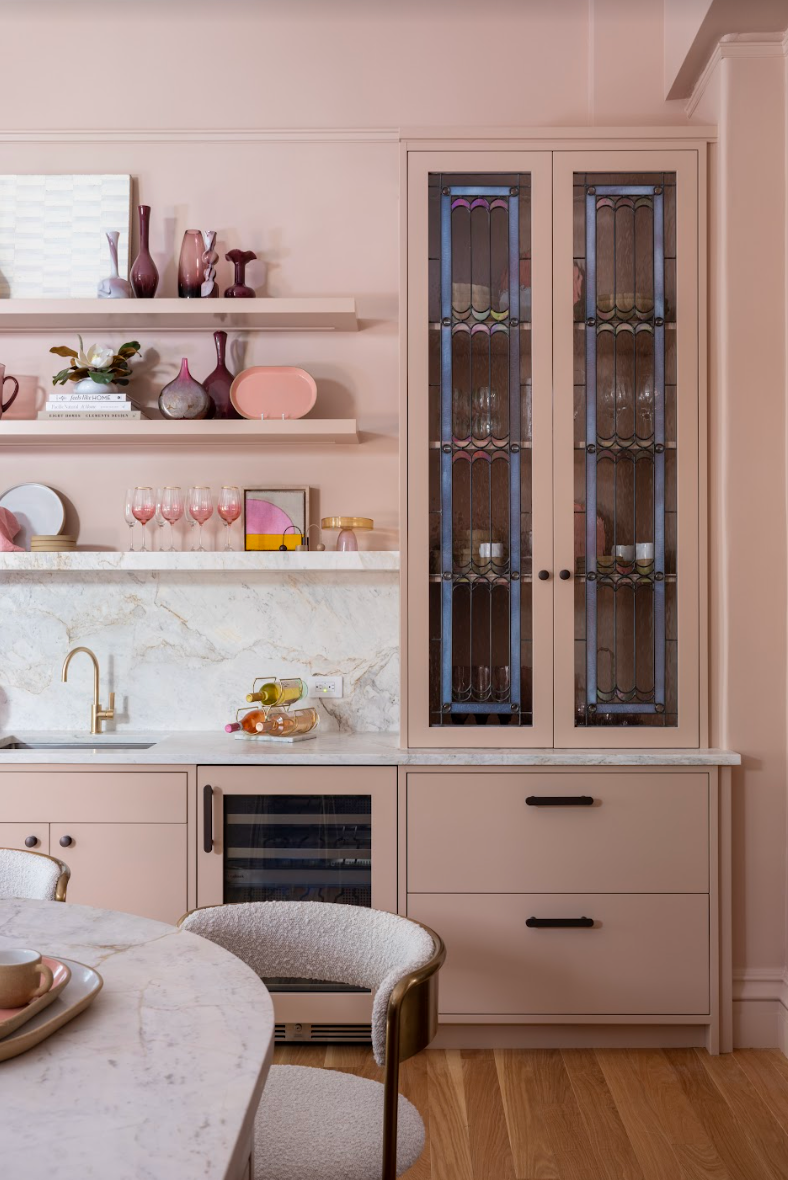
Designers like Gemma McCloskey of Cuplà design studio advocate for incorporating stained glass to integrate art directly into a home's architecture. McCloskey designed abstract, pastel-hued stained glass panels for her sister Orlagh’s house, strategically placing them in darker corners of the sitting room to introduce decorative elements beyond textiles and accessories. To ensure a contemporary feel, she suggests using modern, fluid lines rather than traditional ornate designs, an approach she applied to her designs inspired by brutalist panels. A significant advantage is the dynamic play of light and color that stained glass creates as sunlight shifts throughout the day, adding intrigue and movement to a room. Modern installations can also be made as insulating as double glazing by backing the stained glass with a plain pane of glass on the exterior.
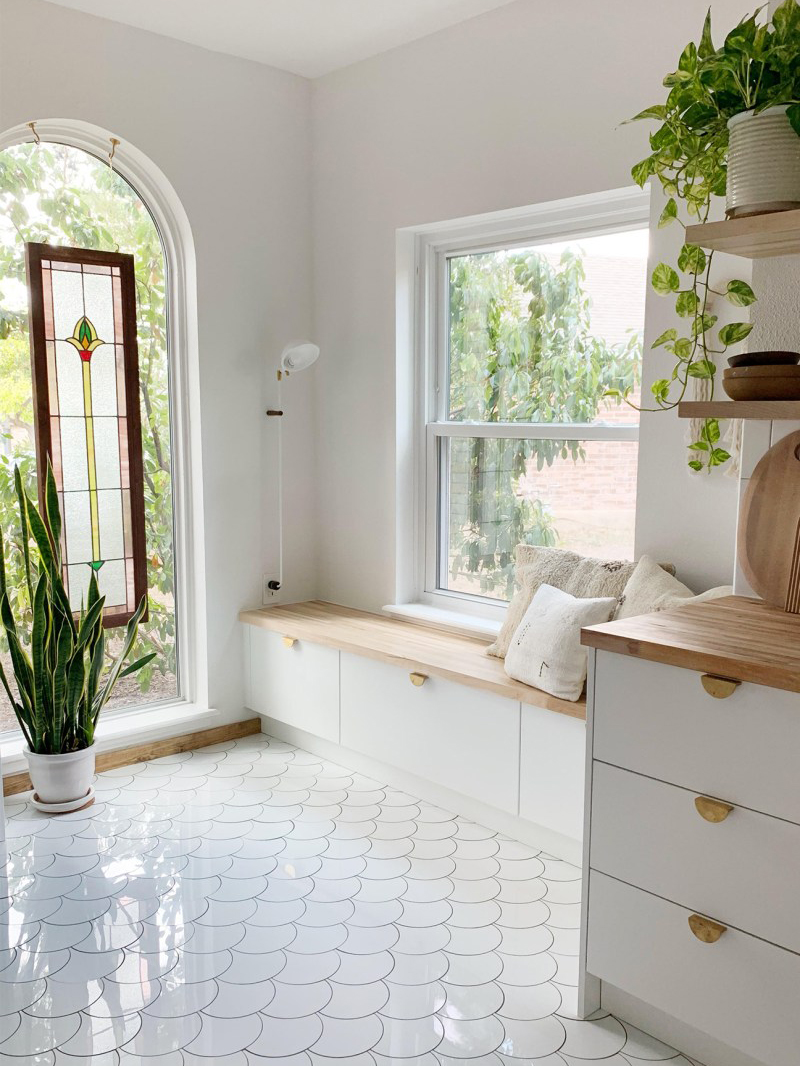
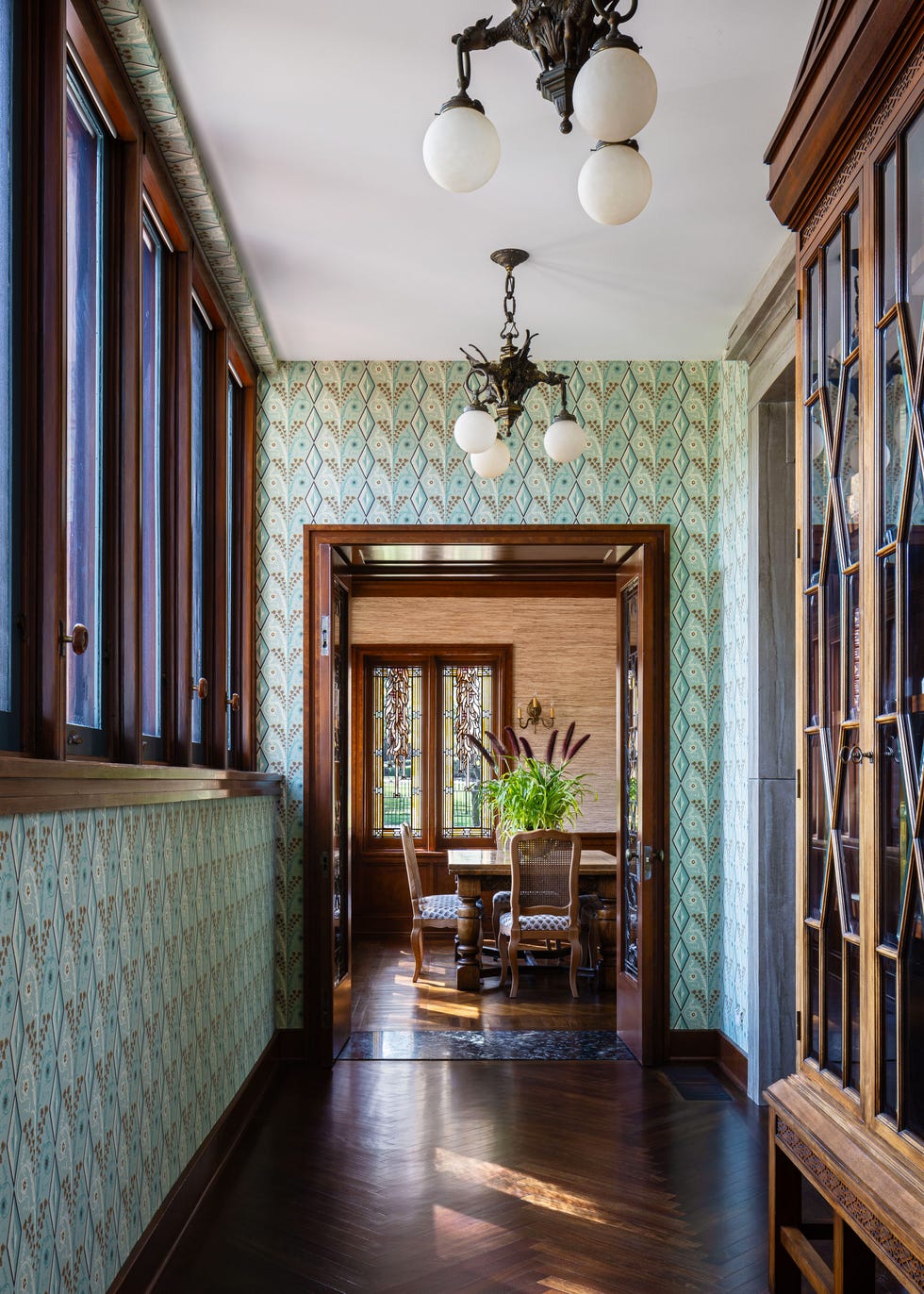
Artist Natasha Mann has extensively used stained glass in her own home, viewing it as a way to embed art into the building's structure. For her front door, she chose a design that harmonizes with its Edwardian style. In her sitting room, a geometric stained glass motif obscures an undesirable view while still allowing ample light. In her bathroom, stained glass windows complement a painted ceiling pattern inspired by the Alhambra Palace, signifying water and evoking a sense of joy. Similarly, interior designers Angus and Charlotte Buchanan installed a reclaimed Victorian stained glass window in their windowless laundry room. This not only added visual interest but also allowed light from the corridor to brighten the space, without sacrificing privacy.
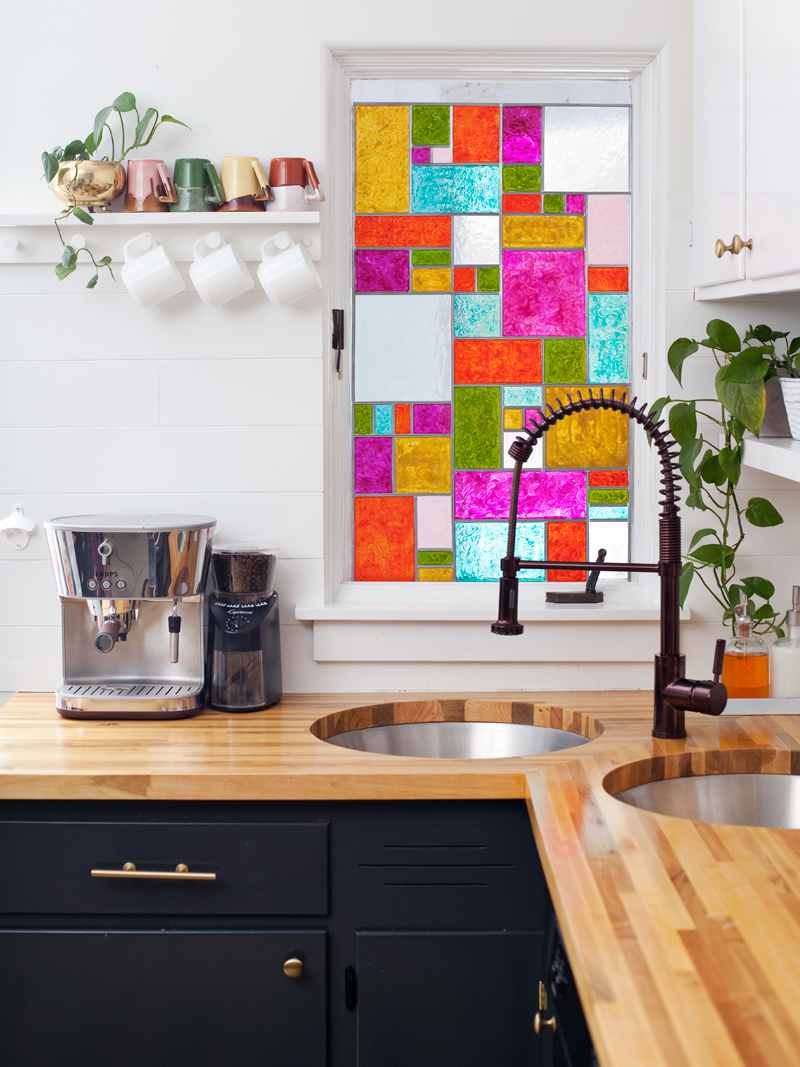
James Williamson, a glass artist at Art With Glass, has observed a notable increase in commissions for decorative stained glass panels. He notes a shift in perception, where stained glass, once considered unfashionable, is now celebrated as an original architectural feature. Clients increasingly seek bespoke panels that extend the artistic theme of a space, drawing inspiration from artists like Kandinsky, Mondrian, Gaudi, or William Morris. While custom-commissioned pieces offer creative freedom, budget-conscious individuals can explore reclamation yards for unique, antique stained glass finds. The resurgence of stained glass transforms ordinary windows into vibrant focal points, bathing rooms in a kaleidoscope of colors.
#StainedGlass #InteriorDesign #HomeDecor #ArchitecturalFeatures #ArtInArchitecture #VictorianDesign #ModernInteriors #HomeRenovation #DecoratingAdvice #StainedGlass #InteriorDesign #HomeDecor #ArchitecturalFeatures #ArtInArchitecture #VictorianDesign #ModernInteriors #HomeRenovation #DecoratingAdvice
0 comment in total
 No comments yet
You may also like
Stained Glass Isn’t Just Found in Churches Anymore

We’re Taking a Shine to These Glass Tile Bathrooms
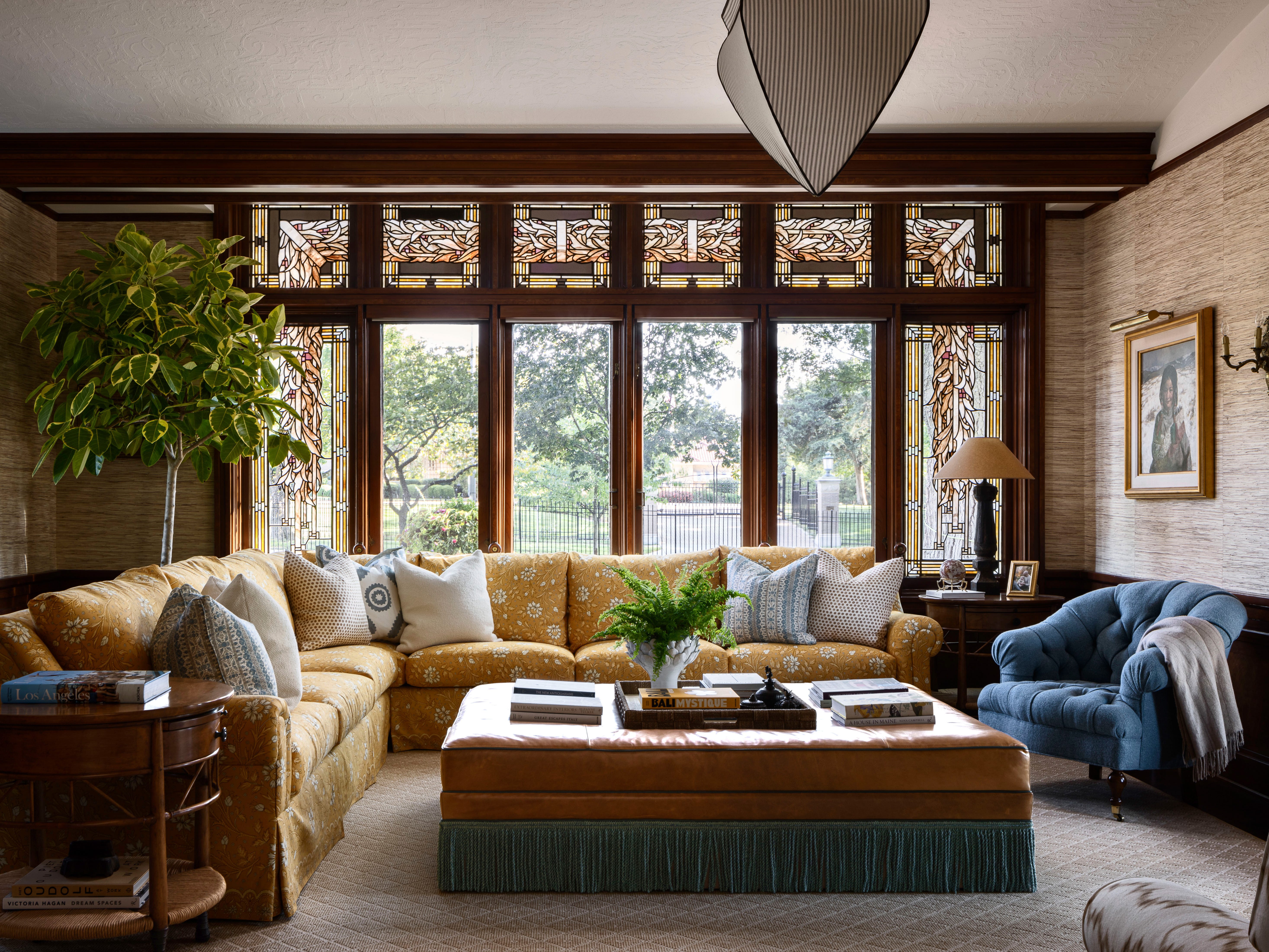
Original Stained Glass Windows Inspired This Historic Home's New Look

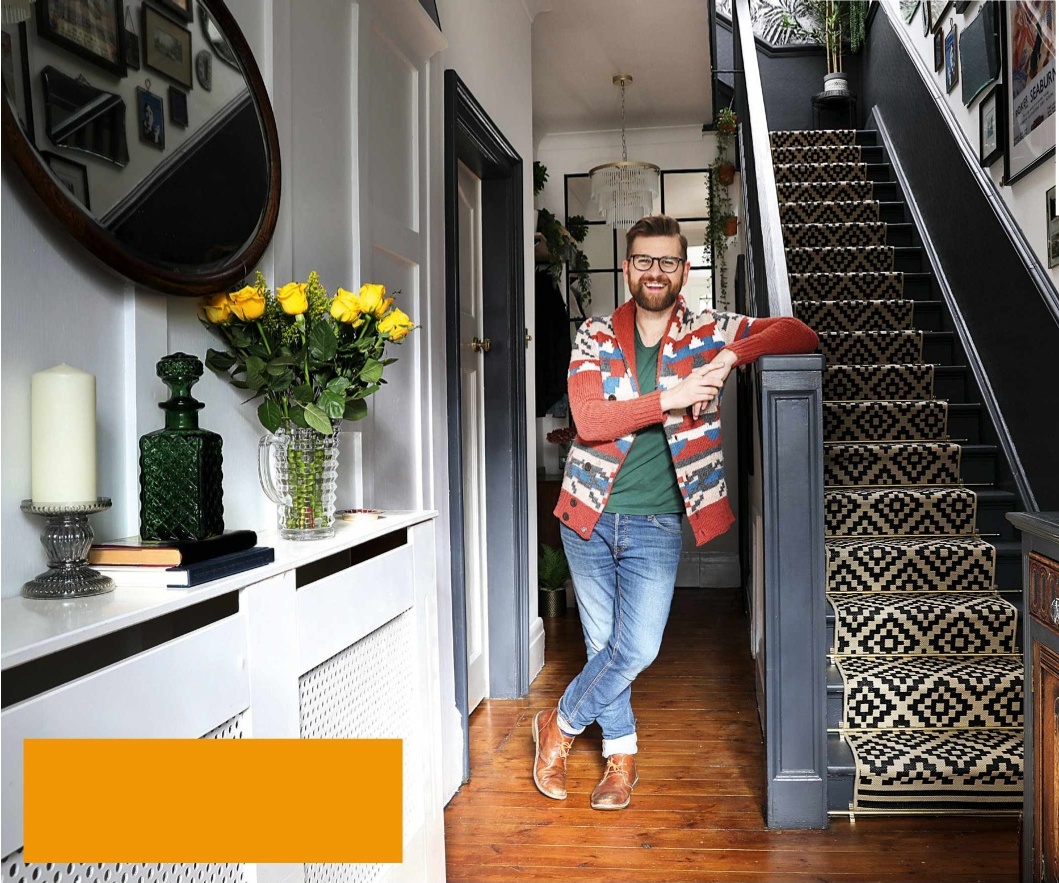
‘our hall is as beautiful as its stained-glass door’ - 22 Dec 2022 - Your Home Magazine

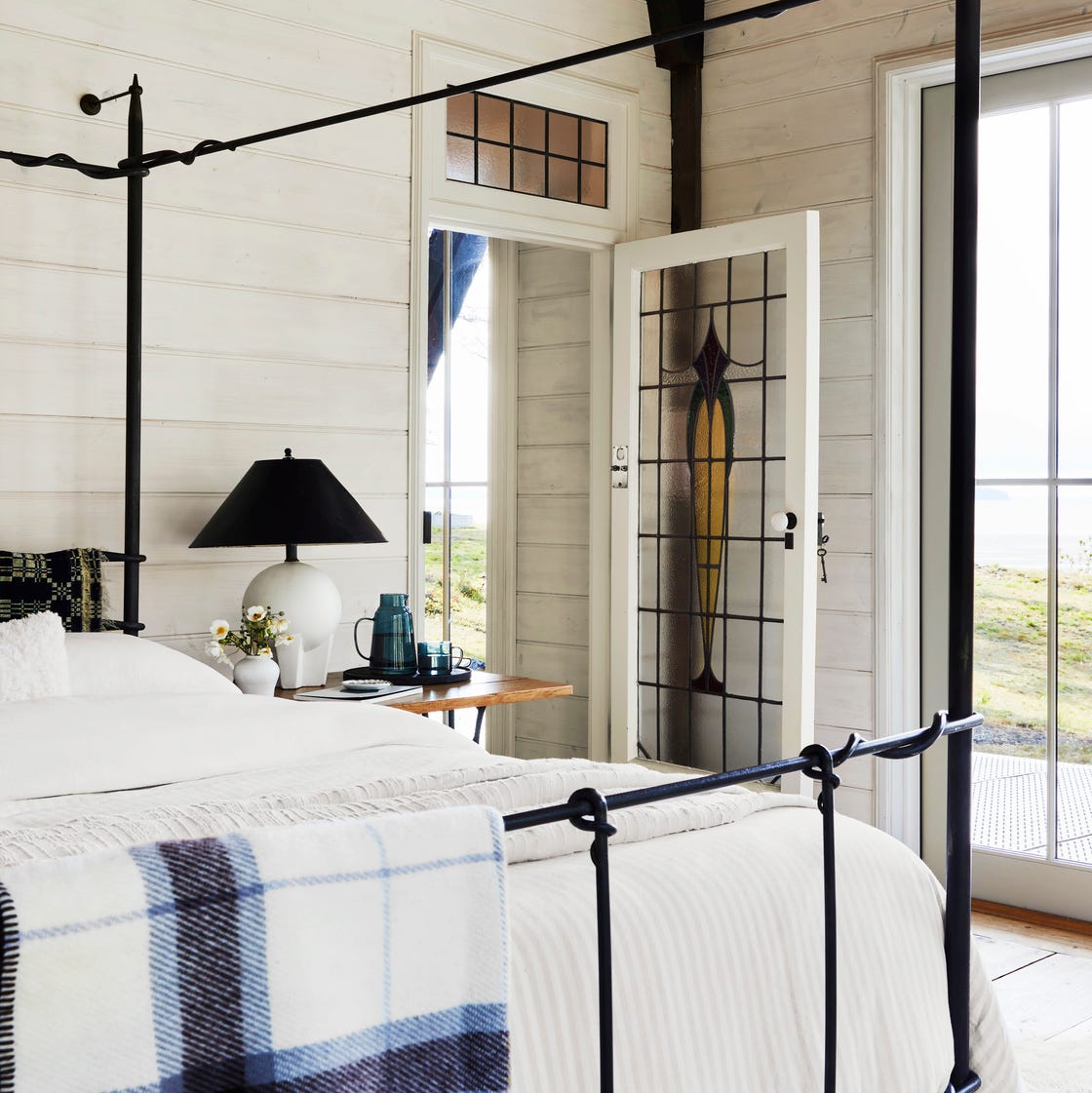
Grandma’s Favorite Home Accent Is One of 2025’s Top Design Trends
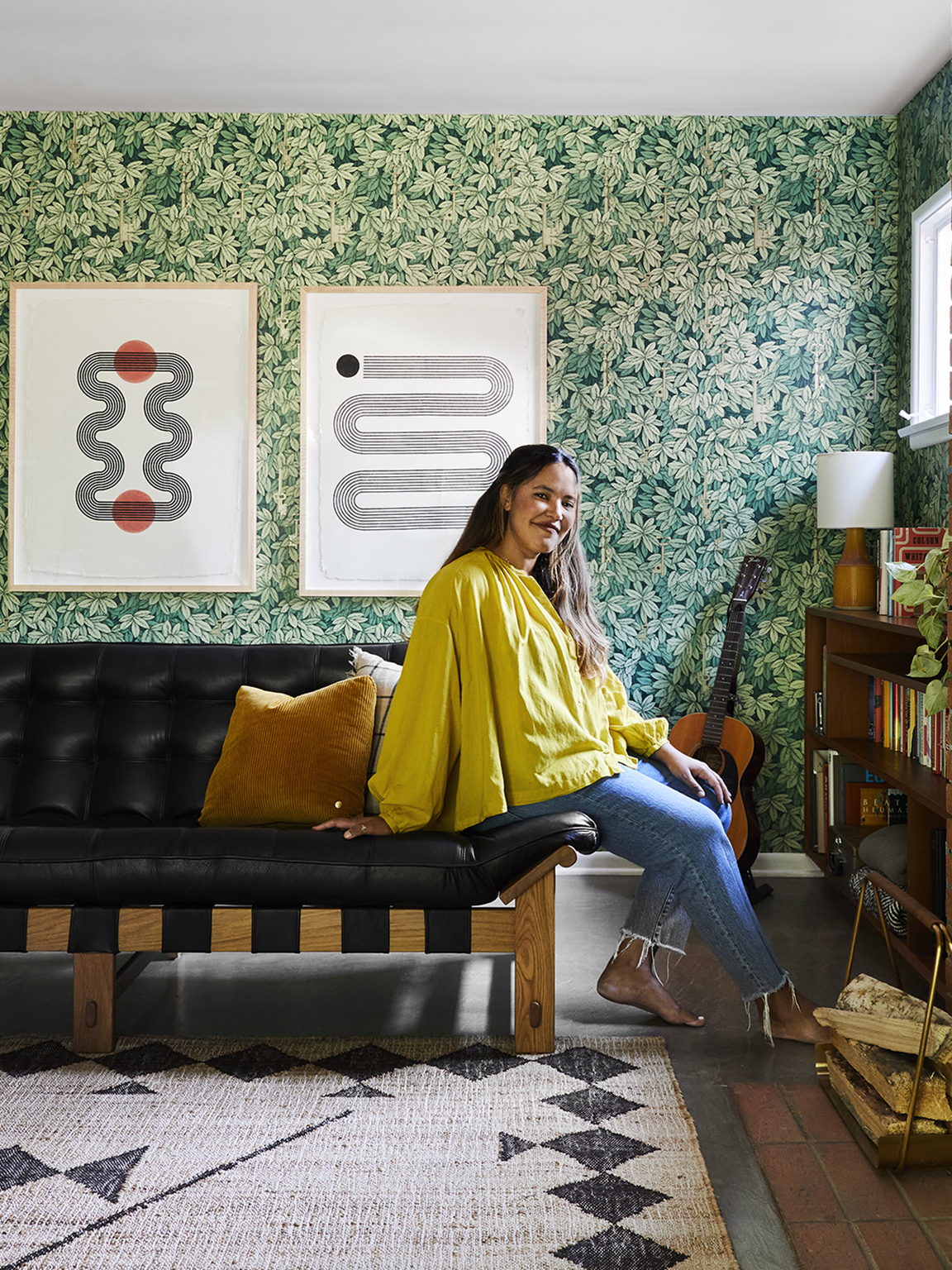
An Interior Stained-Glass Window Casts an Amber Glow on This Once Drab L.A. Home


The IKEA Staple You Need To Try DIY Stained Glass On

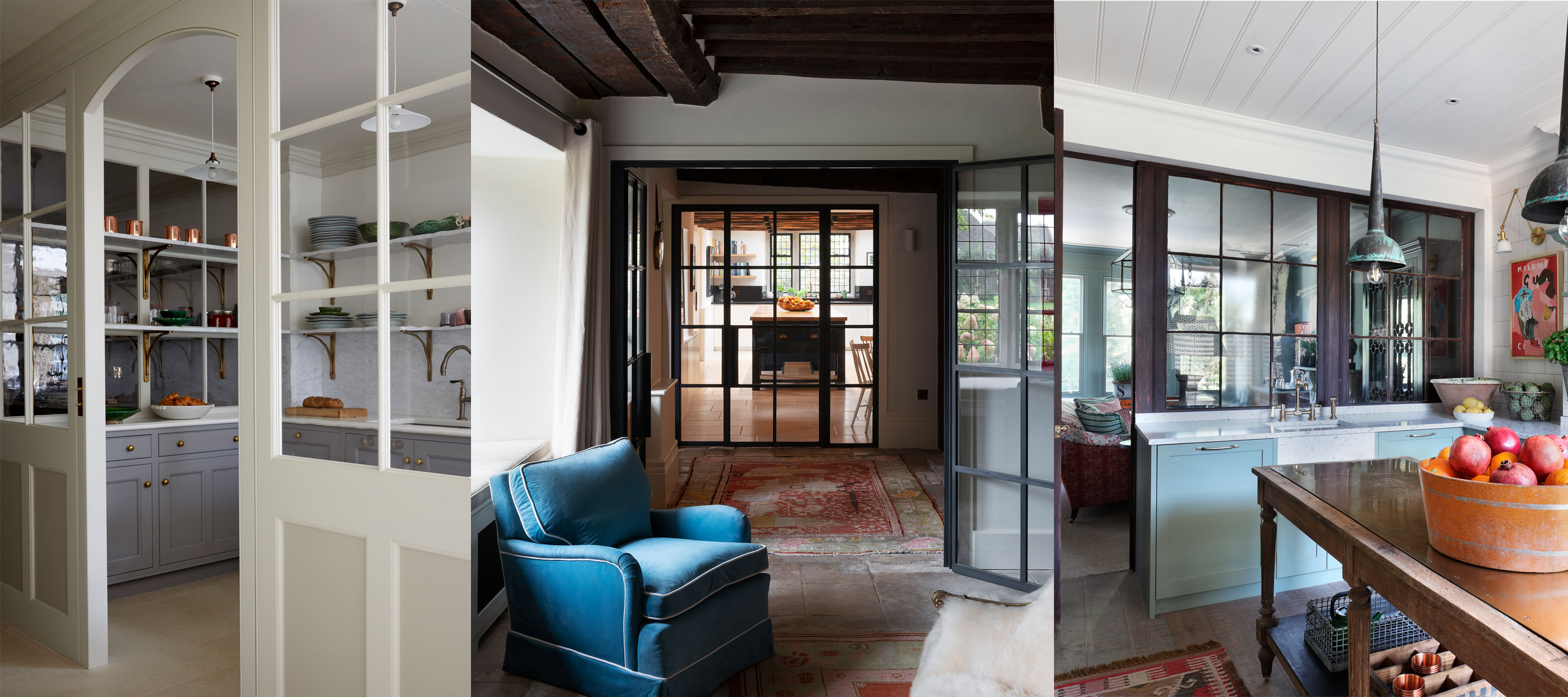
Glass partition walls – how to replace internal walls and create a timeless design feature

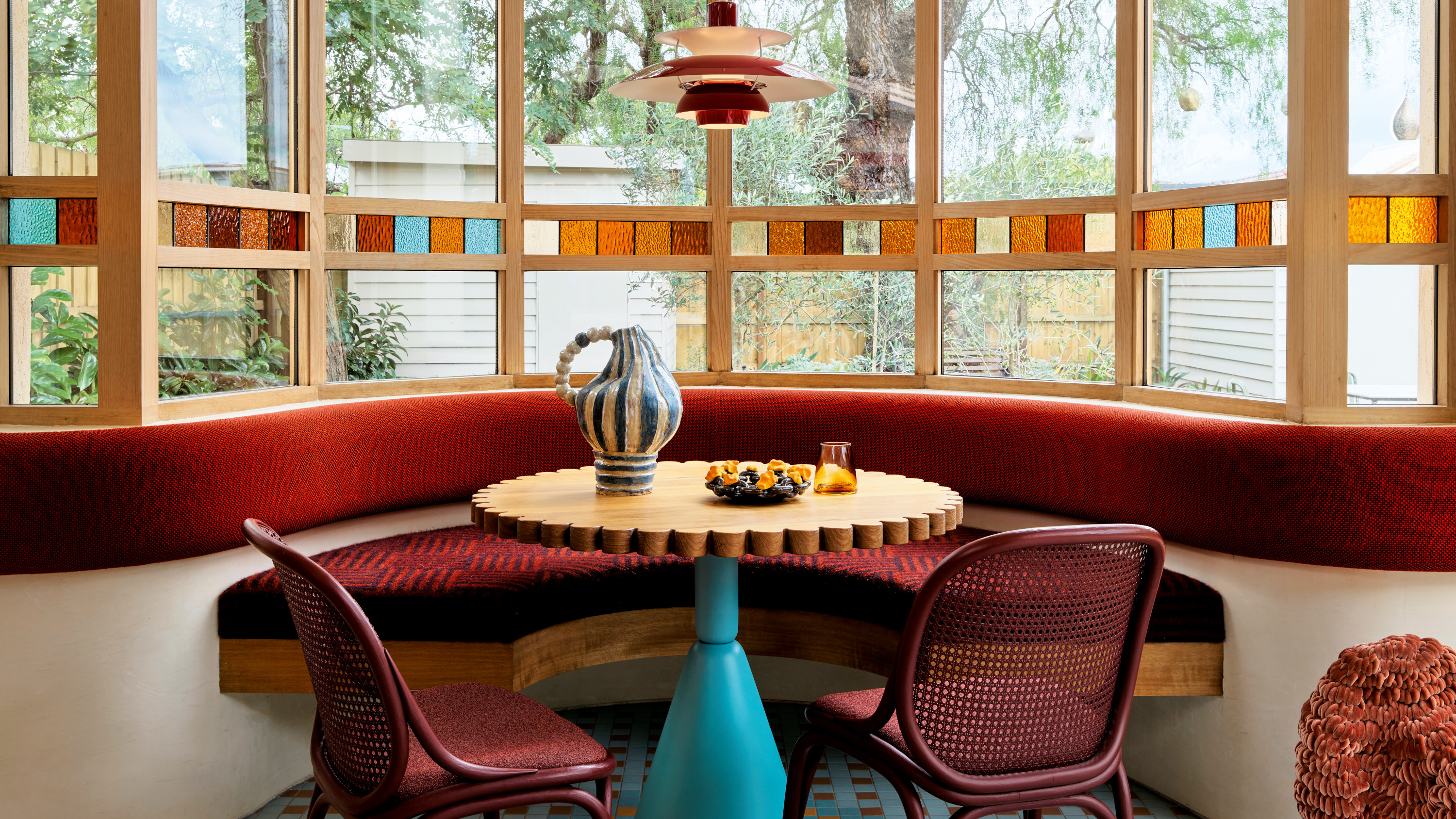
I Found 6 Homes Where Colored Glass Brings so Much Joy — And Now Basic Windows Seem Boring


Malone Studio glass artists keep Newport windows looking their best
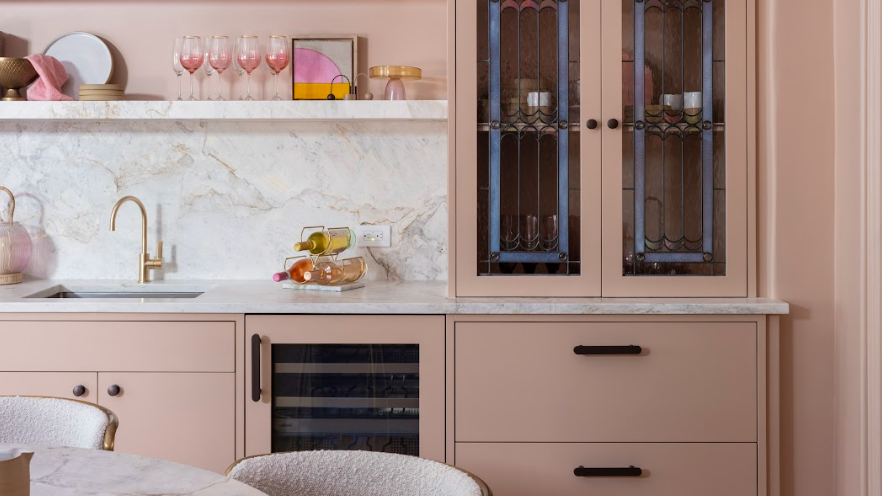
The Top Kitchen Cabinet Trends for 2023, According to Designers


glass art and design Archives
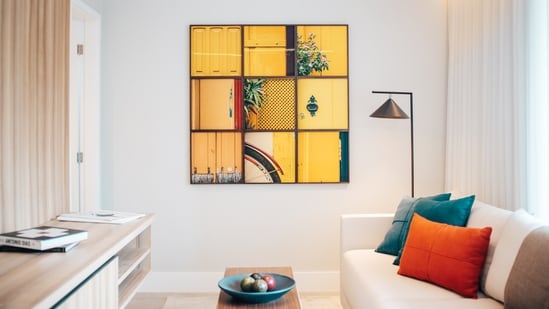
Design tips to use glass in interior spaces and decoration | Hindustan Times

9 Design Trends From 2024 You’ll Still See Everywhere in 2025, According to Experts
Glass Is Red-Hot: Here Are 6 New Collections to Know

Are glass coffee tables still on trend? Designers weigh in on this 'love it or hate it' style
Colorful Glassware is Trending — Here are 5 Ways to Display Your Collection to Give it Pride of Place in Your Home
Ten interiors that use glass-block walls to play with light and shadow
Designers Say This Century-Old Glass Trend Is About to Be EVERYWHERE in 2026
Sue Chan’s Minimalist L.A. Home Is the Antidote to Her Hectic Day Job