1/10
Putting up shelves? Here's what you need to know first
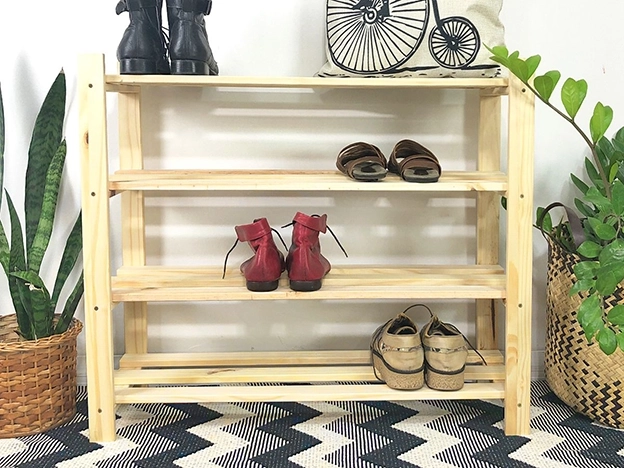
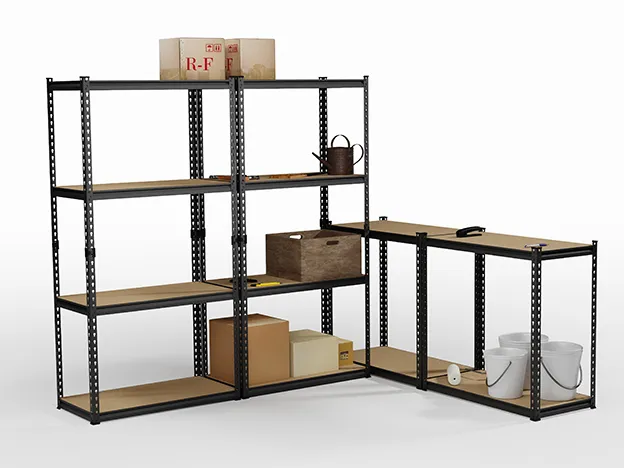
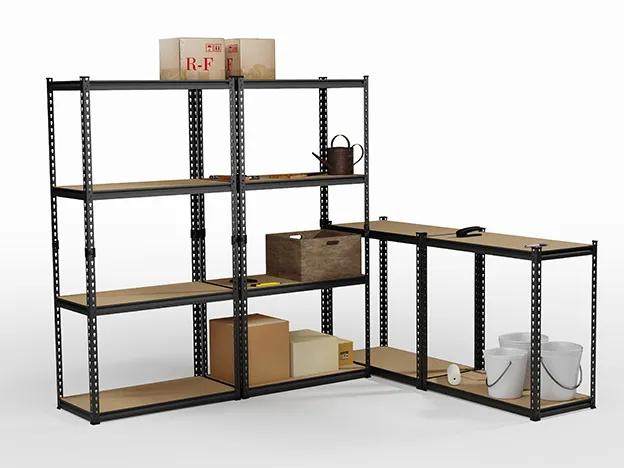
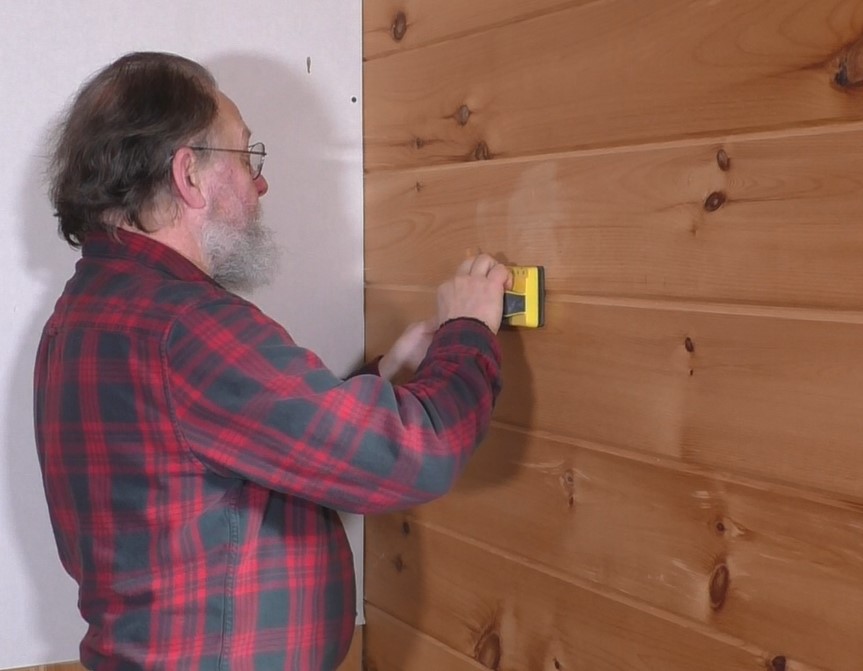
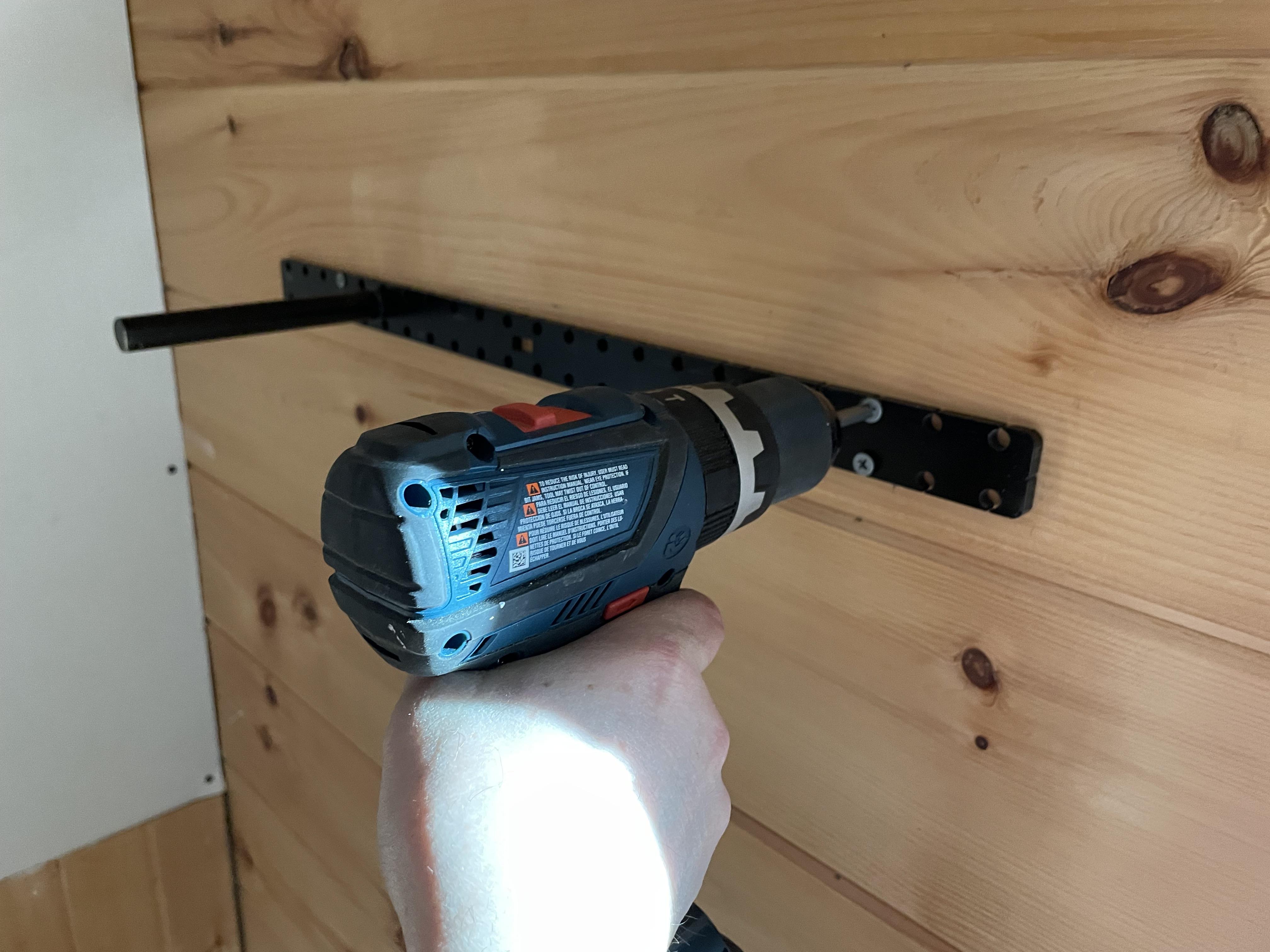
Shelving is a common DIY project for homeowners due to changing storage needs and evolving decor tastes. Before installing shelves, it's crucial to consider several factors to ensure longevity and proper function. The placement of the shelf is a primary consideration. For outdoor use in areas exposed to heat and humidity, galvanized steel is recommended. If wood is preferred for outdoor settings, solid options like teak with natural oils can offer some protection, but a protective coating is still necessary. For indoor shelving, the type of wall is critical. Heavy shelves made of solid wood or plywood require mounting on concrete walls for adequate support. If the wall is not concrete, freestanding shelves are a safer alternative. Bathrooms, with their high humidity and often weak ventilation, are unsuitable for solid wood shelves, making lightweight and warp-resistant plastic a better choice. April Kwan from IKEA highlights the benefits of recycled plastic for its strength, durability, and ease of maintenance, while also acknowledging the preference for sustainable alternatives.
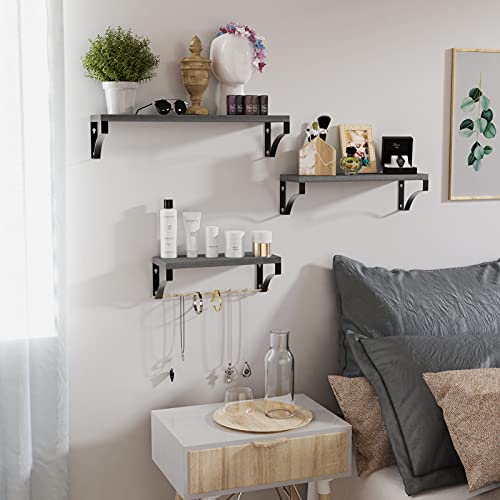
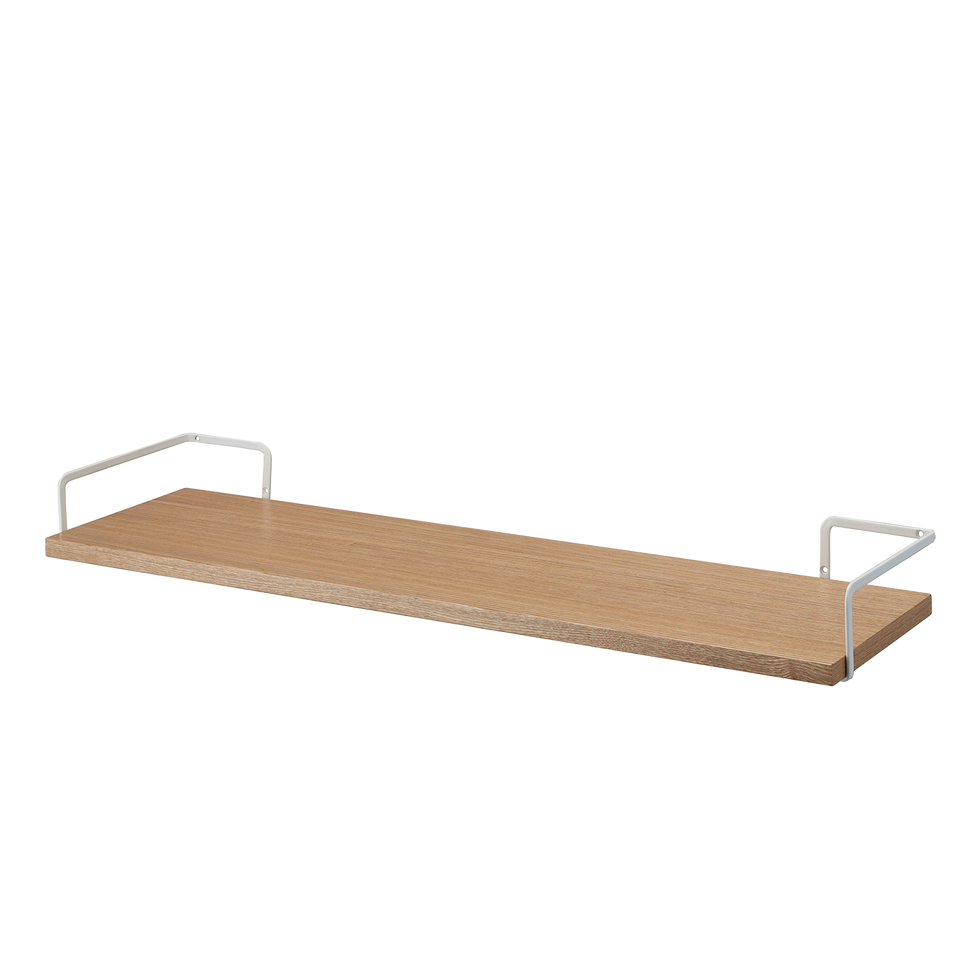
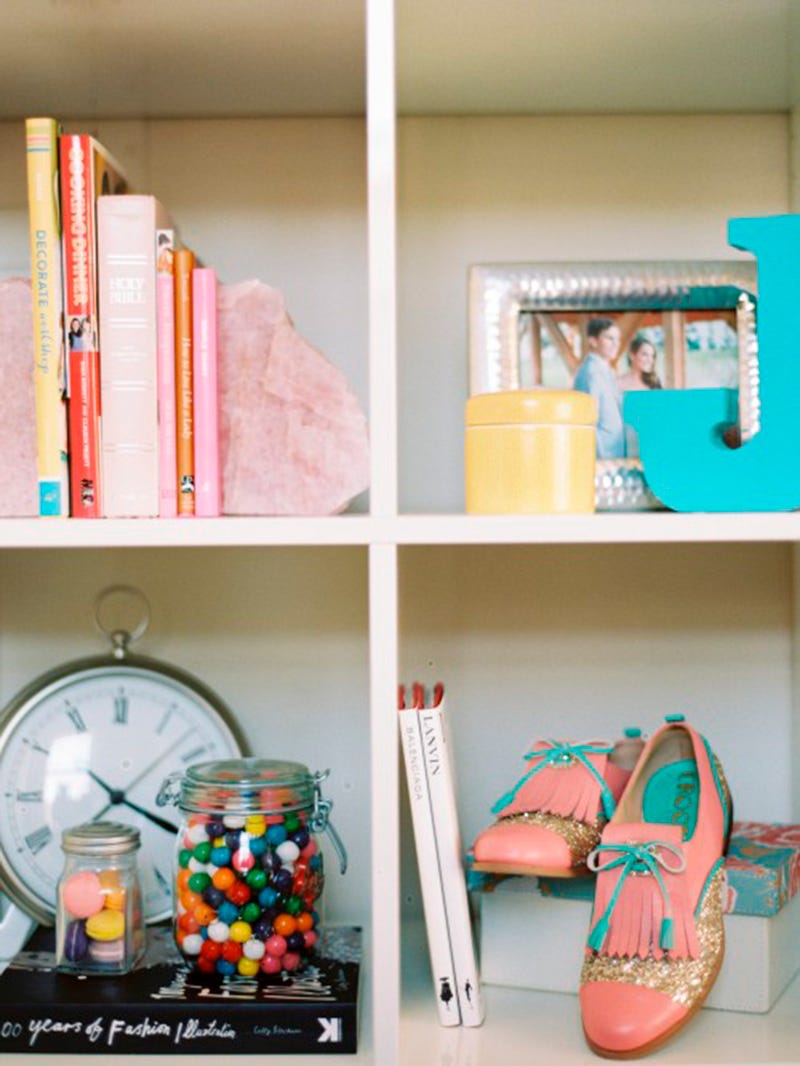
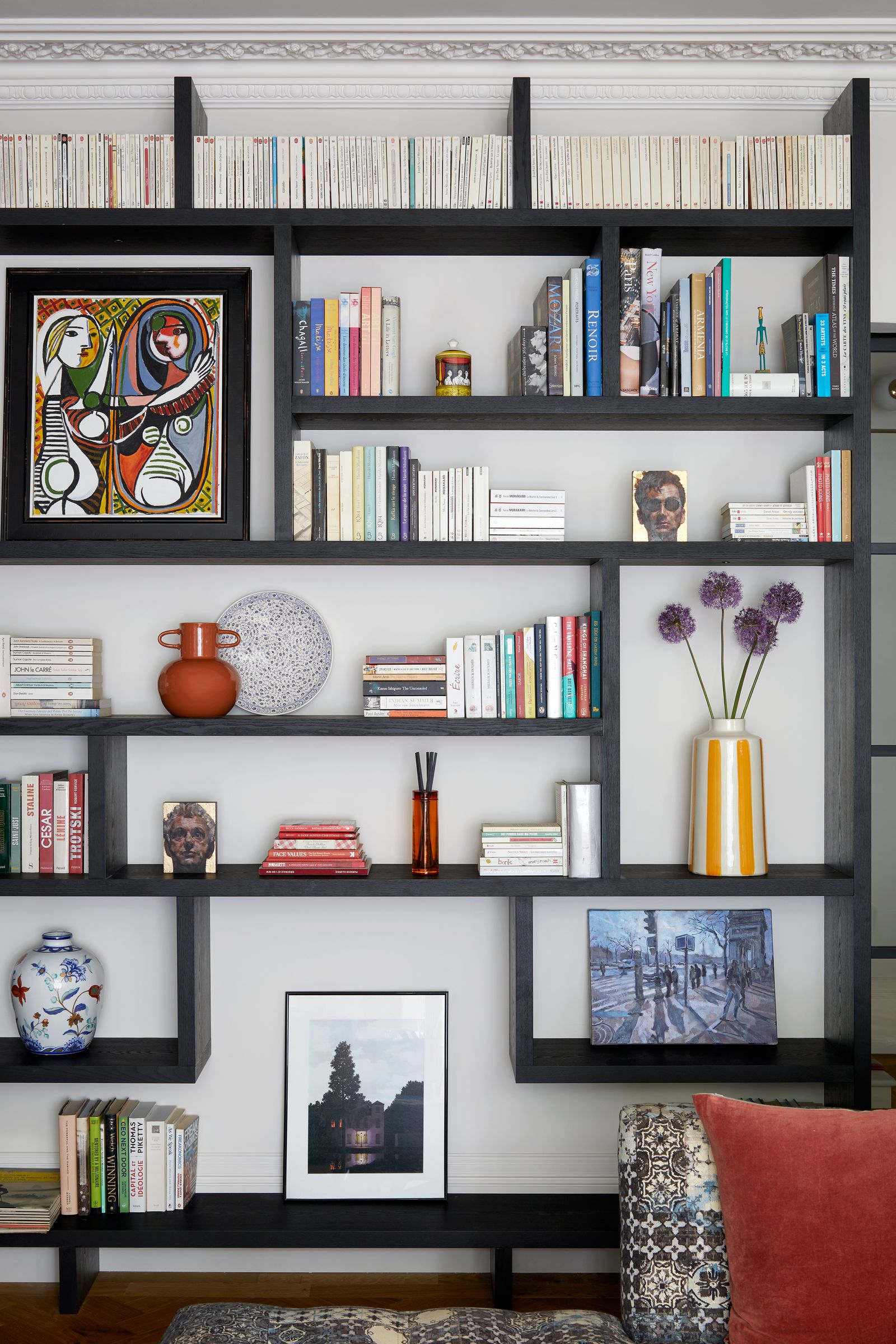
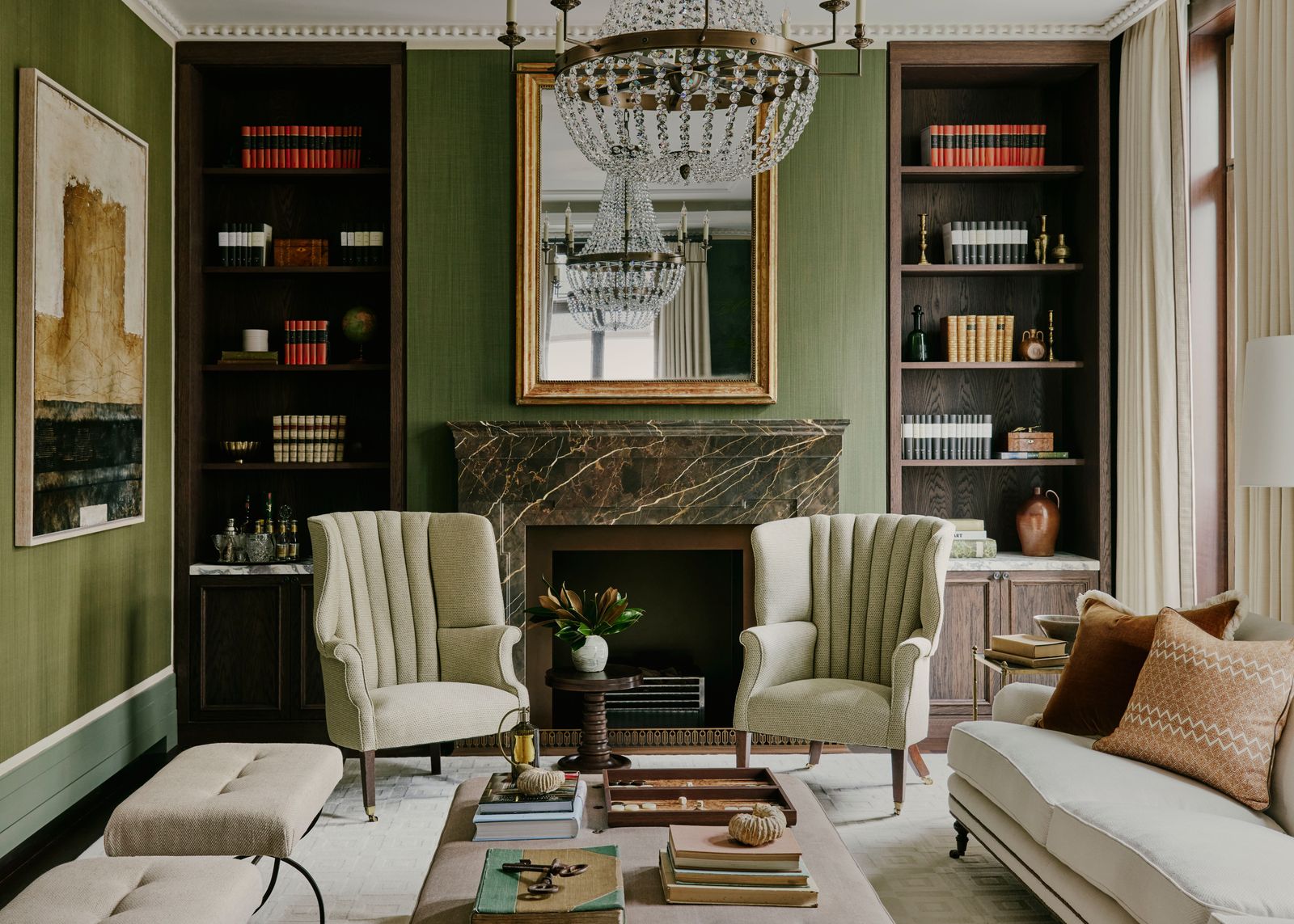
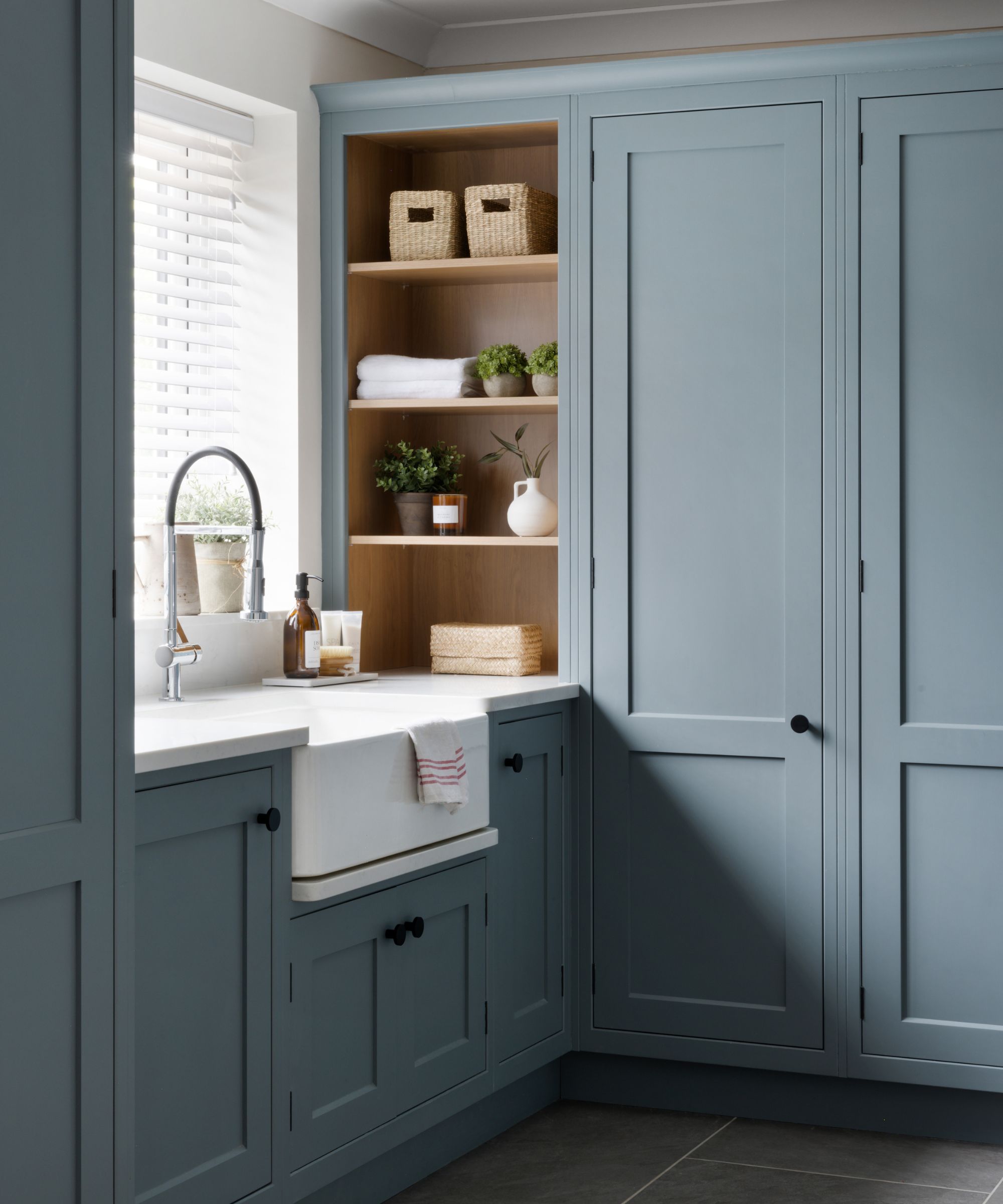
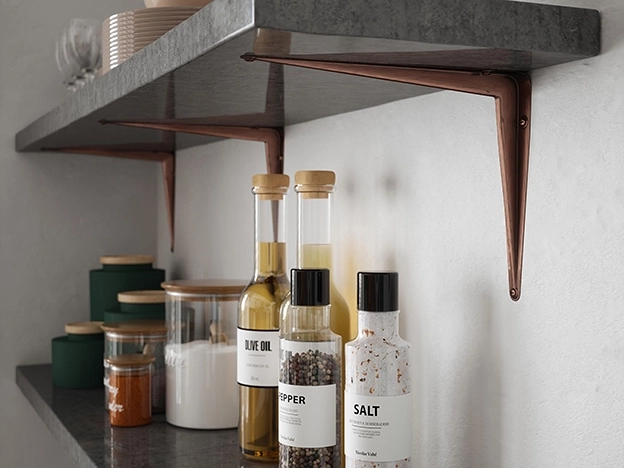
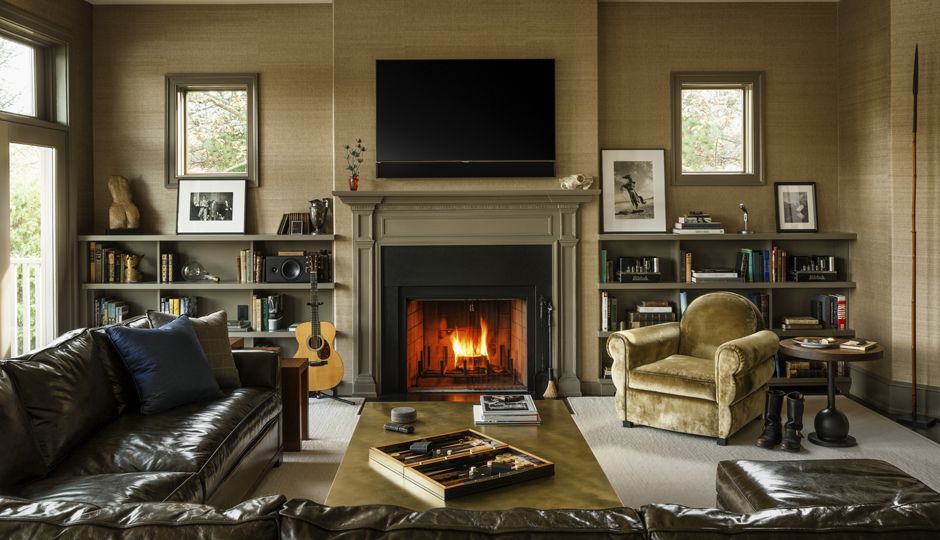
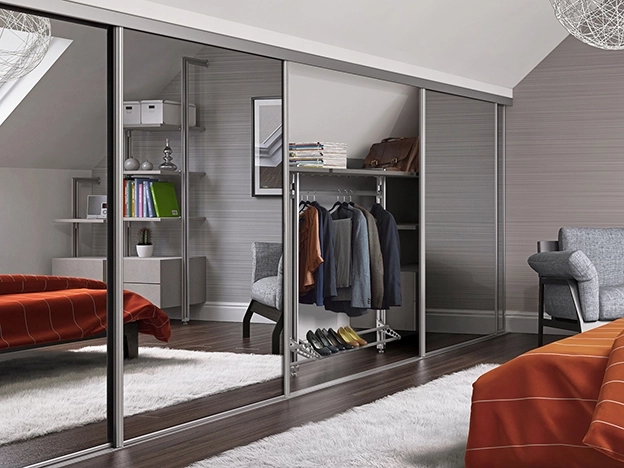
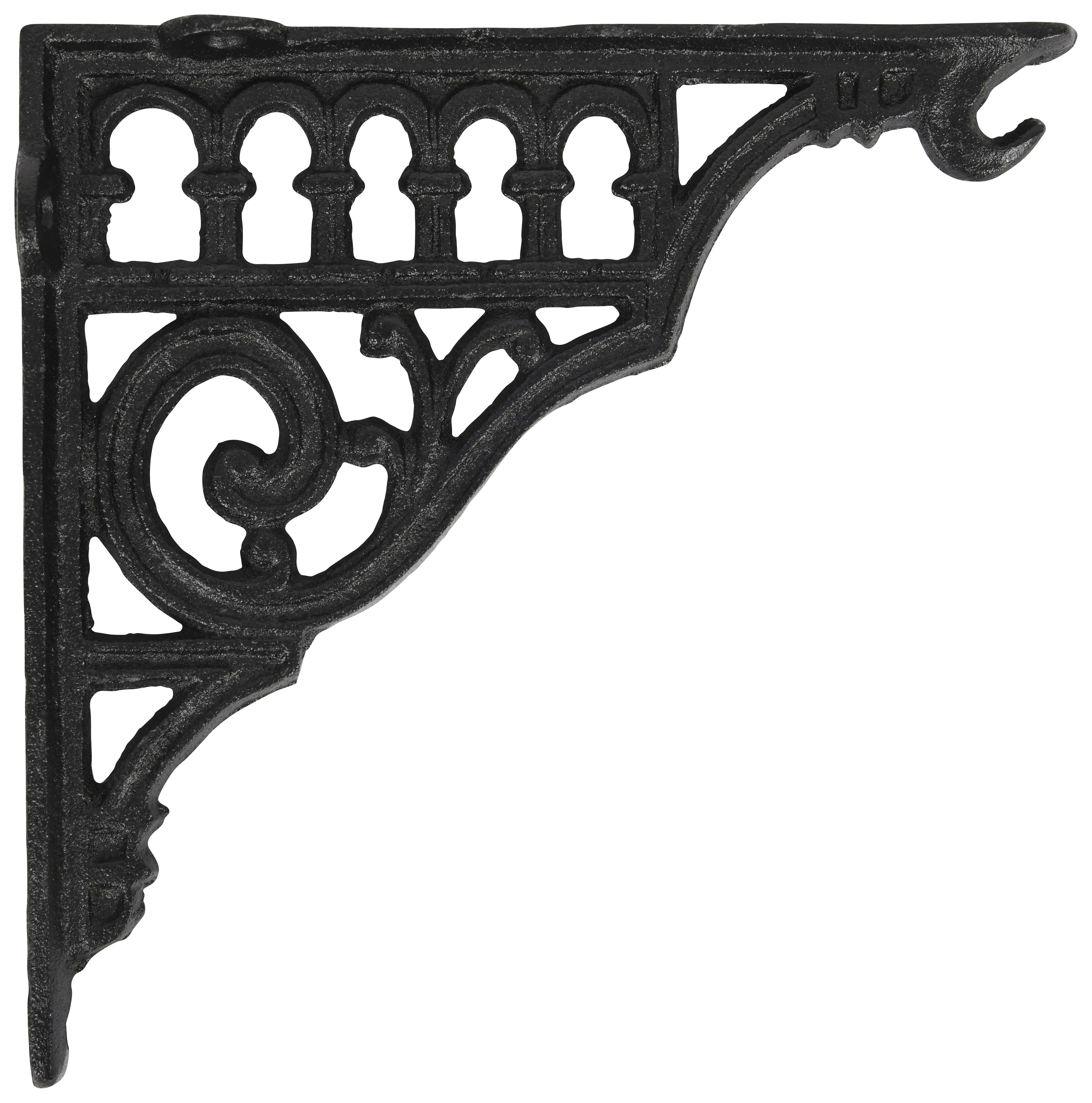
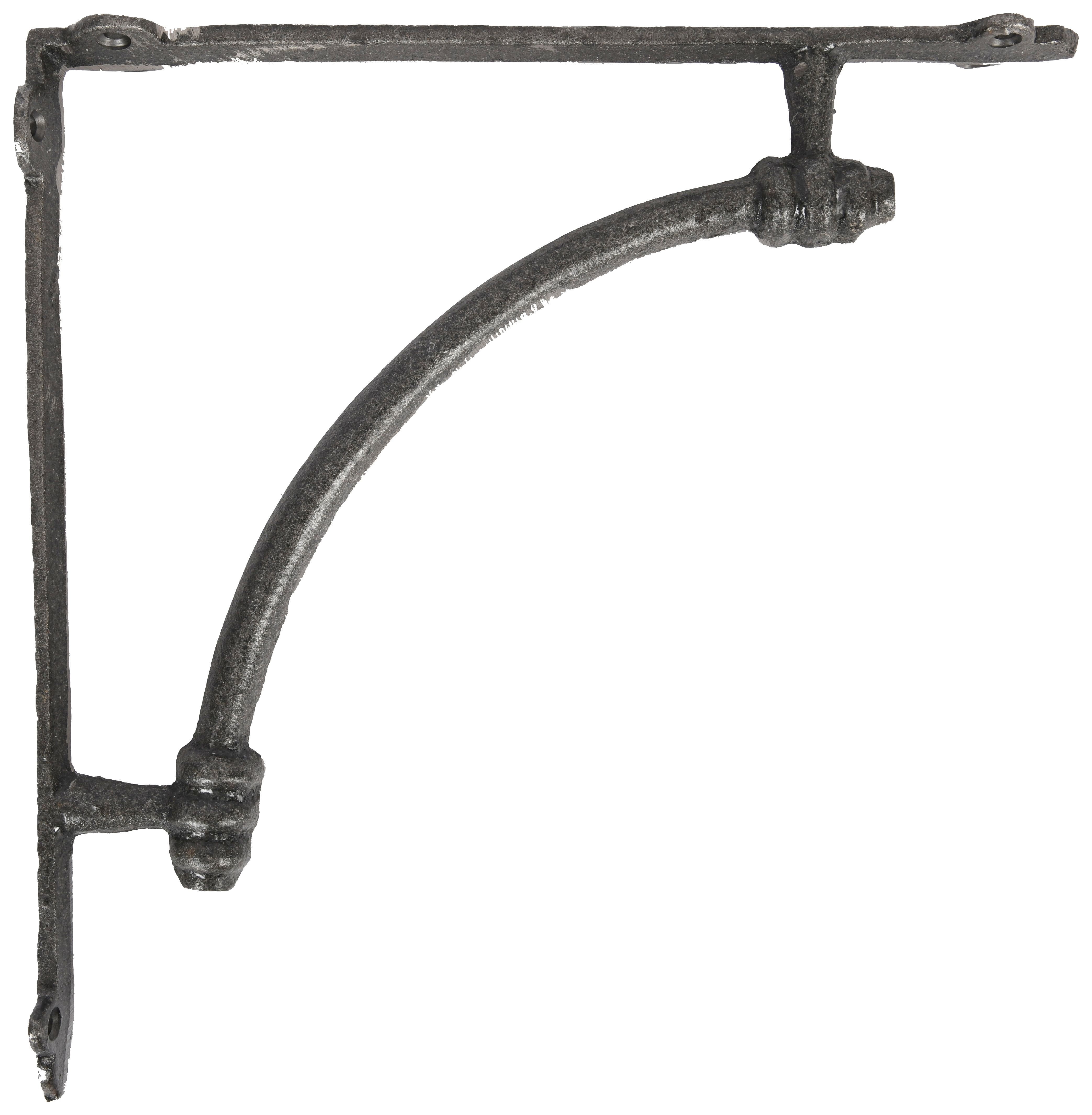
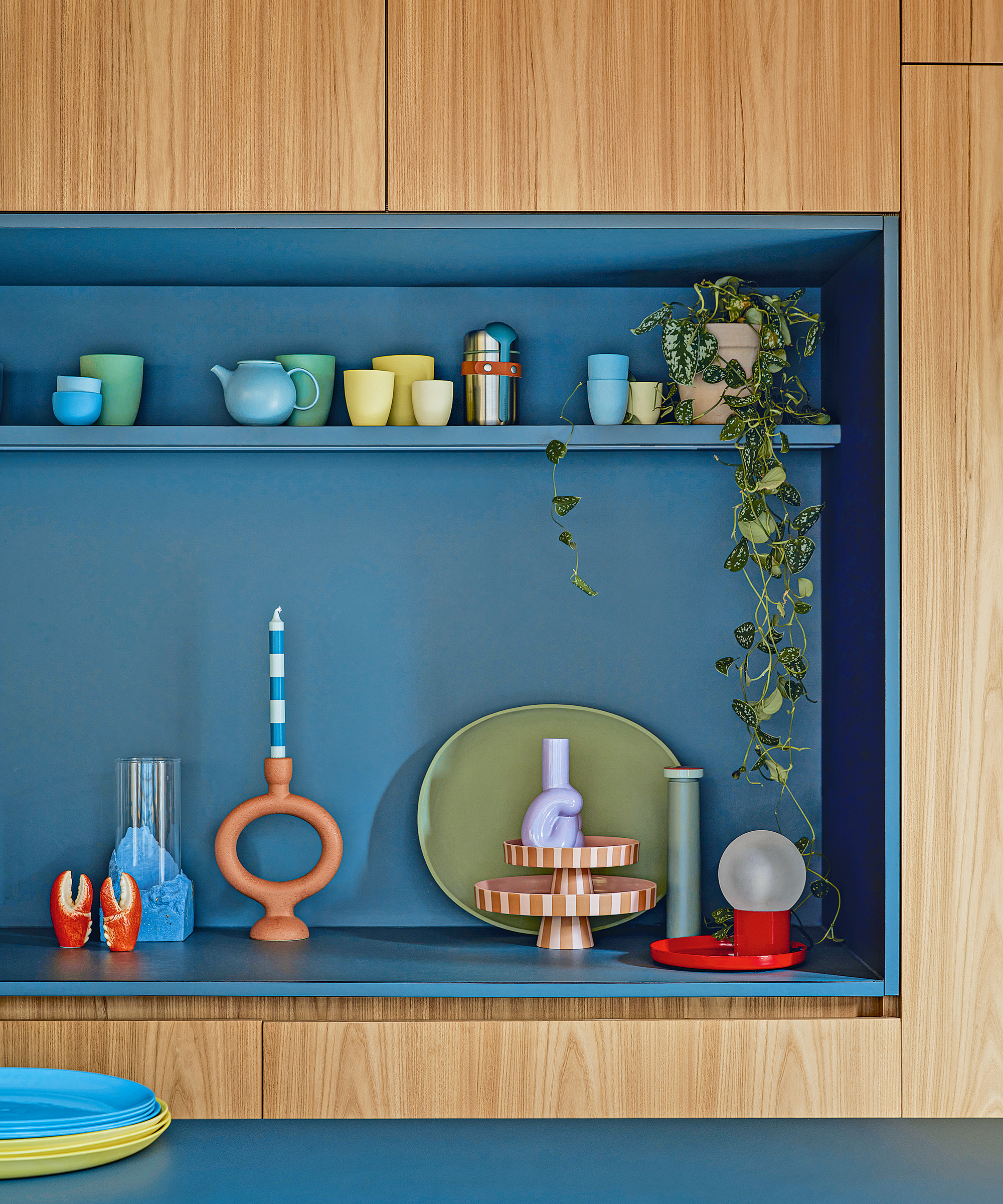
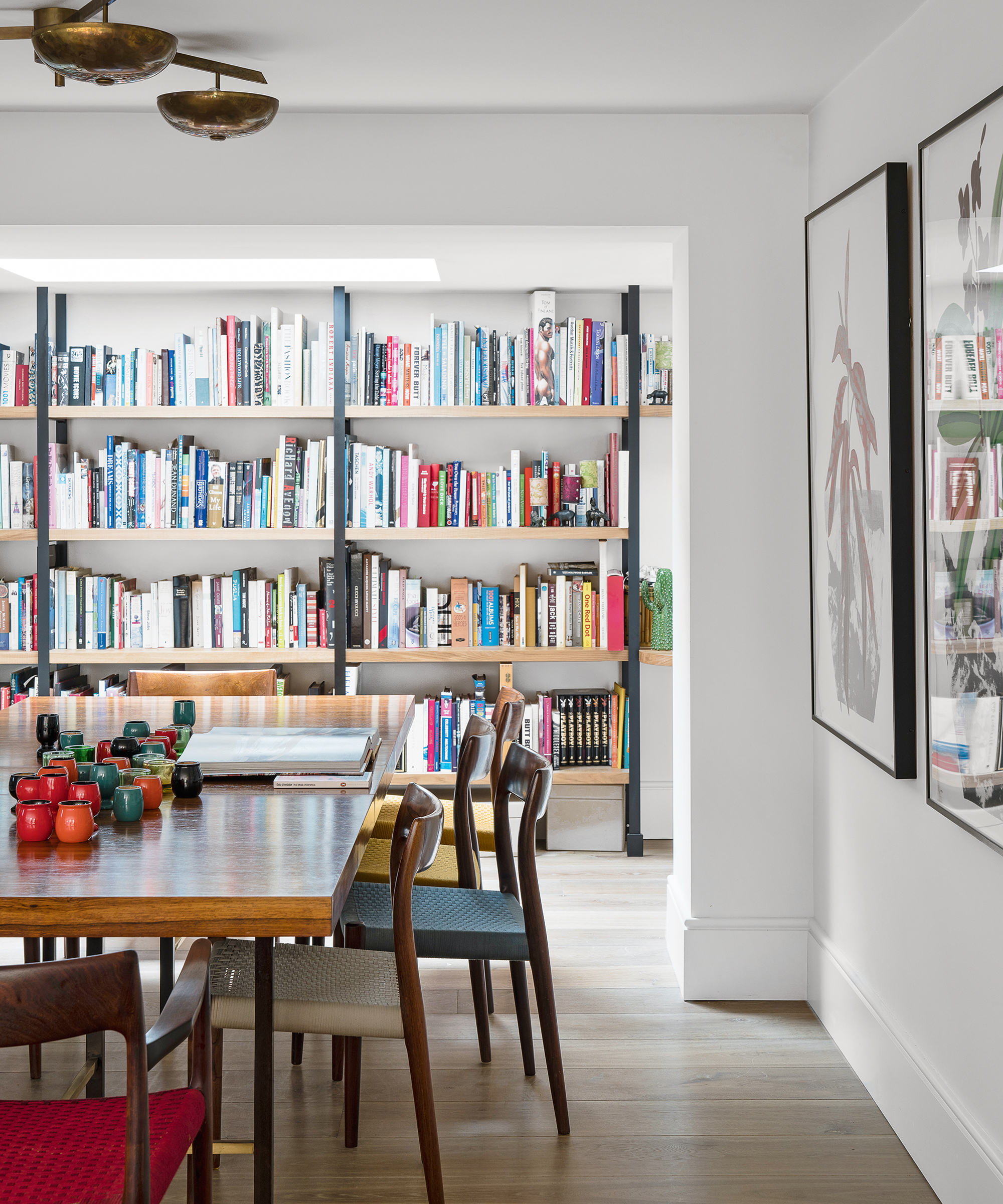
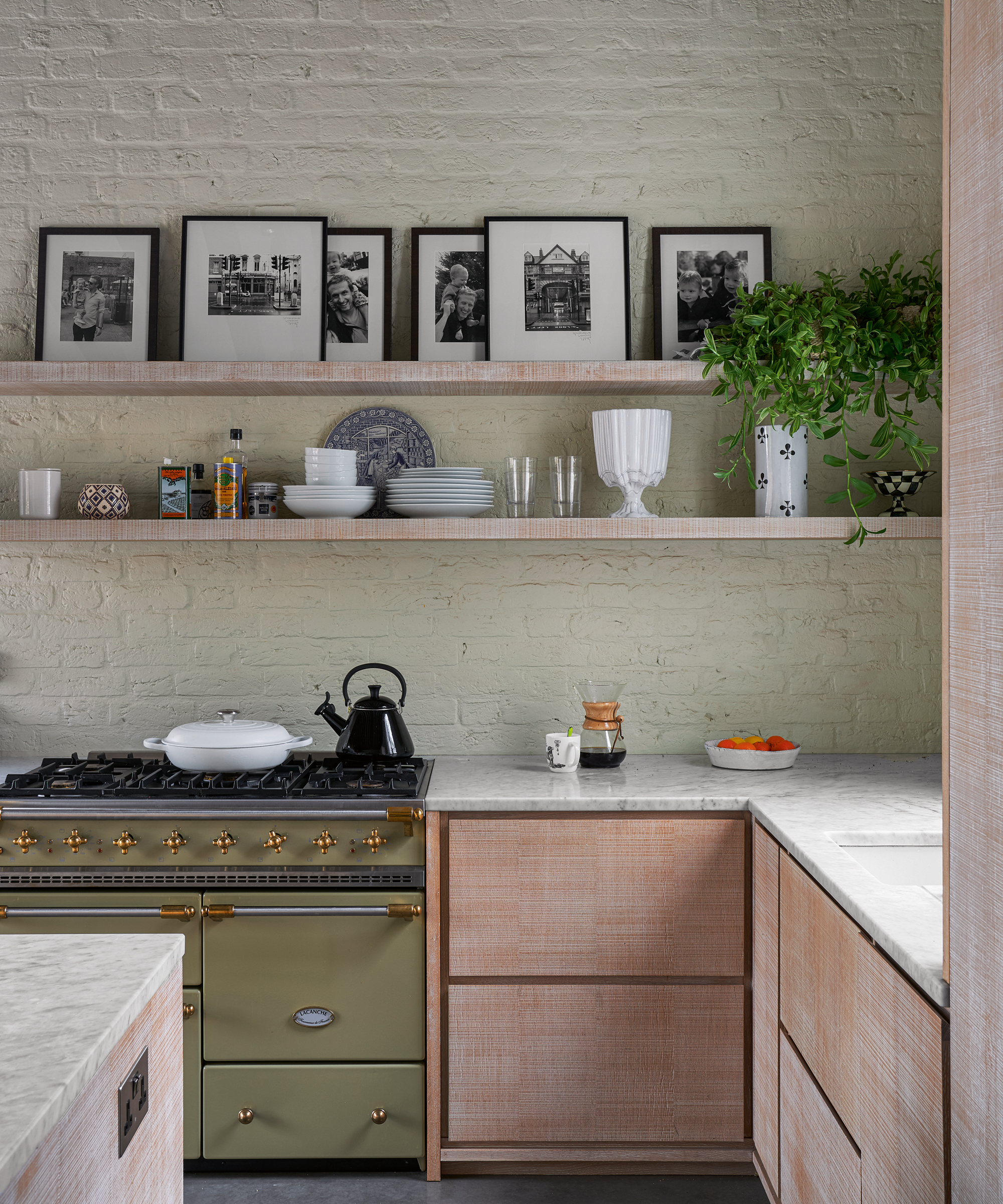
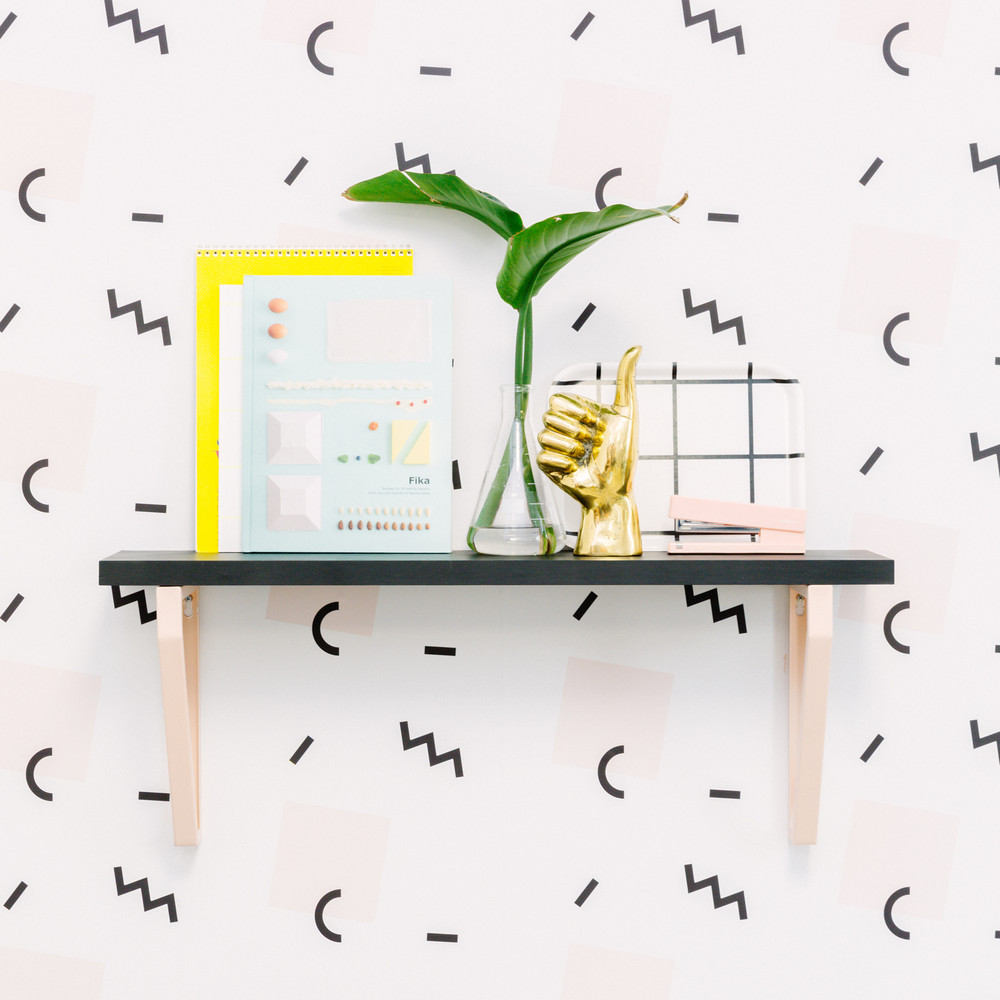
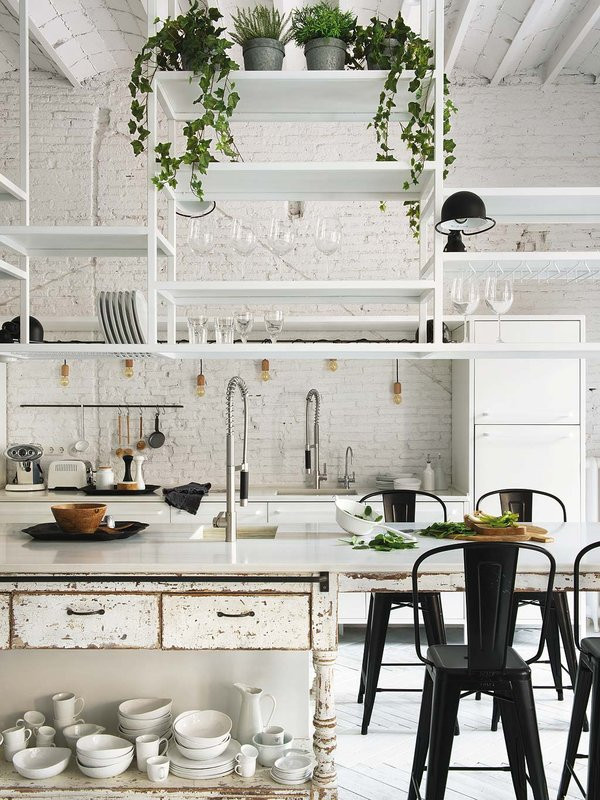
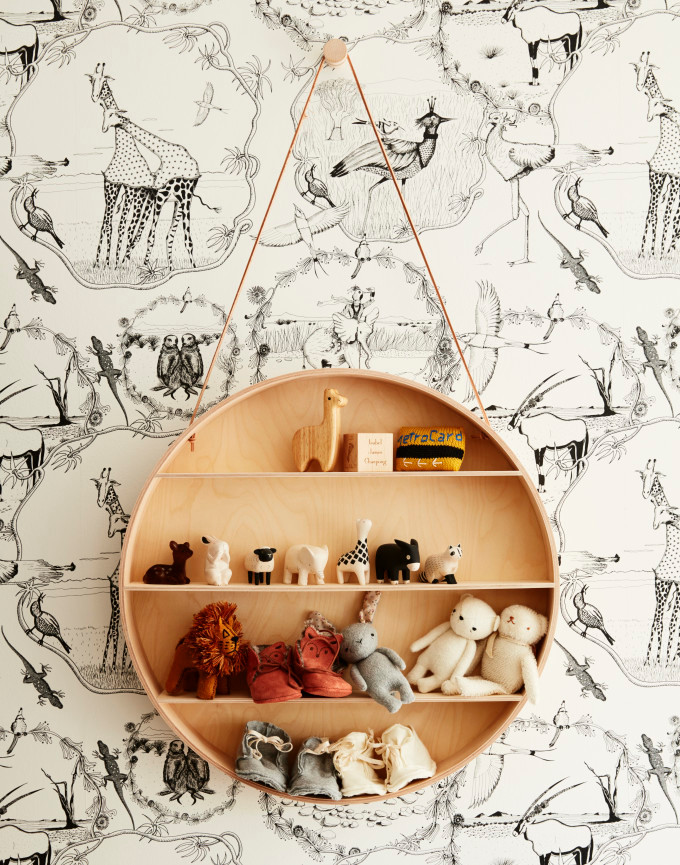
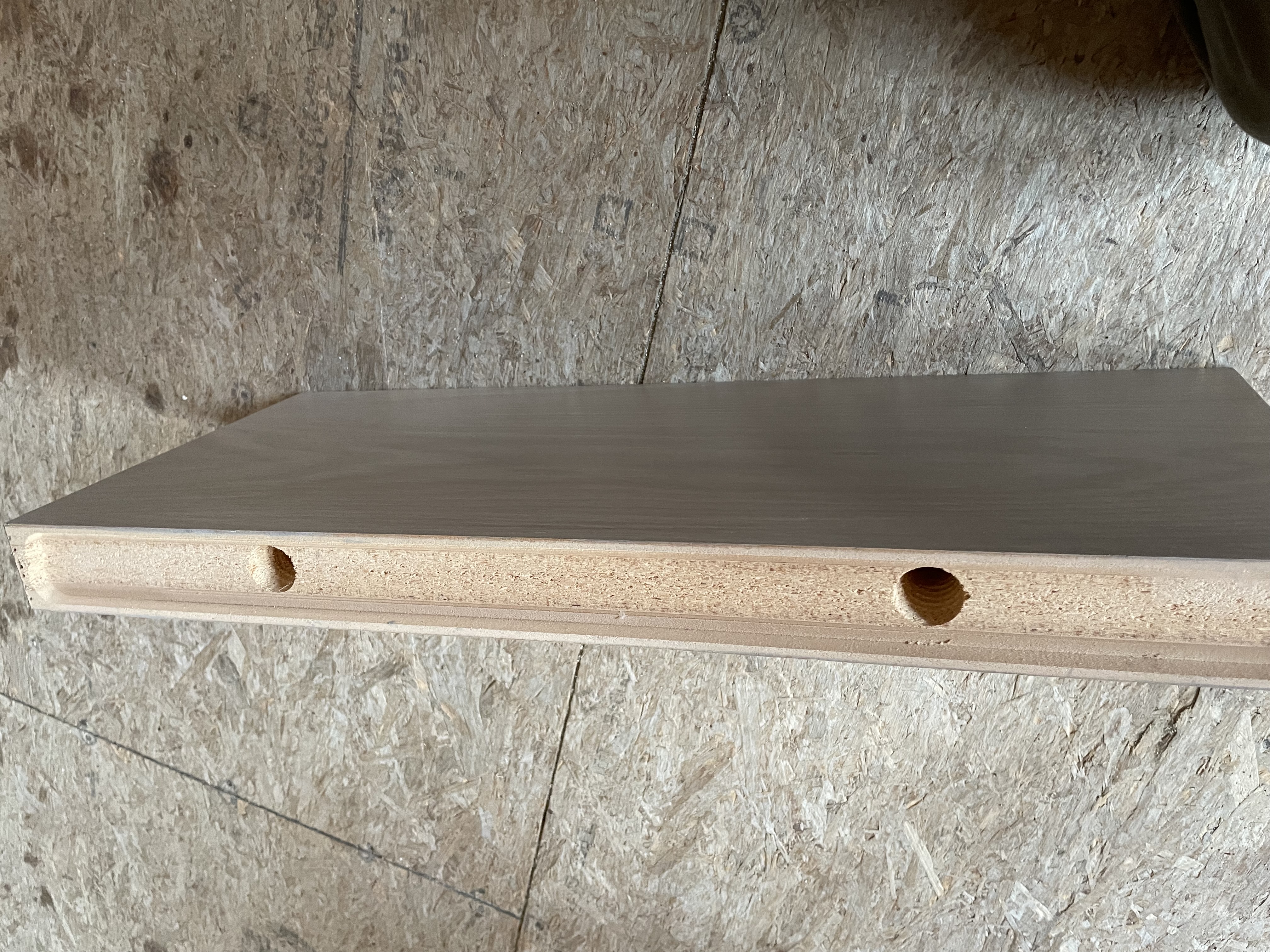
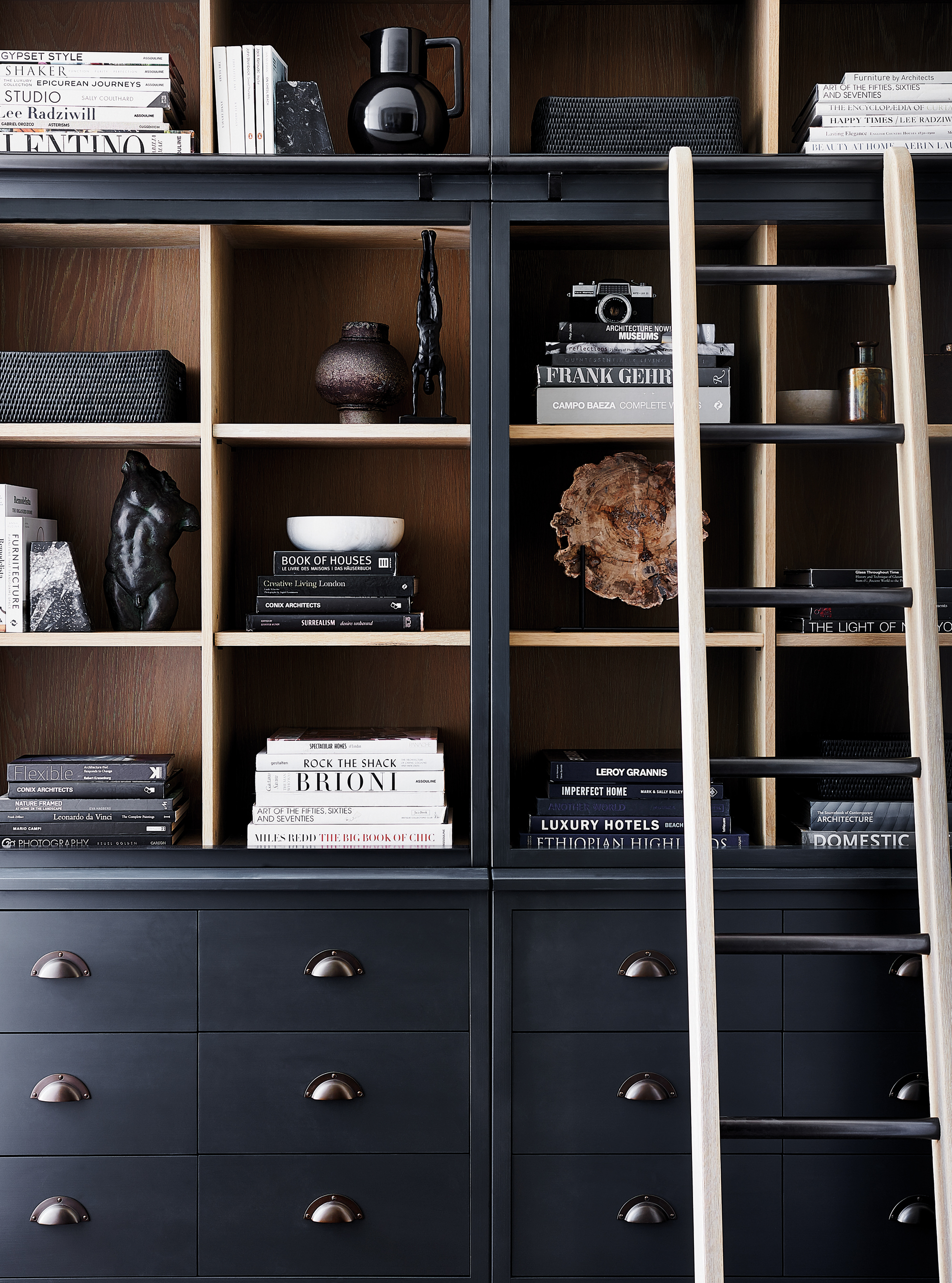
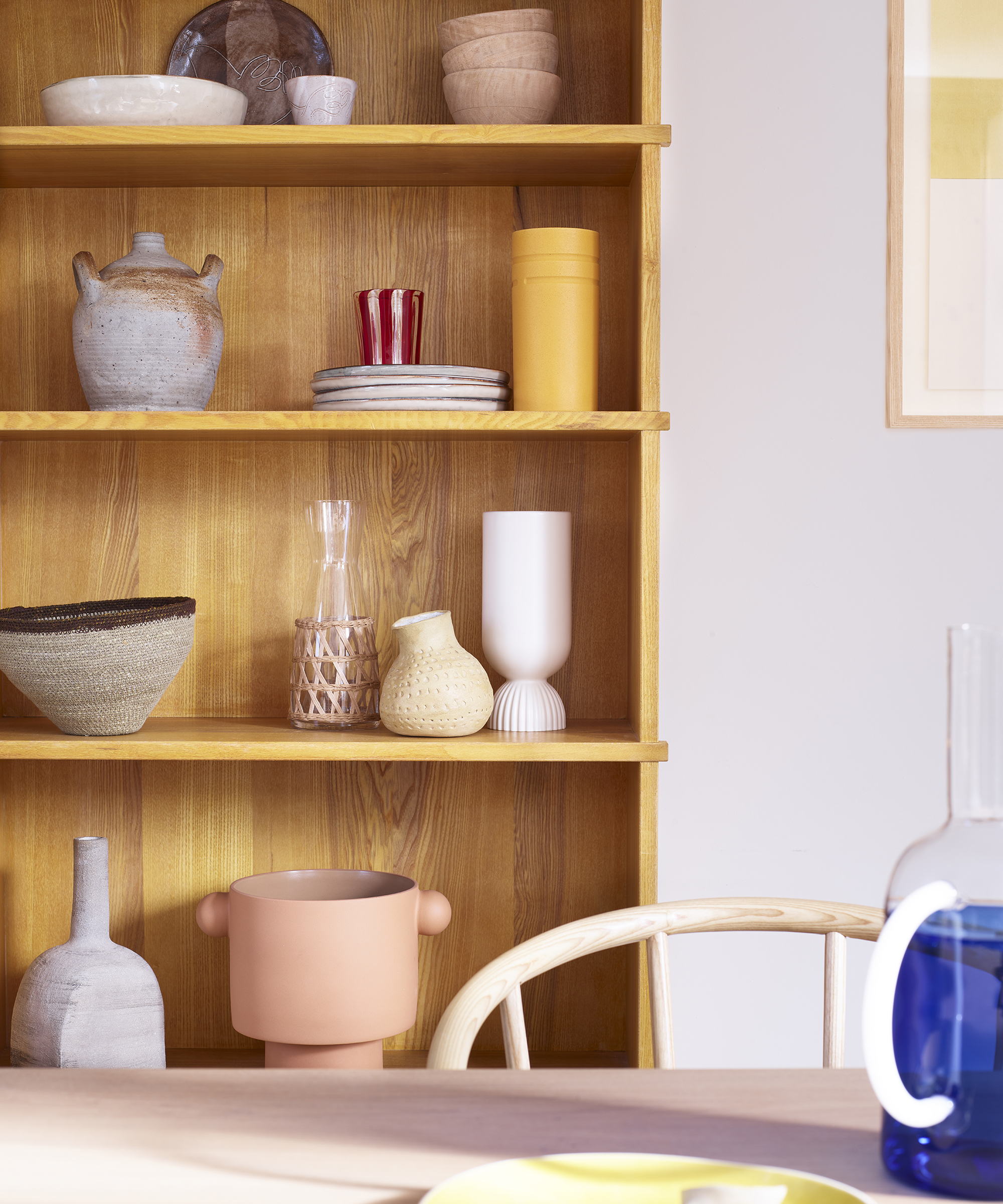
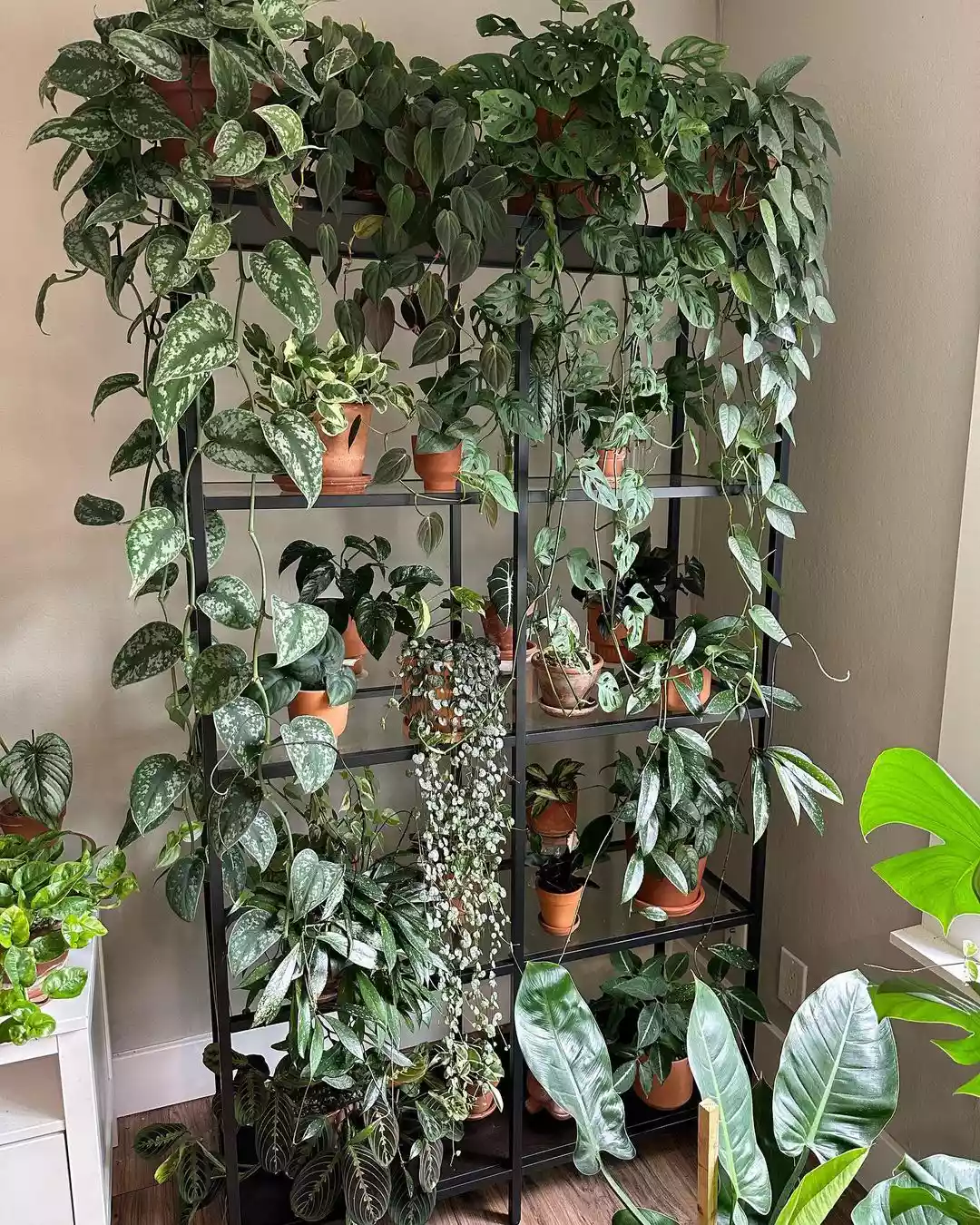
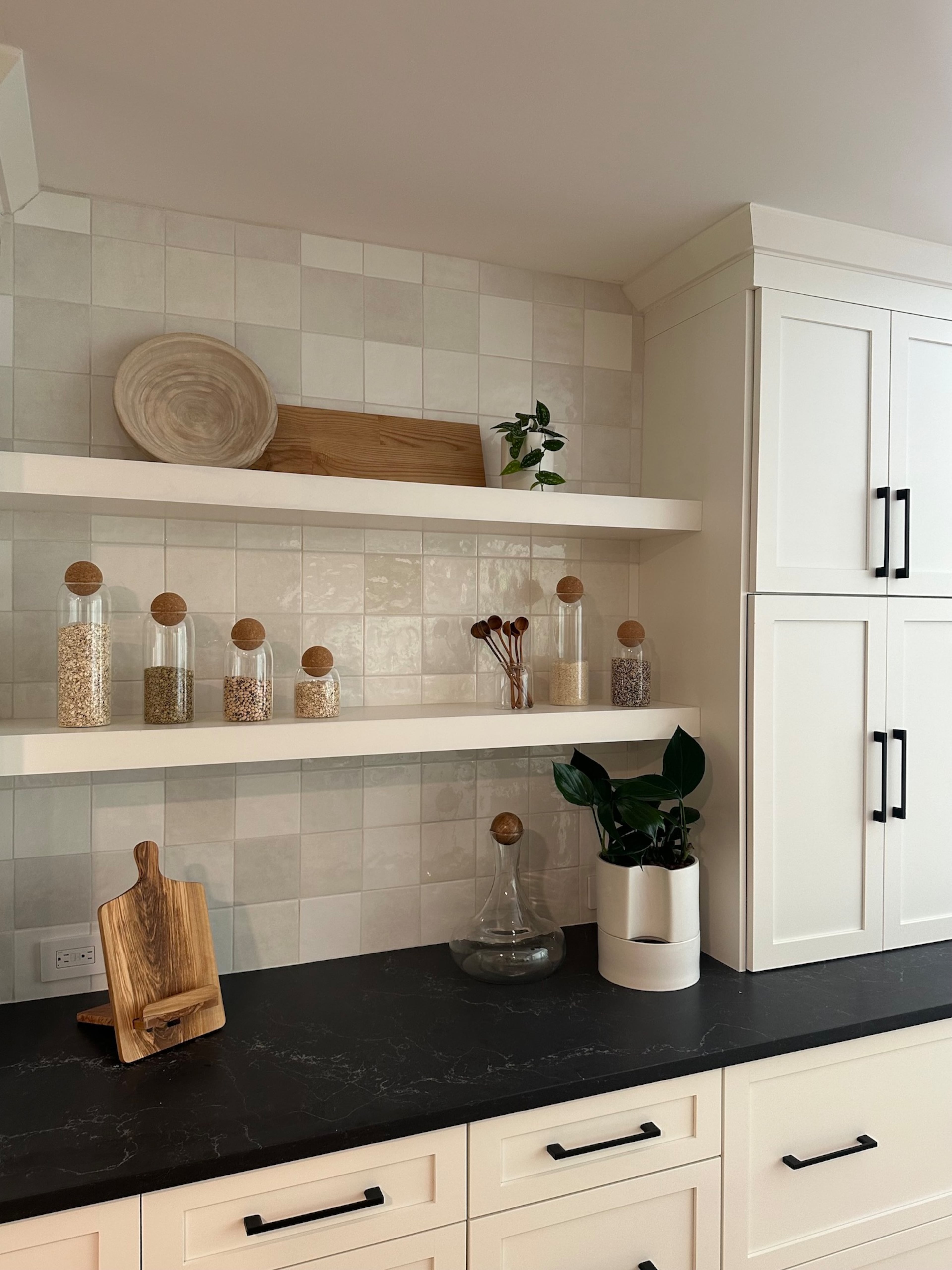
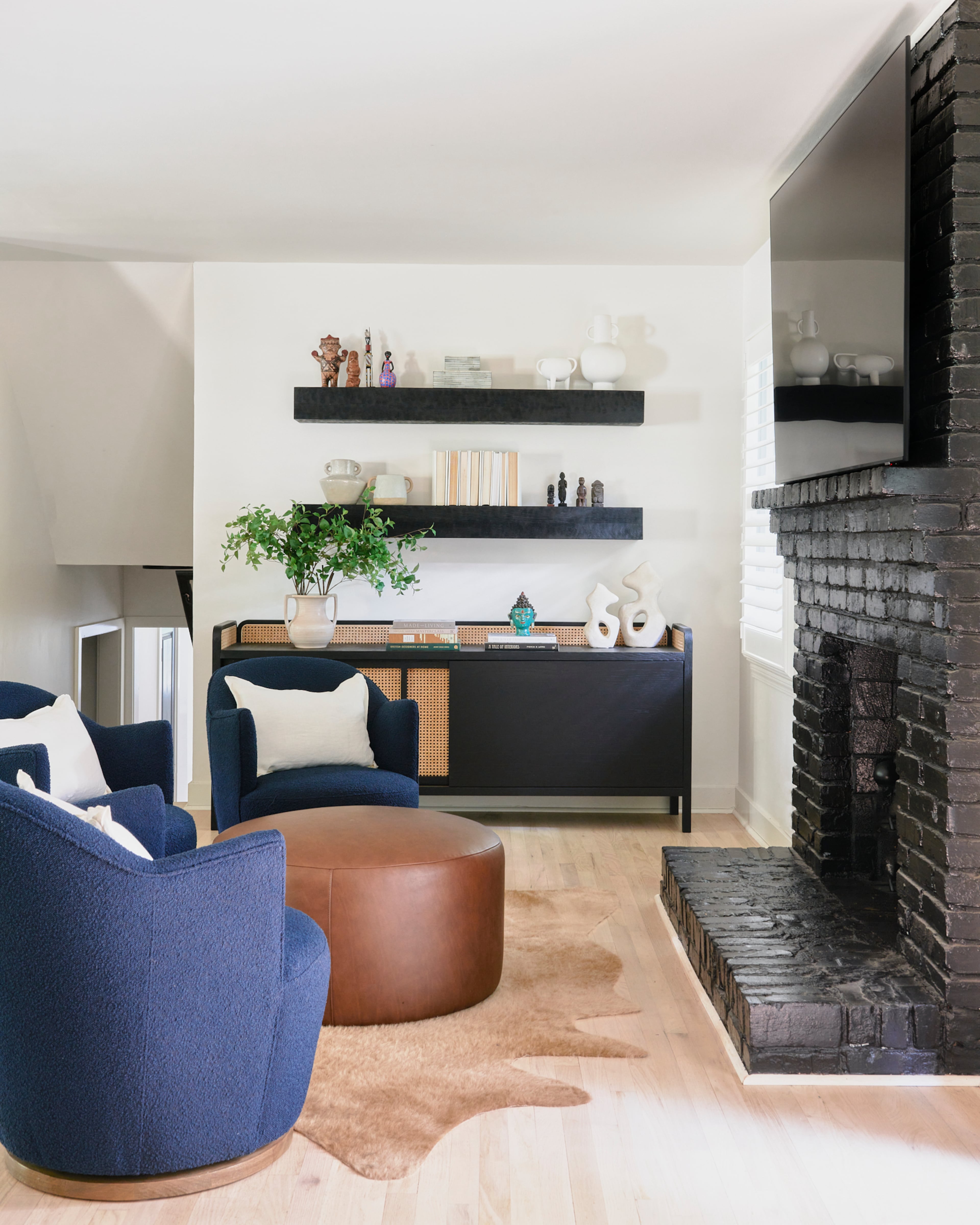
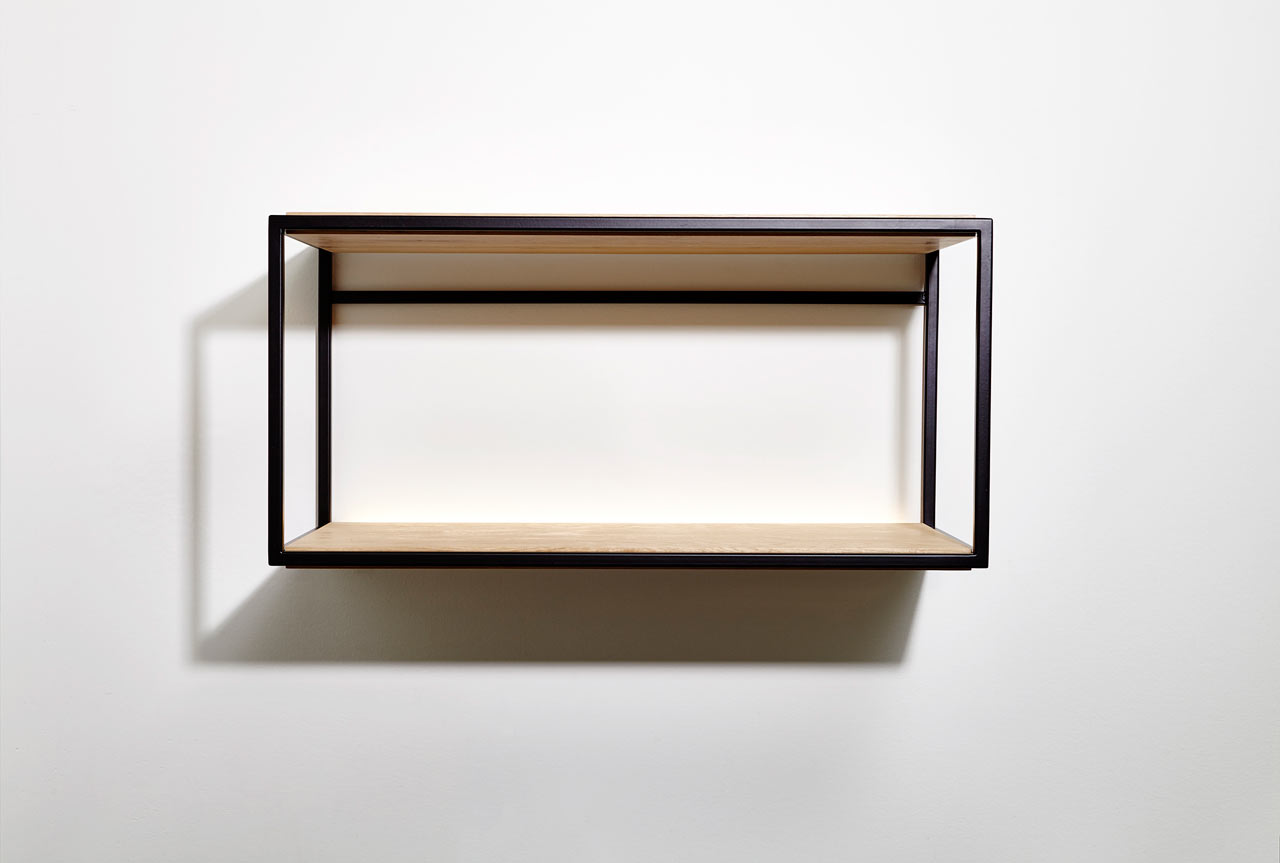
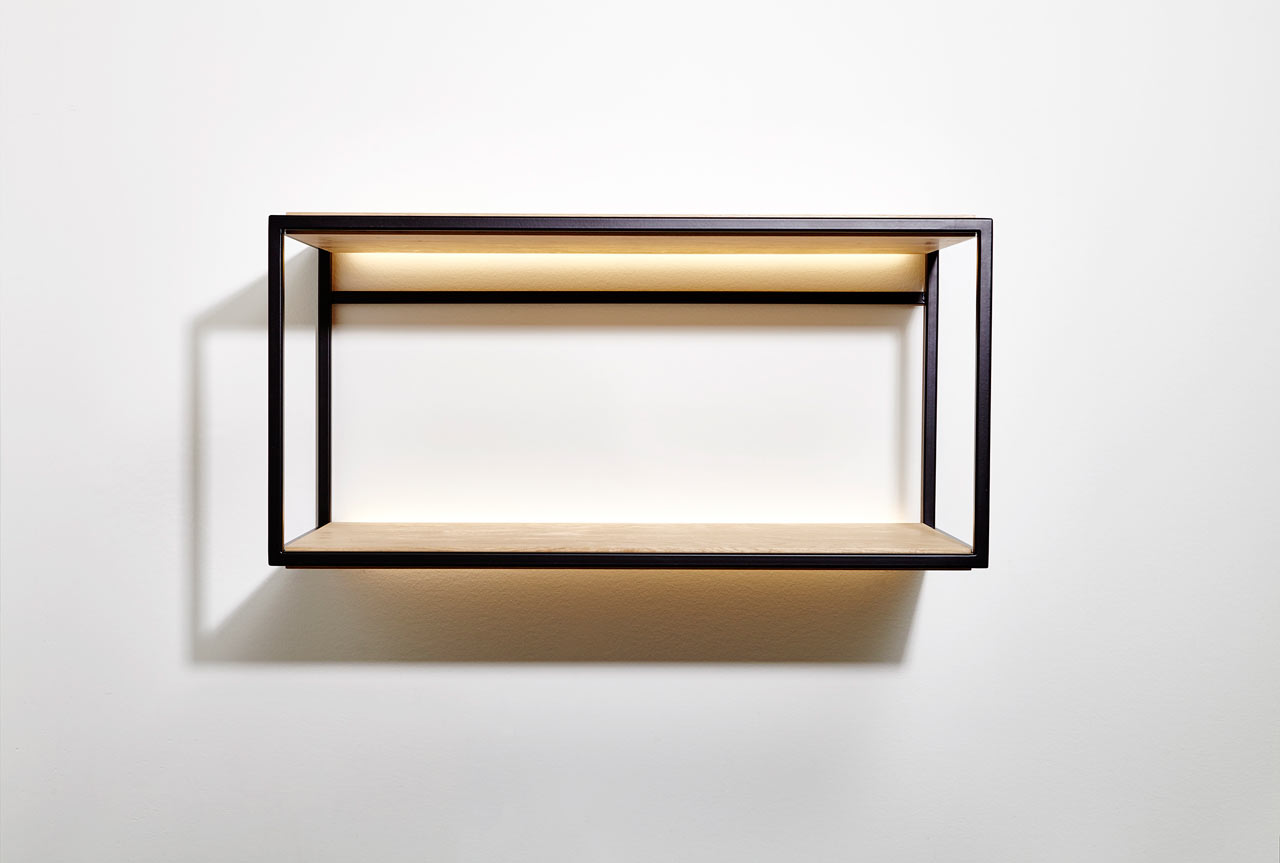
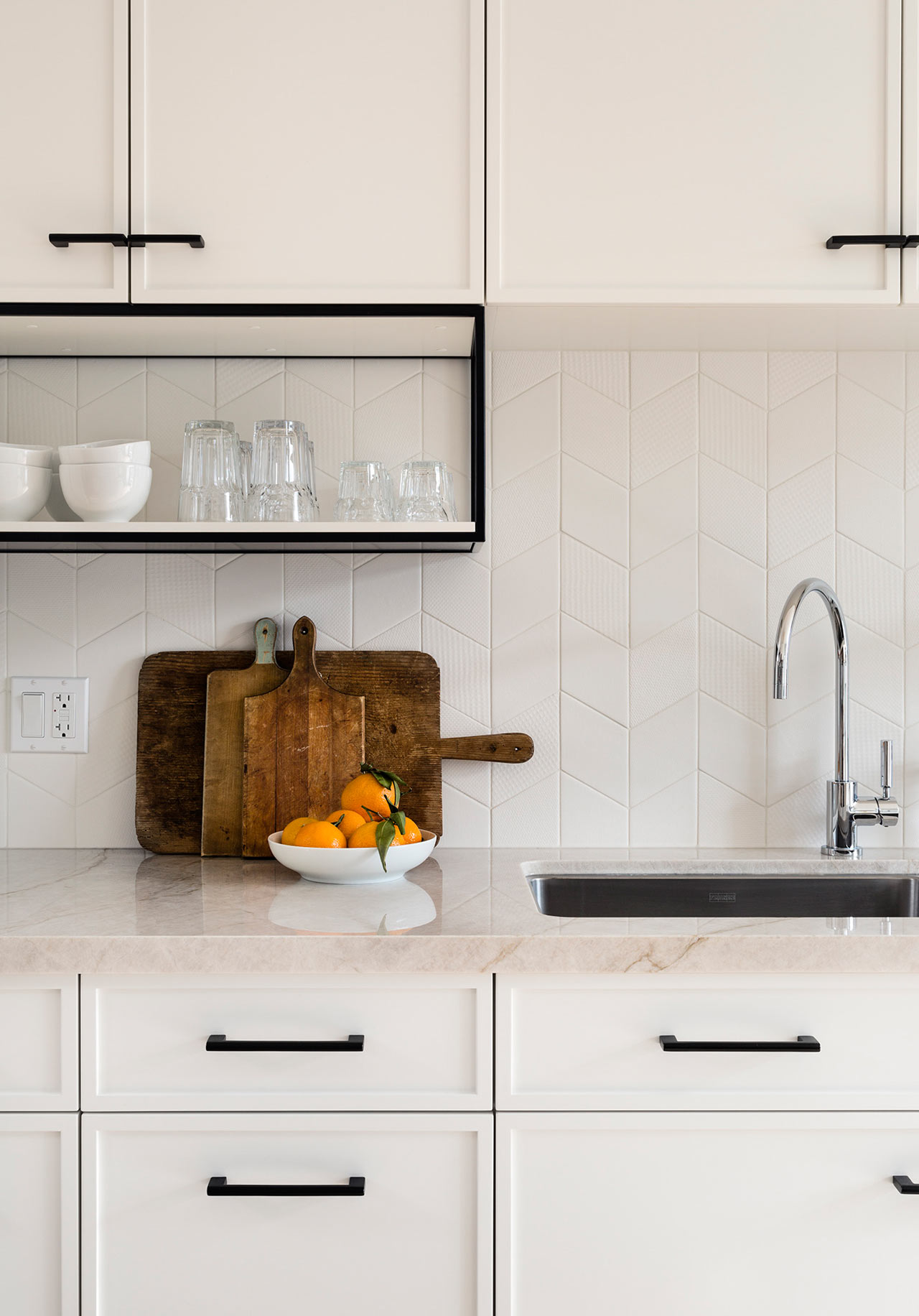
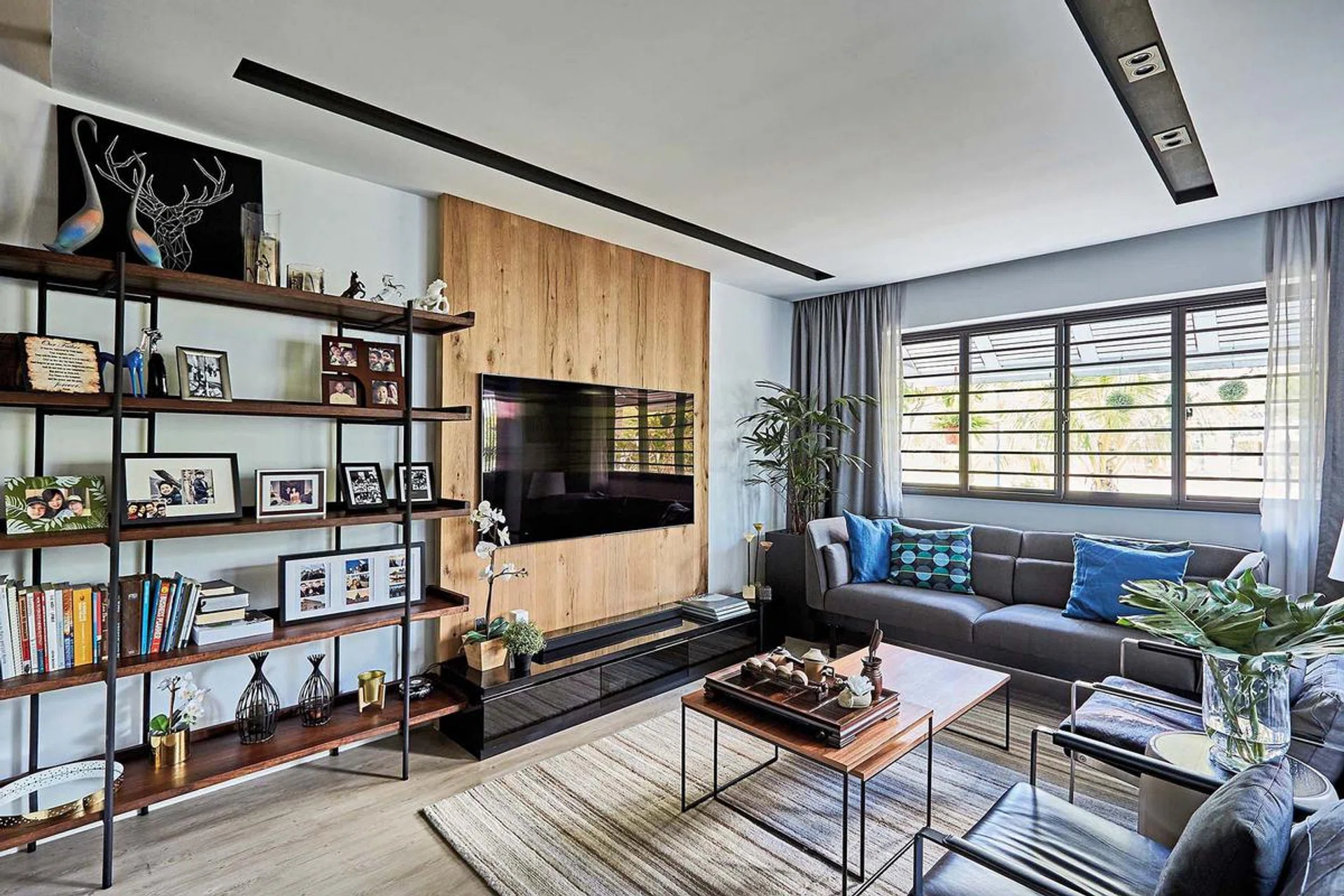
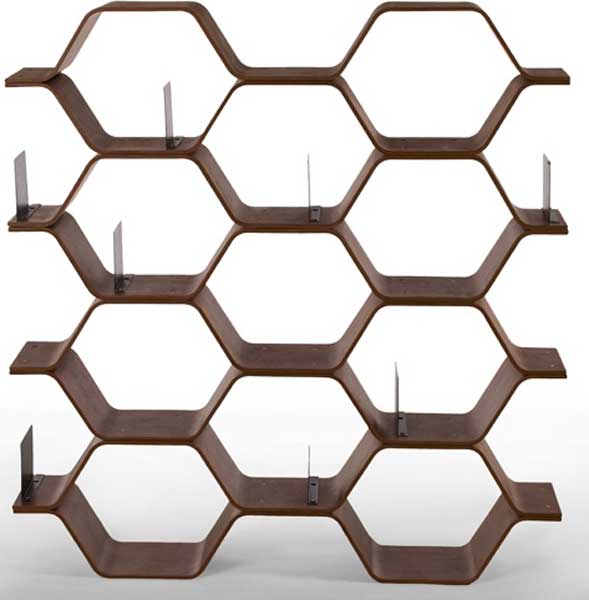
The aesthetic aspect of shelving, or its 'look,' is also important as shelves occupy significant visual space. Matching the shelf color to the walls is a safe option, or a high-contrast black against white can create a stylish graphic effect. The items intended for display on the shelves should also influence the choice of style, whether it's a minimalist arrangement or a colorful collection. The shape of the shelves can dramatically impact a room's focal point; beyond traditional horizontal shelves, options like slanted designs or statement pieces such as Kartell’s Bookworm, with its spiral shape, can draw attention. The 'function' of the shelf dictates the mounting method. For lightweight items, floating shelves, which conceal supporting rods within the shelf, offer a clean look but require advance planning with the manufacturer. For heavier loads, external brackets like L-brackets provide more support, although they are more visible. Darryl Loh, CEO and founder of Table Guy, notes that deeper shelves (40cm to 50cm deep) intended for heavy items like books generally require external support structures. Sujal Suresh from Custo suggests mounting shelves from both the top and bottom for added security, and adding legs as an option if wall mounting is not strictly necessary. He emphasizes the importance of accurate measurements to avoid mistakes.
For those considering custom shelving, a lead time of 10 to 12 weeks is typical. For quicker solutions, modular shelving systems from retailers like IKEA are flexible and easy to install with the right tools. IKEA also offers planning studio services for expert advice and is committed to sustainability, aiming for 100% recycled or renewable materials in their furniture by 2030. Utilizing vertical space with items like the Skadis Pegboard is also a practical option for smaller rooms. These considerations ensure that shelves are not only aesthetically pleasing but also functional and durable.
#ShelfInstallation #DIYProjects #HomeStorage #InteriorDesign #WallMounting #HomeDecor #FurnitureSelection #MaterialChoice #CustomShelving #ShelfInstallation #DIYProjects #HomeStorage #InteriorDesign #WallMounting #HomeDecor #FurnitureSelection #MaterialChoice #CustomShelving
0 comment in total
 No comments yet
You may also like
Install Renter-Friendly Shelves Like a Pro—Here's What You Need

Shelves & Shelf Brackets

Shelving ideas – how to add personality, style and storage to any room

Plant Shelves Are Trending—15 Ways to Style Them Like a Pro

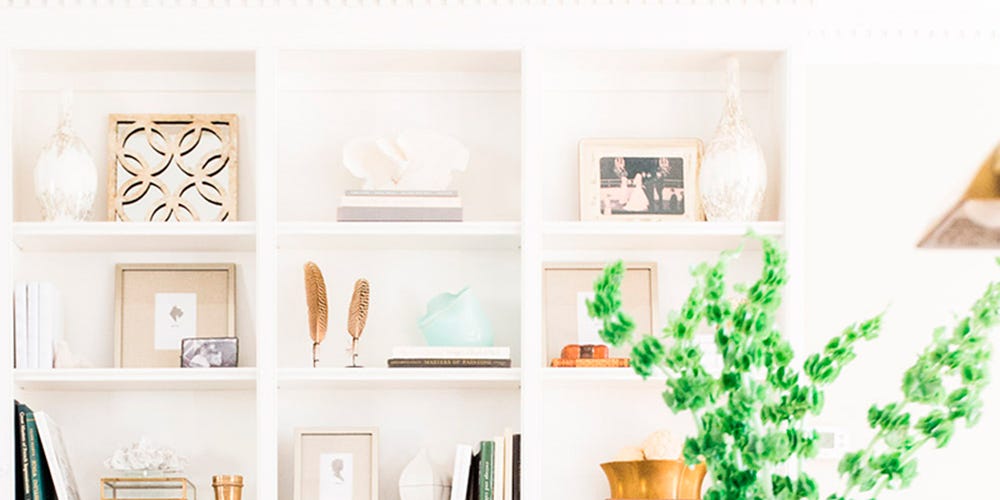
How to style your shelves

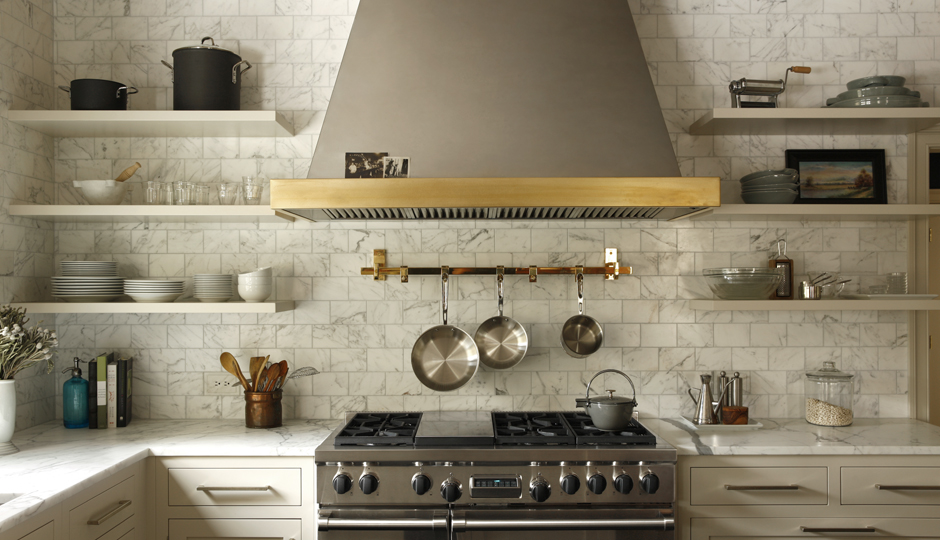
7 Pro Tips for Creating Magazine-Worthy Open Shelves
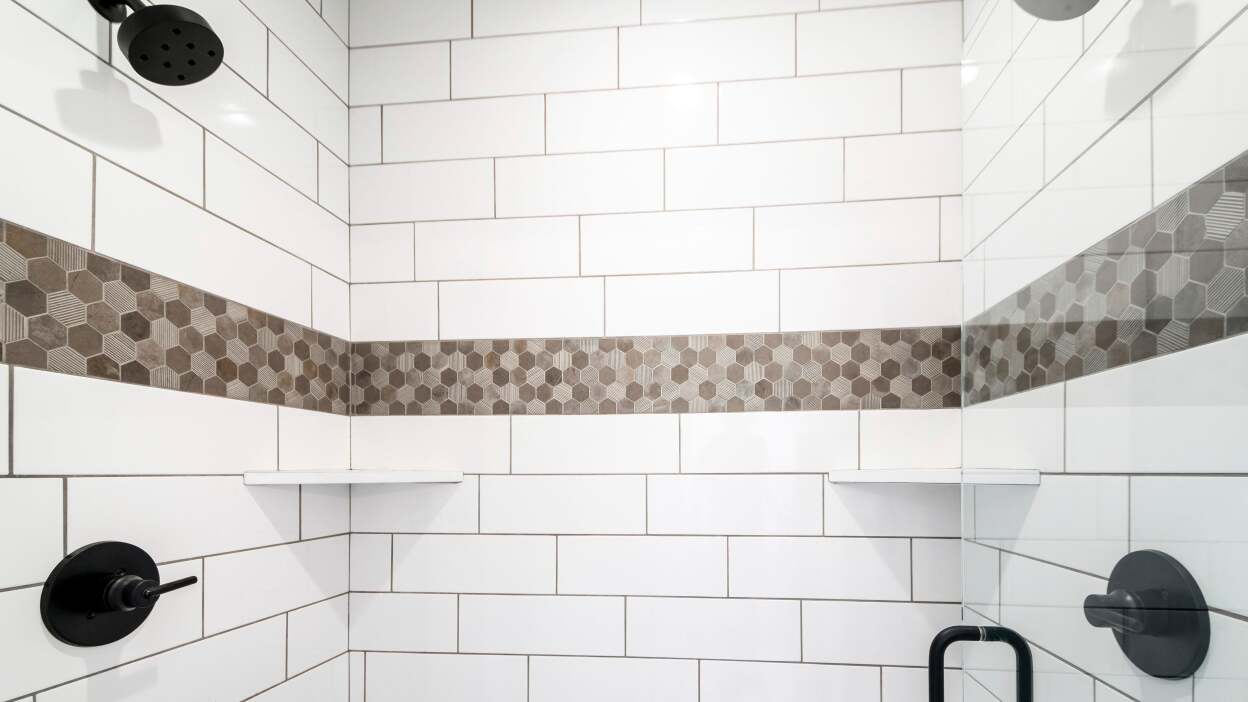
The Easiest Ways to Install a Corner Shelf in Your Shower

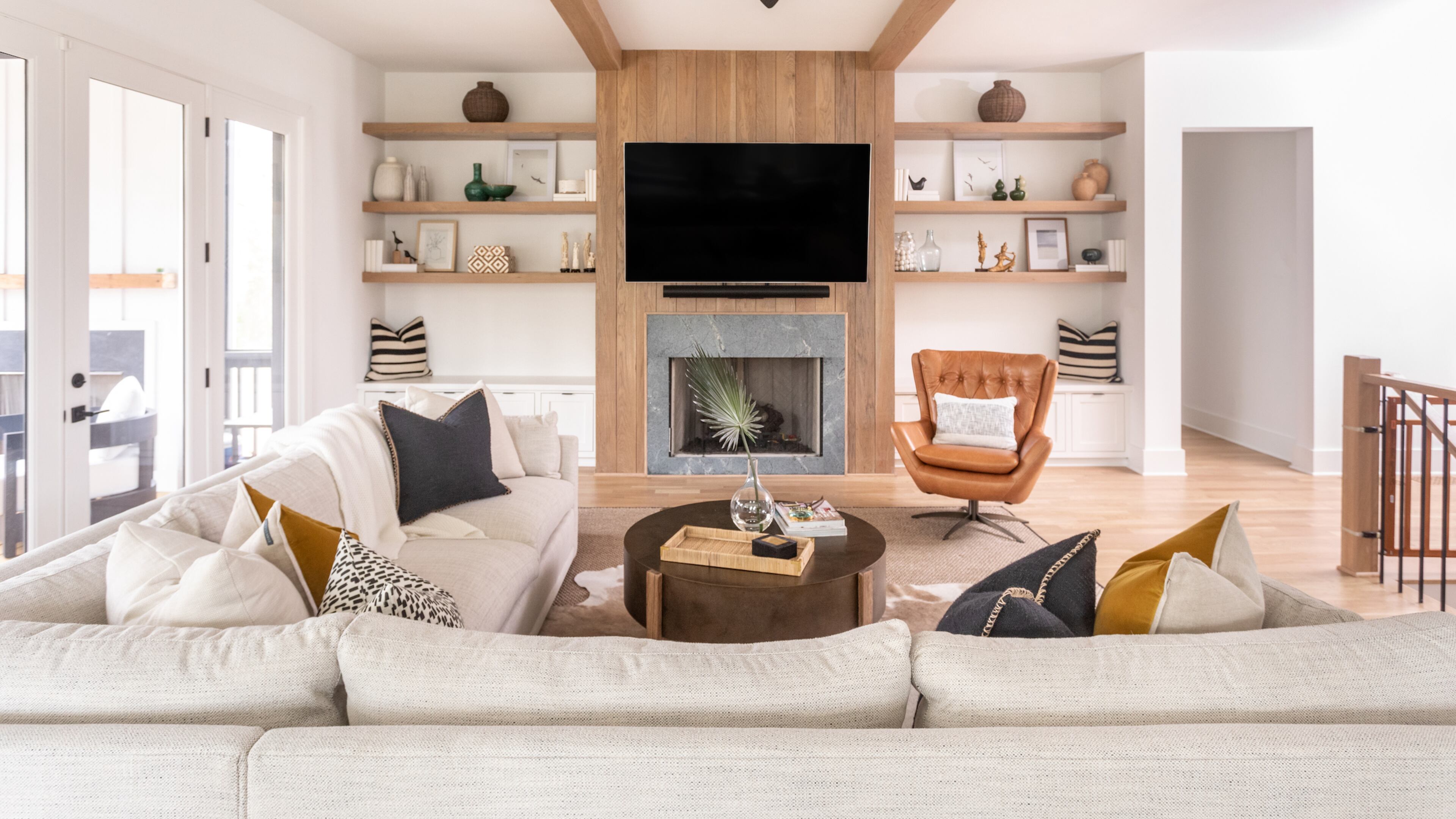
Experts suggest ways to make your shelfie shine
Styling Shelves: Your Expert (Five-Point) Guide
The Art Of Shelf Styling
10 Reasons Why Your Home Needs Hanging Shelves

22 Floor-to-Ceiling Shelves for Peak Style and Organization
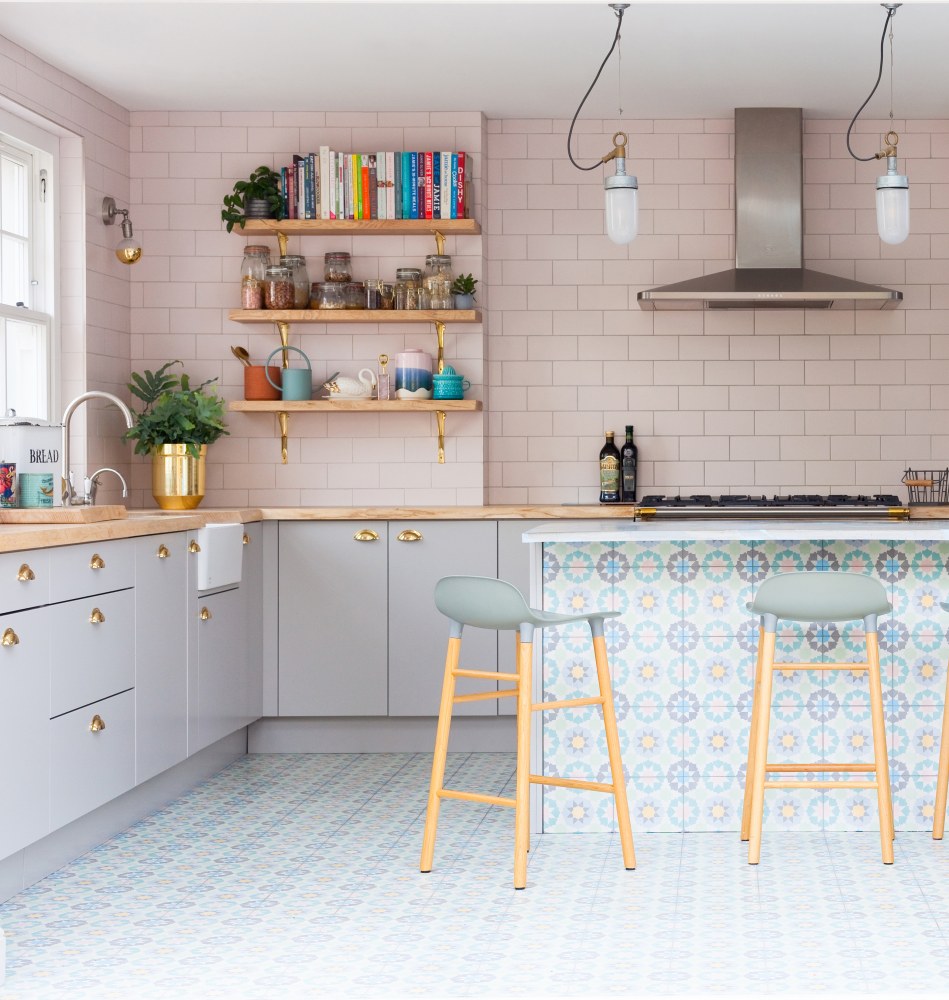
Your Shelf Brackets Don’t Have to Be Resigned to a Supporting Role
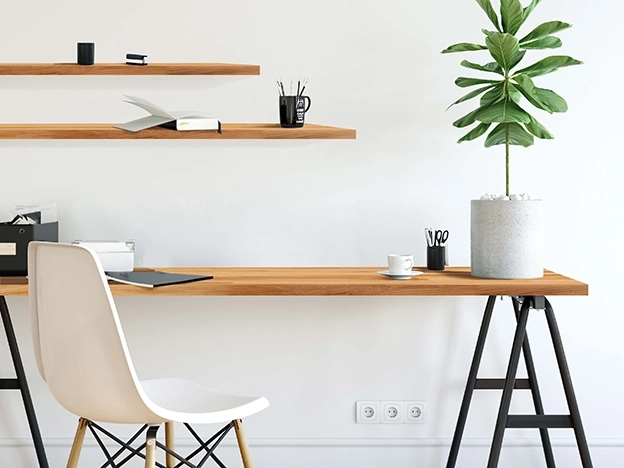
Shelving & Storage
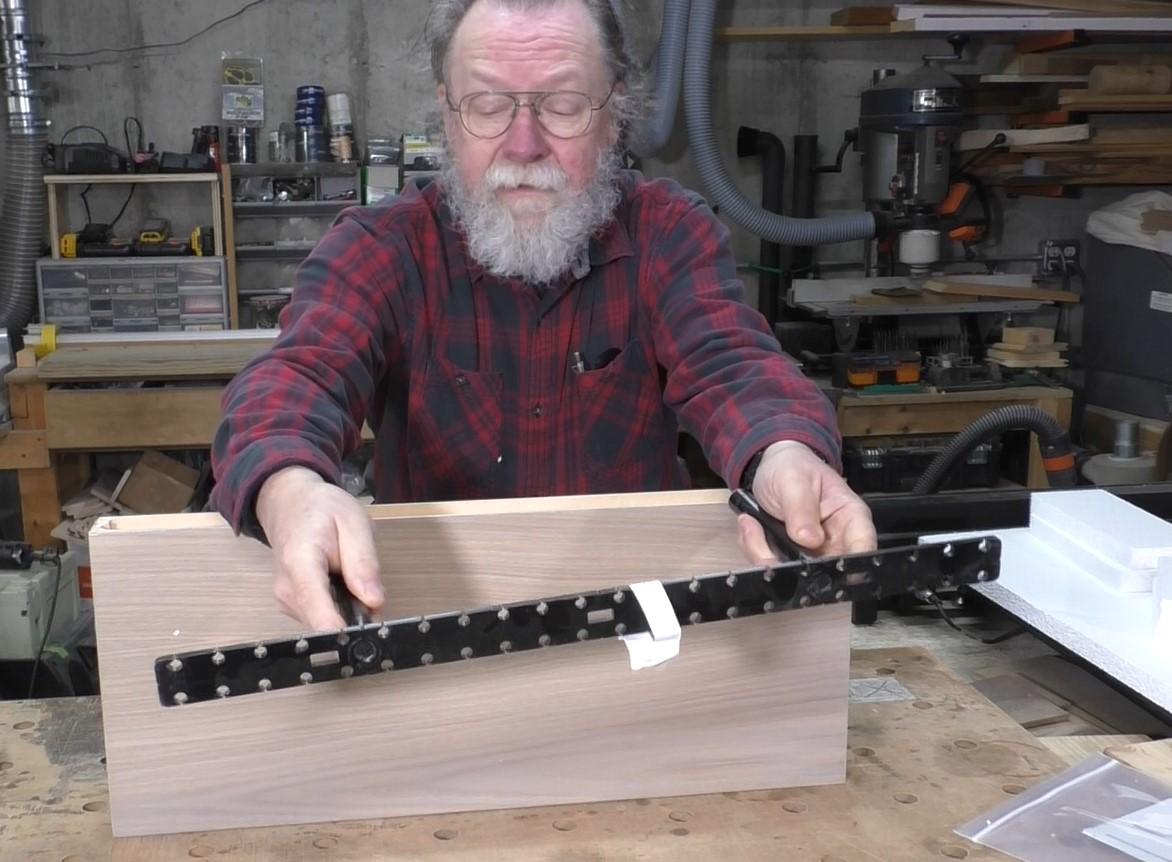
Installation-friendly floating shelves

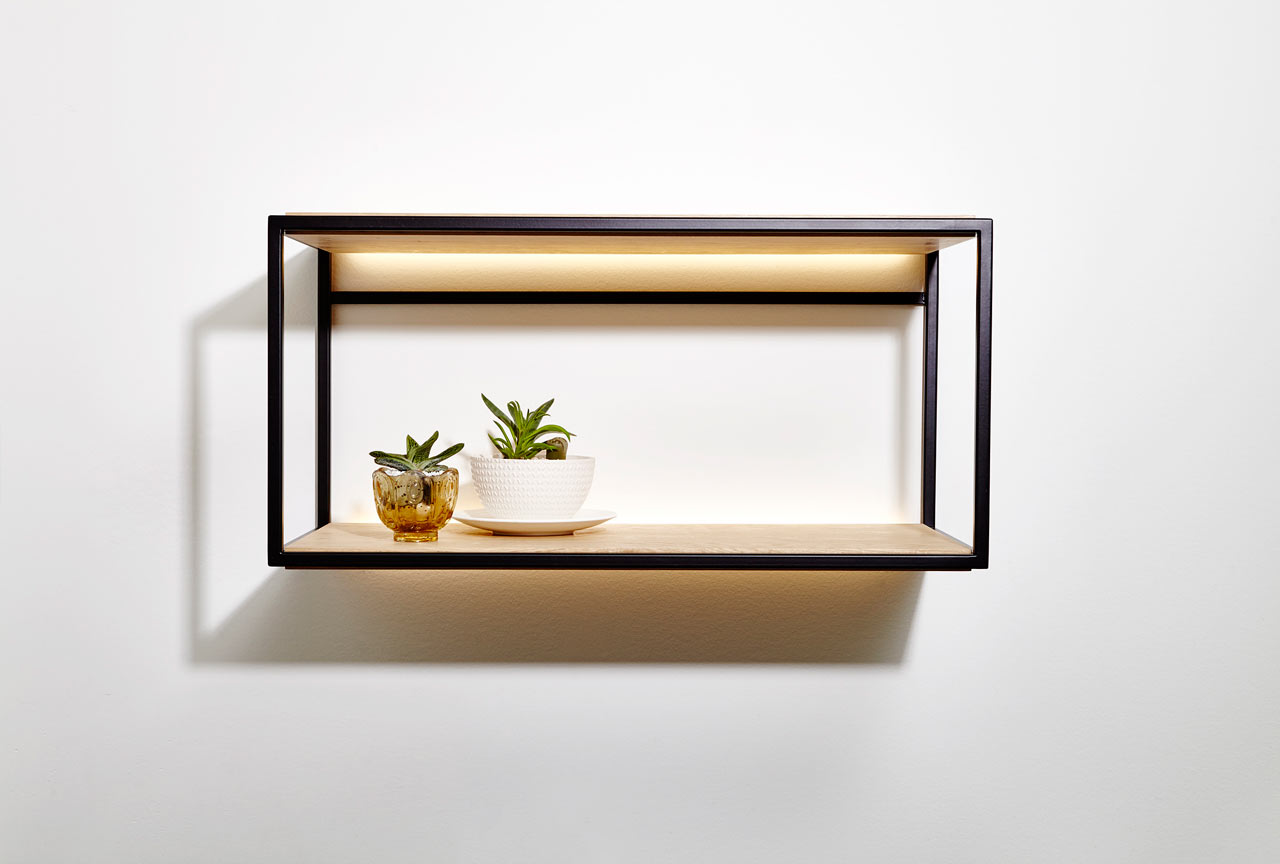
Beauparlant Launches Open, Wall-Mounted Shelves
9 common DIY shelving installation mistakes – and how to avoid them for a slick, professional finish


Shelf Brackets | Floating Shelf Brackets

Decorating shelves – 13 ideas for beautiful arrangements
The Insider: How to make your shelving sexy