1/6
Installation-friendly floating shelves
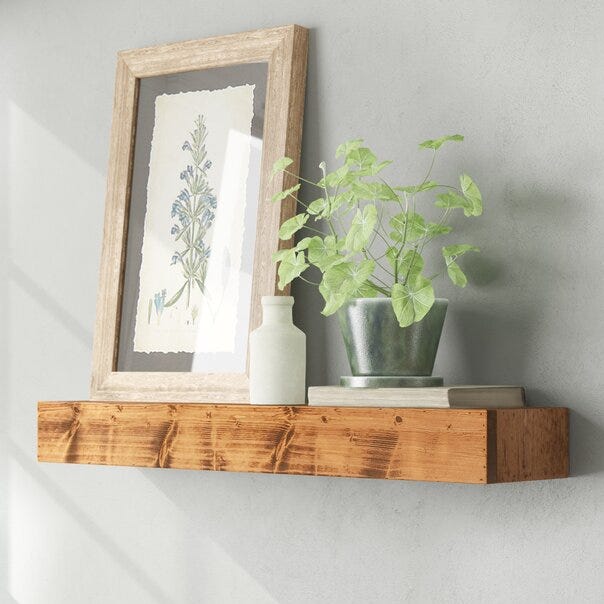
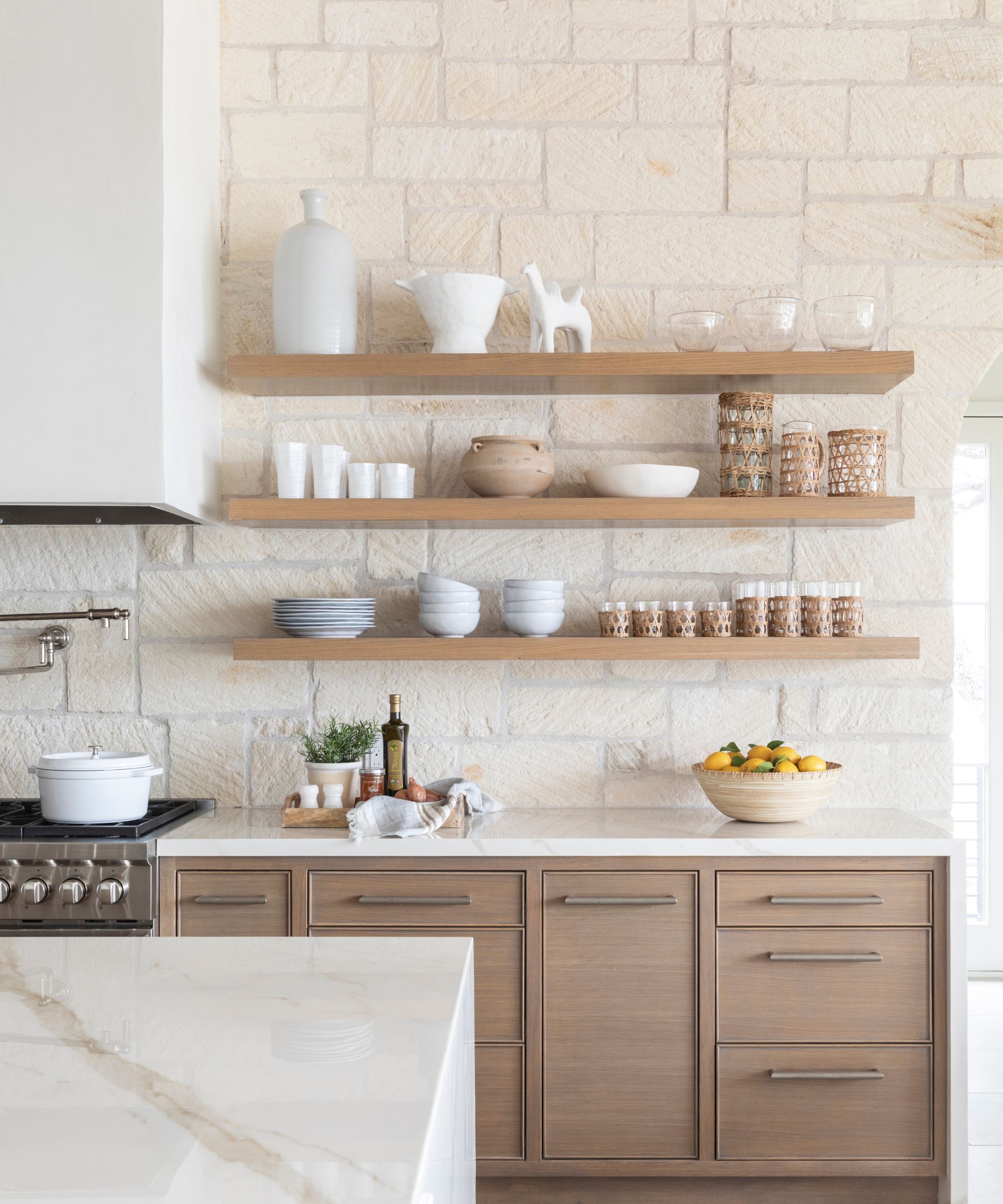
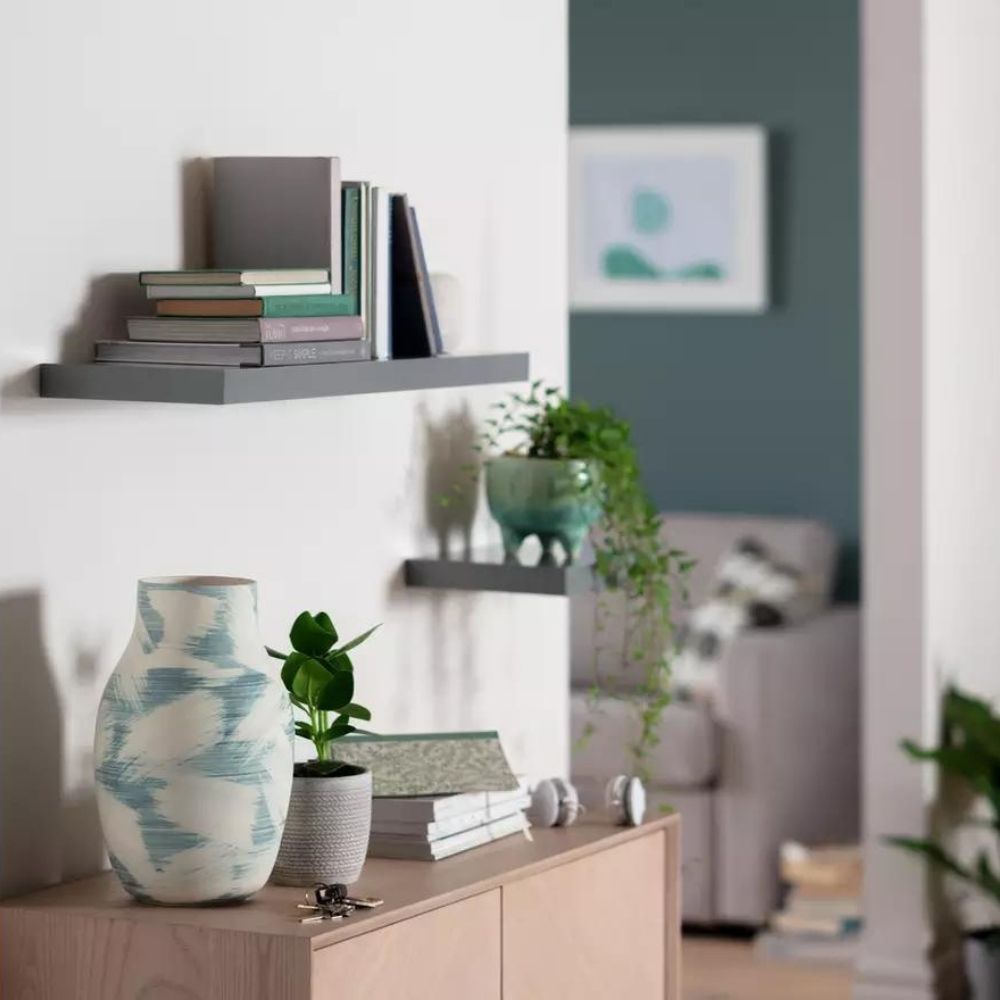
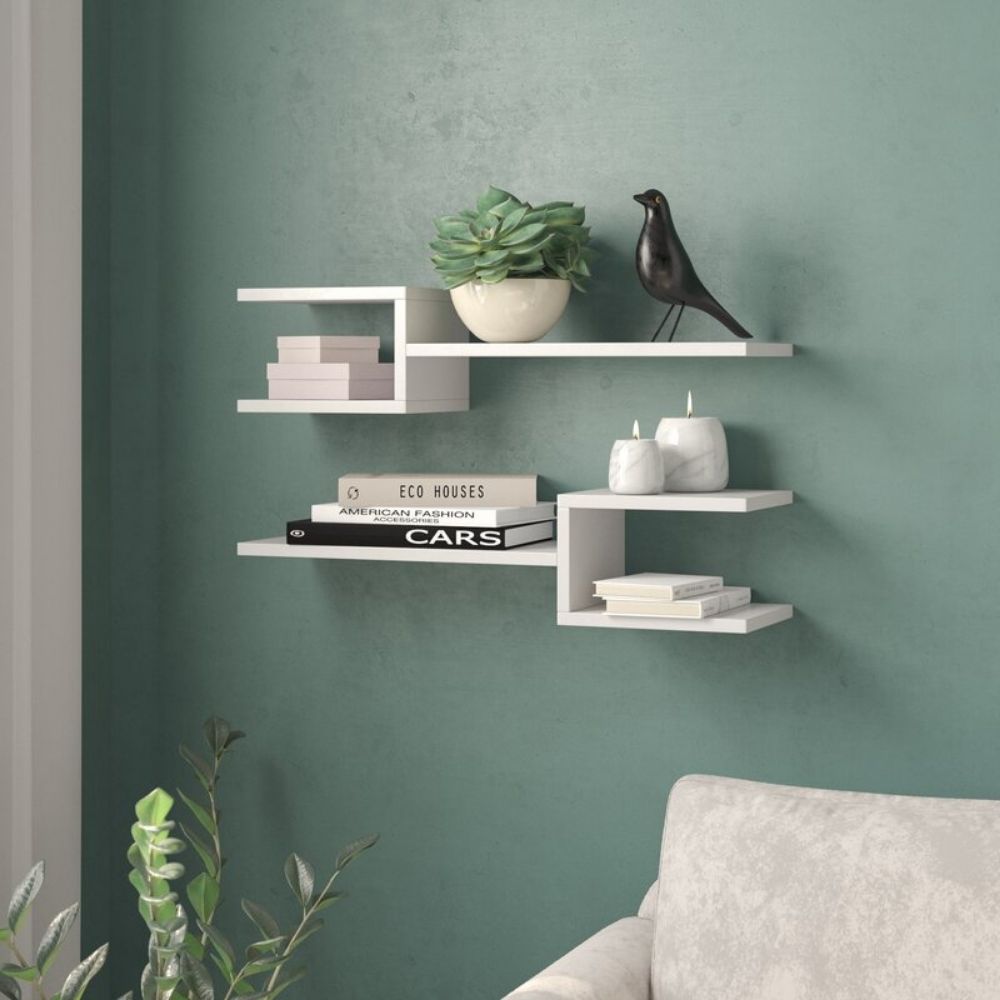
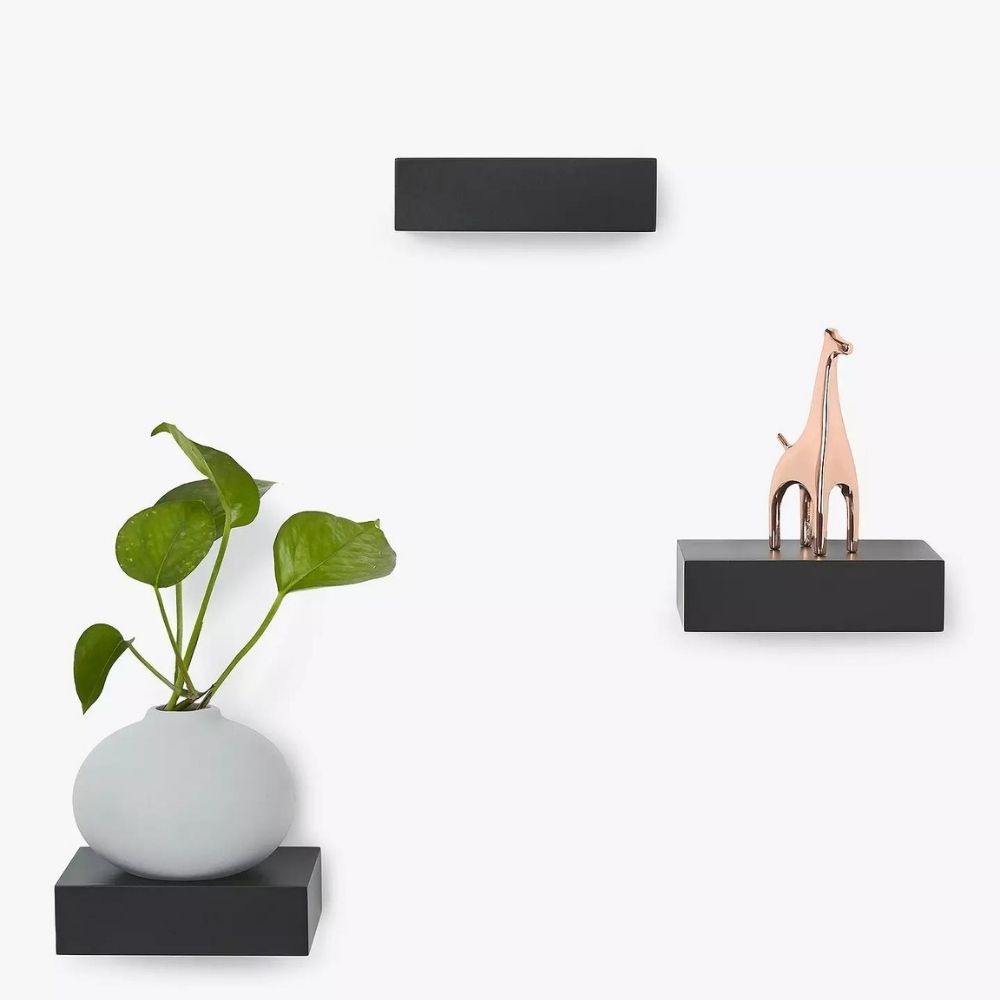
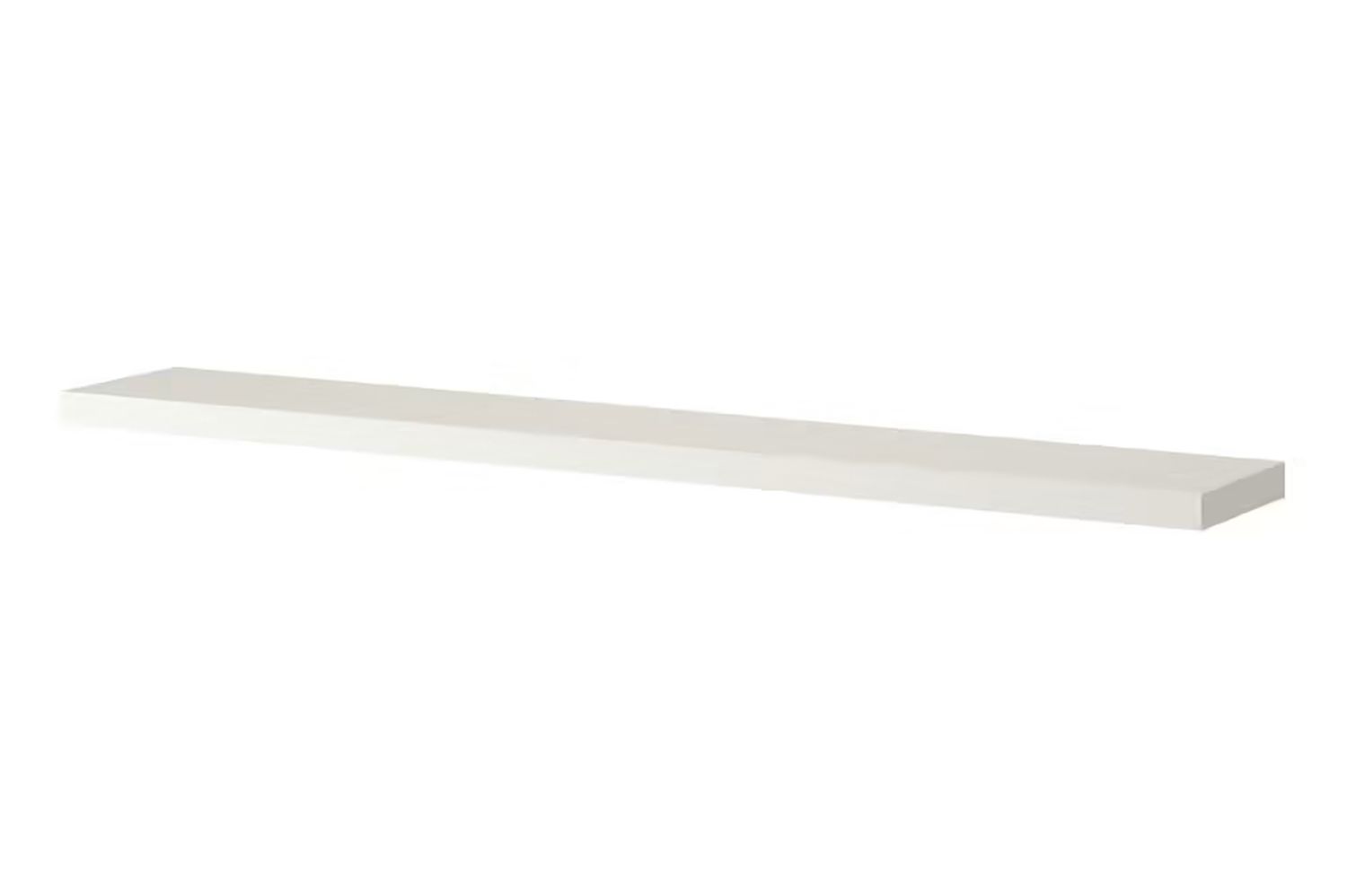
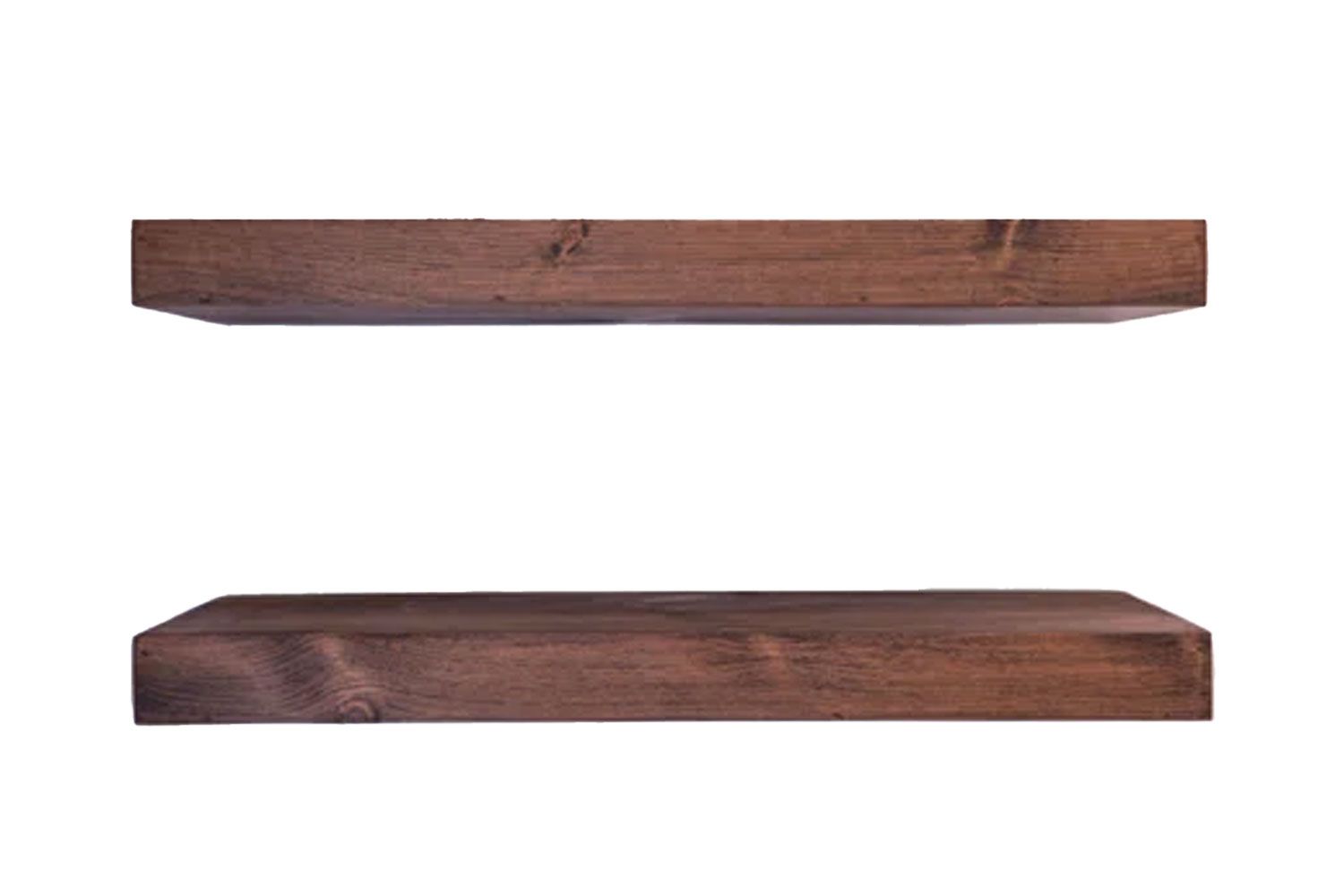
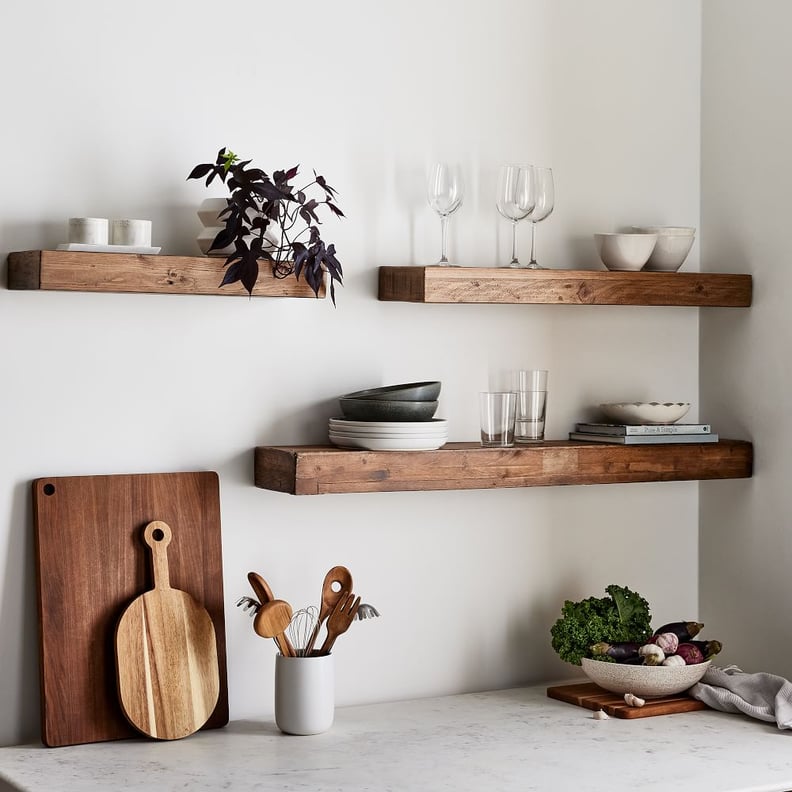
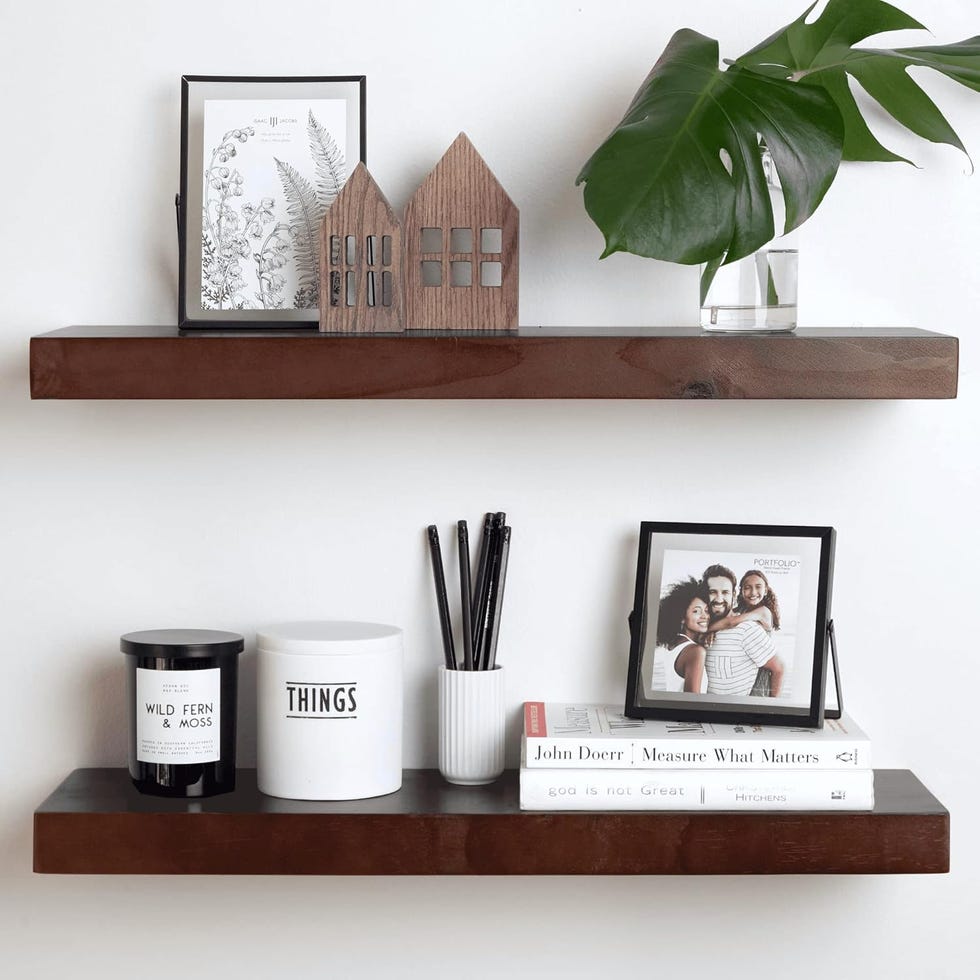
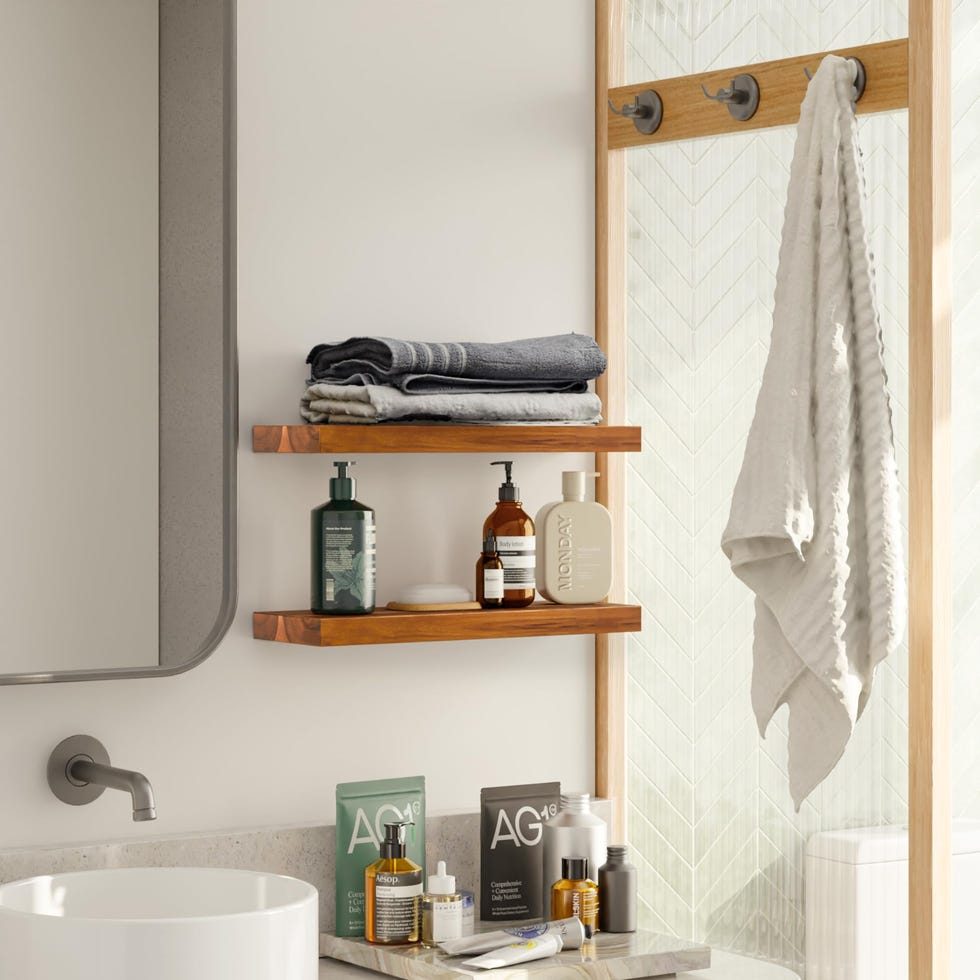
Floating shelves are a popular design choice among designers and homeowners due to their minimalist aesthetic, appearing to float without visible support. This creates a contemporary visual element suitable for various spaces, including kitchens, living rooms, and offices. However, their installation has traditionally been a point of concern for woodworking shops and installers, often involving specialized hardware and complex fitting processes.
Ultrashelf has developed a comprehensive system designed to simplify the installation of floating shelves. The system aims to make the entire process straightforward, fast, and accessible for professionals. This article details an experience with the Ultrashelf system, highlighting its components and installation procedure.
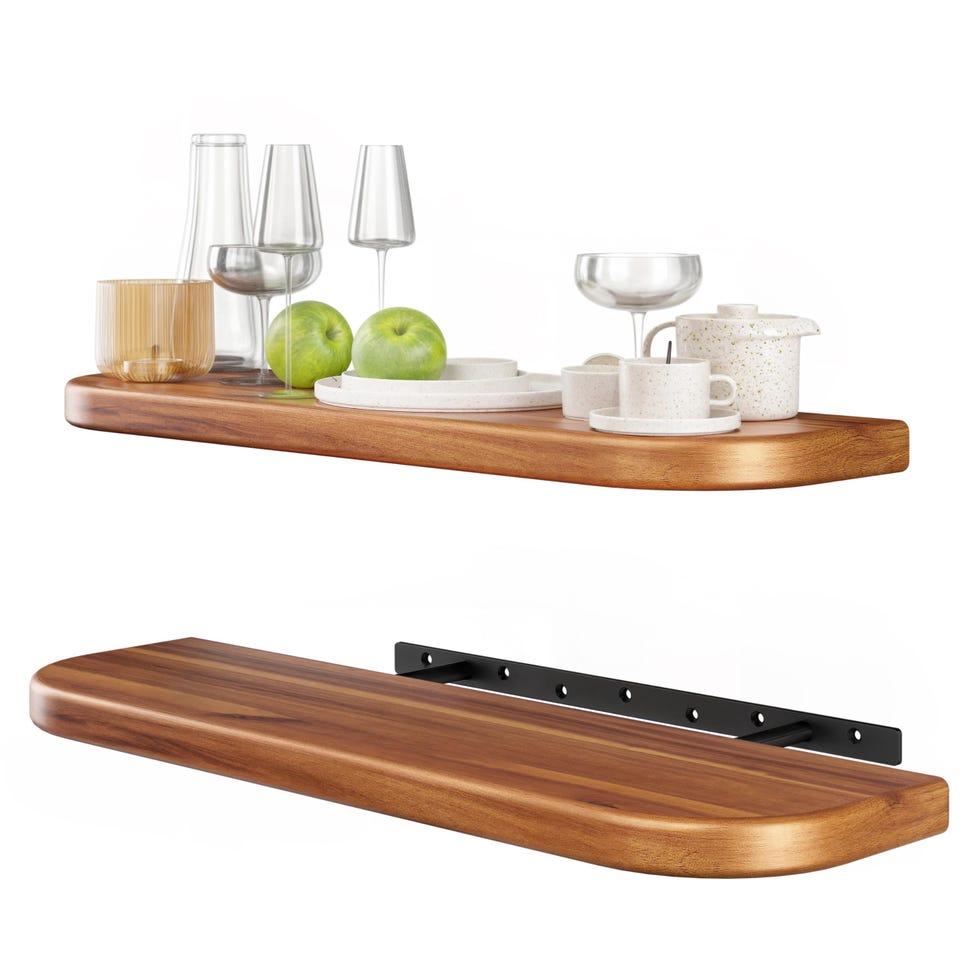
Typically, floating shelves are constructed with a box-like design to achieve a thicker profile, which is necessary to conceal the robust hardware required for secure wall mounting. Most mounting solutions involve a heavy-duty steel bracket affixed to wall studs, with posts on the bracket inserting into corresponding pockets within the shelf itself. This mechanism ensures the shelf can support significant weight and remains securely attached.
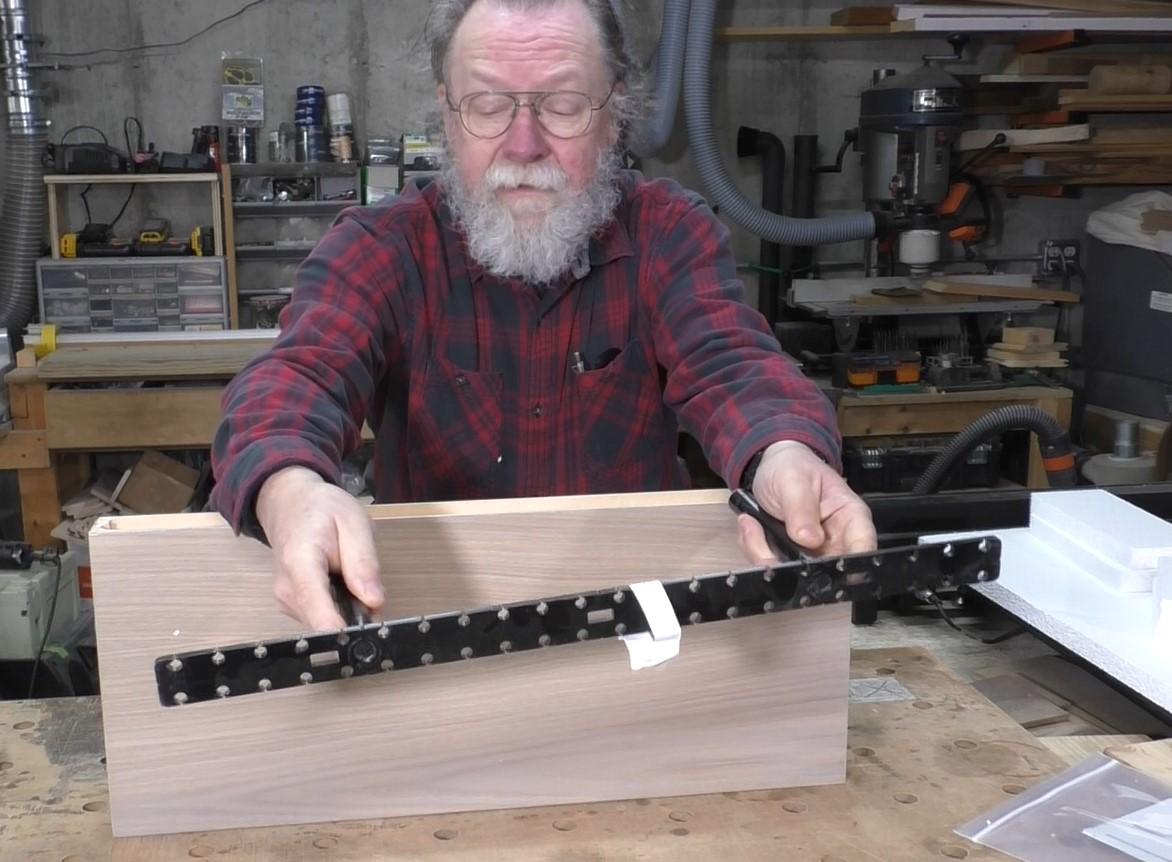
Ultrashelf's kit includes all necessary components: the shelf, the mounting bracket, and screws, along with detailed instructions. The company offers custom shelves, precisely cut to 1/8-inch increments, and rated to support 50 pounds per stud. Standard sizes are also available, ranging from 8 to 42 inches in length. Shelves are offered in various thicknesses and wood species, catering to diverse design preferences. The trial involved a 24-inch kit made of 2-inch white oak, which arrived meticulously packaged with Styrofoam protection.
The Ultrashelf system emphasizes versatility in installation. The mounting bracket features holes spaced every inch, ensuring compatibility with stud placements on most walls. While a narrow wall presented a challenge during the trial, Ultrashelf suggests using toggle-bolts in such situations, although a full-stud installation was ultimately chosen for better alignment in a different location. The installation process itself is minimally demanding, requiring only basic tools: a pencil, tape measure, level, drill driver, and stud finder.
The installation began by marking the shelf's top edge, then measuring down 3/8 inch to indicate the bracket's position. A stud finder was used to locate studs, and an initial screw was driven to temporarily hold the bracket. A level was then used to ensure proper alignment before driving the remaining three screws to secure the bracket. Finally, the shelf was slid onto the bracket posts, achieving a snug, press-fit against the wall.
Comparing Ultrashelf to DIY bracket fabrication, the system offers significant advantages. Many shops either weld their own brackets or outsource the work. Ultrashelf eliminates the need for both bracket and shelf fabrication, ensuring that all components are designed to work seamlessly together. The quality of both the shelves and brackets in the system was noted positively. Ultrashelf also provides a trade program for designers and builders and allows for the separate purchase of bracket hardware for custom-made shelves in specific wood species. The ease and versatility of the Ultrashelf system make it a viable option for any woodworking shop looking to incorporate reliable floating shelves into their offerings, enhancing project value and design appeal.
#FloatingShelves #HomeDesign #Installation #Woodworking #InteriorDesign #CustomShelves #DIYAlternatives #UltrashelfSystem #FloatingShelves #HomeDesign #Installation #Woodworking #InteriorDesign #CustomShelves #DIYAlternatives #UltrashelfSystem
0 comment in total
 No comments yet
You may also like

The 9 Best Floating Shelves for Every Room in Your Home
We Found the Best Floating Shelves for Every Room, From Kitchens to Bedrooms

9 Floating Shelves For Every Home Aesthetic
How to fix a sagging floating shelf


Shelf Brackets | Floating Shelf Brackets

Mini Floating Shelf
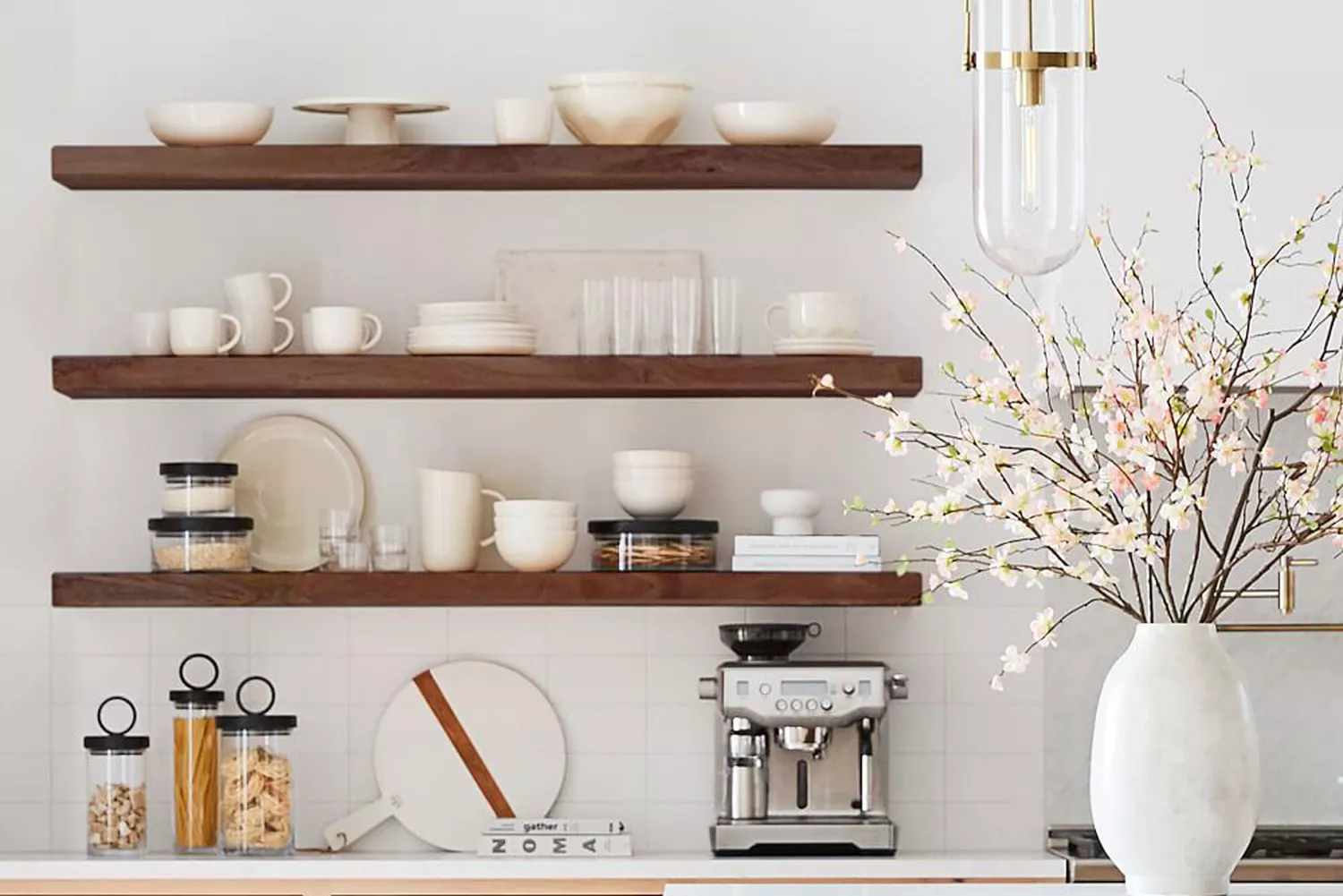
Clean Up Countertop Clutter With These Designer-Approved Floating Shelves


Costco's New $43 Floating Shelves Look JUST Like This High-End $390 Style
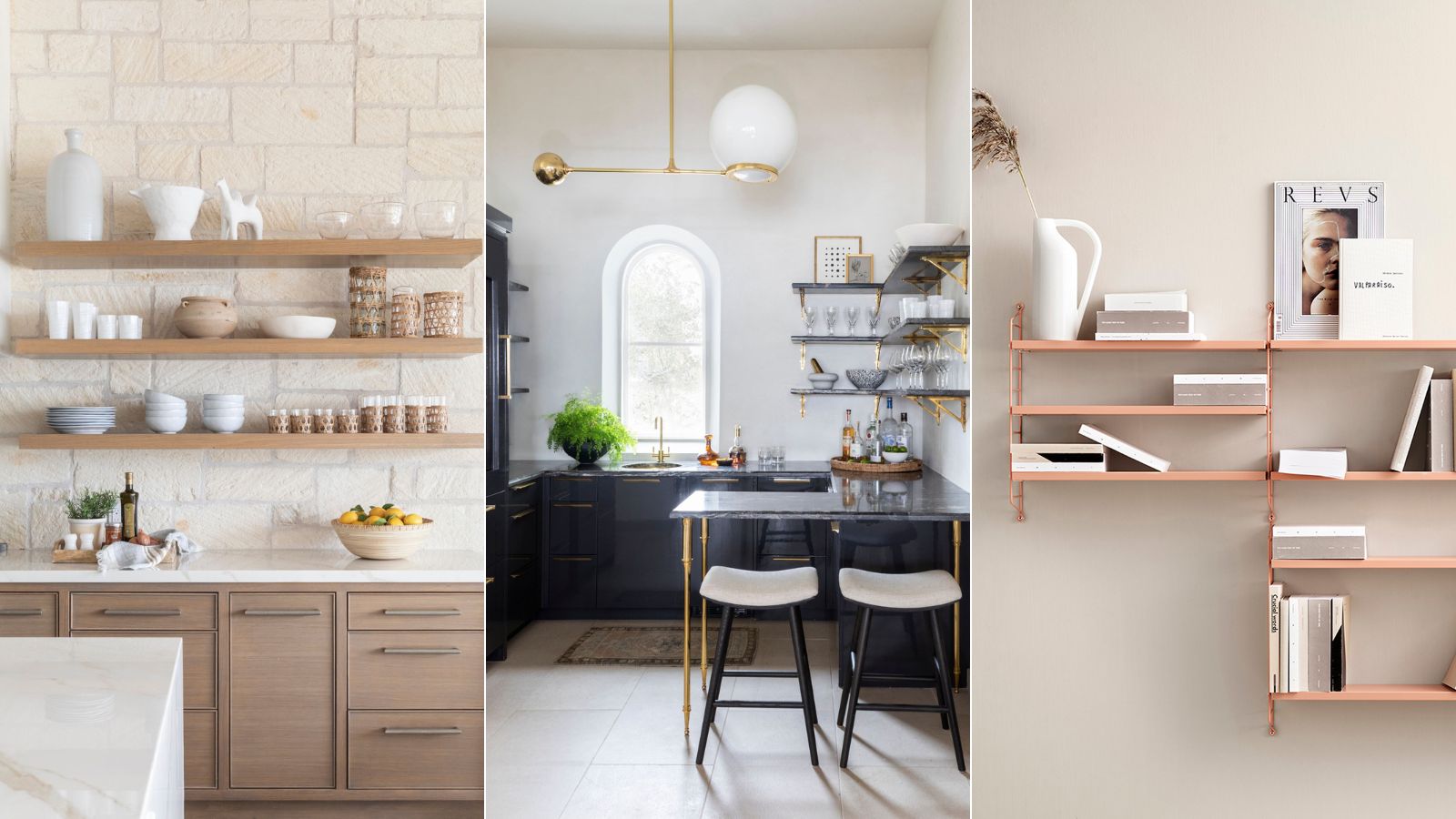
Are floating shelves still on trend? Designers have their say on this once popular style

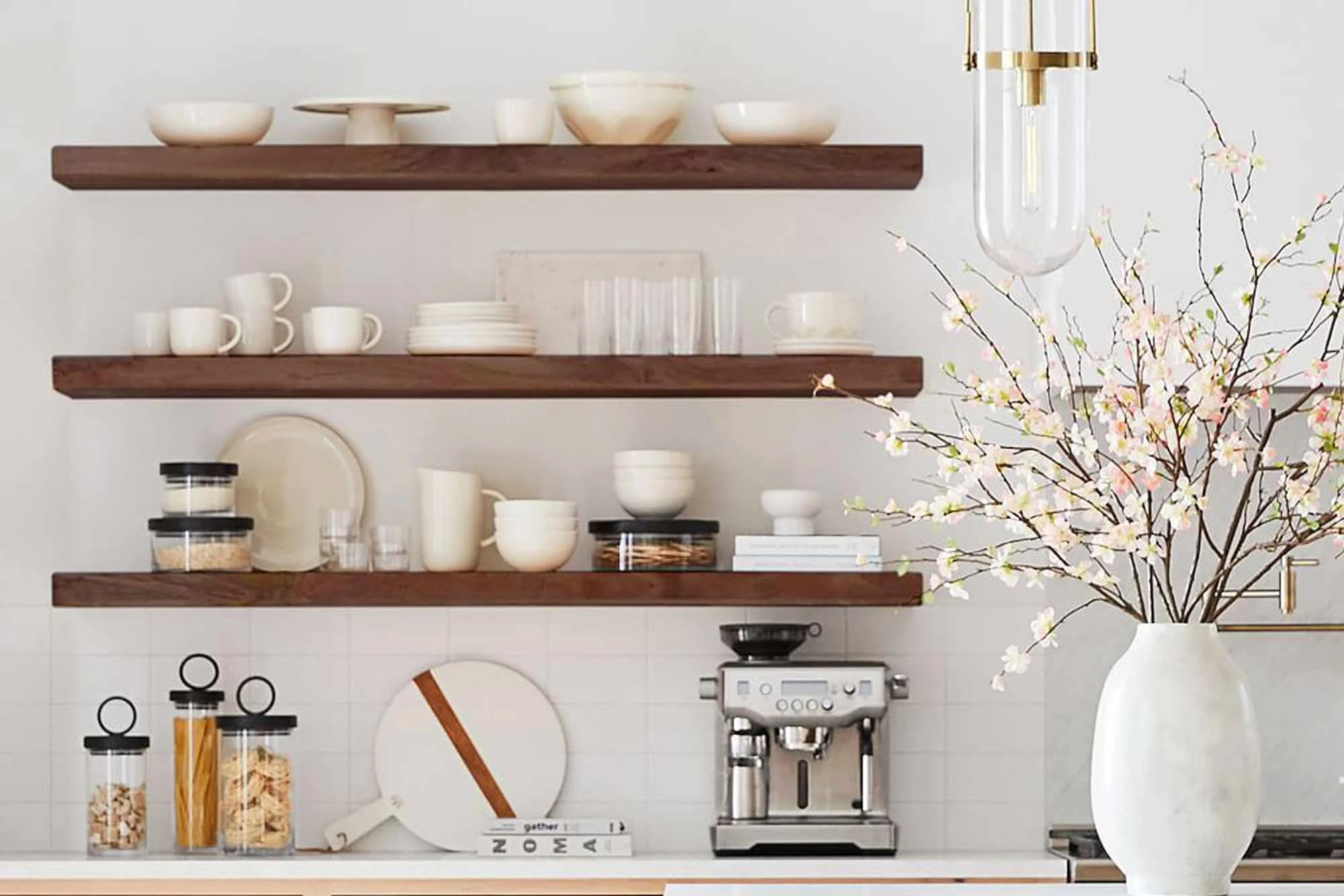
The 10 Best Floating Shelves, According to an Interior Designer

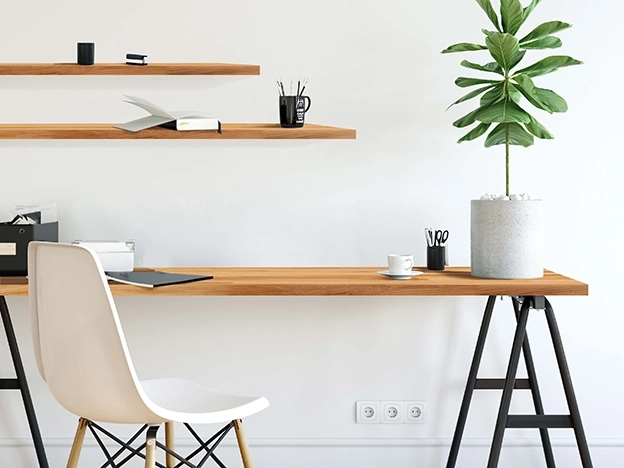
Shelving & Storage

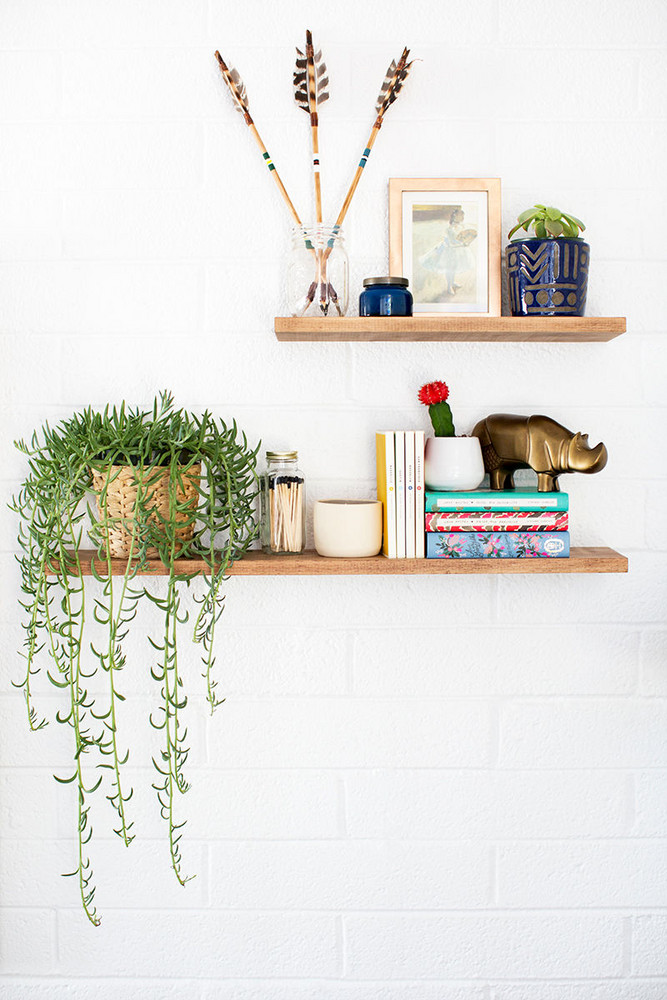
10 Reasons Why Your Home Needs Hanging Shelves

A Stylish Floating Shelf You Can Hang in Less Than 60 Seconds, No Tools Required
Mini Floating Shelves Are The Chic Way to Add Extra Storage |

Costco's New $43 Floating Shelves Look JUST Like This High-End $390 Style

DIY skills: How to build your own floating alcove book shelves

Shopping Edit – 8 space-savvy floating shelves for modern homes
Shelves & Shelf Brackets
Install Renter-Friendly Shelves Like a Pro—Here's What You Need
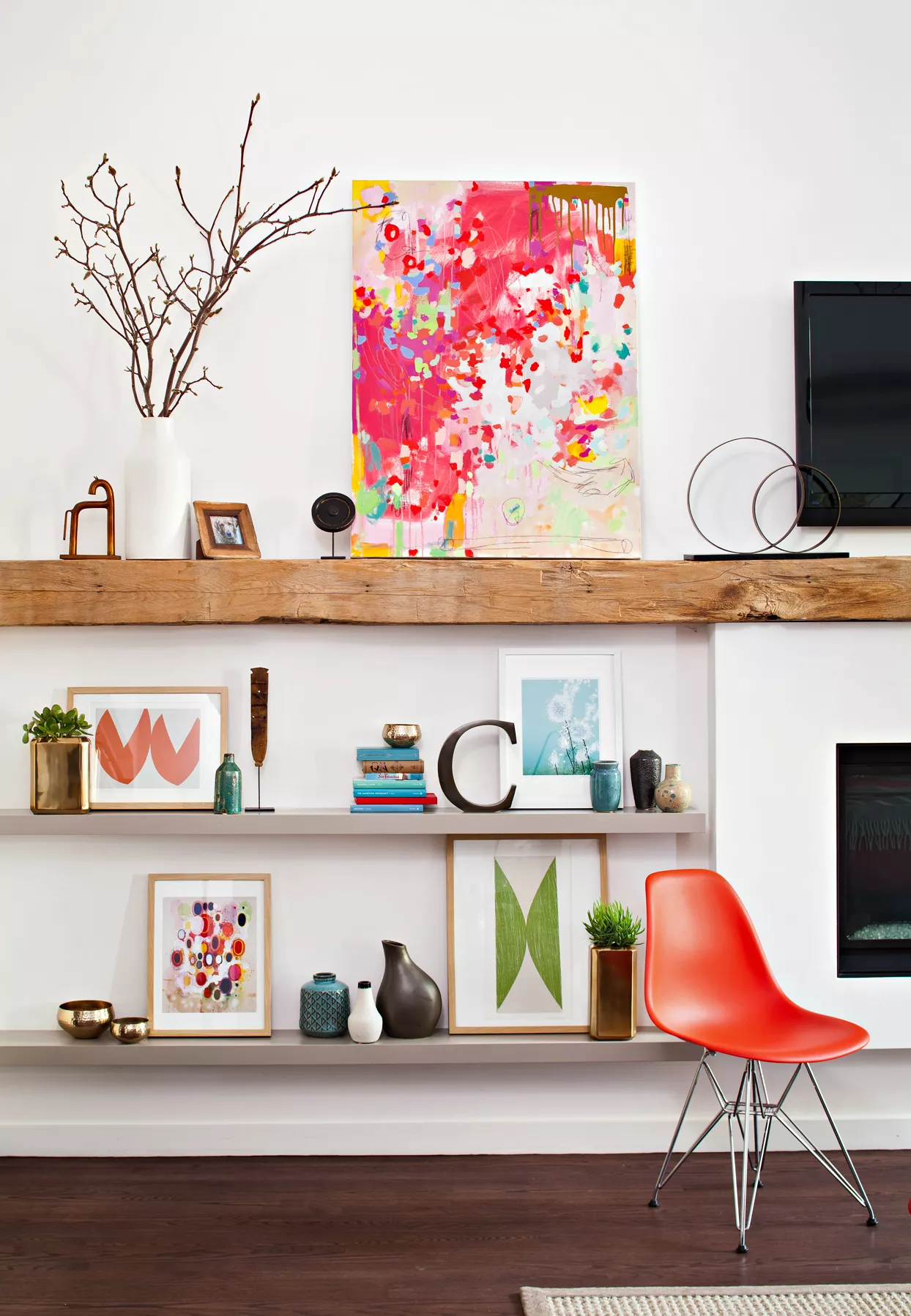
15 Stylish Floating Shelf Ideas for Displaying Art and Accessories