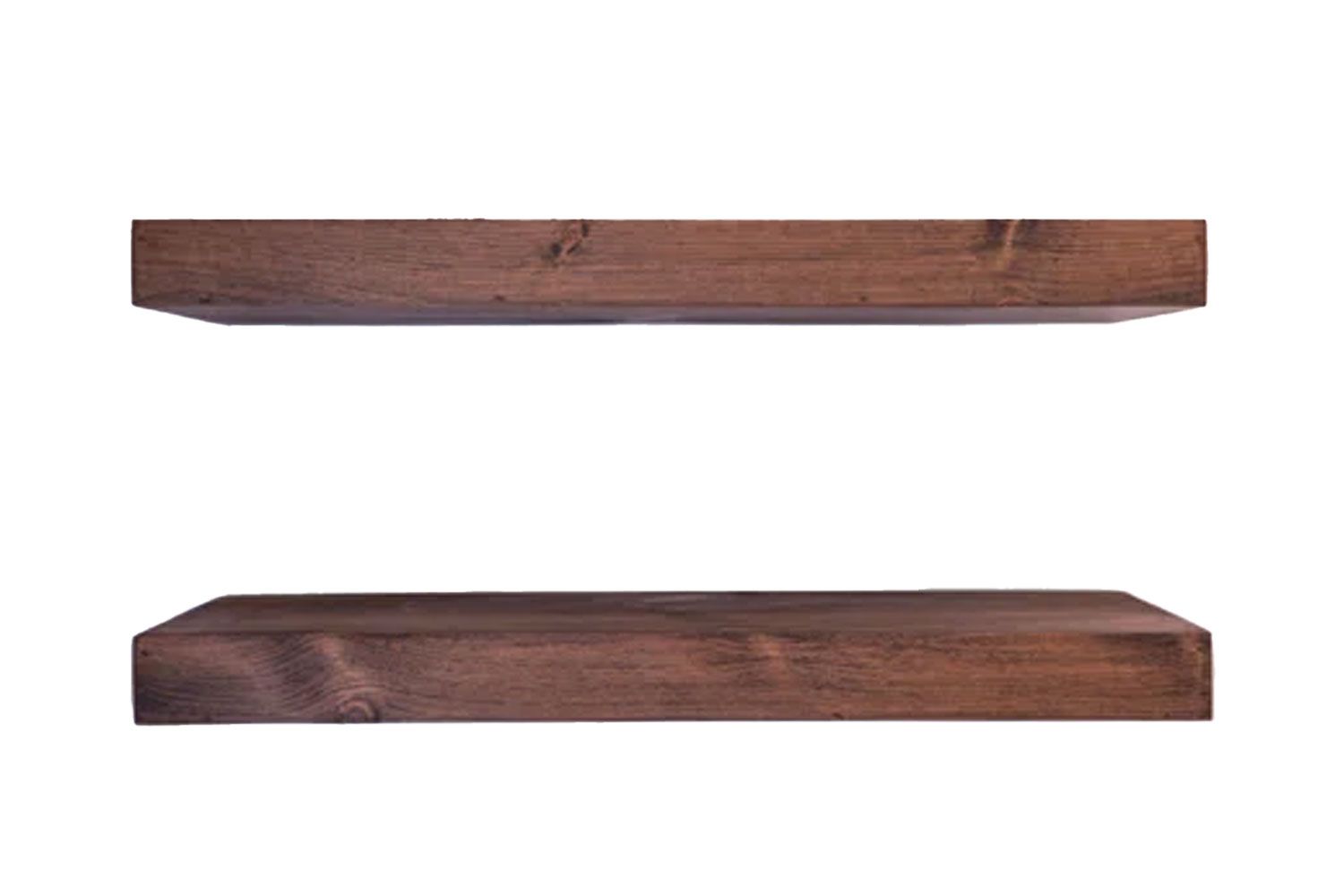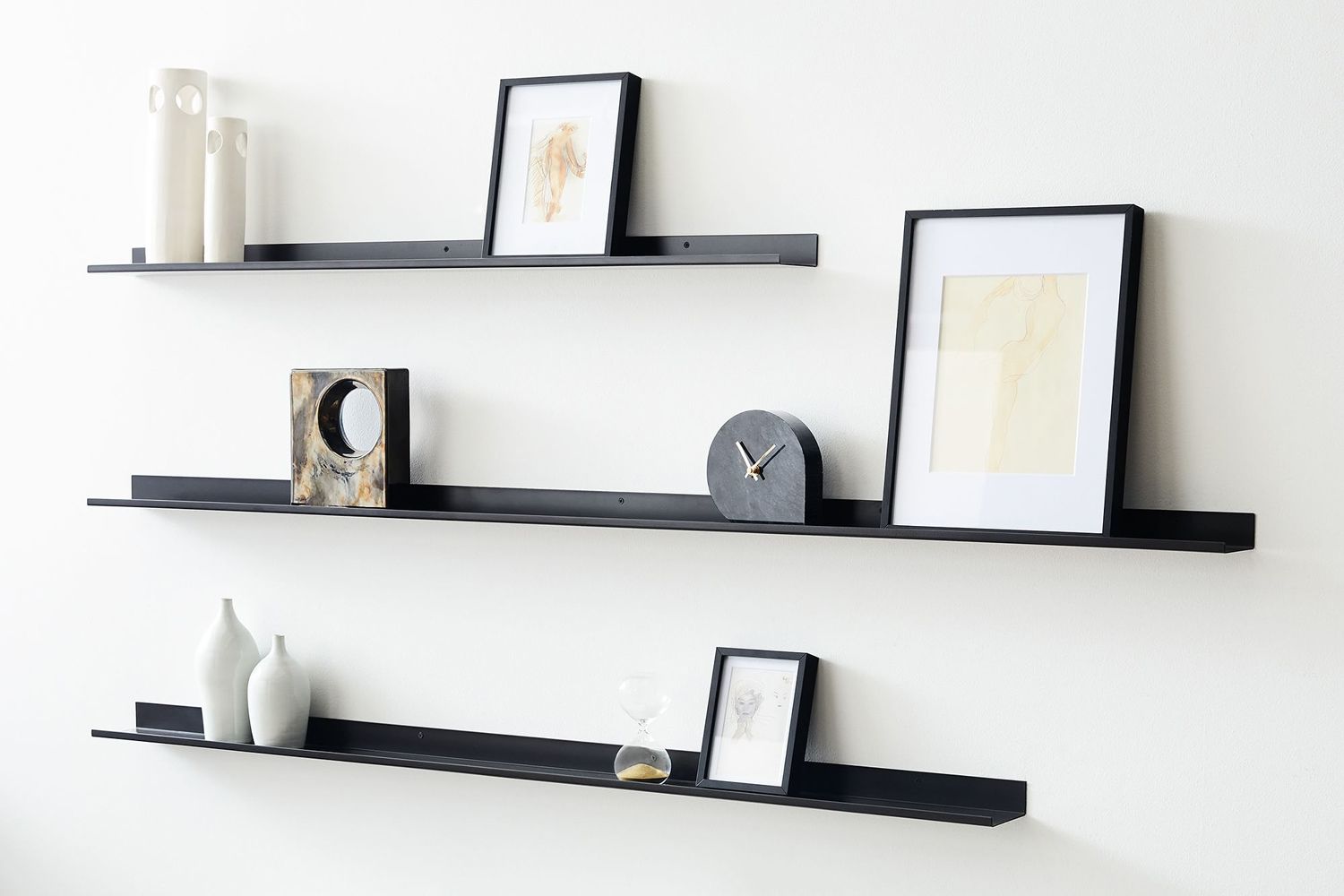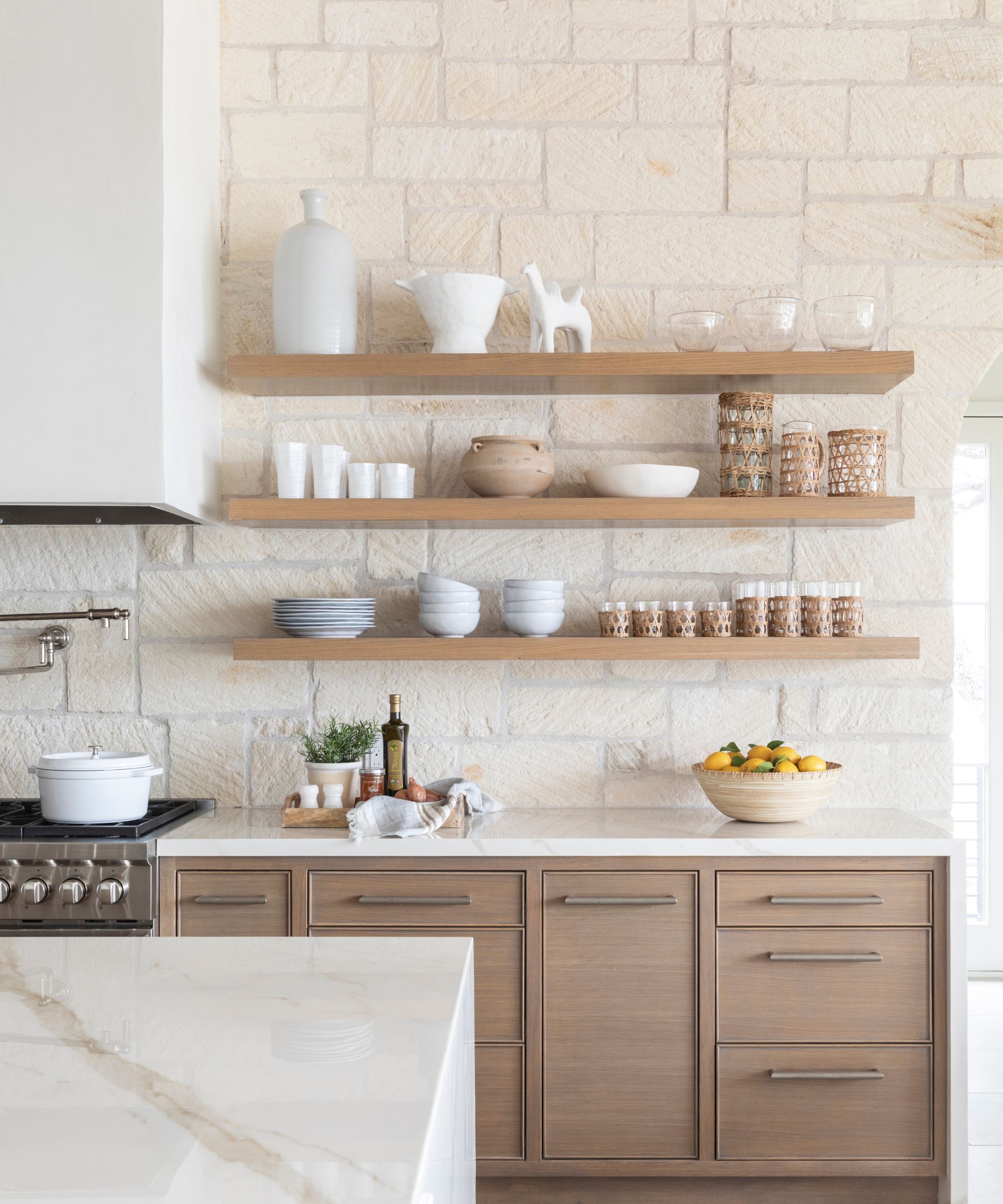
How to fix a sagging floating shelf
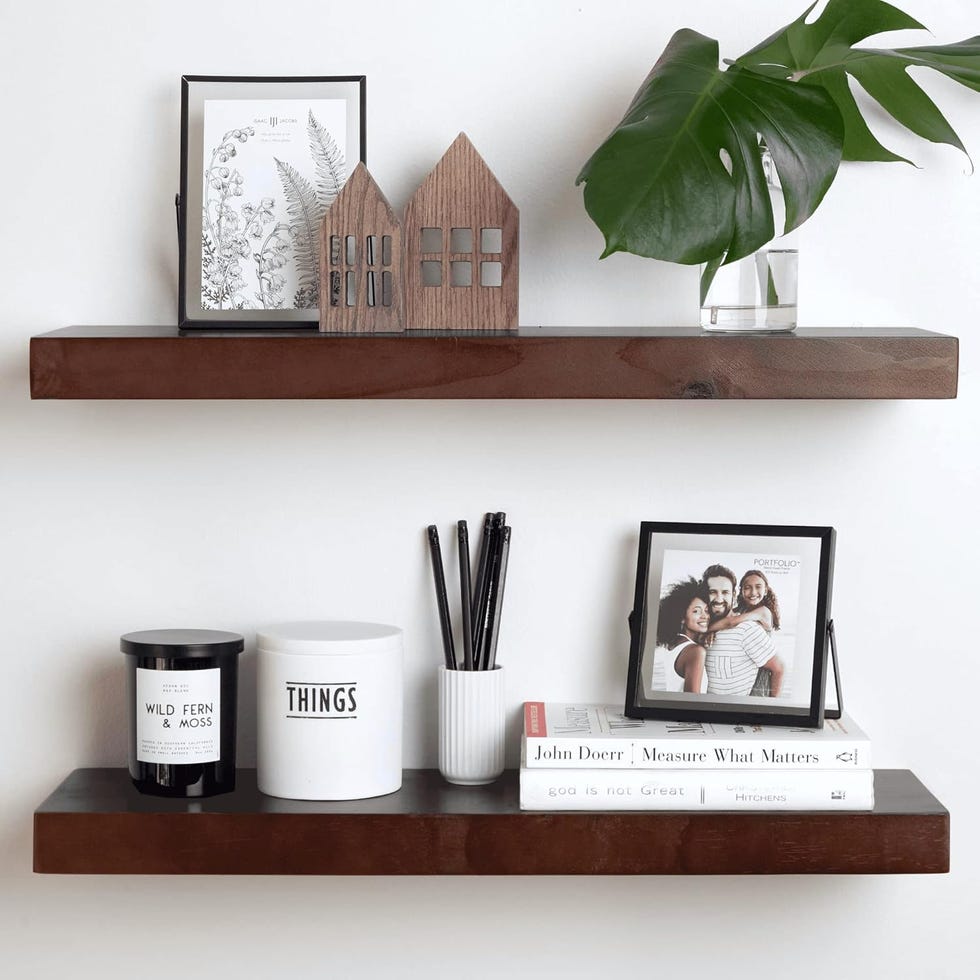
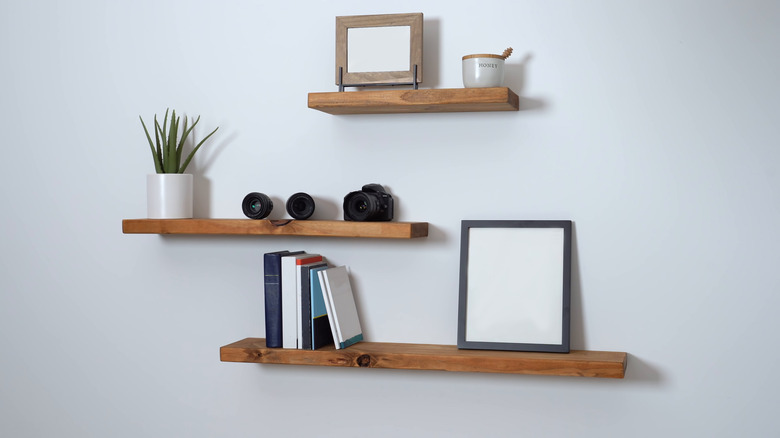
Floating shelves are a popular choice for home decor due to their minimalist aesthetic and ability to create an illusion of space. However, these shelves, especially when laden with books, photos, and decorative items, can sometimes succumb to gravity and begin to sag or wobble. This issue is not only an aesthetic concern but can also pose a safety risk, particularly if the shelf is installed above a bed or in a high-traffic area. Addressing a wobbly or sagging floating shelf requires understanding the underlying cause and applying appropriate repair techniques.
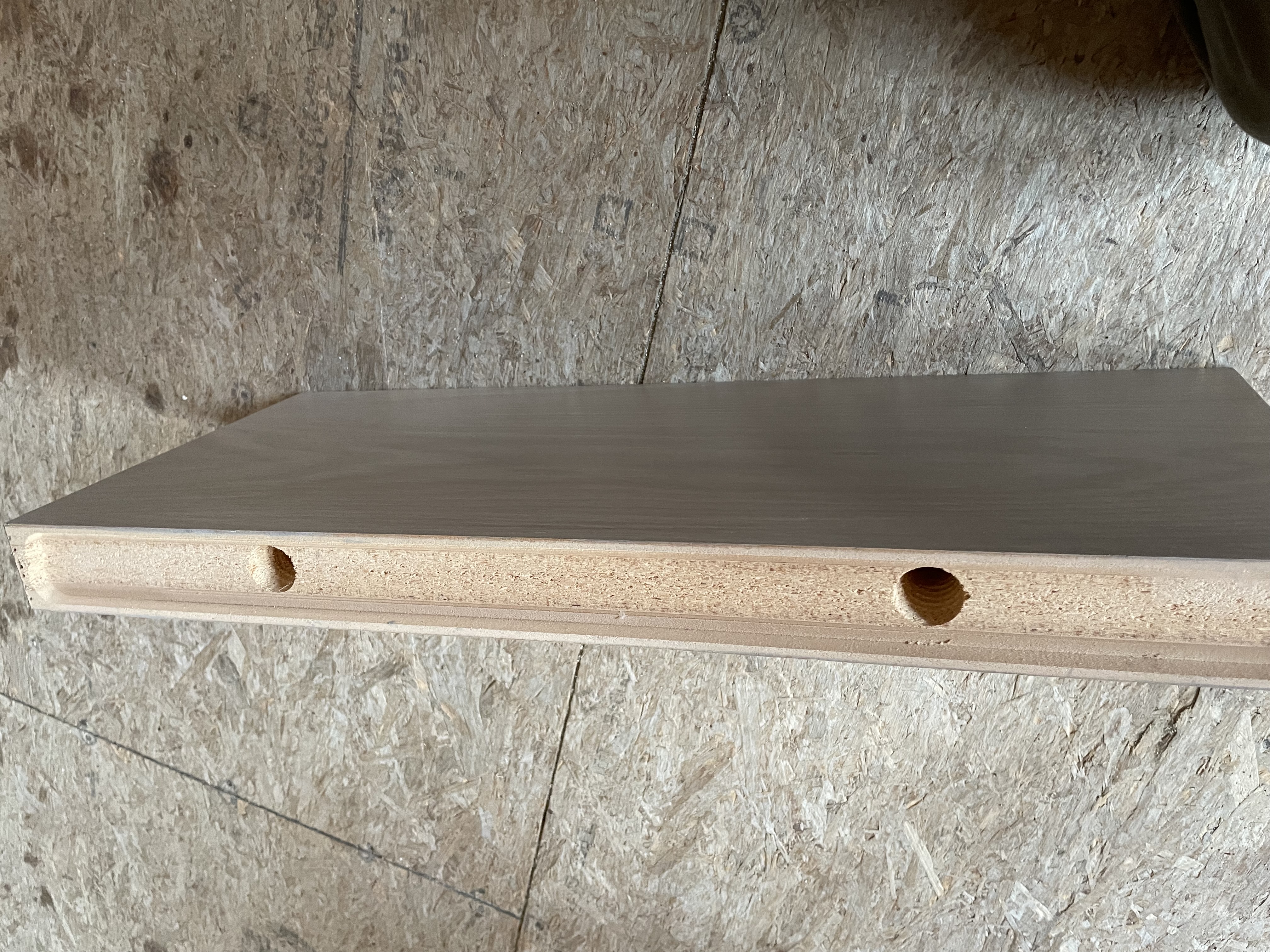
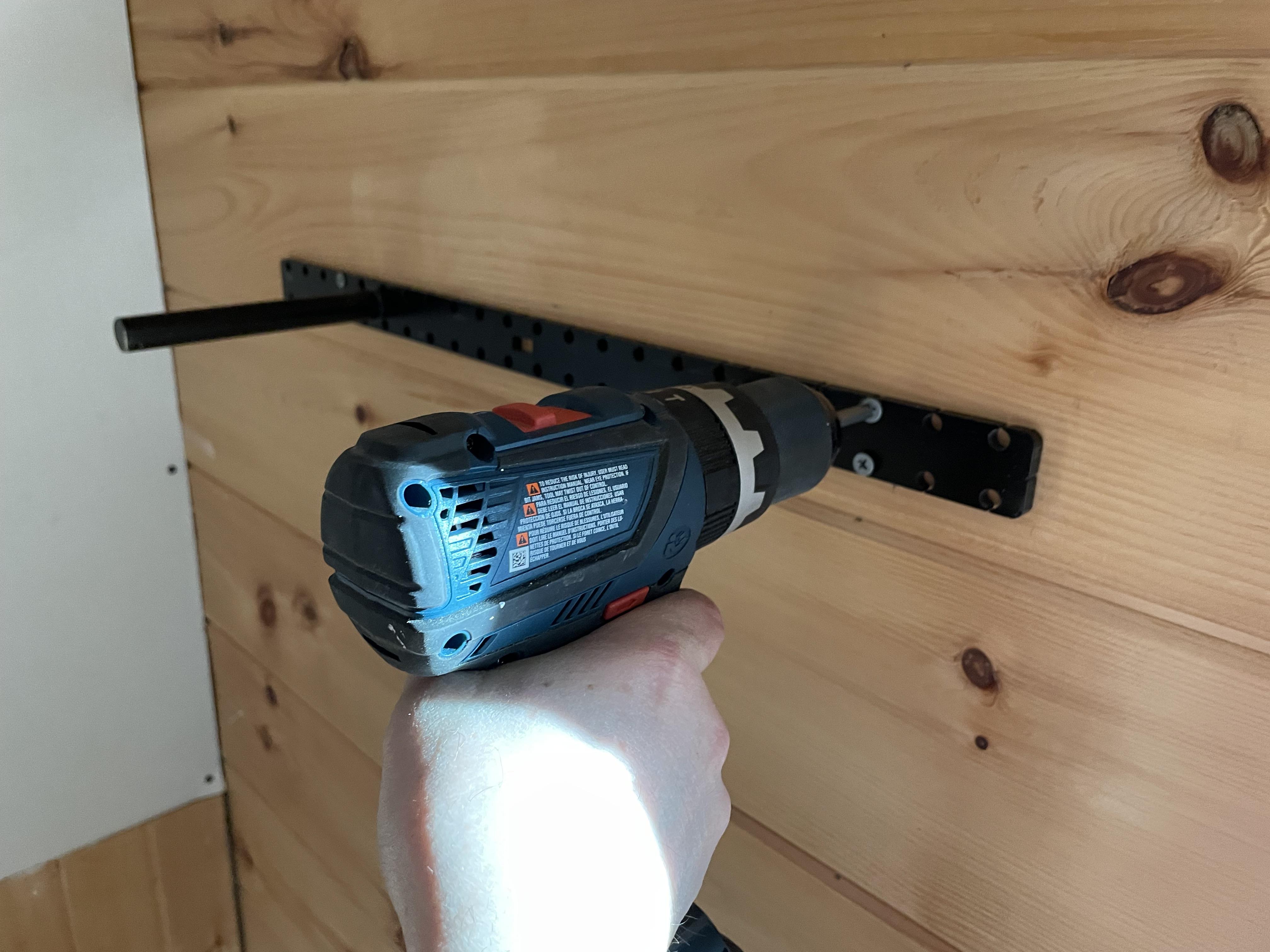
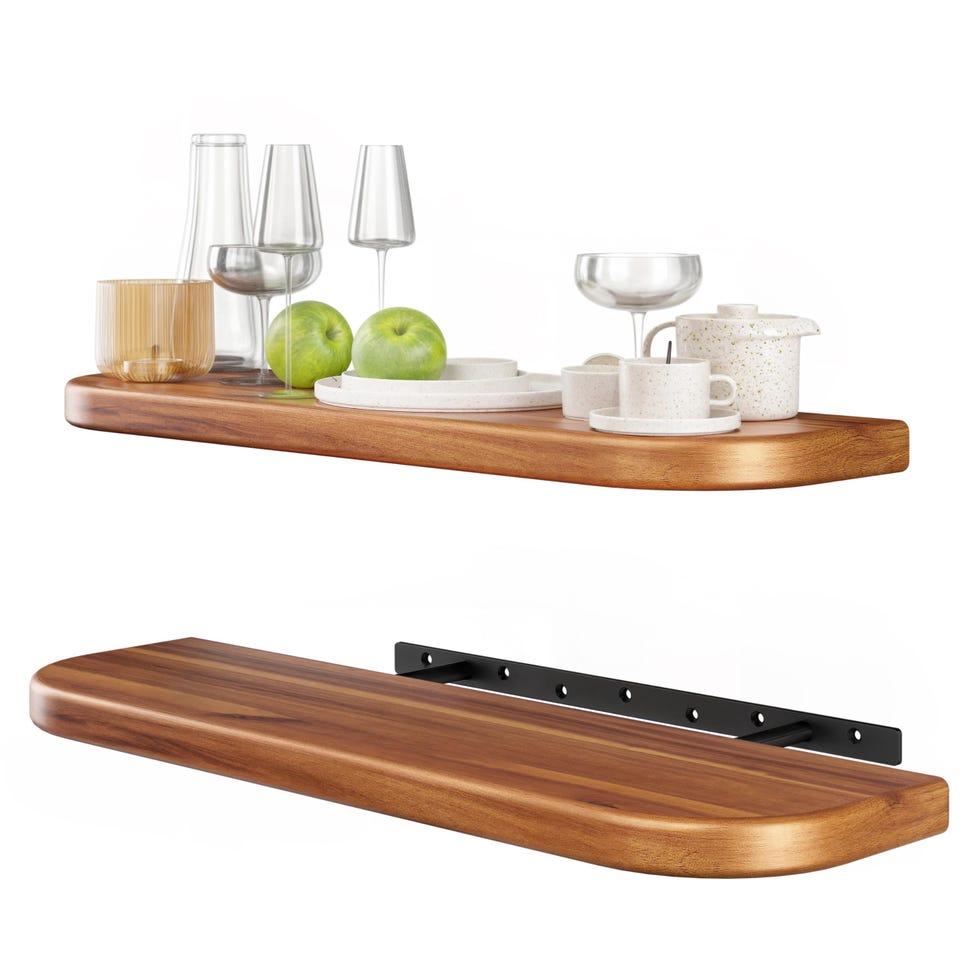
One common reason for a floating shelf to sag is improper installation. Floating shelves typically rely on a sturdy mounting system, often involving a metal rod or bracket that is securely fixed into wall studs, with the shelf itself sliding over this support. If the mounting hardware is not adequately anchored to wall studs, or if the studs themselves are compromised, the shelf will lack the necessary support to bear weight over time. The material of the wall also plays a crucial role; plasterboard walls, for instance, require specific anchors designed to distribute weight effectively, unlike solid wood or concrete walls that offer more robust support.
Another factor contributing to sagging is the quality and type of the shelf material. Shelves made from lower-density materials or those that are excessively long without intermediate supports are more prone to bending under stress. The weight placed on the shelf is also a critical consideration. Overloading a floating shelf beyond its structural capacity will inevitably lead to sagging, regardless of the quality of installation. Distributing weight unevenly can exacerbate this problem, concentrating stress on particular points along the shelf.
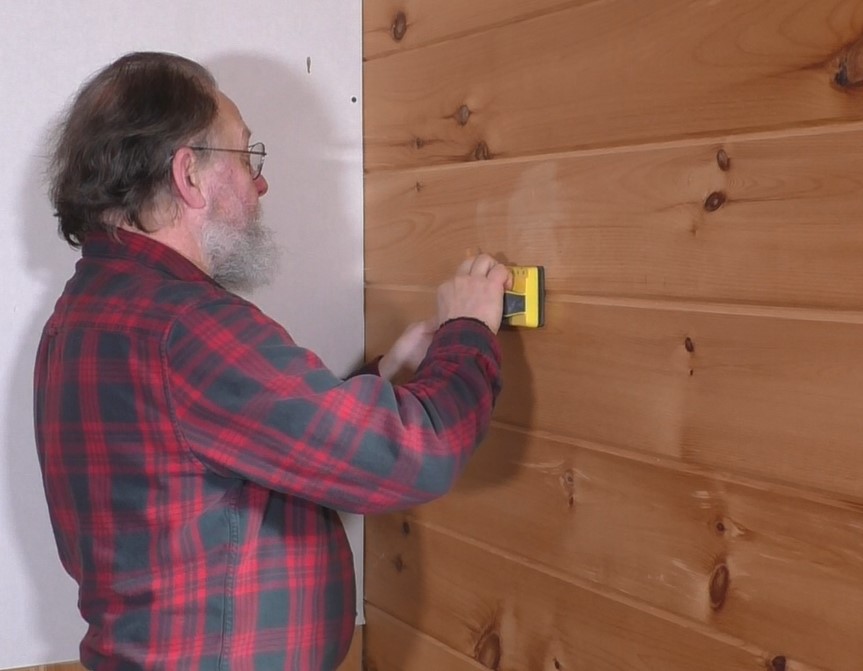
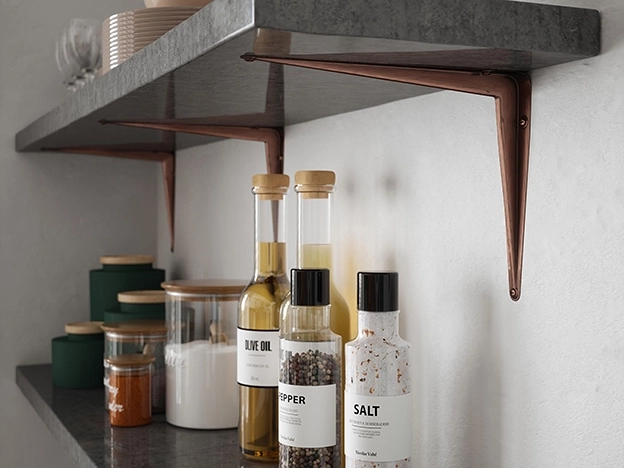
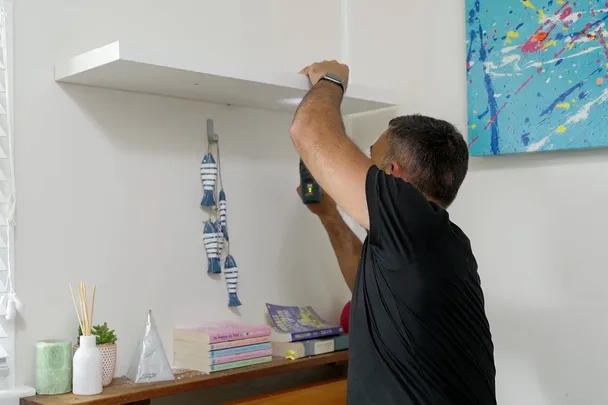
Repairing a sagging floating shelf often involves a multi-step process. First, it is essential to empty the shelf and carefully inspect the mounting hardware. Look for any loose screws, damaged anchors, or signs of stress on the wall or the shelf itself. If the existing anchors are insufficient or damaged, they will need to be replaced with stronger alternatives, such as heavy-duty toggle bolts or stud finders for proper stud location. For shelves that are very long, adding additional support brackets or a central support can significantly enhance stability and prevent future sagging.
In some cases, the shelf material itself may be warped or damaged. If this is the case, reinforcing the shelf from underneath with a thin metal strip or a hidden wooden brace can provide added rigidity. Alternatively, if the damage is extensive, replacing the shelf with a more robust material, such as solid wood or a thicker engineered wood, might be the best long-term solution. Ensuring the wall surface is flat and even before installation is also important, as irregularities can prevent the shelf from sitting flush and stable.
Ultimately, maintaining the integrity of floating shelves involves both correct initial installation and regular checks for wear and tear. By identifying and addressing issues like insufficient anchoring, material limitations, or overloading, homeowners can ensure their floating shelves remain secure and functional, safely displaying cherished items without the risk of wobbling or collapsing. Adam, a home improvement expert, recommends inspecting mounting hardware and considering reinforcements to prevent recurrence.
#FloatingShelf #HomeImprovement #DIY #ShelfRepair #HomeDecor #DIYProjects #HomeMaintenance #AdamDovile #FloatingShelf #HomeImprovement #DIY #ShelfRepair #HomeDecor #DIYProjects #HomeMaintenance #AdamDovile
0 comment in total
 No comments yet
You may also like

Shelf Brackets | Floating Shelf Brackets

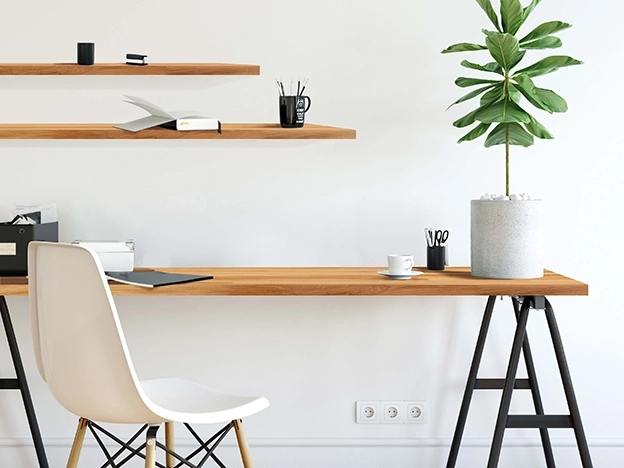
Shelves & Shelf Brackets

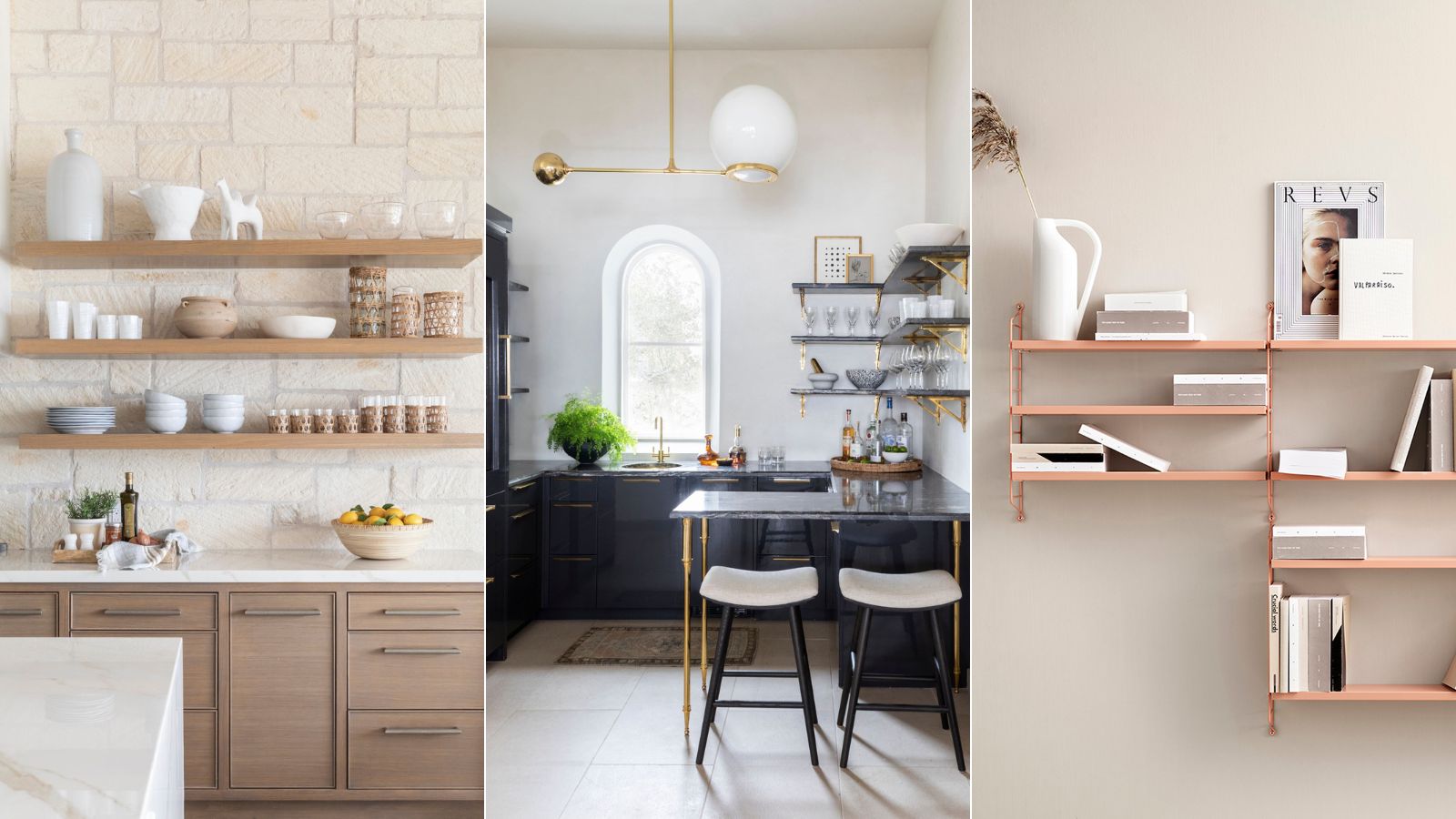
Are floating shelves still on trend? Designers have their say on this once popular style

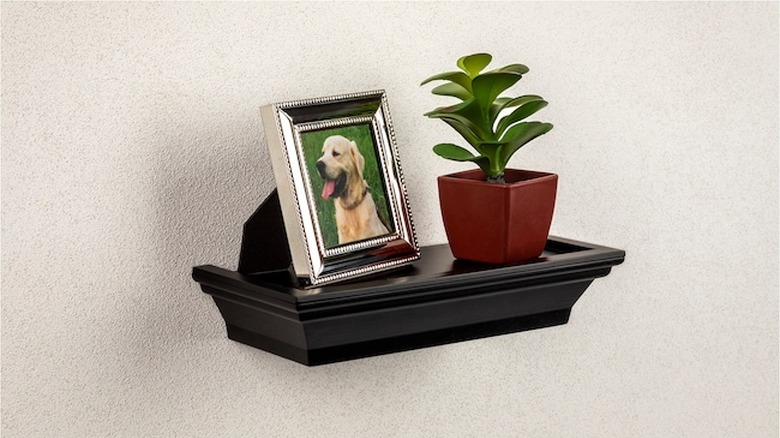
These Dollar Tree Floating Shelves Look Great, But There's A Catch
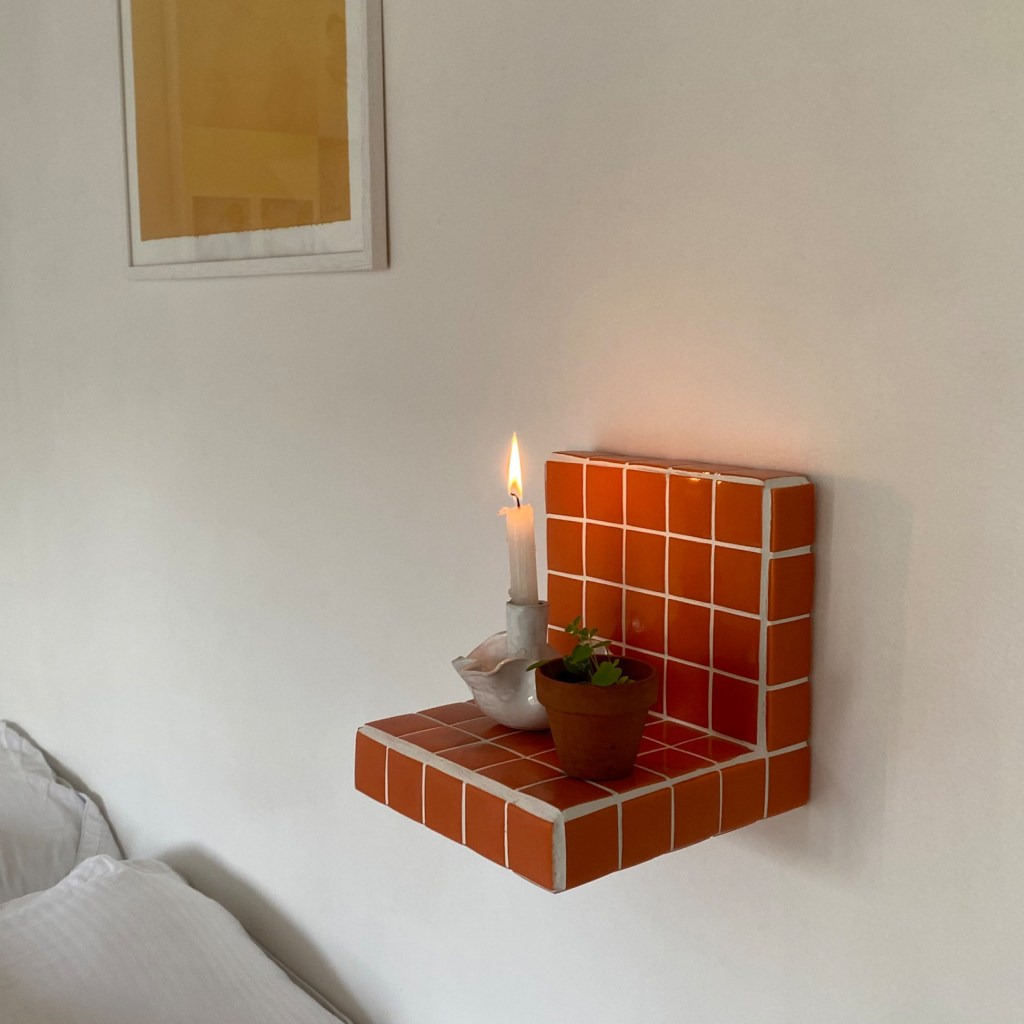
Mini Floating Shelf
How to style your shelves

The 10 Best Floating Shelves, According to an Interior Designer

This $20 shelf riser fixed mess in my kitchen cabinet

The 9 Best Floating Shelves for Every Room in Your Home
A Stylish Floating Shelf You Can Hang in Less Than 60 Seconds, No Tools Required
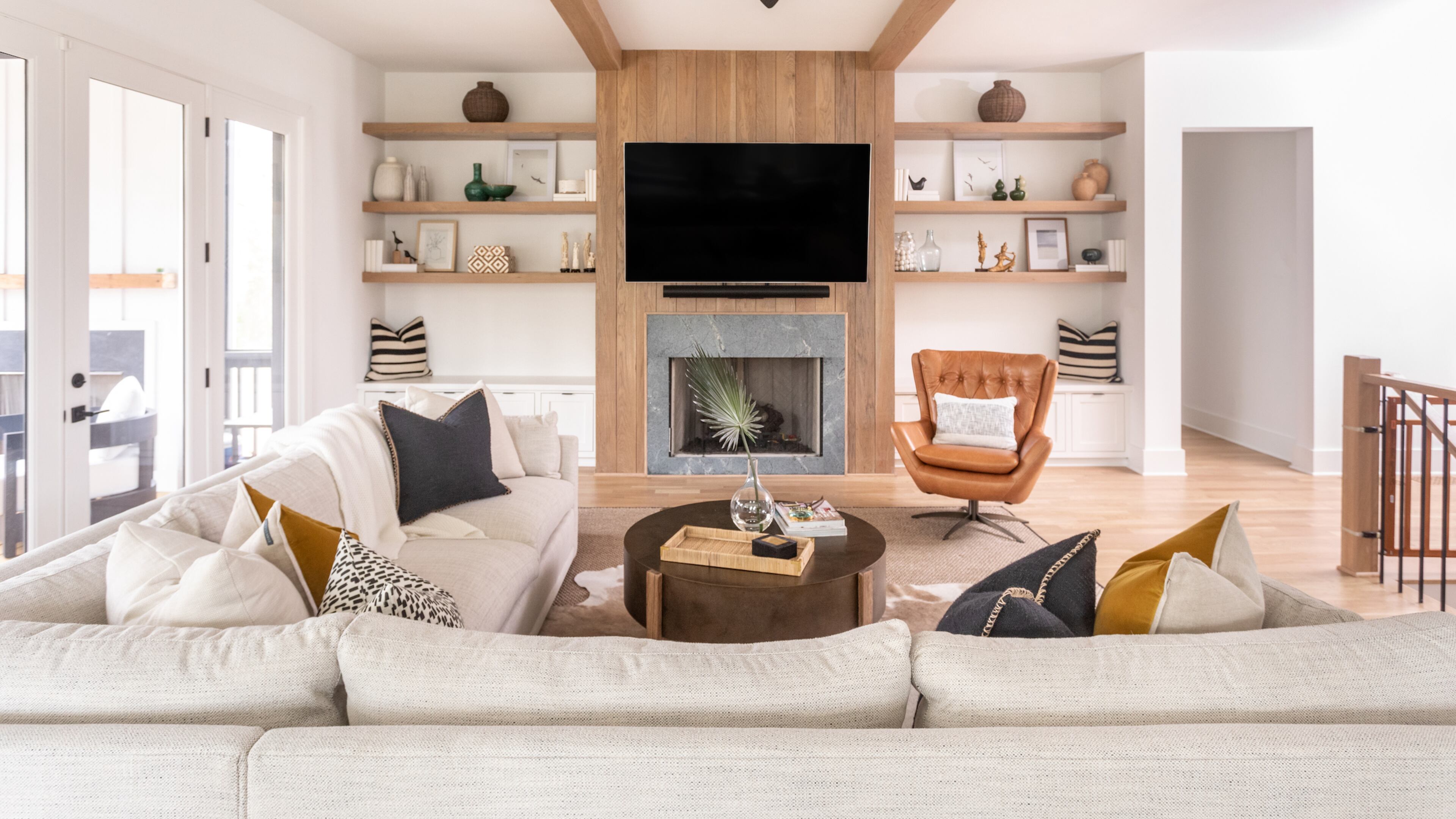
Experts suggest ways to make your shelfie shine
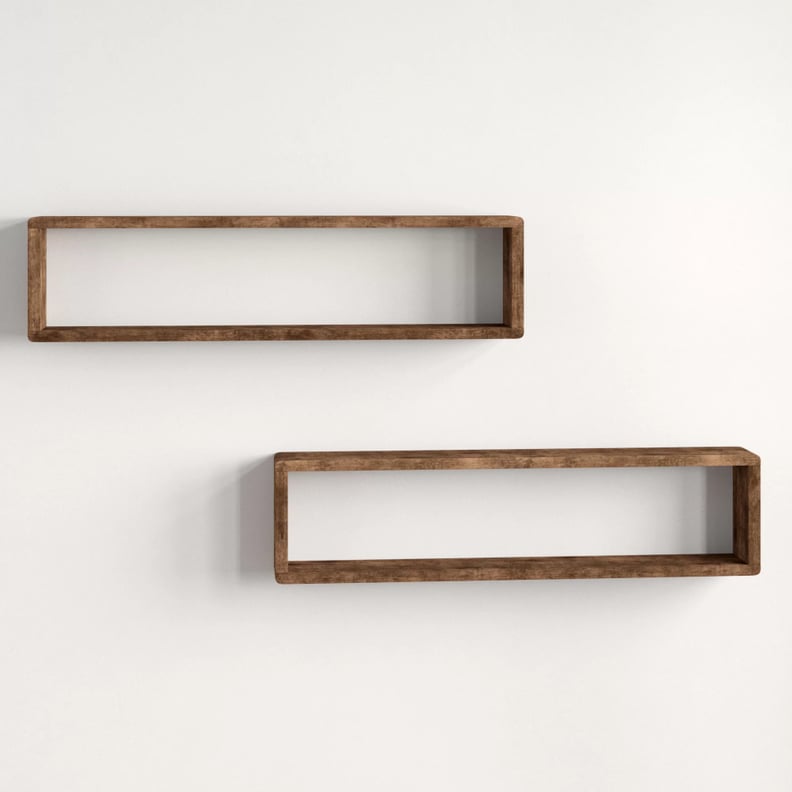
9 Floating Shelves For Every Home Aesthetic
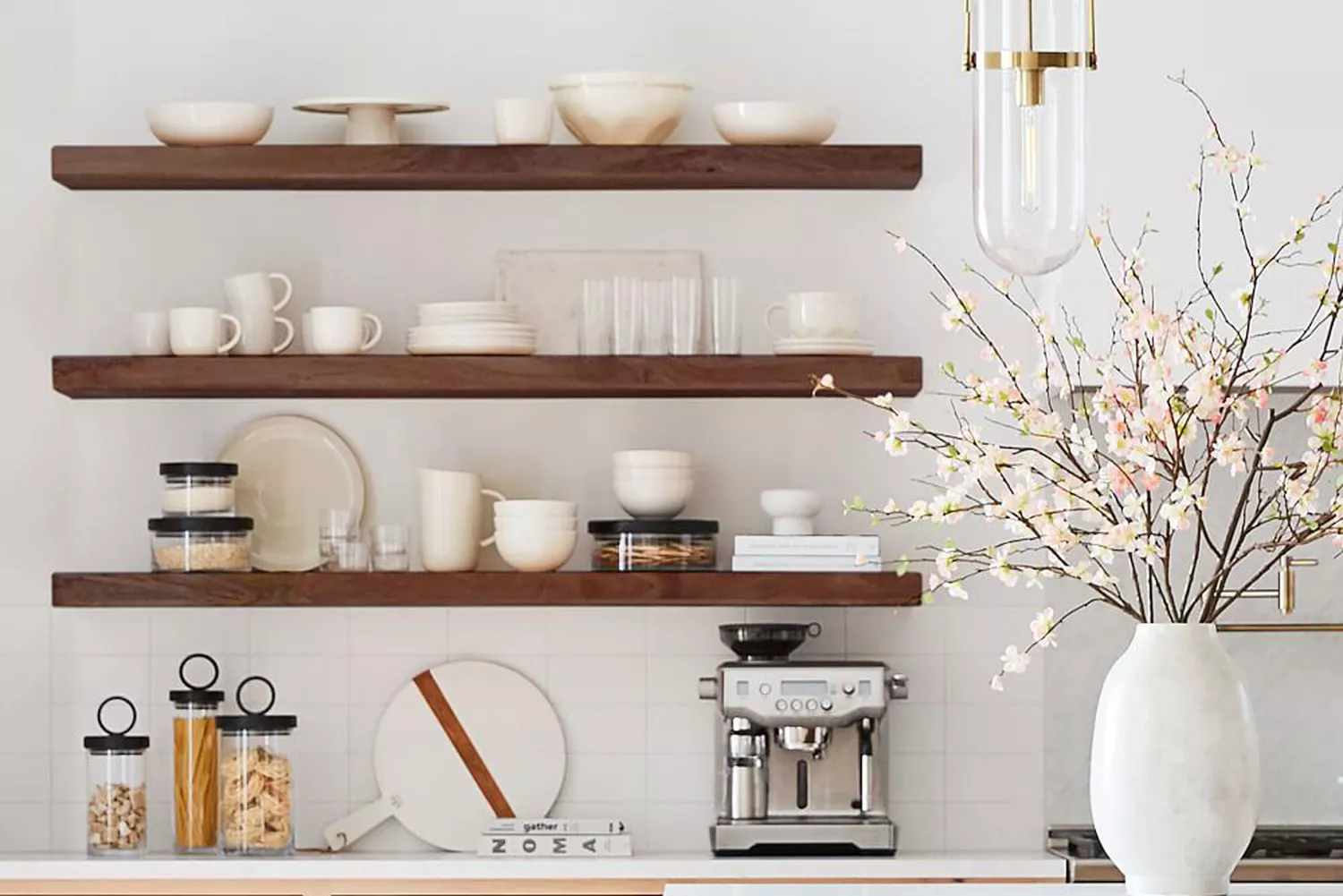
Clean Up Countertop Clutter With These Designer-Approved Floating Shelves

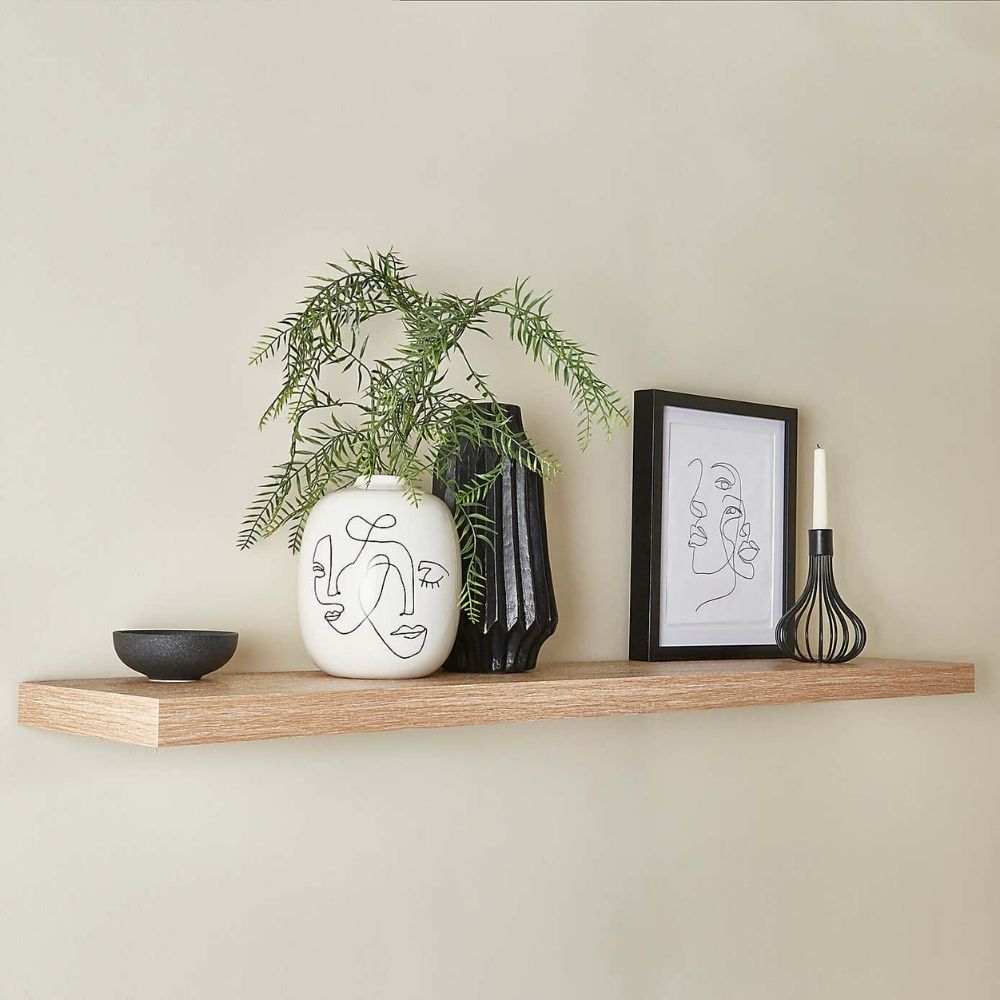
Shopping Edit – 8 space-savvy floating shelves for modern homes
Costco's New $43 Floating Shelves Look JUST Like This High-End $390 Style

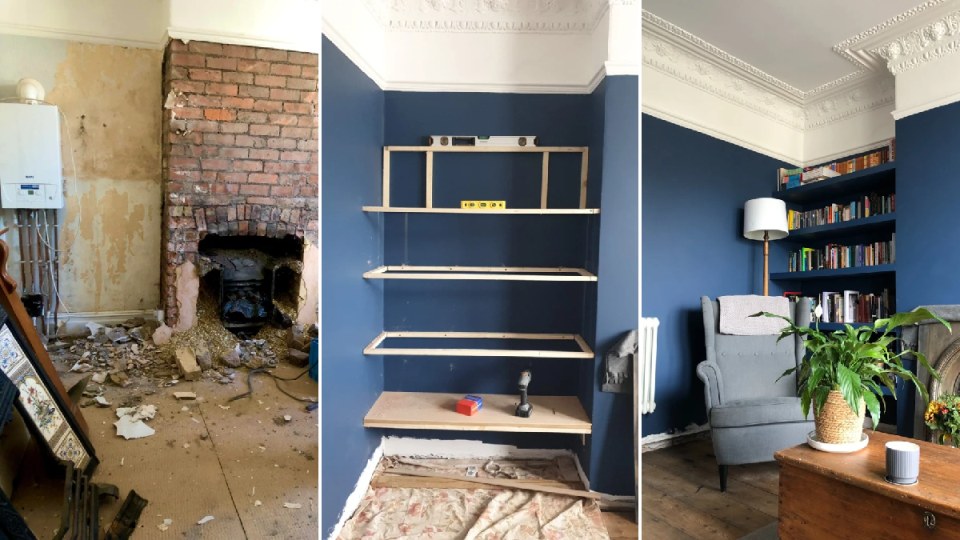
DIY skills: How to build your own floating alcove book shelves

Installation-friendly floating shelves

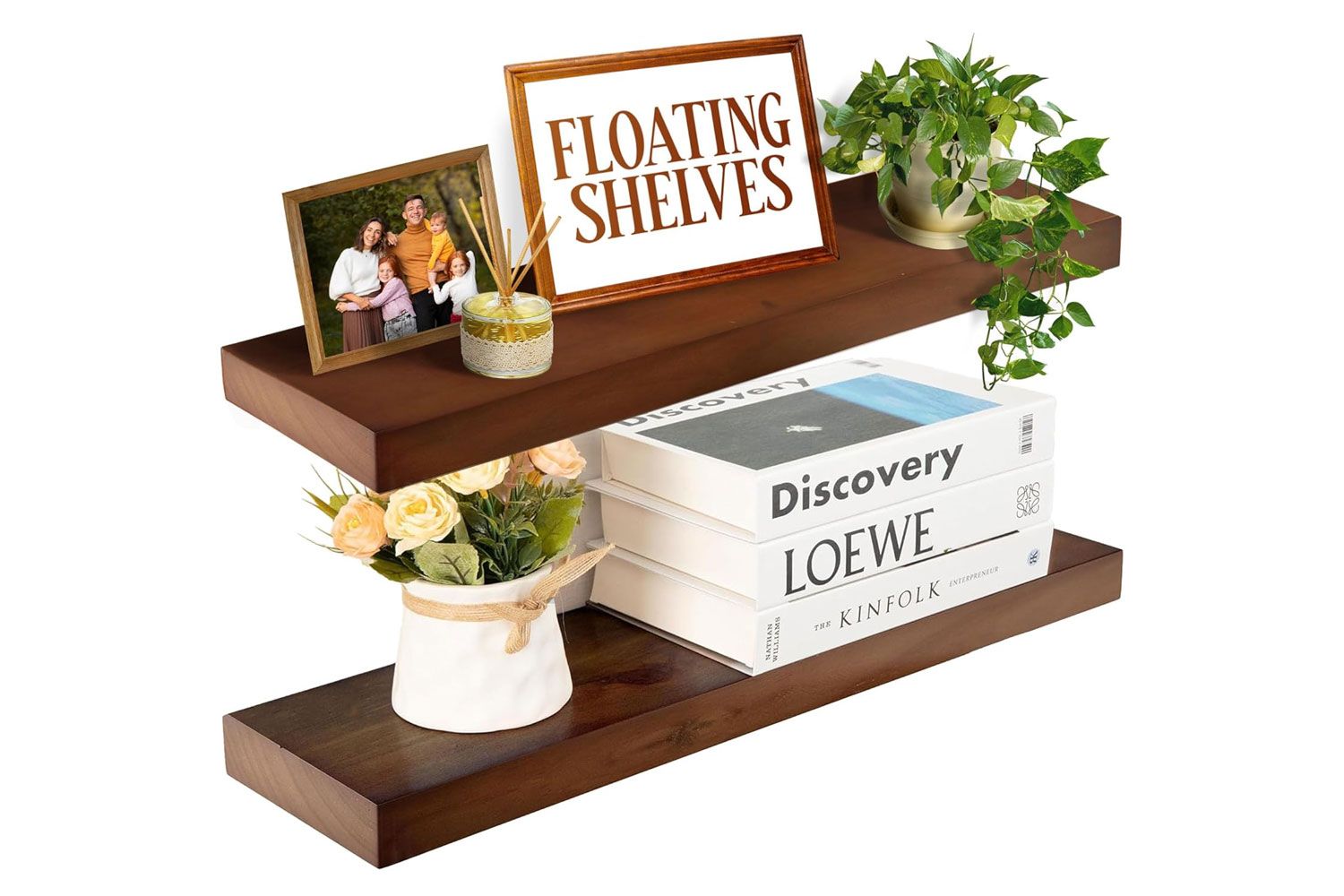
We Found the Best Floating Shelves for Every Room, From Kitchens to Bedrooms

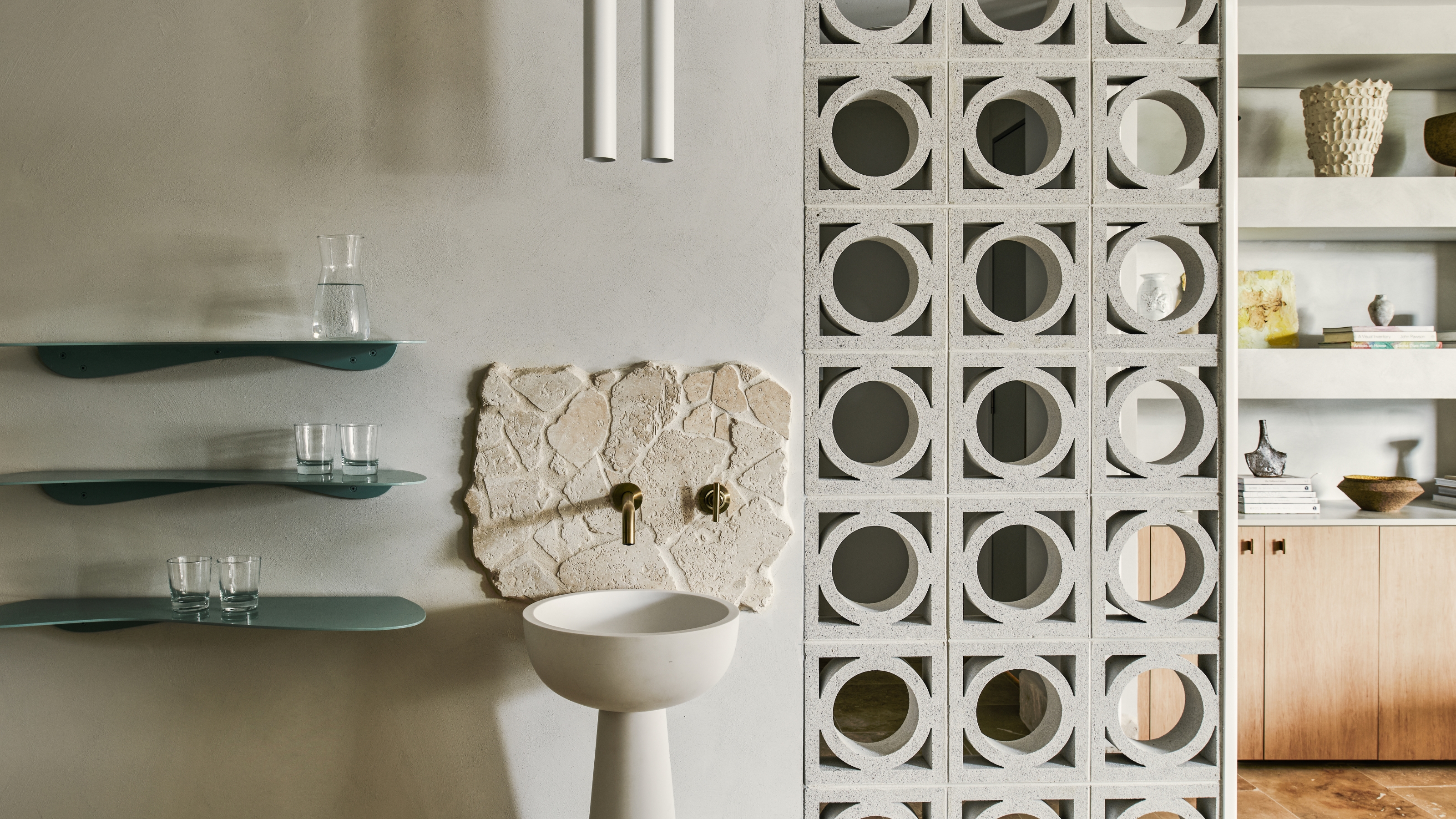
Mini Floating Shelves Are The Chic Way to Add Extra Storage |

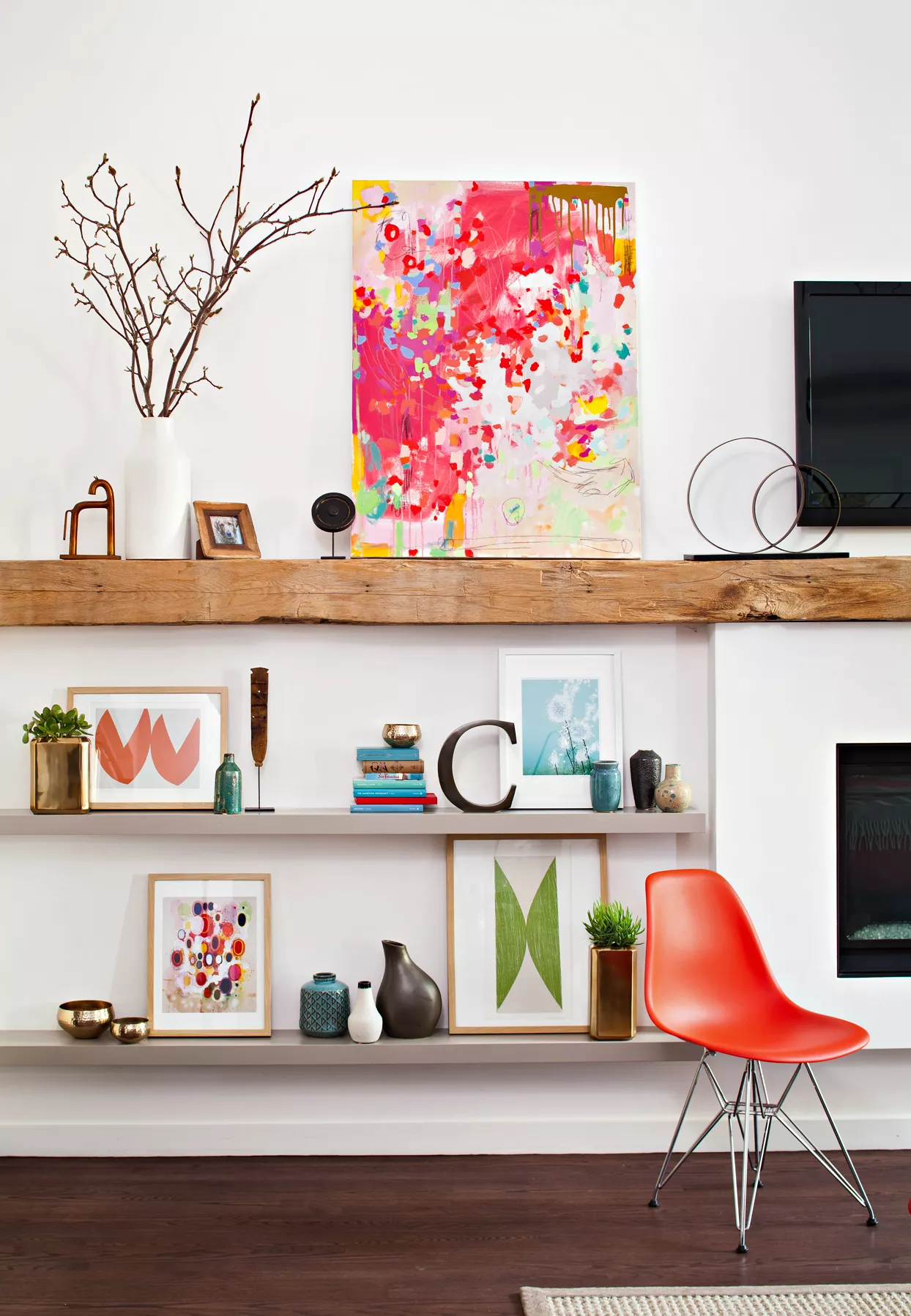
15 Stylish Floating Shelf Ideas for Displaying Art and Accessories