1/17
How to Clean Secondhand Furniture, According to Professional Upcyclers
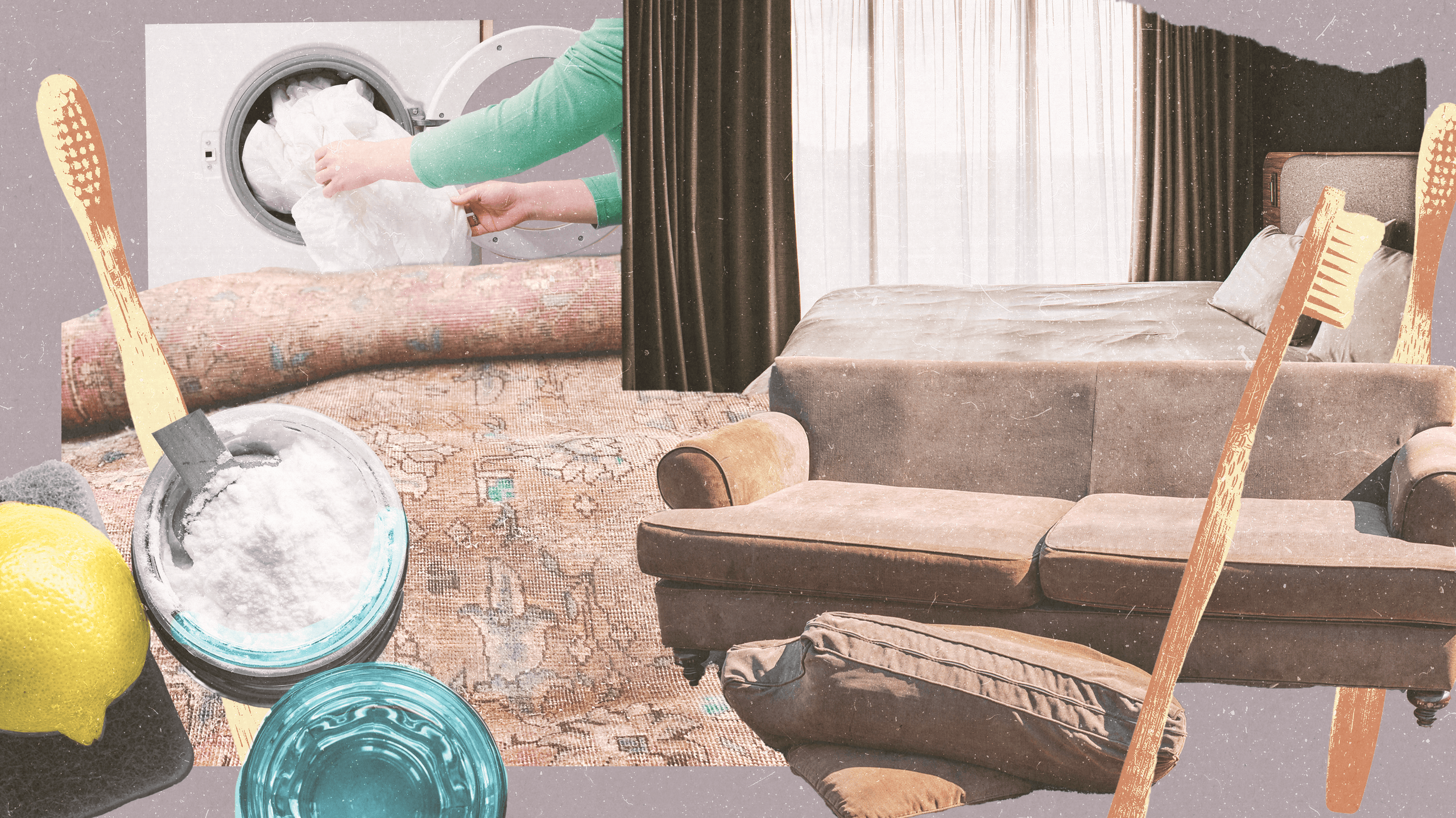
The article outlines a comprehensive guide to cleaning secondhand furniture, drawing expertise from professional upcyclers. It emphasizes that while acquiring pre-owned furniture is sustainable and cost-effective, proper cleaning is essential for hygiene and peace of mind. The guide is divided into cleaning methods for upholstered furniture and hard surfaces, with specific product recommendations and techniques for each.
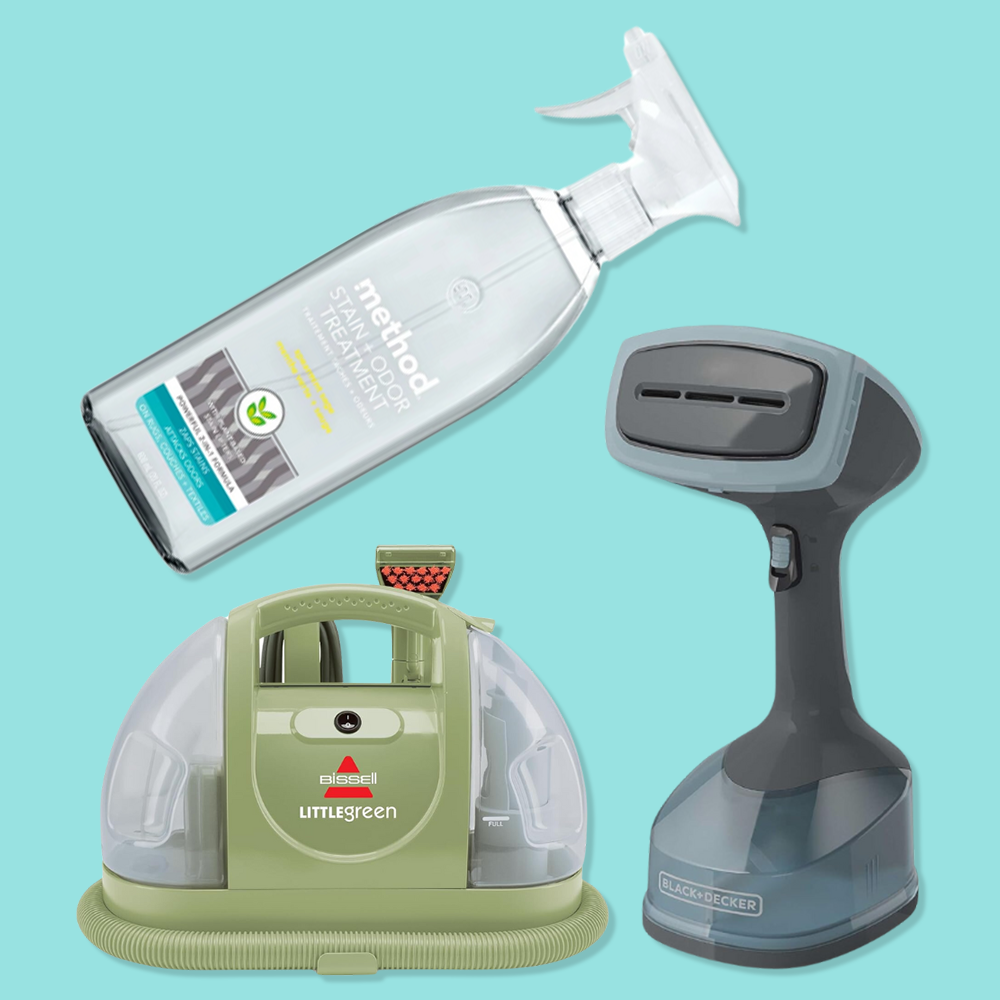
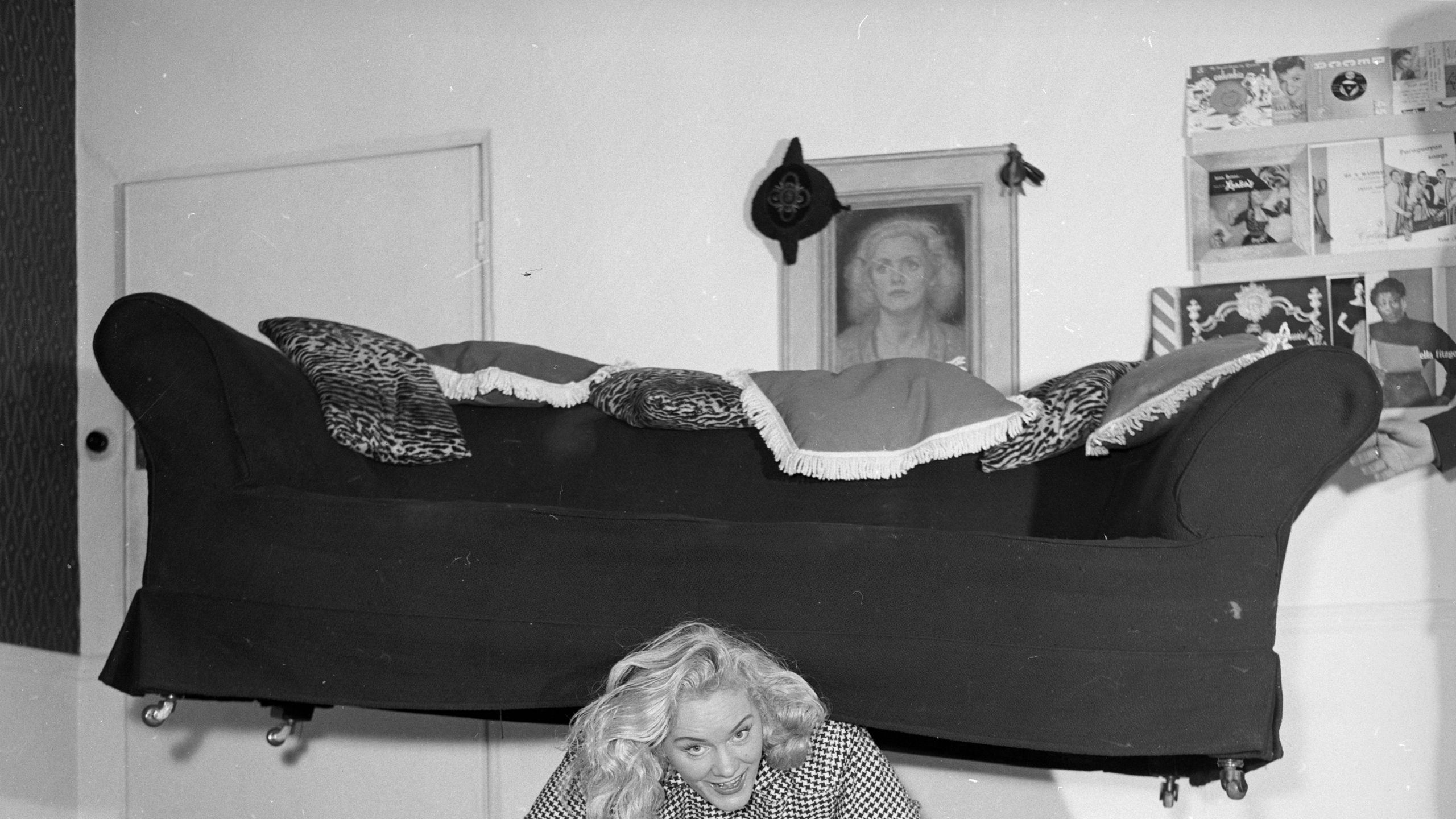
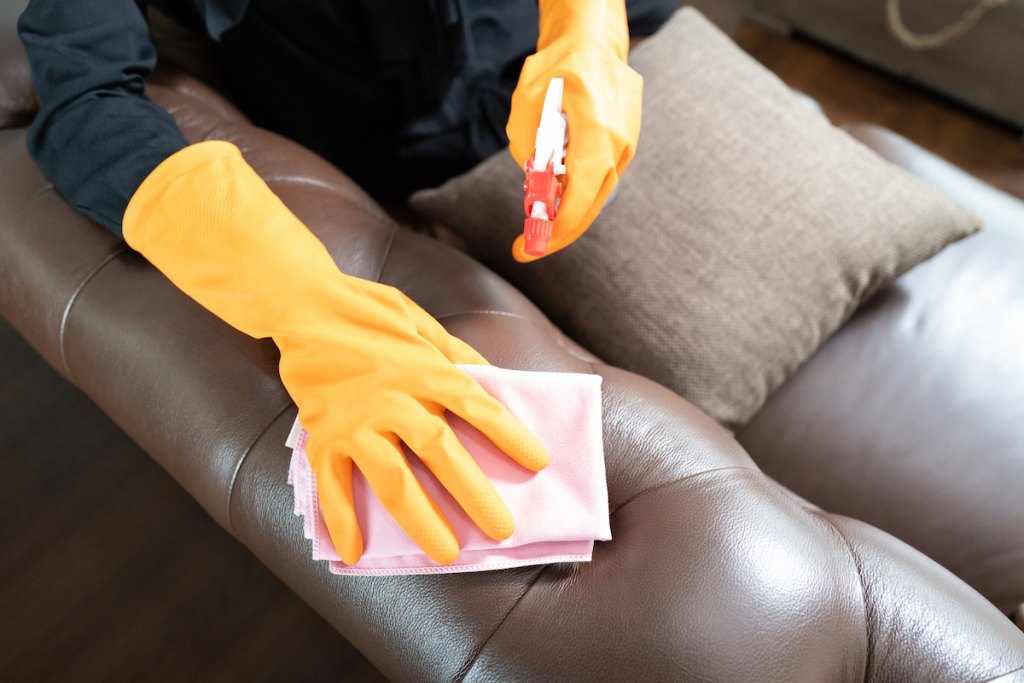
For upholstered furniture, the initial and most critical step involves a thorough inspection for bedbugs and other pests. Experts from Rising Geminis, an Instagram-based furniture flipping business, advise against taking any item showing signs of infestation. If clear, the first cleaning phase is 'derona-ing' or disinfecting, using sprays like Microban or Lysol to eliminate germs. This is followed by deodorizing with a mixture of baking soda and eucalyptus oil, which is sprinkled liberally over the upholstery, left for up to two hours, and then vacuumed away.
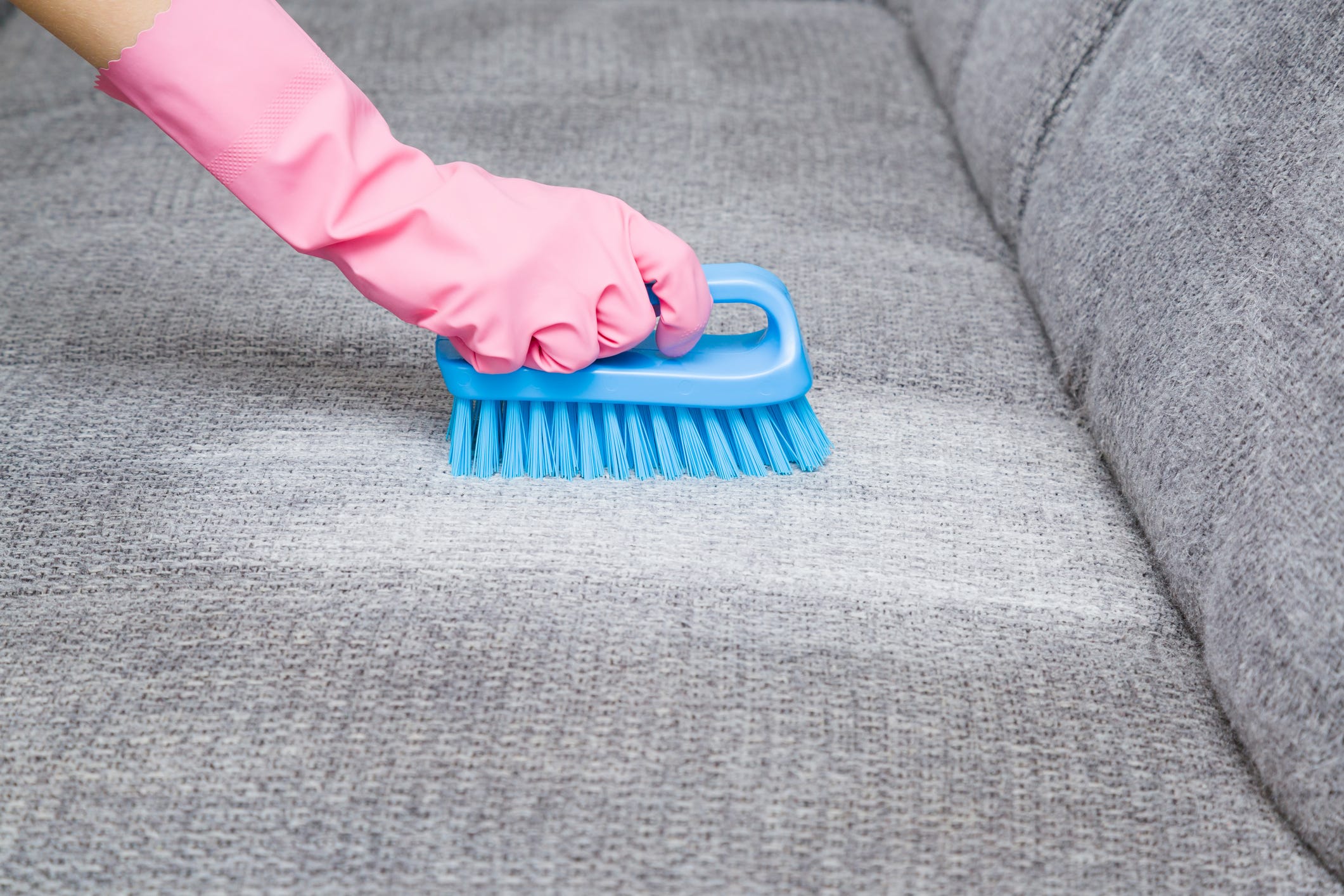
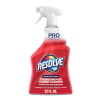
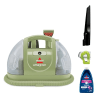
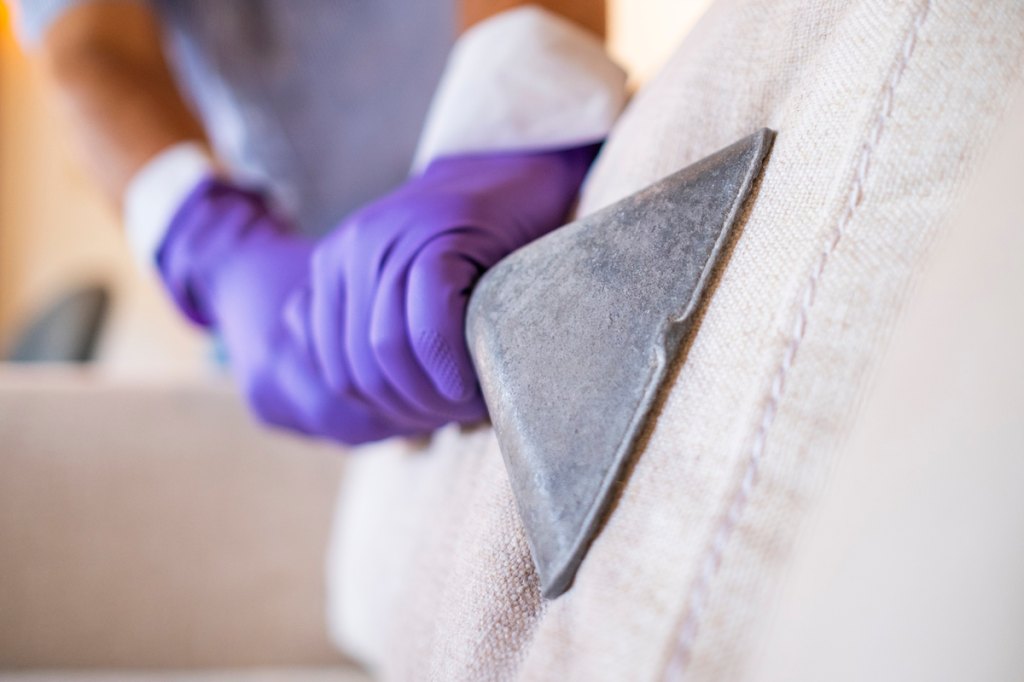
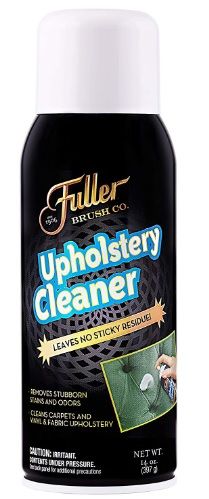
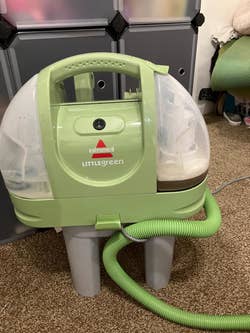
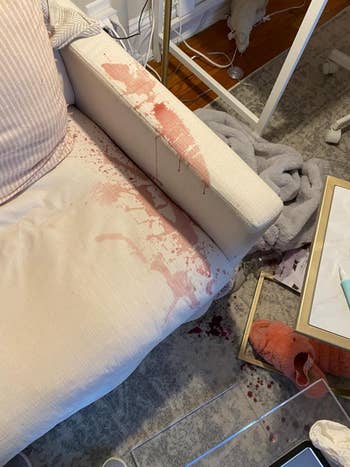
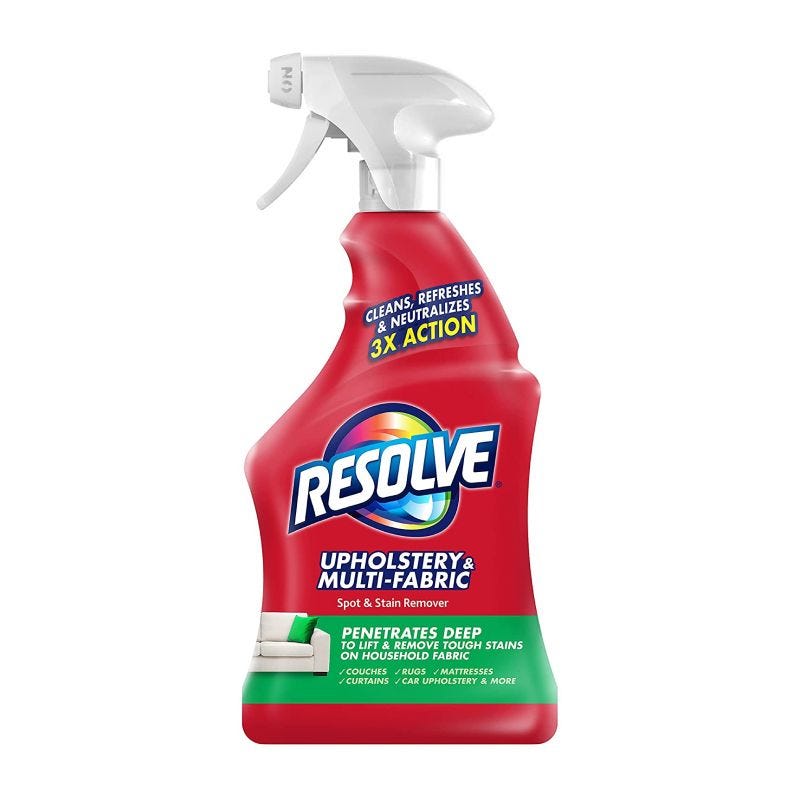
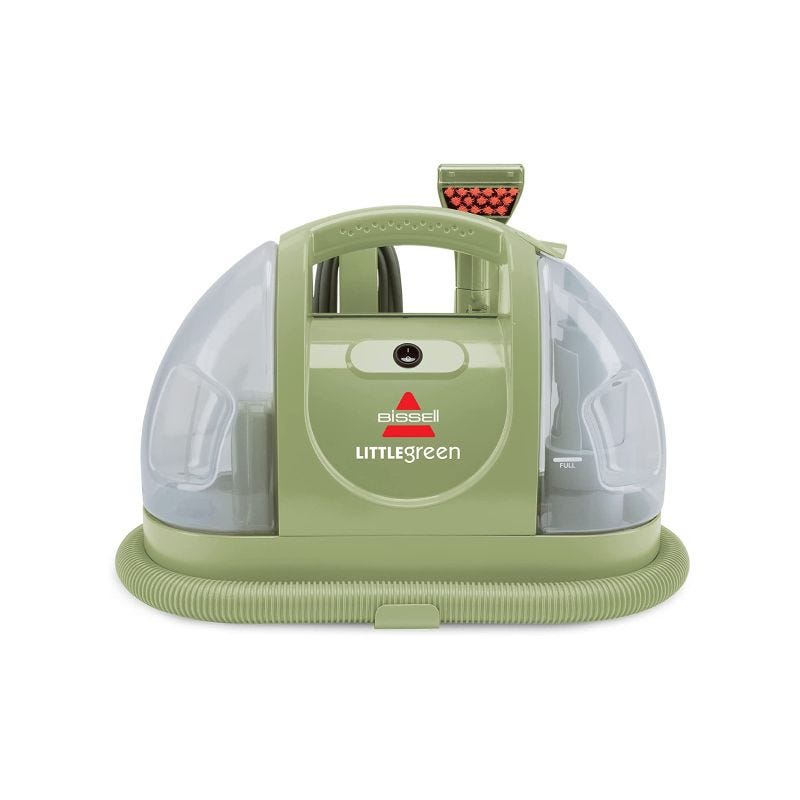
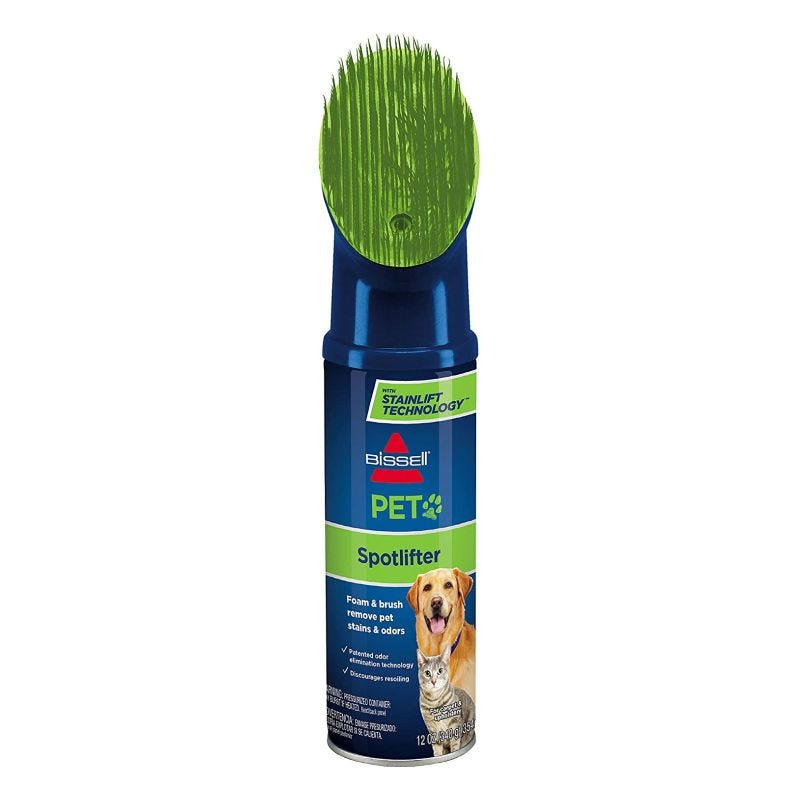
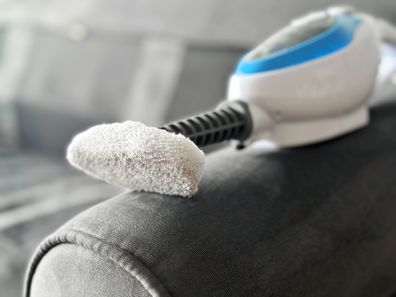
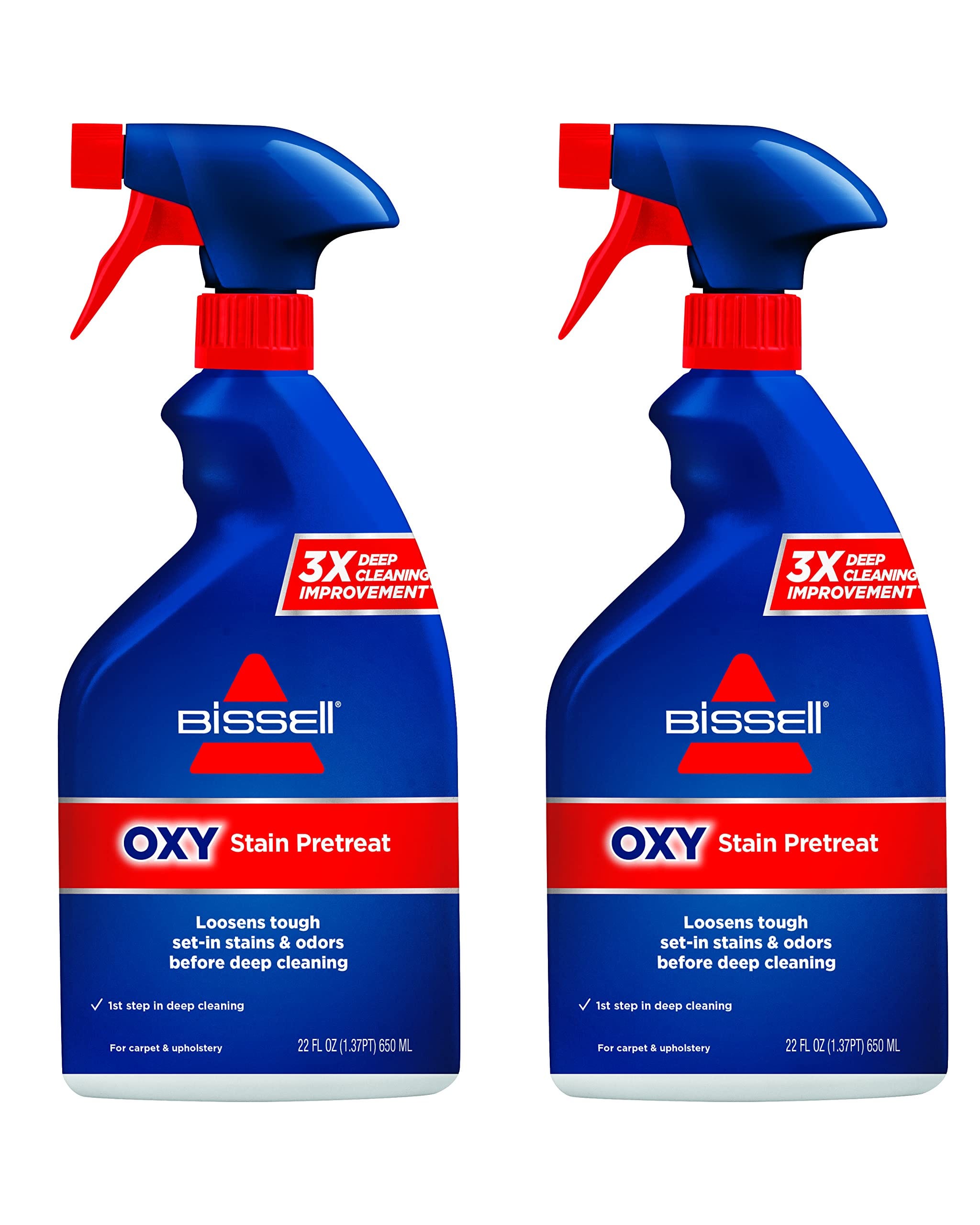
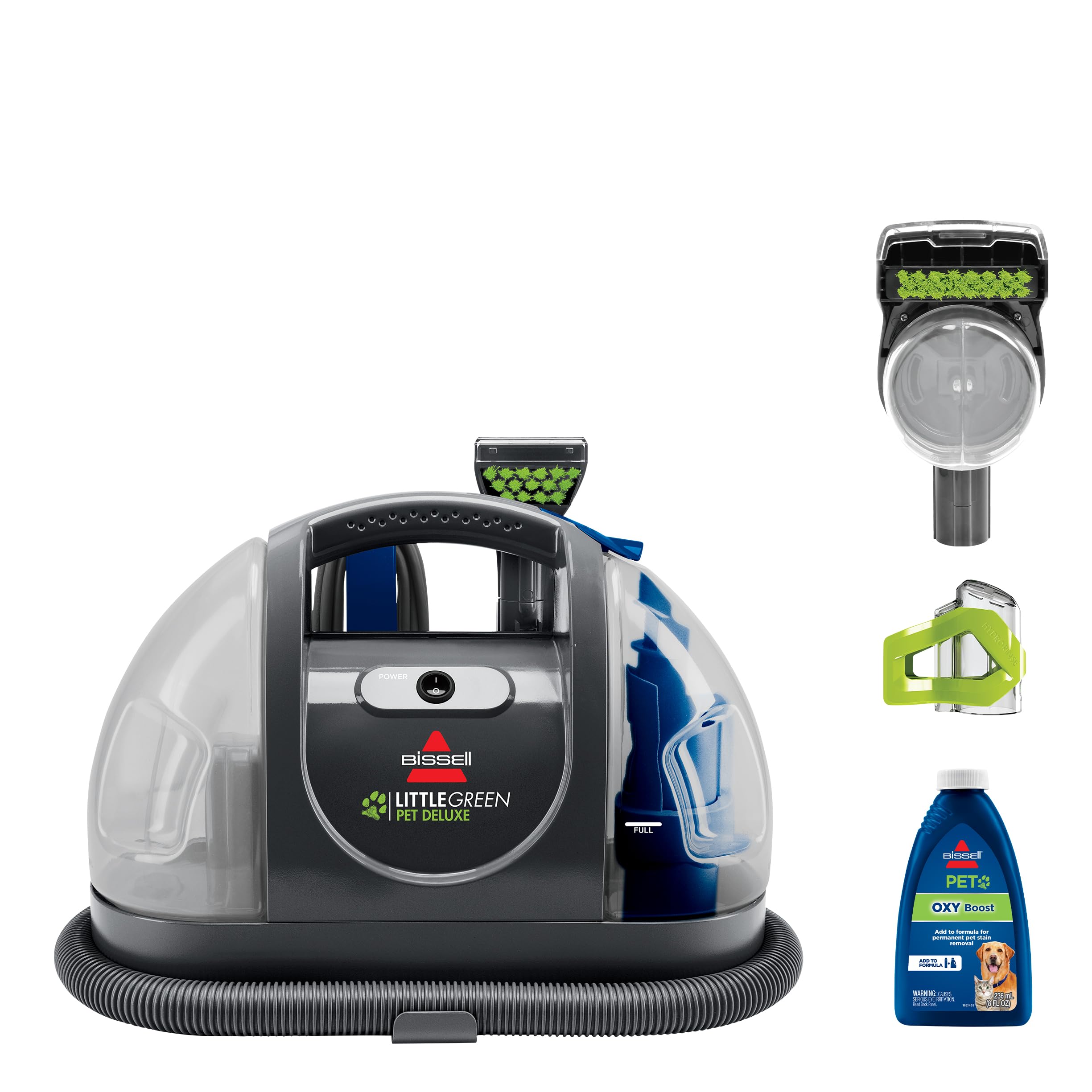
Deep cleaning upholstered pieces is achieved using a portable carpet cleaner like the Bissell Little Green, which features spray and suction functions to extract dirt and stains. Rising Geminis recommends a homemade solution of hot water and laundry detergent, preferably Tide, for this step. The hot water and detergent are effective against bedbugs. For spot cleaning, diluted dish soap applied with a clean sponge or washcloth can remove minor stains. For more stubborn stains, a store-bought carpet spot remover is suggested. To tackle any lingering odors, a eucalyptus spray is recommended as a final step.
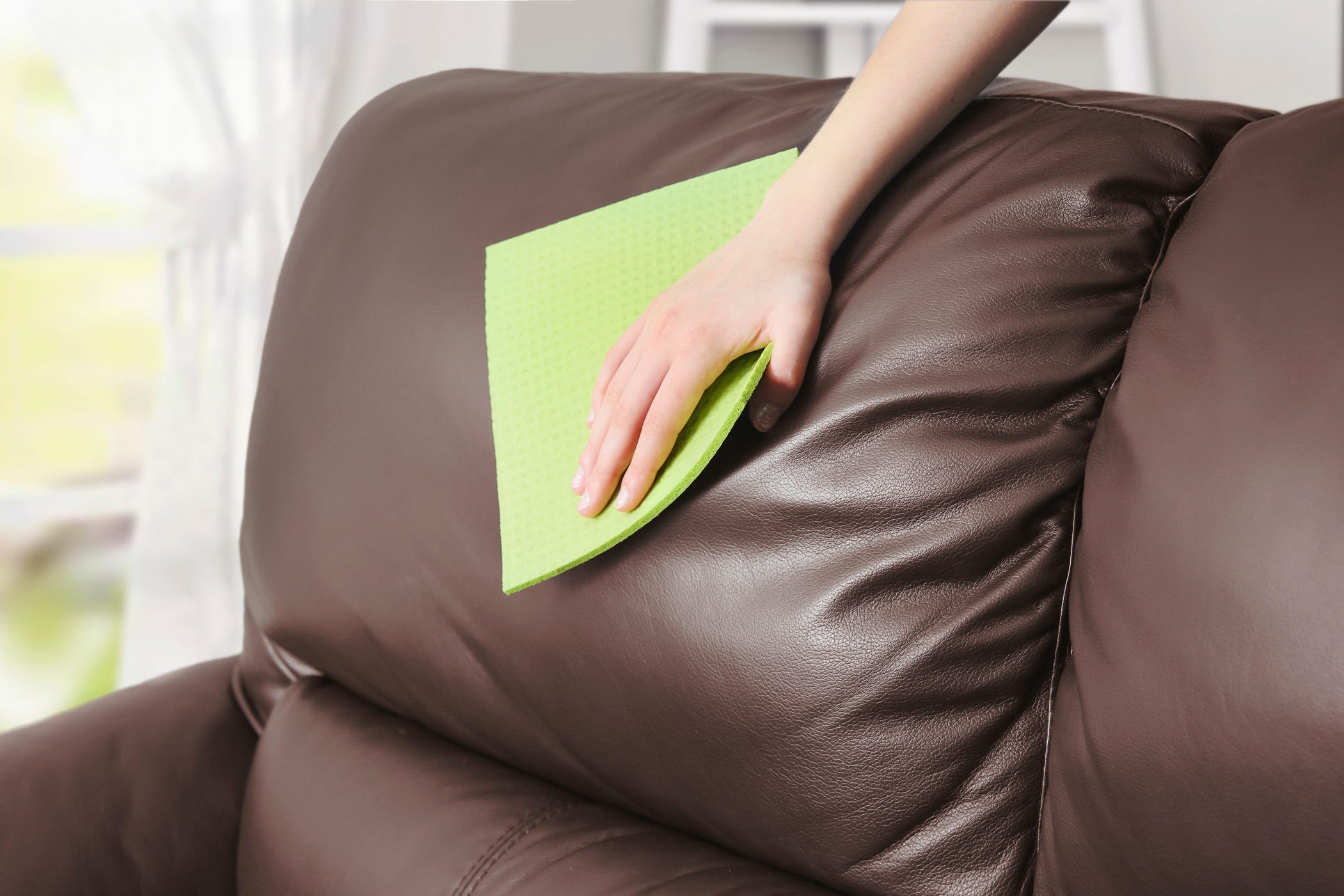
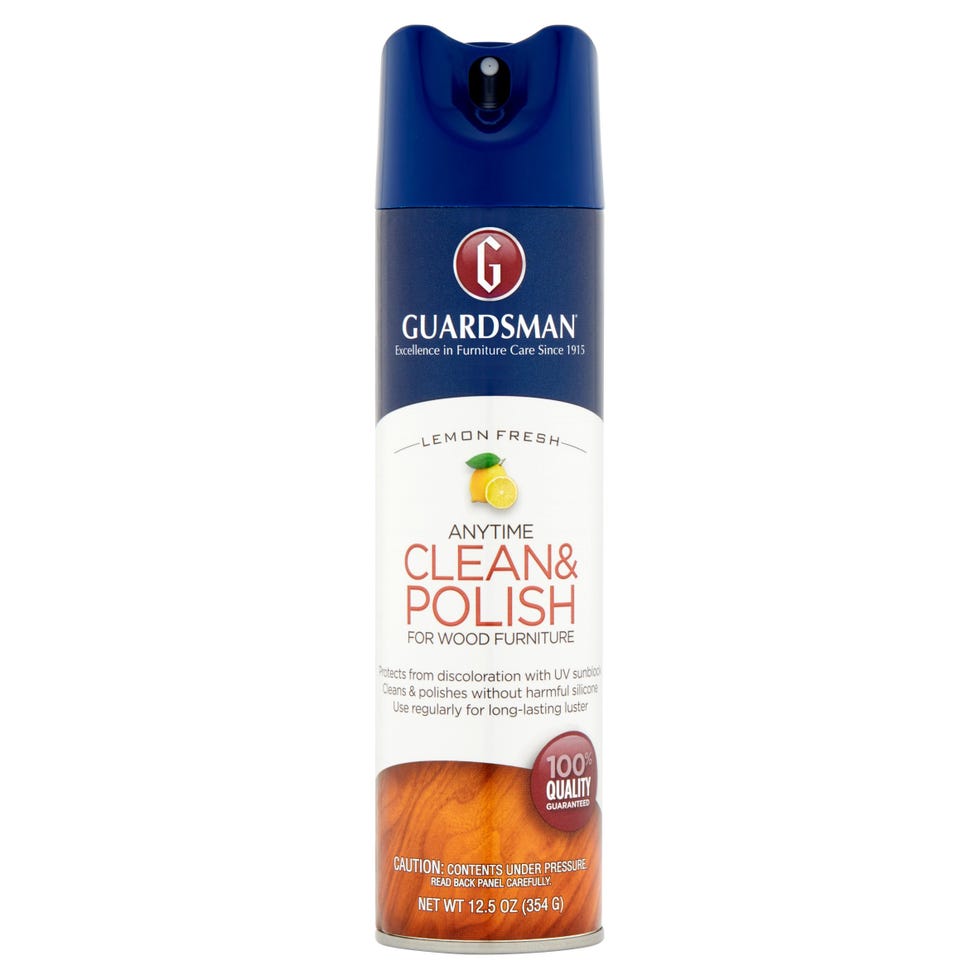
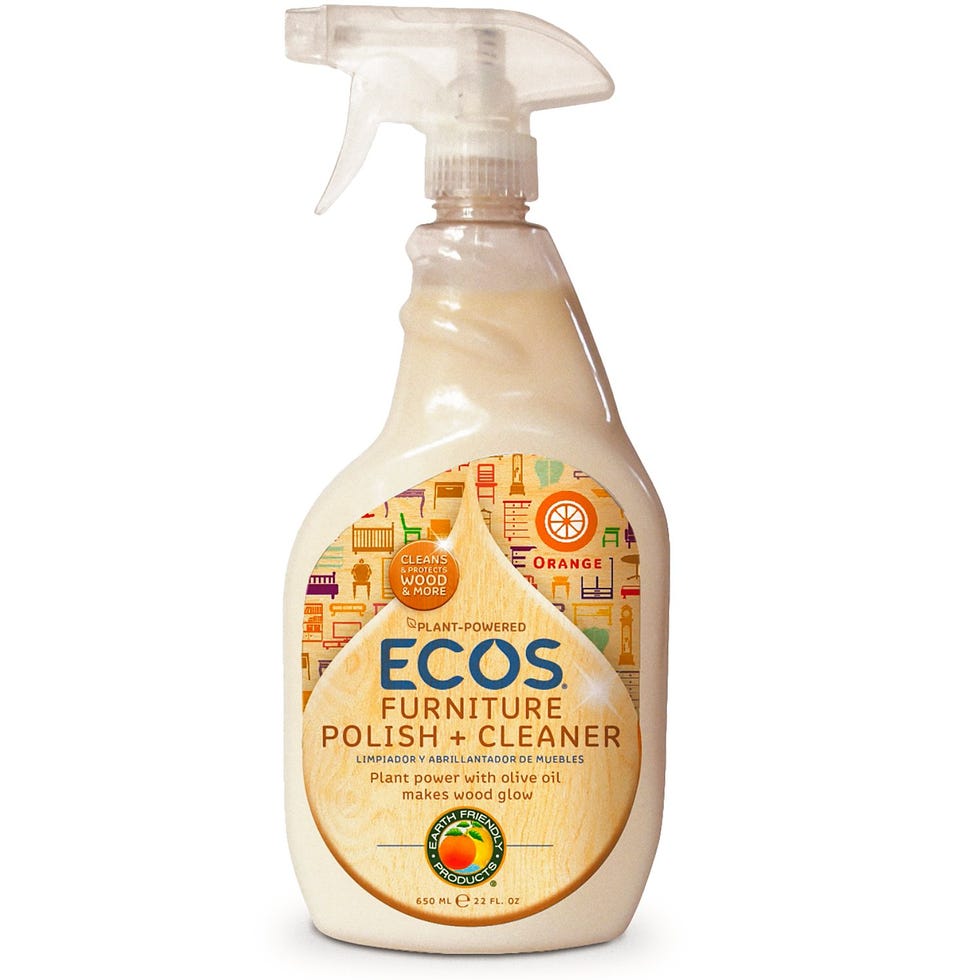
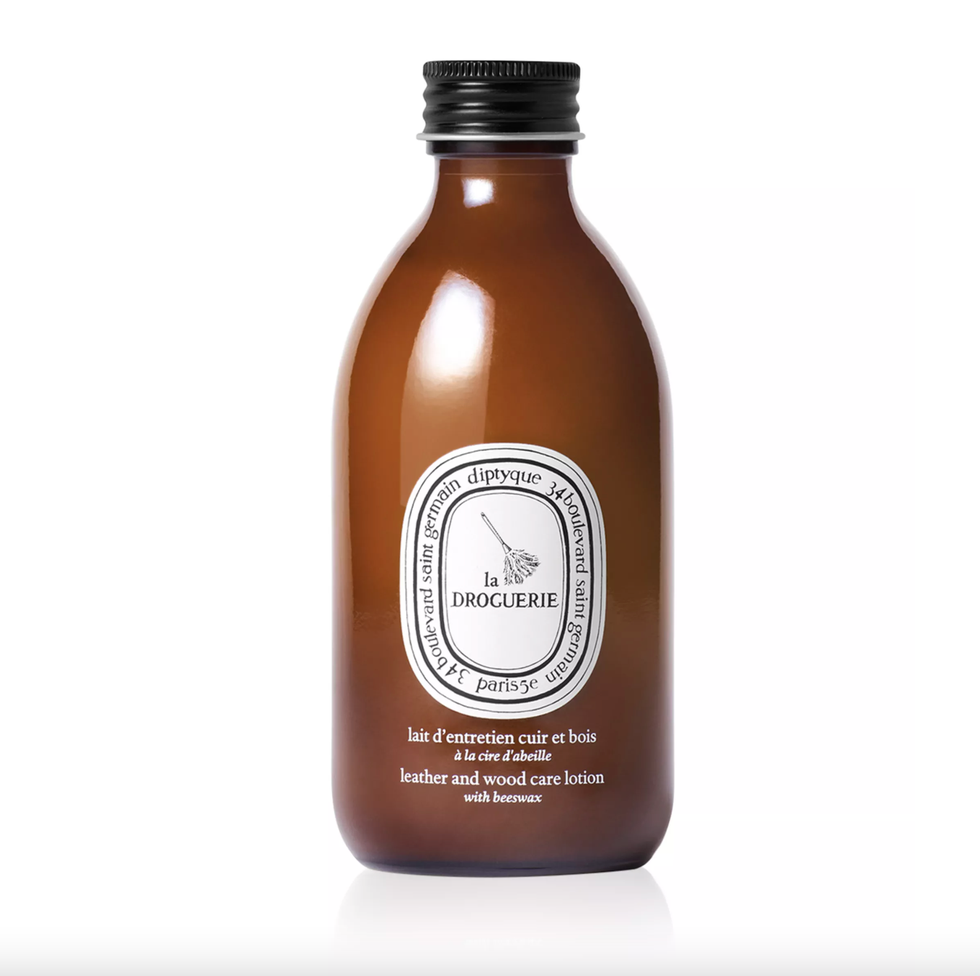
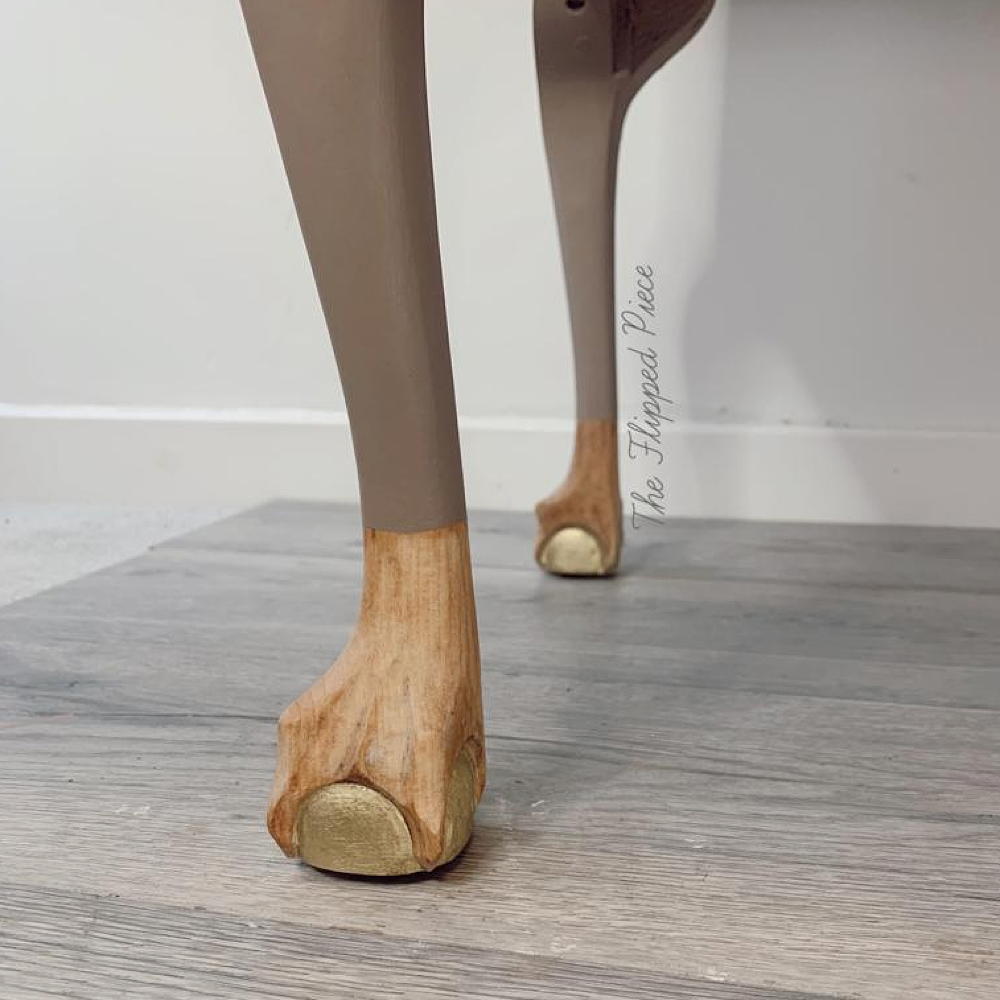
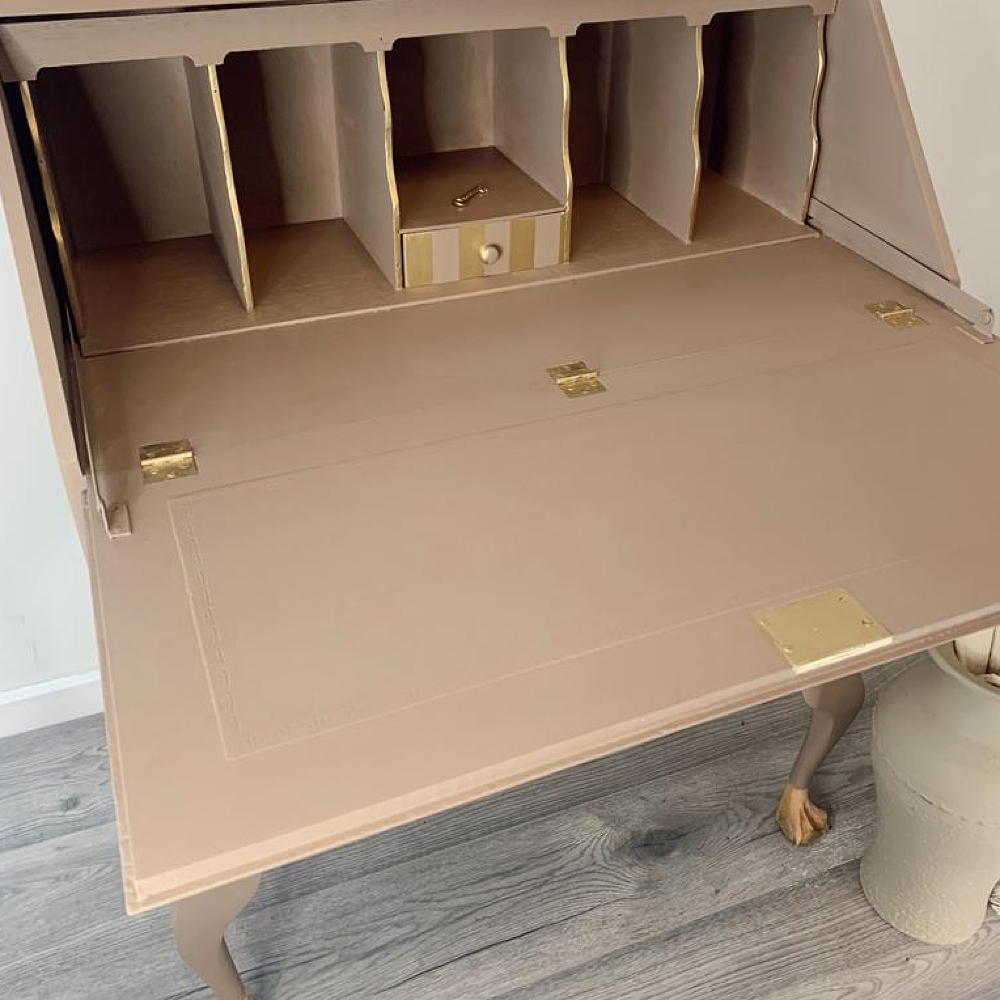
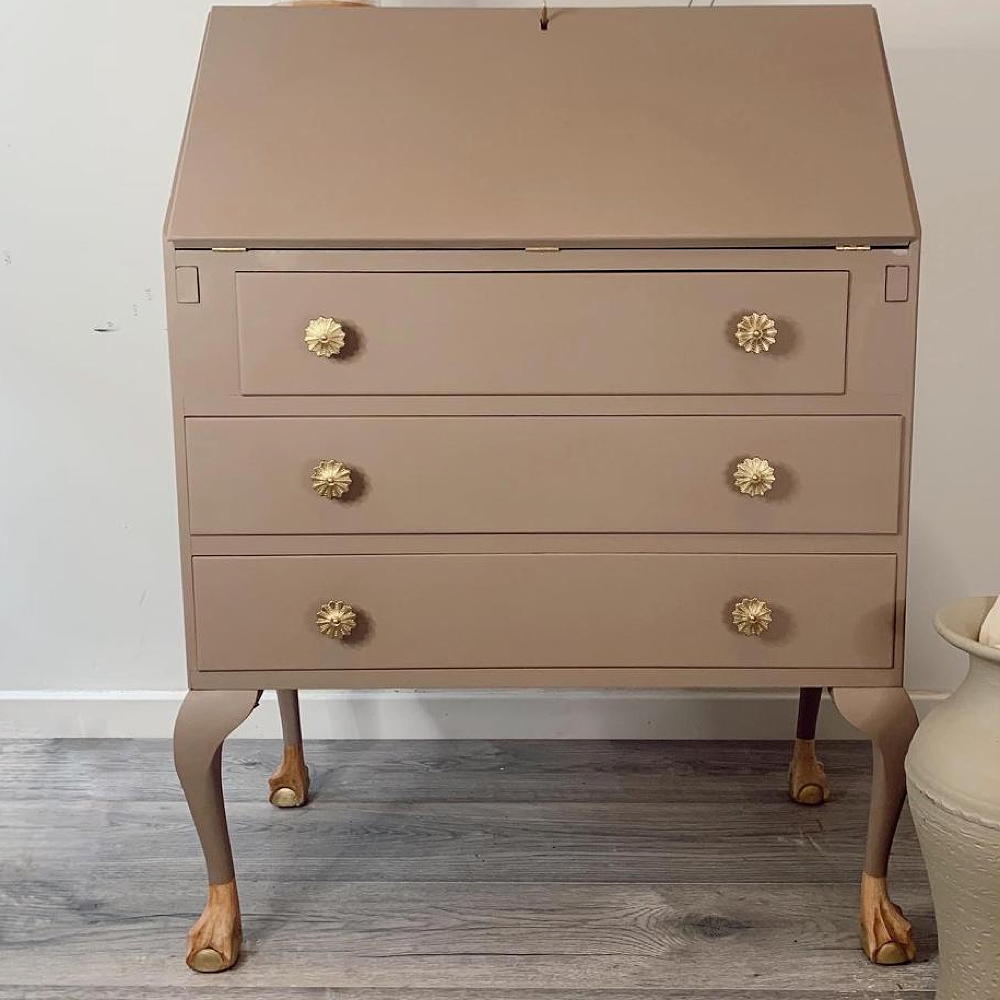
Cleaning hard surfaces, such as tables, dressers, or vases, is generally considered easier but still requires diligence. The process begins with disinfecting, similar to upholstered items, or with a homemade mixture of dish soap, hot water, and white vinegar for scrubbing. Following this, Clorox wipes are used to remove germs and lift residual stains. For persistent marks, a Magic Eraser is effective. After cleaning, wooden hard surfaces can be restored to their original luster by applying wood oil, like teak oil, with a towel. Throughout both cleaning processes, a toothbrush is highlighted as a useful tool for reaching into intricate nooks and crannies to ensure every part of the furniture is thoroughly cleaned. The article underscores the growing trend of upcycling as a sustainable practice and provides practical, expert-backed advice for transforming thrifted finds into clean, refreshed pieces.
#Cleaning #HomeDecor #Upcycling #SecondhandFurniture #FurnitureRestoration #SustainableLiving #DIYHome #HomeMaintenance #CleaningTips #Cleaning #HomeDecor #Upcycling #SecondhandFurniture #FurnitureRestoration #SustainableLiving #DIYHome #HomeMaintenance #CleaningTips
0 comment in total
 No comments yet
You may also like
Are You Cleaning Your Couch Enough? Here's How to Do It the Right Way

You need to deep clean your couch every few months — here’s how experts say to do it

Yes, You Can Dry-Clean at Home: And These 5 Furnishings and Decor Pieces Need TLC

How To Clean Lacquer Furniture Without Stripping It, According To An Expert
How to Clean a Couch, According to Experts | NBC Select


How To Deep Clean a Couch: Expert Tips for Getting It To Look Like New

How to Clean Upholstered Furniture the Right Way

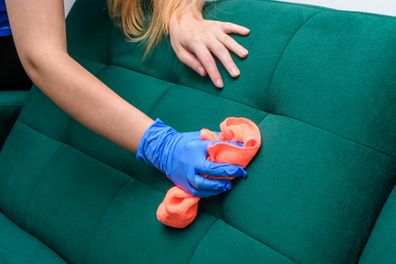
From a quirky TikTok hack and a $99 sell-out Kmart buy, here are five ways to clean your sofa

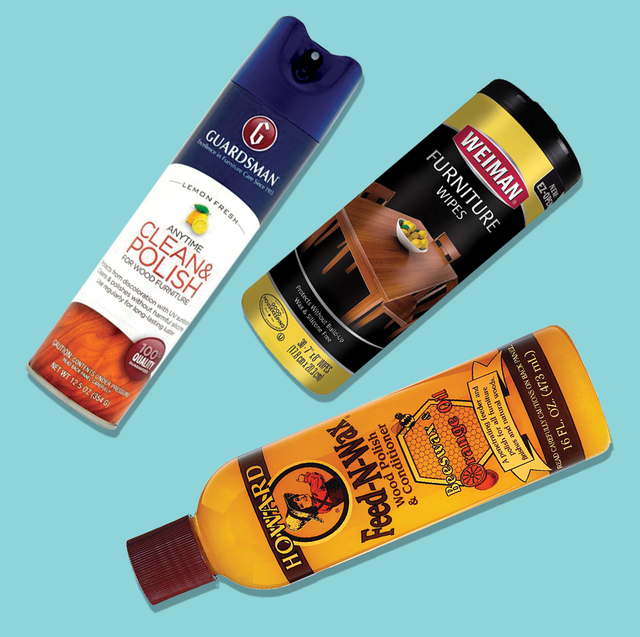
10 Best Furniture Polishes, Tested by Cleaning Experts
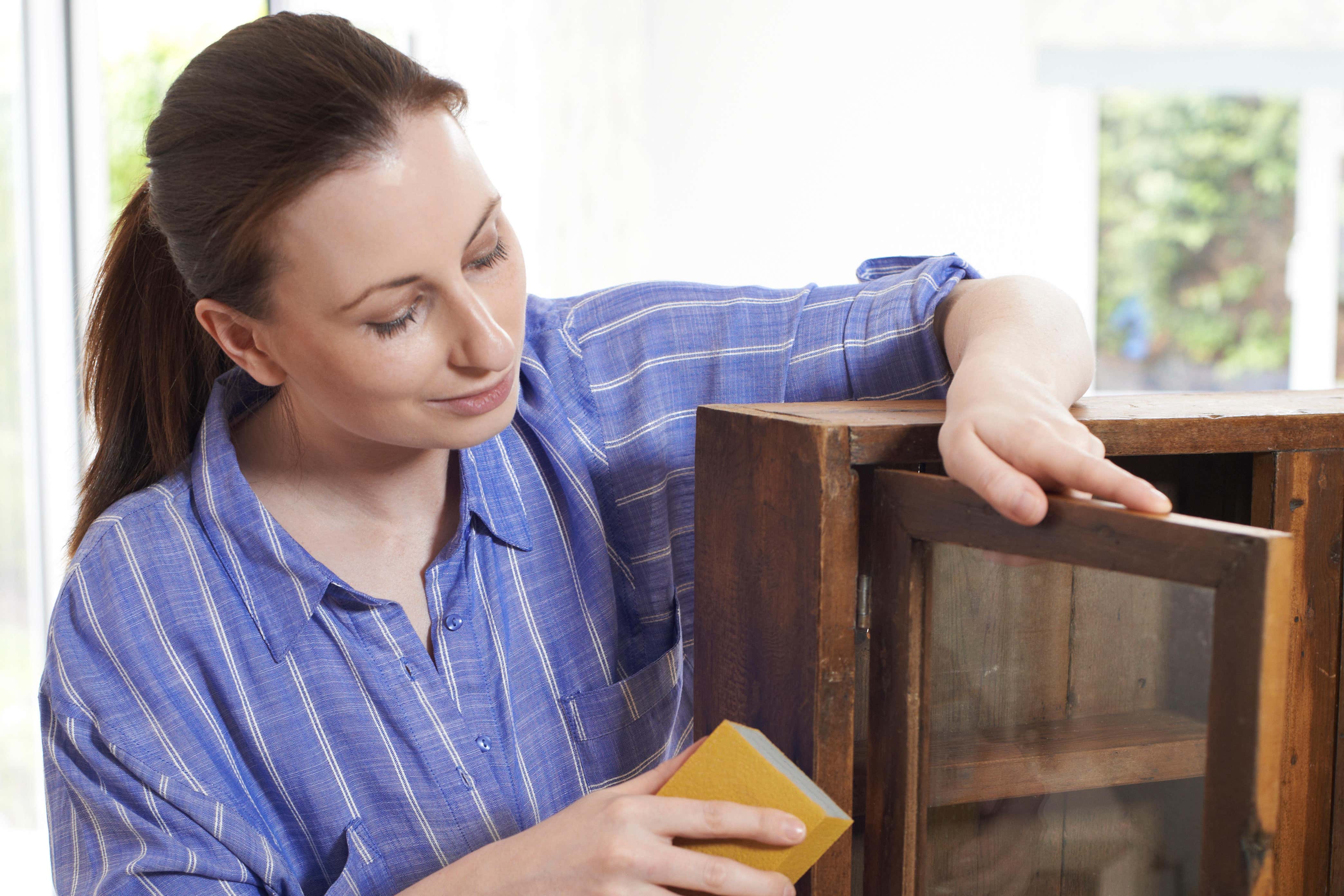
How to upcycle furniture like a pro

6 couch cleaning mistakes that pros say could lead you to 'serious upholstery heartbreak'

How to clean a sofa bed – top hacks for tackling stains and everyday cleaning for an immaculate couch

How to Clean Thrifted and Secondhand Furniture

5 Common Sofa Cleaning Mistakes You Might Be Making

27 Couch Cleaners That’ll Make Old, Stained Sofas Look Newer
Refresh Your Furniture and More with These Best Upholstery Cleaners

A furniture flipper reveals her simple tips for how to source and upcycle furniture to sell on

Shop Secondhand Like a Pro: How Our Decor Experts Find Worth-It Furniture on a Budget
10 Best Upholstery Cleaners That Will Make Your Furniture Look Good as New

R5 Westchester County Experts Explain How to Clean Expensive Home Furnishings