1/2
How to Clean Thrifted and Secondhand Furniture
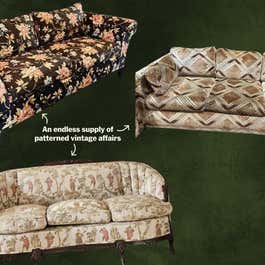
The increasing popularity of working from home and virtual schooling has led to a surge in demand for office furniture, resulting in supply shortages from traditional retailers. Consequently, secondhand shops and thrift stores have become valuable resources for affordable and eco-friendly furniture options. However, these pre-loved items often require thorough cleaning and care to restore them to their best condition.
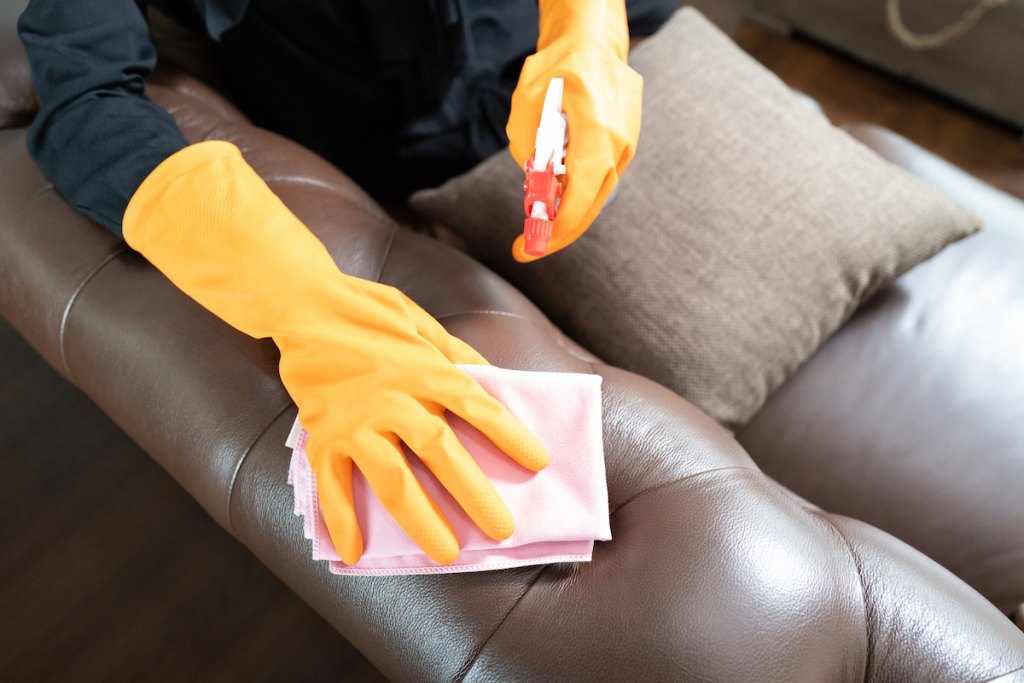
This guide offers practical and environmentally conscious methods for cleaning various types of issues commonly found in secondhand furniture. For sticky residue left by price tags or labels, household items like rubbing alcohol, vodka, WD-40, or vinegar can effectively remove the gumminess without damaging the surface. A simple spray, a few minutes of waiting, and a wipe with a damp rag are all that's needed.
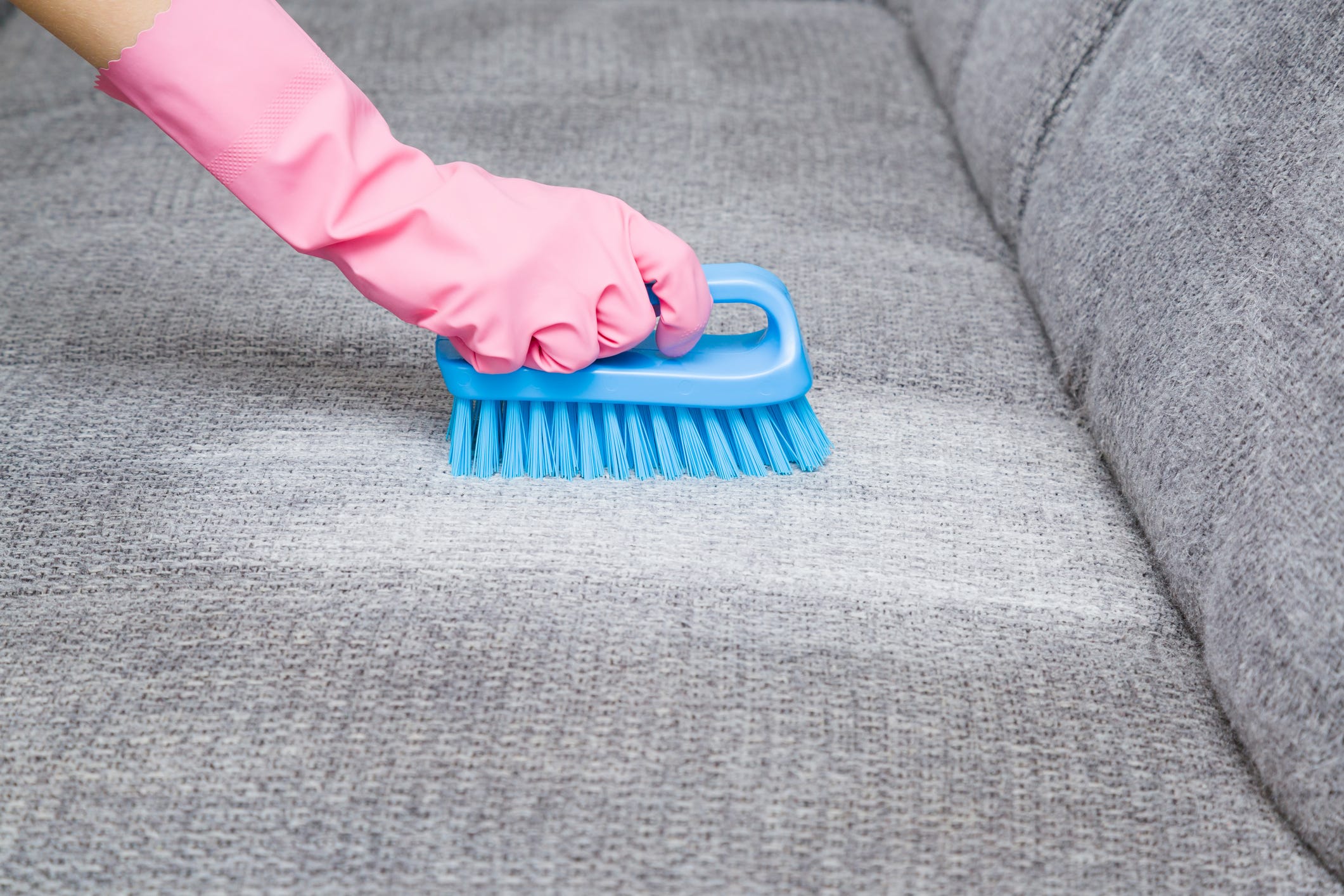
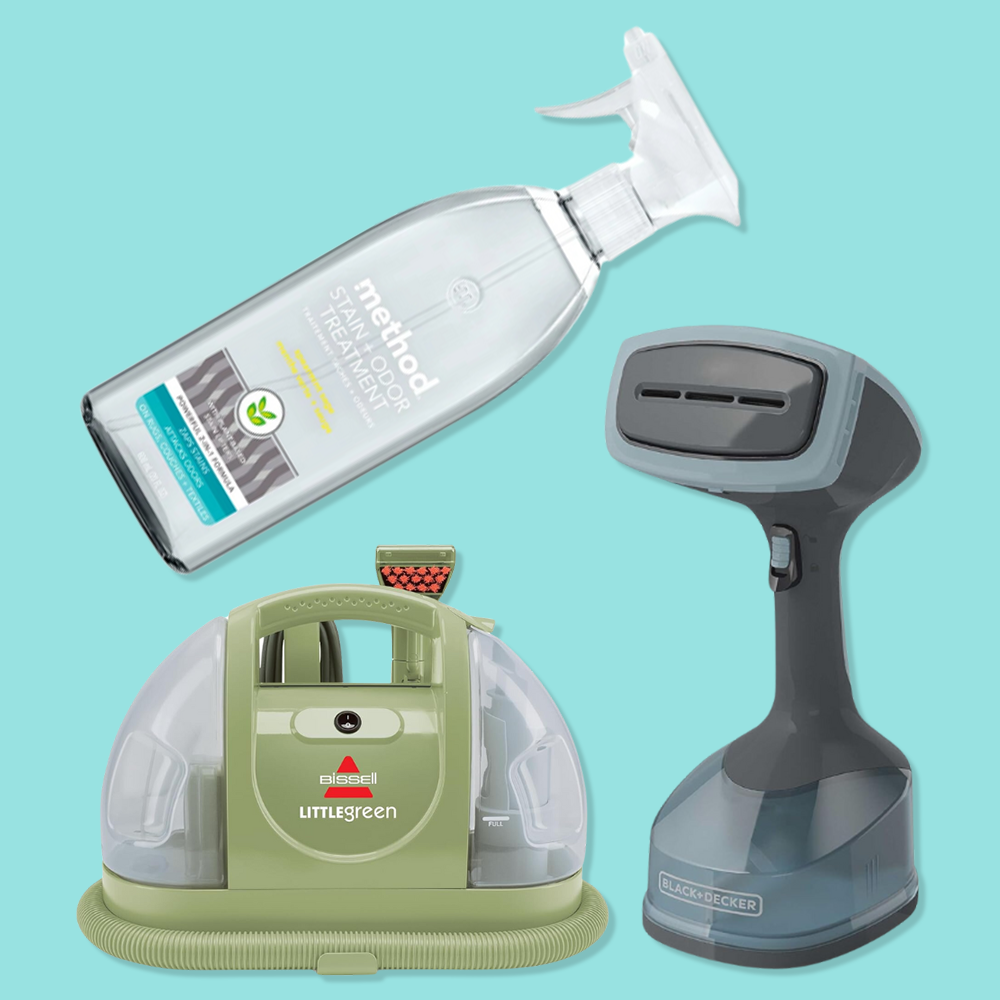
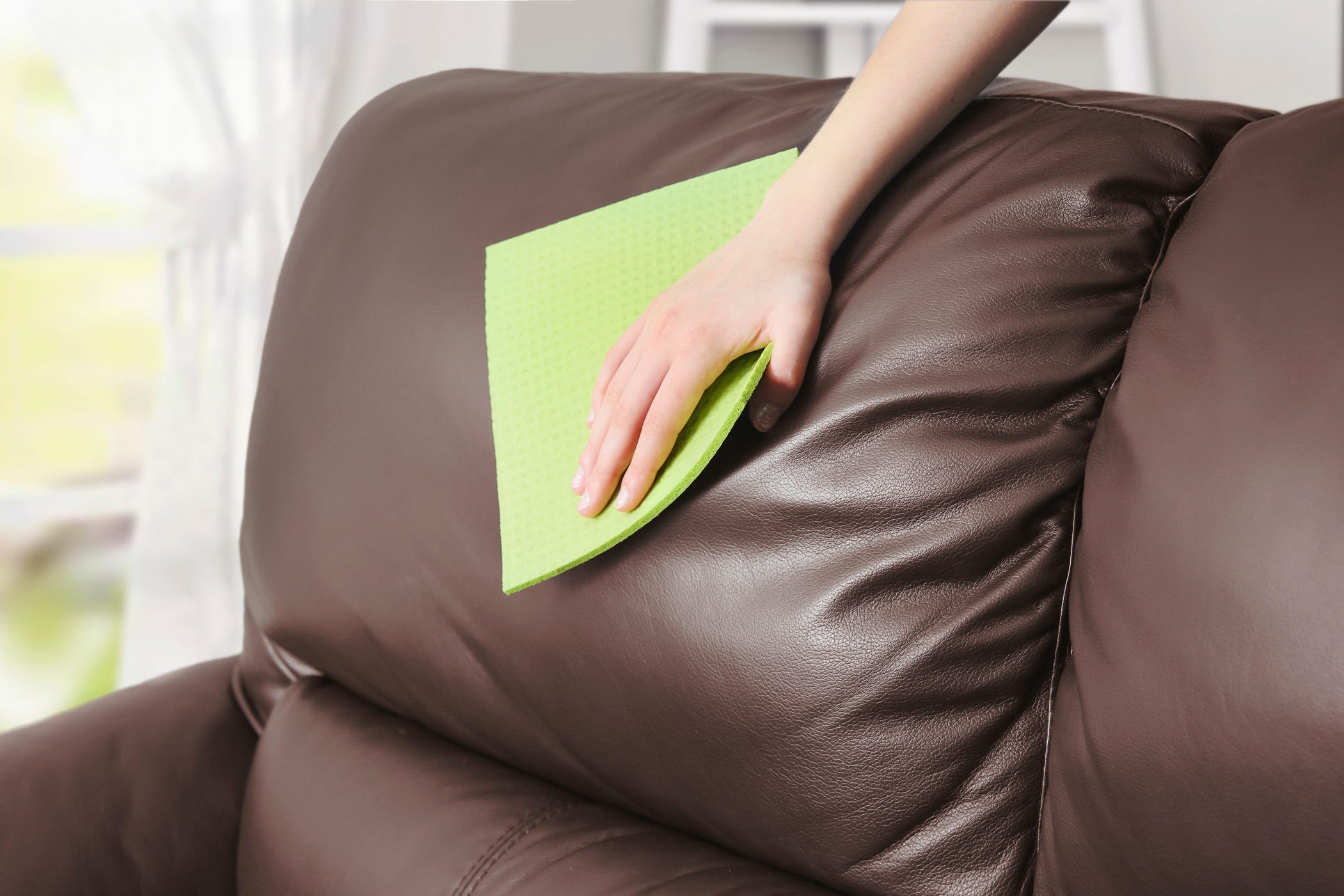
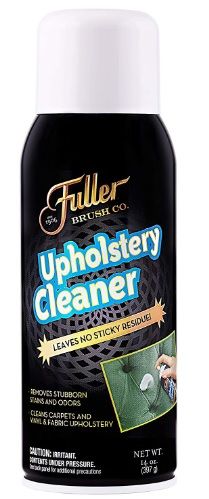
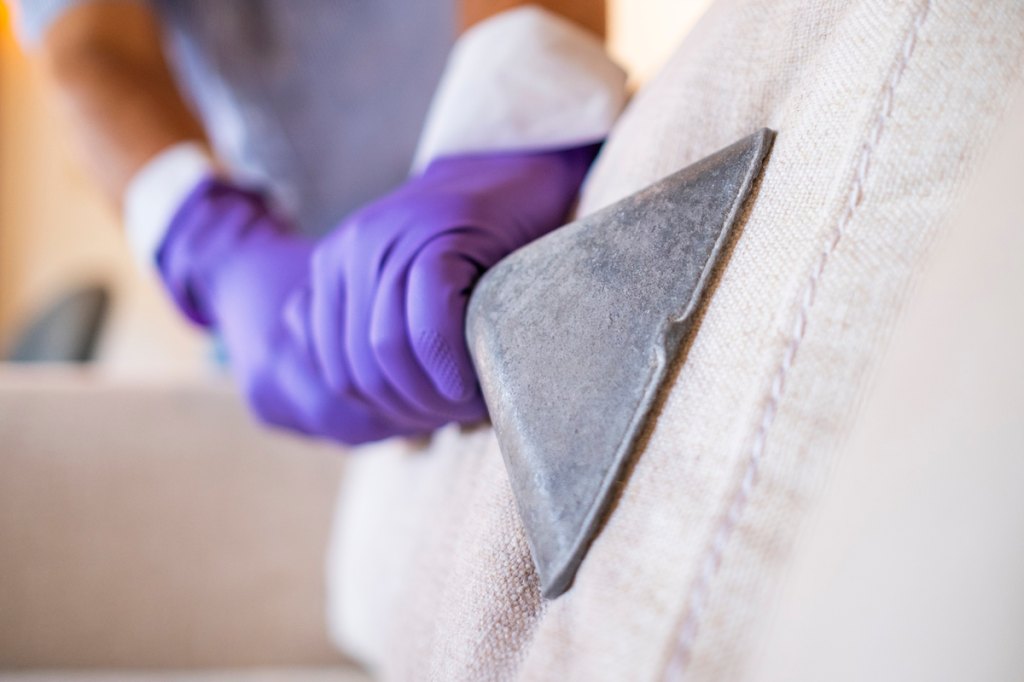
Upholstery stains can be tackled with a homemade solution of warm water, white vinegar, and dish detergent. This mixture can be sprayed or dabbed onto the stain, worked in with a soft brush, and then sponged away. For more extensive cleaning, renting a carpet cleaner might be necessary, though it's important to be aware of special cleaning requirements for delicate fabrics like silk or leather.
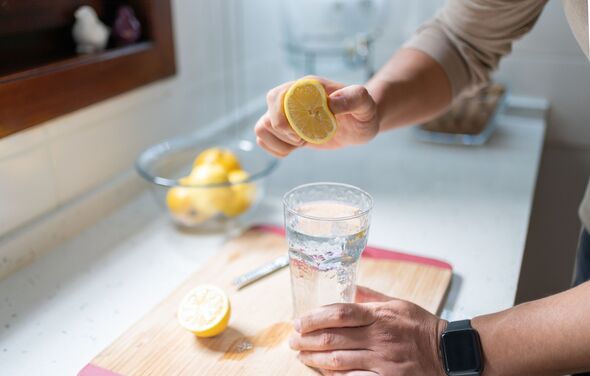
Rust on metal furniture, a common issue in items from humid environments, can be addressed using baking soda mixed with water to form a paste. After application and a 15-minute wait, scrubbing with an abrasive item like an old toothbrush will remove the rust. Alternatively, vinegar or a combination of salt and lemon juice can also be effective. Commercial products like Bar Keepers Friend are also recommended for stubborn rust and polishing.
Mold and mildew, which thrive in damp, dark conditions, can pose health risks and must be removed promptly. After vacuuming loose spores, a solution of equal parts water and rubbing alcohol or vinegar can be used to clean both upholstered and wood furniture. Regular rinsing of the sponge and thorough drying of the furniture piece are crucial.
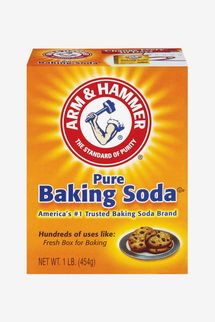
Lingering odors, often referred to as a "vintage" scent, can be neutralized with baking soda. For cushions and rugs, rubbing baking soda into the fabric and then vacuuming it out after a few hours helps absorb and neutralize acidic odors. For hard surfaces, sprinkling baking soda, then wiping it away with a water and vinegar mixture, serves a similar purpose and also disinfects.
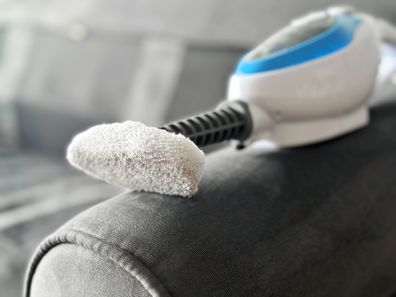
Bed bug infestations, which have been on the rise, necessitate careful inspection of cracks, creases, and screw holes for the pests or their excrement before purchasing furniture. If an infestation occurs, immediate containment is vital. This involves thoroughly vacuuming all potential hiding places and, if possible, washing and drying the item. Other options include sealing the item in a plastic bag, using a steam cleaner, applying insecticide, or seeking professional extermination.
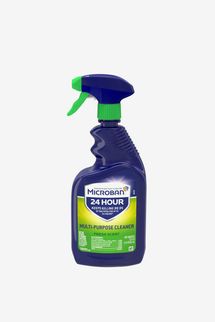
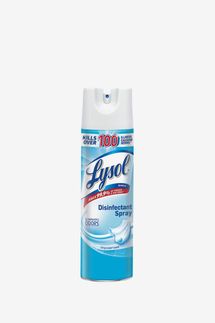
Given increased awareness of hygiene, especially concerning viruses like COVID-19, cleaning new secondhand acquisitions is crucial. Studies indicate that the coronavirus can survive for varying durations on different surfaces. For fabric, the window is about 24 hours, while for metal and plastic, it can be up to 72 hours. While leaving items in a garage might help, a thorough cleaning is more effective. Removable cushion covers can be machine-washed (avoiding the dryer to prevent shrinkage), while hard surfaces like desks, wooden chairs, and bookshelves can be cleaned with dish soap and hot water or disinfectant wipes. These cleaning measures not only reduce the risk of viral transmission but also eliminate other potential contaminants, ensuring the furniture is truly fresh and safe for use.
#furnitureCare #secondhandFurniture #thriftedFinds #homeCleaning #ecoFriendlyLiving #DIYCleaning #stainRemoval #moldMildewRemedies #odorElimination #furnitureCare #secondhandFurniture #thriftedFinds #homeCleaning #ecoFriendlyLiving #DIYCleaning #stainRemoval #moldMildewRemedies #odorElimination
0 comment in total
 No comments yet
You may also like

How to Clean Secondhand Furniture, According to Professional Upcyclers
How to Clean a Couch, According to Experts | NBC Select

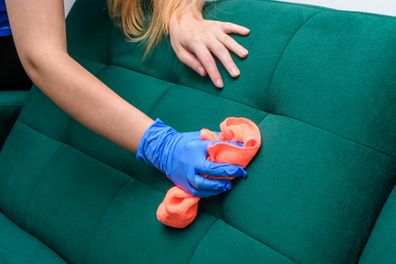
From a quirky TikTok hack and a $99 sell-out Kmart buy, here are five ways to clean your sofa


How to clean upholstery – to keep furniture looking fresh


Shop Secondhand Like a Pro: How Our Decor Experts Find Worth-It Furniture on a Budget
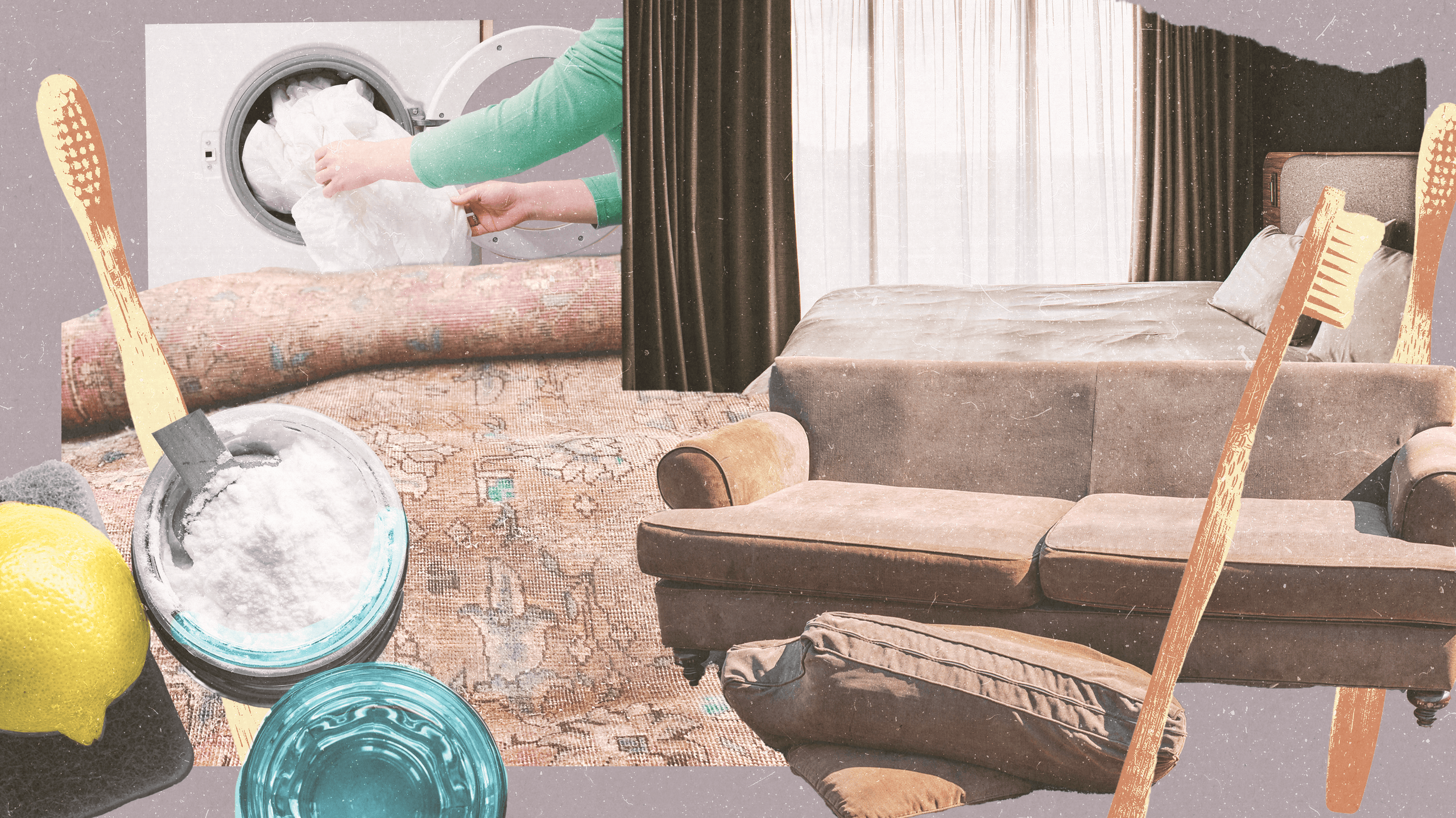
Yes, You Can Dry-Clean at Home: And These 5 Furnishings and Decor Pieces Need TLC

7 Unexpected Ways You're Secretly Damaging Your Furniture, Designers Say
6 couch cleaning mistakes that pros say could lead you to 'serious upholstery heartbreak'
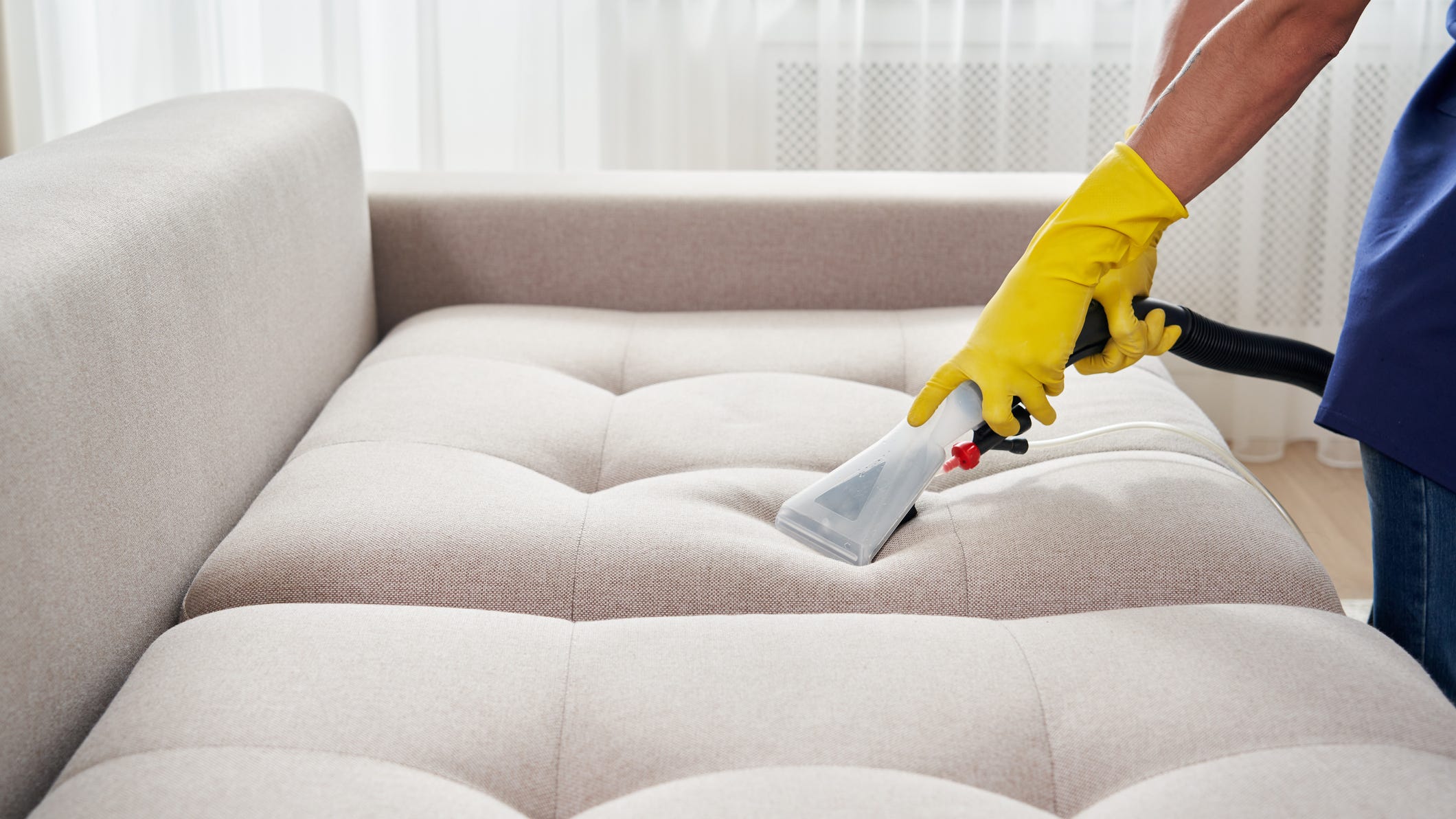
Are You Cleaning Your Couch Enough? Here's How to Do It the Right Way

How To Clean Lacquer Furniture Without Stripping It, According To An Expert

How to Protect Fabric Furniture From Stains and Dirt
You need to deep clean your couch every few months — here’s how experts say to do it

How to Clean Upholstered Furniture the Right Way


How To Deep Clean a Couch: Expert Tips for Getting It To Look Like New


How to clean a linen sofa to keep it in pristine condition – even in a busy family home
Expert's clever olive oil hack to 'protect and rejuvenate' furniture
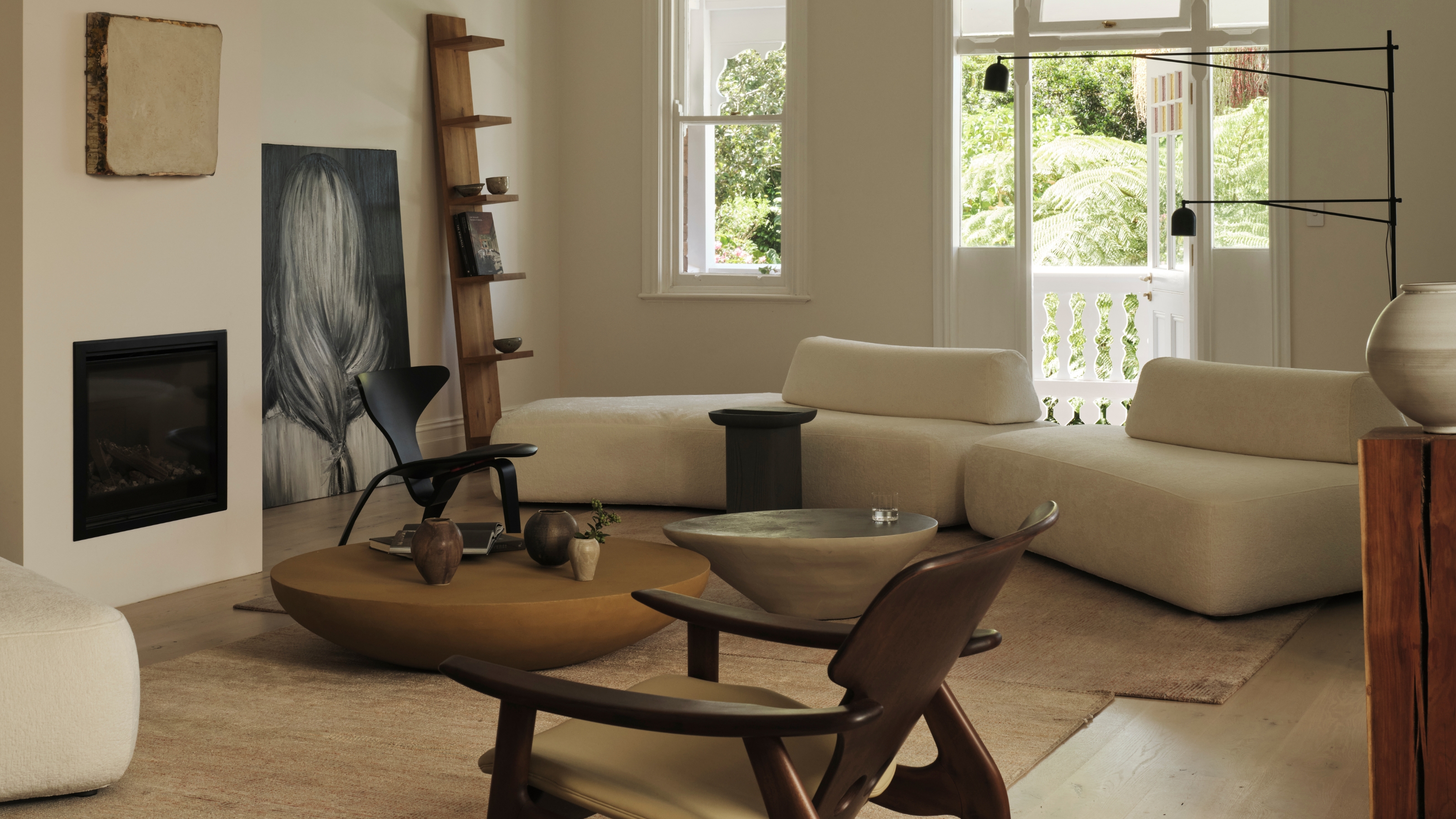
5 Things You Should Definitely Thrift for Your Living Room Styling — "A Few Pieces Add Instant Soul"

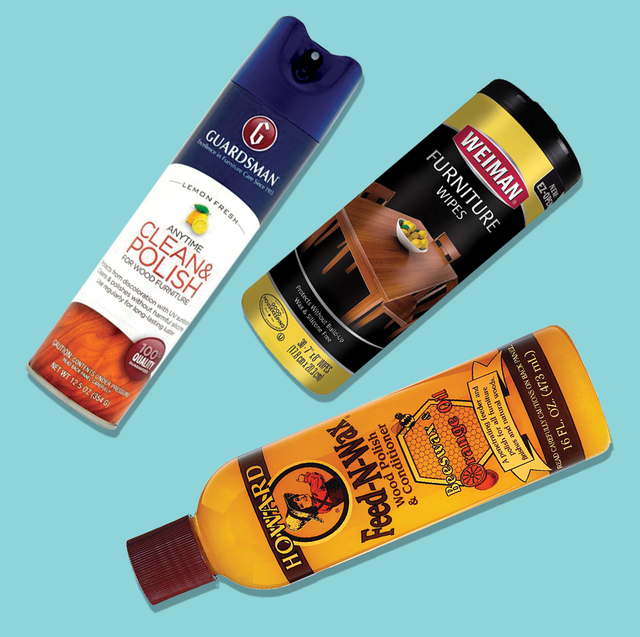
10 Best Furniture Polishes, Tested by Cleaning Experts
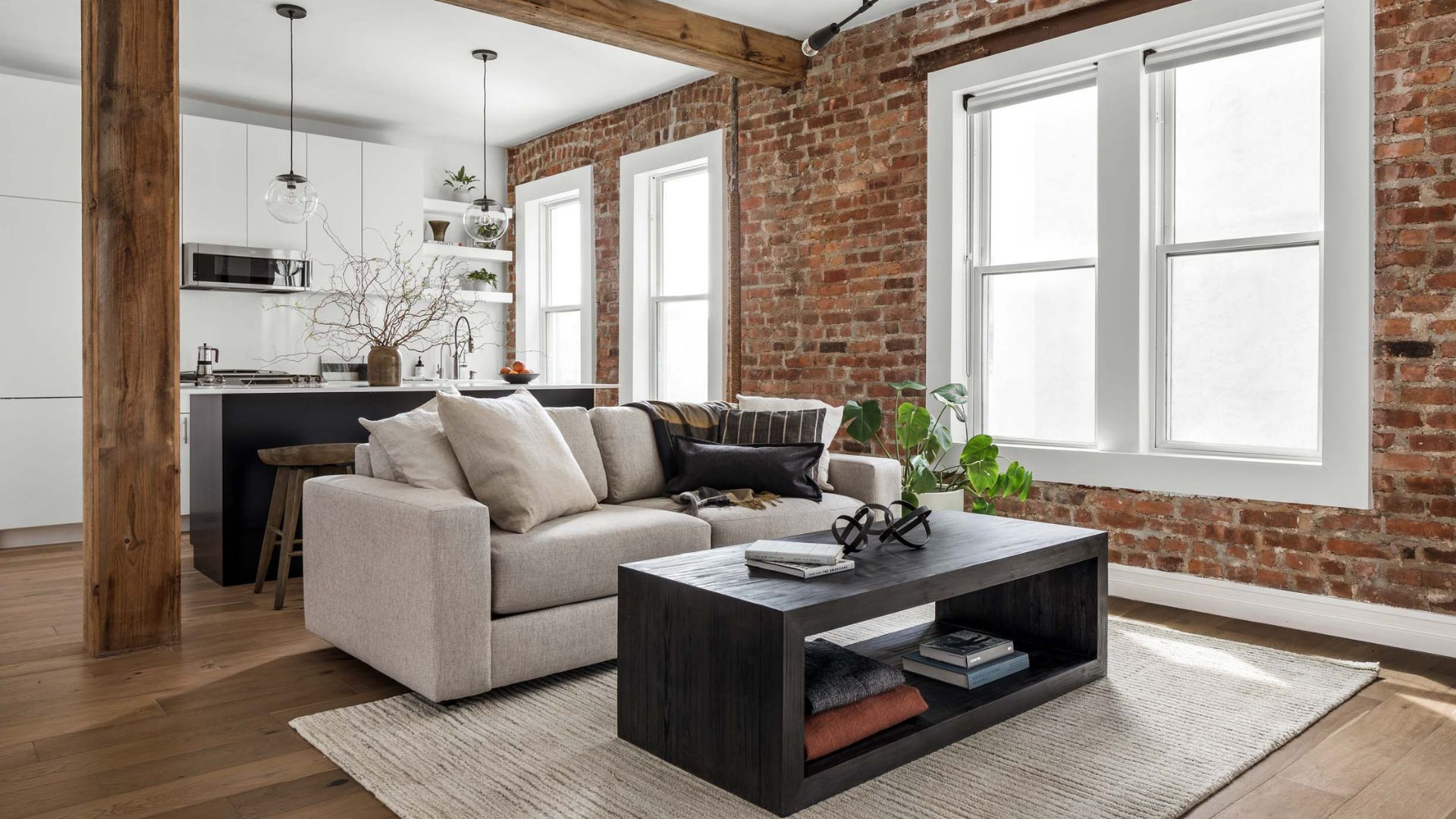
5 Common Sofa Cleaning Mistakes You Might Be Making

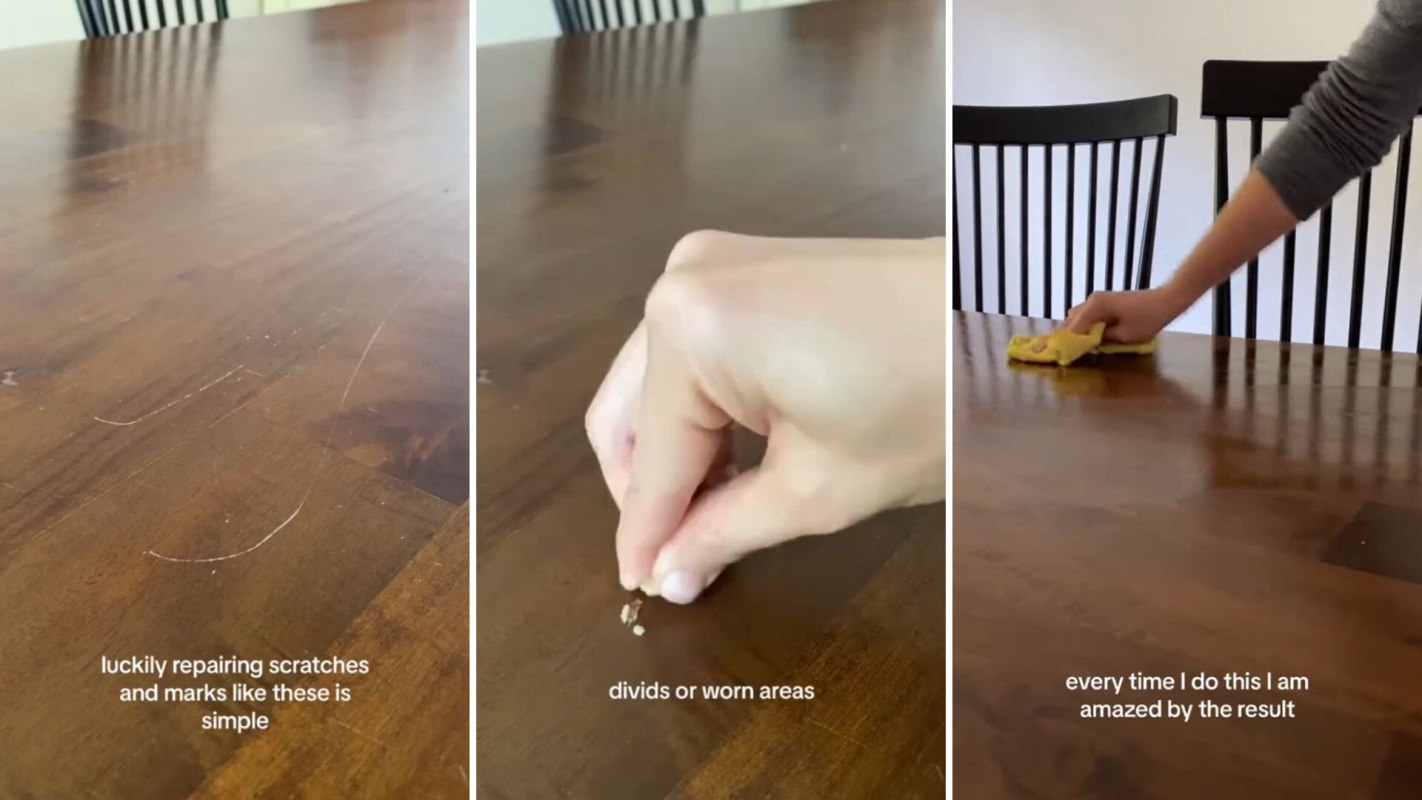
Woman shares simple trick to remove scratches from wooden furniture: 'It's like magic'