1/6
What's replacing bouclé? We asked designers if this much-loved fabric is going out of style
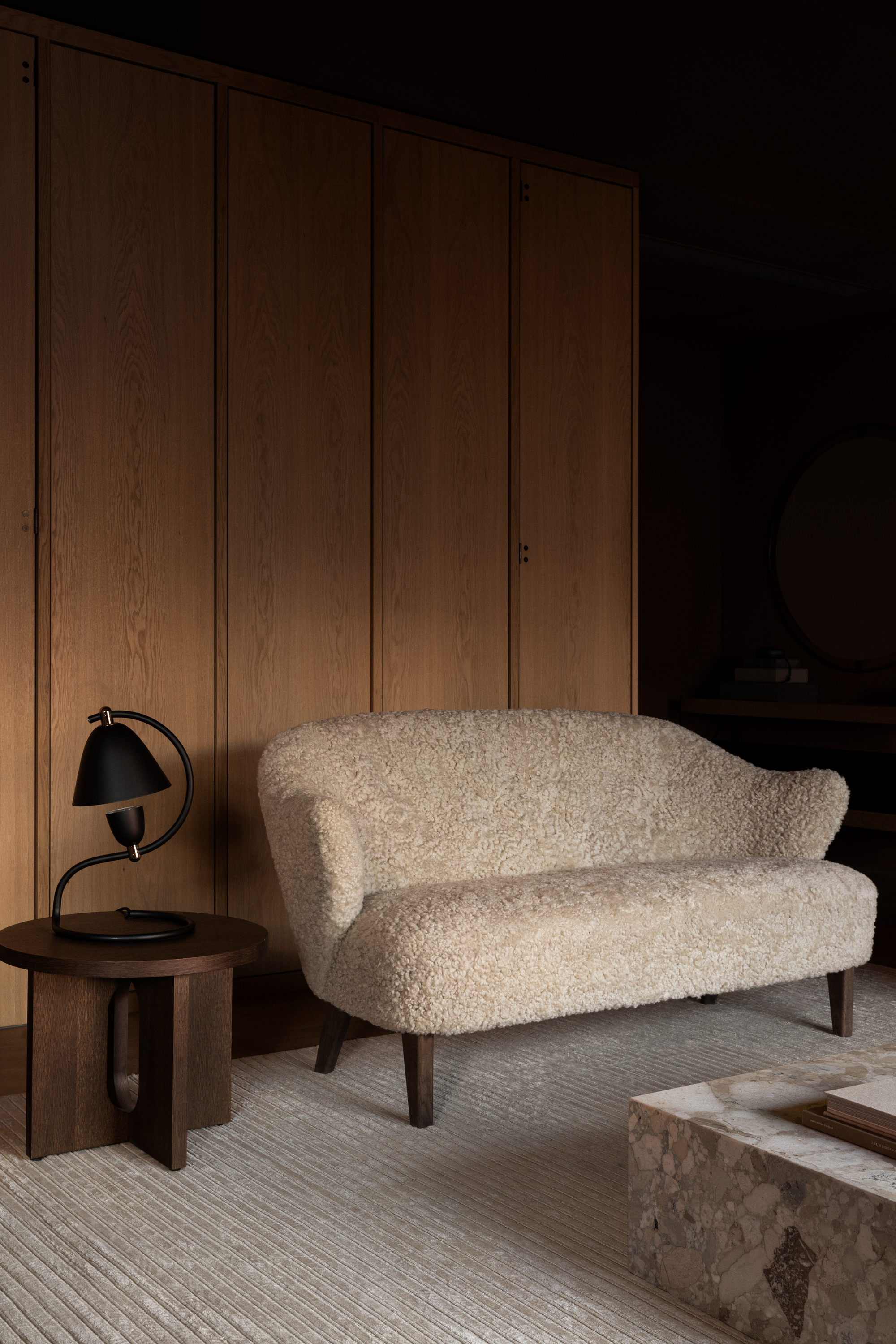
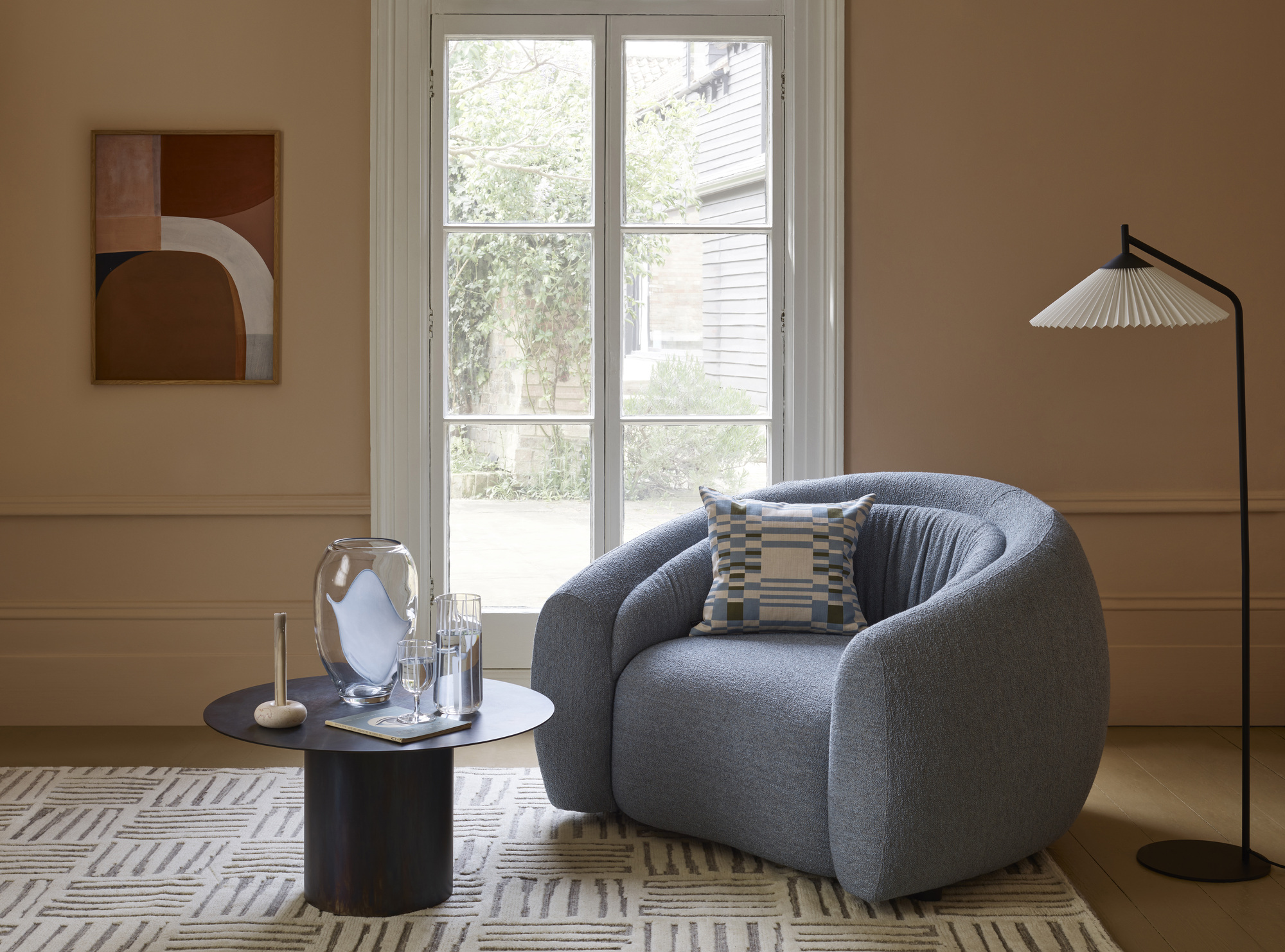
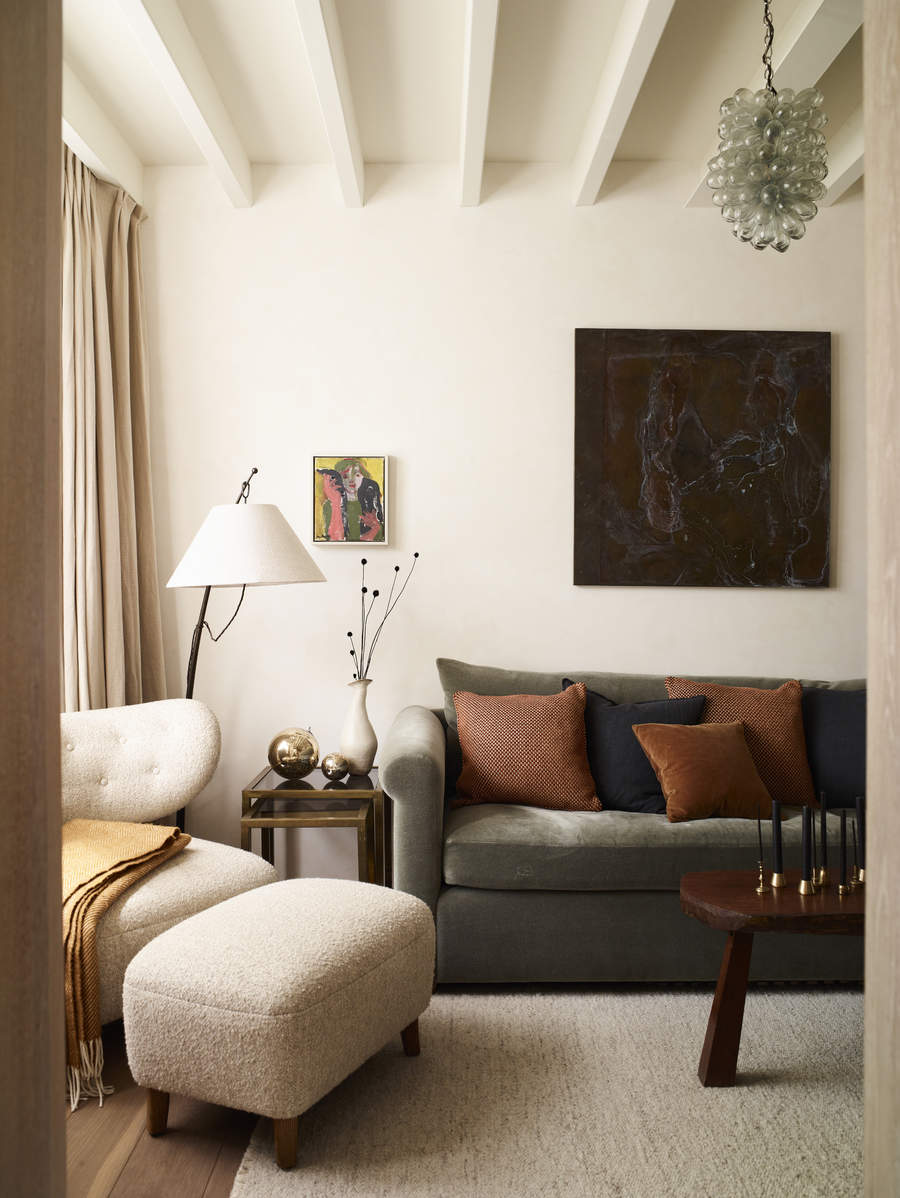
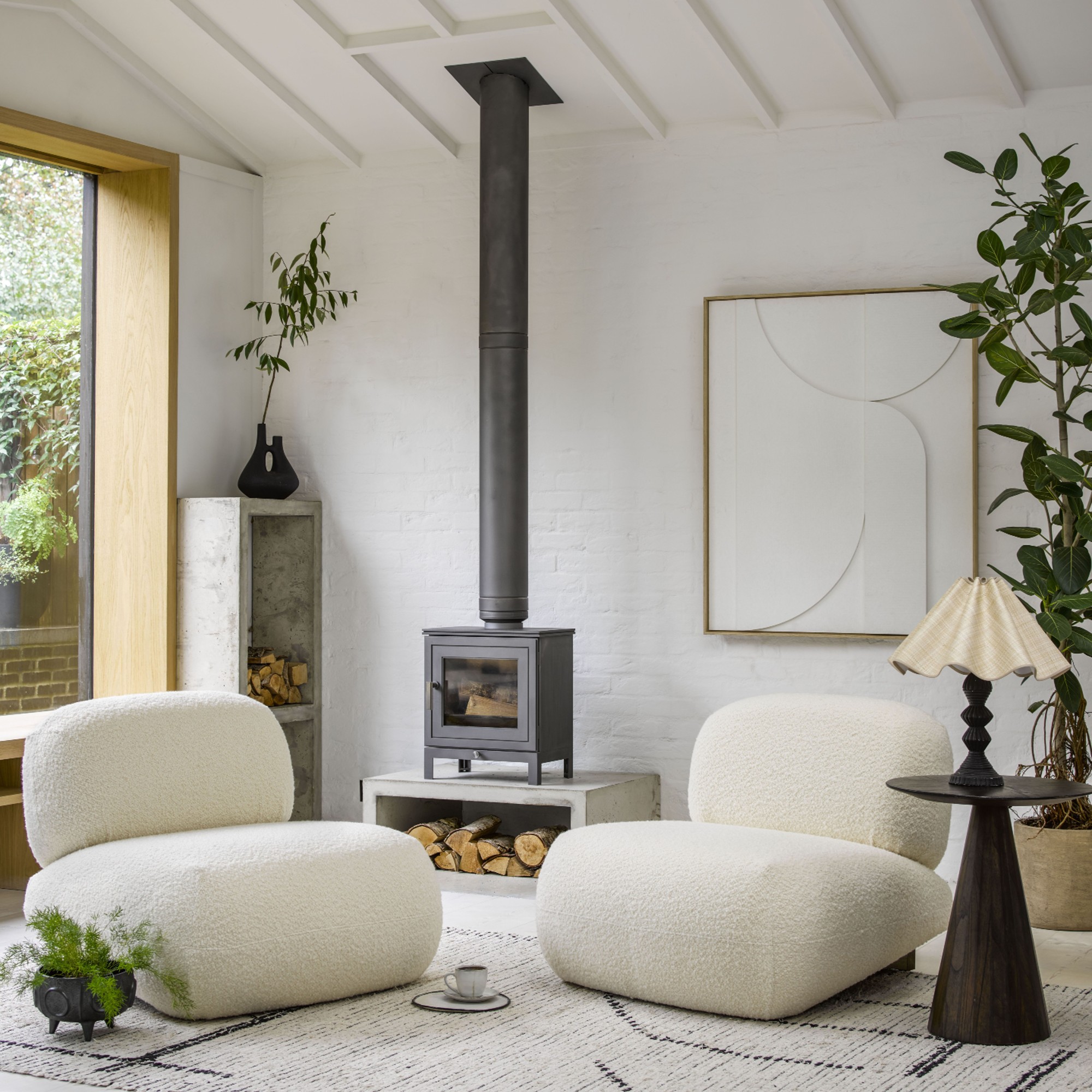
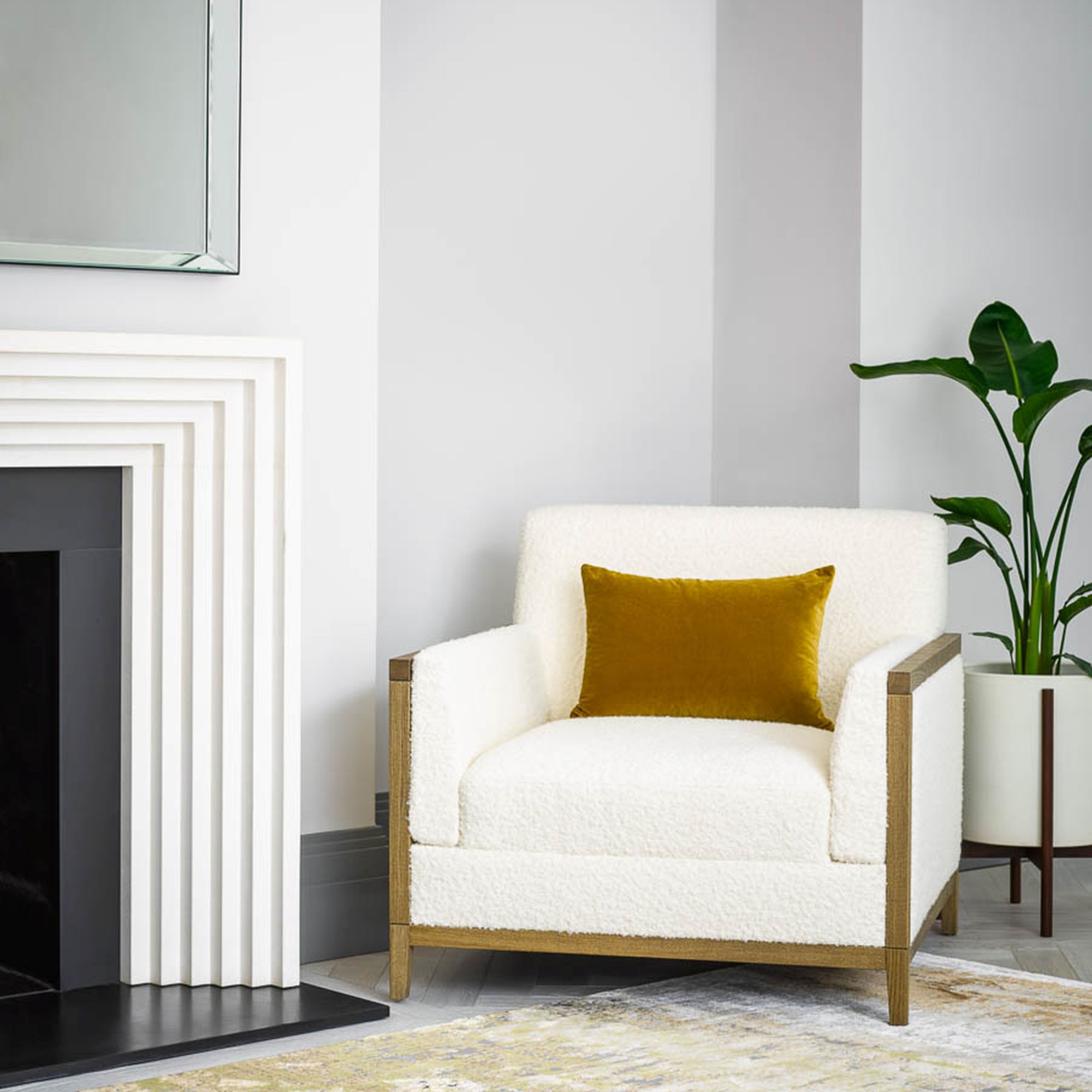
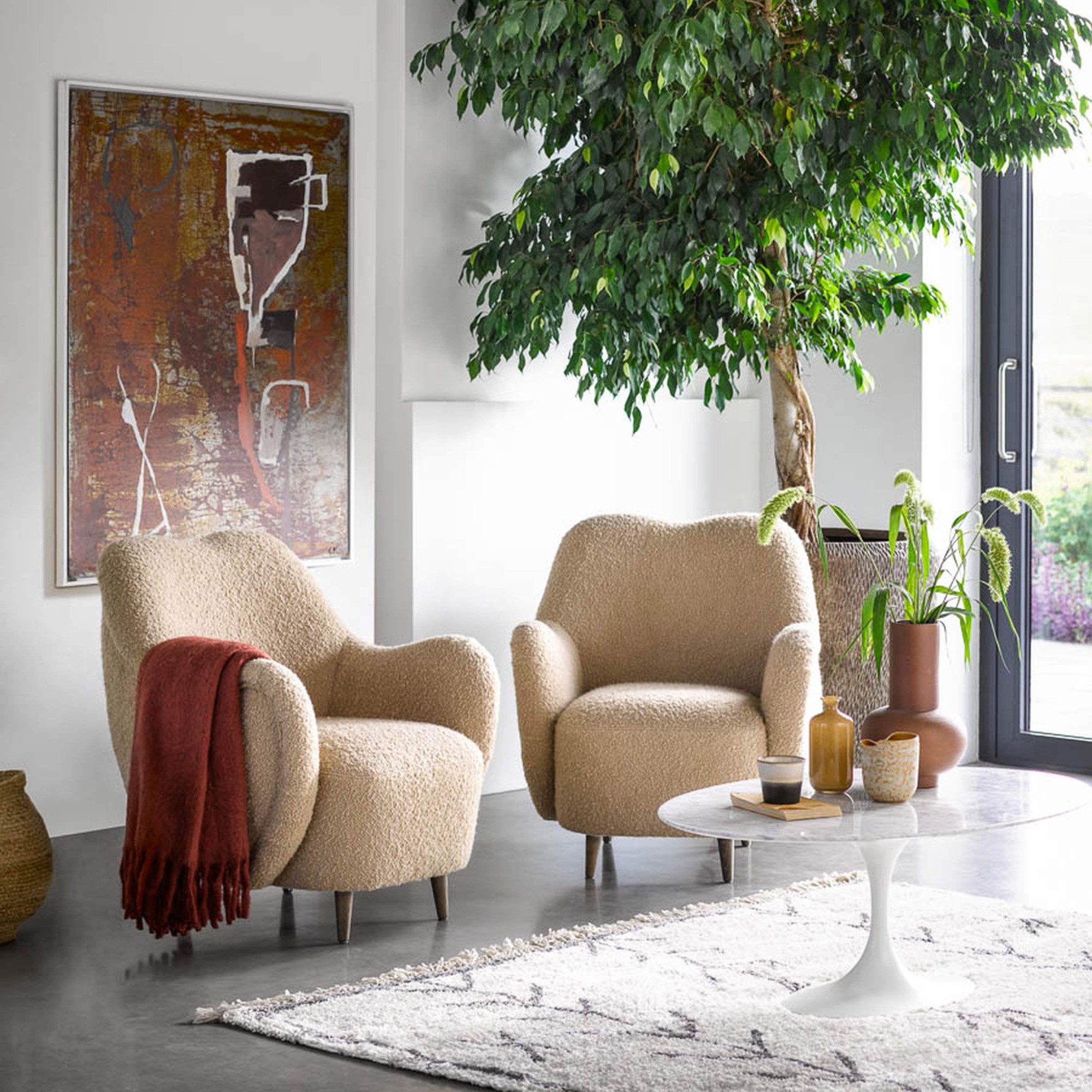
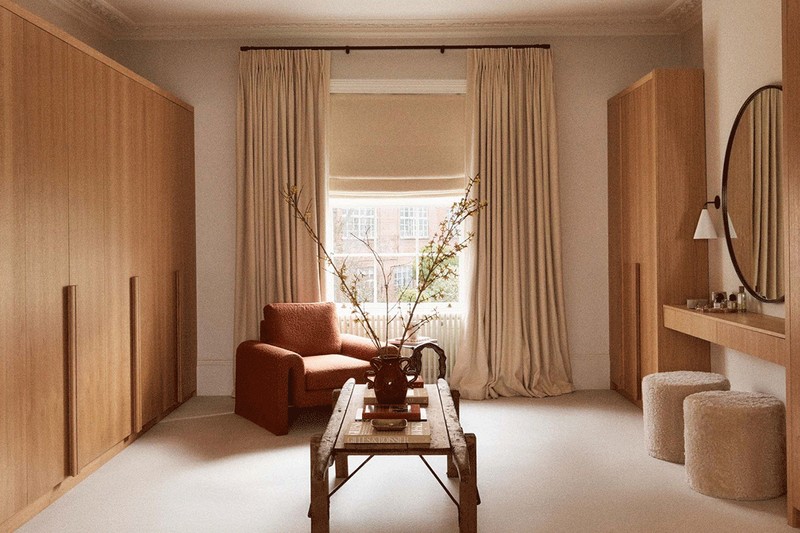
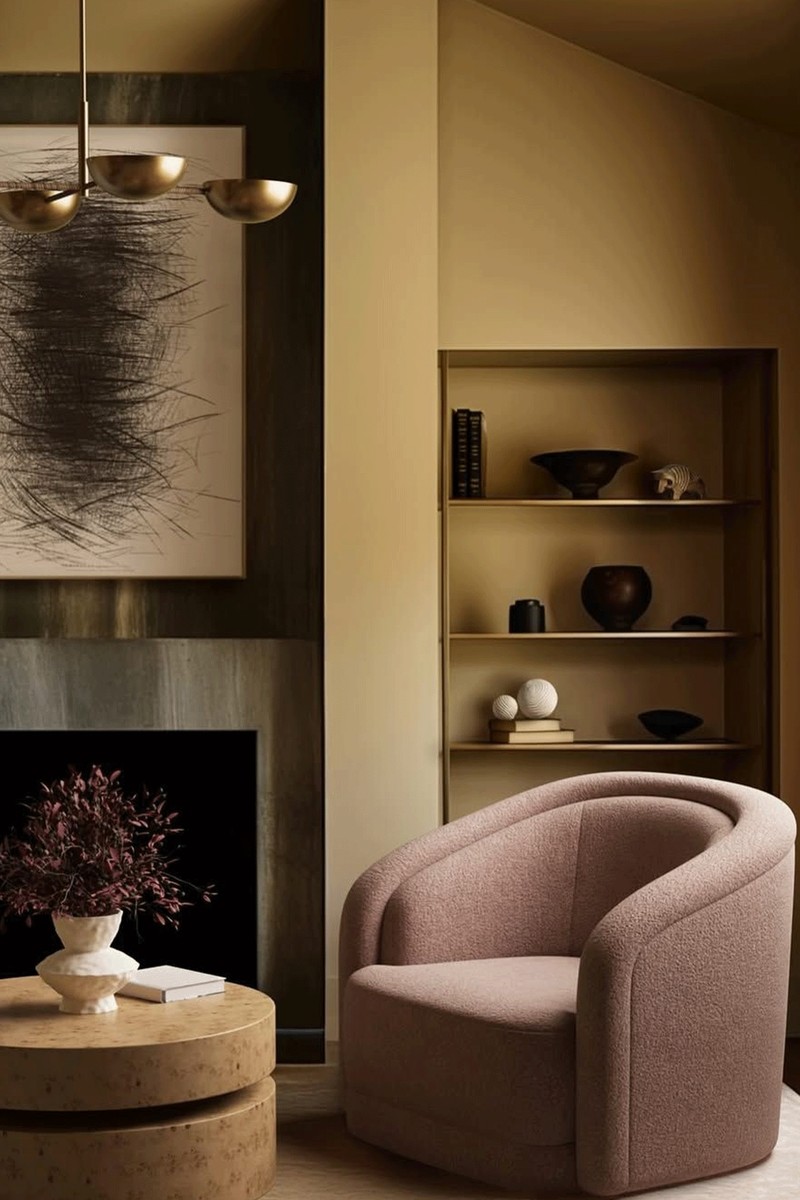
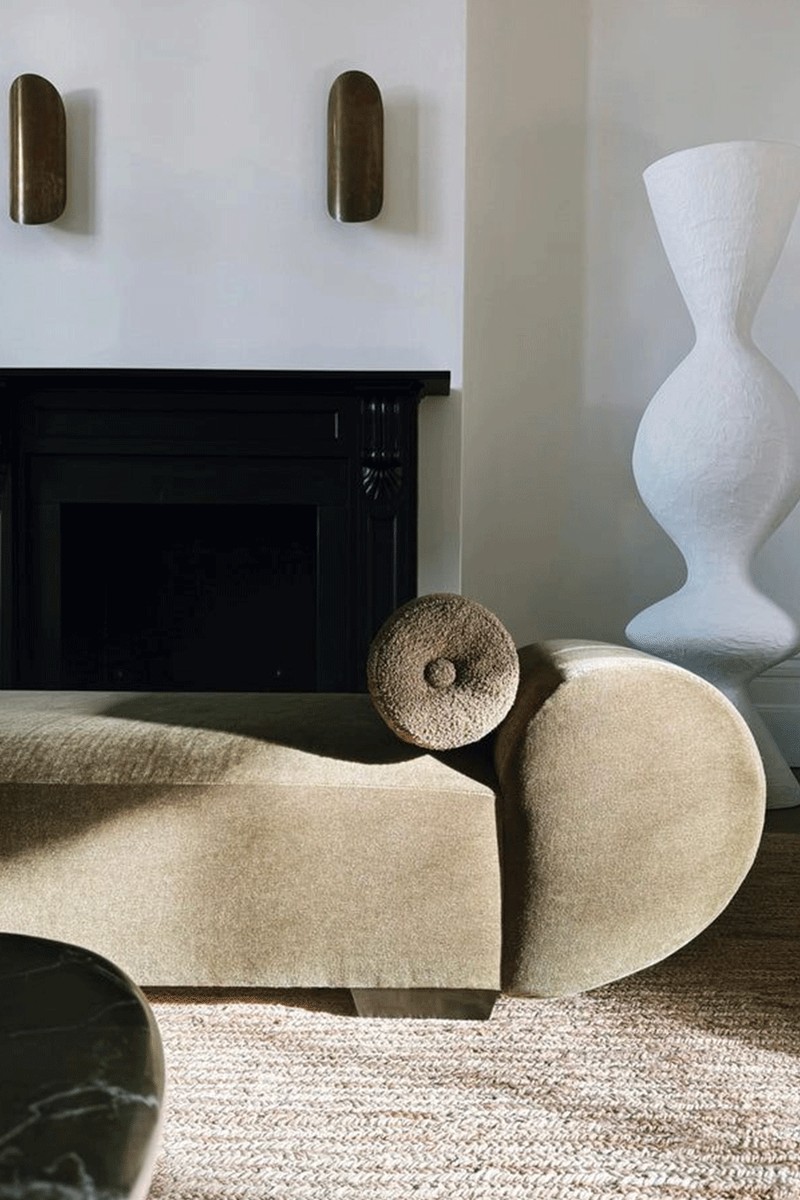
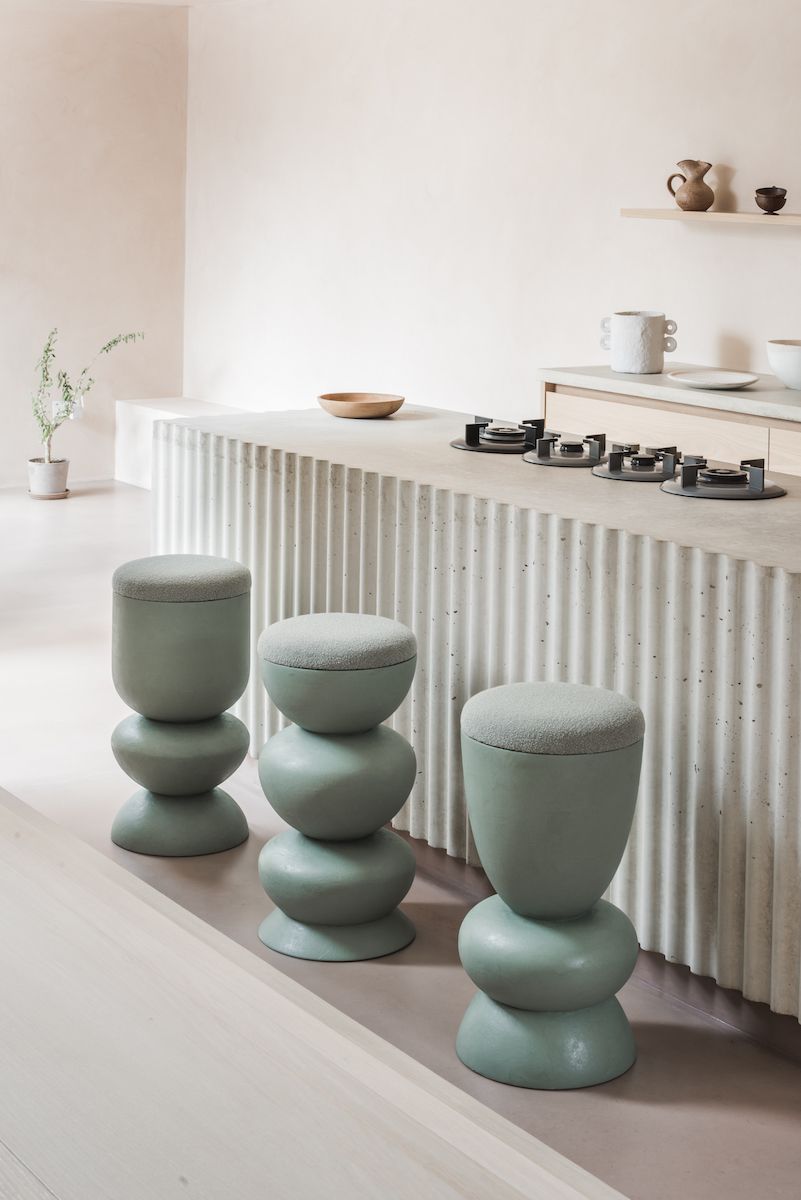
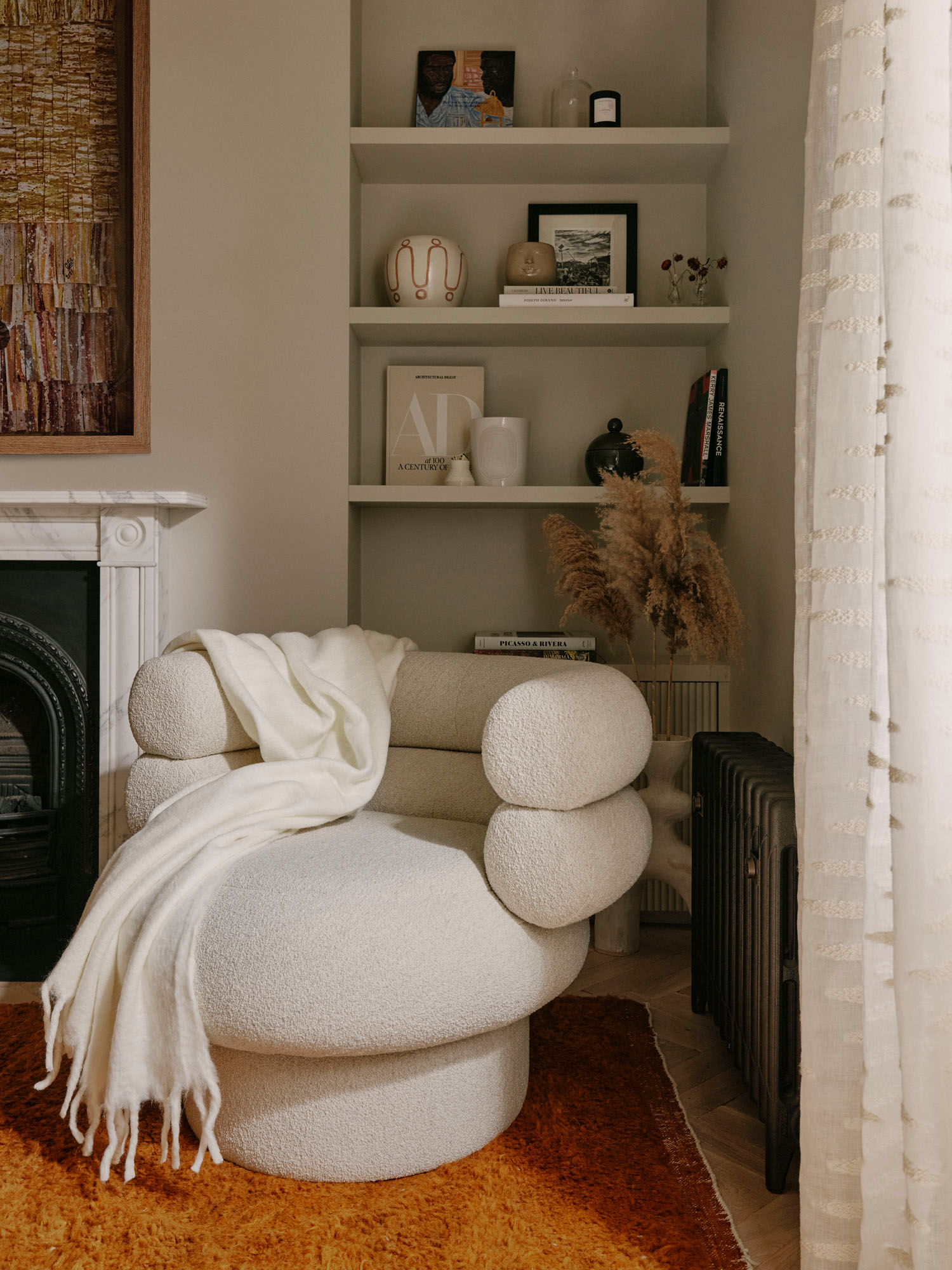
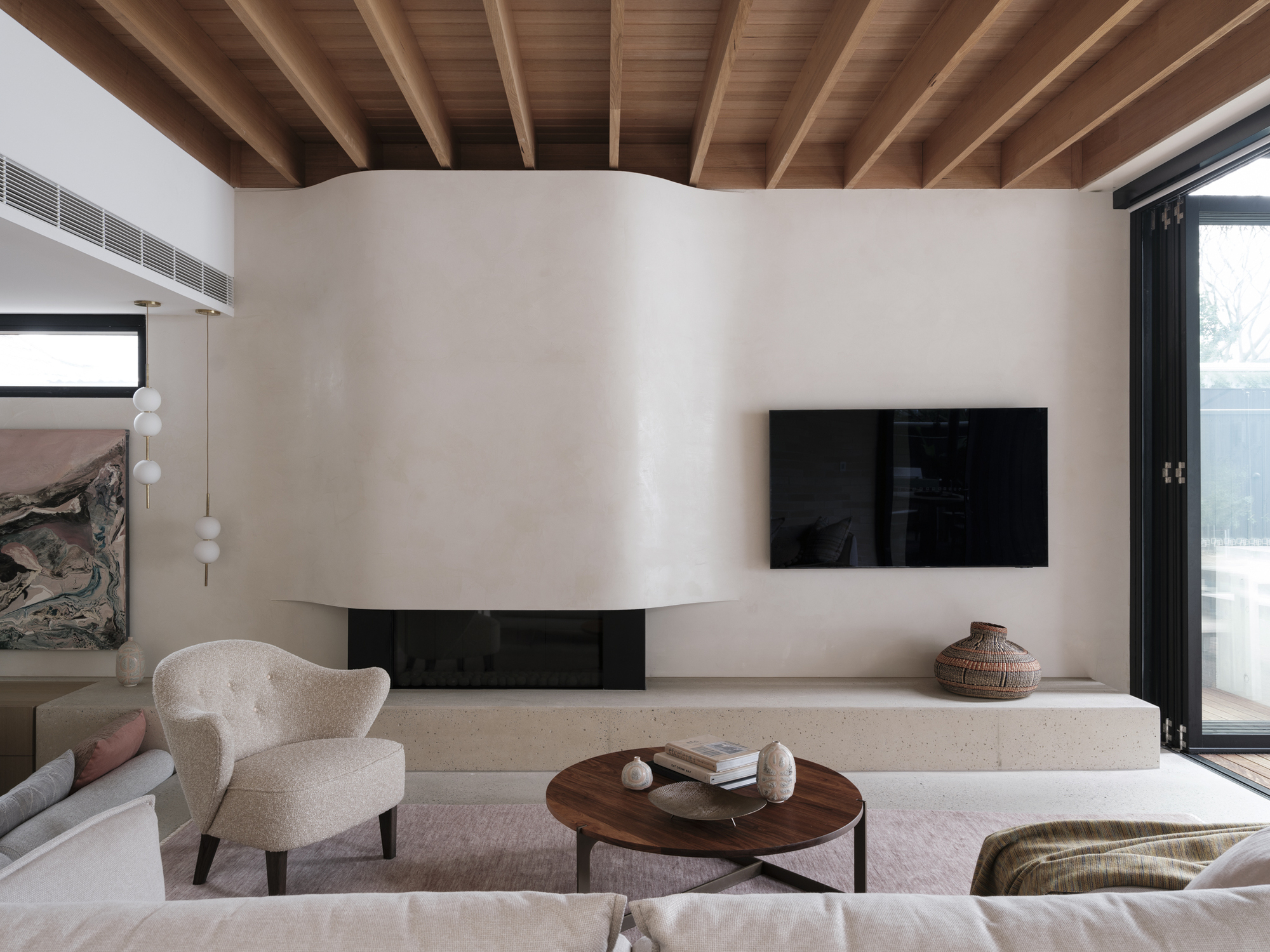
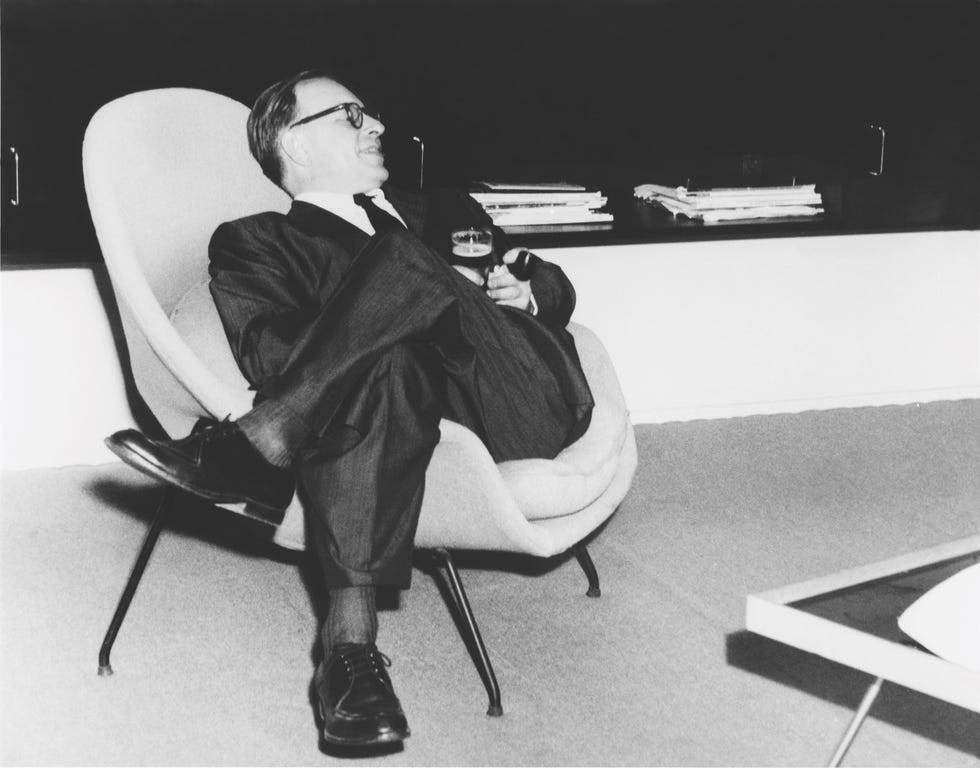
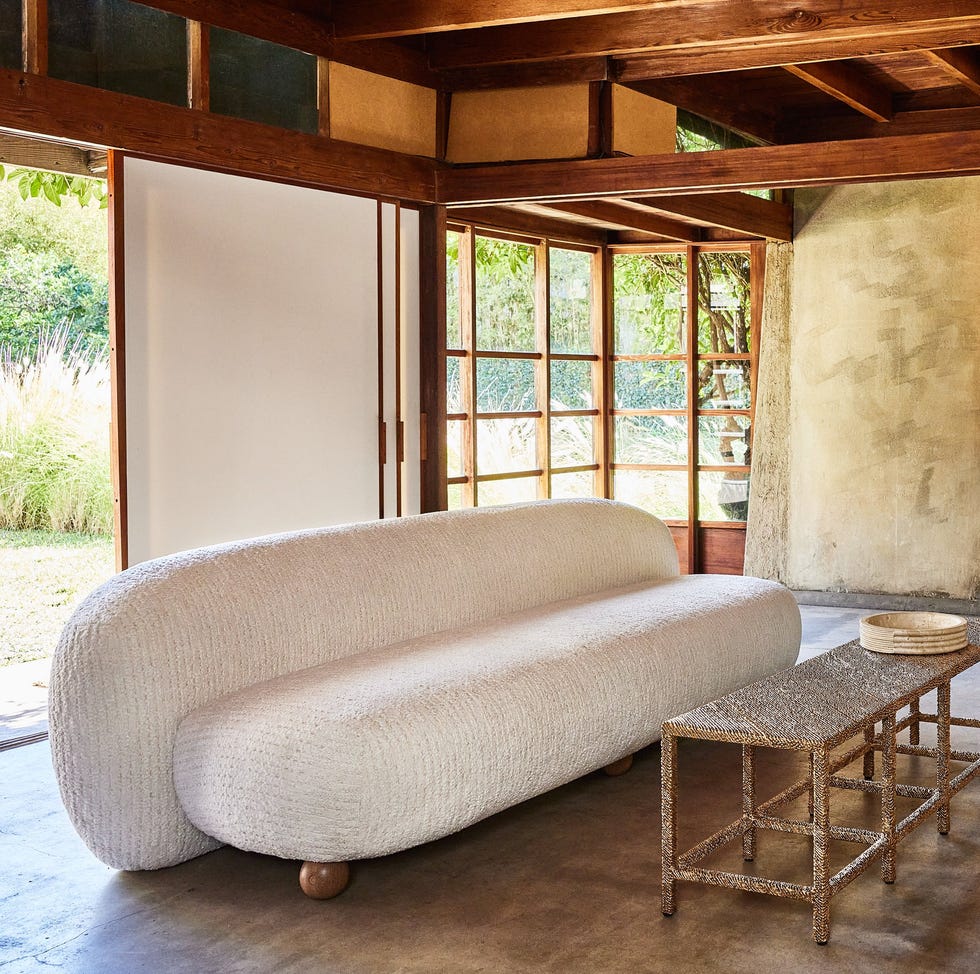
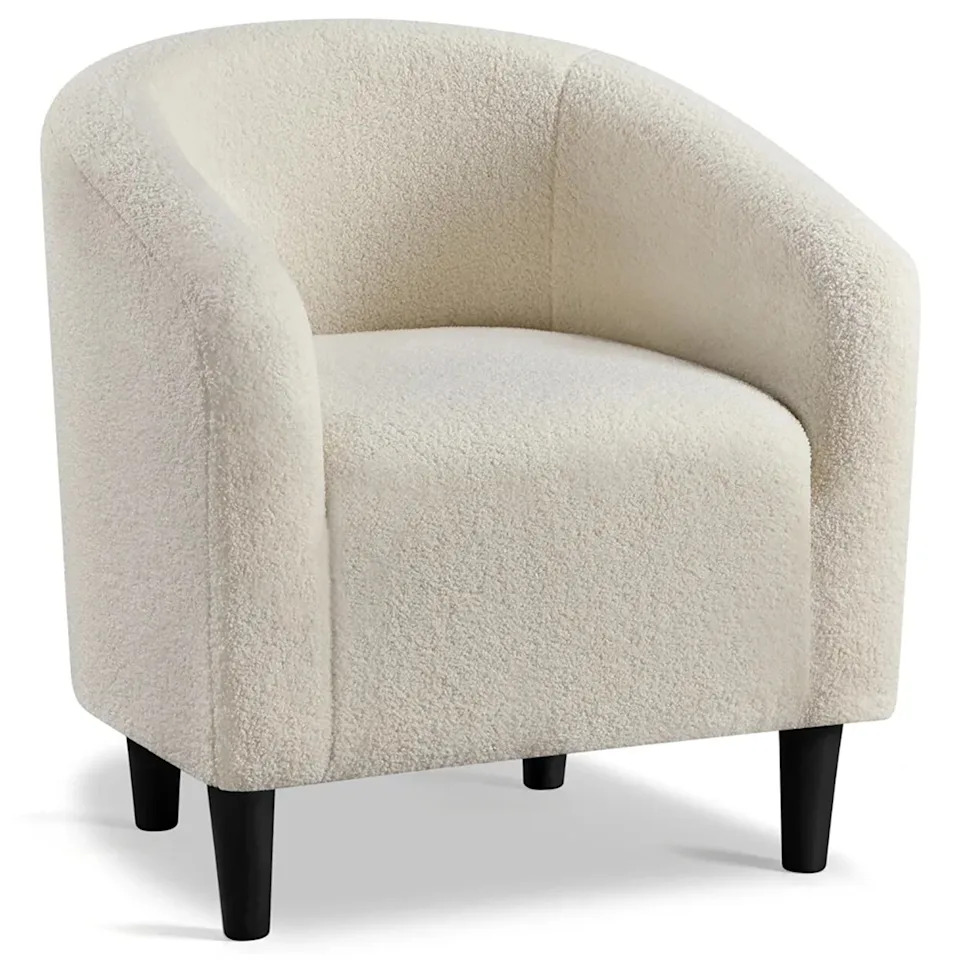
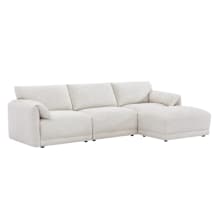
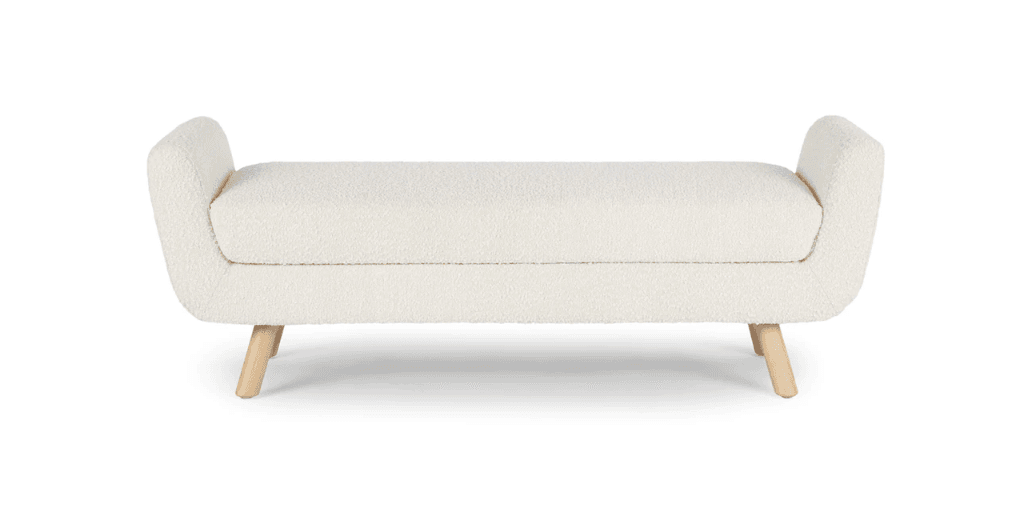
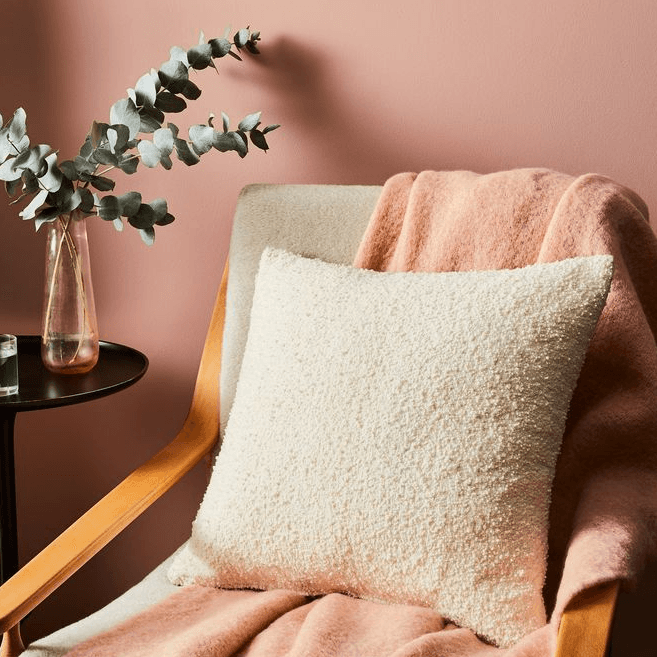
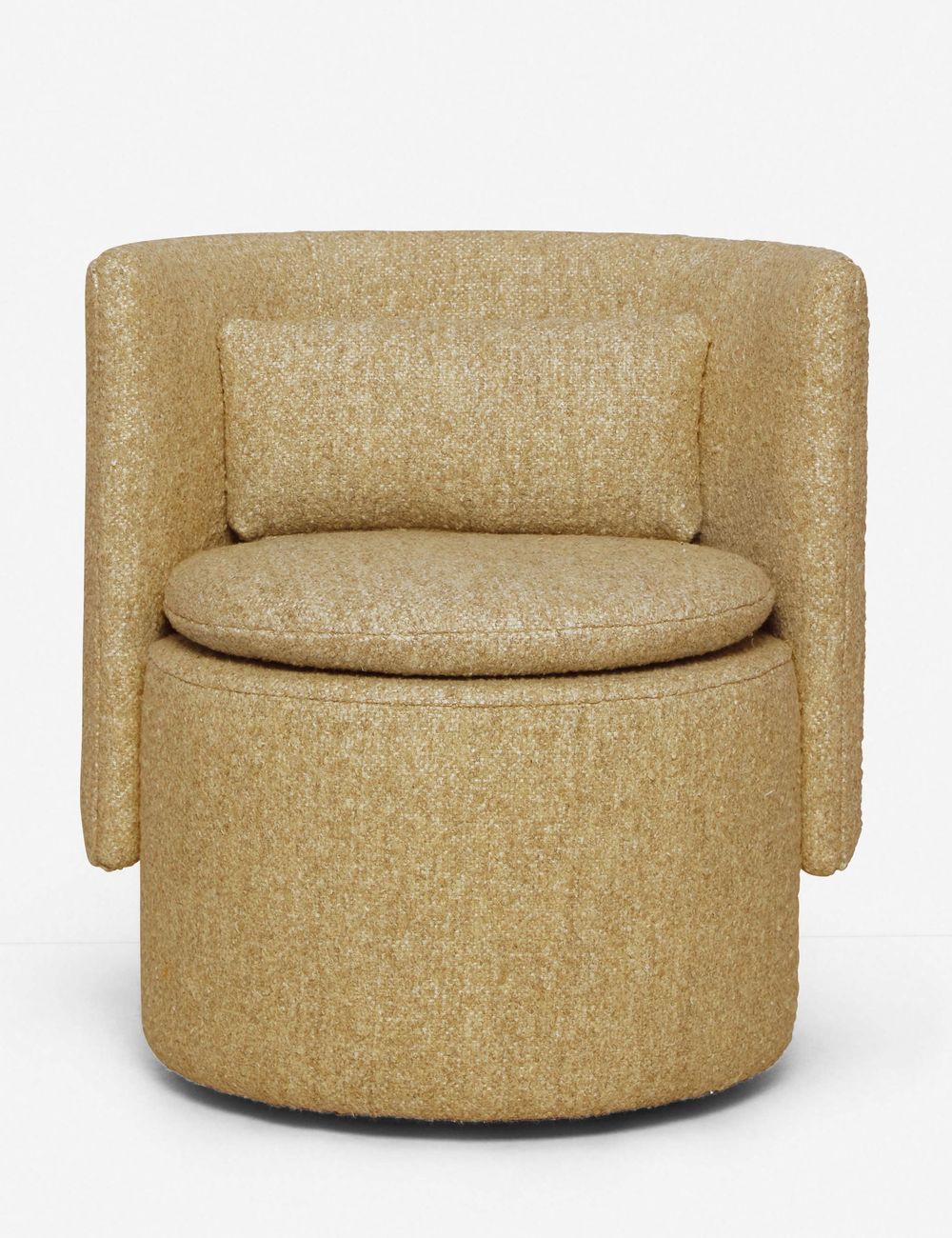
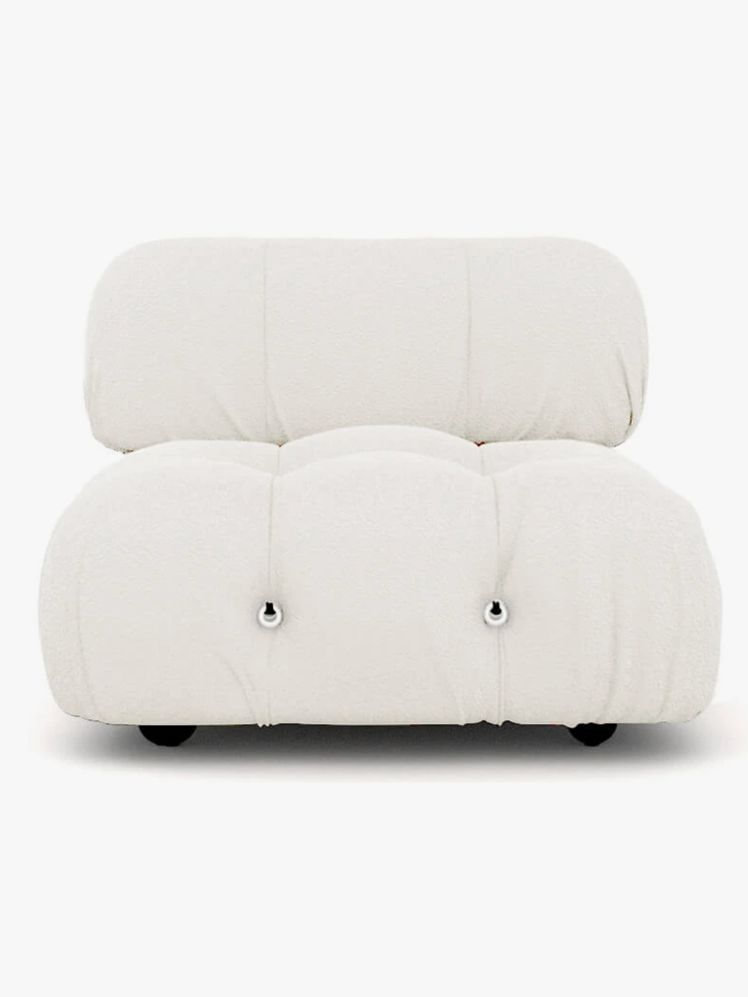
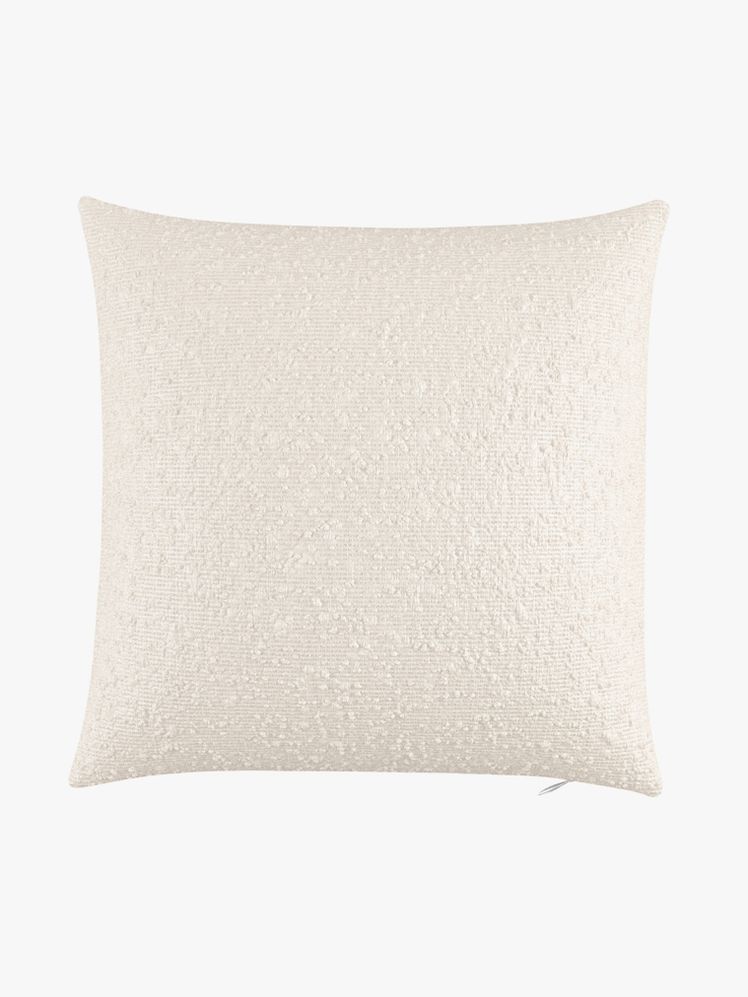
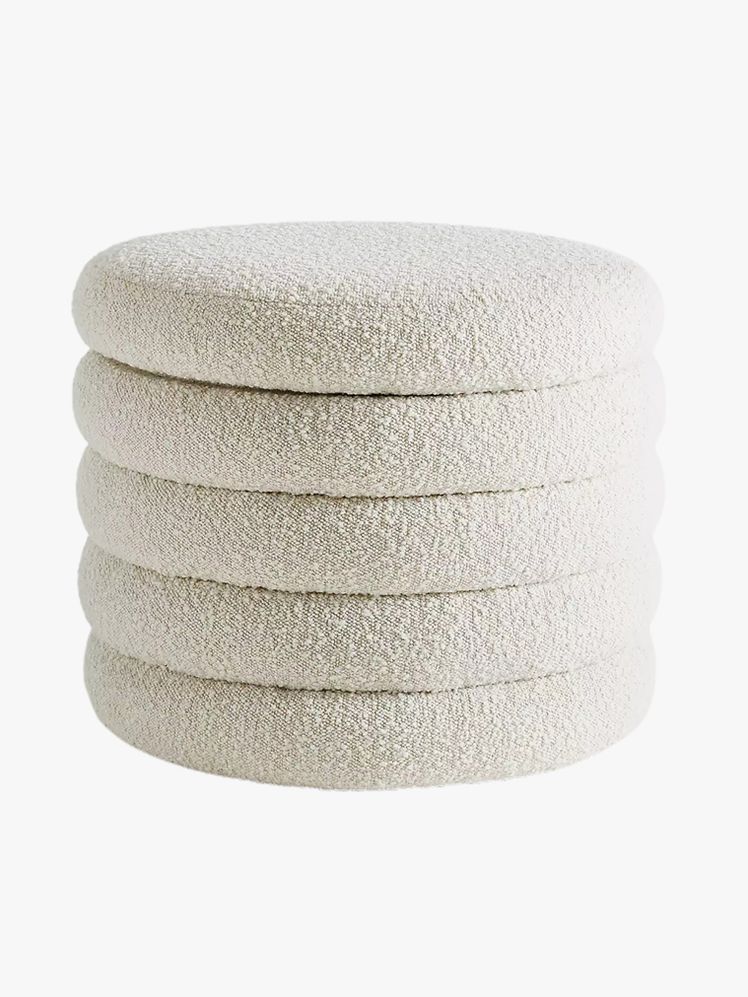
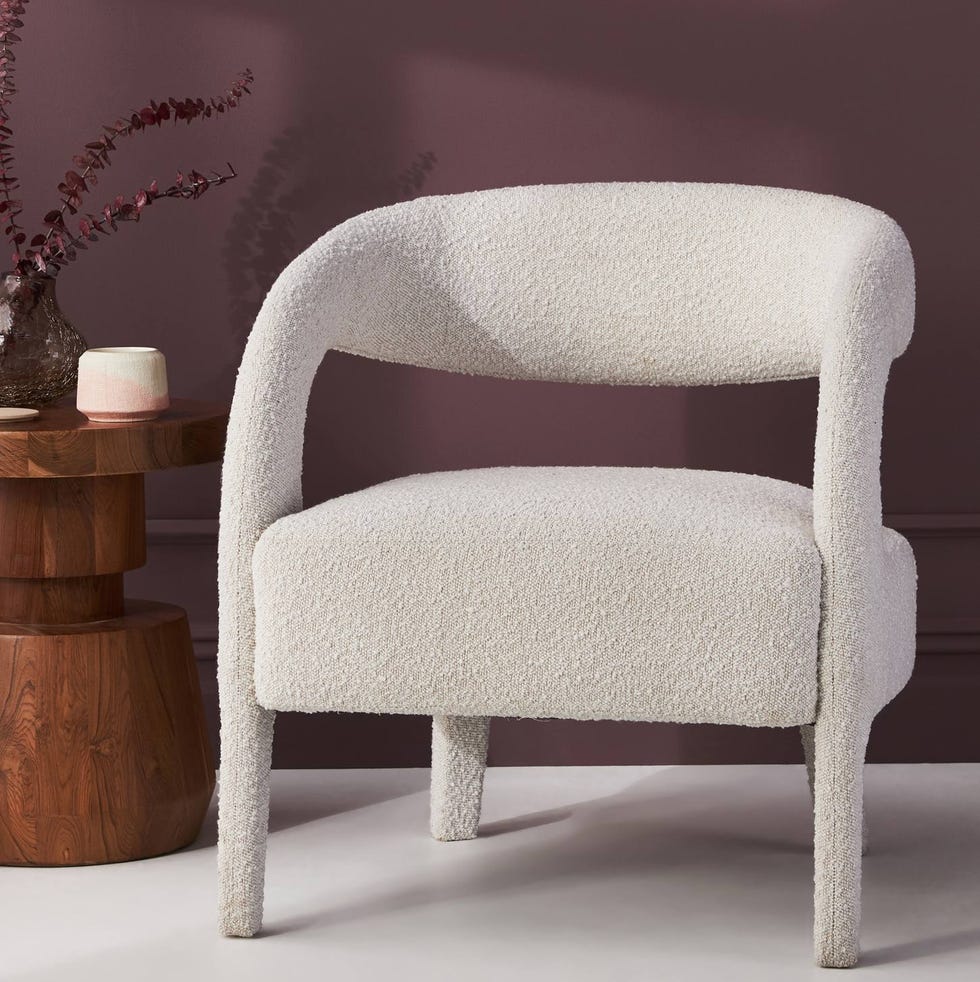
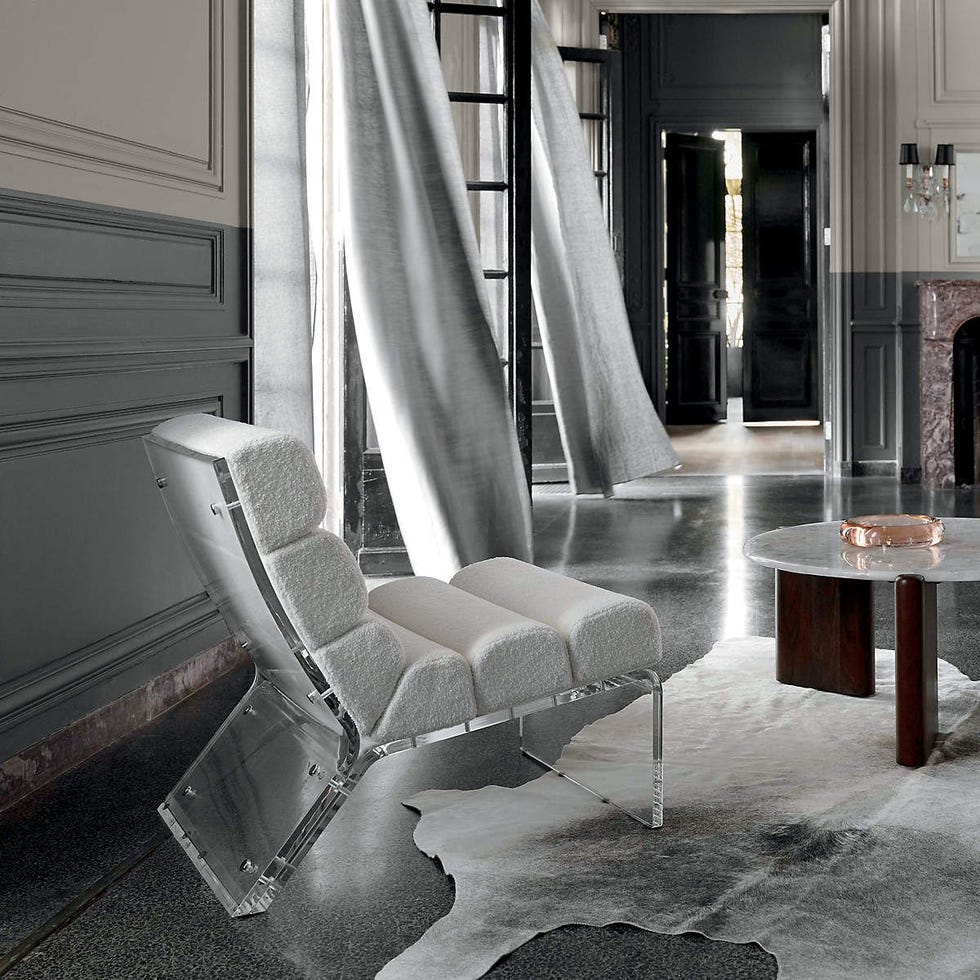
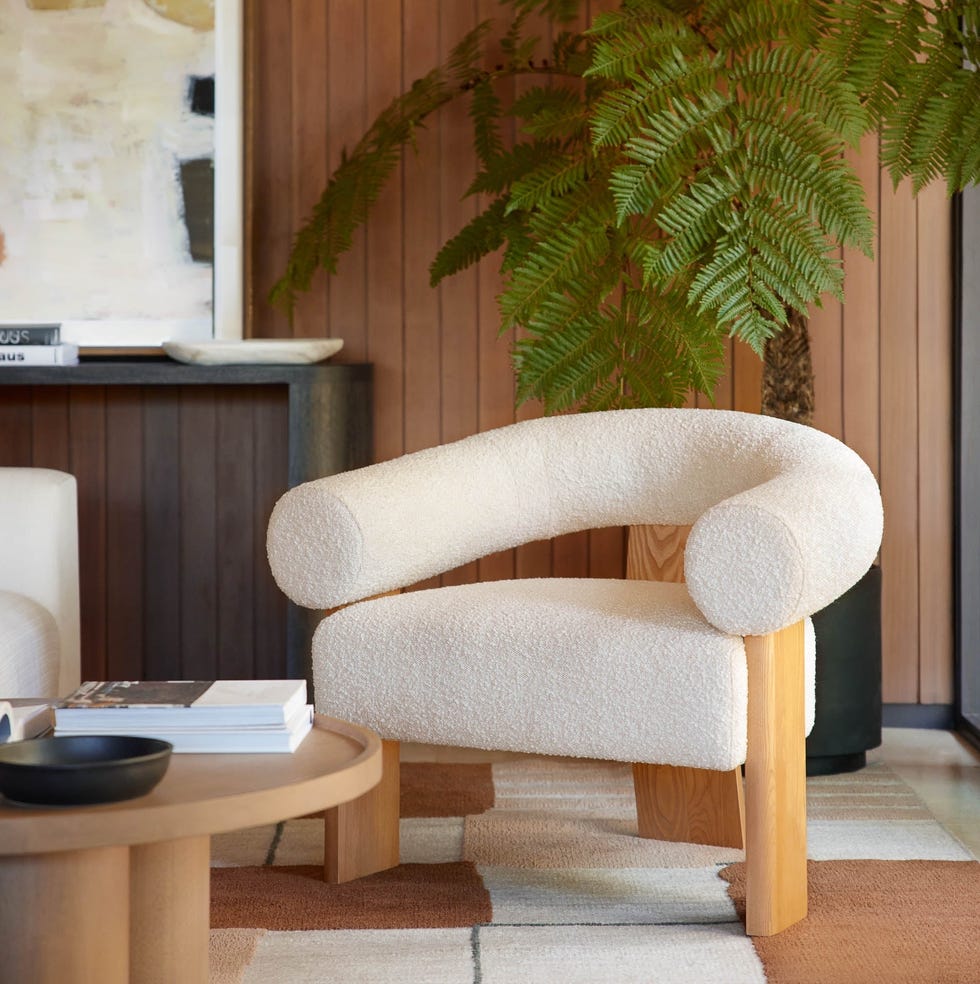
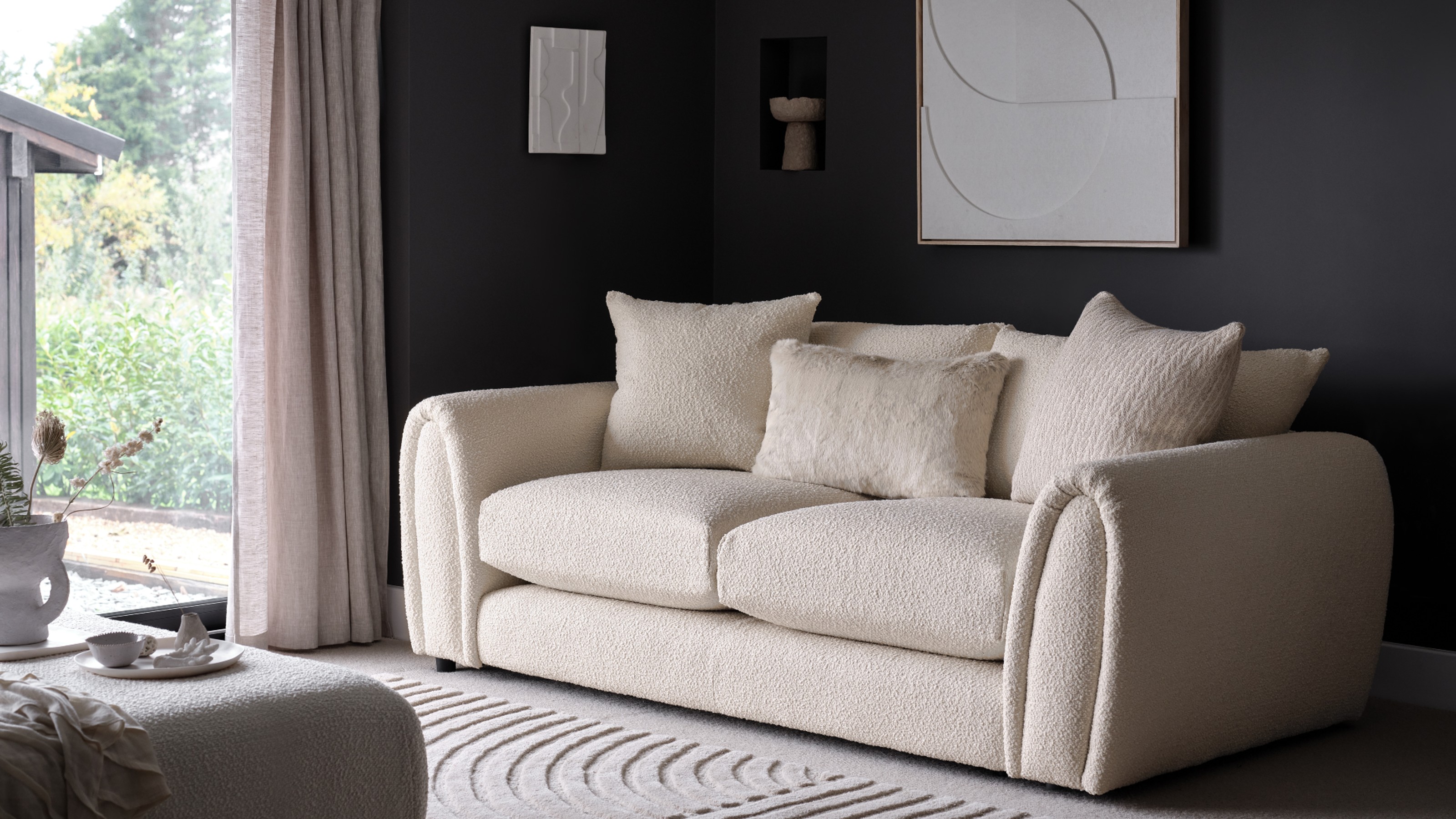
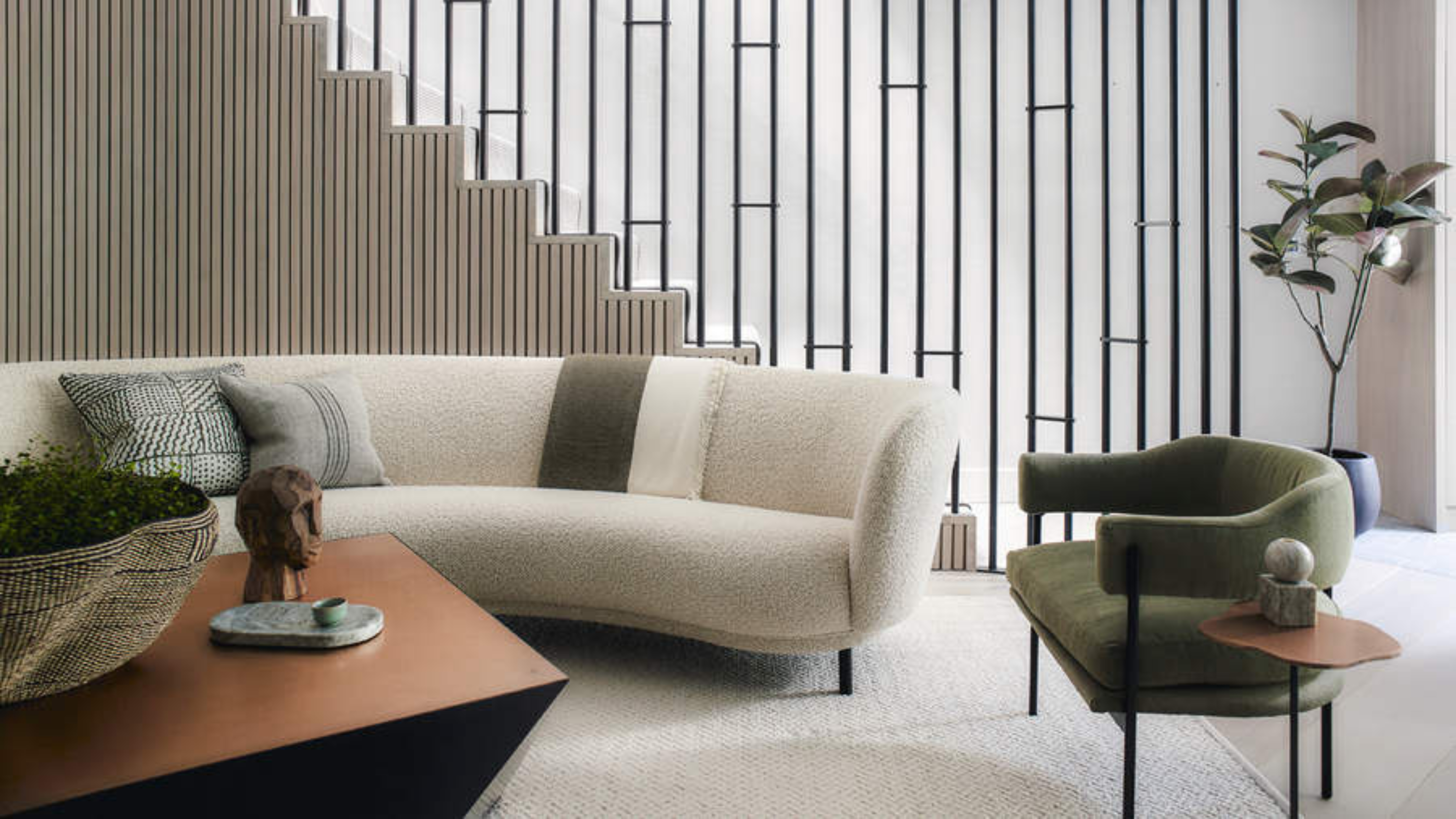
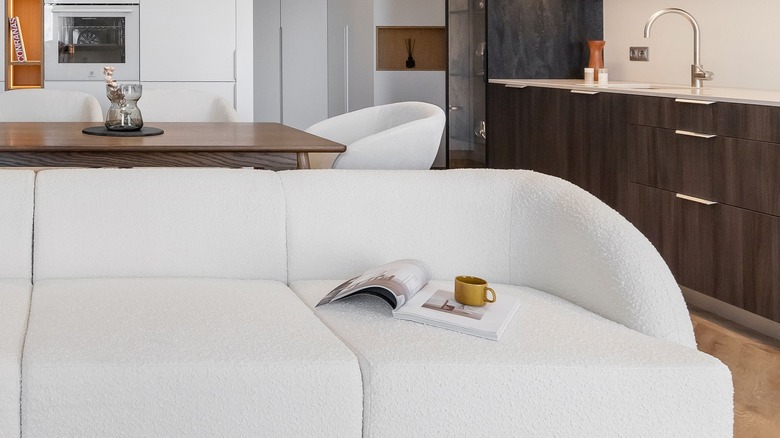
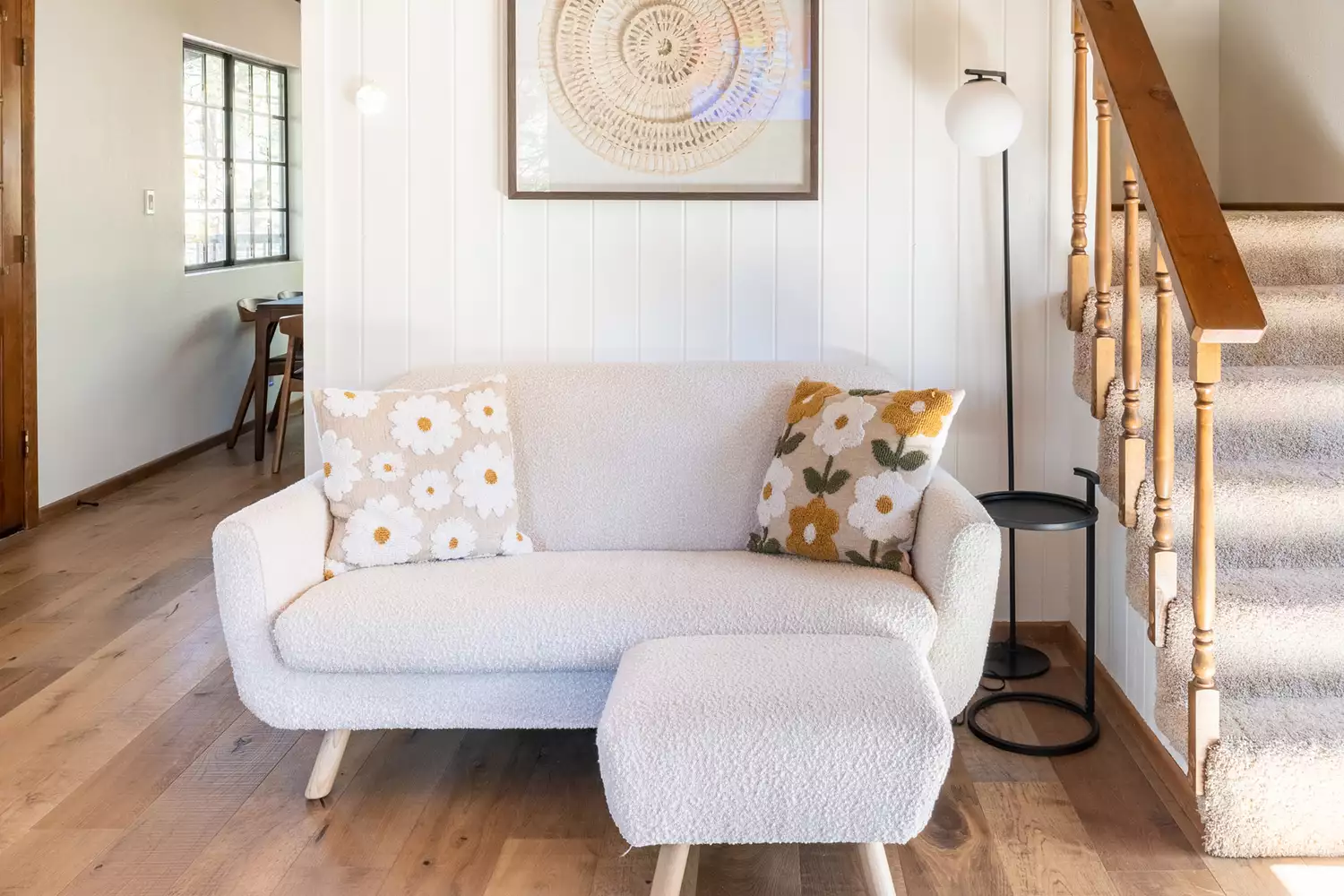
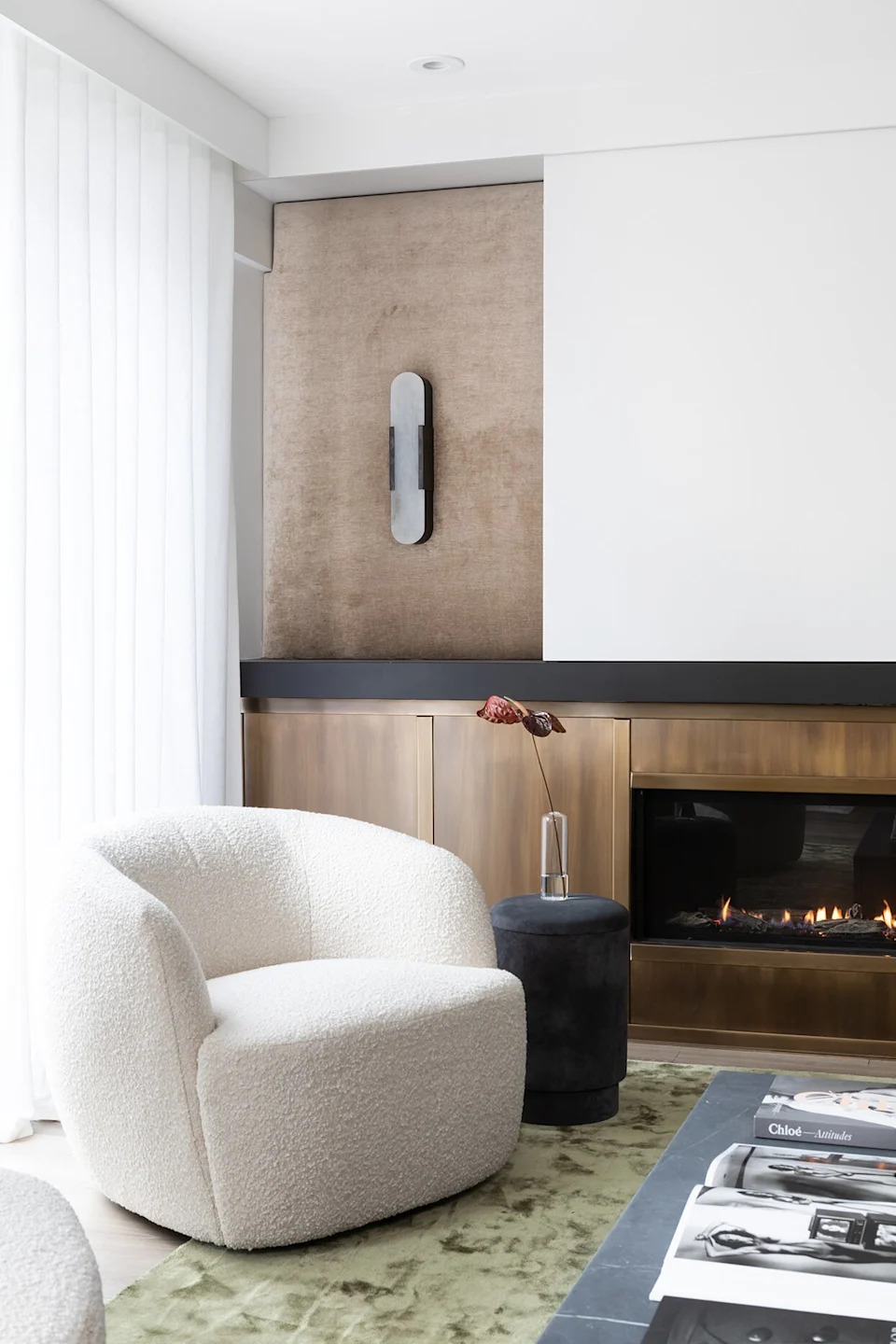
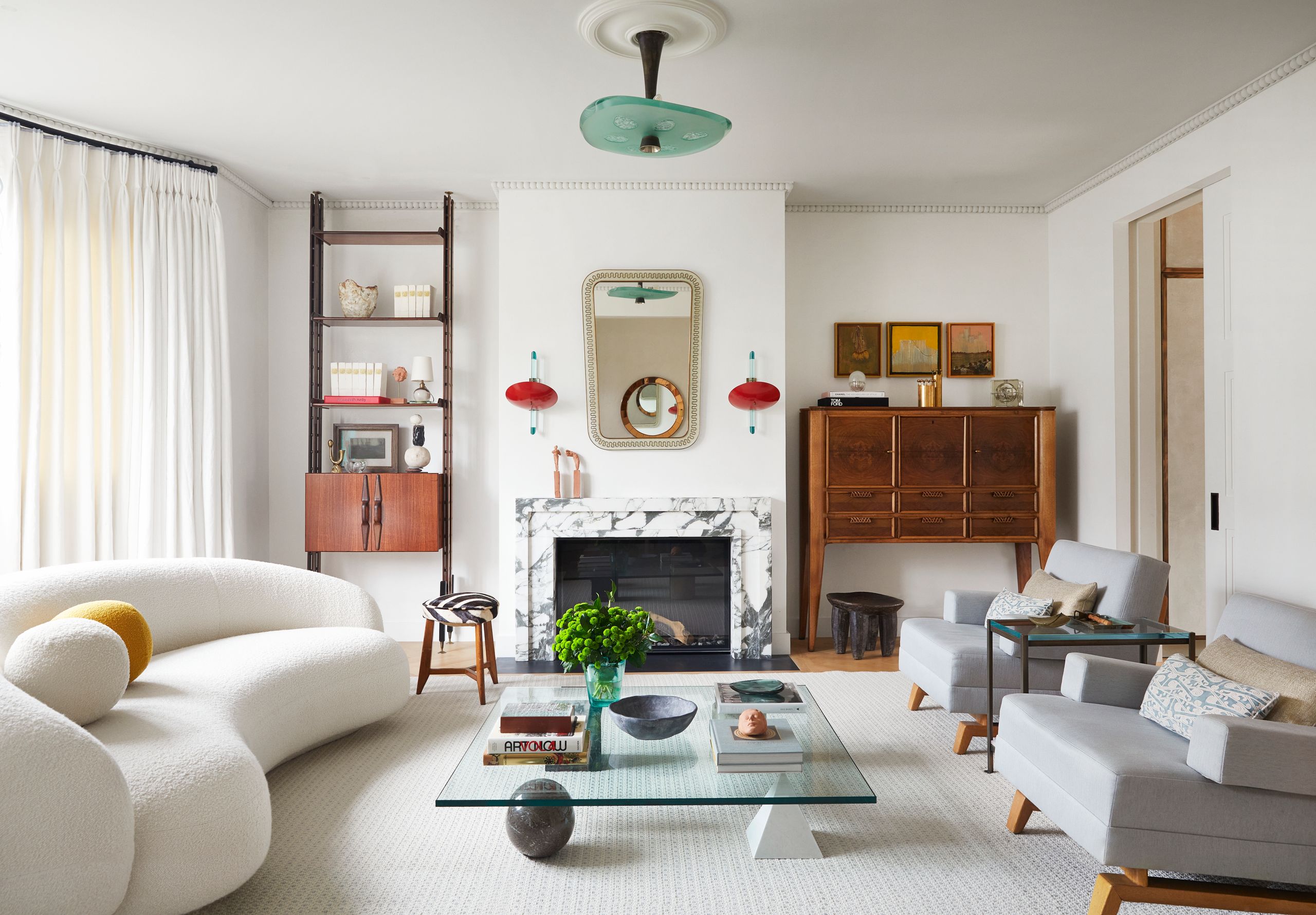
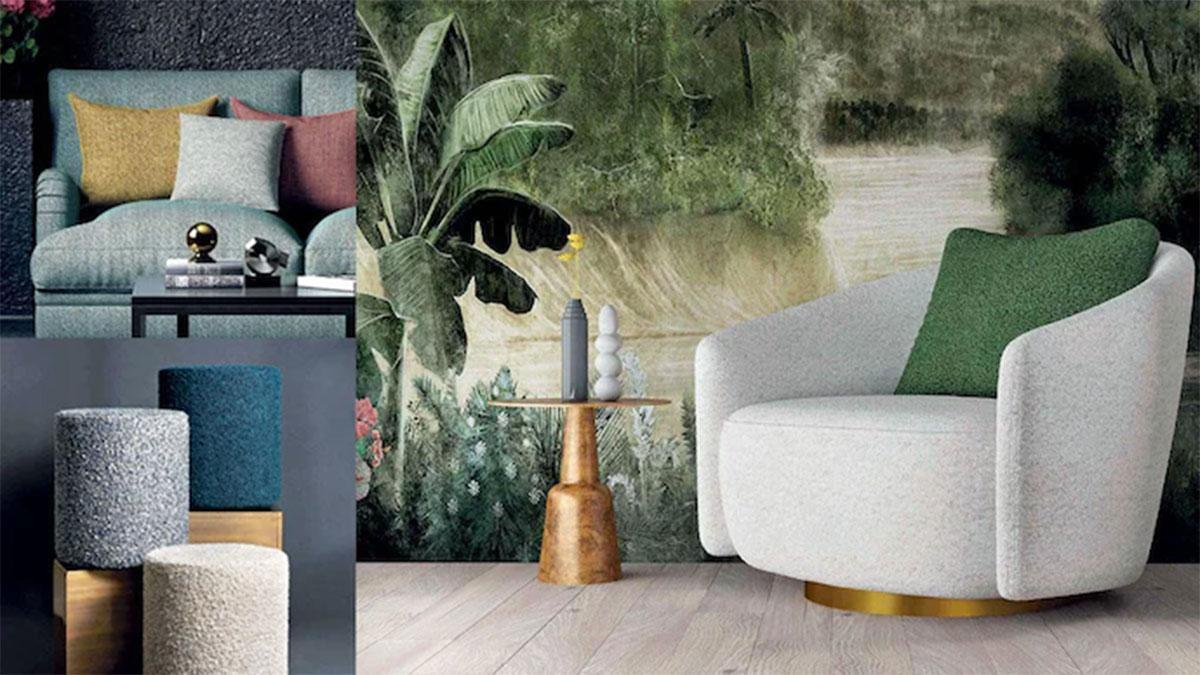
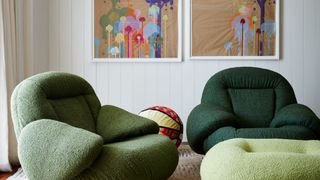
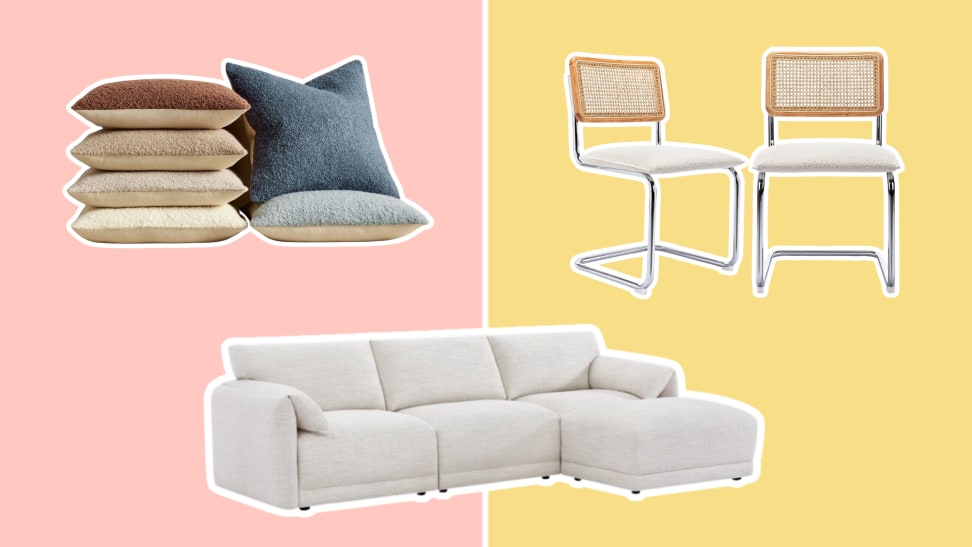
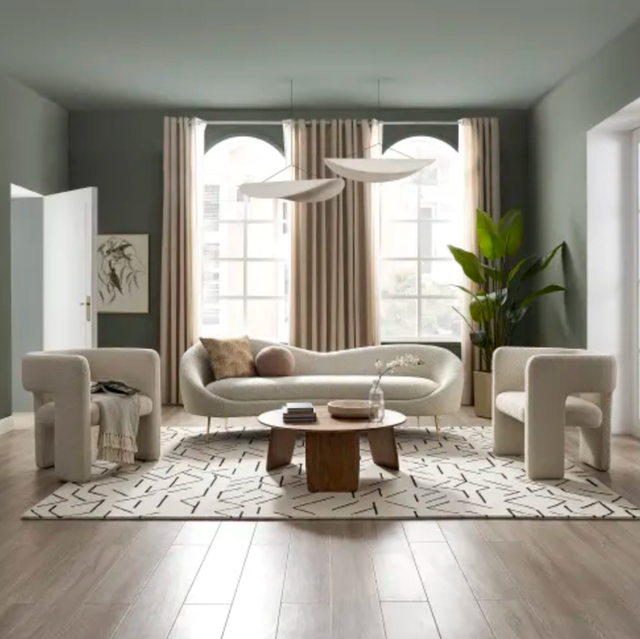
Bouclé, a textured woven fabric characterized by its looped fibers, has been a dominant trend in interior design, particularly in warm minimalist aesthetics. Its popularity surged around 2018 following a collaboration between Goop and CB2, making bouclé furniture widely available and affordable by early 2023. The fabric derives its name from the French word ‘boucler,’ meaning ‘to curl’ or ‘to loop,’ and its nubbly finish is famously seen in classic Chanel jackets. In furniture, it gained prominence with Eero Saarinen’s Womb Chair in 1946, upholstered in Knoll's Classic Bouclé. More recently, it has been widely used for oversized accent chairs and curved sofas, often in cream or off-white shades.
While bouclé continues to align with warm minimalist styles and remains visible on platforms like Pinterest and Instagram, designers are increasingly observing a shift away from its widespread use. Some experts, like designer Kati Curtis, suggest that the fabric became a 'ubiquitous (albeit in my mind lazy) way to upholster major pieces in a room' after its initial surge in popularity, stemming from its use to transform vintage pieces at Paris flea markets. This saturation has led to a re-evaluation of its prominence in current design.

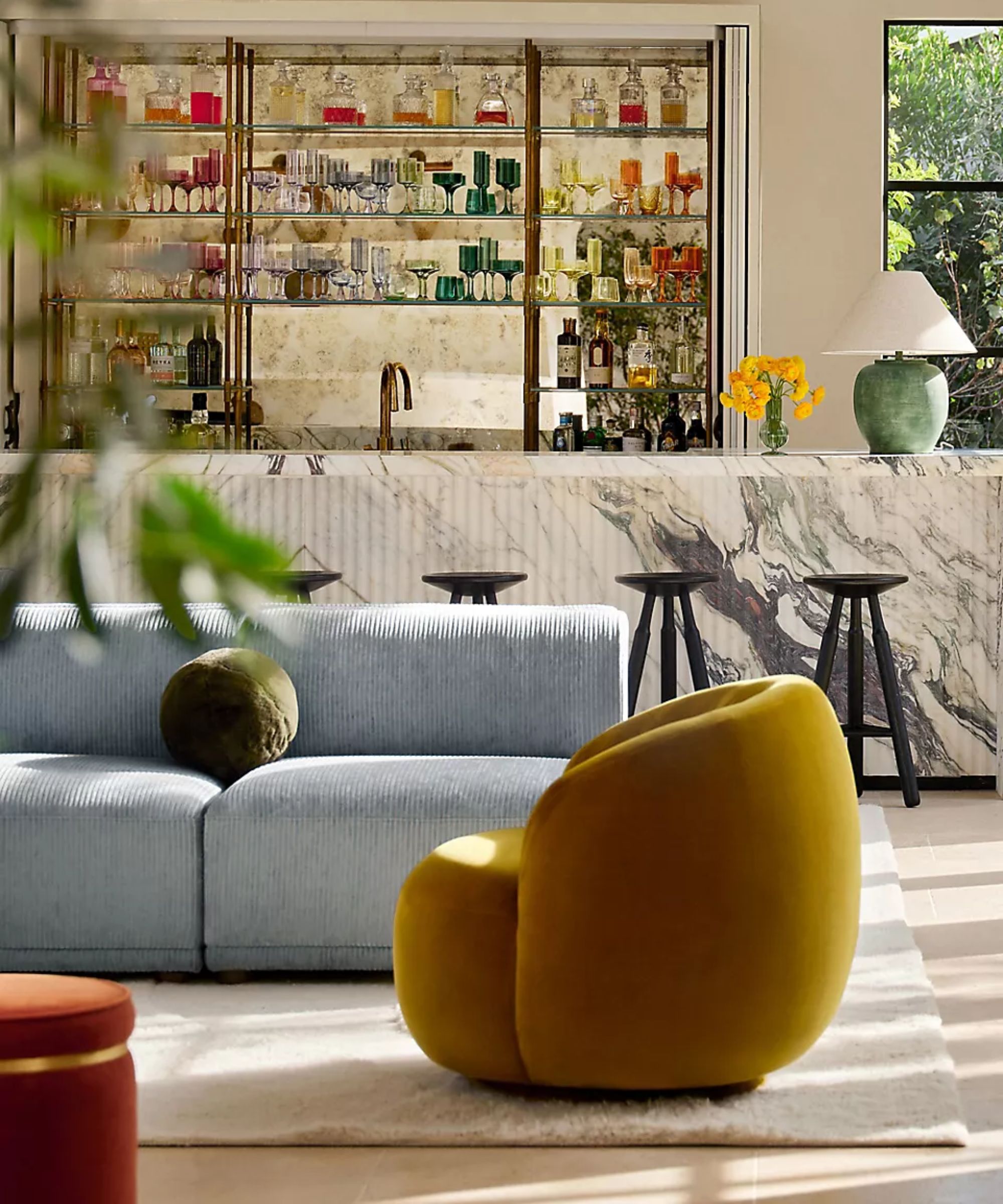
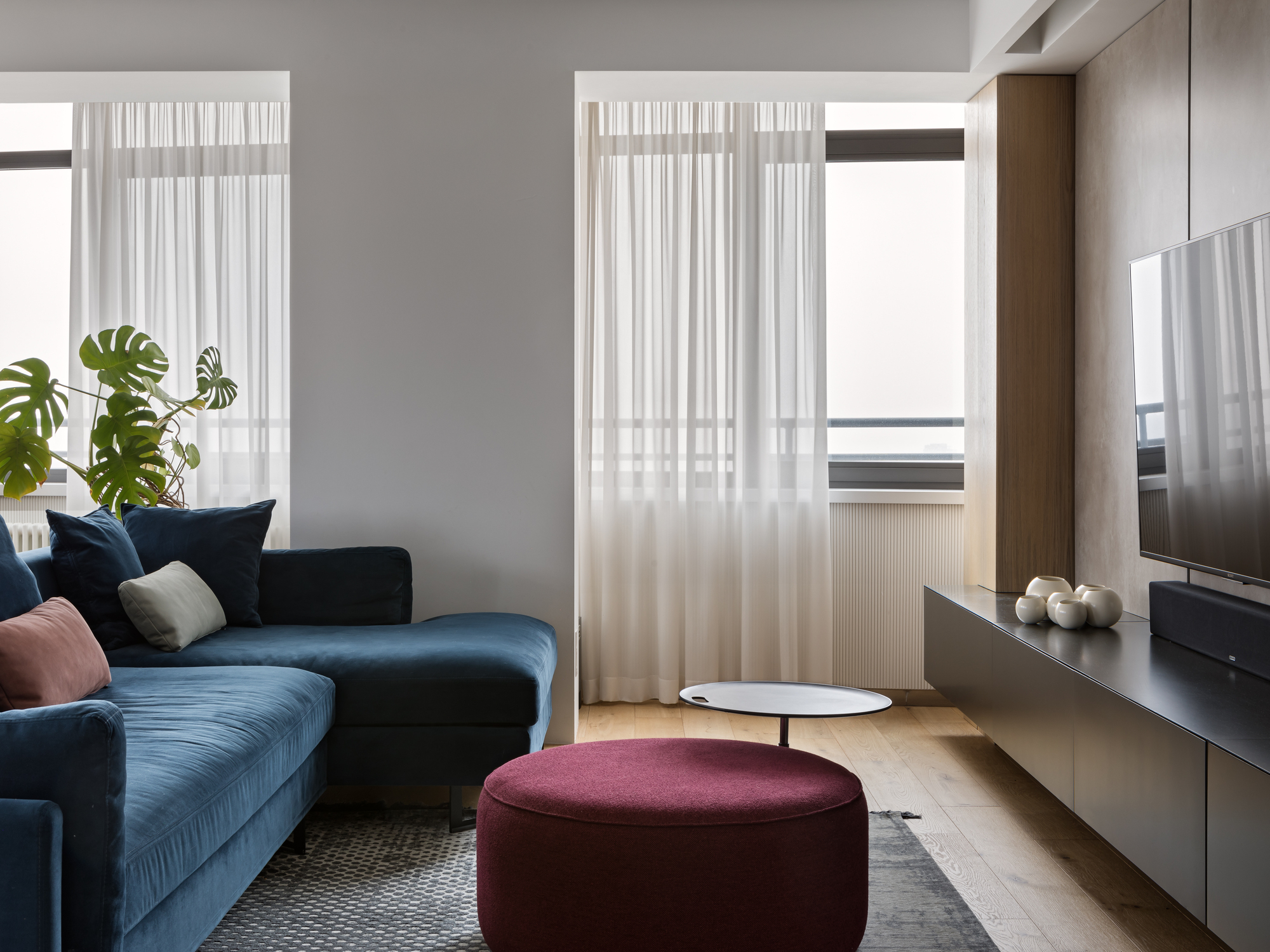
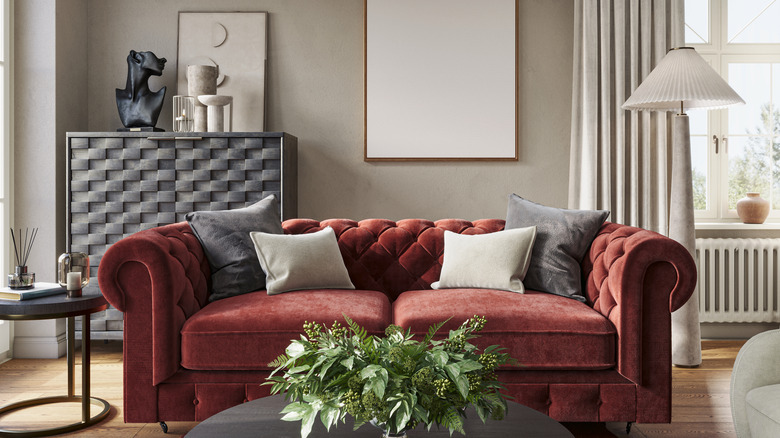
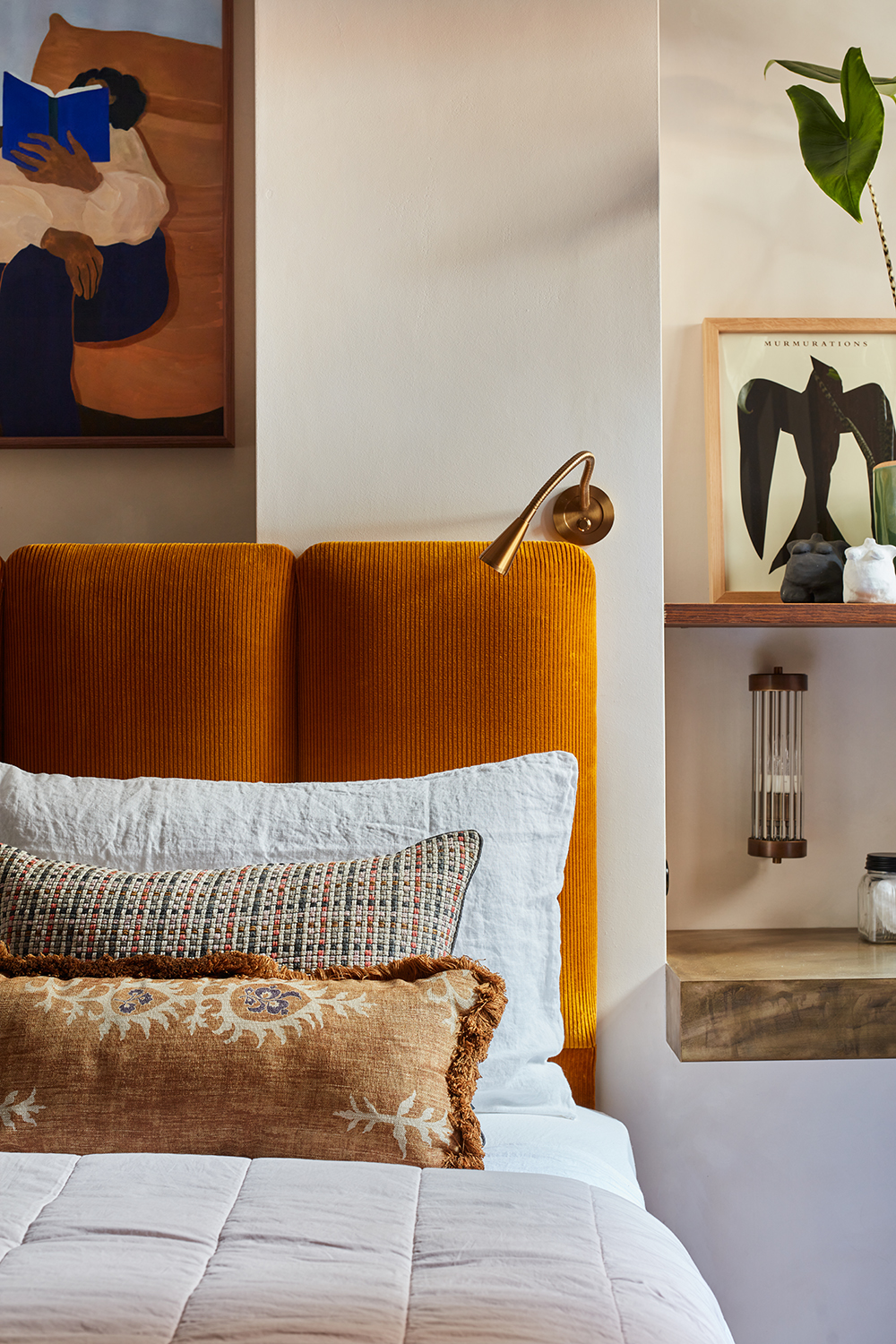
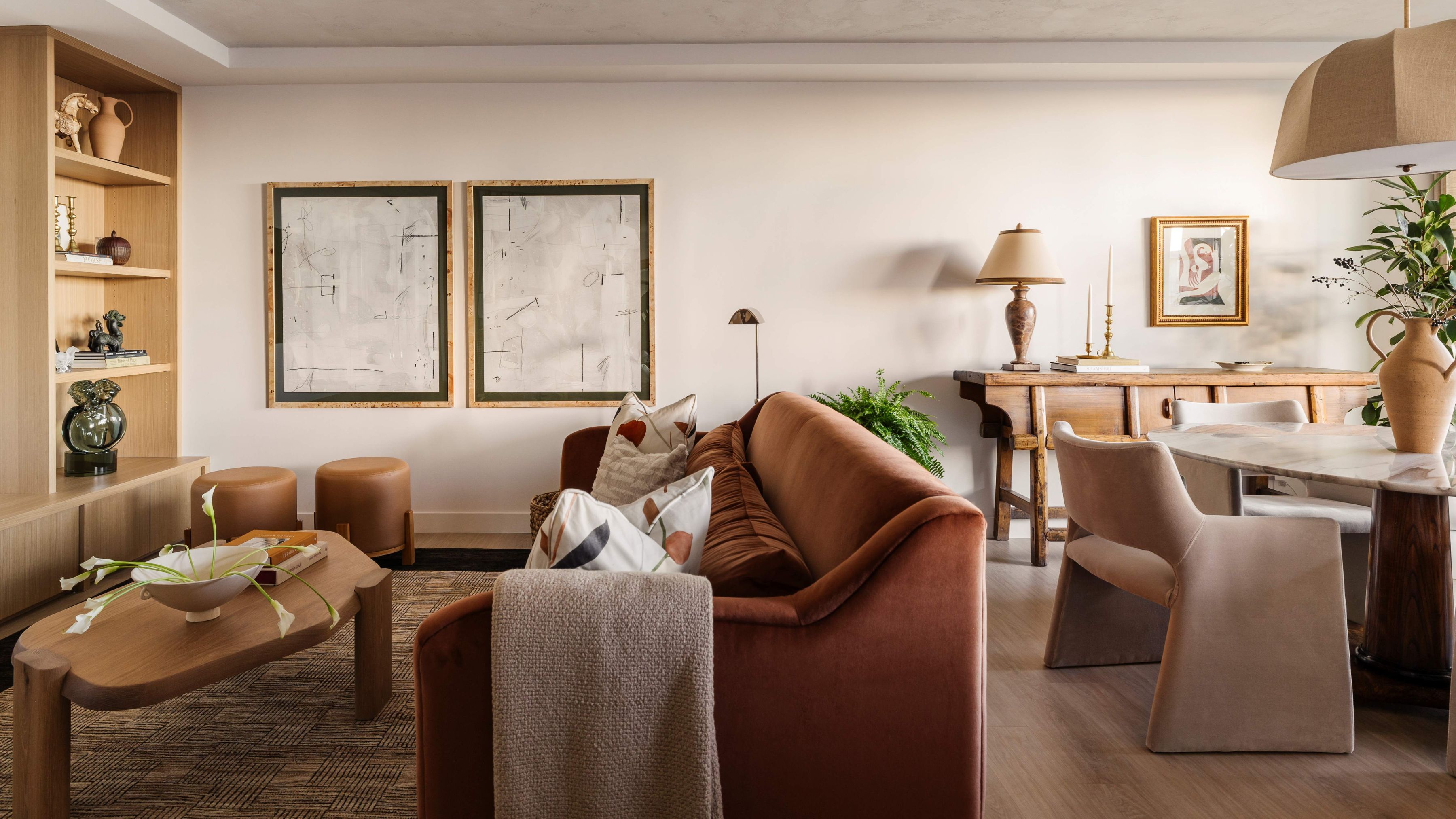
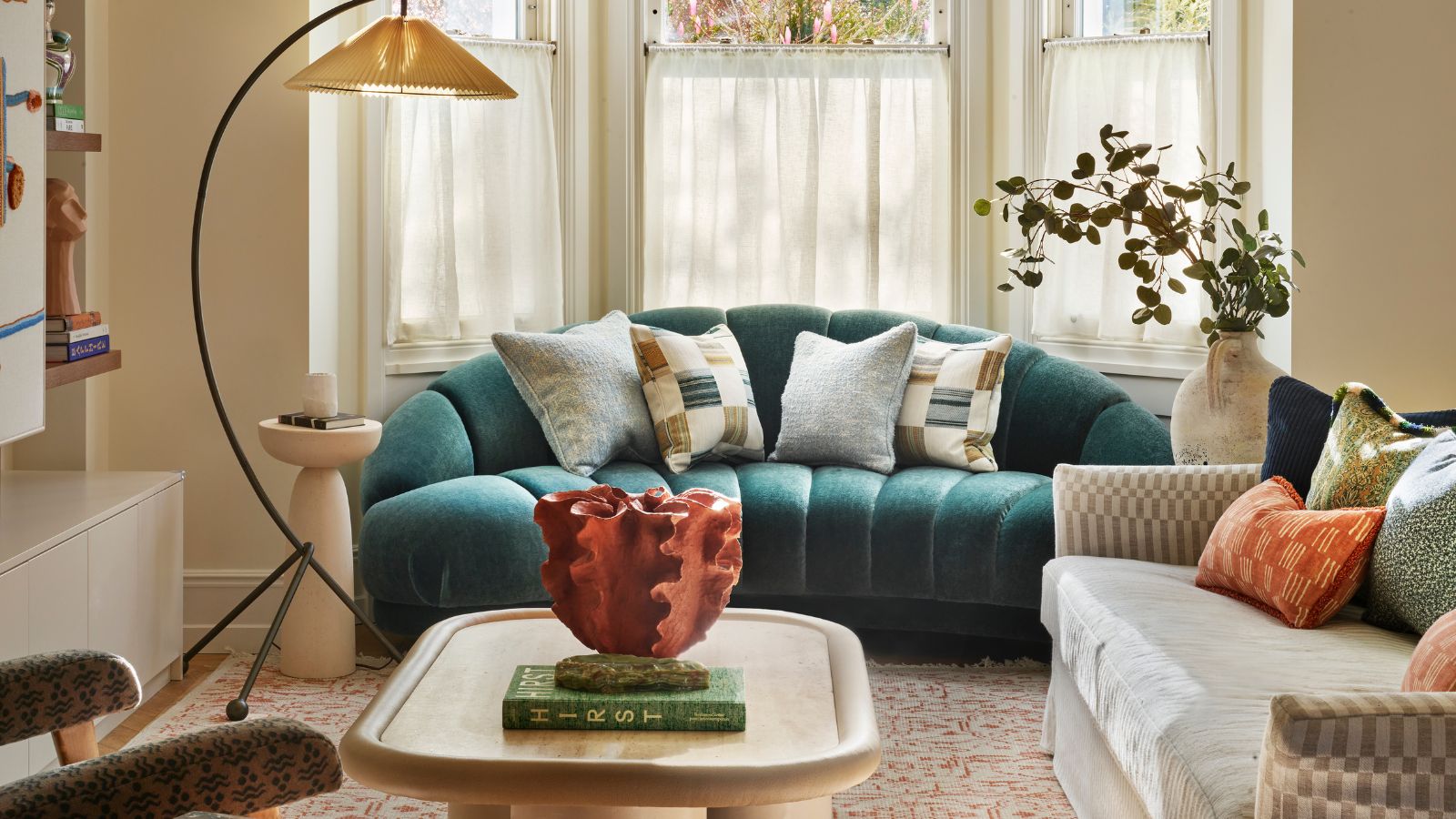
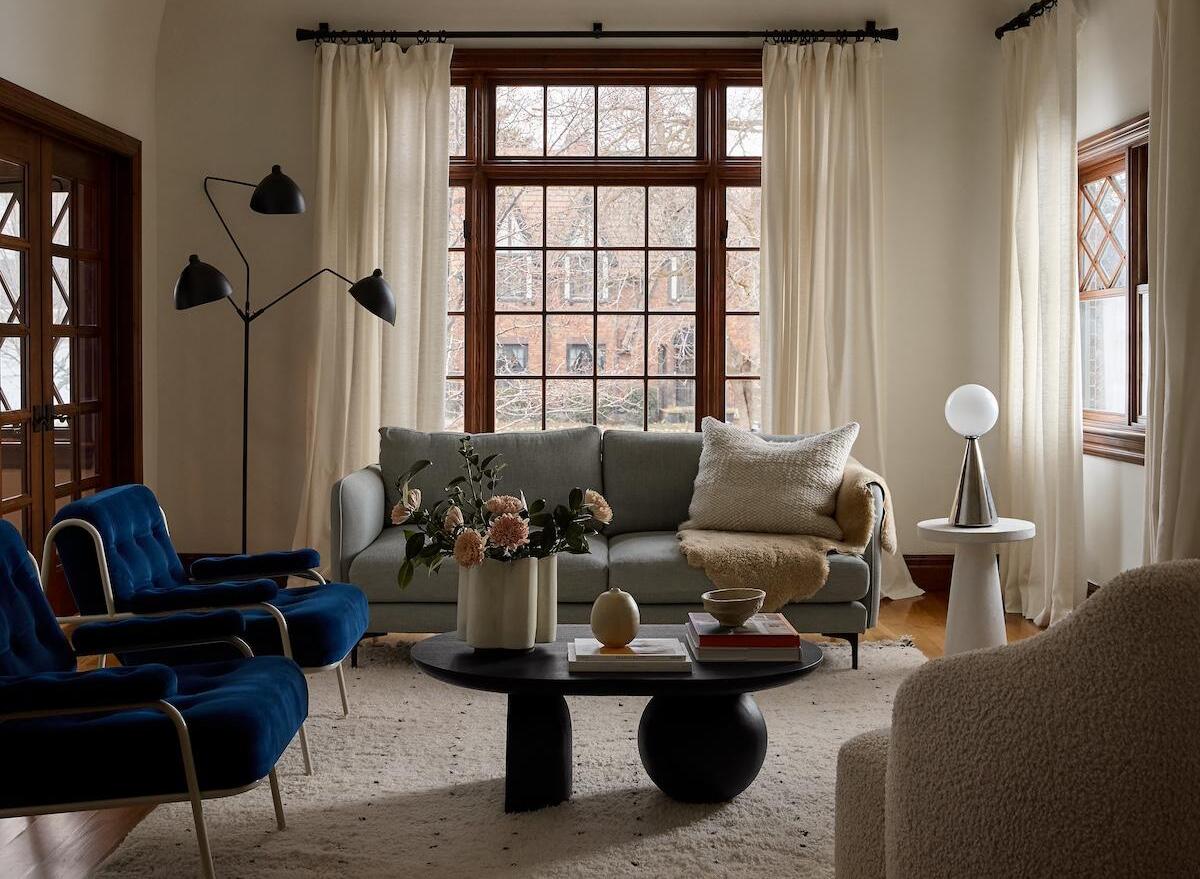
As bouclé's moment in the spotlight potentially wanes, several new fabric trends are emerging as alternatives. Jewel-toned velvets are gaining traction, with designers like Kati Curtis noting their ability to offer a more custom and luxurious look for vintage pieces. These rich, vibrant hues such as emerald green, sapphire blue, or ruby red provide an opulent element that distinguishes them from bouclé. Marie Flanigan also agrees on the rise of performance velvets, highlighting their improved durability and resistance to wear, making them a practical yet glamorous choice. This modern adaptation of velvet offers both the visual appeal of a gorgeous sheen and the functional benefits of a performance fabric.
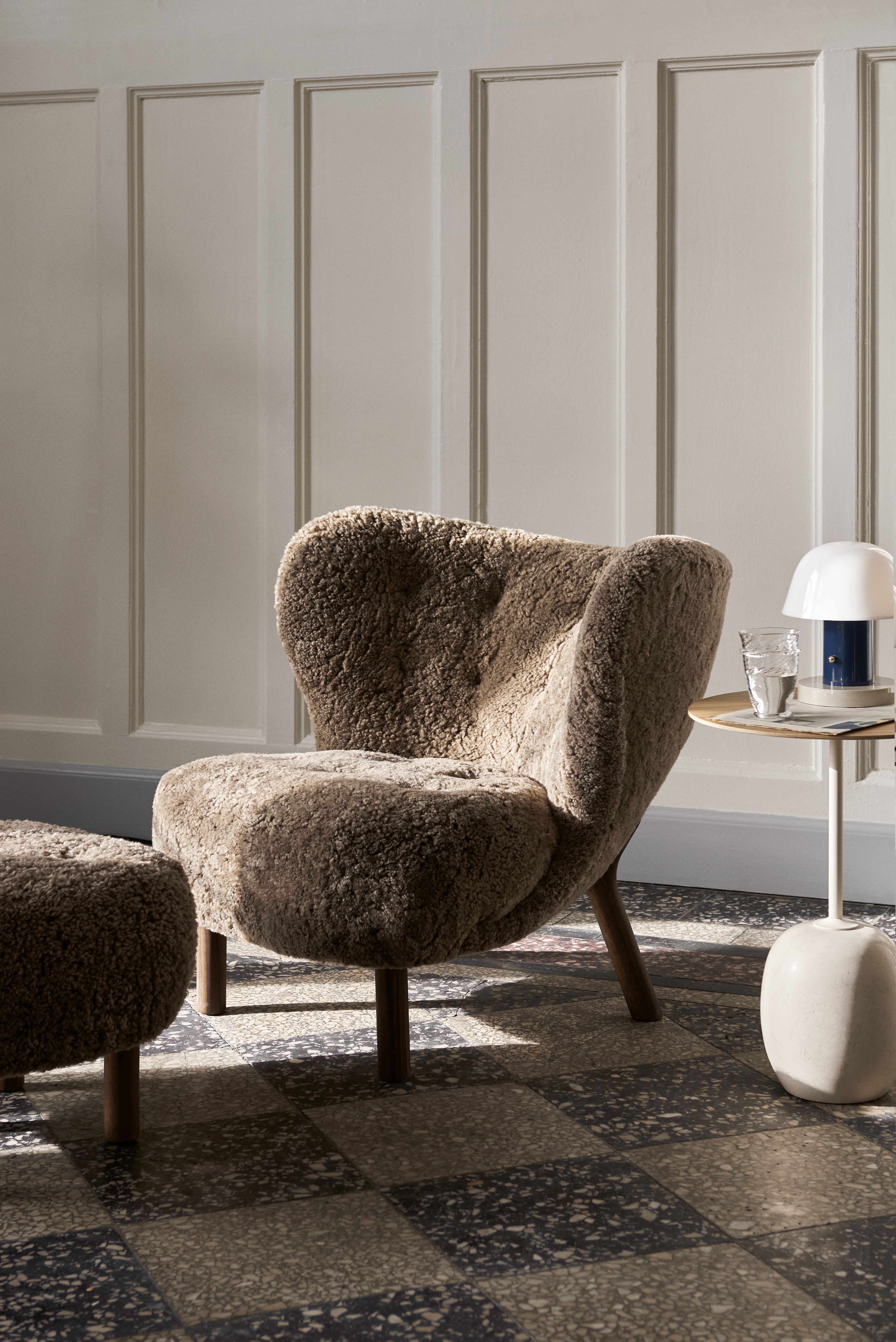
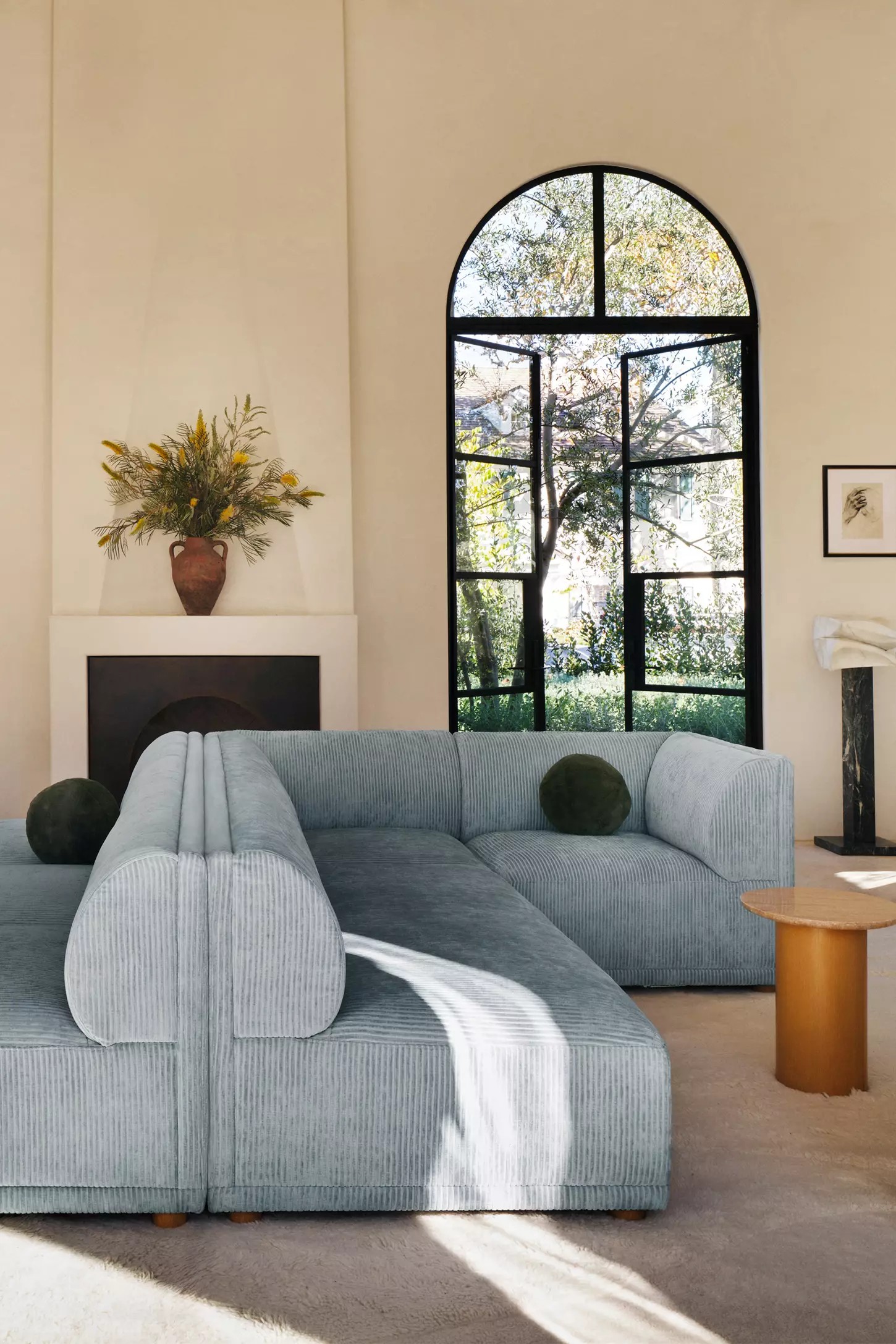
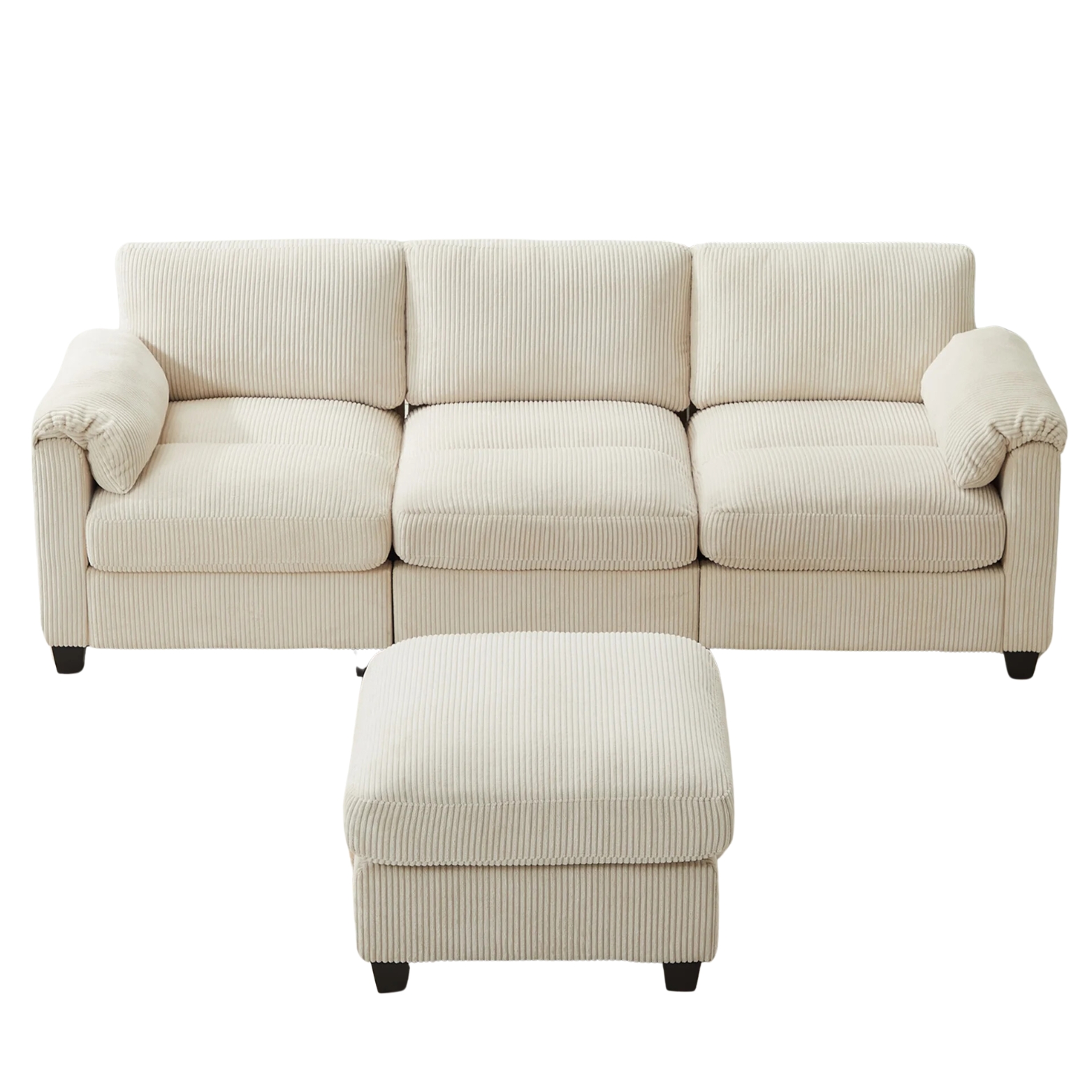
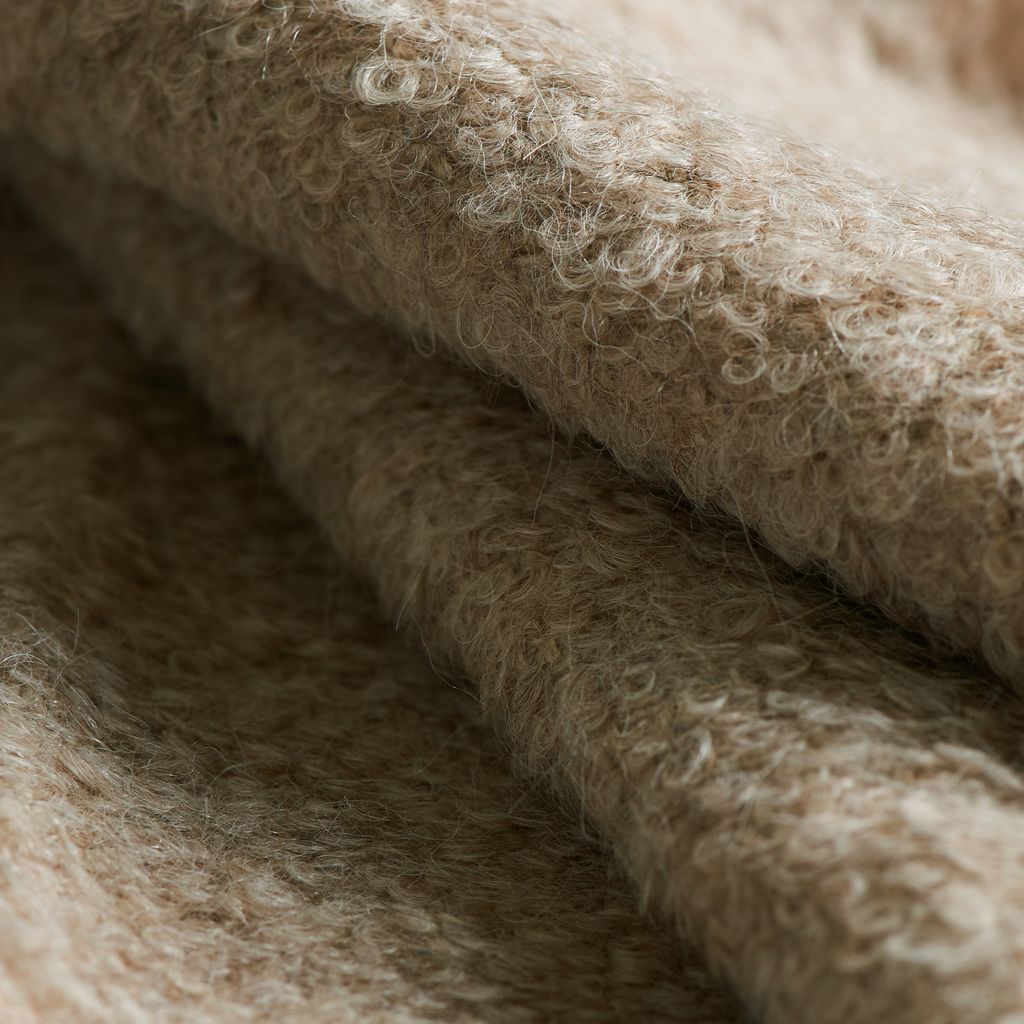
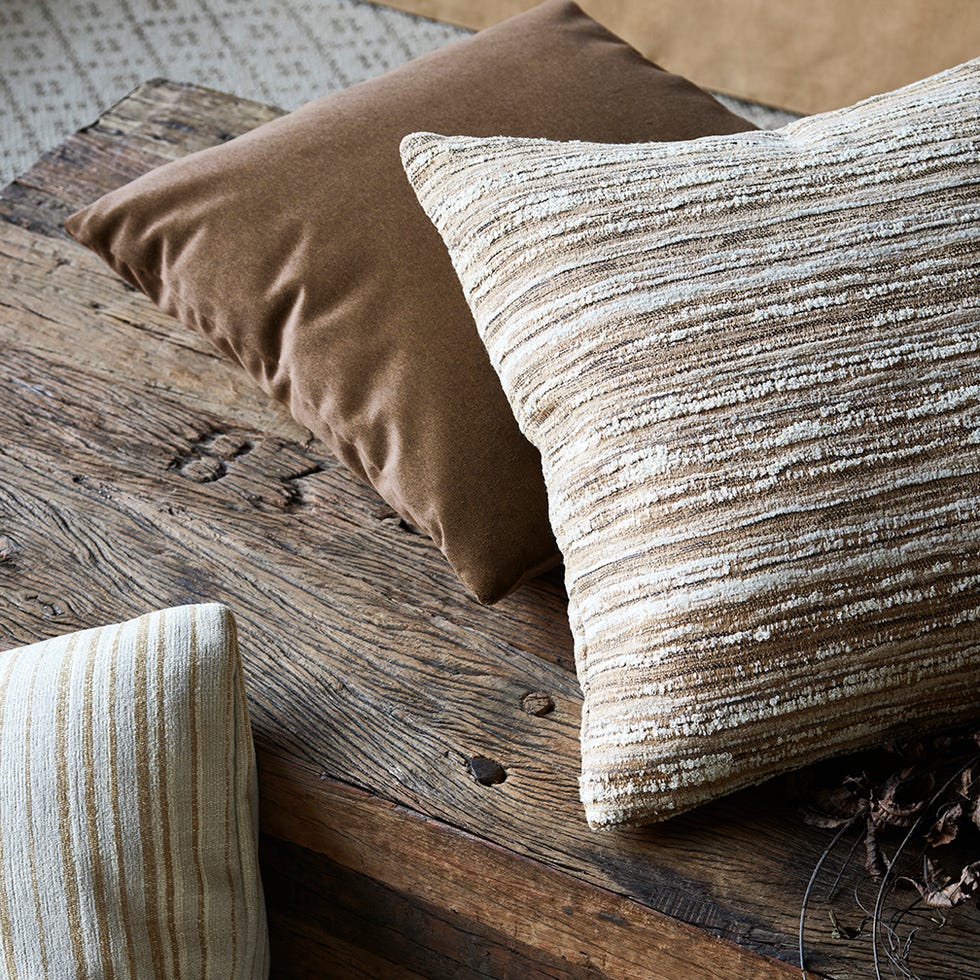
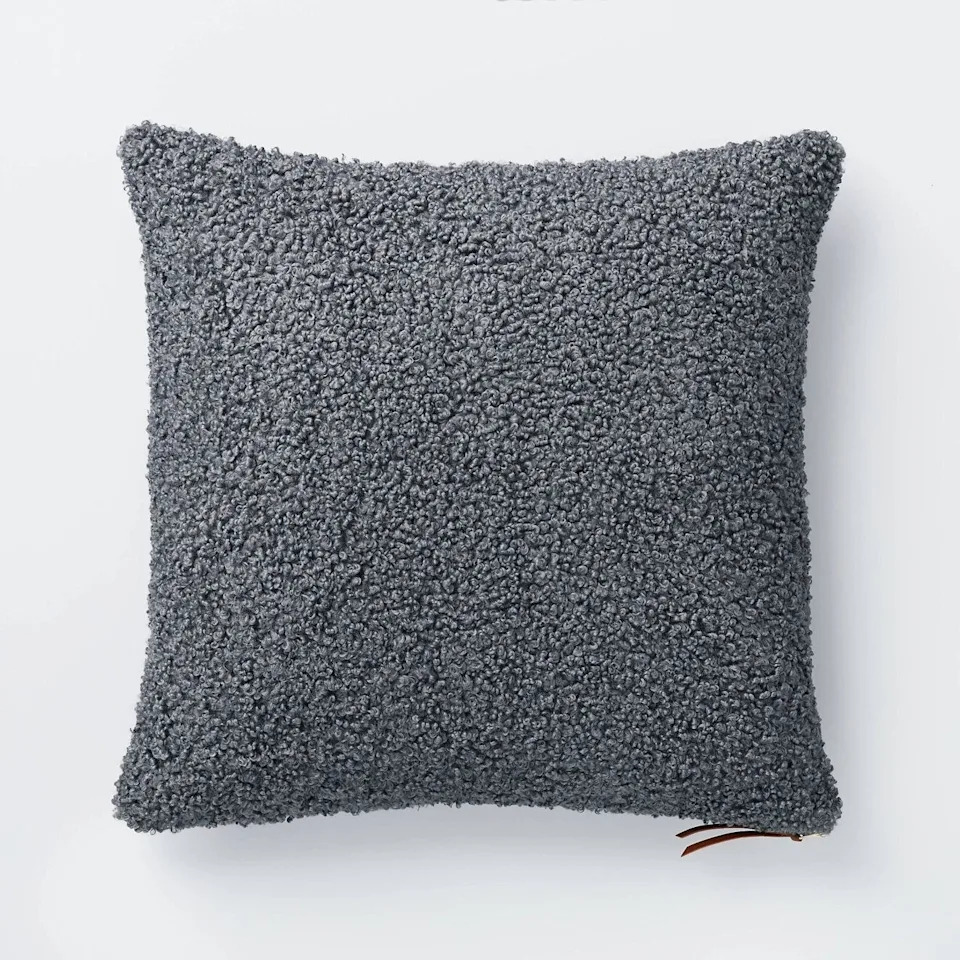
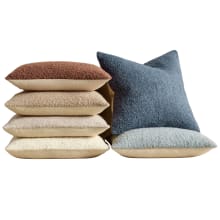
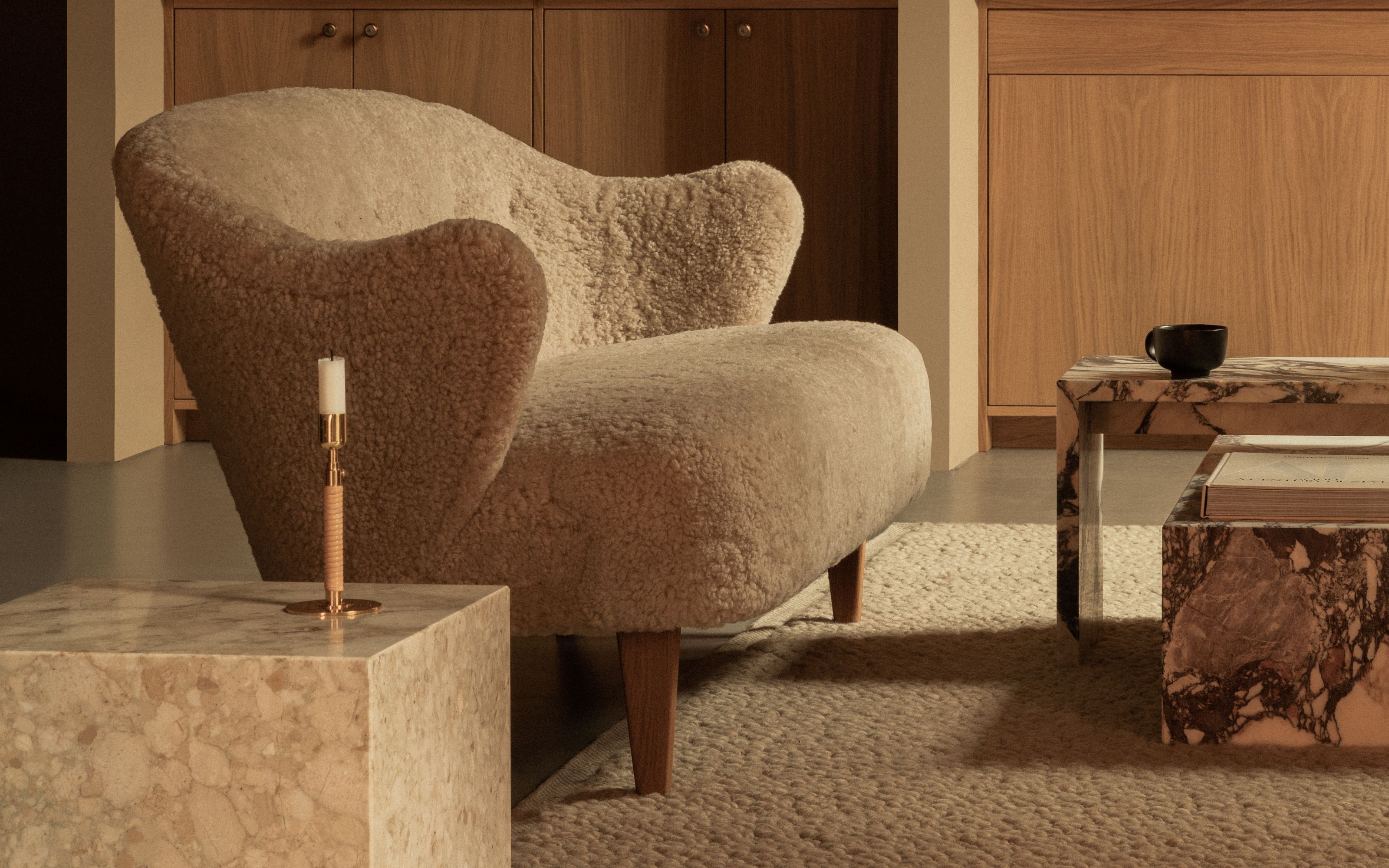
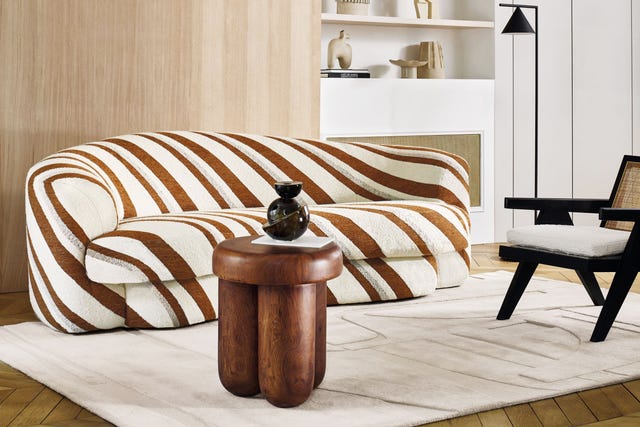
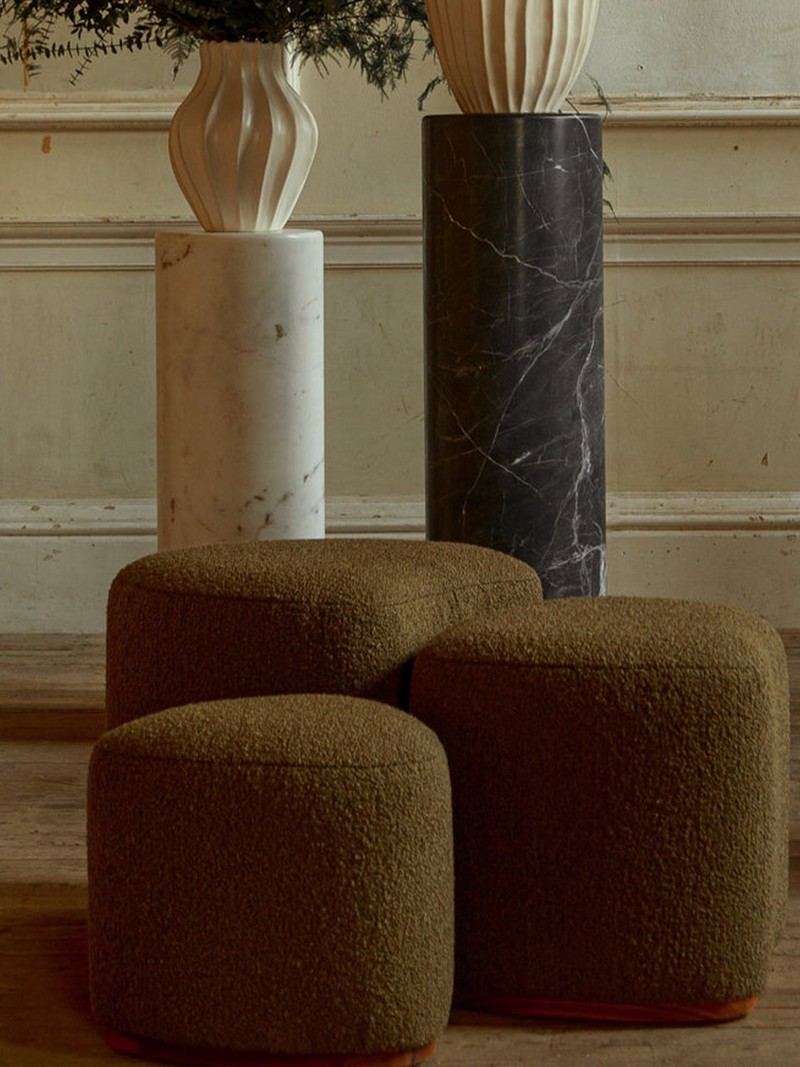
Beyond velvet, designers are also seeing an evolution of textured fabrics, often leaning towards more magnified versions of bouclé itself. Eleanor Taylor-Roberts suggests that 'Bouclé-core' is transforming into an aesthetic that embraces woolier, fleecier, and fluffier textures, with ultra-shaggy materials providing an even greater sense of coziness that consumers increasingly prioritize. Kathy Kuo supports this, predicting a rise in cozy textures like faux fur, hair-on-hide, and brushed linen, with hair-on-hide, particularly in cow prints, adding a blend of rustic and sophisticated appeal.
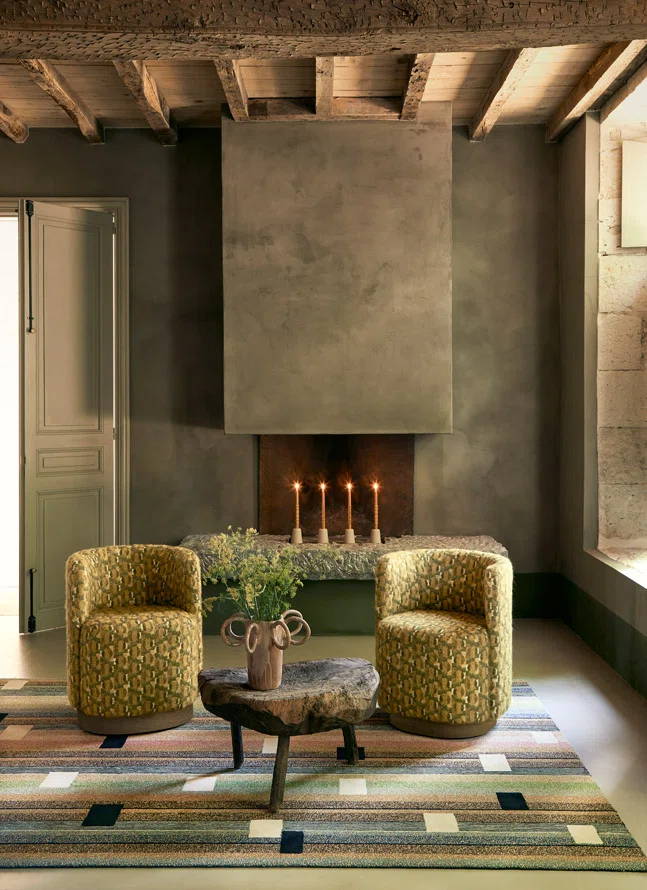
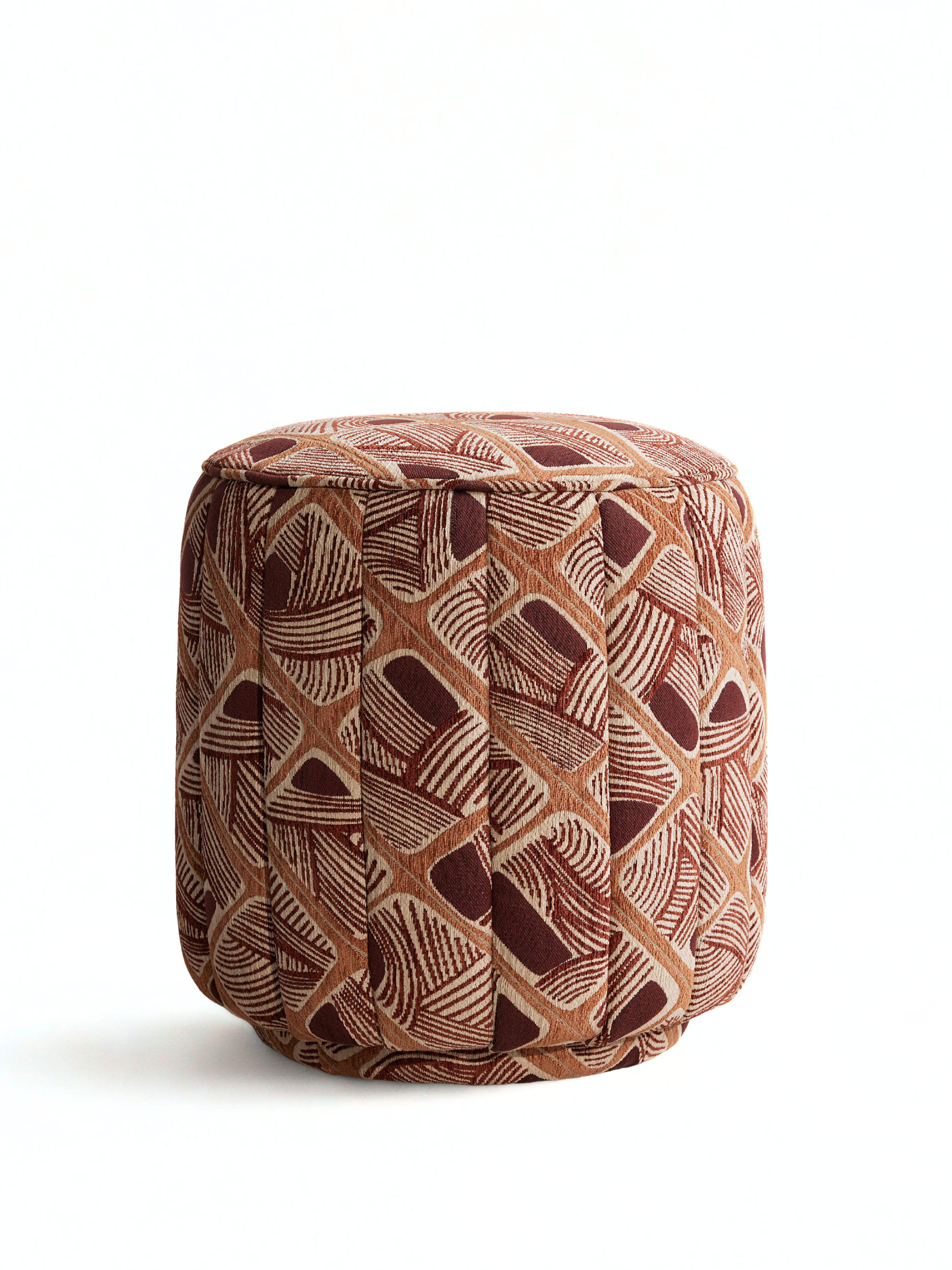
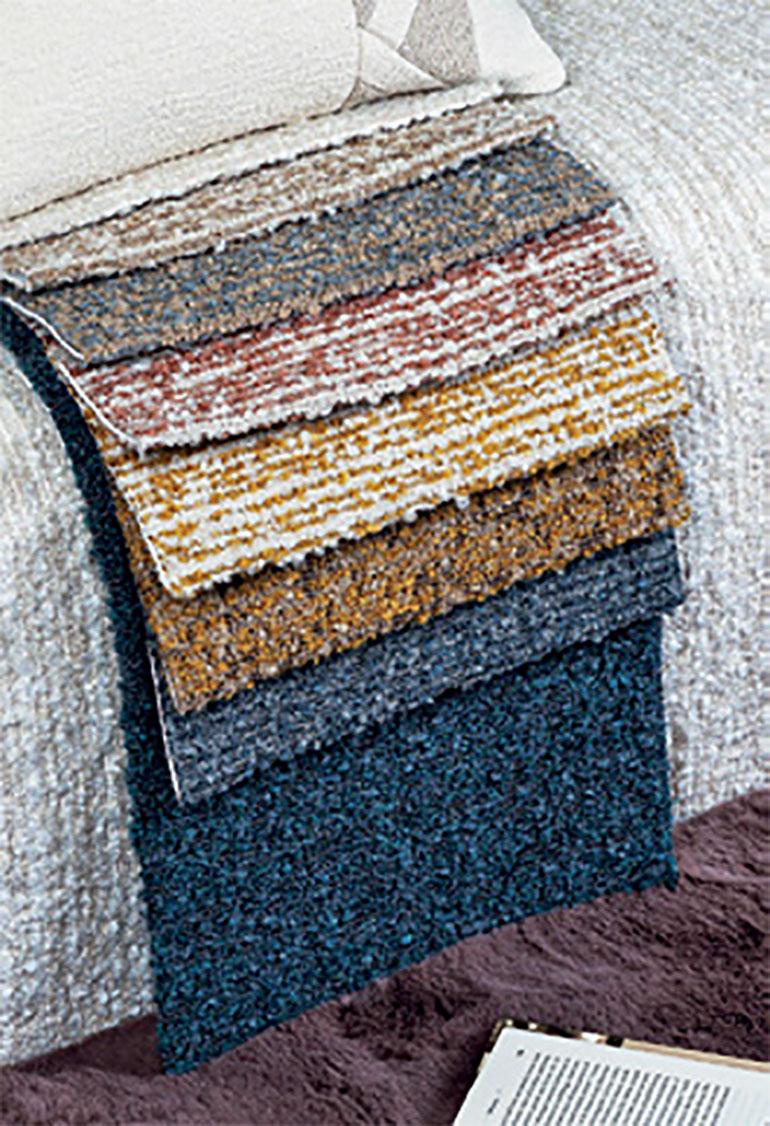
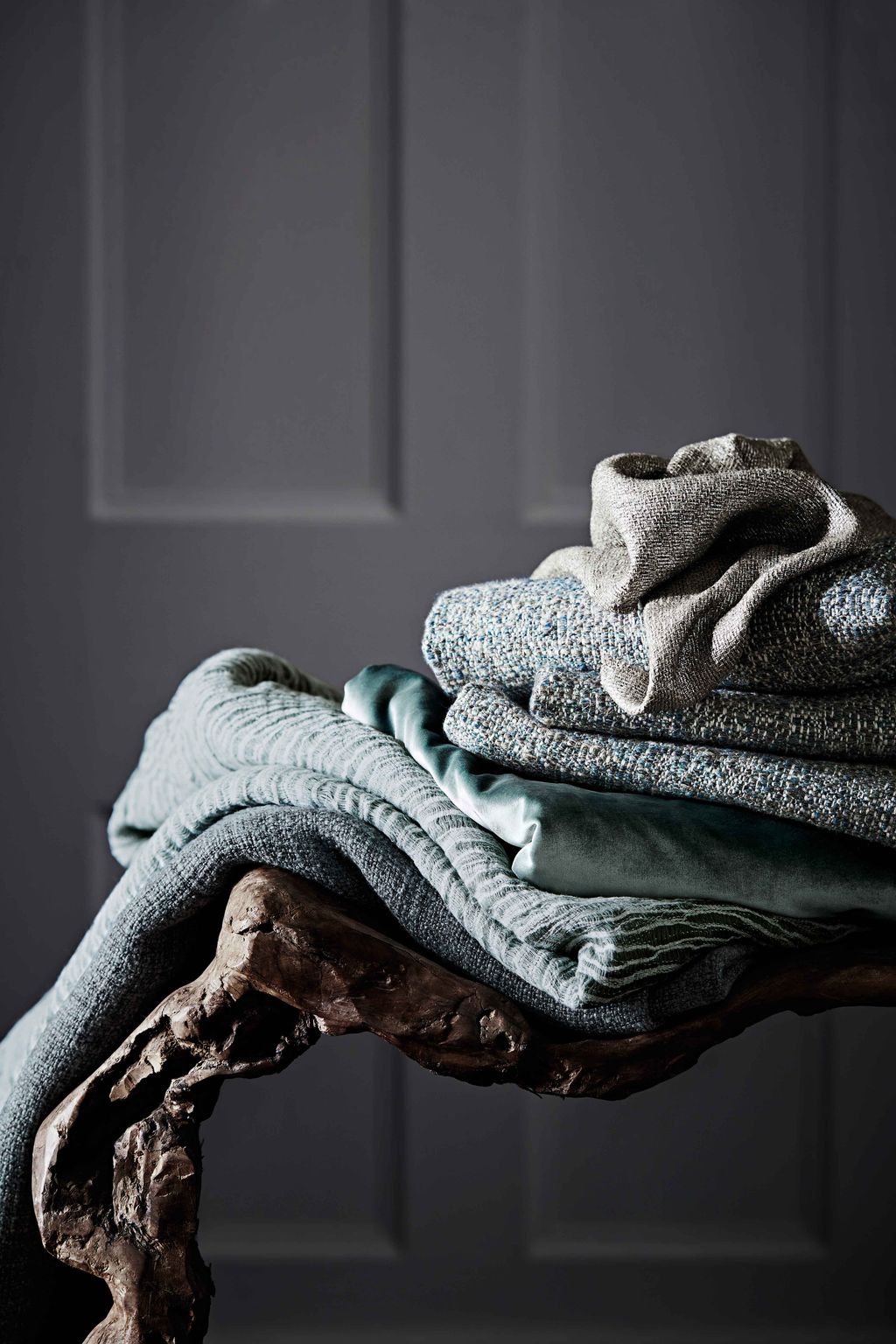
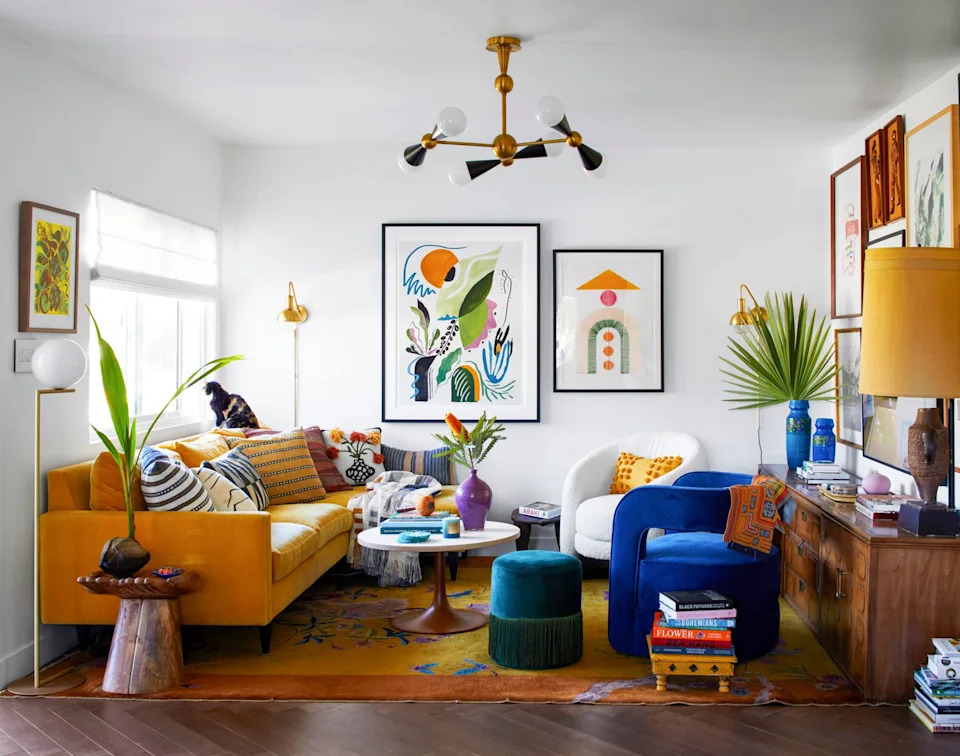
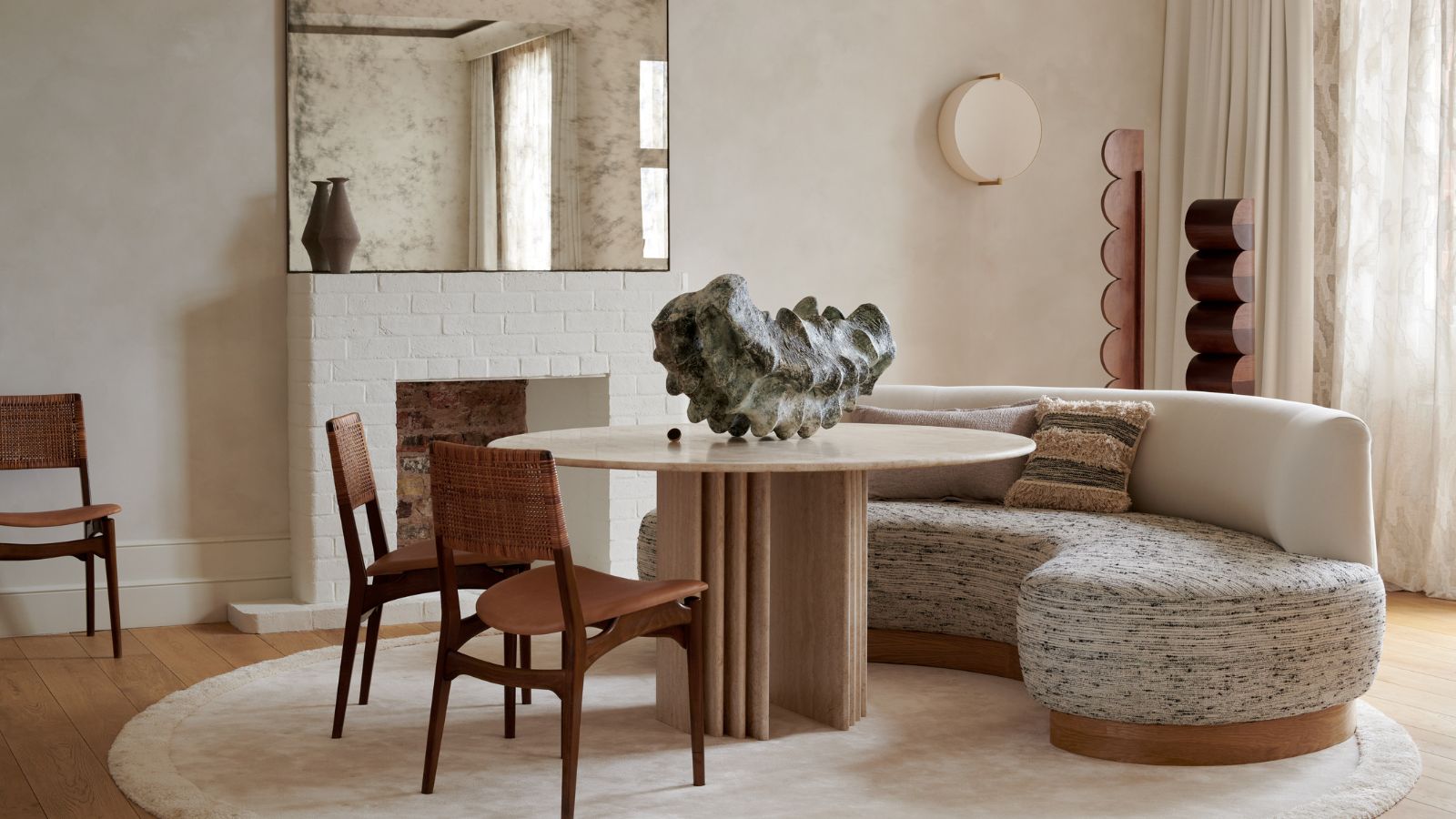
This move towards more varied and distinctive textures aligns with a broader trend away from strict minimalism towards homes that feel more lived-in and characterful rather than overtly trend-led. Camilla D. Fischbacher emphasizes a return to texturally rich weaves, including wool blends in dobby weaves with lively surfaces, and surprising combinations of colored wool yarns to create irregular melange effects. These offer a fresh interest and dimension that goes beyond the current mainstream application of bouclé, suggesting that while bouclé remains popular with consumers, designers are exploring more intricate and unique fabric options to bring depth and personality to interior spaces.
#BoucleFabric #InteriorDesignTrends #FabricTrends #HomeDecor #VelvetFurniture #TexturedFabrics #MinimalistDesign #LuxuryFabrics #BoucleFabric #InteriorDesignTrends #FabricTrends #HomeDecor #VelvetFurniture #TexturedFabrics #MinimalistDesign #LuxuryFabrics
0 comment in total
 No comments yet
You may also like
What is replacing bouclé? I'm obsessed with it - but even more obsessed with the design trend that's coming next

Should you still invest in boucle furniture? We asked the experts

Inside the fascinating history of bouclé (and why it’s revival isn’t over yet)

Floral Upholstery Is Making a Comeback in 2025 Thanks to the Vintage Eclectic Trend
Will Bouclé Sofas Be Out of Style in 2025? This Designer Thinks the Teddy Texture is "Overdone" — Here's Why

Interiors Trend Watch: Modern Bouclé
The Jewel-Toned Fabric Trend That's Replacing Boucle Furniture

Surround Yourself In The Comfort of Bouclé Fabric

Think Bouclé Is Overdone? These Are the Just-as Cozy Fabrics the World's Best Designers Are Using Instead
Everything You've Ever wanted to Know About Bouclé Fabric

5 Gorgeous Ways to Decorate with Bouclé Furniture and Home Accessories
Fill Your Space With These Dreamy Bouclé Furniture Pieces
Bouclé, the cosy-chic fabric, is back and how
Bouclé Fabric Is Back
Boucle is one of 2024's biggest design trends

9 Bouclé Accent Chairs That'll Command the Attention in Your Living Room With Style
Move over bouclé: corduroy is this year's favorite fabric
Bouclé vs Velvet — Designers Agree Which On-Trend Fabric is Best for Real Life
Bouclé vs Corduroy — What's the Difference and How To Pick
Goodbye, Gallery Walls! 5 Decor Choices Designers Think Are Overdone—and What to Do Instead