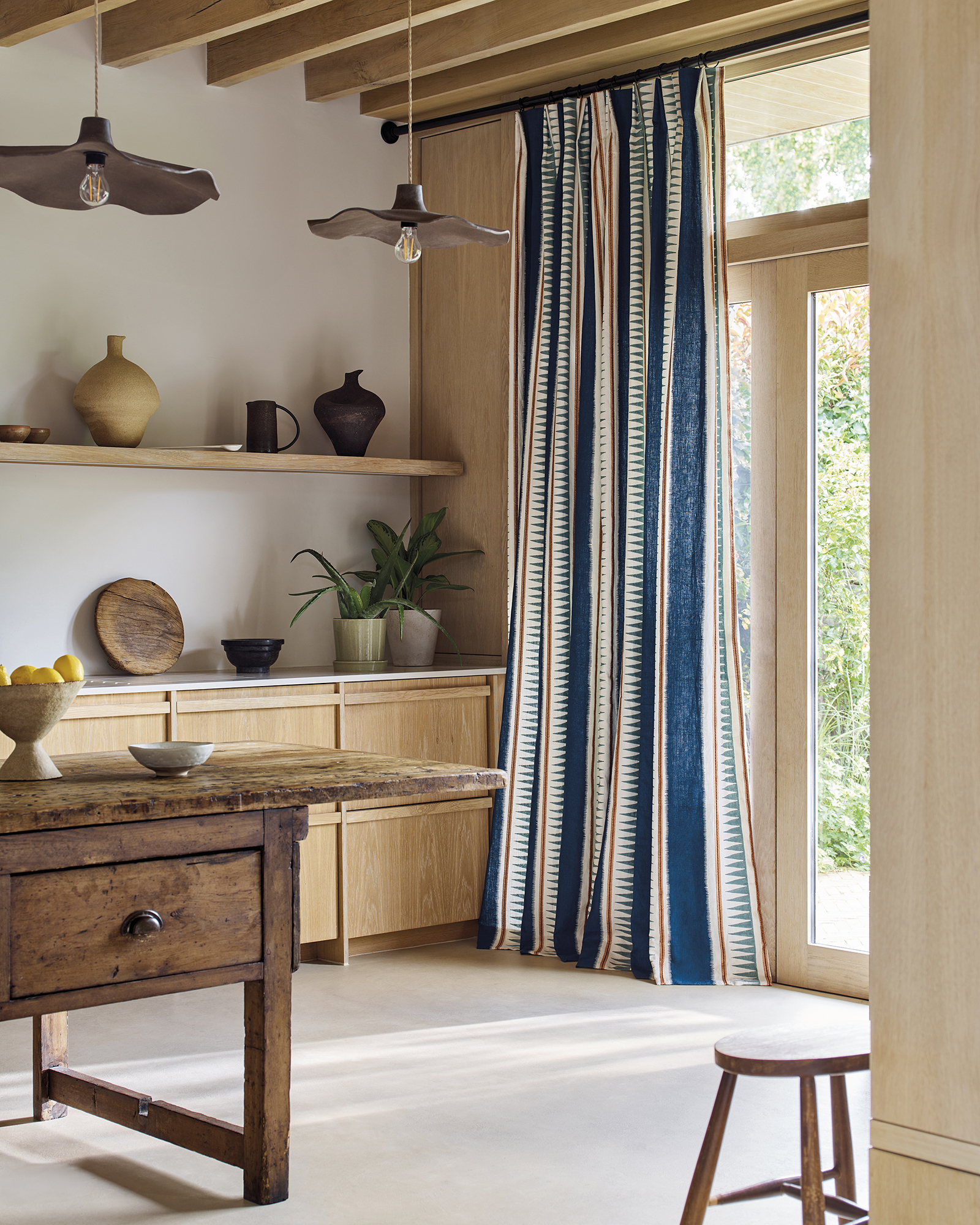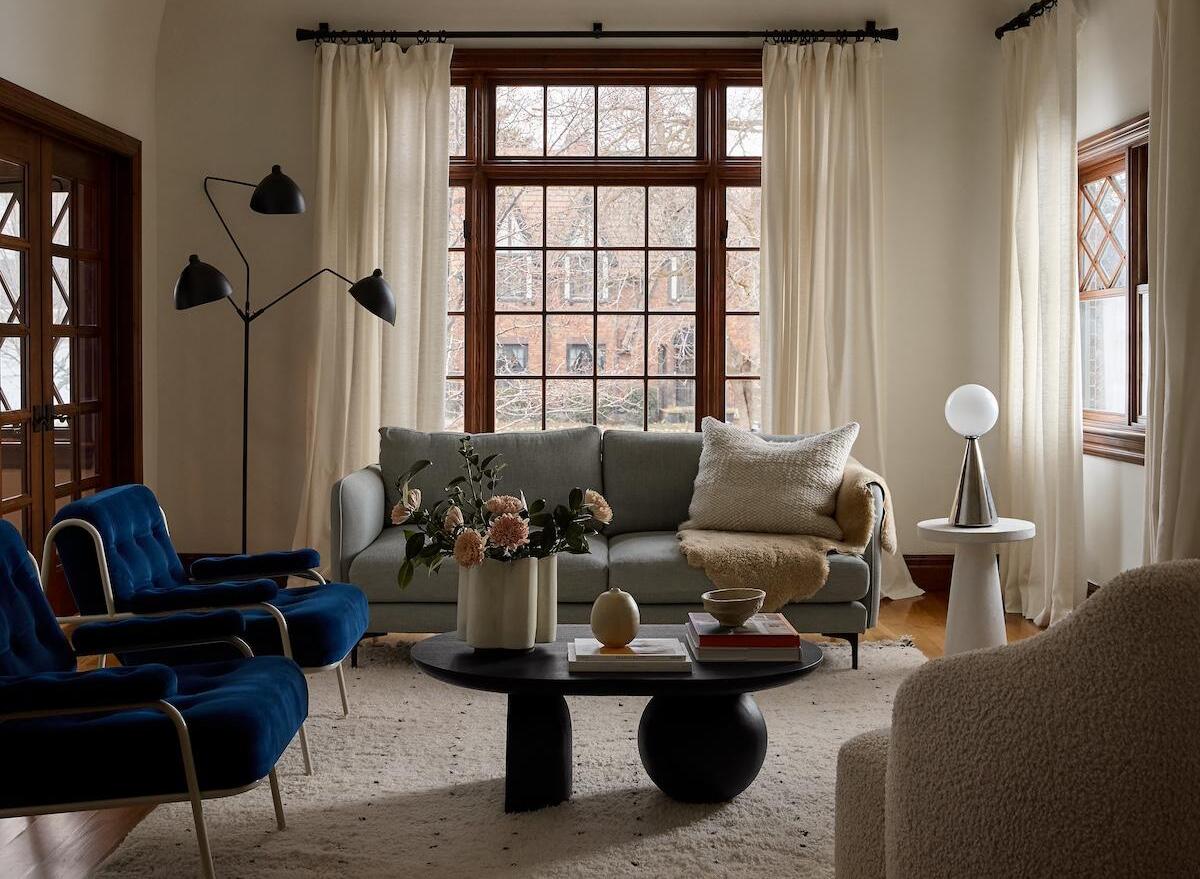
1/5
Bouclé vs Velvet — Designers Agree Which On-Trend Fabric is Best for Real Life
When selecting upholstery for furniture, both bouclé and velvet stand out as popular and stylish choices, offering aesthetic appeal, functionality, and durability. Tancred Vilucchi, founder of Maison Vilucchi, notes that both fabrics enhance warmth and elegance when used together in a room. The decision often comes down to comfort, prompting an expert comparison of their pros and cons.
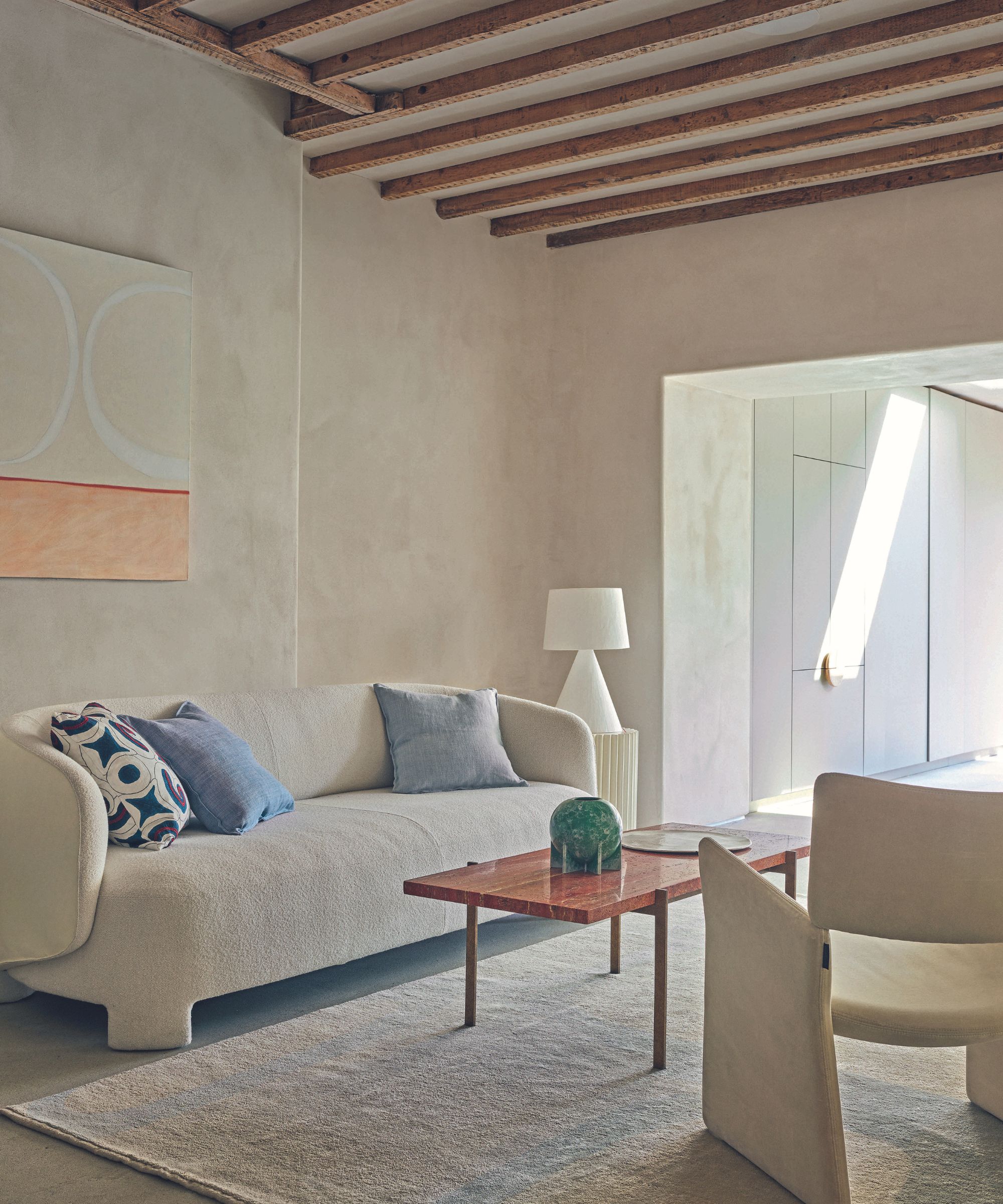
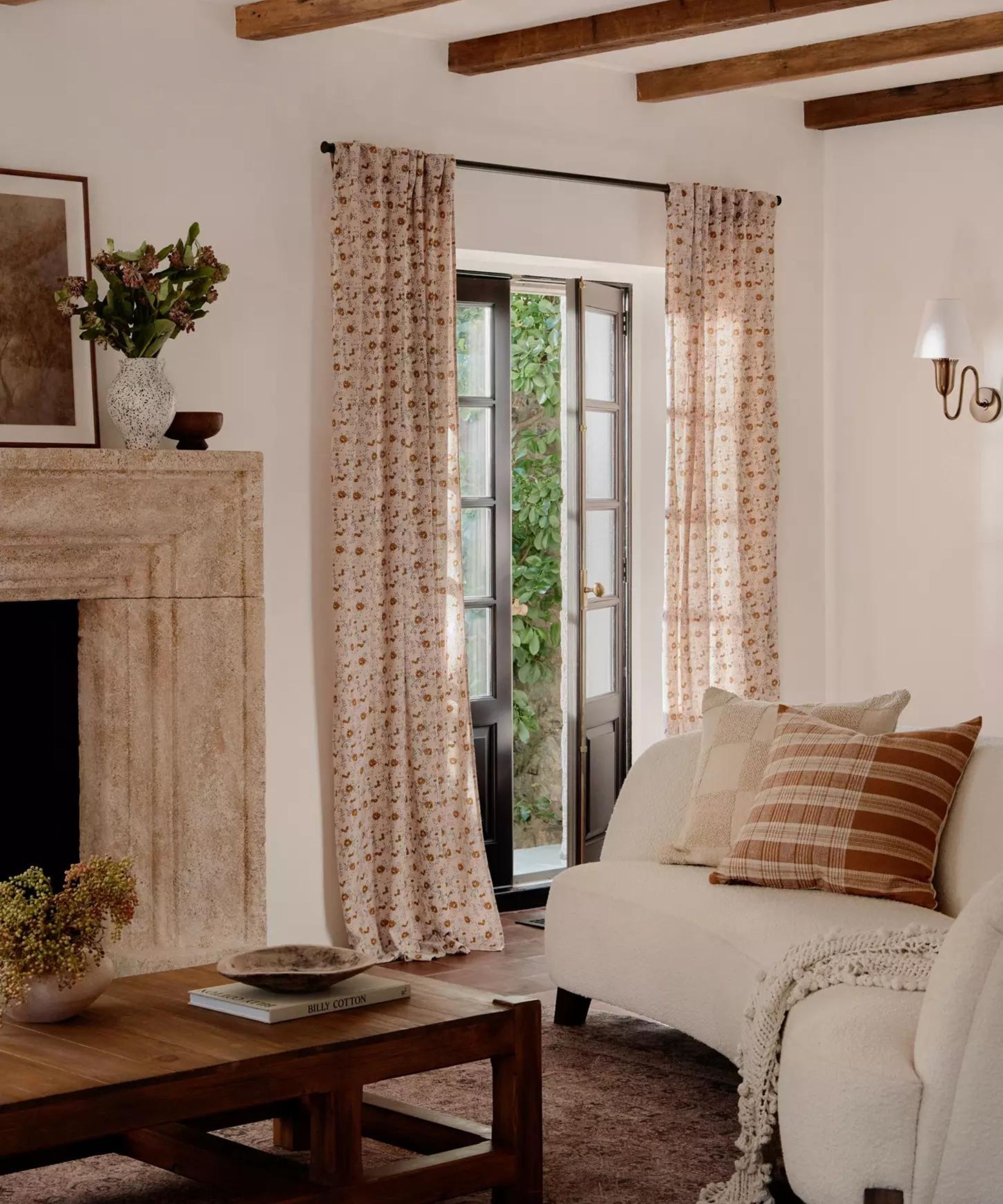
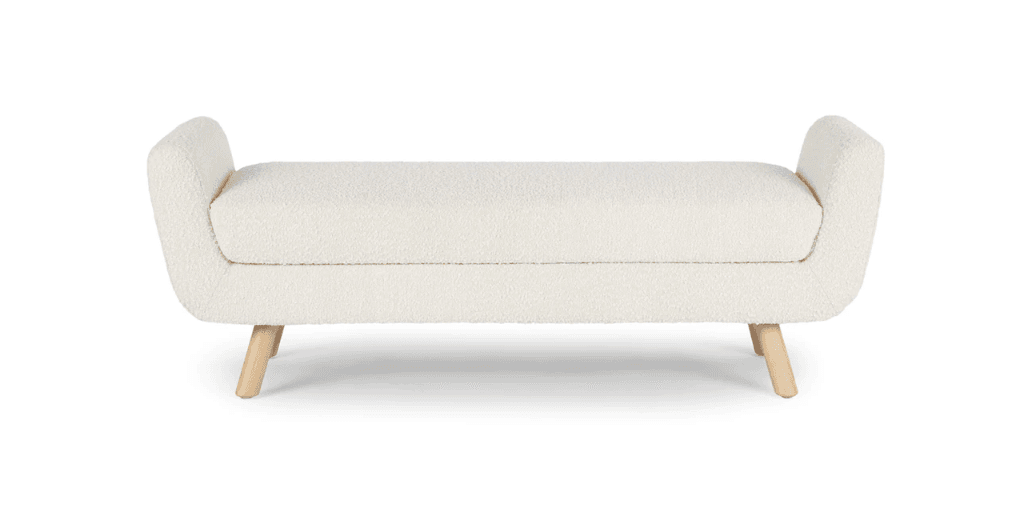
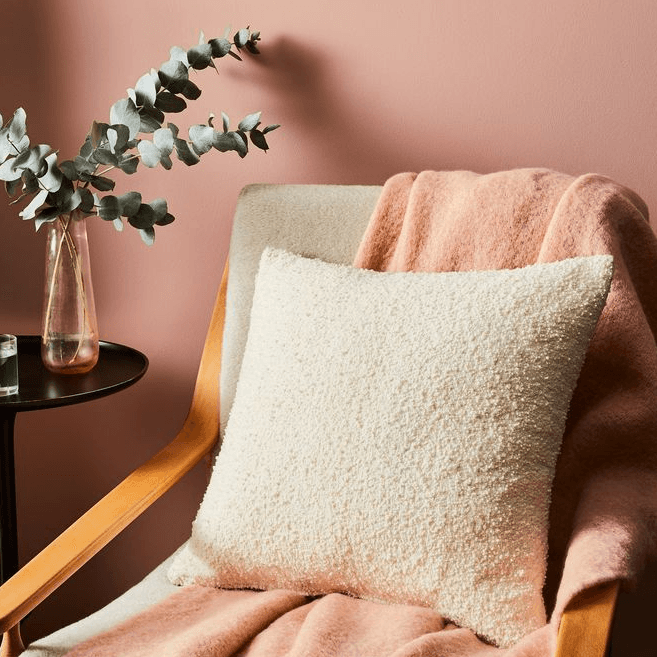
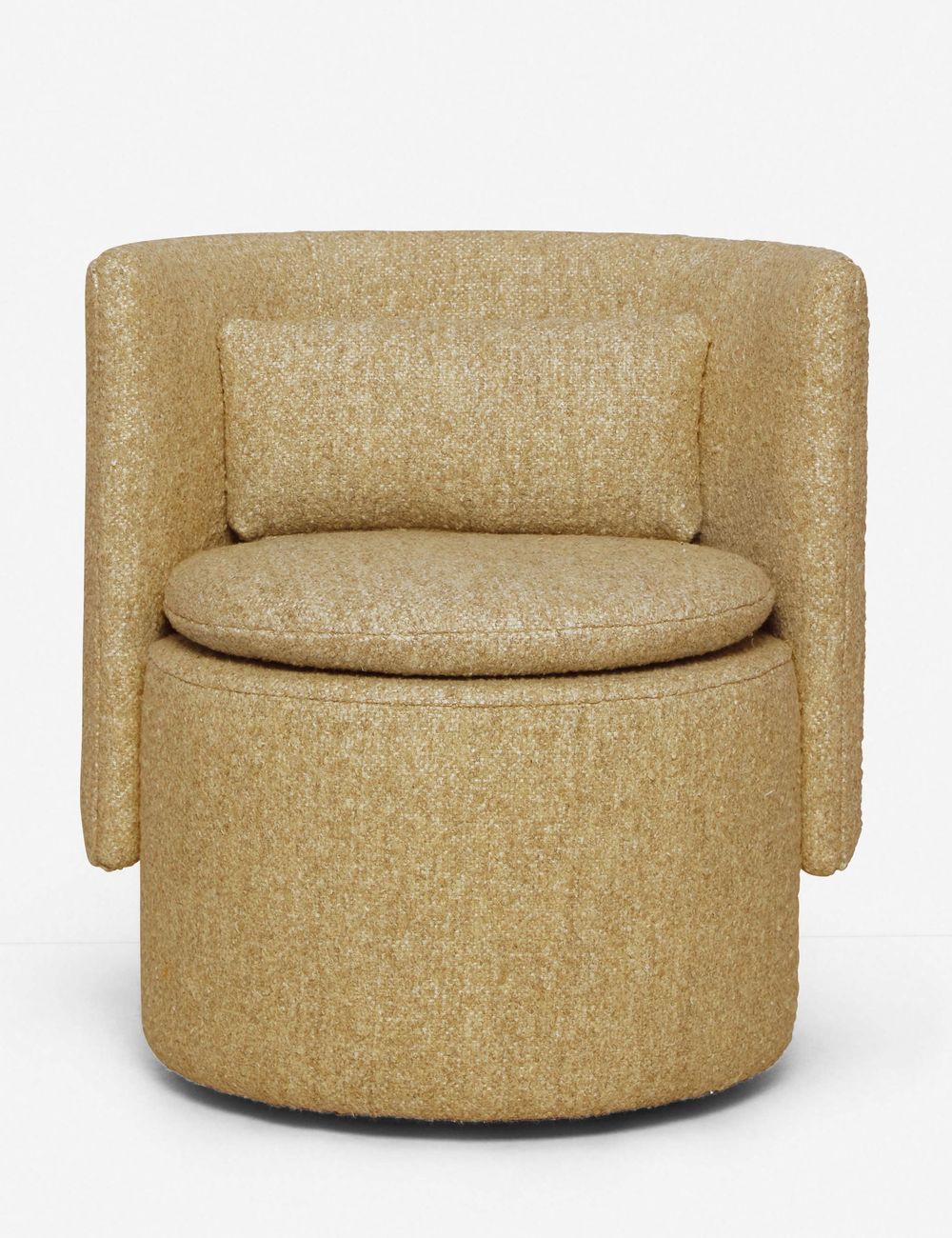
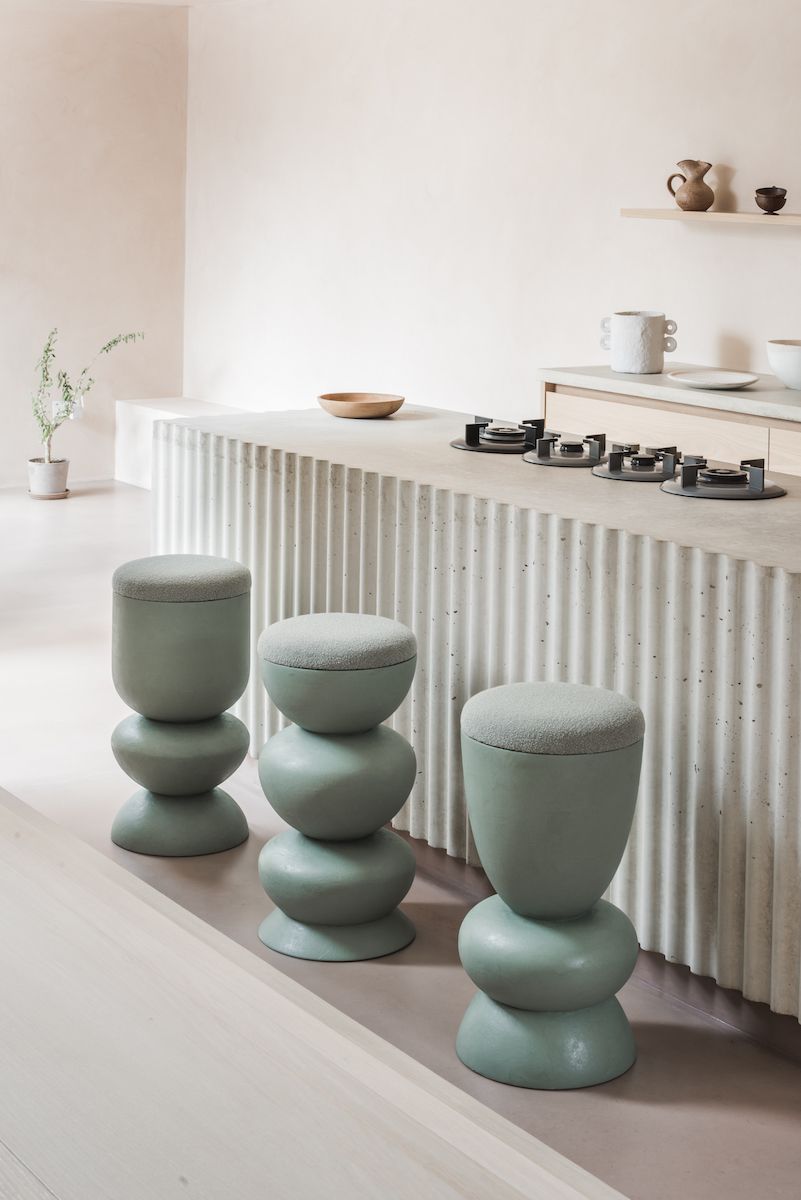
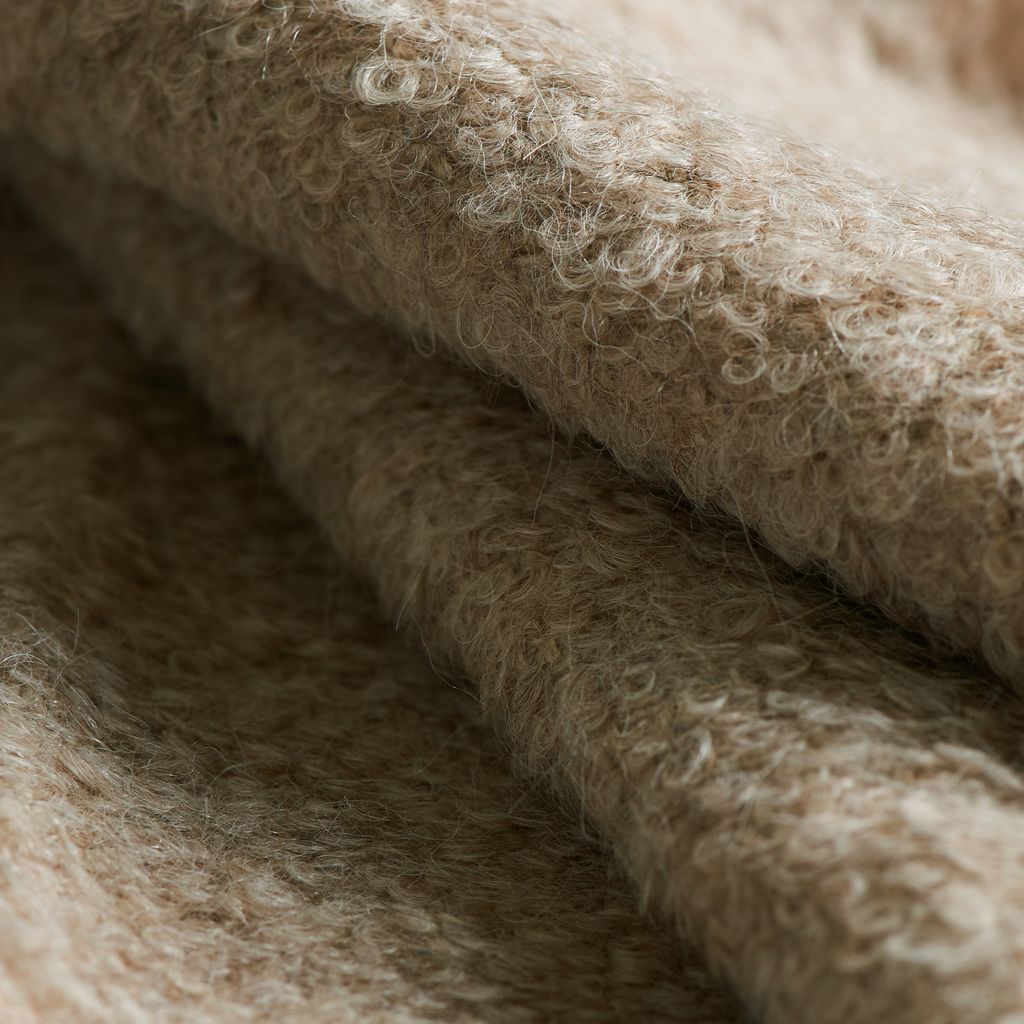
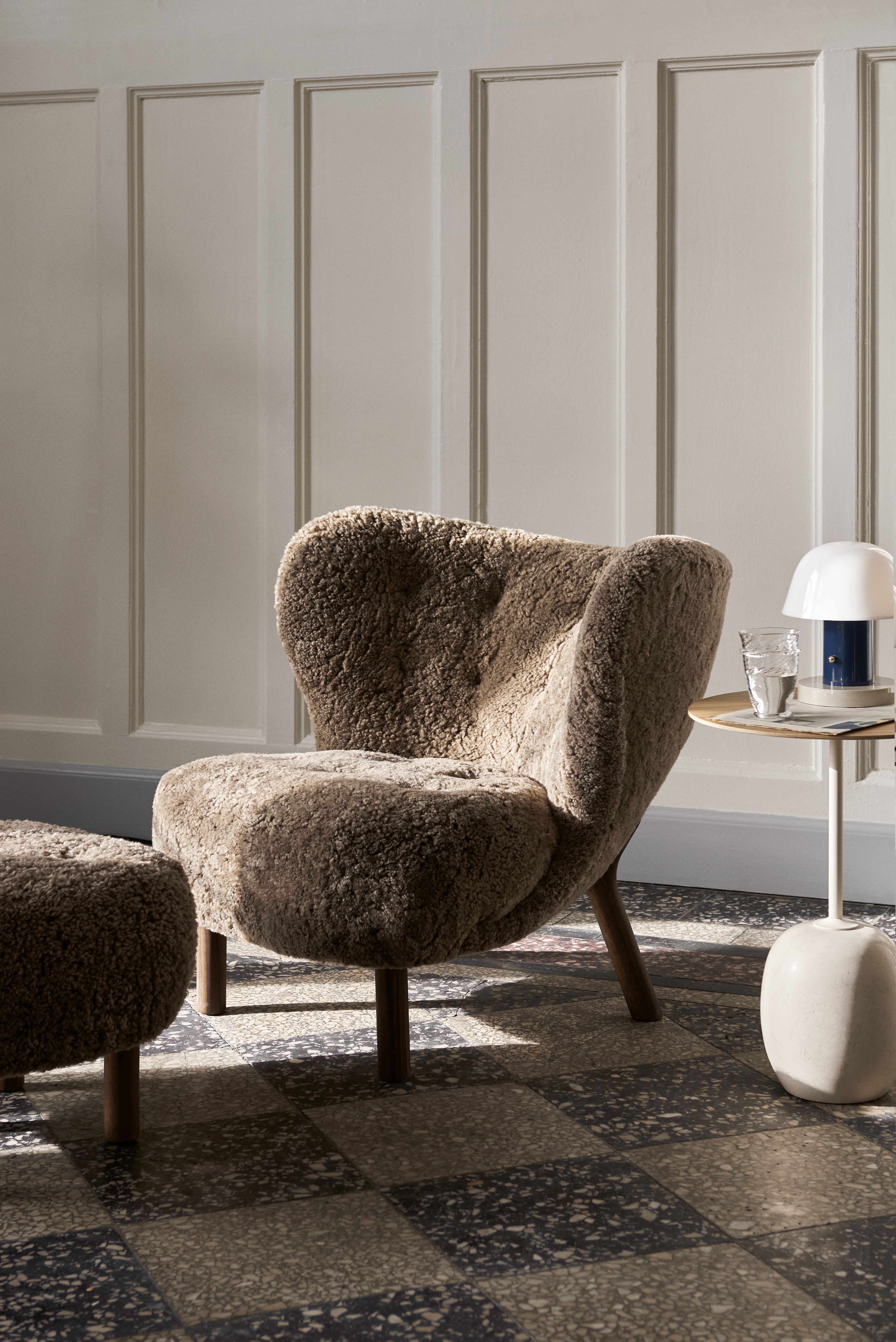
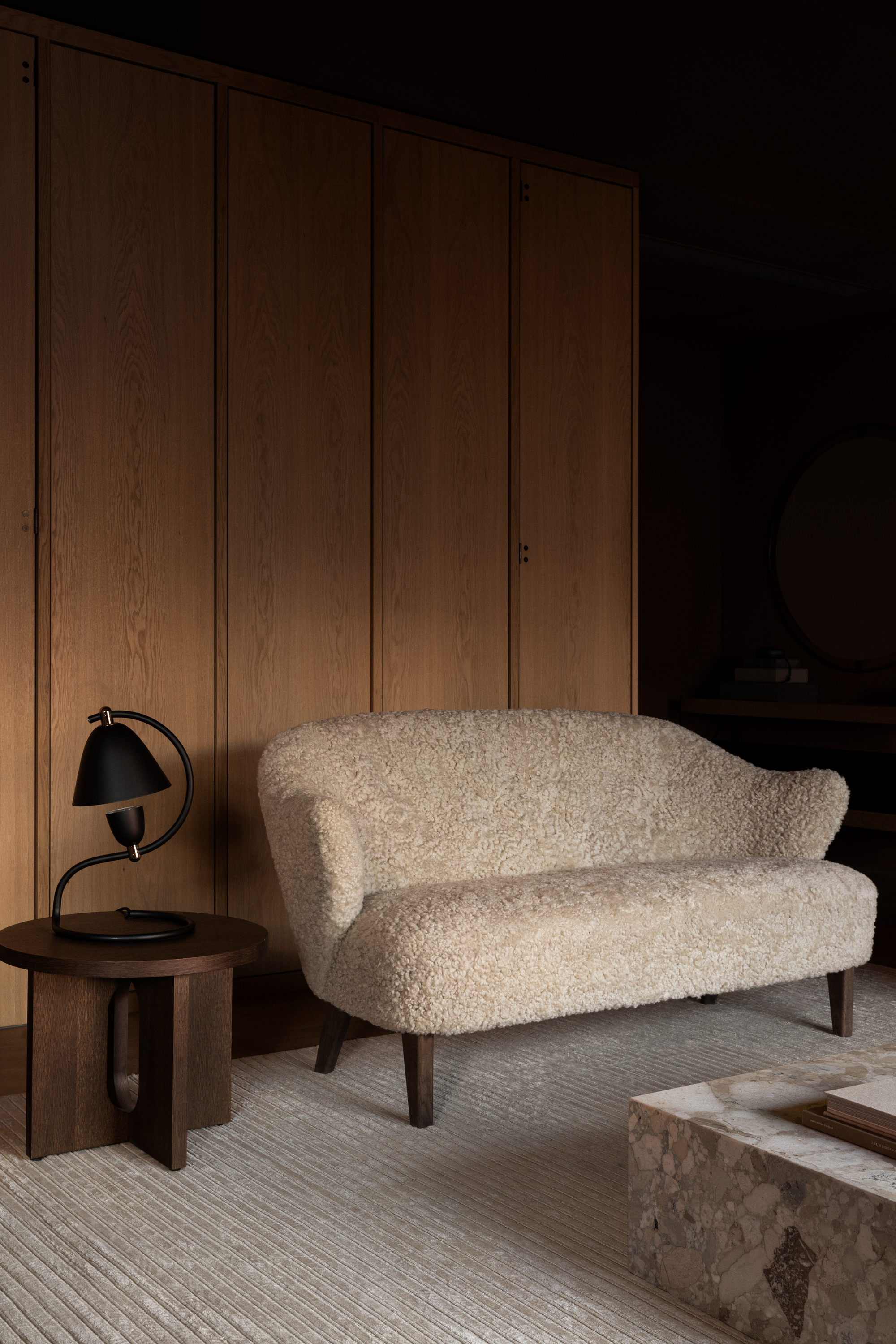
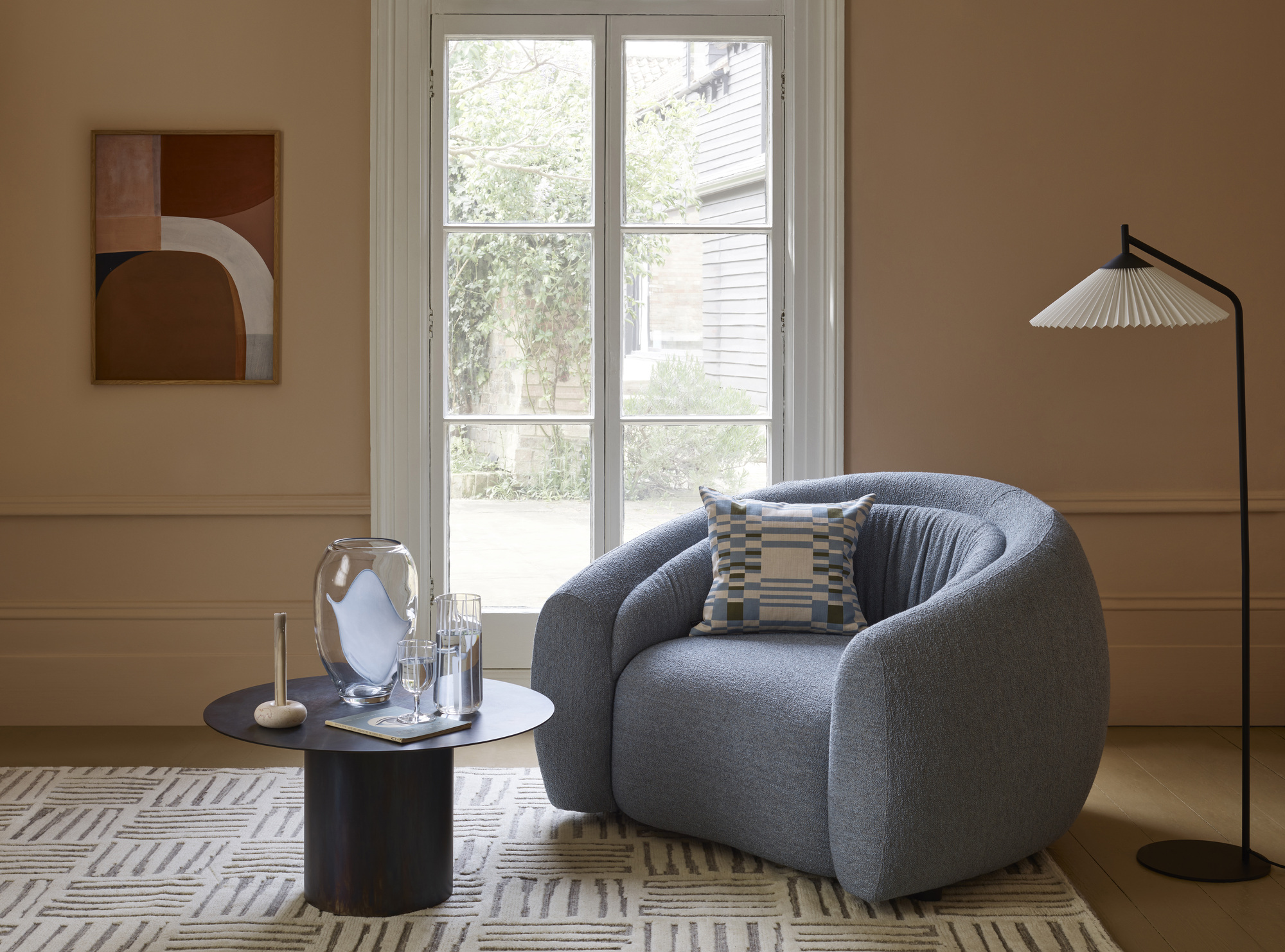
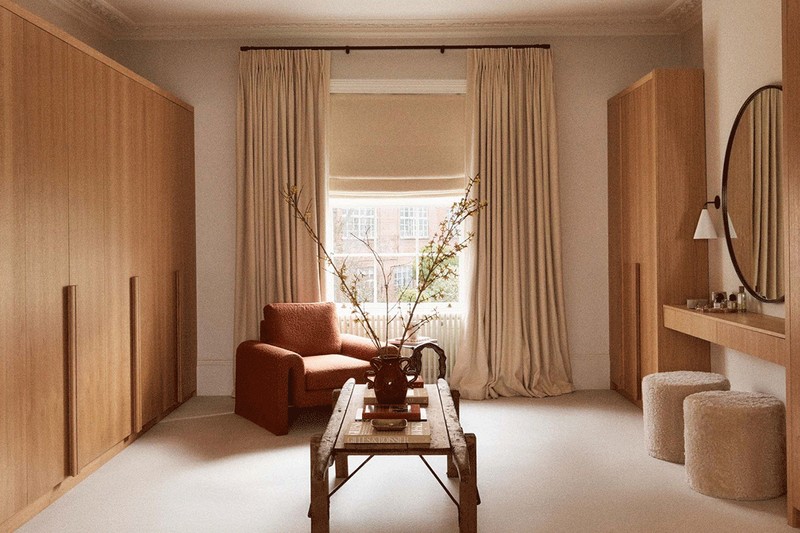
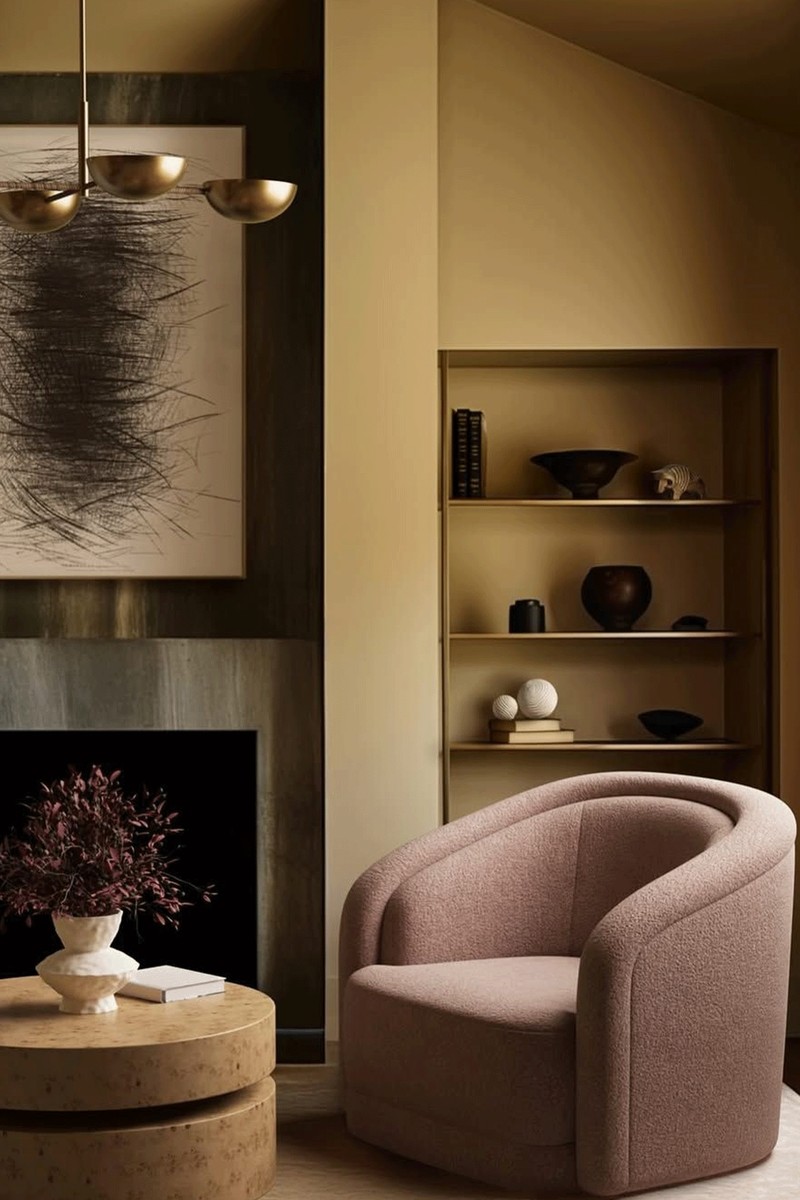
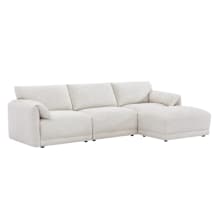
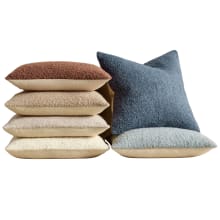
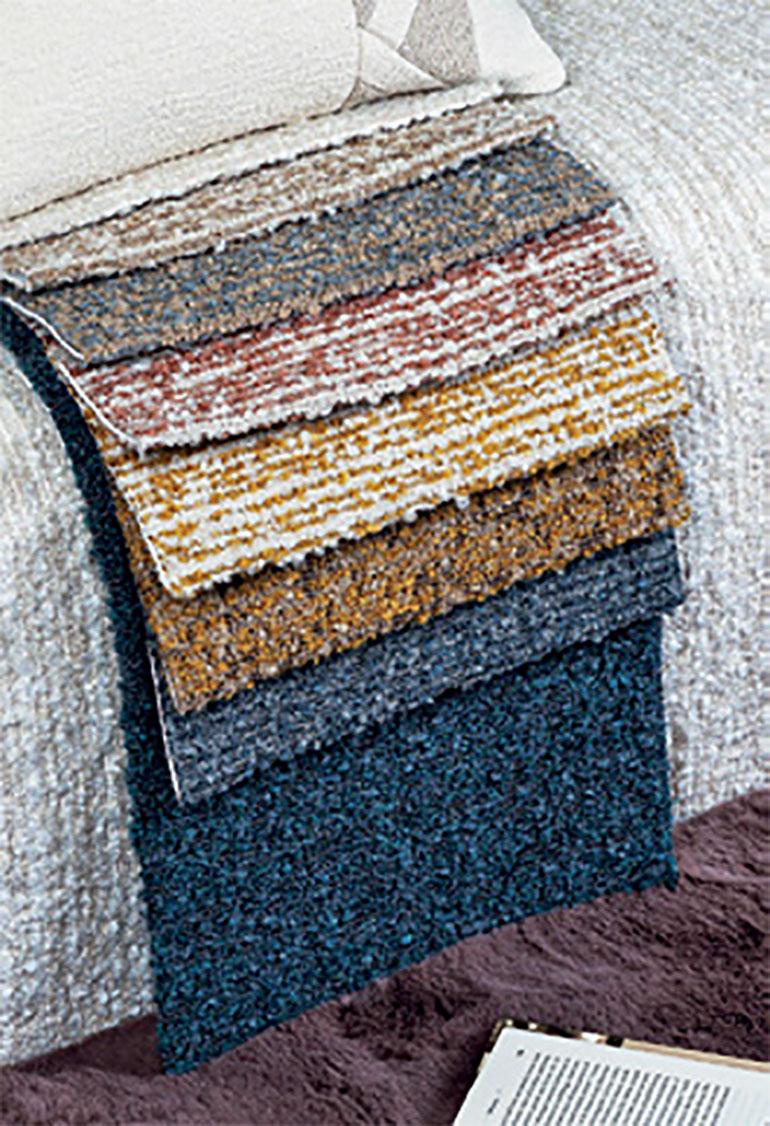
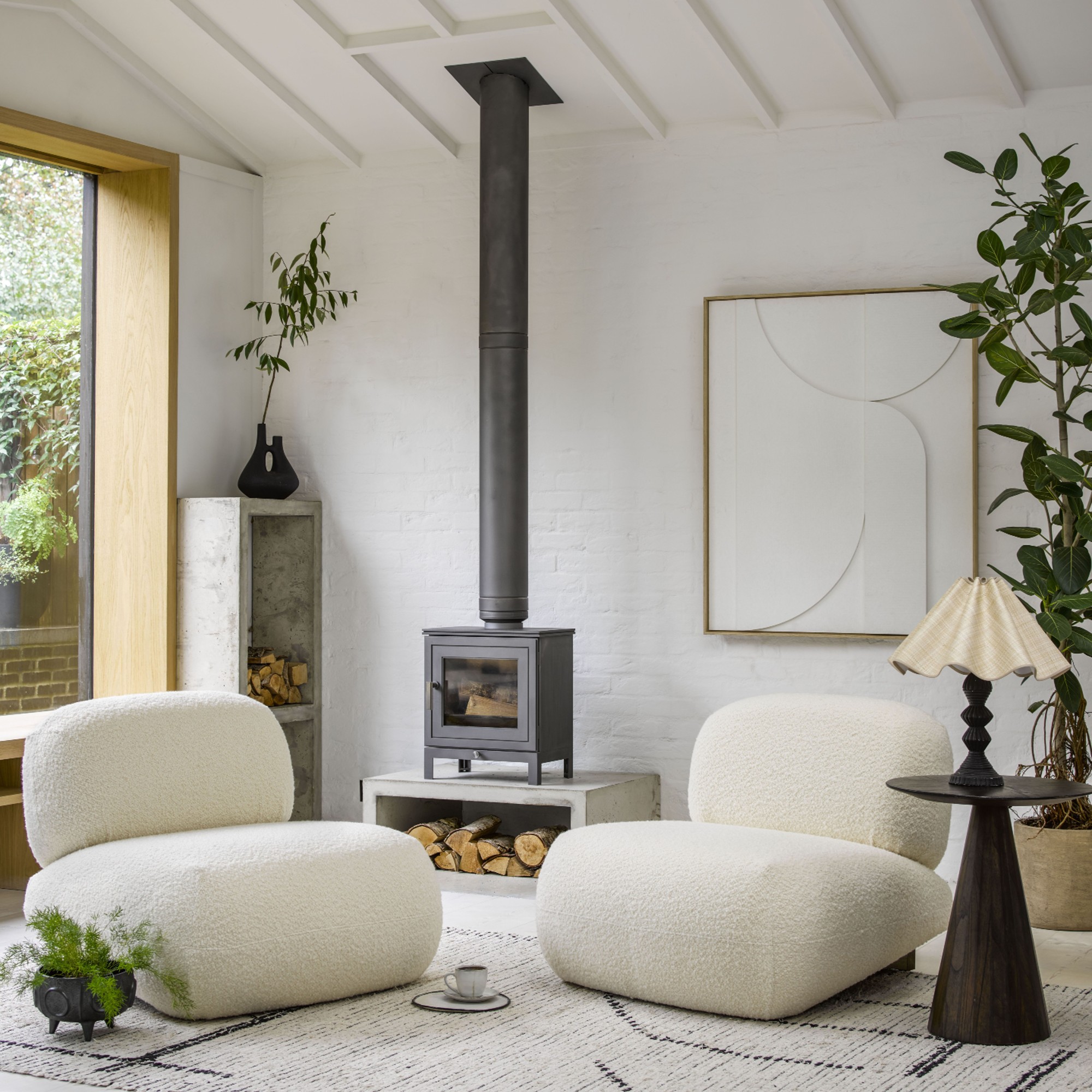
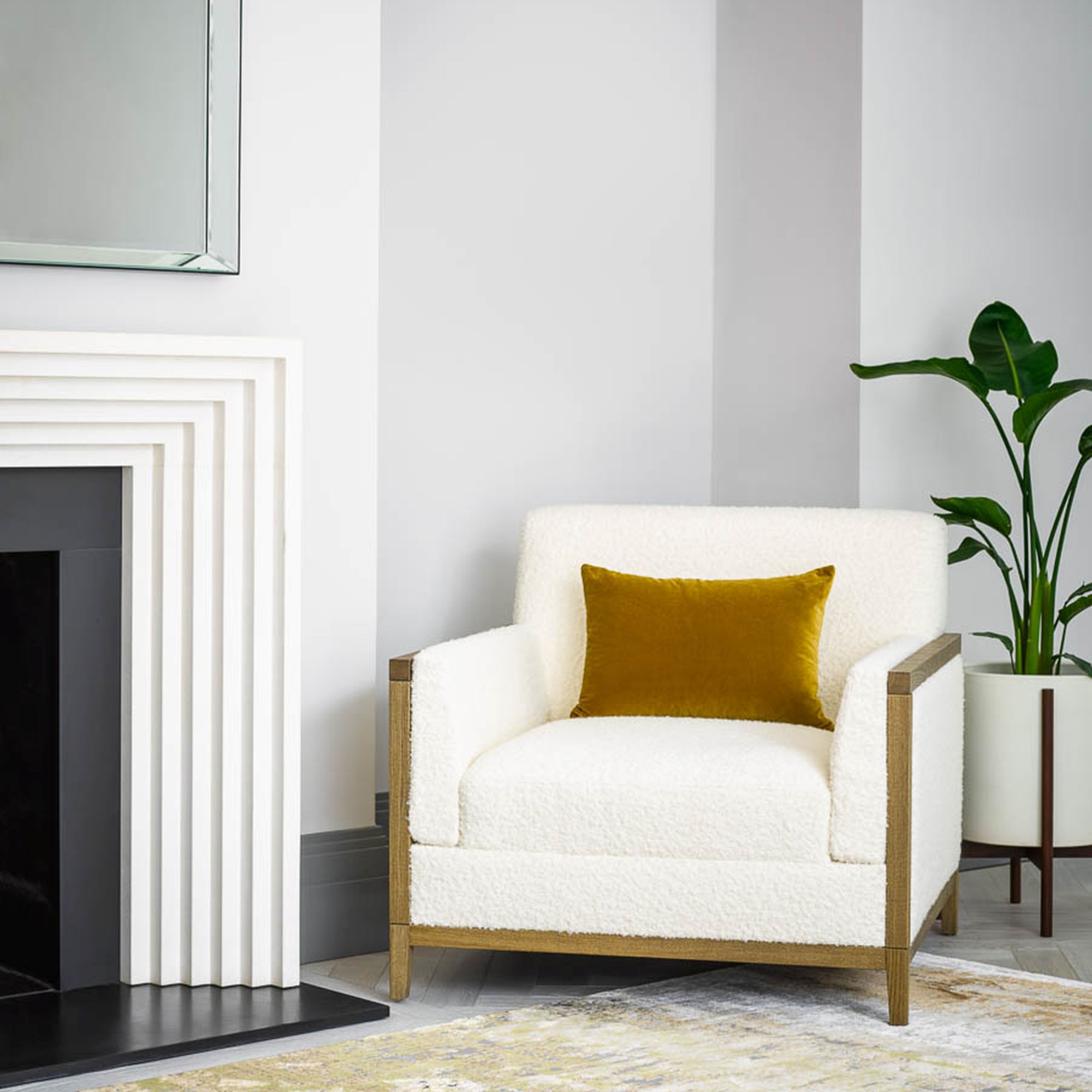
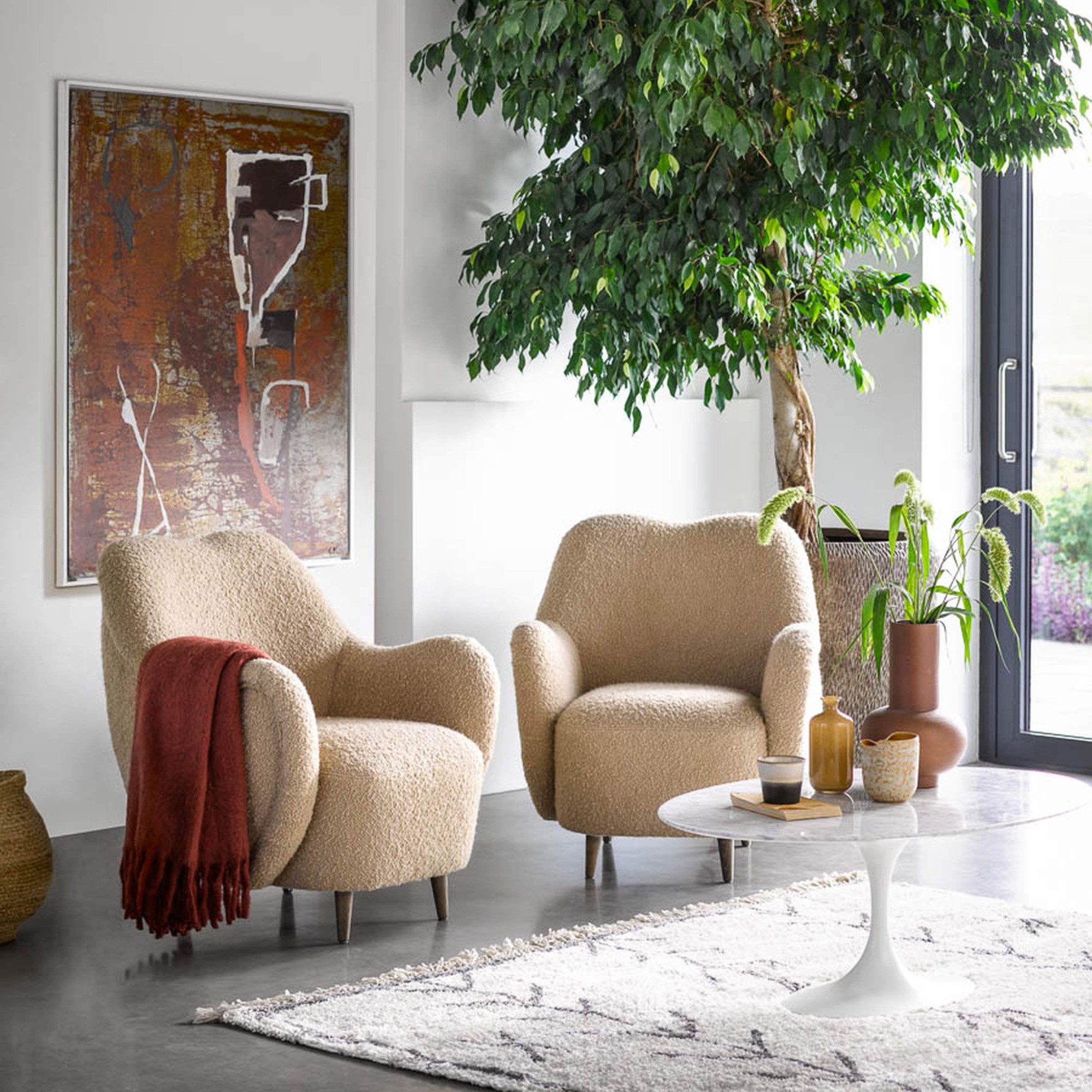
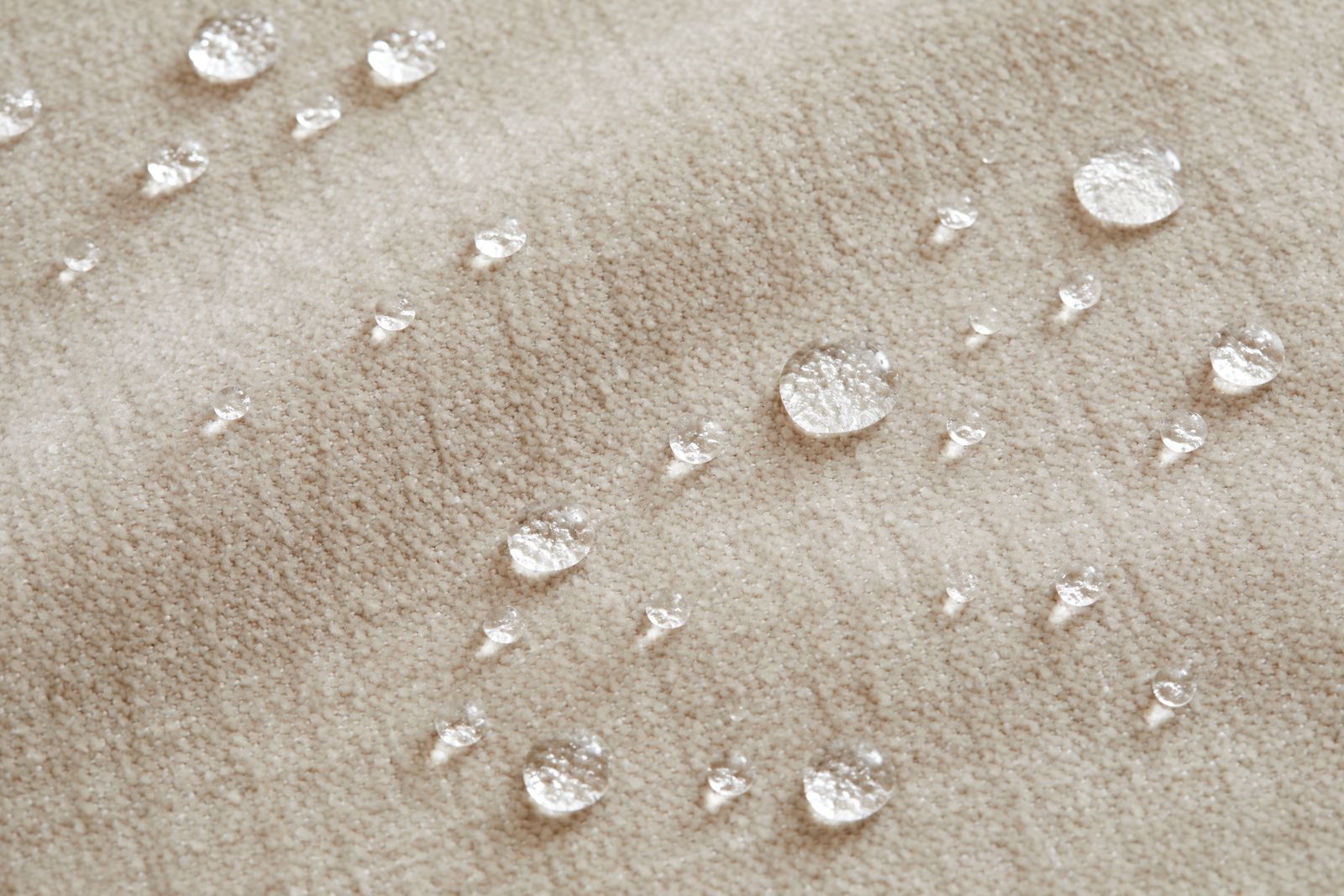
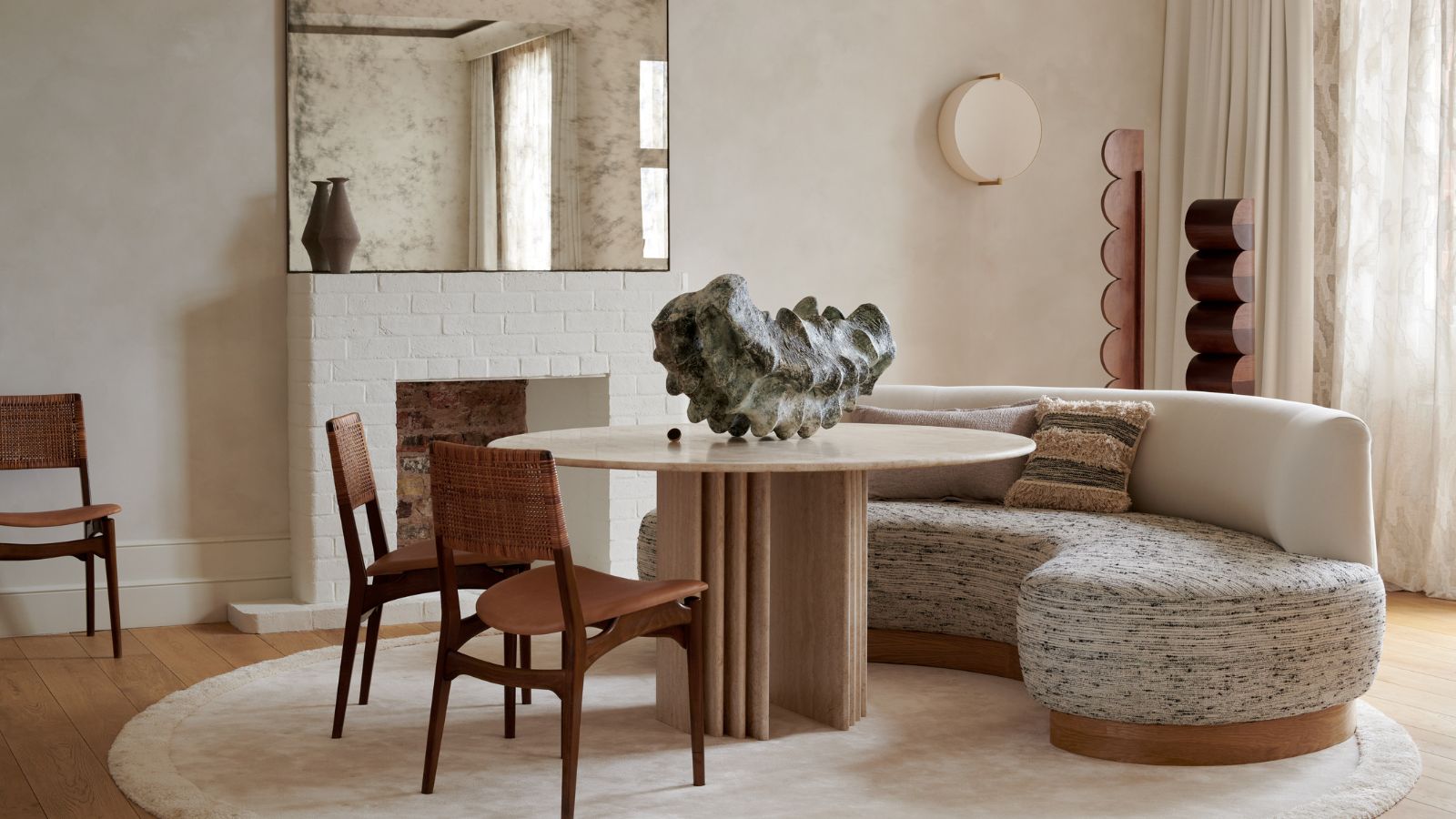
Bouclé has seen a significant surge in popularity, particularly since the pandemic, aligning with a growing interest in mid-century interiors and a desire for comfort and coziness. Its tightly looped wool fiber curls create a distinct texture that is highly appealing on social media and contributes to a 'minimaluxe' aesthetic. Christine Carney, director of design at Blackberry Farm Design, highlights bouclé’s tactility and luxurious feel, as well as its resistance to wear and tear. Unlike sheepskin, bouclé does not easily mat, and cotton-based bouclé is relatively easy to clean. However, bouclé has some drawbacks. It is frequently seen in pale, neutral shades, making it less suitable for busy family homes due to potential staining. It also tends to attract pet hair, which can be challenging to remove. Furthermore, its popularity is beginning to wane, with shaggier, fluffier fabrics emerging as potential successors.
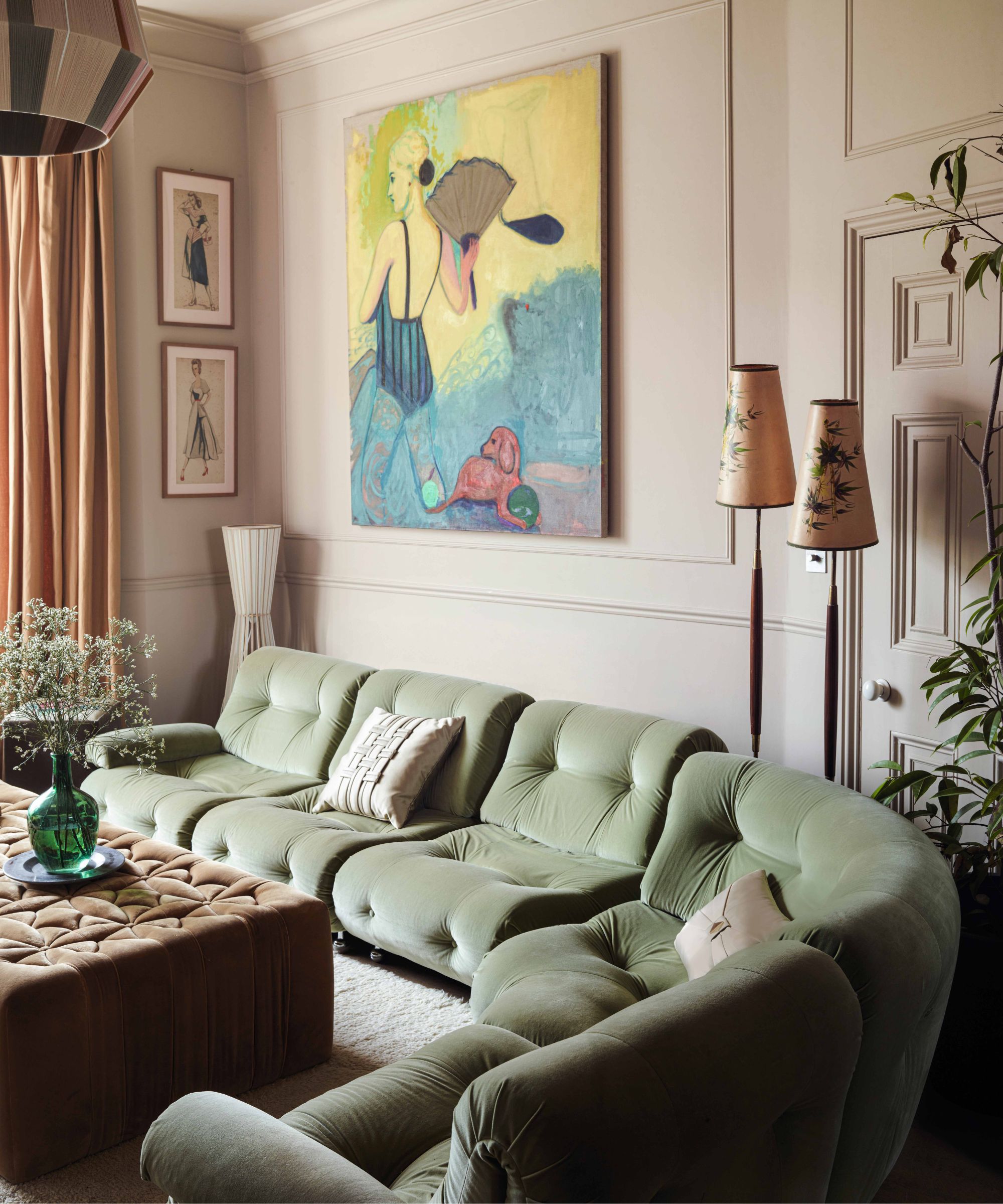

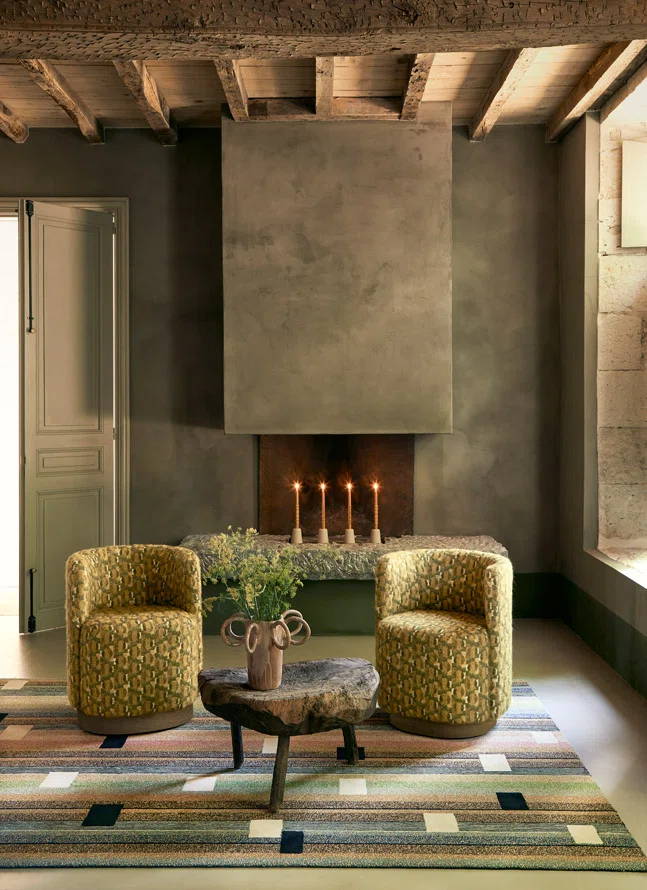
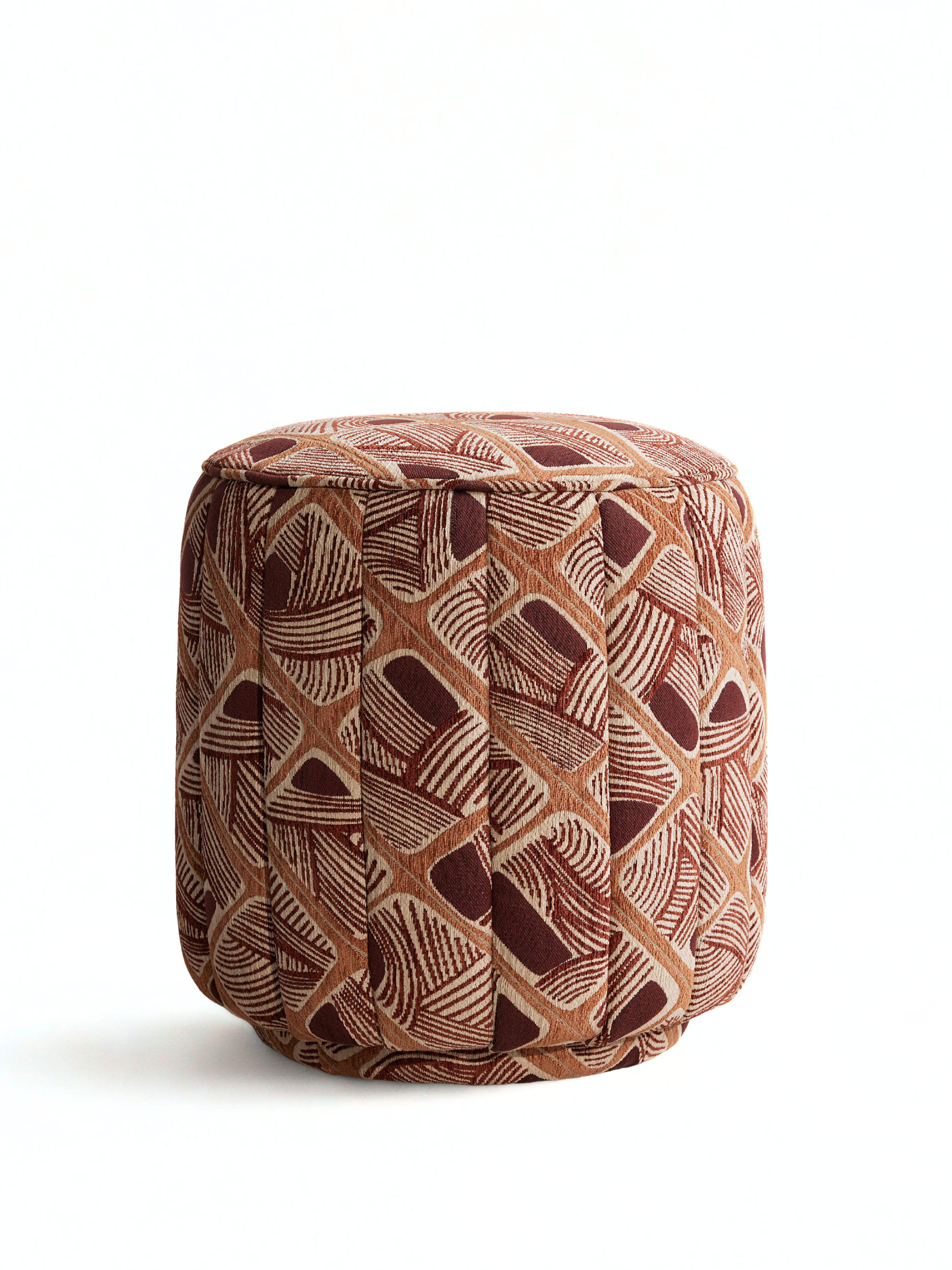
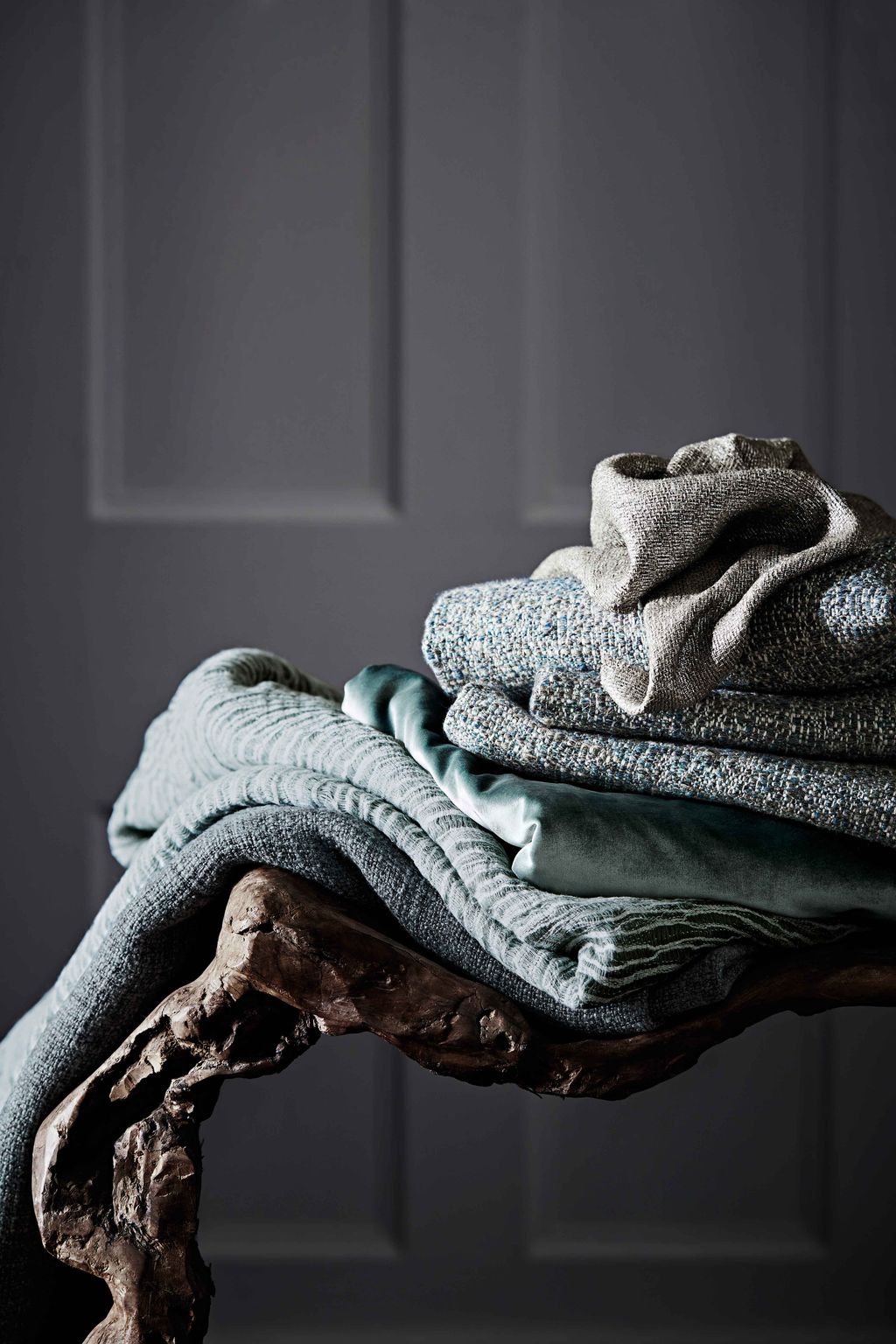
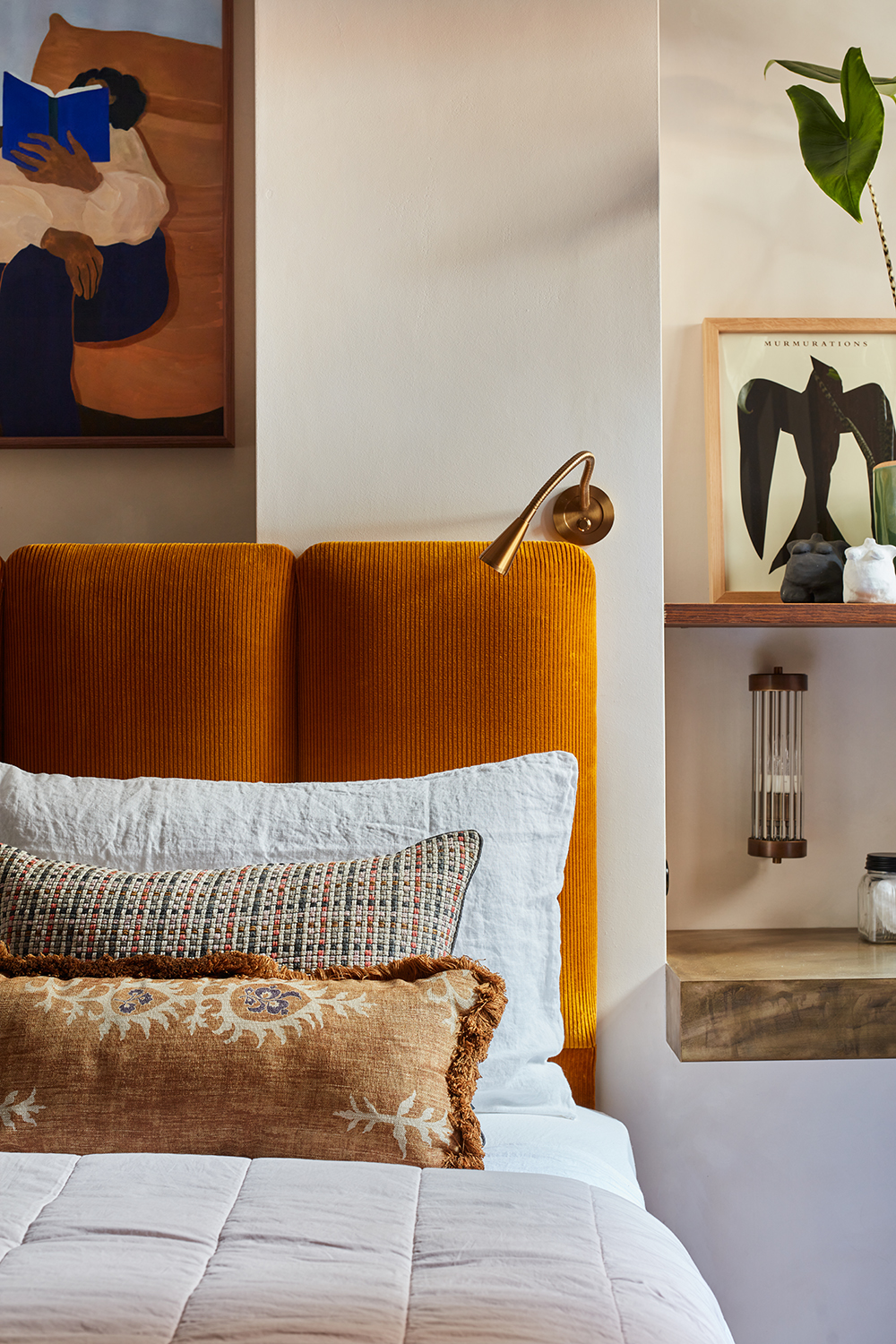
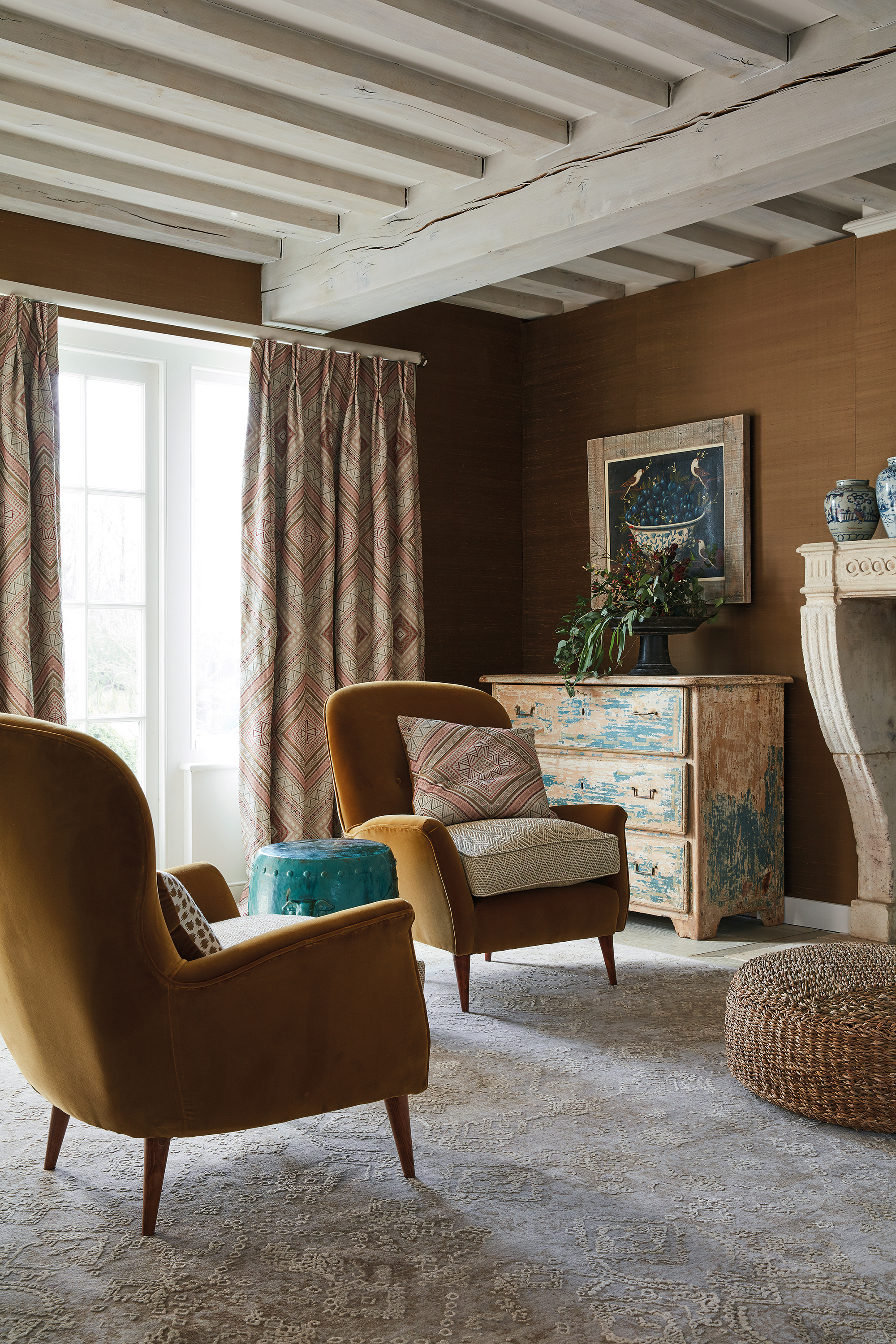
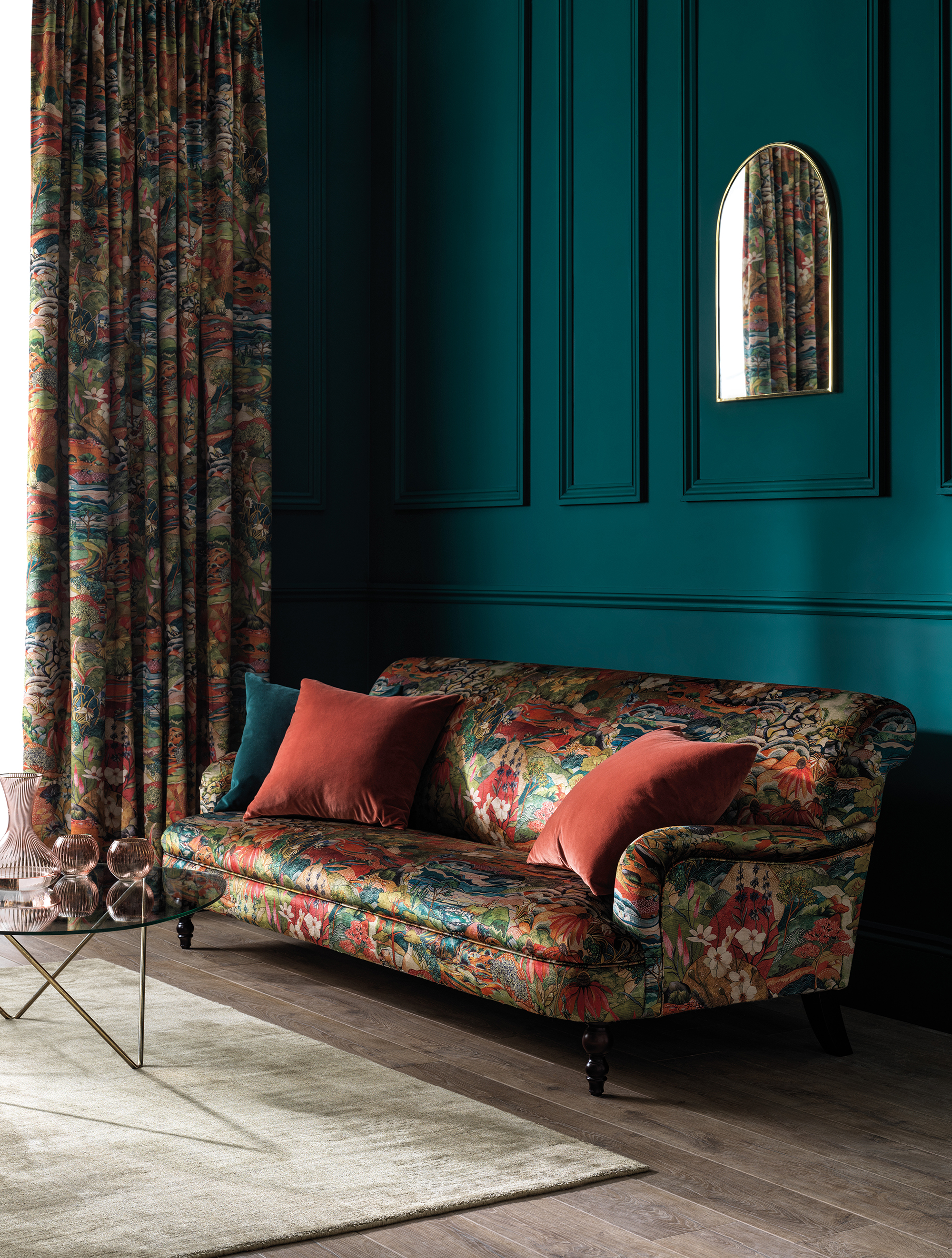
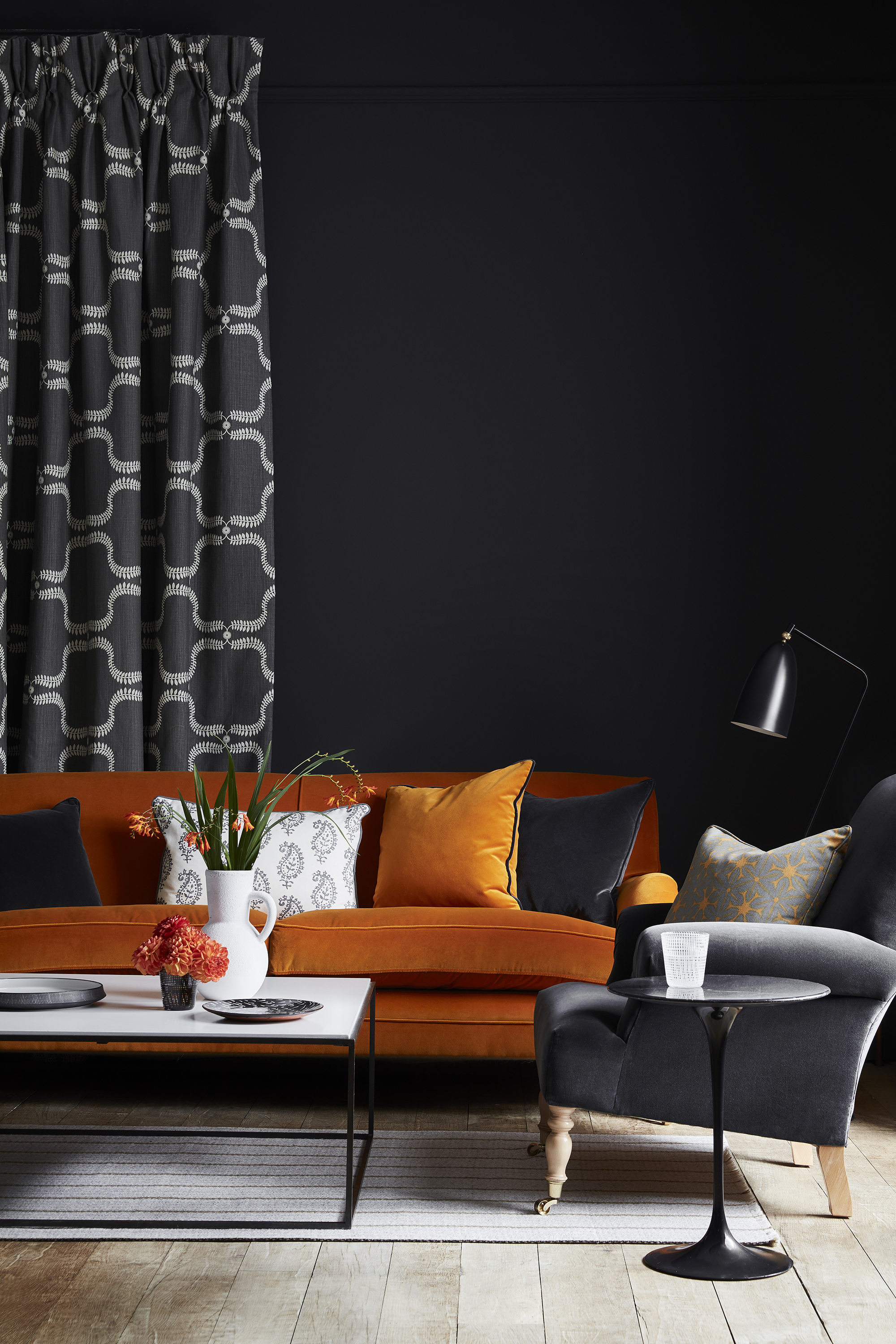
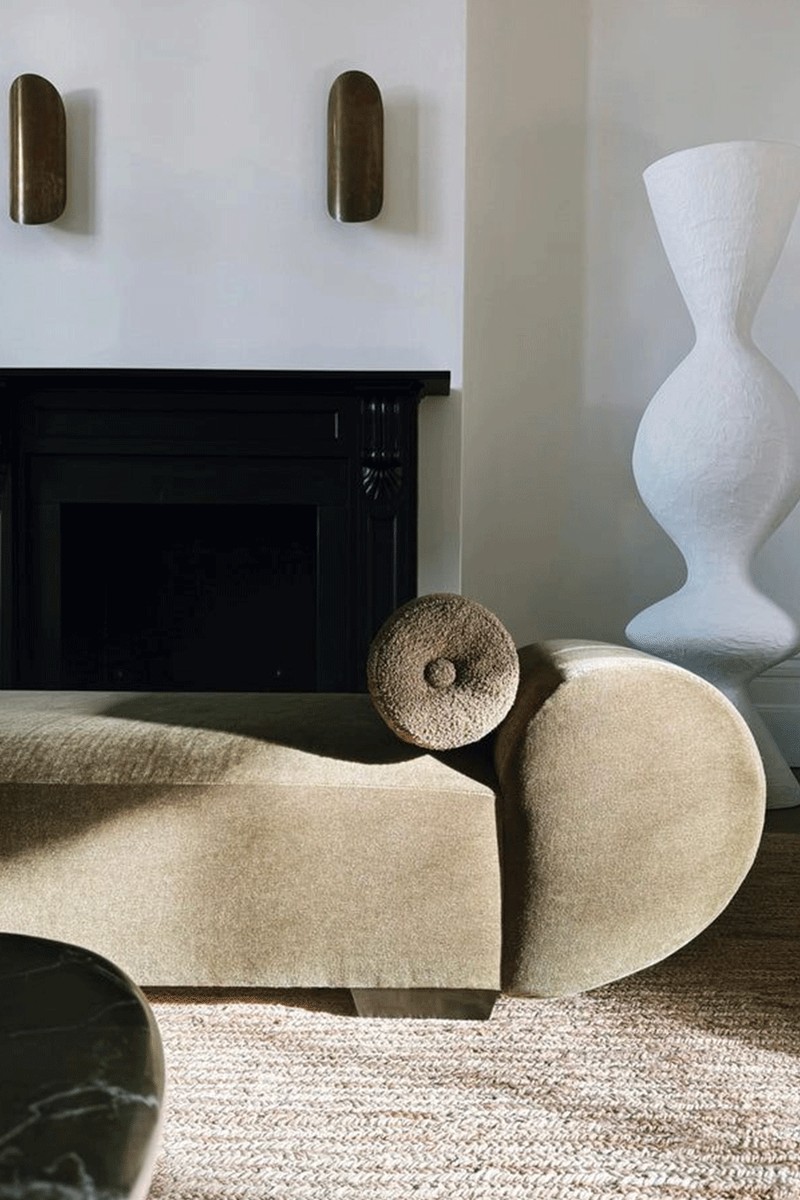
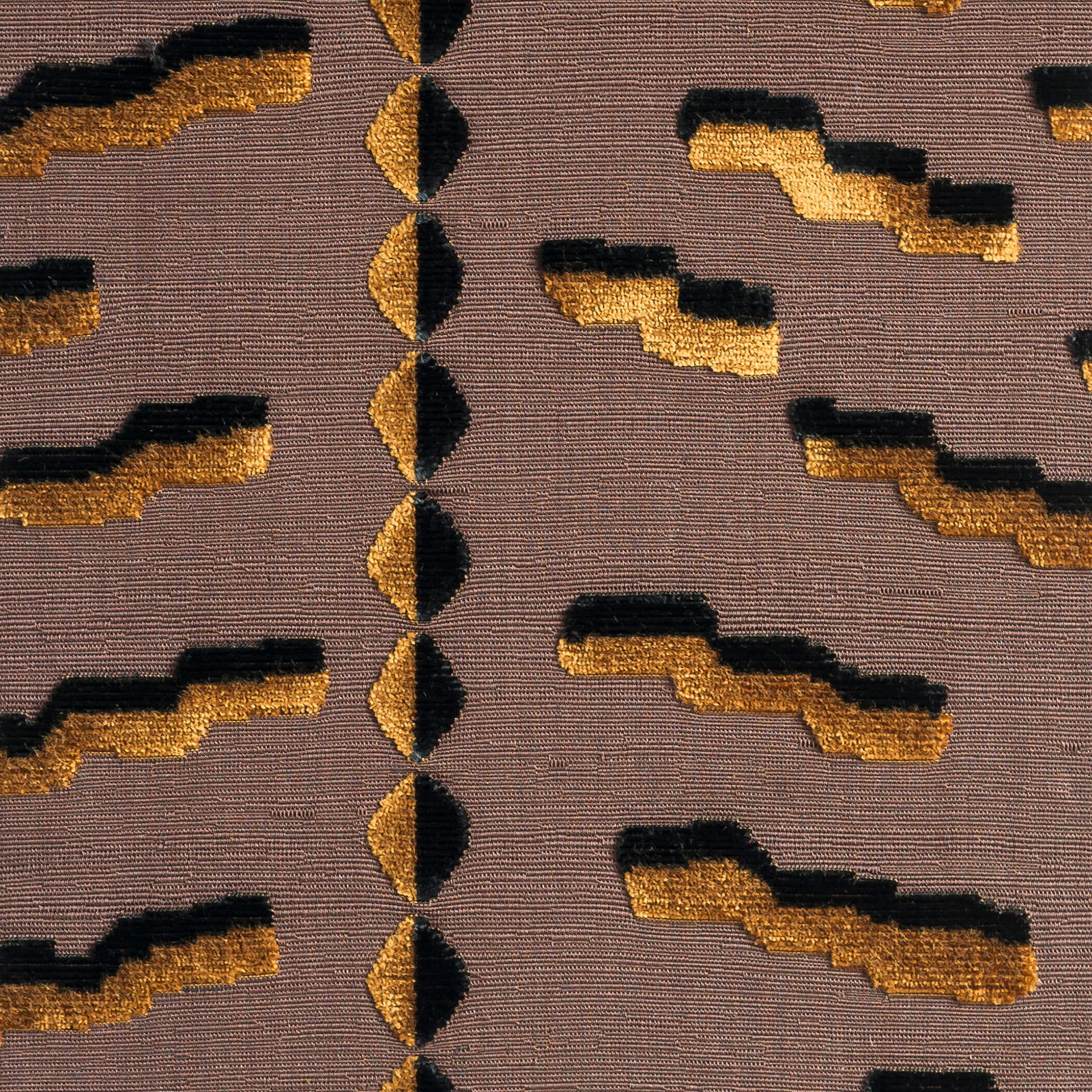
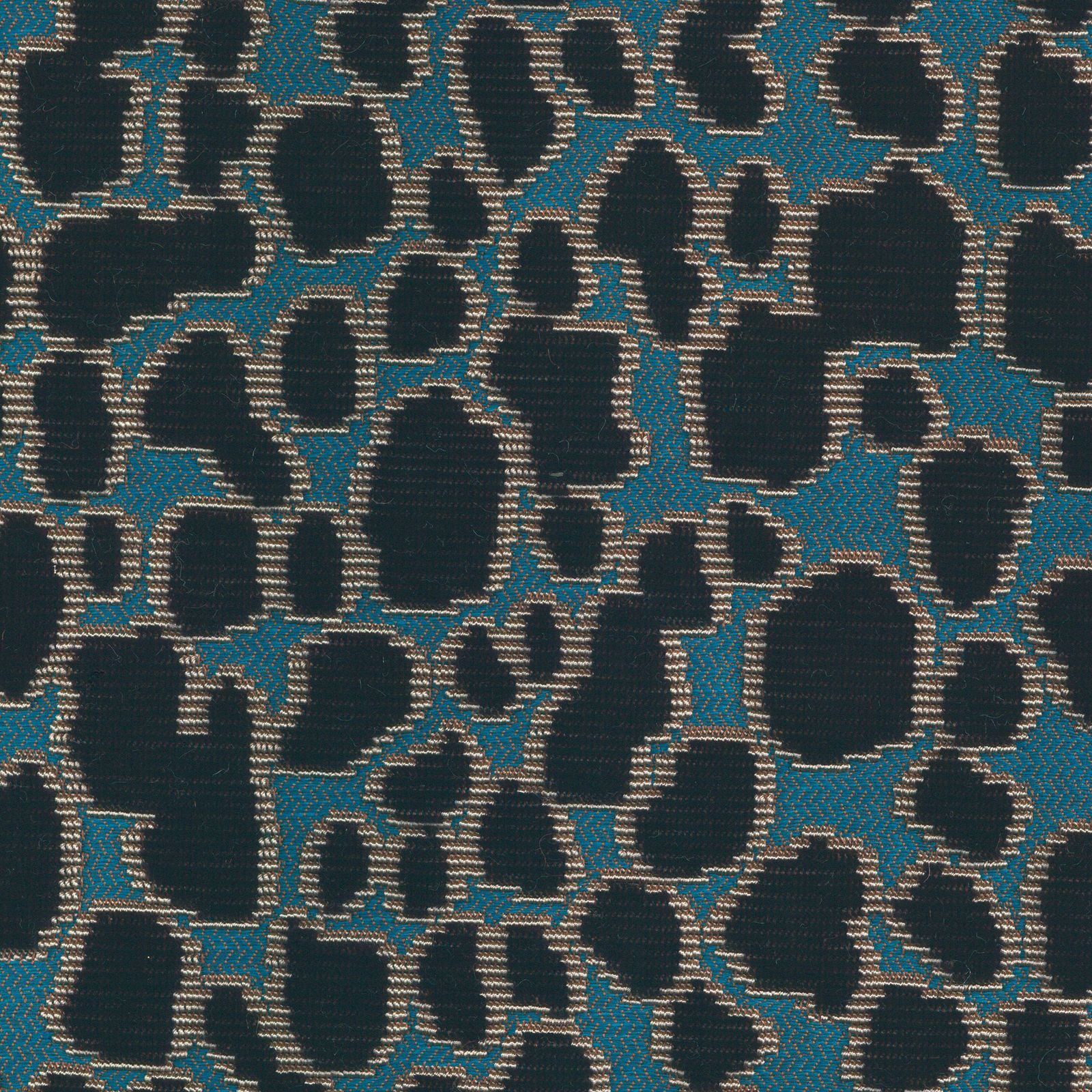
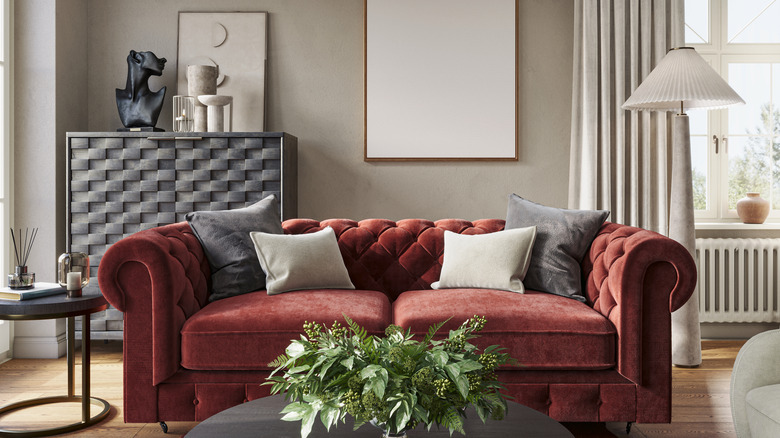
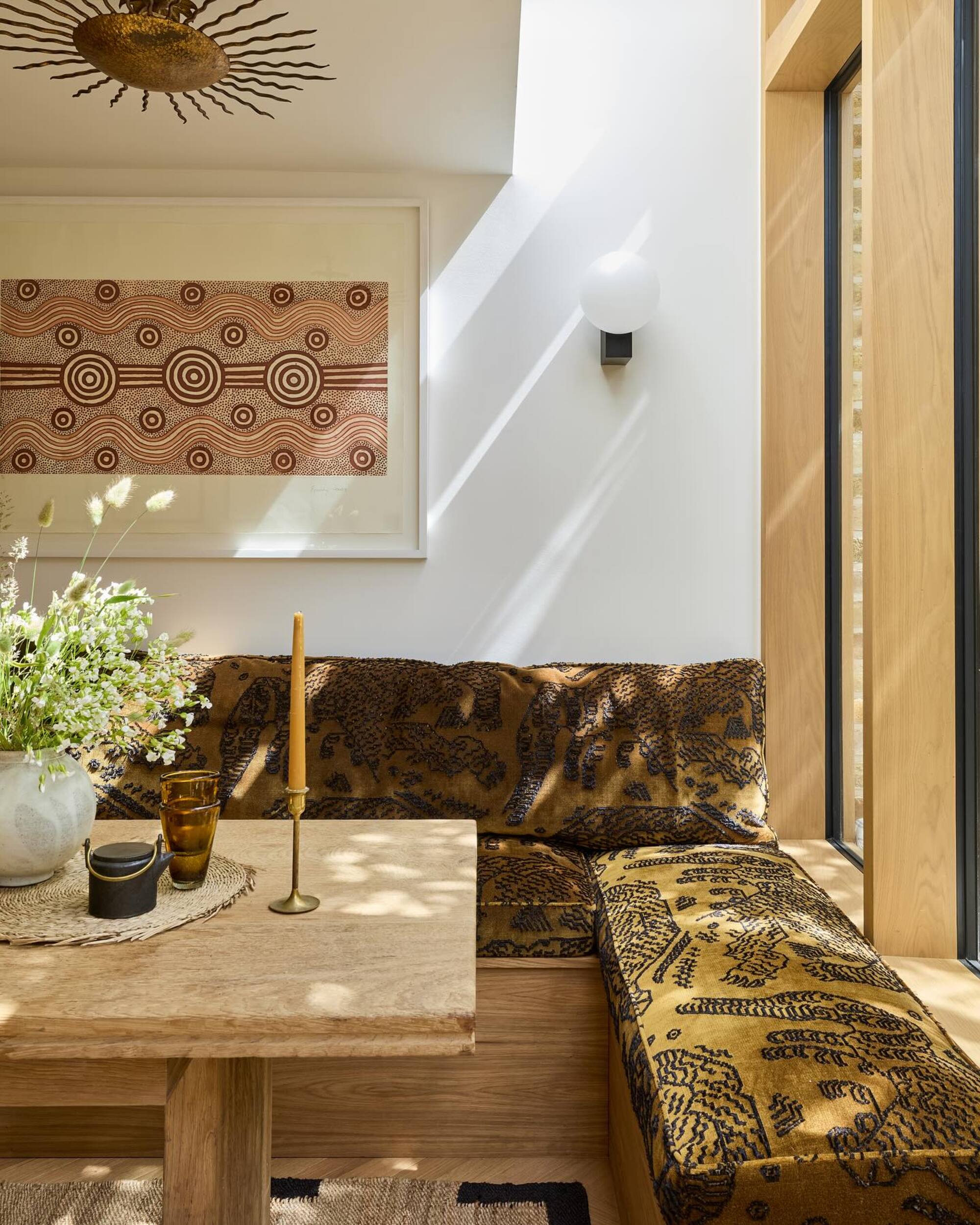
Velvet, conversely, offers a plush, high-end allure. Vilucchi frequently incorporates velvet into projects for its ultimate comfort and elegance, a sentiment echoed by interior designer Gray Walker, who praises velvet’s comfort, durability, and timelessness. Many homeowners are intimidated by velvet, but it is important to remember that velvet refers to a weave, not a specific material. Modern velvet upholstery can be made from polyester, silk, or cotton. Performance velvet and cotton velvet provide a luxurious look without the high cost of silk and are surprisingly easy to maintain with regular vacuuming and soft brush attachments. When properly cared for, velvet can last for decades, retaining its soft, sumptuous appearance. It also comes in a wide array of colors, and its pile interacts with light to create an appealing visual depth.
Velvet also has its disadvantages. It is susceptible to color fading if exposed to direct sunlight, which can be mitigated by strategic furniture placement or using throw blankets. While a certain degree of slouchiness is expected with use, it can also lose its shape over time. Stains can be addressed with soapy water, and regular dusting with a soft brush or lint roller is recommended to prevent dust accumulation.
Ultimately, when comparing comfort, opinions vary. Vilucchi suggests that the choice between bouclé and velvet depends on the desired atmosphere, with bouclé creating an inviting and cozy feeling, particularly on rounded furniture. However, for sheer softness, velvet often takes precedence. While bouclé’s tight curls can sometimes feel coarse, velvet consistently offers a soft, non-irritating touch. To ensure lasting softness with bouclé, a higher-quality and more expensive product is often required. Vilucchi concludes that velvet, with its dense pile and varied thicknesses, provides luxurious intensity and depth, balancing warmth and comfort with a sophisticated ambiance. Both fabrics bring distinct qualities to interior design, and the ideal choice depends on individual preferences for texture, maintenance, and overall aesthetic.
#BoucleFabric #VelvetUpholstery #InteriorDesignTrends #HomeDecor #FurnitureUpholstery #FabricComparison #ComfortInDesign #TextileTrends #BoucleFabric #VelvetUpholstery #InteriorDesignTrends #HomeDecor #FurnitureUpholstery #FabricComparison #ComfortInDesign #TextileTrends
0 comment in total
 No comments yet
You may also like
What's replacing bouclé? We asked designers if this much-loved fabric is going out of style

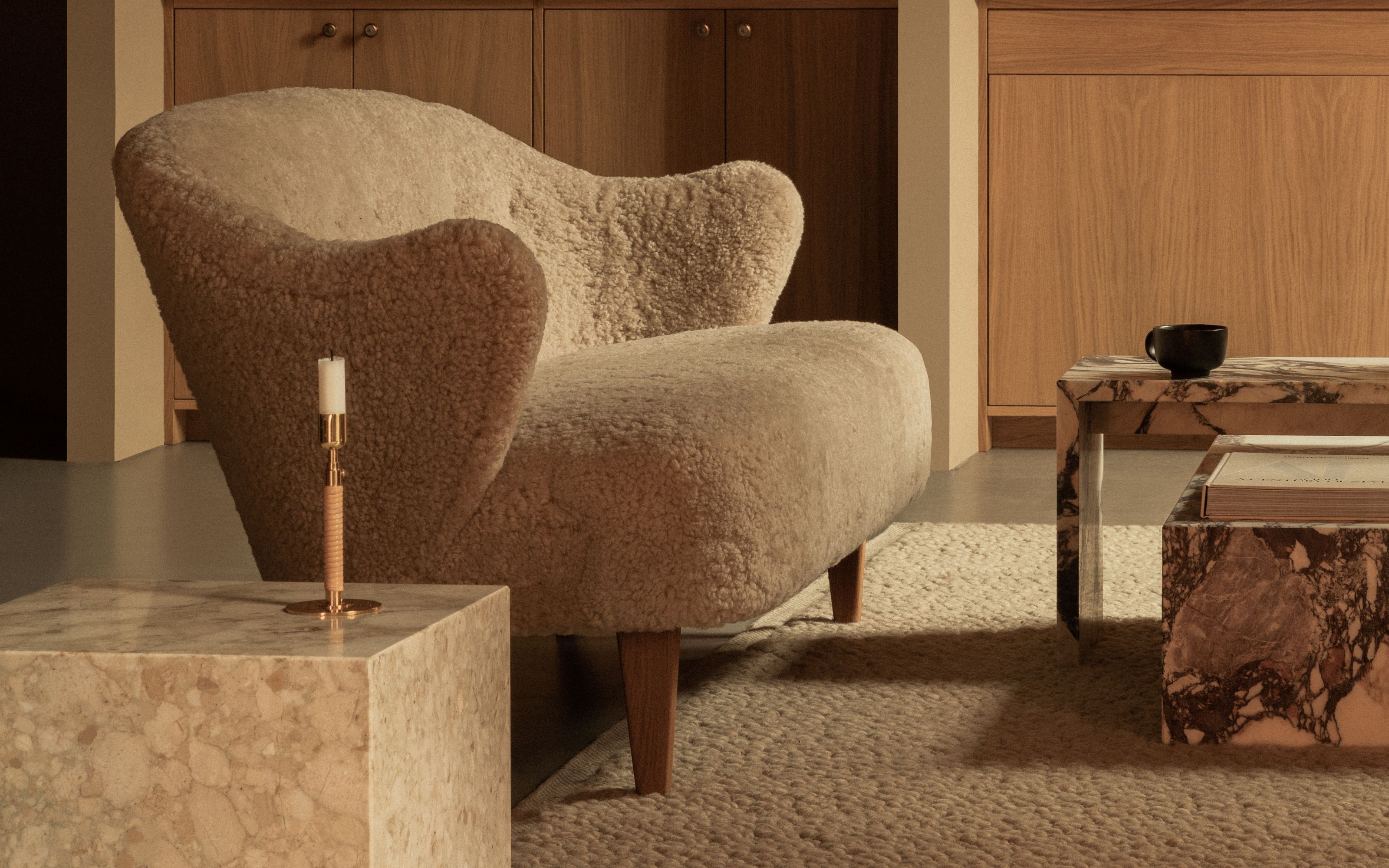
What is replacing bouclé? I'm obsessed with it - but even more obsessed with the design trend that's coming next

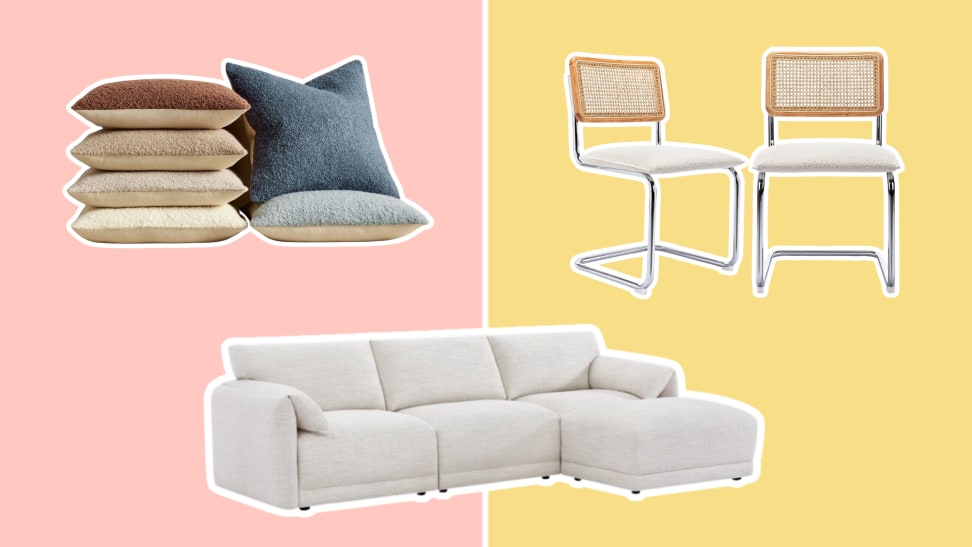
Boucle is one of 2024's biggest design trends

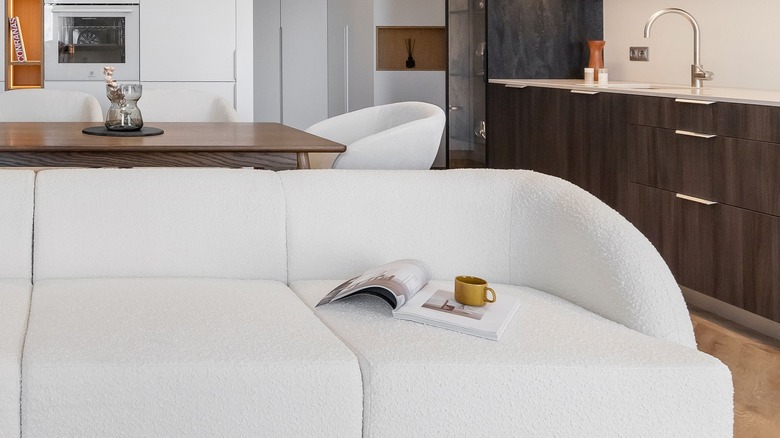
The Jewel-Toned Fabric Trend That's Replacing Boucle Furniture
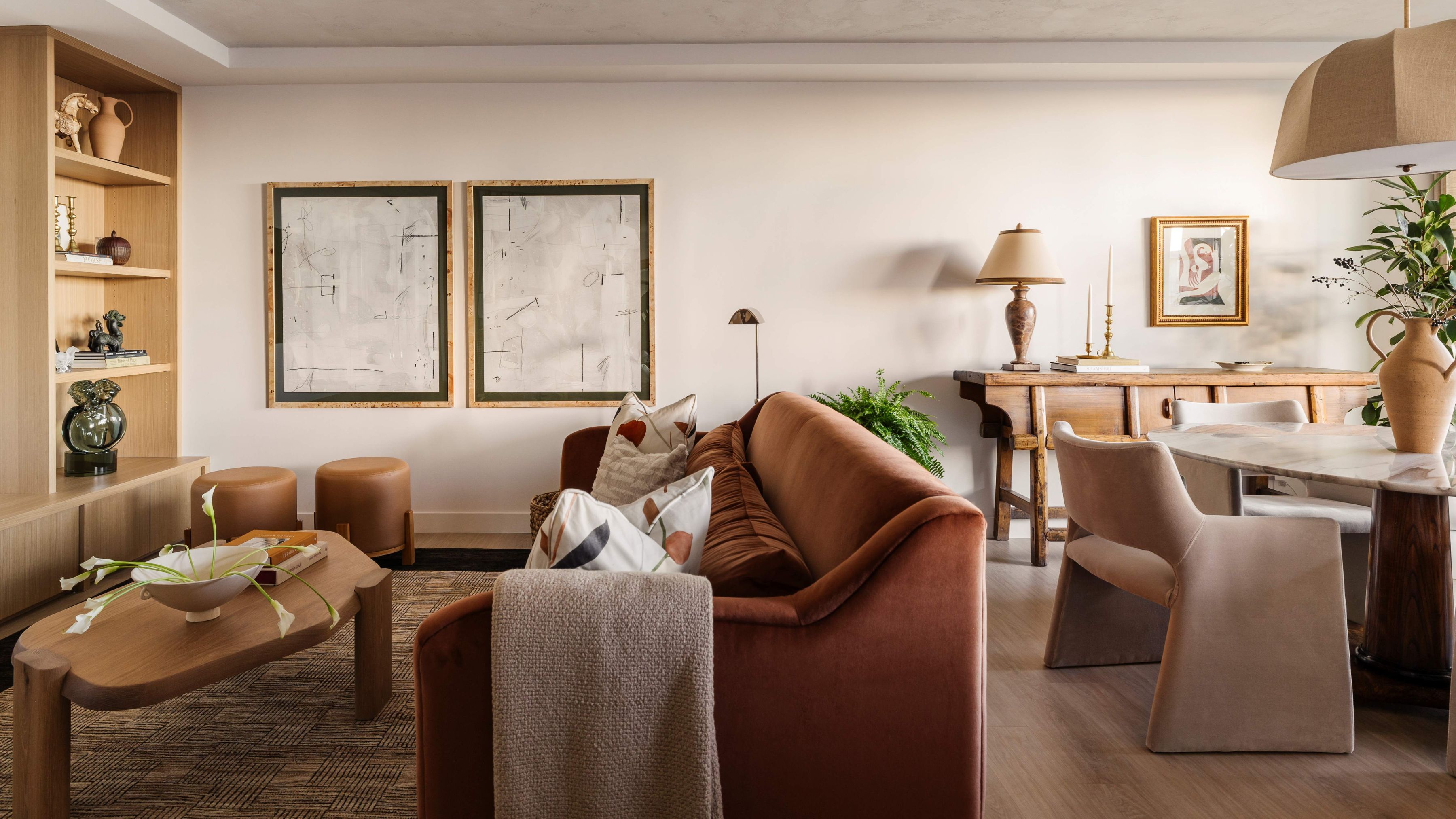
Think Bouclé Is Overdone? These Are the Just-as Cozy Fabrics the World's Best Designers Are Using Instead
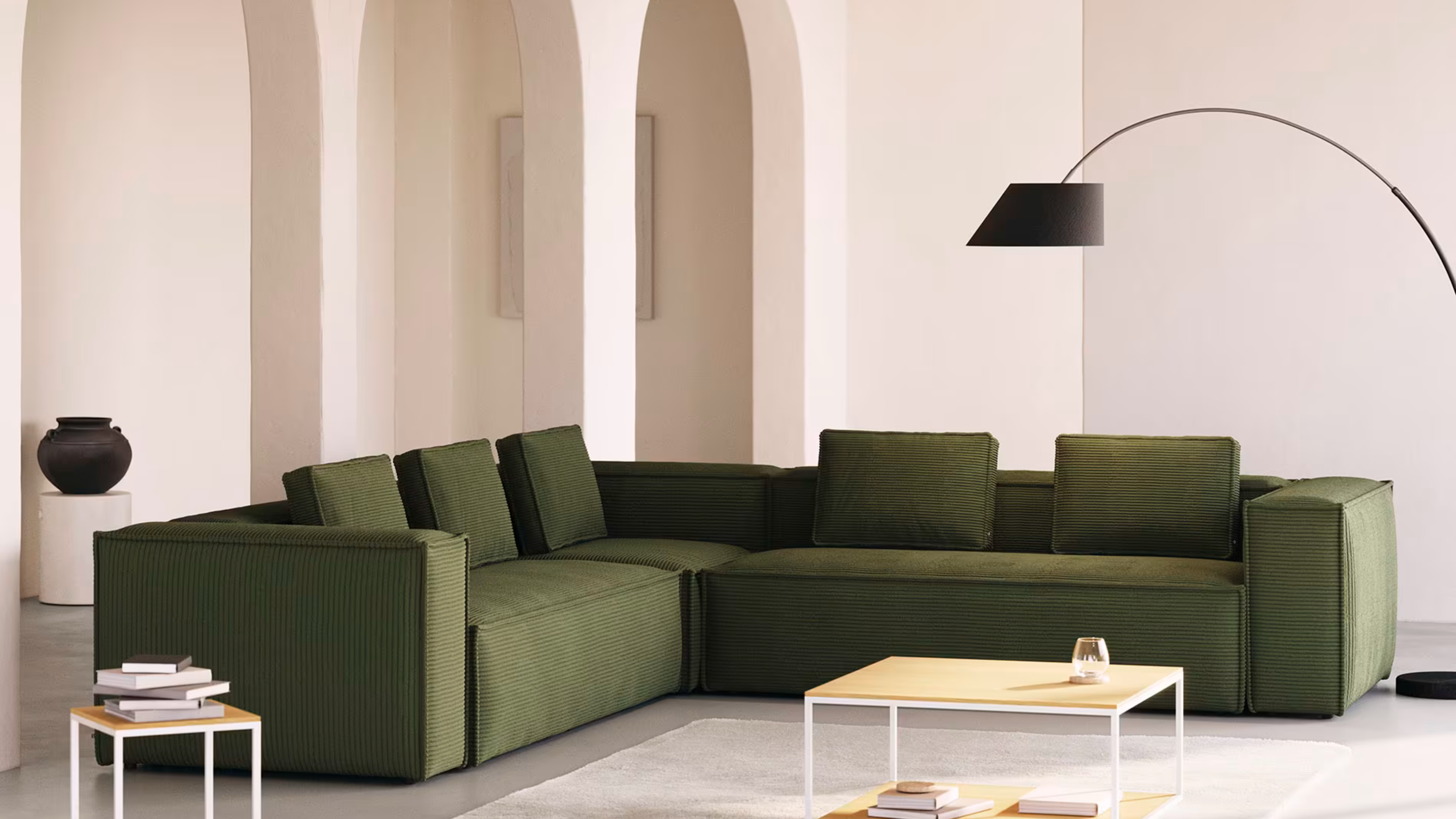
Bouclé vs Corduroy — What's the Difference and How To Pick
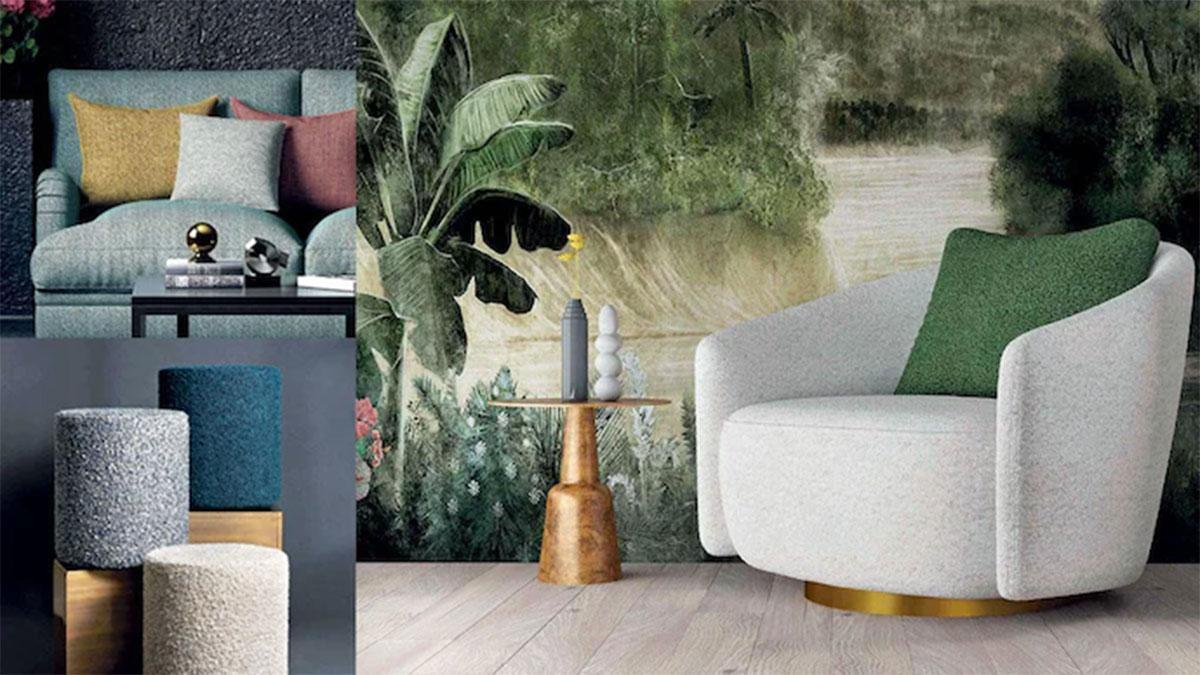
Bouclé, the cosy-chic fabric, is back and how
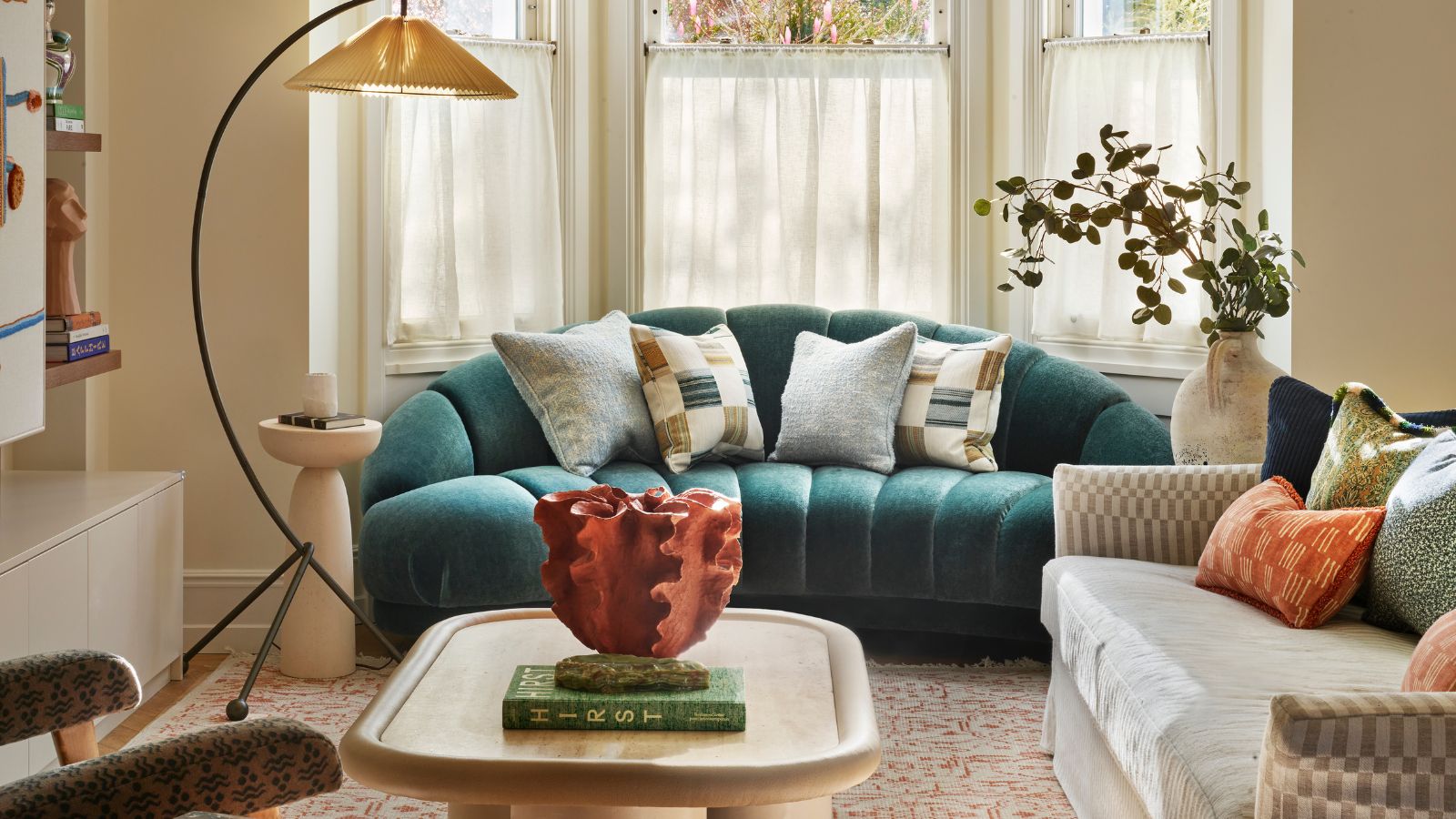
Move over bouclé: corduroy is this year's favorite fabric

Surround Yourself In The Comfort of Bouclé Fabric

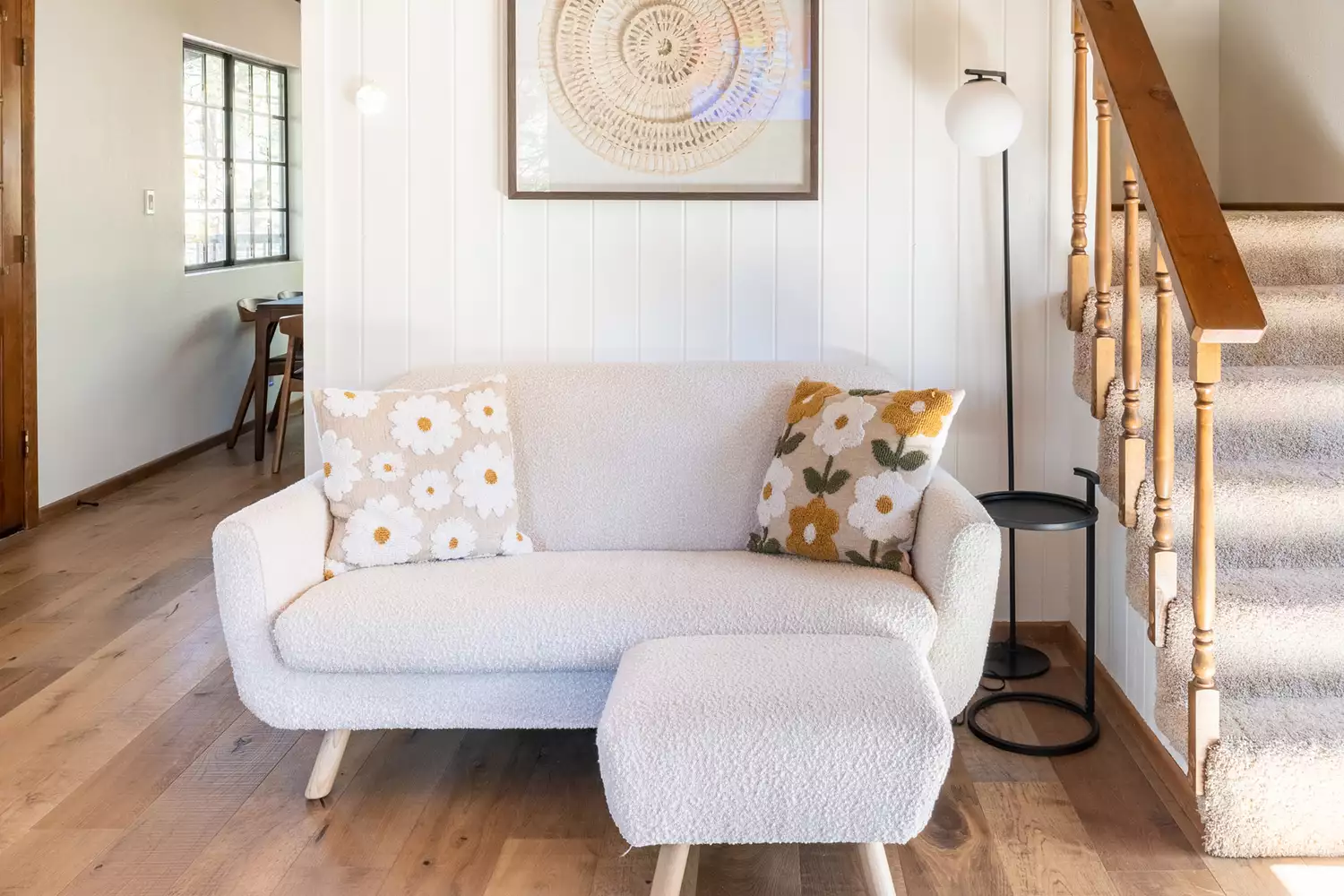
Everything You've Ever wanted to Know About Bouclé Fabric

32 Spectacular Fabrics and Trims Coming to Market This Year
The 5 fabric trends ruling interiors now, according to the pros


Velvet: A decor favorite now that never went away

Velvet decor ideas – 10 ways to use this luxurious material
Should you still invest in boucle furniture? We asked the experts

12 Fabric Brands Everyone Should Have in Their Little Black Book If You Want to Go Bespoke and Elevate Your Home
Bouclé Fabric Is Back
Interiors Trend Watch: Modern Bouclé
Seen at Interwoven May 2024

7 Fabric Trends Taking Over Interior Design in 2024