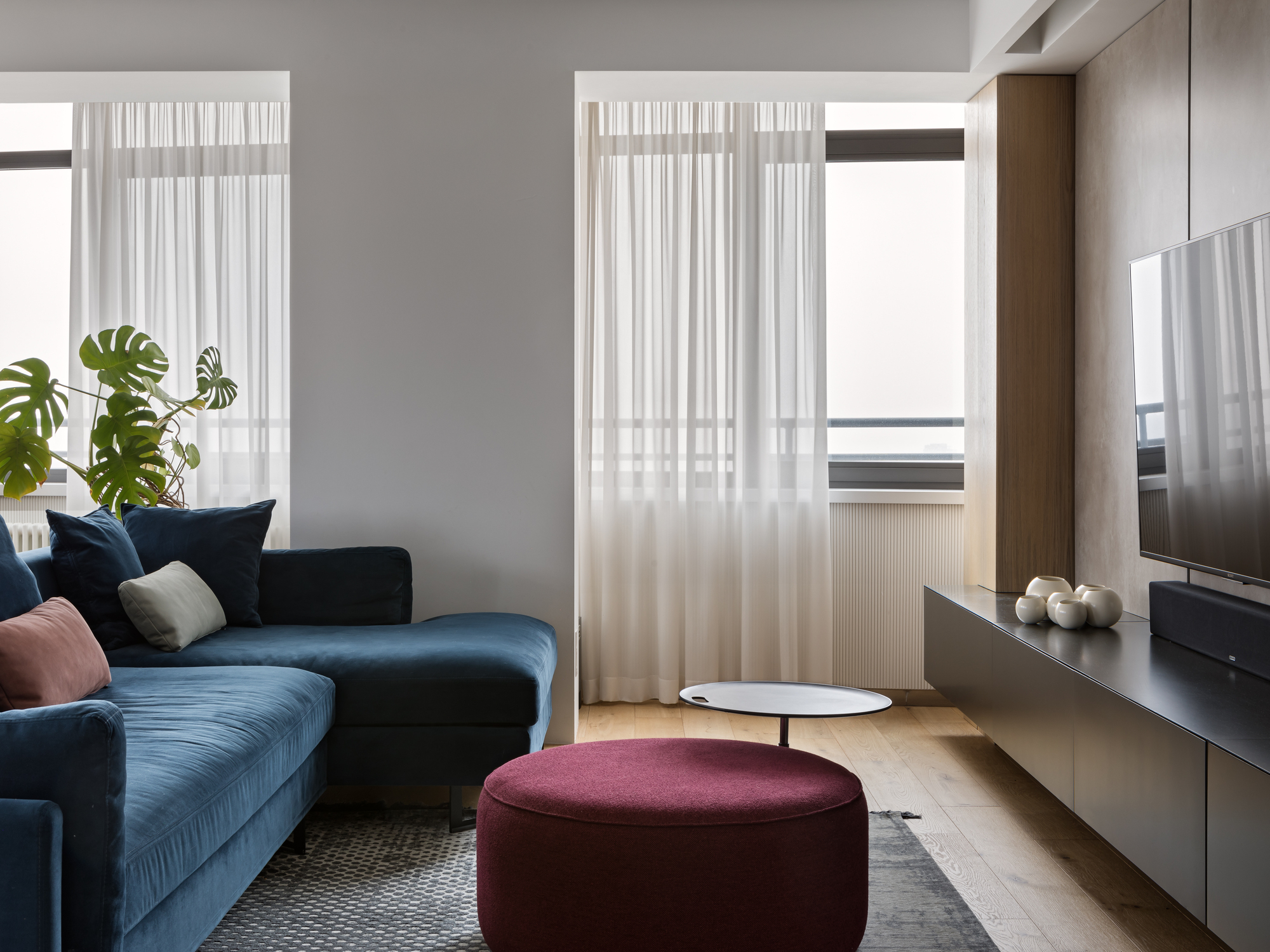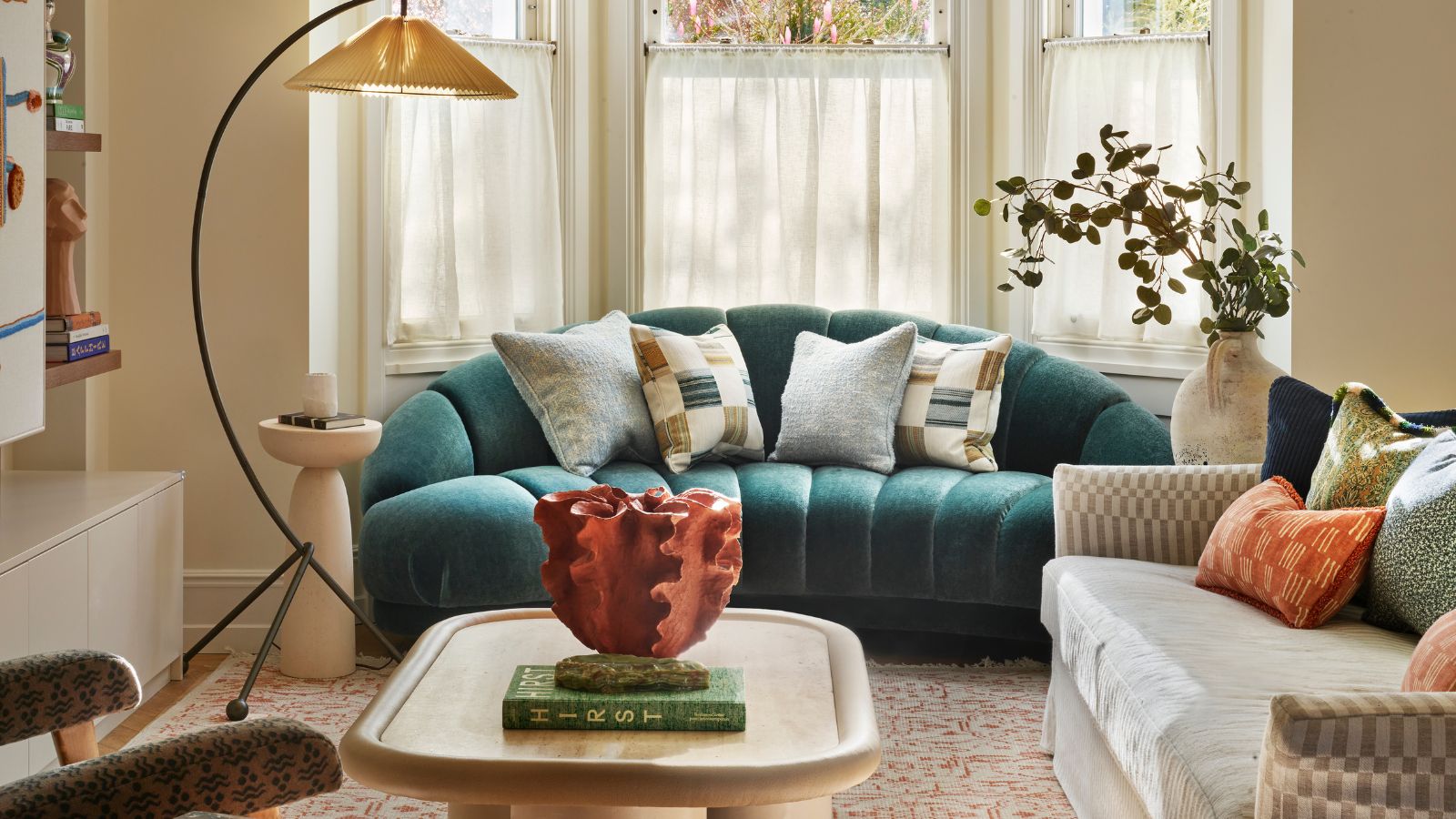
1/12
Move over bouclé: corduroy is this year's favorite fabric
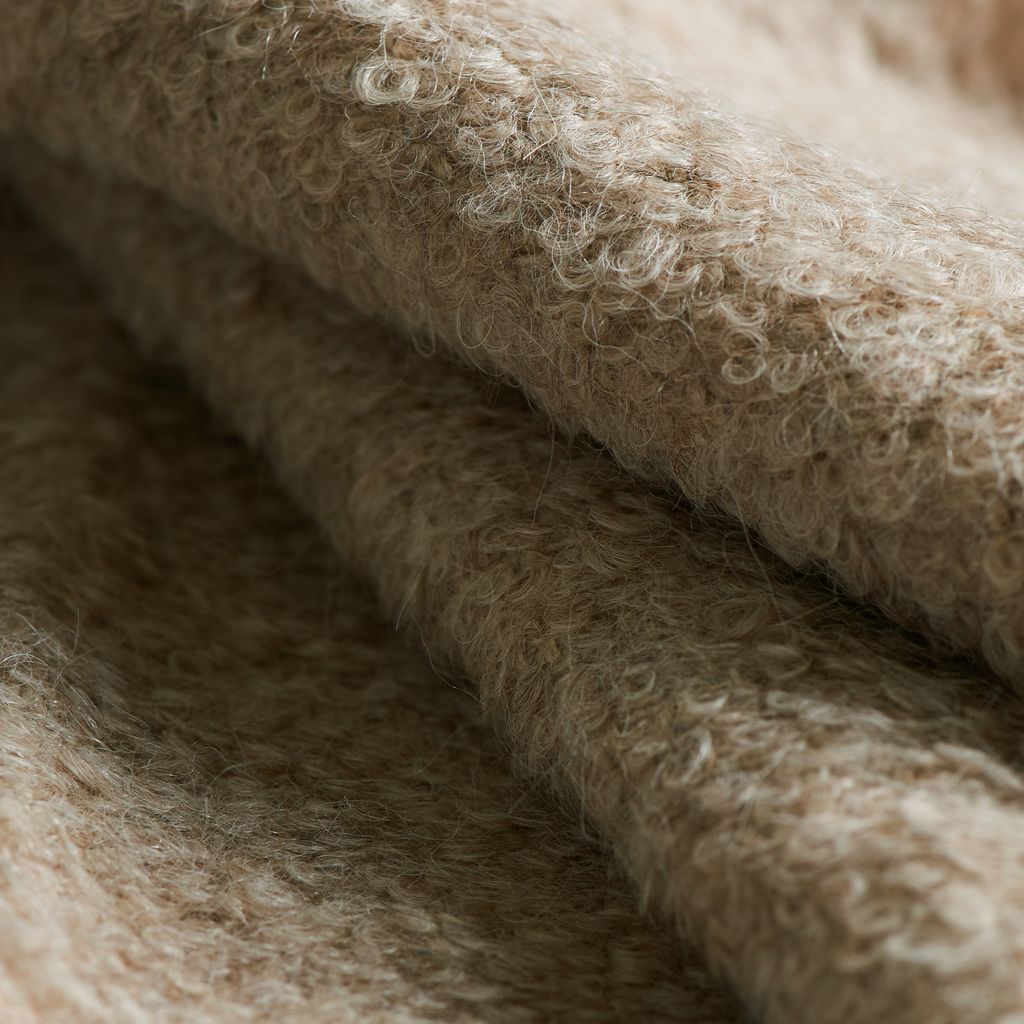
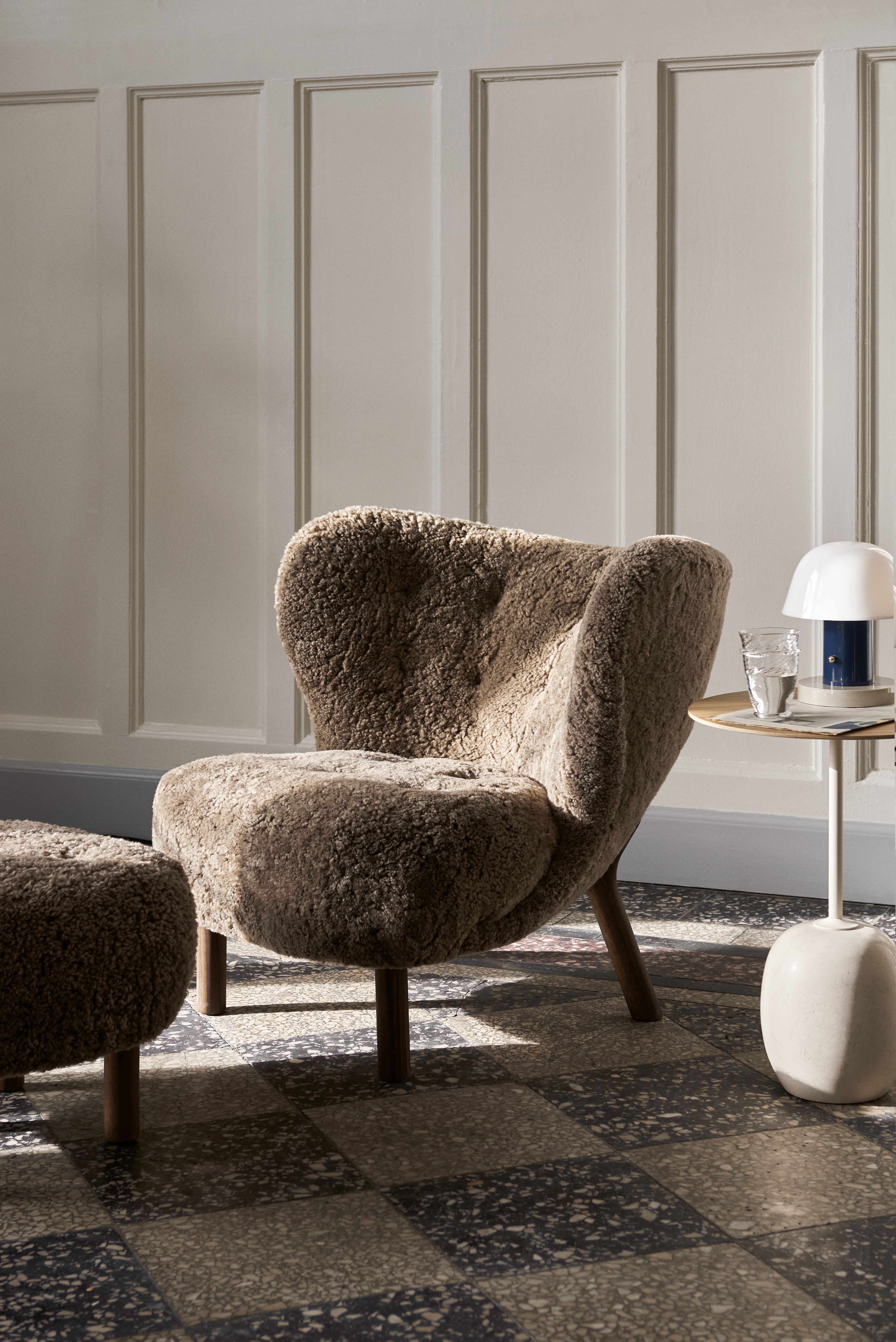
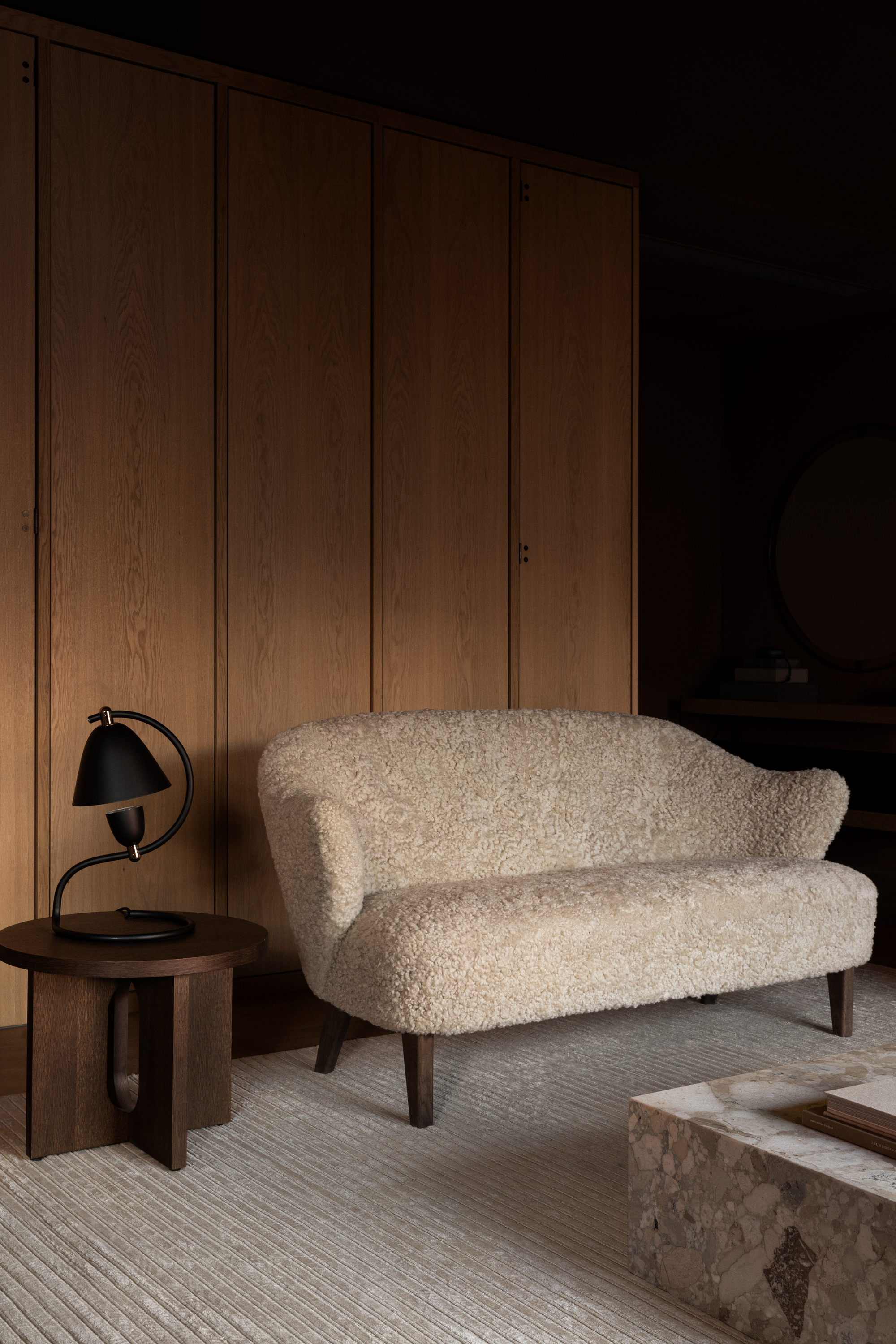
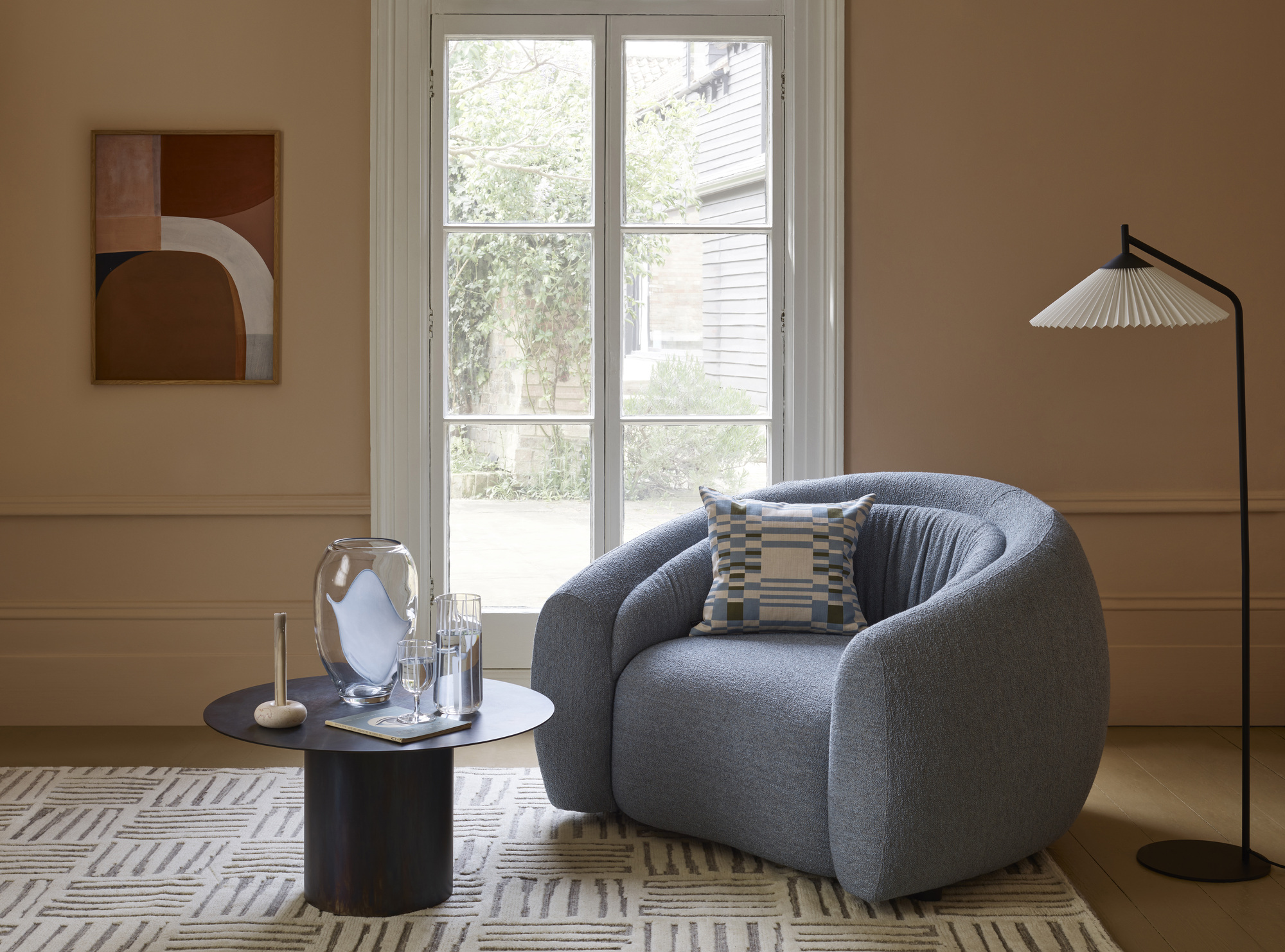
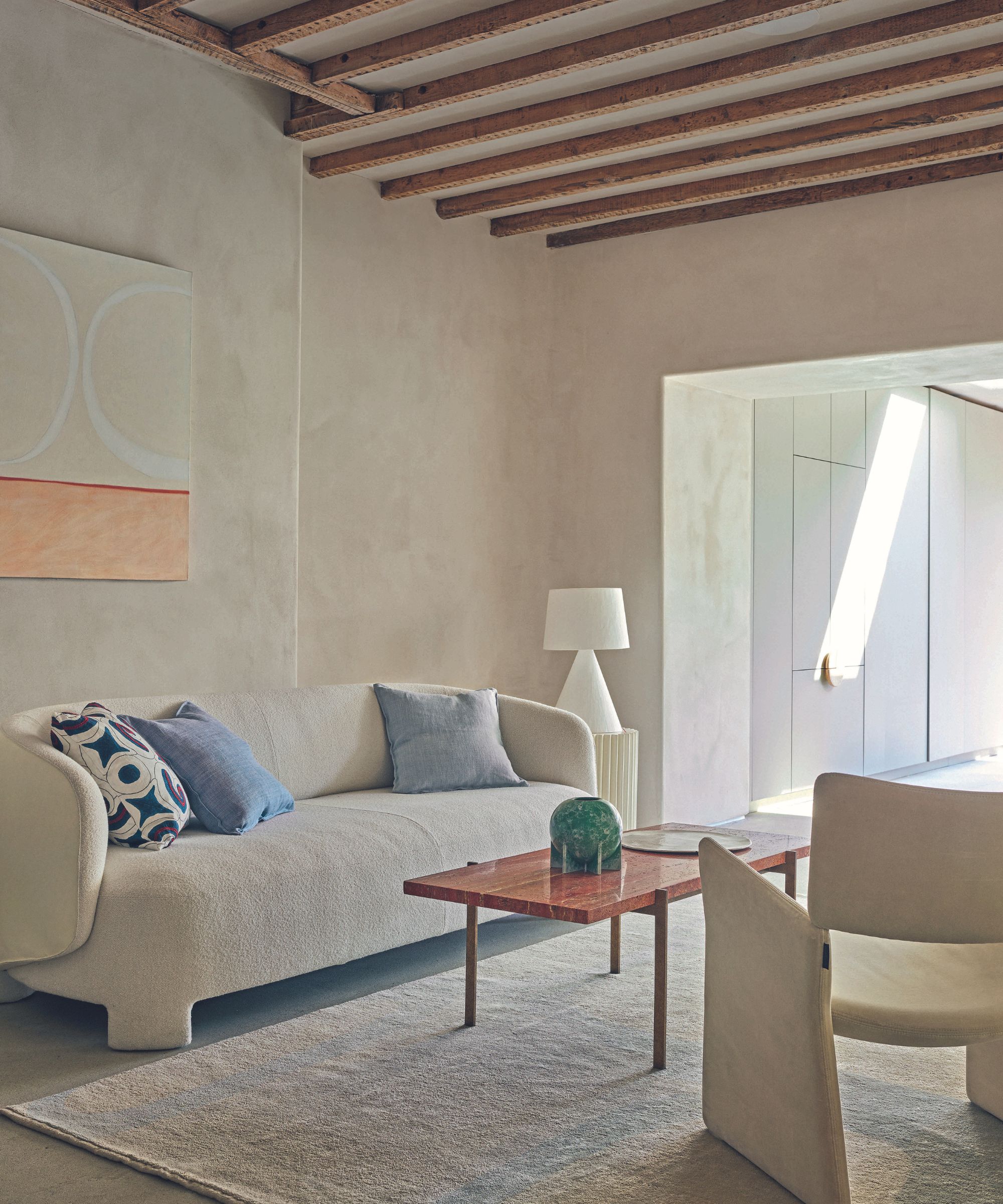
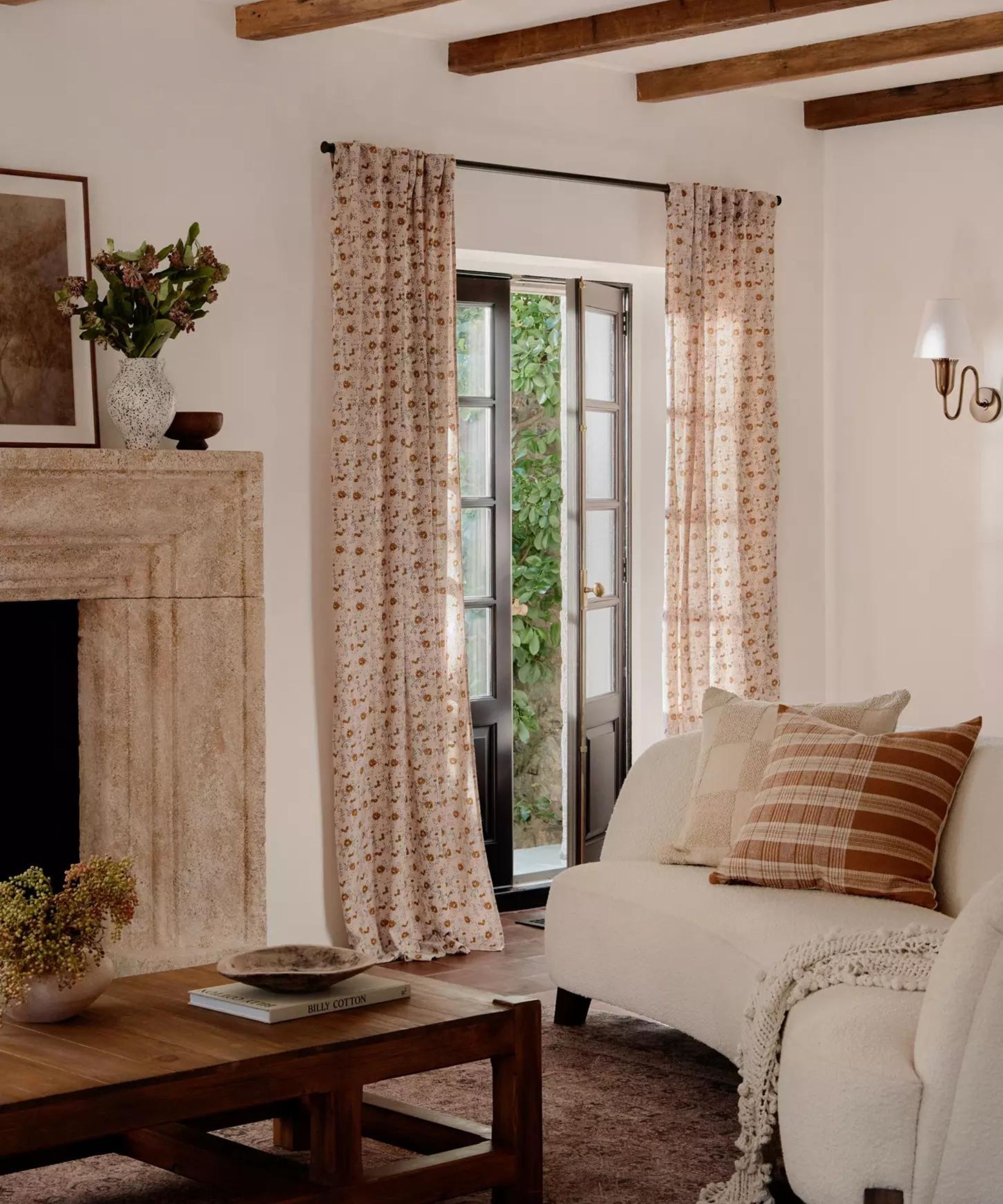
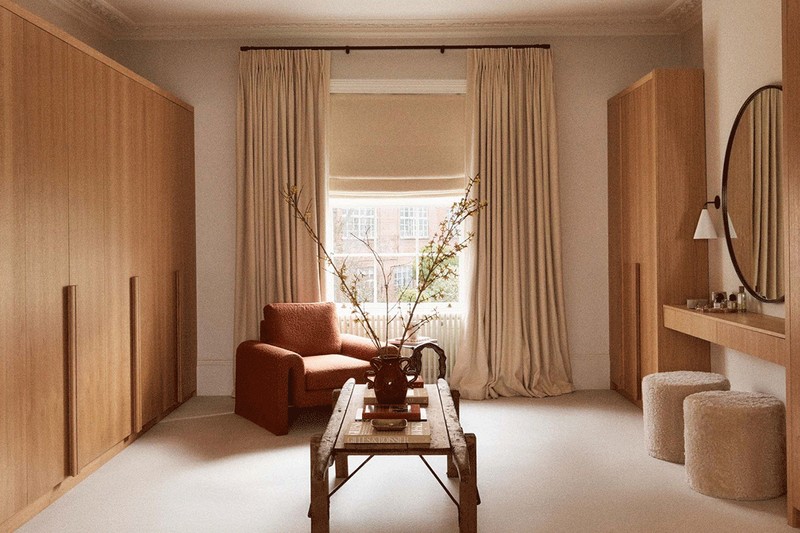
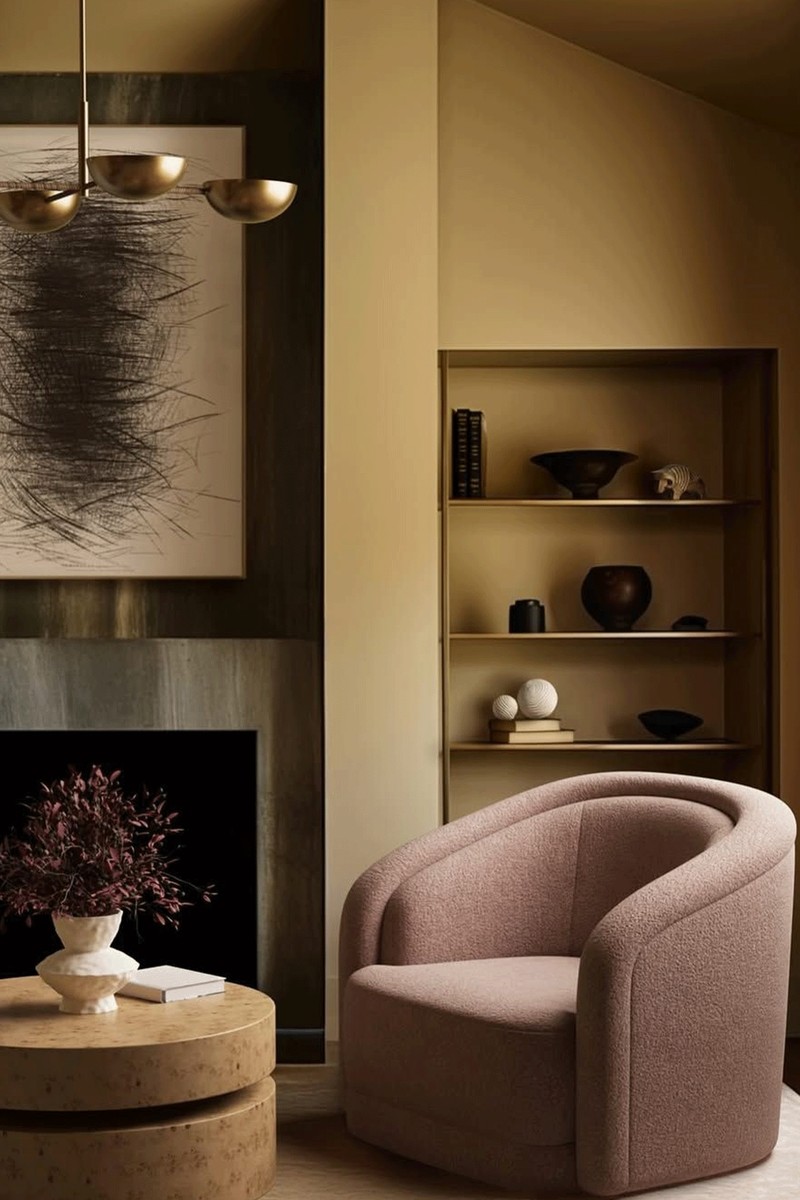
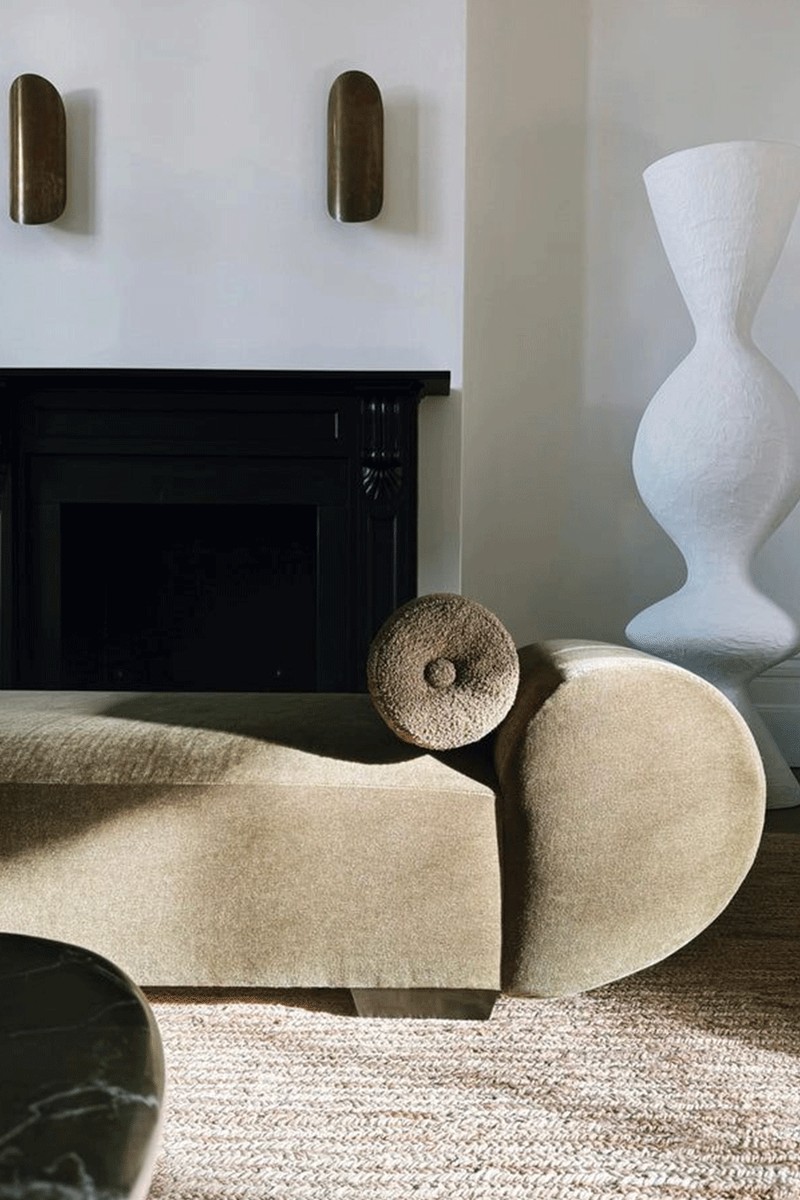
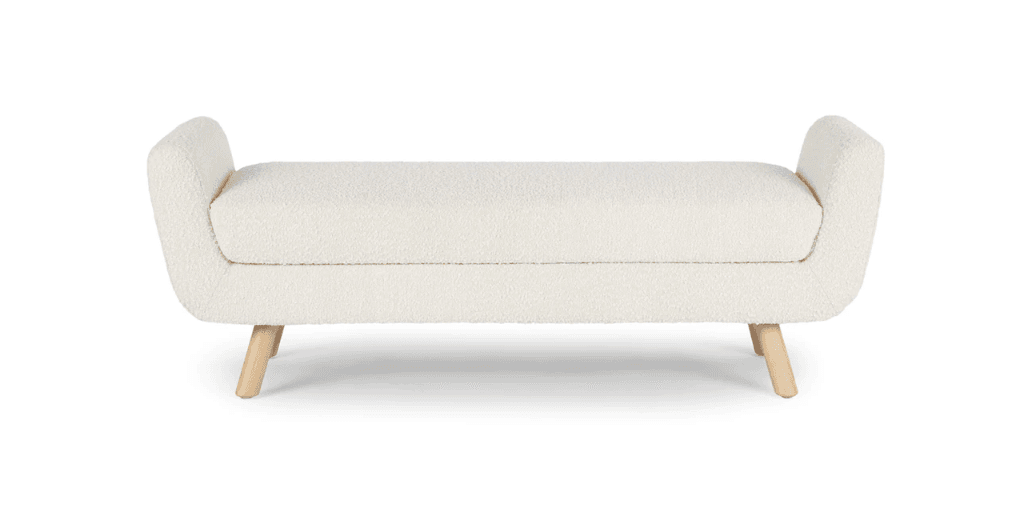
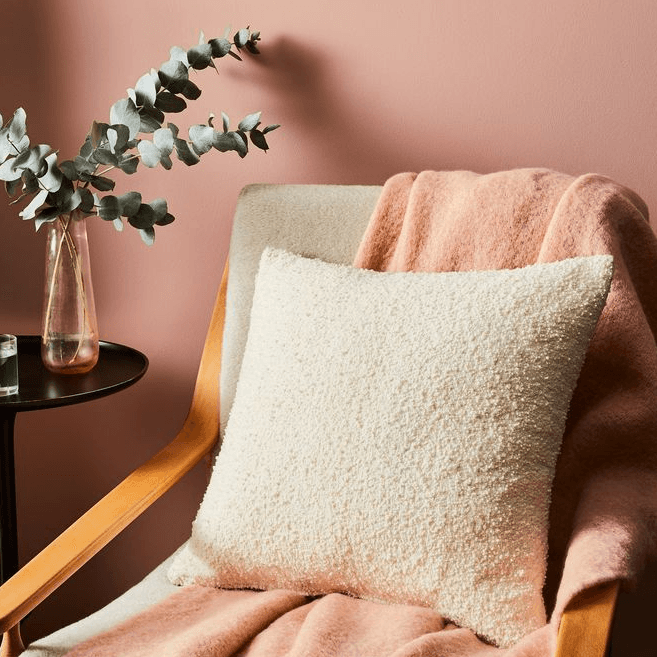
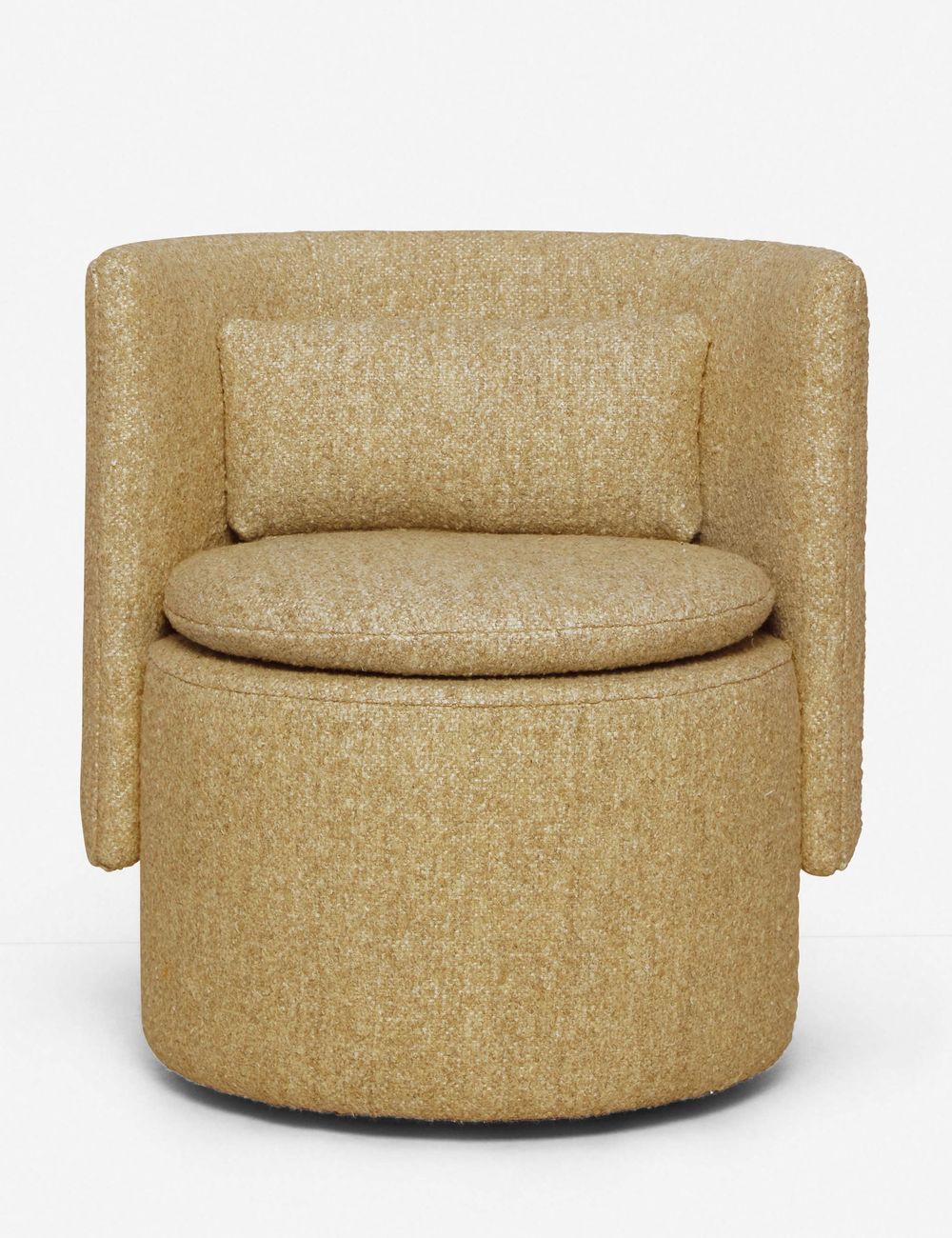
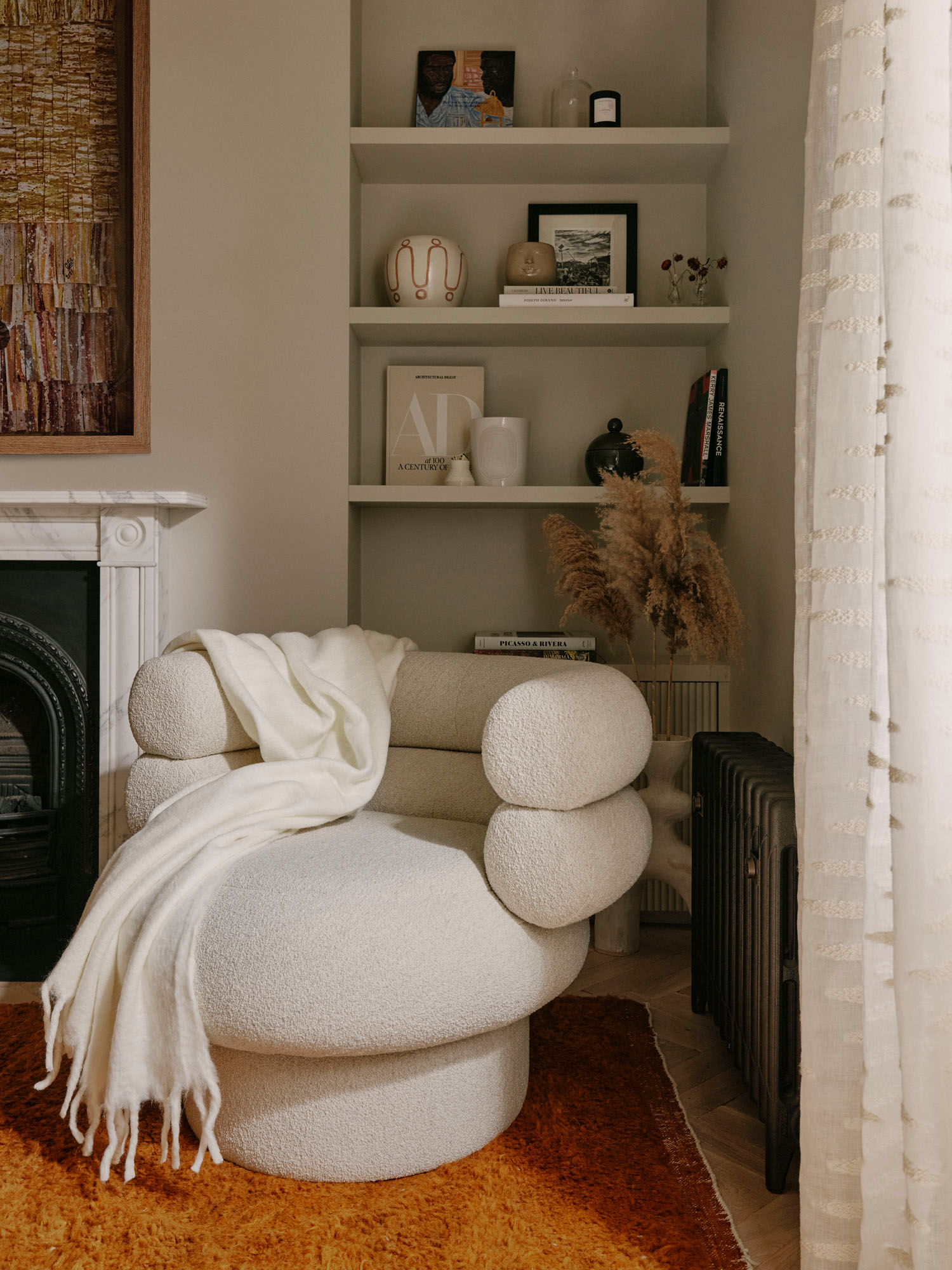
Bouclé, a fabric that has been ubiquitous in interior design in recent years, is predicted to be retired in 2025. This article proposes that corduroy, a fabric reminiscent of the 1970s, will take its place. Bouclé gained immense popularity for its cozy, soft, and minimalist aesthetic, appearing on various home furnishings from furniture to cushions. However, its widespread use ultimately led to a decline in its appeal. As designers and consumers seek tactile and inviting alternatives, corduroy is emerging as a strong contender.
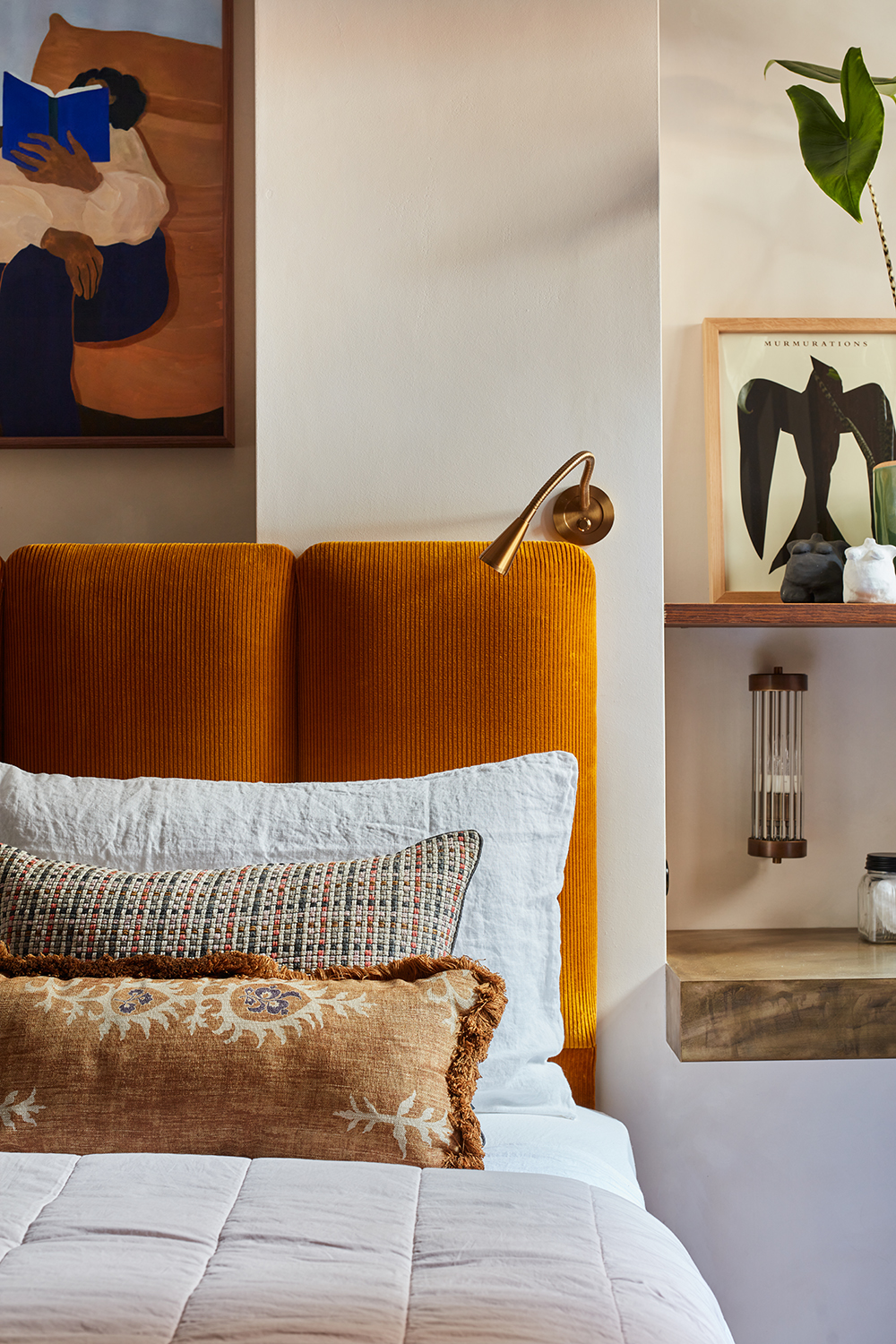
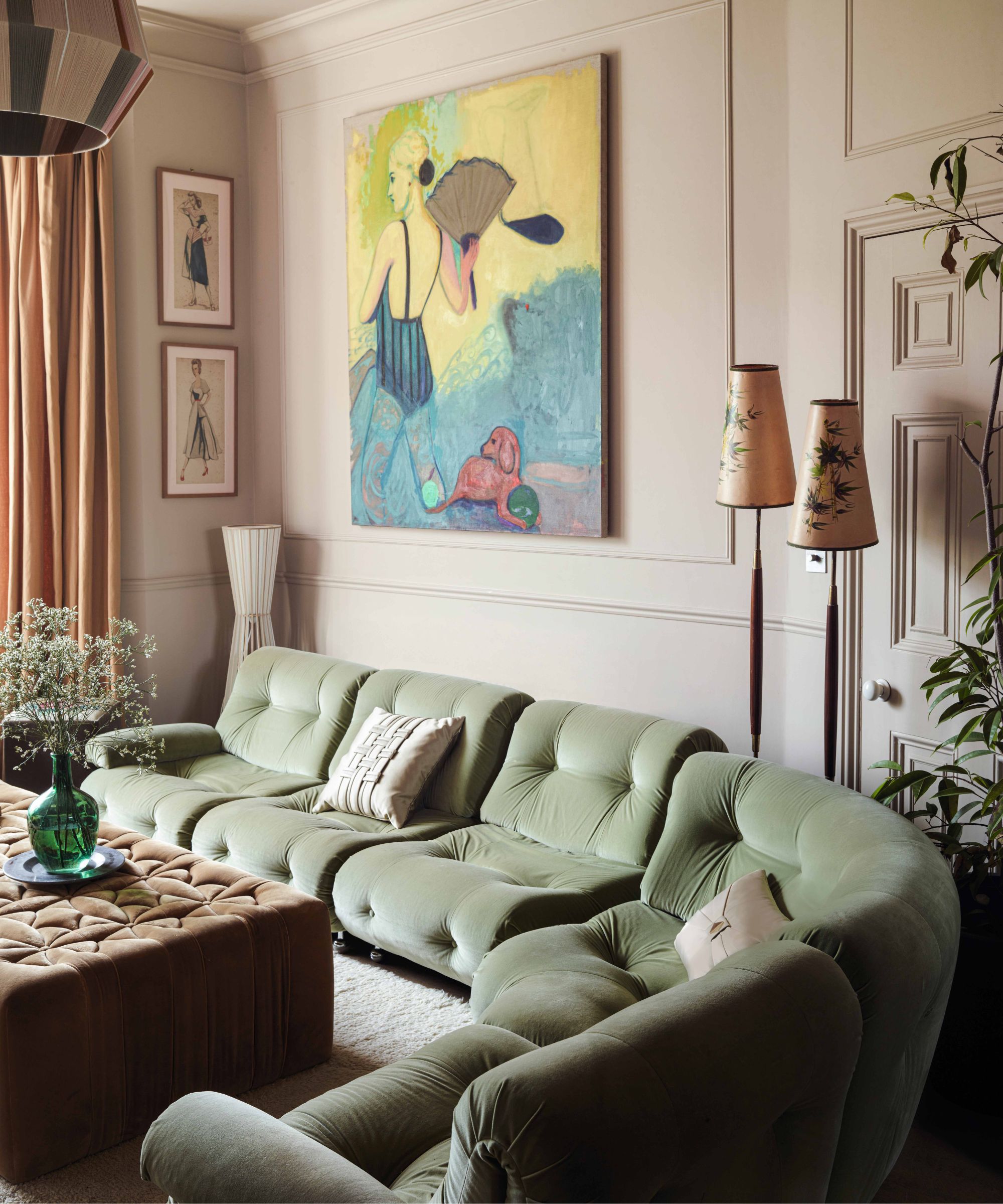
Corduroy's resurgence is attributed to its nostalgic, ridged texture, which previously dominated interior trends in the 1970s. During that era, the fabric, often seen in warm, earthy hues and deep jewel tones, was a staple in homes designed for comfort and entertaining. While it eventually faded in popularity with the rise of more modern and sleek interior design trends, its return in 2025 is considered timely. This comeback aligns with a broader desire for more layered and personality-driven interiors, where corduroy can effectively introduce texture to spaces that might otherwise feel flat.
Interior designers like Kailee Blalock from House of Hive acknowledge corduroy's current appeal, emphasizing its durability and suitability for upholstery. However, Blalock advises restraint, cautioning against the same overexposure that led to bouclé's decline. The key to successfully integrating corduroy into contemporary homes lies in selecting modern silhouettes that balance its inherent vintage charm. Instead of replicating a full 1970s aesthetic, designers suggest using corduroy in thoughtful, understated ways.
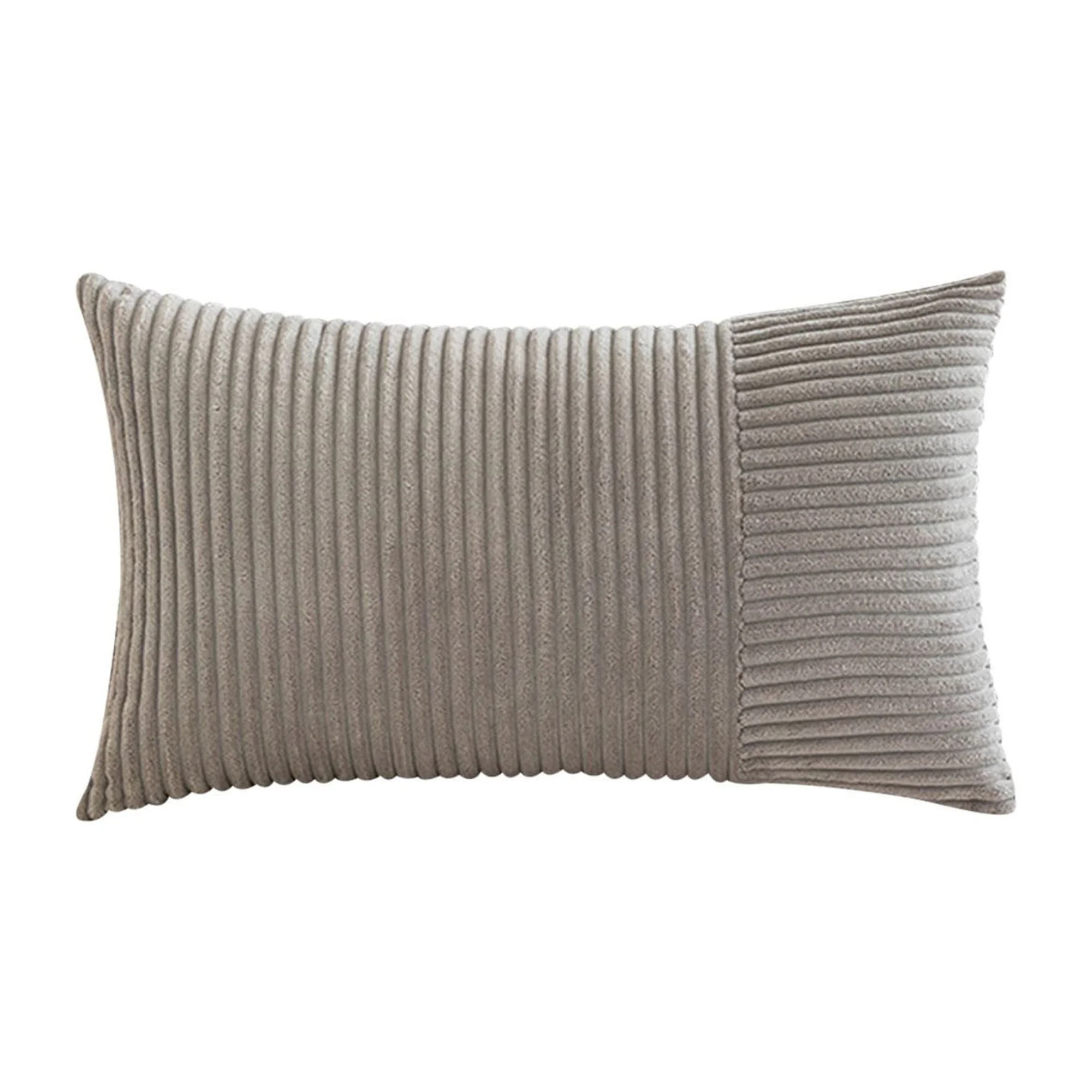
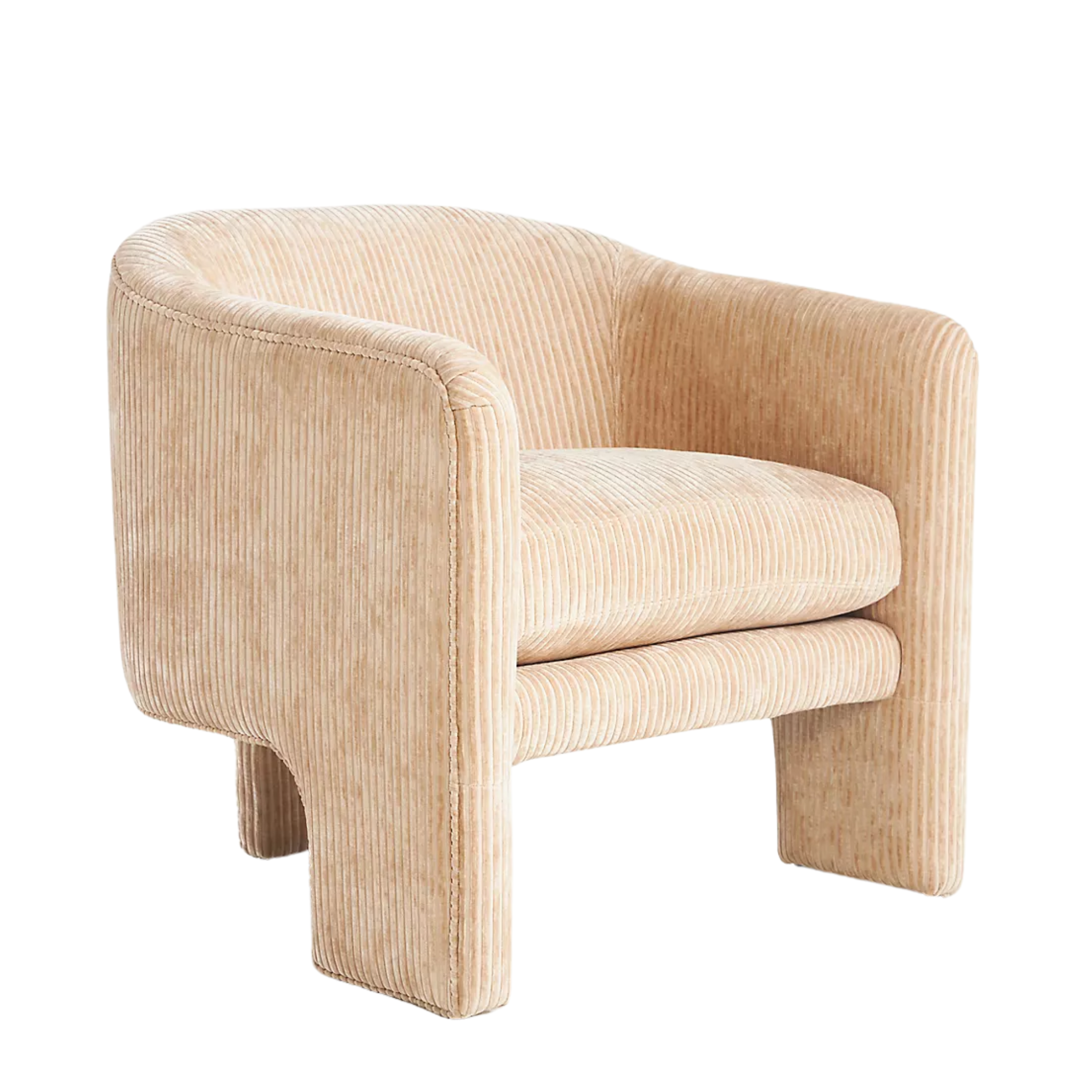
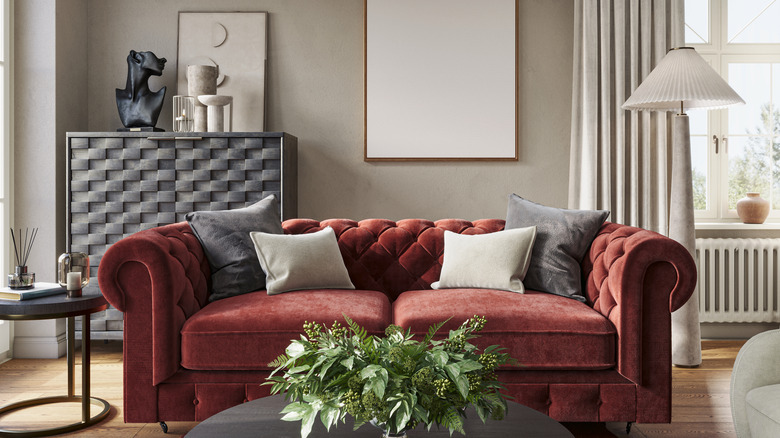

Practical applications for corduroy in home decor include accent pieces such as throw pillows, which can add texture and style to a sofa, or statement armchairs and ottomans to introduce the trend into living rooms or bedrooms. Another approach involves reupholstering antique furniture in corduroy, as exemplified by designer Holly Vaughan, who highlights the fabric's ability to elevate any piece of furniture. This method allows for personalization through color choice, making the fabric versatile for different aesthetics.
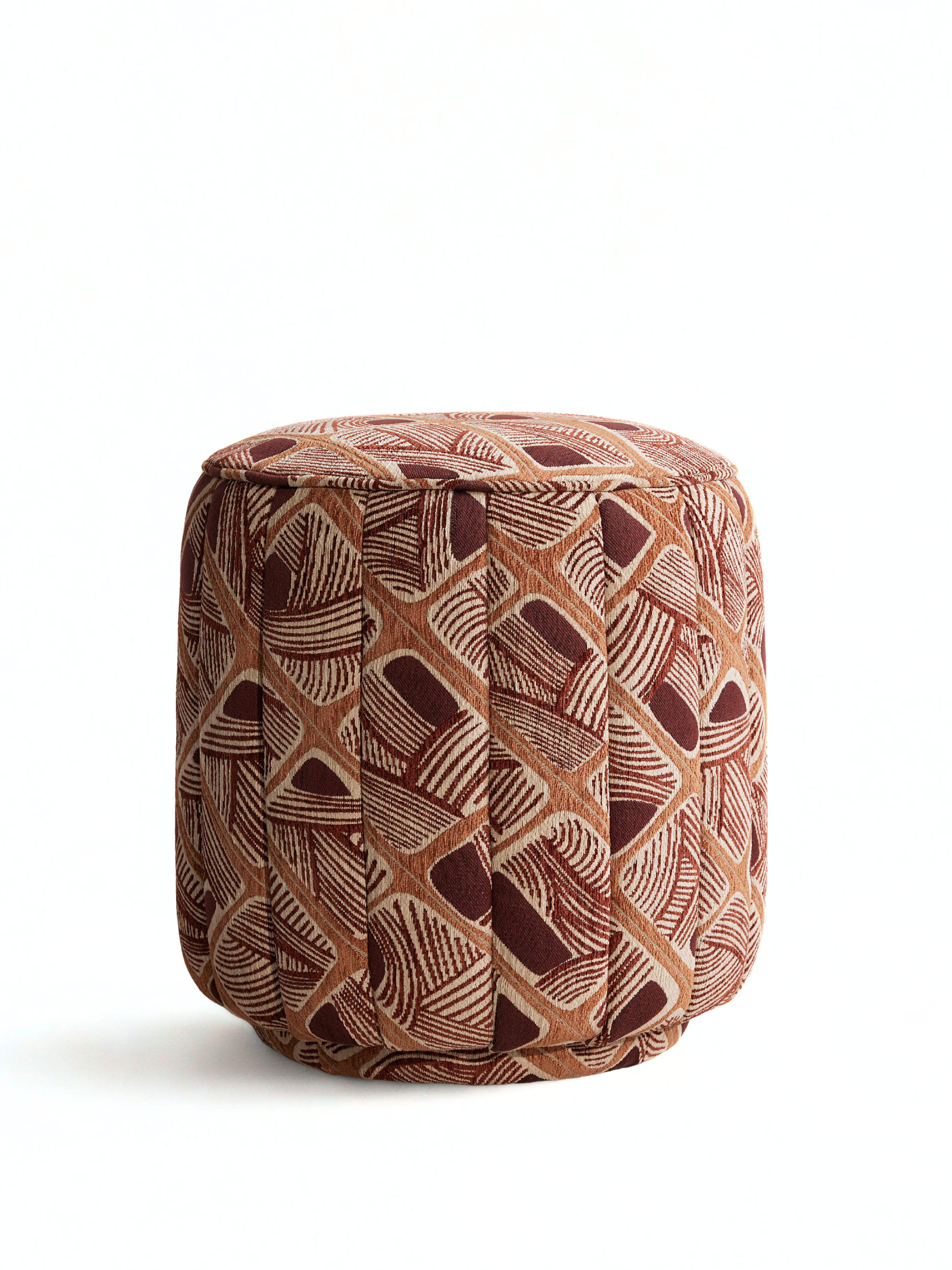
The article also showcases several corduroy home furnishing options available for purchase, ranging from ottomans and dining chairs to decorative pillows and even platform beds. These examples demonstrate how corduroy can be incorporated through various scales, from small, budget-friendly accents to larger, statement-making furniture. The offerings include items like the 'Babs Ottoman' by Sarah Sherman Samuel in apricot corduroy for a retro feel, the 'Justine Warm White Corduroy Upholstered Dining Armchair' for a contemporary touch, and various corduroy pillows and storage ottomans in diverse colors. A 'Clementine Platform Bed' in corduroy hues is presented as a significant investment piece, featuring a wavy shape to modernize the fabric's appearance. The overall sentiment is that for those seeking an alternative to the once-dominant bouclé, corduroy provides a warm, fuzzy, and durable option that aligns with current interior design shifts toward texture and personality.
#Corduroy #Boucle #InteriorDesign #FabricTrends #HomeDecor #VintageStyle #FurnitureTrends #TexturalDesign #DesignRevival #Corduroy #Boucle #InteriorDesign #FabricTrends #HomeDecor #VintageStyle #FurnitureTrends #TexturalDesign #DesignRevival
0 comment in total
 No comments yet
You may also like
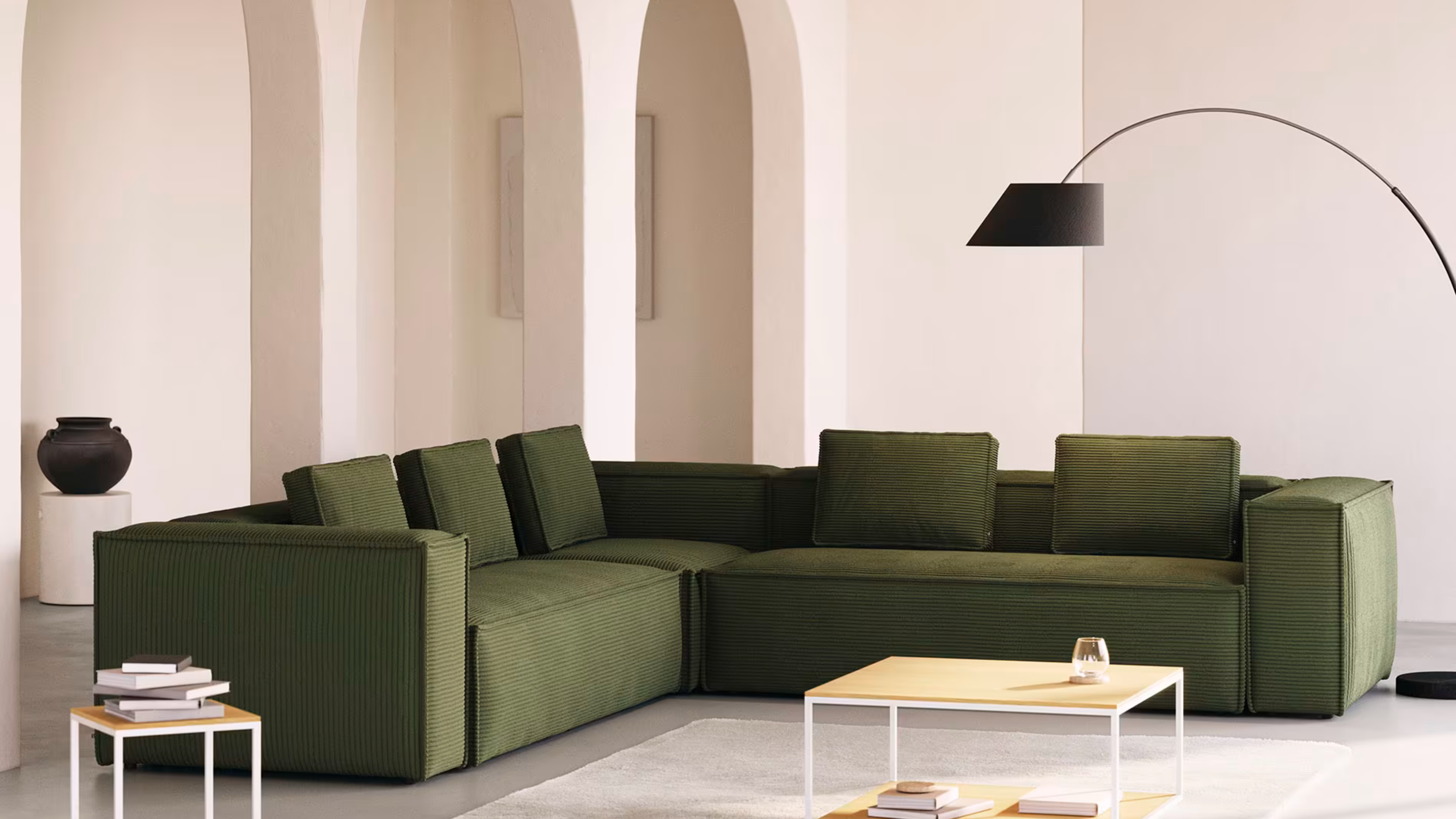
Bouclé vs Corduroy — What's the Difference and How To Pick

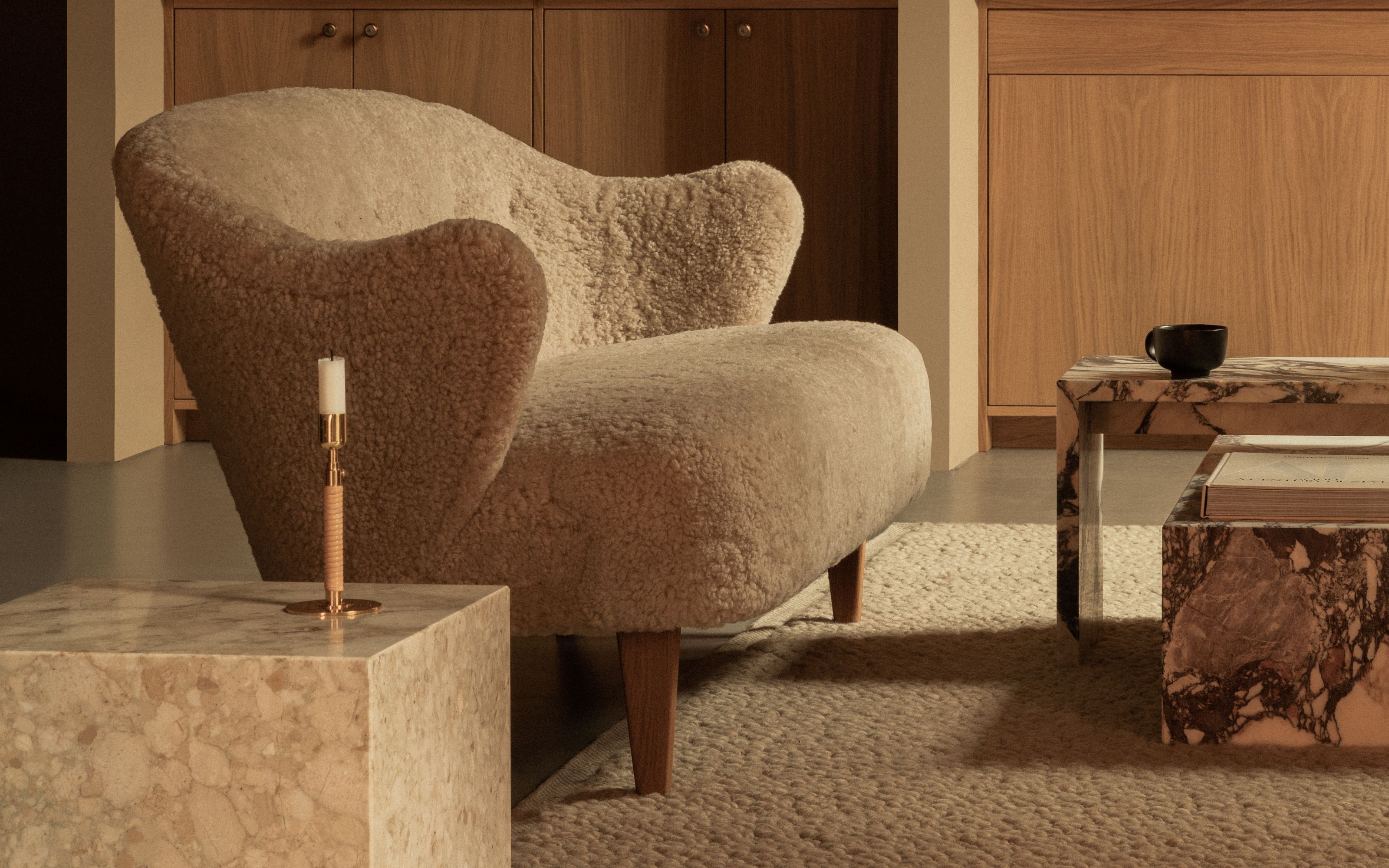
What is replacing bouclé? I'm obsessed with it - but even more obsessed with the design trend that's coming next
Interiors Trend Watch: Modern Bouclé
Upholstery Chic Is the Fall Runway Trend You Didn't Know You Needed
Bouclé Fabric Is Back

Deeper, moody colours and precious jewel tones are in style this year
Floral Upholstery Is Making a Comeback in 2025 Thanks to the Vintage Eclectic Trend
These 5 Textile and Wallpaper Trends Will Dominate the Design World in 2025

Designers are Calling Burgundy This Year's Big Color Trend

Everything You've Ever wanted to Know About Bouclé Fabric

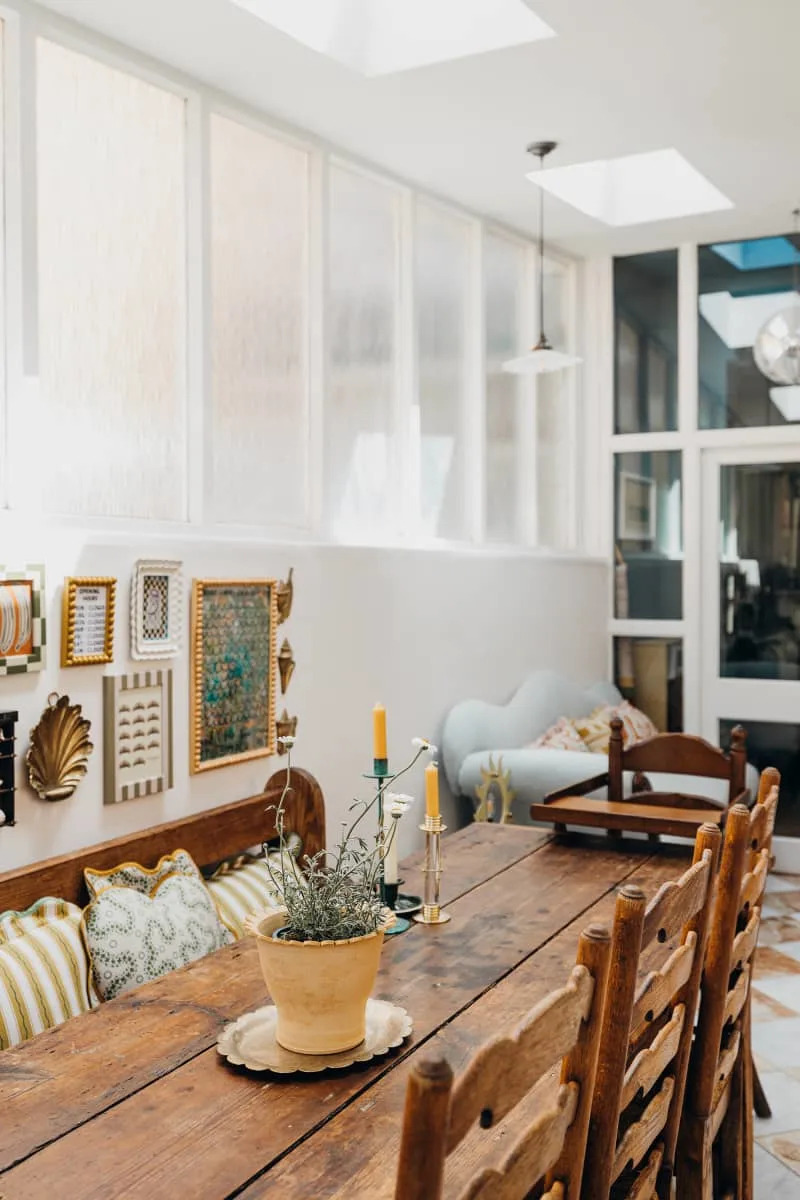
This Timeless Trend Is Making a Comeback, and It’s Ridiculously Easy to Style

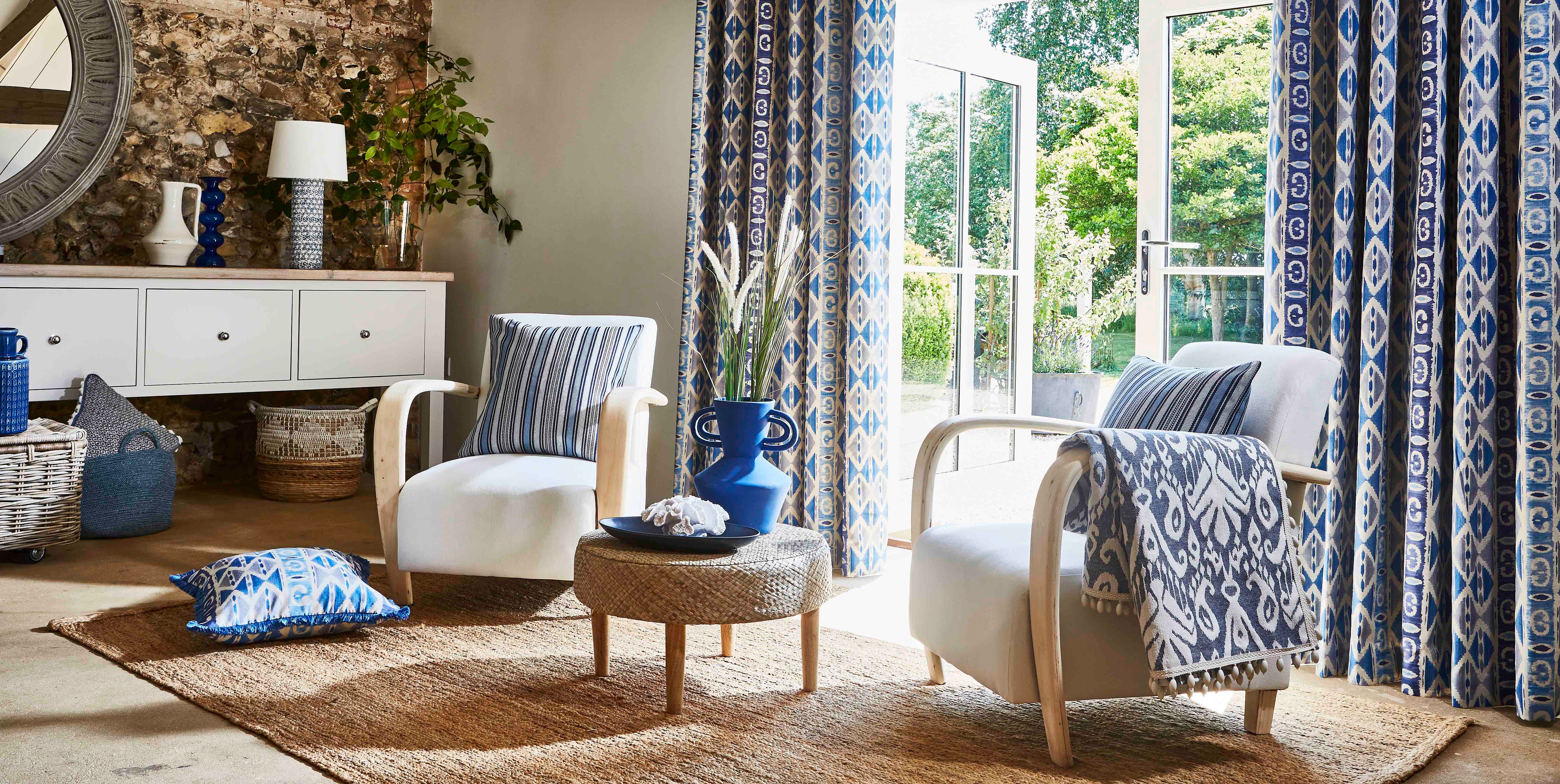
These are set to be the biggest fabric trends of 2025
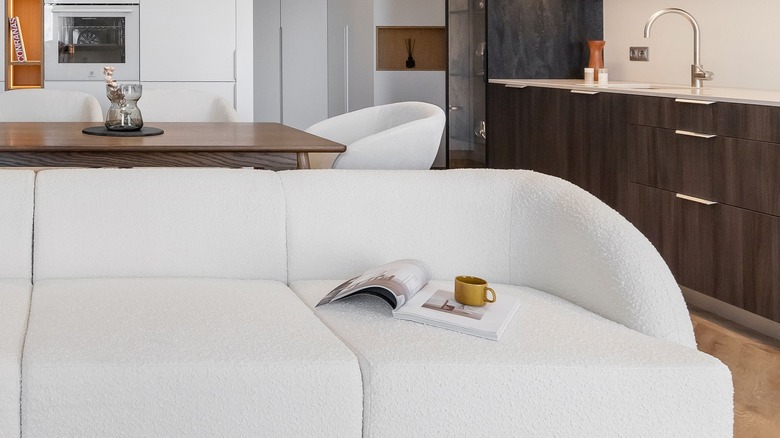
The Jewel-Toned Fabric Trend That's Replacing Boucle Furniture
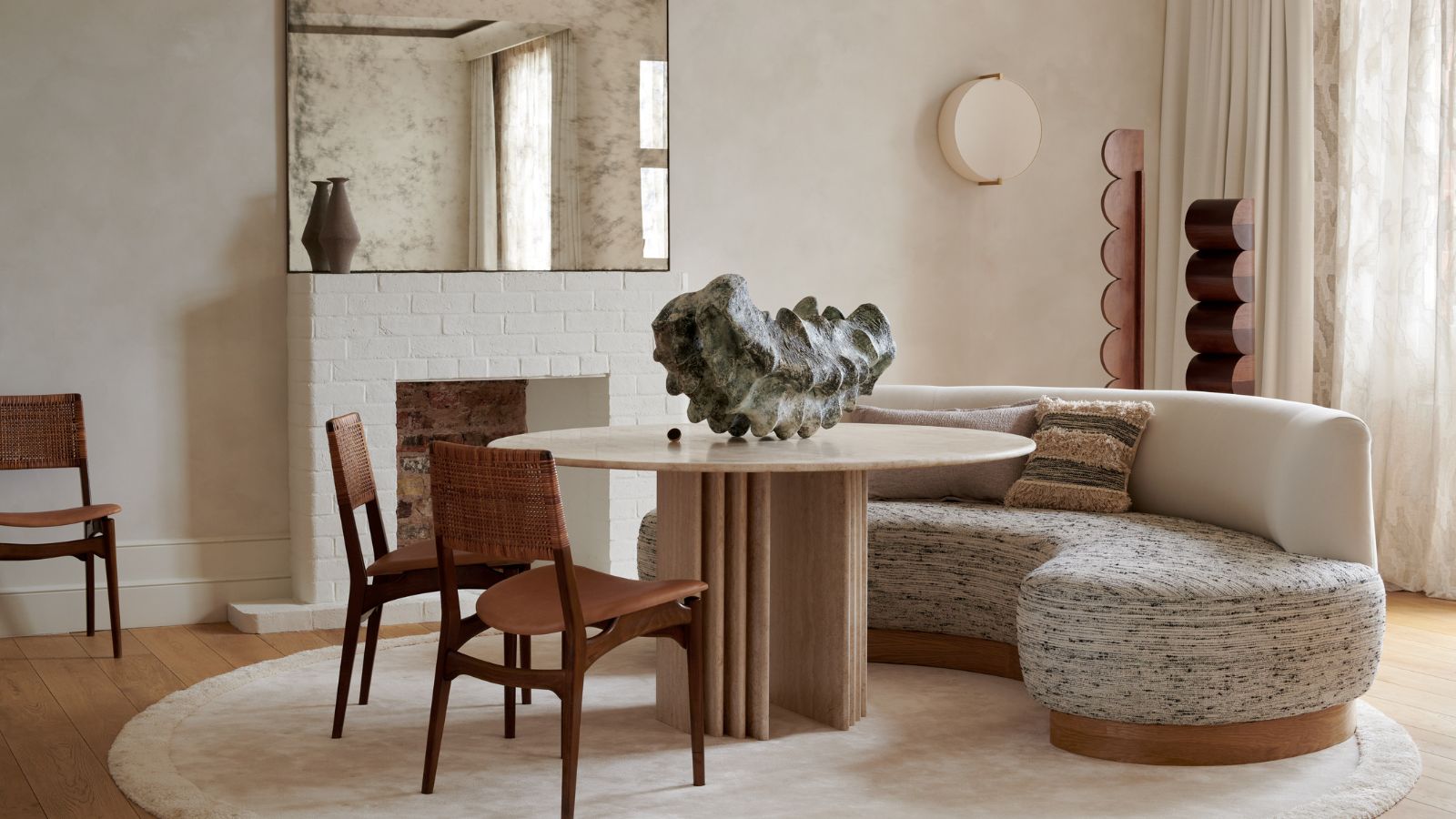
What's replacing bouclé? We asked designers if this much-loved fabric is going out of style
Comfy carpet, once dismissed as out-of-date, is back in vogue

Bouclé vs Velvet — Designers Agree Which On-Trend Fabric is Best for Real Life
Trending now — bold fabrics that will update your home style

Think Bouclé Is Overdone? These Are the Just-as Cozy Fabrics the World's Best Designers Are Using Instead

Surround Yourself In The Comfort of Bouclé Fabric
Hear Us Out: Quilts Are Cool Again