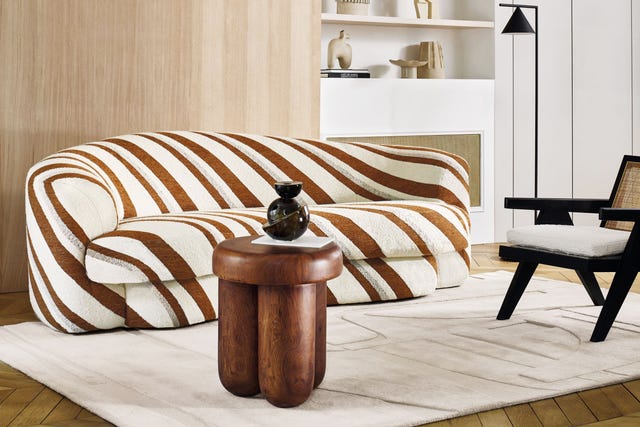
1/4
Inside the fascinating history of bouclé (and why it’s revival isn’t over yet)
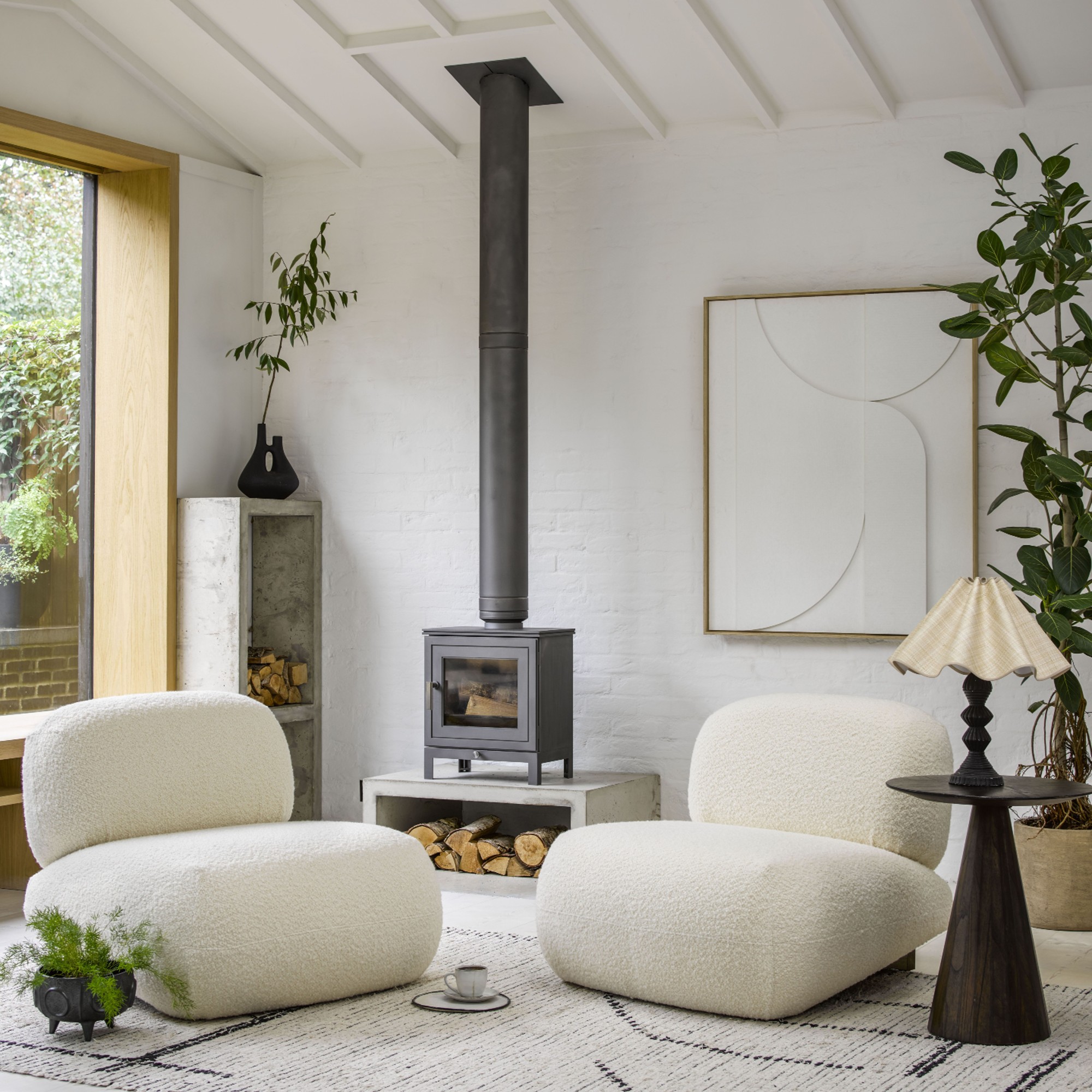
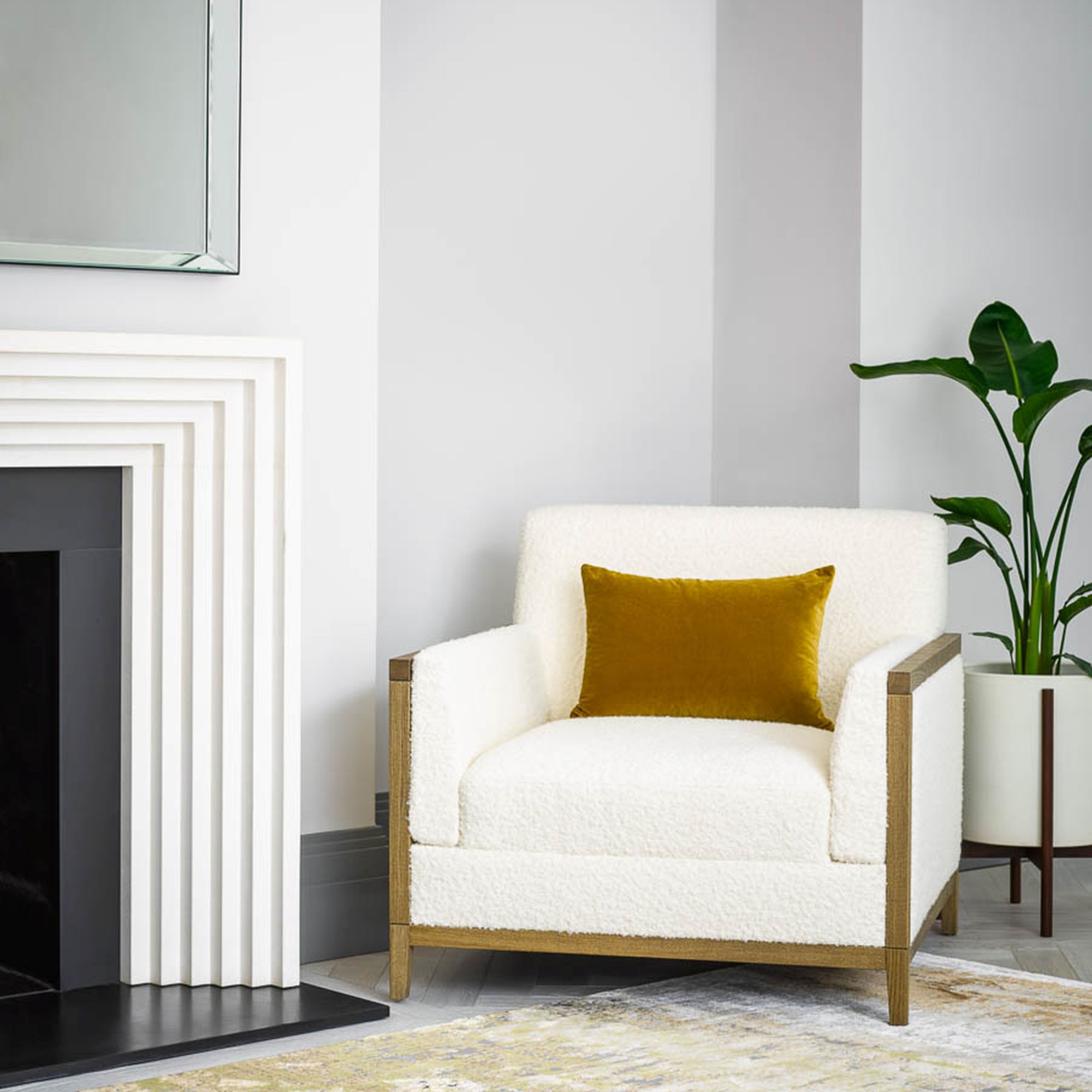
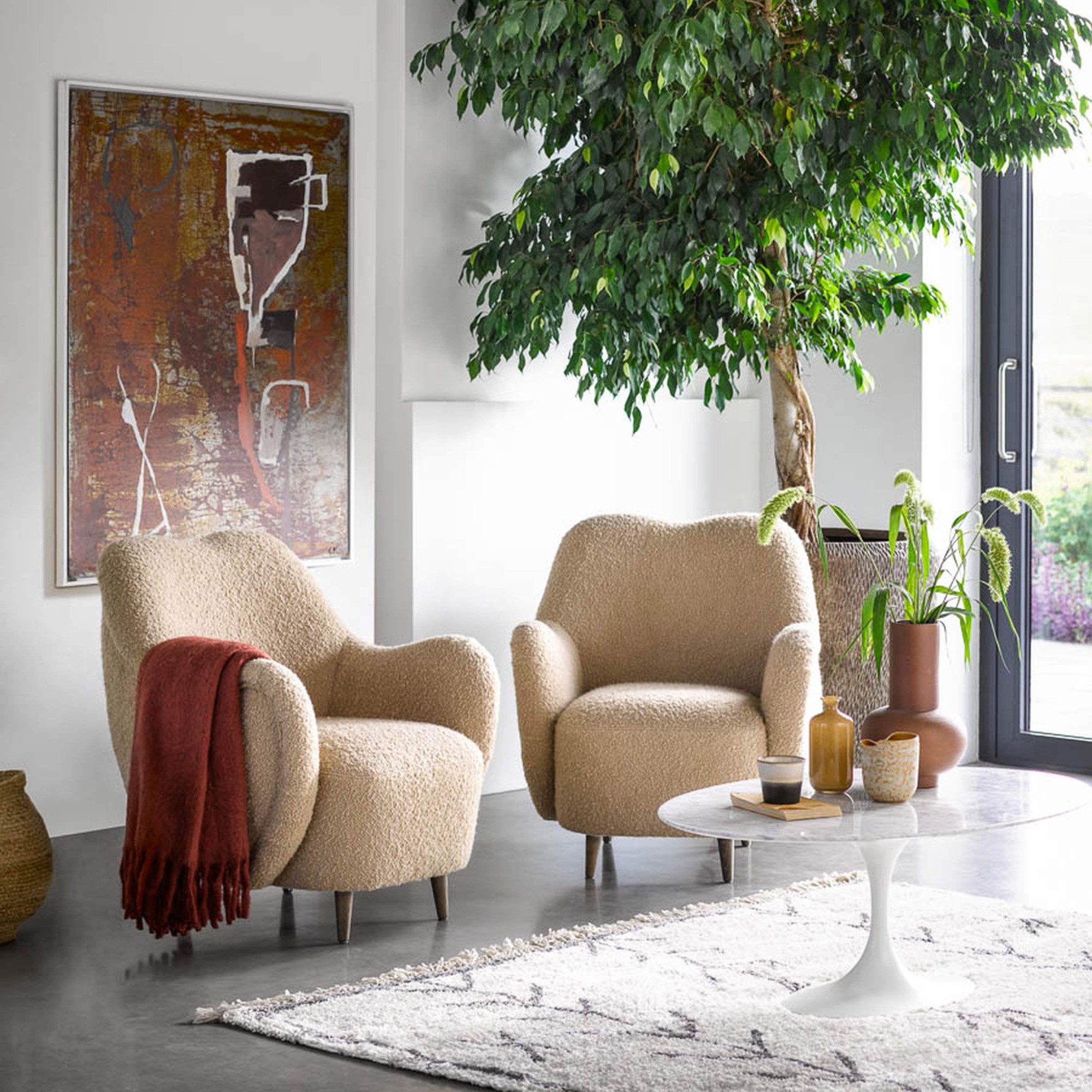
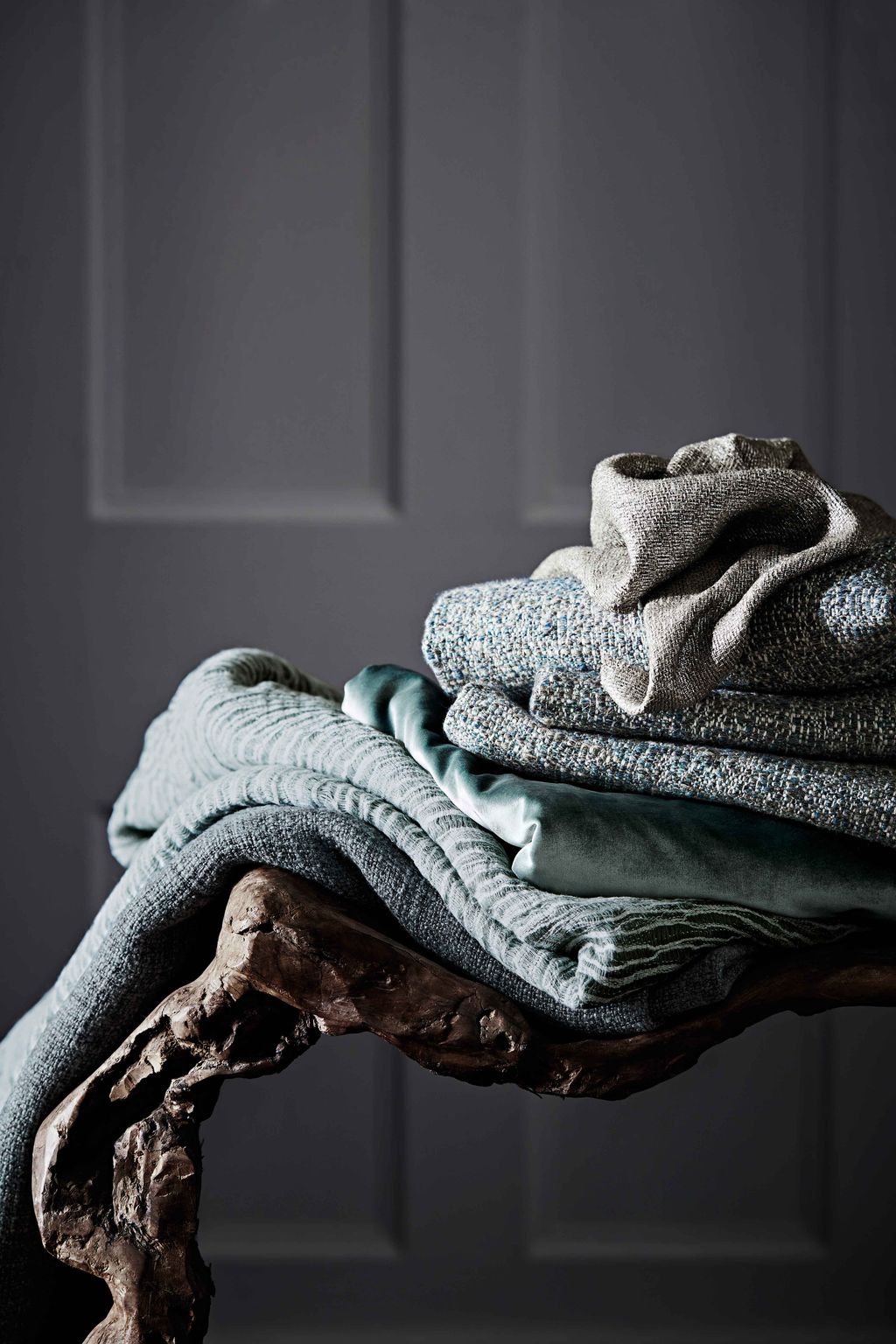
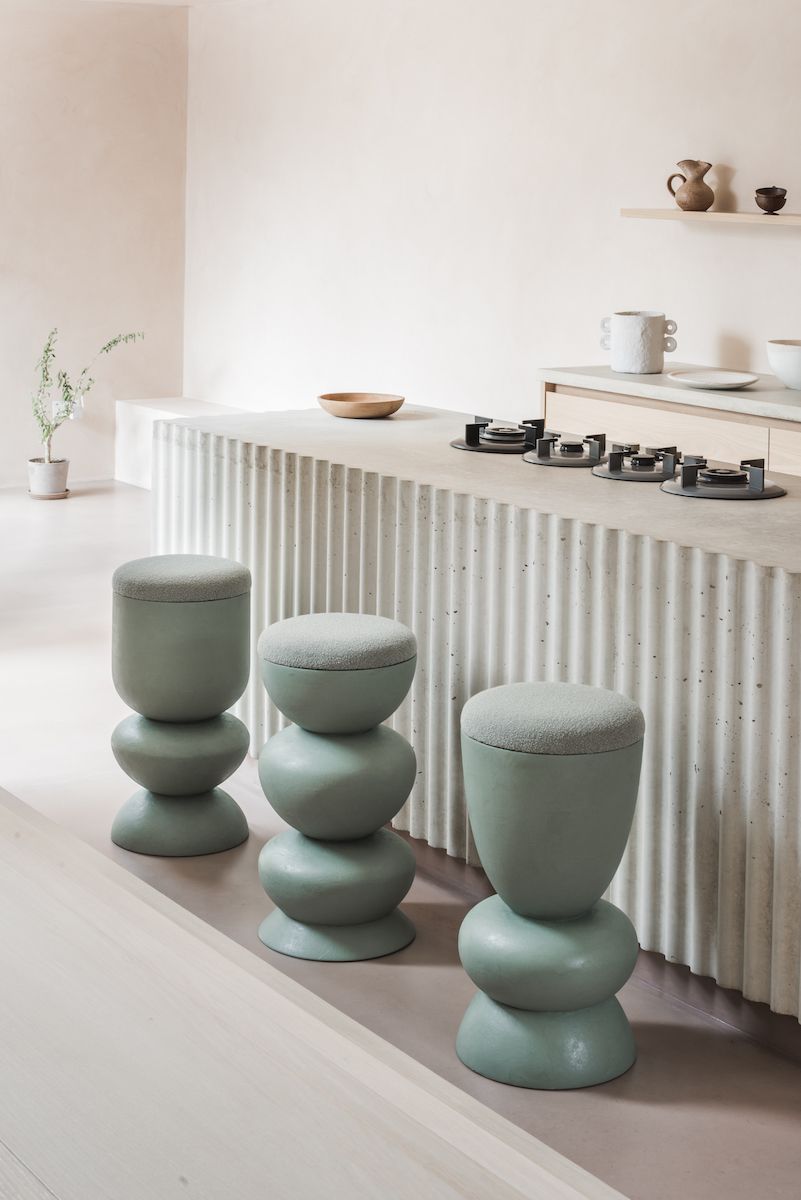
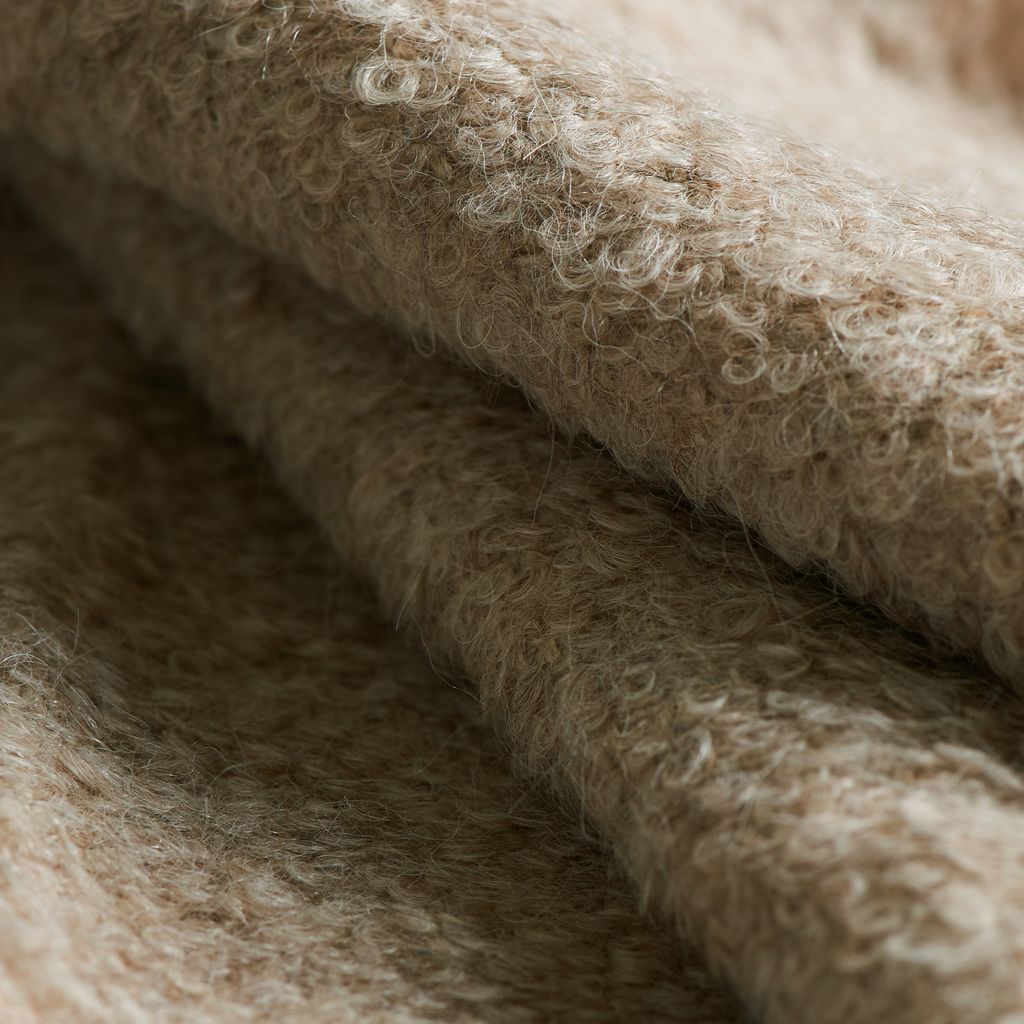
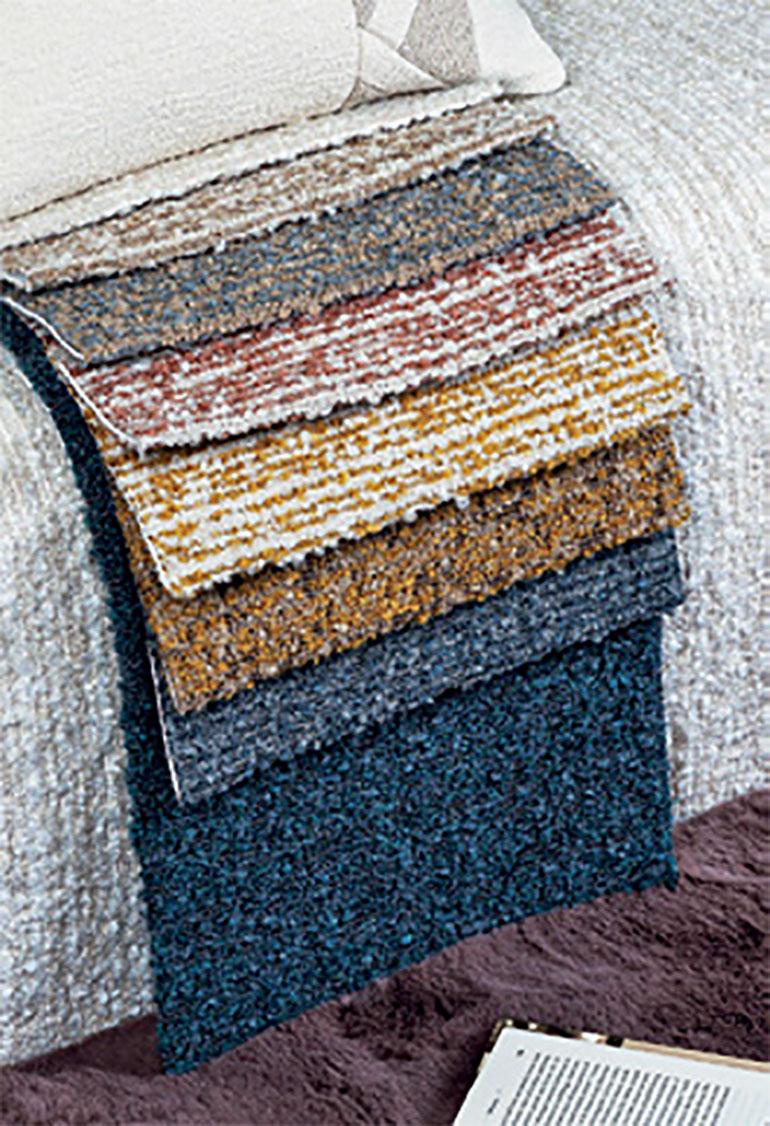
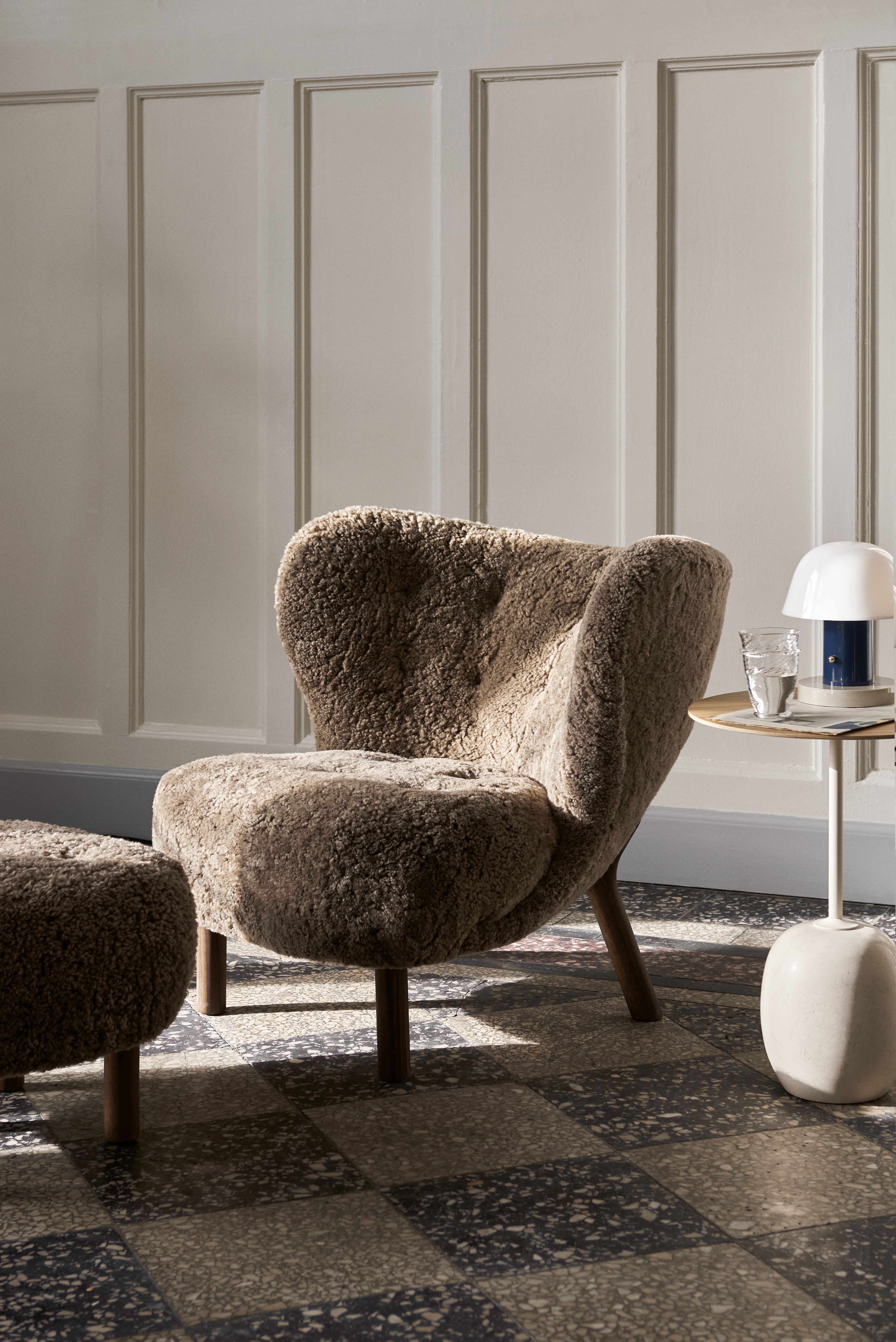
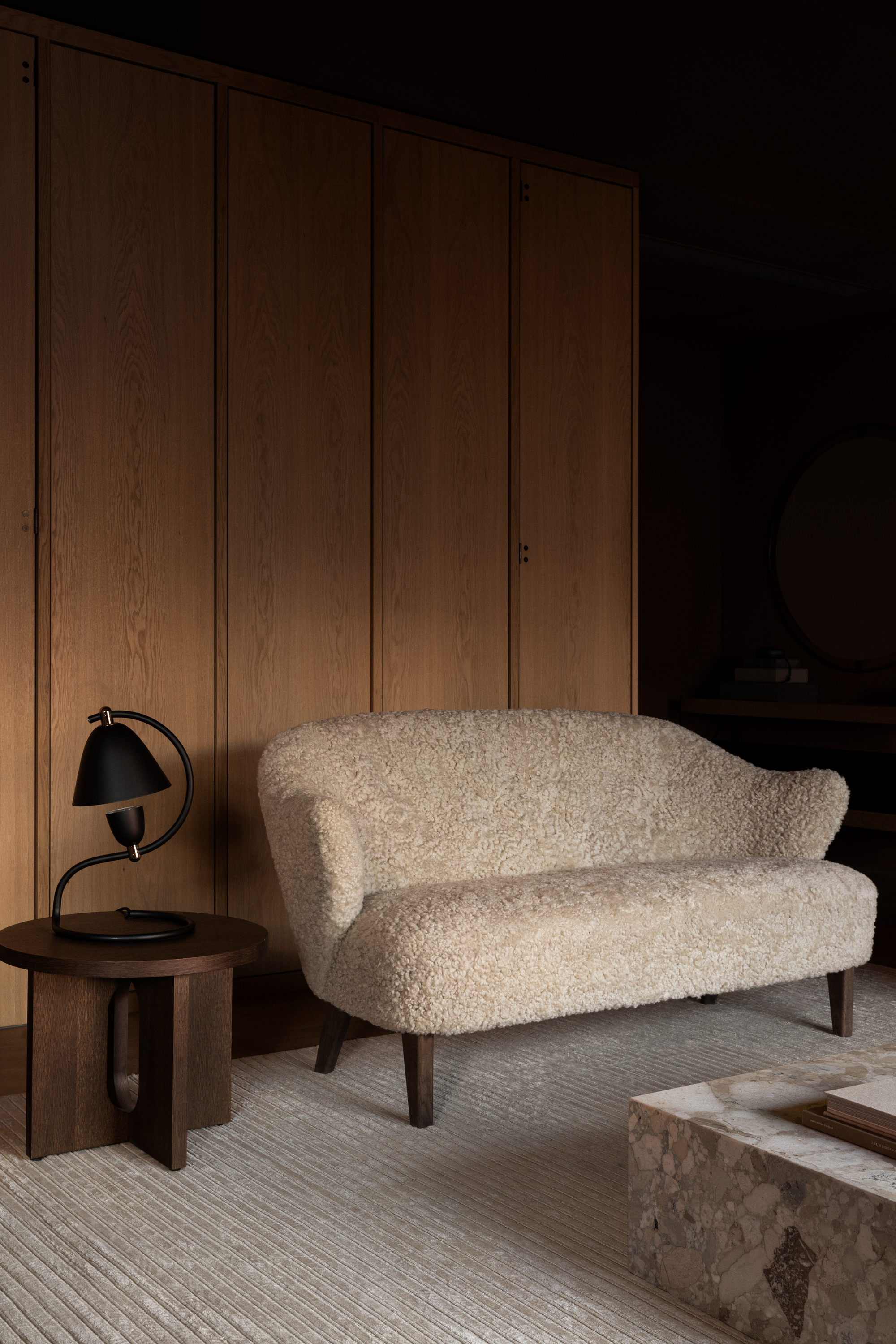
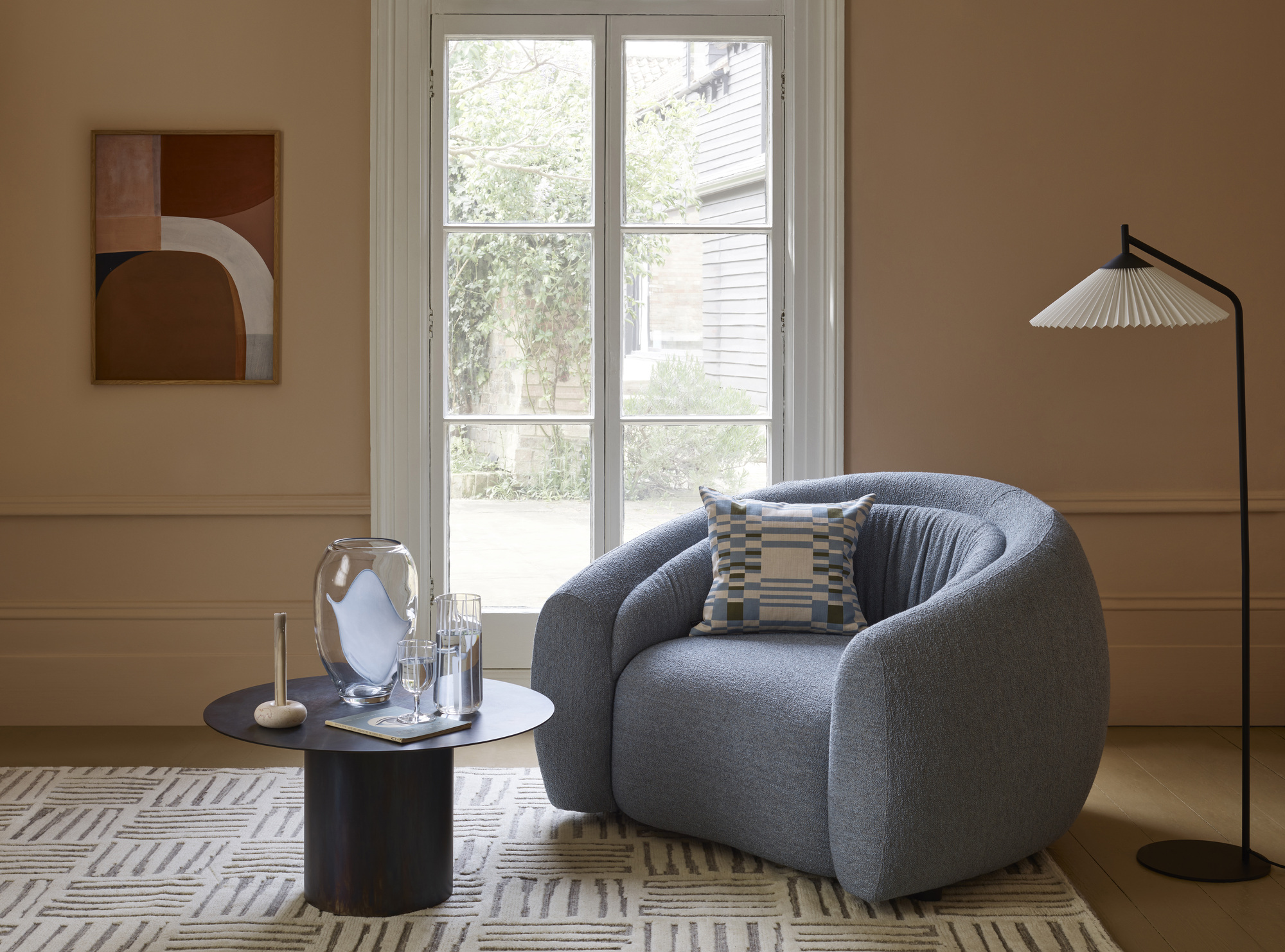
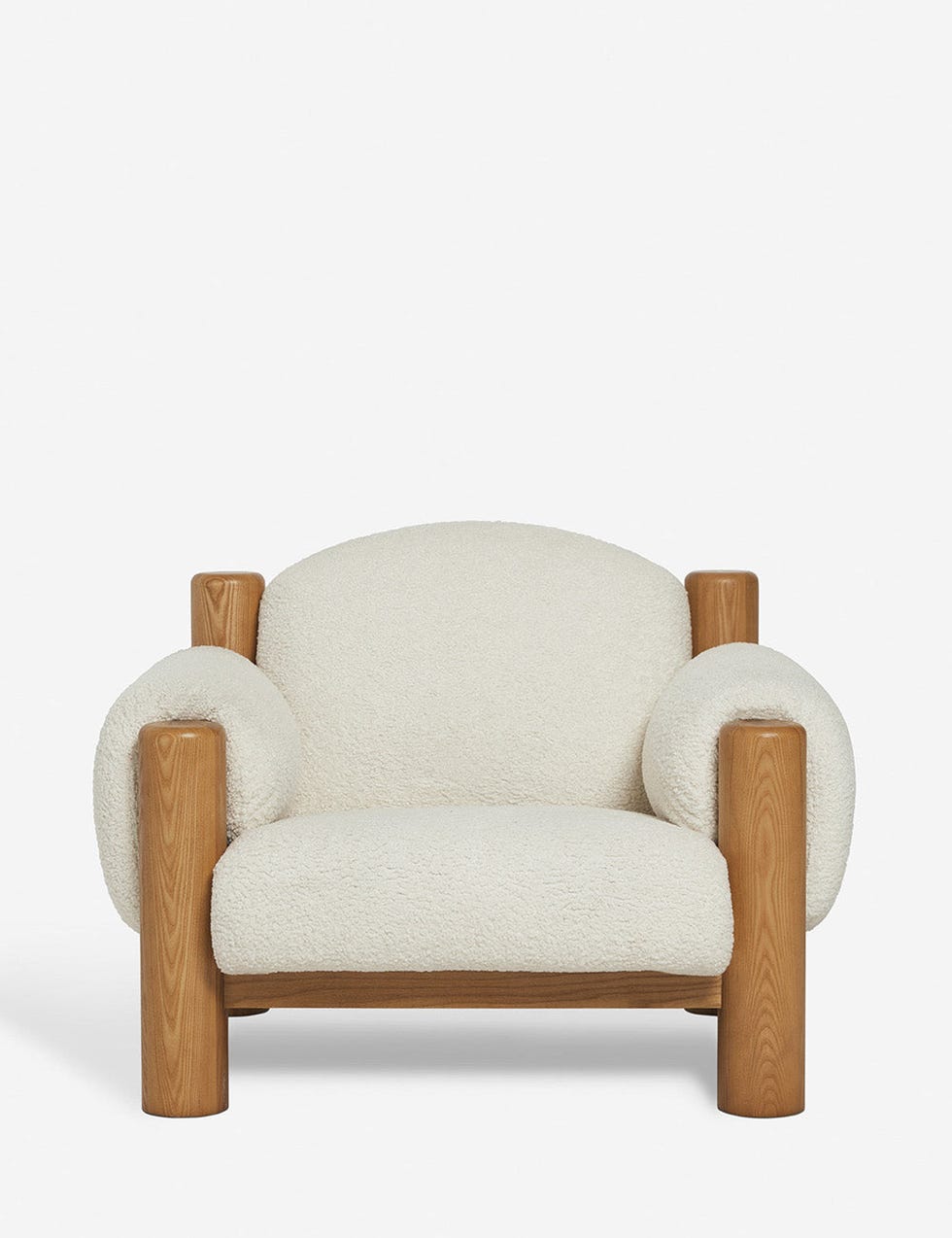
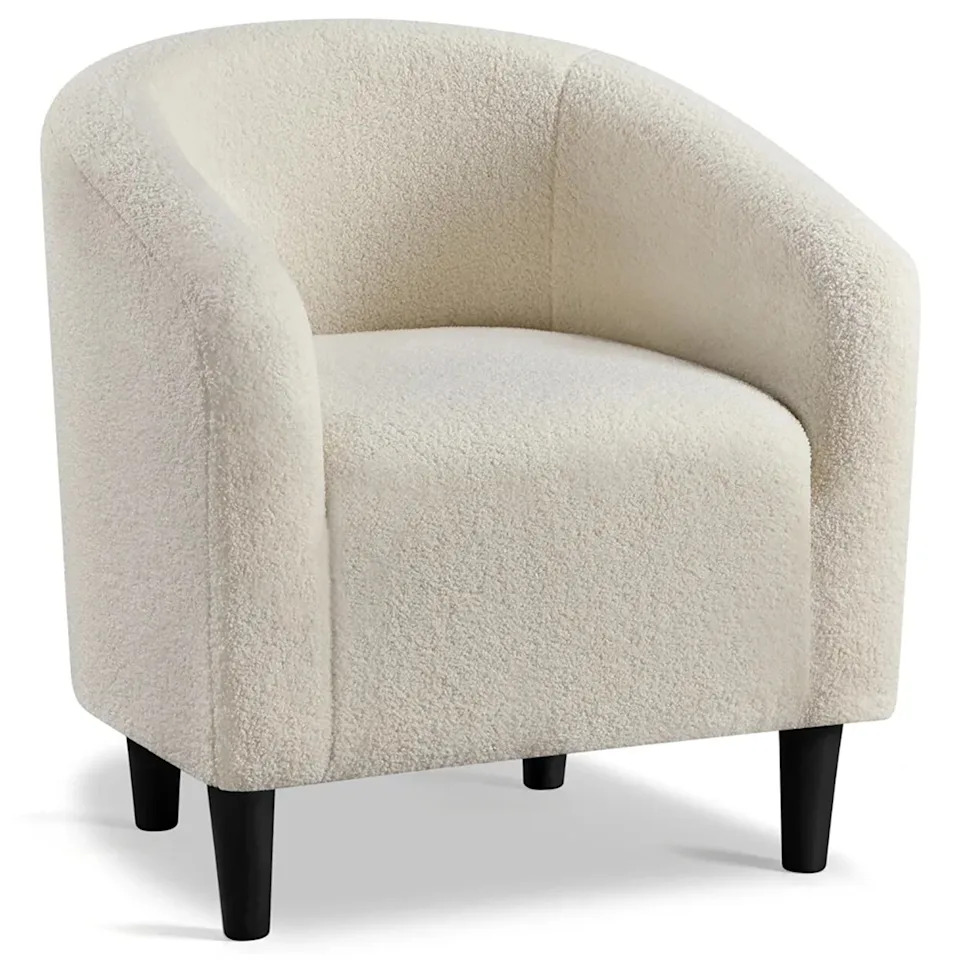
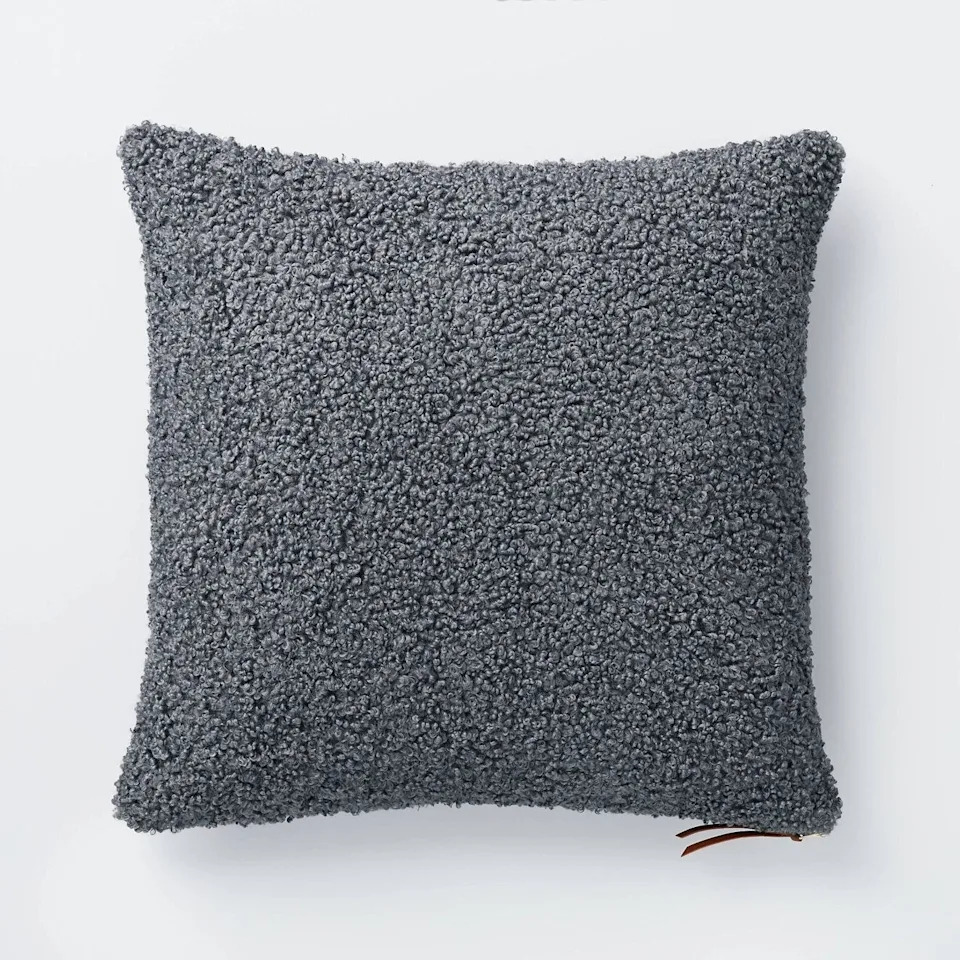
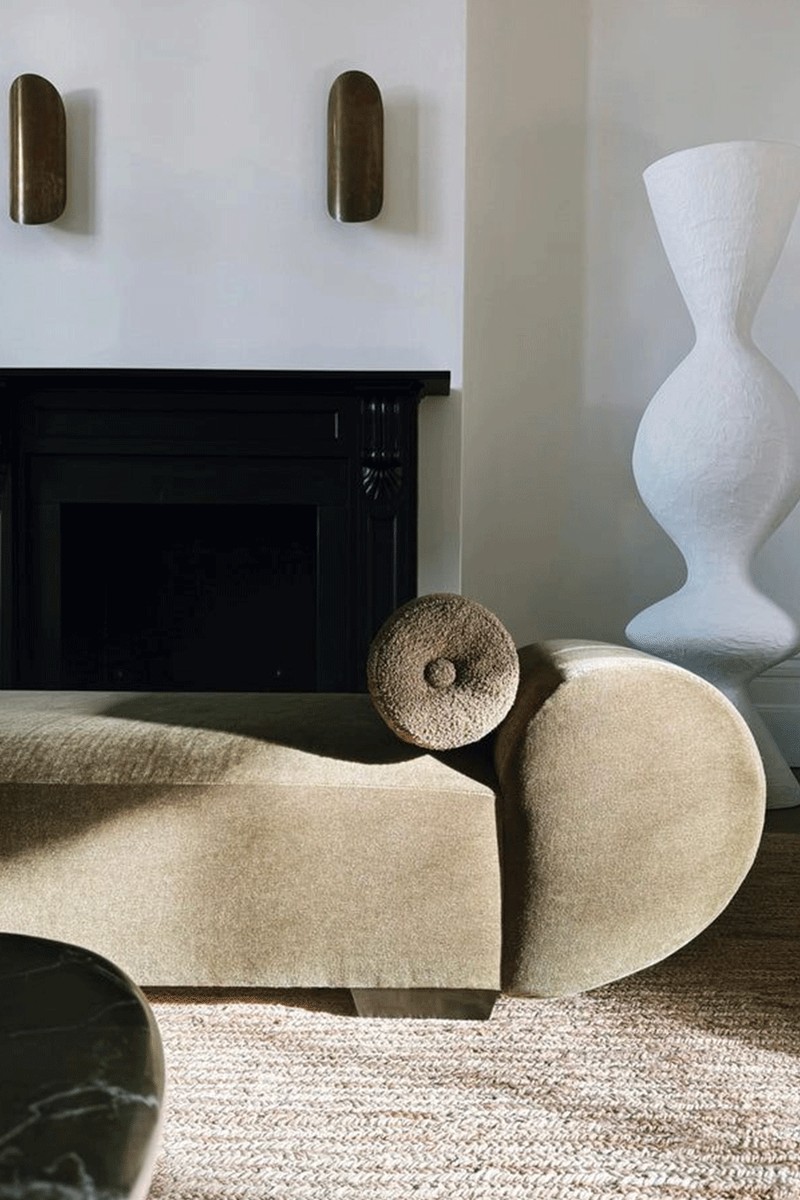
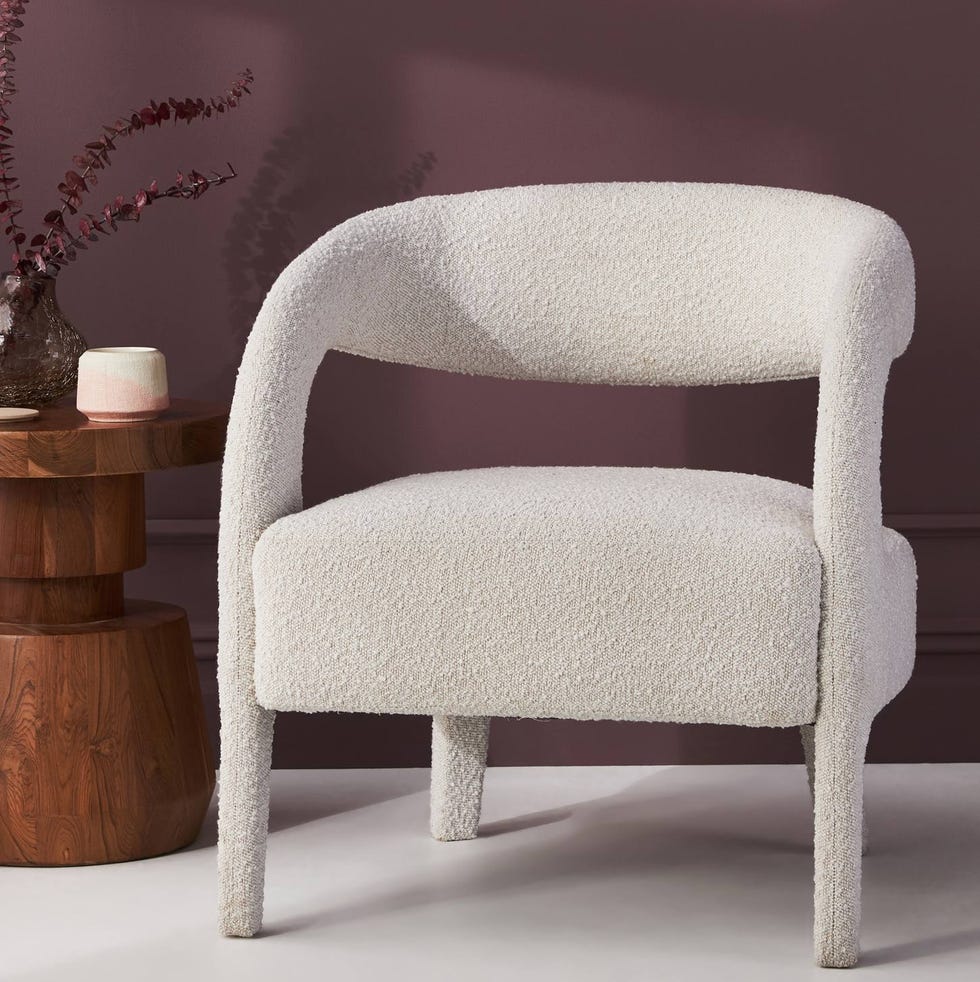
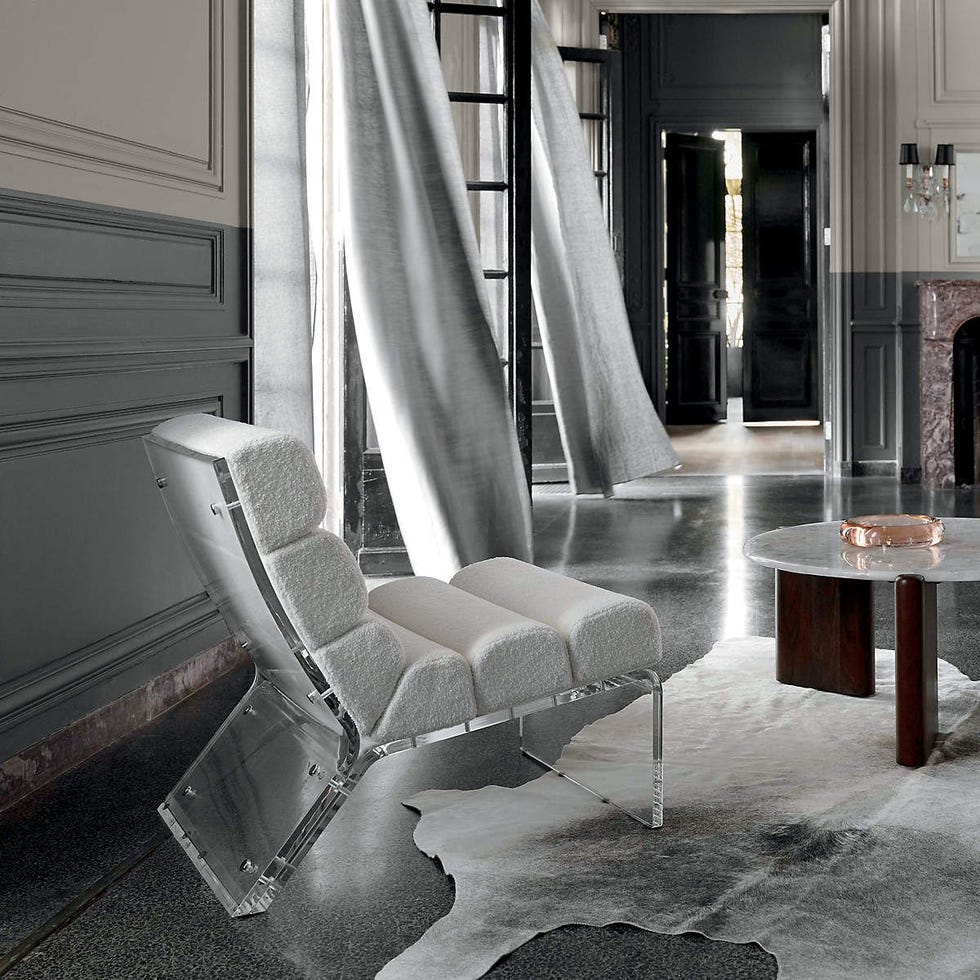
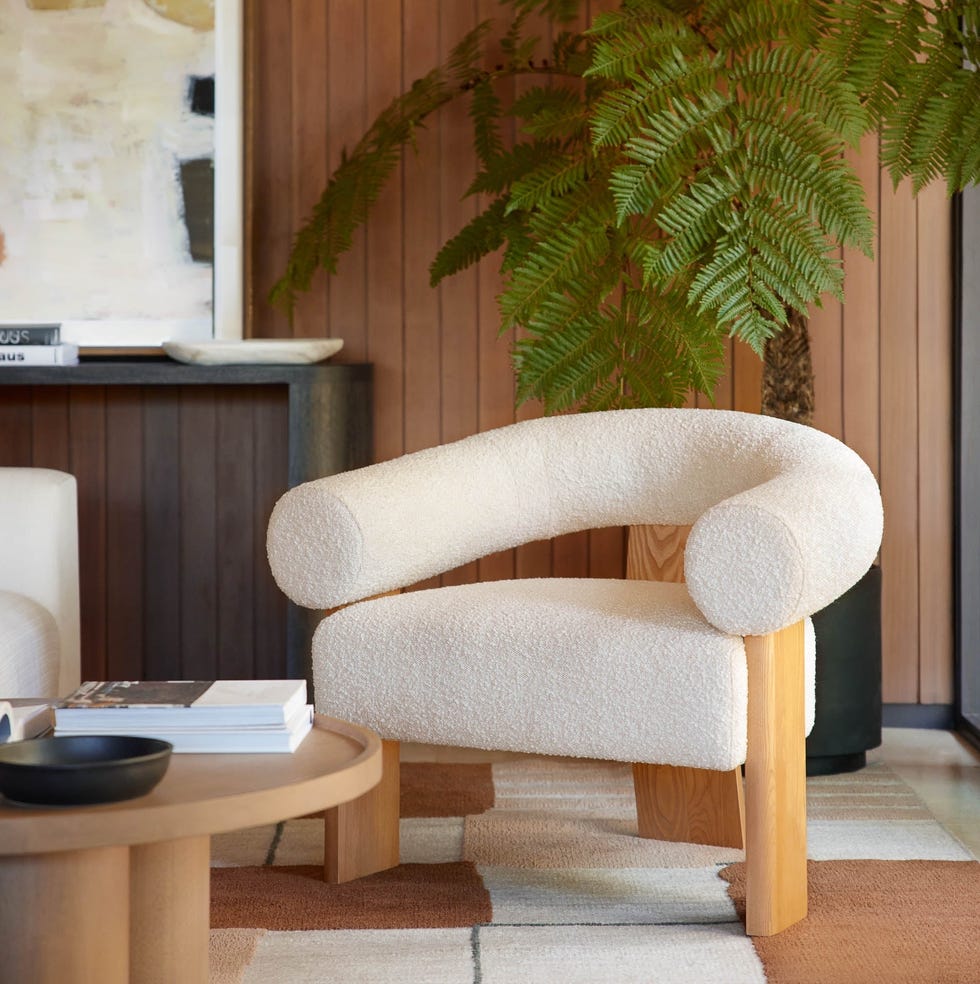
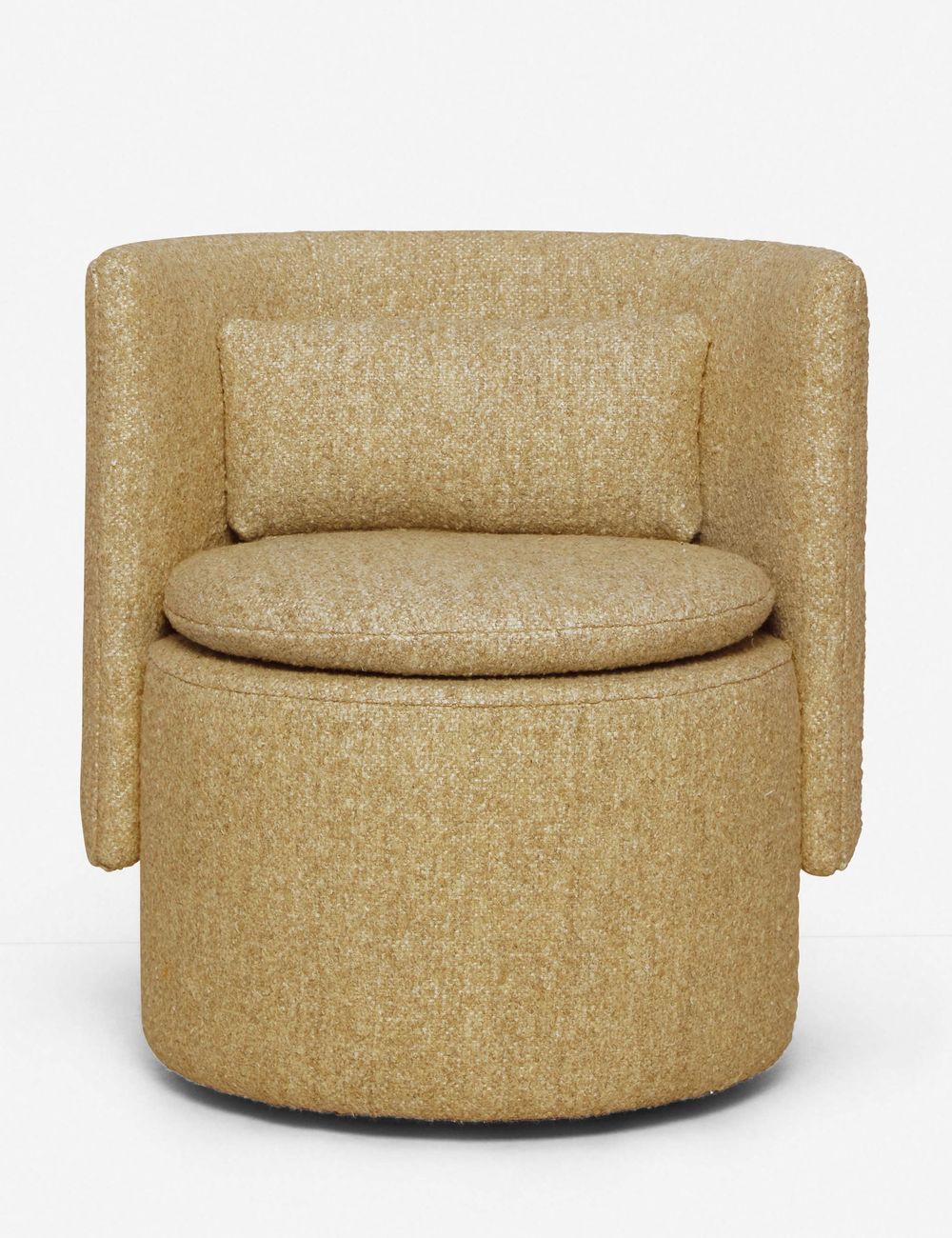
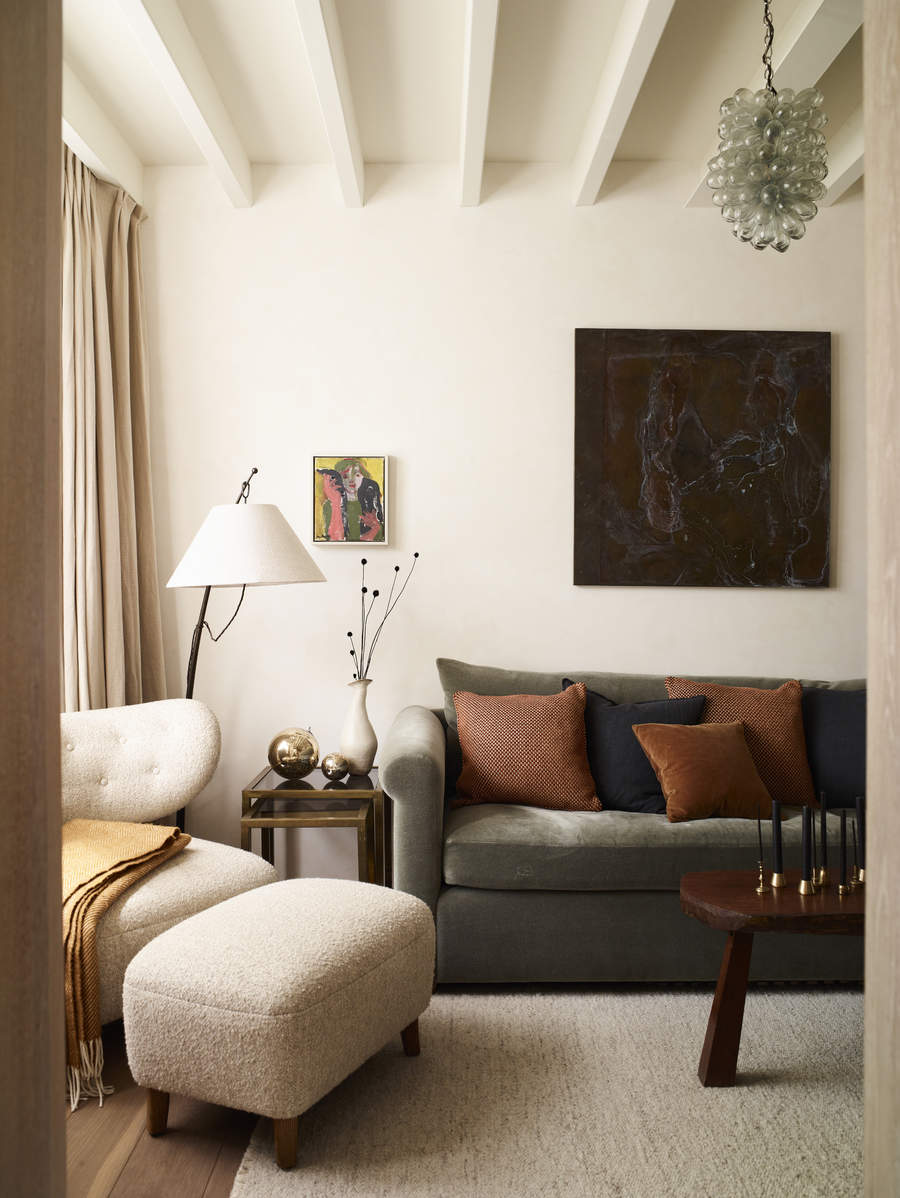
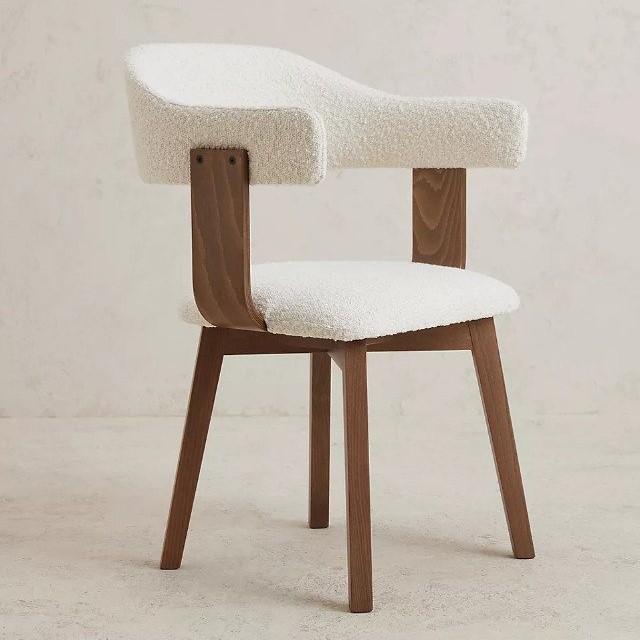
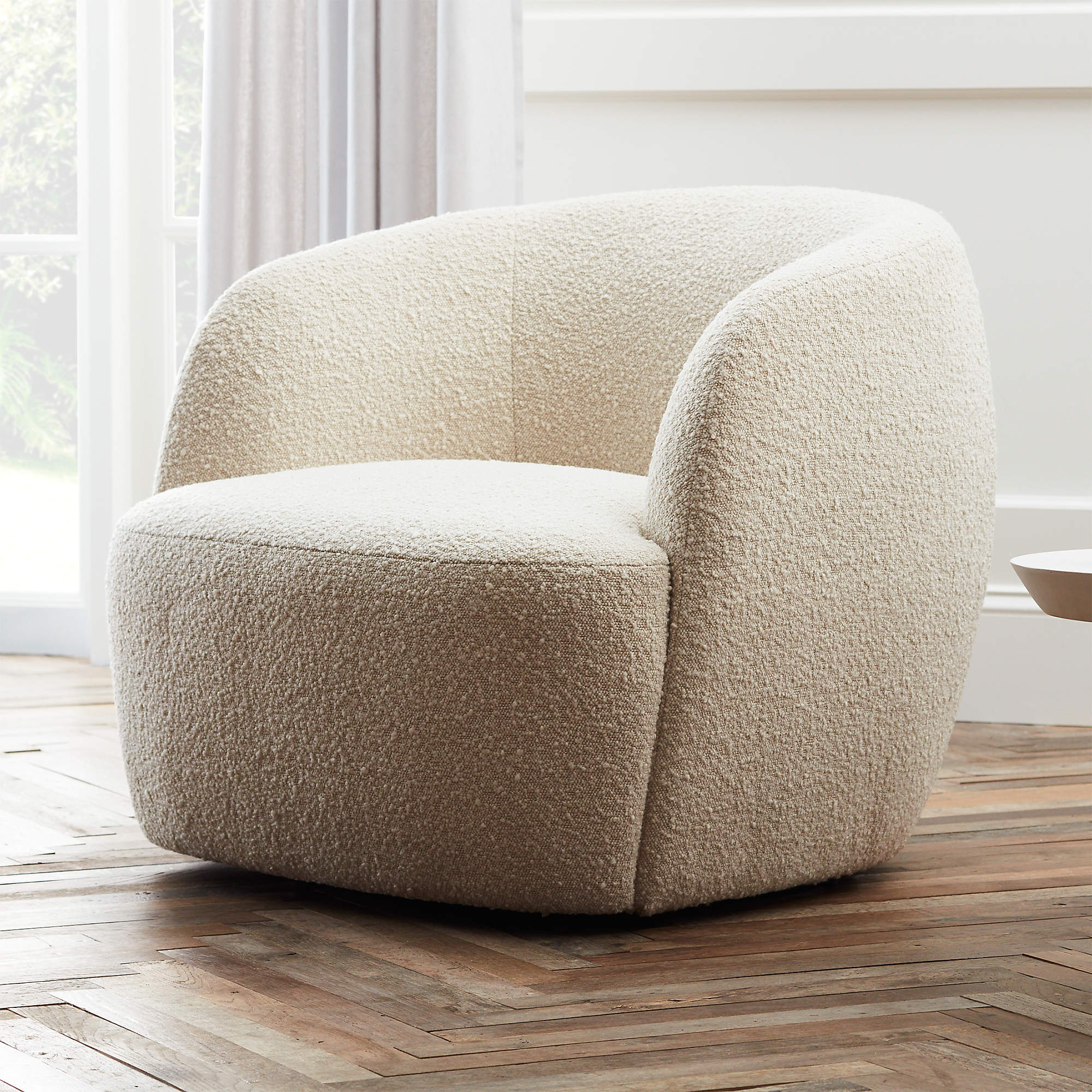
Bouclé, a textured fabric known for its small loops, has experienced a significant resurgence in popularity, particularly in interior design and fashion. This versatile material, whose name derives from the French word for 'curl' or 'loop,' was originally made from looped yarn, typically wool. The loops impart a distinct texture, softness, and bulk to the finished cloth, contributing to its cozy and comforting aesthetic.
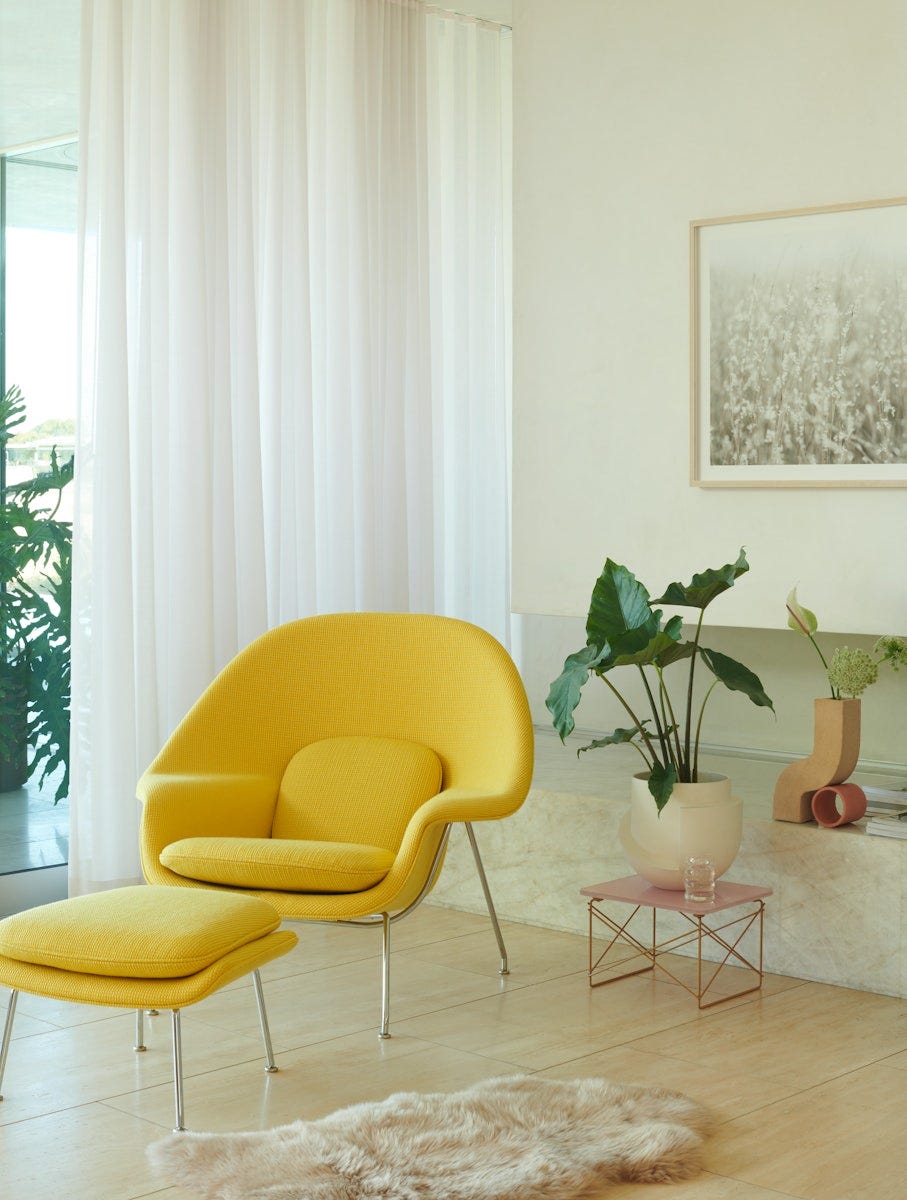
The rise of bouclé can be largely attributed to mid-20th-century design luminaries. Florence Knoll, a pivotal figure in modern furniture design and co-owner of Knoll Associates, played a crucial role in elevating bouclé's status. Knoll, known for her uncompromising approach to design and her philosophy of creating rather than merely decorating spaces, sought a fabric that combined softness with durability. Her collaboration with Eero Saarinen, a childhood friend and frequent design partner, led to the creation of the iconic 'Womb' chair in the mid-1940s. Saarinen designed the chair to be a deep, inviting seat, allowing individuals to 'curl up' comfortably, a concept that perfectly aligned with the tactile qualities of bouclé.
The 'Womb' chair was upholstered in Knoll's 'Classic Bouclé,' and both the chair and the fabric achieved immediate success. The fabric's soft texture and hard-wearing practicality made it an ideal choice for residential and commercial settings. Its inherent charm and functionality positioned it as a staple in contemporary design.
Beyond interiors, bouclé soon captured the attention of the fashion world. Gabrielle Chanel, a pioneer in modern fashion, had already been experimenting with textured woolen fabrics like tweed since the 1930s. Two decades later, she incorporated bouclé into her collections, creating the distinctive boxy jackets and suits that became, and continue to be, symbols of chic elegance. This crossover into high fashion further cemented bouclé's reputation as a sophisticated and desirable material.
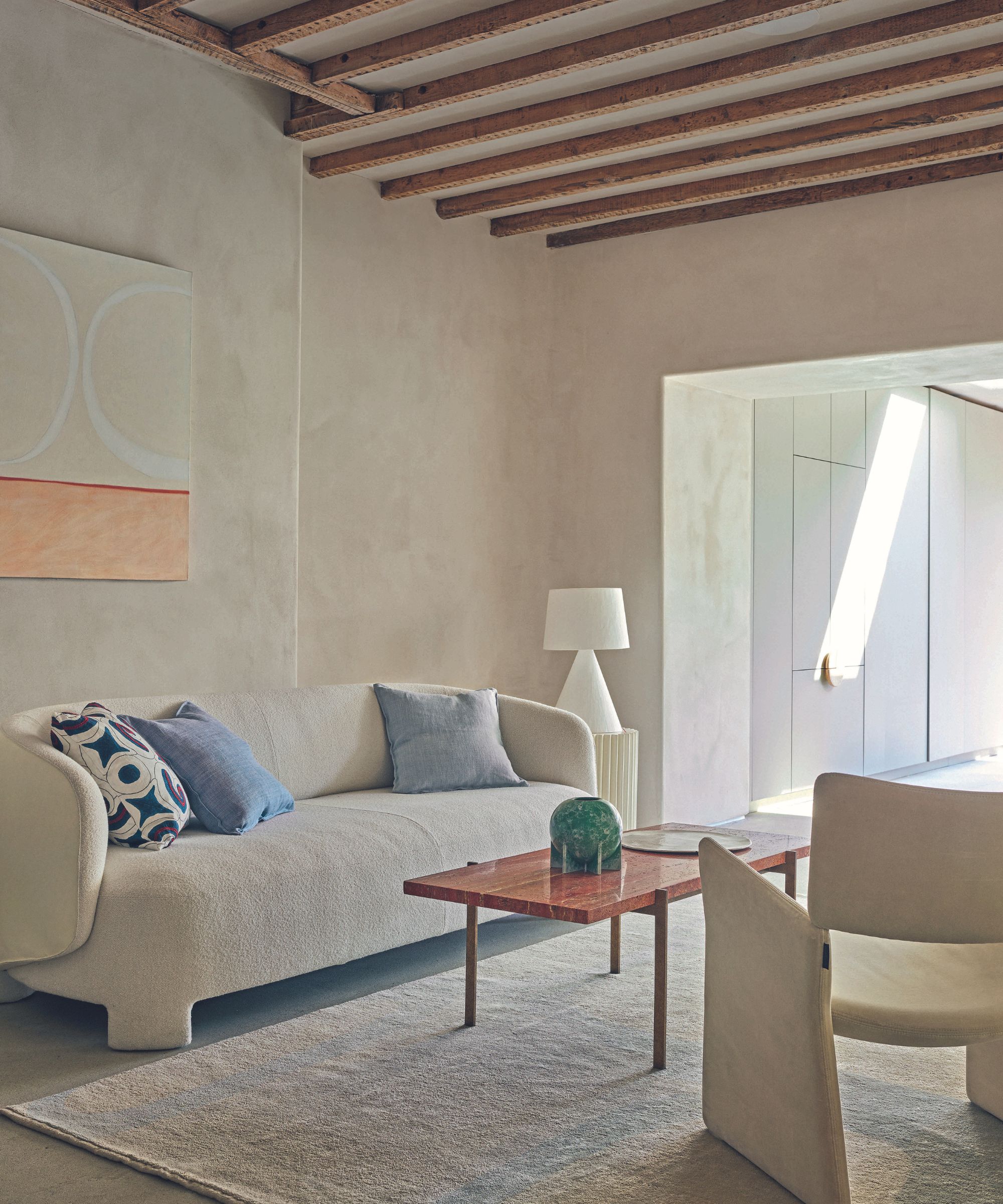
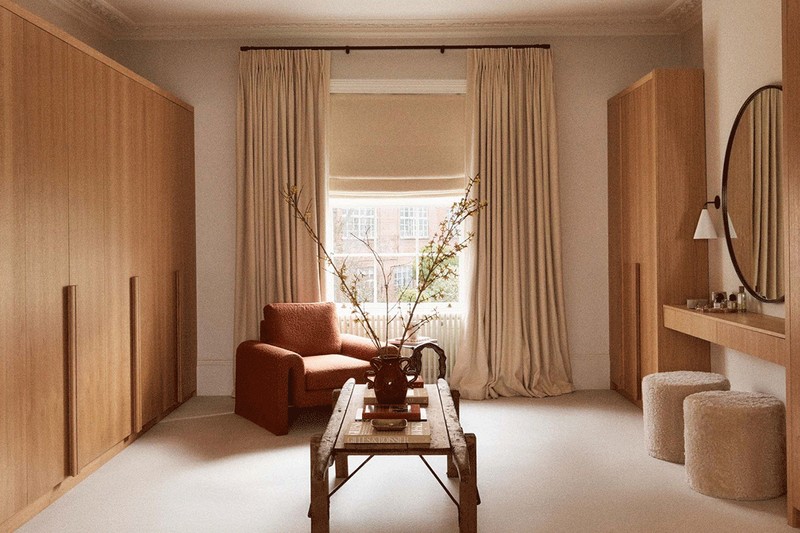
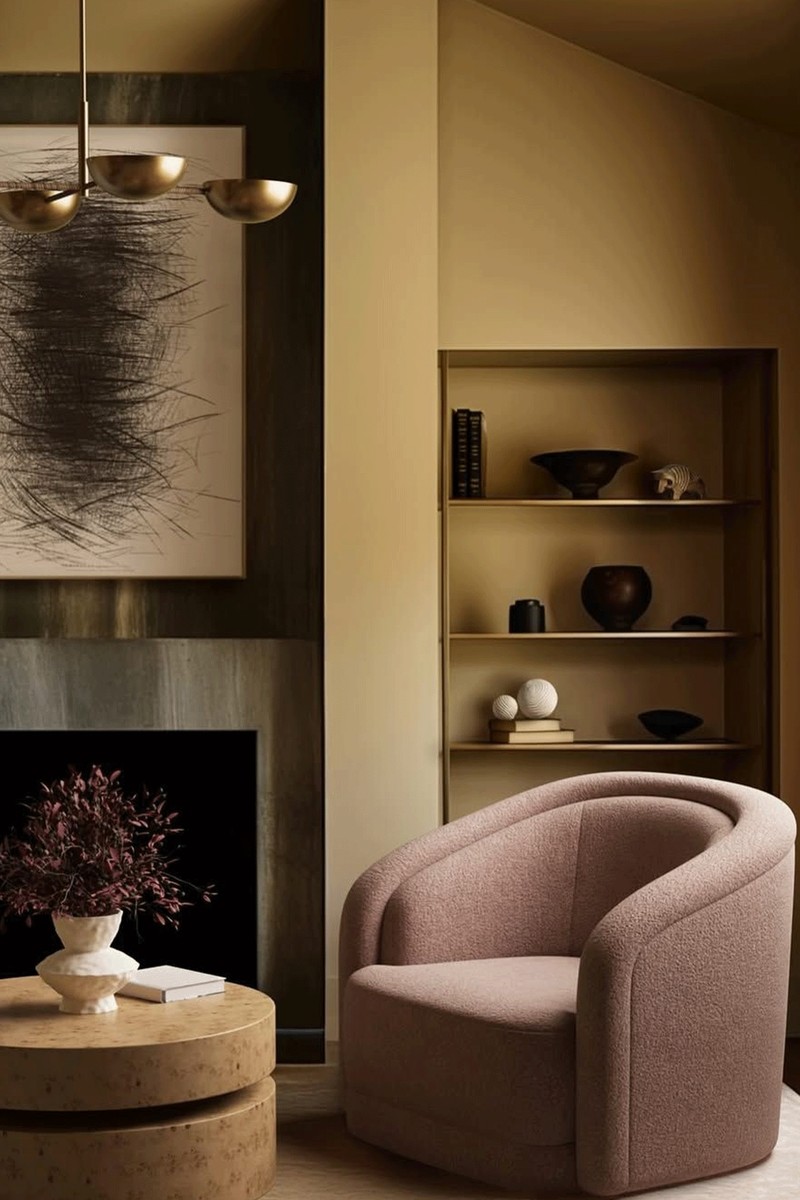
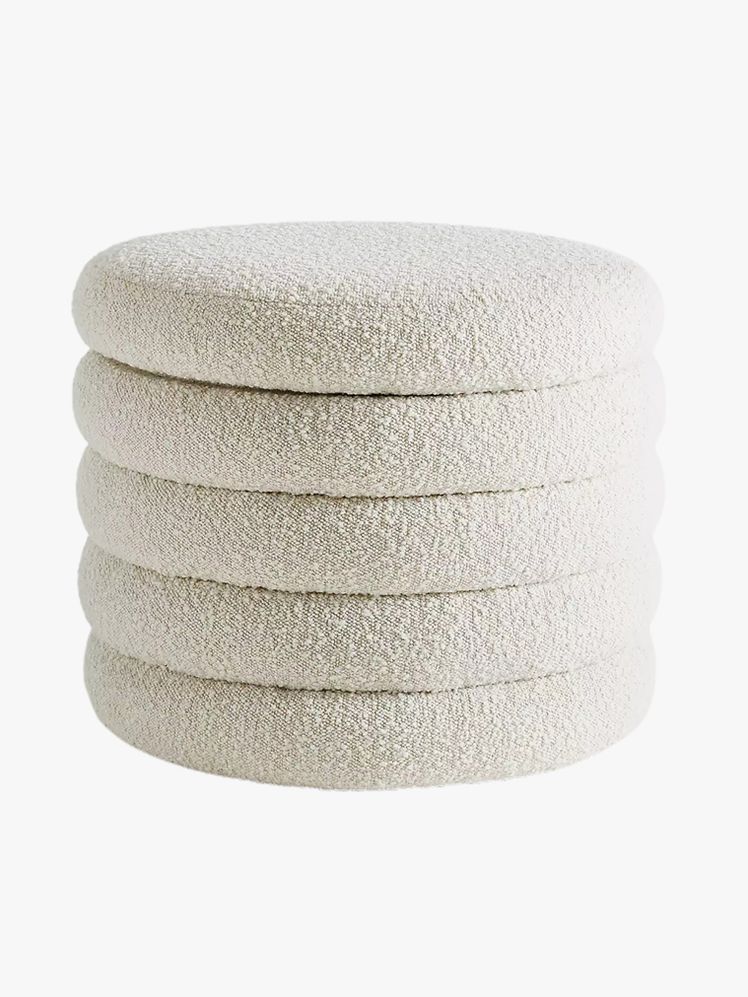
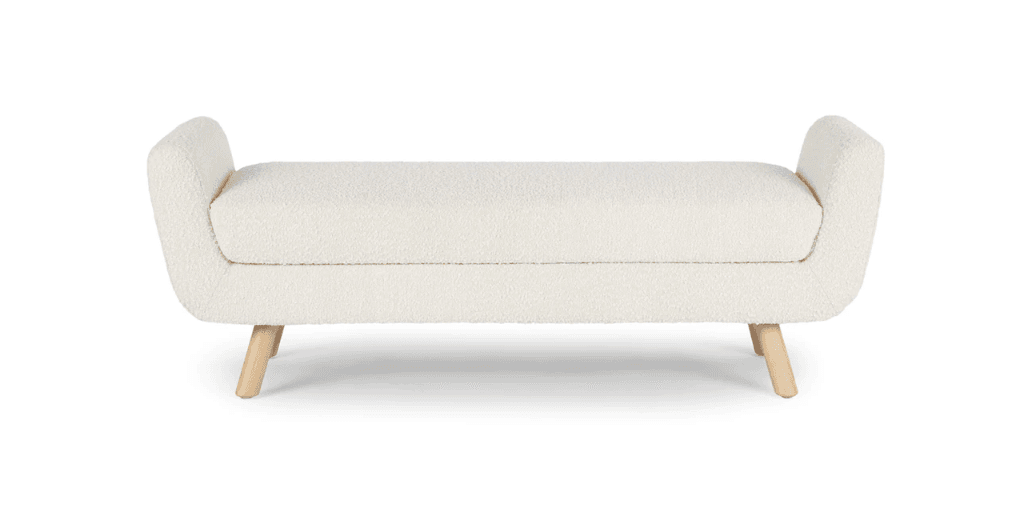
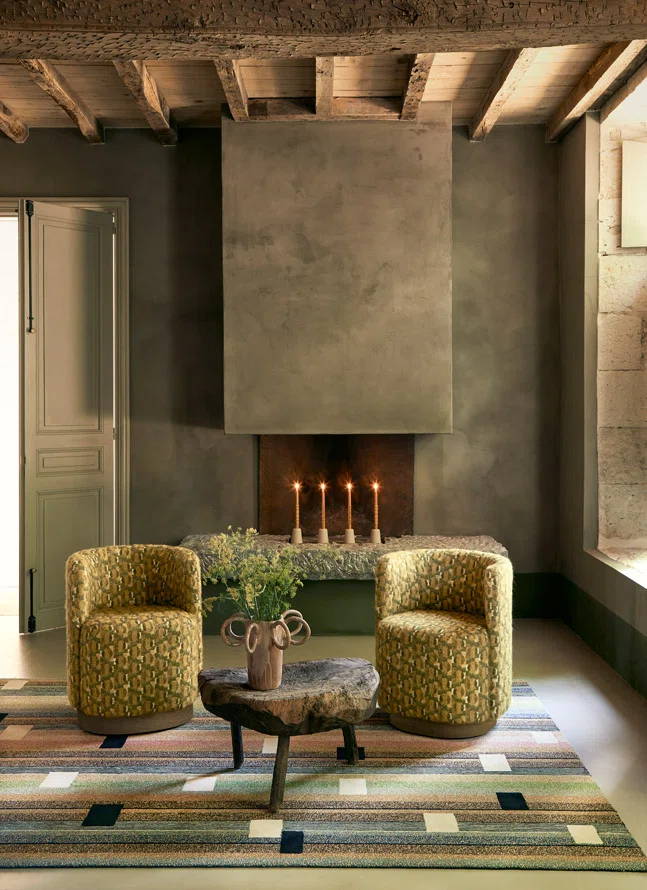
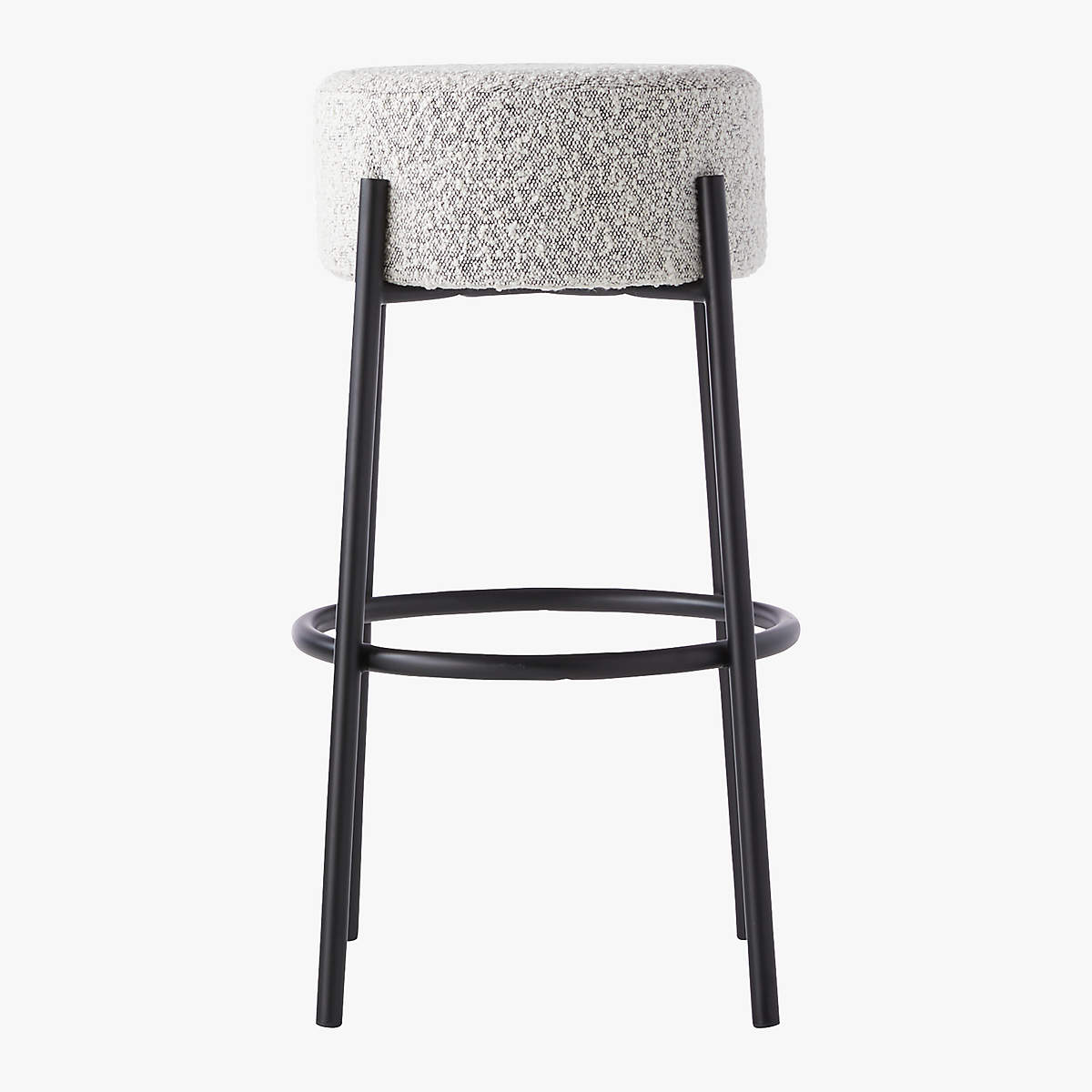
The current renewed interest in bouclé is closely linked to the enduring popularity of mid-century modern design. Over the past five years, luxury textile firms such as Dedar have introduced collections dedicated to this tactile fabric. Furthermore, leading furniture designers like Levi Christiansen, Royal Stranger, and Raf Simons for Kvadrat have integrated bouclé into their new furniture ranges. The fabric's ability to add texture, visual interest, and comfort to interiors has contributed to its sustained appeal.
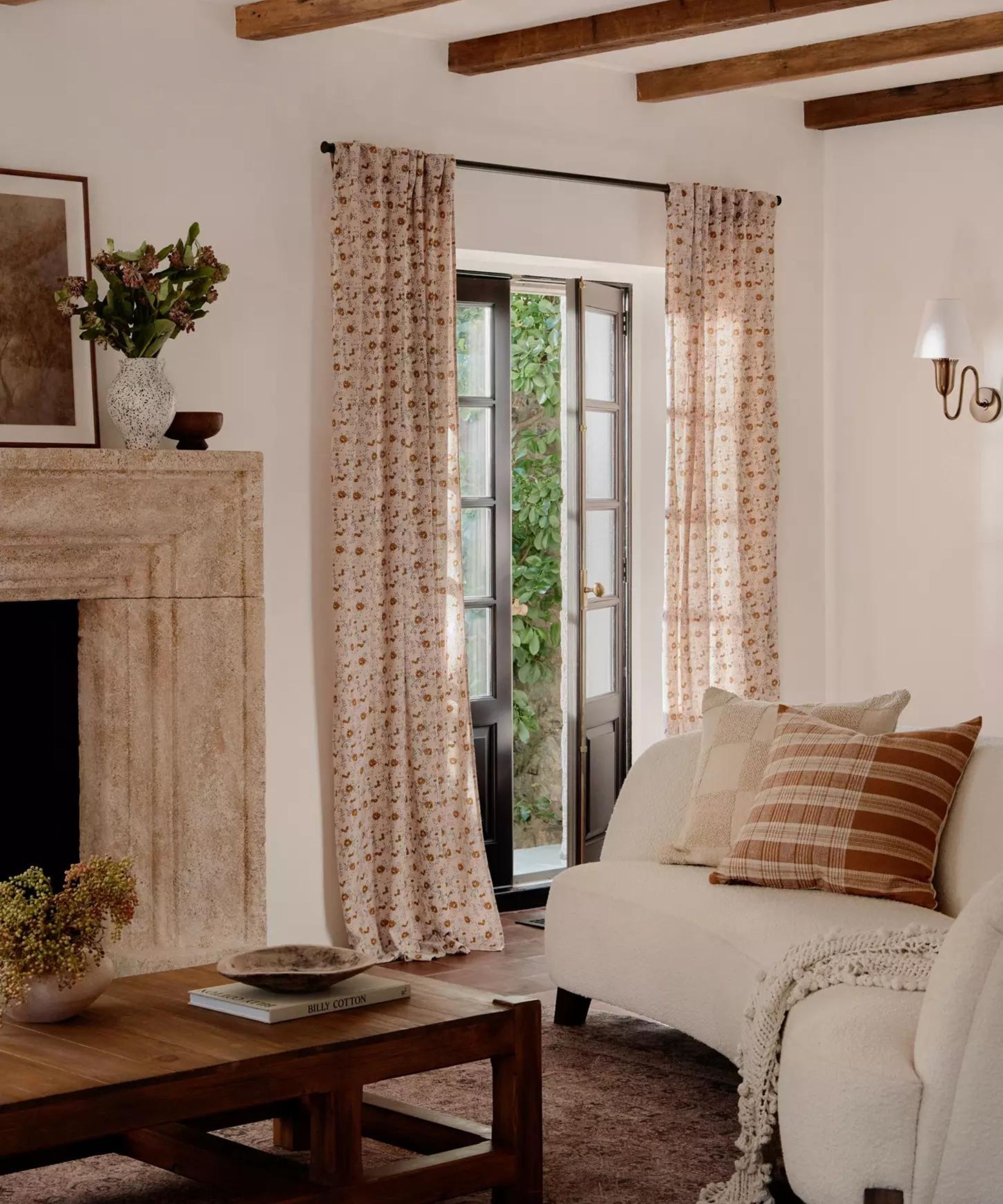
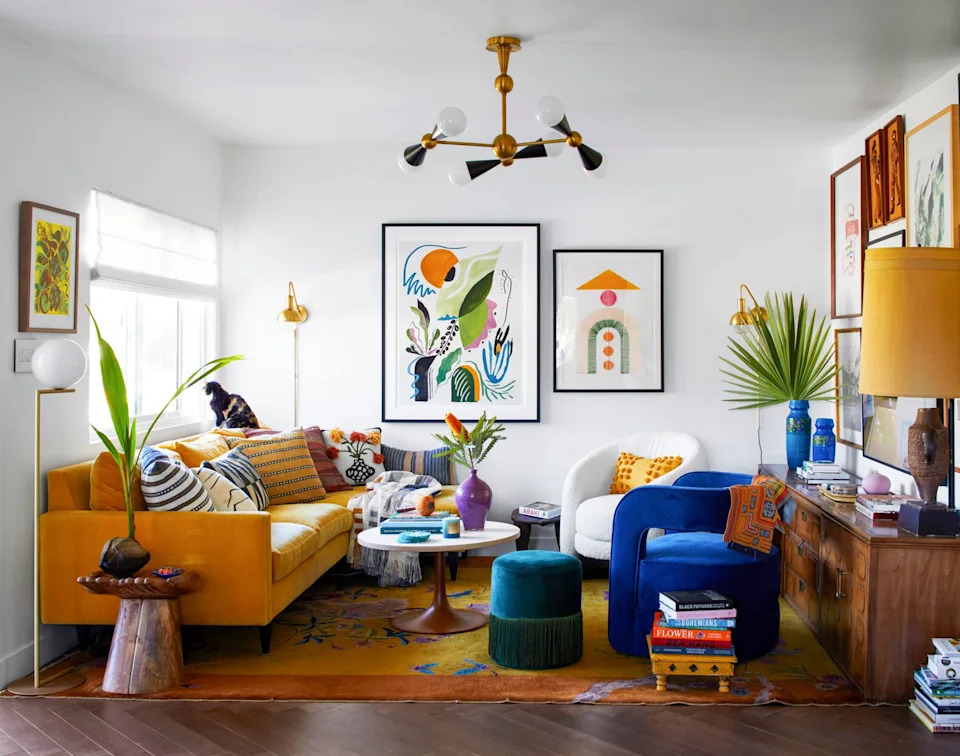
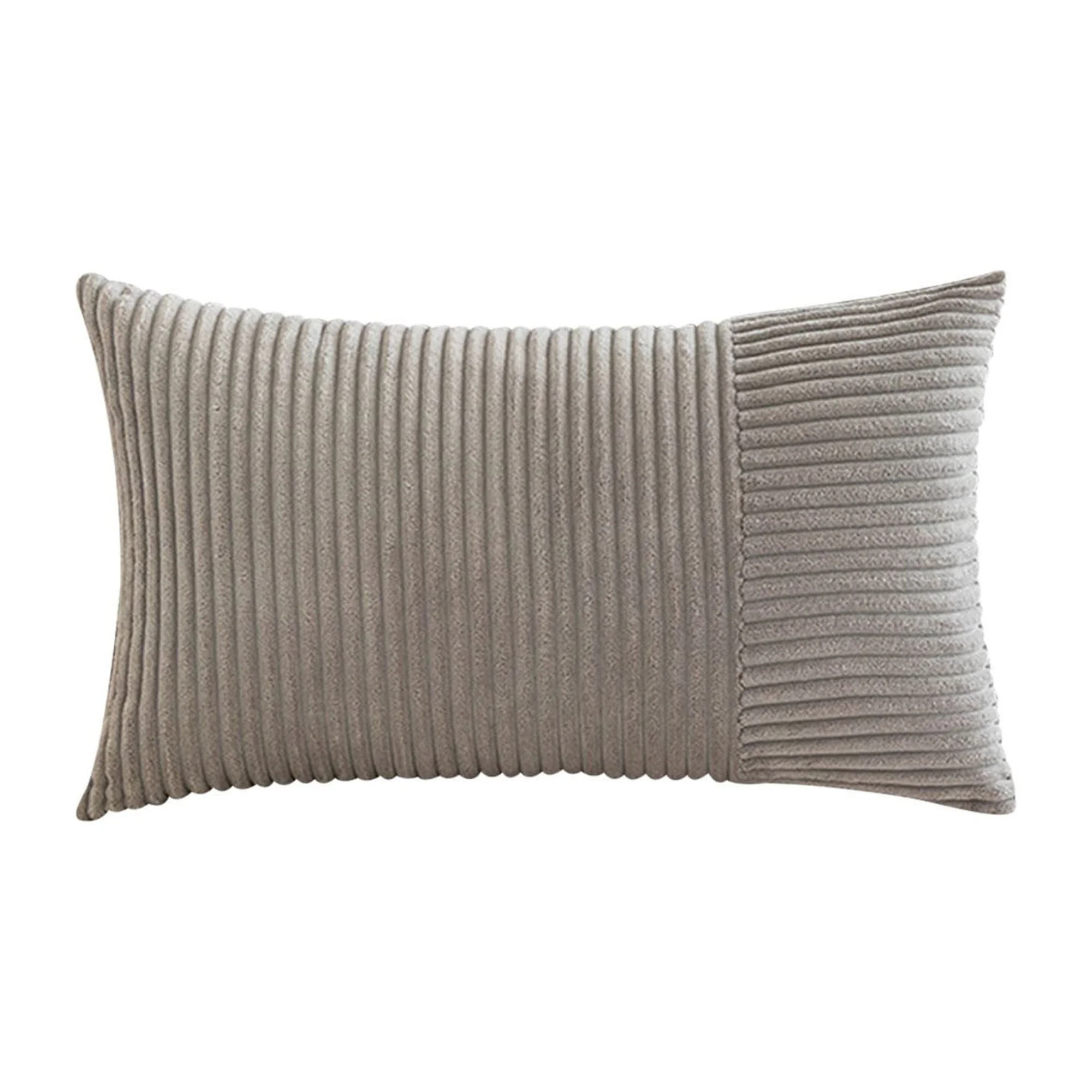
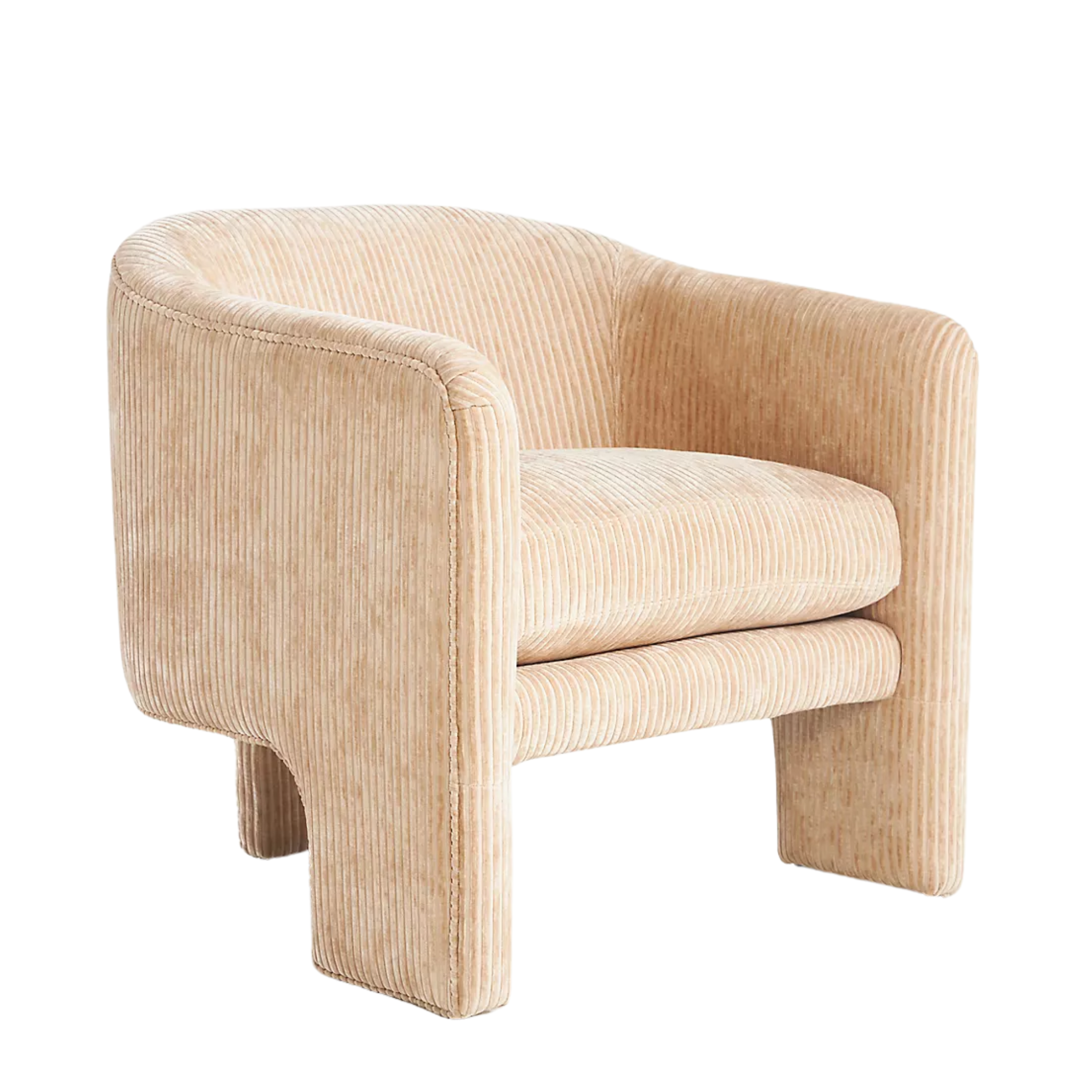
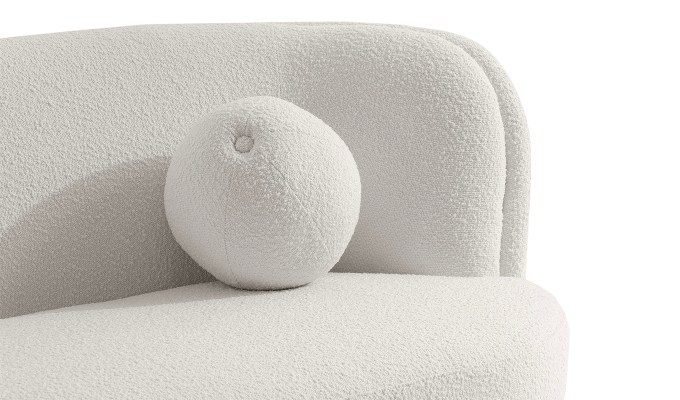
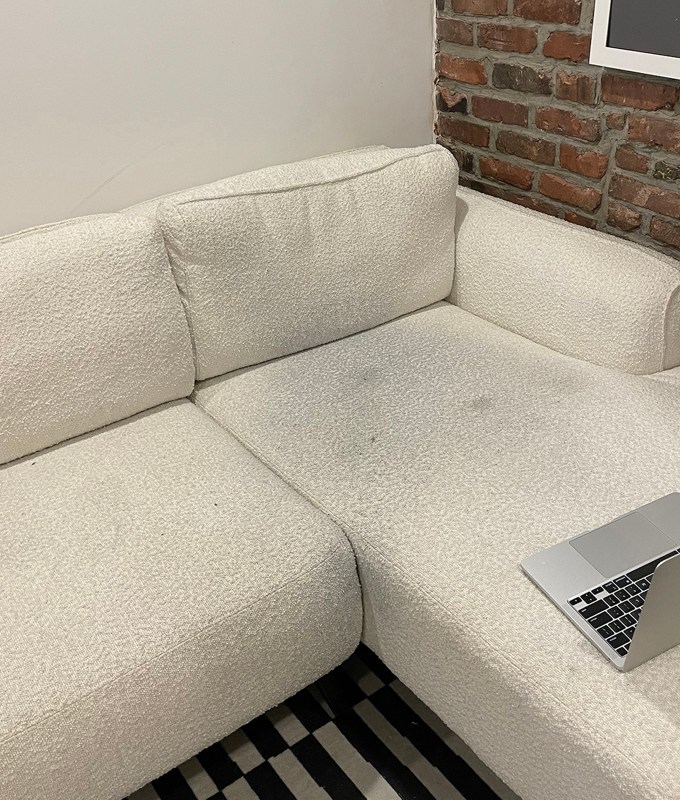
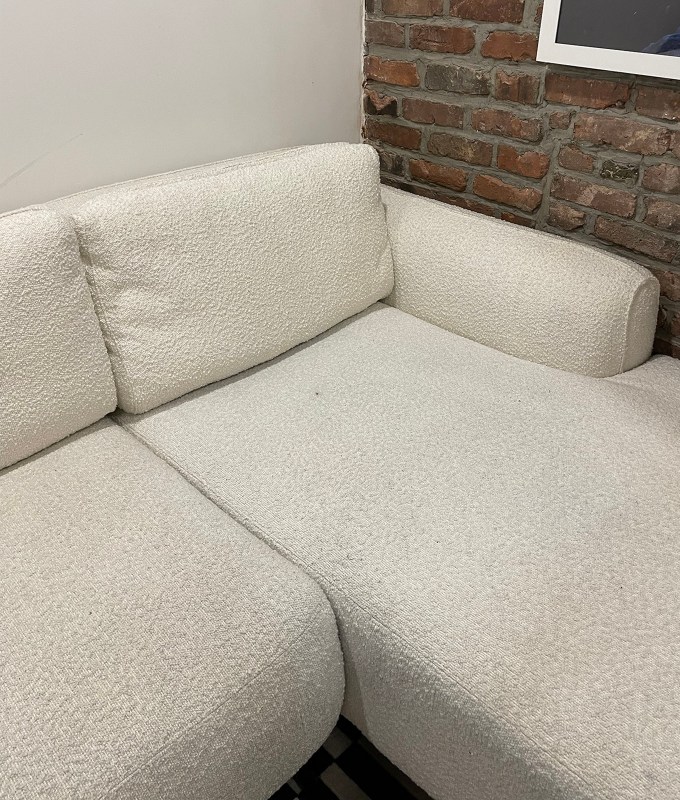
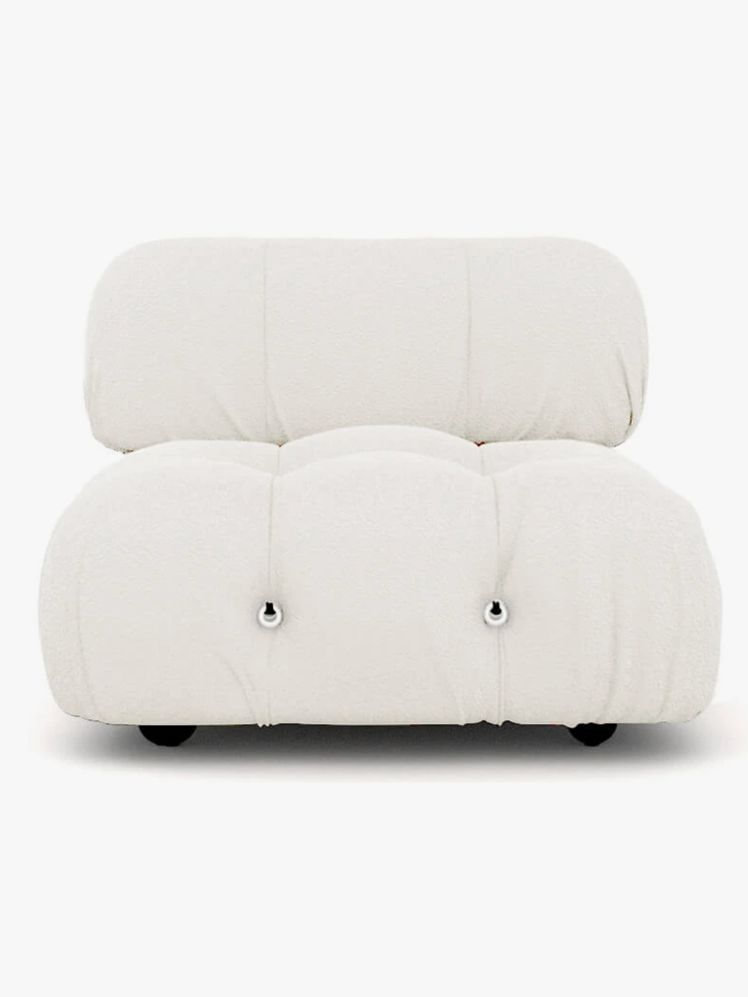
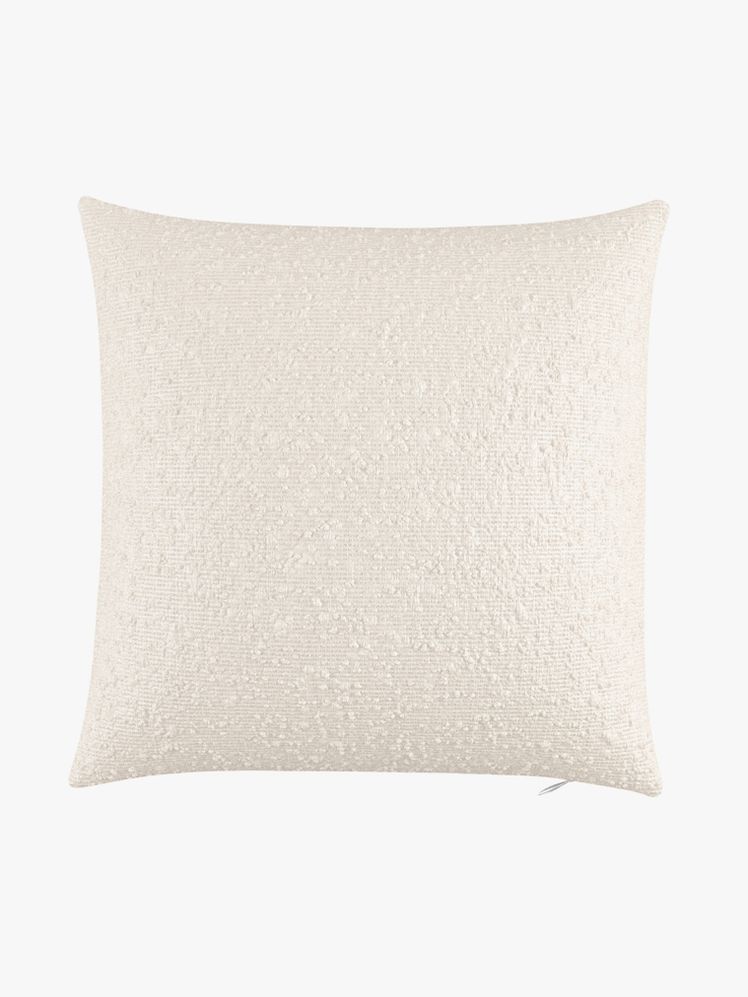
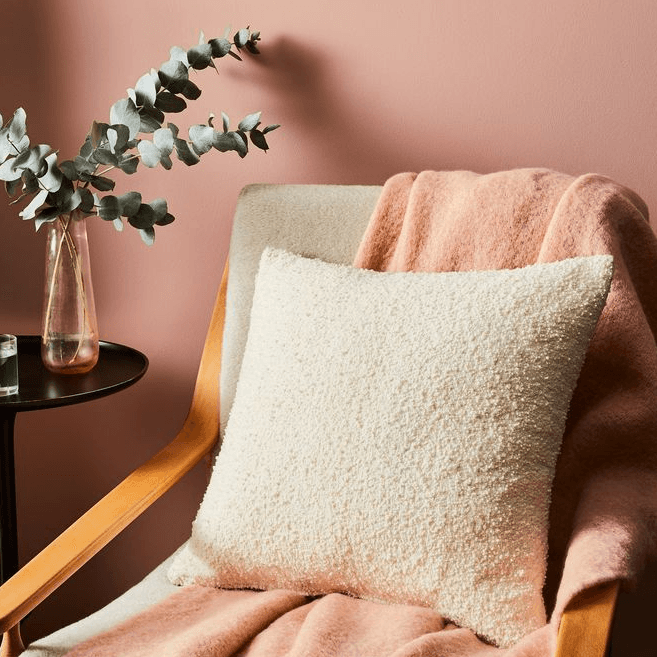

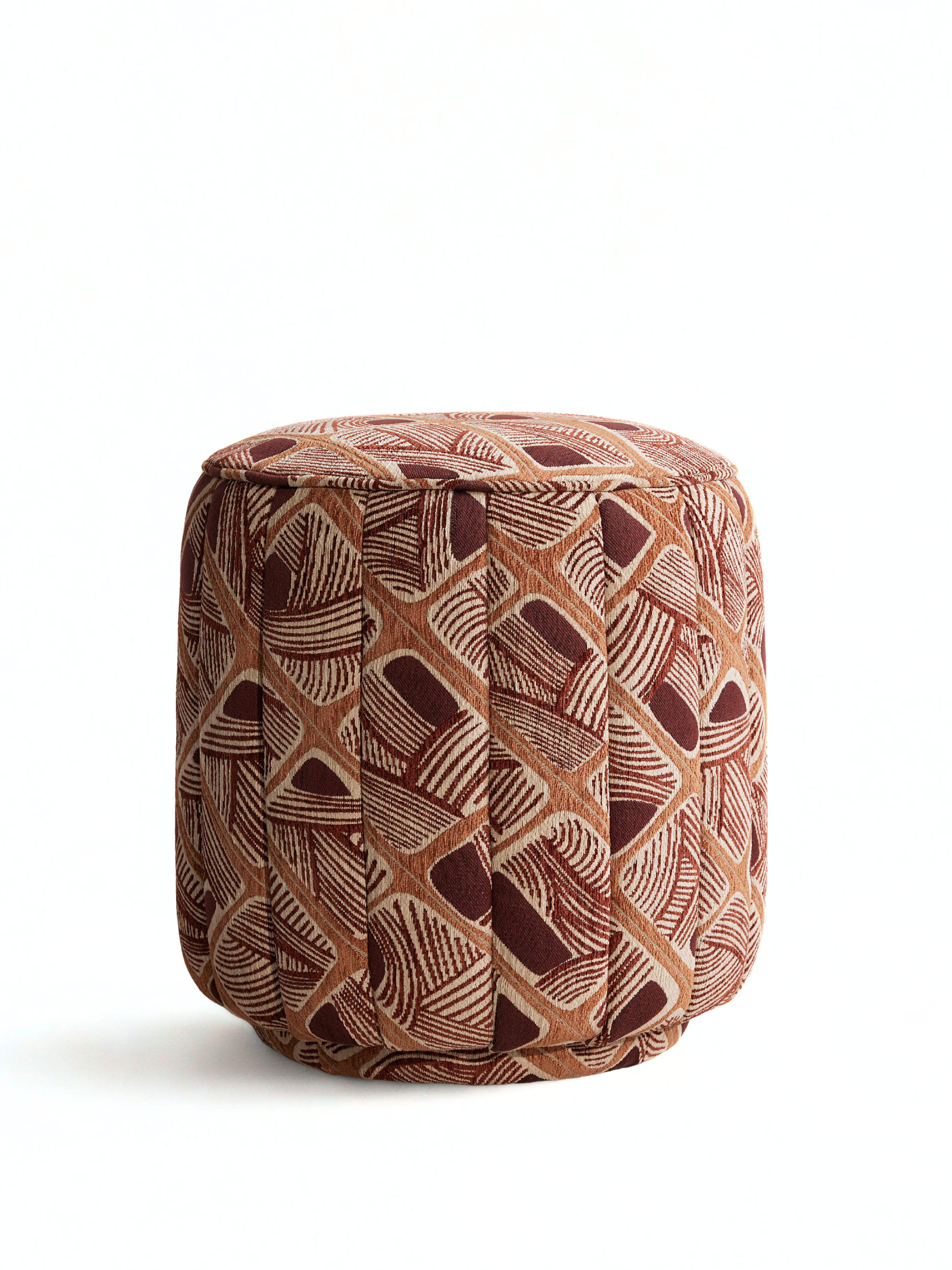
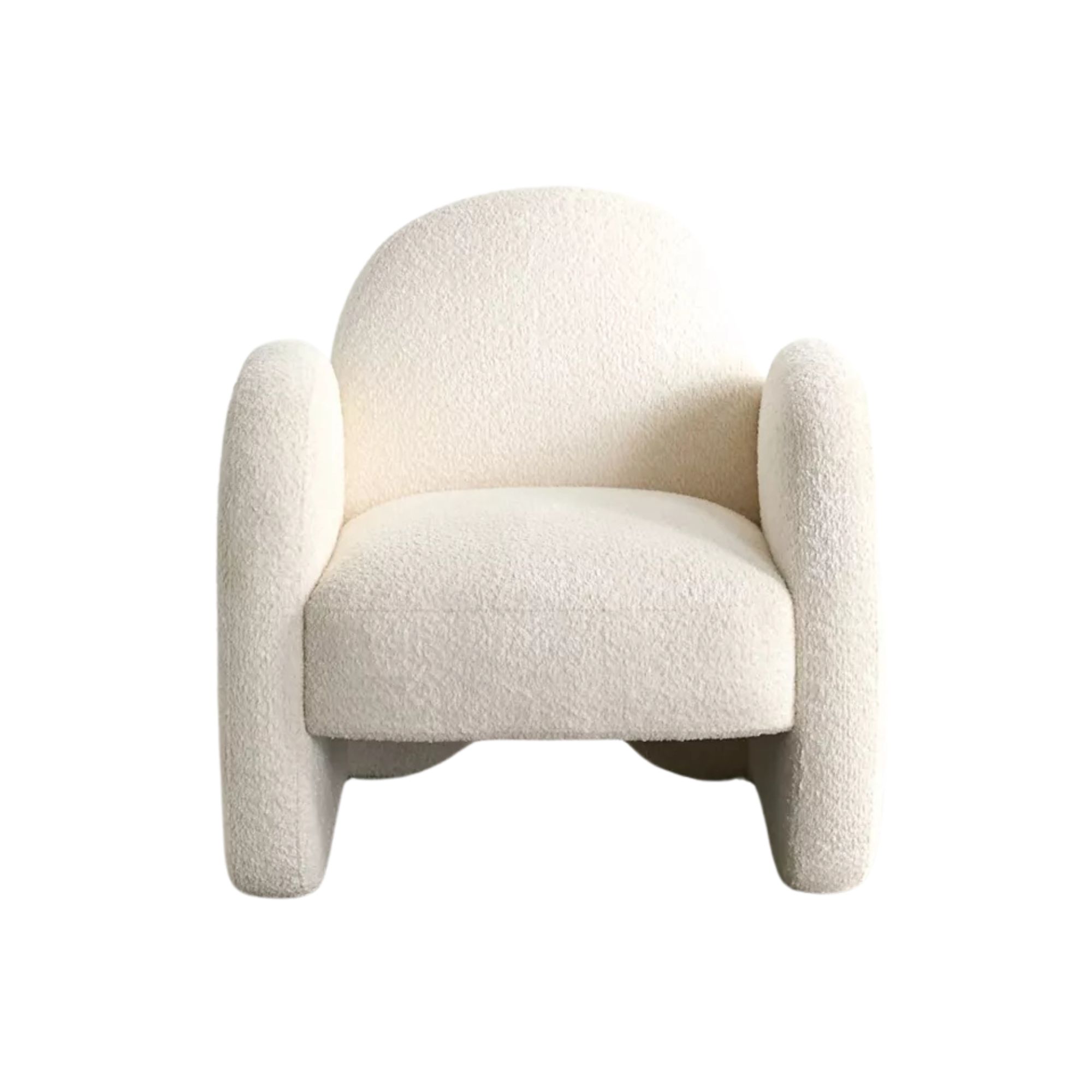
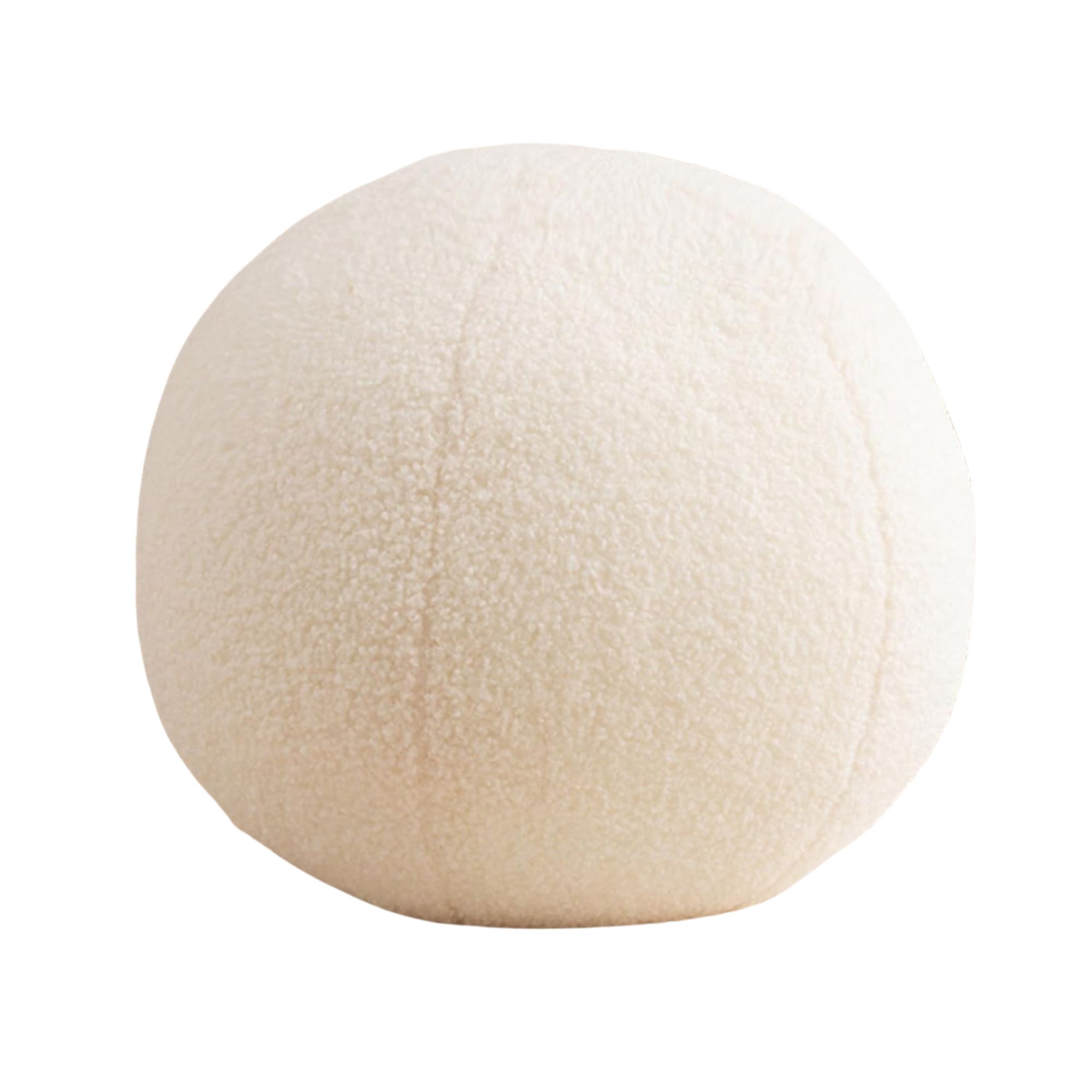
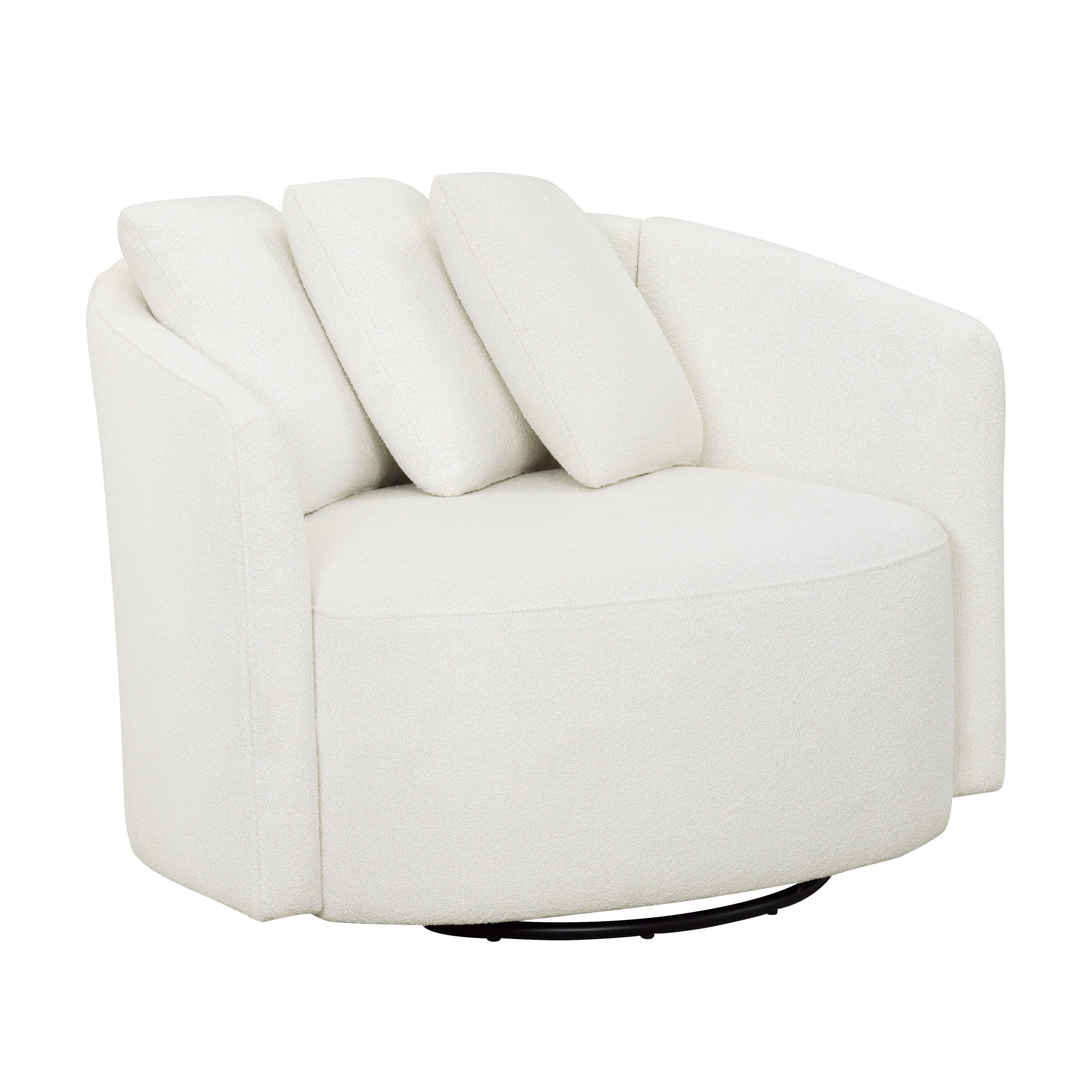
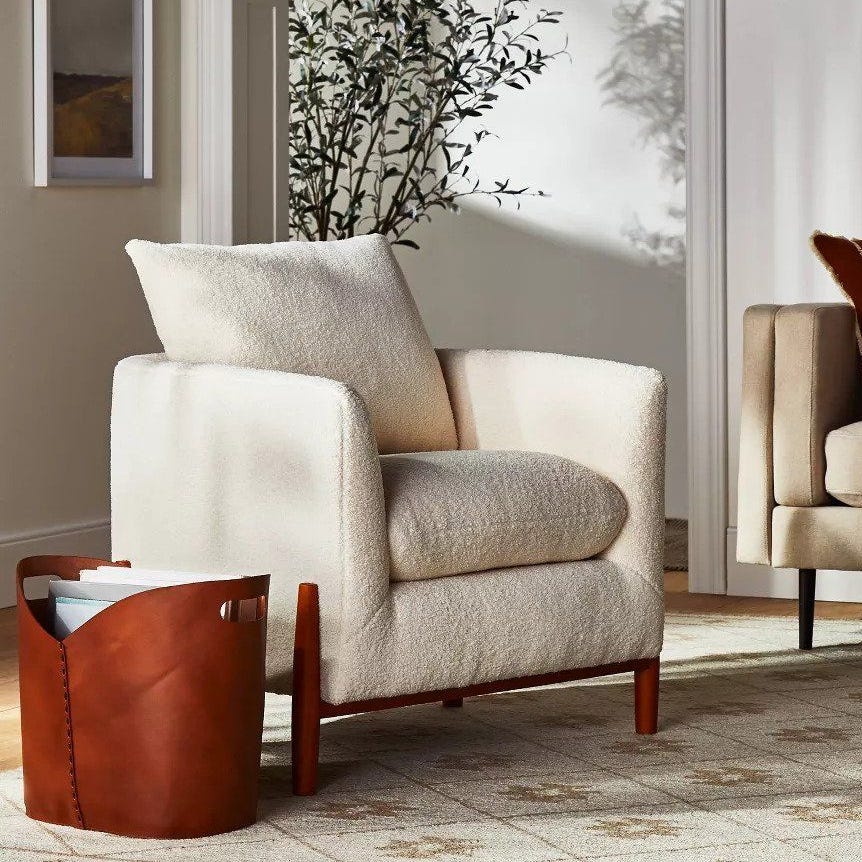
Bouclé's versatility allows it to be used in various applications, from subtle accents to prominent furniture pieces. It can be featured in cushions, such as those made from Lelièvre's 'Kosi' or 'Lama' fabrics, or it can serve as upholstery for larger items like chairs and sofas, exemplified by B&B; Italia’s 'Tortello' chair designed by Barber Osgerby. Its tactile nature and aesthetic appeal ensure its continued relevance in contemporary design, making it a favorite among designers and homeowners alike.
#BoucleFabric #InteriorDesign #TextileHistory #MidCenturyModern #FlorenceKnoll #EeroSaarinen #WombChair #FashionInfluence #TexturedFabrics #BoucleFabric #InteriorDesign #TextileHistory #MidCenturyModern #FlorenceKnoll #EeroSaarinen #WombChair #FashionInfluence #TexturedFabrics
0 comment in total
 No comments yet
You may also like
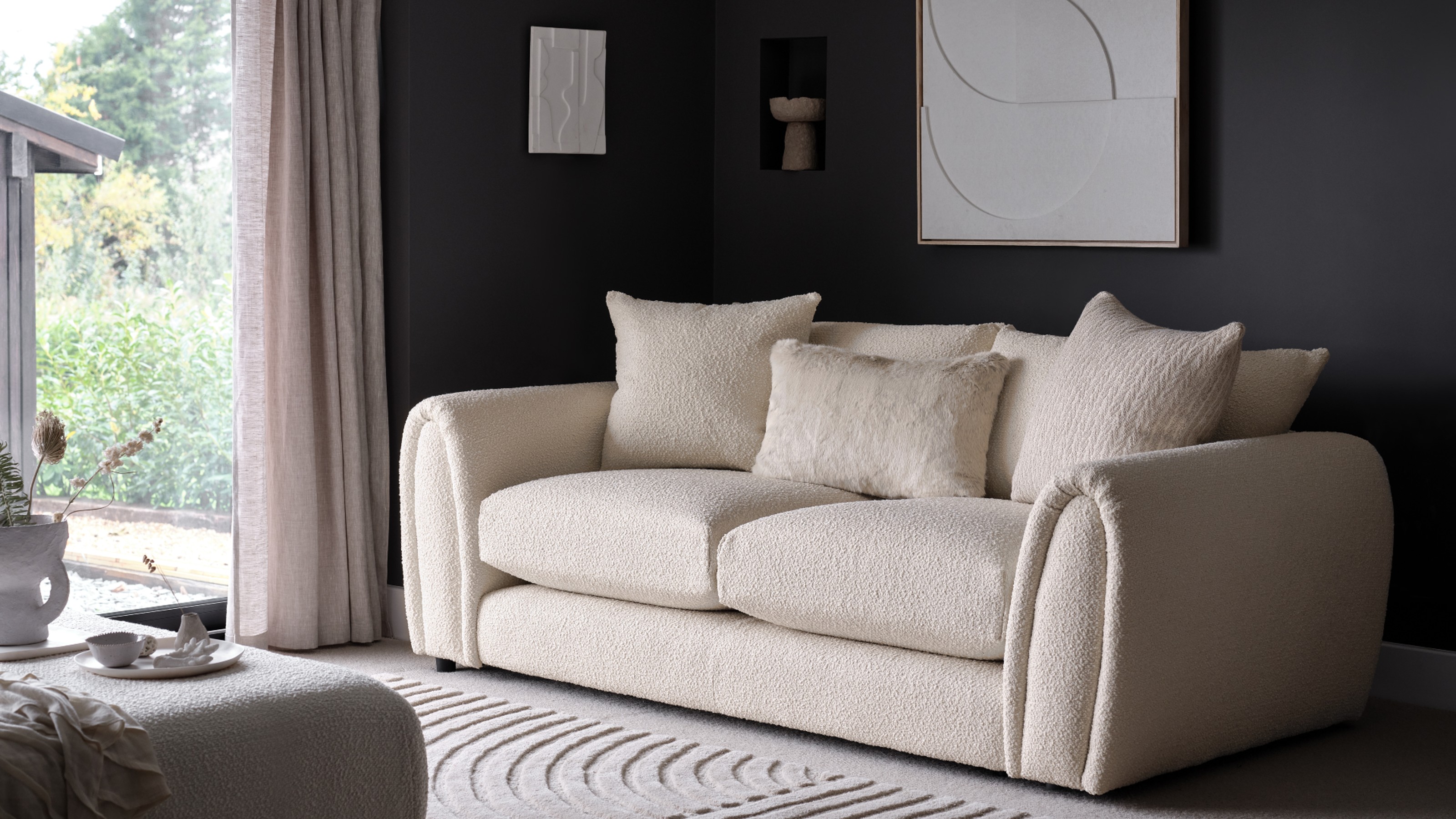
Should you still invest in boucle furniture? We asked the experts

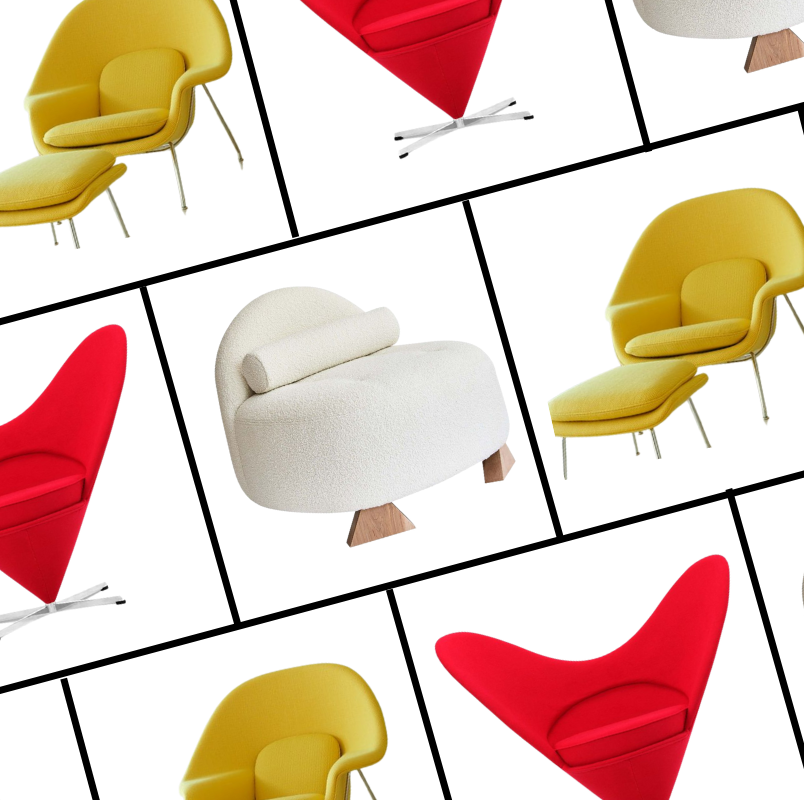
Bouclé Is the Star of the Summer: Here Are the 10 Best Chairs You Can Get in This Material
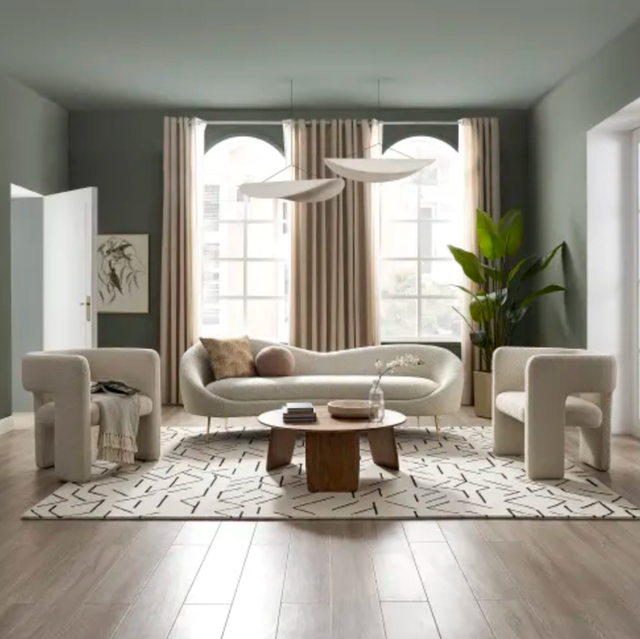
9 Bouclé Accent Chairs That'll Command the Attention in Your Living Room With Style
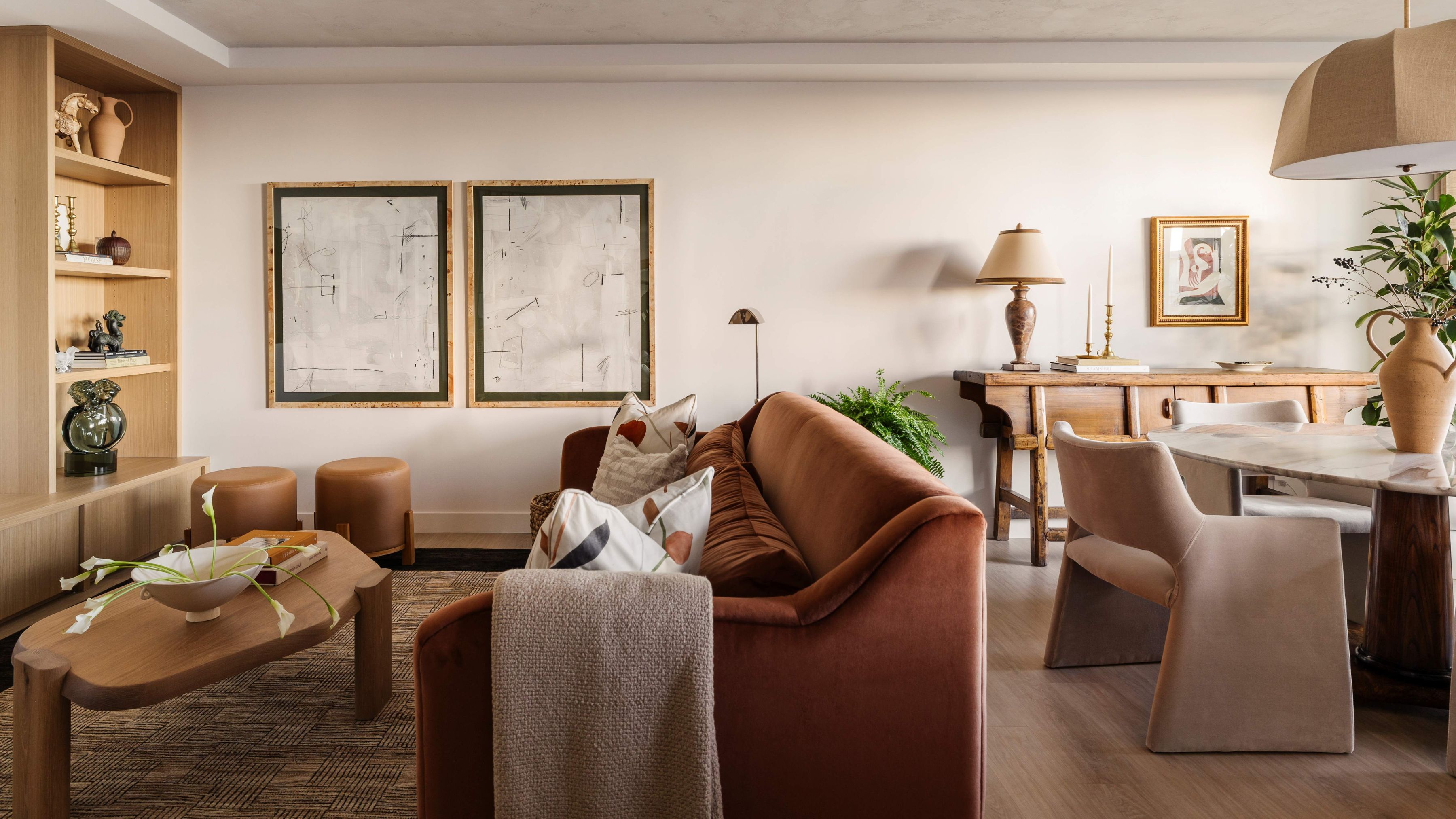
Think Bouclé Is Overdone? These Are the Just-as Cozy Fabrics the World's Best Designers Are Using Instead

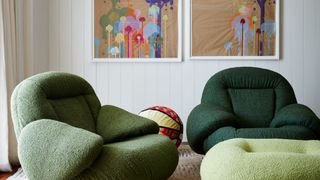
Bouclé Fabric Is Back

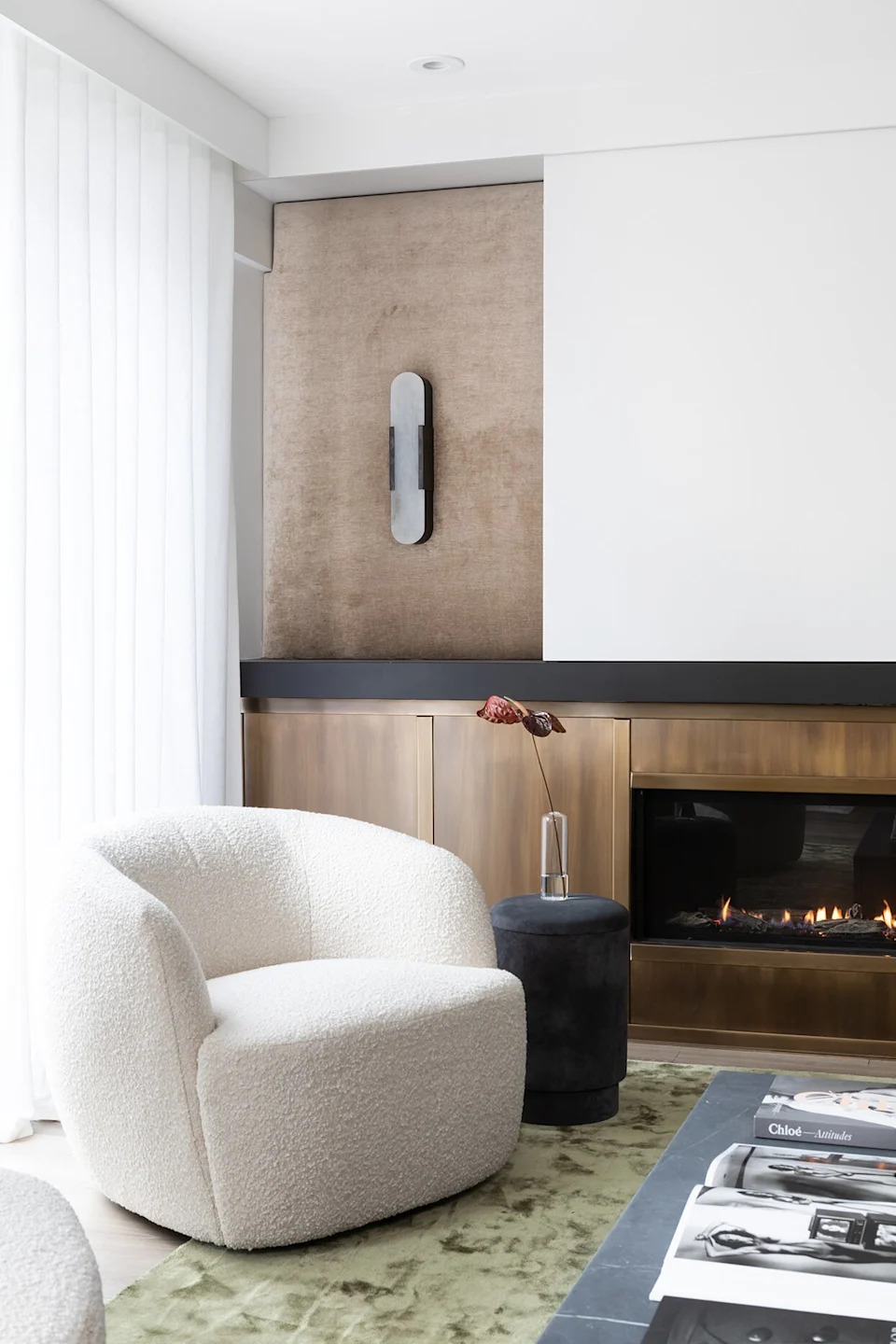
5 Gorgeous Ways to Decorate with Bouclé Furniture and Home Accessories
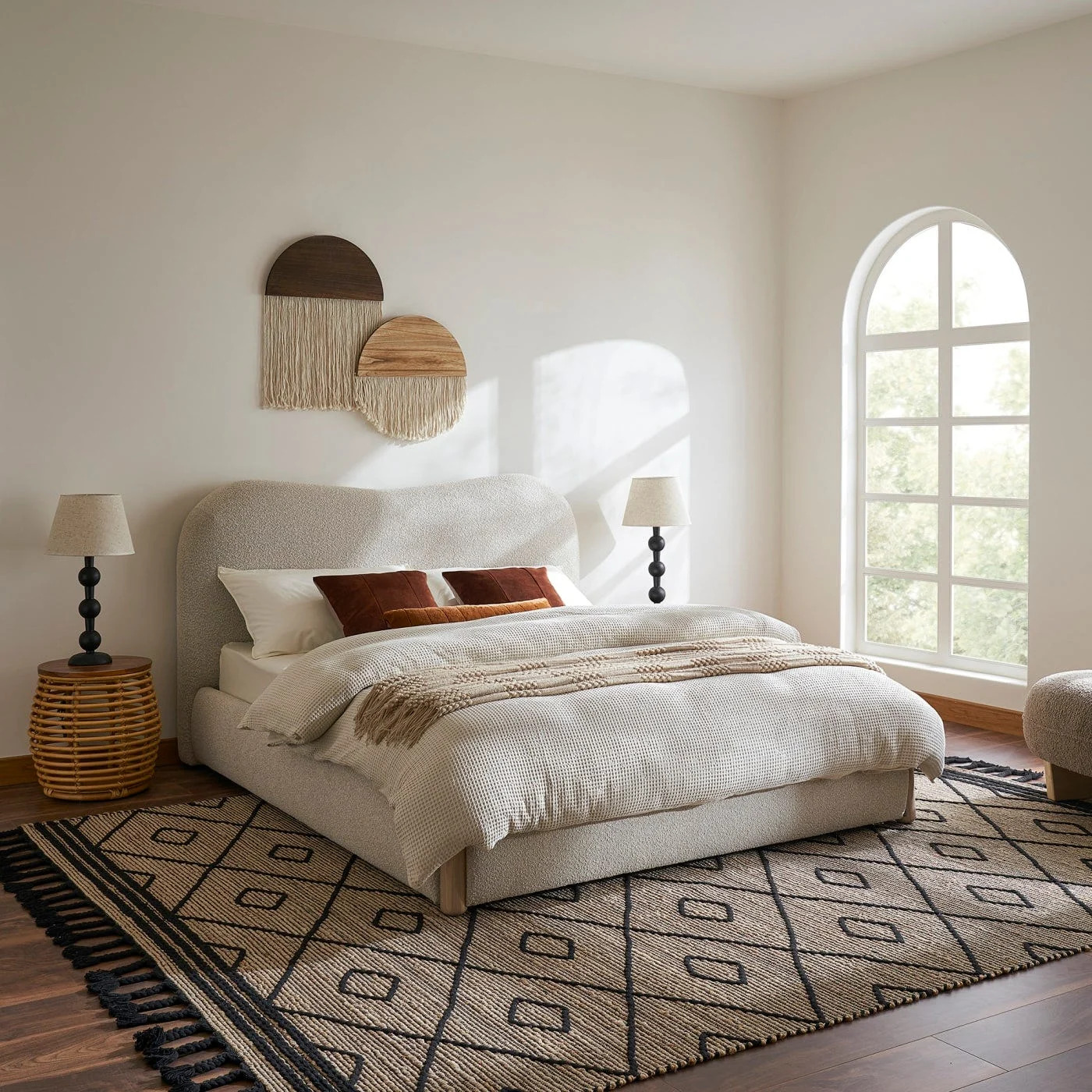
These Bouclé Bed Frames Are Nancy Meyers-Approved

Will Bouclé Sofas Be Out of Style in 2025? This Designer Thinks the Teddy Texture is "Overdone" — Here's Why
What's replacing bouclé? We asked designers if this much-loved fabric is going out of style

Everything You've Ever wanted to Know About Bouclé Fabric

Is a Bouclé Sofa Worth it? Here's What You Should Know Before Buying
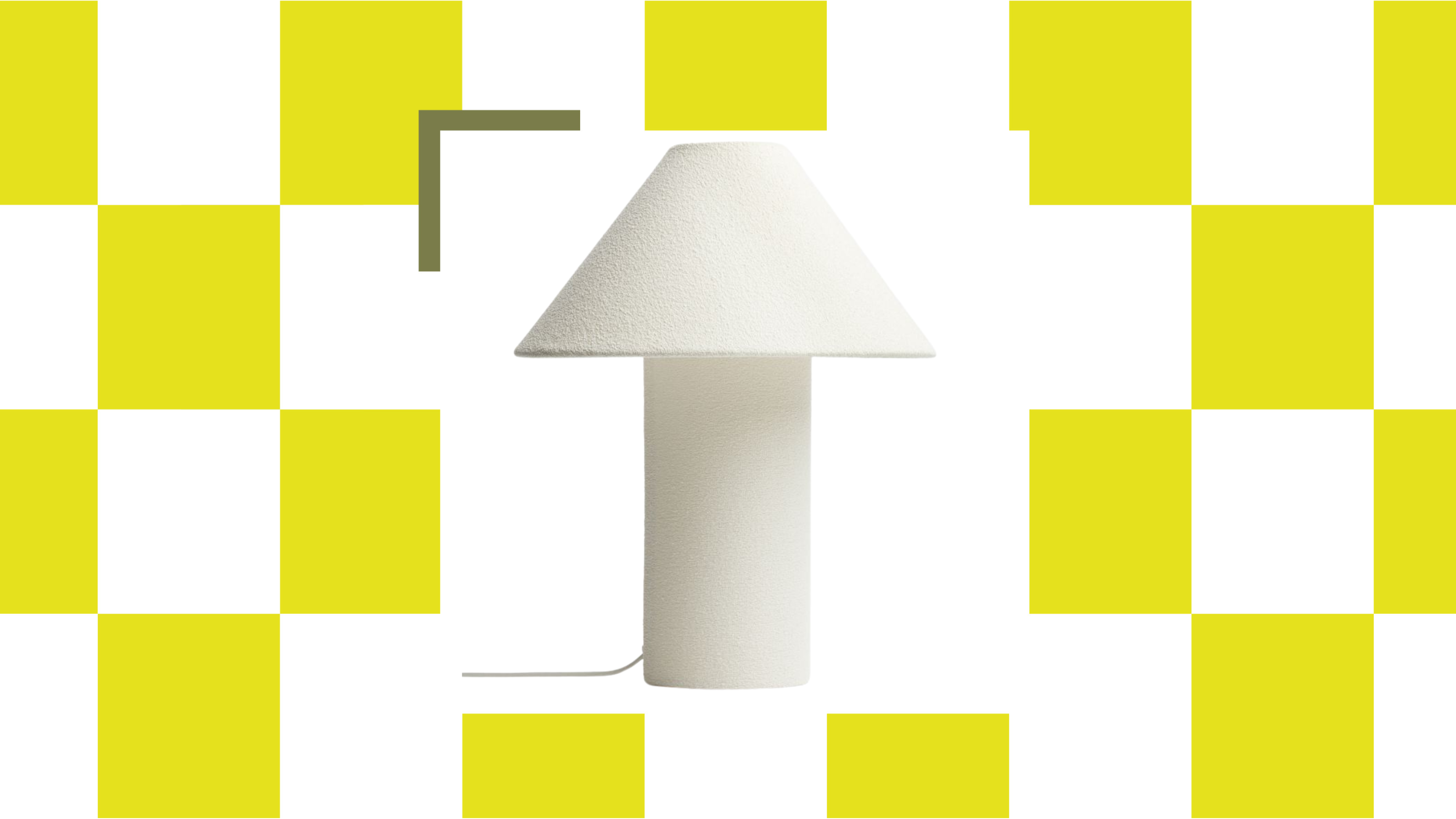
Every 'Quiet Luxury' Devotee I Know Is Buying This Beautiful Bouclé Lamp From H&M Home

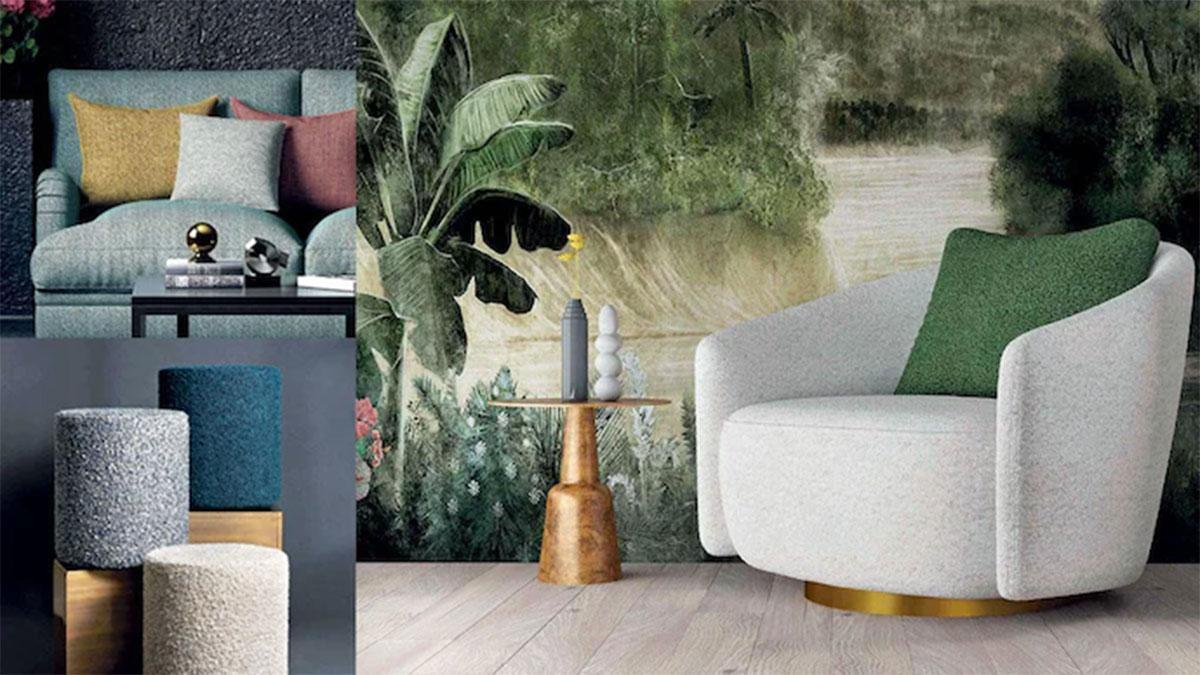
Bouclé, the cosy-chic fabric, is back and how
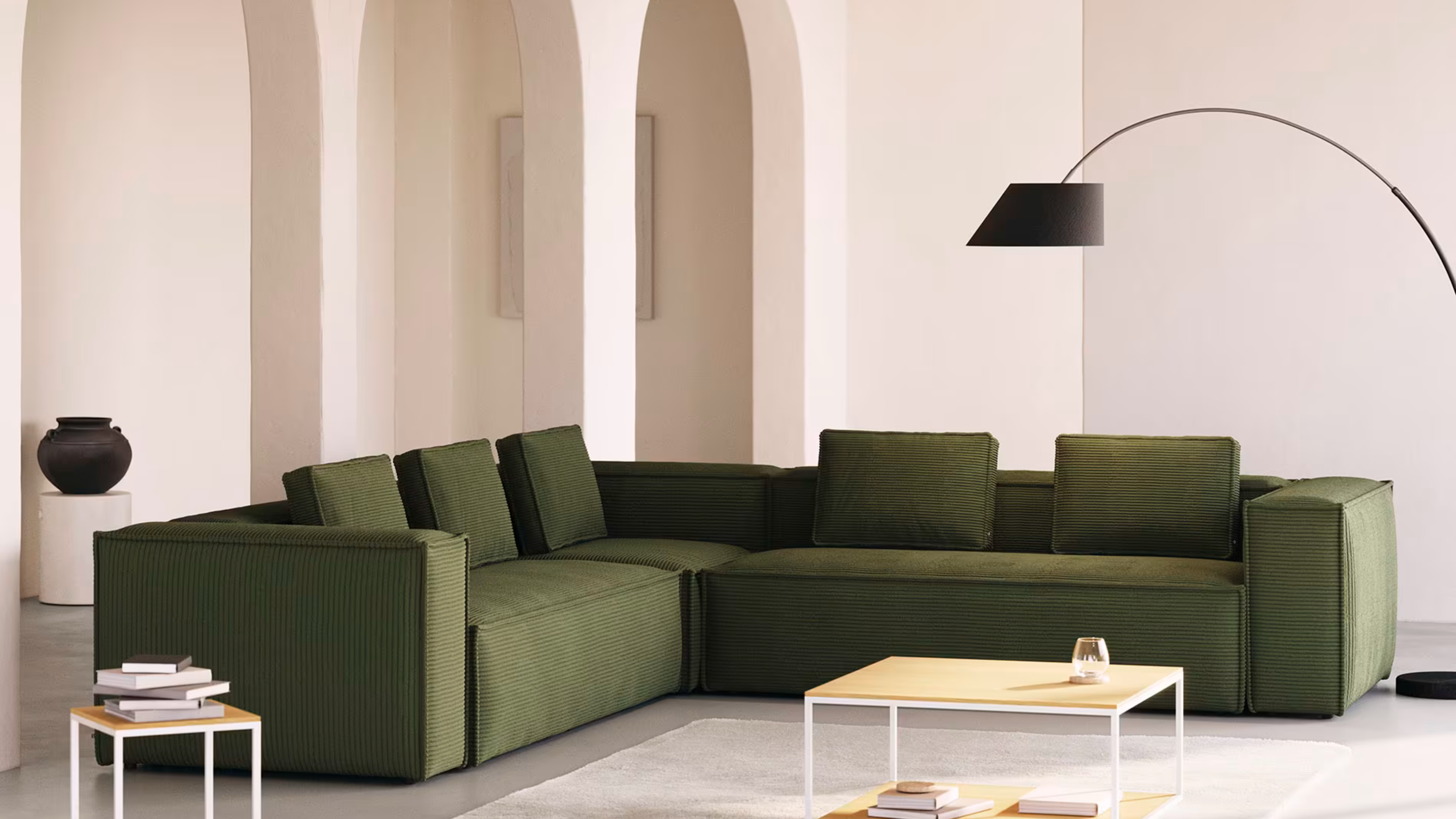
Bouclé vs Corduroy — What's the Difference and How To Pick
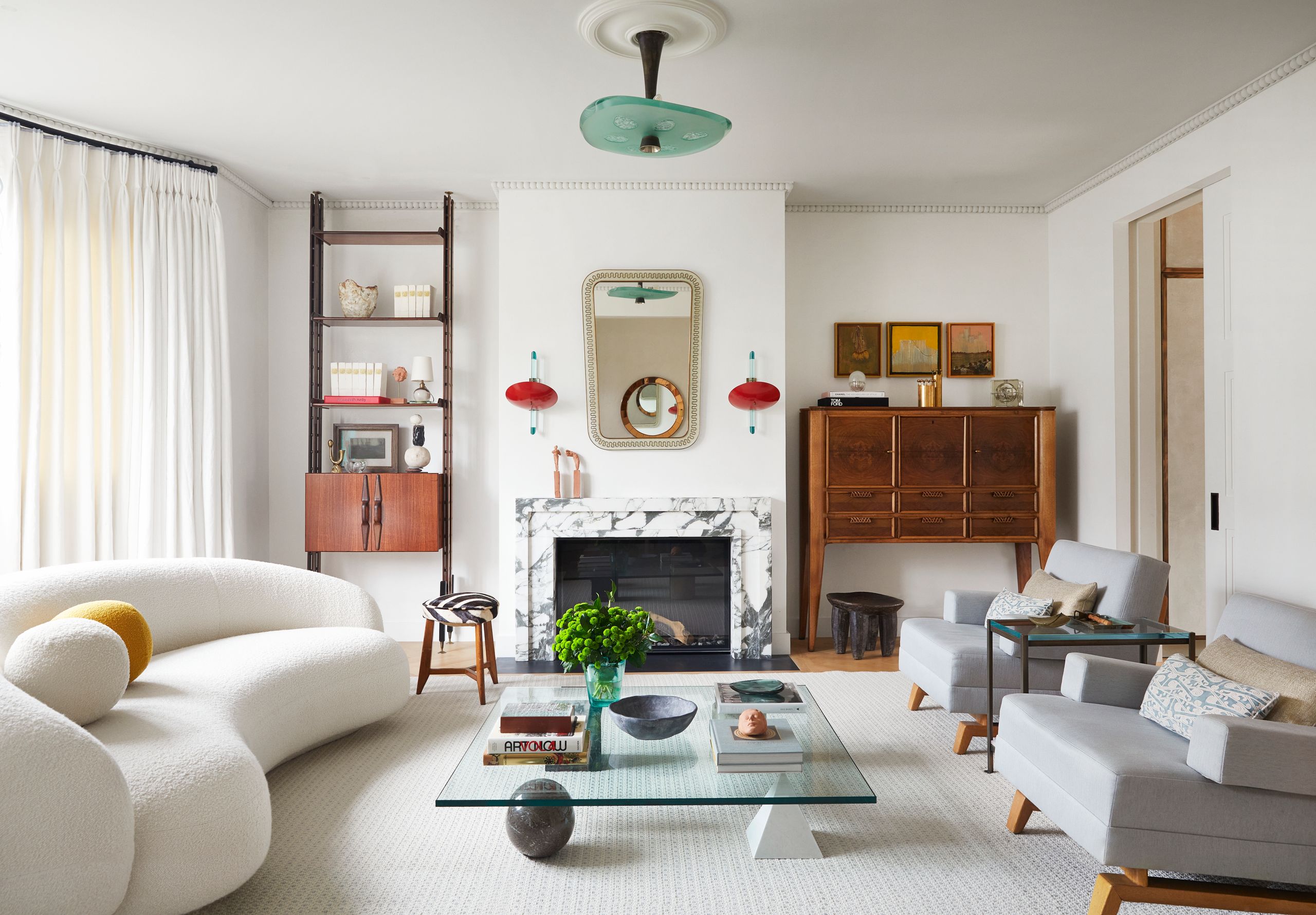
Fill Your Space With These Dreamy Bouclé Furniture Pieces

Nate Berkus champions a surprising choice of furniture in the kitchen – but we're on board
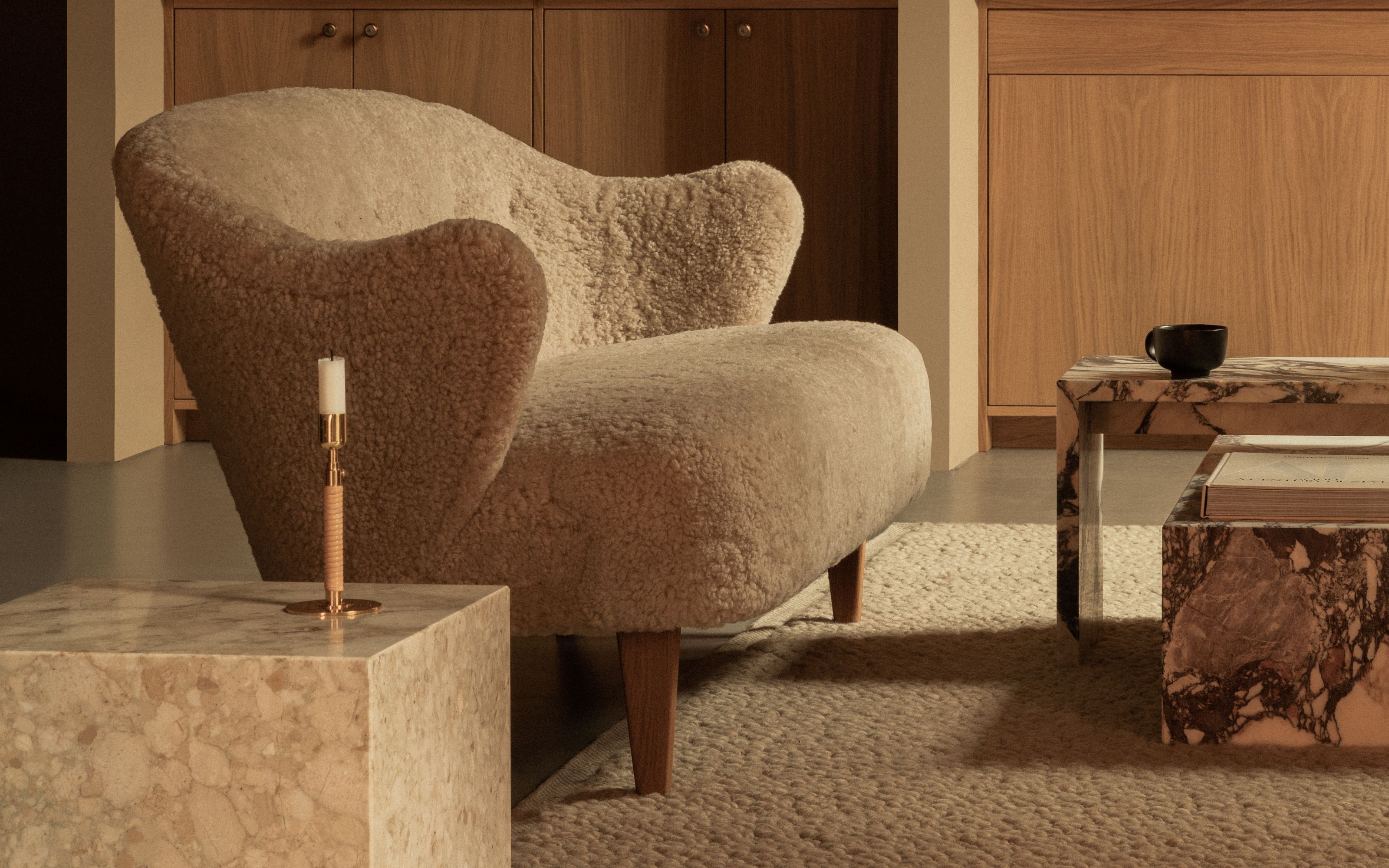
What is replacing bouclé? I'm obsessed with it - but even more obsessed with the design trend that's coming next
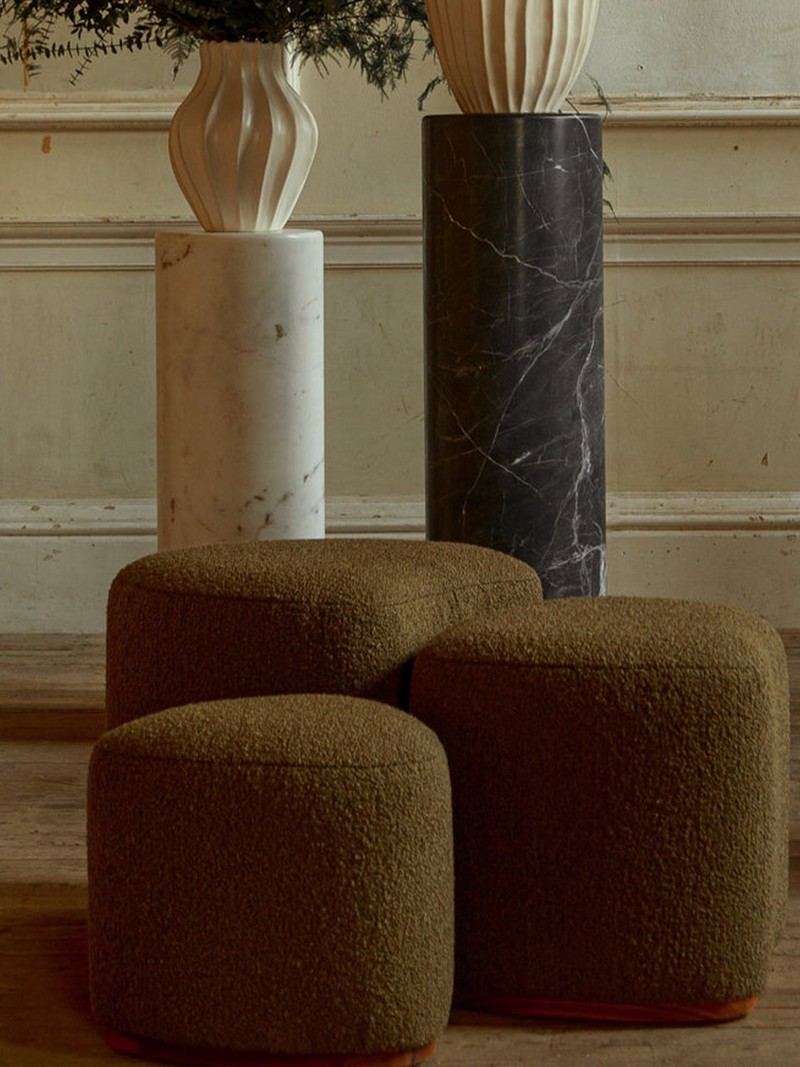
Interiors Trend Watch: Modern Bouclé

Surround Yourself In The Comfort of Bouclé Fabric
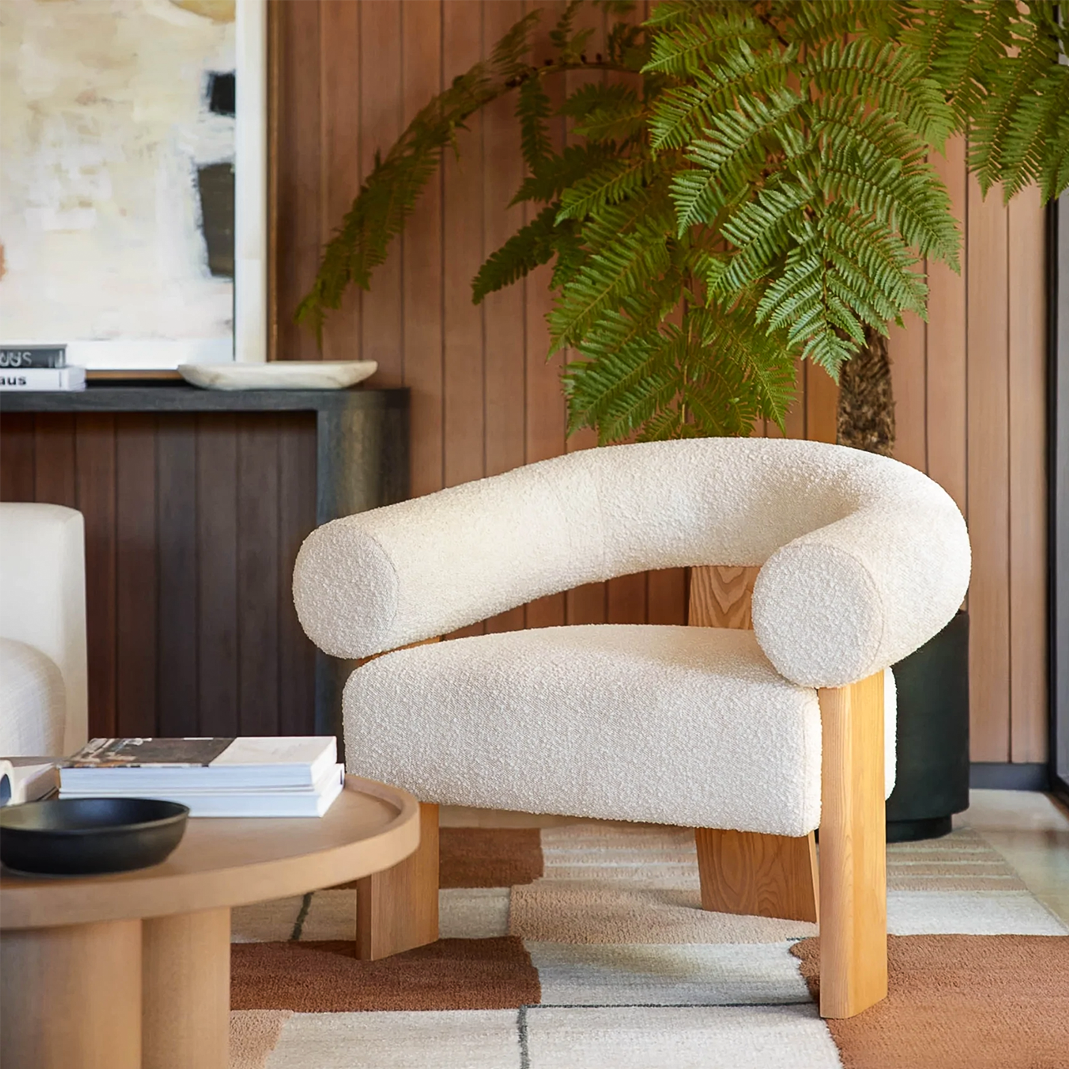
These Super-Soft Bouclé Chairs Feel as Dreamy as They Look, Promise