1/5
This 400-Year-Old Pattern Is the Emerging Trend That Designers Are Using to Bring 'Rhythm' to Their Projects
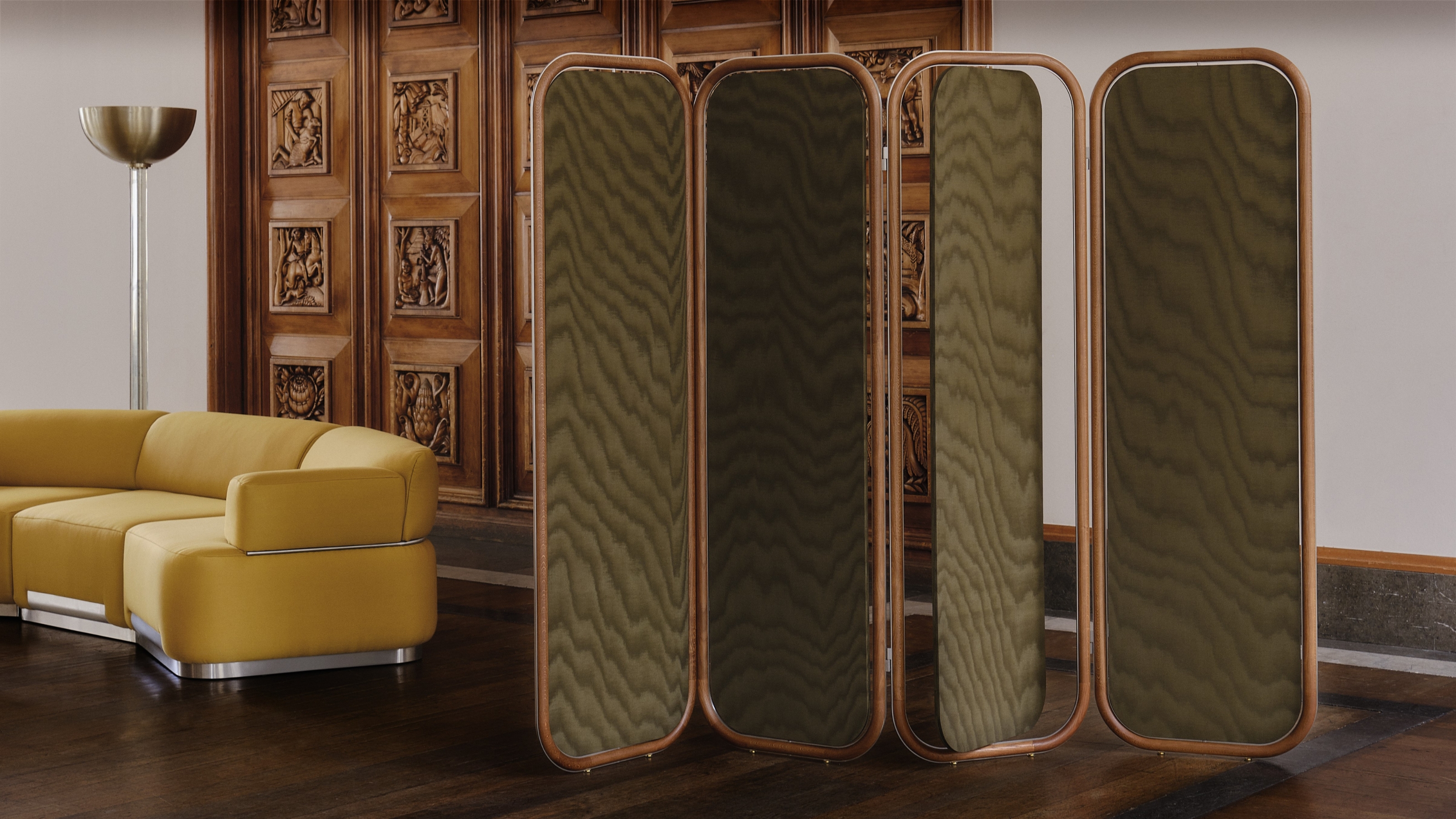
Moiré fabric, a textile with a distinctive, water-like pattern, is experiencing a significant revival in modern interior design. While dating back as far as the early 1600s, this centuries-old material is being reinterpreted by designers to add a unique blend of regality and contemporary flair to spaces. The fabric's characteristic shimmery, wavy effect, often described as a conversation between silk and rippling light, creates a hypnotic visual that brings depth and movement without being overtly dramatic.
Experts highlight that moiré fabric, technically a pattern formed by two interfering, repeating designs, adds a 'soft formality' and 'quiet drama' to interiors. Stéphanie Lizée, a Paris-based interior designer, emphasizes its 'old-fashioned yet timelessly elegant' nature, noting that while its traditional use can be pompous, its modern application introduces a necessary 'touch of accident' for balance between antiquity, preciousness, and modernity. Laura Karasinski, founder of Atelier Karasinski, points out its highly graphic quality and its ability to change appearance depending on the viewing angle, offering versatility for both decadent and retro aesthetics.
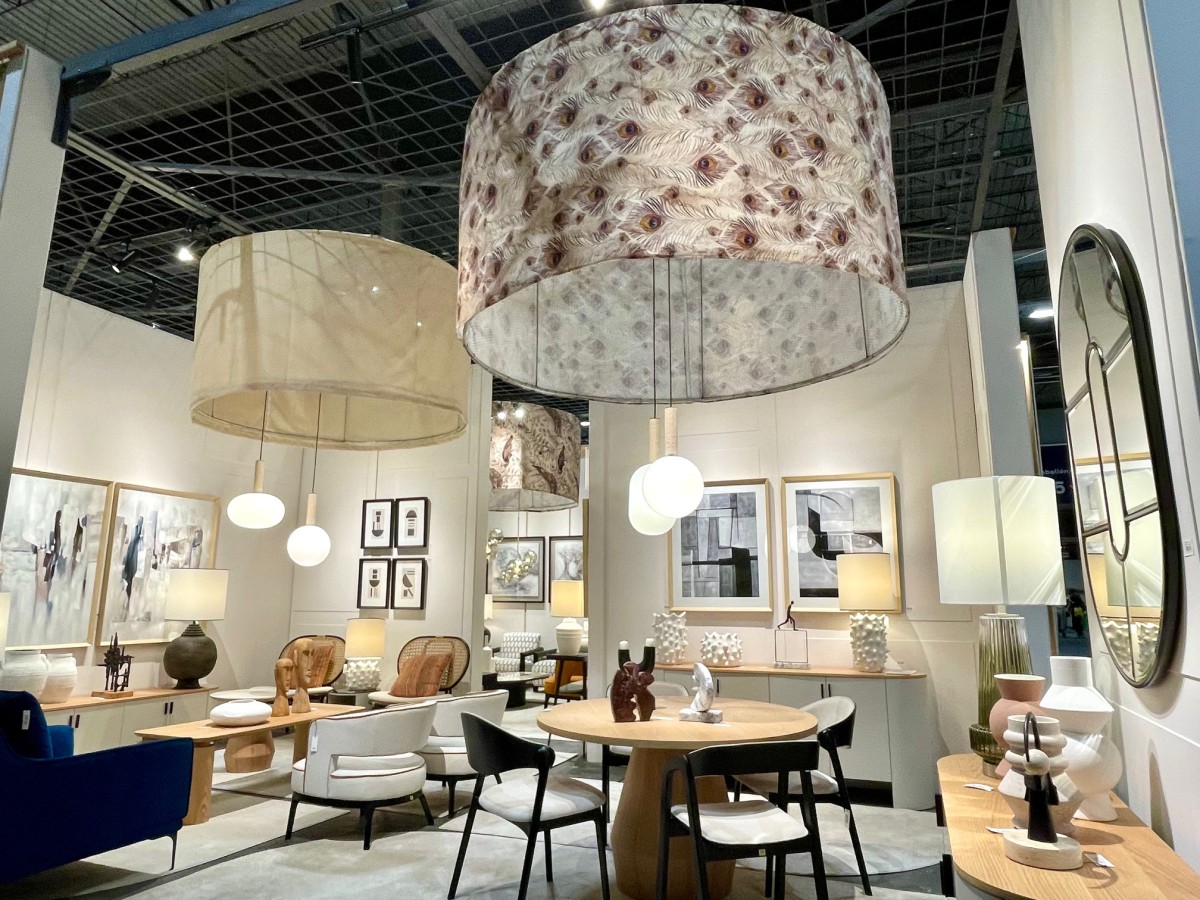
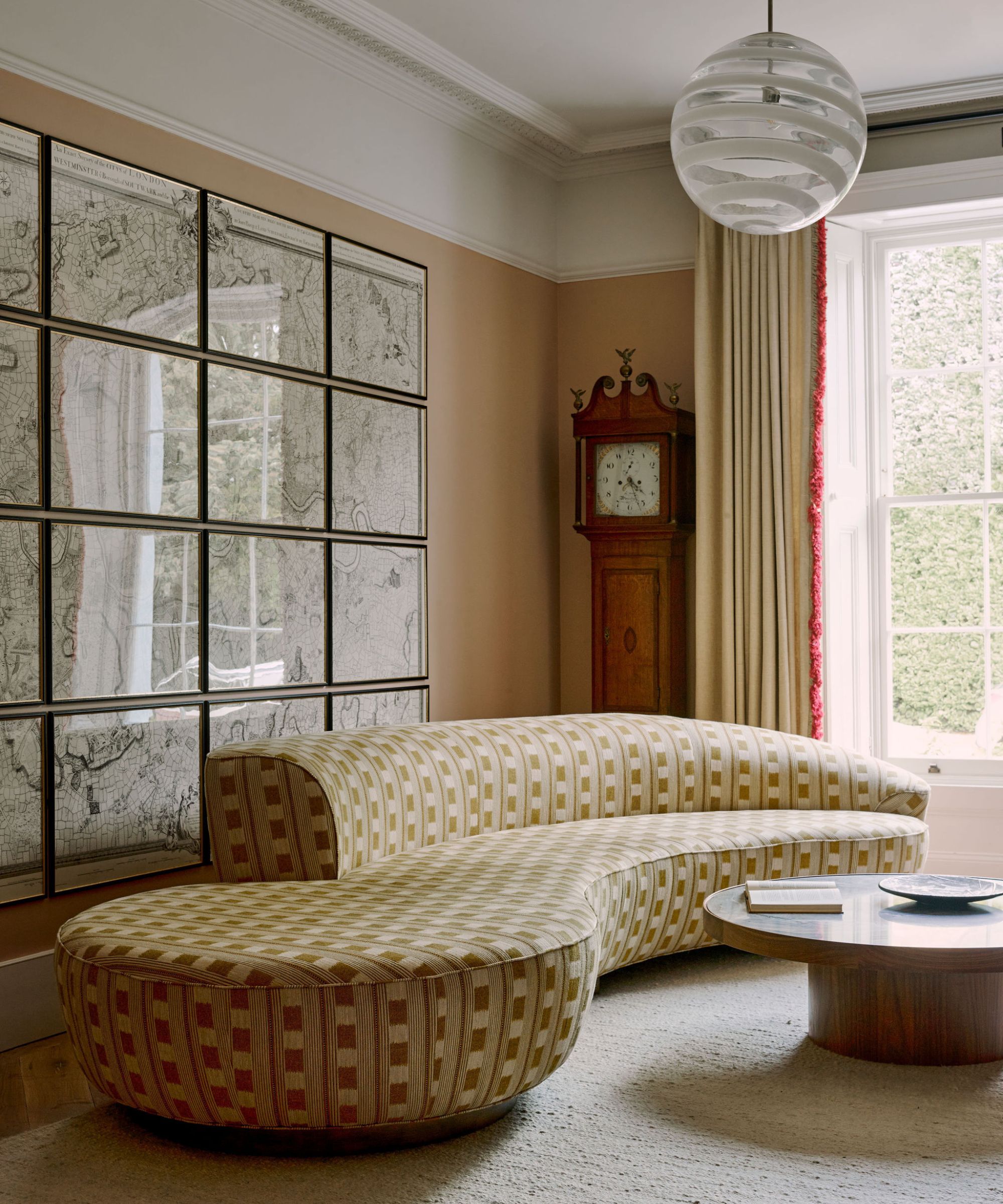
The interplay of moiré with light is a key advantage, as its texture subtly changes throughout the day, providing dynamic interest. This makes it particularly effective in rooms with ample natural sunlight. The fabric can be used extensively, such as drenching an entire space or lining a wardrobe, as suggested by Karasinski, who recalls a memorable limy yellow silk moiré-lined wardrobe. Alternatively, it can be incorporated in smaller doses through lampshades, cabinetry interiors, or cushions, with Karasinski even using it on the backs of showroom curtains for a subtle reveal. The consensus among designers is that moiré fabric can be applied in almost any imaginative way.
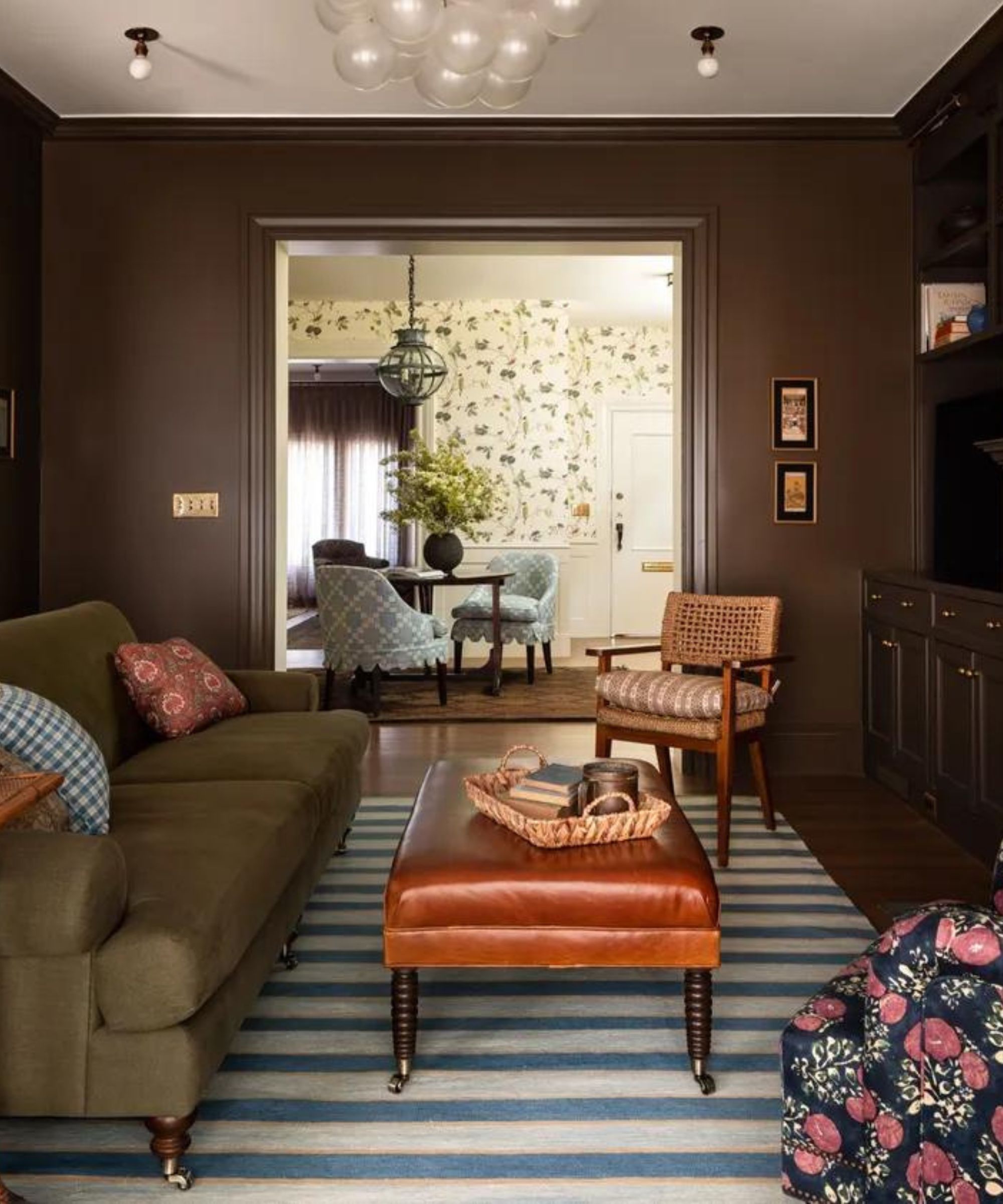
For a contemporary look, designers suggest breaking away from traditional uses like curtains and cushions, instead opting for more 'relevant and subtle ways' to showcase its nuanced ability. If a simpler approach is preferred, selecting colors aligned with current trends can ease its integration. When styling moiré fabric, designers note its compatibility with various aesthetics. It can evoke a Space Age feel when paired with chrome decor and mushroom lamps, transporting a room back to a specific era. Additionally, moiré wallcoverings create an intriguing backdrop that allows other patterns and furnishings to stand out without competing. The fabric also creates a harmonious balance when juxtaposed with natural textures like brass, rattan, and aged wood, as these materials offer a tactile contrast that enhances moiré's inherent 'soul'.
Philippe Desart, managing director at Arte, a luxury wallcovering brand, observes that moiré, once a feature of grand European estates, has found renewed appeal in modern interiors due to its capacity to add depth and detail through a delicate shimmer, maintaining subtlety rather than overwhelming the space. This revival of moiré fabric reflects a broader trend in interior design where historical patterns are reimagined for contemporary living, offering a sophisticated and visually rich element to homes.
#MoiréFabric #InteriorDesignTrends #FabricTrends #LuxuryInteriors #HomeDecor #Wallcoverings #TextileDesign #ModernInteriors #DesignRevival #MoiréFabric #InteriorDesignTrends #FabricTrends #LuxuryInteriors #HomeDecor #Wallcoverings #TextileDesign #ModernInteriors #DesignRevival
0 comment in total
 No comments yet
You may also like
Move Aside, Ply—Designers Are Loving This Wood for Its Captivating Pattern

Move Over Quiet Luxury—Sculptural Stone Is Taking Over Design This Year
Wainscoting ideas – designers are rediscovering how this ancient millwork can uplift modern interiors
Patterns on Repeat (Published 2014)

Designers Reveal the Surprising Home Trend That's Taking Over Right Now


The ancient enigma that still resonates today
Restoration Hardware's Latest Decor Gives A Nod To This Major Runway Trend
Art Nouveau
The 10 decoration trends to watch out for in 2025
Interior Designers and Stylists Can’t Get Enough of This New Target Line

14 Interior Trends Designers Say Will Define the Year Ahead

These 3 Retro Fabric Techniques Are Making A Killer Comeback

Designers Reveal the Bold Design Trend That's Taking Over Homes

D-FW designers hone in on bold, colorful marbles for a modern take on a traditional look

Pedestal styling is the overlooked decor trend we shouldn't ignore – says this leading interior designer
What is Art Deco design? Expert advice on this luxurious look that's returning for 2024
Fluting: 9 times interior designers have inspired us with this key new look
The #1 Retro Design Trend Designers Say is Making a Comeback
The Design Industry’s Coolest Trend Is Hiding in Plain Sight

Wainscoting: the bold update to a traditional design element