1/5
The Enduring Influence of Ikat Fabric, from Oscar de la Renta to Contemporary Design
Ikat patterns have gained immense popularity in both fashion and interior design, yet many consumers are largely unaware of the textile’s rich cultural origins. This article delves into the history and contemporary resurgence of ikat, particularly focusing on its Central Asian roots and its introduction to Western fashion by designers like Oscar de la Renta. The term ikat, derived from a Malay-Indonesian word meaning “to tie,” describes both the intricate resist-dyeing technique and the resulting fabrics and patterns. This labor-intensive process involves carefully resist-dyeing bundles of warp threads to create the design before weaving, a method distinct from other fabric production techniques where patterns are woven in.
In the 19th century, Central Asian ikat production involved a sophisticated network of artisans, often organized along ethnic lines, with Tajiks handling red and yellow dyes, Jews managing indigo dyeing, and Uzbeks conceptualizing the patterns and undertaking the weaving. While the ikat technique developed in various parts of the world, Uzbekistan’s silk ikats became particularly renowned for their stunning quality. The origins of ikat in Central Asia, specifically in cities like Bukhara and Samarkand, in the early 19th century remain somewhat mysterious, as its sudden appearance was marked by a high level of sophistication, suggesting unknown precedents.
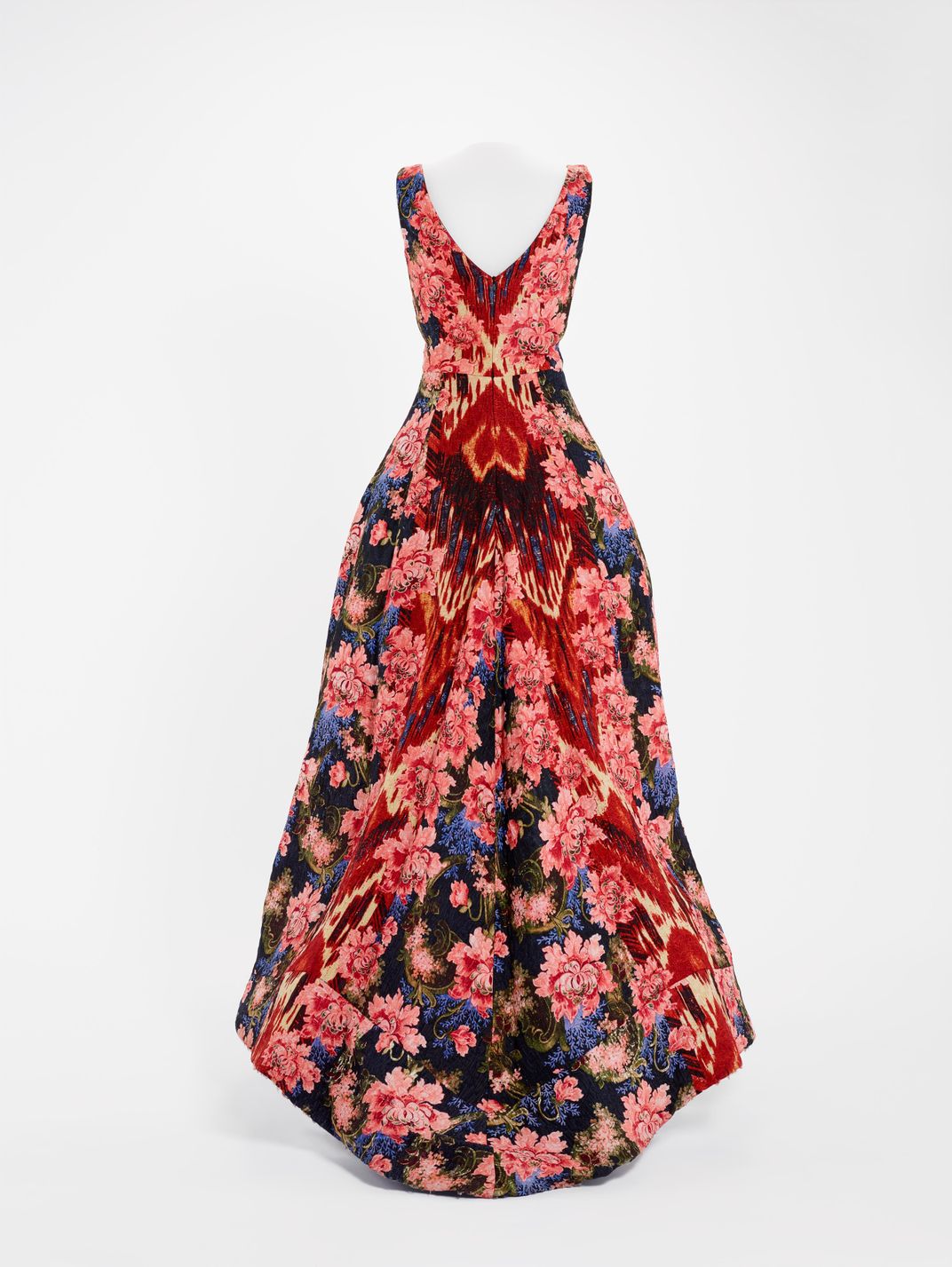
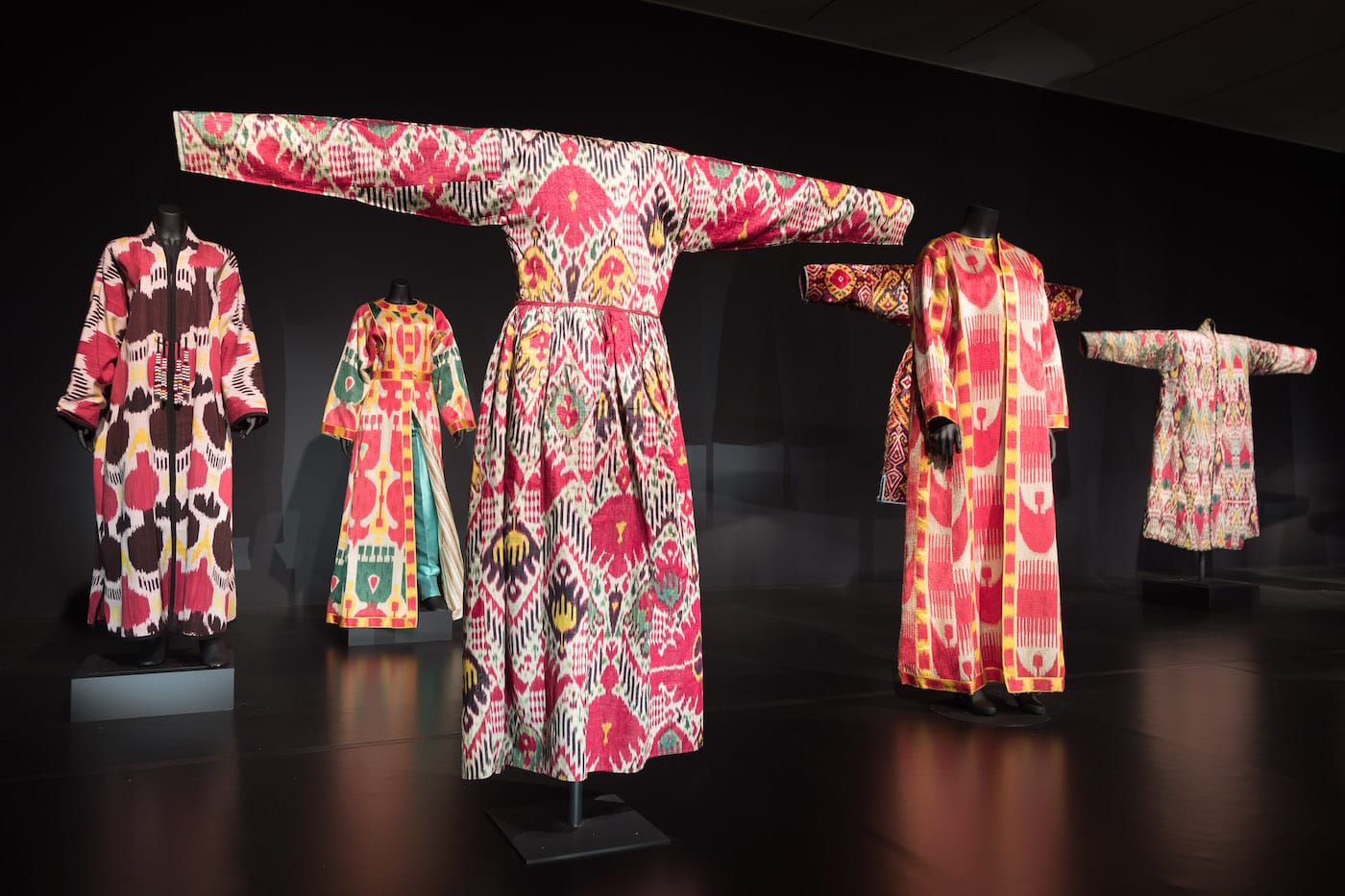
The Smithsonian’s Arthur M. Sackler Gallery’s exhibition, “To Dye For: Ikats From Central Asia,” highlights this cultural journey by displaying a collection of Oscar de la Renta’s ikat-inspired pieces alongside historical Central Asian ikats. De la Renta, after being captivated by these textiles following the collapse of the Soviet Union in 1991, visited Uzbekistan and commissioned local weavers. He subsequently incorporated ikat motifs into numerous collections for both Balmain and his eponymous label, a move credited with popularizing the trend in Western fashion and home decor, seen in brands from Anthropologie to Target.
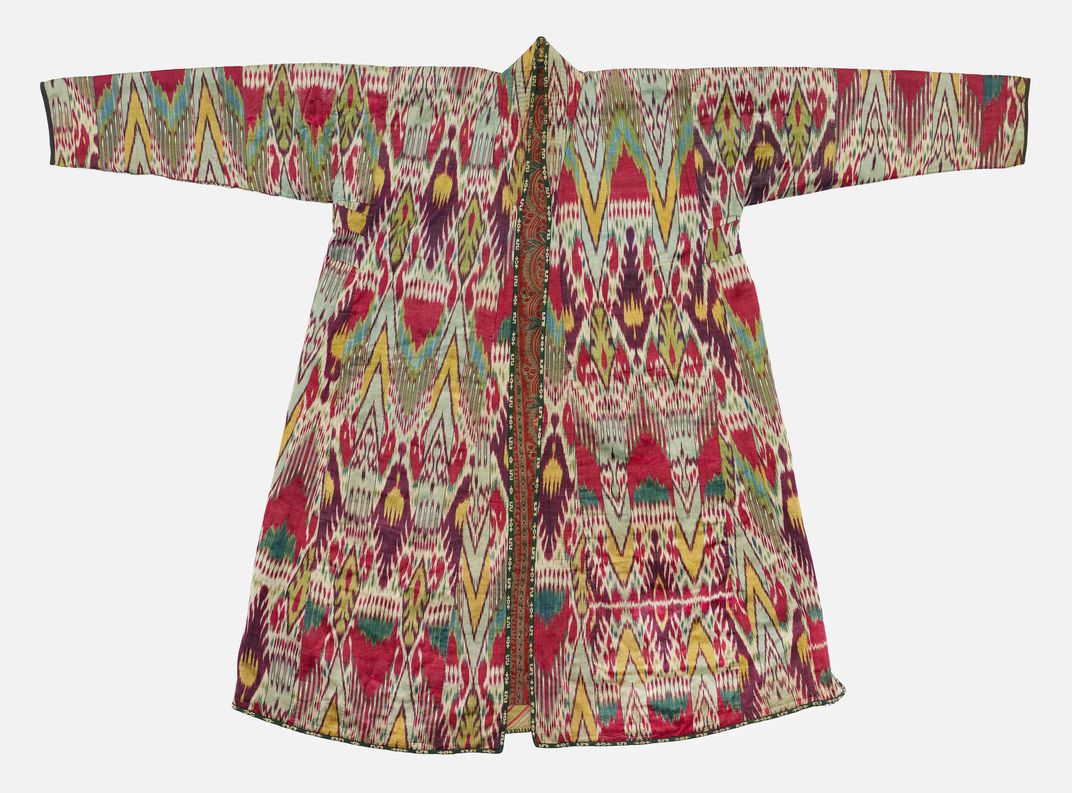
The exhibition, which includes pieces from 1997 to 2013 on loan from de la Renta’s estate and about 30 historical Central Asian ikats donated by Guido Goldman, aims to educate visitors about the textile’s origins and cultural context. Goldman, a Swiss-born academic, amassed one of the world's most significant collections of ikats, including flat tapestries and ceremonial coats and robes. These historical garments, worn by both men and women, symbolized wealth and status in Bukhara and Samarkand. The exhibition thoughtfully juxtaposes de la Renta’s designs with 19th-century ikat coats, making the Central Asian pieces more accessible and emphasizing the shared luxurious and valuable nature of both contemporary and historical examples. The vintage Uzbek coats, cut in wide, loose styles reminiscent of Ottoman kaftans, are striking for their elaborate patterns and vibrant colors, often lined with Russian cotton or Indian chintz. A late 19th-century woman’s robe, for instance, showcases bold red, yellow, and white diamond shapes, stylized flowers, and zigzags on a black background, with a vibrant lining. De la Renta’s pieces, such as a robe from his fall/winter 2000 collection featuring pomegranate shapes, often referenced traditional Uzbek motifs like fruits, flowers, and geometric patterns. He sometimes used actual ikat fabric and at other times replicated its distinctive blurry effect through other techniques like embroidery.
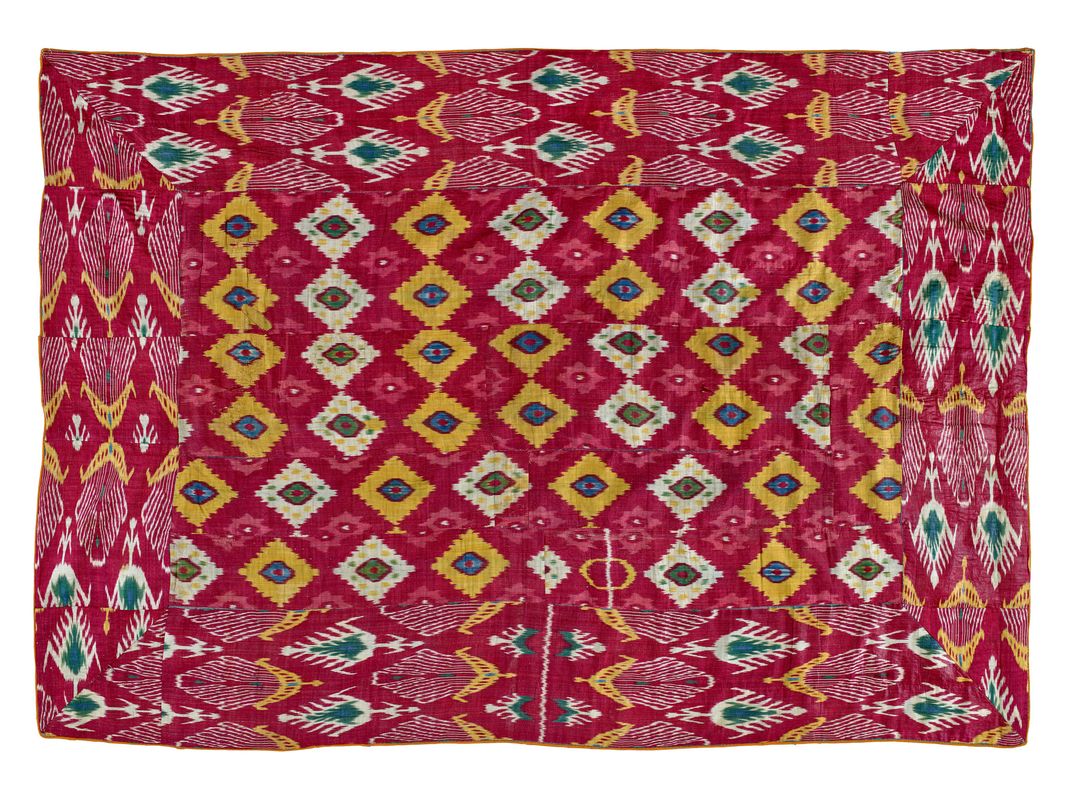
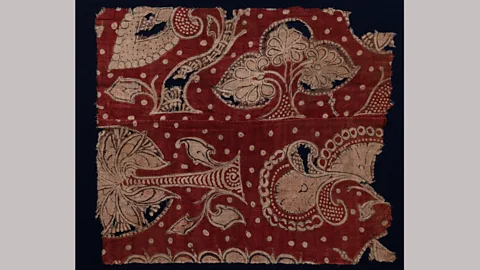
Beyond clothing, the exhibition also features noteworthy wall hangings. Flat Uzbek ikats served both decorative and functional purposes, such as insulating house walls or covering bedding. These were typically made from several narrow, loom-width lengths of material sewn together, creating an additional design element. An ikat from mid-19th-century Samarkand illustrates this with its cascading floral forms created by staggered fabric swaths. While Oscar de la Renta's designs played a crucial role in bringing ikat to global prominence, the exhibition subtly underscores the importance of acknowledging the cultural and historical origins behind this now-ubiquitous style. It serves as a reminder that many familiar contemporary designs have roots in diverse cultural traditions, and understanding these origins enriches our appreciation of the art form.
#IkatFabric #TextileArt #CentralAsianCulture #FashionHistory #InteriorDesign #OscarDeLaRenta #SmithsonianSacklerGallery #CulturalAppreciation #IkatFabric #TextileArt #CentralAsianCulture #FashionHistory #InteriorDesign #OscarDeLaRenta #SmithsonianSacklerGallery #CulturalAppreciation
0 comment in total
 No comments yet
You may also like
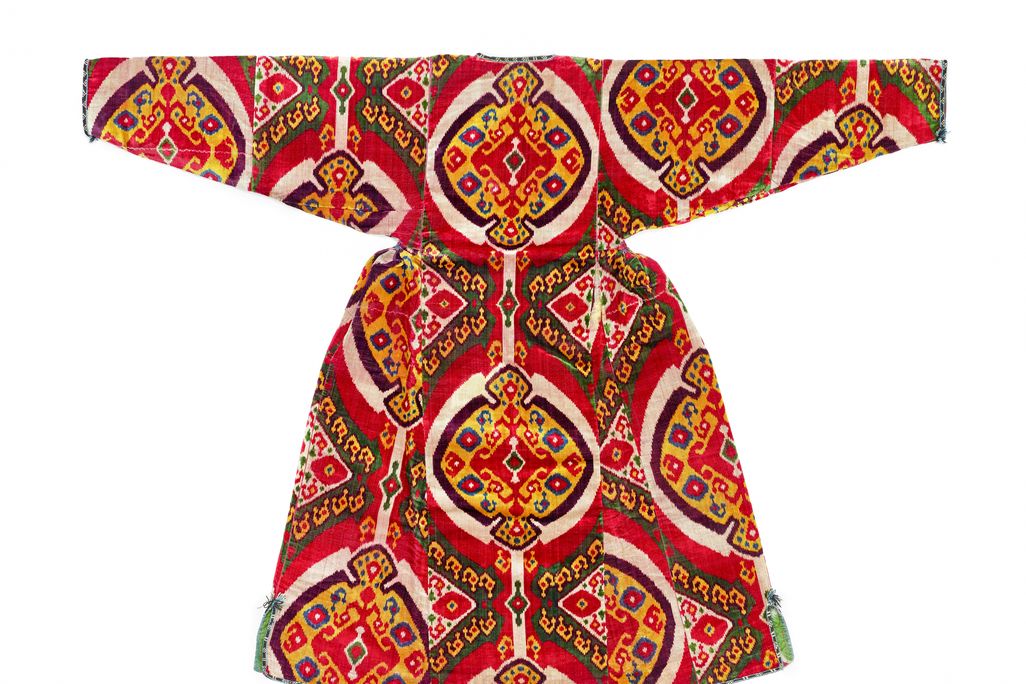
How the Technicolor Ikat Designs of Central Asia Thread Into Textile History
Dorothy Cosonas Carries KnollTextiles’ Storied Mantle
Christian Fischbacher and Hadi Teherani create fabric designs informed by the Iranian landscape
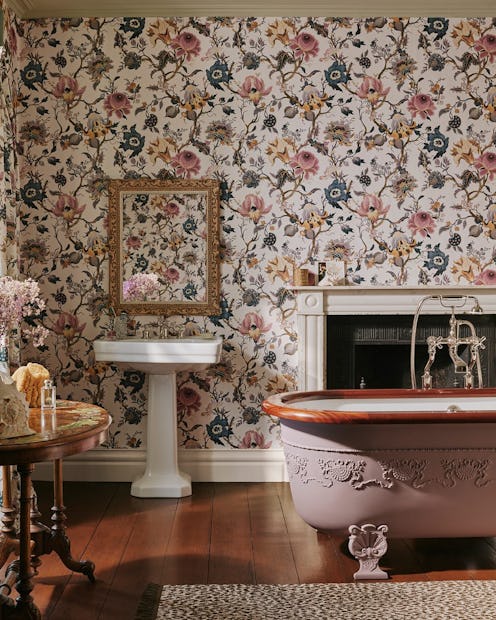
This Vintage Print Is Taking Over Homes This Winter
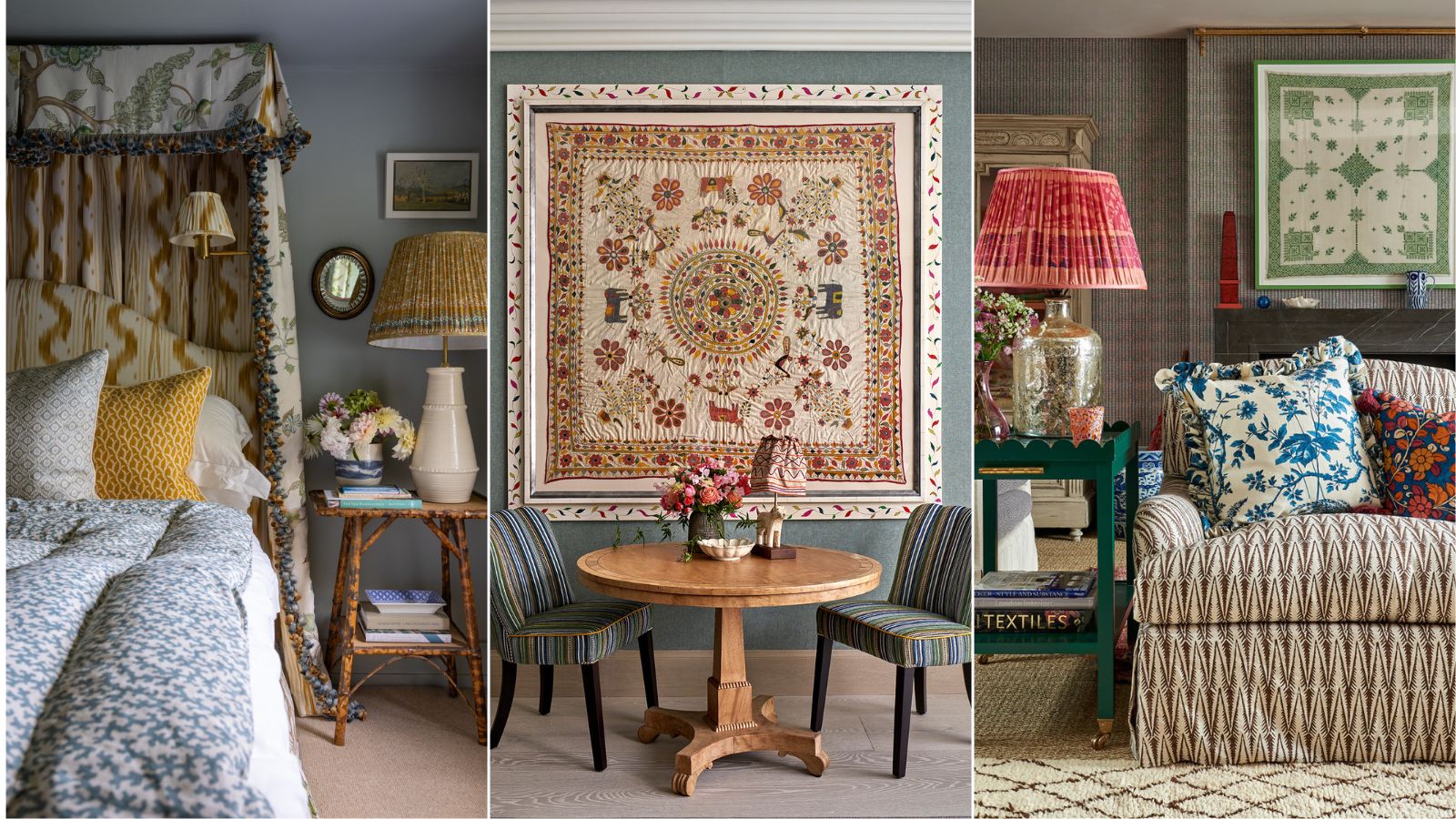
Decorating with vintage fabrics - 8 ways to inject color, texture and heritage style into your space

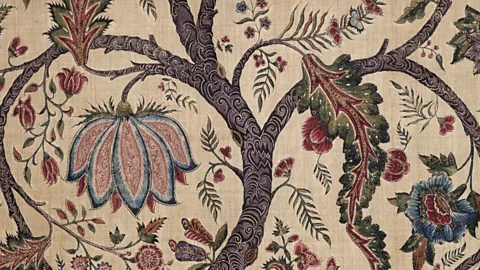
The floral fabric that was banned

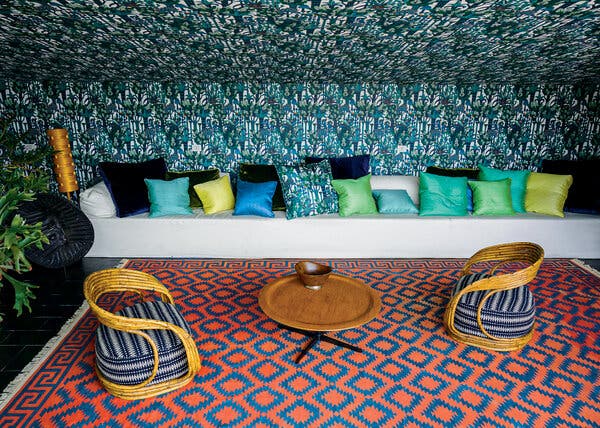
In Italy, a Fabric Designer’s Wildly Colorful Home (Published 2020)

Get creative with Ikea's new pre-cut fabric collection
Textile as Portable Garden
Ikat to Kalamkari: 7 Indian textiles to add a touch of tradition to your modern homes | Hindustan Times

12 Fabric Brands Everyone Should Have in Their Little Black Book If You Want to Go Bespoke and Elevate Your Home


Power and originality: the iconic print designs of Lucienne Day
5 global textile techniques still seen in modern fabrics

Fall in Love with Fabric Samples

The New Fabric Launches Worth Knowing About
Q&A: Designer Kristin Stallings Looks to the Future of Carpet Fiber

The D’Decor fabric collection is contemporary and modern

The 5 fabric trends ruling interiors now, according to the pros
Jacquard Fabric: Here’s Your 101 Explainer

Product Spotlight: Kobe’s ‘Elegance’ Collection for pure luxury