1/3
This Is the Right Way to Clean Outdoor Cushions, According to an Expert
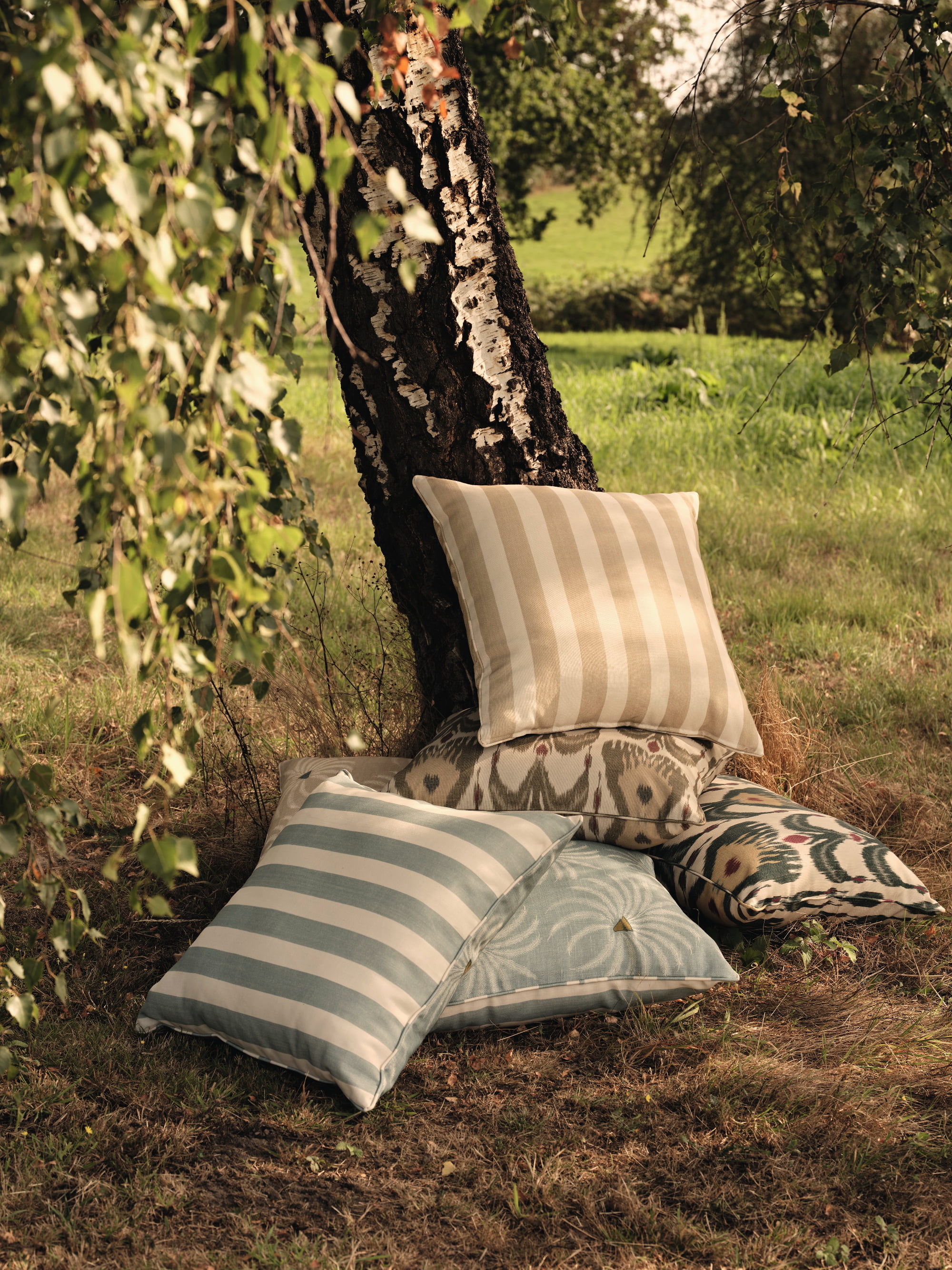
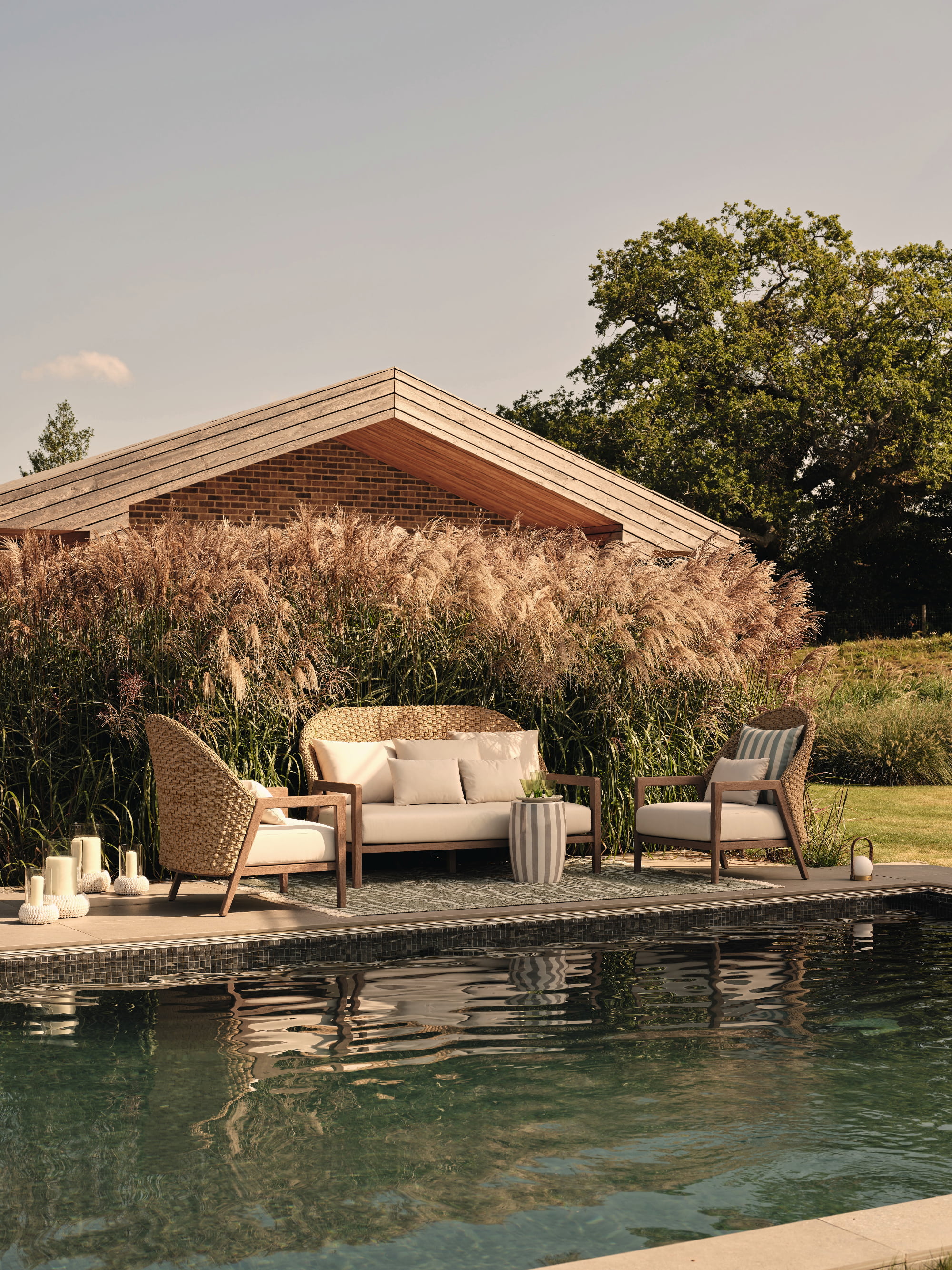
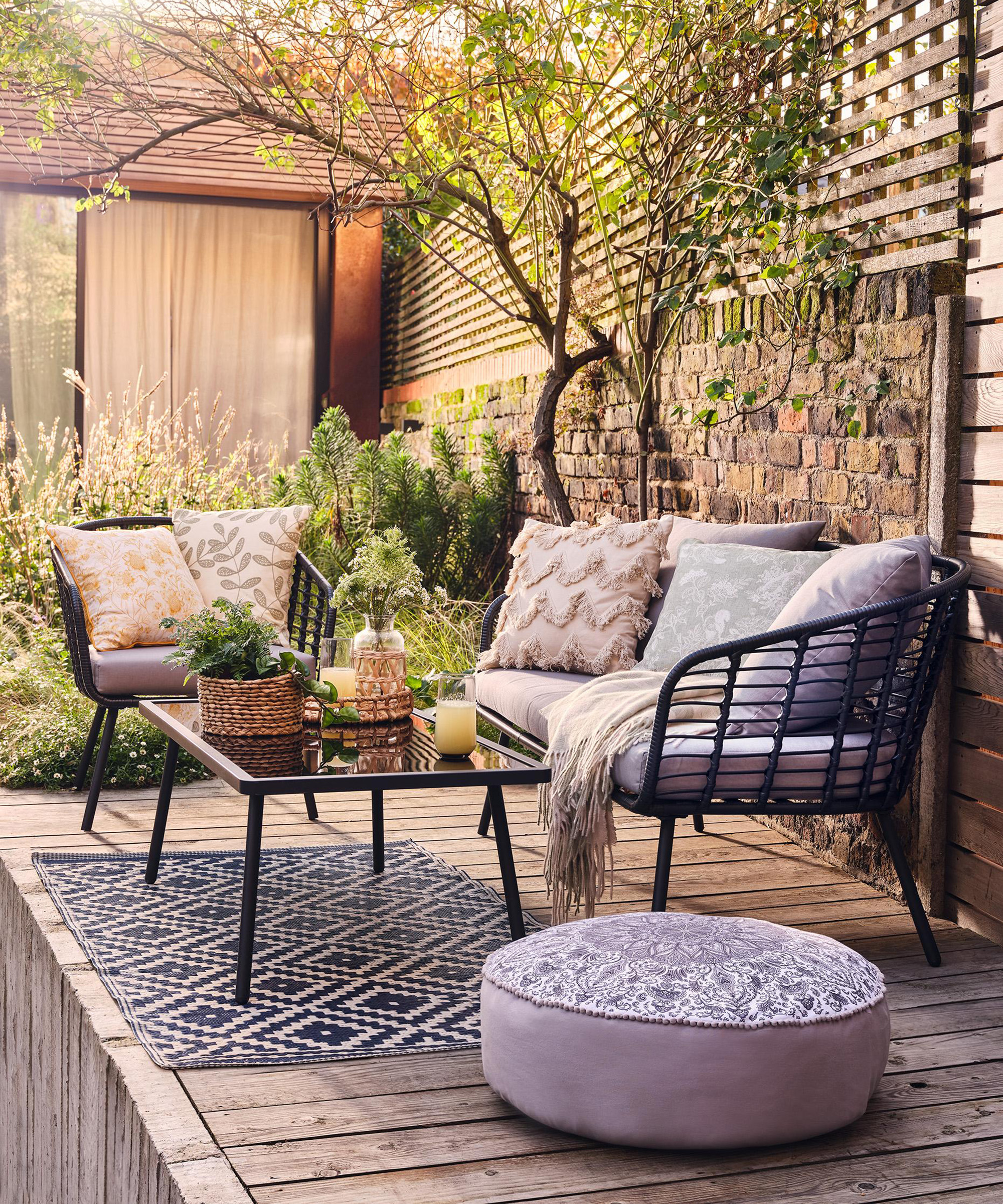
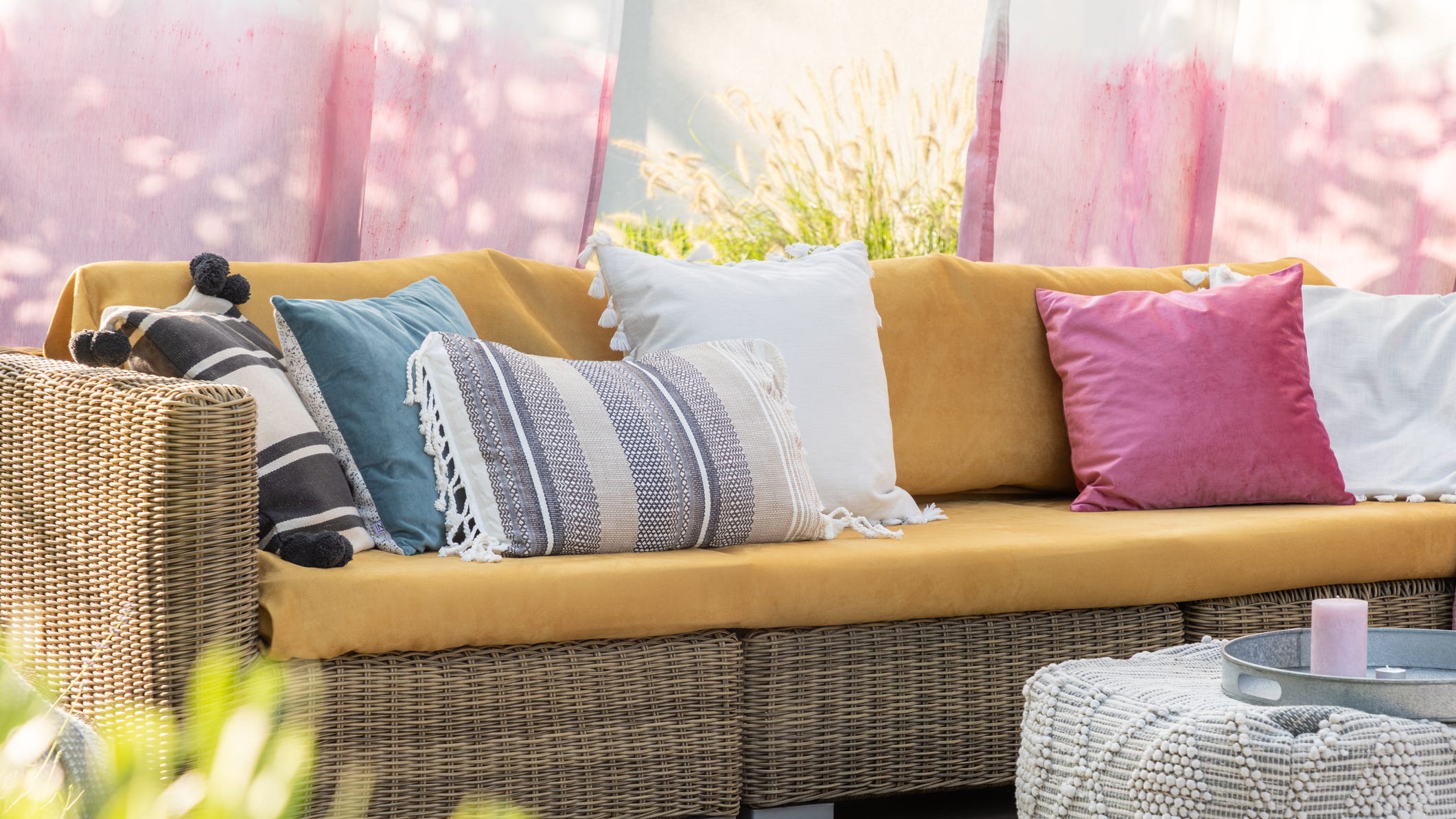
The arrival of warmer weather signals the return of outdoor activities and the need to prepare outdoor living spaces, which includes cleaning outdoor cushions and pillows. These items, while adding comfort and style to patio furniture, are exposed to elements like dust, pollen, and various stains, necessitating regular cleaning to maintain their appearance and longevity. This guide, featuring insights from Jeniffer Smith, a professional organizer and cleaning specialist, outlines effective methods for cleaning outdoor cushions and pillows, addressing different types of covers and cleaning scenarios.
The essential supplies for cleaning include a vacuum with an upholstery attachment, a soft-bristle brush, a garden hose, a bucket, dish detergent, baking soda, vinegar, and a towel. Smith recommends hand washing as the gentlest method for most cushions. However, for heavily stained items, such as those marked by tree sap or bird droppings, a pressure washer set to a low-pressure nozzle can be used, provided manufacturer instructions are checked first. Regardless of the cleaning method, it is crucial to remove loose debris and dirt before proceeding to ensure a more effective cleaning process.
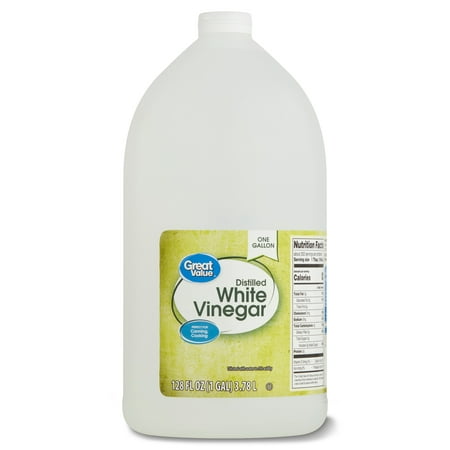
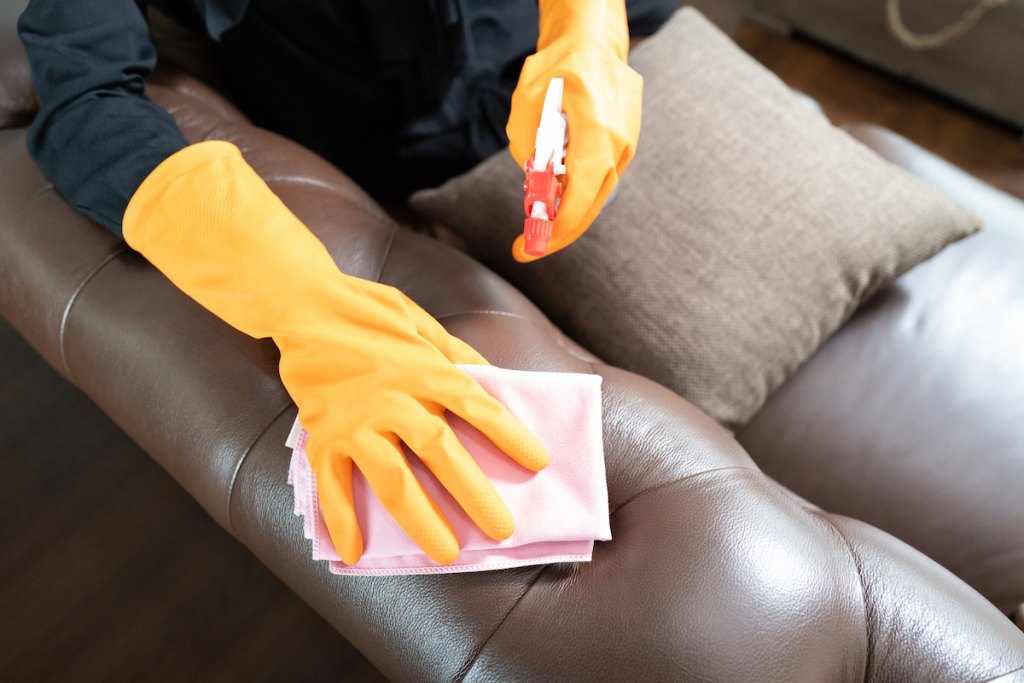
For cleaning patio cushions with removable covers, the process begins by laying covers flat and sweeping away loose dirt with a soft-bristled brush or vacuum. Stains should be pre-treated using a mixture of equal parts white vinegar and water, testing on an inconspicuous area first. After allowing the solution to sit for 20 minutes, blot the stain with a clean cloth. The covers are then immersed in a bucket of warm water with mild detergent and gently scrubbed with a soft-bristle brush. Thorough rinsing with a hose or clean water is essential to remove all soap suds, followed by air drying in a shaded area.
When using a pressure washer for removable covers, a low-pressure nozzle is critical to prevent fabric damage. The detergent dispenser should be filled with the manufacturer's recommended product, and cleaning should be done in small sections, with a soft-bristled brush used for stubborn stains. After rinsing, cushions should be air dried in a shaded spot.
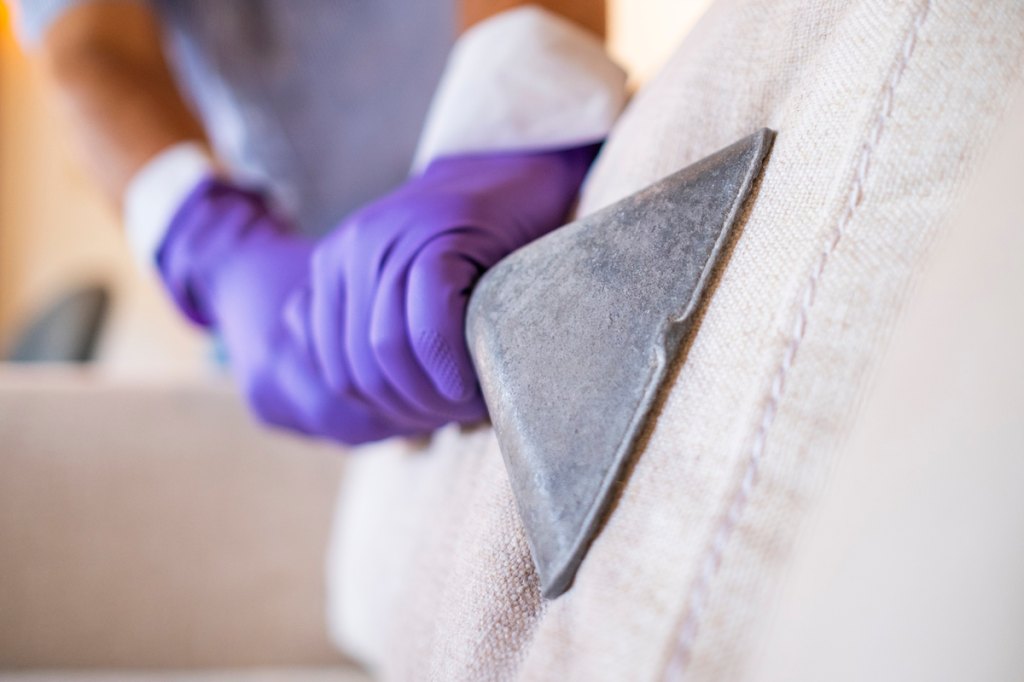
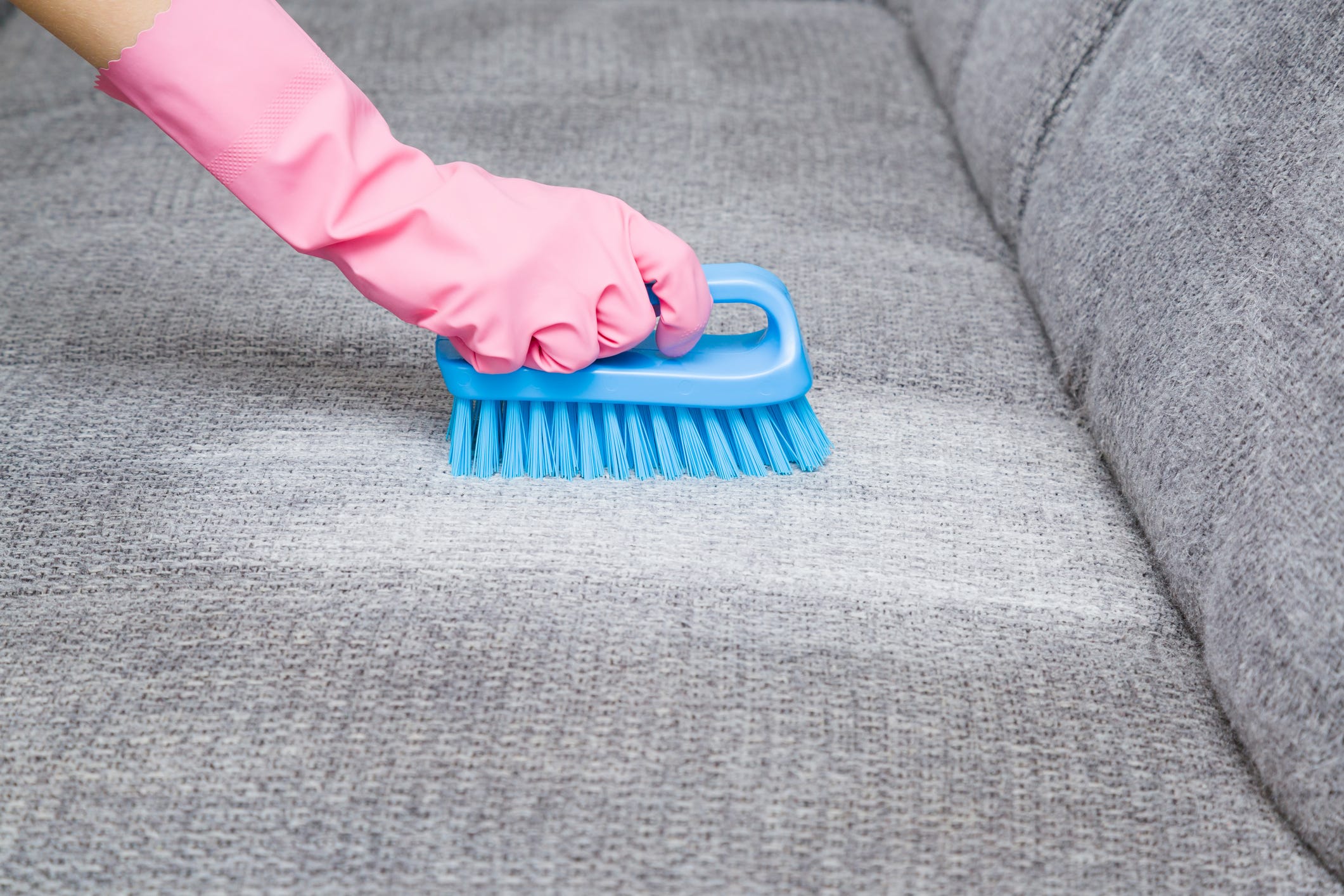
For outdoor cushions with non-removable covers, the initial step involves vacuuming to remove loose dirt. A solution of warm water and mild detergent is prepared in a bucket. A soft-bristled brush dipped in this mixture is used to gently scrub the entire surface of the cushion in a circular motion. After thorough rinsing with a hose to eliminate soap residue, the cushions must be air dried completely in a well-ventilated area, ideally flipped periodically to expedite drying. Drying can take one to two days, depending on weather conditions, and excess water can be removed by pressing with a clean towel.
Natural cleansers like baking soda and vinegar are effective for cleaning and combating mold and mildew. A paste made from baking soda and water can be spread over covers, left for about 15 minutes, then scrubbed and rinsed. Alternatively, a spray of equal parts white vinegar and water can be applied, gently scrubbed, and then rinsed. Mild detergents like Dawn Ultra Dishwashing Liquid or specialized outdoor furniture cleaners such as Carbona ProCare Outdoor Furniture Cleaner are also viable options. Always check manufacturer care instructions and test any cleaning product on a hidden area to prevent discoloration or fabric damage.
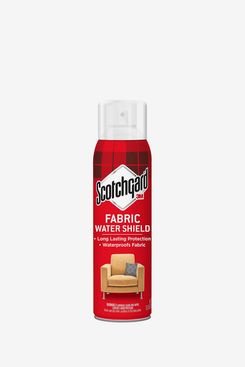
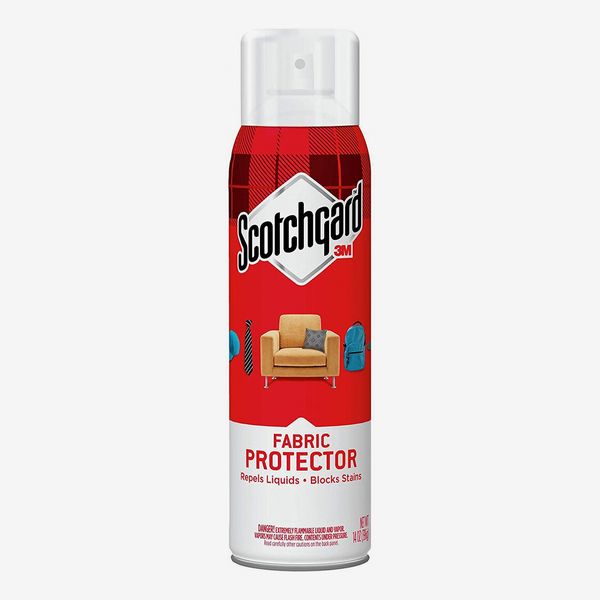
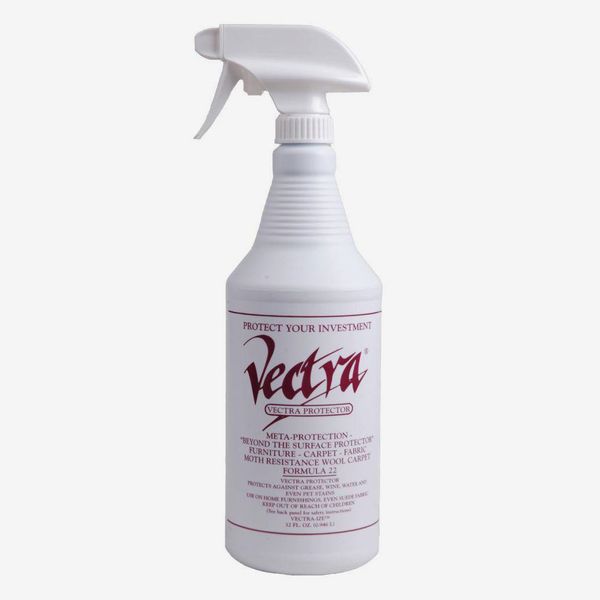
To remove specific stains, identify the stain type. For general dirt or minor spills, pre-treat with a mild solution of dish soap and warm water, gently scrubbing with a soft-bristled brush, letting it sit for 15-20 minutes, and then rinsing. For tougher stains like tree sap or bird droppings, a low-pressure pressure washer can be used after spot-treating. Natural cleaners like vinegar or baking soda can also be applied as described above. Regular maintenance is crucial; cleaning cushions at the beginning and end of the outdoor season is recommended, with additional cleaning as needed, especially in humid or rainy climates to prevent mold and mildew. Important maintenance guidelines include avoiding bleach, harsh chemicals, hot water, and fabric softener. Regularly brushing off dirt, storing cushions in a dry, ventilated area, using cushion covers, and applying a fabric protector spray can further extend their lifespan.
#OutdoorCushions #PatioFurniture #HomeMaintenance #CleaningTips #DIYCleaning #StainRemoval #OutdoorLiving #NaturalCleaners #OutdoorCushions #PatioFurniture #HomeMaintenance #CleaningTips #DIYCleaning #StainRemoval #OutdoorLiving #NaturalCleaners
0 comment in total
 No comments yet
You may also like
How to clean mold off outdoor cushions – refresh your outdoor seating in time for summer

6 couch cleaning mistakes that pros say could lead you to 'serious upholstery heartbreak'
How to clean garden furniture to keep your pieces looking brand-spanking new
How to Clean Every Type of Couch Cushion, According to the Pros

You need to deep clean your couch every few months — here’s how experts say to do it


How to Clean a Slipcover, According to Experts
How to Clean Outdoor Cushions to Keep Them Looking Fresh All Season Long
From a quirky TikTok hack and a $99 sell-out Kmart buy, here are five ways to clean your sofa

How to clean outdoor furniture – 3 simple steps for wood, metal, resin and rattan

How to Clean Outdoor Cushions to Get Them Ready for Spring and Summer

5 Common Sofa Cleaning Mistakes You Might Be Making

10 Sofa Cleaning Singapore: Fabric sofa cleaning vacuum service (with prices)
How to Clean Outdoor Cushions So They Last for Years
Yes, You Can Dry-Clean at Home: And These 5 Furnishings and Decor Pieces Need TLC

Are You Cleaning Your Couch Enough? Here's How to Do It the Right Way


How to Protect Fabric Furniture From Stains and Dirt
How to Clean a Couch, According to Experts | NBC Select
How To Deep Clean a Couch: Expert Tips for Getting It To Look Like New


How to keep your sofa spotless this summer — 7 expert hacks for stains and spills


How To Remove Pollen Stains From Outdoor Furniture