1/5
How to waterproof a basement – 5 steps from experts to safeguard this space
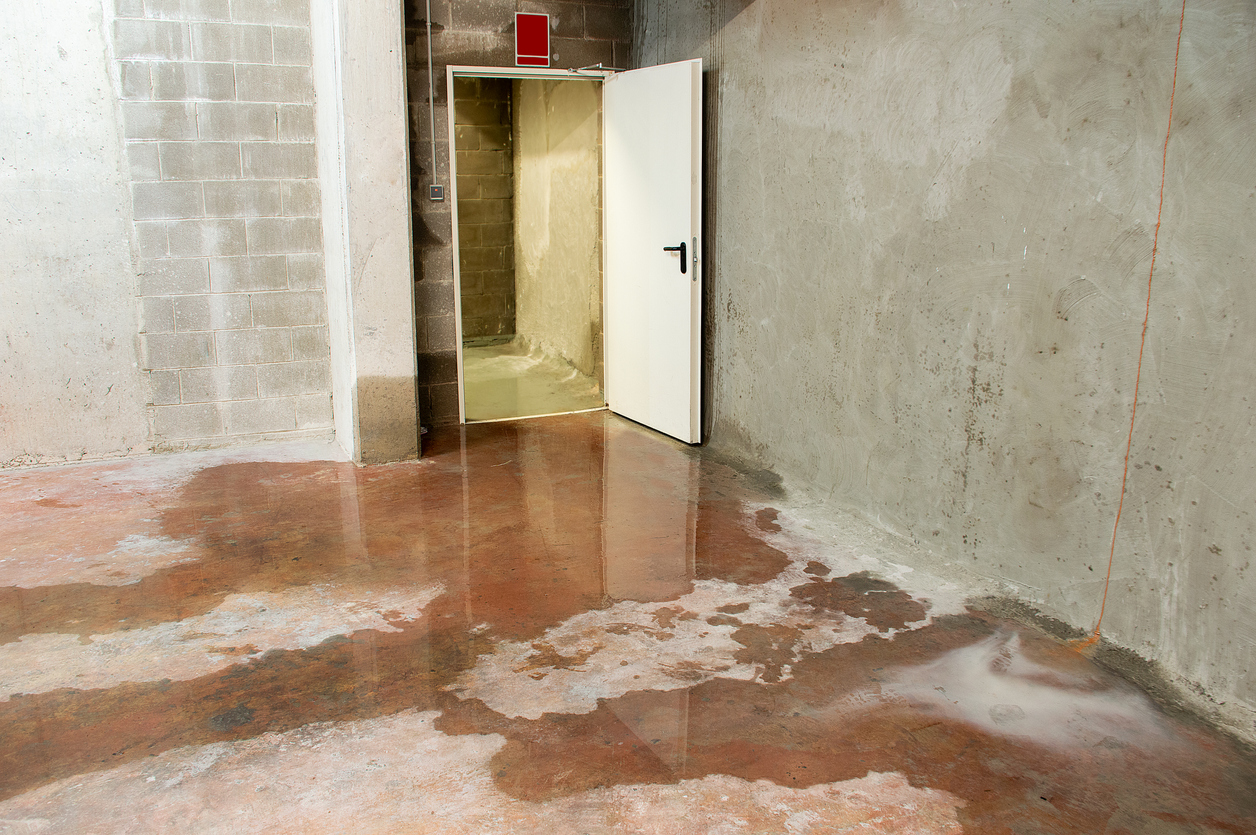
Waterproofing a basement is crucial for maintaining a home's structural integrity and creating a functional living space. Basements are prone to water leaks, seepage, flooding, and moisture-related issues, making effective waterproofing practices essential to prevent wider problems. An effective waterproofing strategy involves a combination of exterior and interior methods to create multiple layers of protection against water intrusion.
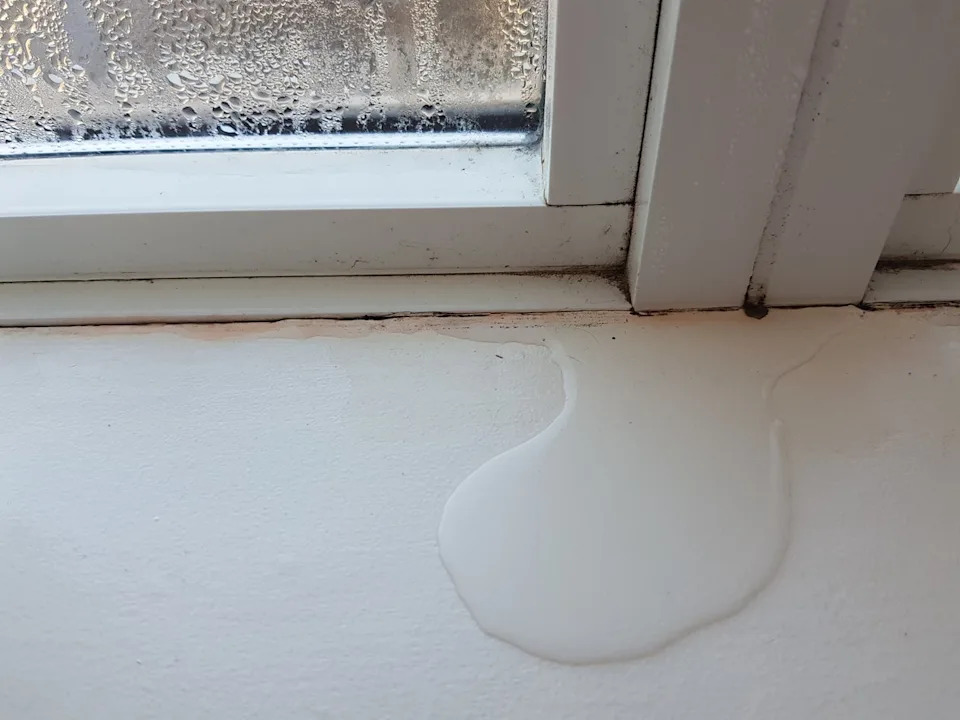
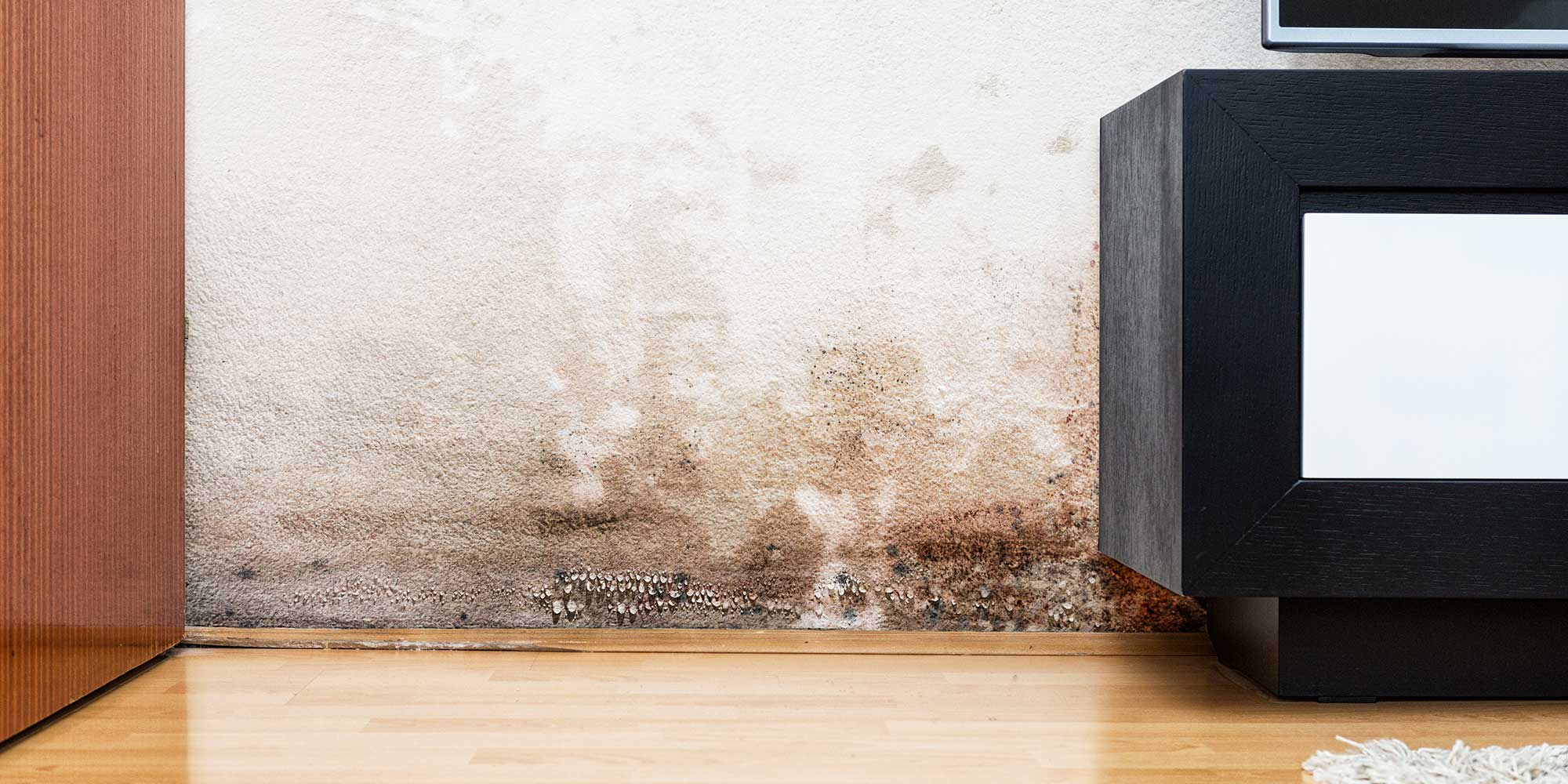
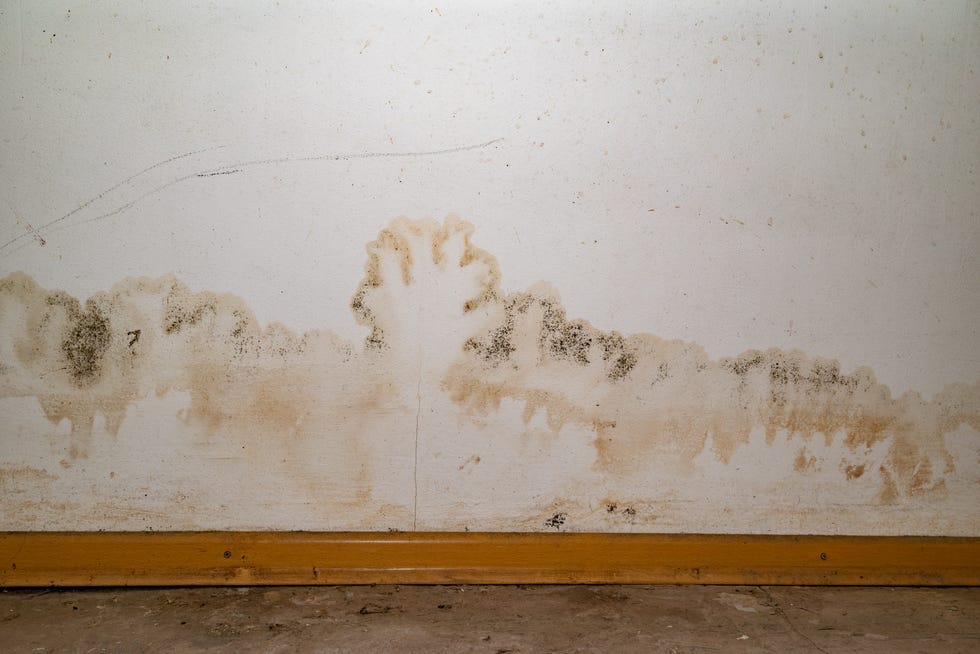
The initial step in basement waterproofing is to identify potential water sources. This involves a thorough inspection of both the exterior and interior of the basement to pinpoint any cracks in the foundation, signs of water seeping through walls, or inadequate drainage. Understanding the origin of water intrusion is critical for implementing targeted solutions.
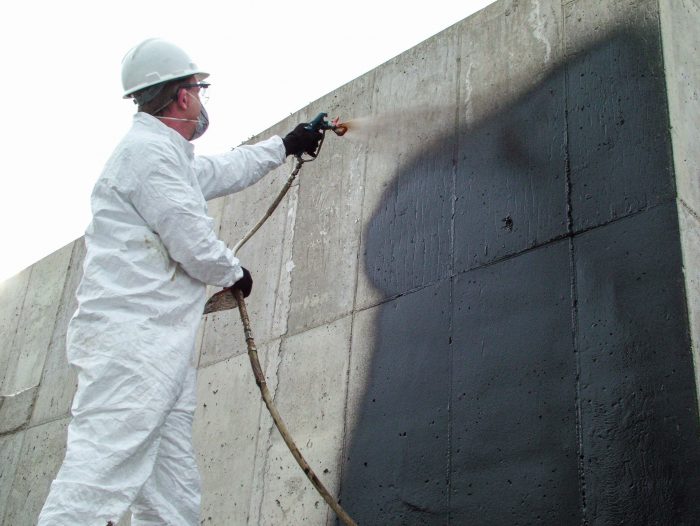
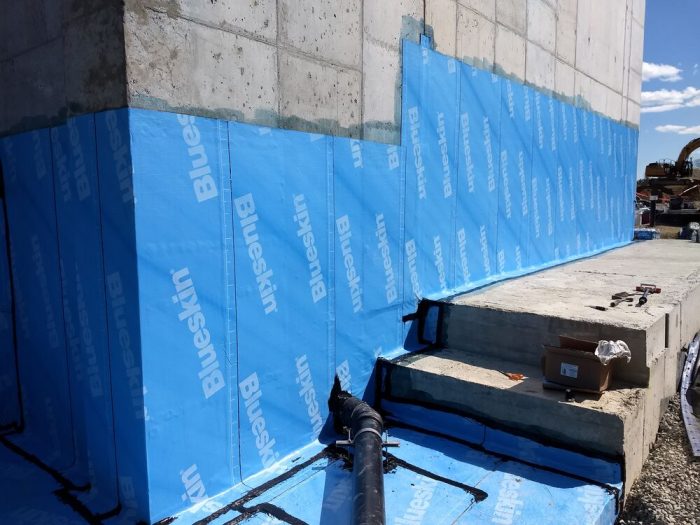
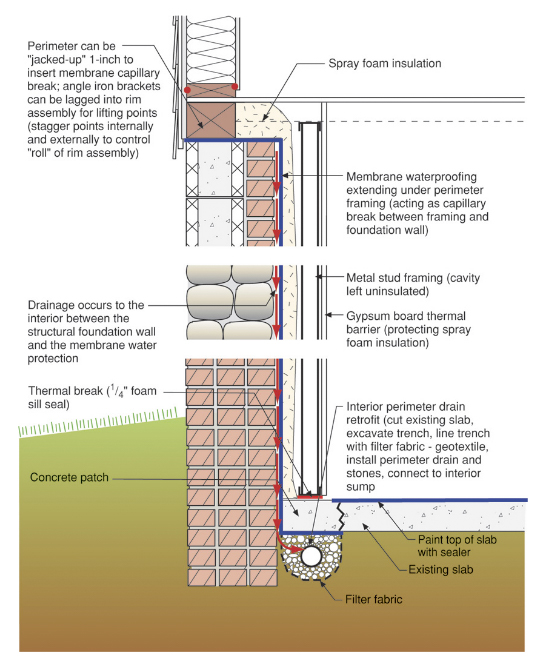
Exterior waterproofing is a key component, beginning with excavating the soil around the foundation walls down to the footings. During this process, any cracks or structural issues in the foundation must be repaired. Following repairs, a waterproofing membrane or coating should be applied to the exterior foundation walls, creating a barrier against water infiltration and moisture seepage. This often involves spraying a liquid tar or rubber-like substance, as concrete itself is not inherently waterproof.
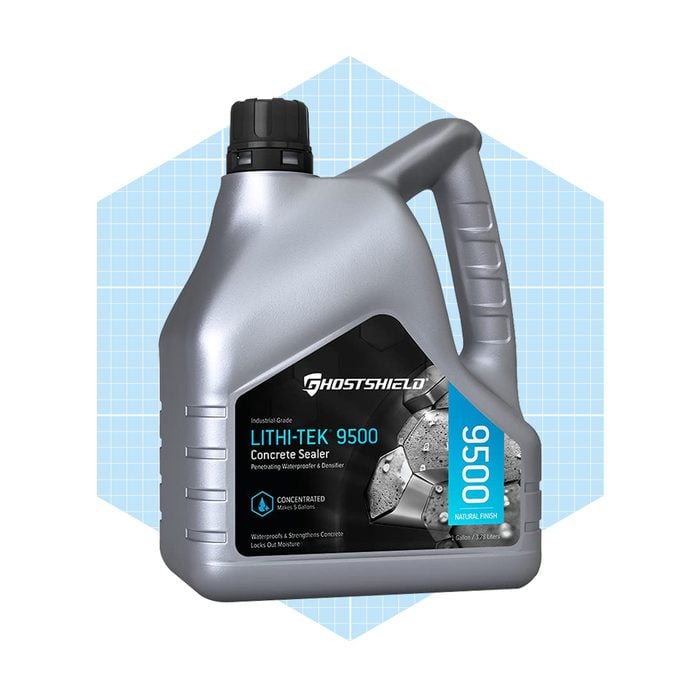
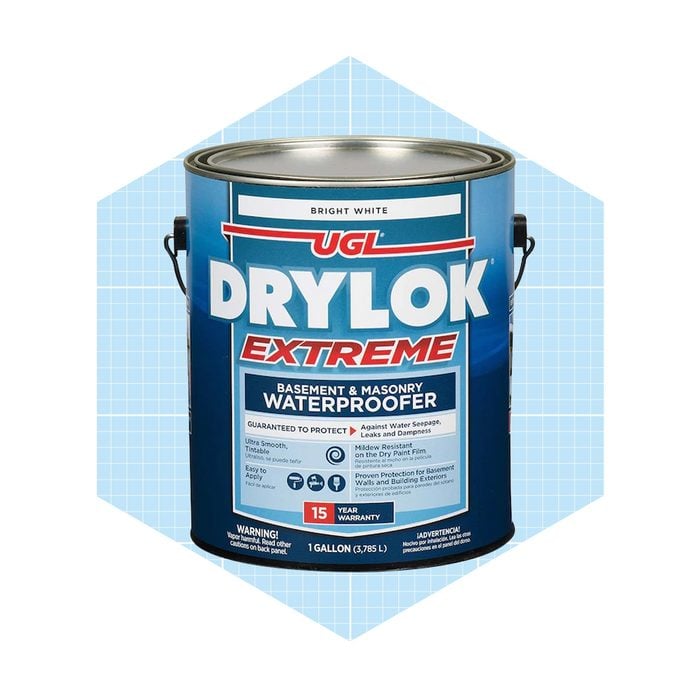
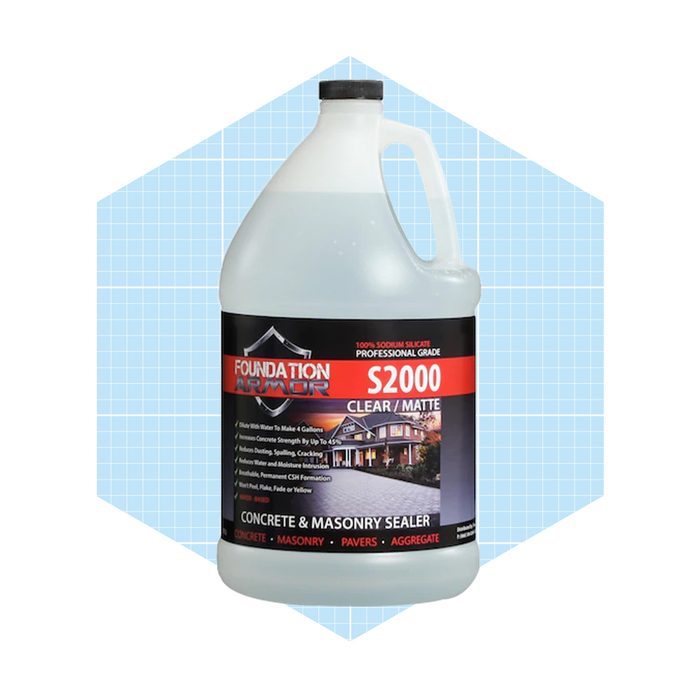
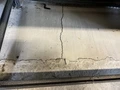
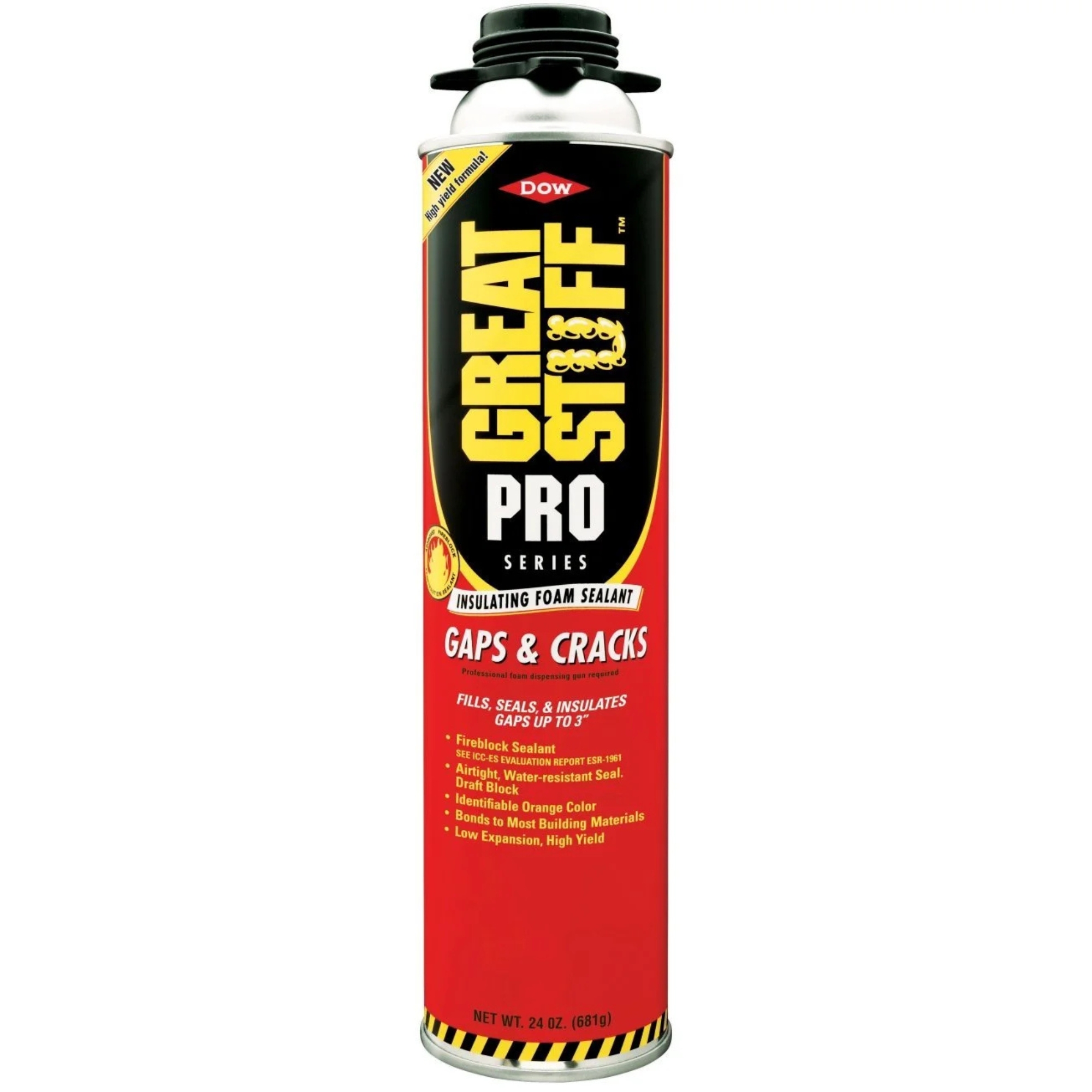
Interior waterproofing addresses moisture from within. This involves identifying and repairing visible cracks in the basement walls and floor using specialized sealants such as hydraulic cement, epoxy, or polyurethane injections. These sealants are designed to be waterproof and effective against leaks. After filling all cracks, a cement-based basement concrete sealant should be applied to the walls, typically in at least two coats, to provide an additional layer of protection. Waterproofing paint can also be used on walls and filled-in crack areas for extra defense against moisture.
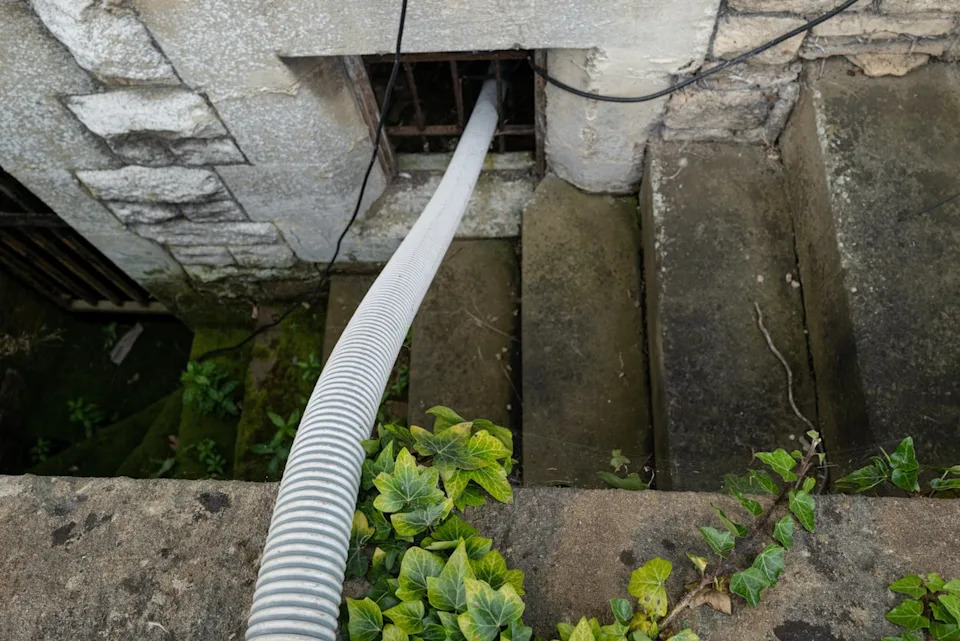
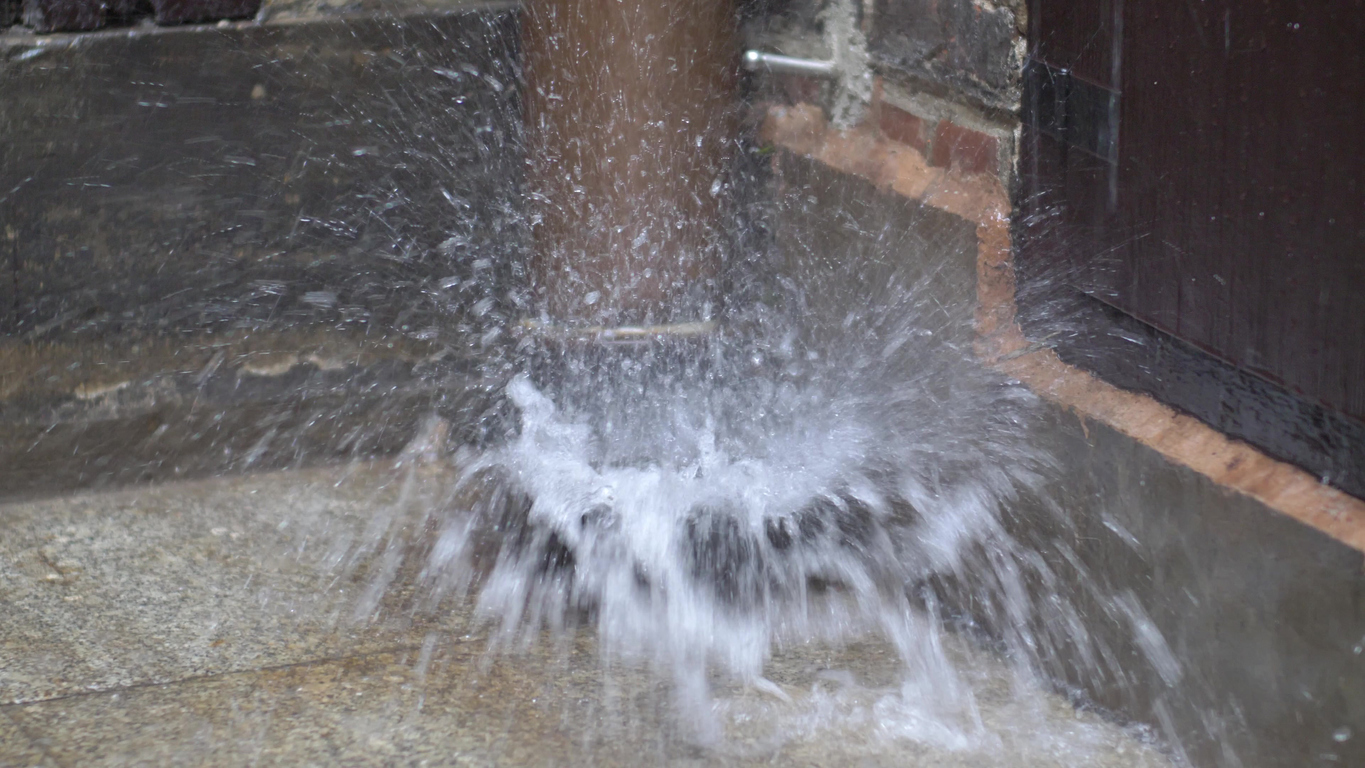
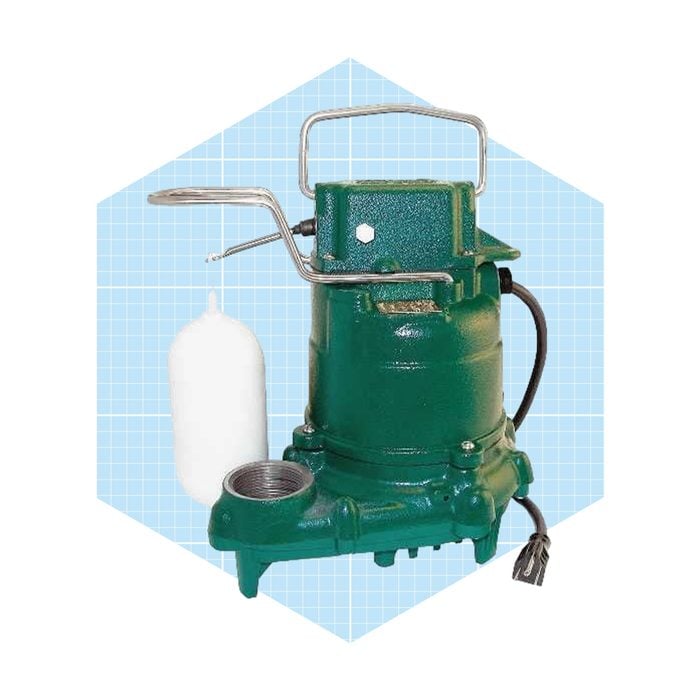
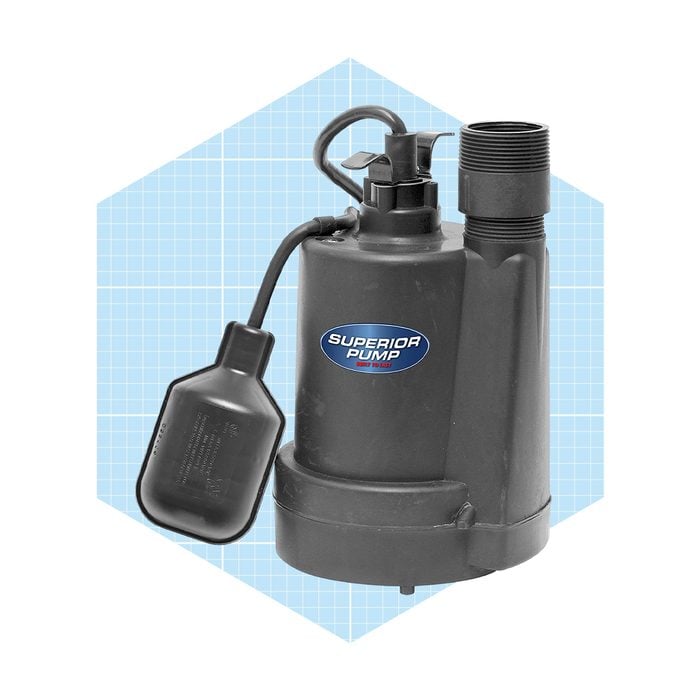
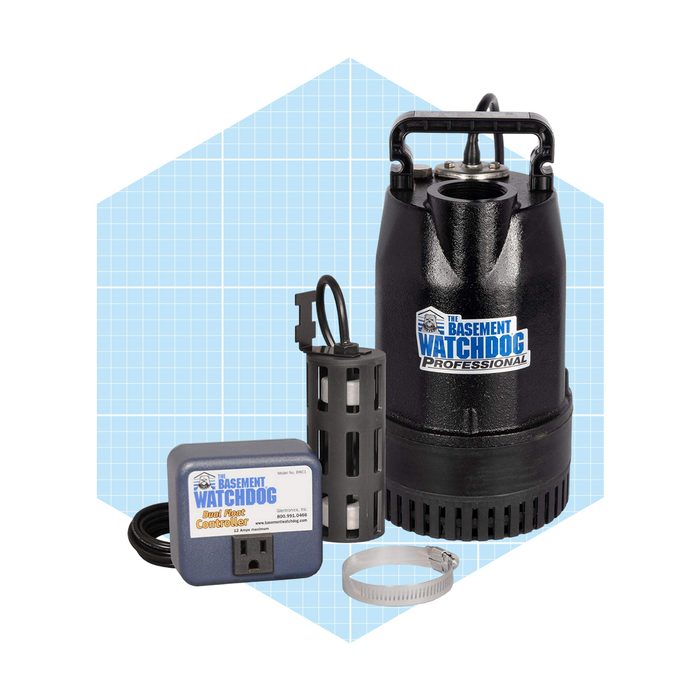
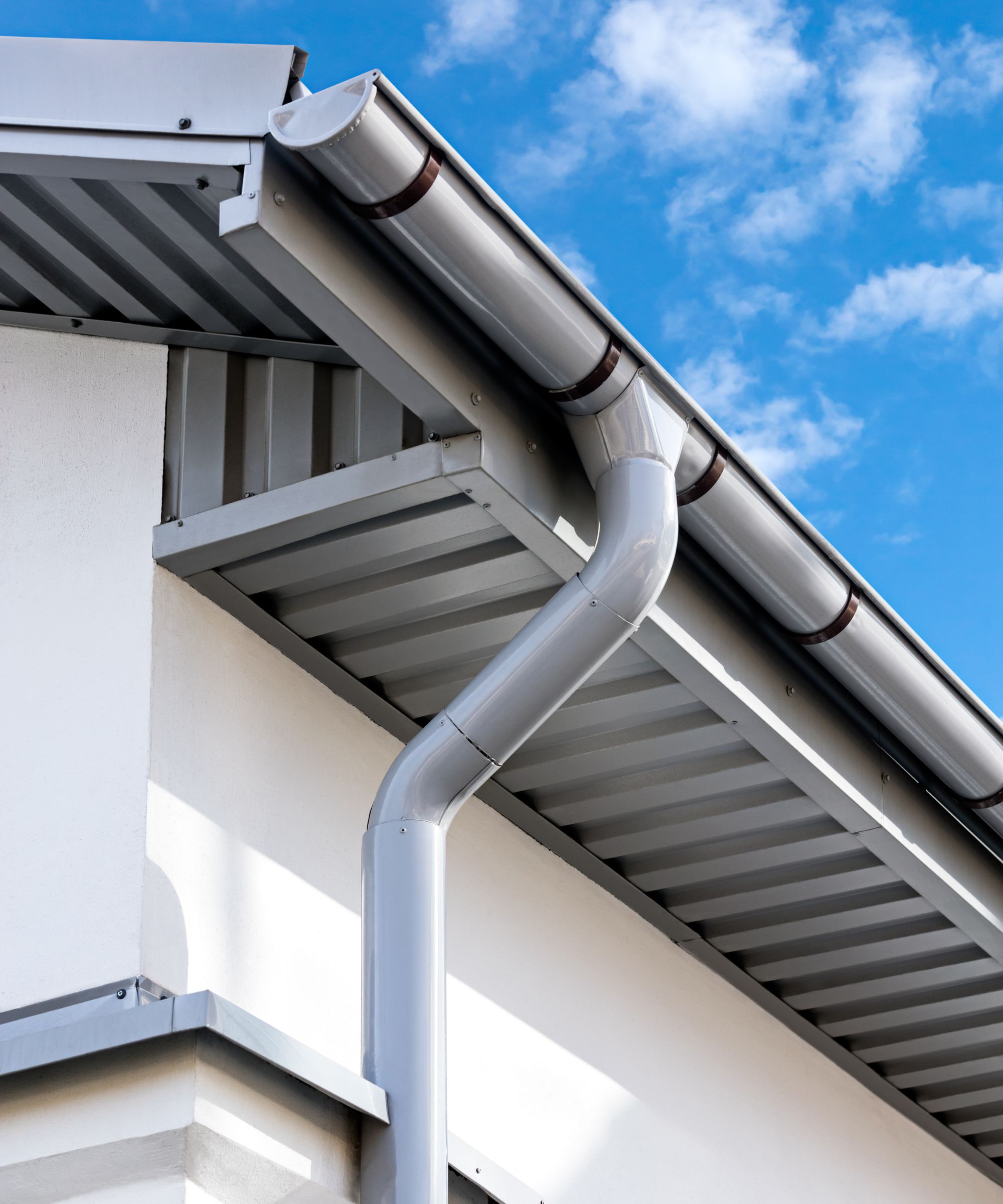
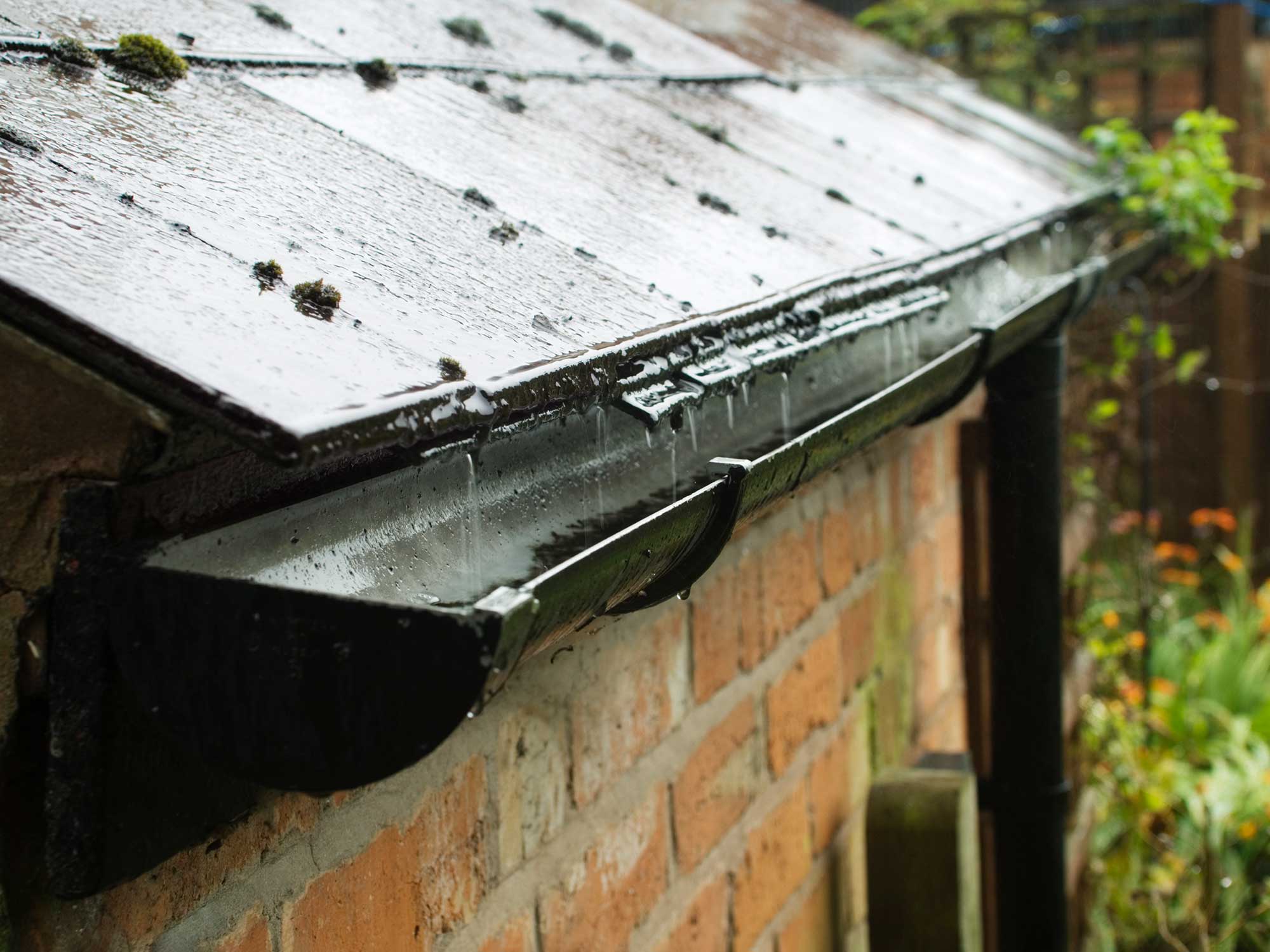
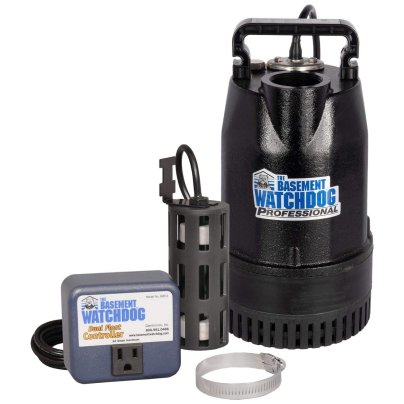
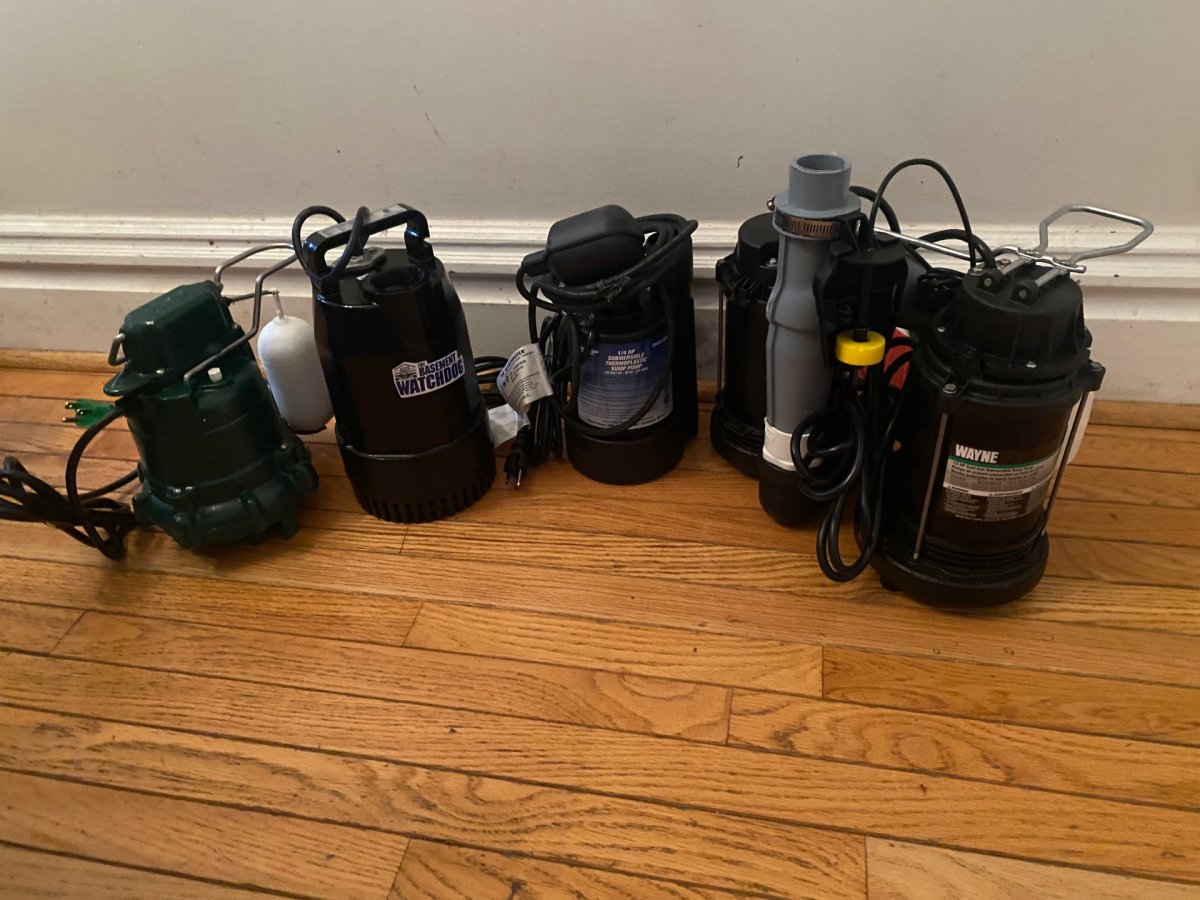
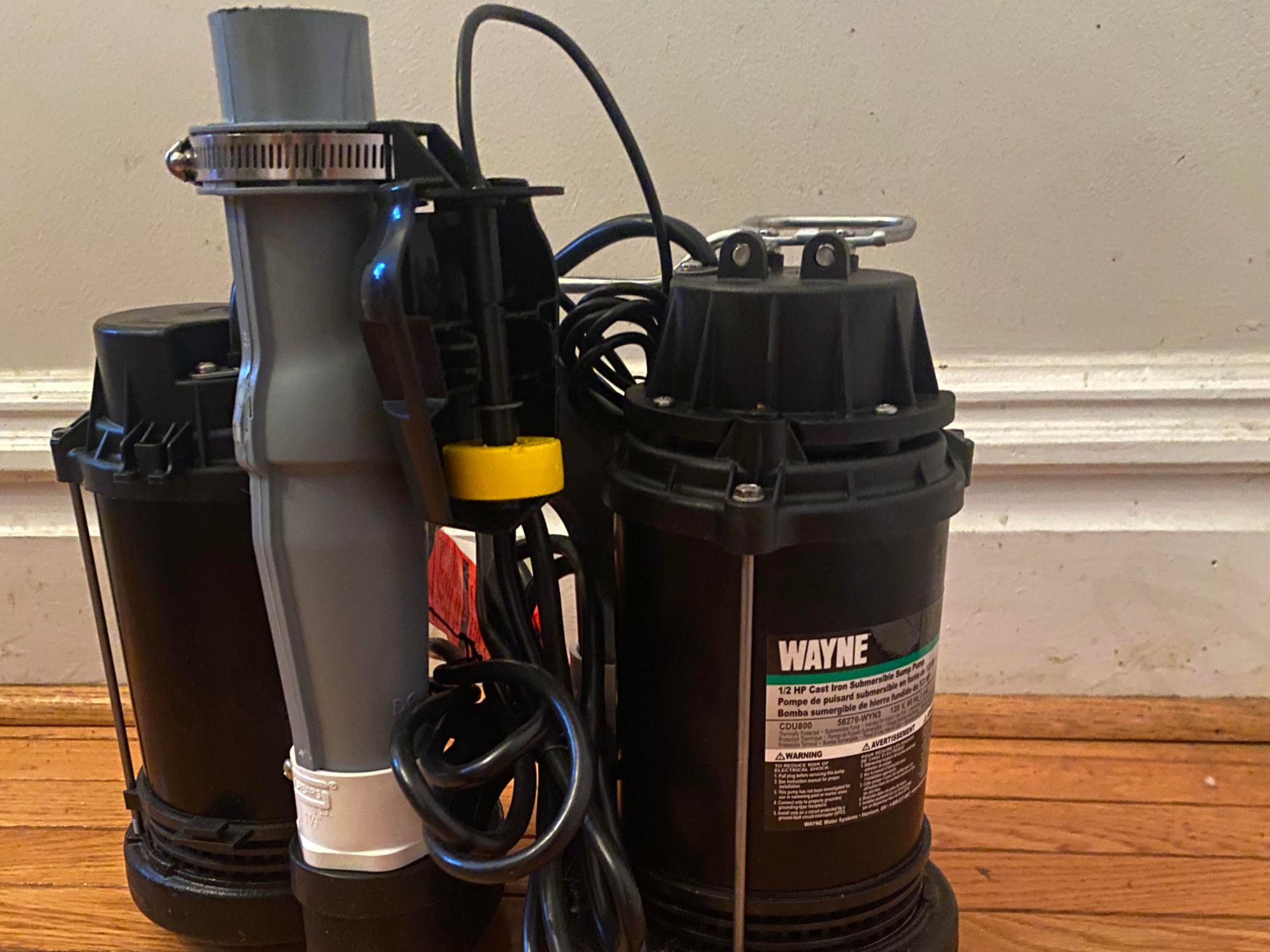
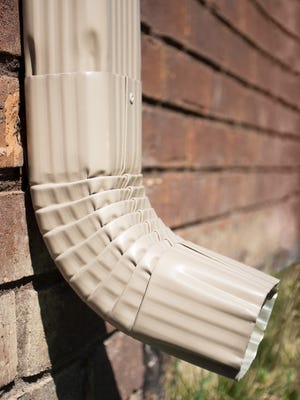
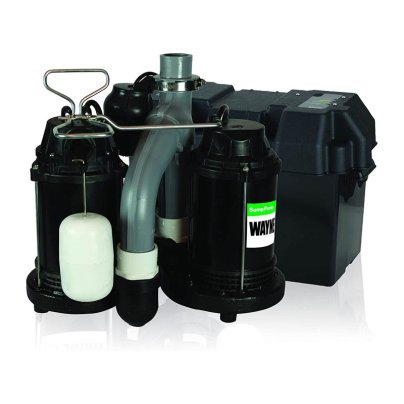
Proper grading and drainage are also vital. Installing a basement drainage system, such as a French drain, around the foundation's base helps manage water runoff. The excavated area is then backfilled with gravel and soil to promote proper drainage. A sump pump installation is highly recommended to collect and pump water away from the property, keeping the basement dry. For interior drainage, digging a trench along the basement floor's edge and installing a drain and sump pump can effectively remove water. Laying 'drain tile' around the exterior and under the concrete floor directs water to the sump. Ensuring that gutters and downspouts divert water away from the foundation and that the surrounding soil slopes away from the house prevents water accumulation and seepage. Incorporating green design elements like eco-friendly waterproofing materials or green roofs and rain gardens can also reduce water runoff sustainably.
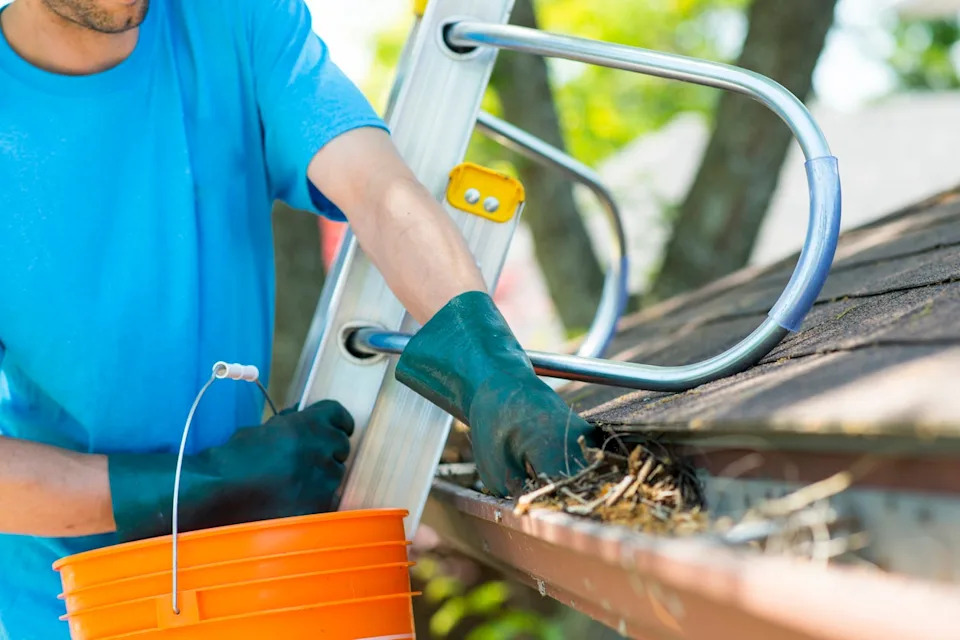
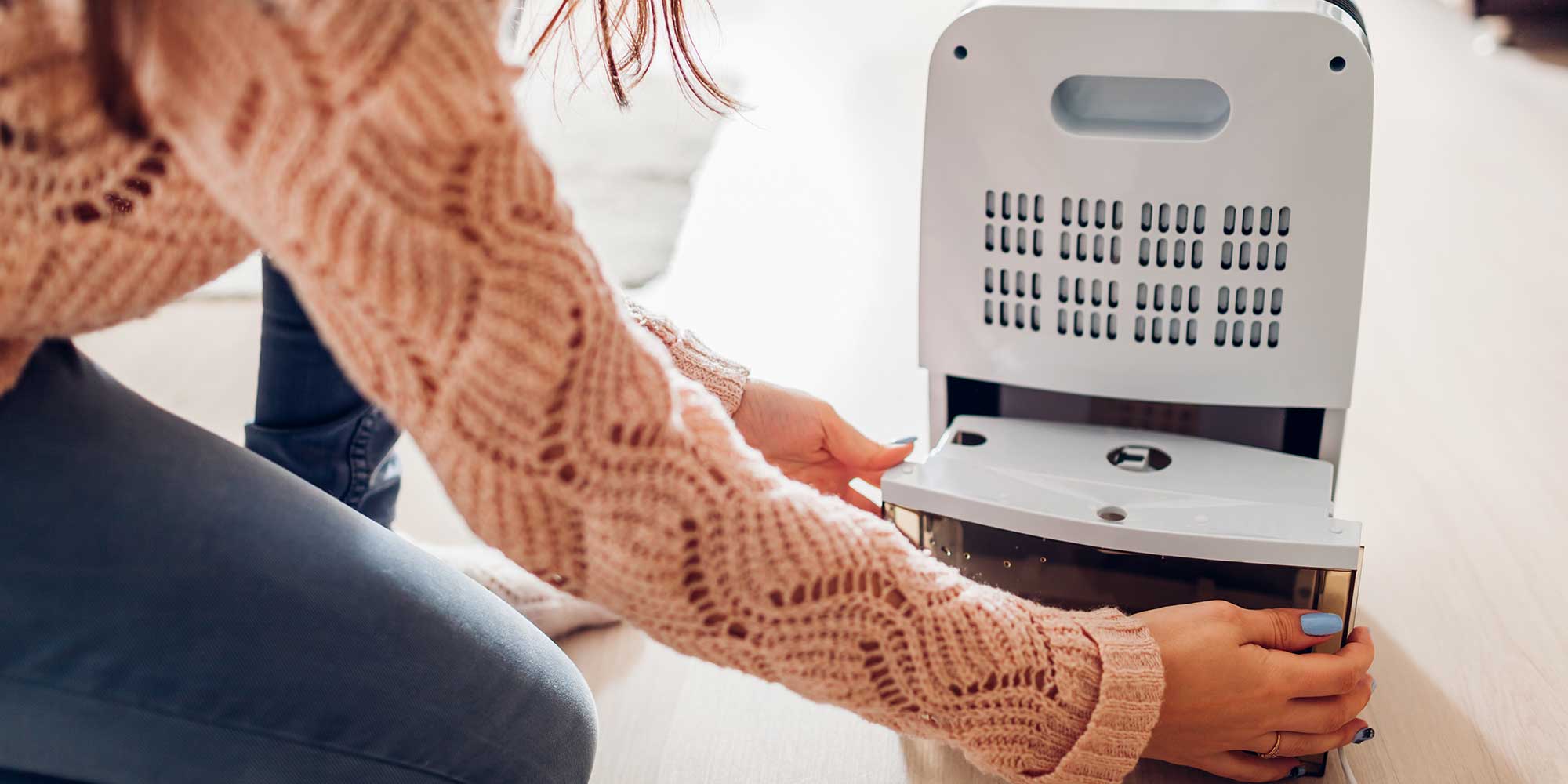
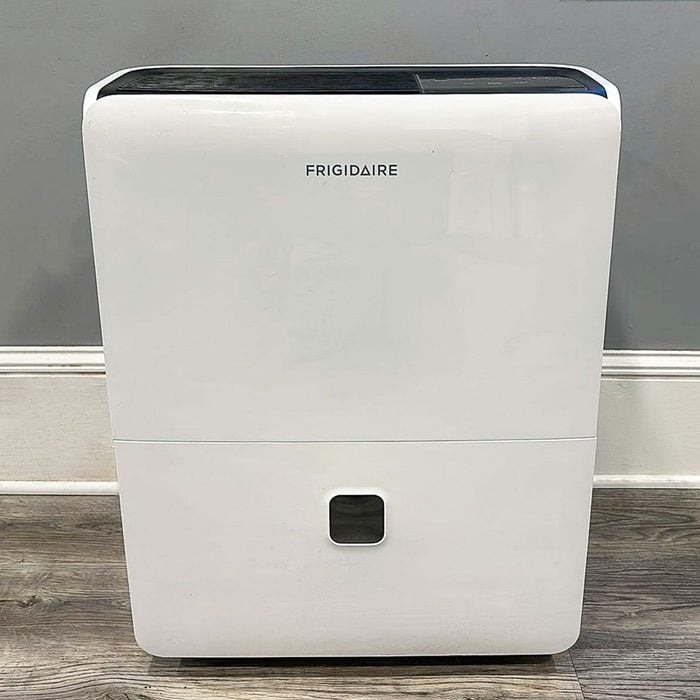
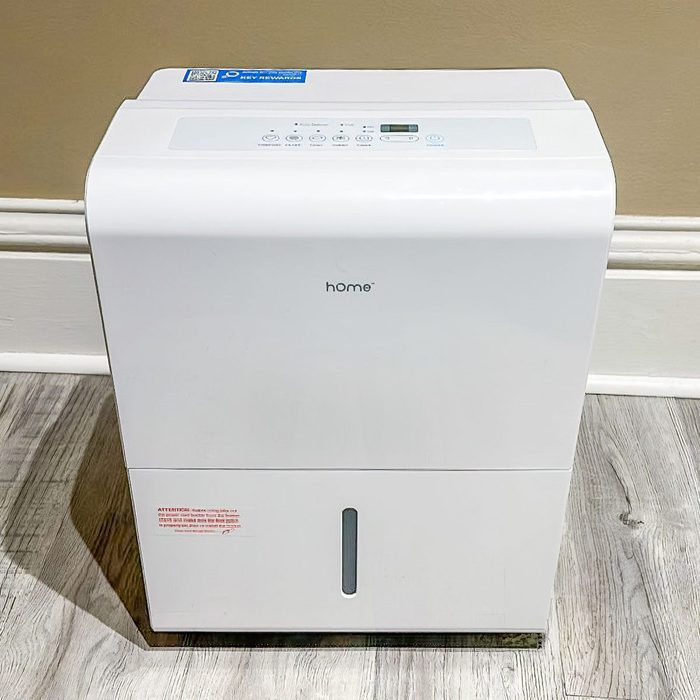
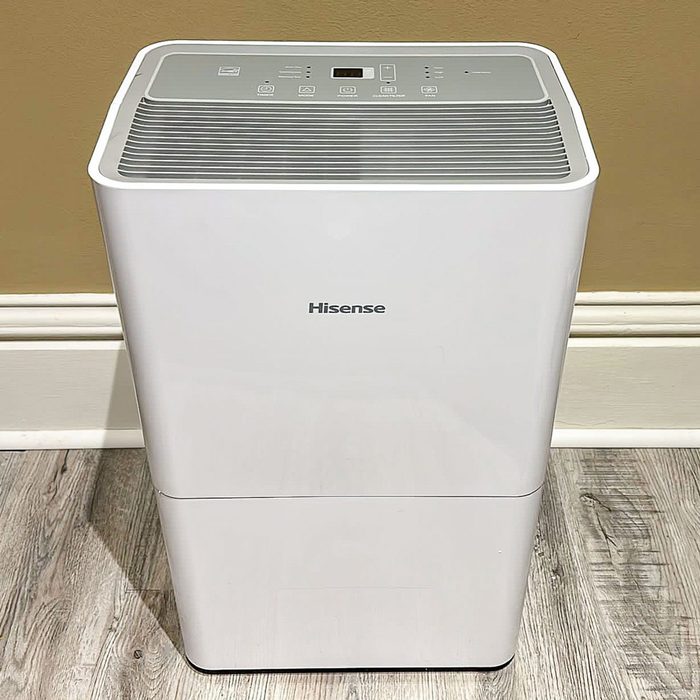
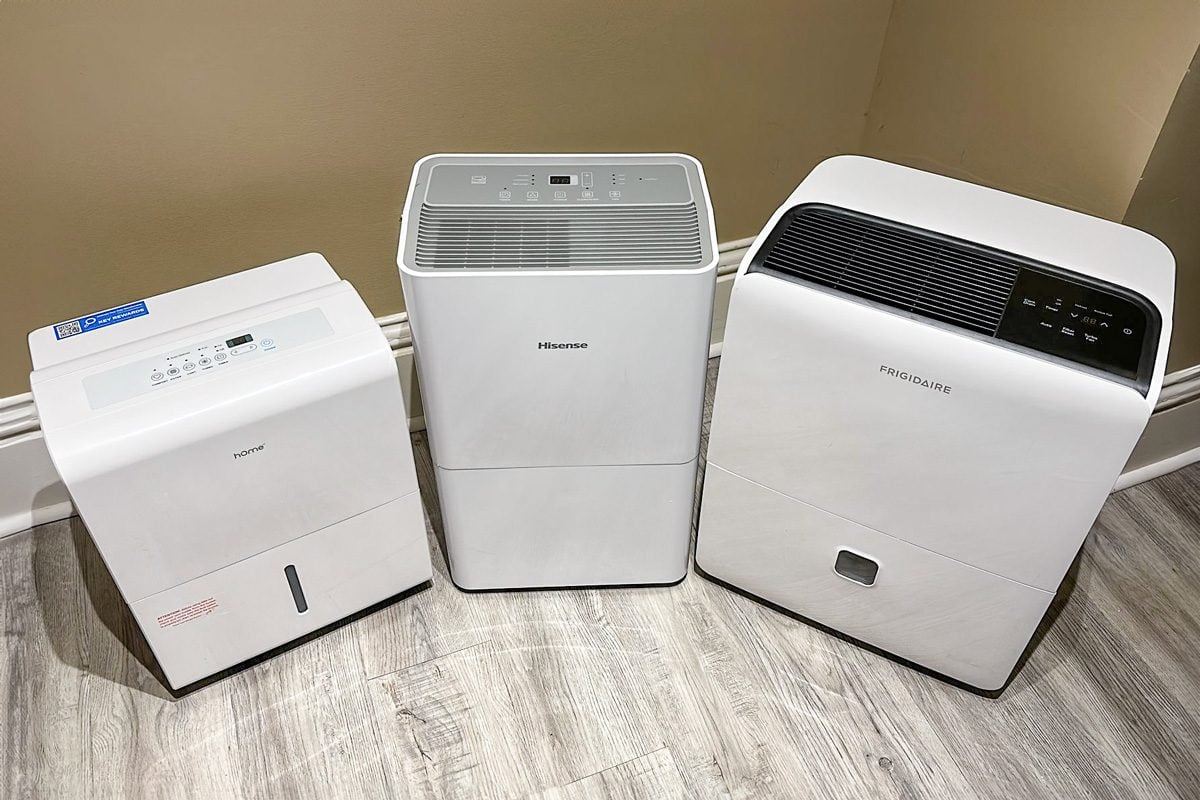
Regular maintenance is the final, ongoing step. This includes routinely checking for new cracks, sealing any gaps or openings, and keeping gutters and downspouts clean to prevent water from pooling near the foundation. Proper ventilation, through windows or dedicated systems, is essential to control moisture and humidity, preventing mold and mildew growth. Using a dehumidifier can further regulate indoor humidity levels. Given the complexity of waterproofing, consulting with a professional expert or contractor is often advisable to tailor methods to specific basement needs and ensure comprehensive protection.
#BasementWaterproofing #HomeMaintenance #WaterDamagePrevention #FoundationRepair #DrainageSystems #MoistureControl #HomeImprovement #DIYHome #BasementWaterproofing #HomeMaintenance #WaterDamagePrevention #FoundationRepair #DrainageSystems #MoistureControl #HomeImprovement #DIYHome
0 comment in total
 No comments yet
You may also like
The 5 Best Basement Sealers to Waterproof Your Space

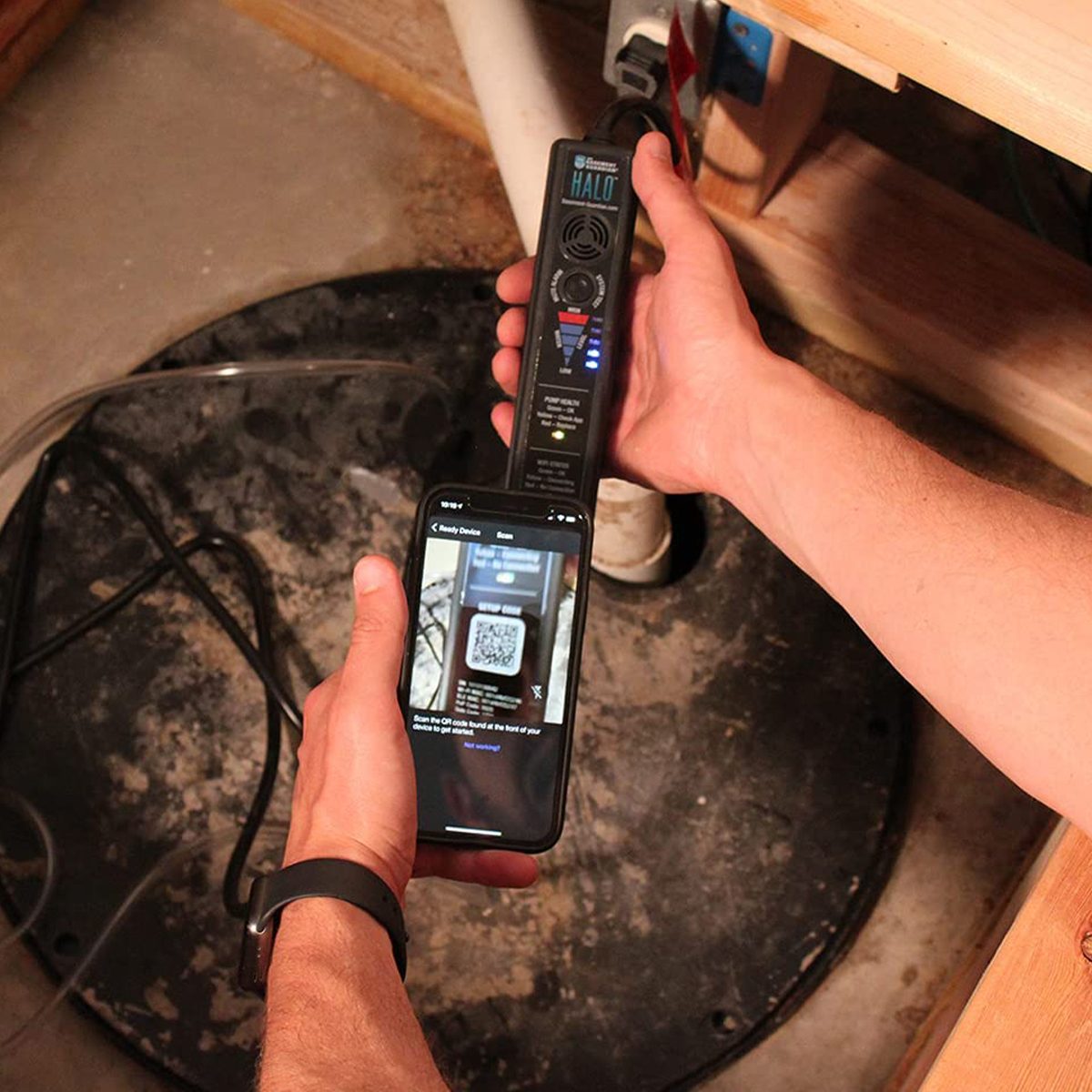
6 Best Sump Pumps to Flood-Proof Your Basement

How to ventilate a basement – expert tips to reduce damp and mold

What to Know Before You Finish Your Basement
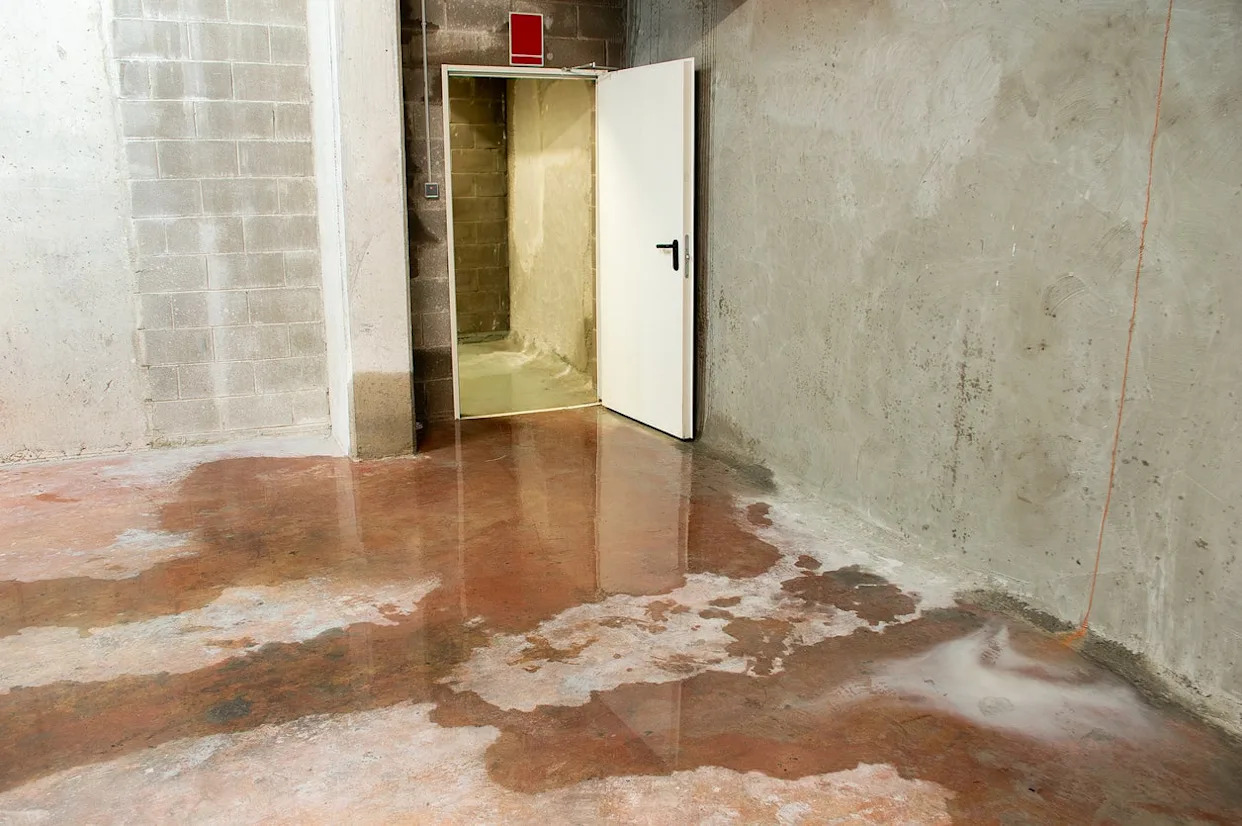
Solved! Here's What to Do About Water Leaking Into the Basement After Heavy Rain

Worried about your basement flooding? Install these temporary measures before heavy rainfall

How much does it cost to waterproof a basement? An expert lays down the figures

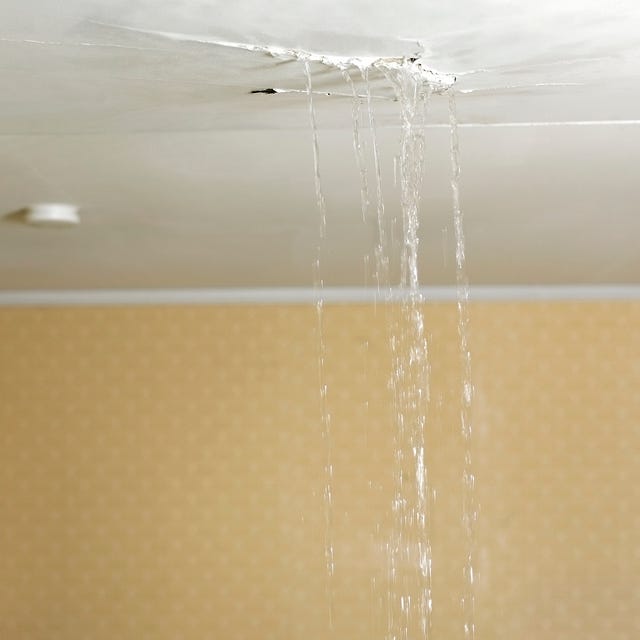
The BEST Ways to Protect Your Home From Water Damage, According to Experts

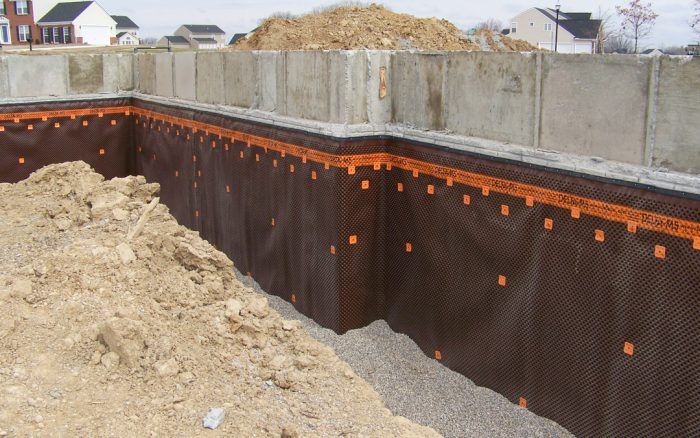
Dampproofing and Waterproofing for Foundation Walls

Kuffa: Simple, inexpensive solutions to a wet basement
The 9 Best Dehumidifiers for Basements to Get Ahead of Moisture Issues
9 basement insulation ideas

Basement Waterproofing and Foundation Repair

Highlander Waterproofing and Foundation Repair - Tribune-Review

5 Best Types of Flooring for Your Basement in 2022
The Best Sump Pumps for Crawl Spaces and Basements, Tested

Solved! Why Is Water Seeping Through My Basement Floor?


How to get rid of damp

8 Basement Flooring Ideas to Elevate Your Subterranean Space
What to Do If Your Basement Floods During a Storm, According to Experts