1/10
Best fly repellent plants – 10 plants to keep pests away
Flies are unwelcome guests both indoors and outdoors, especially during warmer months. Fortunately, nature provides a range of plants that can effectively deter these pests, offering a natural and aesthetically pleasing solution. These fly-repellent plants often boast strong essential oils and natural fragrances that, while appealing to humans, are off-putting to flies, mosquitoes, and wasps. Many of these botanical bug deterrents are also well-known for their medicinal and culinary uses, making them practical additions to any home or garden. They are generally easy to grow, given the right conditions, and can be strategically placed around outdoor living areas, doorways, and windows to create a protective barrier.
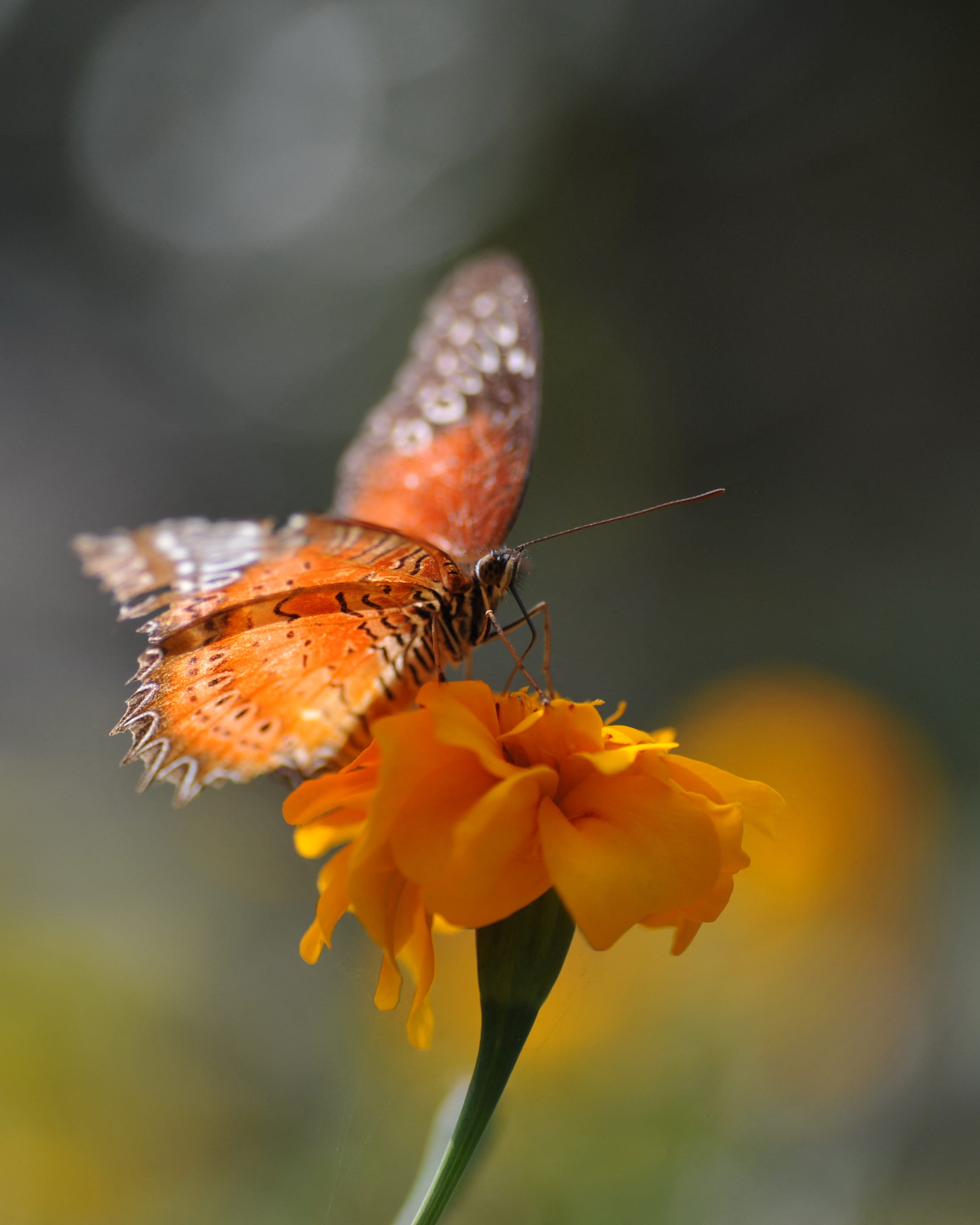
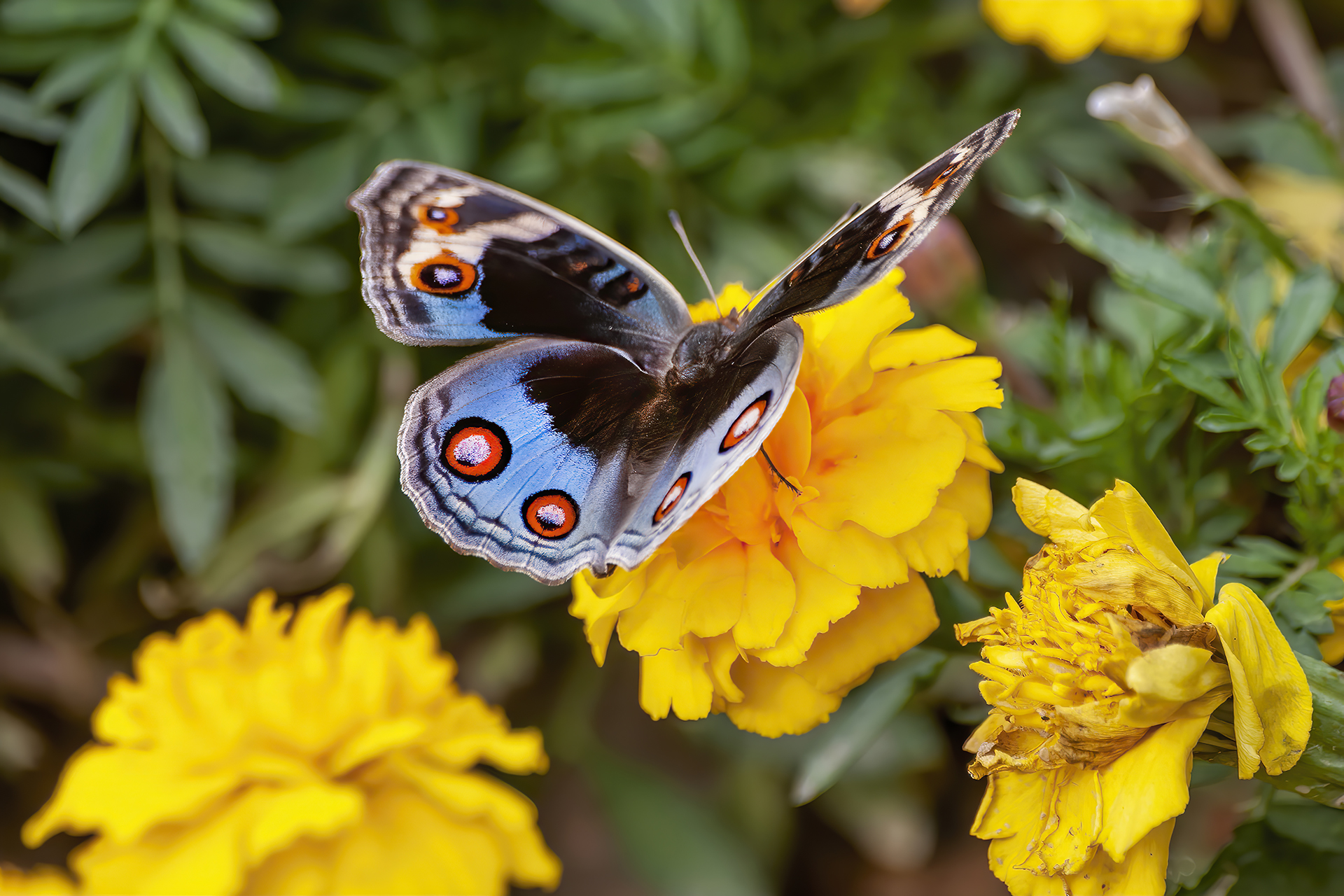
Nasturtiums, with their vibrant, edible blooms, are effective fly repellents due to high concentrations of myristicin and limonene. Flies find their sharp, bitter scent intolerable. These plants are easy to grow in pots, planters, and window boxes, readily self-seeding for continuous growth. Marigolds, both French and American varieties, possess a strong spicy scent from their deep, aggressive roots, which emit an odor that deters flies. These tender annuals thrive in sunny conditions and can be grown from seed, with regular deadheading prolonging their flowering and repellent capabilities. Petunias, though the exact mechanism is debated, are believed to deter insects with their hairy and sticky stems and leaves. These sun-loving annuals are popular for hanging baskets and containers, blooming from June to October but perishing with frost.
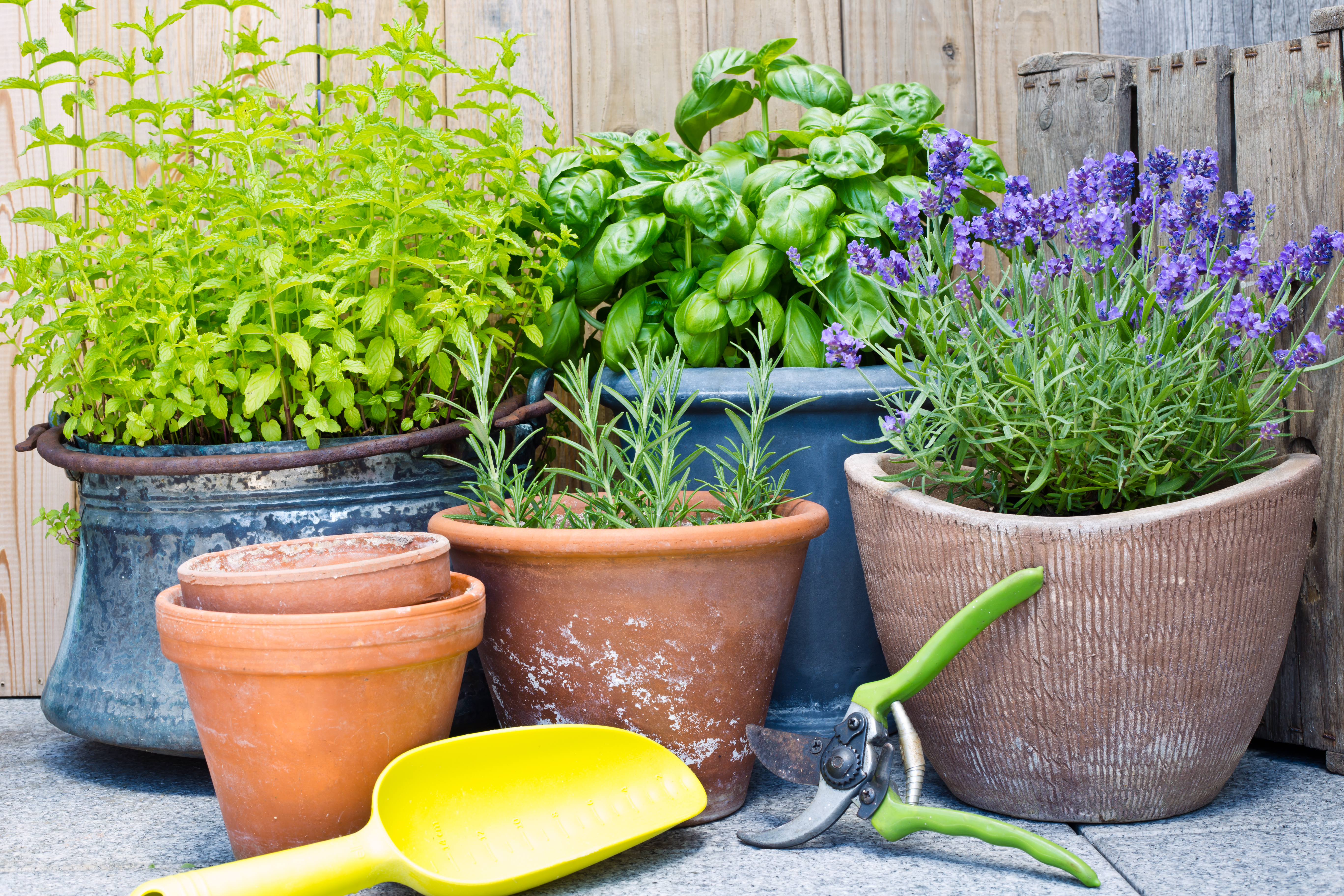
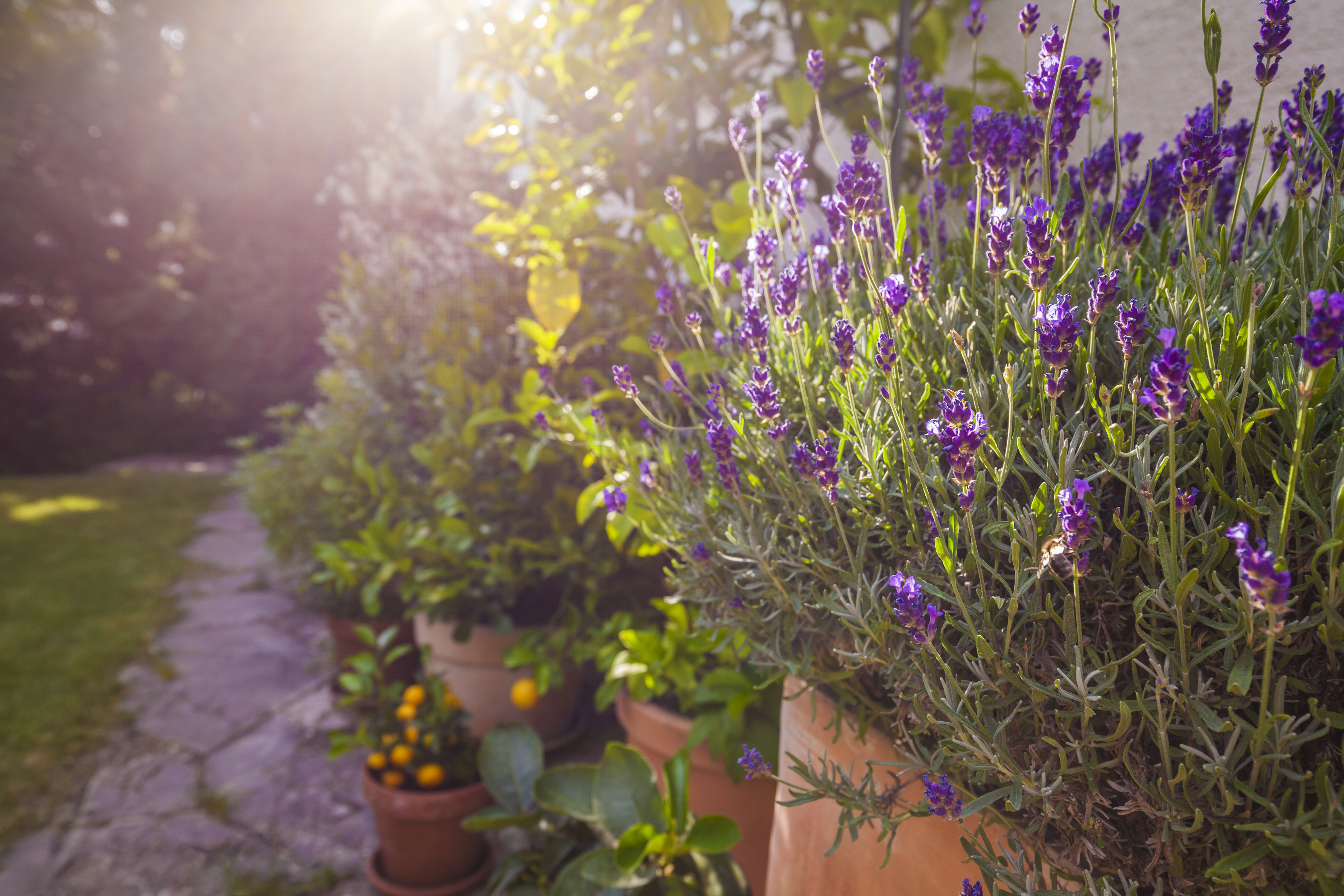
Lavender is highly effective against flies, fleas, and mosquitoes due to the linalool in its natural oil, which overloads insects' olfactory organs. Various species offer different hardiness levels, making them suitable for diverse climates. Lavender can be grown in borders or containers, and harvesting flowers when they just open maximizes their bug-repelling properties. Rosemary, a distinctive culinary herb from the Mediterranean, is also tough and excellent at keeping flies away with its woody scent. It thrives in full sun and well-draining soil, attracting bees with its tiny purple flowers.
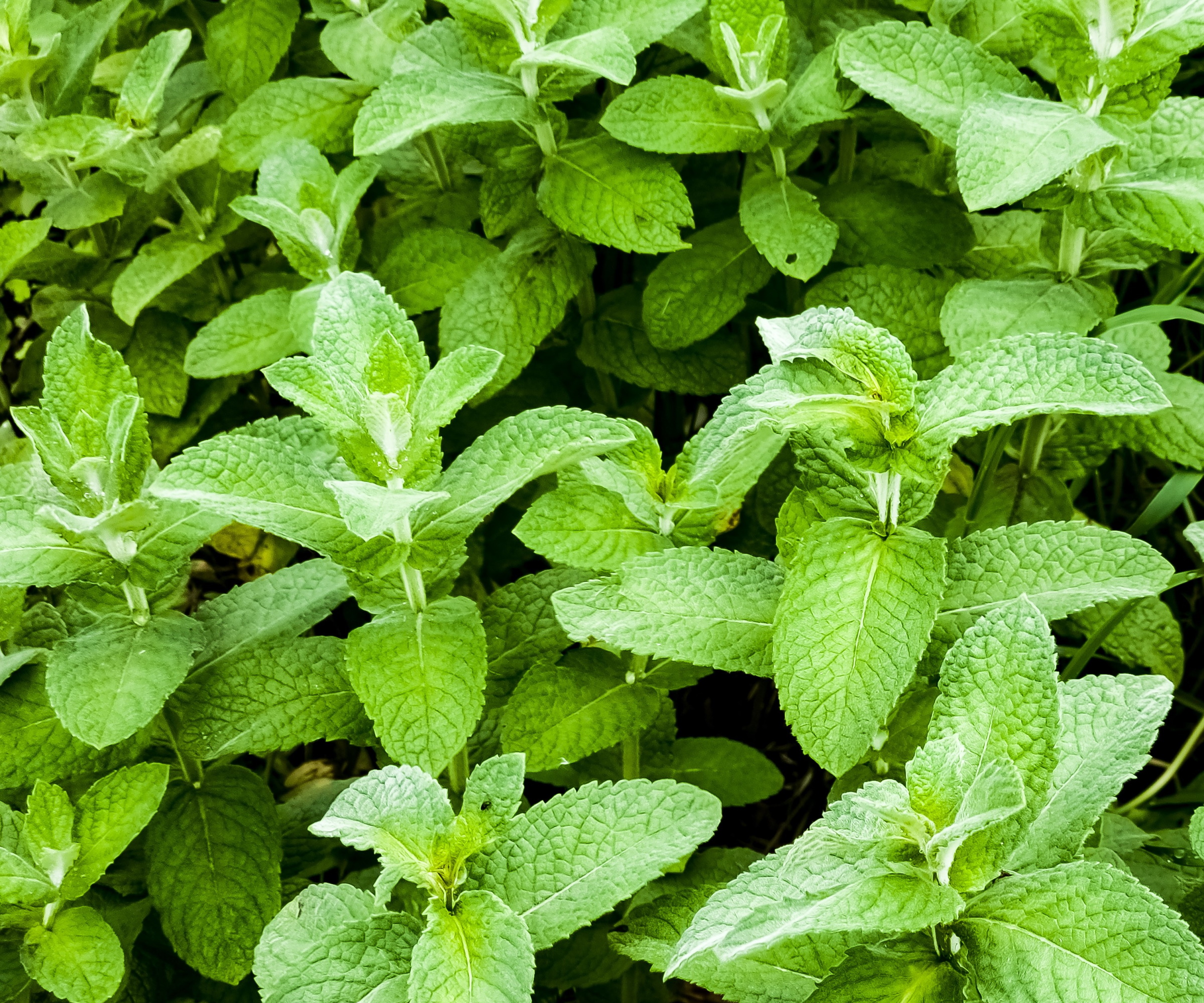
Basil, a tender annual, has a strong scent that humans enjoy but insects dislike. It requires consistent heat and careful watering to prevent rotting. Pinching off flowering stems can prolong its life and maintain its flavor. Mint, particularly peppermint and spearmint, is adored by humans but reviled by flies and wasps, making it a powerful repellent. It grows vigorously, so it's often best contained in pots to prevent it from taking over a garden. Garlic, along with onions and alliums, contains sulfonic acid, which produces a strong smell that deters flies. Beyond its culinary uses, garlic's attractive flowers, or scapes, can also be consumed.
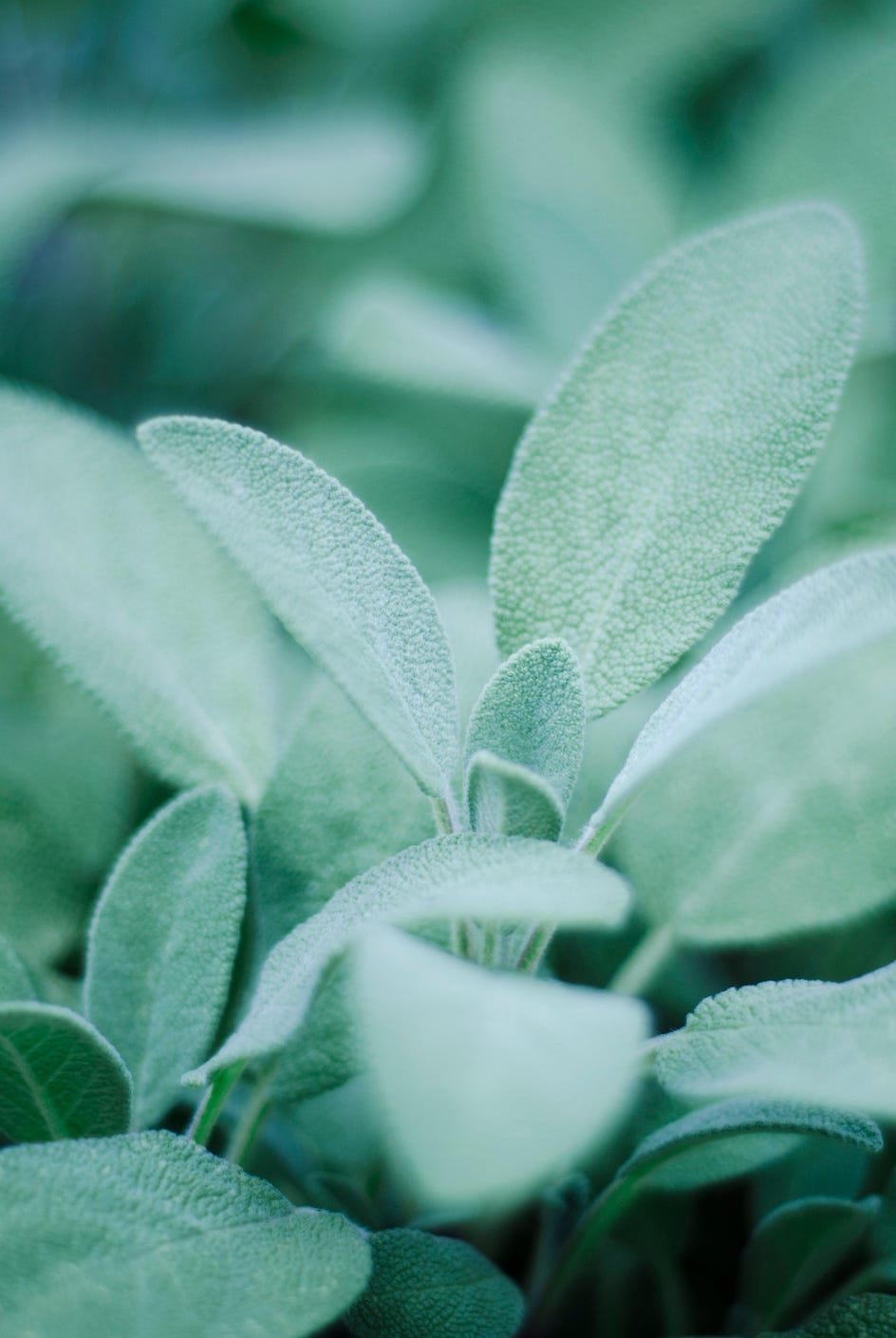
Common sage, an upright perennial, serves dual purposes as a culinary herb and an insect repellent. Its musky scent is most potent when leaves are crushed, and stems can be tossed onto a grill or fire pit to release oils, creating a natural deterrent. Lemon balm, a member of the mint family, is highly effective due to the citronellal in its leaves, which gives it a strong citrus scent. It’s ideal for kitchen windows or near back doors to create a fly-free zone. However, its prolific growth necessitates containment in pots to prevent it from spreading excessively. In addition to these repellent plants, some carnivorous plants, like Sarracenia (Pitcher Plant) and Venus flytraps, actively trap and digest flies, offering another natural method of pest control.
#FlyRepellentPlants #NaturalPestControl #GardeningTips #HerbGardenIdeas #OutdoorLiving #HomeGardens #PlantCare #FragrantPlants #FlyRepellentPlants #NaturalPestControl #GardeningTips #HerbGardenIdeas #OutdoorLiving #HomeGardens #PlantCare #FragrantPlants
0 comment in total
 No comments yet
You may also like
Best wasp repellent plants – 10 plants to naturally deter these insects from your yard
Best plants to cover a fence – 10 ways to disguise a fence with beautiful flowers and foliage
Turn Your Garden Into a Butterfly Oasis with These Plants
How To Get Rid of Stink Bugs in Your Home for Good

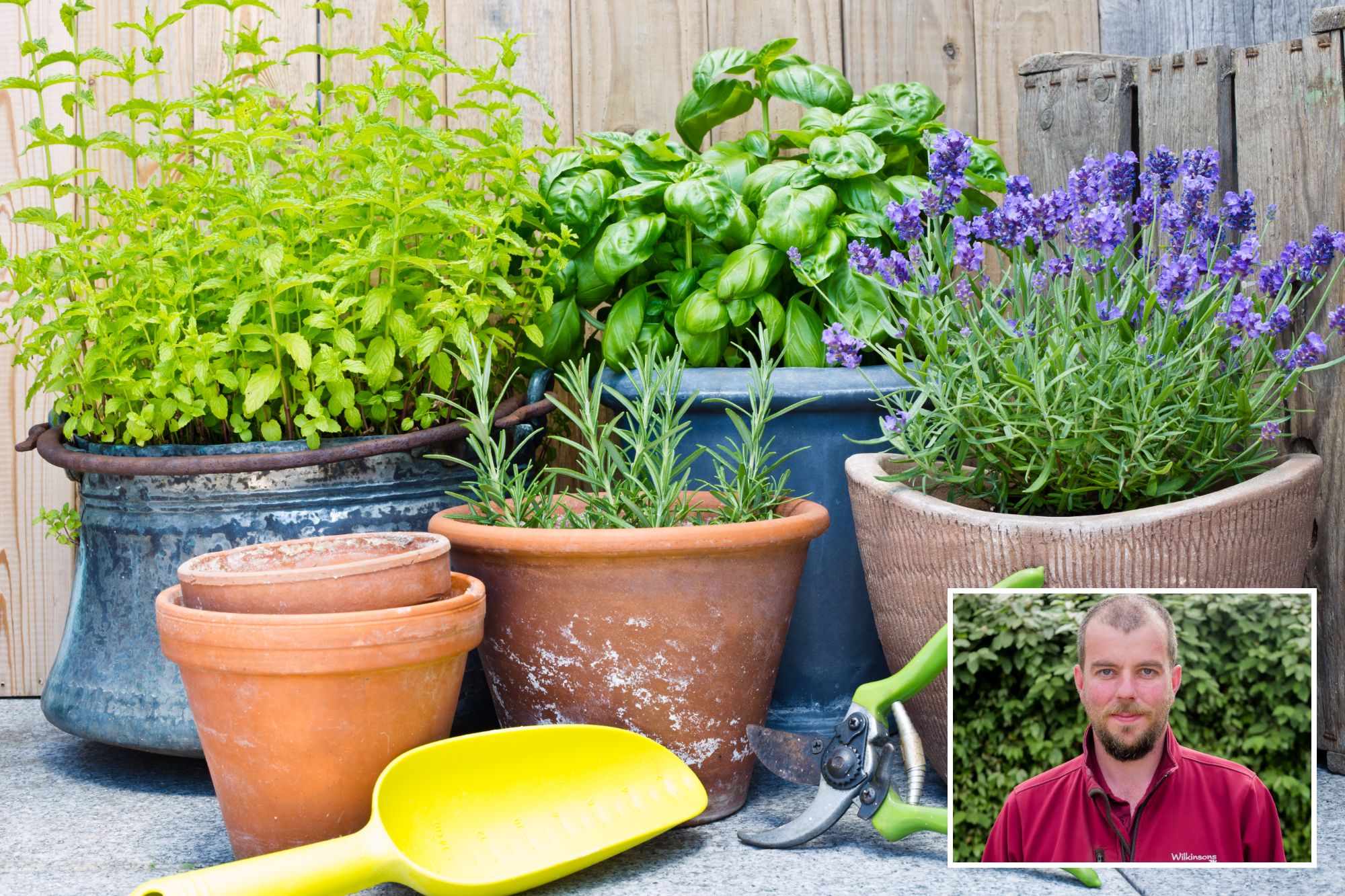
I'm a landscaping expert advice - here's the five plants you NEED to keep pesky insects away this summer


How to get rid of cluster flies – simple expert-approved methods to banish these pests
We Asked an Entomologist If Pennies in Water Could Keep Flies Away—And Her Answer Surprised Us

10 Climbing Plants That Will Cover Fences In A Flash
We Found the Best Plants for Keeping Deer Out of Your Garden All Year

10 Easy Ways to Keep Cluster Flies Out of Your House for Good This Fall
10 Must-Have Indoor Plants To Liven Up Your Entryway

Attract Bees To Your Garden With These Vibrant Flowers
18 Plants That Will Naturally Keep Your Garden Bug-Free This Summer


Best tall indoor plants – 10 statement plants, chosen by houseplant experts
The Beautiful Purple Flower That Deer Will Avoid If You Plant It In Your Yard
5 Easy Tricks to Keep Bugs Off Your Patio All Summer, According to Pest Pros
22 Beautiful, Bee-Friendly Flowers That'll Turn Your Garden Into a Pollinator Paradise

The best 5 ways to repel mice from a house — pest pros swear by these tips

12 Toxic Flowers to Avoid in Your Garden
8 Home Design Fixes That Keep Pests Out and Look Great