1/3
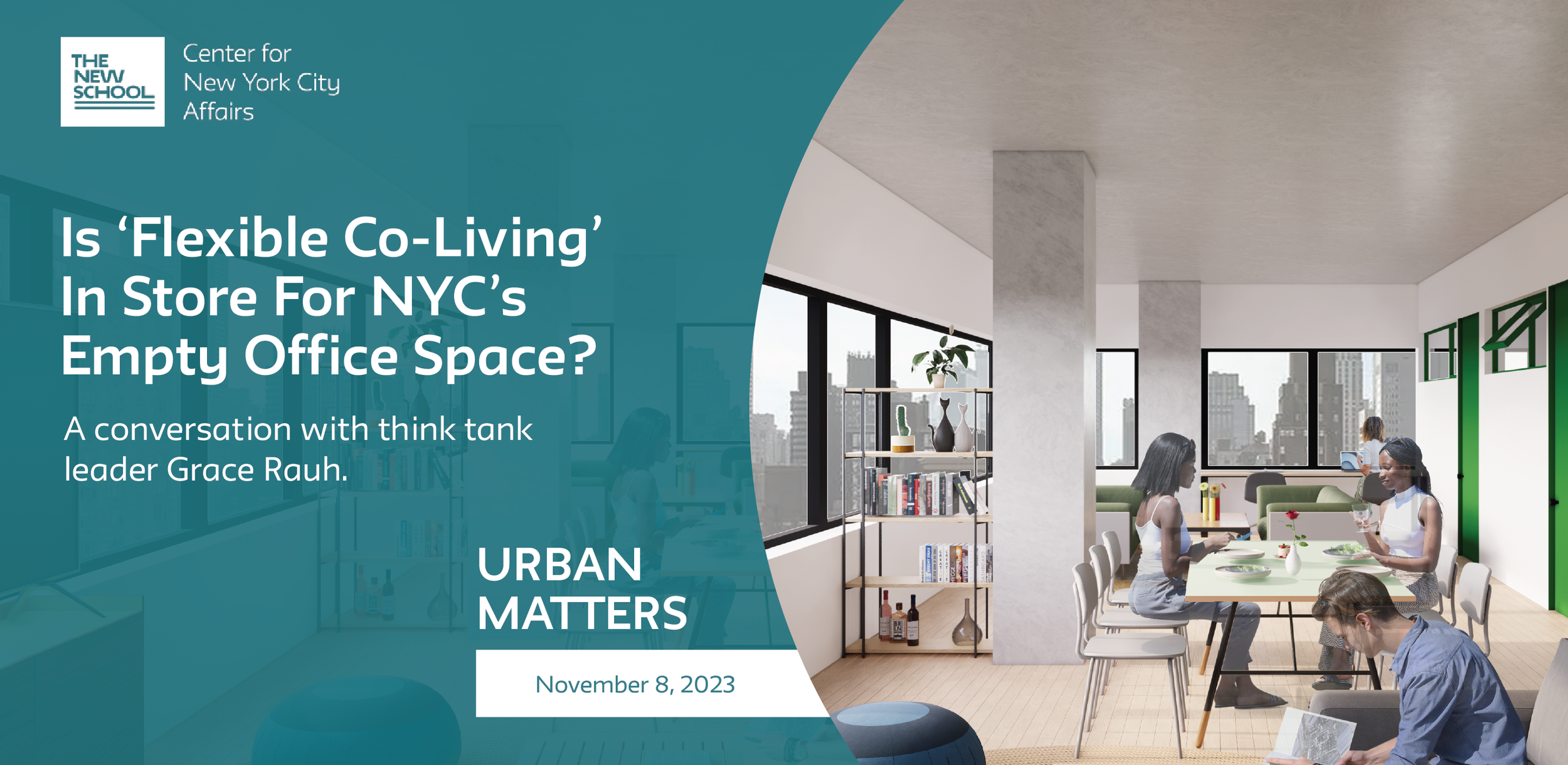
Is ‘Flexible Co-Living’ in Store For NYC’s Empty Office Space?
New York City faces a severe housing shortage and affordability crisis, with record-high apartment rents persisting even as a significant portion of office space remains vacant due to the aftermath of Covid-19. Estimates suggest nearly 20 percent of the city’s office stock is empty, threatening economic value and vitality in affected neighborhoods. The 5BORO Institute proposes "flexible co-living" as a potential solution to convert this underutilized office space into affordable housing.
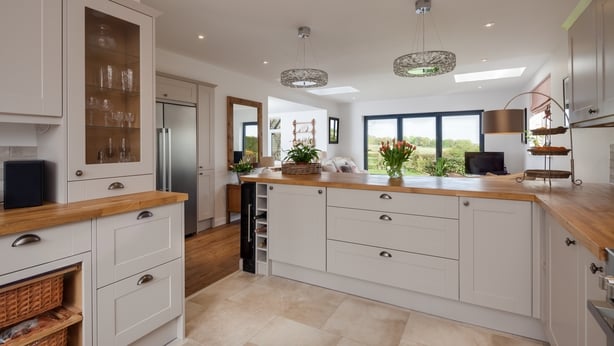
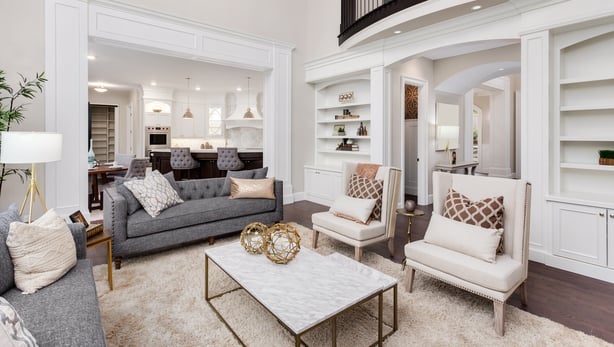
Flexible co-living is a novel housing model designed to mitigate barriers to housing development, making office-to-residential conversions more accessible, quicker, and significantly more affordable. This model allows residents to rent individual bedrooms while sharing common facilities such as kitchens, living rooms, and bathrooms. This approach can potentially double the number of residential units compared to traditional apartment conversions from office buildings. A key benefit is the projected lower rental costs for co-living units compared to studios or one-bedroom apartments.
The conversion of office space to residential use presents considerable design and cost challenges due to fundamental differences in building layouts, configurations, and regulatory requirements. Office buildings typically feature deeper footprints and more interior space than residential structures, making compliance with current housing codes, such as the strict requirement for exterior windows in all primary rooms, particularly difficult and expensive. New York City’s regulations contribute to conversion projects costing billions of dollars, often resulting in luxury-priced units. In contrast, cities like Philadelphia and Washington, D.C., have more flexible window standards, leading to a higher rate of successful office-to-residential conversions. The 5BORO Institute advocates for New York to adopt similar flexible window standards, including allowing interior windows that borrow natural light from adjacent rooms with exterior windows.
Regarding affordability, an analysis by the Furman Center at New York University indicates that the break-even rent for small housing units with shared facilities would be 40 percent lower than for a small studio apartment. Nationwide, co-living arrangements offer an average 30 percent discount to renters compared to traditional apartments, with further affordability achievable through government subsidies. Flexible co-living aligns with Mayor Eric Adams’s "City of Yes" housing rezoning plan, which aims to update zoning regulations to facilitate more housing development, including office-to-residential conversions. However, the 5BORO Institute suggests additional regulatory adjustments are needed to fully support the co-living model, particularly concerning communal spaces. They recommend piloting this housing model to gather data, assess market demand, and refine approaches to maximize affordability.
While concerns about noise, privacy, and shared living conflicts are common, existing co-living operators address these through active management, cleaning services, and community engagement. The model is not one-size-fits-all; the 5BORO Institute’s report outlines two styles: a dorm-like setup and a suite-style layout with shared three- to six-bedroom apartments. The increasing popularity of co-living, with an 80-fold increase in units nationwide between 2014 and 2020, demonstrates growing demand. This housing type could appeal to the 40 percent of adult renters in NYC currently living with roommates, potentially freeing up multi-bedroom apartments for families who need them. Flexible co-living represents an innovative and bold approach to address New York City’s housing crisis, offering a win-win solution for residents and the city’s economy by revitalizing underutilized office districts.
#FlexibleCoLiving #HousingCrisis #OfficeToResidentialConversion #NewYorkCityHousing #AffordableHousing #UrbanDevelopment #RealEstateInnovation #5BOROInstitute #CityOfYes #FlexibleCoLiving #HousingCrisis #OfficeToResidentialConversion #NewYorkCityHousing #AffordableHousing #UrbanDevelopment #RealEstateInnovation #5BOROInstitute #CityOfYes
0 comment in total
 No comments yet
You may also like

Design-conscious co-working spaces around the world

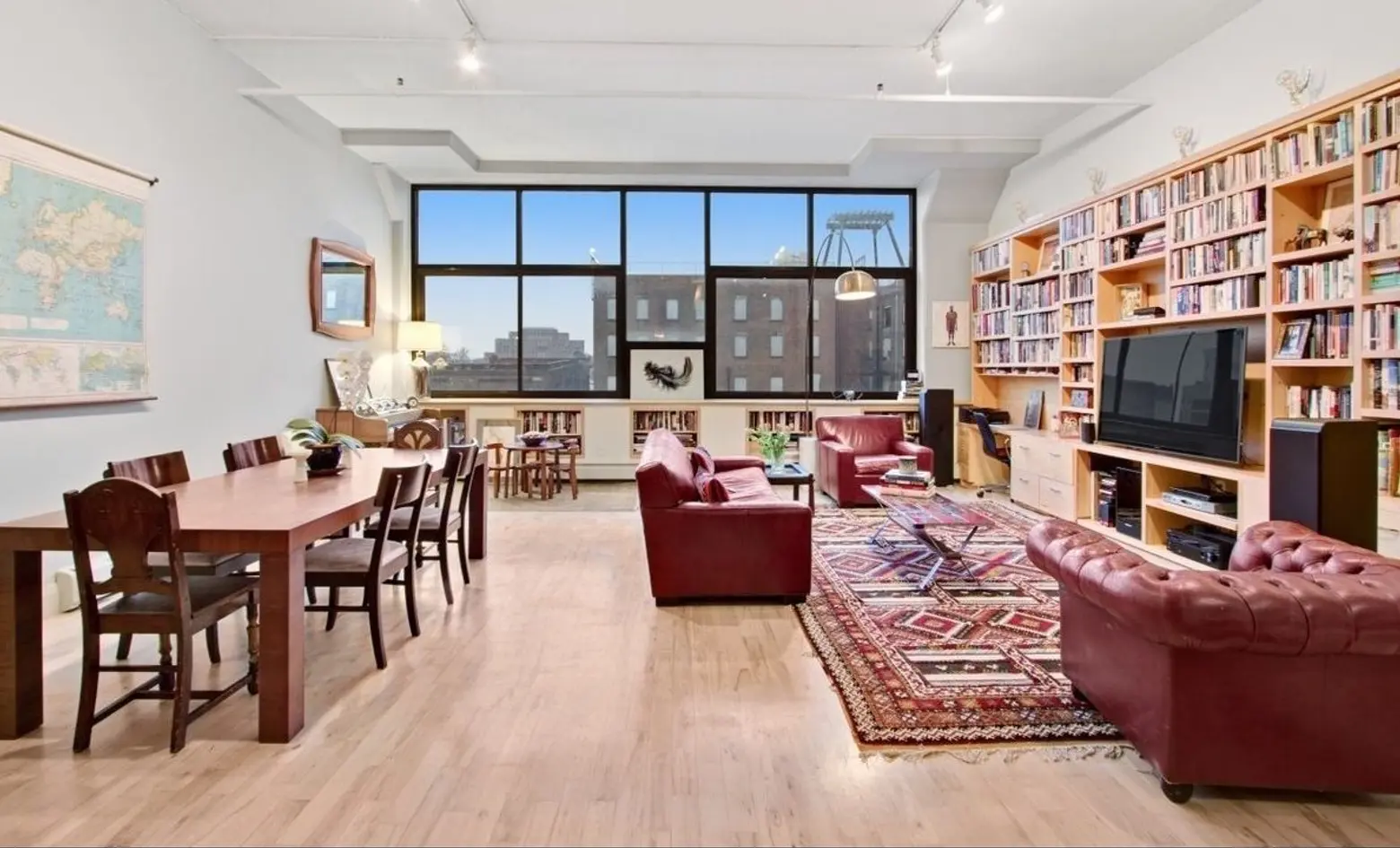
12-foot ceilings and a wall of windows at this $1.049M Prospect Heights apartment

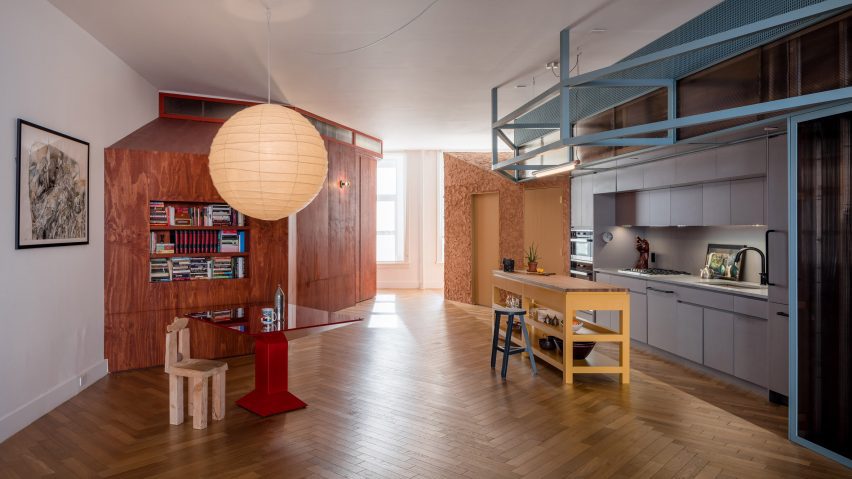
Ten New York City loft interiors that make innovative use of open space

Micro Apartments Are the Future of Urban Living

Open plan living: The new normal or passing trend?


This New York Apartment With All-White Interiors Presses Reset on City Living Circa 2025

Hate open floor office spaces? There’s a better way.

I'm a reporter who's going to be working from my Brooklyn apartment for at least the next 6 months. Here's exactly how I rearranged my bedroom to make it work as an office.

Planning the office space of the future

Three things to know about managing a building with flex space


5 Ways To Make Your Home Office Feel Like A Chic NYC Loft


7 Next-Level Lofts in New York City

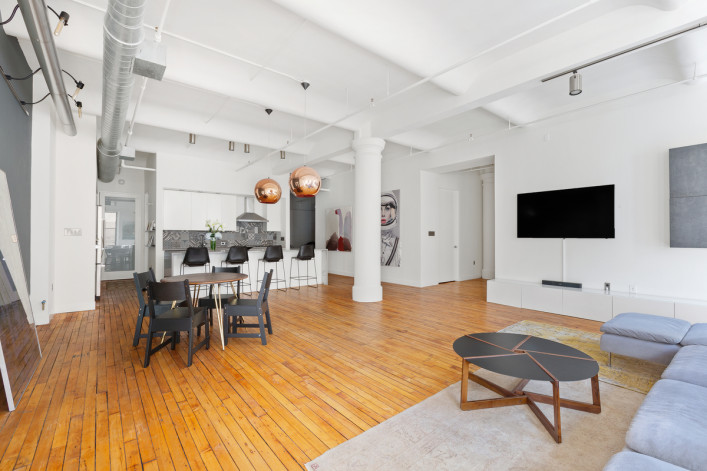
Are open floor plans still in demand for NYC buyers?

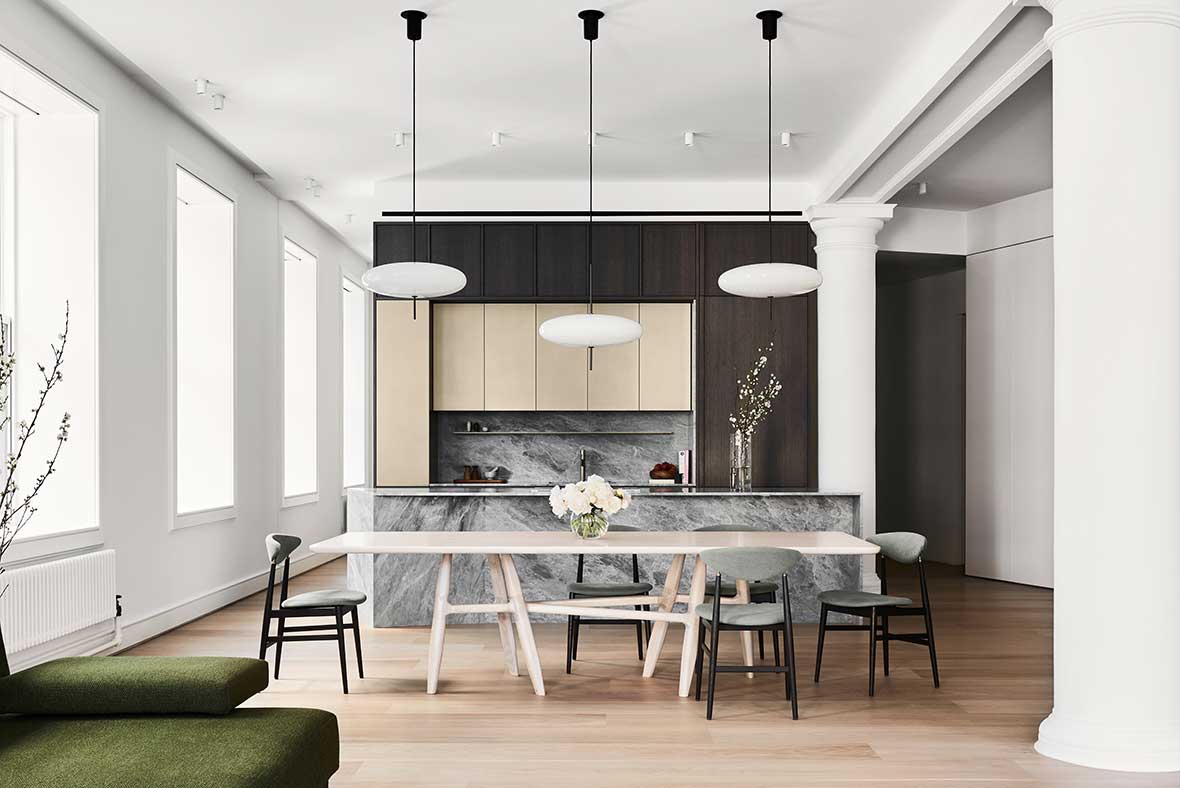
Worrell Yeung + Colony Pair up to Transform Historic New York City Loft
Flexible live/work space next to a Toronto cemetery asks for 2.5m CAD
We need more flexible housing for 21st-century lives


Will The Pandemic Be The Death Of The Open Floor Plan?

Apartment Profile: Brush Factory Lofts

Open floor plans and home offices: How to make it work

Is the open floor plan really dead?